Search Studio Ghibli Japan and the results split into two piles. One pile explains the studio. The other lists places. Almost nobody joins them, so the trip most readers want stays unbuilt. This piece joins them. First comes the studio, then the two ticketed sites, and last the forests and harbors the films were drawn from.
The films reward a slow kind of attention. Long pauses. Rain on a bus shelter. A kettle left to boil while nothing much happens. If you plan the trip as a list of photos, that mood never arrives. So the better plan treats the museum and the park as anchors and gives the days between them to walking. Because both sites sell on fixed release dates, you build the calendar backwards. For the wider cluster, start with the Anime in Japan hub, then come back here for one studio and its two public sites.
What is the difference between Ghibli Park and the Ghibli Museum?
The Ghibli Museum sits in Mitaka, on Tokyo’s western edge. It is a small building about how the films are made. Ghibli Park is a large open site near Nagoya, set inside an existing park, where you walk through recreated settings. They are different days out, with two separate bookings on two different release clocks.
What Is Studio Ghibli Japan? The Studio Behind the Films
Studio Ghibli is a Tokyo animation studio, founded in Kichijoji in 1985 and always small next to its reach. Its own purpose-built home, in Koganei, opened in 1992. For a traveler, Studio Ghibli Japan means two public sites, the museum in Mitaka and the park in Aichi. It also means the real forests, streets and harbors the films were drawn from.
That geography explains a lot. The animators lived and worked in this green suburban belt. As a result, the streets, hedges and overhead cables in the films are local rather than invented. The awards trail is short. Spirited Away won the Academy Award for Animated Feature in March 2003, and The Boy and the Heron won the same category two decades later.
Even so, the studio is not a heritage site. It is a working company, and its archive is closed to visitors. There is no tour of the drawing desks. Instead, three themes recur often enough to plan around. Weather is one. Work is another, usually a plain job done well. The third is the pull between what people build and what grows back.
Those themes are why a trip built only on interiors feels thin. If the films are about weather, work and the forest, then a route that never leaves a ticketed building has skipped the subject. For background on the wider industry and its vocabulary, read our reader’s guide to manga and anime in Japan.
The Ghibli Museum, Mitaka
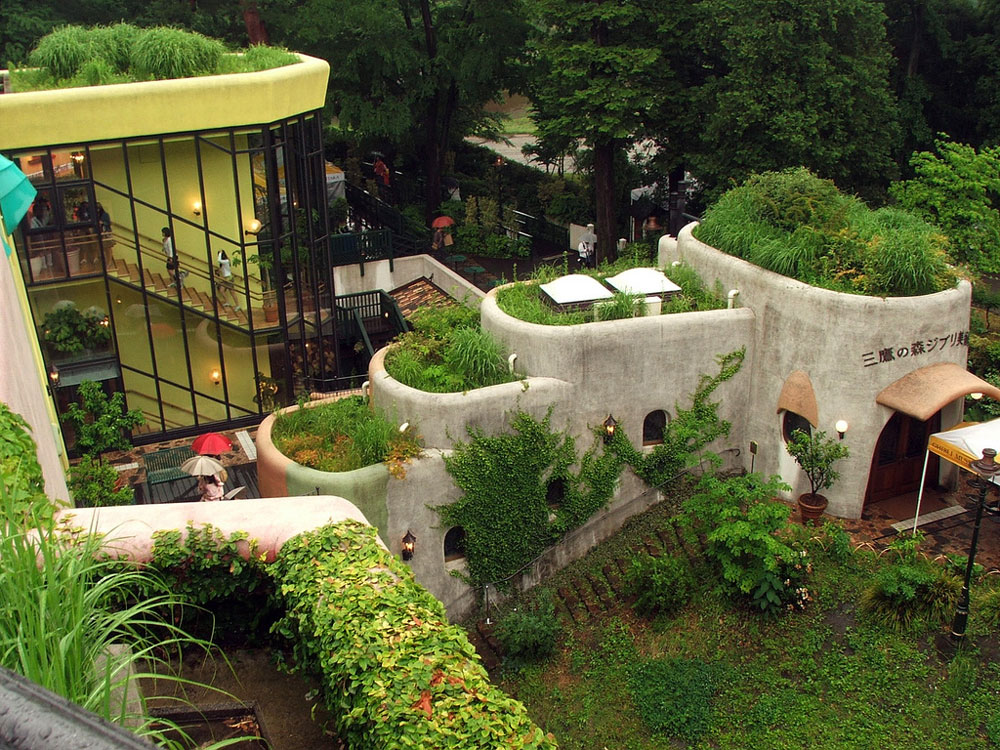
A Studio Ghibli Japan itinerary almost always opens here. The museum sits at one end of Inokashira Park, in Mitaka. Hayao Miyazaki designed the building himself. Getting there is simple. Mitaka Station is about fifteen minutes from Shinjuku on the JR Chuo Line.
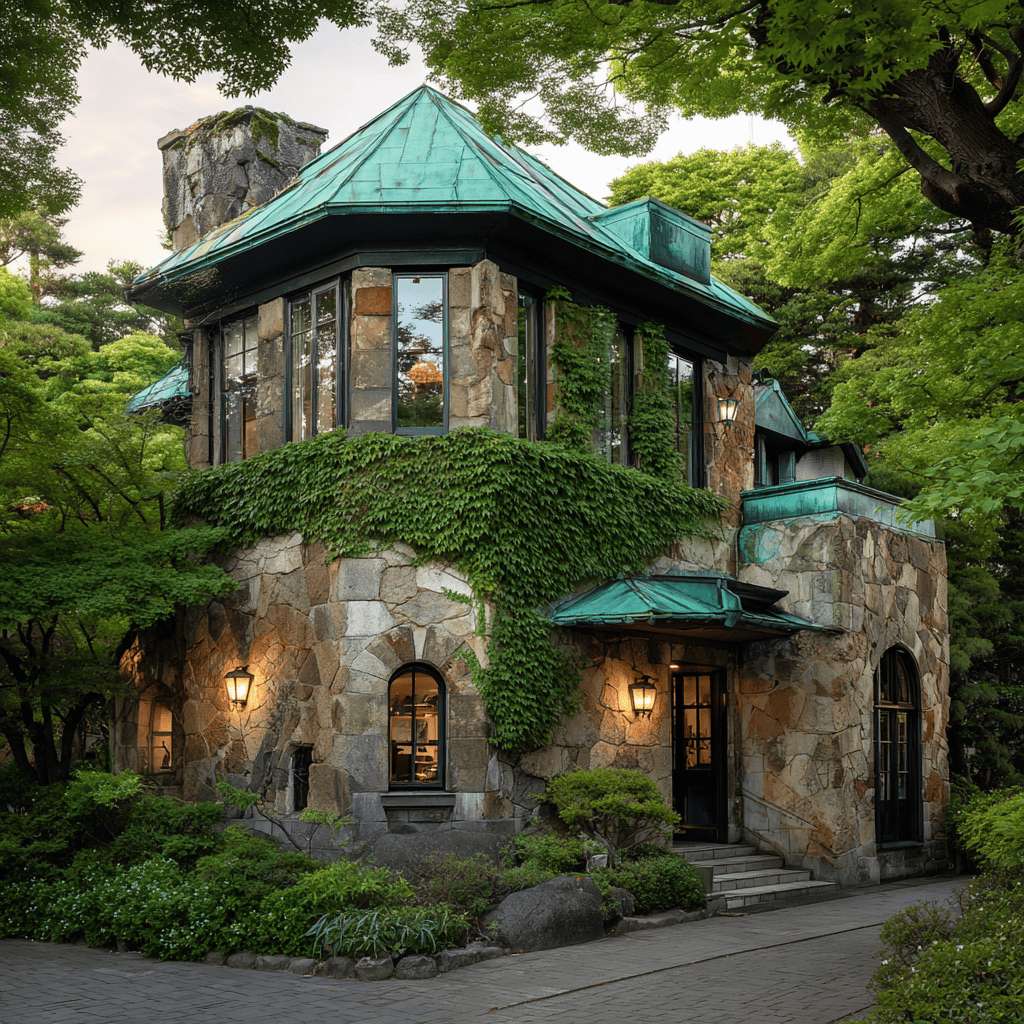
Inside, the subject is method rather than story. Layout drawings, background paintings and the mechanics of hand-drawn movement fill most of the rooms. A robot soldier from Castle in the Sky stands in the rooftop garden, and a cafe handles the hour afterwards. What sets the place apart is its refusal of spectacle. There is no ride and no big finale. Instead, the rooms ask you to look at drawings for longer than feels natural.
That is exactly the skill the films assume you have. Photo rules and voice levels follow Japanese norms, so skim our primer on Japanese etiquette if those customs are new to you.
Miyazaki's own essays, interviews and talks from the years the studio was founded. The primary source on how he thinks about the work.
Read Starting Point →A close look at the buildings drawn across the films. Good preparation for a museum the director designed himself.
See the Architecture Book →Concept sketches, background paintings and staff commentary. It shows how the Satsuki and Mei house was drawn long before it was built in Aichi.
Open the Totoro Art Book →The basement holds the Saturn Theater, a small cinema. It screens short films made for the museum and shown nowhere else. Your ticket covers one screening per visit. The program rotates, so nobody can plan around a specific title, and that is simply part of the charm.
Because there is one screening per ticket, the theater becomes the fixed point of an open morning. Everything else in the building is wander-at-will, and the rooms reward a second pass. So arrive with a loose plan, let the screening anchor the visit, and skip the urge to see every room in order.
For the bath before dawn and the forest days between the museum and the park.
6 × 9 in · 120 unlined pages · matte softcover
Shop This Journal →Museum tickets from overseas
The museum lists two overseas routes, and they run on different clocks. LAWSON TICKET opens sales at 10:00 Japan time on the 10th of each month, for the following month. JTB Group Overseas opens on the first day of a month, for entry three months later. That longer runway makes it easier to plan flights around.
Nothing is sold at the door. Set an alarm for the release, and decide your date range in advance. Then book the first workable slot rather than holding out for a weekend. Full details sit on the museum’s own ticket page. Lock this ticket before any other booking on the trip.
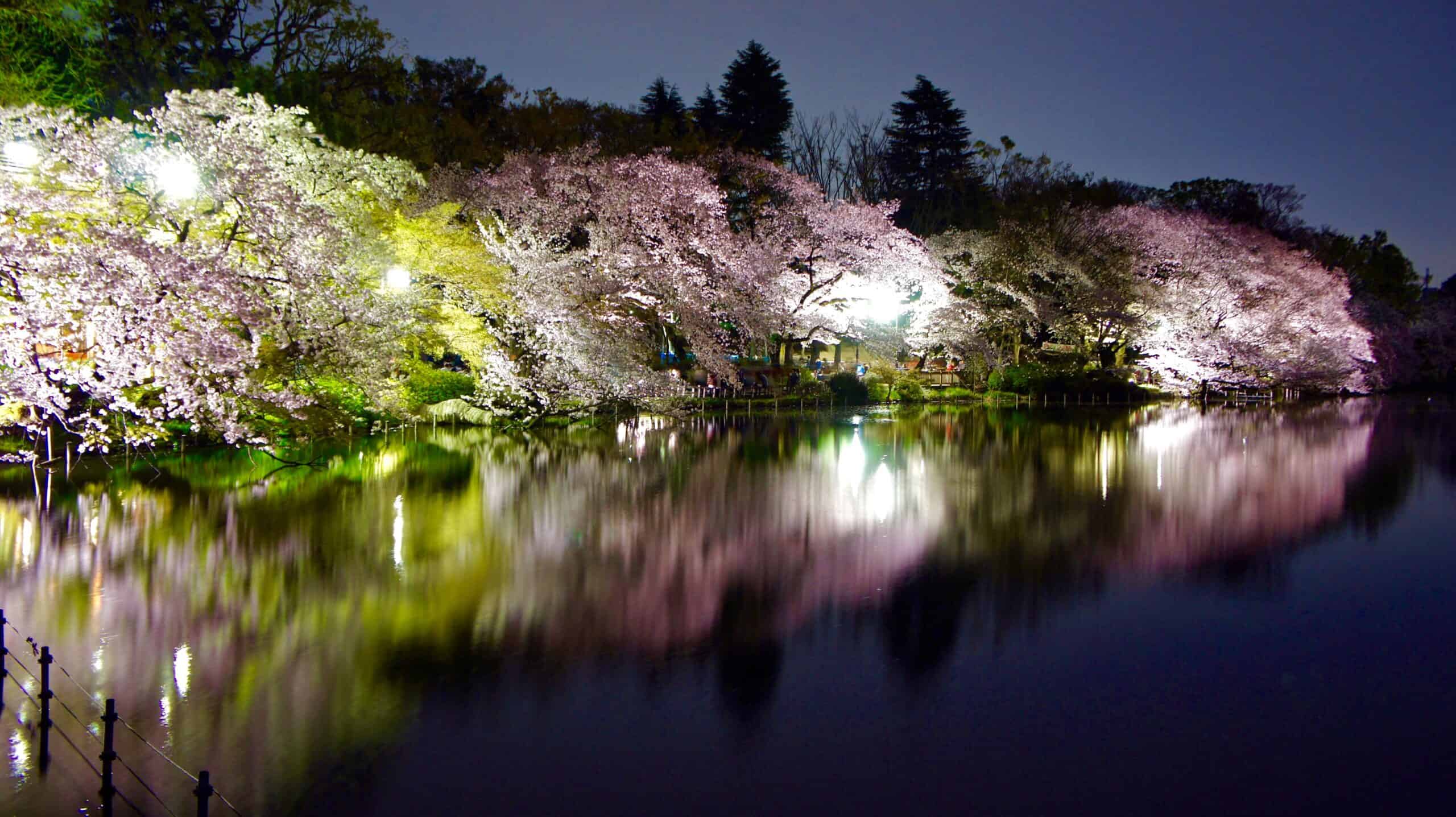
Around the museum, Inokashira Park is worth an unhurried hour on either side of your entry time. Swan boats drift on the pond. Roughly five hundred cherry trees make it a serious blossom spot in spring. The walk in from the station also passes small coffee shops, and several would not look out of place in a background painting.
Kichijoji, one stop east, is the natural lunch stop. However, nothing there is a film location in any documented sense. Treat it as atmosphere rather than a site on the map. That line matters on this page, since every place-to-film link below comes from an operator or a tourism authority.
Ghibli Park in Aichi: Passes and Booking Rules
Ghibli Park sits inside Expo 2005 Aichi Commemorative Park, east of Nagoya. Five areas make up the site: Ghibli’s Grand Warehouse, Hill of Youth, Dondoko Forest, Mononoke Village and Valley of Witches. The last two came in a second phase. Mononoke Village opened on 1 November 2023, and Valley of Witches followed on 16 March 2024.
Because the park was built into existing woodland, the walking distances are real and the trees are older than the buildings. You cross forest between areas. In fact, those walks are as much of the day as the sets. The feel is closer to a botanical garden than a theme park, with no rides and no costumed characters.
Only two places run on a ticket clock; the rest ask only for time.
| Place | Region | Booking | Film link |
|---|---|---|---|
| Ghibli Museum | Mitaka, western Tokyo | LAWSON on the 10th; JTB three months out | How the films are made |
| Ghibli Park | East of Nagoya, Aichi | 10th of the month, two months ahead | Recreated settings, five areas |
| Edo-Tokyo Open Air Architectural Museum | Koganei Park, Tokyo | Open entry | Spirited Away boiler room |
| Seiseki-Sakuragaoka | Tama, west Tokyo | None; station map | Whisper of the Heart |
| Shiratani Unsuikyo | Yakushima, Kagoshima | None; trail day | Princess Mononoke |
| Tomonoura | Eastern Hiroshima | None; stay a night | Ponyo |
The two passes
Two day passes are sold. The O-Sanpo Day Pass Premium opens all five areas and every building inside them. The Standard pass opens Ghibli’s Grand Warehouse, Mononoke Village and Valley of Witches. That is a full day in itself, unless Dondoko Forest is the reason you came. The Satsuki and Mei house stands there, so Totoro fans should take the Premium.
Only the Grand Warehouse carries an assigned entry time. Everywhere else takes final entry at 4:30 in the afternoon, and the park closes at five. So fix the Warehouse slot first, then plan outward from it, and keep the last hour clear.
Day passes go on sale two months ahead, on the 10th of the month at 2 p.m. Japan time. Every entry needs a reservation, weekdays included. Staff may also check ID at the gate, so bring your passport. The operator sets out the rules on its overseas ticket page. Remember the split: the museum runs on one month, and the park runs on two.
Prefer to have the two ticket clocks and the rail legs solved for you? A custom Japan itinerary builds the route backwards from both release dates.
A typeset printable: ten Japanese proverbs with kanji, romaji and meaning. Signing up also brings occasional letters on Japan and word when a new journal reaches print.
One email with your printable. Occasional letters after that. Unsubscribe anytime.
Studio Ghibli Japan Places in Tokyo
With both tickets secured, the trip has a skeleton. What it still lacks is the walking days, and western Tokyo supplies them. This is the part of a Studio Ghibli Japan trip that needs no booking at all. It fits into one unhurried day, and you can pair it with the museum morning if you would rather not travel west twice. Koganei Park holds the Edo-Tokyo Open Air Architectural Museum, which opened in 1993 and keeps thirty restored buildings on its grounds. You take your shoes off to enter the houses. The floors are cold in a way no copy manages.
The shop behind the boiler room
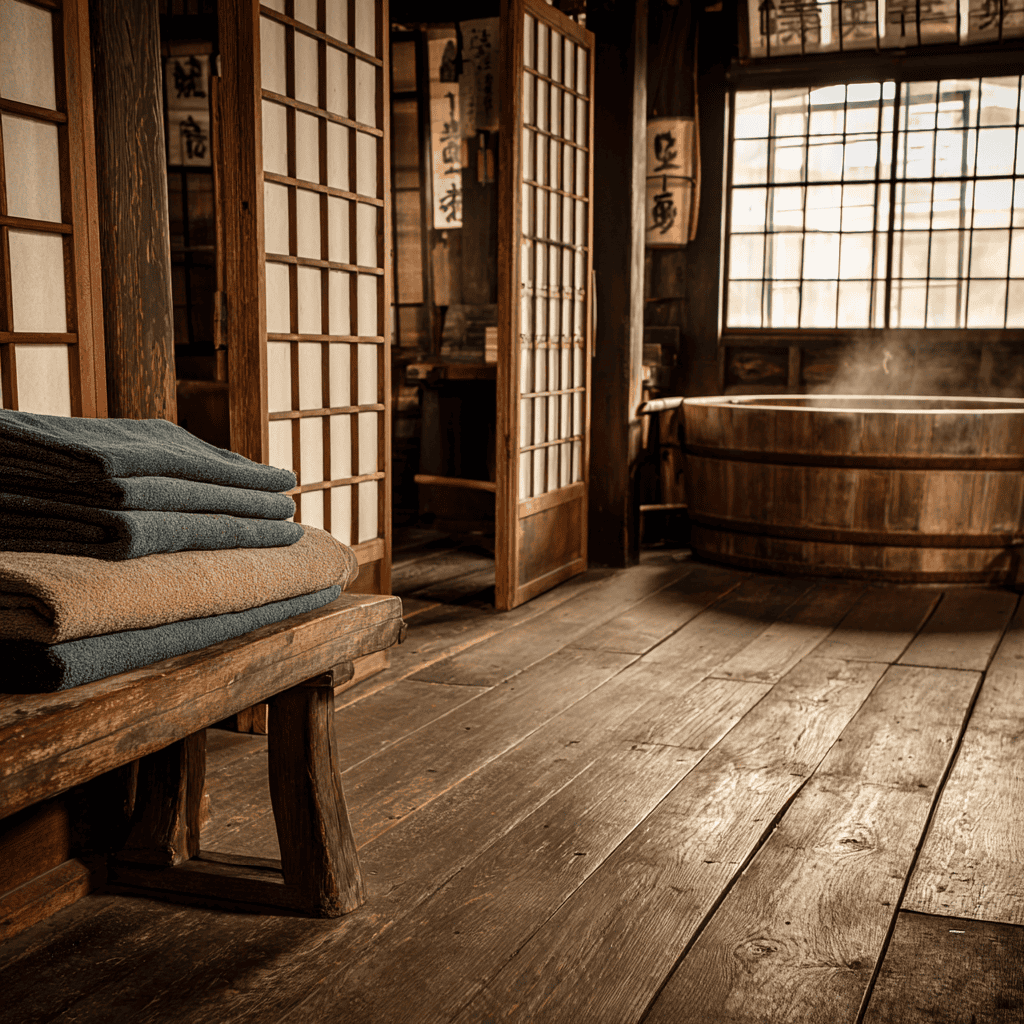
The museum's director has named Miyazaki's favorite building on the site. It is Takei Sanshodo, a stationery shop, and it inspired Kamaji's boiler room in Spirited Away. The interior walls are covered in small drawers. Stand inside and the boiler room stops feeling invented. That detail matters because it is precise.
Plenty of pages claim the museum's public bathhouse is the Spirited Away bathhouse. Yet the director names a different building and a different scene. When the source is the institution itself, trust the institution, even when a better story circulates online. The interview sits on the Tokyo Metropolitan Government's own site.
Two more Tokyo-area places sit on the national tourism list. Sayama Hills, in western Tokorozawa in Saitama, is named as the inspiration for the setting of My Neighbor Totoro. Locals now call the woodland Totoro's Forest. It is ordinary secondary woodland on a commuter edge, and that plainness is its charm.
Meanwhile, Whisper of the Heart used the streets around Seiseki-Sakuragaoka. The station keeps a location map, so you can follow the route the heroine walks. It is an easy ride from Shinjuku on the Keio Line. For the rest of the city's anime districts, see our unhurried Tokyo anime itinerary.
Recommended
Studio Ghibli Japan Beyond Tokyo: Forests and Harbors
The Studio Ghibli Japan map runs well past Tokyo and Aichi. Japan's national tourism organization keeps a list of real places behind the films, and it words each link with care. Three entries are worth the distance. Each sits in a different part of the country, so pick one, or two at most.
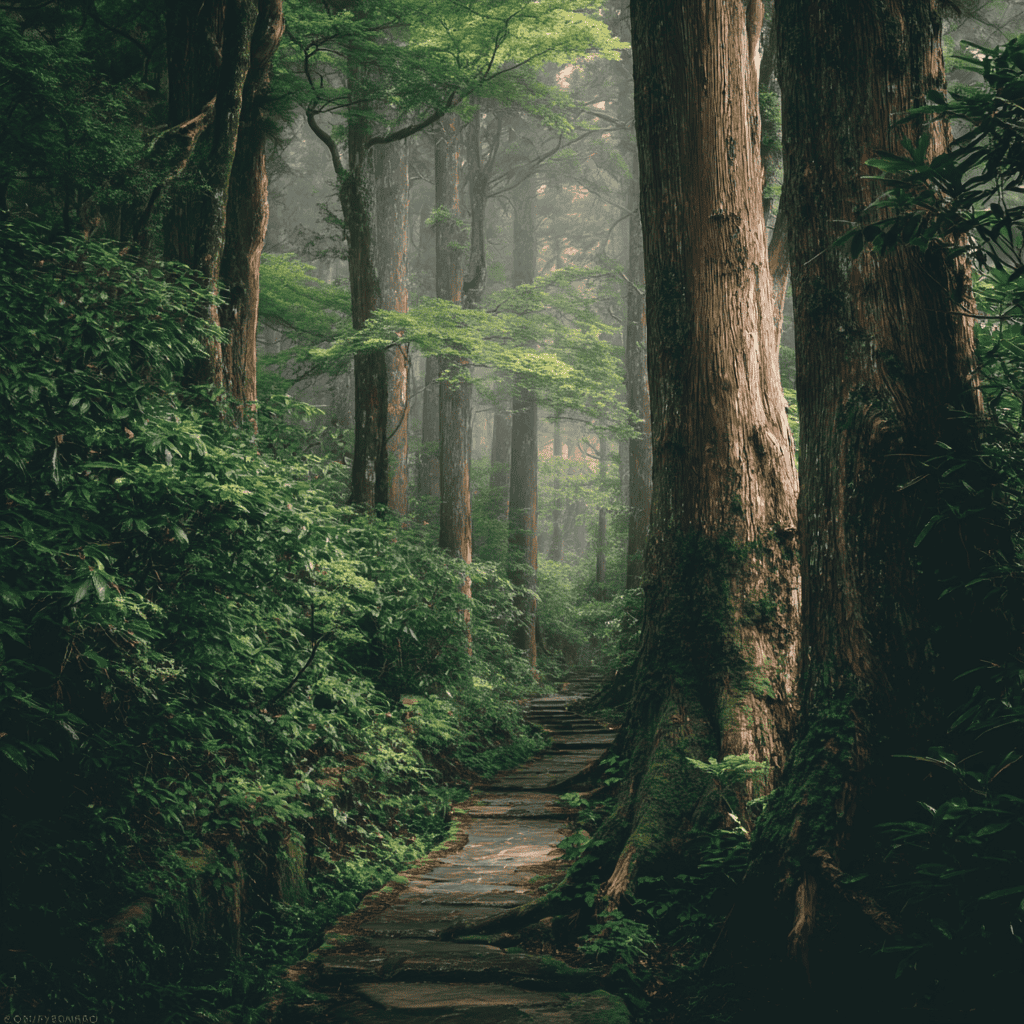
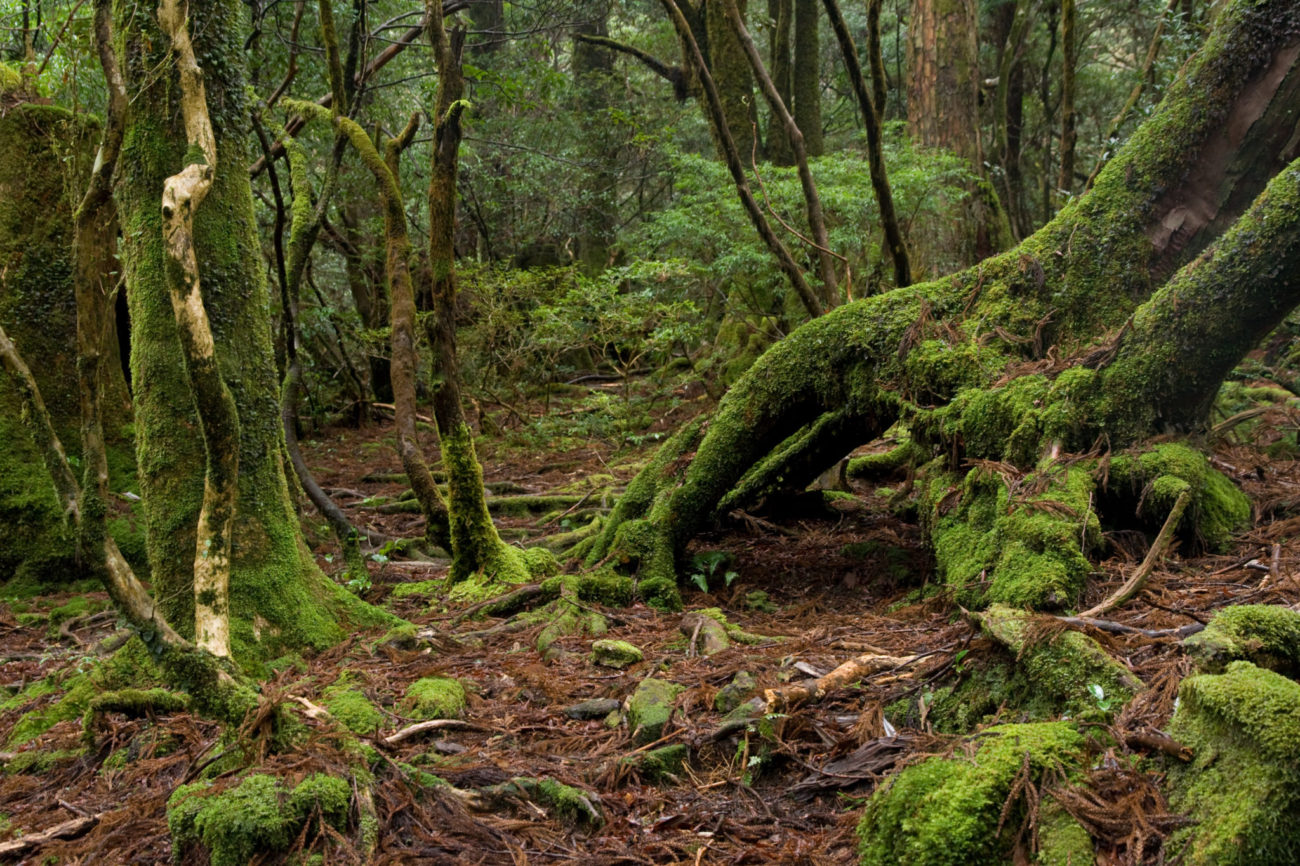
Yakushima, in Kagoshima Prefecture, is the island that helped inspire the setting of Princess Mononoke. The forest at Shiratani Unsuikyo is the usual walk. Its trails run through old cedars and moss-covered stones, from short loops to full-day walks. Boots and rain gear are not optional. Two nights is the realistic minimum, given the ferry or flight from Kagoshima.
Tomonoura and Dogo Onsen
The port town in Ponyo is modeled after Tomonoura, in eastern Hiroshima. Miyazaki stayed there for two months before production began. It is a working harbor with stone quays, small boats and a headland walk. Access is a local bus of about thirty minutes from Fukuyama Station, a stop on the Sanyo Shinkansen. Stay a night, since the town is at its best in the hour before dark.
Dogo Onsen, in Ehime, is believed to be one of the inspirations for the setting of Spirited Away. Note the wording: one of the inspirations, not the model. The Honkan bathhouse reopened in full on 11 July 2024, for the first time in five and a half years.
Older pages still describe scaffolding at Dogo, so check the operator's own Honkan page for the current position before you go. The wider list lives in the national tourism organization's Ghibli locations feature. It also covers Kushiro Marsh for When Marnie Was There and Nara for The Tale of the Princess Kaguya.
A Ryokan Stay in the Forest
One addition changes the whole trip. Two or three nights at a ryokan in forest country, with no fixed plan, does what neither ticketed site can. It gives the images somewhere to settle. Hakone is the practical choice from Tokyo, a short trip west, with cedar slopes and volcanic ground. For the full range, see the most luxurious ryokans in Japan.
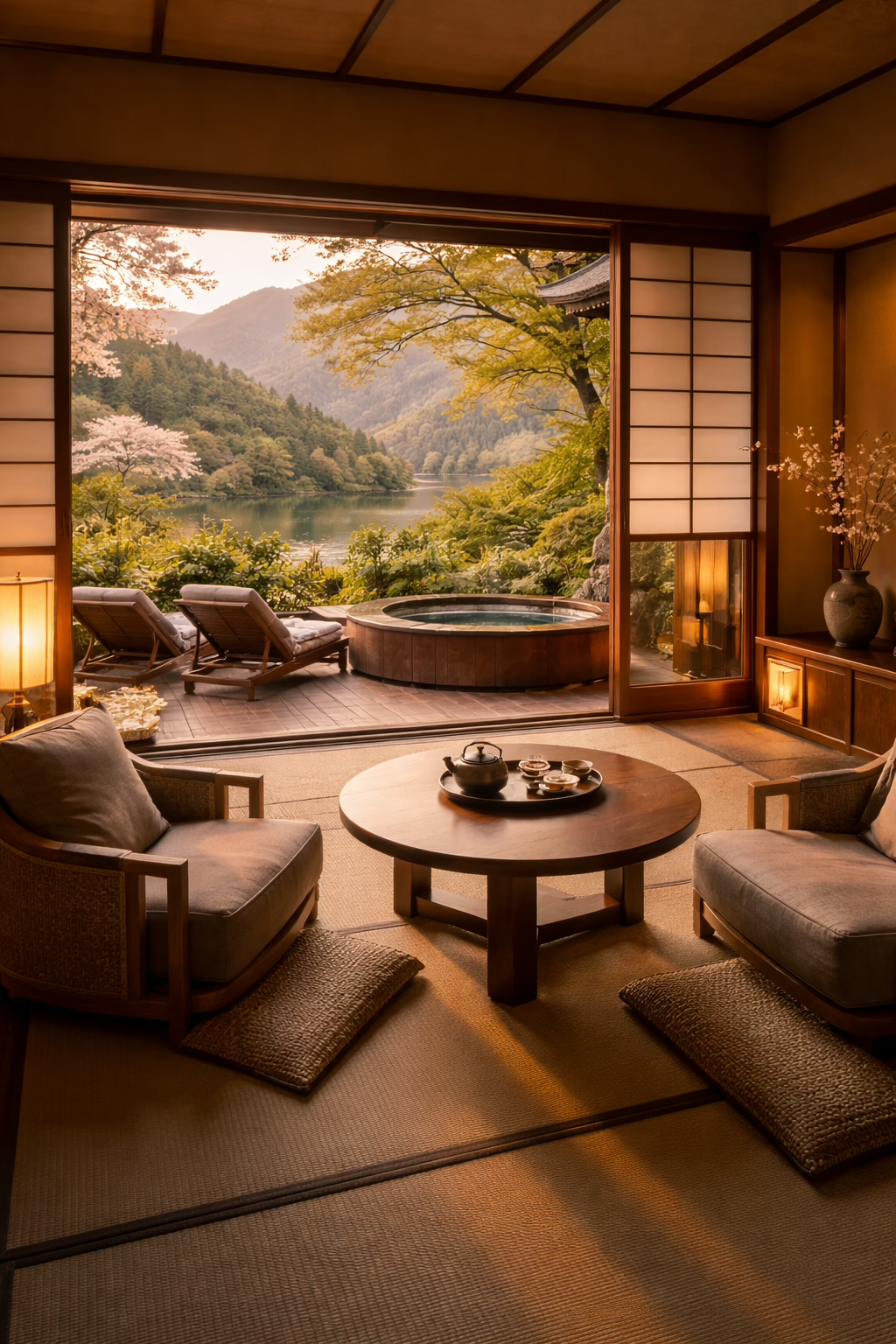
What the ryokan restores is the pace the city days squeeze out. A bath before dawn, a slow breakfast, an afternoon with nothing booked. Dinner is the other half of it. A kaiseki meal runs long by design, course after course, each one small and seasonal. By the sixth course the pace stops feeling slow and starts feeling right. For the bathing side, read our onsen ryokan primer.
Back home, the meal that matches the films is far plainer. Tamagoyaki, the sweet rolled omelet, is a fixture of the Japanese bento box, and bento lunches turn up again and again in Japanese animation as everyday family food. Here is a classic version.
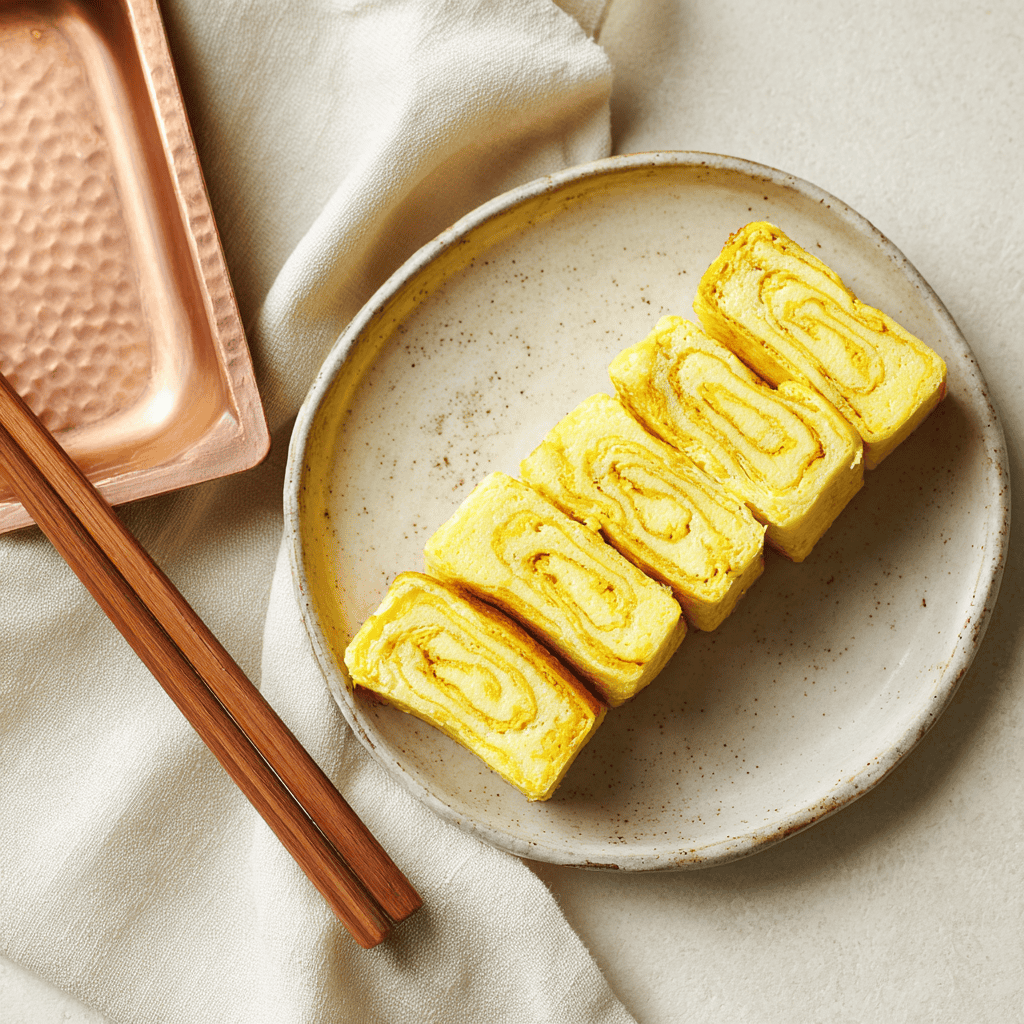
Tamagoyaki is built in thin layers in a rectangular pan and rolled as it cooks. It is a standard part of the Japanese bento box and a common sushi topping.
- 4 large eggs
- 2 tbsp dashi stock (or water)
- 1 tbsp sugar
- 1 tsp soy sauce
- 1 tsp mirin
- Pinch of salt
- 1 tbsp vegetable oil, for the pan
- Beat the eggs gently with the dashi, sugar, soy sauce, mirin and salt, without whisking in too much air.
- Heat a tamagoyaki pan or small skillet over medium-low heat and wipe it with a thin film of oil.
- Pour in a thin layer of egg, let it half set, then roll it from the far edge toward you.
- Push the roll back to the far edge, oil the pan, and pour in another thin layer, lifting the roll so egg runs underneath.
- Roll again and repeat until the egg is used up, then shape the omelet in a bamboo mat and cool for a few minutes.
- Slice into thick pieces and serve warm or at room temperature.
Book the ryokan after the two tickets and before the flights. Forest properties are small, often with only a handful of rooms, and they fill early in autumn. If the dates will not align, shorten the stay rather than skip it, because even one night changes how the rest of the trip reads.
Music helps more than most people expect. Joe Hisaishi wrote the scores, and his symphonic suites are worth one play on the train out. Then leave them alone, and let the forest supply the sound. In the end, the point of the stay is what happens when nothing is playing.
Production art from the film, including the boiler room. Read it before Koganei and the stationery shop will look familiar.
See the Spirited Away Art Book →The forest as the artists painted it. The link to Yakushima is easier to see once you know what to look for.
View the Mononoke Art Book →Hisaishi's symphonic arrangement of the score, recorded with the Czech Philharmonic. One play on the train out is enough.
Hear the Symphonic Suite →A Ten-Day Studio Ghibli Japan Itinerary
A Studio Ghibli Japan route works best when it balances the two ticketed sites against the source material. It assumes both tickets were secured before anything else. Rail is the spine. If you cover Tokyo, Hakone and Aichi in ten days, check our Japan Rail Pass calculator first and compare it with single fares.
Days one to ten: Tokyo, Hakone and Aichi
Land, sleep, and give the first day to nothing in particular. Jet lag ruins the museum more than rain does. Day two takes the museum in the morning and Inokashira Park afterwards. Koganei fills day three, with the open-air museum in the morning and Kichijoji for lunch. Then day four heads west to Hakone, arriving in time for a bath before dinner.
Days five and six stay in Hakone, with forest paths, the ropeway over volcanic ground and long gaps with nothing planned. Day seven runs through Tokyo and on to Nagoya by Shinkansen. Day eight is the full park day, starting at the Grand Warehouse on your slot. Mononoke Village and Valley of Witches suit midday, while Dondoko Forest is best late, when the light comes low.
Day nine returns to Tokyo. Leave the afternoon loose in Yanaka or Kagurazaka, older districts of stepped lanes. Day ten departs. If the trip stretches to fourteen days, add Yakushima. If it shrinks to seven, cut a Hakone night and one Tokyo day, but keep the park.
Why the museum comes first
One rule holds in every version: the museum comes before the park. The method explains the staging, not the other way round. Reverse them and the park reads as large props. In the right order, it reads as drawings you have already learned to see.
Most reader questions are practical rather than interpretive. They cluster around a few subjects: what separates the two sites, how each sells tickets, where the films were drawn from, and how many days the whole thing needs. The answers below name the operator wherever a rule is theirs, so you can check the source yourself.
Before the questions, one note on dates. Every ticket rule here comes from the operators, and those rules change several times a year. Areas open, buildings come out of scaffolding, and release days shift around holidays. So check the official pages in the week you book, and treat older guides with care. That includes earlier versions of this page. The museum and the park both post changes on their own news pages first. If a date here and a date there disagree, the operator wins. Keep a screenshot of each booking confirmation, since you may need to show it at the gate.
Questions Worth Asking
What is the difference between Ghibli Park and the Ghibli Museum?
The Ghibli Museum sits in Mitaka on Tokyo's western edge, a small building about how the films are made. Ghibli Park is a large open site near Nagoya, built inside an existing park, where you walk through recreated settings. They are different days out, with two separate bookings.
How do I get tickets to Ghibli Park from overseas?
Ghibli Park sells day passes two months in advance, on the 10th of the month at 2 p.m. Japan time, through its own overseas ticket page. Every visit needs a reservation, weekdays included, and no tickets are sold at the park itself. Bring a passport, since staff may check ID.
How do I get Ghibli Museum tickets from overseas?
The museum runs two overseas routes. LAWSON TICKET opens sales at 10:00 Japan time on the 10th of each month for the following month. JTB Group Overseas opens on the first day of the month, for entry three months later. Nothing is sold at the door, so book early.
Where are the real places behind the Studio Ghibli films?
Japan's national tourism organization lists Sayama Hills in Saitama for My Neighbor Totoro, Seiseki-Sakuragaoka for Whisper of the Heart, Yakushima for Princess Mononoke, Tomonoura for Ponyo and Dogo Onsen for Spirited Away. In Koganei, a stationery shop inspired the boiler room in Spirited Away.
How many days do I need for a Ghibli trip in Japan?
Seven to ten days covers it comfortably. Give Tokyo two days for the museum and Koganei. Add one full day at Ghibli Park, and two or three nights at a forest ryokan. Four days works if you keep to the museum and the park alone.
When is the best time to visit?
Late September to early November gives the best light and easier tickets. Late March to April brings cherry blossom, at the cost of crowds. Golden Week, the Obon period in mid-August and the New Year week are the hardest dates for tickets, so shoulder season is kinder.
Is a Ghibli trip worth it without children?
Yes. Neither site runs on rides or costumed characters, so both read as cultural days rather than theme parks. The strongest grown-up routes pair them with slower elements, such as a forest ryokan or a long morning at the Koganei open-air museum. Those complement the films well.
What the Films Ask of a Traveler
The films are instruction rather than itinerary. They ask for close attention to small things: light through a canopy, the grain of an old floor, a kettle heating in a still room. A trip that builds those things into its rhythm changes how you see the work. Photographing the buildings does not.
Picture an afternoon among thirty restored houses in Koganei. Then a bath at five in the morning in Hakone. Then cedar paths in the rain on Yakushima. That traveler goes home a different viewer of Studio Ghibli Japan and its films. For the objects that keep the trip close afterwards, start with our collector's guide to anime and manga shopping in Japan.
The films live in their pauses. This journal is ninety days of practice in noticing them.
View the Journal →Building this route yourself means holding three clocks at once: the museum release, the park release two months out, and the rail legs between Mitaka, Nagoya and a forest with no station. None of it is hard. It simply has to happen in the right order, months ahead.
Mitaka, Aichi, a forest ryokan and the rail legs between them, planned backwards from the museum and park release dates so the calendar works before the flights are bought.
Plan Your Custom Japan Itinerary