Ask a Japanese friend what is ikigai, and you will rarely get a tidy definition. Instead, you may get a pause, then a small example. A vegetable plot. A grandchild two streets away. The first pot of tea before work.
That instinct tells you most of what you need. Ikigai names the sense that life is worth living, and it usually lives in ordinary things. Yet most English readers first meet it as a four-circle chart about the perfect career. That chart is not Japanese, and it misses the point of the word.
So this piece starts where the idea actually lives: in the language, in the research, and in daily life. You will find the literal meaning, the origin, real examples, the five pillars, and what ikigai is not. It also connects to the daily practice inside The Return, our 90-day ikigai journal.
What Is Ikigai? The Short Answer
What is ikigai? It is the Japanese sense that life is worth living. The word joins iki, life, with gai, worth or effect. In Japan it usually points to small, repeated things, such as a garden, a craft, a family or useful work, rather than one grand mission. It is felt more than solved, and most lives hold several at once.
Ikigai Meaning: What the Word Says in Japanese
So what is ikigai, in plain terms? It means a reason to be glad you are alive. It is the thing, or the many things, that make an ordinary day feel worth having. Japanese speakers use the word lightly and often. They rarely use it for anything grand, and they almost never mean a career.
The two halves of the word
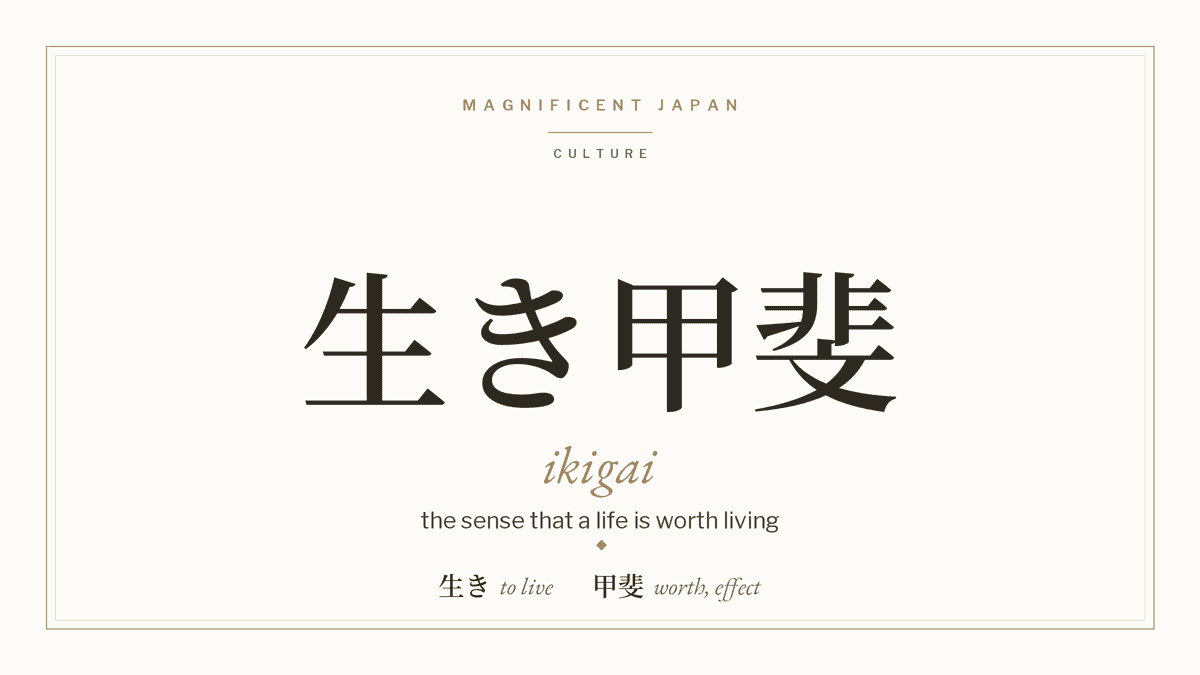
The word has two parts. Iki comes from the verb for living. Gai means worth, effect or result, the sense that an effort pays off. No English word carries it cleanly. “Purpose” feels too grand, and “passion” too hot. The same gai appears in yarigai, the sense that a task is worth doing.
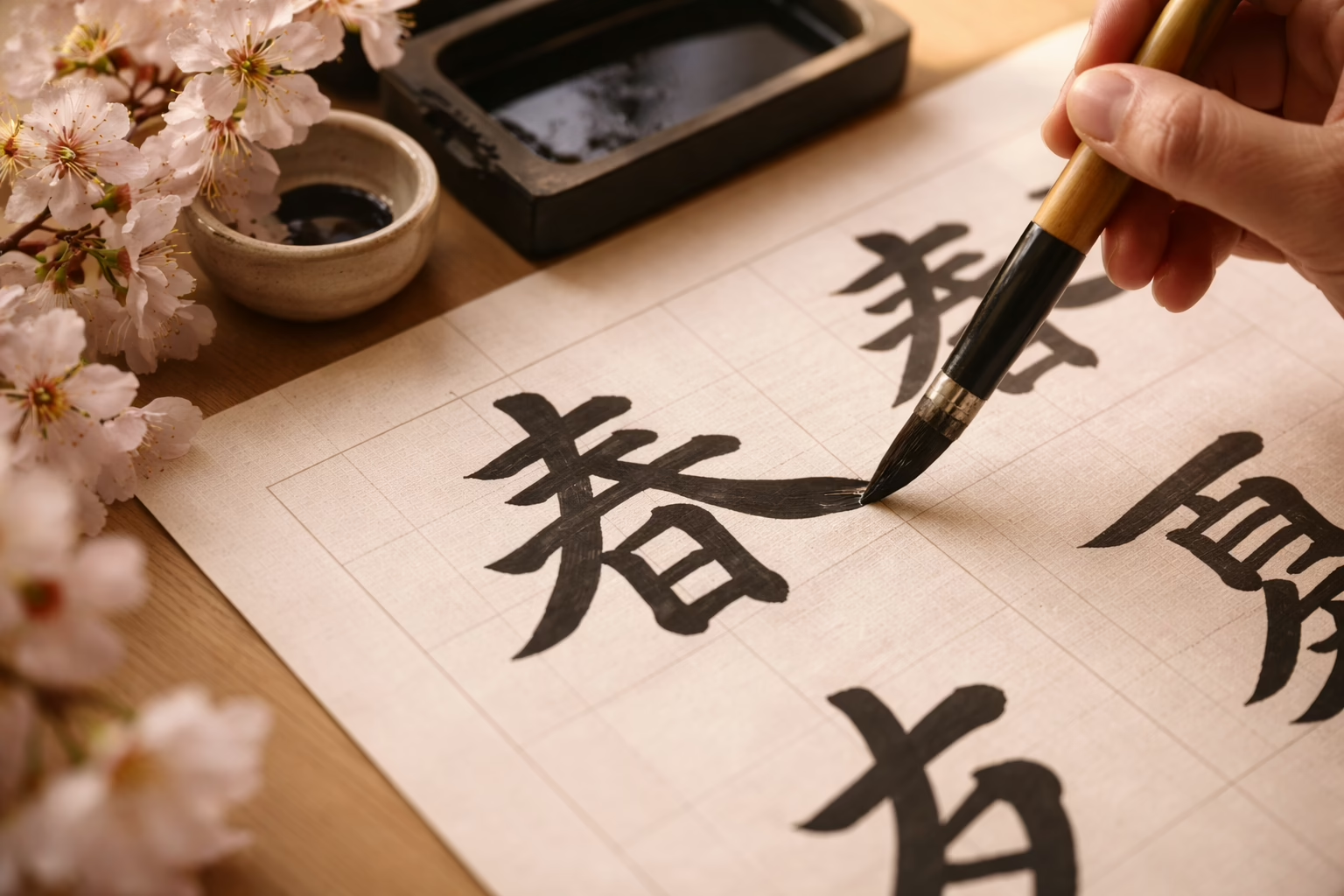
Written in full, the word is 生き甲斐. The first part, 生き, is the familiar character for life with a small hiragana ending. The second, 甲斐, is read kai on its own and softens to gai inside the word. Everyday writing often uses 生きがい, with the second half in hiragana. Our piece on the ikigai kanji and how each character is written covers the strokes and readings in depth. For now, note the shape: a verb for living and a noun for worth, side by side.
Where the word comes from: Mieko Kamiya’s research
The word is old and ordinary, but its serious study begins with one person. Mieko Kamiya (1914–1979) was a psychiatrist who worked at Nagashima Aiseien, a sanatorium for people with leprosy, from 1957 to 1972. In 1966 she published Ikigai ni tsuite, or On Ikigai.
Her book turns on a simple question. What makes daily life feel worth living, and once someone loses that, how do they find it again? She also drew a useful line. One chapter treats the feeling of ikigai, and another its objects. Between them sits a list of needs, such as change, a future, a response from others and meaning. None of this reads like a career plan. Instead, it describes what helps a person keep going, and then flourish. In other words, she asked how ikigai is lost and how it returns, not how to maximize it.

Ikigai Examples: What It Looks Like Day to Day
Definitions only go so far, so it helps to watch the word at work. Ask a retired teacher what is ikigai for her, and she might name the choir she joined at seventy. A young cook might name the rice he gets a little better at every morning. Meanwhile, a father might point to the walk to school with his daughter. Each answer is small, and none is meant to impress anyone.
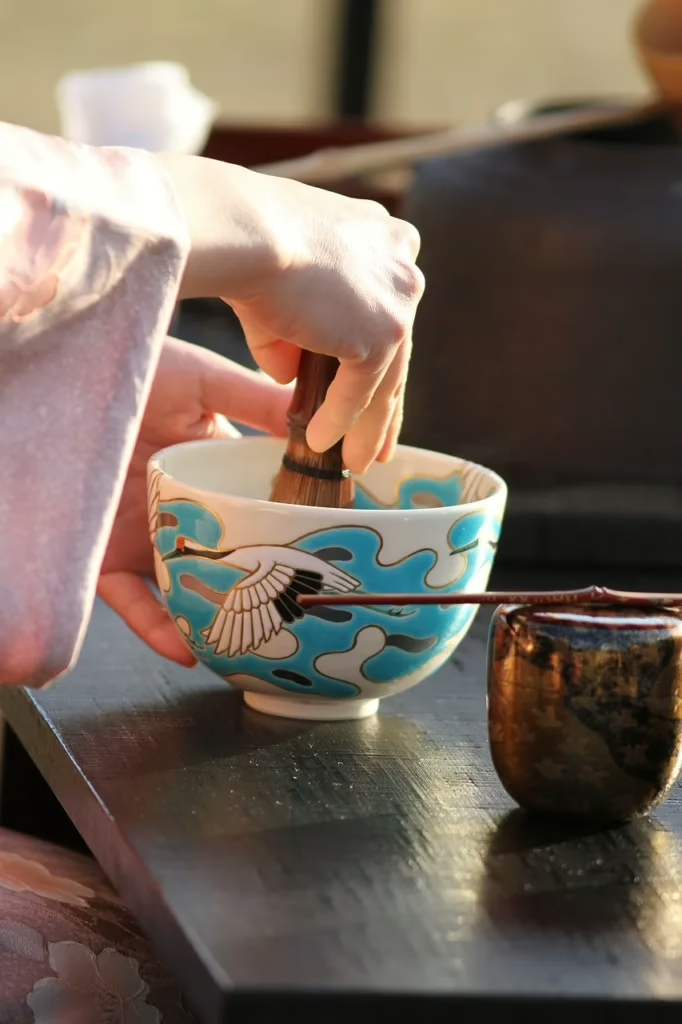
Mornings are a good place to look first. For many people, the day opens with a short ritual, such as a pot of green tea or a stick of incense at the window. These moments ask for a few minutes and give back a steady start. So the objects that shape a morning ritual deserve a little care, even though the ritual matters more than any tool.
Small, close and repeatable
Look at those examples again, and a pattern appears. First, each source sits close at hand, in a home, a street or a kitchen. Second, each one repeats. You do not do it once and file it away. Third, each connects you, even lightly, to other people.
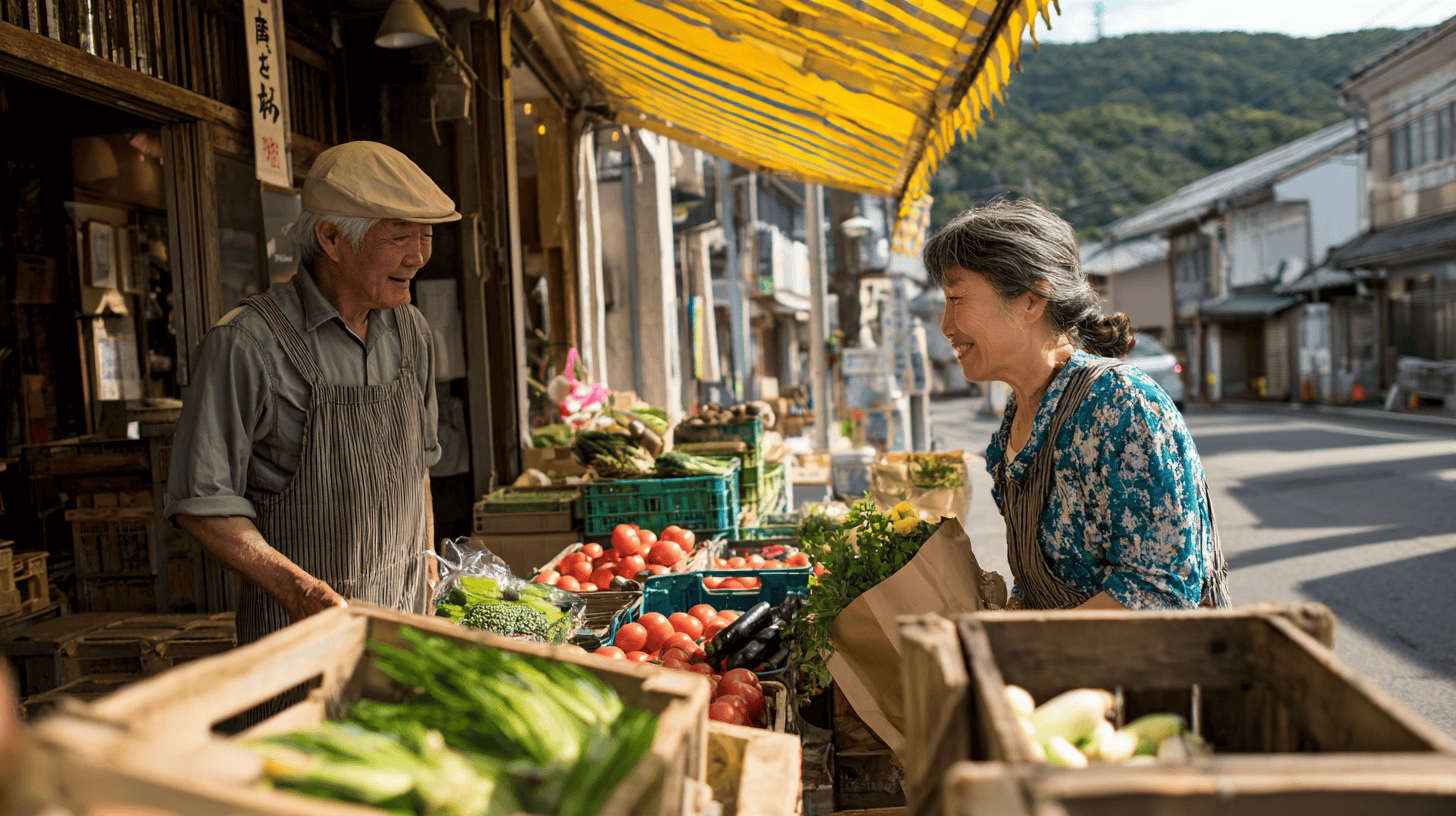
That pattern is also what separates ikigai from ambition. Ambition points at a distant summit. Ikigai, by contrast, is usually within walking distance. A shopkeeper who knows her regulars by name may find her ikigai in the market stall itself. So may the customer who comes back each week for the same greens.
Because the sources are small, they also change. A student may find ikigai in a club, then in a first job, then in raising children. Later, it may move to a garden or old friends. The word simply follows the life.
Travel belongs on that list, too. For many people, a trip is where they first notice what they love, because the usual routine falls away. A new town at dawn, a meal cooked by a stranger: these moments fade fast unless you write them down. That is why a blank journal, carried on the road, can turn a trip into a record of what felt worth living.
Blank pages for the small moments that make a day worth having.
Unlined · 120 pages · Original cover art
Shop This Journal →The Five Pillars of Ikigai
If the four-circle chart is the wrong map, what might a better one look like? Kamiya’s research came first. Much later, a five-part framing popularized in English by the neuroscientist Ken Mogi gave readers another useful lens. It names five pillars: starting small, releasing yourself, harmony and sustainability, the joy of little things, and being in the here and now.
Treat the five as conditions rather than steps. They describe the ground where ikigai tends to grow. They do not promise a result, and you never finish them. Also, none of the five mentions money, status or a dream job. That absence matches what Kamiya found decades earlier.
Starting small and releasing yourself
The first pillar asks you to begin with something modest and specific. A single task, done with care. Japanese has a word for this devotion to detail, kodawari, the refusal to let a small thing be done badly. You can see it in a noodle cook’s broth or a potter’s rim.
The second pillar asks you to loosen your grip on how others see you. Much of daily life goes into managing an image. Once you stop performing, you have room to notice what you actually enjoy. That shift sounds small, yet it changes what you choose to do with an evening.
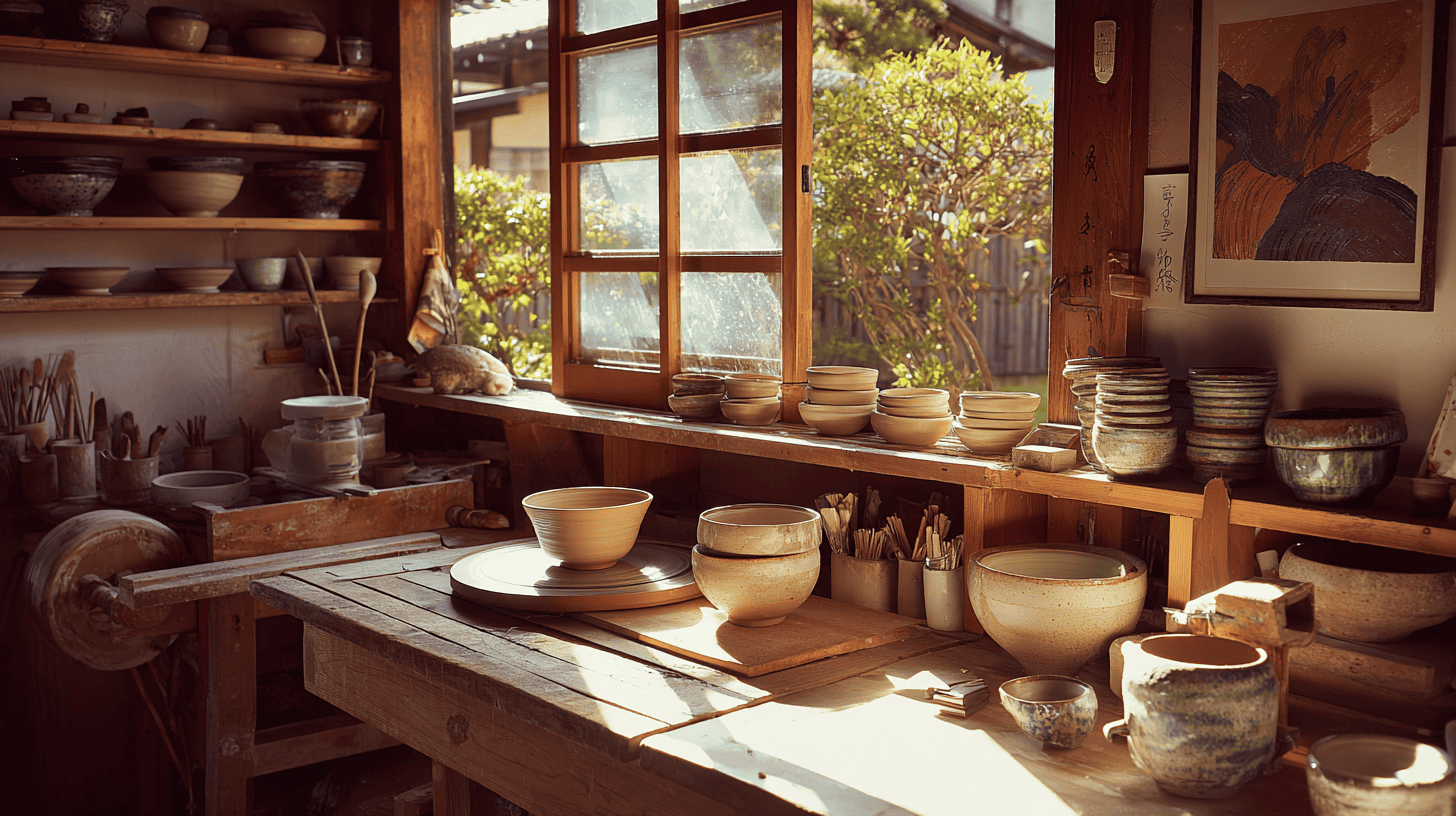
A pottery workshop shows both pillars at once. The potter starts with one bowl, not a collection. She throws it, trims it and lets it dry. If it cracks, she makes another. Meanwhile, nobody is watching, and the work does not need an audience to matter. Yet the satisfaction arrives each day, at the wheel, long before any sale.
Harmony, small joys and the here and now
The third pillar is harmony and sustainability. Ikigai rarely stands alone. It grows inside families, teams and neighborhoods, and it has to last. A version that burns you out does not hold up.
The fourth is the joy of little things. The first sip of tea. A clean line of handwriting. Light on water at the end of a long day. Repeated often, these small returns gather weight.
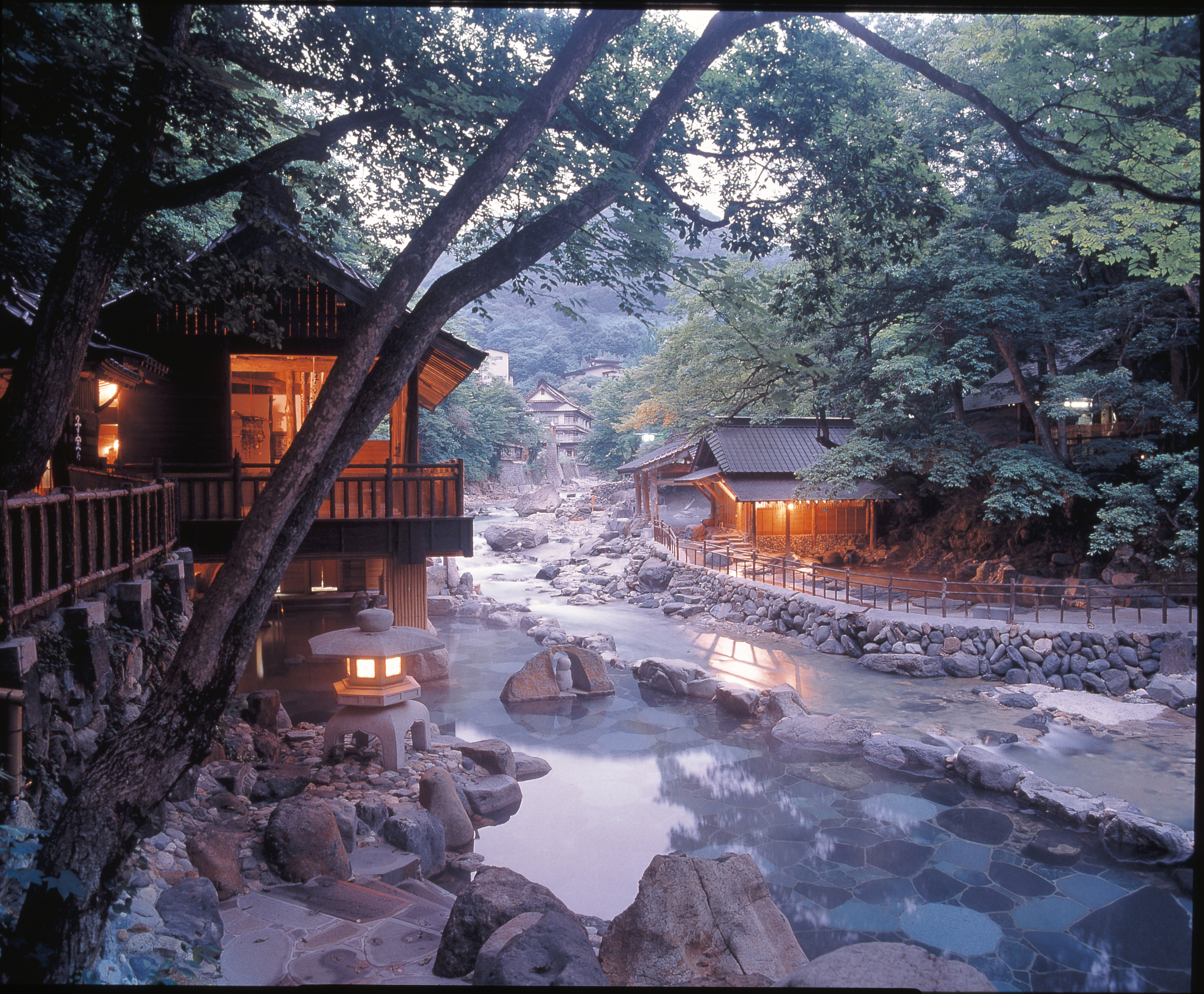
The fifth pillar, being in the here and now, ties the others together. Ikigai lives in attention to the present moment rather than in a far-off payoff. So the useful question is not where you are heading. Instead, it is whether you are actually here while you go. An evening stroll through a hot-spring town makes the point. There is nothing to achieve, only the river and the lanterns.
Reading the five together
Seen side by side, the five pillars form a posture rather than a plan. The table below sets them out with an everyday example for each. Use it as a mirror rather than a checklist. Most people will spot two or three already at work in their week.
Each pillar is a condition to notice, not a task to finish.
| Pillar | What it asks | An everyday example |
|---|---|---|
| Starting small | Begin with one modest, specific task | Brewing the morning tea with full attention |
| Releasing yourself | Let go of the need for approval | Singing in a community choir for the joy of it |
| Harmony and sustainability | Keep what you love in balance with others | Tending a shared garden plot with neighbors |
| The joy of little things | Let small pleasures count | A warm bath after a long walk |
| Being in the here and now | Give the present moment your attention | Watching lanterns on the river at dusk |
Notice how ordinary every example is. None of them needs a new job, a big move or a large sum of money. Instead, each one fits inside a normal week. That is the practical gift of the framing. It turns a vast question into a set of small ones you can answer today.
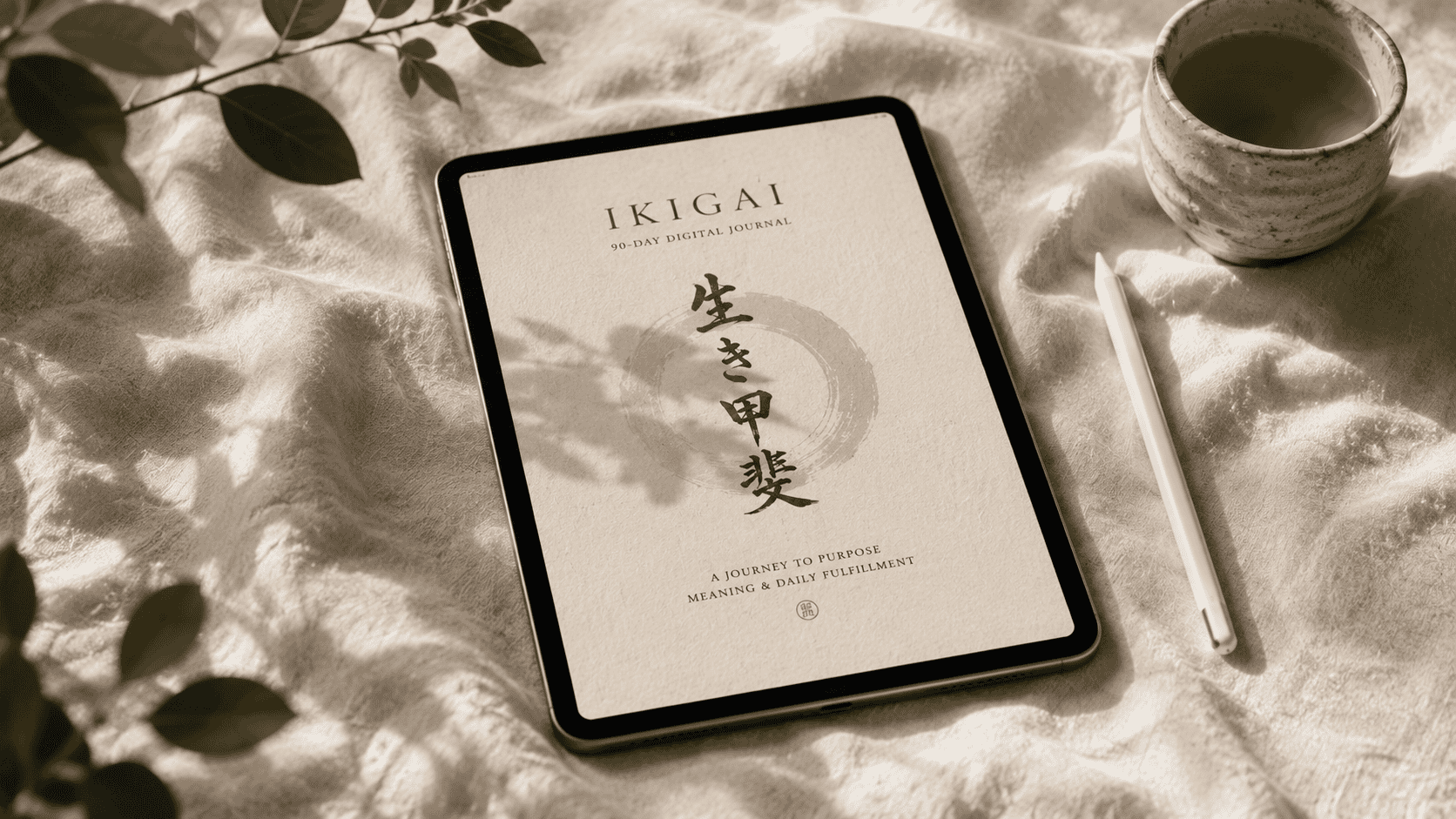
Many people find that a short written prompt each morning makes this easier. A single line is enough, as long as it is honest. The film below shows a hand writing a morning prompt in The Return, our 90-day ikigai journal, in its digital edition on a tablet. It takes twenty seconds, and it shows how little a daily entry needs to be.
Twenty seconds inside the journal
The digital edition in use — a morning prompt, answered by hand while the coffee is still warm. Tap to play, with sound.
One page, one intention, one single quiet moment.
What Ikigai Is Not: Common Myths
An honest definition also has to say what ikigai is not. Because the word reached English wrapped in self-help packaging, several myths cling to it.
The Venn diagram
You have probably seen the chart: four circles for what you love, what you are good at, what the world needs and what pays. It looks Japanese, but it is not. In 2014, the writer Marc Winn added the word ikigai to an existing purpose diagram by the Spanish astrologer Andrés Zuzunaga. Winn later explained on his own site that the diagram is Zuzunaga’s, and that his only change was adding the word. For the full story, read why the ikigai Venn diagram is wrong.
The chart can be a decent career exercise. However, it asks every circle to line up at once, and for most people that rarely happens. It answers a different question: what job should I do? The Japanese word asks for far less, so you can meet it almost every day.
Purpose, flow and happiness
Purpose is the closest English neighbor, yet it points at one large aim for a whole life. Ikigai is more plural and more modest. A 2026 scoping review in the Journal of Happiness Studies found that most English definitions still render ikigai as “purpose in life” or “reason for being.” Japanese sources, by contrast, describe it through meaning and joy.
Flow, the psychologist Mihaly Csikszentmihalyi’s word for deep absorption, is another cousin. Yet flow is a passing state, while ikigai is a lasting bond with what you value.
Happiness is the last near miss. In a 2018 study of well-being in Japan, the psychologist Michiko Kumano described shiawase, or happiness, as delight and peace in the present. Ikigai, she found, involves devoting yourself to pursuits you enjoy, with a sense of accomplishment and fulfillment. So a hard day of caring for someone can hold deep ikigai without feeling happy at all.
If you would like to see these everyday anchors in person, we can shape a Japan itinerary built around craft and daily life for you.
Occasional letters on ikigai and the Japanese ideas behind a good day, with news of the Cultural Reflection Collection.
Occasional letters. Unsubscribe anytime.
A long life is not the point
Part of why ikigai traveled so far is a claim about long life. Writers often link it to Okinawa, home to many people who live into great age. Research does suggest a link between ikigai and health. In the Ohsaki cohort study, researchers followed 43,391 Japanese men and women for seven years. The 2008 paper in Psychosomatic Medicine reported higher all-cause mortality among people who did not feel a sense of ikigai.
Still, a link is not a recipe. In Okinawa, ikigai is woven through diet, movement, climate and close community, so one cause is hard to isolate. Our guide to ikigai in Okinawa and the longevity story sorts the evidence from the myth.
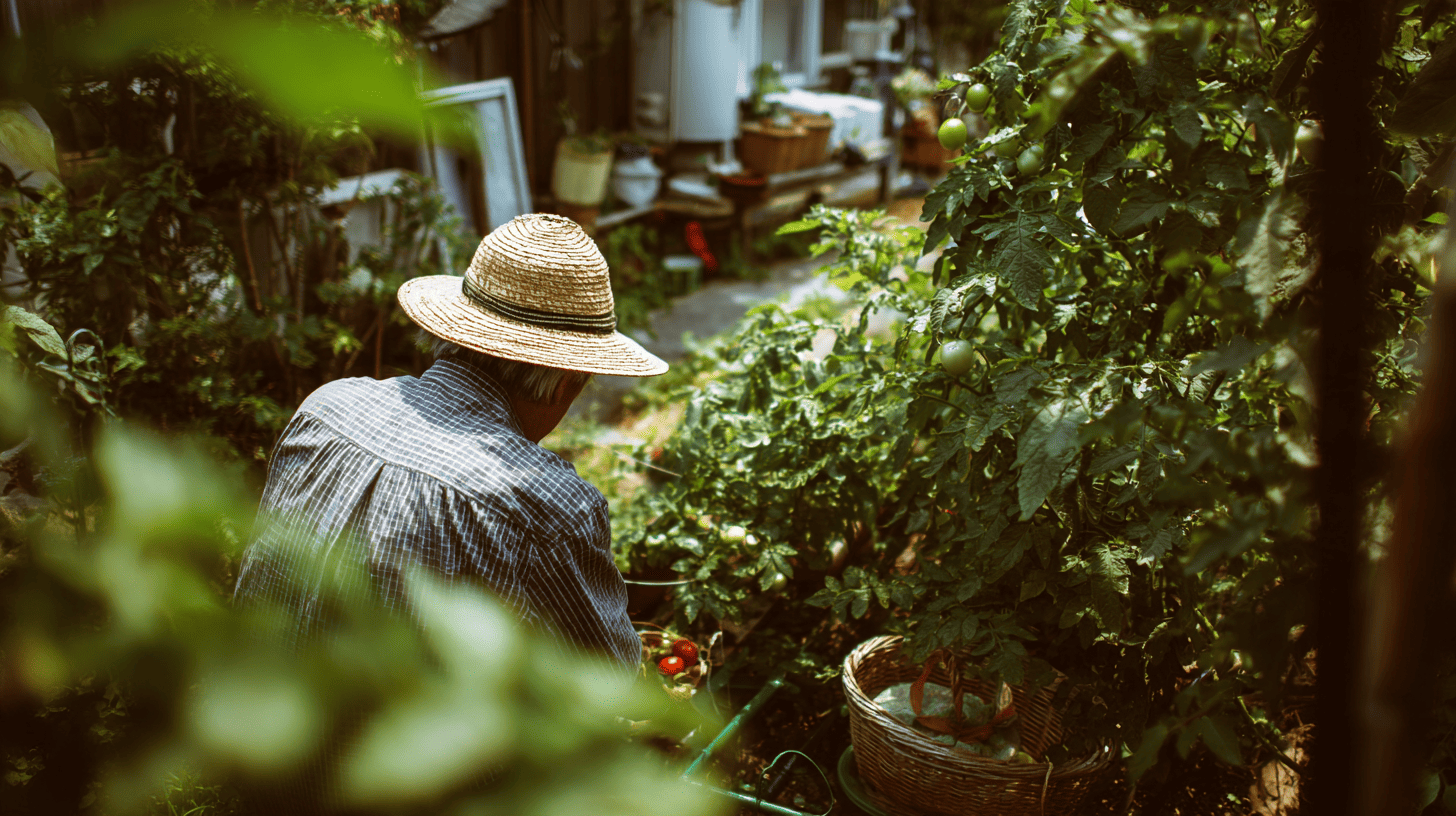
The healthier reading turns the claim around. A long life is a possible side effect, not the goal. Think of a man who tends his tomato plants every morning. He does not garden in order to live longer. He gardens because the plants need him, because the work feels good in his hands, and because the neighbors like the harvest. If that routine also keeps him moving, so much the better. However, the worth comes first. The years, if they come, follow from it. Ikigai, then, is not a health plan. It is simply a good reason to get up.
How to Begin Noticing Your Ikigai
Knowing what ikigai means is one thing. Noticing it in your own life is another. Because it hides in small moments, most people miss theirs simply by moving too fast. So the first step is not a search. It is attention.
Start with one week. Each evening, ask what made the day feel worth having. Then write down the answer in a line or two. By the end of the week, you will likely see a few answers repeat. Those repeats are your first clues. For a longer, structured path, our companion piece on how to find your ikigai, step by step works through exercises that build on this simple habit.
Recommended
Write it down, briefly and often
A daily note works because memory is selective. We remember the big events and forget the small ones, even though the small ones do most of the work. Writing keeps them. Also, a note written by hand slows you down just enough to notice what you felt.
Keep the unit small. A few lines a day will outlast a weekend of grand soul-searching. Then review across time. One entry says little. Yet a month of entries starts to show the shape of what matters to you, and the answers often surprise people. The grand plans rarely appear. Instead, the same few names, places and habits return again and again.
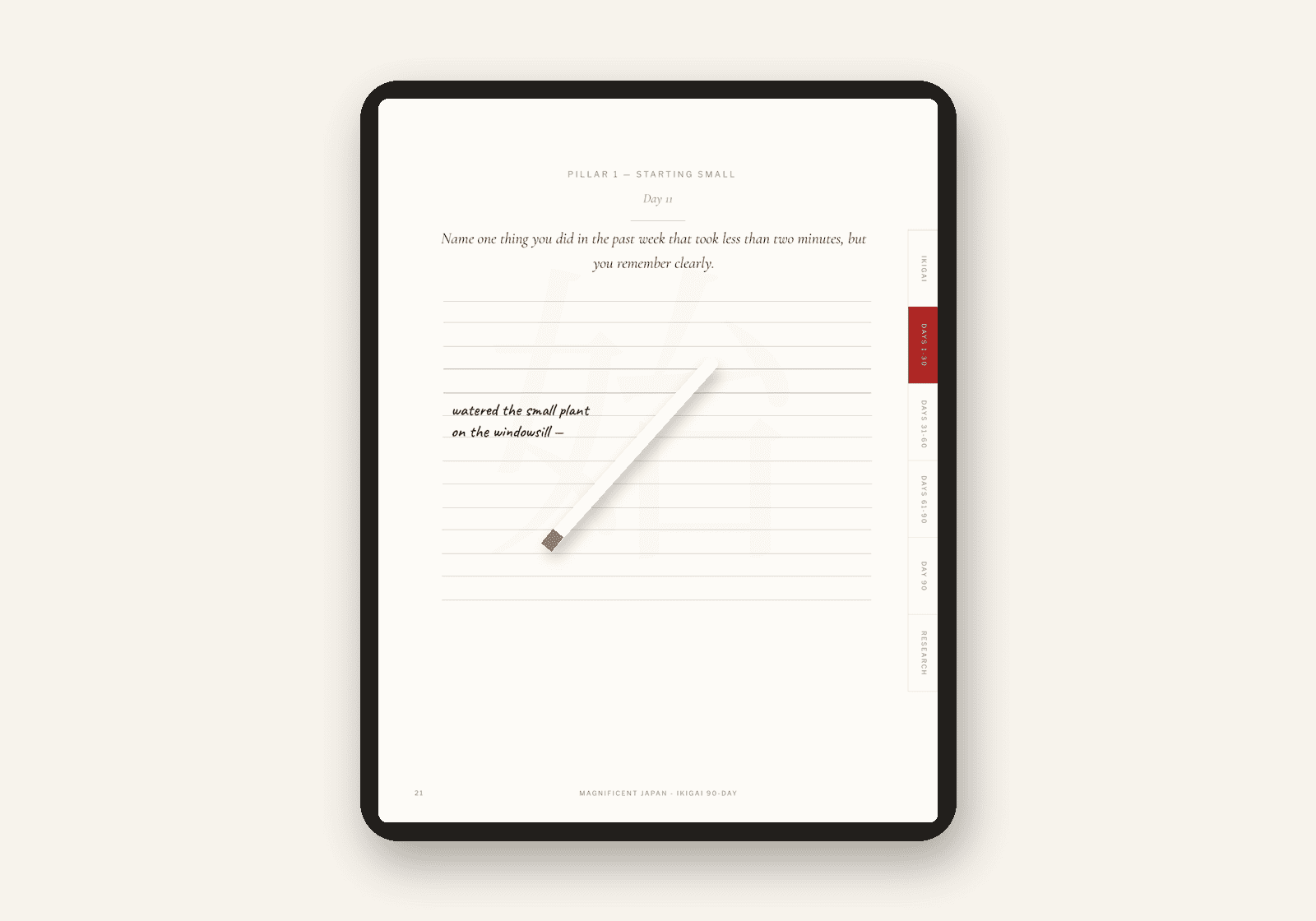
Structure helps the habit survive its dull second week. A good prompt gives you somewhere to start when the mind goes blank, and a weekly review lets you step back and see the pattern. Paper or screen makes little difference here, as long as you write in your own hand. For a set of questions to begin with, see our framework for ikigai journaling with daily and weekly prompts. Once the habit settles, the prompts matter less. The noticing becomes second nature, and the page simply holds it. Over a season, those pages become a record of the life you are actually living, which is the best evidence of ikigai there is.
Cook something ordinary
Some of the clearest ikigai lives in the kitchen. Feeding people is one of the oldest ways to feel useful, and it repeats every day. In Japan, few dishes carry that feeling better than nikujaga, a simple stew of beef, potato and onion.
Nikujaga is, above all, a home dish. It is the kind of food a parent makes on a weeknight, and the kind people miss when they leave home. The ingredients are humble and plain. Yet the stew rewards small care, such as cutting the potatoes evenly and letting the pot rest so the flavor sinks in. That is the joy of little things, in a bowl.
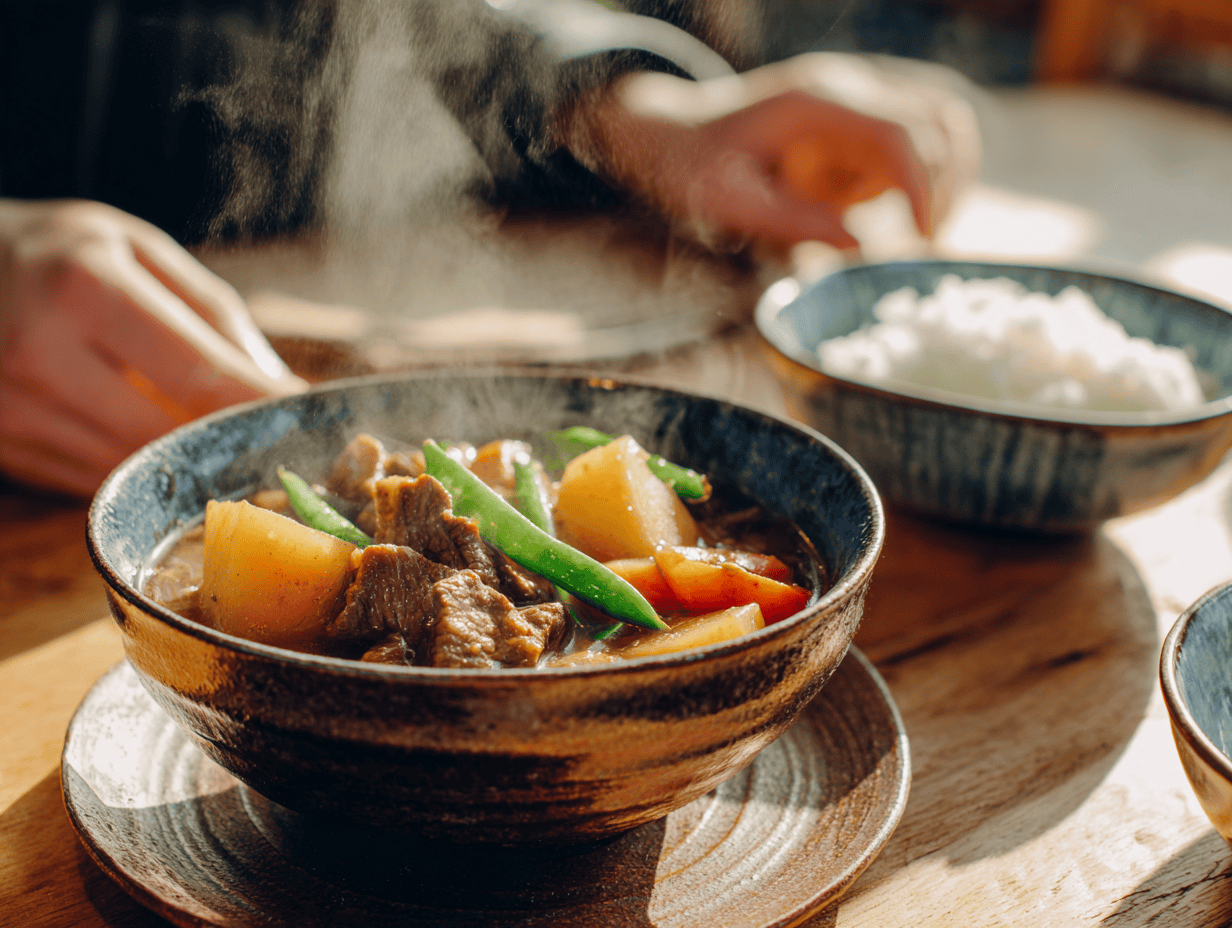
Often traced to Japan's naval galleys of the late 1800s, nikujaga became a weeknight staple of Japanese home cooking. It is the dish many people in Japan associate with a family table.
- 200 g thinly sliced beef
- 3 medium potatoes, peeled and cut into large chunks
- 1 onion, cut into wedges
- 1 carrot, cut into chunks
- 8 snow peas, blanched (optional)
- 1 tbsp neutral oil
- 250 ml dashi
- 2 tbsp sake
- 3 tbsp mirin
- 1 tbsp sugar
- 3 tbsp soy sauce
- Soak the potato chunks in water for a few minutes, then drain.
- Heat the oil in a medium pot. Cook the onion until soft, then add the beef and stir until it changes color.
- Add the potatoes and carrot and stir to coat them in oil. Pour in the dashi and bring to a boil, skimming off any foam.
- Add the sake, mirin and sugar. Cover with a drop lid or a sheet of baking paper and simmer for 8 minutes.
- Add the soy sauce and simmer for 10 to 12 minutes more, until the potatoes are tender and the liquid has reduced.
- Take the pot off the heat and let it rest for 10 minutes so the flavors sink in. Scatter the snow peas over the stew and serve with rice.
Once the pot is on the stove, the stew needs little from you. That pause is a good moment to notice the day. Who will you share it with? Who taught you to make it, or a dish like it? These questions lead straight back to Kamiya’s list of needs, such as a response from others. A shared meal answers them without any grand plan.
Write by hand
The last habit is the simplest. Write some of it by hand. Handwriting is slower than typing, and that slowness is the point. You choose words more carefully, and you remember them longer. A good pen and a notebook you enjoy opening also make the habit easier to keep. Japan takes both seriously, with pens that glide and paper that takes ink without bleeding.
None of these tools is required, of course. A pencil and a scrap of paper can hold the same honest line. Still, small pleasures matter here, because they lower the effort of showing up. A pen that feels good in the hand turns a chore into a small ritual. So choose tools that invite you back, then let them fade into the background. After a few weeks, you will reach for them without thinking. That is when the habit starts to belong to you. Also, a handwritten page ages well. Years later, the slant of the letters recalls the mood of the day as clearly as the words themselves.
Before the common questions, one last thought on method. Ikigai does not reward speed. It is tempting to treat the word as a puzzle, solve it in a weekend and move on. Yet the people who describe it best tend to speak in the present tense and in small units. A garden, a morning walk, a class of students. So give the practice a season rather than a weekend. Ninety days is long enough for a pattern to show, yet short enough to begin today. Because the entries build on each other, the later pages often read like a map of your own week. By then, your answers will speak for themselves.
Questions Worth Asking
What does ikigai mean in English?
The closest English gloss is "a life worth living" or "the worth of being alive." Iki means living, and gai means worth or effect. Translators also use "reason for being," though that phrase sounds grander than the Japanese. In daily speech, the word usually names small, specific things that make a day feel good.
How do you pronounce ikigai?
Say it as four short, even beats: ee-kee-guy, or i-ki-ga-i. The g is hard, as in "go." Japanese gives each syllable roughly equal weight, so try not to stress any one part. Keeping the rhythm flat and steady brings you close to how a native speaker says it.
Is ikigai a real Japanese concept or a Western invention?
The word is genuinely Japanese and in everyday use. The psychiatrist Mieko Kamiya published a book-length study of it in 1966. What the West invented is the four-circle diagram linking ikigai to love, skill, pay and need. That chart came from a Spanish purpose diagram, relabeled in 2014.
Can you have more than one ikigai?
Yes, and most people do. A person might find ikigai in their work, their children and a weekend hobby, all in the same season. Sources also change across a lifetime. A job may matter most at thirty, while a garden or a grandchild takes the lead at seventy.
Does ikigai have to be your job?
No. Work can hold ikigai, but so can a friendship, a craft, a pet or a morning walk. Linking the word only to career is the Venn diagram's error. In Japan, retirees, students and parents all use the word, often about things that pay nothing at all.
Is ikigai the same as happiness?
Not quite. Japanese research separates shiawase, a feeling of delight and peace, from ikigai, which involves effort, devotion and fulfillment. A demanding craft or caring for a relative can bring deep ikigai without feeling pleasant in the moment. The test is worth, not comfort.
What Is Ikigai, in the End? A Life Worth Living
Strip away the chart, and ikigai becomes both smaller and more useful. It is not a formula to solve once. Instead, it is a way of paying attention to the moments that make an ordinary day feel worth having. So when someone asks what is ikigai, the honest answer is the worth of living, found close to home and renewed each day.
The better first question is simple. What, this week, made a day feel worth it? Asked honestly and often, that question does more than any diagram. If you would like a structure for asking it, our 90-day guided ikigai journal offers one prompt each morning and a weekly review. It gives the same daily noticing a shape that lasts a season.
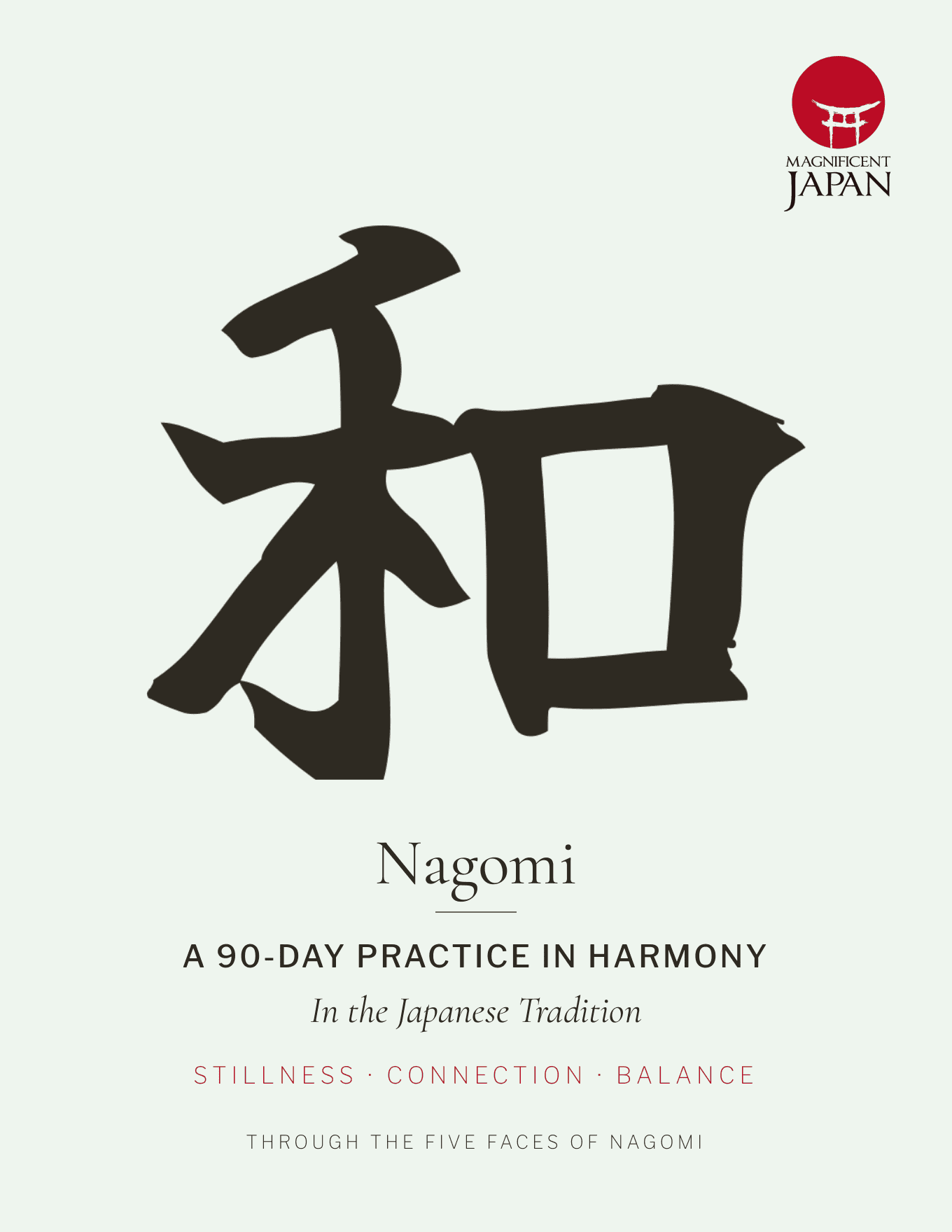
A ninety-day guided practice in harmony, the natural next step once ikigai has you noticing the people and routines that hold a good day together.
View the Journal →If harmony is the pillar that speaks to you most, the Nagomi Journal takes that thread further, one gentle page at a time. Then, when you are ready to see these ideas at work in Japan itself, our travel designers can help you plan the journey.
The Editors, Magnificent Japan
We design routes around the everyday Japan that ikigai lives in: a morning market, a potter's studio, a long lunch in a neighborhood you would not find alone.
Plan Your Custom Japan Itinerary