Japanese name meanings live in the kanji. A name like Mizuki is a sound, but 美月 is a picture: beautiful, then moon. For a name chosen by meaning, the Japanese name generator searches 2,231 given names by what their kanji mean. This guide does the same work by hand, one character at a time.
Below you will find 100 real names for girls, boys and both, each with kanji, kana and the meaning of every character. They are grouped the way parents in Japan tend to think about them. So you can read them as a list, or as a short lesson in how a name is built.
For the wider story of names in Japan, from family names to pop culture, start with our guide to the art of Japanese names. Then come back here for the characters themselves.
What is a Japanese name meaning?
A Japanese name meaning comes from the kanji used to write the name, not from the sound. Each character carries its own meaning, so 美月 (Mizuki) reads as beautiful plus moon. The same sound written with other kanji means something else. That is why a Japanese name is always explained character by character.
First, a note on where these meanings come from. Every name, reading and meaning below comes from the name list behind our own generator. That list draws on published baby-name rankings and on the EDRDG kanji dictionary. Each character is shown with its dictionary meaning, not with a meaning invented to sound pretty. As a result, some glosses look plain, such as thick for 太 or child for 子. Those plain words are honest, and they are also how a Japanese reader sees the name.
How Kanji Give a Japanese Name Its Meaning
Most Japanese given names use one or two kanji. Each kanji is a whole word with its own meaning, so a two-character name is a small phrase. For example, Nanami is 七海, seven and sea, a name that suggests wide water. Likewise, Haruto is 陽翔, sunshine and soar. Parents choose the characters first for their meaning, then check that the sound and the stroke count feel right.

The law also shapes the choice. A given name in Japan must use characters from two government lists. The first is the jōyō kanji for everyday use. The second is the jinmeiyō kanji, a supplementary list kept by the Ministry of Justice for names. Hiragana and katakana are allowed too. However, rare or unlisted characters cannot be registered, however lovely they look.
Reading Japanese Name Meanings Kanji by Kanji
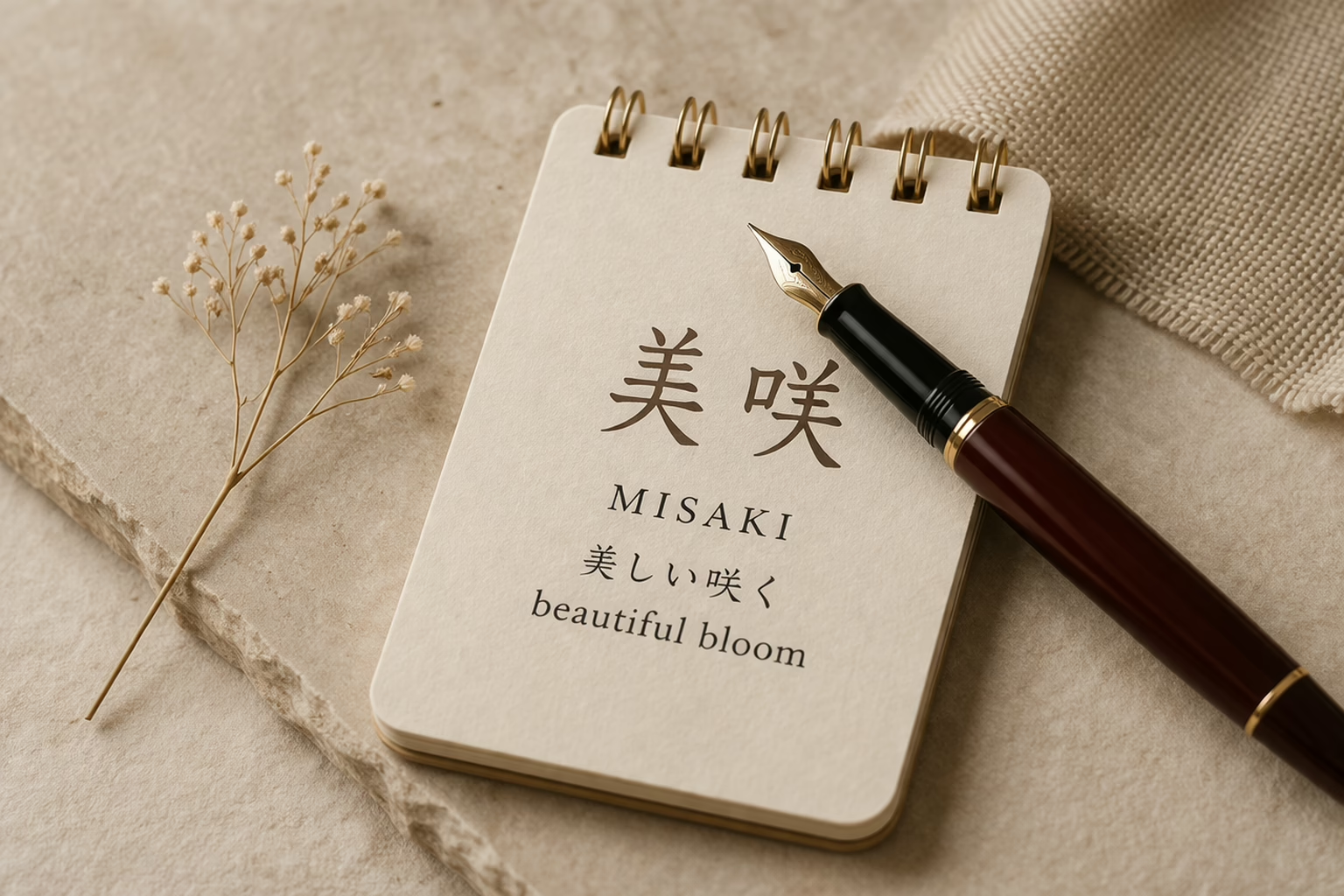
To read Japanese name meanings, take each character in turn. Then let the meanings sit side by side, as in a short poem. Misaki, 美咲, is beautiful and blossom, so it pictures a flower opening. Yuzuki, 柚月, is citron and moon, a gentle image of autumn fruit under a night sky. In each case the name does not spell out a sentence. Instead, it hangs two images together and lets the reader feel the connection.
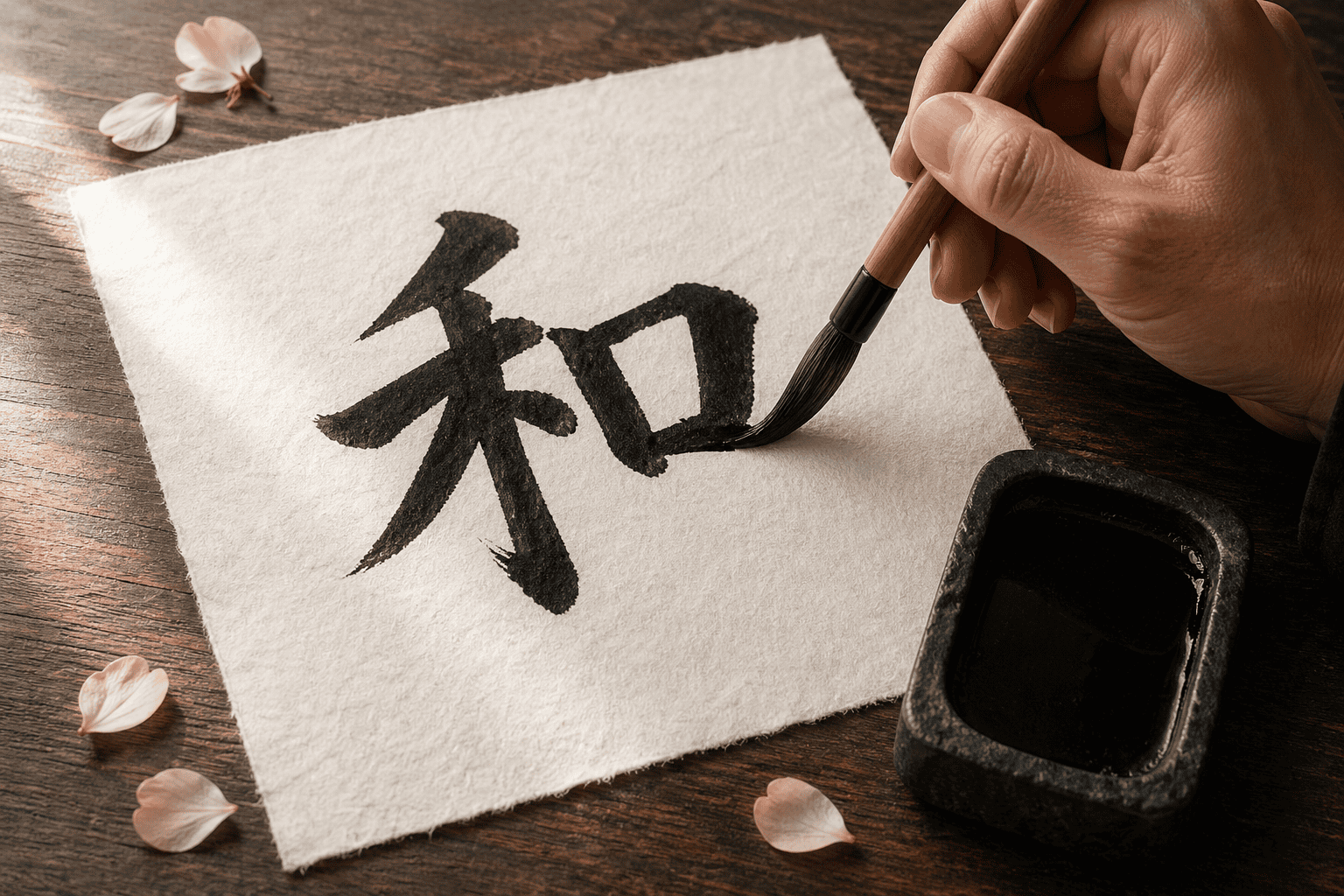
Readings add a second layer. A kanji usually has several readings, and names often use special ones that rarely appear elsewhere. So 和 is read wa in everyday words, but kazu or nodoka in a name. That is why every table below gives the kana. The kana tells you how the family actually says the name, while the kanji tell you what it means. Keep both in view as you read the lists, because a good name works on the ear and on the page at once.
You may also like

Japanese Girl Names With Meanings
Girl names in Japan often reach for flowers, light and beauty. The kanji 美 (beautiful), 花 (flower) and 愛 (love) appear again and again. Recent favorites also use 結, to tie or bind, which suggests bonds between people. Meanwhile, single-character names such as Sakura, Kaede and Tsubaki name one flower or tree outright. The 36 names below are all real given names from the generator’s list, with every character explained. Read them slowly, since Japanese name meanings for girls often rest on a single image.

| Name | Kanji | Kana | The kanji mean |
|---|---|---|---|
| Sakura | 桜 | さくら | cherry |
| Hana | 花 | はな | flower |
| Mizuki | 美月 | みずき | beautiful · moon |
| Misaki | 美咲 | みさき | beautiful · blossom |
| Yui | 結衣 | ゆい | tie · garment |
| Yua | 結愛 | ゆあ | tie · love |
| Aoi | 葵 | あおい | hollyhock |
| Kaede | 楓 | かえで | maple |
| Fuuka | 風花 | ふうか | wind · flower |
| Suzu | 鈴 | すず | small bell |
| Nanami | 七海 | ななみ | seven · sea |
| Sumire | 菫 | すみれ | the violet |
| Yuzuki | 柚月 | ゆずき | citron · moon |
| Aya | 彩 | あや | coloring |
| Tsubaki | 椿 | つばき | camellia |
| Koharu | 小春 | こはる | little · springtime |
| Haruka | 遥 | はるか | far off |
| Ayaka | 彩花 | あやか | coloring · flower |
| Akane | 茜 | あかね | red dye |
| Shiori | 栞 | しおり | bookmark |
| Nagisa | 渚 | なぎさ | shore |
| Chinatsu | 千夏 | ちなつ | thousand · summer |
| Kaori | 薫 | かおり | fragrant |
| Momoko | 桃子 | ももこ | peach · child |
| Miyu | 美優 | みゆ | beautiful · tenderness |
| Yukino | 雪乃 | ゆきの | snow · possessive particle |
| Amane | 天音 | あまね | heavens · sound |
| Misora | 美空 | みそら | beautiful · sky |
| Mai | 舞 | まい | dance |
| Miyabi | 雅 | みやび | elegant |
| Rei | 麗 | れい | lovely |
| Nozomi | 望 | のぞみ | hope |
| Kotone | 琴音 | ことね | koto · sound |
| Uta | 詩 | うた | poem |
| Mio | 澪 | みお | water route |
| Mei | 芽衣 | めい | bud · garment |
Notice how many of these names pair a quality with a thing. Mizuki and Misora join beautiful to moon and sky. Yua joins tie to love, a wish for close bonds. Then there are names built on sound and art, such as Kotone, the sound of the koto, and Uta, poem. Each one tells you what the parents hoped the child would notice in the world.
The Book Every Name Lover Should Own
Parents in Japan often consult a naming dictionary, and English readers can do the same. A classic index makes the meanings easy to check before you choose.
Japanese Names by P. G. O’Neill — the classic index of names by character
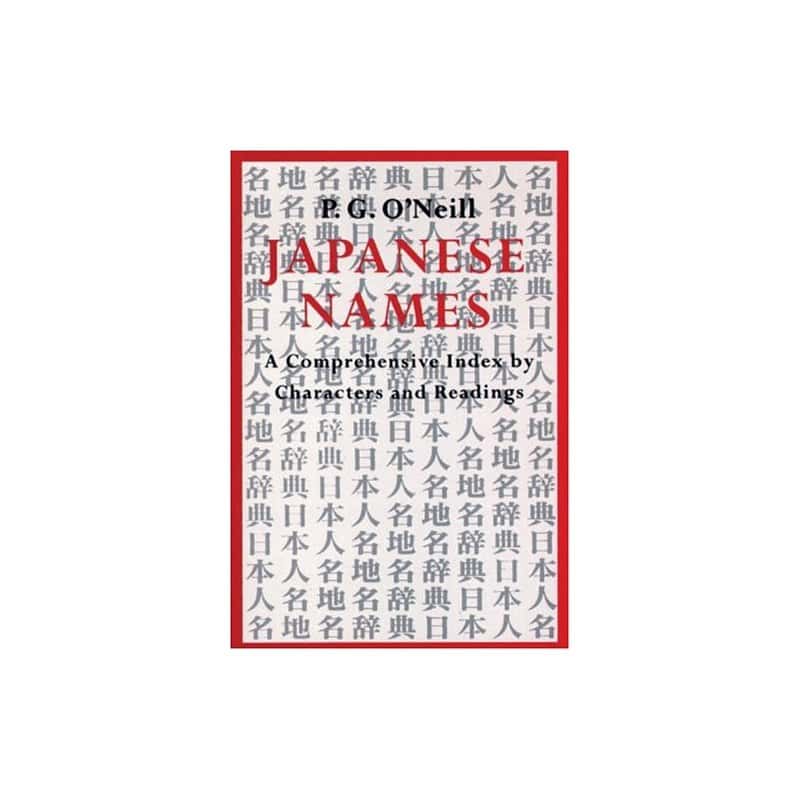
Japanese Names by P. G. O’Neill is the reference that scholars and translators have used for decades. It lists Japanese names both by their romanized spelling and by their kanji. So you can start from a sound you like and find the characters, or start from a character and find its name readings. This paperback runs to about 380 pages and was first published by Weatherhill. Keep it beside the tables in this guide, and you can test any name you meet in a novel, a film credit or a family tree. Few other English books show so plainly how one kanji can carry many readings.
Japanese Boy Names With Meanings
Boy names lean toward strength, flight and scale. The kanji 翔 (soar), 大 (large) and 陽 (sunshine) lead recent rankings, so Haruto, Hiroto and Kakeru all appear below. Older names follow a different pattern. Ichirō and Tarō use 郎, son, and once marked a first son. Meanwhile, names like Satoshi and Kei use a single kanji for wisdom. Altogether, the 34 names below span the classic and the current. As with the girls’ list, Japanese name meanings for boys work as pictures rather than labels, so read each pair of characters together.
| Name | Kanji | Kana | The kanji mean |
|---|---|---|---|
| Haruto | 陽翔 | はると | sunshine · soar |
| Hiroto | 大翔 | ひろと | large · soar |
| Arata | 新 | あらた | new |
| Riku | 陸 | りく | land |
| Takumi | 匠 | たくみ | artisan |
| Jin | 仁 | じん | benevolence |
| Kaito | 海斗 | かいと | sea · Big Dipper |
| Daiki | 大輝 | だいき | large · radiance |
| Kakeru | 翔 | かける | soar |
| Shouta | 翔太 | しょうた | soar · thick |
| Hiiragi | 柊 | ひいらぎ | holly |
| Kei | 慧 | けい | wise |
| Tsubasa | 翼 | つばさ | wing |
| Kanata | 奏多 | かなた | play music · many |
| Kohaku | 琥珀 | こはく | jewelled utensil · amber |
| Yuuto | 優斗 | ゆうと | tenderness · Big Dipper |
| Yuudai | 雄大 | ゆうだい | hero · large |
| Kenta | 健太 | けんた | healthy · thick |
| Kouki | 光希 | こうき | light · hope |
| Makoto | 誠 | まこと | sincerity |
| Taichi | 太一 | たいち | thick · one |
| Takuma | 拓真 | たくま | open · true |
| Hikaru | 輝 | ひかる | radiance |
| Daichi | 大地 | だいち | large · earth |
| Ryuunosuke | 龍之介 | りゅうのすけ | dragon · of · mediate |
| Tsuyoshi | 剛 | つよし | sturdy |
| Satoshi | 聡 | さとし | wise |
| Hiroshi | 寛 | ひろし | generosity |
| Tarō | 太郎 | たろう | thick · son |
| Ichirō | 一郎 | いちろう | one · son |
| Hideki | 秀樹 | ひでき | excellence · trees |
| Ryōsuke | 涼介 | りょうすけ | refreshing · mediate |
| Kotarō | 虎太郎 | こたろう | tiger · thick · son |
| Shun | 隼 | しゅん | falcon |
Two of these characters need a gloss. First, 斗 in Kaito and Yuuto is the Big Dipper, the bright constellation that points north. So Kaito joins the sea to a guiding star. Second, 太 in Shouta and Kenta is listed as thick or big around. In a name, though, it suggests something sturdy and generous. Japanese readers feel that warmth, even though the dictionary word is plain.

A Dictionary for the Characters Themselves
Once a name catches your eye, the next step is to study each character in depth. A learner’s kanji dictionary shows the meanings, the readings and the stroke order together.
The Kodansha Kanji Learner’s Dictionary — every name kanji in one volume
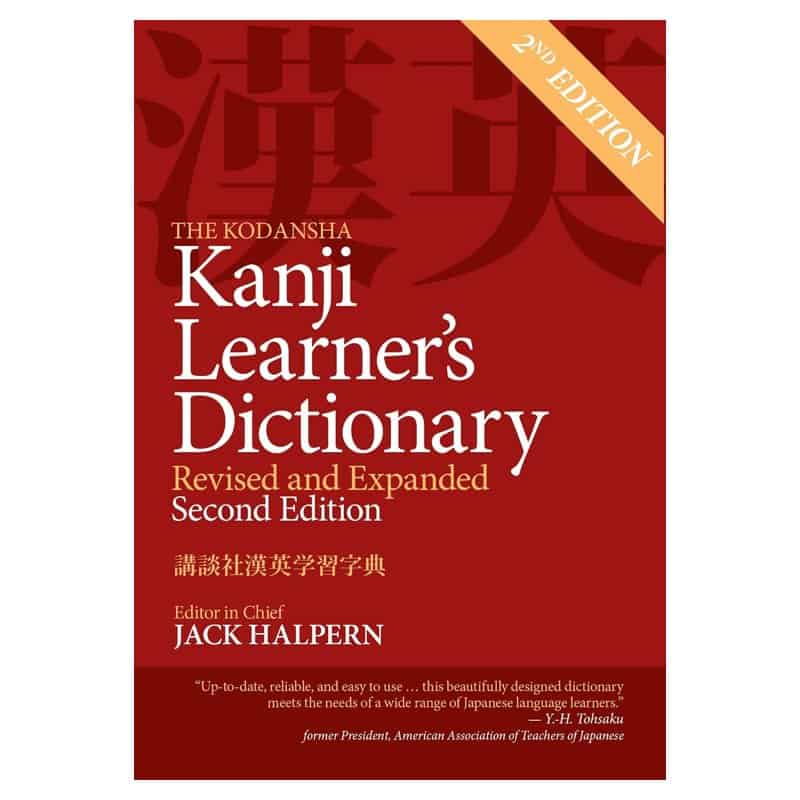
The Kodansha Kanji Learner’s Dictionary is the standard character dictionary for English speakers. This revised and expanded second edition holds 3,002 kanji entries, and it reflects the government’s jōyō and jinmei kanji lists. So the characters used in names are covered too. Each entry gives the meanings, the readings in kana and the stroke order. Its pattern index helps you find a character quickly, even when you cannot yet read it. Look up 翔, 陽 or 結 from the tables above, and you will see the full range of meanings behind each name. Then you can judge for yourself which reading a family is likely to use.
Unisex Japanese Names and Their Meanings
Some Japanese names belong to no single gender, and several sit near the top of recent rankings. According to Nippon.com’s report on Meiji Yasuda’s 2025 baby-name ranking, 湊 (Minato) and 翠 (Sui) took first place for boys and girls. Meanwhile, 紬 (Tsumugi) placed third for girls and 蓮 (Ren) fifth for boys. Both are marked unisex in the generator’s records, like the other 18 names below.
| Name | Kanji | Kana | The kanji mean |
|---|---|---|---|
| Tsumugi | 紬 | つむぎ | pongee (a knotted silk cloth) |
| Nagi | 凪 | なぎ | calm |
| Ren | 蓮 | れん | lotus |
| Rin | 凛 | りん | cold |
| Itsuki | 樹 | いつき | trees |
| Ayumi | 歩 | あゆみ | walk |
| Sora | 空 | そら | sky |
| Rei | 怜 | れい | wise |
| Chihiro | 千尋 | ちひろ | thousand · fathom |
| Hibiki | 響 | ひびき | echo |
| Mirai | 未来 | みらい | not yet · come |
| Tsukasa | 司 | つかさ | director |
| Kokoro | 心 | こころ | heart |
| Hikaru | 光 | ひかる | light |
| Takara | 宝 | たから | treasure |
| Ayame | 菖蒲 | あやめ | iris · bullrush |
| Asahi | 旭 | あさひ | rising sun |
| Ao | 碧 | あお | blue |
| Kaoru | 薫 | かおる | fragrant |
| Azusa | 梓 | あずさ | catalpa tree |
Unisex names tend to describe a feeling or a natural thing rather than a person. Sora is sky, and Nagi is the calm of a windless sea. Similarly, Kokoro is heart, and Hikaru is light. Because the meanings are open, they suit any child. That openness also explains their appeal to parents today, who want a name the child can grow into freely. Curious to see the places behind these names? Our custom Japan itineraries can route a trip through moss gardens, clear rivers and coasts in every season.
Ten Proverbs to Carry With You
A printable folio of ten Japanese proverbs, each with a short note on where it shows up in daily life. Several turn on the same images as the names here: the moon, the sea and the seasons. Leave your email and the printable arrives in your inbox, followed by an occasional letter on Japan.
One email with your printable. Occasional letters after that. Unsubscribe anytime.
Sound Before Sense, Then Sense Before Sound
In practice, many parents work in two passes. First, they choose a sound that is easy to say with the family name. Then they look for kanji that give that sound a meaning they love. Chihiro is a good example. The sound is soft and familiar, while 千尋 adds thousand and fathom, a sense of great depth. So the same name can feel light when spoken and serious when written. That double life is the reason many Japanese name meanings surprise English readers. A soft, simple sound can carry a deep picture, and a strong sound can carry a gentle one.
Recommended
Names From Nature, the Sky and the Seasons
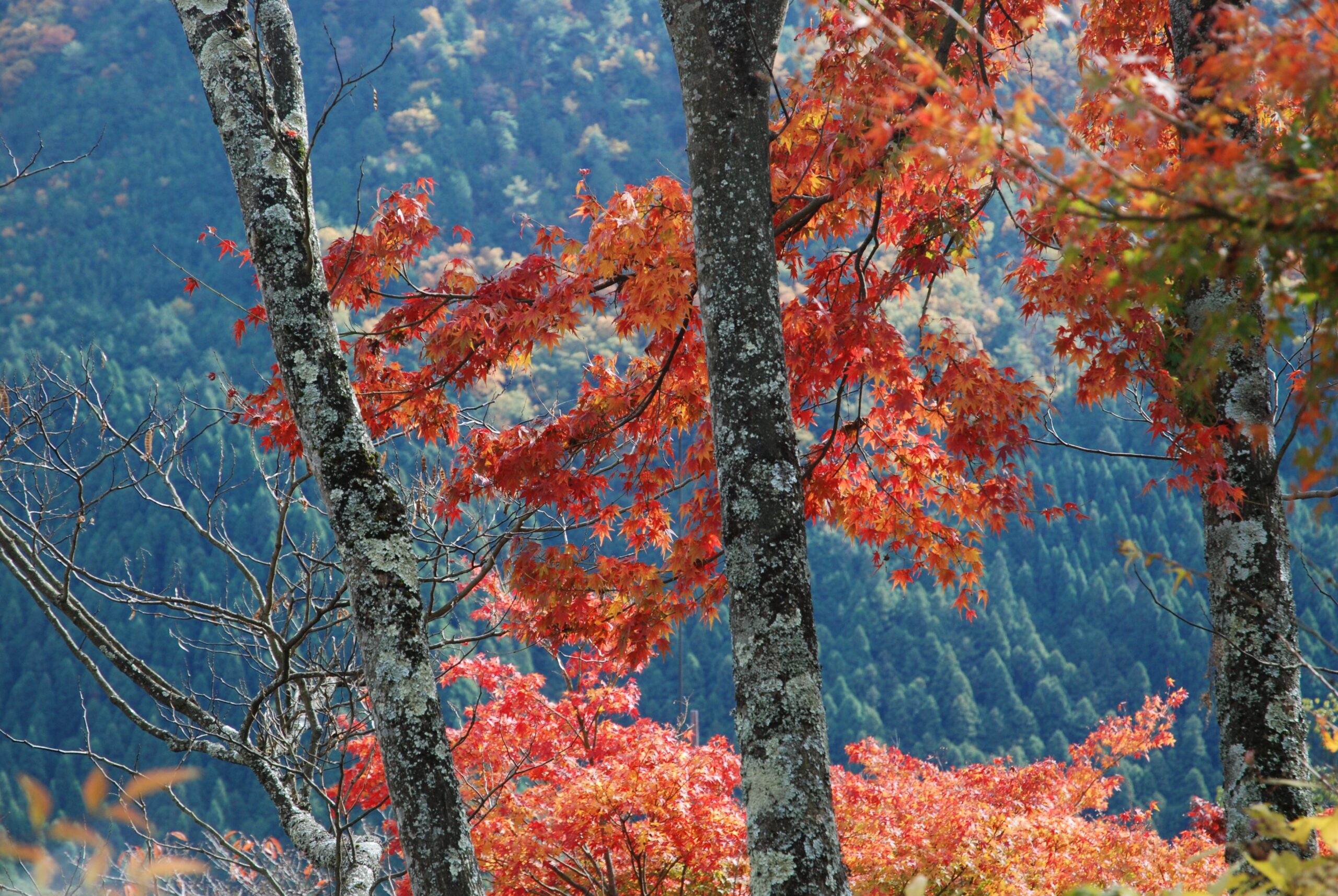
Japanese name meanings often follow the year. Spring brings Sakura and Haruka, summer brings Chinatsu, autumn brings Momiji, and winter brings Yukino. Besides the seasons, the sky offers stars, dawn and night. The sea offers waves, springs and harbors. The ten names below come straight from that calendar, and each one is a small picture of Japan through the year. Some are classic and some are rare, but all of them are real given names that families still choose today.
| Name | Kanji | Kana | The kanji mean | Listed for |
|---|---|---|---|---|
| Kiku | 菊 | きく | chrysanthemum | girls |
| Ume | 梅 | うめ | plum | girls |
| Momiji | 紅葉 | もみじ | crimson · leaf | girls |
| Umi | 海 | うみ | sea | girls |
| Izumi | 泉 | いずみ | spring | girls |
| Hoshi | 星 | ほし | star | girls |
| Akatsuki | 暁 | あかつき | daybreak | girls |
| Yozora | 夜空 | よぞら | night · sky | girls |
| Subaru | 昴 | すばる | the Pleiades | boys |
| Taiga | 大河 | たいが | large · river | boys |
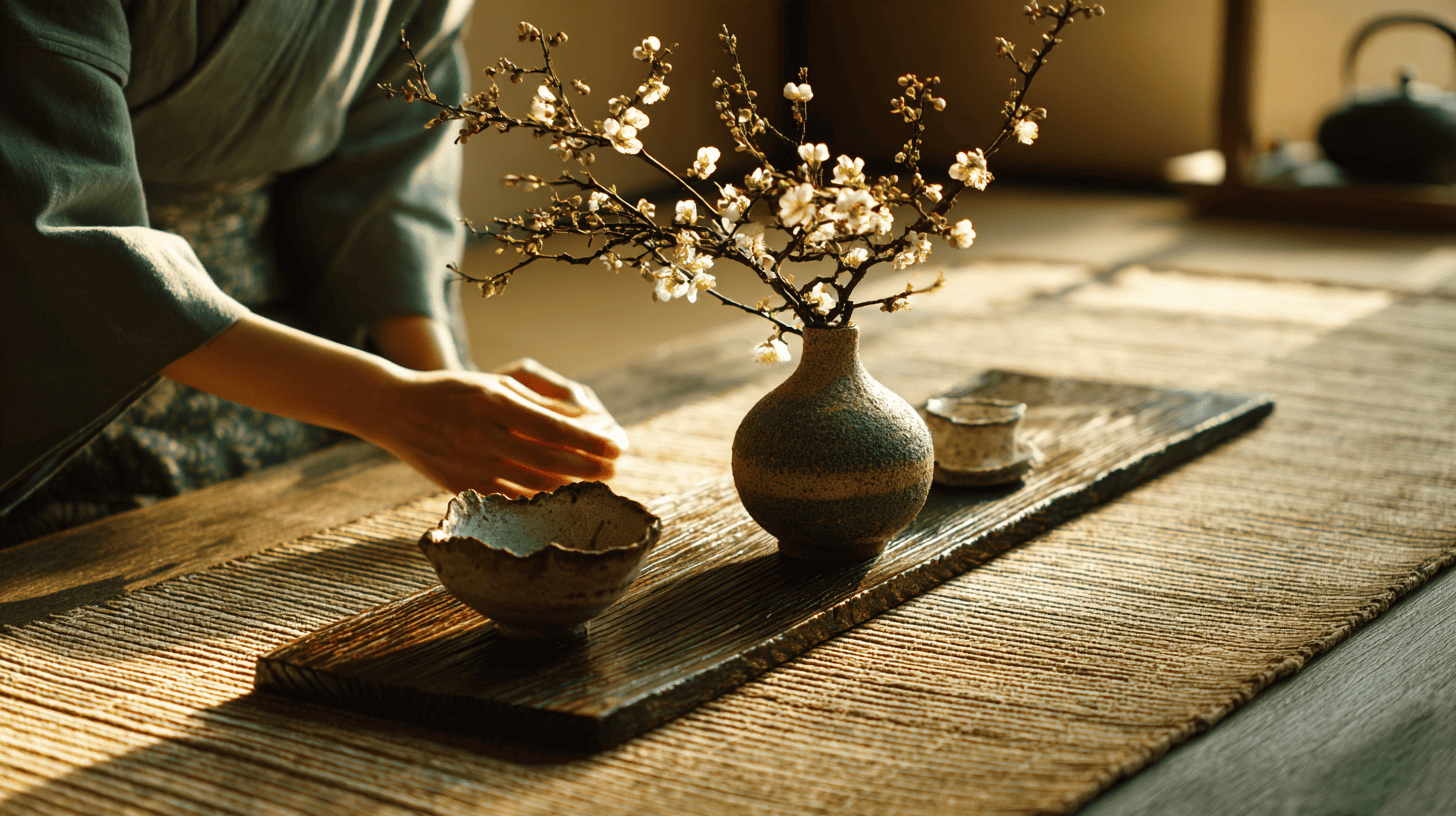
Some of these names are rare, yet every one is a real given name in the generator’s records. Ume, the plum, flowers in late winter, before the cherry trees. Kiku, the chrysanthemum, is the flower of autumn. Akatsuki means daybreak, and Yozora is the night sky. In the same spirit, Subaru names the Pleiades, the small star cluster that the carmaker also borrowed for its badge.
A Spring Sweet for the Cherry Names
Spring names deserve a spring sweet. Sakura mochi is pink rice wrapped around red bean paste, then folded in a salted cherry leaf. It appears in shops before the blossoms open, so it is often the first taste of the season. The Kansai version below uses coarse dōmyōji rice, which gives each piece its pearly look.
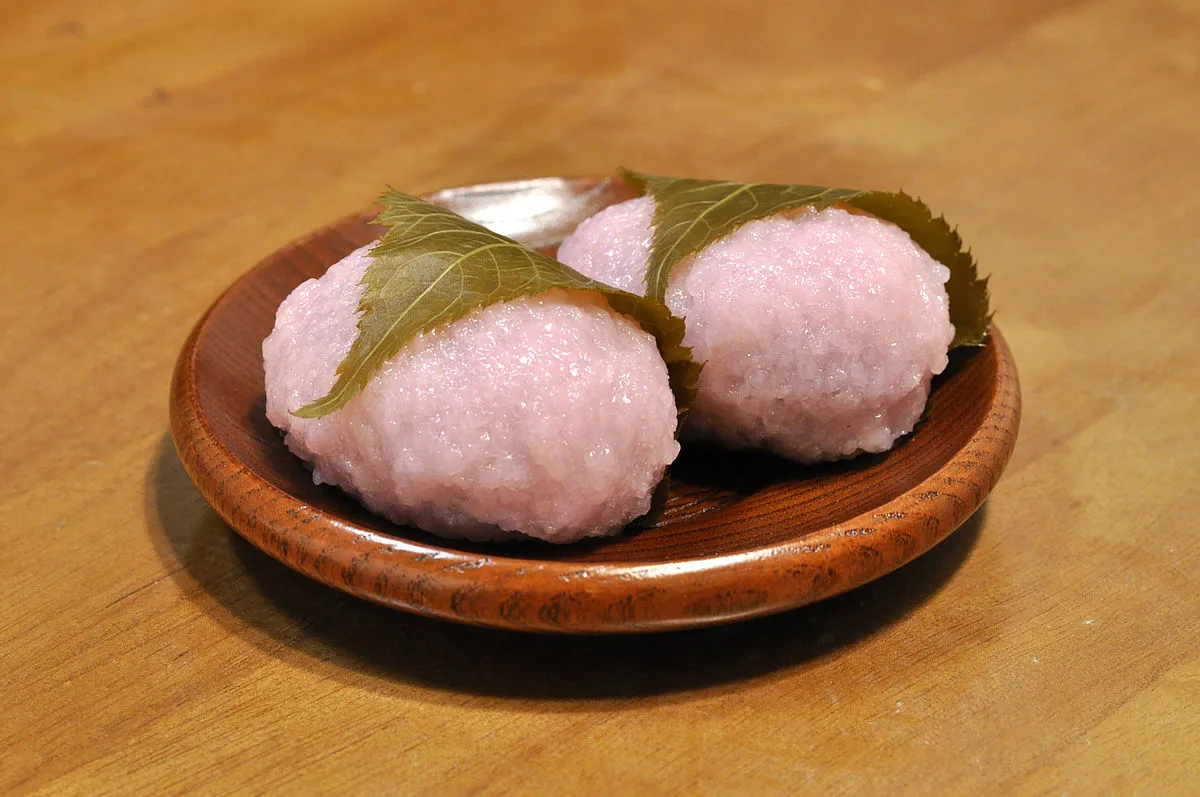
Sakura mochi, Kansai style
Adapted from Global Kitchen Japan’s sakura mochi recipe, this makes six pieces. First, stir one hundred grams of dōmyōji-ko with two teaspoons of sugar, two-thirds of a cup of water and a drop of diluted red coloring. Cover the bowl loosely and microwave it at six hundred watts for four minutes. Stir well, cover again and heat for two minutes more. Rest it, covered, for ten minutes. Meanwhile, soak six salted cherry leaves, pat them dry, and roll one hundred fifty grams of koshian into six balls. Next, with wet hands, fold each sixth of the rice around a ball of bean paste. Finally, wrap each piece in a leaf with the veins facing out.
Serve sakura mochi with green tea on a spring afternoon. The leaf is edible, and its salty, floral note balances the sweet bean paste. Some people eat it, while others unwrap the mochi first. Either way, it is a fitting treat for anyone named Sakura, Koharu or Haruka.
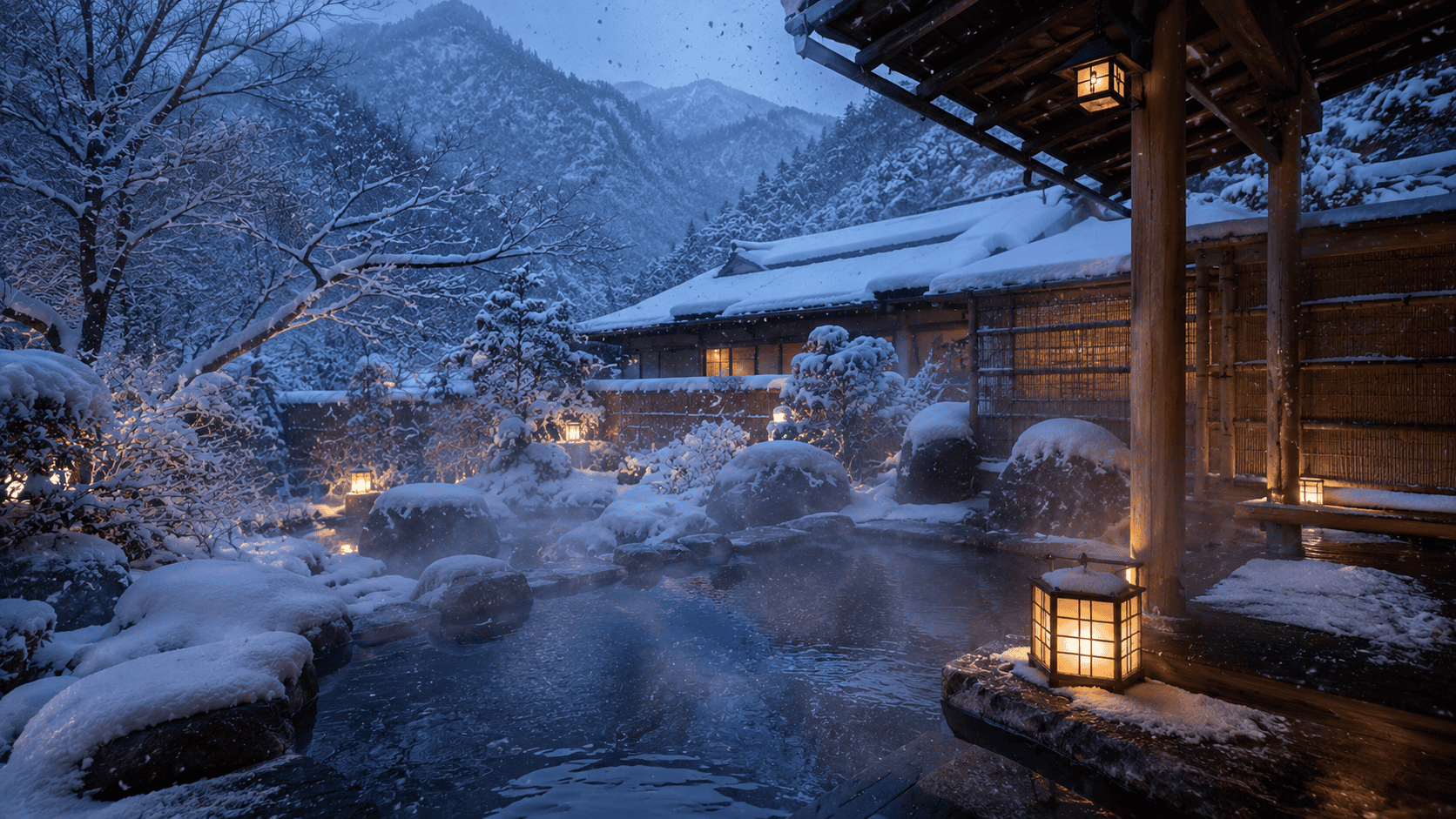
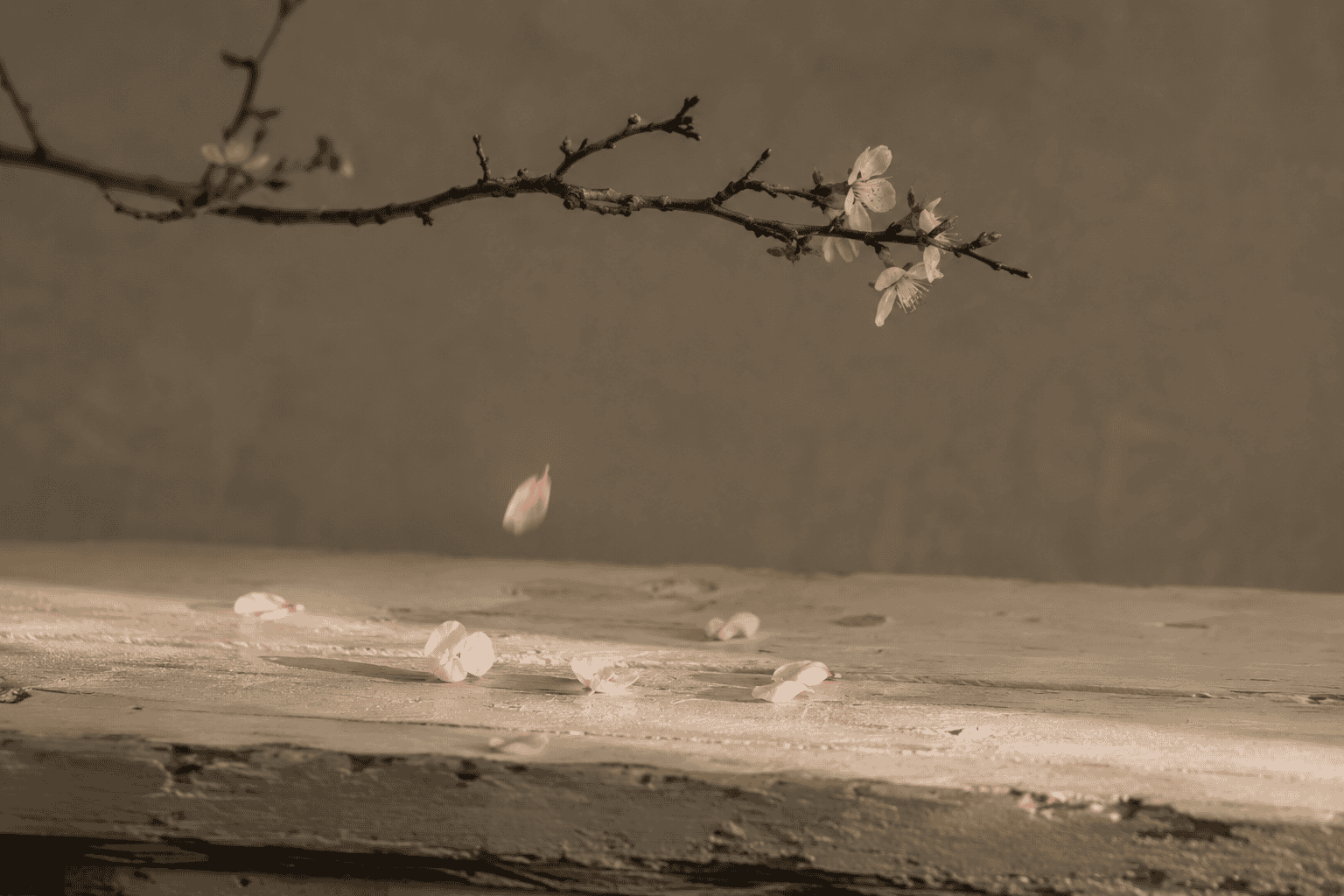
Winter has its own names, and they are some of the softest in the language. Yukino joins snow to a small possessive particle, so it reads almost like “of the snow.” Akatsuki, daybreak, suits the long dark mornings of January. Meanwhile, Ume flowers while snow still lies on the ground. For that reason, a winter birthday often inspires these names. Parents like the idea of a child who brings light and color to the coldest, darkest season of the year.
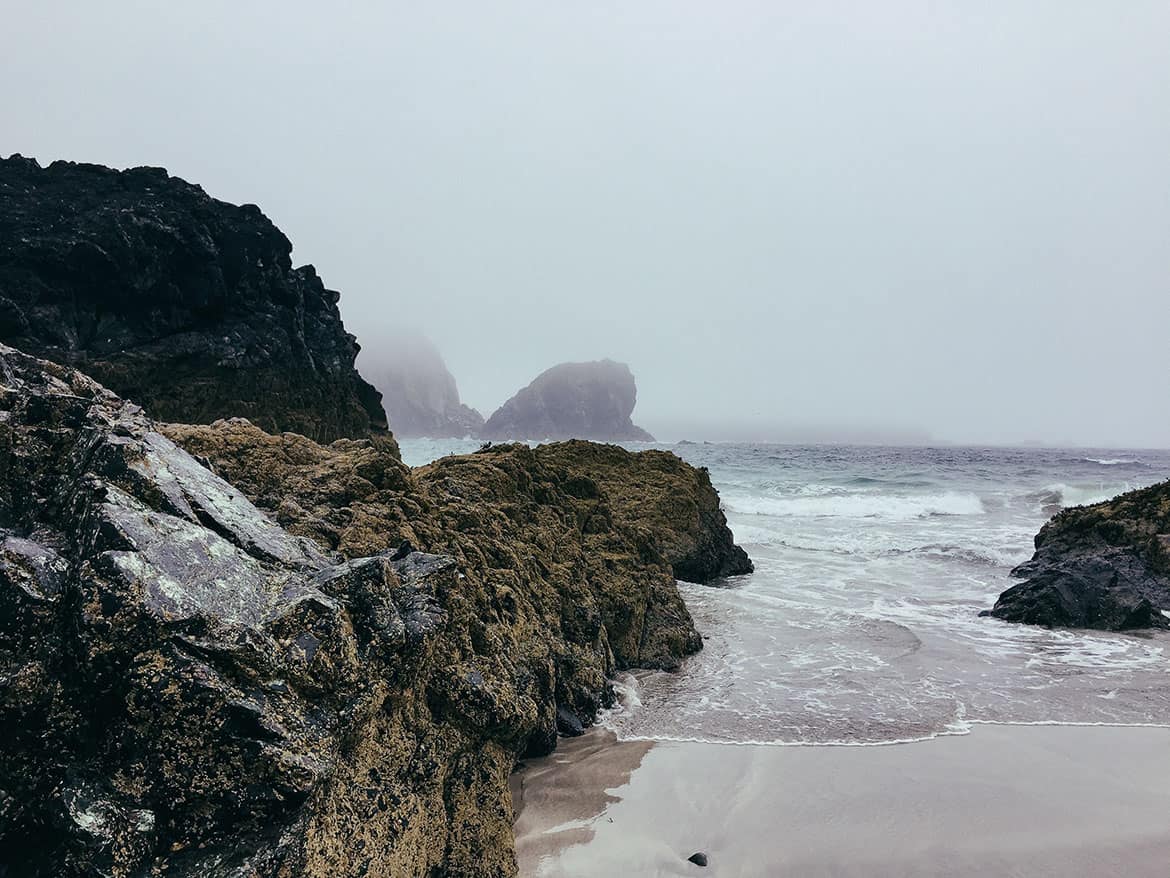
The sea gives a final group. Umi is simply sea, while Nanami adds seven to it, and Kaito joins the sea to a guiding star. Nagisa, the shore, sits where the two meet. Japan is an island country, so it is no surprise that water runs through so many names. In fact, the 2025 favorite for boys, Minato, means harbor. Each of these names carries the sound of waves, even when it is written on a plain school form or a train ticket.
You may also like
One Sound, Many Meanings: Why the Kanji Matter
Here is the central idea behind Japanese name meanings. A sound does not have a meaning until someone writes it. Many visitors find this the most surprising thing about names in Japan, so it is worth a closer look. Take Aoi. Written 葵, it is the hollyhock. Written 蒼, it is a deep blue or pale green. Likewise, Midori can be 緑, green, or 翠, a kingfisher green, or 碧, a blue-green like deep water. All of these spellings appear in the generator’s records.
The sound Akira shows the effect even more clearly. In our list it is written 陽 (sunshine), 光 (light), 旭 (rising sun), 玲 (the sound of jewels) and 慧 (wise). So two people named Akira may carry quite different pictures. Similarly, Haruka can be 遥, far off, or 遥花, a distant flower. For this reason, Japanese people often ask how a name is written when they first hear it. The answer tells them the meaning.
The reverse also happens. One spelling can have several readings. 美月 is read Mizuki or Mitsuki, and 薫 is Kaori for many girls but Kaoru for others. Therefore, a name tag in kanji does not always tell you how to say a name. The safest habit is to ask, politely, and to remember the answer.
Naming Day in Japan: Oshichiya, the Seventh Night
In Japan, a baby’s name is traditionally announced on the seventh night after birth, once mother and child have had a week to rest. The custom is called oshichiya, and it remains one of the warmest and most personal family rituals in the country. On that evening, the family writes the name on a naming paper, the meimeisho, and displays it at home. According to the TKG Japanese-English Learner’s Dictionary entry on oshichiya, a celebration meal of whole sea bream and red bean rice, sekihan, often follows.

The timing also fits the law. Parents must register a birth within 14 days, as Shinjuku City’s birth notification guide explains. So the name has to be settled quickly. Today, many families keep oshichiya small, with grandparents and a printed or brushed meimeisho. Some even ask a calligrapher to write it, and they frame it afterward.
Writing the Name by Hand
A meimeisho is usually brushed in sumi ink. For anyone who wants to try, a school calligraphy set holds everything in one case.
Kuretake Calligraphy Set — a complete case for brushing a name
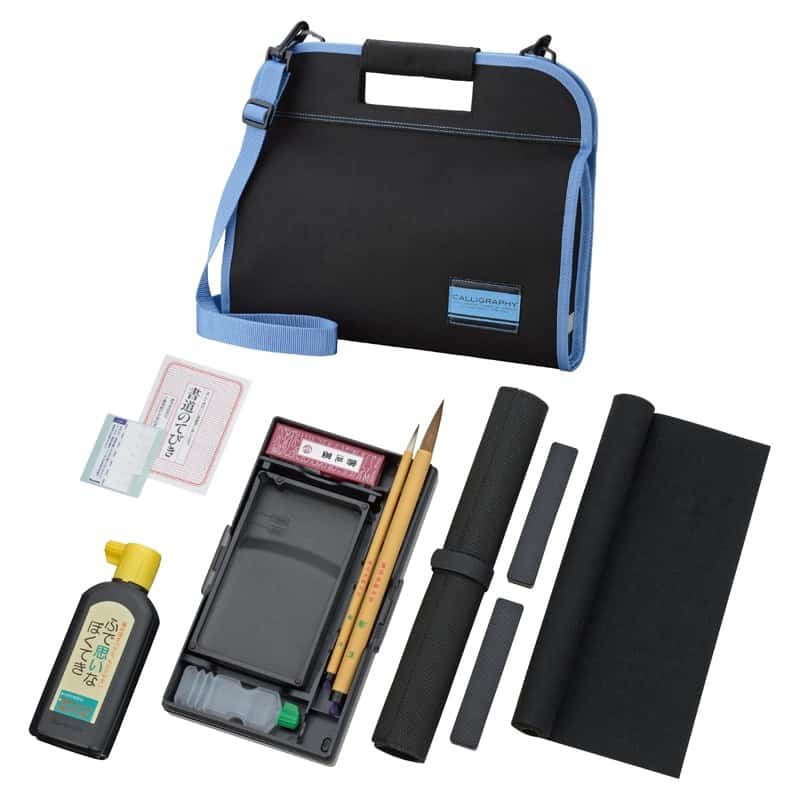
The Kuretake two-way calligraphy set is the kind of kit Japanese students carry to school. Kuretake is a Nara maker that has made sumi ink for generations. The case opens fully, so every tool lies flat on the desk. Inside are brushes, an inkstone and bottled ink, with a felt mat and paperweights to hold the paper still. The kit is meant for real practice, from single characters to full names. Try brushing the two kanji of your favorite name from this guide. Start with a large size, keep the strokes slow, and let the ink settle before you lift the paper. In time, you could even brush your own meimeisho.
Choosing a Name That Means What You Intend
If you are choosing a Japanese name for yourself, a character or a child, start with meaning. Pick the picture you want first, such as moon, sea, light or calm. Then look at real names that carry it, rather than building a new one from loose kanji. This is the safest way to choose. Real names come with real readings, so Japanese speakers will recognize them. Our guide to Japanese words for love and connection offers more kanji with warm meanings.
Next, check every kanji, not only the one you like. A name such as Momoko joins peach to child, and both parts matter. After that, write the name by hand a few times. Its balance on the page is part of how it feels. To learn the strokes, our guide to Japanese calligraphy as fine art is a good place to start.
A seal makes the choice permanent. In Japan, a personal seal stands in for a signature, and a carved name stamp is a lasting keepsake.
Custom Stone Name Seal — your chosen name, carved as a hanko
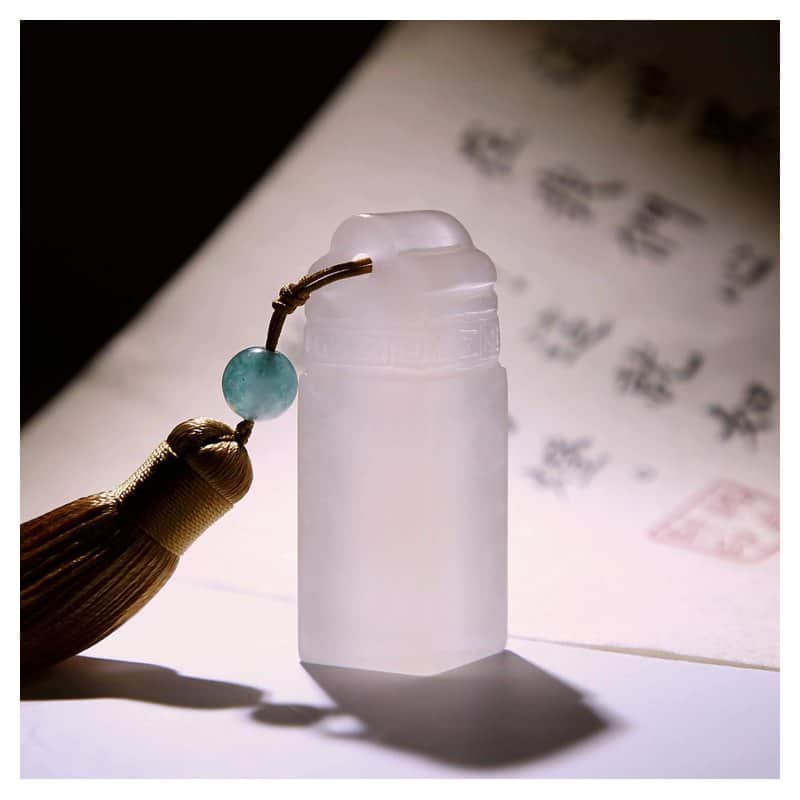
Once you know what your chosen name means, a custom stone name seal turns it into something you can use. It is carved from natural stone to your own text, in Japanese or Chinese characters, in the font style you pick. The stone measures about one inch square and just over two inches tall, finished with a tassel. Each piece has its own grain, so no two look alike. Use it to sign letters, mark your books or finish a page of brush practice. Allow a few days for the carving. Then press it firmly and evenly in red ink, and lift it straight up for a clean print.
Finally, give the name a page of its own. Fine stationery turns a few brushed characters into a keepsake, whether it is a birth announcement or a thank-you note.
Midori Letter Paper — a clean page for a name
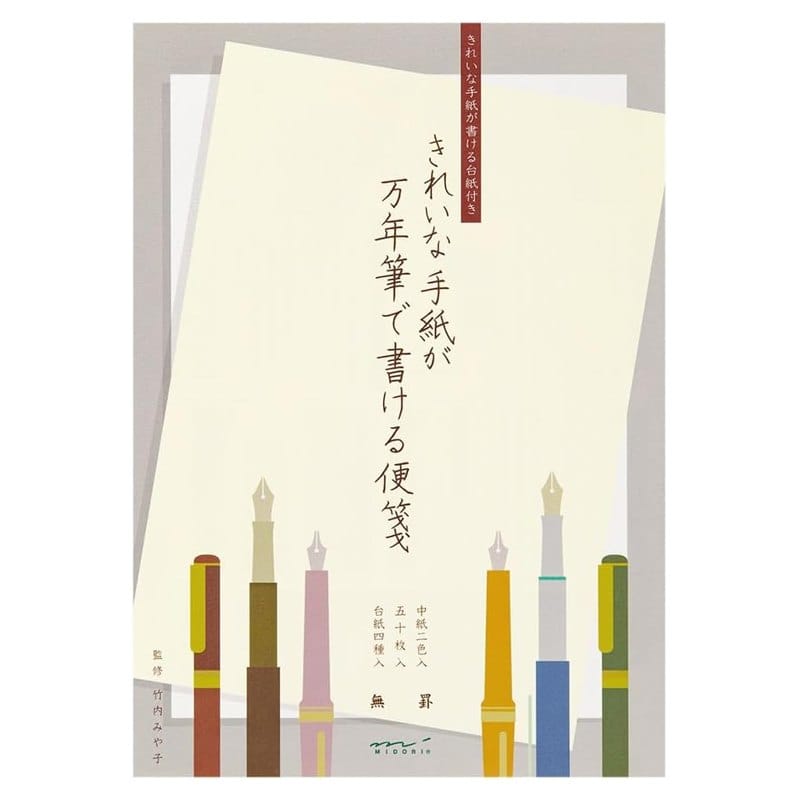
This Midori letter paper comes from a Japanese stationery maker known for simple, well-made paper. The pad includes a guide sheet that slips under each page, so your lines stay straight without printed rules. As a result, a name written in the center sits beautifully on a plain field. The paper takes fountain pen ink well, and it suits a brush pen for short words. Use it to write out the name you chose and its kanji meanings for a friend or a new parent. Add the date, and you have a small record that will mean more each year.
Names also carry relationships. A name chosen with care links a child to the parents who chose it and to the grandparents who came to the oshichiya. In that sense, every name on this page is a thread between people. The journal below takes that idea of connection as its theme, with one short prompt a day for ninety days.
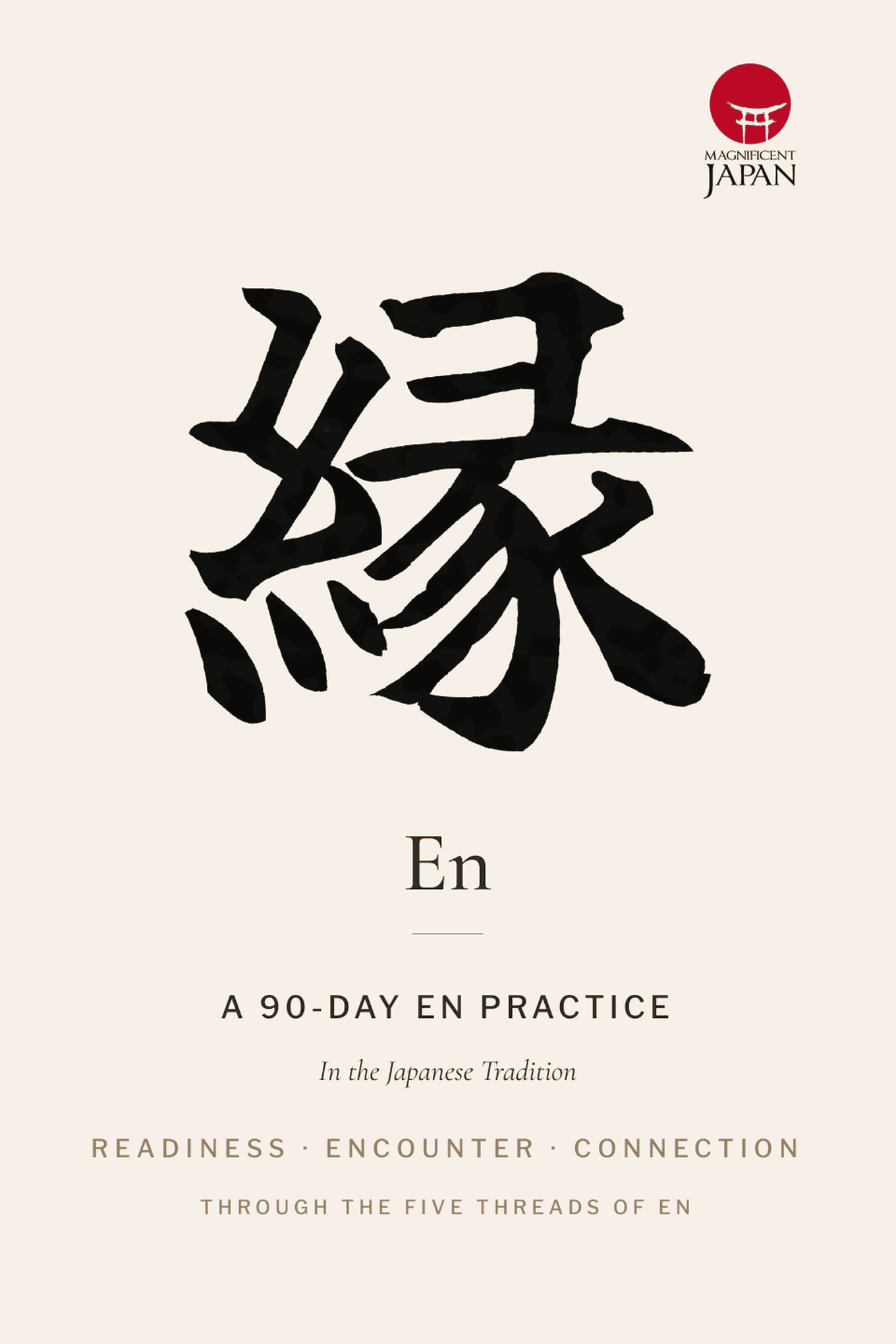
A 90-day practice in en, Connection, the ties that link people, families and generations. One short prompt a day helps you notice the bonds that shape your life, including the ones a name carries. Choose the digital edition for a tablet or the paperback for ink and paper. It is one of eight journals in the Cultural Reflection Collection, each built on a Japanese idea.
View The CollectionLiving With Japanese Name Meanings
Japanese names reward slow reading. Learn a dozen characters, and every introduction becomes a small poem. The colleague is the beautiful moon. The child on the train is the soaring sun, and the shopkeeper is a fragrant breeze. So when you next meet someone in Japan, ask how their name is written. It is a gracious question, and the answer is a gift.
When you want to practice the characters themselves, our calligraphy practice tool shows each stroke in order. Alternatively, the daily kanji flashcards add one character a day.
One last thought before the questions. Many of these names were taken from the land and the seasons, and the best way to feel them is to travel through those places. Imagine cherry paths in April, a maple valley in November, and a snowy inn in February. Would you like a journey planned around those seasons? Our travel designers can build a route that follows the blossoms, the leaves and the snow, with inns and guides chosen for their setting.
A custom itinerary for the traveler who wants to see the Japan that its names describe. It follows cherry paths in spring, maple valleys in autumn and snowy inns in winter, with stays chosen for their setting. Each day is paced for walking, eating well and noticing the season.
Plan Your Custom Japan ItineraryQuestions Worth Asking
What is the most beautiful Japanese name?
Beauty depends on the kanji. Names such as Misaki (beautiful blossom), Mizuki (beautiful moon) and Misora (beautiful sky) join 美, beautiful, to an image from nature. Many readers find these the loveliest, because each pairs a quality with a picture.
What Japanese name means moon?
Names with 月, moon, include Mizuki (beautiful moon), Yuzuki (citron moon) and Hazuki (leaf moon). The character can also appear at the start, as in Tsukiko, moon child. Each spelling gives the moon a different setting.
Can a Japanese name be for both a boy and a girl?
Yes. Names such as Sora (sky), Ren (lotus), Hikaru (light) and Chihiro (thousand fathoms) are given to both. Tsumugi and Ren, both unisex, were among the top five names of 2025 in Meiji Yasuda’s ranking.
Why do Japanese names with the same sound mean different things?
The meaning comes from the kanji, not the sound. Aoi written 葵 is the hollyhock, while 蒼 is deep blue. So Japanese people often ask how a name is written, because the characters reveal the meaning.
When is a baby named in Japan?
Traditionally, the name is announced at oshichiya, the seventh night after birth, and written on a naming paper called a meimeisho. Parents must also register the birth, with the name, within 14 days.
Can a Japanese name be written in hiragana only?
Yes. Hiragana and katakana are allowed in registered names, alongside the jōyō and jinmeiyō kanji. A hiragana name such as さくら keeps the sound but leaves the meaning open, which some parents prefer.
The Editors, Magnificent Japan