If you have ever typed “what is my Japanese name” into a search bar, you probably wanted one clear answer. However, there are really three answers, and each one gives you something different. Your own name can be spelled in katakana by its sound. It can be written in kanji chosen for sound. Or you can take a real Japanese name chosen for its meaning.
None of these is the single correct one. Instead, each suits a different purpose. A katakana spelling is what a hotel clerk will write on your booking. A kanji spelling makes a striking gift, although it can mislead. Meanwhile, a real Japanese name is closer to a new identity than a translation.
This guide walks through all three, with the official spelling rules, real examples and the risks to avoid. For the wider story of how Japanese families name their children, start with our guide to the art of Japanese names.
What is my Japanese name?
Your Japanese name depends on the route you take. Most foreign names are written in katakana, the script for foreign words, by their sound. You can also pick kanji that match the sound, called ateji. Or you can choose a real Japanese name by meaning. Katakana is what Japan will actually use for you.
Before choosing, it helps to know what each route can and cannot do. Katakana keeps your name intact, but it carries no meaning in Japanese. Kanji carry meaning, yet a name built only for sound often reads as a string of unrelated ideas. Meanwhile, a Japanese name chosen by meaning reads naturally, but it is no longer your own name. So the honest question is what you want the name to do: appear on a form, hang on a wall, or become something you answer to.
Way One: Your Name in Katakana, by Sound
Katakana is one of the two Japanese syllabaries. It is the script Japanese uses for words and names from other languages. So when you check into a ryokan or sign up for a language course, your name will almost certainly appear in katakana. Bank forms and many official forms also ask for a katakana reading beside a foreign name.

The key idea is that katakana spells by sound, not by letters. Each katakana character stands for a syllable, such as ka, mi or ru. Japanese also has only five vowels and few closed syllables. As a result, your name is rebuilt from Japanese sounds, and most consonants pick up a vowel. Michael becomes Maikeru, Chris becomes Kurisu, and Anna stays close to Anna. That is why the first answer to “what is my Japanese name” is usually a katakana spelling.
You may also like

Why the Sound Changes
Japanese has no separate L and R. Instead, both are written with the ra-row of katakana, so Lily becomes リリー (Rirī). Similarly, the English th sound has no match. Therefore Matthew is usually マシュー (Mashū), with sh standing in for th. Final consonants also gain a vowel, which is why Tim ends in -mu. None of this is an error. It is simply how Japanese hears and writes the sounds of another language, and every learner meets it in the first week.
Once you see the pattern, you can predict most spellings yourself. First, break your name into syllables as it is spoken, not as it is written. Then match each syllable to the nearest Japanese sound. Finally, mark long vowels with the dash ー, which Japanese writes as a short line. For example, Peter is spoken pee-ter, so it becomes ピーター (Pītā). The long ee and the final er both take the dash.
Katakana Spelling Rules and Common Examples
Japan does have a reference for spelling foreign words in katakana. In 1991, a Cabinet Notice set out The Notation of Loanwords (外来語の表記), published by the Agency for Cultural Affairs. It guides newspapers, broadcasting and official writing. Its preface is careful, though. It says that it does not extend to how individuals write, and that personal names may follow their own usage.
In other words, the notice gives you rules, not a fixed answer for your name. It lists two tables of kana. The first holds the kana in general use, including ファ (fa) and ティ (ti). The second holds kana for writing closer to the original sound, such as ウィ (wi) and ヴァ (va).
Five Rules That Decide Most Spellings
First, long vowels take the dash ー, as in the notice’s own example ニュートン (Newton). Second, English endings in -er, -or and -ar usually become a long a sound, as in Peter. Third, an ay sound is often written エイ rather than エー, as in the notice’s example ケインズ (Keynes). Fourth, ティ and ディ are available for ti and di, as in ディズニー (Disney). Fifth, the v sound may be written with ヴ, or more simply with the b-row. The notice accepts both バイオリン and ヴァイオリン for violin.

| English name | Common katakana | Read as | Rule at work |
|---|---|---|---|
| Michael | マイケル | Maikeru | vowel added after the final l |
| Emily | エミリー | Emirī | l becomes r; long final vowel |
| Peter | ピーター | Pītā | -er becomes a long a |
| Kate | ケイト | Keito | ay written エイ |
| Taylor | テイラー | Teirā | ay written エイ; -or becomes a long a |
| Tim | ティム | Timu | ティ for ti |
| Sophia | ソフィア | Sofia | フィ for fi |
| Olivia | オリビア or オリヴィア | Oribia / Orivia | v as b, or as ヴ |
| William | ウィリアム | Wiriamu | ウィ for wi |
| Matthew | マシュー | Mashū | th becomes sh |
Treat this table as common spellings, not official ones. For instance, David appears both as デビッド and デイビッド in everyday use. If your name already has an established katakana form, that form is usually the safest choice. Otherwise, say your name aloud and choose the spelling that sounds closest.
If your Japanese name will be written in katakana, it is worth learning to read it yourself. The script has 46 basic characters, plus small kana for combinations such as ティ and ファ that appear in many foreign names. Start with the katakana in your own name, then learn the rest of the row each one belongs to. A structured set of Japanese writing workbooks takes you from single kana to full words, with stroke order on every page. After a few evenings, you will be able to spell your own name and check any version someone writes for you.
Once you can read katakana, Japan itself becomes a reading lesson. Menus, train announcements and shop signs are full of borrowed words, from コーヒー (coffee) to ホテル (hotel). Each one uses the same rules that shaped your name. As a result, you will start to recognize the logic rather than memorize spellings one by one. That is also the best protection against the second route, where the rules are far looser.
Way Two: Kanji Chosen for Sound (Ateji), and Its Risks
Ateji means kanji used for their sound rather than their meaning. Japanese has used them for centuries, sometimes for foreign words. So it is possible to spell Emily, for instance, with three kanji read e, mi and ri. Many name websites and gift shops offer exactly this. The result can look beautiful on a scroll.

The trouble is that every kanji also means something. A sound-only spelling joins characters that happen to fit the syllables, whether or not their meanings belong together. Consequently, a Japanese reader sees a sequence of ideas, not your name. Moreover, most kanji have several readings, so a reader may not land on the sound you intended.
There is no correct kanji spelling for an English name. If you do want kanji, choose each character for a meaning you would be glad to carry. Then check that the whole name reads sensibly. Finally, ask a native speaker to read it aloud before you print, frame or tattoo anything.
A Gentler Middle Path
There is a middle path that avoids most of the risk. Some real Japanese given names already sound close to English names. Their kanji were chosen by Japanese parents, so the meanings fit together. For example, Emi can be written 恵美, with characters meaning grace and beauty. Mari can be 茉莉, which pairs two characters meaning jasmine. These are real names from our dataset, not invented spellings.
| Name | Kanji | Kana | The kanji mean |
|---|---|---|---|
| Emi | 恵美 | えみ | favor, grace · beauty |
| Mari | 茉莉 | まり | jasmine · jasmine |
| Sara | 紗良 | さら | gauze, gossamer · good |
| Erika | 恵梨花 | えりか | favor, grace · pear tree · flower |
| Mika | 美香 | みか | beauty · fragrance |
| Ken | 健 | けん | healthy, strength |
| Rei | 玲 | れい | the sound of jewels |
| Ren | 蓮 | れん | lotus |
| Kai | 櫂 | かい | oar, paddle |
If your name is Emily, Mary, Sarah, Erica, Mica, Ken, Ray, Ren or Kai, one of these may suit you. However, notice what you are really doing. You are choosing a Japanese name that echoes yours, which is the third route in disguise. That is no bad thing. In fact, it is often the most graceful answer of all.
You may also like
Japanese law also shapes which kanji can appear in a name. For Japanese children, the Ministry of Justice lists the characters allowed in a given name. According to its guidance on kanji for personal names, any character in the jōyō kanji table or the jinmeiyō kanji table may be used. Therefore a name built from rare characters may look exotic to you, yet read as odd in Japan.
Way Three: A Real Japanese Name Chosen by Meaning
The third route sets your own name aside. Instead, you choose a real Japanese name for what its kanji mean. This is how Japanese parents name their children. They pick characters for a quality, a season or a hope, then check the sound and the stroke count.
If you want a Japanese name rather than a katakana spelling of your own, the Japanese name generator finds one by meaning. It searches 2,231 real given names and shows every kanji with its meaning, reading and gender. As a result, you can start from an idea, such as light, sky or the sea, and see the names that carry it. Here are a few from the same data.
| Name | Kanji | Kana | The kanji mean | Used for |
|---|---|---|---|---|
| Hikari | 光 | ひかり | ray, light | boys |
| Sora | 空 | そら | sky | both |
| Aoi | 葵 | あおい | hollyhock | girls |
| Haru | 春 | はる | spring | girls |
| Hana | 花 | はな | flower | girls |
| Kaito | 海翔 | かいと | sea · soar, fly | boys |
| Takumi | 拓海 | たくみ | open up the land · sea | boys |
| Rei | 怜 | れい | wise | both |
Notice that Rei appears twice in this guide, once as 玲 and once as 怜. The sound is the same, but one means the sound of jewels and the other means wise. That is the heart of Japanese naming. In short, the kanji, not the sound, carry the meaning. So choose the characters first and treat the reading as a second step.
A real Japanese name also makes the strongest answer for anyone who asks what is my Japanese name in a personal sense. It works as a pen name, a name for a language class or the name on a calligraphy scroll. Moreover, it lets you share something with the place itself. Some readers choose a name tied to a city they love, then visit it. If that idea appeals, a custom Japan itinerary can be built around the landscape your new name describes.
Ten Proverbs to Carry With You
A printable folio of ten Japanese proverbs, each with a short note on where it shows up in daily life. Write one beside your new name, and you have your first page of practice. Leave your email and the printable arrives in your inbox, followed by an occasional letter on Japan.
One email with your printable. Occasional letters after that. Unsubscribe anytime.
Give the Name a Week
Whichever name you choose, give it a little time before you commit. Write it by hand for a week. Say it aloud and hear how it sits beside your own. Ask a Japanese friend whether it suits you, since they will notice things you cannot. For example, they may tell you that a name feels old-fashioned, or that it belongs to a famous character. Small checks like these are exactly how Japanese parents test a name before the birth is registered.
Which Way Suits Travel, Study or a Tattoo
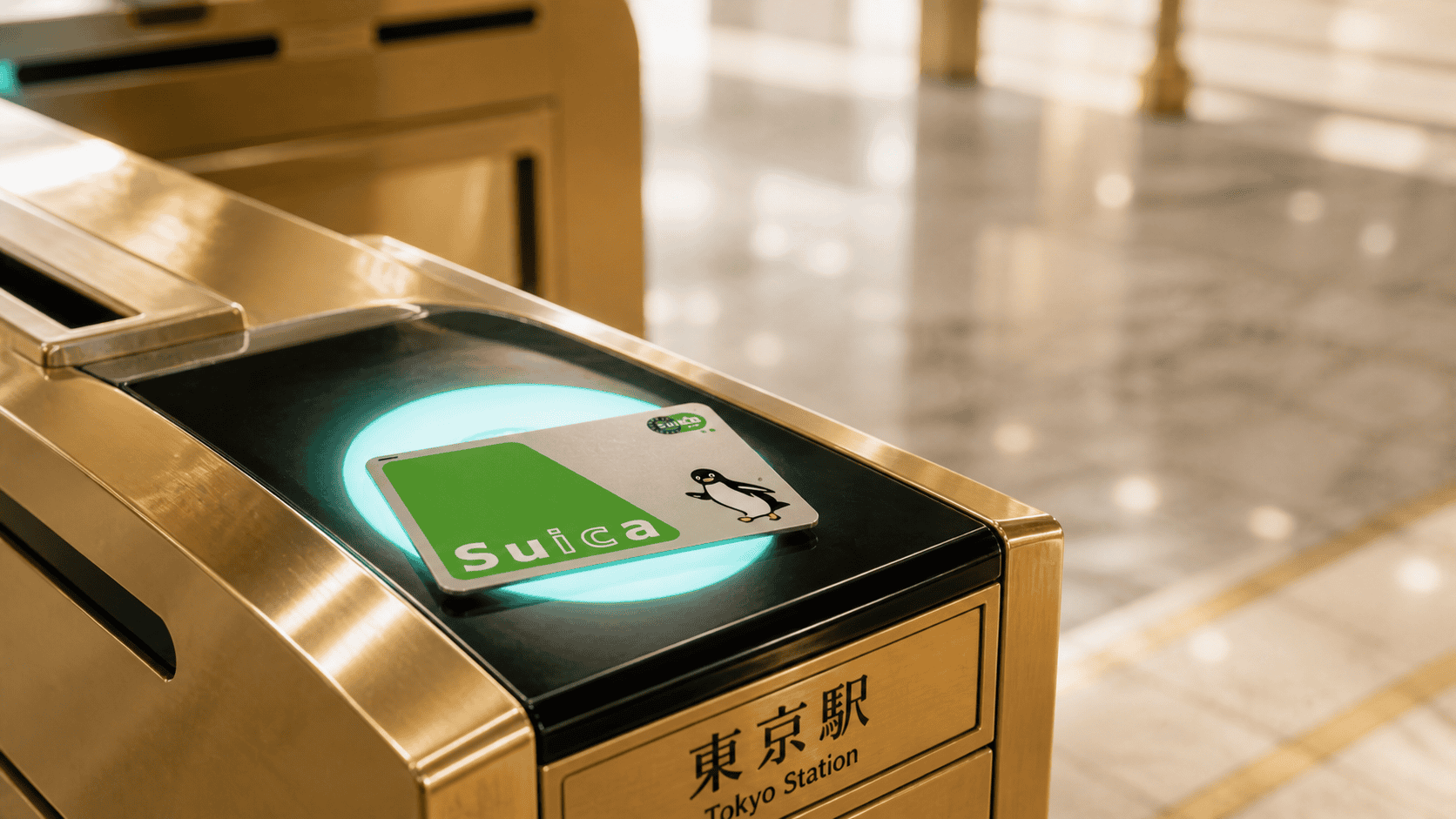
The right answer depends on where the name will live. For travel, use katakana. Your passport name is what matters at hotels, airports and stations, and katakana is how Japanese staff will write it. You do not need kanji to travel, and a kanji version will not match your documents.
For study, use both. Your teacher will write your name in katakana, and you should learn to read and write it in your first week. Later, many learners enjoy choosing a Japanese name by meaning as a class exercise. It is a useful way to learn kanji, because each character you choose becomes one you will never forget.
Before You Ink Anything
For a tattoo, take the most care of all. A katakana tattoo spells a sound, so it reads as your name and nothing else. By contrast, a kanji tattoo carries meaning, and a careless sound-only spelling carries nonsense. Therefore, choose either a real Japanese name or a single word whose meaning you have checked. Ask a native speaker to confirm it, and ask a calligrapher to write it. Printed fonts on skin often look mechanical, while a brushed character looks alive.

Custom Stone Name Seal — your chosen name, carved as a hanko
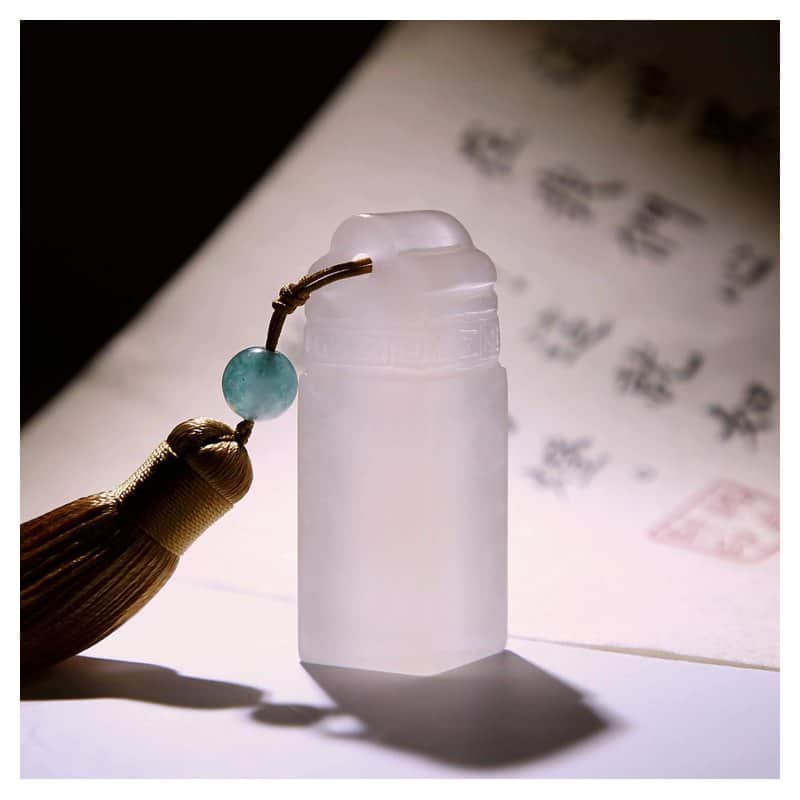
A seal is a lasting way to carry a Japanese name without committing your skin. This custom stone name seal is carved to order, so you send the characters you have chosen. It works with a katakana spelling, a kanji name or a real Japanese name. Before ordering, send the exact characters rather than a romanized spelling, so the carver does not guess. Then stamp it on letters, books and artwork, as Japanese people do with their own hanko. The stone body sits comfortably in the hand, and the tassel makes it a fine gift. Above all, it turns the name you chose into an object you can use every day.
Shachihata Vermilion Ink Pad — the red that makes a seal look right
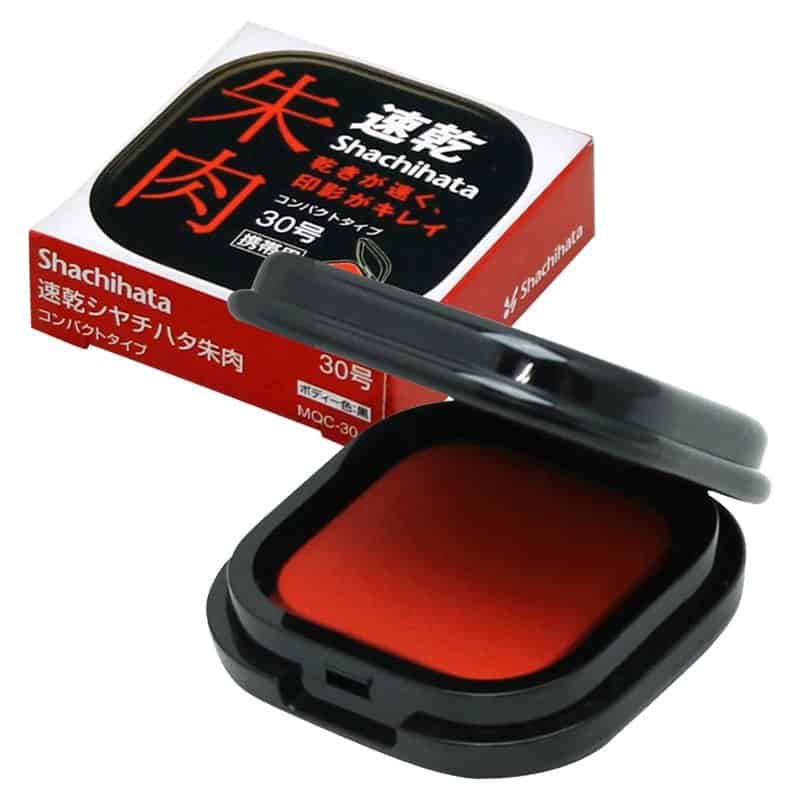
A hanko needs proper red ink, and vermilion is the traditional color. The Shachihata quick-drying vermilion pad is the kind used in Japanese offices and homes. Its ink dries fast, so a stamp does not smear when you close a book or fold a letter. The compact size suits a single name seal, and it slips easily into a desk drawer. To stamp well, press gently, rock the seal slightly, and lift it straight up. After a few tries, you will get the crisp red print that makes a name look finished. Keep the lid closed between uses so the pad stays moist.
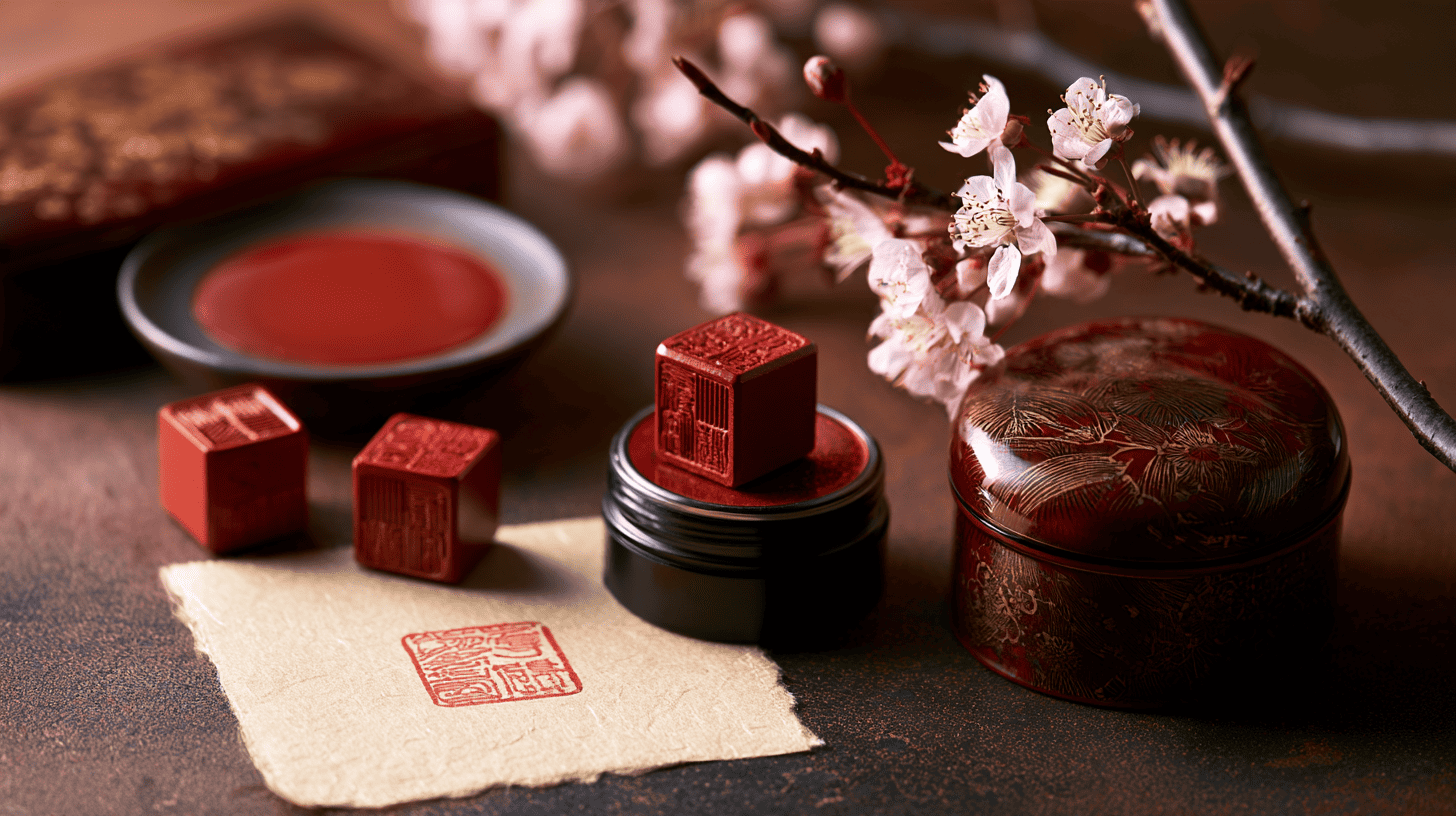
The seal and its ink are where Japanese naming becomes physical. For most of Japanese history, a name was something you wrote with a brush and stamped in red. That tradition still lives on today in banks, offices and artists’ studios across Japan. So if a tattoo feels too permanent, a carved seal is a good alternative. It lets you use your Japanese name whenever you write a card or sign a sketch, and it will outlast any trend or passing style.
You may also like

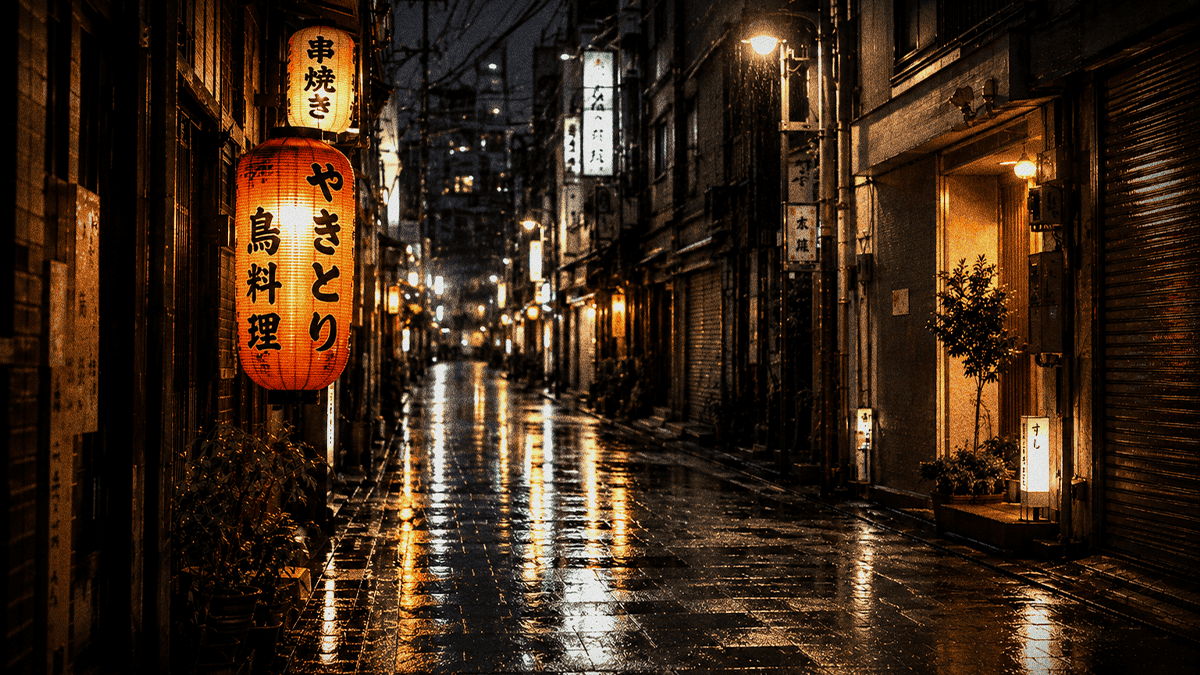
Travel also offers its own small lesson in names. Walk any shopping street in Japan and look at the signs above the doors. Family shops often carry the owner’s surname in kanji, while cafés and boutiques choose katakana for a foreign flavor. Reading them is good practice, and it shows you how naturally the scripts sit side by side. In time, you may spot your own katakana name on a coffee cup, a seat reservation or a hotel welcome card.
Writing Your Name by Hand
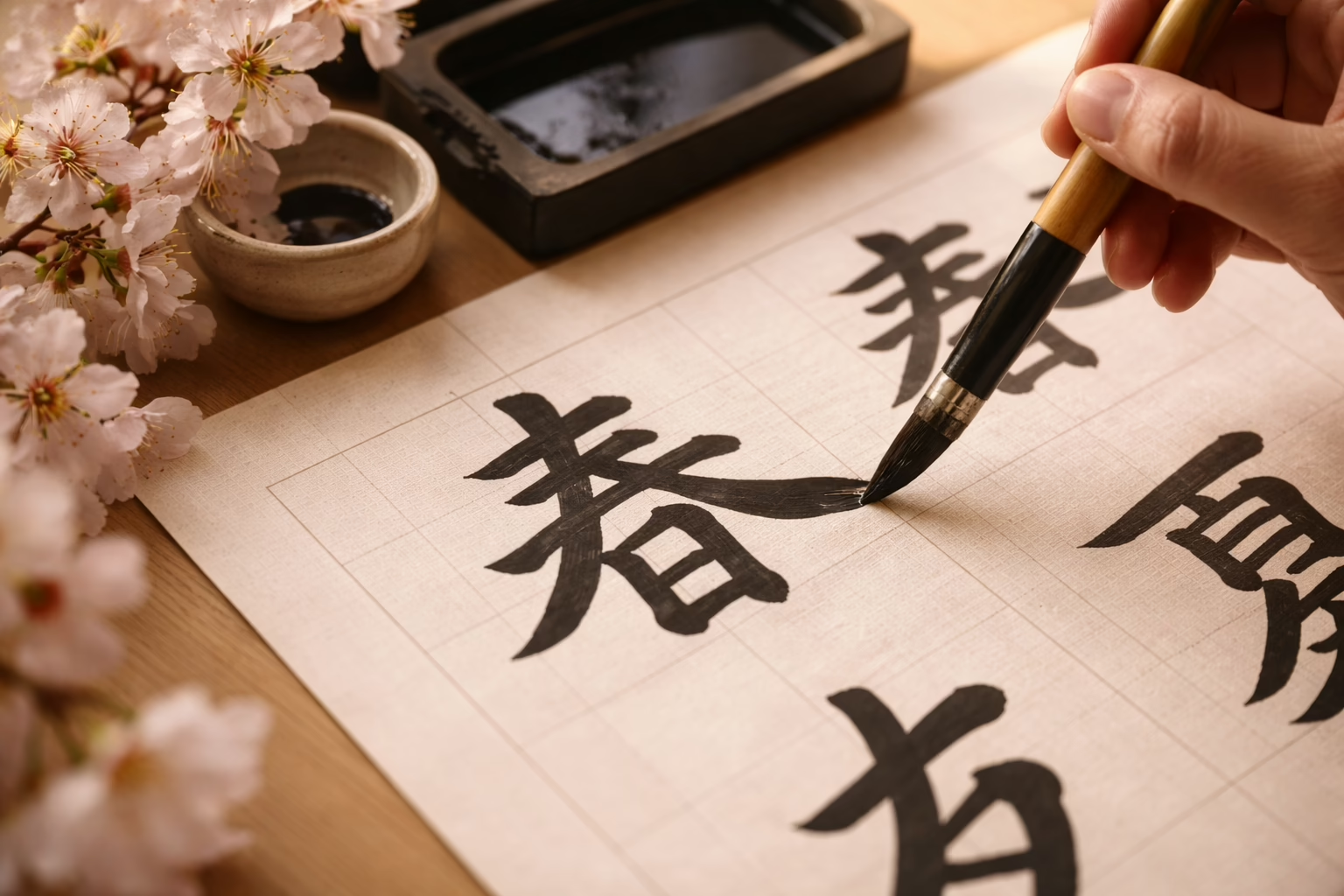
Whatever route you take, write the name yourself. Typing gives you characters, but handwriting gives you the name. In Japan, children practice their own name more than any other word, and many people still sign cards with a brush pen. Start with katakana, since its strokes are short and mostly straight.
Follow the stroke order, which runs top to bottom and left to right. For katakana, the order is short and easy to learn from any chart. For kanji, it matters more, because the order shapes the balance of the whole character. Our calligraphy practice tool shows each stroke live, so you can trace before you write. Once the strokes feel natural, our daily kanji flashcards add one new character a day.
Pentel Pocket Brush Pen — sign your Japanese name with a real brush tip
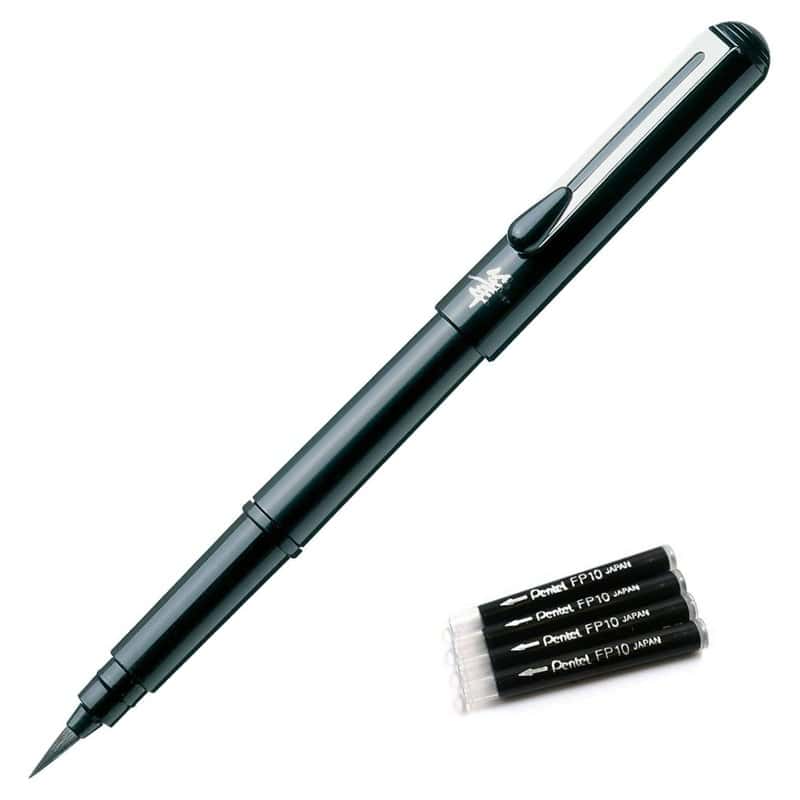
A brush pen is the easiest way to give a name the look of calligraphy. The Pentel Pocket Brush Pen has a real synthetic-bristle tip and refillable cartridges, and this set includes spares. Hold it upright and let the pressure set the width. Press for thick strokes, and lift for thin ones. Katakana looks crisp and modern with it, while kanji gain the swell and taper of a brush. In addition, it fits in a pocket, so you can sign cards, journals and sketchbooks wherever you are. Practice on scrap paper first, then write your name on something you will keep.
Kuretake ZIG Calligraphy Markers — twelve colors for practice sheets and cards
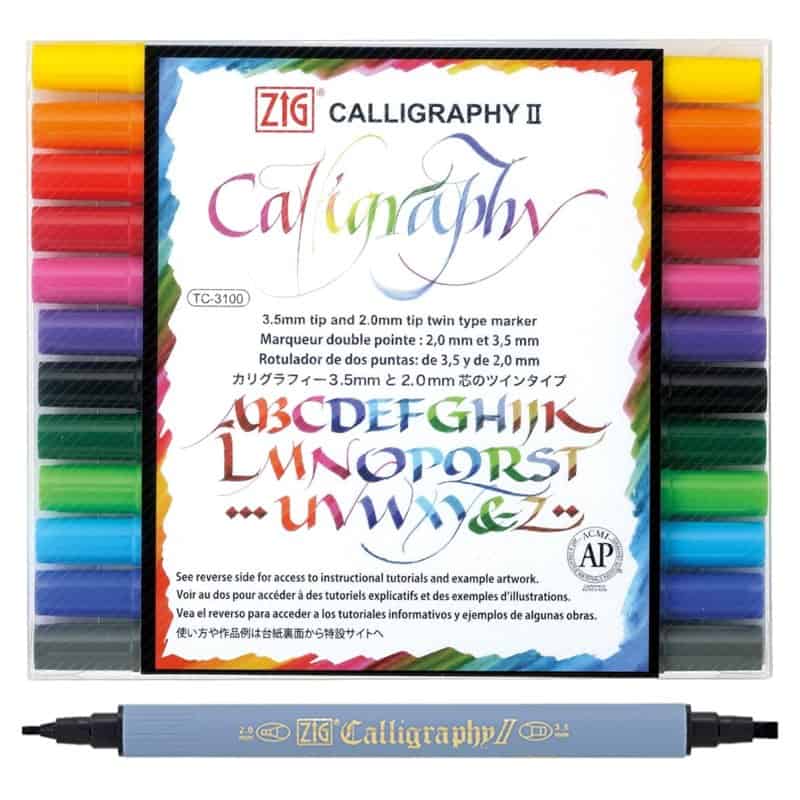
For practice that feels less formal, these Kuretake ZIG calligraphy markers come in twelve colors with a chisel tip at each end. Kuretake is a Japanese maker with a long history in ink and brushes, and these markers are made in Japan. The chisel tips give katakana a neat, lettered look, which suits name cards and place settings. Moreover, color makes repetition more enjoyable, so you will practice longer. Try writing your katakana name in one color and its kanji in another. Seeing them side by side is a simple way to compare the routes in this guide, and to decide which you prefer.
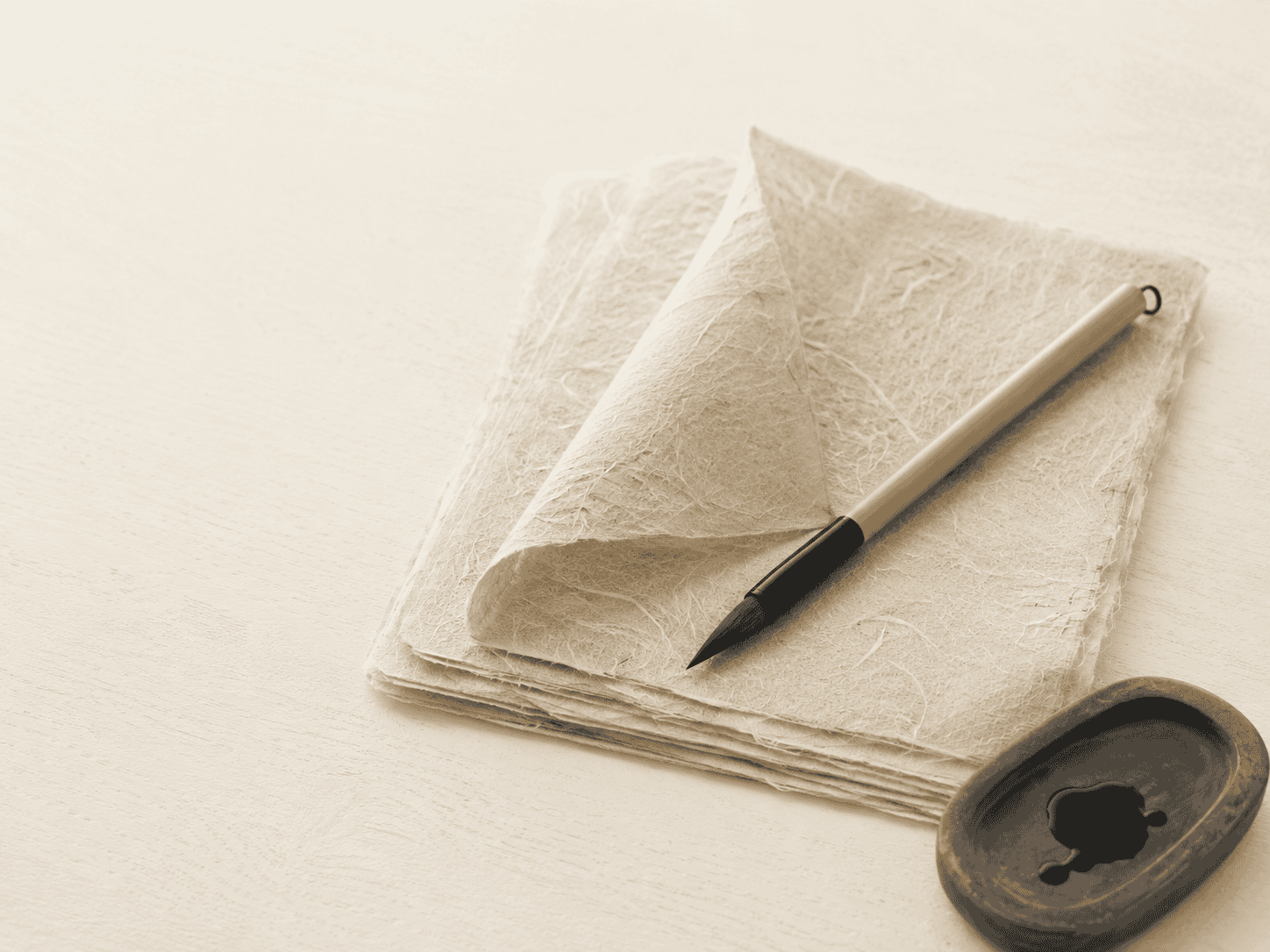
Iyo Washi Letter Paper — handmade texture for a first written name
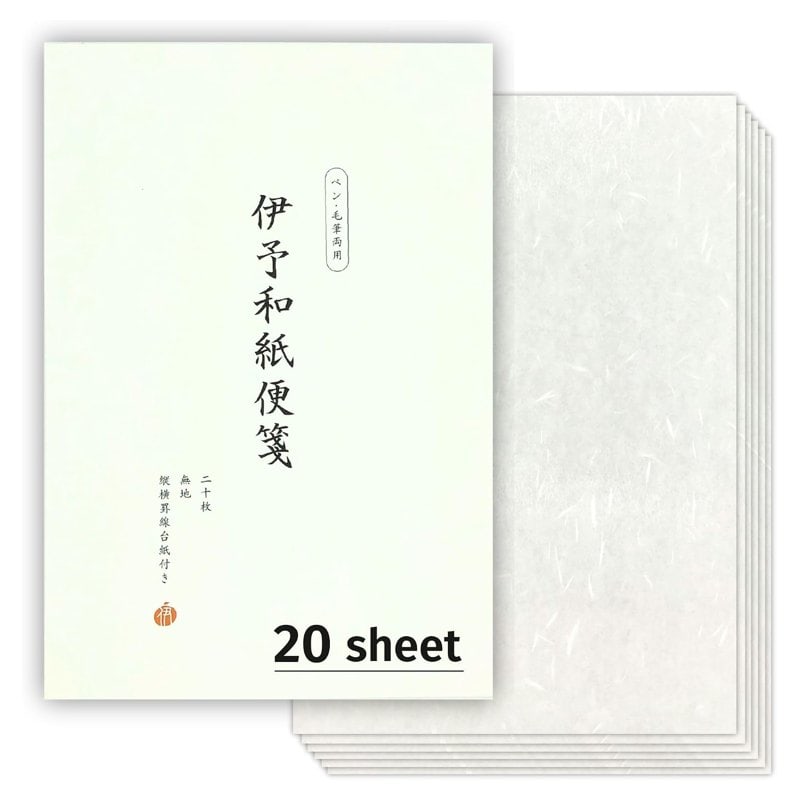
A name written on good paper feels like a decision. This Iyo washi letter paper is made in Japan, and the pack holds twenty sheets. Washi has long fibers, so ink sits in the surface and dries with soft edges, much like a brushstroke on a scroll. Use one sheet to write your chosen name in katakana and kanji side by side. Then keep it, frame it or send it to the friend who helped you choose. The sheets also suit a short letter, so the rest of the pack will not go to waste. In short, it turns a practice into something worth keeping.
A Dish for a Name Day
Once a name is chosen, Japanese families celebrate. Chirashi-zushi, or scattered sushi, is served at family celebrations, including Hinamatsuri, the Doll Festival on March 3. It is bright, generous and easy to share. The version below is a sashimi chirashi bowl, quick to assemble once the rice is seasoned.
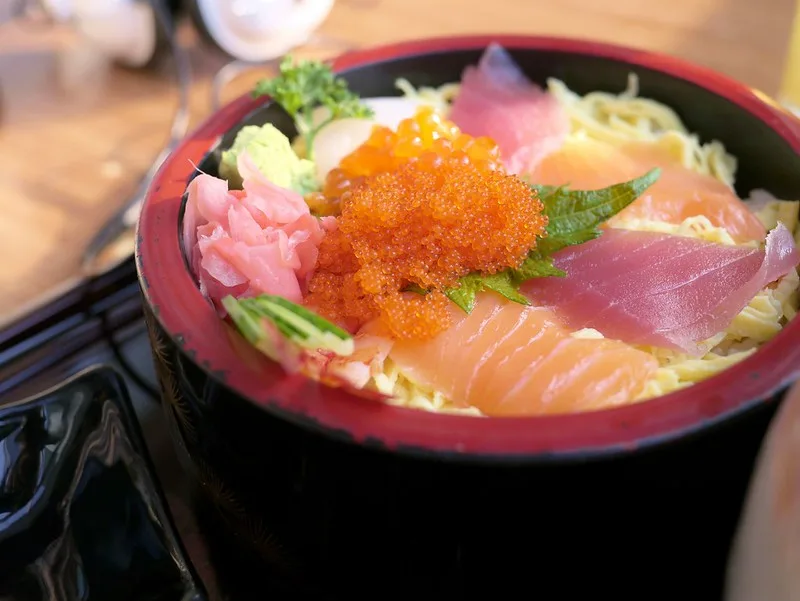
Chirashi bowl — sashimi scattered over seasoned sushi rice
Adapted from Grumpy Recipes’ chirashi bowl, this makes two bowls. First, warm one tablespoon of rice vinegar with one teaspoon of sugar and a quarter teaspoon of salt until they dissolve. Fold it into two cups of cooked sushi rice. Next, whisk two eggs with a teaspoon of sugar, half a teaspoon of soy sauce and two teaspoons of water. Cook them in a little oil for a minute or two, flip, then chop the omelet. Divide the rice between two bowls and lay a shiso leaf on each. Then arrange six slices each of salmon and tuna sashimi on top. Finally, fill the gaps with two tablespoons of salmon roe, the omelet, sliced cucumber, wasabi and pickled ginger.
Keep the fish very cold until you serve, and slice it just before assembling. If raw fish is not to your taste, swap in cooked shrimp or extra omelet. The seasoned rice is the real foundation, so taste it first. It should be gently sweet, lightly sour and never wet.
Recommended
Handwriting and food may seem far from the question of what your Japanese name is. Yet both show how a name works in Japan. It is written, stamped, spoken and celebrated, not simply looked up. So the more you use your name, in any of its three forms, the more it becomes yours. Ask yourself again, what is my Japanese name for, and the right version usually becomes clear. A spelling found online is only ever the beginning of the story.
Before you settle on one version, it is worth one last look at the three routes side by side. Katakana is accurate, practical and yours, but it means nothing in Japanese. Kanji chosen for sound look striking, but they rarely read well. A real Japanese name chosen by meaning reads naturally and carries a message, yet it is a new name rather than a translation. Many people end up with two: a katakana spelling for daily life and a Japanese name for a seal, a scroll or a pen name.
A 90-day practice in en, Connection, the ties that link people, families and generations. One short prompt a day helps you notice the bonds that shape your life, including the ones a name carries. Choose the digital edition for a tablet or the paperback for ink and paper. It is one of eight journals in the Cultural Reflection Collection, each built on a Japanese idea.
View The CollectionA Name You Can Live With
So, what is my Japanese name? It is whichever version you are glad to answer to. For most travelers, that is a clear katakana spelling. For learners, it may be a real Japanese name chosen with care. Either way, choose with honesty, check with a native speaker and write it by hand.
Names in Japan are not fixed labels. Writers take pen names, artists take studio names, and many people choose a new name for a craft they practice. Therefore, choosing a Japanese name for yourself follows a long and respectful tradition. Just as a calligrapher does, treat it as a practice rather than a purchase. For a deeper look at the brush and its history, read our guide to Japanese calligraphy as fine art.

Finally, if you would like to find a Japanese name by meaning today, start with an idea rather than a sound. Think of a season, a landscape or a quality you admire. Then look at the real names that carry it, and choose the characters you would be proud to write. Keep your katakana spelling for passports and bookings, and let the new name live on paper. That is the honest answer to the question this whole guide began with.
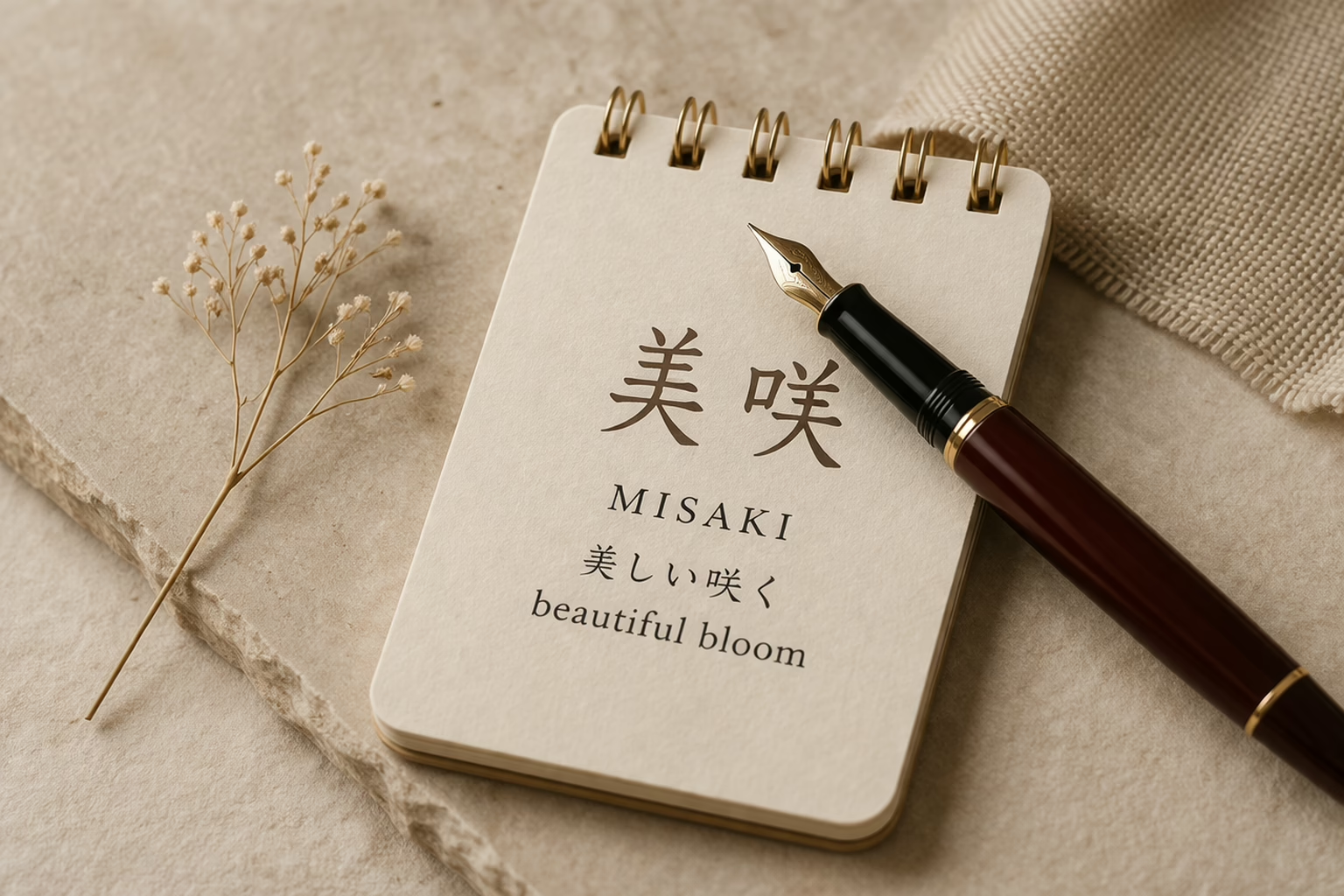
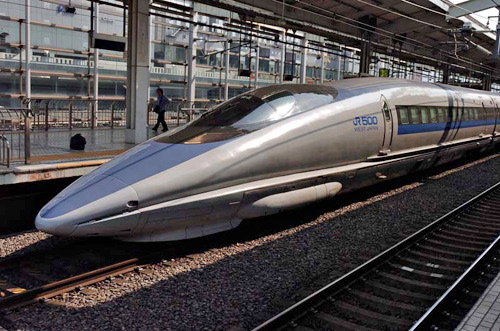
Each of these tools takes one step of this guide further. The generator finds a real name by meaning, while the practice tool and the flashcards help you write it stroke by stroke. Meanwhile, the rail pass is for the trip itself, when you will see your katakana name on tickets and hotel cards. If you have searched what is my Japanese name and want to hear it spoken in Japan, the itinerary below is the natural next step to take.
A custom itinerary for the traveler who wants to meet the culture behind a Japanese name. It can include a private calligraphy lesson, a visit to a seal carver and unhurried days in towns whose names you can now read. Each day is paced for learning, eating well and noticing the details.
Plan Your Custom Japan ItineraryQuestions Worth Asking
How do I write my name in Japanese?
Most people write their name in katakana, the script for foreign words, by its sound. Break your name into syllables, match each to a Japanese sound, and mark long vowels with a dash. For example, Emily is usually エミリー and Peter is ピーター. A native speaker can confirm the most natural spelling.
Can a foreigner have a kanji name?
Yes, as a personal or artistic name, though official documents will still show your legal name. Kanji chosen only for sound often read as unrelated ideas. A better route is a real Japanese name chosen by meaning, or a real name that sounds close to yours, such as Emi or Ken.
Is katakana or kanji better for a tattoo?
Katakana spells your name by sound, so it reads simply as your name. Kanji carry meaning, which makes them riskier. If you choose kanji, use a real Japanese name or a word you have checked, ask a native speaker to confirm it, and have a calligrapher write it by hand.
What is ateji?
Ateji are kanji used for their sound rather than their meaning. Japanese has used them for some foreign words for centuries. For personal names, ateji can look attractive, but the characters still carry meanings, so a sound-only spelling often reads strangely to Japanese speakers. There is no single correct ateji for an English name.
Do Japanese people change a foreign name’s order?
Usually not. A foreign name in katakana normally keeps its own order, given name first, with a middle dot between the parts, as in マイケル・ジャクソン. Japanese names in Japanese put the family name first. On forms, follow the order the form asks for.
How do I sign my name in Japan?
Most visitors simply sign in their usual handwriting. Japanese residents often use a hanko, a personal seal stamped in red ink, for contracts and deliveries. Foreign residents may also use a signature in many situations, although some banks and offices still prefer a registered seal.
The Editors, Magnificent Japan