Some beautiful Japanese words sound like names already. Komorebi, the light that filters through leaves, has the soft rhythm of a given name. So does Yoake, the moment of daybreak. Yet neither is a traditional Japanese name, and that difference matters if you plan to use one.
This guide gathers 50 words that make lovely names, each with its kanji, kana and meaning. They come from the same data as our Japanese name generator, which keeps them apart from real names in a section of their own. So you will also learn what changes when a word becomes a name, a pen name or a username.
If you would rather start with real given names, read our guide to Japanese name meanings. For the wider story of names in Japan, begin with the art of Japanese names.
What are beautiful Japanese words that work as names?
They are ordinary Japanese words with a striking image or idea, such as komorebi (sunlight through leaves), yoake (daybreak) or kagayaki (radiance). They are not traditional given names. However, they work well as pen names, usernames, character names and names for pets, shops or boats, as long as you know what each word means.
Before the lists, it helps to know why these words feel so right as names. Japanese names and Japanese words are built from the same kanji. For example, the character 輝 appears in real boys’ names such as Daiki and Kazuki, and it also appears in the word kagayaki, meaning radiance. As a result, a well-chosen word carries the same weight as a name, with an image that anyone who reads Japanese will see at once. The difference is custom, not grammar.
Beautiful Japanese Words, Not Traditional Names
Our name generator holds 2,231 real given names and 250 surnames. Beside them, it keeps a separate set of 89 Japanese words. Each one is marked as a word, not a name, so nobody mistakes Komorebi for a name a Japanese family would give a daughter.

So what does it mean when a word is not a name? First, a Japanese reader will hear it as the word itself. Call a character Yoake, and readers will think of dawn before they think of a person. That can be lovely in a novel, a game or a username. However, on a birth certificate in Japan, it would stand out as unusual.
Where These Words Work Best
These words shine wherever a name is chosen rather than given. Writers use them as pen names, and artists use them as studio names. Gamers and creators use them as handles. Families name pets, boats, cafés and guest houses with them. For a fictional character, our guide to anime character names shows how meaning and sound work together. Meanwhile, if you want your own name in Japanese, our guide to what your Japanese name could be compares the honest routes.
Beautiful Japanese Words for Light and Sky
Many beautiful Japanese words describe light. These seven words describe sunlight, starlight and color, and each would suit a calm, bright character or a creative handle. The meanings below are the ones recorded in the generator’s data.
| Word | Kanji | Kana | Meaning |
|---|---|---|---|
| Komorebi | 木漏れ日 | こもれび | Sunlight filtering through leaves |
| Yoake | 夜明け | よあけ | Daybreak, dawn |
| Amanogawa | 天の川 | あまのがわ | River of heaven, Milky Way |
| Kōsei | 恒星 | こうせい | Fixed star, permanent star |
| Kagayaki | 輝き | かがやき | Radiance, sparkle, brilliance |
| Irodori | 彩り | いろどり | Colouring, vibrancy, richness |
| Mukyū | 無窮 | むきゅう | Infinite, boundless, inexhaustible |
Komorebi is the best known of these, and with good reason. The kanji read tree, leak and sun, so the word paints light escaping through leaves. Similarly, Yoake joins night and bright, the exact moment one becomes the other.

Amanogawa, the Milky Way, is longer and more poetic. Literally, it means river of the sky, and it appears in Japanese poems about the summer stars. By contrast, Kōsei is crisp and scientific, a fixed star that keeps its place. As a result, the two make an interesting pair for twin characters or for a writer’s two pen names.
Radiance and Color
Kagayaki and Irodori are brighter and more energetic. Kagayaki means radiance or sparkle. In fact, the generator also lists 輝 read Kagayaki as a real boys’ name, so this one is both a word and a name. Irodori means coloring and richness, so it suits an artist, a designer or a shop that sells bright things. Finally, Mukyū means boundless. It is rarer, and its second character can also mean hardship, so check that layer before you choose it.
You may also like

Words for Rain, Snow and the Seasons
Japanese marks the seasons with unusual care, and its vocabulary shows it. These seven words name particular kinds of weather and bloom. Each one places a name at a clear moment in the year, which makes them popular with writers and with anyone who loves a particular season.
| Word | Kanji | Kana | Meaning |
|---|---|---|---|
| Samidare | 五月雨 | さみだれ | Early summer rain, May rain |
| Arare | 霰 | あられ | Hail, small ice pellets |
| Tsurara | 氷柱 | つらら | Icicle |
| Hanazakari | 花盛り | はなざかり | Full bloom, flowers at their peak |
| Hanabira | 花弁 | はなびら | Petal, flower leaf |
| Kinmokusei | 金木犀 | きんもくせい | Osmanthus, sweet olive tree |
| Minori | 実り | みのり | Harvest, fruition, bearing fruit |
Samidare is the early summer rain of the old fifth month. Its kanji are five, month and rain, a small calendar in three characters. Meanwhile, Arare and Tsurara belong to winter: hail and icicles. Both have a bright, quick sound, so they suit lively characters and short usernames.
Hanazakari and Hanabira are softer. Hanazakari means flowers at their peak, while Hanabira simply means petal. Then there is Minori, harvest or fruition. Its kanji, 実, also appears in the real boys’ name Minoru, so Minori sits close to the border between word and name. That makes it one of the safest choices on this page.
The Scent of Kinmokusei
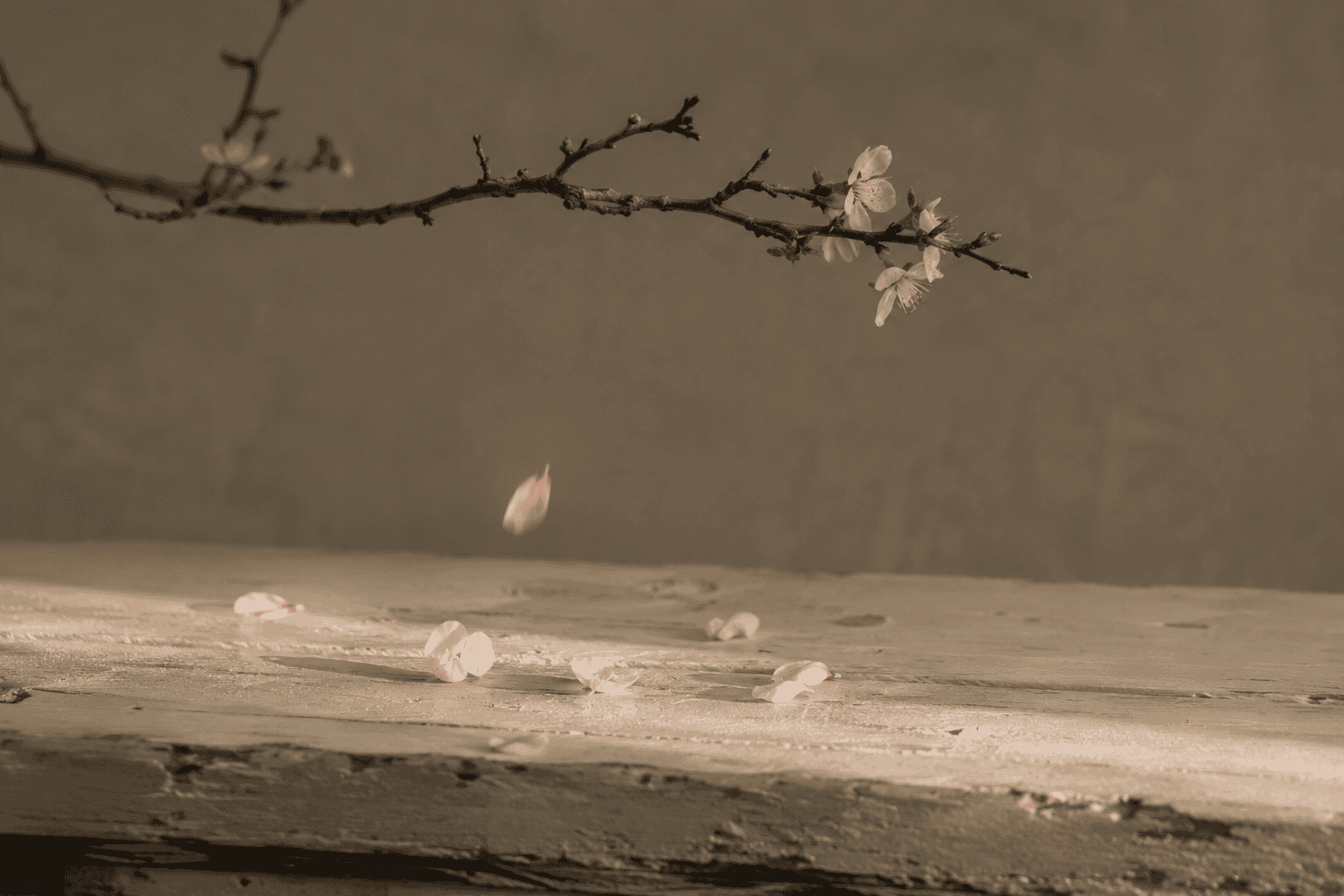
Kinmokusei is the sweet olive tree, and its orange flowers open across Japan in early autumn. For a week or two, whole streets smell of apricot and honey. Many Japanese people say the scent tells them the season has turned. In fact, you often smell the tree long before you see it, drifting over a wall or a garden fence. As a name, Kinmokusei is long, so it works best for a café, a perfume line or a garden rather than a person.
Nippon Kodo Kayuragi Osmanthus — the scent of kinmokusei for your desk
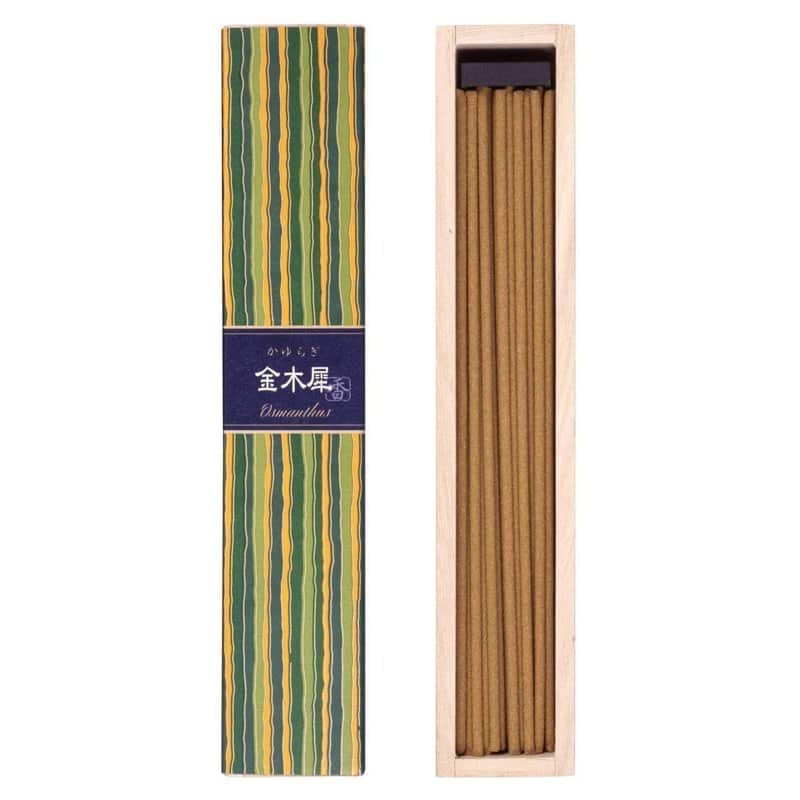
If the word kinmokusei appeals to you, the scent is easy to bring home. These Nippon Kodo Kayuragi osmanthus sticks come from one of Japan’s best known fragrance houses. The Kayuragi line is made for rooms and desks, with a light, low-smoke burn. Each box holds forty sticks, which is enough for many evenings of writing. The fragrance is sweet but not heavy, close to the flowers on an October street. For a writer choosing a pen name, it makes a pleasant ritual. Light a stick, write the word by hand and see whether it still feels right when the scent fades. In short, it turns a word into a small seasonal habit.
Japanese Words With Deep Meaning
Some Japanese words are famous because they name an idea that English needs a whole sentence to explain. These nine are among them. Several have travelled far beyond Japan, which makes them recognizable as handles or brand names. However, that fame also means you will share them with many others.
| Word | Kanji | Kana | Meaning |
|---|---|---|---|
| Wabi | 侘 | わび | Rustic simplicity, imperfect beauty |
| Mono no Aware | 物の哀れ | もののあわれ | The pathos of things, bittersweet impermanence |
| Kintsugi | 金継ぎ | きんつぎ | Golden repair, mending with gold |
| Ikigai | 生き甲斐 | いきがい | Reason for being, life’s purpose |
| Mottainai | 勿体無い | もったいない | What a waste, cherishing what exists |
| Omotenashi | お持て成し | おもてなし | Wholehearted hospitality, selfless service |
| Natsukashii | 懐かしい | なつかしい | Nostalgic, fondly remembered |
| Honne | 本音 | ほんね | True feelings, real sound, genuine voice |
| Tsundoku | 積ん読 | つんどく | Buying books and letting them pile up |
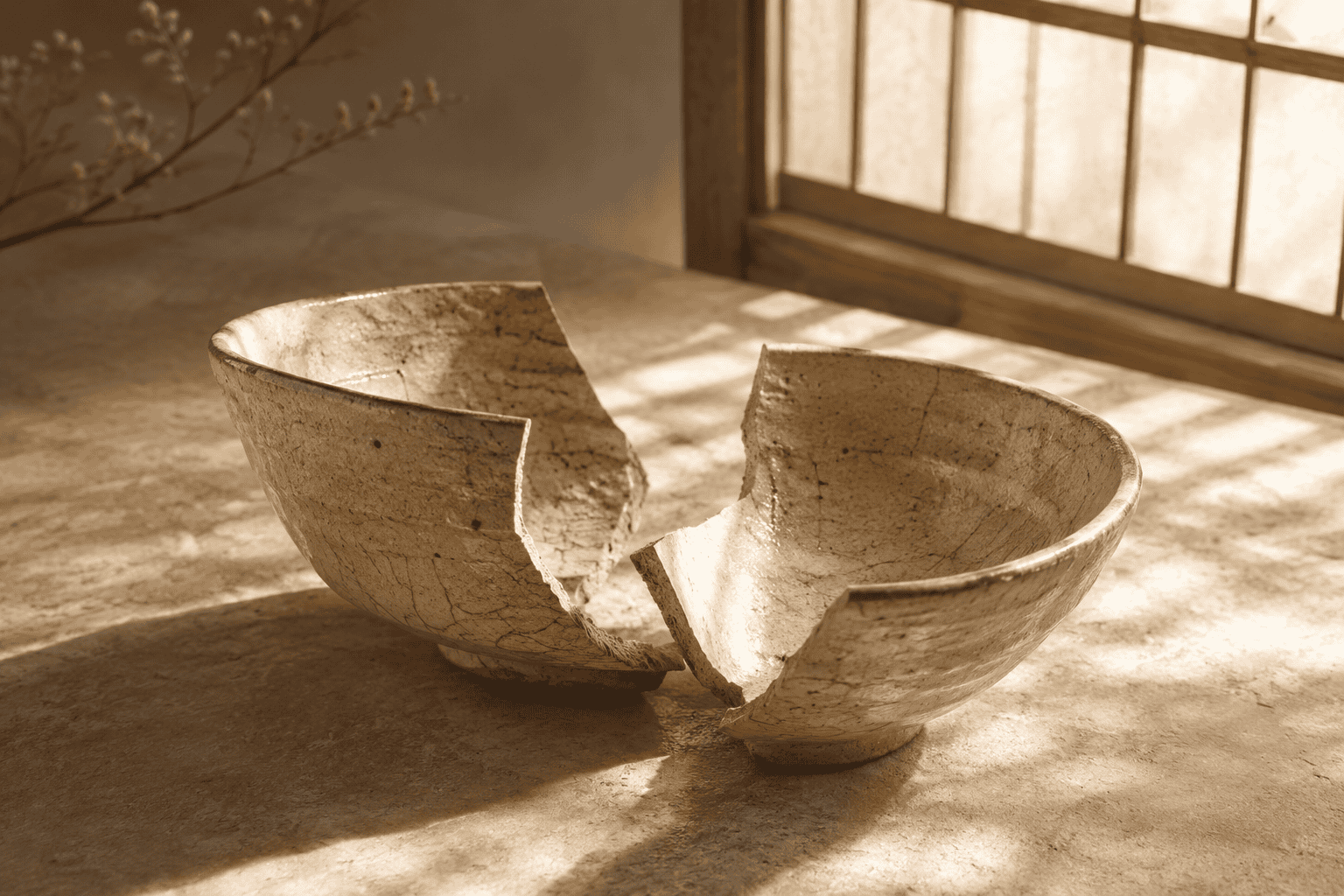
Wabi and Mono no Aware describe a way of seeing. Wabi finds beauty in rustic, imperfect things, while Mono no Aware feels the bittersweet passing of every moment. Both suit a writer or an artist, although Mono no Aware is long for a username. Similarly, Kintsugi has become a symbol of repair, since it mends broken pottery with gold.
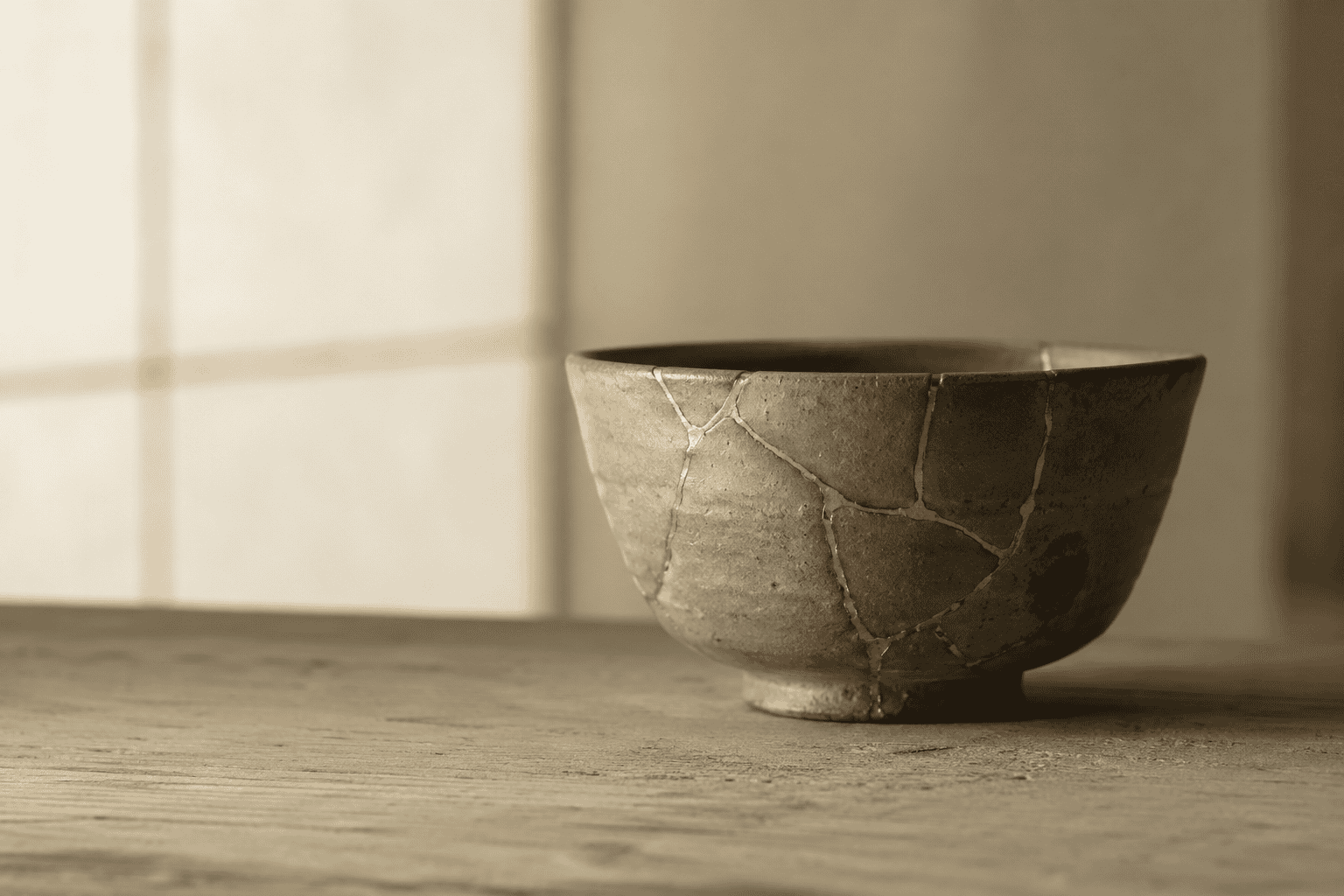
Ikigai, a reason for being, is the most widely known word in this group. Mottainai, the regret of waste, and Omotenashi, wholehearted hospitality, are favorites for small businesses. Meanwhile, Honne means true feelings, and it suits a journal, a podcast or a candid creator. Tsundoku, buying books and letting them pile up, makes a witty name for a reading account. To meet several of these ideas in daily life, consider one of the custom Japan itineraries we plan around craft, tea and seasonal travel.
Natsukashii and a Bowl of Ochazuke
Natsukashii may be the warmest word in this guide. It means fondly remembered, the pleasant ache of an old song or a childhood street. Japanese people often use it about food, especially simple dishes from home. Ochazuke, green tea poured over rice, is one of the dishes most often called natsukashii.
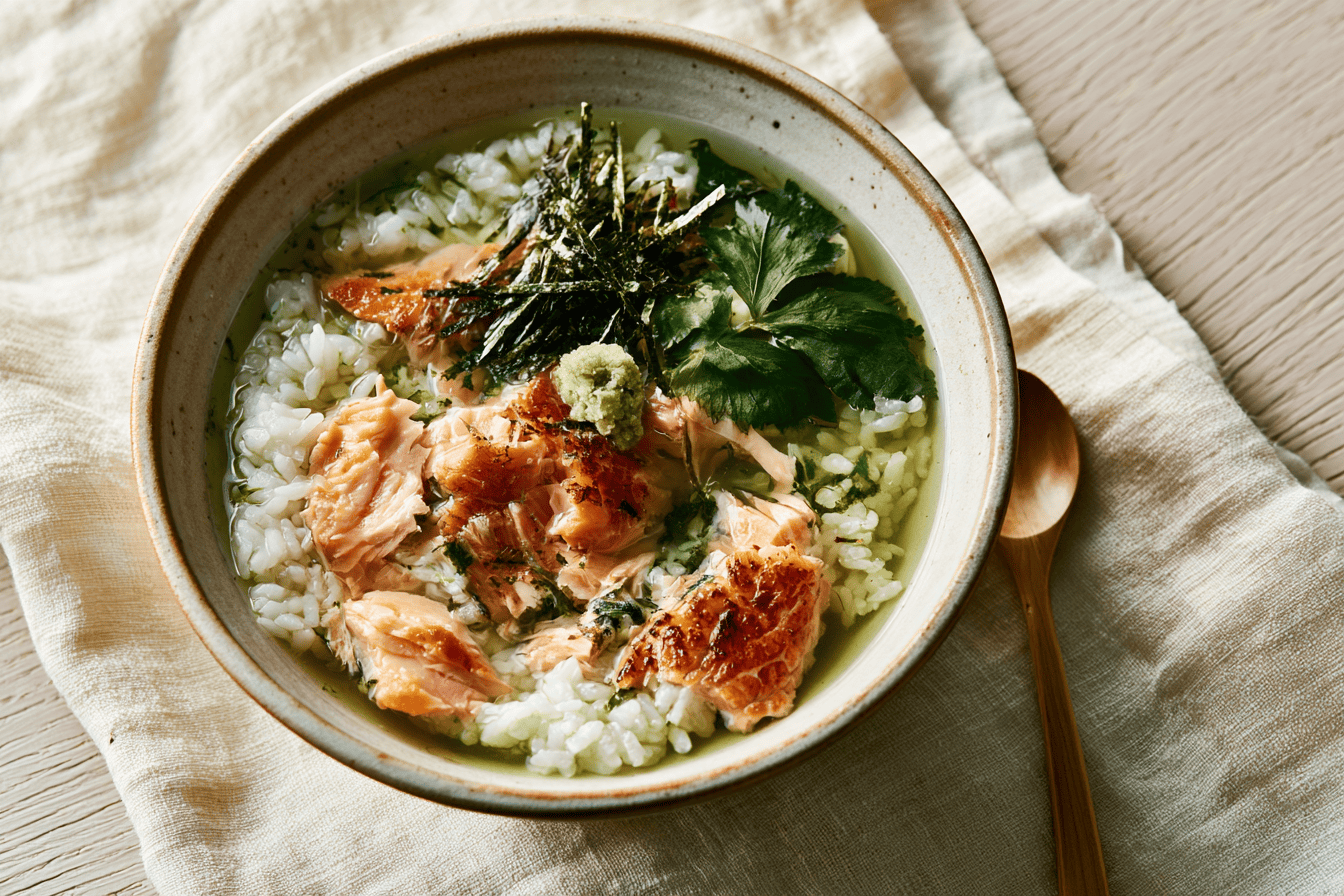
Salmon ochazuke — green tea poured over rice
Adapted from Just One Cookbook’s ochazuke, this makes one bowl. First, bake a salted salmon fillet at 425°F for twenty to twenty-five minutes, then flake it and remove the skin and bones. Next, steep two teaspoons of green tea leaves, such as genmaicha or sencha, in a cup of hot water for a minute or two. Meanwhile, put a cup of cooked short-grain rice in a bowl. Top it with the salmon, a teaspoon of crushed rice crackers, a teaspoon of shredded nori and a pinch of toasted sesame. Finally, pour the hot tea over the rice until it is about half covered, and add mitsuba or scallion and a little wasabi.
Ochazuke is meant to be quick, so do not overthink it. Day-old rice works well, and leftover grilled salmon is ideal. If you prefer, use dashi instead of tea for a savory broth. Either way, the dish shows what natsukashii means better than any definition.
Words with deep meaning ask a little more of the person who carries them. A handle like Ikigai or Kintsugi promises something, so people may expect a story behind it. Therefore choose one that you would be glad to explain. If you only like the sound, a lighter word from the seasons or the sky may serve you better. On the other hand, if the idea truly matters to you, a deep word can become a small personal motto for years.
Ten Proverbs to Carry With You
A printable folio of ten Japanese proverbs, each with a short note on where it shows up in daily life. Like the words in this guide, each one holds a whole idea in a few characters. Leave your email and the printable arrives in your inbox, followed by an occasional letter on Japan.
One email with your printable. Occasional letters after that. Unsubscribe anytime.
Gentle Japanese Words for Calm and Warmth
Not every name needs drama. These seven words describe calm, ease and warmth, and they suit gentle characters, wellness brands and pets. Most are easy to pronounce, and none carries a dark second meaning in the data.
| Word | Kanji | Kana | Meaning |
|---|---|---|---|
| Nagomu | 和む | なごむ | To be soothed, to find peace |
| Odayaka | 穏やか | おだやか | Mild, gentle, composed |
| Yasuragi | 安らぎ | やすらぎ | Peace of mind, tranquility, ease |
| Hohoemi | 微笑み | ほほえみ | Smile, gentle laugh, soft grin |
| Shiawase | 幸せ | しあわせ | Happiness, good fortune, bliss |
| Mutsumi | 睦み | むつみ | Harmony, intimacy, closeness |
| Yūzen | 悠然 | ゆうぜん | Calm and unhurried, composed serenity |
Nagomu means to be soothed, and its first kanji, 和, also stands for harmony and for Japan itself. Odayaka and Yasuragi both describe peace of mind, although Yasuragi feels more restful. Hohoemi, a gentle smile, is one of the prettiest words in Japanese.
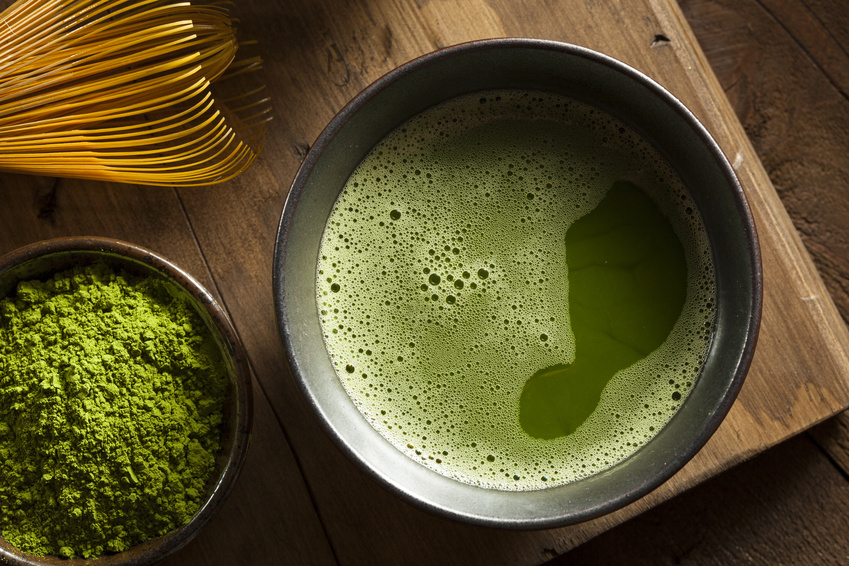
Shiawase, happiness, is the most familiar of the seven. Mutsumi, harmony and closeness, is rarer and has a soft sound. Then Yūzen, calm and unhurried, has a dignified feel. Note that 悠 also appears in real names such as Yuu and Yuuto, so Yūzen will look familiar to Japanese readers. For words about love itself, see our guide to Japanese words for love and connection. Whichever you choose, keep the spelling consistent, with or without macrons, so readers can find you.
You may also like
Words From Craft and the Japanese Home
Japanese craft and home life have their own vocabulary, and much of it is beautiful. These eight words name arts, objects and spaces. They suit makers, shops and studios especially well, because each one points to a skill or a place.
| Word | Kanji | Kana | Meaning |
|---|---|---|---|
| Origami | 折り紙 | おりがみ | Folded paper, paper art |
| Ikebana | 生け花 | いけばな | Living flower, flower arrangement |
| Somemono | 染物 | そめもの | Dyed goods, dyeing art |
| Makimono | 巻物 | まきもの | Scroll, rolled document |
| Engawa | 縁側 | えんがわ | Veranda, porch, connecting corridor |
| Shodō | 書道 | しょどう | Way of writing, calligraphy path |
| Maneki | 招き | まねき | Beckoning, inviting (as in maneki-neko) |
| Musubi | 結び | むすび | Binding, connection, knot, tying together |
Origami and Ikebana are known worldwide, so they work best as shop or studio names rather than personal ones. Somemono, dyed goods, suits a textile maker. Makimono, a scroll, would make an elegant name for a bookbinder or a writer. Meanwhile, Engawa is the wooden veranda that runs along a traditional house, a place between inside and outside.
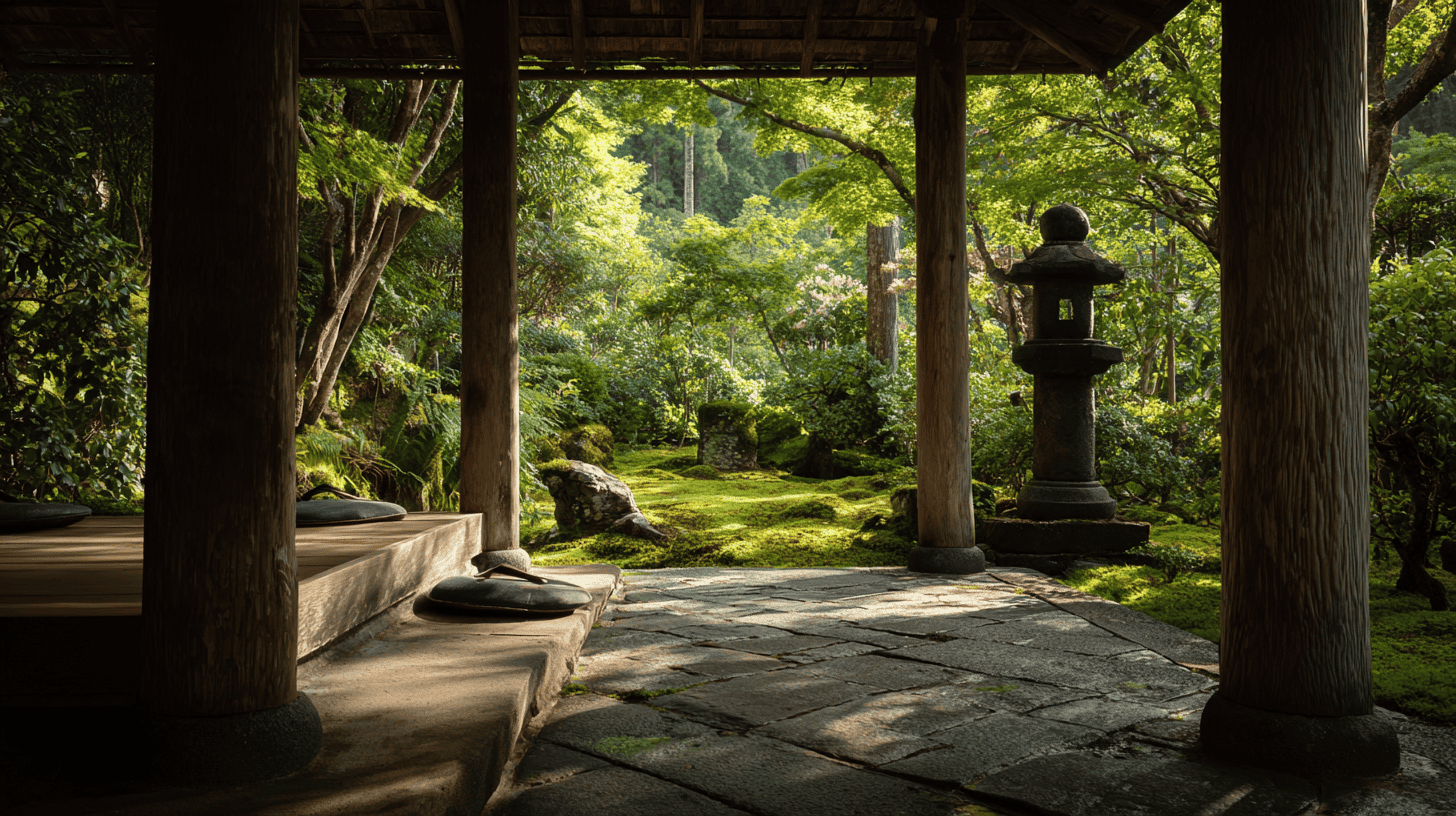
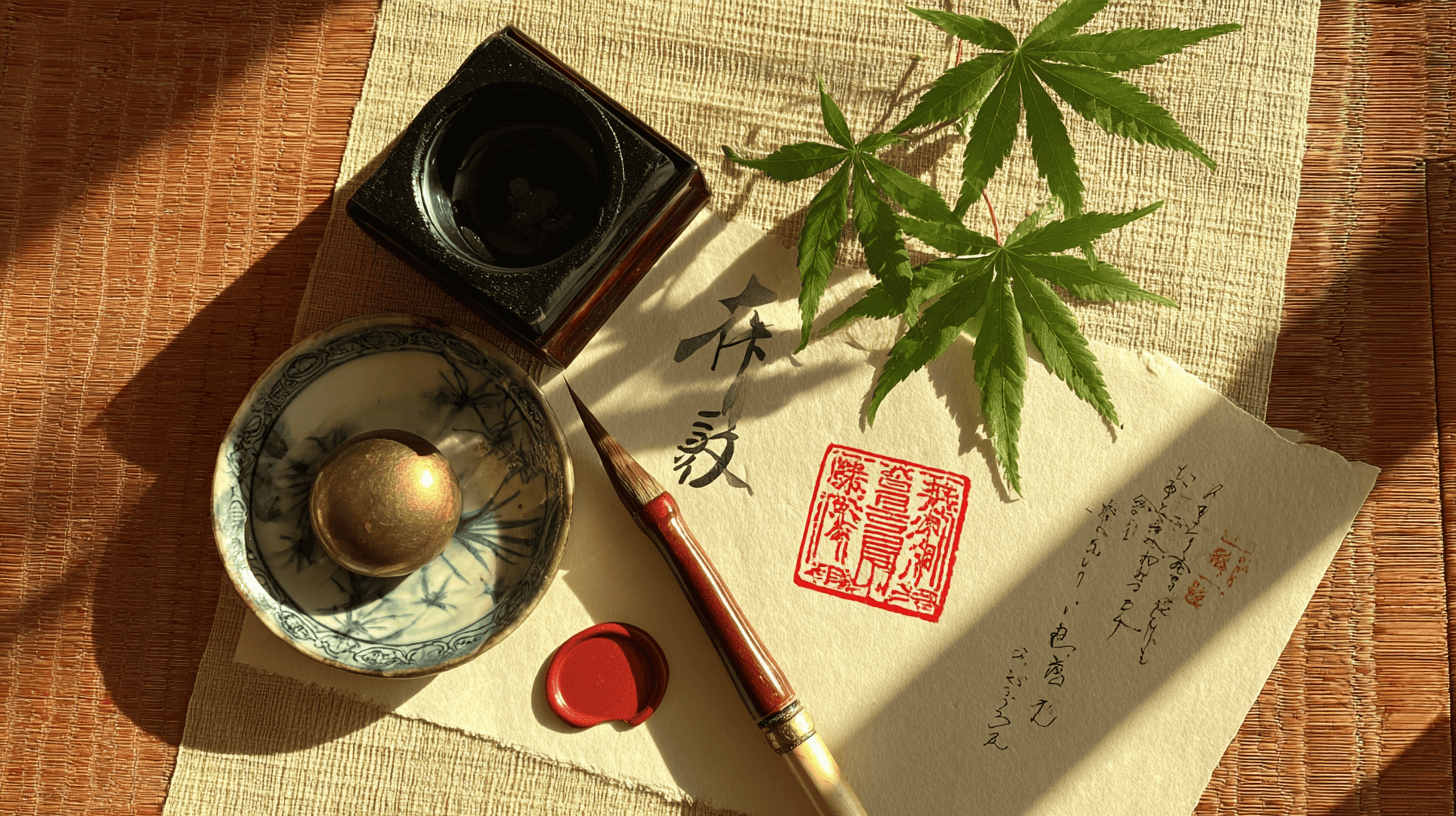
Shodō, the way of writing, is the Japanese word for calligraphy. If you choose a word as a name, it is worth learning to write it by hand. Our calligraphy practice tool shows each stroke of a kanji live, so you can trace before you write. Finally, Maneki means beckoning, as in the lucky cat that waves from shop counters. As a result, it suits a welcoming business.
Patterned Chiyogami Origami Paper — 45 patterns, made in Japan
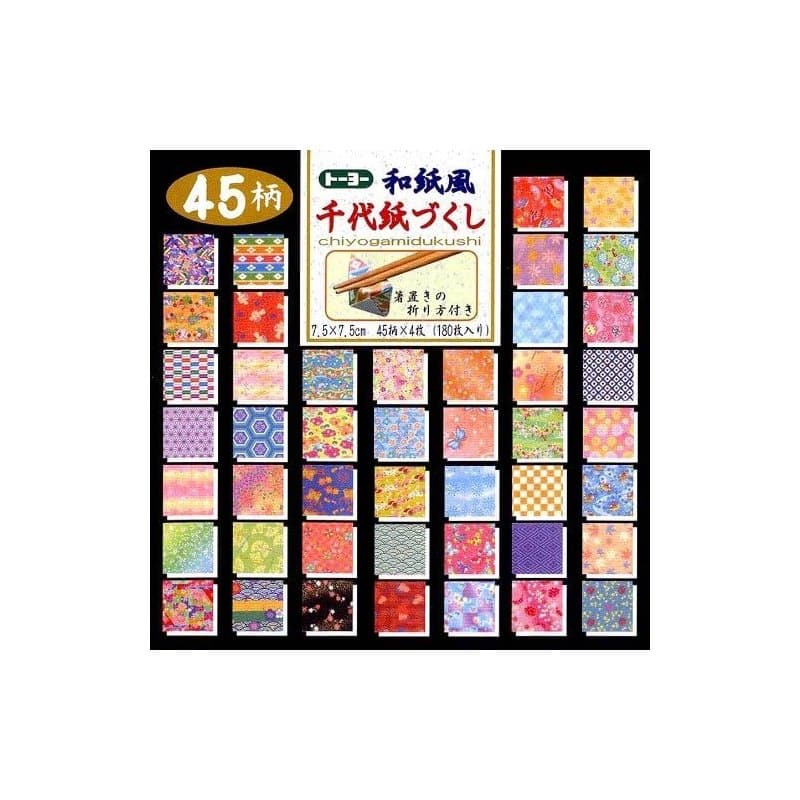
Origami is one of the words in this guide, and it is easy to practice. This patterned chiyogami origami paper is made in Japan and holds 180 small sheets in 45 patterns. Each square is 7.5 cm, which suits cranes, small boxes and folded gift tags. The prints draw on traditional textile designs, so every model looks finished. The set also comes in a plastic case that keeps the sheets flat. For anyone who chooses Origami as a shop or studio name, it doubles as a brand palette. Moreover, folding is a good way to slow down and think about a name. Fold one crane while you say the word aloud, and see how it feels.

Wazakura Ikebana Kenzan — a brass flower frog made in Sanjo
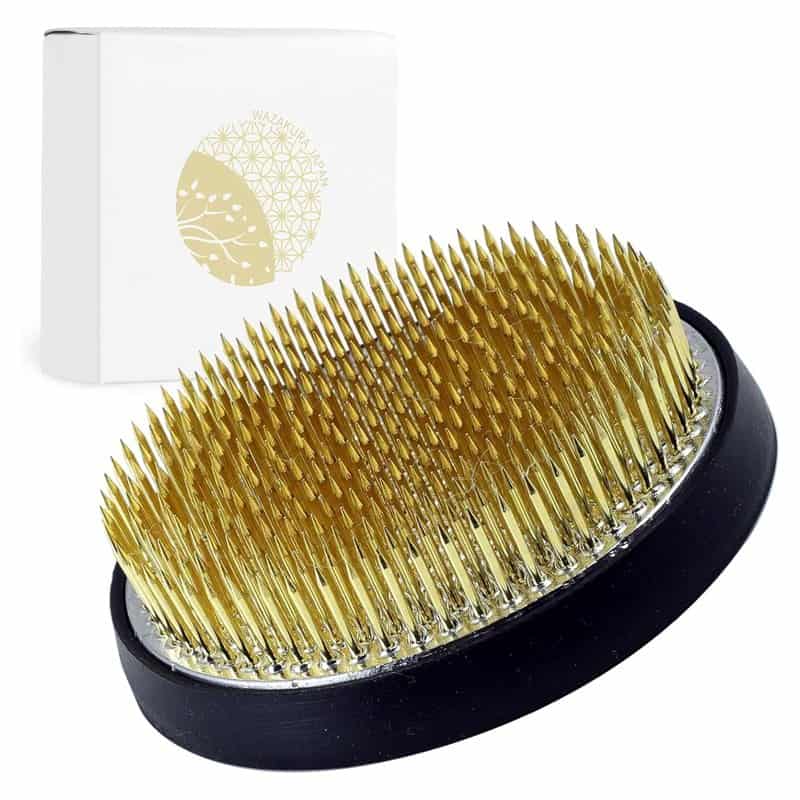
Ikebana needs one essential tool, and this Wazakura ikebana kenzan is a good one. It is made in Sanjo, in Niigata Prefecture, a city known for metalwork since the seventeenth century. The round base is 80 mm across and holds 331 stainless steel pins. They grip stems and branches upright in a shallow dish of water. As a result, even three flowers can make a full arrangement. The brass body is heavy, so it stays put as you work. If Ikebana or Hanazakari is the word you choose, this is a natural first step into the craft behind it. Arrange a single stem, then let the word and the flower share a corner of your desk.
Craft words come with a responsibility. A shop called Ikebana or Shodō implies some knowledge of the art, so customers may ask questions. That is no reason to avoid them. Instead, treat the name as an invitation to learn. A few lessons, a book or a visit to a workshop in Japan will give the name real roots.
Objects carry words of their own too. A furoshiki, the square cloth used to wrap gifts, is tied with a knot called musubi. That word means binding or tying together, and it is also a gentle name for a gift shop. In Japan, wrapping is part of the gift, and the way a cloth is folded says something about the giver. So a word like Musubi carries a whole custom of care inside it. It suits anyone whose work brings people or things together.
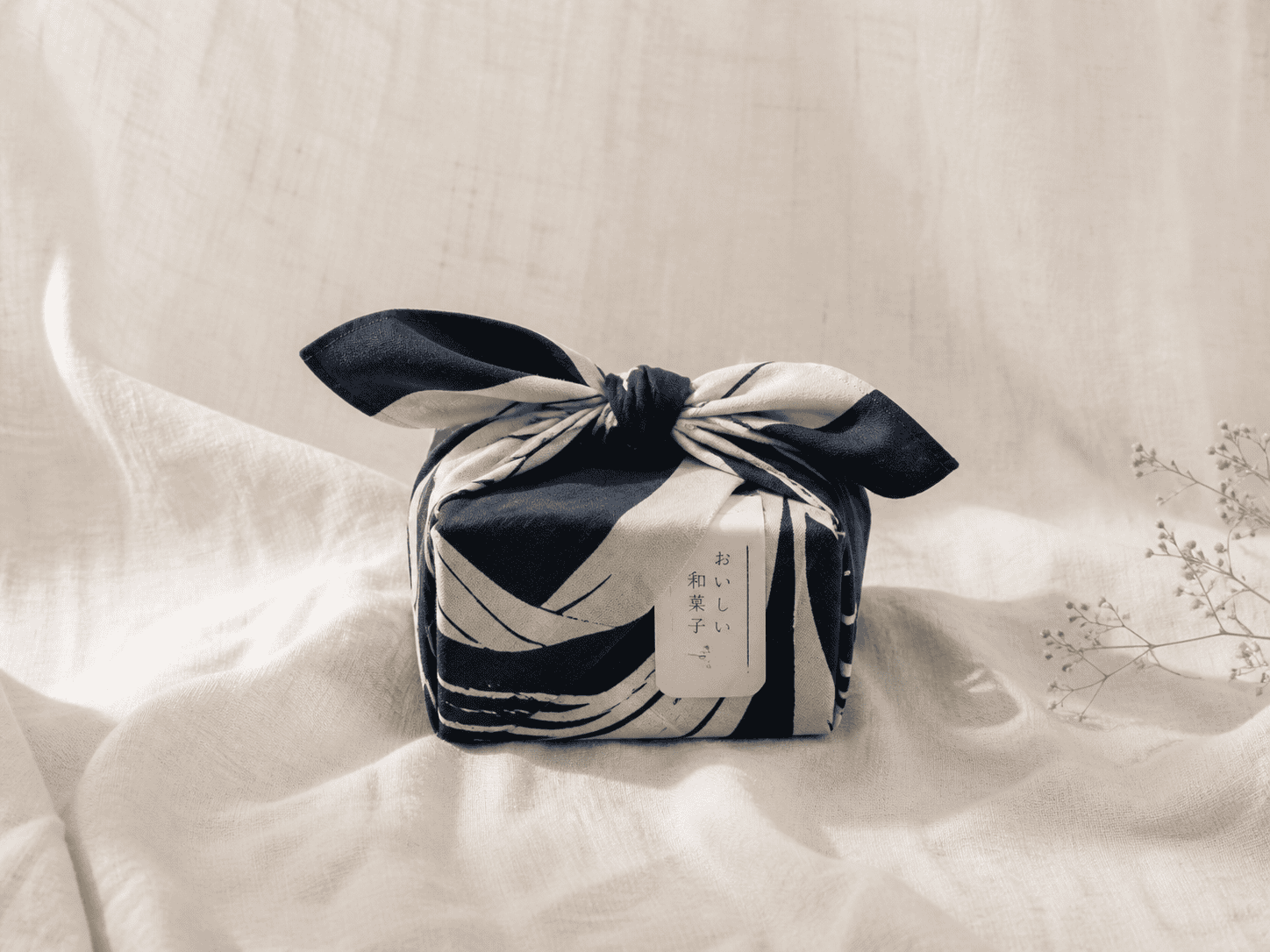
Moon and Crane Furoshiki — cotton wrapping cloth made in Japan
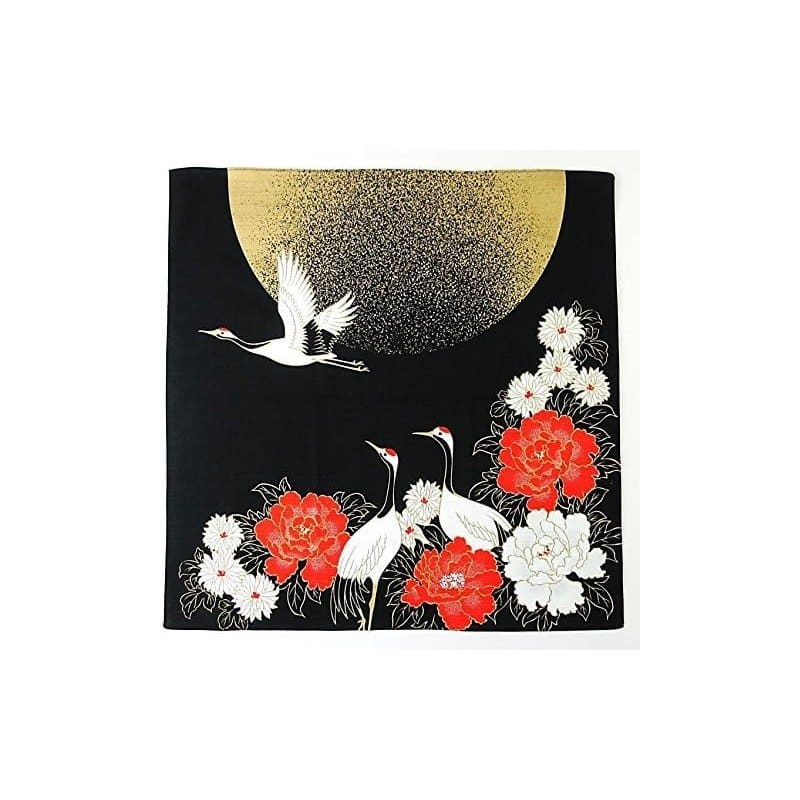
A furoshiki is the most practical way to use a Japanese word every day. This moon and crane furoshiki is made in Japan from washable cotton. At about 19.7 inches square, it wraps a book, a bento box or a small gift. It can also hang on a wall as a textile print. The crane and moon pattern fits the sky words in this guide, especially Amanogawa and Kōsei. Tie the corners in a musubi knot, and the gift arrives with a little ceremony. Afterwards, the cloth is reused rather than thrown away, which honors the idea of mottainai. In this way, one cloth carries three of the words on this page.
Words With Motion, Wildness and Strength
For a bolder name, turn to animals, wind and travel. These twelve words have more energy than the gentle ones above. They suit adventurous characters, gaming handles and outdoor brands, and several are easy to remember after a single hearing.
| Word | Kanji | Kana | Meaning |
|---|---|---|---|
| Kitsune | 狐 | きつね | Fox |
| Tanuki | 狸 | たぬき | Raccoon dog |
| Fukurō | 梟 | ふくろう | Owl |
| Kamome | 鷗 | かもめ | Seagull |
| Tsumujikaze | 旋風 | つむじかぜ | Whirlwind, tornado |
| Habataki | 羽ばたき | はばたき | Flapping of wings, wing beat |
| Tabibito | 旅人 | たびびと | Traveller, journeyer, wanderer |
| Furusato | 故郷 | ふるさと | Hometown, native place, old home |
| Sasayaki | 囁き | ささやき | Whisper, murmur |
| Tobira | 扉 | とびら | Door, gateway, portal |
| Ganbari | 頑張り | がんばり | Persistence, tenacity, doing one’s best |
| Kōtetsu | 鋼鉄 | こうてつ | Steel, tempered iron |
Kitsune, the fox, and Fukurō, the owl, are classic choices for clever or watchful characters. Tanuki, the raccoon dog, feels playful and a little mischievous. By contrast, Kamome, the seagull, is breezy and coastal. Each animal word is short, so it makes a strong username.
Tsumujikaze, a whirlwind, and Habataki, a wing beat, describe movement. Tabibito, a traveller, suits a travel writer, and Furusato, hometown, suits anyone who writes about where they come from. Then Sasayaki, a whisper, and Tobira, a door, are softer but still evocative. Lastly, Ganbari and Kōtetsu describe tenacity and steel. They suit athletes and makers, though they can sound stern as a personal name.
Strong words reward a matching personality. Call a cheerful character Kōtetsu, and the name will feel like a joke, which may be exactly what you want. However, if you want a name that grows with you, choose something you can still stand behind in ten years. Tabibito and Furusato, for example, age well. Ganbari, on the other hand, may feel more like a slogan than a name over time.
You may also like
How to Use a Japanese Word as a Name
Choosing a word as a name is different from choosing a real Japanese name. So it helps to follow a few simple checks. First, read the full meaning, not just the one you like. Kanji often carry more than one sense, and a reader may see the other one first.
Second, check for darker words before you fall for a sound. The generator’s word list also includes words such as 闇 yami (darkness), 心配 shinpai (worry), 火災 kasai (a great fire) and 煙 kemuri (smoke). Some suit a villain or a gothic handle well. However, they would surprise a Japanese reader on a child or a café. Third, look up the word with a native speaker if you plan to print, engrave or tattoo it.
Words, Names and the Law in Japan
In Japan, the law shapes which characters may appear in a child’s given name. According to the Ministry of Justice guidance on kanji for personal names, a name may use characters from the jōyō kanji table or the jinmeiyō kanji table, as well as hiragana and katakana. Therefore many words could, in principle, be written as names. Custom, however, is a stronger filter than law. A family may choose an unusual word, yet the child carries it every day.
Outside Japan, none of this applies. A pen name, a username or a character name is yours to choose. Even so, the same respect helps. Choose a word you understand, spell it consistently and write it correctly. That way, a Japanese reader will see care rather than a random string.

Write the Word by Hand
Finally, write your word by hand before you commit. Handwriting slows you down, and you notice every character. You will also see whether the word is balanced on the page. Many of the words in this guide, such as 縁側 or 微笑み, are a pleasure to write. Start with the kana, which have fewer strokes, and add the kanji once your hand is steady. Then write the word on a card and leave it on your desk for a few days.
Pentel Pocket Brush Pen — write your chosen word with a real brush tip
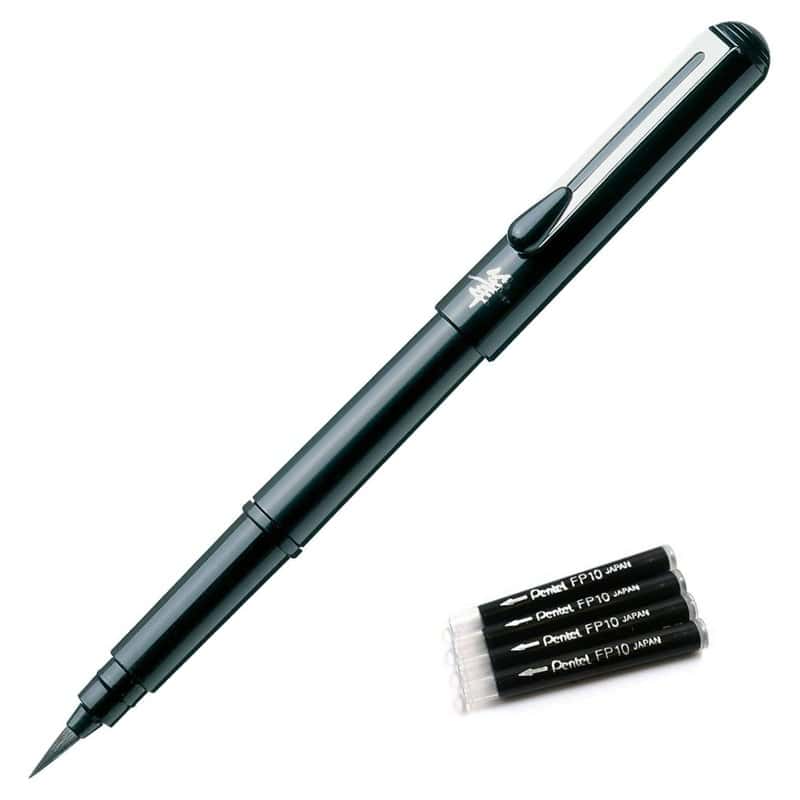
A brush pen is the simplest way to give a word the look of calligraphy. The Pentel Pocket Brush Pen has a real synthetic-bristle tip and refillable ink cartridges. As a result, you can write thick and thin strokes the way a brush does, without ink stones or water. It fits in a pocket, so you can practice a pen name on a train or in a café. Start with the kana of your word, then add the kanji once the strokes feel steady. Within a week, the word will feel like your own handwriting rather than a font. That is the moment a word starts to become a name.
Words and names have always crossed over in Japan. Writers have taken pen names from nature for centuries, and artists still take studio names from the seasons. So choosing one of these beautiful Japanese words for yourself follows an old and respectful habit. The only rule is to choose with care. Understand the word, check its shadow meanings and write it well. Then it will serve you as faithfully as any name, on a page, a profile or a shop sign.
Recommended
If you are still deciding, try a simple test. Pick three beautiful Japanese words from this guide, one gentle, one seasonal and one bold. Say each aloud, write each by hand and imagine a stranger reading it. Usually one of the three will feel right at once. In addition, it is worth comparing your favorite with real names that share its kanji. For example, if you love Kagayaki, look at real names built on 輝 as well. Sometimes the real name suits you even better, and it carries the same light.
A Word You Would Be Glad to Answer To
The best name is one you are glad to hear. Beautiful Japanese words can be exactly that, as long as you know what they say. Komorebi, Yoake and Hohoemi will each make a reader smile, while Kitsune and Tsumujikaze will make them curious. Either way, the word does its work before anyone meets you. A good name, like a good word, also improves with use, so the sooner you start writing it, the sooner it will feel truly like yours.
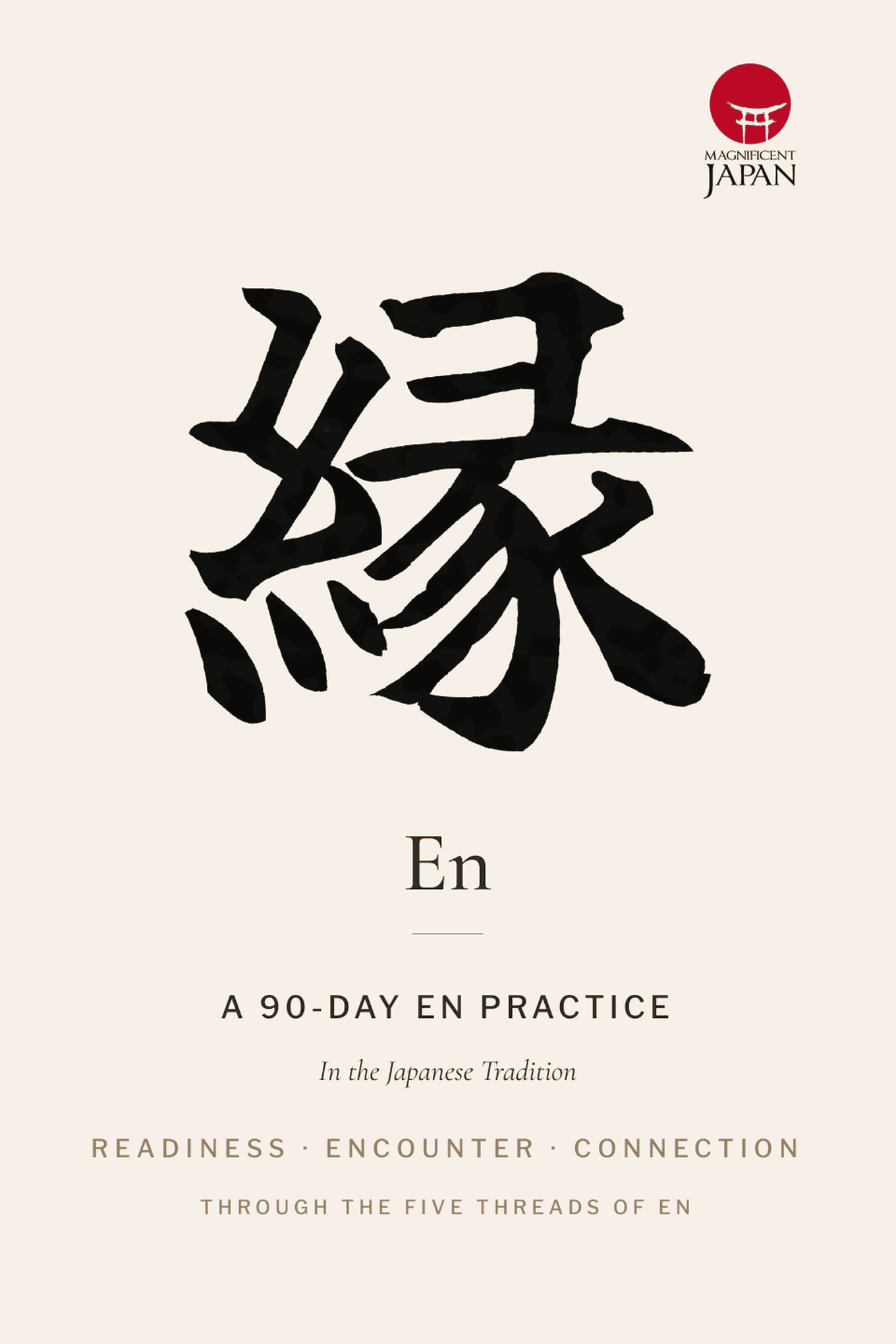
A 90-day practice in en, Connection, the ties that link people, families and generations. One short prompt a day helps you notice the bonds that shape your life, including the ones a single word can hold. Choose the digital edition for a tablet or the paperback for ink and paper. It is one of eight journals in the Cultural Reflection Collection, each built on a Japanese idea.
View The CollectionRemember, too, that these are words, not traditional names. That is their strength, not a weakness. They let you borrow a piece of the Japanese language with honesty, without pretending to a family tradition. So enjoy them as words first. If you then want a real Japanese name with the same image, the generator will find one by meaning, with every kanji explained. Many readers end up with both, a word for a handle and a real name for a calligraphy scroll.
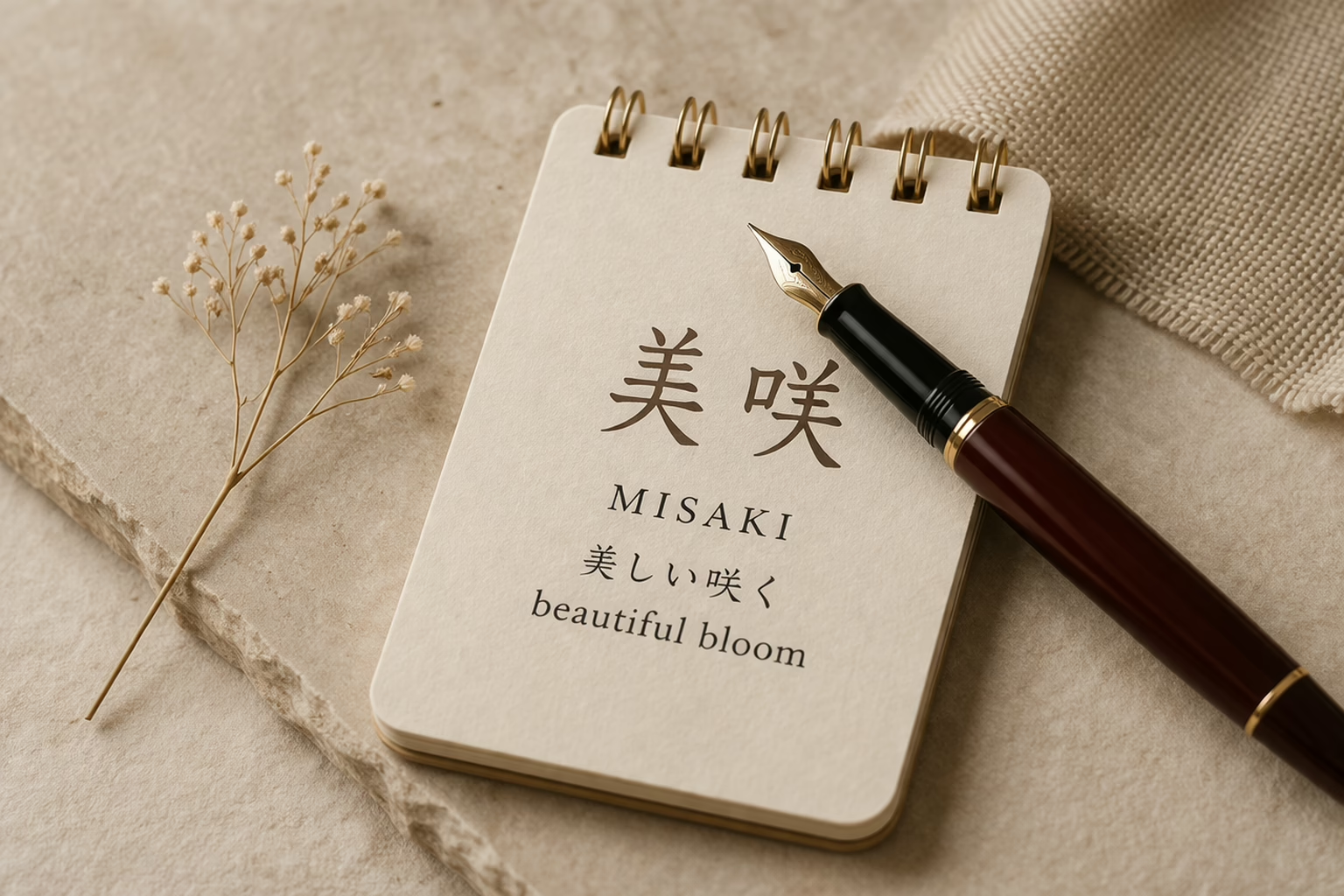
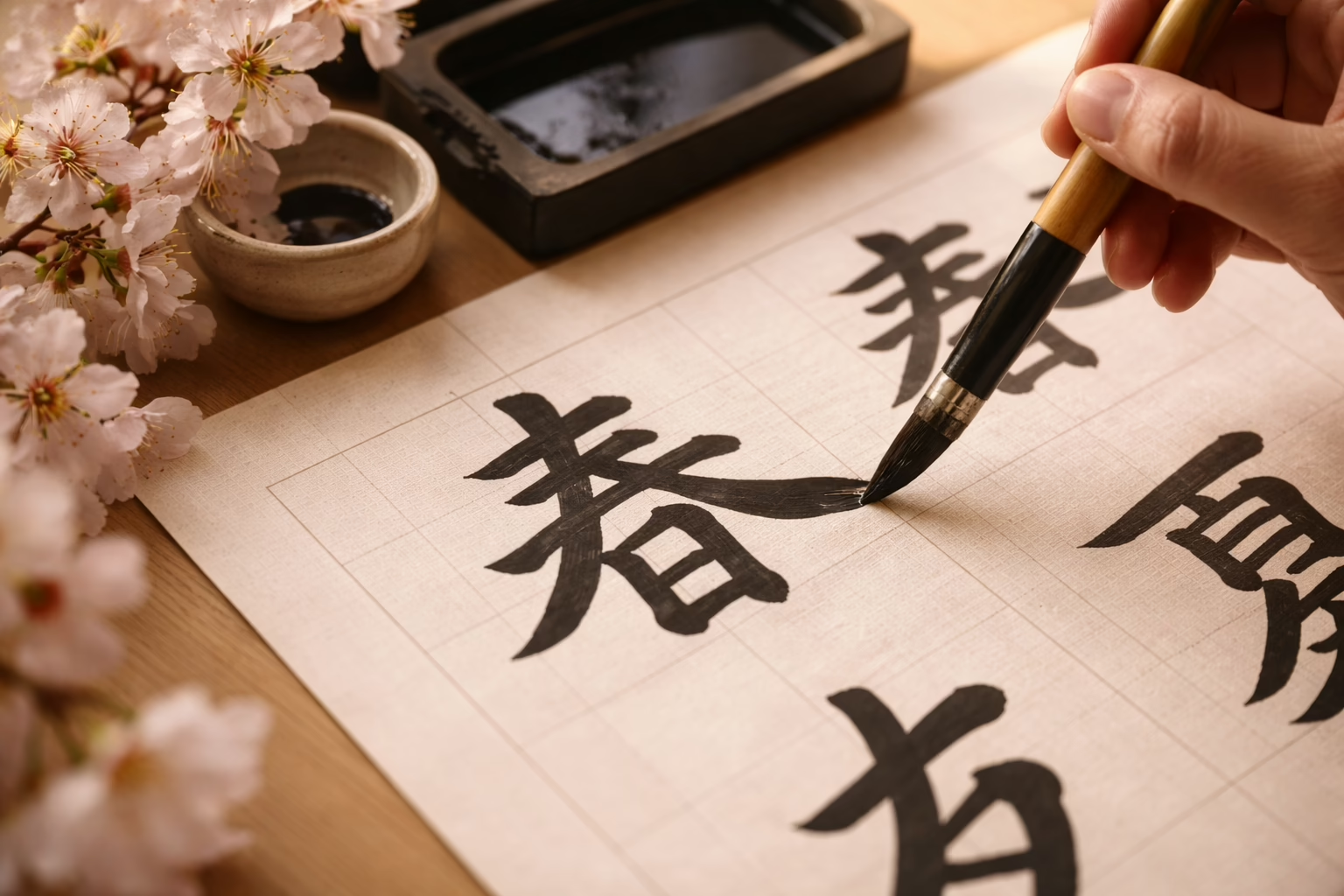

Each of these tools takes one step of this guide further. The generator shows the real names and the 89 words side by side, so you can compare them. Meanwhile, the practice tool and the flashcards help you write your chosen word stroke by stroke. The rail pass is for the trip itself, when you may see your word on a shop sign or a menu. If you would like to hear these words spoken in their own setting, the itinerary below is a good place to begin.
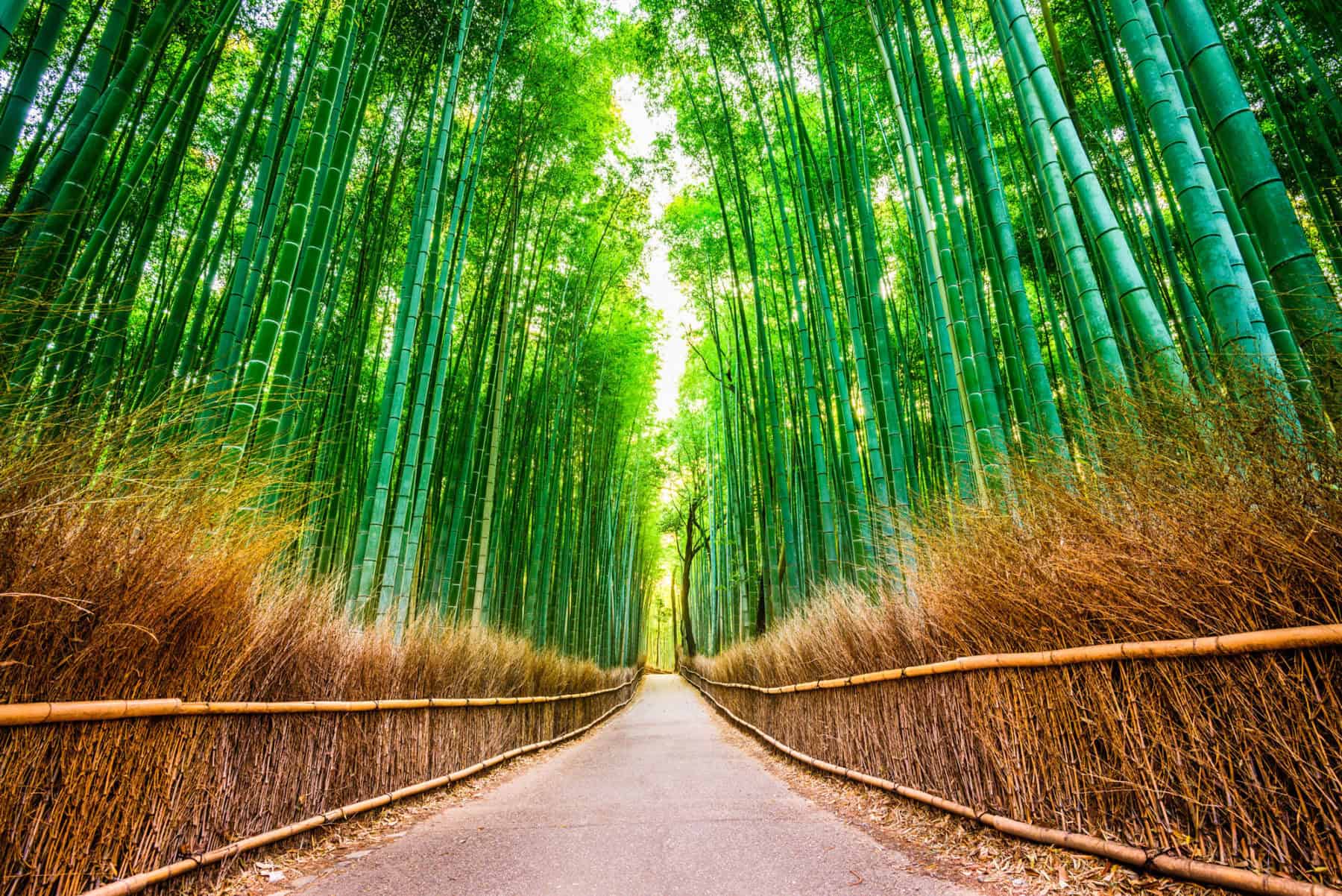
A custom itinerary for the traveler who wants to meet these words in their own setting. It can include a morning in a bamboo grove, an ikebana or calligraphy lesson, a kintsugi workshop and an autumn walk when the kinmokusei is in bloom. Each day is paced for learning, eating well and noticing the details.
Plan Your Custom Japan ItineraryQuestions Worth Asking
What is the most beautiful Japanese word?
There is no single answer, but komorebi is a frequent favorite. It means sunlight filtering through leaves, and its kanji read tree, leak and sun. Other common choices include yoake (daybreak), hohoemi (a gentle smile) and mono no aware, the bittersweet feeling that every moment passes.
Can I use a Japanese word as a name?
Yes, as a pen name, username, character name or business name. Just remember that a Japanese reader will hear the everyday word first. Most of these words are not traditional given names, so they may look unusual on a person in Japan. Check the full meaning before you choose.
What is the difference between a Japanese word and a Japanese name?
Both use the same kanji. A name comes from a familiar pool of sounds and characters that families give children, while a word keeps its everyday meaning. Some cross over, such as 輝 read Kagayaki, which is both a word for radiance and a real boys’ name.
What Japanese words make good usernames?
Short, vivid words work best, such as Kitsune (fox), Fukurō (owl), Arare (hail), Tsurara (icicle) or Irodori (coloring). Avoid words with dark meanings unless you want that mood. Keep the spelling consistent, with or without macrons, so people can find you.
What Japanese word means light?
Several do. Hikari is the everyday word for light and also a common name. Komorebi is sunlight through leaves, kagayaki is radiance and yoake is daybreak. Each describes a different quality of light, so choose the one that matches the image you want.
Are there Japanese words with deep meaning that English lacks?
Yes. Wabi finds beauty in rustic, imperfect things, mottainai is regret over waste and tsundoku is buying books and letting them pile up. Natsukashii describes the pleasant ache of a fond memory. English needs a whole phrase for each of these ideas.
The Editors, Magnificent Japan