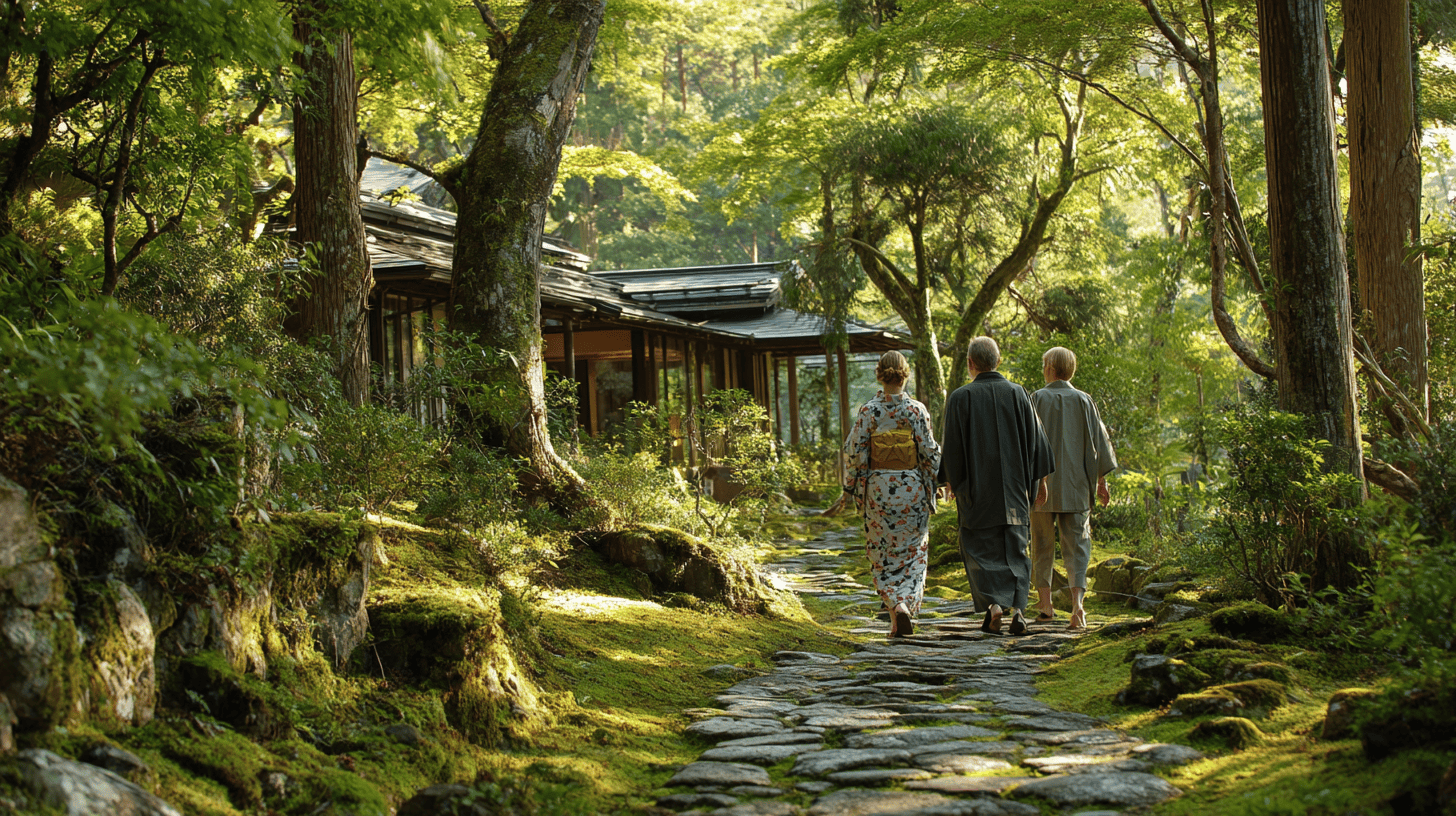
The best luxury ryokan in Japan are no longer a matter of rumor. In September 2026 the Michelin Guide named its Key hotels for Japan. Two inns took the top award of three Keys. Gora Kadan in Hakone and Asaba in Izu now sit beside Aman and Bvlgari on the same list. About ten more ryokan hold two Keys. This guide uses that list as its spine. Then it adds the rates, the baths and the booking details that decide a stay. It belongs to our wider guide to luxury travel in Japan.
One note on scope. This page covers the inns themselves: which ones, where, and at what price. For city towers and resorts, our guide to the finest luxury hotels in Japan does the same work. And if you have never stayed in a ryokan, read how a night unfolds before you choose one.
What is the best luxury ryokan in Japan?
The best luxury ryokan in Japan for 2026 are Gora Kadan in Hakone and Asaba in Izu. They are the two inns holding three Michelin Keys. Beyond them, look for a private open-air onsen in the room. Also look for a celebrated kaiseki kitchen and fewer than about thirty rooms.
What Sets a Luxury Ryokan in Japan Apart
Every ryokan offers tatami, futon bedding and a hot bath. A luxury ryokan in Japan offers those things at a level of care that hotels rarely match. The room is large and opens onto a garden or a valley. Dinner is a long kaiseki sequence, often served in your room or a private dining space. Staff remember how you take your tea. Above all, the bath is yours, fed by a hot spring and open to the air. Those four elements, together, separate the finest inns from the merely traditional.
Scale matters too. Most of the inns on this page have between ten and thirty rooms. That size lets one kitchen cook for every guest, and it lets the staff learn your name before dinner. Larger onsen hotels can be excellent, but they work differently. For how a stay runs, read our guide to what a ryokan and onsen stay is like. This page assumes that rhythm and focuses on choosing the inn.
Luxury Onsen in Japan: Start With the Water
The single best filter for a luxury ryokan is the bath in the room. Many top inns give each room its own open-air bath, called a rotenburo. However, not every private bath is equal. Some draw hot-spring water straight from the source and let it flow through without stopping. Others fill a tub on request, which means a wait each time you want to bathe. Frequent guests on travel forums name the second kind as their main regret. So ask the inn directly whether the in-room bath is spring-fed and continuously flowing.
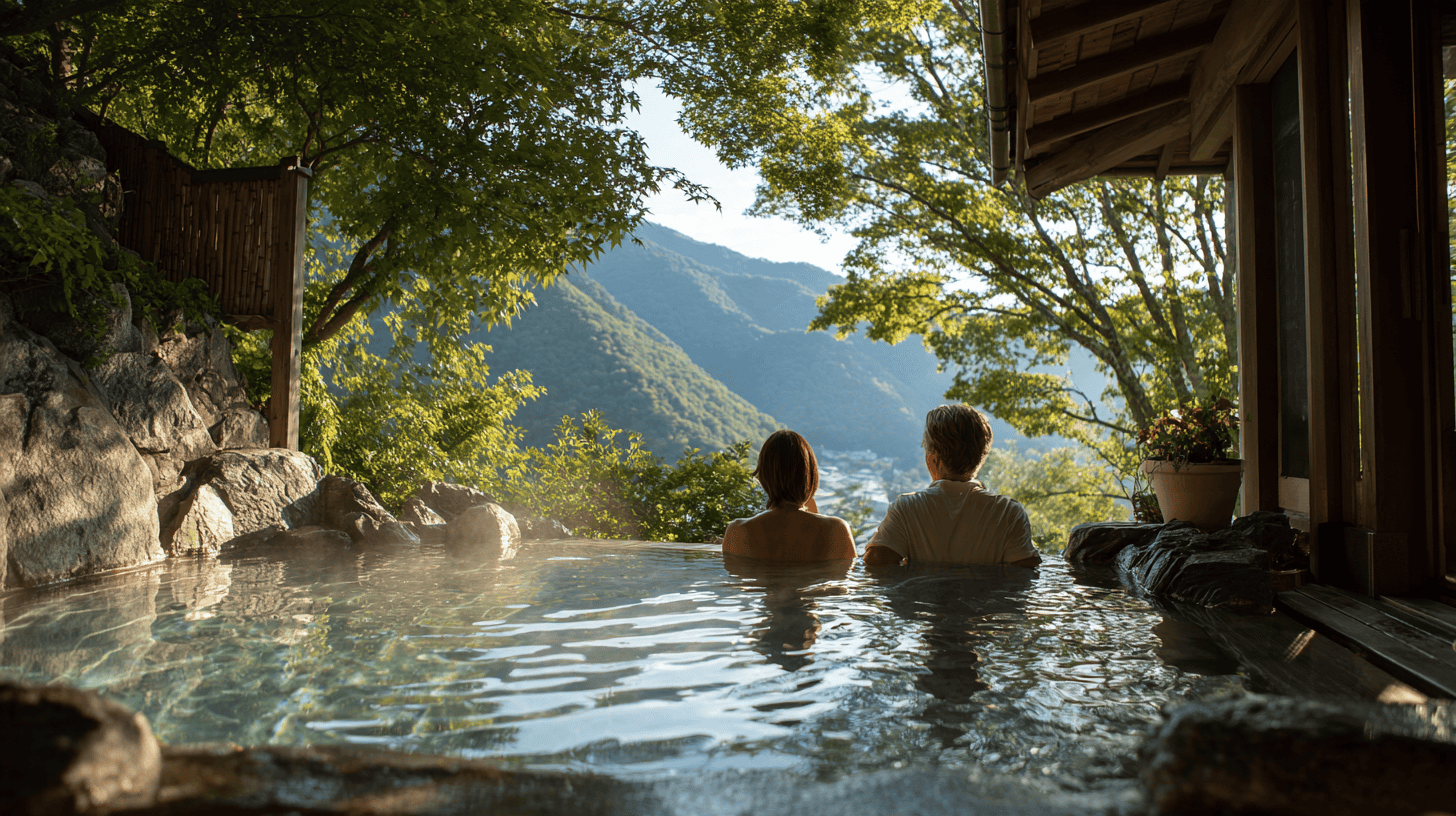
Water type matters less than flow, but it is worth knowing. Each hot-spring town has its own mineral profile, and inns print it at the bath door. Then look at the view from the tub. A bath that faces a garden at eye level feels very different from one above a gorge. Finally, check whether the inn also offers private family baths you can reserve. These suit couples on nights when they want a larger pool without sharing it with other guests. Either way, a reservable bath is a useful second option.
The bath also carries into the home, for those who miss it. Hinoki, the Japanese cypress used for many inn tubs, has a clean, resinous scent that fills a steamy room. The Tosaryu Hinoki Bath Bag holds cypress shavings from Kochi in two sachets. You drop one into a hot bath, and each sachet works for up to three soaks. It is a small thing, yet it brings back the first evening at an inn better than any photograph. Keep one by the tub for the first week home.
When to bathe
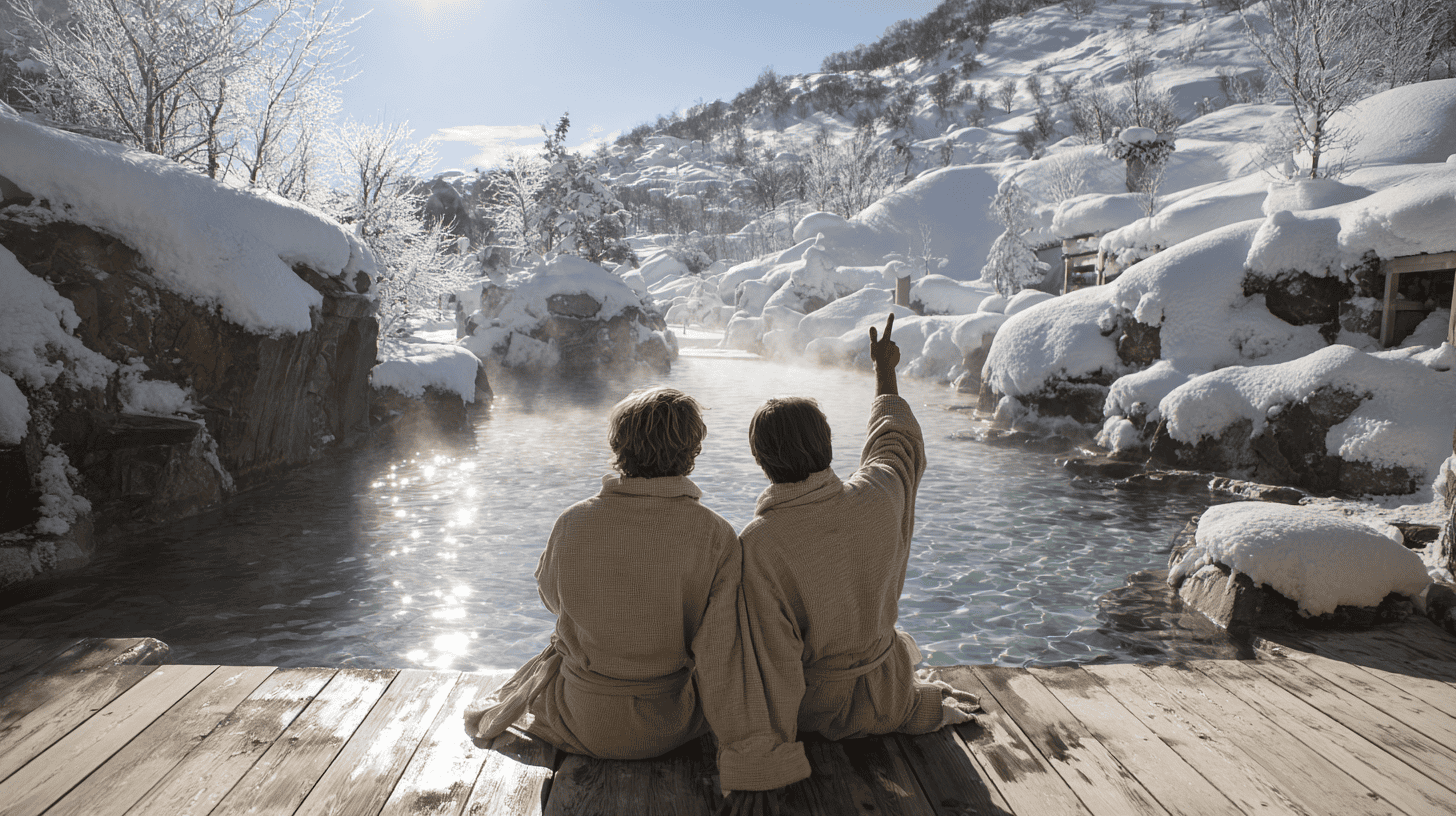
Timing changes the experience as much as the water does. Arrive by mid-afternoon, so you can bathe before dinner while the light is still soft. Then bathe again late, when the garden is dark and the steam catches the lanterns. Many guests take a third bath at dawn. In winter, snow on the rocks makes the contrast sharper, and the heat feels earned. For a deeper look at why the ritual feels restorative, see our guide to onsen health benefits.
You may also like
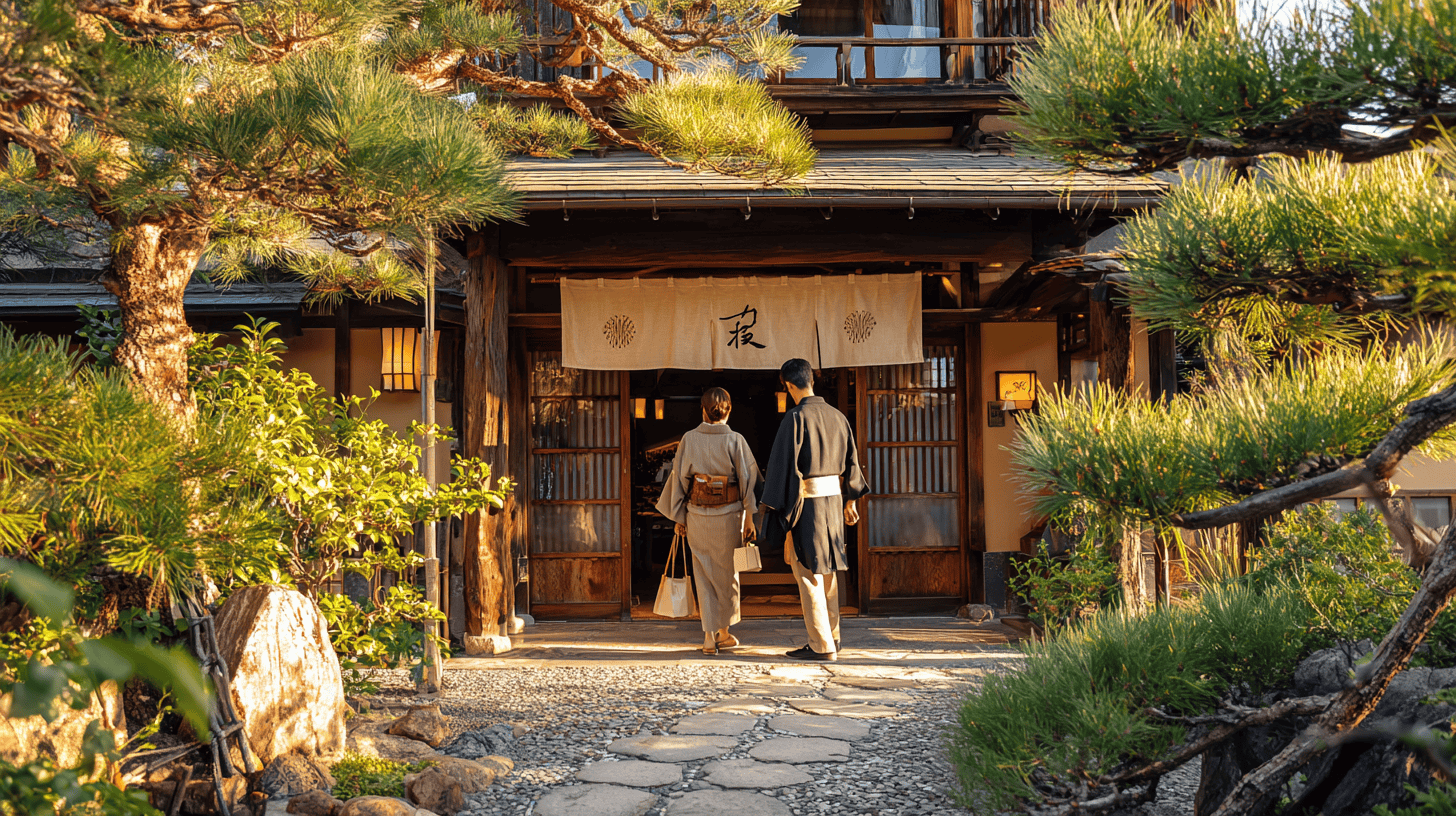
The Michelin Key Ryokan of 2026
The Michelin Key hotels in Japan list appeared on September 18, 2026. It is the first independent ranking that judges ryokan beside hotels. Inspectors stay anonymously and weigh design, service, character and value. Two ryokan received three Keys: Gora Kadan and Asaba. The two-Key tier is larger. It includes Sekitei near Miyajima, Zaborin in Hokkaido, and Nishimuraya Honkan in Kinosaki. Kanamean Nishitomiya in Kyoto, Gajoen in Kirishima and Kamenoi Besso in Yufuin also made it. That breadth is new, and it helps.
Onyado Chikurintei in Takeo, Gora Kadan Fuji, and both Fufu properties in Nikko and Kawaguchiko complete the list. The spread is wide, from the Hokkaido snow country to the hot springs of Kyushu. That is useful. It means the best luxury ryokan in Japan are no longer clustered around Kyoto and Hakone alone. A traveler can now plan an inn night almost anywhere on a route. For a classic primer on these inns, Ryokan: Japan’s Finest Spas and Inns remains a handsome companion.
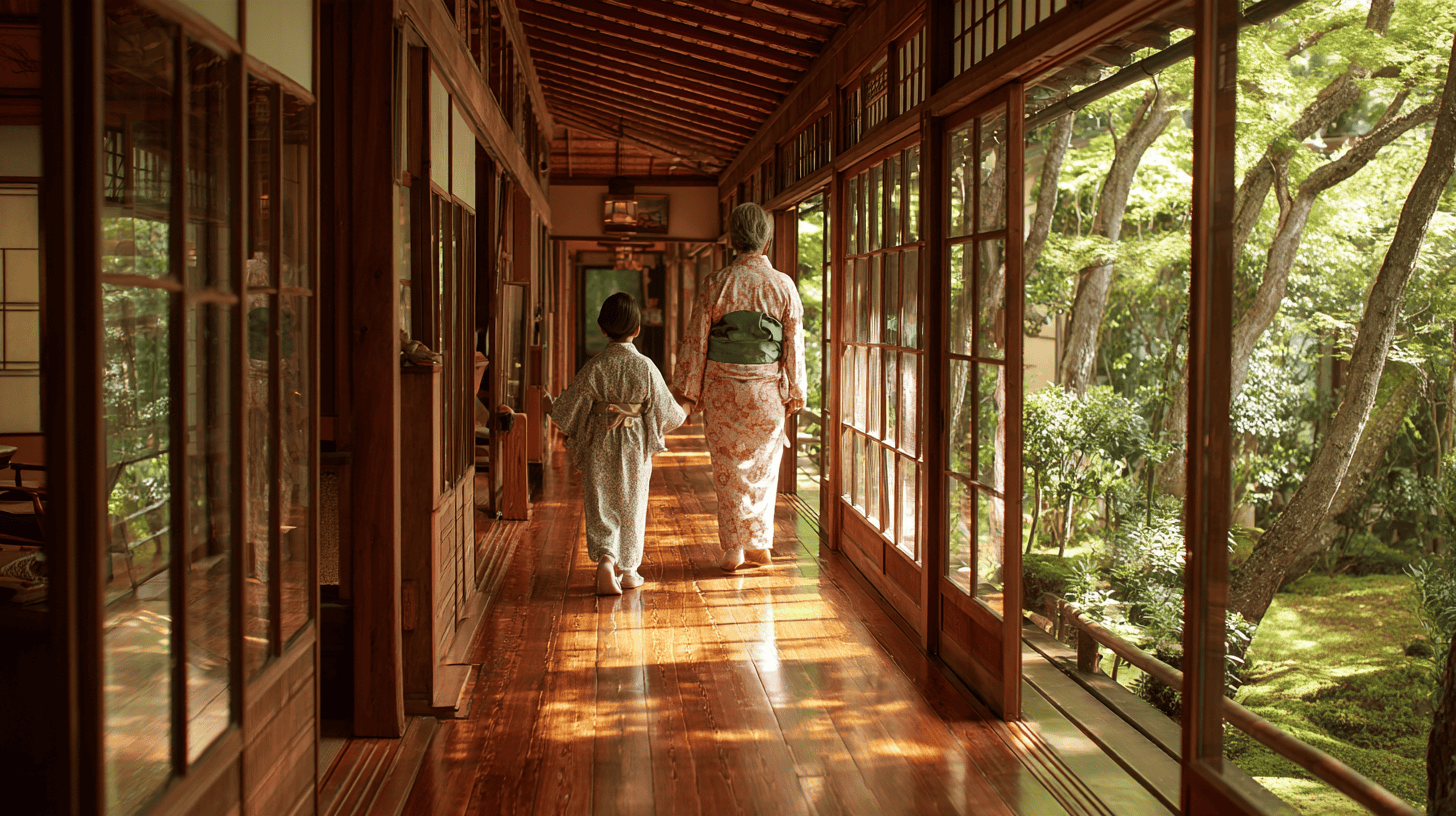
Near Tokyo: Hakone, Izu and Fuji
Hakone and Izu sit within about two hours of Tokyo, which makes them the natural first ryokan stop. Both have deep hot-spring traditions and dozens of inns. Yet only a few reach the top tier. Hakone suits a first ryokan night, with easy trains and gardens in every season. Izu feels more remote, with river valleys and the sea close by. Fuji’s lakes add mountain views to the mix. On a Tokyo to Kyoto route, any of the three adds half a day at most.
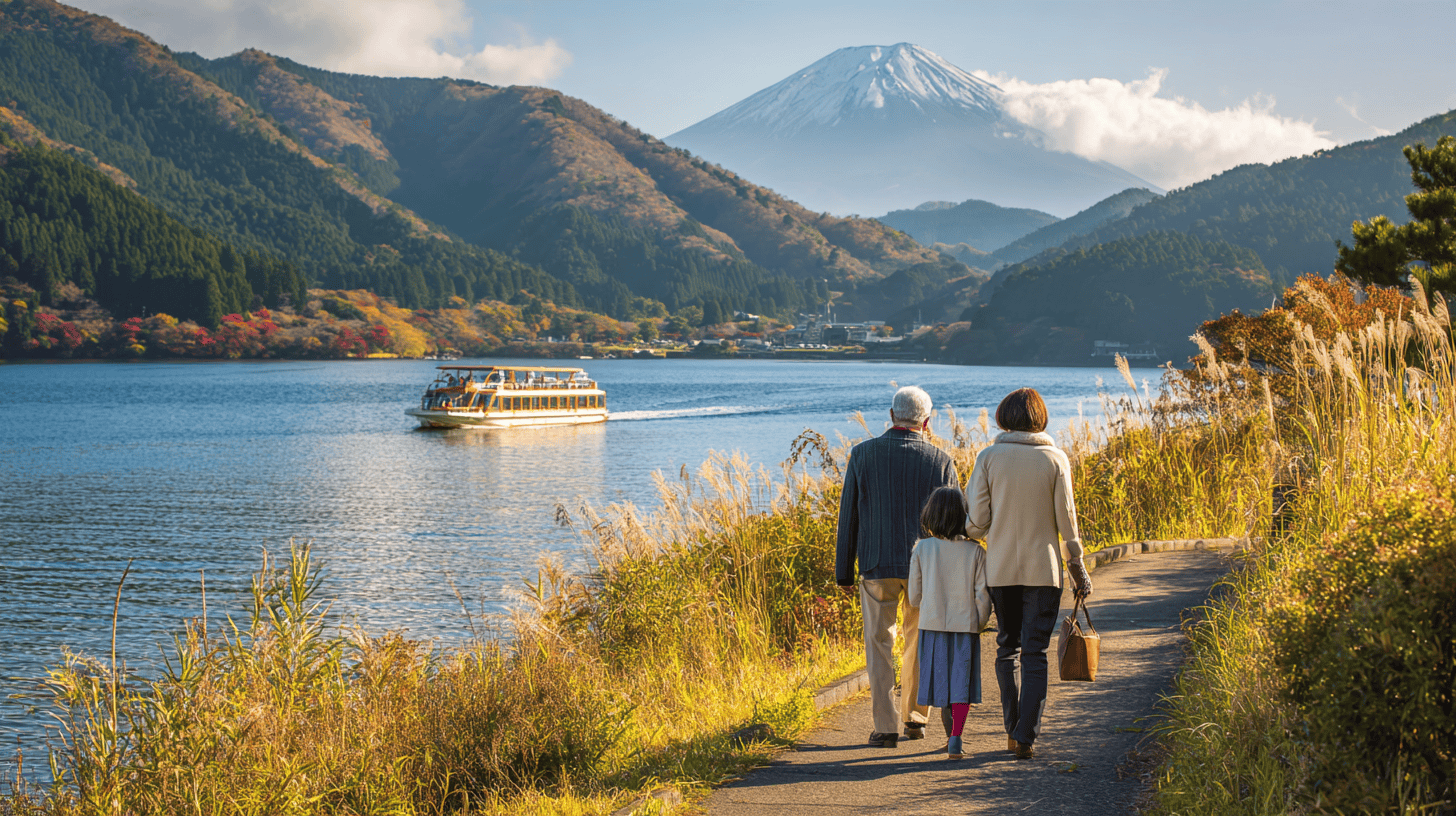
Gora Kadan, Hakone
Gora Kadan occupies the former summer villa of Prince Kan’in Kotohito. It is also a member of Relais & Châteaux. It holds three Michelin Keys. The inn draws on three hot springs, and many rooms have their own open-air bath. Gora Station on the Hakone Tozan Railway is a three-minute walk away. Meanwhile, its sister inn, Gora Kadan Fuji, holds two Keys near the mountain’s eastern slopes. Together they make Hakone the easiest place to begin a ryokan journey at the highest level. Book a garden room for the best light.
Asaba, Izu
Asaba has welcomed guests in Shuzenji since 1484, run by the same family for ten generations. It has just ten rooms, suites and villas around a pond with a Noh stage built over the water. Hot-spring water from Shuzenji fills its cedar baths. Monthly Noh performances bring masters of the art to the stage. Relais & Châteaux lists rates from $1,700 to $4,635 a night, including taxes, as of October 1, 2026. That range is a fair guide to the top of the market.
Should you choose Hakone or Izu? Choose Hakone for convenience and variety, especially on a first trip. Choose Izu for one deeper night, when you want the inn itself to be the destination. Both reward two nights more than one. A single night leaves little time for the bath, the long dinner and the walk the next morning. If you can spare the time, stay two nights at one inn rather than one night at two. The second evening is when an inn stops feeling formal and starts to feel like a home.
Kyoto, Kinosaki and the Hokuriku Coast
West of Kyoto, the ryokan map widens. Kyoto itself has few inns with hot-spring water, so its finest ryokan offer gardens and cooking instead. Kanamean Nishitomiya, with two Keys, keeps just eight tatami-style rooms, as traditional as an inn can be. For hot springs, travelers head north to Kinosaki or east to the Hokuriku coast. Both make an easy two-night trip from Kyoto. Each also pairs well with a city stay. The trains are direct, and the journey takes two to three hours.
Nishimuraya Honkan, Kinosaki
Nishimuraya Honkan opened in 1854 and holds two Keys. It has 31 rooms around a Japanese garden, and seven of them carry private open-air baths. Three more private baths can be rented for 70 minutes. Rates run from about $335 to $1,070 per guest per night, with dinner and breakfast. Kinosaki itself is a walking town of public baths. Guests stroll between them in yukata and wooden sandals, which makes the inn part of a wider evening.
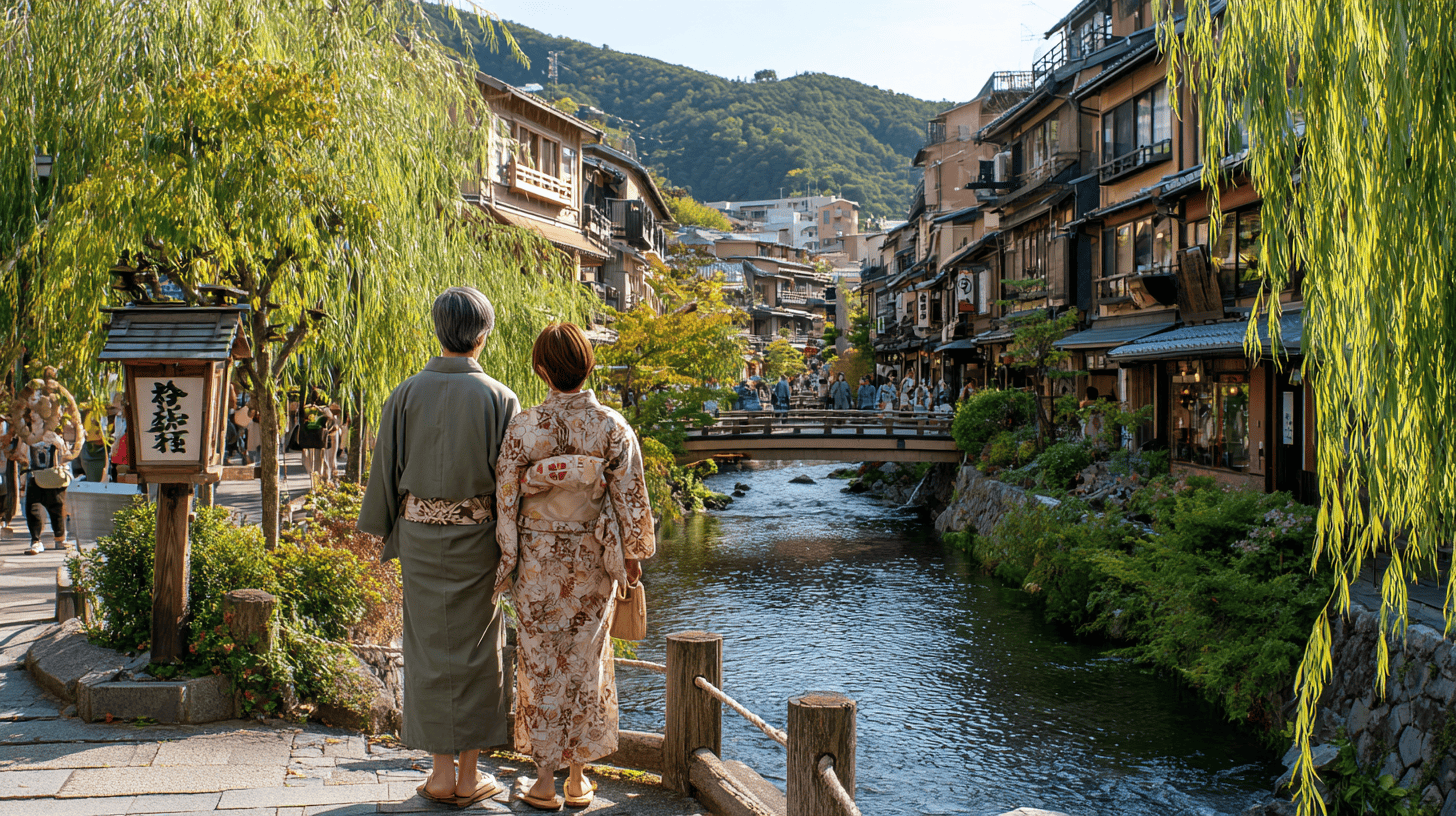
Beniya Mukayu, Yamashiro Onsen
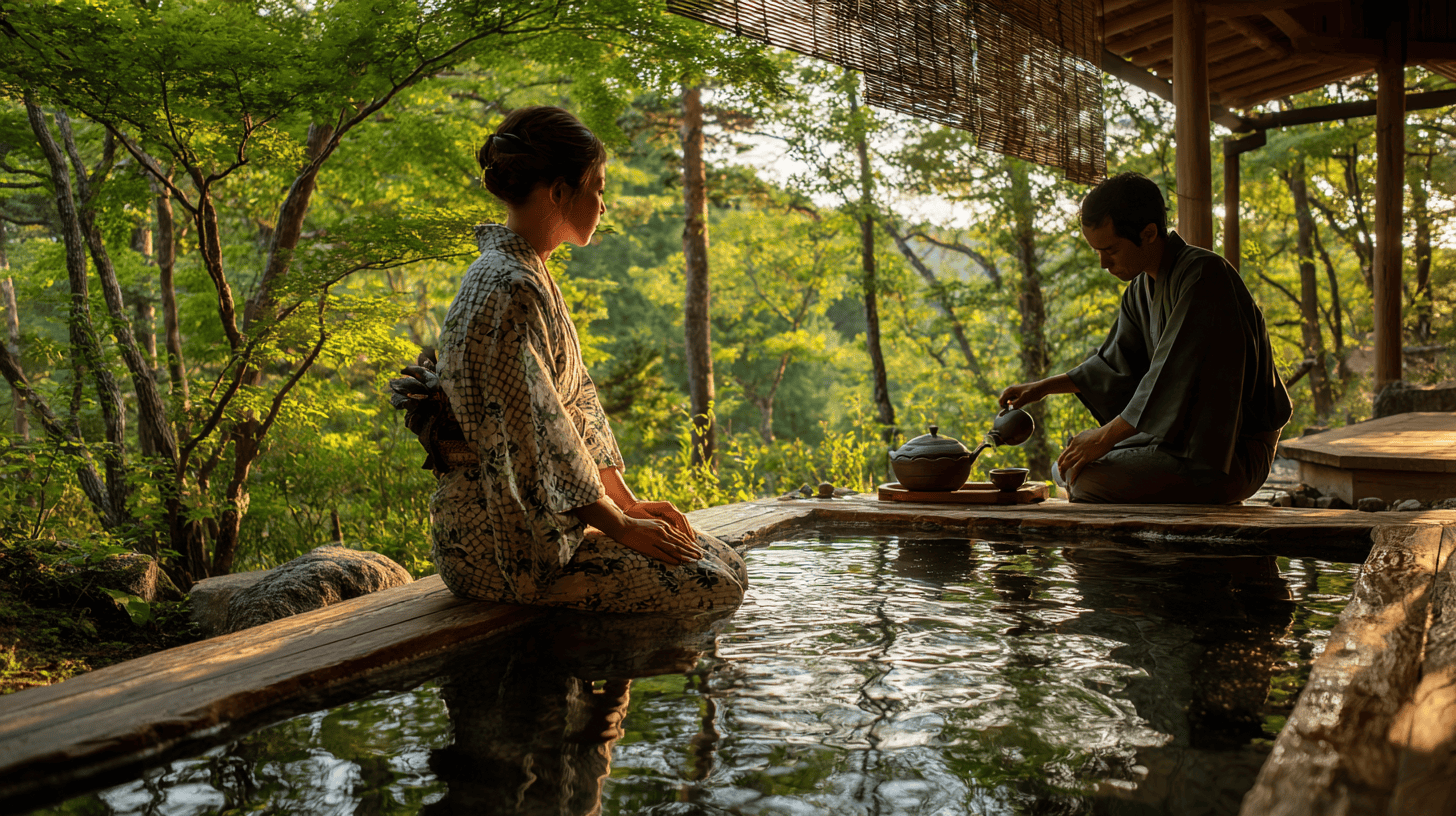
Beniya Mukayu sits in Yamashiro Onsen in Ishikawa, near Kanazawa. The Nakamichi family has run it since 1928, now in its third generation. It has 20 rooms, and each has a private open-air hot-spring bath. Published rates run from about $500 to $730 per person, depending on the room. The Horin restaurant cooks kaiseki from Kaga ingredients. The owners also welcome guests with tea. In addition, the inn arranges lacquer, woodturning and paper-making sessions with local makers. Ask for a room on the garden side.
Beniya Mukayu also shows why the Hokuriku coast rewards the journey. Kanazawa’s markets and craft studios sit within half an hour. In winter, the Sea of Japan supplies the kitchen with crab. For many travelers, this is the best luxury ryokan in Japan for the price. The craft program turns one stay into two days of making things. Book the sessions when you reserve the room. They fill early in autumn, when the garden turns red and the inn sells out.
The Luxury Japan Edit
MJ’s Luxury Japan Edit is a curated planning edit for luxury travel in Japan, sent to you by email. Use it beside this guide as you choose the inns, then place each one where it suits the route. Letters on Japanese travel and craft follow, roughly monthly.
One email with your Luxury Japan Edit. Occasional letters after that. Unsubscribe anytime.
Whichever inn you choose, a few questions are worth sending ahead. Is the in-room bath spring-fed and flowing? What time is dinner, and can it move? Does the inn allow tattoos in shared baths? Which room categories include a private rotenburo? Sending these before you pay saves awkward moments on arrival. Most inns answer in English by email within a day or two. The reply also shows the service you can expect, so read it closely.
Hokkaido and Kyushu: Snow Country and Hot-Spring Valleys
The two ends of the country hold some of the most private inns of all. In the north, Hokkaido’s ryokan sit in forests under heavy snow. In the south, Kyushu’s hot-spring valleys have long attracted travelers looking for slower towns. Both regions reward longer trips. Flights from Tokyo take about two hours or less. So an inn stay can anchor a ski week or a southern loop. Choose Hokkaido for winter, when the outdoor bath steams in the snow. Choose Kyushu for spring and autumn, when the valleys turn green or gold.
Zaborin, Hokkaido
Zaborin stands in a forest in Hanazono, near Niseko, and holds two Keys. It has 15 villas, and each one has its own indoor and outdoor onsen. Dinner is Kita Kaiseki, a northern reading of Kyoto’s kaiseki, from chef Yoshihiro Seno. Because the villas are separate, the inn feels more like a private house than a hotel. In winter, guests ski Niseko by day and return to a bath under falling snow. It is the clearest case for a ryokan in the far north.
Kyushu’s keyed inns
Kyushu holds three keyed ryokan, spread across three prefectures. Kamenoi Besso sits in Yufuin, a hot-spring town below Mount Yufu. Gajoen lies in Kirishima, in the volcanic highlands of Kagoshima. Onyado Chikurintei sits in Takeo, in Saga. Each holds two Keys. Together they make a strong case for a southern loop. Fly into Fukuoka, then move between inns by car or train. Two nights at each, with a city night between, gives the bath time to work. Spring and autumn suit the loop best.
Recommended
A note on the hybrid inns. Some of Japan’s finest stays blur the line between ryokan and resort. Amanemu, for example, gives every suite a private onsen and serves Japanese cuisine, but it runs on hotel service. It belongs to our hotels guide rather than this list. Still, it suits travelers who want a hot-spring bath without the formality of a set dinner. Hybrids work best as a bridge before your first true ryokan. Then the customs feel familiar when you arrive.
The same logic applies to wellness. A ryokan night restores, but it is not a retreat program. If you want guided bathing, treatments and a daily schedule, a dedicated retreat suits you better. Our guide to choosing a Japan wellness retreat covers that path. For a trip built around several hot-spring towns in sequence, see our onsen wellness itinerary. Either can include one of the inns above as its finest night. Choose by the shape of the day you want.
What the Best Luxury Ryokan Cost in 2026
Ryokan rates include dinner and breakfast, and most are priced per person rather than per room. That makes them look higher than hotel rates at first glance. A 2026 ryokan cost guide puts luxury inns at about $255 to $635 per person, per night. The top tier starts near $635 and climbs well beyond. The named rates on this page fit that pattern. Nishimuraya Honkan starts near $335, Beniya Mukayu near $500, and Asaba near $1,700 a night. So compare totals for two, not the headline figure.
The ryokan breakfast
Breakfast deserves its own mention, because guests talk about it on the train home. It arrives early, often at the low table in your room or in a private dining room. Typically there is rice, miso soup, pickles and a fillet of salt-grilled salmon. That salmon, shiozake, is the heart of the tray. Its skin crisps, its flesh stays moist, and the salt carries the flavor. Better still, it is easy to make at home. It needs only good fish, salt and two days of patience.
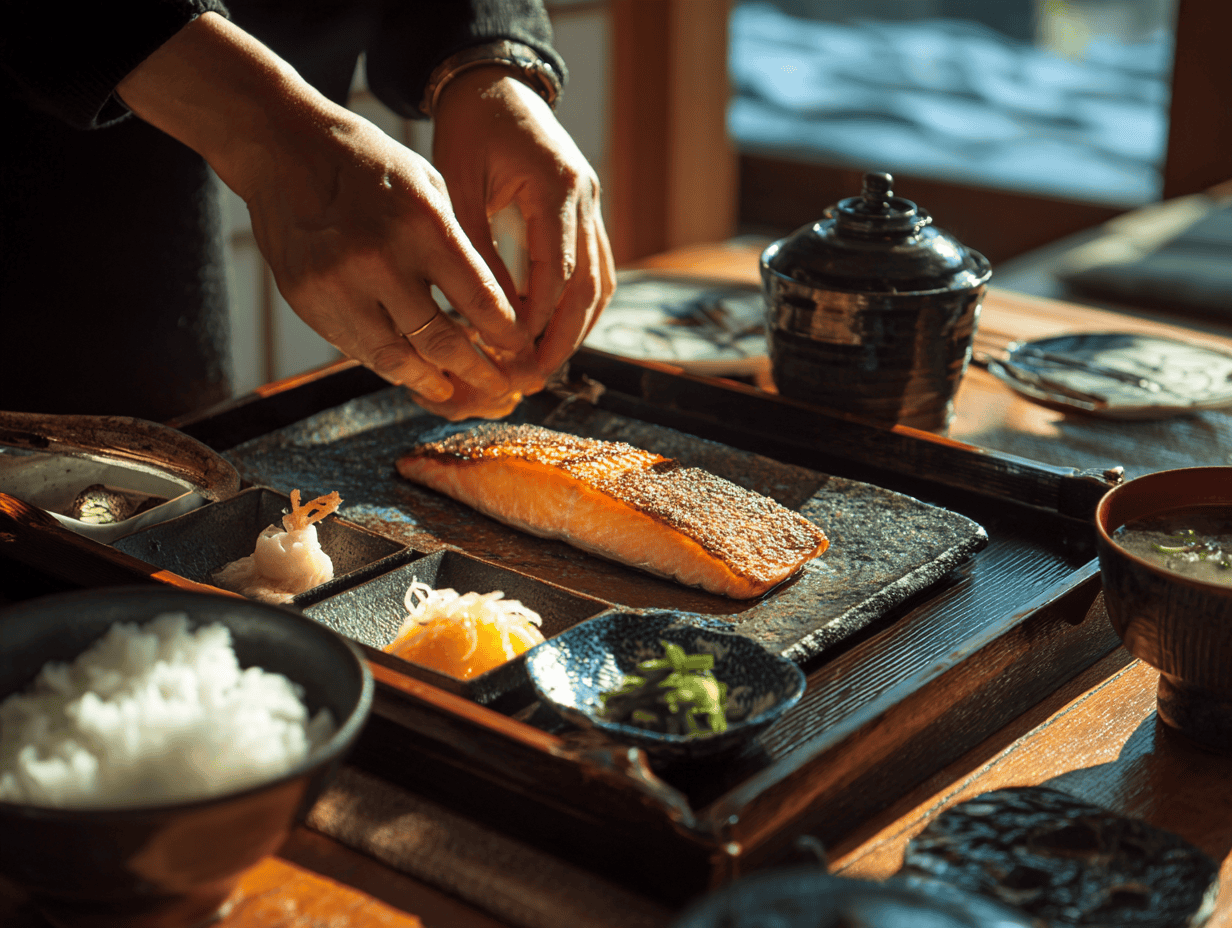
Shiozake — salt-grilled salmon for a ryokan breakfast
Sprinkle about one and a third pounds of skin-on salmon fillets with one or two tablespoons of sake. Leave them for ten minutes, then pat them completely dry. Next, salt every side generously, skin included, using about three tablespoons of kosher salt. Layer the fillets between paper towels in an airtight container. Refrigerate them for at least two days, so the salt firms and seasons the flesh.
When you are ready, pat the fillets dry again. Heat the broiler to high and lay the salmon skin-side up on a lightly oiled, foil-lined tray. Broil for eight to ten minutes, until the skin blisters and the flesh flakes. Serve each piece with hot rice, miso soup, pickles and a little grated daikon. The first bite tastes like an inn morning: salty, warm and generous.
Dinner and the room you book
Dinner is where much of that money goes. A kaiseki menu can run to a dozen courses, each one seasonal and plated on fine ceramics. Sake often arrives in small cups of wood or porcelain. The Kotobuki Cedar Sake Cup, made in Japan, adds a soft cedar scent to each sip. It brings a little of the inn’s dinner table home. Also ask whether drinks are included in your rate, since most inns charge them separately. Even so, the rate rarely feels high once the dinner arrives.
Room category drives the rest. At most inns, only some rooms carry a private open-air bath, and those sell first. The difference can be large, so compare the same room type across inns, not the lowest rate. Taxes and a small hot-spring tax are usually added. To price the inn nights inside a full route, a custom Japan itinerary sets each night against your budget. That way the ryokan becomes the high point of the plan, not a surprise on the bill.

Booking the Best Luxury Ryokan in Japan
Book early for the seasons that matter. Autumn color and spring blossom fill the top inns months ahead. Small inns also have few rooms to begin with. Winter suits the snow-country inns, while early summer brings green valleys and better availability. Most inns take bookings through their own sites or a small number of trusted platforms. For a field guide, Japanese Inns and Hot Springs by Rob Goss surveys the best ryokan and onsen. It is worth owning before the trip.
Dinner times, tattoos and language
Three details catch travelers out. First, dinner runs at fixed times, often early in the evening, so plan the day around it. Second, tattoo rules vary by inn and by bath. A private rotenburo avoids the question, but ask before you book if it matters to you. Third, English varies outside the major inns. The keyed ryokan handle it well, yet a short written list of allergies and preferences still helps. Send it with your booking, and the kitchen will plan around it.
Bring little and wear what the inn provides. Yukata robes, slippers and towels are standard, and the inn lays them out on arrival. Some guests still prefer their own towel for the bath. The Monori Imabari Bath Towel Set by Imabari Kinsei comes from Ehime, the region behind Japan’s most famous towels. It also makes a fine way to keep the softness of an inn towel at home. Pack it for the return, and the bath at home will feel closer to the bath you left.
You may also like
Finally, choose the inn for the night you want, not the name. For a first ryokan night, Hakone suits best, with easy trains and a forgiving rhythm. A honeymoon calls for a villa with its own bath, such as Zaborin or a garden room at Asaba. Craft-minded travelers will love Beniya Mukayu. Walkers, meanwhile, will love Kinosaki. Each can be the best luxury ryokan in Japan for the right guest. So the question is not which inn is best, but best for whom.
Questions Worth Asking
What is the best luxury ryokan in Japan?
For 2026, Gora Kadan in Hakone and Asaba in Izu lead, as the two ryokan holding three Michelin Keys. Strong two-Key choices include Zaborin in Hokkaido, Nishimuraya Honkan in Kinosaki and Kanamean Nishitomiya in Kyoto. The best one for you depends on the bath, the region and the season.
How much does a luxury ryokan cost per night?
Most luxury ryokan charge per person, with dinner and breakfast included. A 2026 cost guide puts luxury inns at about $255 to $635 per person. The top tier sits above that. Asaba lists rooms from $1,700 to $4,635 a night, including taxes.
Which luxury ryokan have a private onsen in every room?
Beniya Mukayu gives each of its 20 rooms a private open-air hot-spring bath. Zaborin gives each of its 15 villas both an indoor and an outdoor onsen. At Nishimuraya Honkan, seven of 31 rooms have one. Elsewhere, ask for the room category that includes a rotenburo.
Is a luxury ryokan worth it for a first trip to Japan?
Yes, for one or two nights. A ryokan shows Japanese hospitality at its most complete. You get the bath, the kaiseki dinner and a futon laid while you eat. Hakone is the easiest first stop from Tokyo. Pair the inn with hotel nights in the cities for balance.
Can you stay at a luxury ryokan with tattoos?
Often, yes, though rules vary by inn and by bath. Many inns restrict tattoos only in shared baths. A room with its own rotenburo usually avoids the issue entirely. Ask the inn directly before booking, and request a room with a private bath.
How far ahead should you book a luxury ryokan?
Book three to six months ahead for autumn color and spring blossom, when small inns sell out first. Winter is best for snow-country inns, and early summer brings more choice. Reserve any craft sessions or special dinners at the same time as the room.
The Inn Worth the Journey
The best luxury ryokan in Japan do not compete on size or polish. They compete on the hour after you arrive. Think of the tea, the first bath and the long dinner. Choose the bath first, then the region, then the season. Ask the questions that matter before you pay. Then give the inn two nights if you can, because the second evening is the one guests remember.
Whether you choose one inn or a sequence of them, the stay works best inside a well-paced trip. Hakone after Tokyo, Kinosaki or Kaga after Kyoto, and a snow-country night in winter make a strong pattern. For journeys planned at this level, from rooms to private guides, see our private luxury Japan journeys. They can include any of the inns above, booked in the right order from the start. Plan the inn first, and the rest of the route falls into place around it.
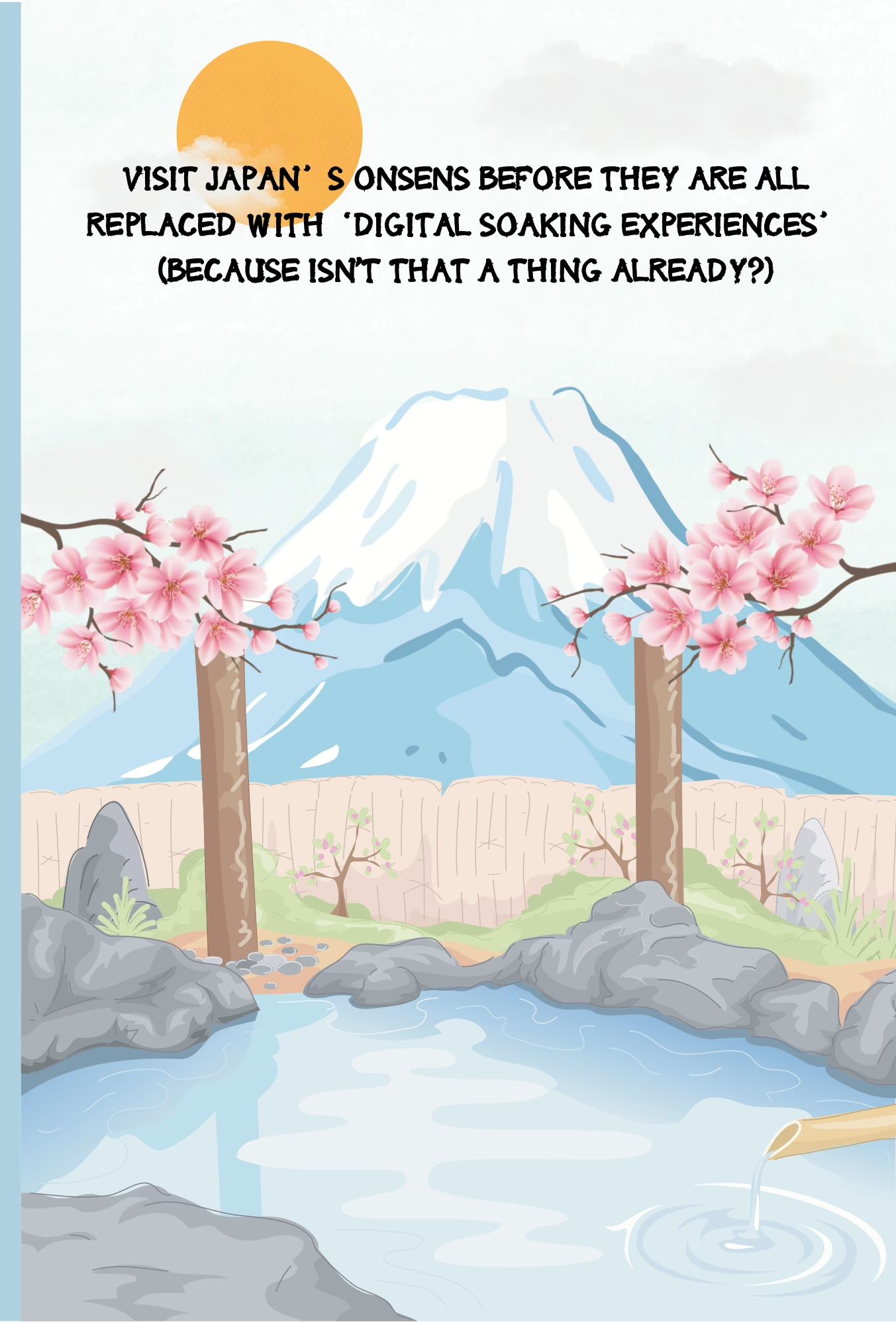
An unlined travel journal with hot-spring illustrations, blossoms and Fuji-san across 120 blank pages, made for the slower rituals of an inn stay: the first bath, the long dinner, the view at dawn. It belongs to a wider collection of journals built around the same habit of looking slowly and writing it down.
View The CollectionKeep a journal by the bath. Note the scent of the water, the dishes at dinner and the view from the tub at dawn. Those notes will outlast every photograph. Together, they become the trip you can return to whenever you need it. When you are ready to plan the inn nights properly, we will build the route around them. Write while the steam is still on the window. The pages will keep the evenings you would otherwise lose.
The Editors, Magnificent Japan
A route that places the ryokan where it works best: Hakone or Izu after Tokyo, Kinosaki or Kaga after Kyoto, or a snow-country villa in winter, with rooms that carry a spring-fed rotenburo, dinner times set around your trains, and every inn night priced before you commit.
Plan Your Custom Japan Itinerary