How did 90s Japanese gadgets end up in every pocket?
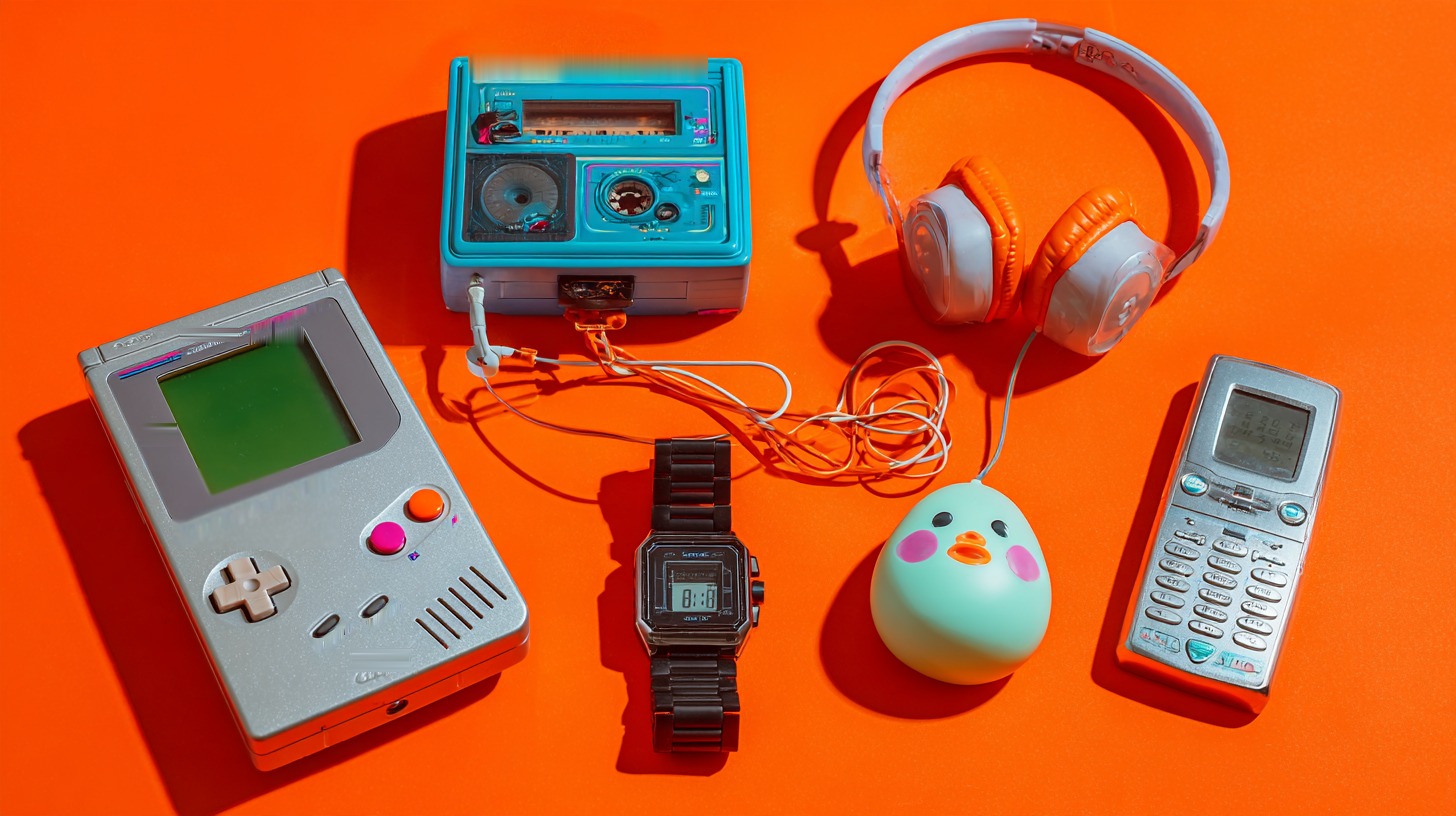
90s Japanese gadgets got there because Japan’s makers shrank big machines until they fit in a hand. From 1971 to 2000, the calculator, the stereo, the computer, the game console and the camera all became things you could carry. By the 1990s the Walkman, the Game Boy and the Tamagotchi had traveled far beyond Japan.
Each of the 90s Japanese gadgets in this guide has a stranger story than its box suggests. A watch was thrown from a third-floor window, again and again. A CD player was supposedly cut to the size of a wooden block. This guide is one chapter of our story of Japanese inventions, and it stays with the things you could hold.
We follow eight of them in the order they reached the shops, from an Osaka calculator in 1971 to the first camera phones. Along the way, we sort the record from the myths. Several famous firsts are not quite what the lists say. Then we show where to see the machines in Japan. Finally, we end at a Yokohama table with a plate of ketchup spaghetti.
Why Did a Calculator From Osaka Change Electronics?
In 1970, a pocket calculator still weighed three pounds, as the Computer History Museum’s record of Canon’s Pocketronic shows. A year later, a small Osaka firm made the idea literal. In 1971 Busicom sold the LE-120A “Handy”, which the museum calls one of the very first truly pocket-sized electronic calculators. Its secret was a single calculator-on-a-chip, made for it by the American firm Mostek. So the honest credit is shared: an American chip inside a Japanese calculator.
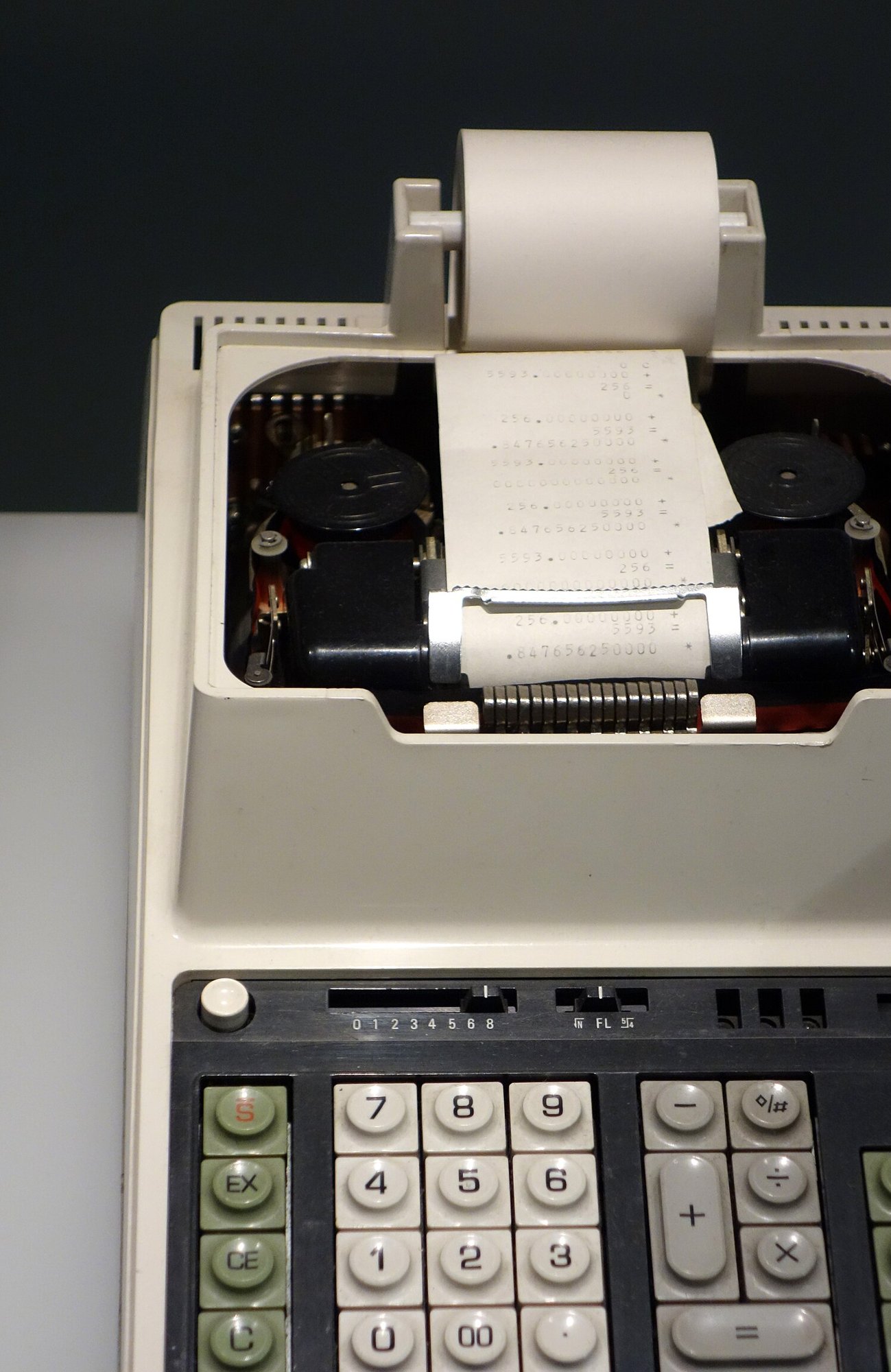
Busicom’s story then took an unexpected turn. At the same time, it had hired Intel to design chips for a desktop calculator. That project became the Intel 4004, the first microprocessor. IEEE Spectrum calls it “an electronic calculator that begot the first microprocessor”. However, Busicom was in financial trouble, so it gave up its exclusive rights. Intel began selling the 4004 in November 1971. By 1974 Busicom had gone out of business. Its lesson outlived it, though: shrink a machine until it fits a jacket, and people will carry it everywhere.
Who Built the Walkman, and Why Two Headphone Jacks?
No single inventor built the Walkman; a Sony team did. Cofounder Masaru Ibuka wanted to hear opera on long flights without disturbing other passengers, according to IEEE Spectrum. Engineer Kozo Ohsone took on the job, and cofounder Akio Morita pushed it to market. Nippon.com also credits Yasuo Kuroki, later known as “Mr. Walkman”, as the team’s leader. They started from the Pressman, a small recorder Sony sold to reporters, and took about four months.
Sony launched the Walkman TPS-L2 in Japan on 1 July 1979, the first in a line of personal stereos that made music truly portable.
A player with nothing new inside
Strangely, it held no new technology at all. Its power lay in its form. It weighed about 14 oz (400 g), ran on two AA batteries and had headphones of just 50 g. It also had two headphone jacks, so two people could listen at once.
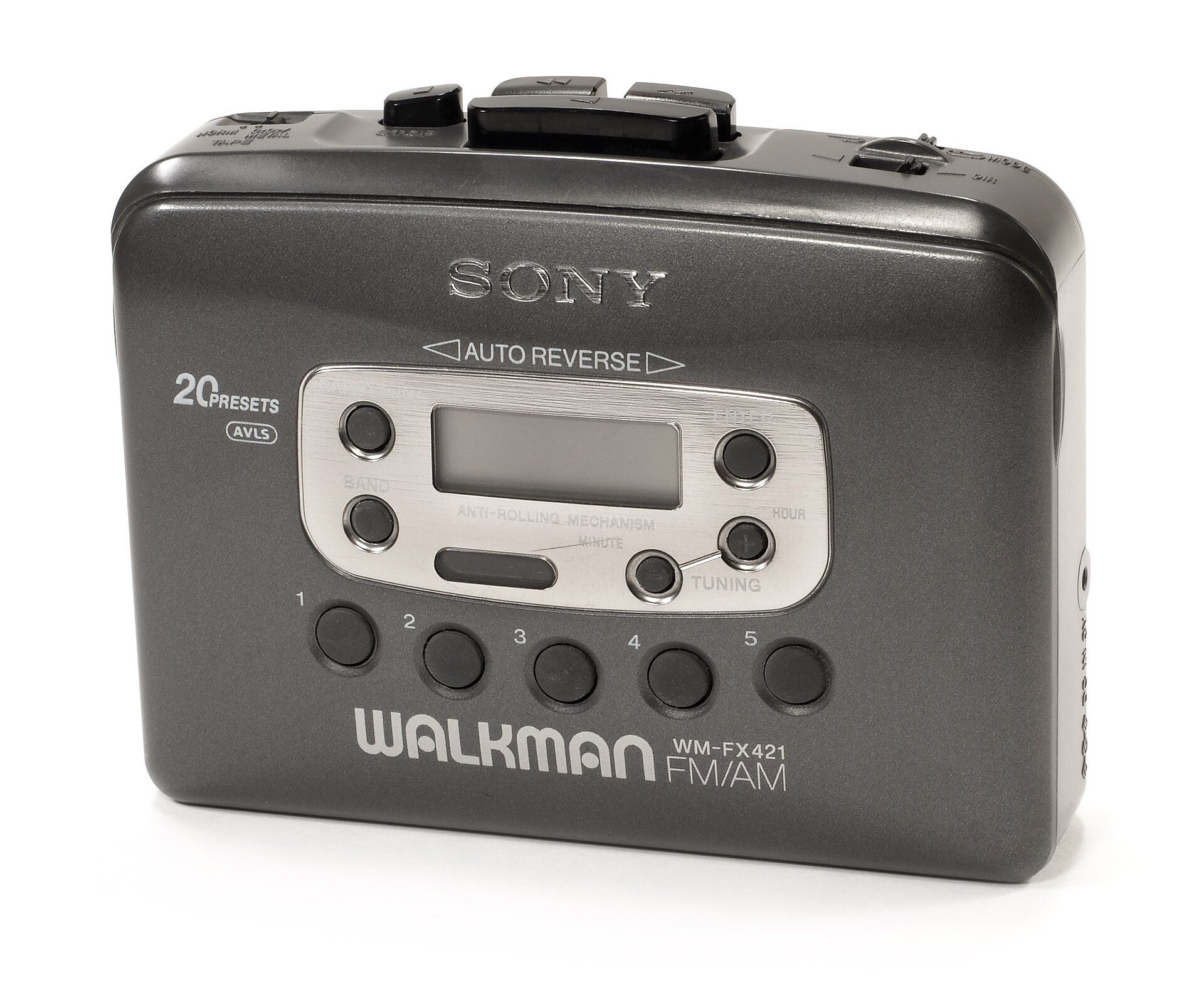
At first, sales were modest. So Sony handed players to reporters in Meiji Park in Tokyo and let them walk around listening. Then the first run of 30,000 sold out in under three months. Abroad, it went on sale as the Soundabout in the US and the Stowaway in Britain. Visitors to Japan carried the Walkman name home anyway, and in April 1980 Morita made it the worldwide name.
The scale that followed is hard to picture. Sony sold 186 million cassette Walkmans by the end of March 1999, IEEE Spectrum records. Later, the name moved on to MiniDisc players too. If you collect the old players, our guide to vintage shopping in Japan shows where such things turn up.
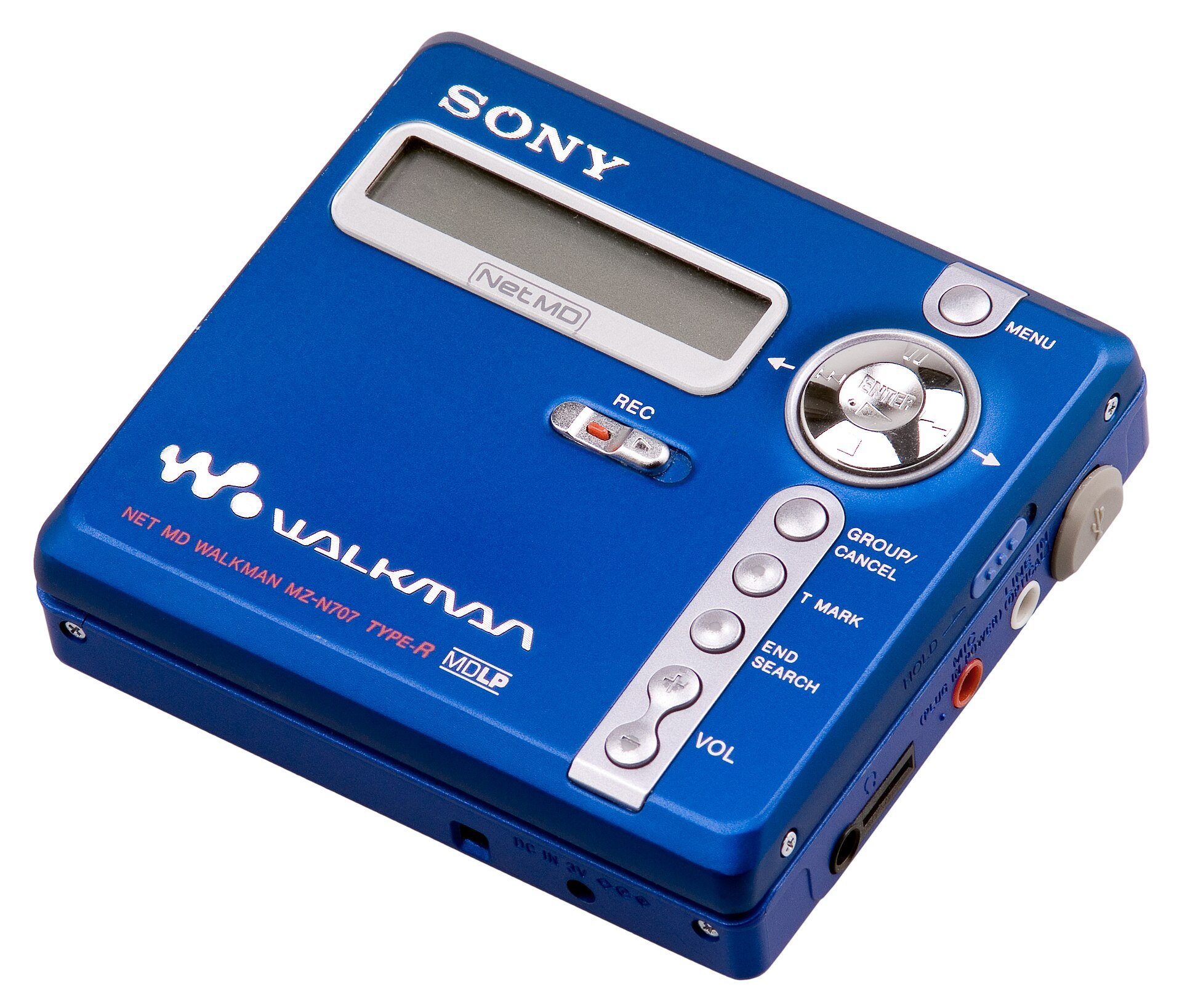
Not everyone loved it. Plenty of grown-ups blasted the Walkman as a device for shutting out the world, nippon.com recalls. Even so, the habit stuck, because those light headphones made music something you wore. Three pieces carry that idea forward: Sony studio headphones, a pocket calculator from Casio, and a lively history of how Japan’s playthings remade the world.
Sound, Sums and the Story Behind Them
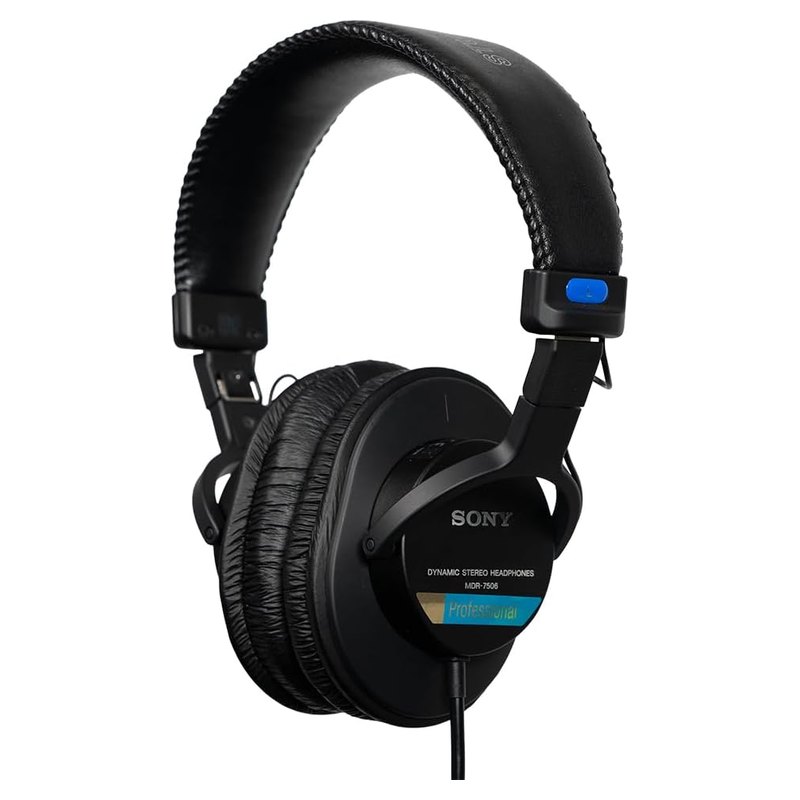
Closed studio headphones from the maker of the Walkman.
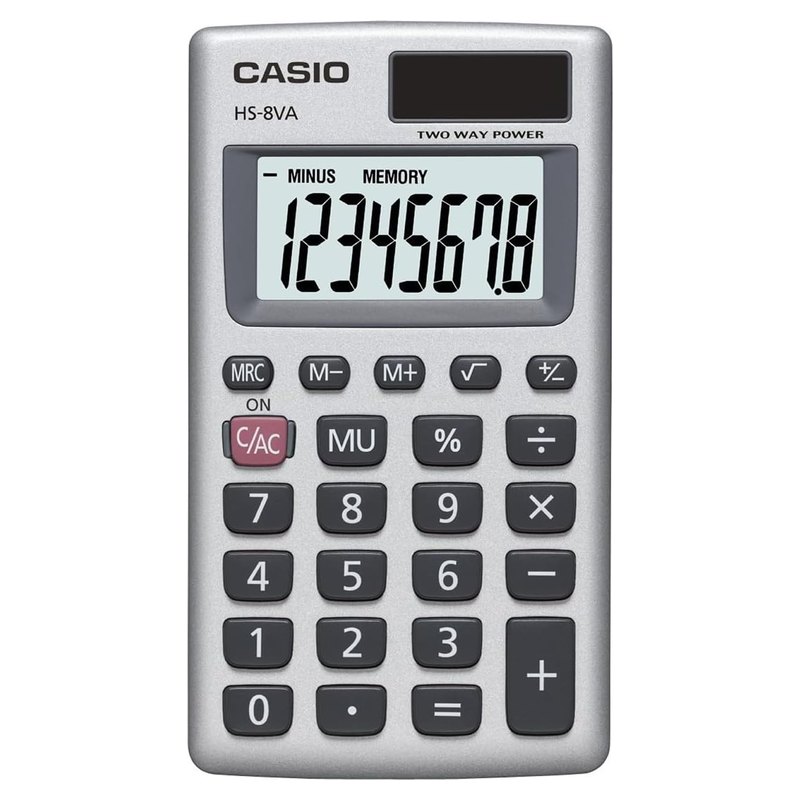
A small solar calculator, sized for a pocket or a desk drawer.

The Walkman, karaoke and the Game Boy in one lively history.
The Walkman’s real legacy is a private soundtrack. After 1979, a commuter could carry an album in a coat pocket and keep it to herself. Earphones on a morning train now look completely ordinary, yet the habit had a start date. Meanwhile, the next idea in this story asked a bolder question: could a whole computer travel the same way?
Was the First Laptop Really Made in Japan?
Yes, in two senses, and the honest answer needs two machines. Japan built both of the computers usually called the first laptop, and each is first in a different way.
Epson HX-20
Epson’s HX-20 was announced in 1981 and sold from 1982, by Suwa Seikosha, now Seiko Epson. Many historians regard it as the first laptop computer, and the V&A museum in London calls it the world’s first. A small printer sat beside its screen, which showed 20 characters on four lines.
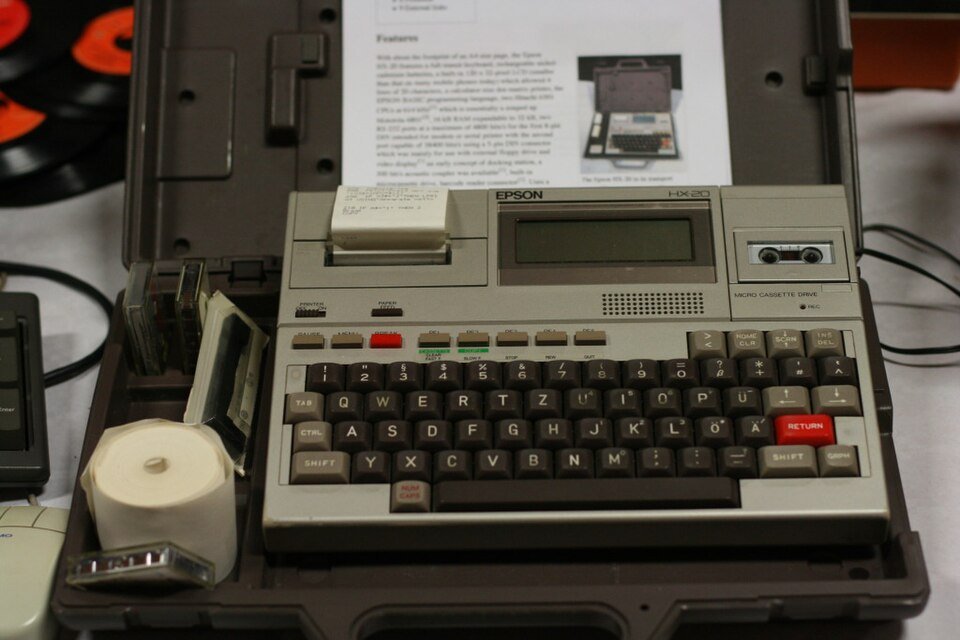
Files went onto a micro-cassette tape, and a 30-minute tape held about 50 KB, The Register notes. According to the V&A, the battery lasted up to 50 hours, and the machine weighed about 1.7 kg. It did not sell particularly well. Even so, the V&A calls it highly influential on all later designs.
Toshiba T1100
Toshiba’s team started in April 1984, and at first the engineers thought the project was impossible. They launched the T1100 in April 1985, but not in Japan: Toshiba sold it first in Europe. It was the world’s first IBM PC-compatible laptop, recognized in 2013 with an IEEE Milestone. Its display circuit used five chips, where a desktop IBM PC used nearly 100. By 1987 Toshiba held about 40% of Europe’s portable PC market, according to the IEEE Milestone record.
You may also like

So the fairest wording is this. Japan built the first machine that many historians call a laptop, and the first laptop that ran desktop PC software. Both claims are true, and together they show how Japanese makers won: they made a category small, light and dependable enough for ordinary life.
How Did a Watch Thrown From a Window Become the G-Shock?
It began with a broken watch. Casio engineer Kikuo Ibe dropped a watch at work and it broke, Casio’s own history says. His proposal for a new one was a single line: “A durable watch that would not break even if dropped.”
Next came the testing. Ibe threw prototypes from a third-floor washroom window at Casio’s research center, about 10 m (33 ft) to the ground.
The target, nippon.com reports, was “Triple 10”. A watch had to survive a 10 m fall, resist water to 10 bar and run 10 years on one battery. Ibe’s eight-member group, Project Team Tough, built more than 200 prototypes in two years.
Ibe gave himself one final week, and he feared he would have to leave Casio. Then, on a Sunday in a park, he watched children play with a rubber ball. The answer came at once: a watch module that floats inside the case. Casio engineer Kikuo Ibe developed the G-Shock, and the first model, the DW-5000C, went on sale in 1983.
From a park bench to street fashion
At first, it barely sold, because thin dress watches were in fashion. The turn came on American TV, where an ice-hockey player shot a G-Shock into a goalie’s glove like a puck. After that, US sales took off, and in the 1990s skaters and surfers made it street fashion. Casio has sold more than 130 million G-Shocks since 1983, nippon.com reports. The square shape of the first model is still made. It opens the shelf below, beside two more survivors of the era.
Three Pieces From the Era
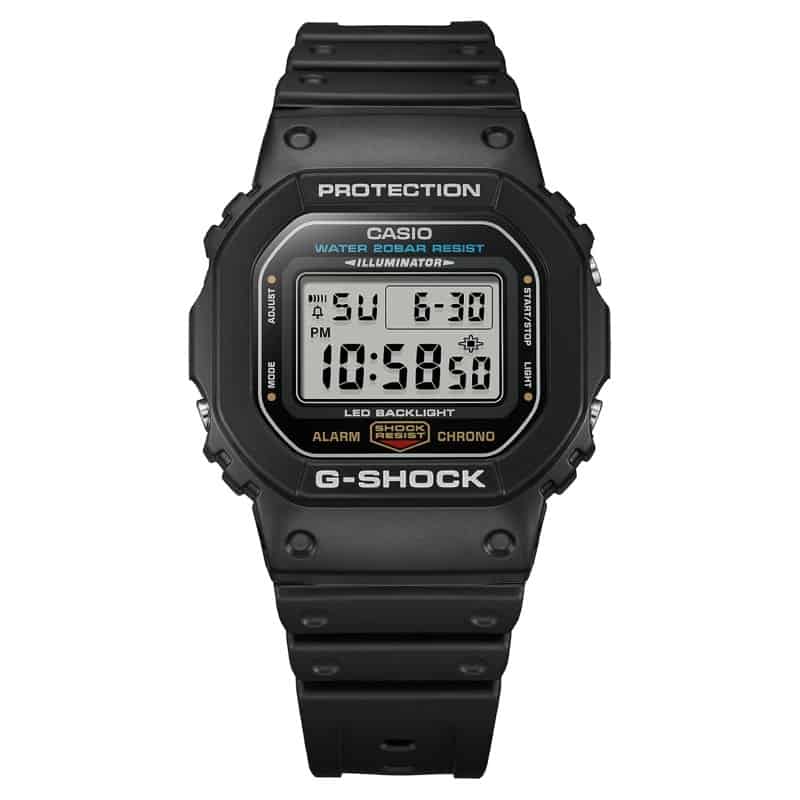
The square G-Shock line that began with the 1983 model.
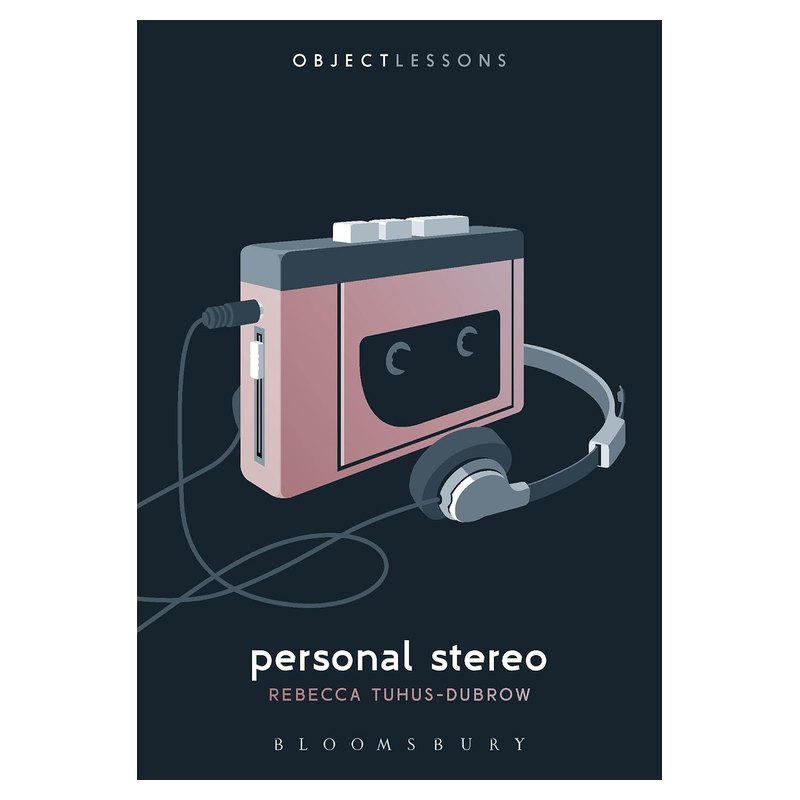
A short history of the Walkman, from 1979 to the present.
The G-Shock also changed what toughness looked like. Before it, a rugged watch usually meant heavy steel. After it, toughness could be light, rubbery and almost playful. It also gave Casio a second identity. For many buyers, the calculator company became the maker of the watch that would not break.
Why Was Sony’s First Discman Built to a Block of Wood?
The story goes that Kozo Ohsone, head of Sony’s General Audio Division, handed his designers a block of wood. It measured 13 cm square and 4 cm thick, and the new player had to be exactly that size. The V&A tells the story with a careful “supposedly”, and so do we.
In 1984 Sony launched the D-50, described by TIME as the first portable CD player. It was the first of the players later known as the Discman. It came out in Japan just two years after CDs began to be mass-produced. Its official name was the “compact disc compact player”.
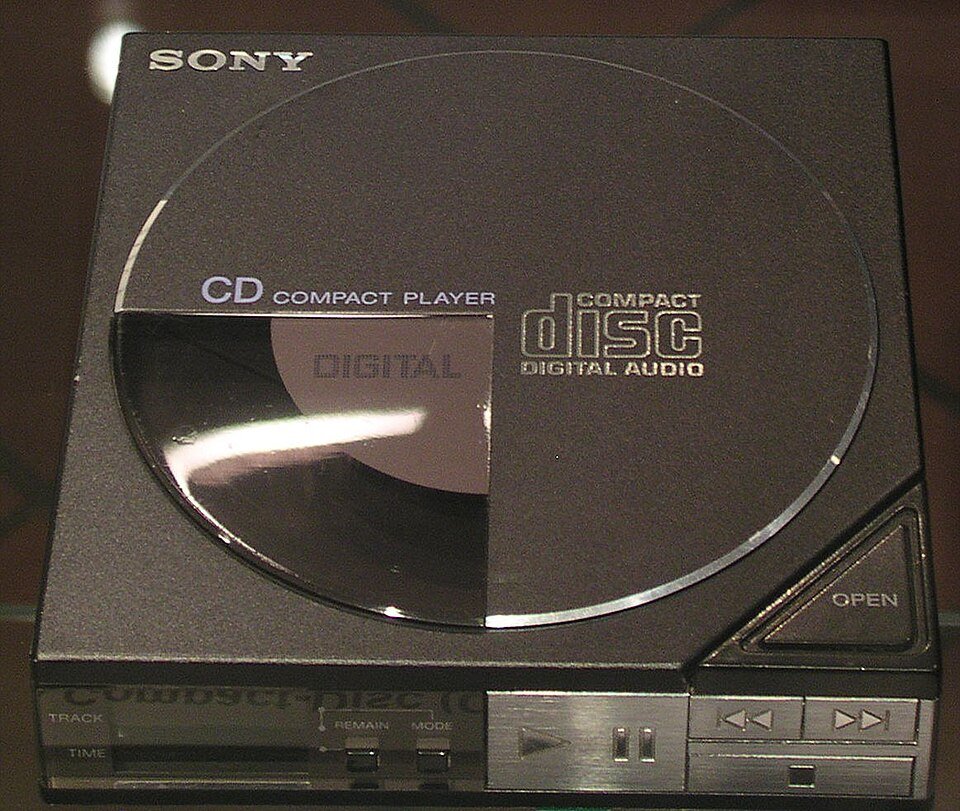
Portable was a generous word, though. The D-50 had no internal power. Instead, it needed a bulky external battery pack, and some packs came with a shoulder strap. Early players also skipped when jolted, and anti-shock systems did not arrive until 1992. Still, TIME credits it with building interest in CDs while cassettes were the norm.
Formats that pass
Then the cassette faded, and in time the CD did too. Every format in this guide was replaced by the next one. Japanese has a phrase for the feeling that brings: mono no aware, a gentle awareness that things pass. Our essay on mono no aware examples traces it from The Tale of Genji to everyday life. It suits any drawer of old players and chargers.

The D-50’s deeper lesson was method. Ohsone set the size first and made the engineers meet it, instead of letting the parts decide. Japanese makers used that approach again and again. It explains why so many 90s Japanese gadgets share a look: flat, rounded and sized to a palm. It also explains the next machine, a handheld that sold by the million.
How Did the Game Boy Win With a Green Screen?
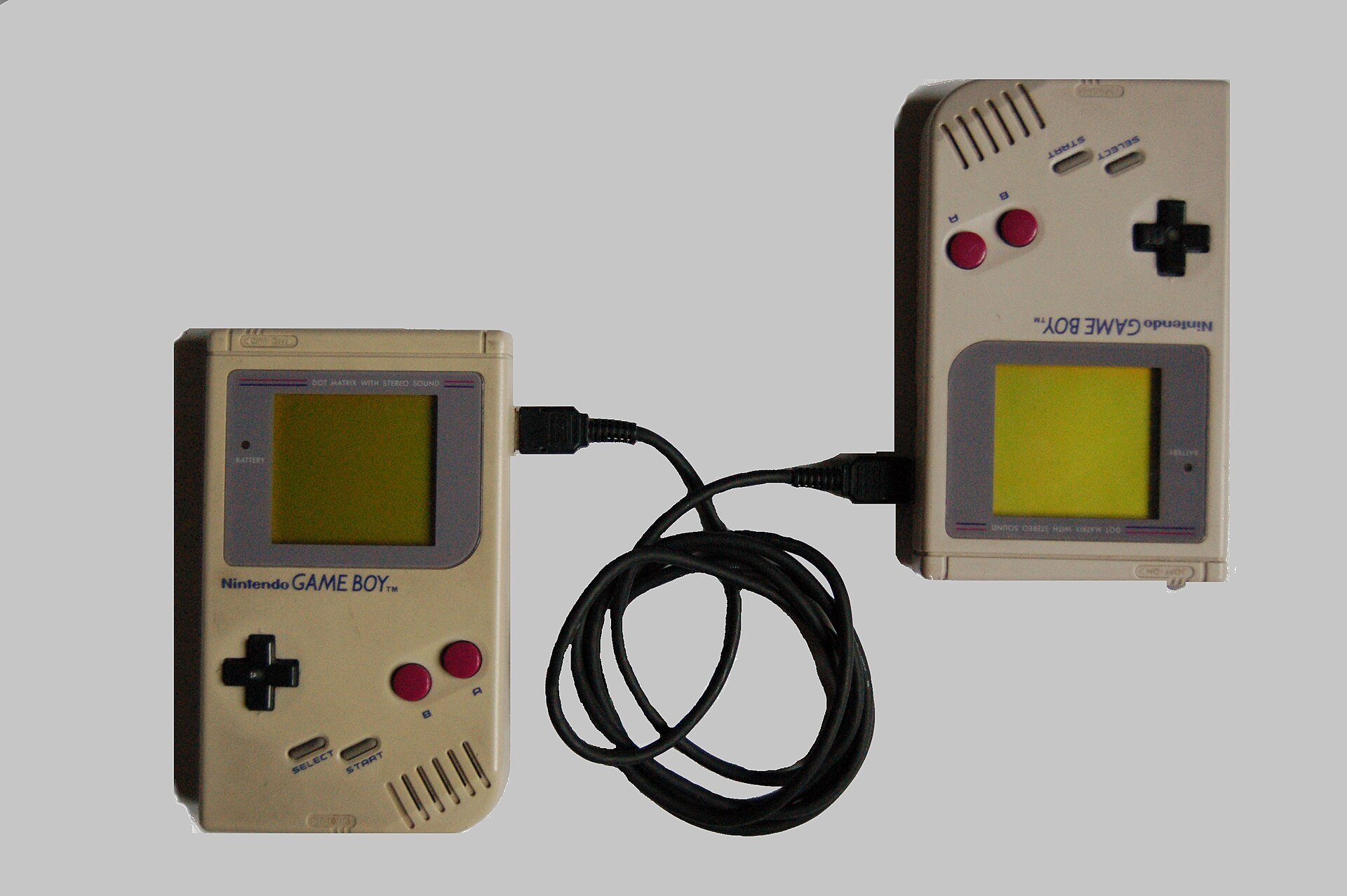
Nintendo launched the Game Boy in Japan on 21 April 1989. A team led by chief engineer Gunpei Yokoi designed it. Yokoi wanted a simple handheld whose games people would want to collect, the National Videogame Museum notes. Its battery life outlasted rival handhelds. Its screen showed four shades of olive green, 160 by 144 pixels. Yet that modest screen sipped power on a long train ride.
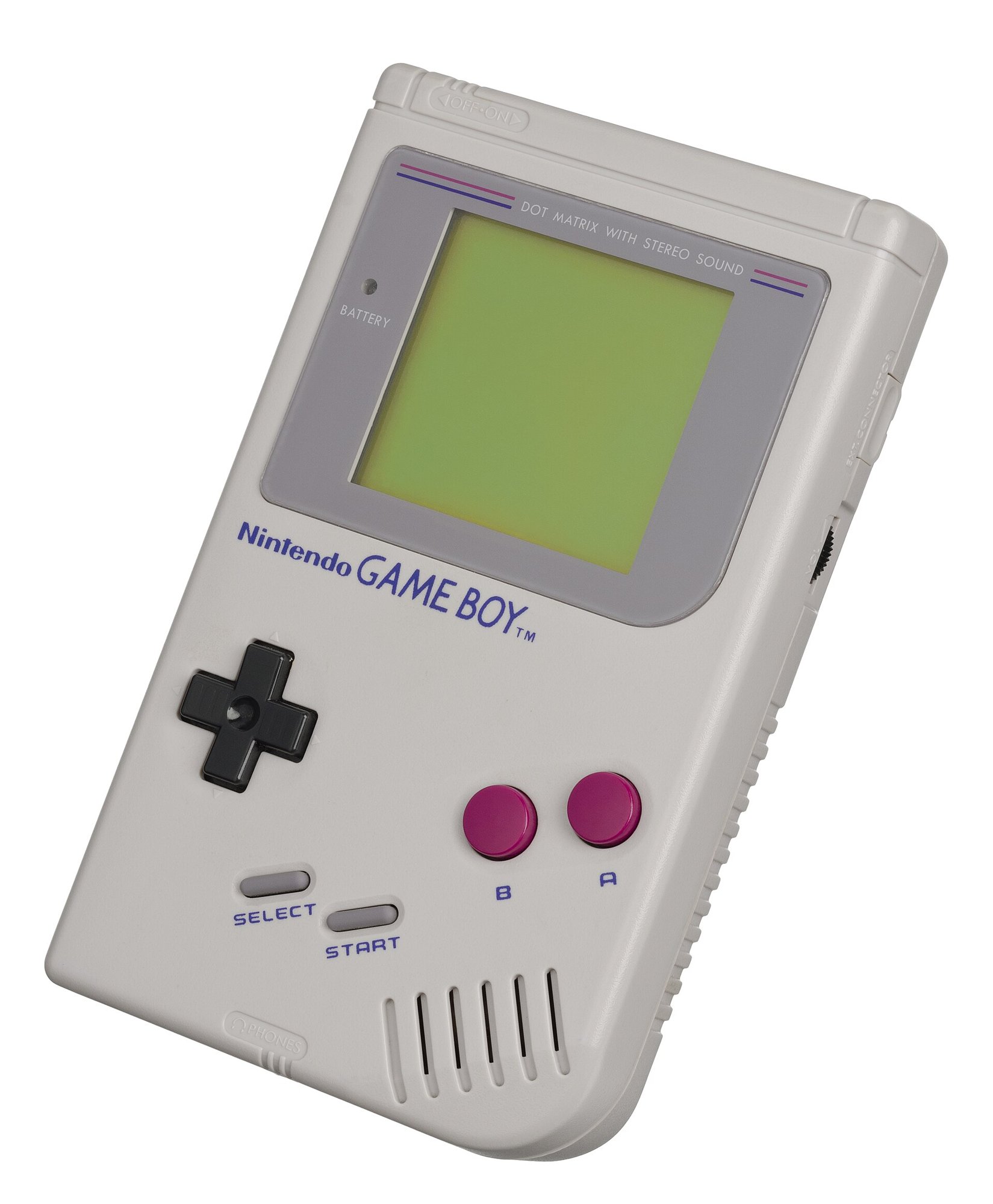
The launch proved the point. In Japan, the first run of 300,000 sold out in two weeks, PBS NewsHour reports. North America followed four months later, with 40,000 sold on the first day. Tetris came bundled with it and drew players “from children to grandparents”, in the words of The Strong National Museum of Play.
A Boy for everyone
The name suggested boys, but the players did not follow the script. In 1995, 46% of Game Boy players were women and girls, by Nintendo’s own figures, and Nintendo changed its marketing. Meanwhile, the Game Link cable let two players connect, a first for a portable system. Later, Pokémon creator Satoshi Tajiri pictured creatures crawling along that cable. Our guide to Japanese video game history follows that thread.
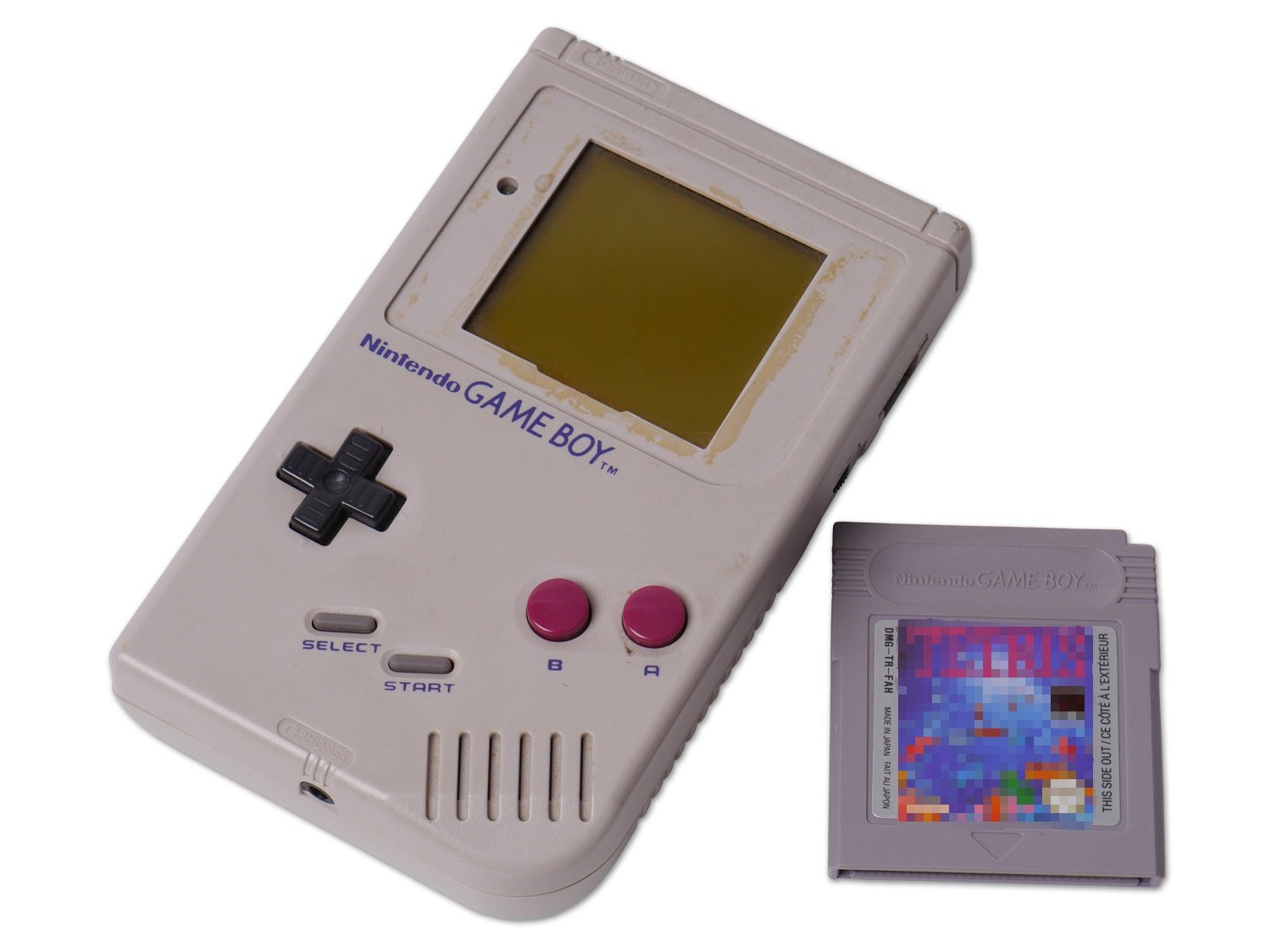
In the end, Game Boy and Game Boy Color together sold about 118 million units. In 2009 the Game Boy entered the US National Toy Hall of Fame. Its library is now a collector’s field of its own, complete with an encyclopedia. Sony, the Walkman’s maker, has its own insider history, and Japan’s hi-fi makers have theirs, model by model.
Three Books for Collectors
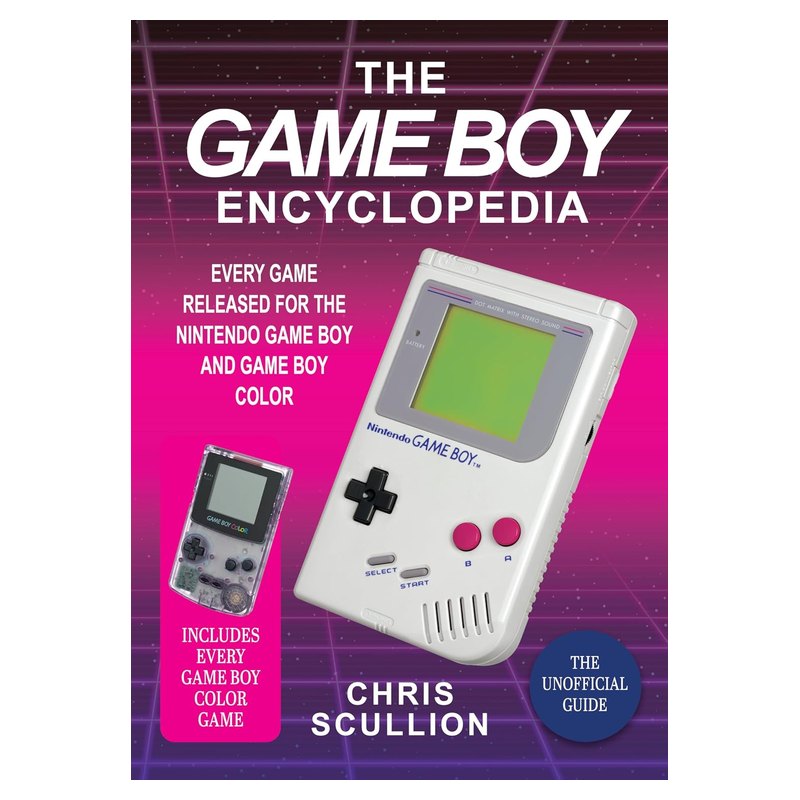
Every Game Boy game, catalogued and reviewed in one volume.
An inside history of Sony and the founders behind the Walkman.
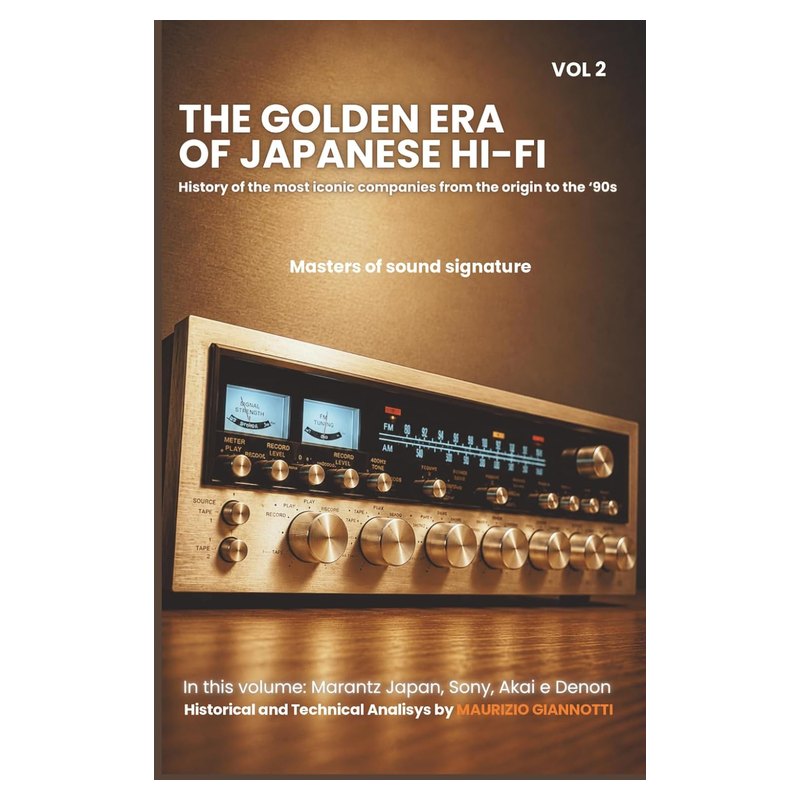
Japan’s classic hi-fi makers, set out model by model.
Pick up a Game Boy now and the limits feel almost restful. A cartridge clicks in, the screen turns green, and the game simply starts. That simplicity was the design. It made the machine social too, because a cartridge could be lent and a score compared. Above all, the Game Boy proved that a portable screen could become a daily companion.
Why Did a Digital Egg Called Tamagotchi Reach 100 Million?
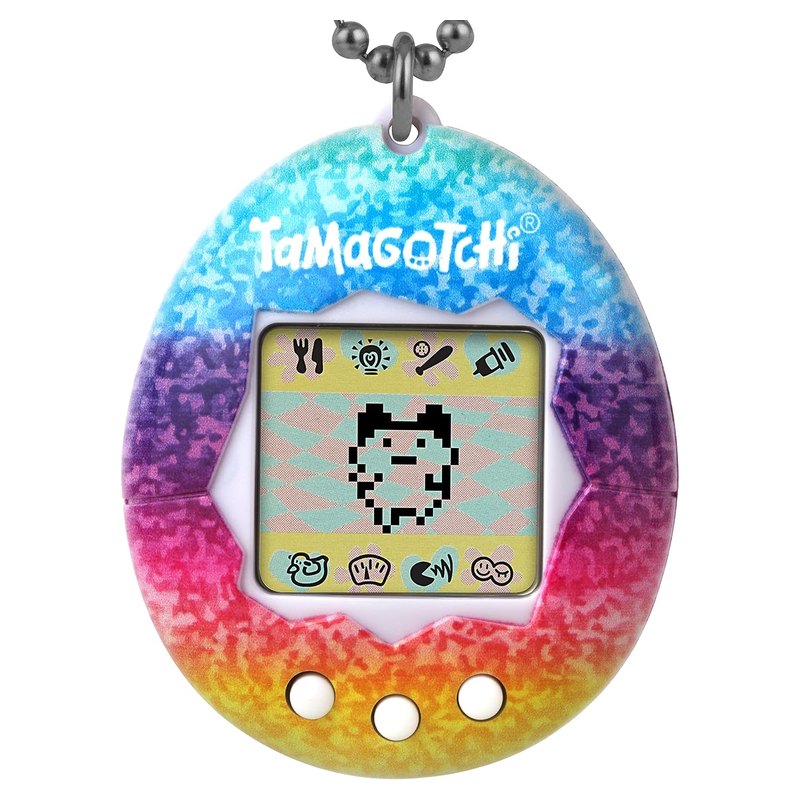
Bandai launched the Tamagotchi in Japan on 23 November 1996. By July 2025 it had shipped 100 million units worldwide, Bandai Namco reports. Its name joins the Japanese words for “egg” and “watch”, AFP notes. Unlike many character brands, it began as a toy, not as an anime or a game. It sold 10 million units in Japan within eight months, and on 23 November 2026 it turns thirty.
Why did it travel further than most 90s Japanese gadgets? Part of the answer is size, since it went everywhere its owner went. Part of it is attention. Unlike the Walkman or the Game Boy, it asked for you, at odd moments, through a tiny screen. In that sense it rehearsed a habit that now fills every day: checking a small device many times, just in case.
A letter every second week: one idea worth keeping and one piece we think you should read.
It also arrived at a turning point. Within three years of its launch, the first camera phones were on sale in Japan. The pocket screen was about to gain a lens, and with it a new way of keeping memories.
Did Japan Really Sell the First Camera Phone?
Yes, though not the phone most lists name. Japan sold the world’s first camera phones: Kyocera’s VP-210 video phone in 1999, then Sharp’s J-SH04 for J-Phone in late 2000. The J-SH04 was the first phone with a fully built-in camera for sending photos by email.
The VP-210 came first, in May 1999. Kyocera, of Kyoto, built it as a video phone with a front-facing camera. So the very first camera phone pointed at you. It could store 20 photos and send them by email, the Science Museum Group records.
Sharp’s J-SH04 followed in late 2000. Its camera faced backward, out from the phone, and had 110,000 pixels. J-Phone, now SoftBank, built a service around it called sha-mail, or photo mail, which soon became a household name. The Semiconductor History Museum of Japan adds a fair note. Camera phones had been developed before, but the J-SH04 created a new market.
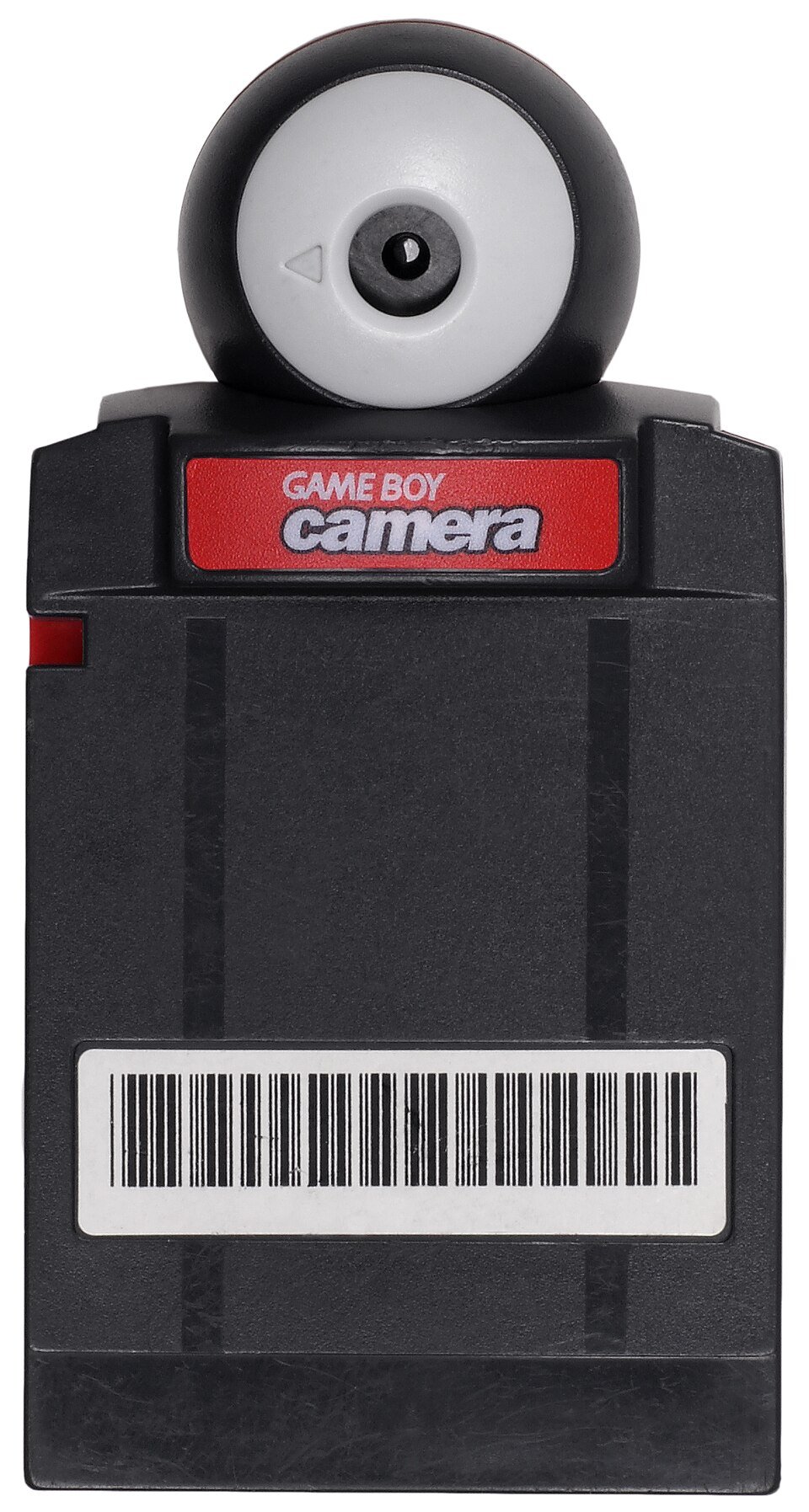
After that, other Japanese carriers copied it, and camera phones became standard worldwide. In the US, the first camera phone sold to consumers came only in December 2002. By 2009, more than 80 million camera phones were sold in the US, against 30 million digital cameras, Invention & Technology reports. The chips and batteries inside those phones have their own story in our guide to Japanese technology inventions.
Where to See 90s Japanese Gadgets in Japan
Most 90s Japanese gadgets live in drawers and collections now, yet a few places in Japan show them properly. Check each museum’s own calendar before you go.
The Nintendo Museum
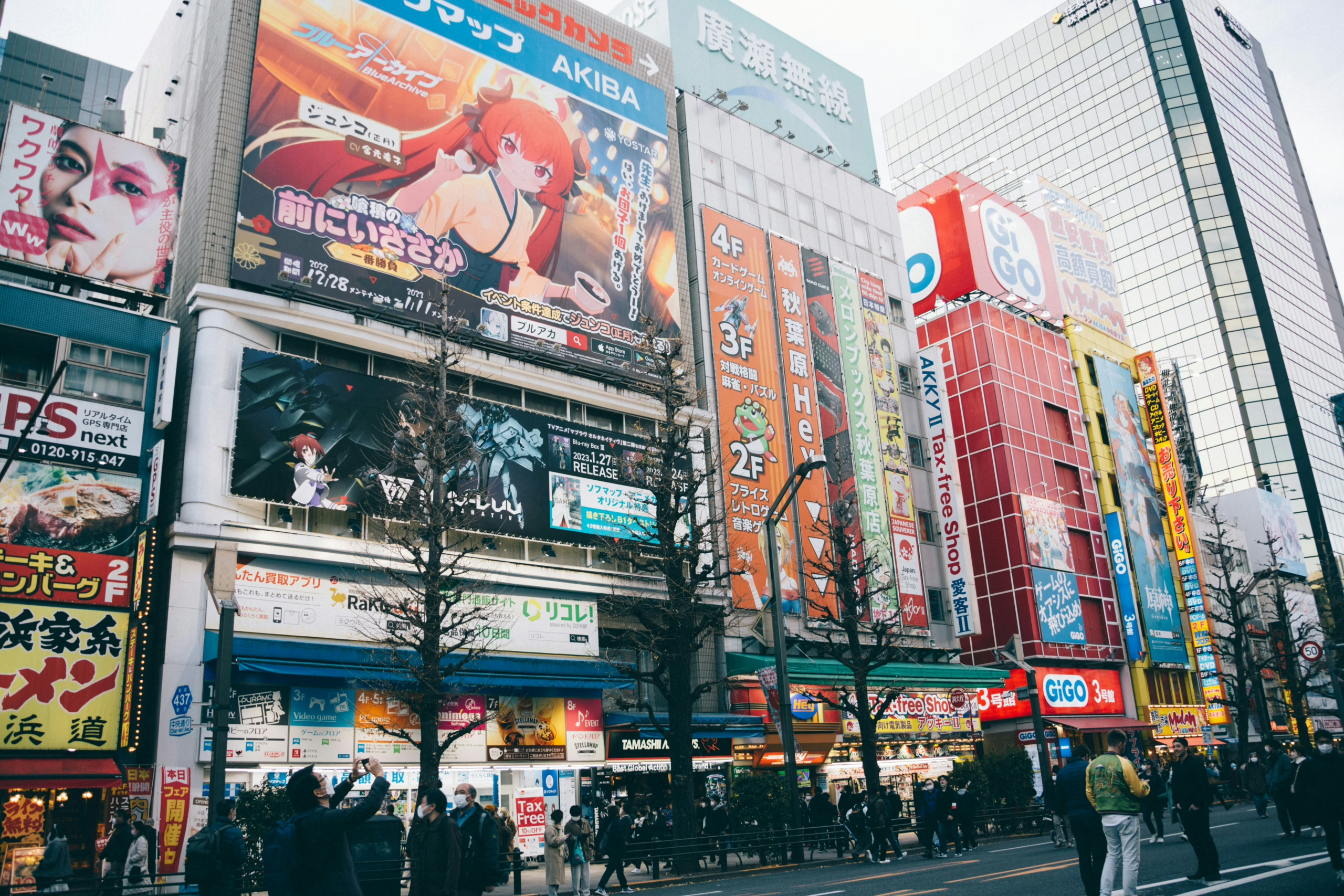
In Uji, Kyoto Prefecture, Nintendo opened the Nintendo Museum on 2 October 2024. According to Nintendo’s announcement, it shows the company’s products side by side, alongside play experiences built on them. It sits in Ogura-cho, an easy train ride from central Kyoto.
The Toshio Kashio Memorial Museum of Invention
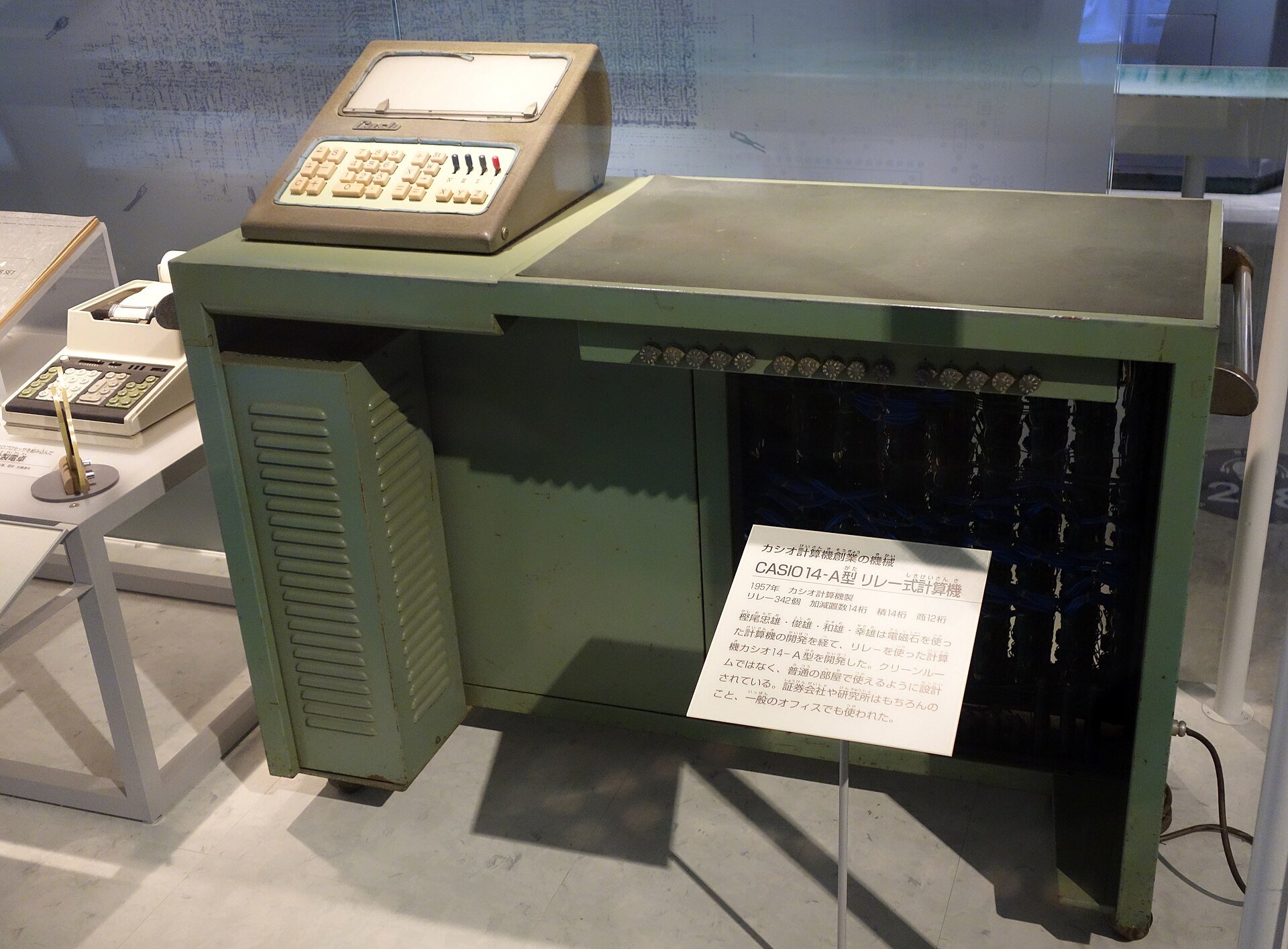
In Tokyo, the Toshio Kashio Memorial Museum of Invention fills the former home of a Casio founder in Seijo, Setagaya. Its G-Shock section displays a valuable first-generation model, and Casio’s 14-A calculator stands beside the AL-1, nippon.com’s visit reports. Visits are by reservation only, about 15 minutes on foot from Seijogakuen-mae Station.
Akihabara
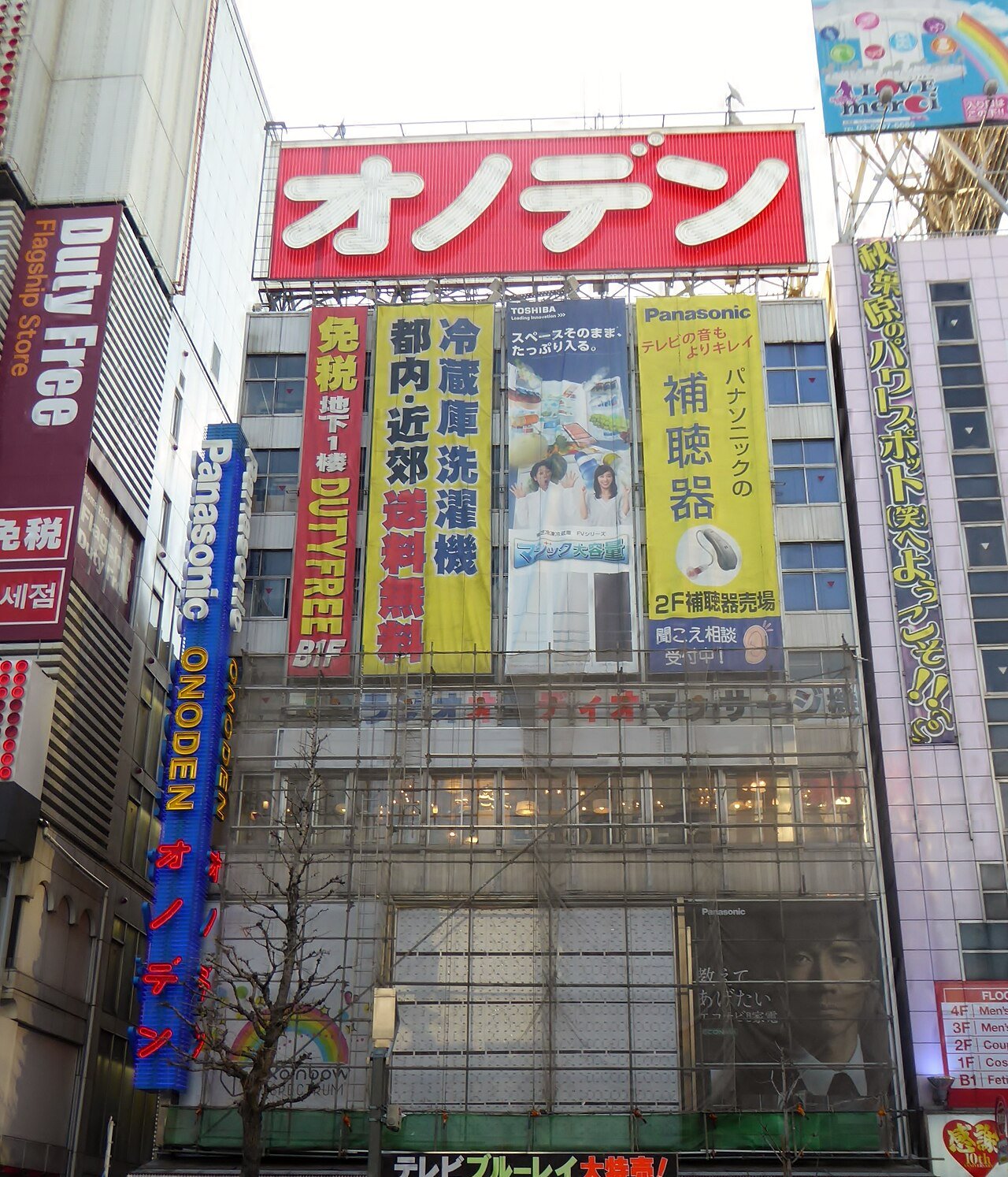
For the street-level version of this history, walk through Akihabara, Tokyo’s electronics and anime district. Our guide to anime culture in Japan covers its blocks. In turn, our guide to Tokyo’s shopping districts places it among the city’s other neighborhoods. Go on a weekday morning, and give yourself time to browse.
Plan the two museums as a pair if you can. Uji is easy to add to a Kyoto stay, and Seijo is a calm residential corner of western Tokyo. Between them sits a long run of Japanese machines, from calculators to consoles.
You may also like

Bring something to write in, too. The model numbers, the station names and the small surprises of each room are easy to lose by evening. A museum label might give the year a model was made, or the name of the engineer who drew it. Write the date, the place and one honest line on what you saw there. That habit suits a trip about machines, because it is the opposite of a machine. A notebook kept this way becomes an archive of its own, and it never needs a charger. Years from now, it may be the one thing from the whole journey that still works exactly as it did.

A gadget trip also needs a lunch, and Yokohama has a fitting one. A harbor hotel there gave Japan several Western-style dishes that later spread across the country. One of them traveled on through the old coffee shops, where it became an everyday plate. It is red, sweet and entirely Japanese, despite its Italian name.
How Did Ketchup Spaghetti Become a Japanese Classic?
Napolitan is a classic yoshoku (yōshoku) dish, a Japanese take on Western food. The standard account, as nippon.com tells it, credits Shigetada Irie just after World War II. He was head chef at the Hotel New Grand in Yokohama. He based it on the spaghetti with ketchup he saw occupying soldiers eat, using tomato puree instead. Most cooks later went back to ketchup, because tomato puree was harder to find.

The Hotel New Grand, open since 1927, says these dishes are still served today. You find them at the coffee shop on the first floor of its Main Building. As it spread to kissaten, Japan’s old coffee shops, cooks turned to shelf-stable ketchup, Just One Cookbook explains. Our guide to themed cafes in Japan includes a few of those kissaten.
It belongs beside these gadgets because, like them, it took an idea that already existed and made it entirely Japanese. Our guide to Japanese food inventions tells the wider story. The recipe below follows Just One Cookbook’s version, with sausage, onion, green pepper and mushrooms.




Napolitan Recipe: Japanese Ketchup Spaghetti
A Yokohama classic credited to Hotel New Grand chef Shigetada Irie just after World War II, and spread through Japan’s old coffee shops.
- Prep 10 min
- Cook 10 min
- Total 20 min
- Serves 2
| For the sauce | ||
|---|---|---|
| 1/3 cup (80 ml) |  Japanese tomato ketchup (Kagome), or any good ketchup | |
| 2 tsp (10 ml) | Worcestershire sauce | |
| 1/2 tbsp (7.5 ml) | Milk, optional | |
| 1 tsp (5 ml) | Sugar, optional | |
| For the pasta | ||
| 7 oz (200 g) | Spaghetti, about 1.6 to 1.9 mm thick | |
| 1 1/2 tbsp | Kosher salt (Diamond Crystal), for the water; half as much table salt | |
| 1 tbsp (14 g) | Unsalted butter | |
| 1/4 cup (60 ml) | Pasta water, reserved; use as needed | |
| For the sausage and vegetables | ||
| 1 tbsp (15 ml) | Extra virgin olive oil | |
| 1 clove | Garlic, crushed | |
| 1/2 | Yellow onion (about 3.5 oz, 100 g), thinly sliced | |
| 5 oz (140 g) | Coarse-ground pork sausages (arabiki), 4 to 6, sliced diagonally | |
| 1/4–1/2 | Green bell pepper (about 2.5 oz, 70 g), cut into thin strips | |
| 4 | Mushrooms (about 2.5 oz, 70 g), thinly sliced | |
| 1/4 tsp | Kosher salt (Diamond Crystal); half as much table salt | |
| 1/8 tsp | Black pepper, freshly ground | |
| To serve | ||
| 2 tbsp | Parmigiano-Reggiano or Parmesan cheese, grated | |
We suggest serving it at once with grated Parmesan and a green salad, as Just One Cookbook does.
| 1 | Mix the sauce and prepare. Stir the Japanese ketchup (Kagome), Worcestershire sauce, milk and sugar together in a small bowl and set it aside. Thinly slice the onion and mushrooms. Cut the sausages diagonally into thin slices and the green bell pepper into thin strips. Meanwhile, bring a large pot of water to a boil. |
| 2 | Boil the spaghetti. Add the salt and the spaghetti to the boiling water and stir so it does not stick. Cook it for the full package time, or a minute longer, because Napolitan is not served al dente. Scoop out the pasta water before you drain it. |
| 3 | Cook the sausage and vegetables. Heat the olive oil in a large frying pan over medium heat. Sauté the garlic for 30 seconds, until fragrant, then the onion for 2 to 3 minutes, until tender. Add the sausage for 1 minute, then the green bell pepper and mushrooms. Stir until the sausage is heated through and the vegetables are tender, then season with the salt and black pepper. |
| 4 | Build the sauce. Push everything to one side of the pan and pour the sauce mixture into the empty side. Let it bubble and thicken for about 30 seconds, then mix it in. If it looks too thick, loosen it with a little of the reserved pasta water, and let it simmer and reduce slightly. |
| 5 | Toss and serve. Drain the spaghetti and add it to the pan with the butter. Toss with tongs until the pasta is evenly coated. Serve it at once on individual plates, and grate the Parmesan over the top, or let everyone add their own at the table. |
Why Do These Gadgets Still Feel Modern?
Look back across this guide and one pattern repeats. A Japanese maker took a machine that already existed, then set a size before the parts allowed it. Busicom put a calculator in a jacket. Sony put a stereo on a belt and a CD player in a block of wood. Nintendo put a console on a train, and Bandai put a pet in an egg. Finally, Kyocera and Sharp put a camera in a phone.
That is why 90s Japanese gadgets still feel close, even decades later. Their descendants are in your bag right now. Your phone is a camera phone, a Walkman, a Game Boy and a calculator at once. In a sense, the pocket itself became the product, and Japan designed its first contents.
Recommended
There is a gentler side to this, too. Each of these objects was replaced, often within a few years, and yet people keep them. They were among the first machines that felt personal, sized for one hand and one listener. The feeling they leave is harder to measure, and it may last longest of all.

Planning a Trip Around the Machines
The tools below help with the practical side of a journey through Japan's gadget history. Both museums need planning ahead, and the trains between Kyoto and Tokyo set the rhythm of the days. Use the tools alongside each museum's calendar, and leave space for an unplanned hour in Akihabara. A slow morning there, browsing old cameras and consoles, often turns out to be the best part of the trip.

A journey built on this kind of history needs timing more than a long list of sights. The Kashio museum takes visitors by reservation only, and the Nintendo Museum keeps its own calendar. Akihabara is best on a weekday morning, and a Yokohama lunch at the Hotel New Grand fits neatly between Tokyo days. Our team can match a route to those windows. For example, we can place you in Uji on a reserved day. Later that week, we can take you to Seijo for the Casio collection. Tell us which machines matter most to you, and we will shape each day around them, from the first train of the morning to the last coffee.
A Japan Trip Built Around the Machines
A custom itinerary can pair the Nintendo Museum in Uji with a reserved visit to the Toshio Kashio Memorial Museum of Invention in Tokyo. We arrange the trains, the bookings and a Napolitan lunch at the Hotel New Grand in Yokohama, so the days follow the story.
Plan Your Custom Japan ItineraryQuestions Worth Asking
What does Tamagotchi mean?
The name joins the Japanese words for "egg" and "watch", according to AFP. Bandai launched the Tamagotchi in Japan on 23 November 1996, and it began as a toy rather than an anime or a game. By July 2025 it had shipped 100 million units worldwide, nearly half of them in Japan.
Who invented the Walkman?
No single person did. The Walkman came from a Sony team: cofounder Masaru Ibuka asked for it, engineer Kozo Ohsone and team leader Yasuo Kuroki developed it, and cofounder Akio Morita pushed it to market. Sony launched the first model, the TPS-L2, in Japan on 1 July 1979.
What was the first portable CD player?
Sony's D-50 of 1984 is described by TIME as the first portable CD player. It was the first of the players later called the Discman, though its official name was the "compact disc compact player". It came out in Japan just two years after CDs began to be mass-produced.
When did the Game Boy come out?
Nintendo launched the Game Boy in Japan on 21 April 1989, and in North America four months later. Its team was led by chief engineer Gunpei Yokoi. In Japan the first run of 300,000 sold out in two weeks, and Game Boy and Game Boy Color together sold about 118 million units.
What was the first camera phone?
Kyocera's VP-210, sold in Japan in May 1999, was the first commercially available mobile camera phone, and its camera faced the user. In late 2000, Sharp's J-SH04 for J-Phone became the first phone with a fully built-in camera, launched with J-Phone's photo-mail service, sha-mail.
Was the pocket calculator invented in Japan?
Not by one company alone. Busicom of Osaka sold the LE-120A "Handy" in 1971, one of the very first truly pocket-sized electronic calculators, but its single chip came from the American firm Mostek. A year earlier, Canon's Pocketronic ran on batteries yet still weighed three pounds.