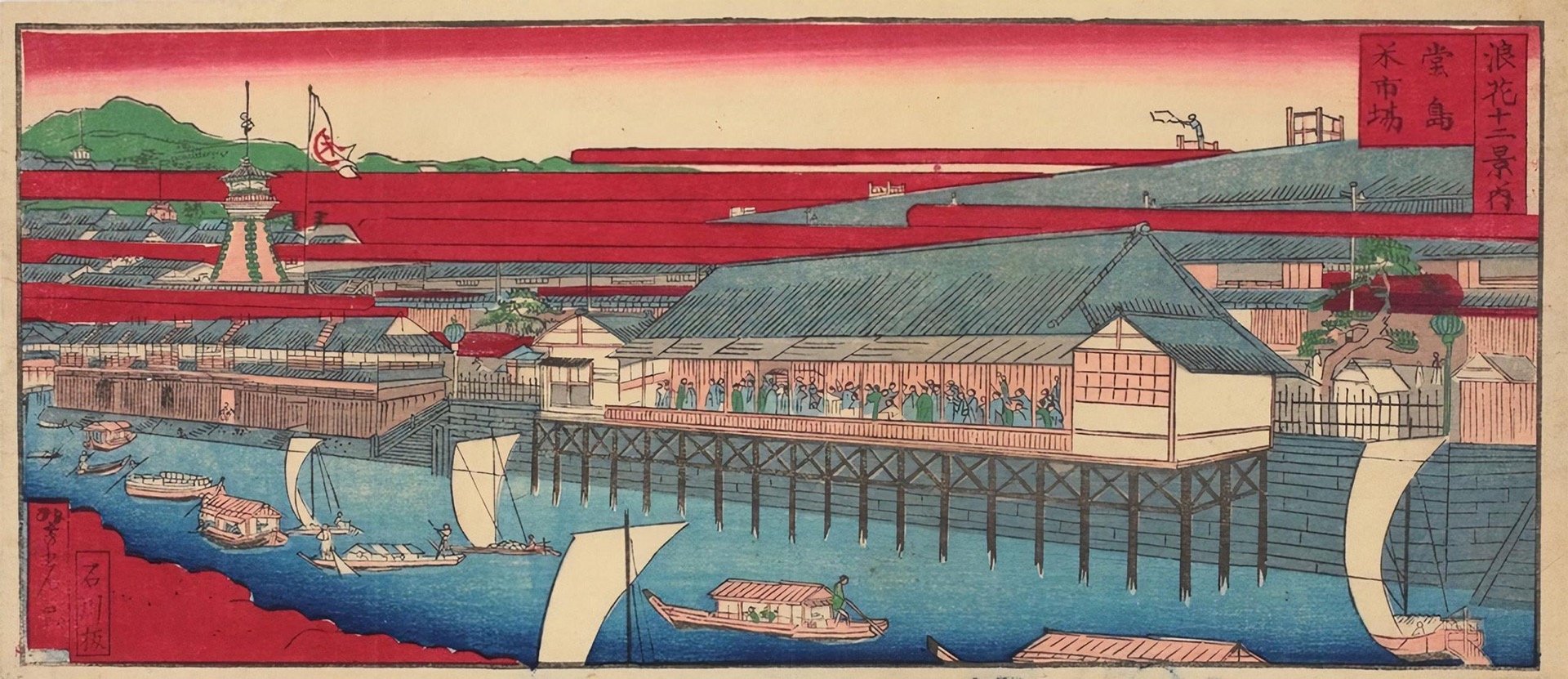
Are ancient Japanese inventions really Japanese, and really ancient?
Some ancient Japanese inventions are both, and others only in part. The folding fan is generally credited to Japan, carried at the Heian court more than a thousand years ago, and kintsugi is a centuries-old Japanese craft. The Dojima Rice Exchange of 1730, Hanaoka Seishu’s 1804 operation under general anesthesia and the karakuri dolls are Edo-period work. So here “ancient” means before modern Japan.
That honest answer opens a better story than any list of ancient Japanese inventions. Each idea began as a craft, a market or one stubborn experiment. Each left a trace in how the world works now. Our guide to Japanese inventions that shaped everyday life covers the modern side.
This guide goes further back. It follows five ideas in order, from the Heian court to a Ginza workshop. Along the way, it marks what is record and what is legend. Then it shows where to see them in Tokyo, Osaka and Wakayama. Finally, it ends at an Edo table with clams and miso.
Did Ancient Japan Invent the Folding Fan?
Probably, though the evidence asks for care. The folding fan is generally credited as a Japanese invention. The Heian court carried it more than a thousand years ago. However, sources disagree on the century. Columbia University’s art dictionary, JAANUS, says the seventh. The Encyclopedia of Clothing and Fashion says the ninth. So the safest claim is the simplest: the fold came from Japan.
The flat fan came first, and it came from abroad, reaching Japan from China by way of Korea. Japanese makers then made it fold. According to the JAANUS entry on ogi, the first court fans used 20 to 30 thin slats of cypress. Courtiers called them hi-ogi.
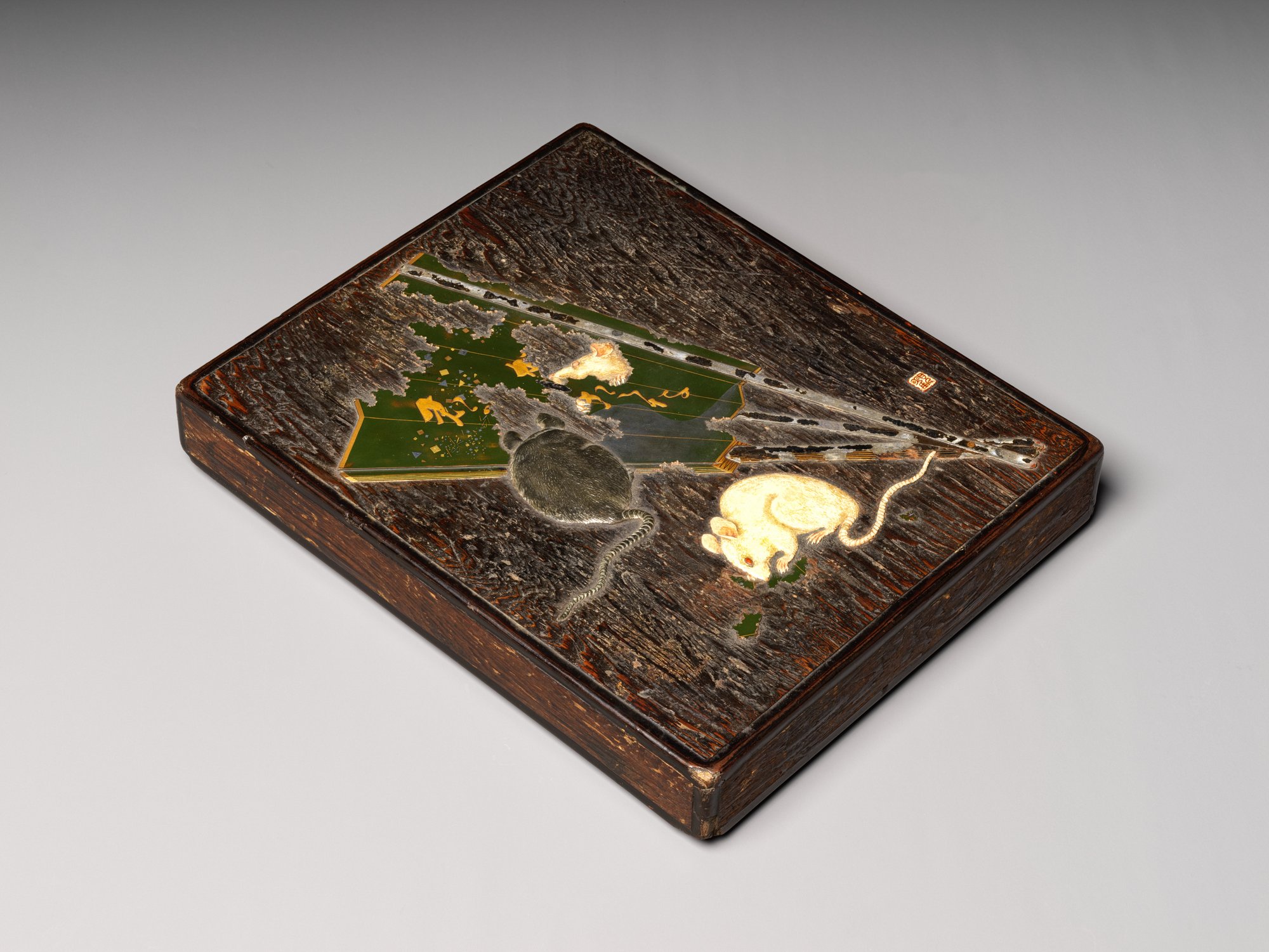
A paper version followed. Makers covered its ribs with paper, and courtiers named it kawahori, meaning “bat,” because it opened like a bat’s wings. Courtiers of both sexes carried fans, as JAANUS notes. They even played games with them. In one, players floated fans down a stream and watched where each one drifted.
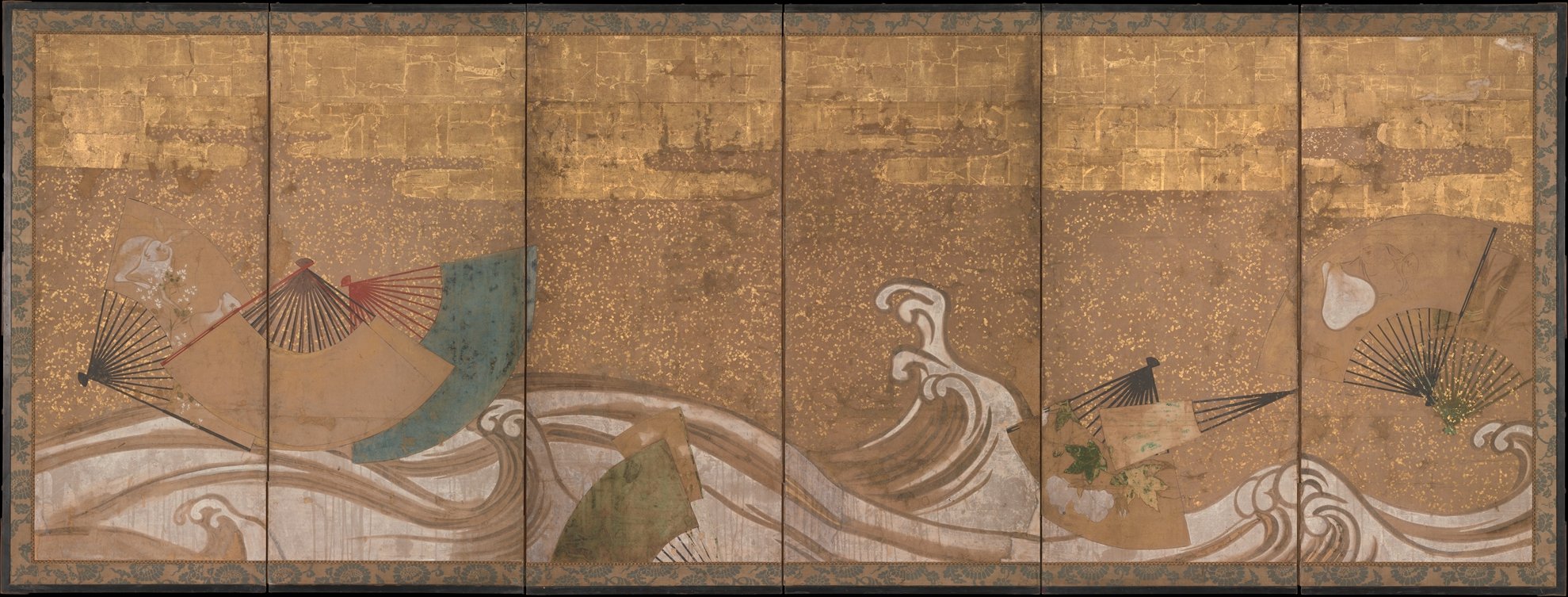
A gift that traveled west
Then the fan traveled in an unexpected direction. Japanese envoys brought folding fans as tribute to China’s early Ming court. That was during the Hongwu reign, from 1368 to 1398. The emperor handed them out to his officials, according to Taipei’s National Palace Museum. So a fan many people now picture as Chinese arrived there as a gift from Japan.
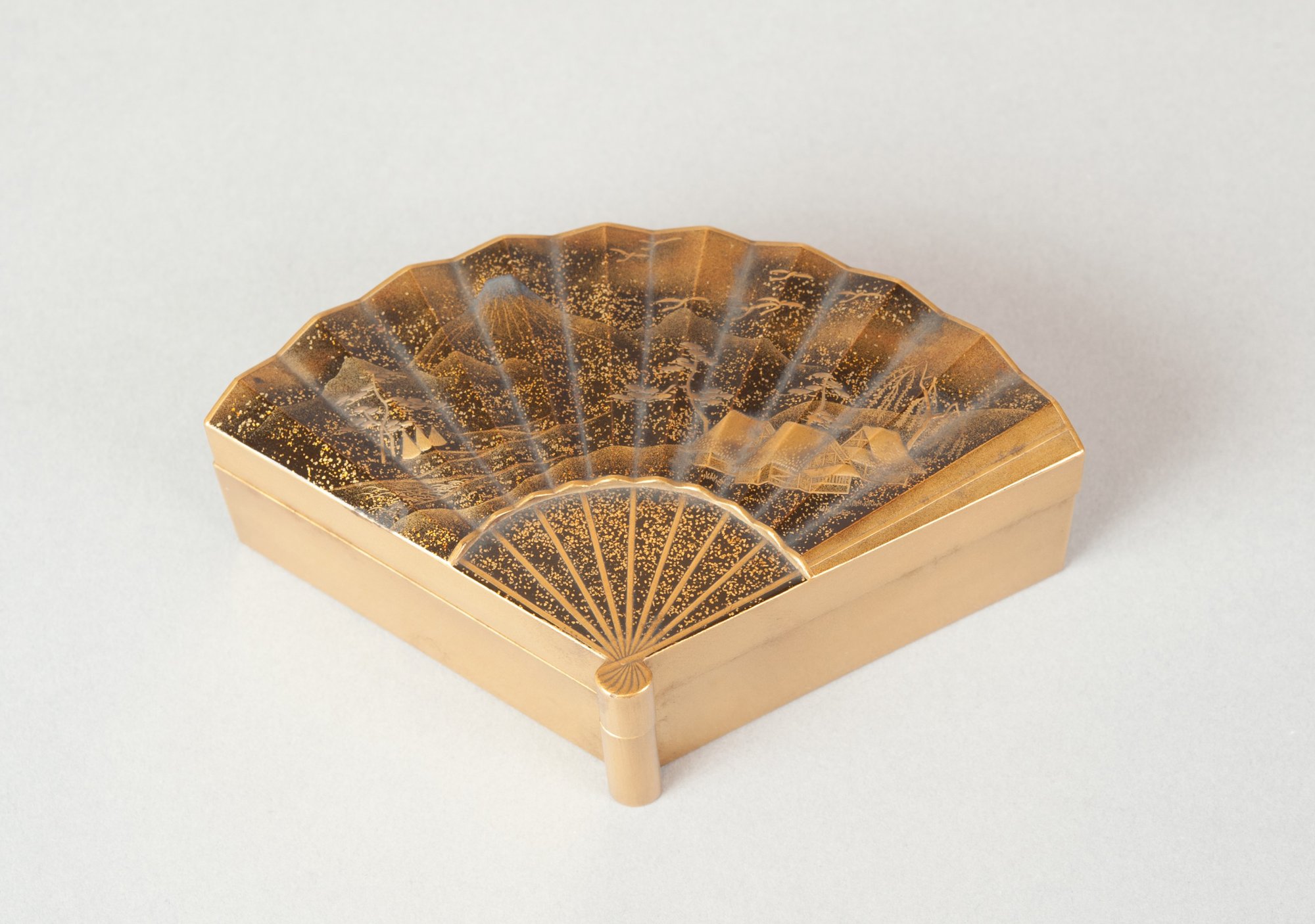
Europe came later. Folding fans probably reached it between 1560 and 1600. By the seventeenth century, Europe imported them in quantity from Japan and China. Today many people link the fan with Spain. Of the ancient Japanese inventions in this guide, the fan is the oldest. Its pattern sets the tone: a borrowed object, refined until it works in a new way, then sent back out.
Why Does Kintsugi Begin With a Shogun’s Broken Tea Bowl?
Because that is the story everyone tells, and it is almost certainly a legend. Kintsugi is the Japanese craft of mending broken ceramics with lacquer and gold. The cracks are joined with lacquer made from tree sap, and the seam is dusted with powdered gold. Silver or platinum can be used instead. The result does not hide the break. It draws a bright line through it.
The legend runs like this. In the fifteenth century, the shogun Ashikaga Yoshimasa sent a cracked Chinese tea bowl back to China for repair. It returned held together with ugly metal staples. His displeasure, the story says, pushed craftsmen to find a better way. The New Orleans Museum of Art says the story “is said to begin” there.
What the record says
The record is less tidy. Shogakukan’s Waraku magazine notes that the story was first written down about three hundred years later. A researcher at the Tokyo National Museum doubts it, because the bowl is missing from the shogunate’s records. The stapled bowl itself is real and is called Bakohan. Yet it was clamped, not gilded, so it is not a kintsugi bowl at all.
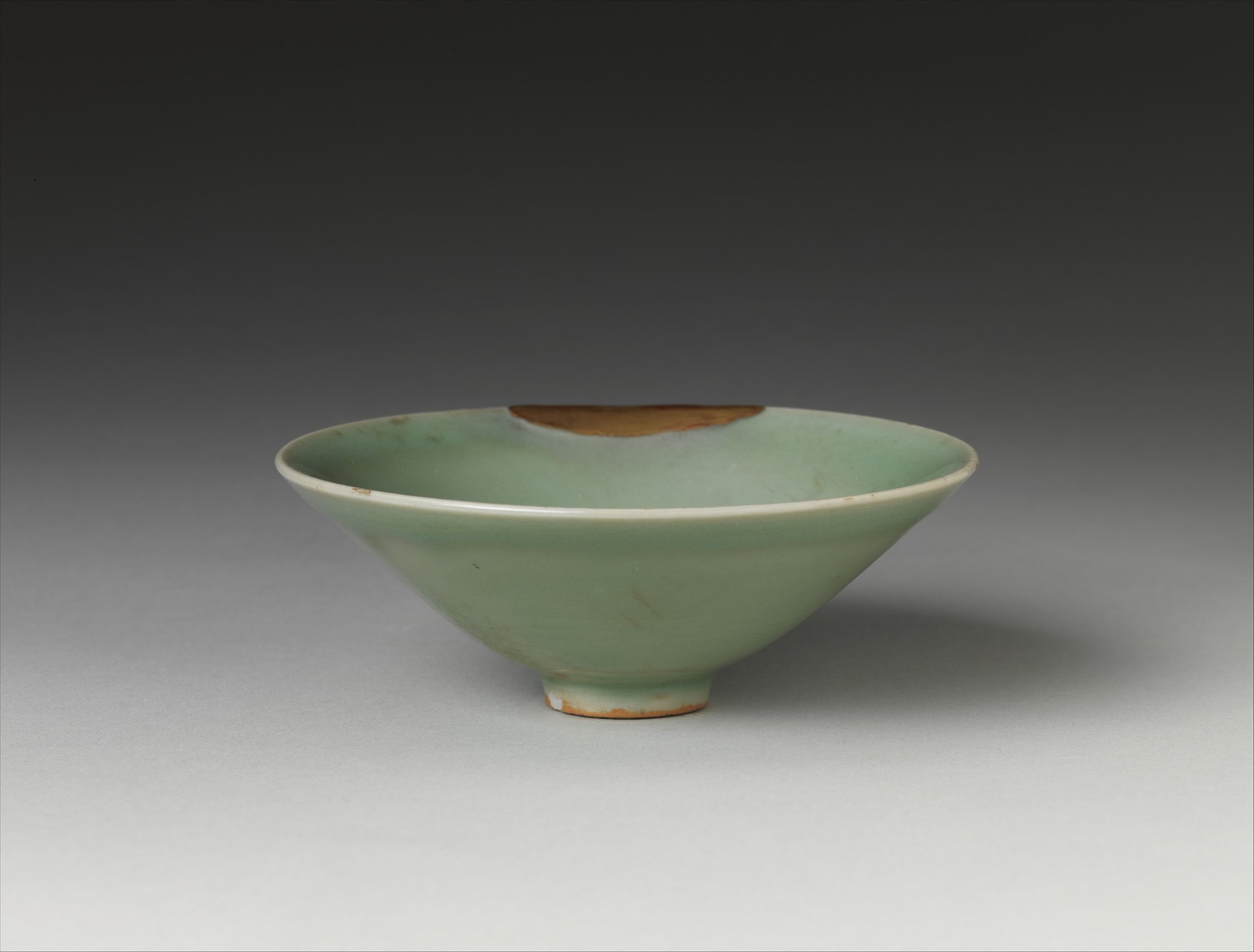
A firmer piece of evidence sits in New York. The Metropolitan Museum of Art holds a thirteenth-century Chinese celadon tea bowl, accession number 16.122.5. Its record lists “gold lacquer repairs.” That gold seam shows the repair was used on Chinese bowls too. Meanwhile, nippon.com dates the invention of kintsugi to the Muromachi period, between 1333 and 1568, for tea-ceremony bowls.
You may also like
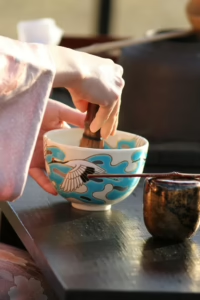
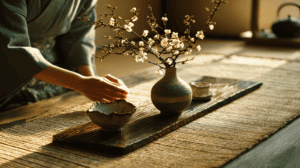
The craft is slower than its fame suggests. A mender joins the pieces with a lacquer adhesive. Then a paste of raw lacquer and powdered stone fills the gaps. Each coat must cure before the next, and only then comes the gold. Meanwhile the idea travels further than the bowls. In March 2024 the word “kintsugi” entered the Oxford English Dictionary, as nippon.com reports.
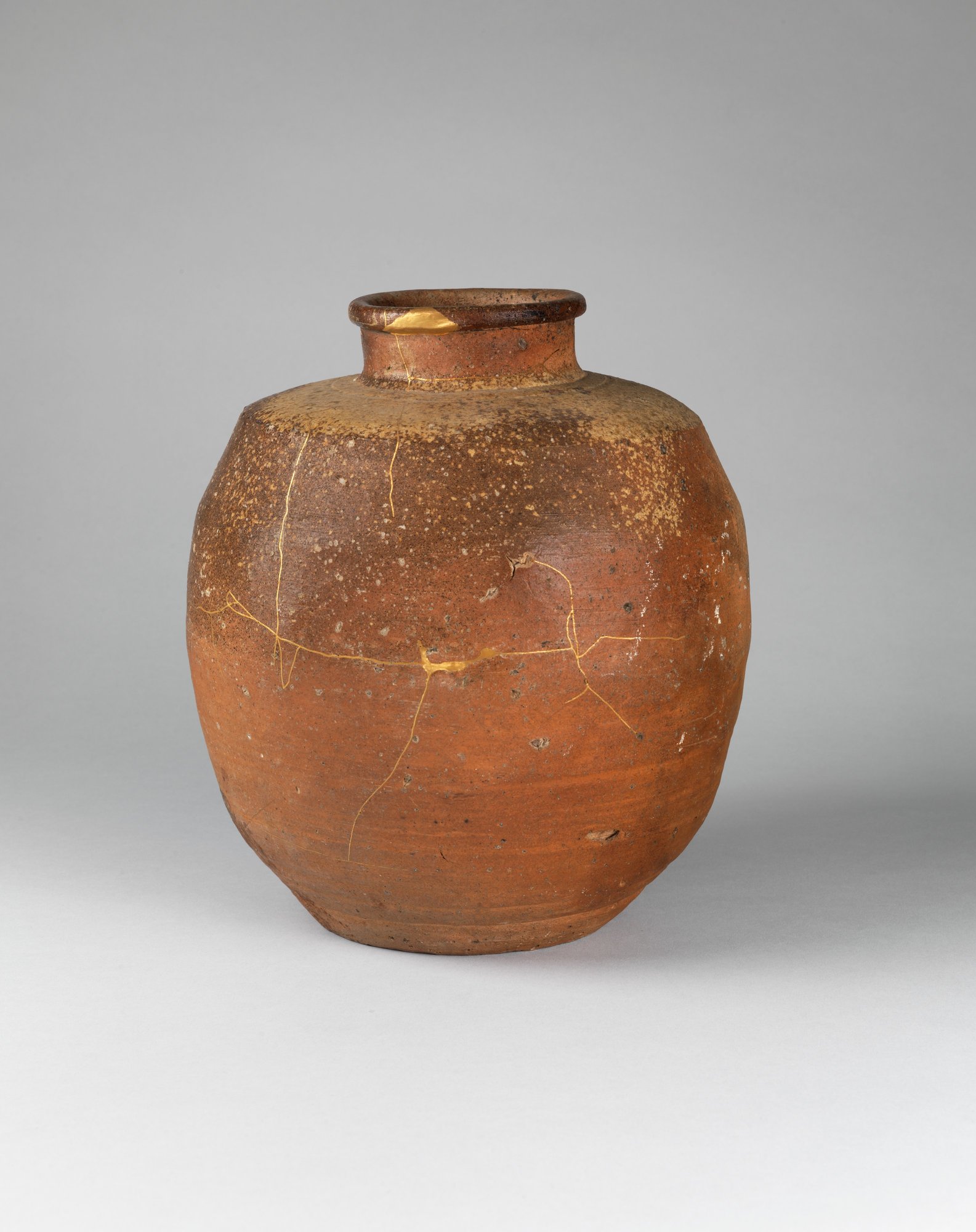
A bowl mended with gold is not restored to what it was. Instead, it carries its history on the surface, and owners came to value it more for that. The same thought runs through much of Japanese design. A thing that has been used and repaired may show it, and its owner keeps it closer because of it. For the wider world of Japanese making, see the prefectures behind Japan’s luxury crafts.
Trying the craft at home
If you want to try kintsugi yourself, begin with genuine materials. Real kintsugi uses urushi, the lacquer from tree sap, and it needs gloves, care and drying time measured in days. A kit made with true lacquer and real gold shows you why menders work so slowly. Start with an inexpensive bowl rather than a family piece, because the first seams are rarely even. Work in a warm room with good light, and keep the bowl still while each coat cures. Above all, give it time: nobody can hurry the craft, and that is much of its appeal. Two books cover the rest. One is a kintsugi teacher’s step-by-step manual, and the other tells the craft’s history.
Mend It, Then Read About It
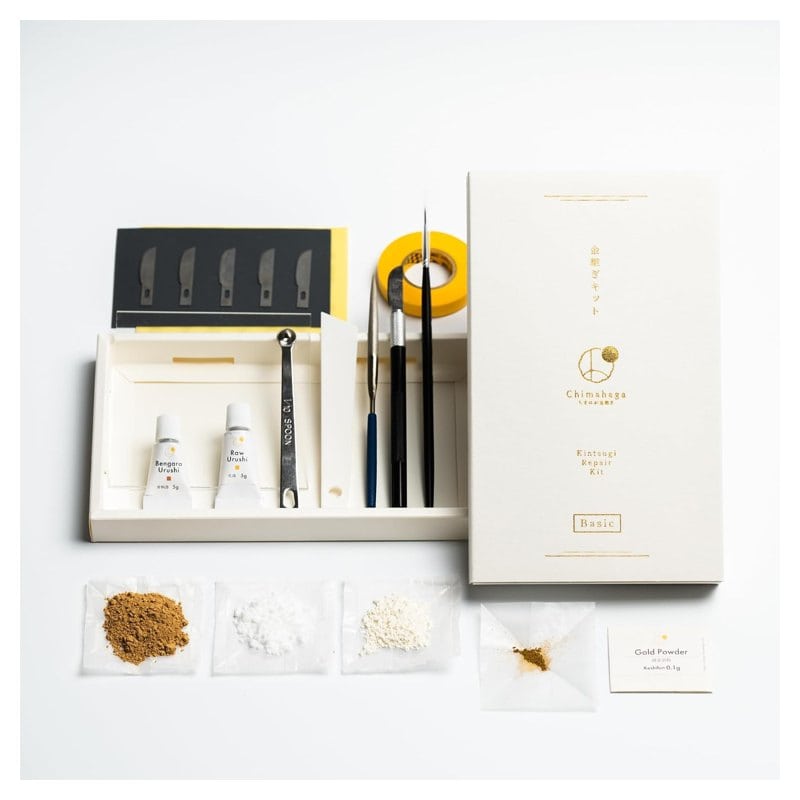
Real urushi lacquer and genuine gold, for a slow first repair.
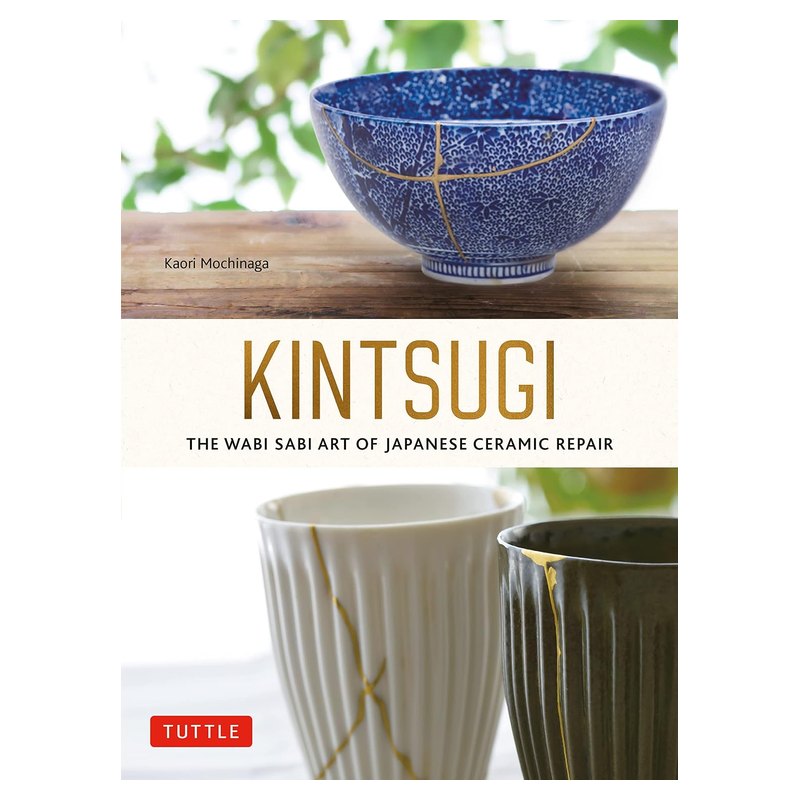
A kintsugi teacher’s step-by-step guide to mending with lacquer.

The craft’s history, its tea-bowl roots and what the seam means.
Kintsugi rewards repetition more than talent. By the third bowl your lines will be finer. You will also look at every repaired cup in a museum case with new eyes. That habit of close looking helps with the next story too. It moves from the tea room to a trading floor, and from one bowl to a country’s rice.
How Did an Osaka Rice Market Change the World’s Trading?
Forty years before the United States existed, Osaka merchants were trading rice that had not been harvested yet. Their market moved to Dojima, beside the river, around 1697. In 1730 the Tokugawa shogunate officially approved the Dojima Rice Exchange. Japan Exchange Group’s history page calls it the world’s first institutional futures exchange.
Rice was the measure of wealth in Edo Japan, and tax rice from the domains was traded in Osaka. The city’s warehouses issued rice bills, paper promises that could be exchanged for rice. Dojima traded those bills, and it also ran a market in futures on standard grades of rice. That second market settled on paper, in account books.
It worked like a modern exchange in other ways too. According to Japan Exchange Group, it had members and a clearing function. Merchants also needed prices fast, so they relayed them by flag across the hills. Nippon.com reports that re-enactments suggest a flag message reached Hiroshima in just under 40 minutes, read through telescopes.
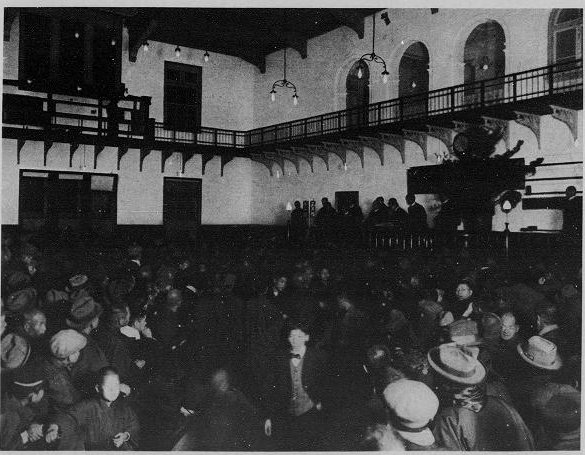
The market had a long life. Trading peaked in 1811. In 1869 the new Meiji government banned it after rice prices soared, then let it reopen two years later. The National Diet Library records that its successor was absorbed into a state rice company in 1939. For the merchant city that grew around it, see our guide to Osaka food and its kuidaore habit.
Where candlestick charts come from
Look at a trading screen today and you will likely see candlestick charts. These grew out of Japan’s eighteenth-century rice markets, according to excerpts from Wiley’s trading books. Tradition credits Homma Munehisa, a rice trader from Sakata who traded at Dojima. However, no document proves he drew them, so that part stays tradition. What is certain is how they reached the West: through Steve Nison’s 1991 book, Japanese Candlestick Charting Techniques.
A letter every second week: one idea worth keeping and one piece we think you should read.
Dojima also changes how we picture the Edo period. It is easy to imagine samurai and castles alone. Yet much of its energy sat with merchants. They kept careful books, priced risk and argued over grades of rice. They worked inside a strict social order, and still they built something modern. The next story comes from the same era, but from a village far from any market.
Was Surgery Under General Anesthesia Invented in Japan?
In one important sense, yes. On 13 October 1804, the surgeon Hanaoka Seishu removed a breast tumor under general anesthesia. He used a herbal anesthetic he had developed himself. That was more than forty years before the famous ether demonstration in Boston. It is widely recognized as the first documented operation under general anesthesia.
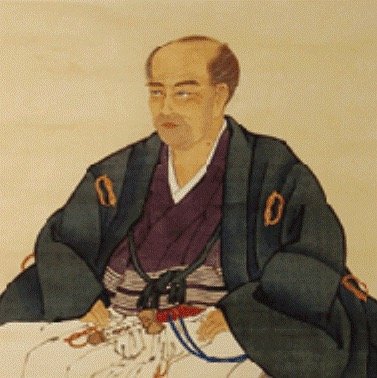
Hanaoka was a village doctor in Kishu, now Wakayama Prefecture, who lived from 1760 to 1835. His anesthetic, mafutsusan, was a brew of plants built around datura, or thorn-apple. He drew on Chinese herbal medicine and on European surgery learned through Dutch sources. Hektoen International, a medical humanities journal, notes that he tested it on dogs for years. His own wife was among the first people to try it.
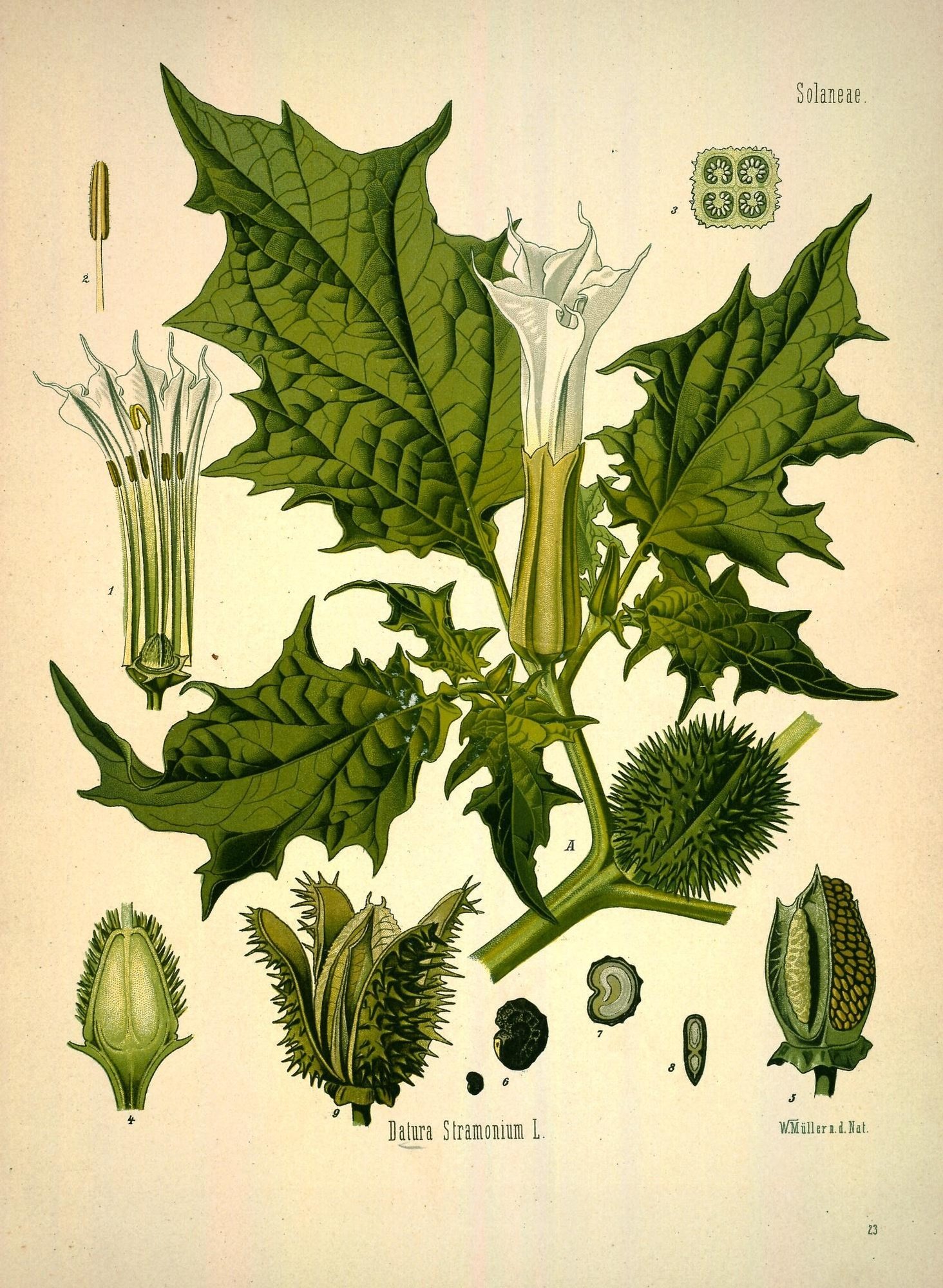
The patient in 1804 was a woman of sixty. Afterward, Hanaoka performed more than 150 breast cancer operations, according to Hektoen. The Juntendo Medical Journal reports that his students performed more than 3,000 operations. Yet he wrote no medical books, so much about how he developed the drug is still unknown.
Why the world credited Boston
The answer is the closed country. Japan kept foreign contact to a minimum, so Hanaoka’s work was not known abroad. The Boston demonstration took place on 16 October 1846, and the credit went there. Ether itself reached Japan only in 1850. Our history of the Black Ships of 1853 shows how that isolation ended.
Careful historians say “first documented,” not “first ever,” and that is the wording we use here. The point is the record itself: Hanaoka’s date, patient and drug are all written down. Like the Dojima merchants with their account books, his school wrote things down. Three books take those threads further. They cover candlestick charts, the Edo period and the history of anesthesia.
Markets, the Edo World and Medicine
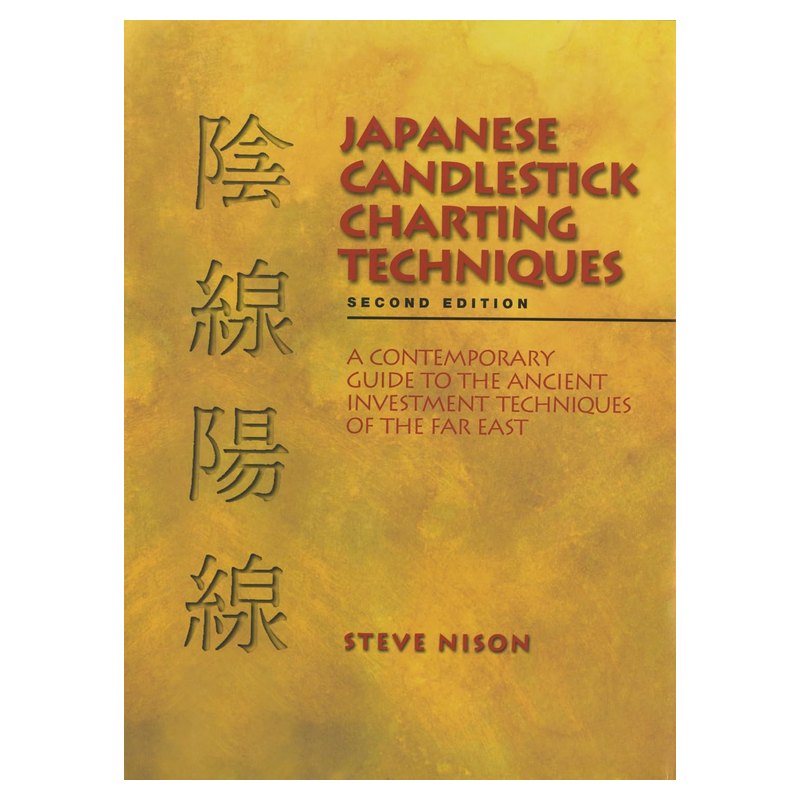
The 1991 book that took Japan’s rice-market charts to Western traders.
A classic history of the Edo period, from merchants to the shogun.

The history of anesthesia, from early herbal brews to modern surgery.
Sansom’s volume is the one to open first if the Edo period is new to you. It explains the castle towns, the rice economy and the long peace that let a village doctor experiment for decades. Read it beside these stories and the pieces fit together. That same stable country also produced the most playful idea in this guide. It was a machine built to serve tea.
What Did Japan Invent Before the Robot?
It built clockwork servants. In Edo-period Japan, craftsmen made karakuri, mechanical dolls that moved on their own. The best known serves tea. Set a cup on its tray, and it walks toward a guest and bows. Lift the cup, and it stops. Put the empty cup back, and it turns and walks home. Nippon.com calls these the dolls that sparked Japan’s love of robots.
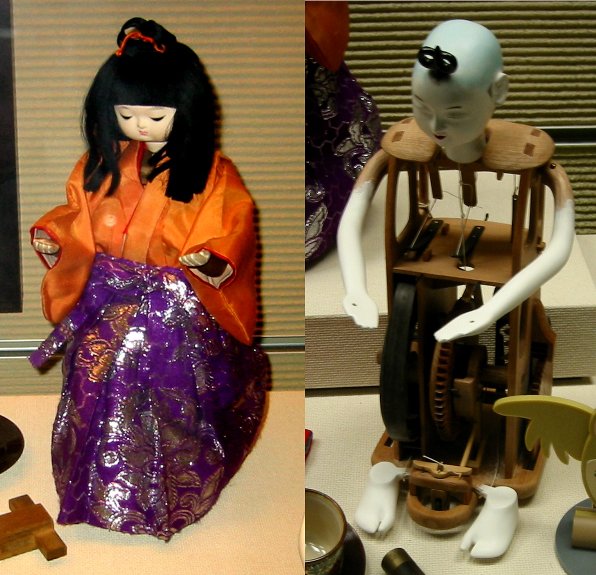
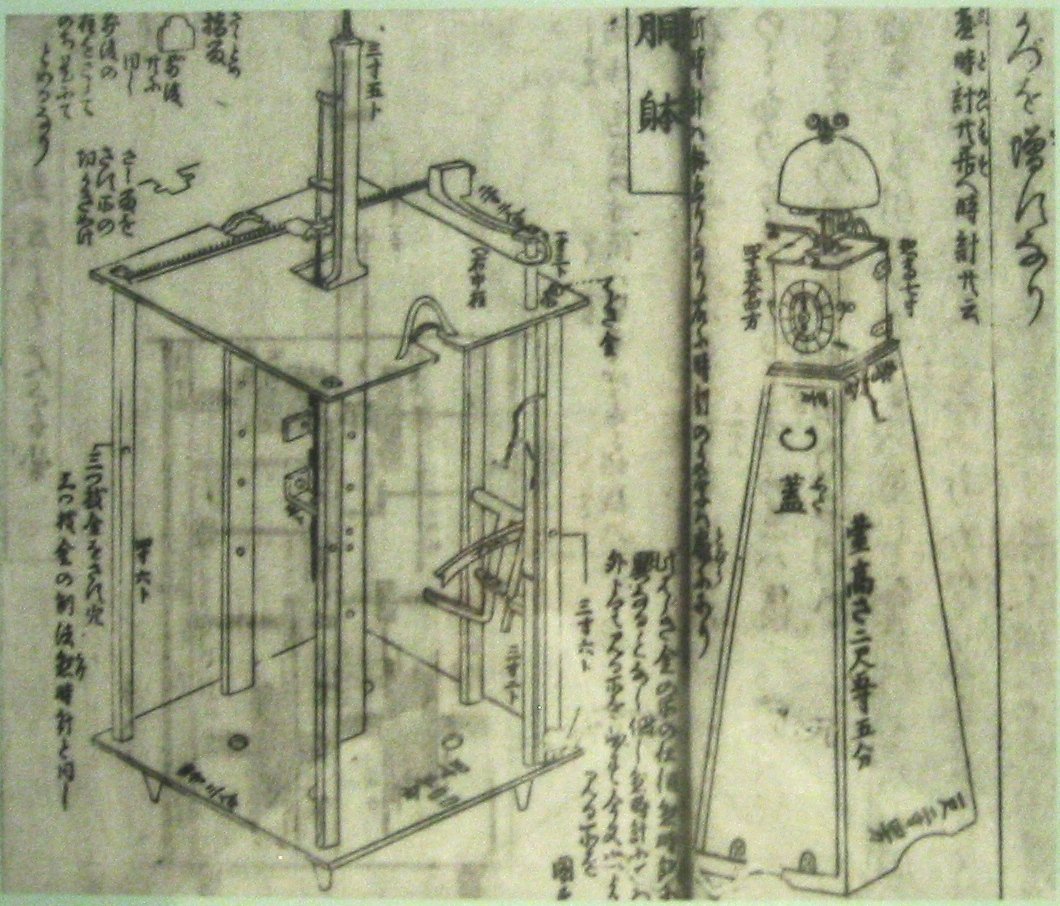
Makers built the dolls from wood and thread. According to the Kyoto University Museum, the spring seems to have been whale baleen. Mechanical clocks had reached Japan on Western ships, as nippon.com notes. Then, in 1796, Hosokawa Hanzo published Karakuri zui, an illustrated book on building such machines. Nippon.com calls it Japan’s first text on mechanical engineering.
Tanaka Hisashige, the doll maker
The most gifted karakuri maker was born three years later, in 1799, in Kurume on Kyushu. At nine, according to the Seiko Museum Ginza, Tanaka Hisashige made an inkstone case with a secret lock. Later he built an archer doll that takes four arrows from a stand and shoots them in turn. People called him Karakuri Giemon.
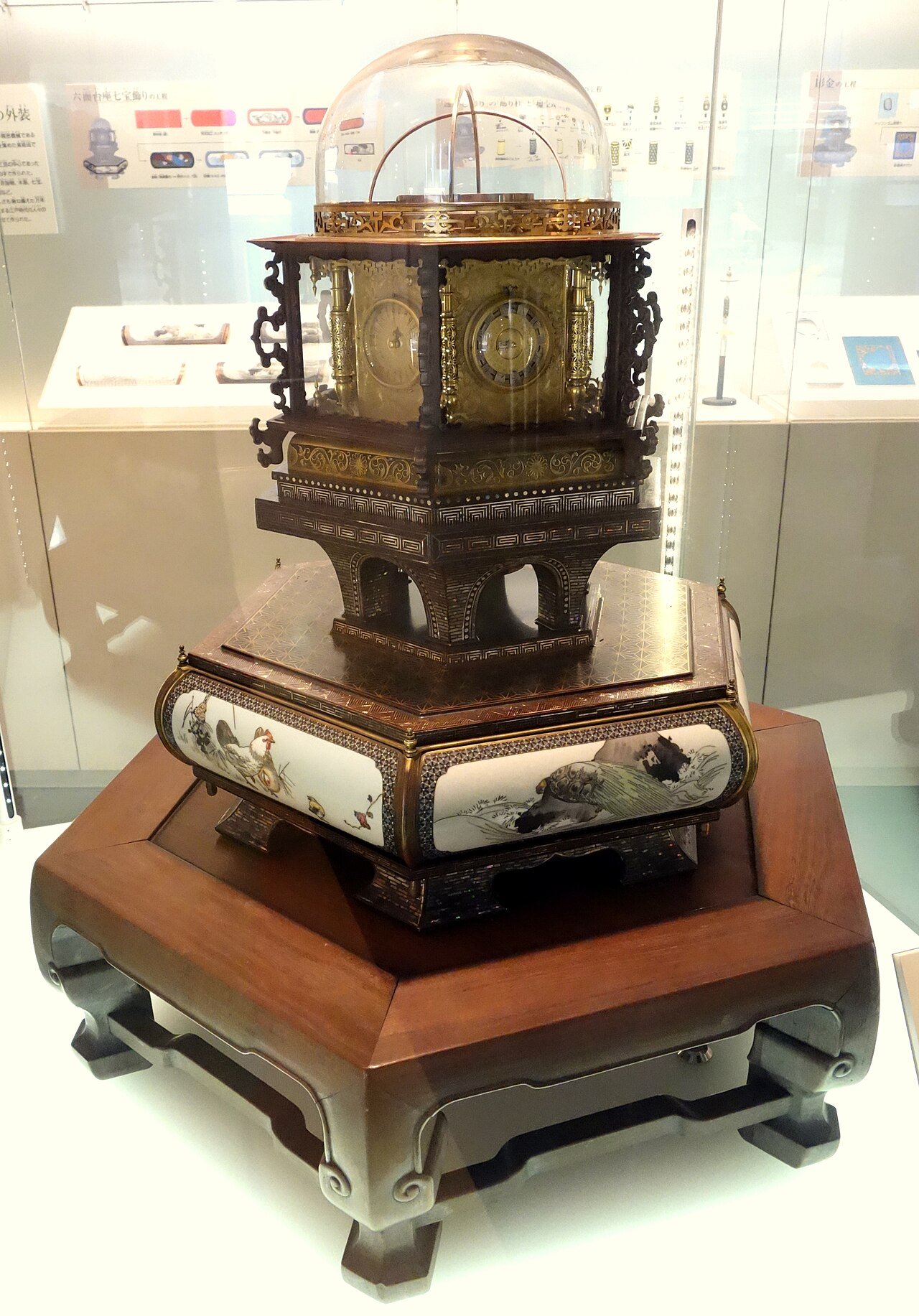
His masterpiece was a clock. Finished in 1851, the Man-nen Jimeisho has six faces that tell different kinds of time. The Seiko Museum Ginza notes that it holds more than 1,000 parts, most of them made by hand. It runs about a year on one winding. Japan named it an Important Cultural Property in 2006.
From doll maker to Toshiba
Then comes the turn that links old Japan to new. On 11 July 1875, Tanaka opened a workshop in Ginza, and Toshiba marks that date as its own founding. Of all the ancient Japanese inventions here, karakuri lead most directly to modern industry. That line runs on through Japanese technology inventions, and the dolls’ descendants walk through our history of Japanese robots.
Karakuri share something with the folding fan, too. Both turn light, plain materials into movement, which makes paper a good way into the subject at home. A Kyoto fan, a book of paper models and a kit of paper toys teach the same principle by hand. Keisuke Saka’s book is the closest thing to a modern Karakuri zui.
Fold It, Build It, Watch It Move
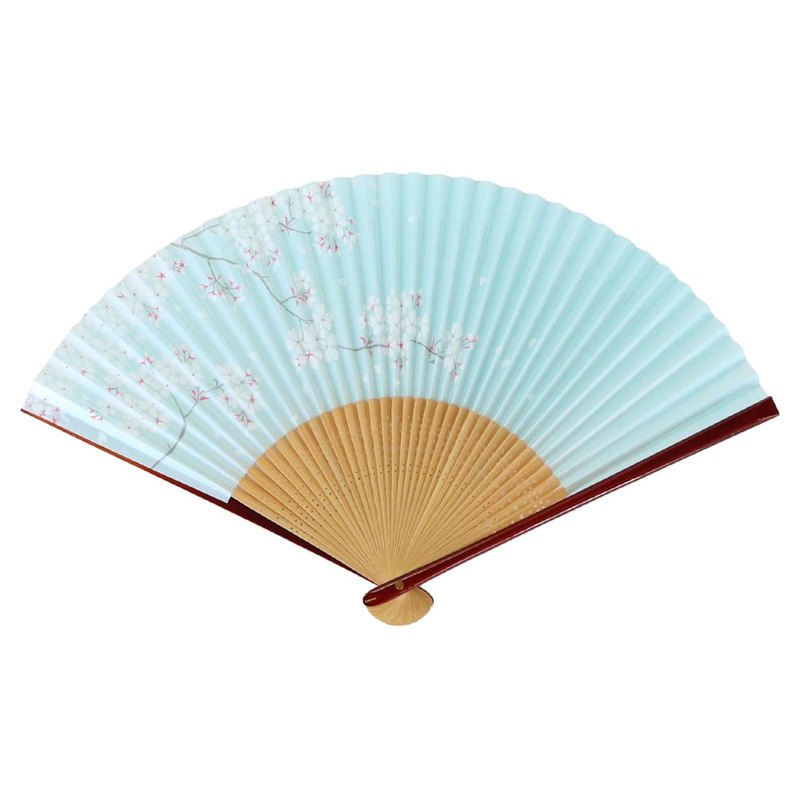
A Kyoto folding fan with cherry blossoms, the Heian idea in your hand.
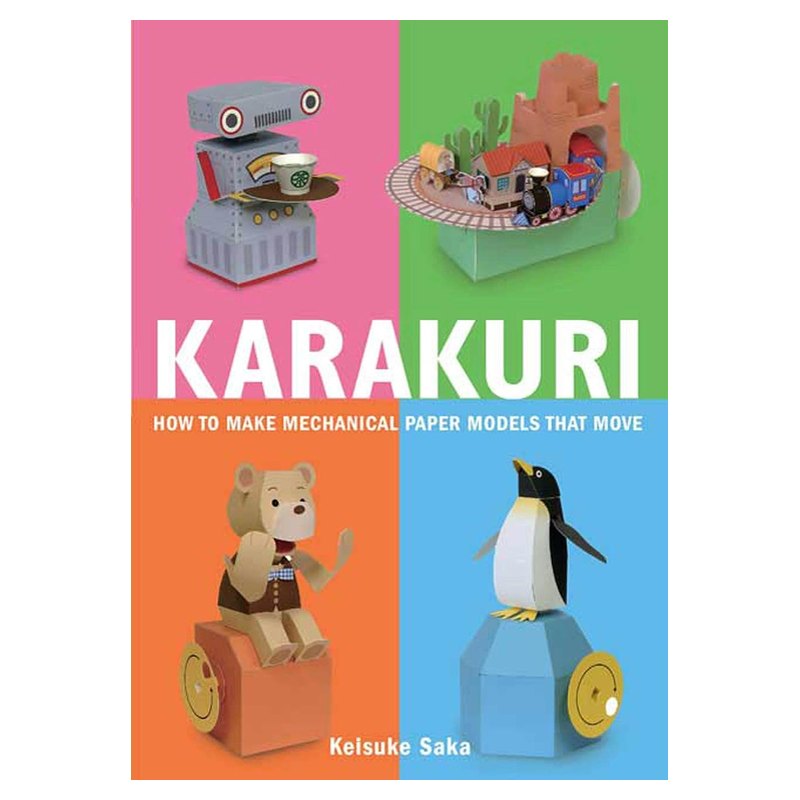
Cut, fold and assemble paper models with working cams and gears.
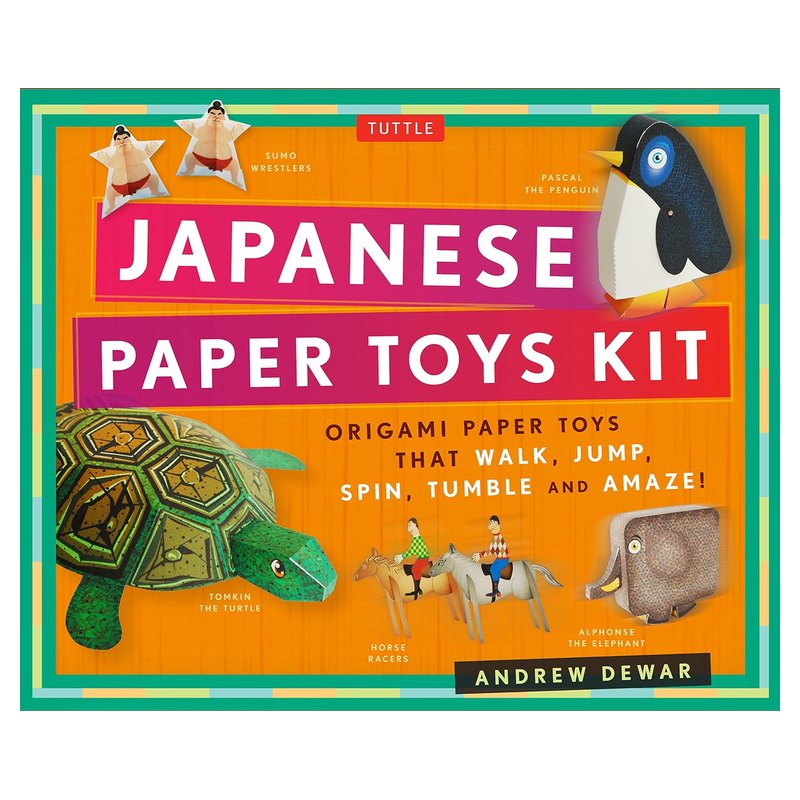
Paper toys that walk, tumble and spin, built from folded sheets.
Start with the simplest model in the book, a cam that lifts a figure. Once you see how a turning wheel becomes a nod or a step, the tea doll makes sense. It is the same idea, hidden inside a robe and driven by a spring. Children enjoy the toys, and grown readers enjoy the engineering. Either way, you will understand a machine from 1796 better than most museum visitors do.
Where to See Ancient Japan’s Inventions Today
Start in Tokyo. The Japan Society of Mechanical Engineers lists Tanaka’s clock as Mechanical Engineering Heritage. It is on display at the National Museum of Nature and Science in Ueno Park. Give it time, because each of the six faces tells a different kind of time. Of all the ancient Japanese inventions in this guide, it is the easiest to see up close.
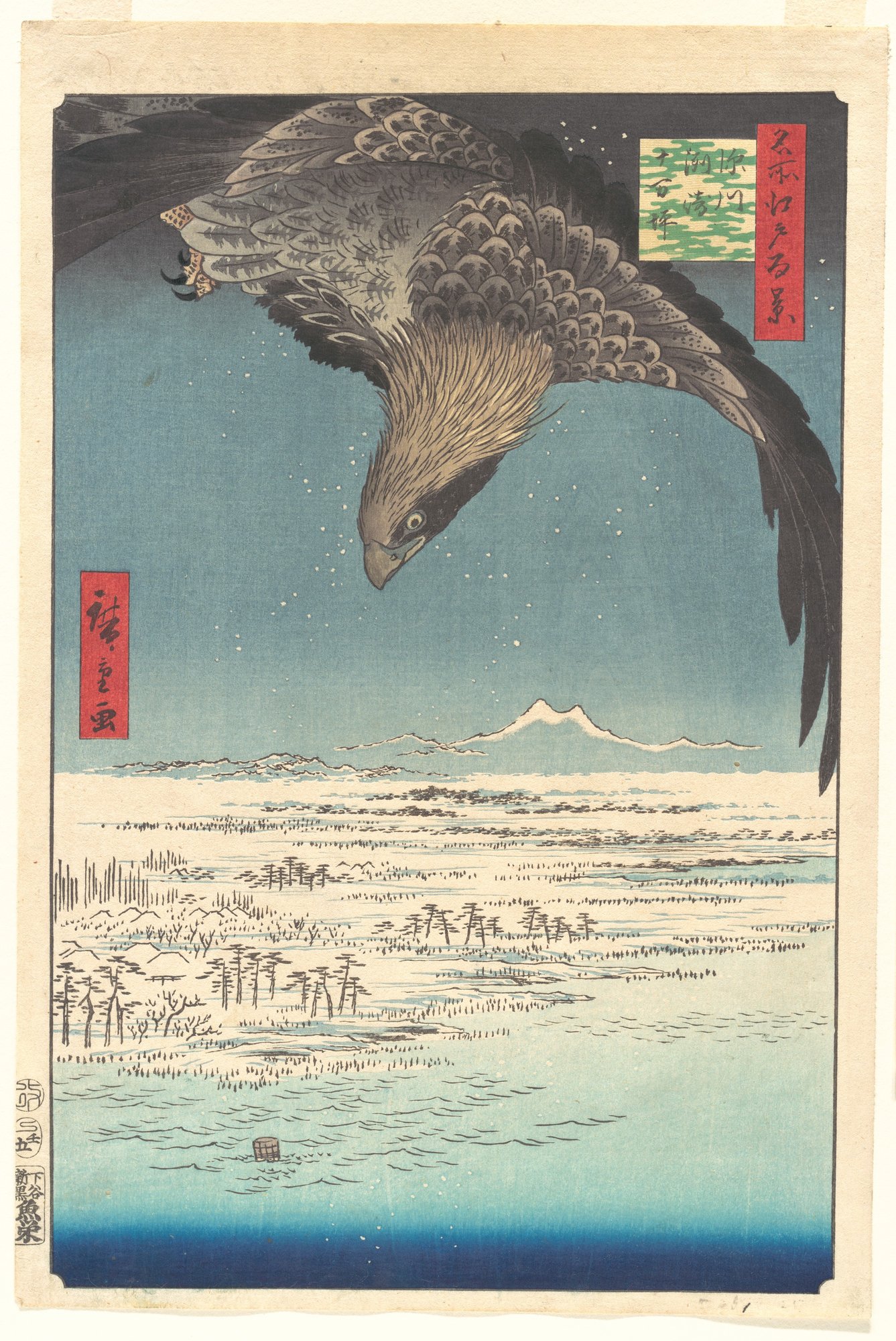
Next, cross the Sumida River to Fukagawa. The Fukagawa Edo Museum in Koto City recreates an Edo townscape at full scale, according to its official page. Walk its lanes and stand under the fire lookout tower to picture the merchants and craftsmen of this guide. Then add a few more stops from our list of Tokyo experiences worth your time.
Osaka and Wakayama
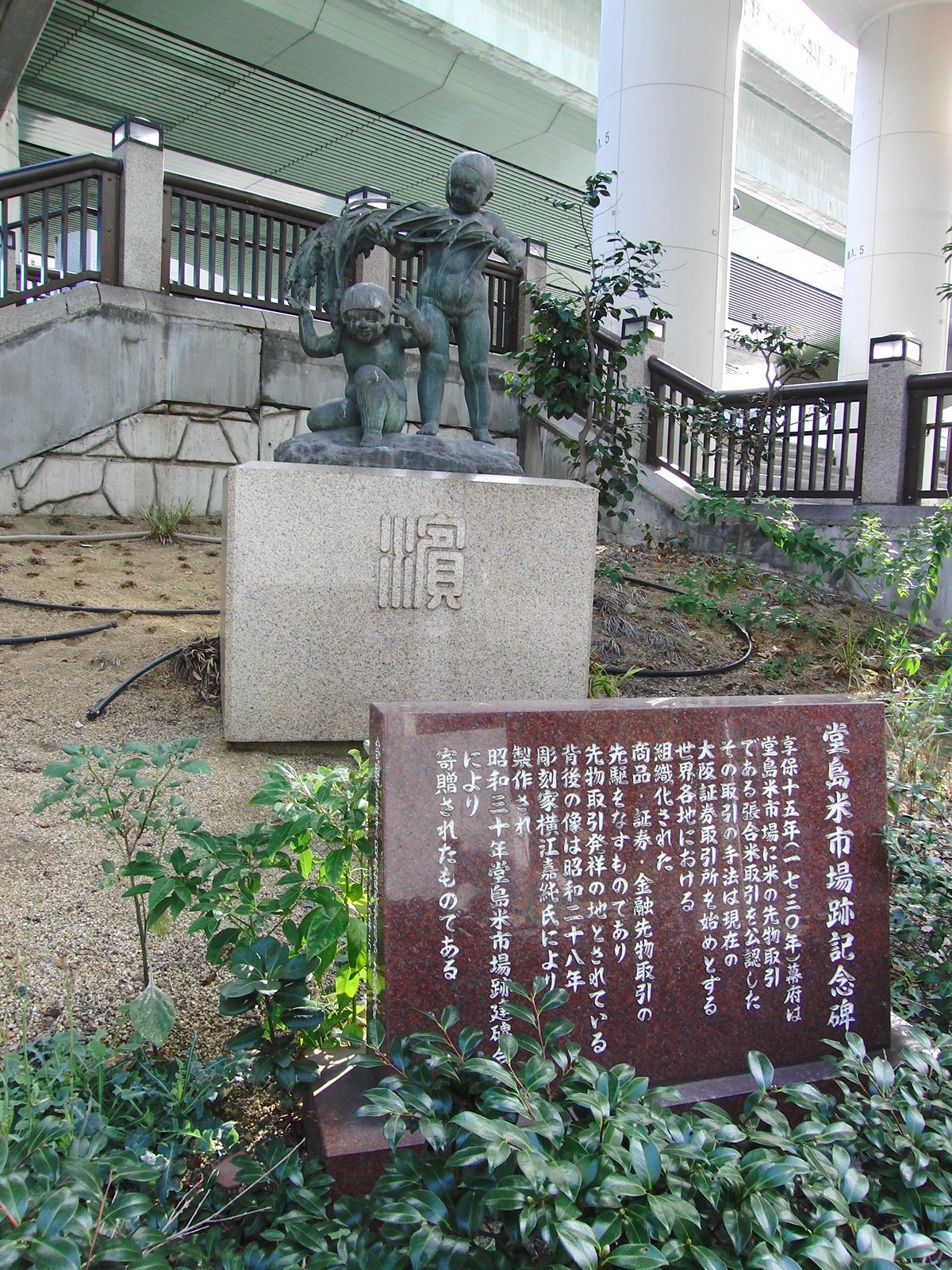
In Osaka, walk to Dojima, where a monument marks the site of the rice exchange. Little else survives, so bring the story with you and picture the flags on the hills. The modern Osaka Dojima Exchange still carries the name, and it calls Dojima the birthplace of futures trading.
For Hanaoka, travel south to Kinokawa in Wakayama Prefecture. Visit Wakayama describes Seishu-no-Sato, a park and museum built around his former home, which was also his hospital. The setting is rural and green, which shows how far he worked from any great city. Stay a night in the region rather than rushing a day trip.
You may also like
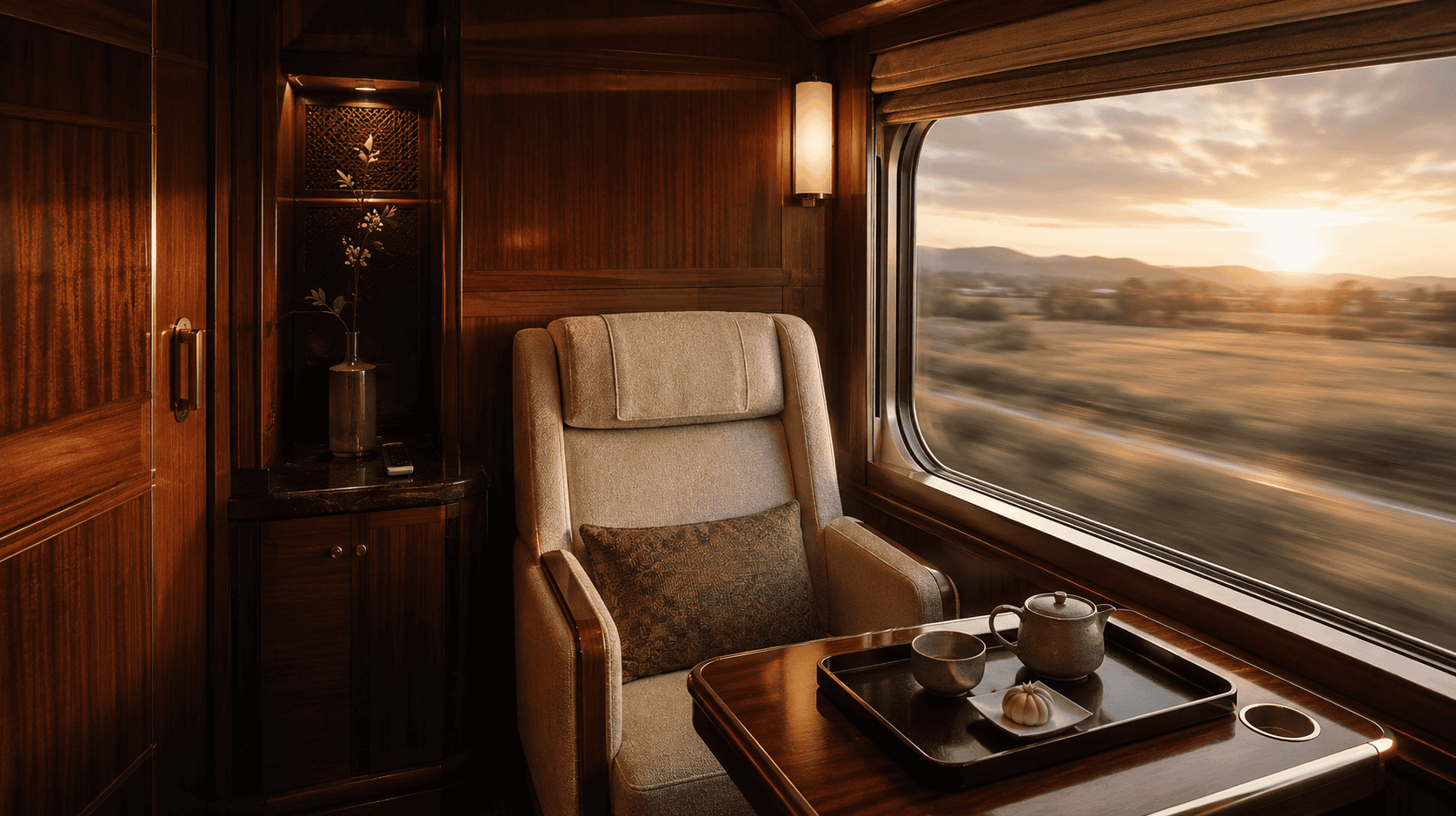
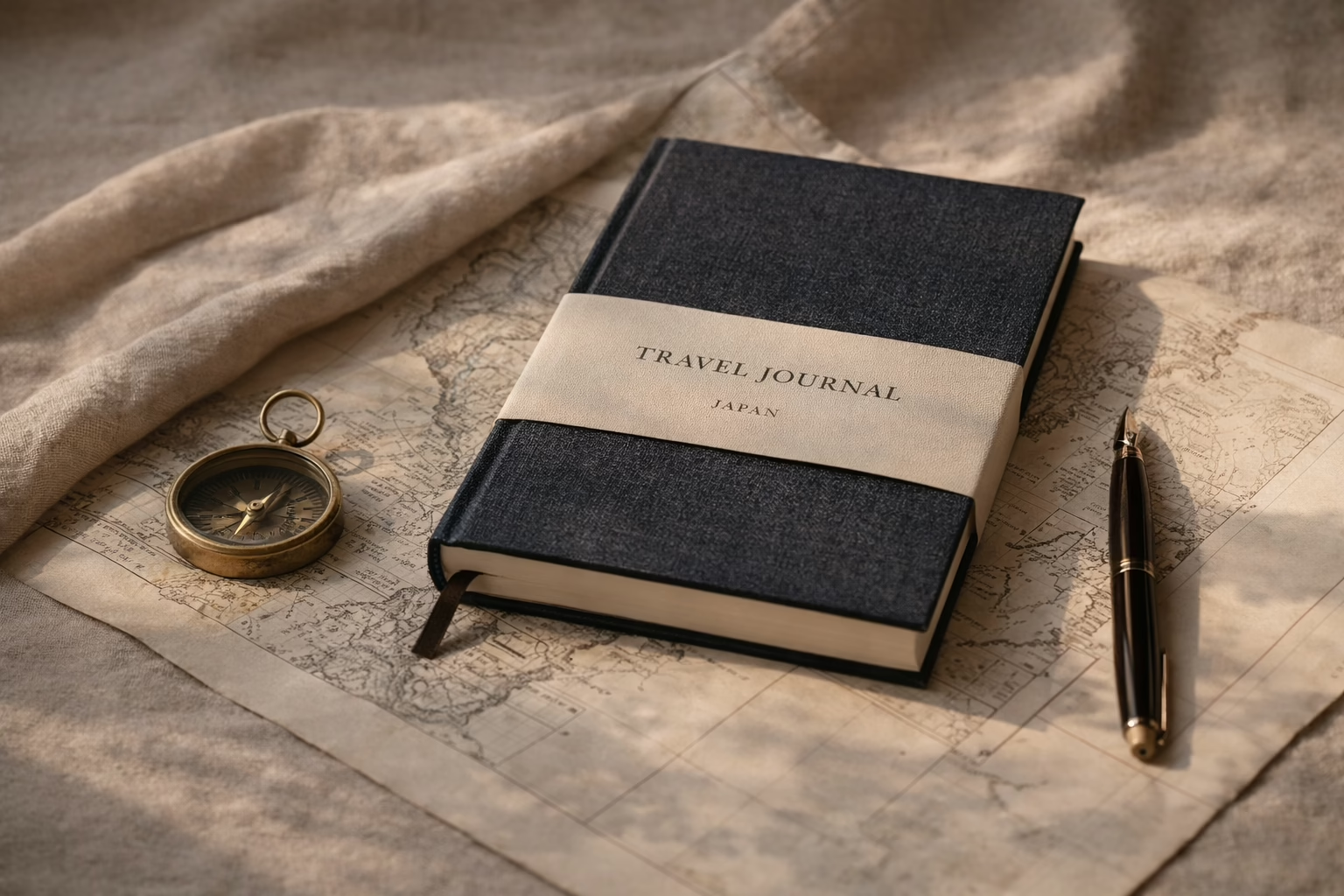
Plan the route as one line, not three separate trips. Give each city its own days, so no museum has to be rushed. Tokyo holds the clock and the Edo town, Osaka the market and Wakayama the surgeon. A rail journey links them. Spring is the kindest season, when cherry trees bloom in the castle parks along the way. The light then suits long walks between museums, and the trains are comfortable for reading on the long legs. Many travelers keep a small notebook on a route like this. It holds train times, quick sketches and the names they want to look up later, and it becomes a record of the trip in its own right.
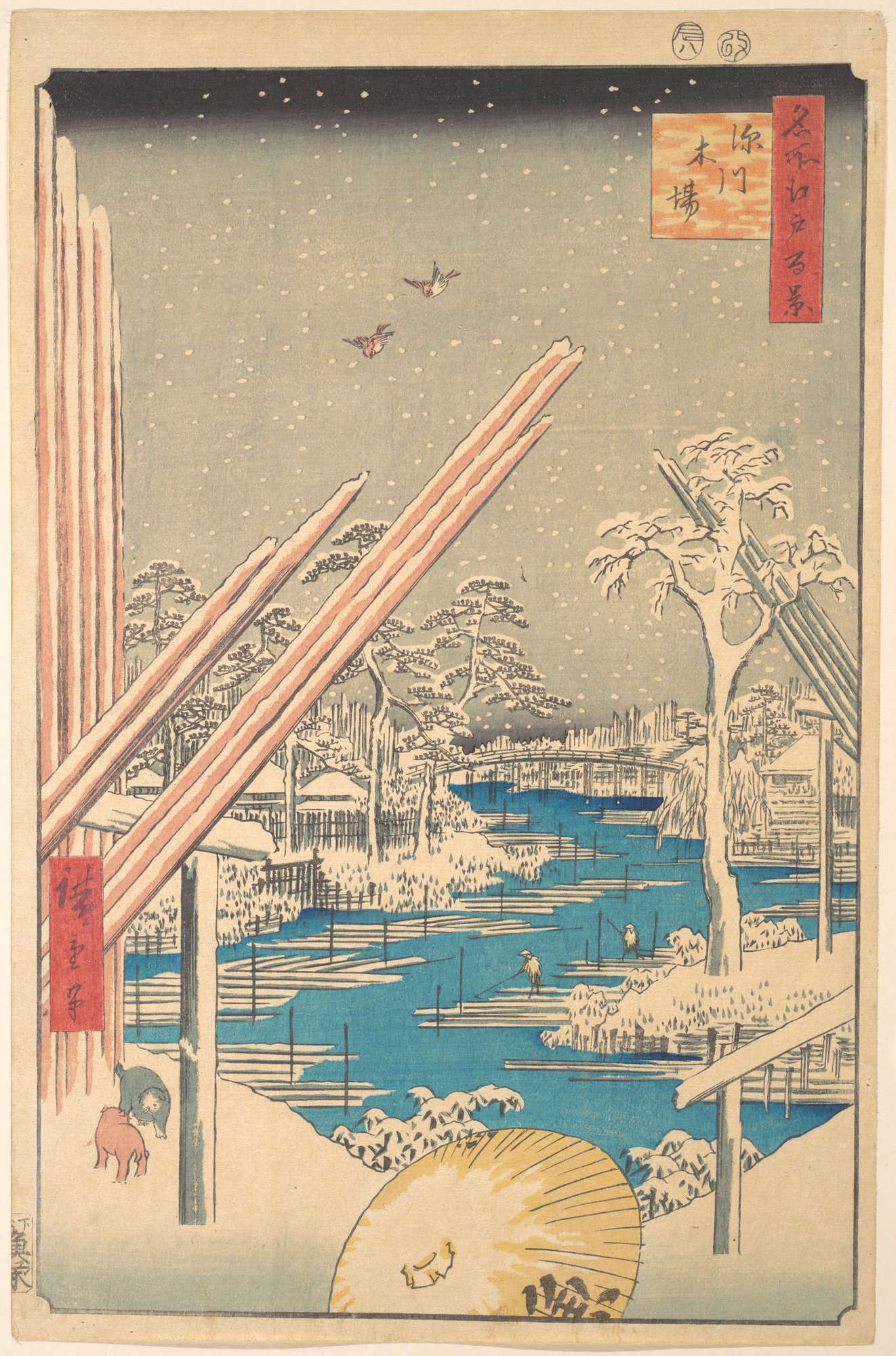
A Taste of Edo: Fukagawa Meshi
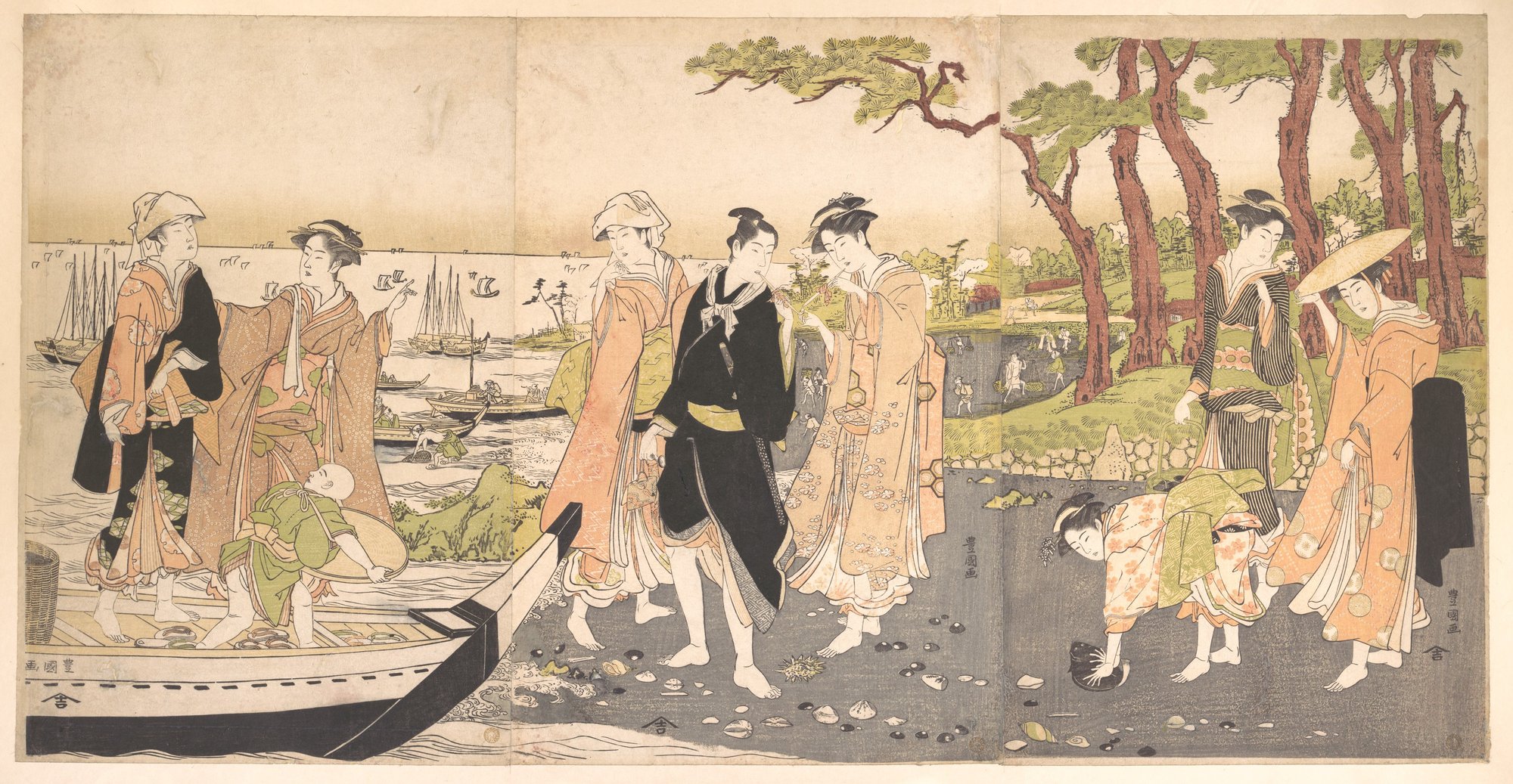
The Fukagawa of the Edo Museum was once a fishing town. Japan’s Ministry of Agriculture, Forestry and Fisheries explains that Edo-period Tokyo Bay had rich tidal flats. Clams made the area famous. Its fishermen ate a quick meal: green onion and raw clams simmered briefly in miso, then poured over rice. That meal is Fukagawa meshi.
Today it comes in two styles. In the bukkake style, the clam and miso broth is poured over rice, as the fishermen did. In the takikomi style, the clams cook into the rice. The ministry notes that local fishing rights were given up in the 1950s, as pollution and land reclamation spread. Then, in 1981, a Fukagawa restaurant revived the dish, helped by visitors to the new Edo Museum.
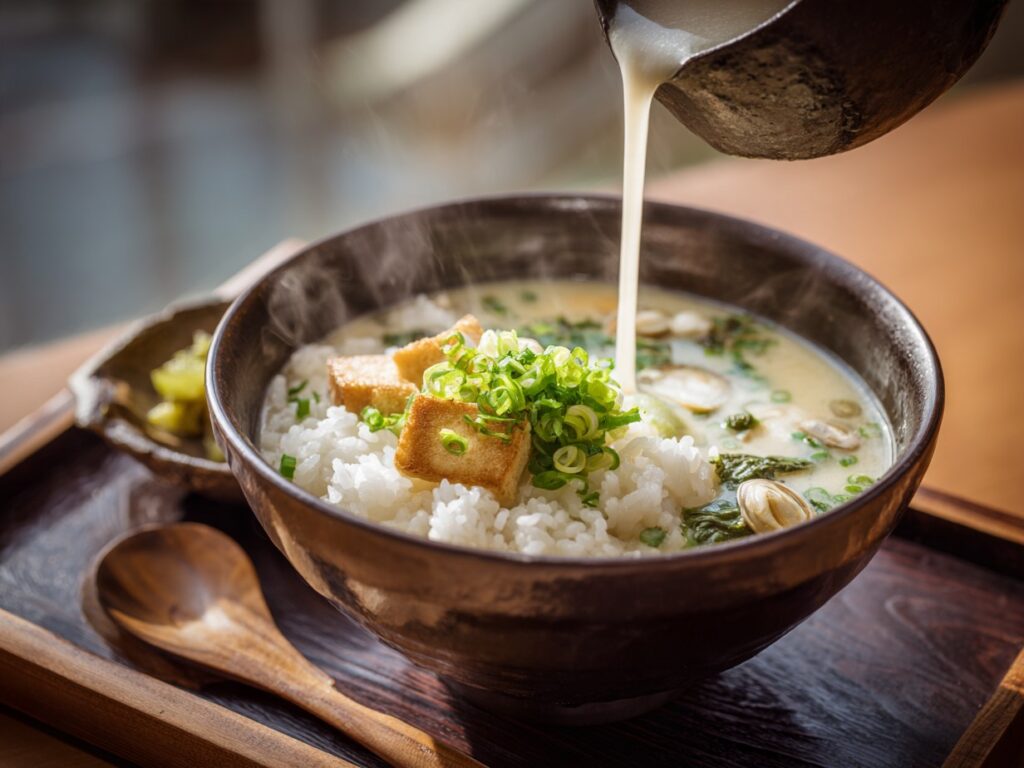
Our version is the poured style, closest to the boats. It comes from Delish Kitchen, a Japanese recipe publisher whose registered dietitians supervise every recipe. It adds fried tofu to the clams and green onion. The whole bowl takes about twenty minutes. For more dishes born in Japan, see our guide to Japanese food inventions.
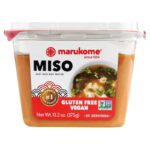
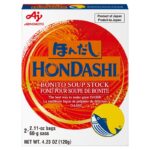
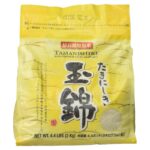
Fukagawa Meshi Recipe: Edo Clam and Miso Rice
The Fukagawa fishermen’s meal of Edo Tokyo: clams and green onion simmered in miso and poured over rice.
- Prep 15 min
- Cook 5 min
- Total 20 min
- Serves 2
| For the broth | ||
|---|---|---|
| 1/2 (40 g) | 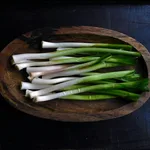 Japanese long green onion (negi), divided | |
| 1/2 sheet | 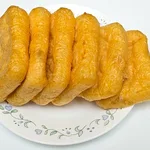 Fried tofu pouch (aburaage) | |
| 1 1/4 cups (300 ml) | Water | |
| 1/2 tsp | Instant fish stock granules (dashi) | |
| 2.8 oz (80 g) | Shelled clams (asari) | |
| 1 tbsp (15 ml) | Miso | |
| To serve | ||
| 2 bowls (300 g) | Warm cooked Japanese rice | |
| To taste | 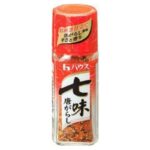 Japanese seven-spice chili pepper (shichimi togarashi) | |
We suggest serving it on warm rice in deep bowls, topped with the shredded green onion and a little shichimi, as Delish Kitchen does.
| 1 | Prepare the green onion. Take one third of the Japanese long green onion (negi), cut it open, remove the core and shred it into fine threads. Soak the threads in water for about 5 minutes, then drain them well. Slice the rest of the onion, core included, thinly on the diagonal. |
| 2 | Prepare the fried tofu. Pour boiling water over the fried tofu pouch (aburaage) to rinse off the extra oil, and let it cool a little. Cut it in half crosswise, then cut each half lengthwise into strips about 1 cm wide. |
| 3 | Build the broth. Put the water and the fish stock granules (dashi) in a pot over medium heat. When it boils, add the shelled clams (asari), the sliced green onion and the fried tofu. Lower the heat and simmer for about 3 minutes. Then dissolve the miso into the broth and stir to mix. |
| 4 | Serve. Fill two bowls with warm cooked rice and pour the clam and miso broth over it. Top each bowl with the shredded green onion. Add a shake of Japanese seven-spice chili pepper (shichimi togarashi) if you like. Use warm rice, as the source recipe advises. |
Use good miso and very fresh clams, and taste the broth before you pour. The fishermen ate it fast, with whatever the tide gave them. You can take more care and still keep its spirit. It is a working meal from a working town, and it suits a cold evening after a day in the museums.
From Craft to Industry
Seen in order, these ancient Japanese inventions trace one path. A court craft refined what Japan borrowed, and a tea-room repair valued what had been used. Then a rice market priced the future, a village doctor put pain to sleep and a doll maker built the workshop that became Toshiba.
None of them arrived as a sudden flash of genius. Each grew slowly, over years of trial. People who taught others passed each one on: courtiers, menders, merchants, students and apprentices. That is worth remembering in a museum. An object in a case is usually the last step of a long apprenticeship.
Recommended
This habit also explains the inventions that came later, from rice cookers to bullet trains. Our guide to Japanese inventions for the home picks up the story in the twentieth century.
Planning a trip around the story
The tools below cover the practical side of a journey to Tokyo, Osaka and Wakayama. Use them to sketch a first route, check the rail passes for the long legs and keep a record along the way. Each one suits travelers who like to slow down and look closely at what a place has kept. A good plan leaves room for an extra hour in front of one clock. It also allows for the gaps between cities. Tokyo, Osaka and Kinokawa sit far apart, and the long rail legs are part of the trip, so plan them as calmly as the museum days.

A trip built on this history needs good timing more than a long list of sights. The museums keep their own calendars, and Wakayama asks for a full day. Our team can match a route to those details. For example, we can place you in Ueno for the clock, in Fukagawa for the Edo town and a bowl of clams, and in Osaka for the market story. Then we can add the drive to Kinokawa with a driver who knows the roads. We can also arrange a guide who knows the Edo period, so the museum cases and the old market site read as one story. Tell us which inventions interest you most, and we will shape the days around them.
A Japan journey through its oldest inventions
Our team builds custom itineraries around museums, old markets and craft towns, from the Edo Museum in Fukagawa to Seishu-no-Sato in Wakayama. Expect unhurried days, private guides who know the history and evenings in rooms that face a garden.
Plan Your Custom Japan ItineraryQuestions Worth Asking
What did ancient Japan invent?
The folding fan is generally credited to Japan, carried at the Heian court more than a thousand years ago. Kintsugi, the craft of mending ceramics with lacquer and gold, is centuries old. From the Edo period came the Dojima Rice Exchange of 1730, karakuri clockwork dolls and Hanaoka Seishu's 1804 operation under general anesthesia.
What is Japan's most famous invention?
That depends on the century. Among older ideas, the folding fan and kintsugi are the best known. Among modern ones, instant ramen, the Walkman and the bullet train are often named. Japan's habit of refining what it borrowed links both groups, and our hub on Japanese inventions covers the modern side in full.
What are the top Japanese inventions?
Lists vary, and many mix eras. Before modern times, the strongest cases are the folding fan, kintsugi, the Dojima futures exchange, karakuri automata and general anesthesia for surgery in 1804. Modern lists usually add instant ramen, karaoke, the QR code, the blue LED and the Shinkansen, each covered in our pillar of guides.
Did Homma Munehisa invent candlestick charts?
Tradition credits him, but no document proves it. Candlestick charts grew out of Japan's eighteenth-century rice markets, and Homma, a rice trader from Sakata, traded at Dojima. What is documented is their arrival in the West, through Steve Nison's 1991 book Japanese Candlestick Charting Techniques. So treat the Homma story as tradition, not record.
What is kintsugi?
Kintsugi is the Japanese craft of mending broken ceramics with lacquer and gold. The pieces are joined with lacquer from tree sap, and the seams are finished with powdered gold, silver or platinum. Nippon.com dates it to the Muromachi period, tied to tea bowls. The story of shogun Yoshimasa's stapled bowl is a legend.
What is a timeline of ancient Japanese inventions?
In outline: folding fans at the Heian court more than a thousand years ago; kintsugi in the Muromachi period; Dojima rice futures approved in 1730; Karakuri zui published in 1796; Hanaoka Seishu's operation under general anesthesia on 13 October 1804; Tanaka Hisashige's myriad-year clock in 1851; and his Ginza workshop, the start of Toshiba, in 1875.