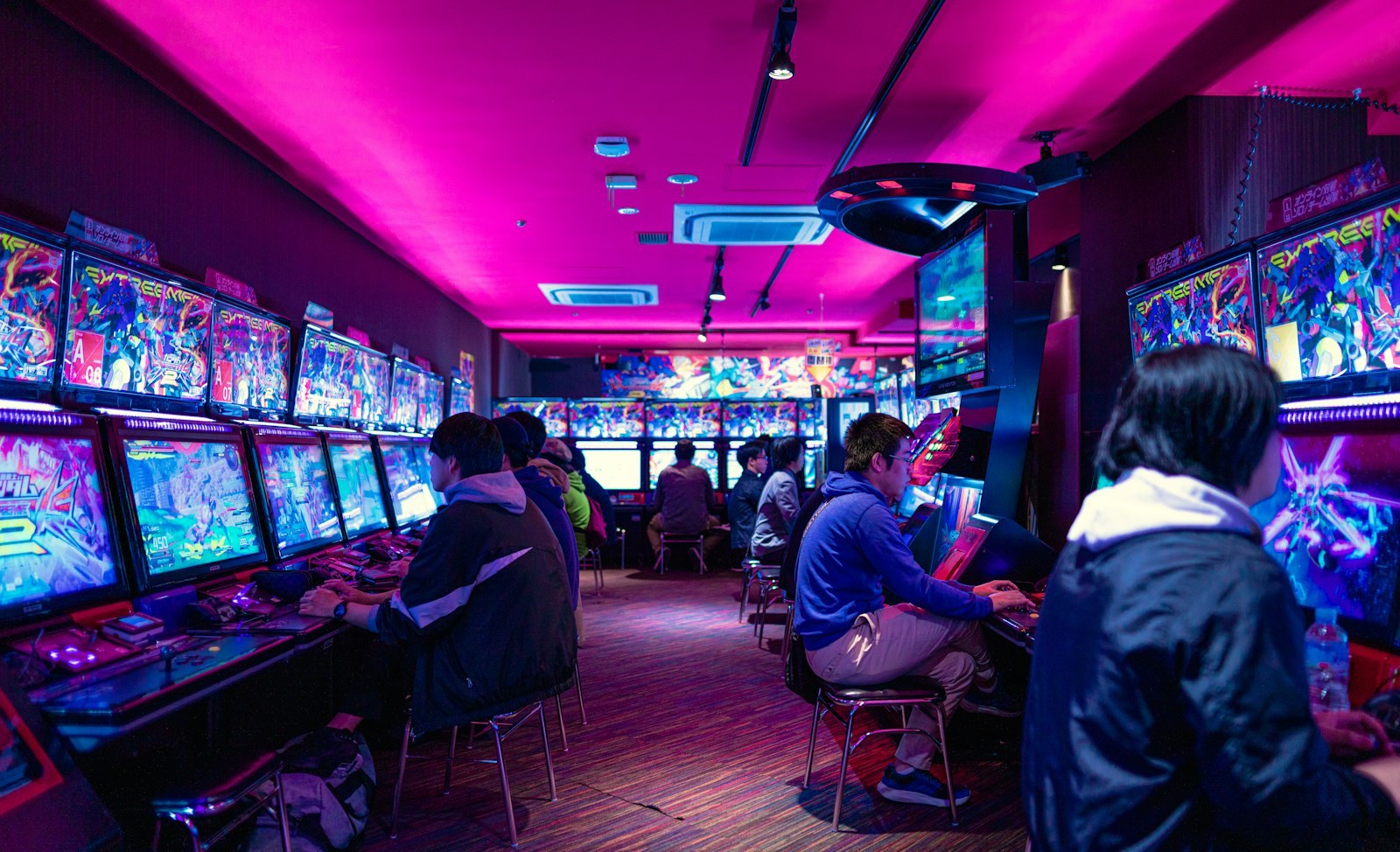
How did Japan come to shape video game history?
Japan shaped video game history by inventing its most famous games and machines. Japanese video game history runs from Space Invaders and Pac-Man in the arcades to the Famicom in the living room. Then Super Mario Bros., the PlayStation and Pokémon set the rules that home games still follow.
That history began with small bets inside Japanese companies. A sales chief asked for a better game. A planner chose the word “eat”, and a company president made a phone call at home. This guide is part of our series on Japanese inventions that changed daily life. It tells each story in order.
Each chapter of this Japanese video game history starts with the person who made the decision. Then it follows the game or machine to its launch and beyond. The audience those people built is now vast. Nearly two-thirds of Americans ages 5 to 90, or 205.1 million people, regularly play video games, according to the Entertainment Software Association’s 2025 study. At the end, you will find where to see this history in Japan today. A recipe for the griddle noodles of Tokyo’s street stalls closes the guide.
Why Did Space Invaders Get Faster as You Played?
Taito released Space Invaders in Japan in 1978. Tomohiro Nishikado designed it, and it began as a request from the sales team. Taito’s sales chiefs asked him a simple question: “Could you make a game that surpasses Breakout?” That earlier hit came from the American company Atari, and Taito wanted something stronger.
Nishikado’s first targets were tanks and planes. Next he tried people, but he dropped them because shooting people was “not ethically good,” he later told Walker Plus. Instead, he turned to aliens. He drew on H.G. Wells’s The War of the Worlds, while news of Star Wars was in the air. As a result, Wells’s Martians became octopus, squid and crab shapes, marching in rows of pixels.
The speed-up nobody planned
Space Invaders was the first Japanese game to run on a microprocessor, an Intel 8080, as The Strong museum notes. Nishikado spent about 60 percent of the development time building his own tools. The chip, however, could only draw so much at once. With a full screen of invaders, it moved slowly. Each alien you shot left one less sprite to draw, so the rest moved faster. In other words, the famous rising tension was the hardware struggling. The heartbeat sound quickened with them, and players felt it as a plan.
From a trade preview to café tables
Taito counts 16 June 1978, the day it was first shown to the trade, as the game’s birthday. The older buyers at that preview thought it was too hard to catch on. Young players proved them wrong by word of mouth. Soon cafés set the cabinet under glass as a table, and whole arcades, called Invader Houses, ran nothing else. By the end of 1978, Taito had installed more than 100,000 cabinets and tables, according to The Register’s history of the game.
The game also left a lasting habit. Its high-score display became a standard feature of arcade games. Players began to compete with strangers who had stood at the same screen. In 2018, Japan’s Anniversary Association recognized 16 June as Space Invaders Day. The game had become a date on the calendar, forty years after a sales meeting asked for something better than Breakout.
You may also like


Who Was Pac-Man Really Made For?
Two years later, a young planner at Namco looked at those crowded arcades and saw a problem. Toru Iwatani created Pac-Man, which first appeared in Japan in 1980. At the time, arcades drew mostly boys, with games about shooting aliens and other enemies. Iwatani wanted to change that with cute characters. He picked “eat” as his theme because, as he told TIME in 2015, “the word ‘eat’ is universally appealing.”
He was clear about his audience. “We targeted the game towards female audiences and dating couples,” he told Game Informer. In Japan the game was first called Puck Man. Its eating sound came from the Japanese phrase paku paku, the sound of a mouth opening and closing. To model the swallow, Iwatani ate fruit and made gurgling sounds.
A slice of pizza and a Power Pellet
Iwatani has said the idea for the shape came to him while eating pizza. One slice was gone, and the rest of the pie looked like a character. His original team had seven people. Late in development, they added the biggest change of all, the Power Pellet. It lets Pac-Man turn and chase the ghosts. Iwatani called the ghosts “cute and there to bug Pac-Man more than anything.”
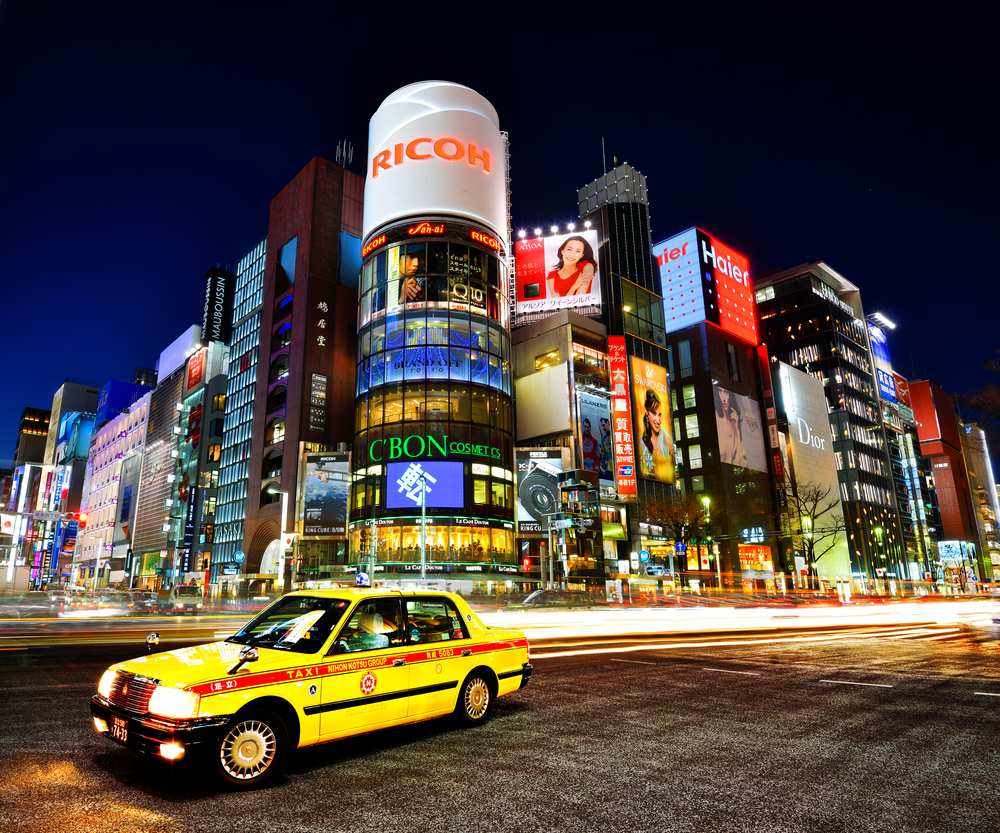
Namco also chose a bold launch. Before release, on 29 June 1980, it showed the game on the giant ALTA screen in Shinjuku. Such advertising was rare for a video game then. Pac-Man went on to sell more than 100,000 units in the US within a year. In 2005, Guinness World Records named it the most successful coin-operated game. It counted 293,822 arcade units in seven years, according to Bandai Namco’s official history.
Pac-Man reached the United States in October 1980, and many Americans first met Japanese video game history through these two screens. Both games still run today, in small versions made for a desk or a kitchen counter.
Pac-Man, Space Invaders and the Consoles That Followed
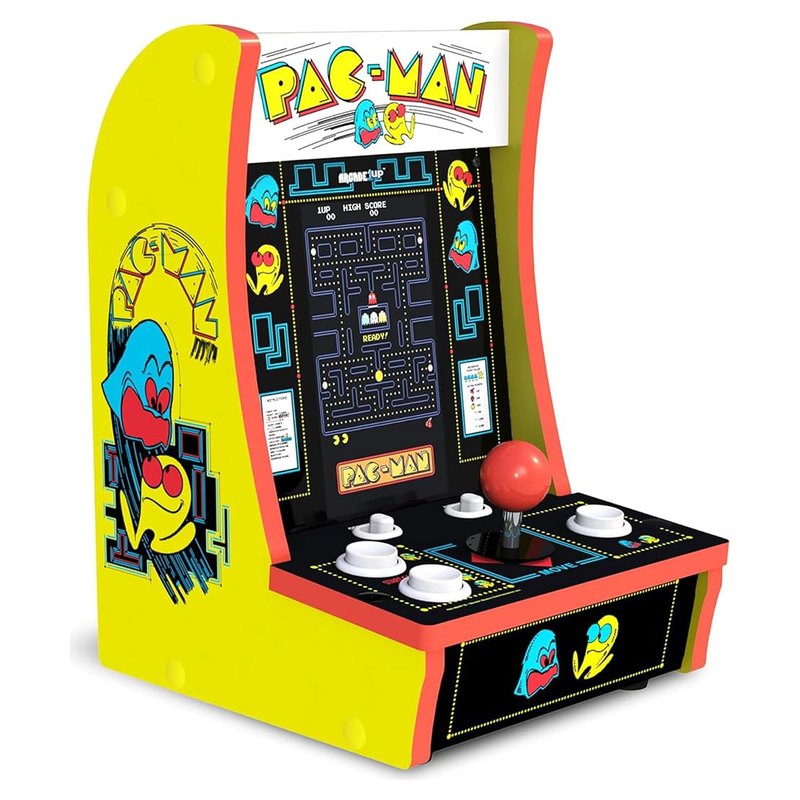
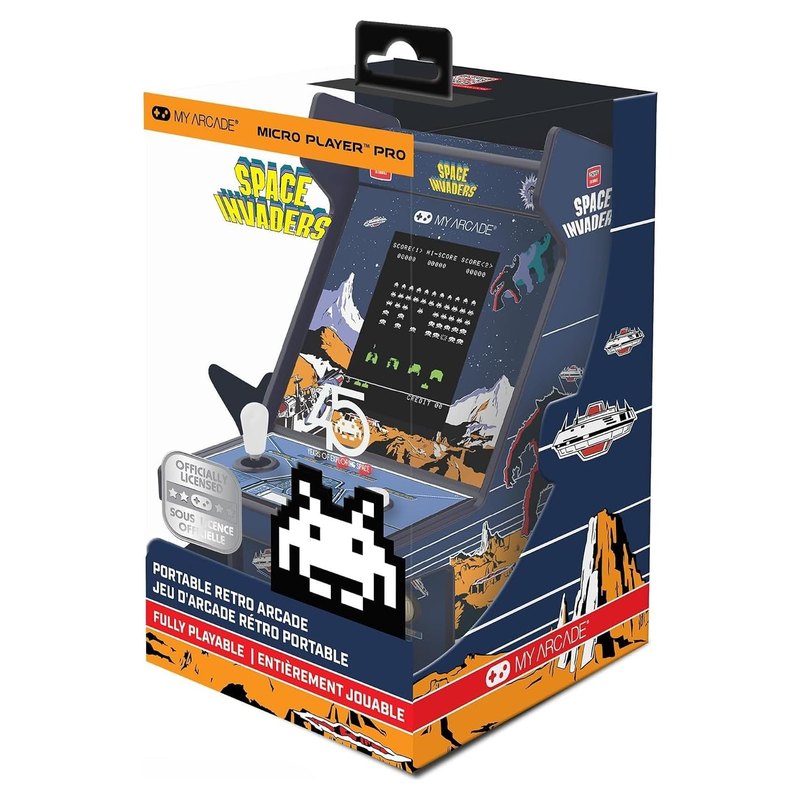
Taito’s 1978 game, playable on a small upright screen.
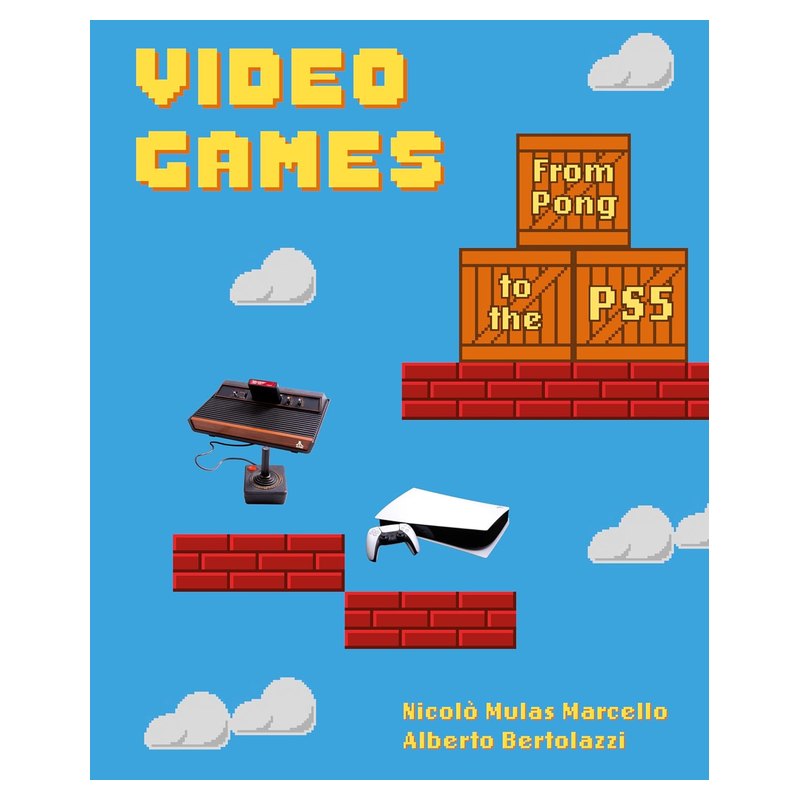
A visual history that runs from the first arcades to every PlayStation.
Look closely at both games and the same idea appears. Each one turned a hard limit into a feature. Nishikado’s chip could not keep up, so the aliens sped up. Iwatani could not show a detailed face, so he built a character from a shape and a sound. That habit of working with limits carried straight into the home consoles of the 1980s. It also reached a company that had started out making playing cards.
How Did a Playing-Card Company Build the Famicom?
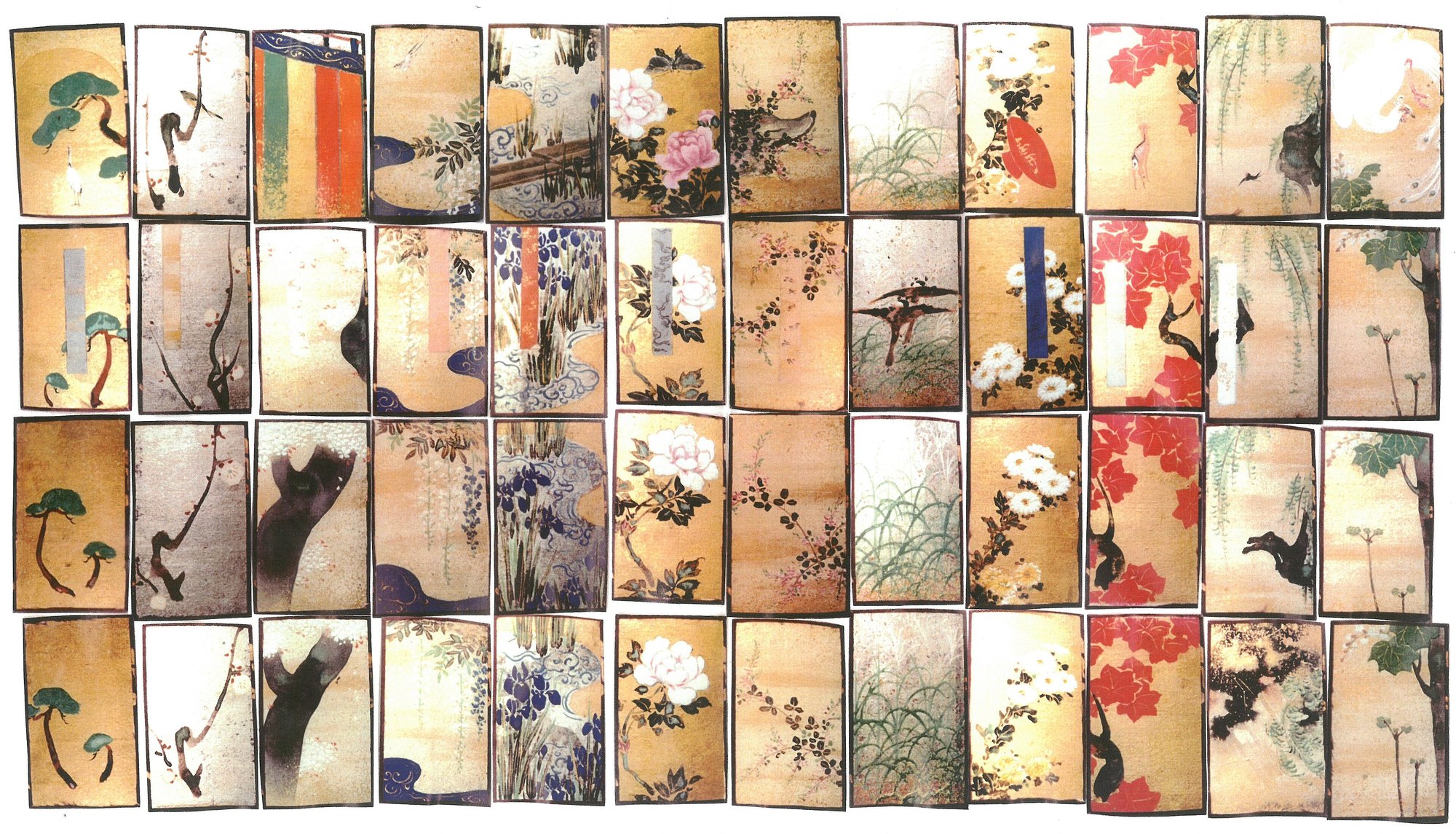
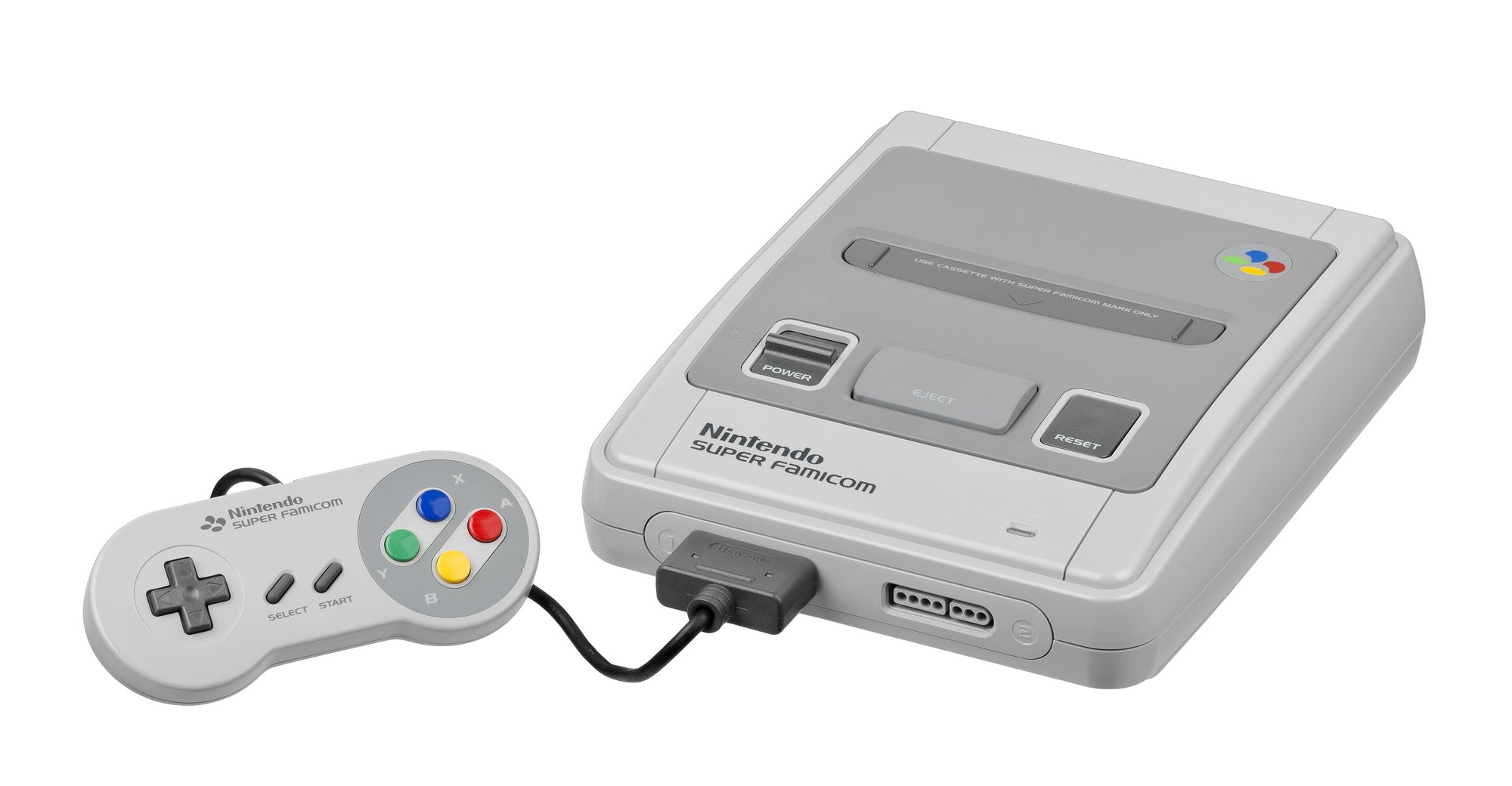
Nintendo began in 1889 in Kyoto, making hanafuda playing cards. Nearly a century later, it built the machine that brought the arcade into Japan’s living rooms. Nintendo launched the Family Computer, or Famicom, in Japan on 15 July 1983. It brought the console to the United States in 1985 as the Nintendo Entertainment System.
A phone call in November 1981
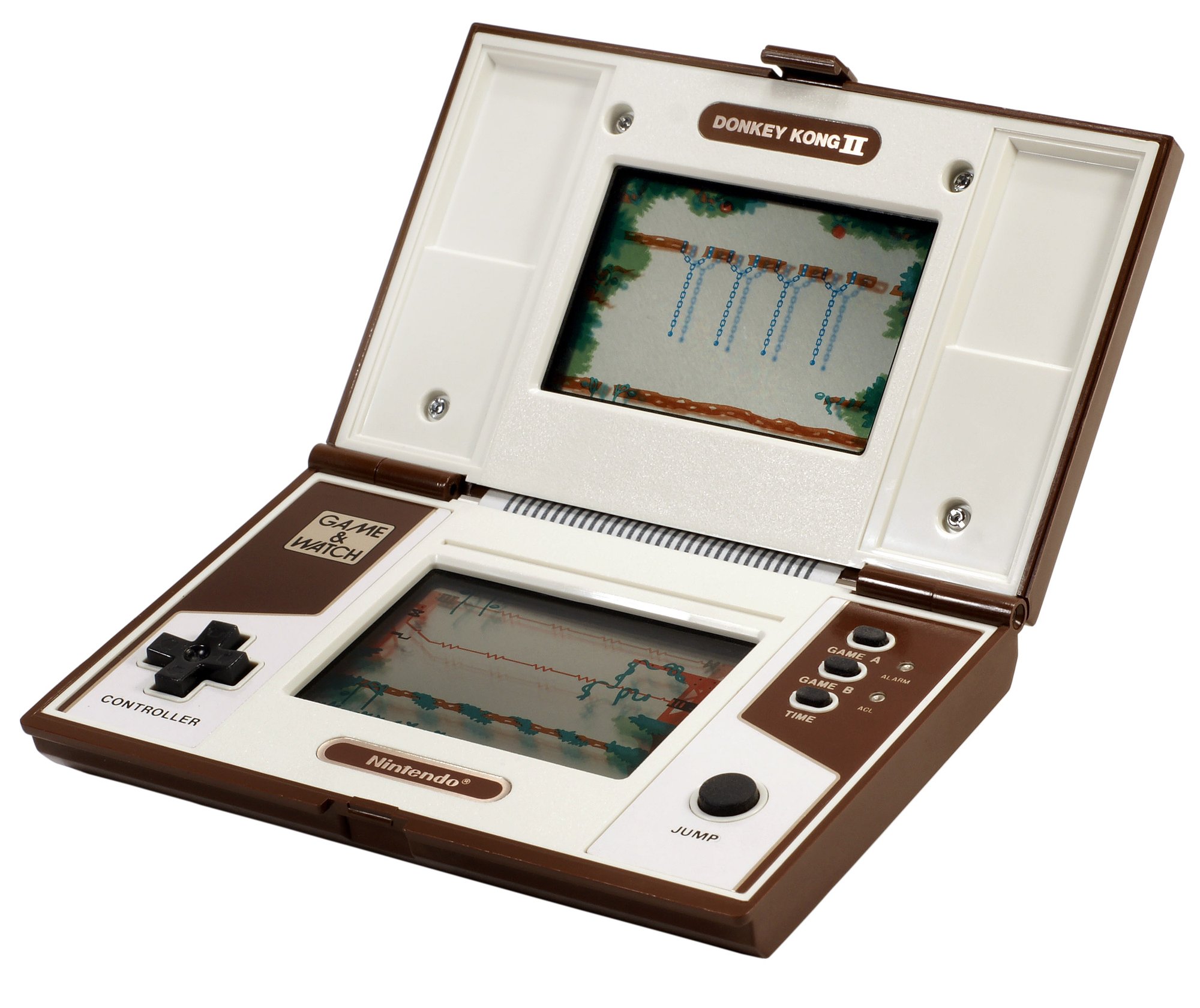
The story starts with a phone call. In November 1981, president Hiroshi Yamauchi called engineer Masayuki Uemura at home. Sales of the Game & Watch handhelds “wouldn’t last very long,” Yamauchi said, so the next product would be a home video game. It had to use cartridges and face no competitor for three years. Nintendo’s handhelds, up to the Game Boy, have their own story in our guide to 90s Japanese gadgets.
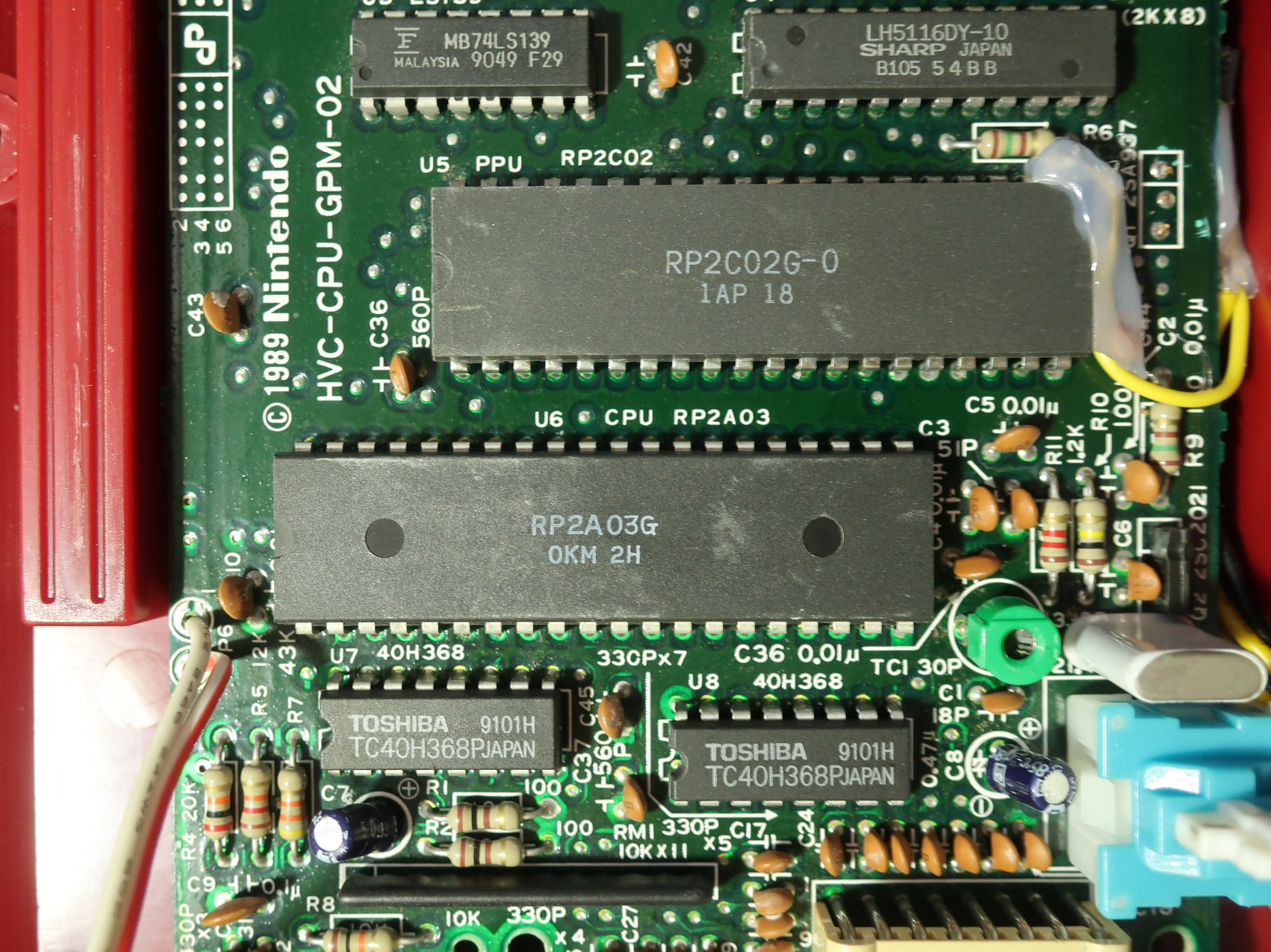
Big electronics makers turned the chip job down. Then Ricoh called, because its new semiconductor factory was running at about 10 percent of capacity. Uemura asked Ricoh’s engineer a single question: “Can we make Donkey Kong?” The aim was to fit an arcade board’s worth of chips into one small box. The team also chose the 6502 processor, partly because rivals would find it hard to analyze. Nintendo’s Iwata Asks interviews record the choice.
Square buttons and a rough start
Launch day was Friday 15 July 1983, with Donkey Kong, Donkey Kong Jr. and Popeye. The console plugged into the TV aerial socket, because only about 10 percent of televisions then had a video input. That small choice meant any family with a set could play. The box itself was compact, red and white, with two controllers wired in.
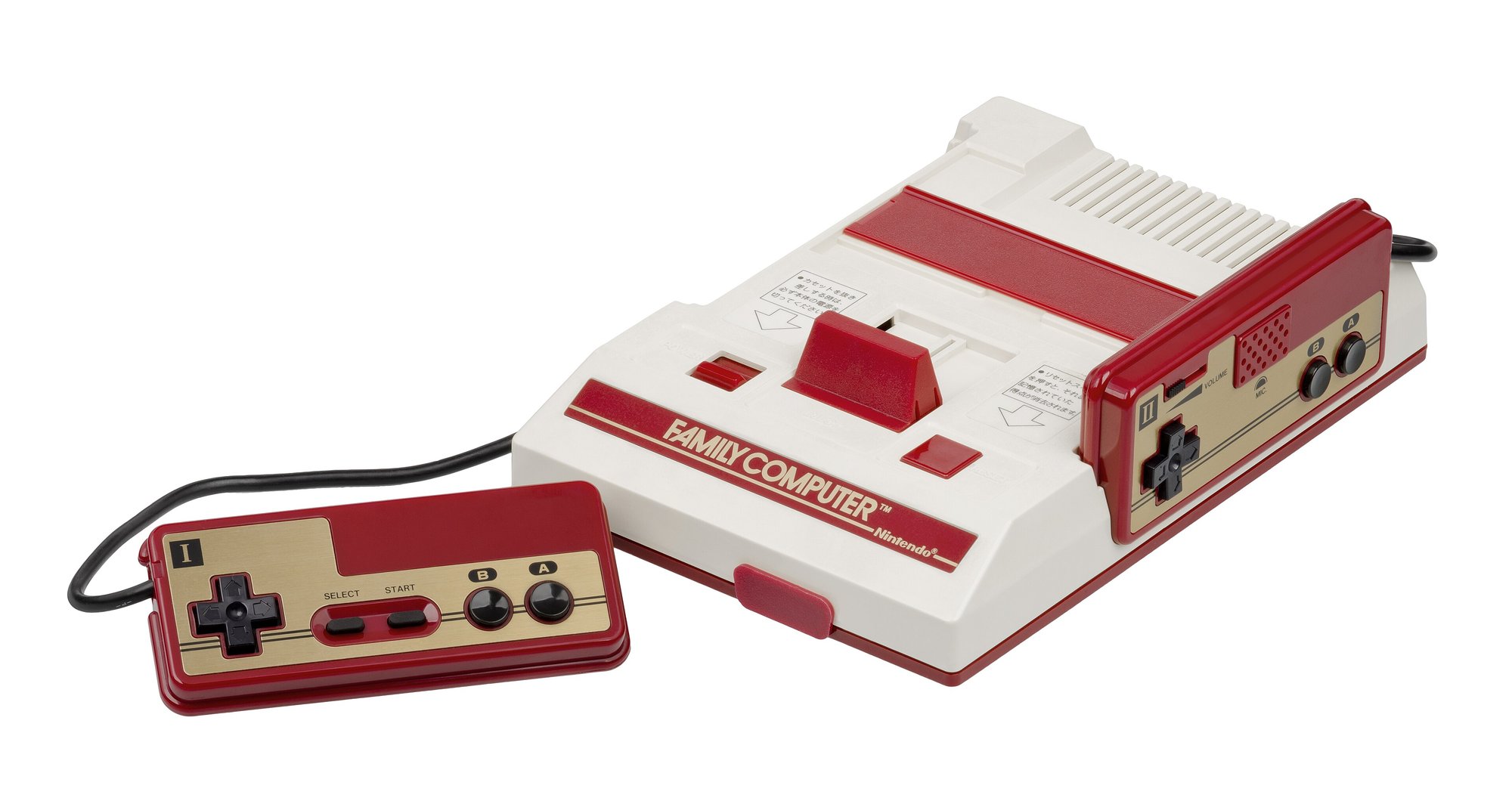
Even so, the start was rough. “It was nothing but complaints at first,” a Nintendo manager remembered. Buttons stuck, games glitched, and the repair office overflowed. The square controller buttons were the worst problem, because they stuck down. So Nintendo switched to round ones and ran “a one-million-punch test” on them.
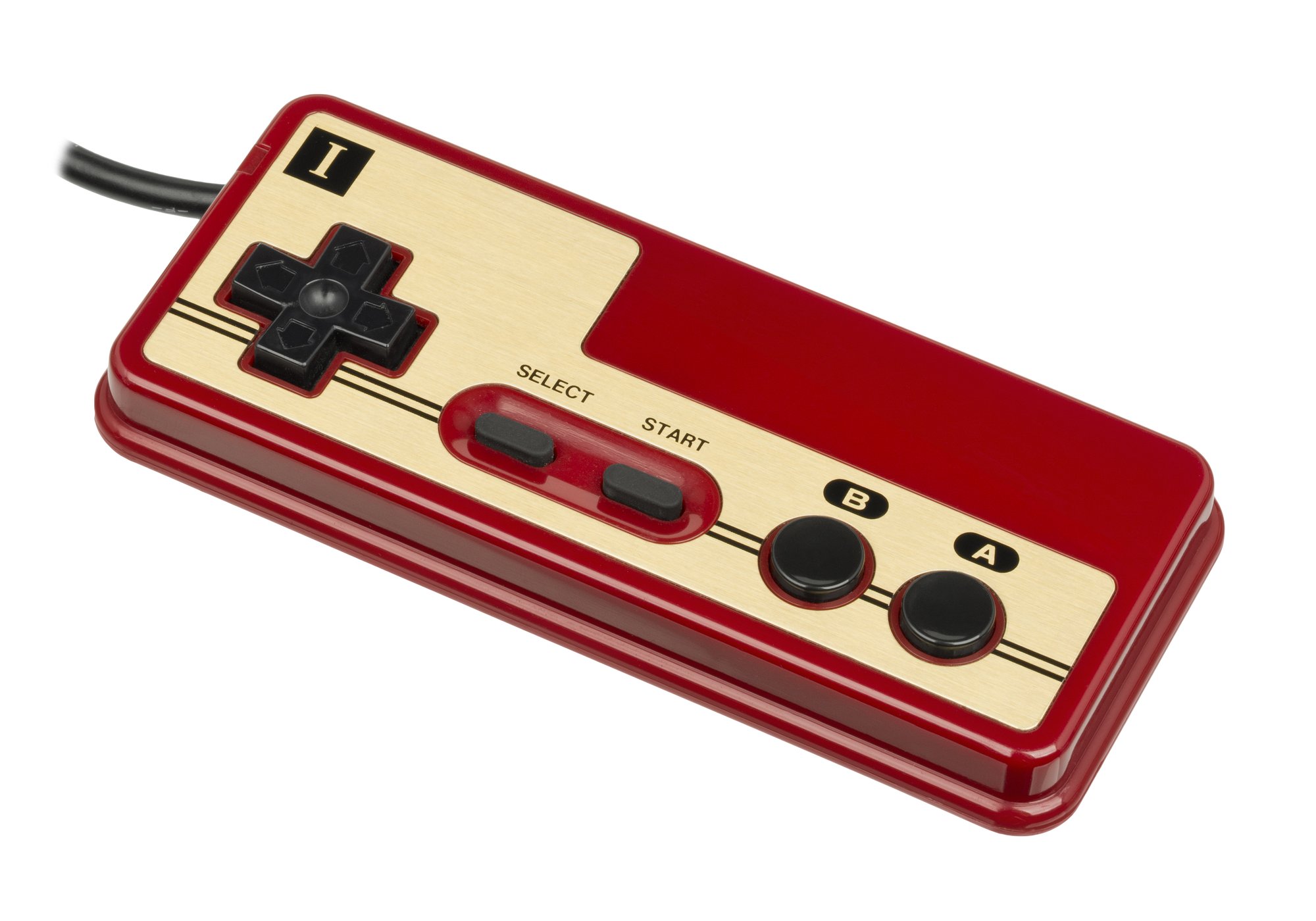
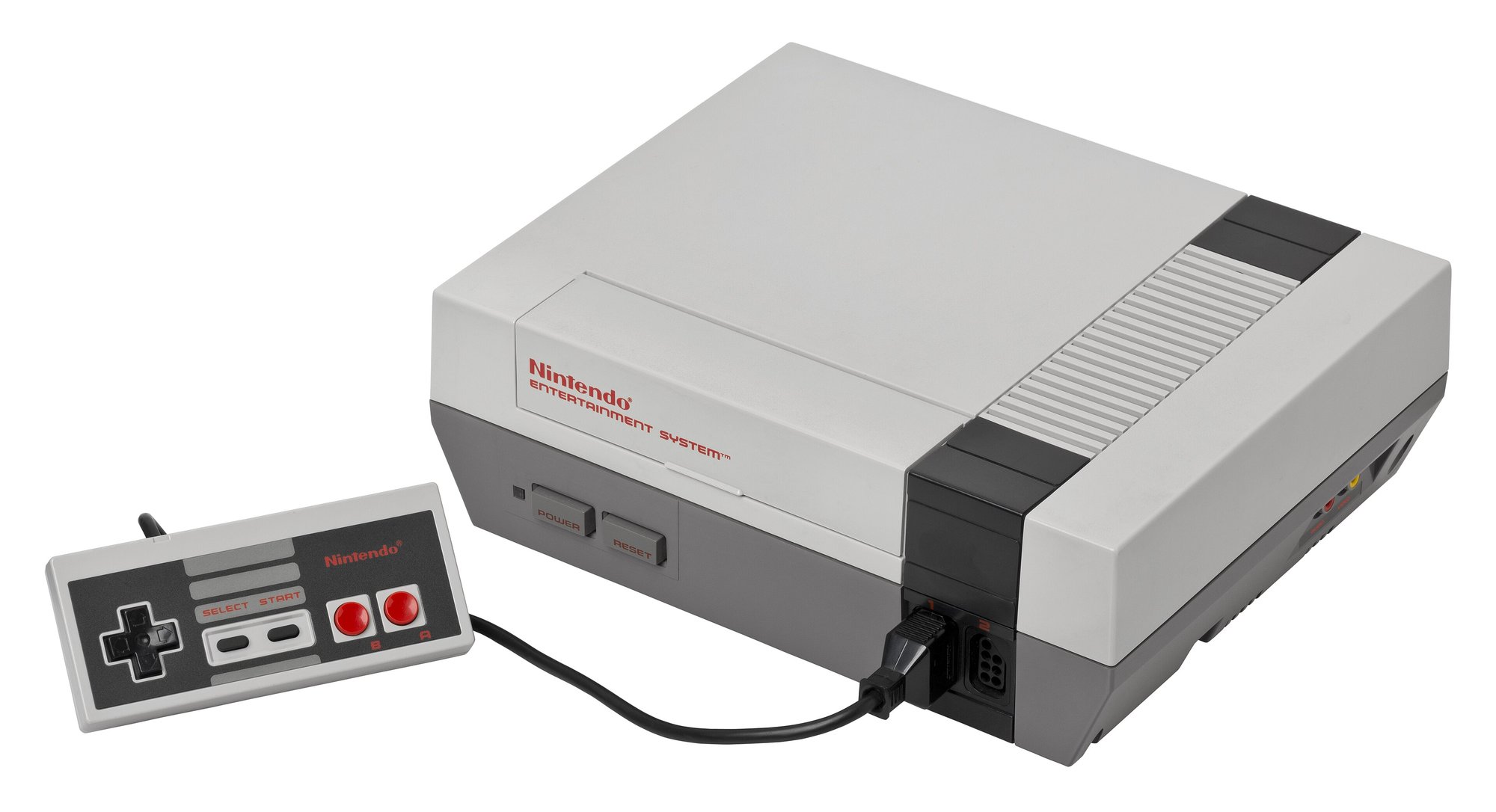
The fix worked. The Famicom hit one million units eleven months after release, and Nintendo could not make enough. In the end it sold 19.35 million units in Japan and 61.91 million worldwide, according to Nintendo’s own Famicom timeline. Production ran until 2003. In the US, the NES launched in 1985 with 18 games. The Computer History Museum notes it is often cited as the end of the Video Game Crash of 1983.
The people who told the story
Satoru Iwata, who later led Nintendo, gathered much of this story in conversations with the engineers who built the machine. His interviews show how a card company learned to think like an engineer. Two longer histories then follow the whole industry, Japanese and American, from the first arcades onward. Read together, they show how close the Famicom came to failure in its first year.
Books on Japan’s Game Makers

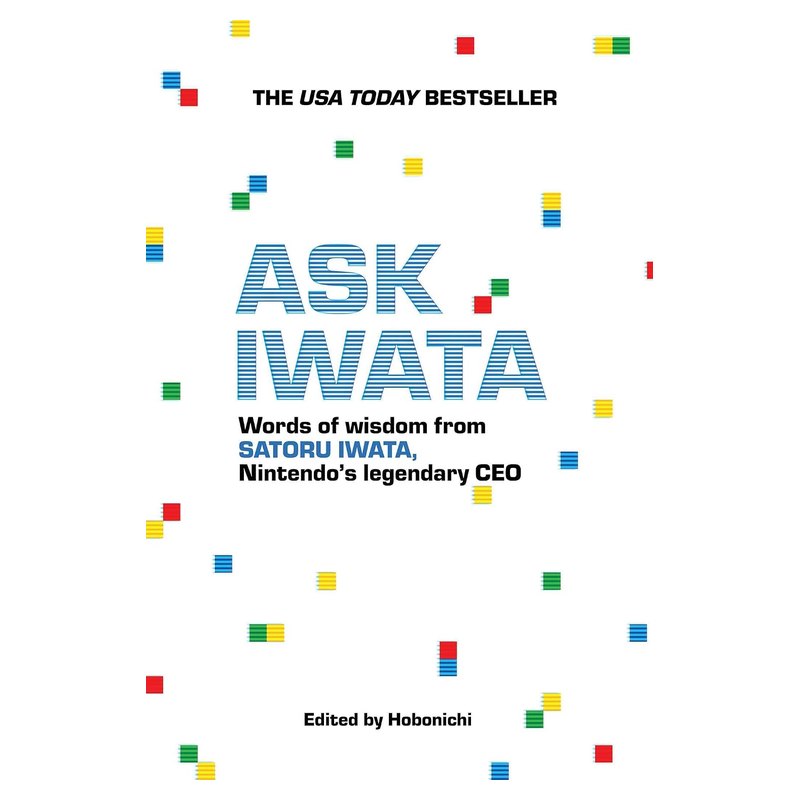
Nintendo’s president on games, teams and making things people enjoy.
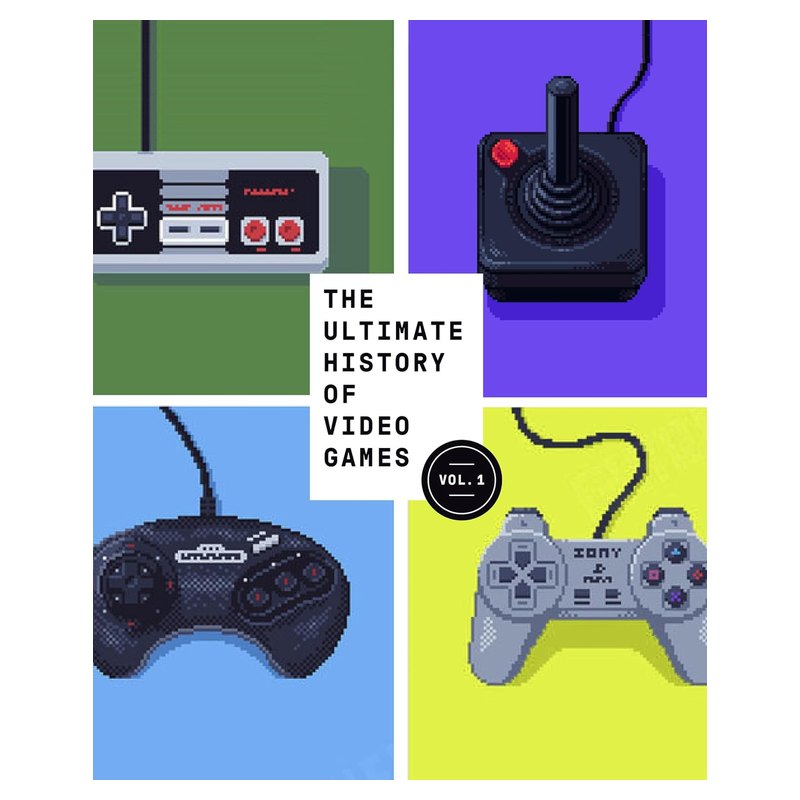
The full story from Pong to Pokémon, told through the people inside it.
That near failure is the turning point of the Famicom story. A single cartridge changed how people saw the console. Its hero was a small figure in a red cap who had first appeared four years earlier, chasing an ape up a building.
Why Does Mario Wear a Cap and a Mustache?
Super Mario Bros., created by Shigeru Miyamoto at Nintendo, was released in Japan on 13 September 1985. By then Mario already had a past. He first appeared as the hero of Donkey Kong in 1981. Miyamoto made that game as “an unknown junior employee,” as The Strong museum puts it. His early names were Mr. Video, Jumpman and Ossan, which means old man.
Pixels, a cap and a name from a warehouse
The look came from limits again. On a tiny pixel sprite, a mustache shows a face without drawing a mouth. A cap means no hair to draw, Miyamoto explained in a Nintendo interview. “The restrictions were often a big help,” he said in Iwata Asks. “Players were able to imagine the details that weren’t put in.” He drew only two versions of Mario and polished the first.
The name came later, from America. Nintendo of America staff thought the hero looked like the owner of their warehouse, whose name was Mario. The name stuck, and so did the cap. The young designer had worked with what the screen allowed, and the limits became the character.
The game that saved the Famicom
By 1985 the Famicom was drowning in complaints, and then this game arrived. “Super Mario was that amazing a game,” a Nintendo manager recalled in Iwata Asks. Iwata called it the grand culmination of ROM cartridges. Even small details had reasons. For instance, Mario enters a Warp Pipe from the top, because entering from the side “wouldn’t work,” Miyamoto said.
Watching testers play, Miyamoto told his colleague Takashi Tezuka: “Something incredible might happen.” It did. The game sold more than 40 million copies worldwide, the best-selling Famicom game, by Nintendo’s count. The Computer History Museum calls it the most successful NES game ever. For many American families, it was the reason the gray box came home at all.
Nintendo kept that lead into the next decade with its Super Famicom, sold in America as the Super NES. Yet a new rival was already forming inside one of Japan’s largest electronics companies. It began with a partnership that was supposed to help Nintendo, and it ended with Nintendo’s strongest competitor.
How Did a Broken Deal With Nintendo Create the PlayStation?
Sony launched the PlayStation in Japan on 3 December 1994, and engineer Ken Kutaragi led the project. It exists because a deal fell apart. Sony and Nintendo had planned to build a games machine together, and that partnership broke down. After the split, most of Sony wanted to “cede the battlefield,” as TIME put it. Kutaragi believed Sony could do it alone.
Kutaragi was an electrical engineer who joined Sony in 1975. Before games, he had worked on an LCD projector, a sound chip and an early digital camera. He built a team inside Sony and pushed on against internal opposition. Sony’s own blog calls that group “an upstart within Sony.” Kutaragi kept his edge throughout. He once offered to settle a design dispute with an arm-wrestling match.
A letter every second week: one idea worth keeping and one piece we think you should read.
Discs, shapes and a first day
The PlayStation used CDs, so its games could be far bigger than cartridge games. Its original controller also introduced the PlayStation button shapes. On its first day in Japan, it sold 100,000 units, according to the PlayStation Blog’s 25th anniversary post. It reached North America on 9 September 1995 and was the breakout product of that year’s E3.
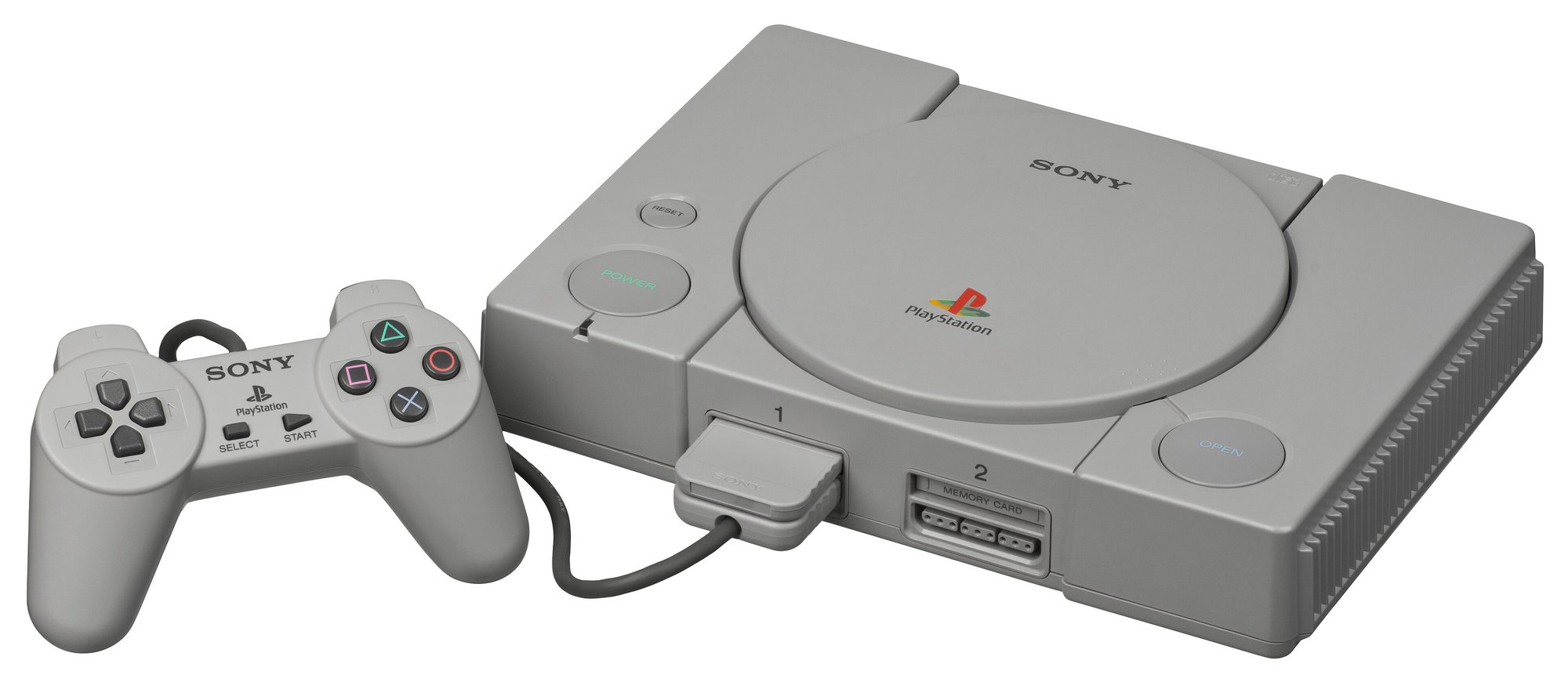
The side project then became Sony’s profit engine. By the end of the 1990s, it produced 40 percent of Sony’s operating profit, TIME reported. Over its life, it became the first home console to pass 100 million units. In short, the engineer who would not walk away had built the machine of the decade.
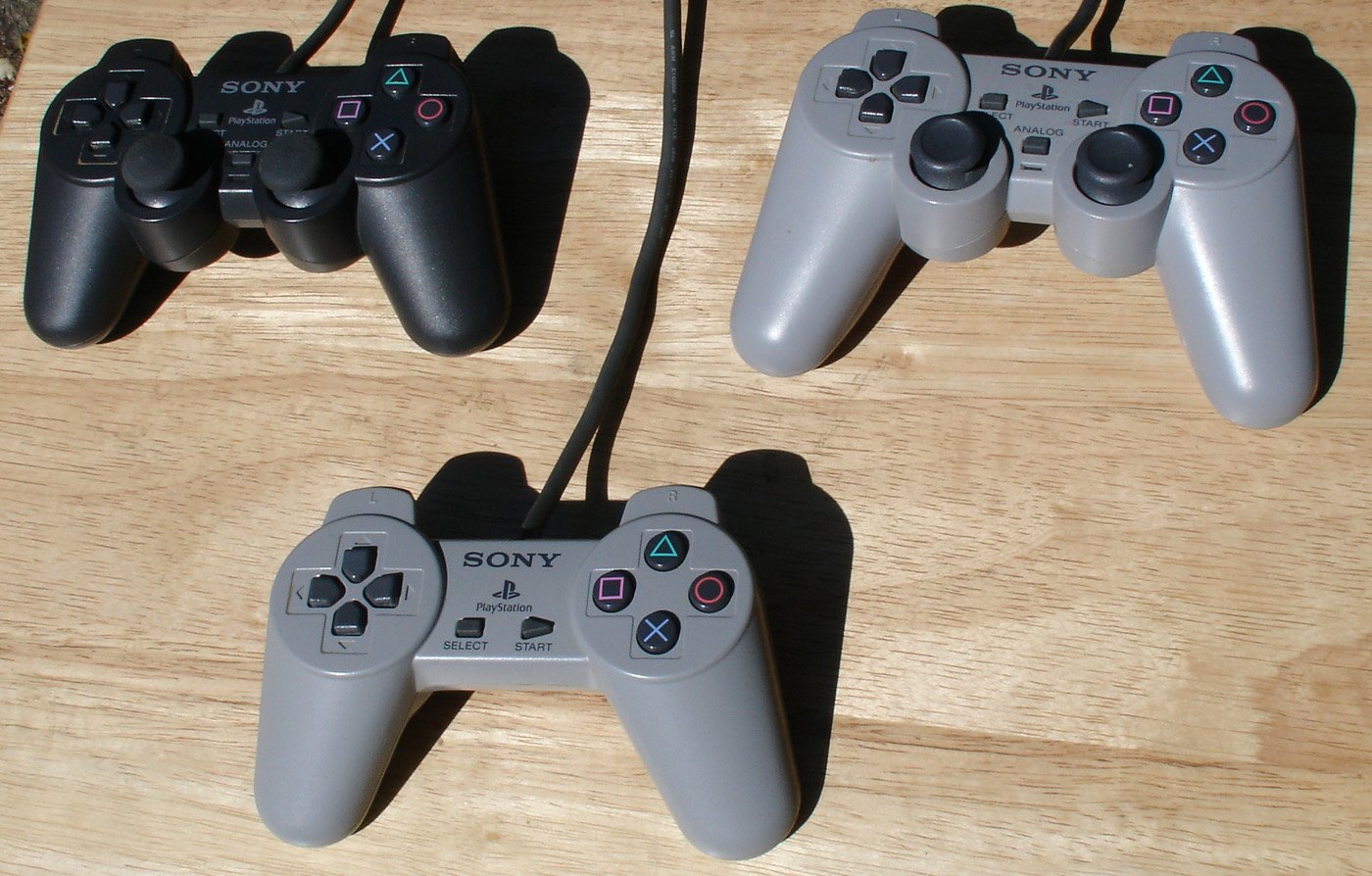
Those button shapes are simple symbols that need no language, so the same controller works in Tokyo and Chicago. Meanwhile, Nintendo still held a market that Sony had not entered. It was a small gray handheld with a cable port, and it was about to carry the biggest idea of the decade.
How Did a Boy Who Collected Insects Create Pokémon?
Pokémon was created by Satoshi Tajiri of Game Freak. The first games, Pokémon Red and Green for Nintendo’s Game Boy, came out in Japan in February 1996. The idea began much earlier, in a suburb of Tokyo. As a boy, Tajiri collected insects, and other children called him Dr. Bug.
He grew up in Machida, a western Tokyo suburb that “was still rural back then,” he told TIME. As the area was built up, “all the insects were driven away.” Around 1978 he got hooked on Space Invaders, the game that opens this guide. He started a handwritten games magazine called Game Freak. “I stapled the pages together,” he said. Later, Game Freak became his game studio.
Creatures on a cable
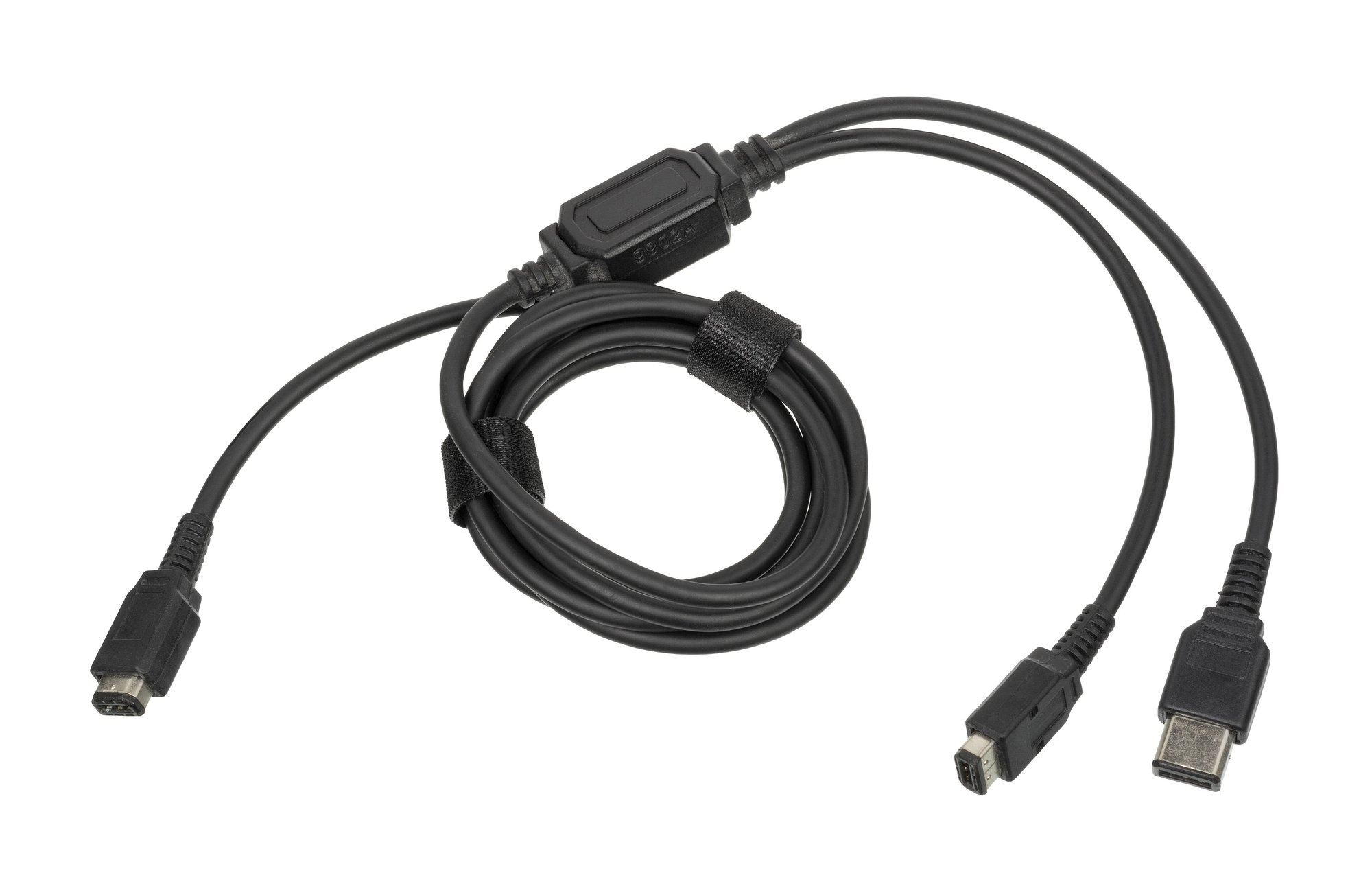
The spark was a small accessory. Seeing the Game Boy link cable, Tajiri pictured “actual living organisms moving back and forth across the cable.” For him, the cable was about sharing. “The idea I had was for information to go back and forth. It wasn’t about competition,” he said. TIME says he worked nearly six years on the first game. Players then collected 151 monsters, by catching them or trading with friends.
In Japan the name was Pocket Monsters. It was shortened for US trademark reasons and to fit the small Game Boy screen. Red and Green sold more than 23 million copies, according to The Strong museum. The games reached the US in September 1998 as Red and Blue, together with the animated series. In 2017, they entered the World Video Game Hall of Fame.
Tajiri never hid where he learned his craft. Of Shigeru Miyamoto, he said: “He’s a mentor for my heart.” So the two great Nintendo worlds share a line of descent. It runs from the plumber of 1985 to the pocket creatures of 1996. Both are still alive in new games and in the histories written about them.
From the Mushroom Kingdom to Pocket Monsters
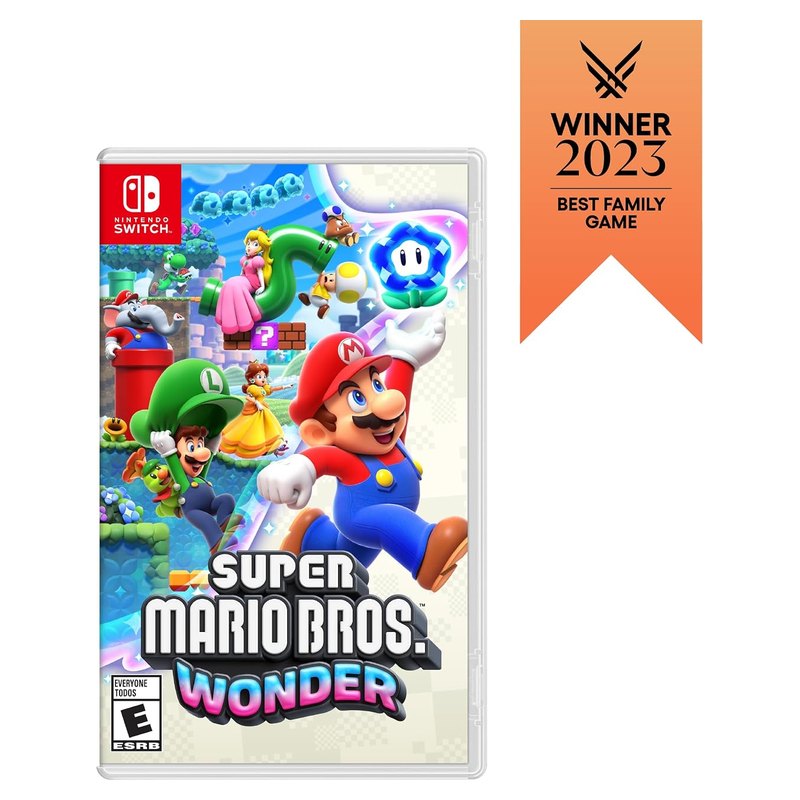
The newest side-scrolling Mario, built on the 1985 original.
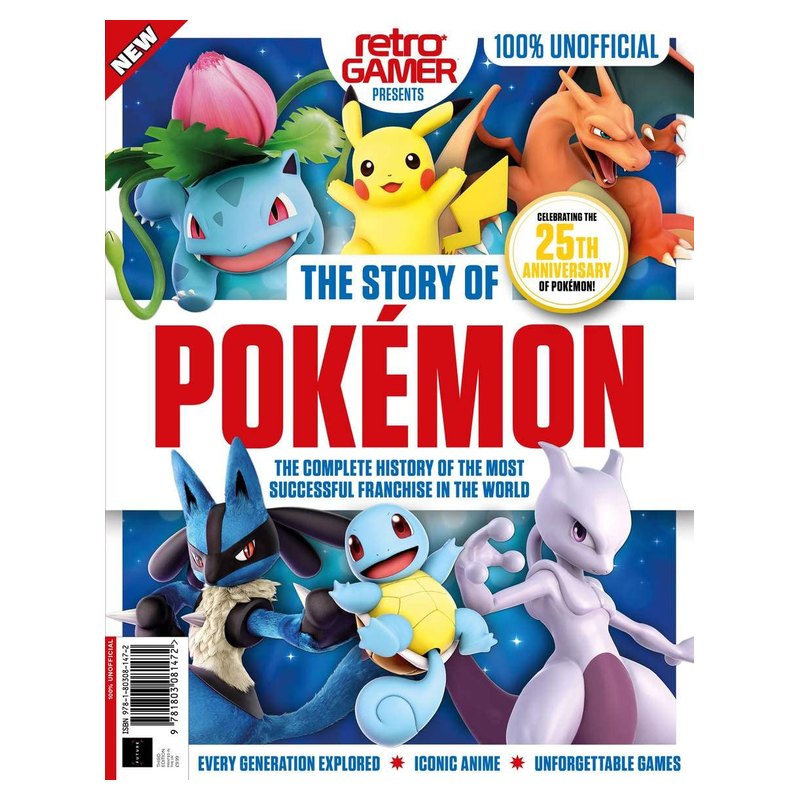
How Tajiri’s idea grew from Game Boy cartridges into a franchise.
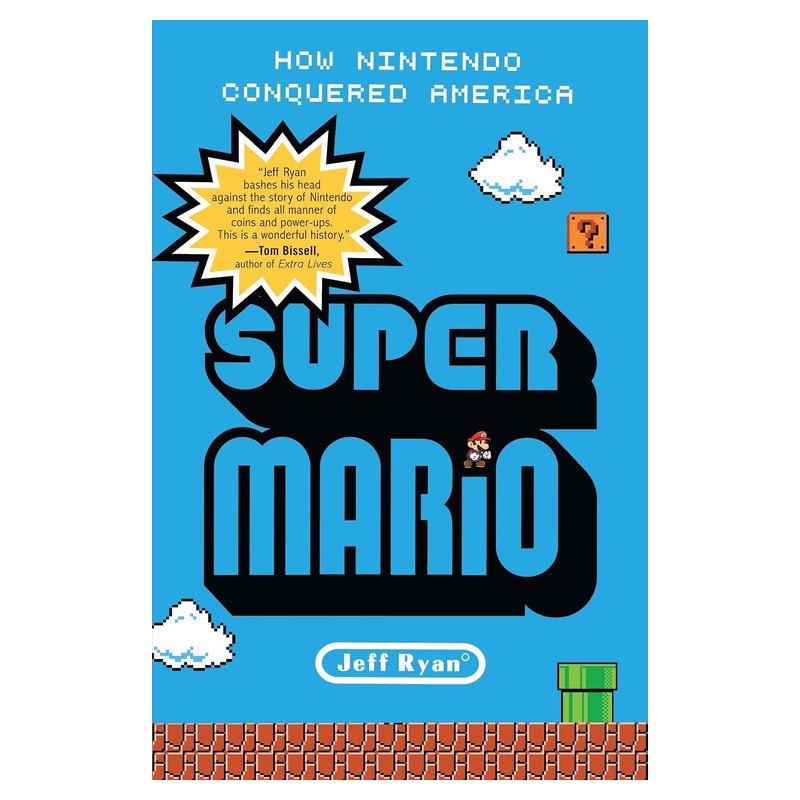
How Mario carried a Kyoto company into American homes.
Most of this history can still be visited. The card company, the museum and the arcades all have addresses, and the best place to start is Kyoto, where Nintendo began.
Where to See Japanese Video Game History in Japan
Japanese video game history has an address, and Kyoto holds most of it. Nintendo’s roots, its first headquarters and its new museum all sit within easy reach of the city. Tokyo adds the arcades. Pair the trip with our two days in Kyoto itinerary.

The Nintendo Museum in Uji
The Nintendo Museum opened in 2024 in Uji, just south of Kyoto. It occupies the former Uji Ogura Plant. Built in 1969, the plant first made mostly toys. From 1996 it made playing cards and karuta, and later it served as a support site and a warehouse. Today its displays run from hanafuda to Nintendo Switch, and visitors can make their own hanafuda cards. It is a five-minute walk from Ogura Station on the Kintetsu Kyoto Line. Tickets are sold in advance through a random drawing, according to the museum’s official site, so apply early.
Marufukuro, Nintendo’s first headquarters
In Kyoto itself, Nintendo’s former headquarters is now a hotel. The building dates to 1933, when the firm was called Yamauchi Nintendo and made hanafuda and playing cards. It had stood empty since 1959, when the company moved. Marufukuro opened there in April 2022, with 18 rooms and a new annex by the architect Tadao Ando, as Time Out reported. It sits near the Kamo and Takase rivers, about six minutes by car from Kyoto Station.
Akihabara and Tokyo’s game streets
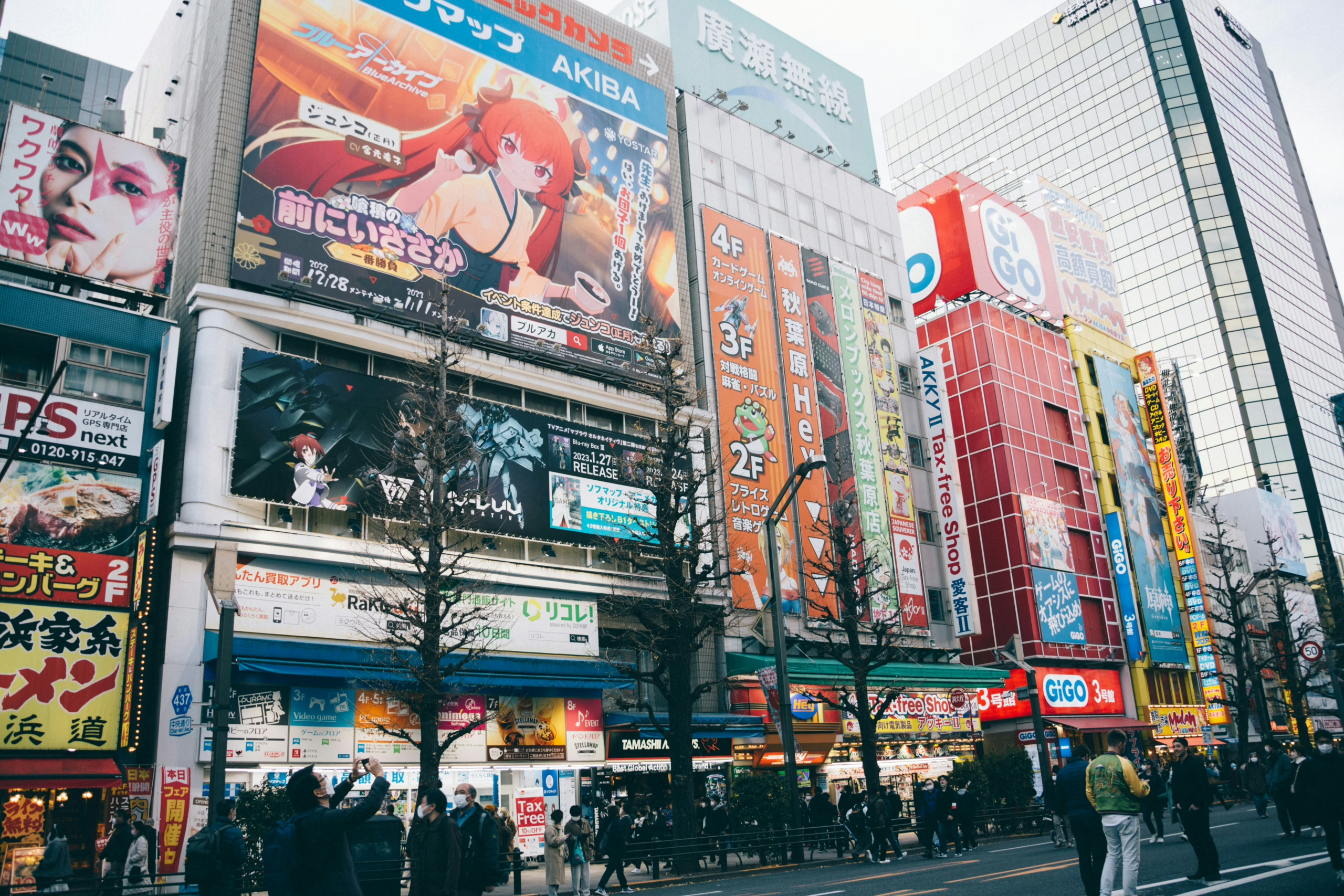
In Tokyo, Akihabara is the place to see games as living culture. Its tall buildings carry arcade and game-shop signs floor by floor, and the streets fill on weekends. Our guide to anime tours in Tokyo covers the district with a local guide. For more of the city’s odd and specific collections, see our list of unusual museums in Tokyo.
An arcade day passes quickly, and the details blur by evening. The game you finally cleared, the cabinet in the corner and the shop that still sells a boxed Famicom are each worth a line. Write the date, the floor and the game, and one sentence on how the room sounded. The arcade generation lived by single plays, one coin and one try, and a written page keeps that spirit for the trip.
Yakisoba: The Griddle Noodles of Tokyo’s Asakusa
After a day in the arcades, Tokyo eats from the griddle. Yakisoba is a Japanese stir-fried noodle dish made with steamed wheat noodles. It got its start in Tokyo’s Asakusa area, according to Just One Cookbook. Today it is a staple at festivals and a weeknight favorite at home. It also suits a game night, because it is quick, made in one pan and easy to eat between turns.

Noodles are an invention story of their own, from instant ramen onward, told in our guide to Japanese food inventions. For the griddle dishes of Osaka, from okonomiyaki to takoyaki, see our Osaka food guide. The version below is a home recipe with pork belly, cabbage, carrot and a quick sauce of Worcestershire, oyster sauce, ketchup and soy.
You may also like


The method is simple and fast. Loosen the noodles first, then cook the pork and vegetables in the same pan, hardest first. The sauce goes in last, so it coats every strand without turning the noodles soft. Have everything cut before the pan heats, because the dish comes together in about twenty minutes.


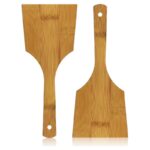
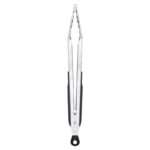

Yakisoba Recipe: Japanese Stir-Fried Noodles
Steamed wheat noodles stir-fried with pork belly and cabbage, the griddle dish that got its start in Tokyo’s Asakusa.
- Prep 10 min
- Cook 20 min
- Total 30 min
- Serves 3
| For the sauce | ||
|---|---|---|
| 1/4 cup | Worcestershire sauce | |
| 4 tsp | Oyster sauce | |
| 4 tsp | Ketchup | |
| 2 tsp | Soy sauce | |
| 2 tsp | Sugar, plus more to taste | |
| For the noodles | ||
| 2 tbsp | Neutral oil, plus more if needed | |
| 3 servings |  Steamed Chinese-style noodles for yakisoba (mushi chukamen) | |
| 3/4 lb | Pork belly, thinly sliced, in bite-size pieces | |
| A little | Freshly ground black pepper we suggest | |
| 1/2 (142 g) | Yellow onion, in bite-size pieces | |
| 4 inches (100 g) | Carrot, in bite-size pieces | |
| 1/2 lb (227 g) | Green cabbage, about 1/4 small head, in bite-size pieces | |
| 3 (40 g) | Shiitake mushrooms, in bite-size pieces | |
| 2 | Green onions (scallions), in bite-size pieces | |
| 1/3 cup (80 ml) | Yakisoba sauce from above, plus more to taste | |
| To serve | ||
| to taste |  Green seaweed flakes (aonori) we suggest | |
| to taste |  Red pickled ginger (beni shoga) we suggest | |
We suggest serving it hot, straight from the pan, with gyoza or a Japanese cucumber salad on the side.
| 1 | Make the sauce and prepare the pork. Freeze the pork belly for about 10 minutes so it slices thinly, then cut it into bite-size pieces. Whisk the Worcestershire sauce, oyster sauce, ketchup, soy sauce and sugar until the sugar dissolves. Taste the sauce and adjust it. |
| 2 | Cut the vegetables and loosen the noodles. Cut the onion, carrot, cabbage, shiitake mushrooms and green onions into bite-size pieces. Heat the oil in a large frying pan, griddle or wok over medium heat. Add the noodles (mushi chukamen) and flip them once the bottom is warm. Separate them gently as they loosen, then move them to a plate. |
| 3 | Cook the pork, onion and carrot. Add the pork belly to the pan, season it with black pepper and cook until it is no longer pink. Add the onion and cook for 1 to 2 minutes, until tender and slightly charred. Add the carrot and cook 1 to 2 minutes more, until it starts to soften. |
| 4 | Add the softer vegetables. Add the cabbage and shiitake mushrooms and toss until they are coated with oil and beginning to soften. Add the green onions and cook for about 1 minute, until they start to wilt. Keep the heat at medium so nothing scorches. |
| 5 | Toss with the sauce and serve. Return the noodles to the pan and pour in the yakisoba sauce. Toss until the noodles are evenly coated and warmed through, adding more sauce to taste. Serve right away, topped with green seaweed flakes (aonori) and red pickled ginger (beni shoga). |
Taste the sauce before it goes in, because it sets the balance of the dish. Treat the vegetables as a guide, not a rule. The same method works with chicken, shrimp or tofu, which the recipe's author also suggests. Red pickled ginger and green seaweed flakes finish every plate.
What the Arcade Generation Left Behind
Six inventions, six small teams and one shared habit remain. The real lesson of Japanese video game history is that the famous details were rarely planned for fame. They were answers to practical problems, worked out by small teams over months of testing. The mustache saved pixels, and the round button survived a million presses. Even the speed of an alien was set by the hardware.
Recommended
Those answers still shape how people play. A child who picks up a controller today meets shapes from 1994 and a jump from 1985. Trading a creature with a friend repeats an idea from 1996. In that sense, Japanese video game history did not end with the arcades. It simply moved into every pocket and living room.
Planning a game trip
The tools below cover the practical side of a journey through Kyoto and Tokyo. They run from the first route to the notes you keep along the way. Start with the museum drawing, because its dates set the rest of the trip. Then build the city days around it, with Kyoto first for the history and Tokyo last for the arcades. A good plan leaves room for an unplanned evening in a game center.

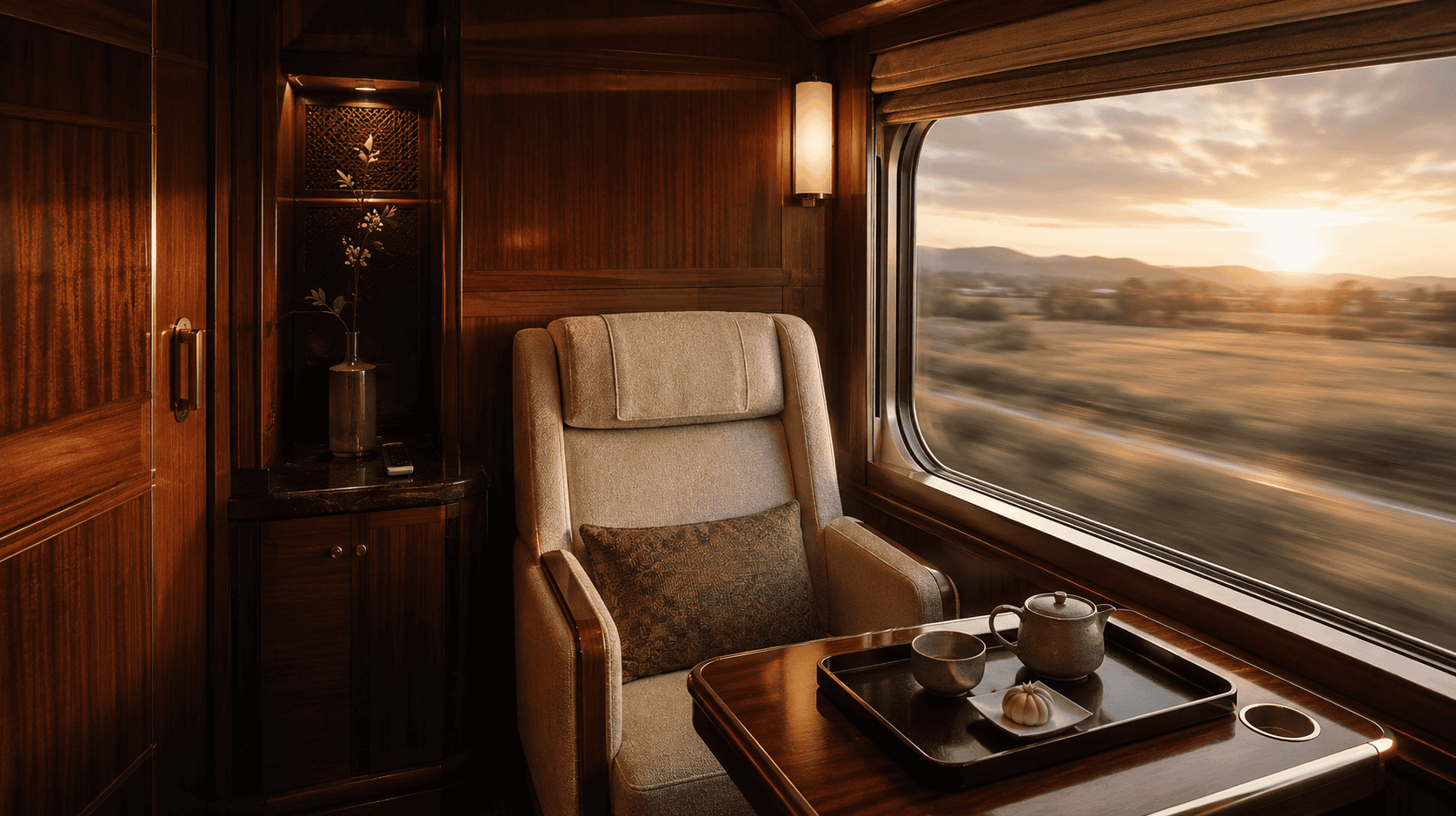
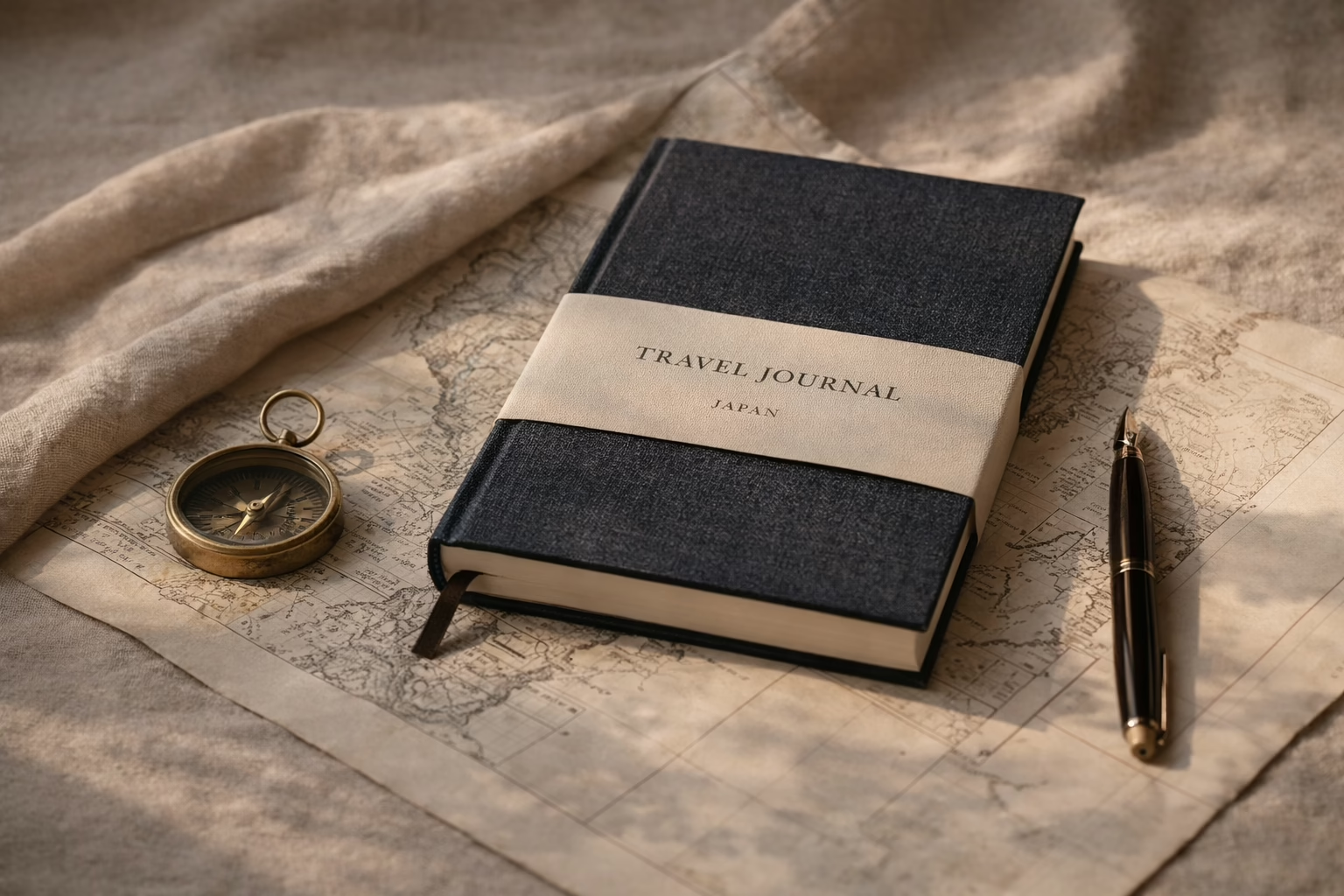
A trip built around this history needs good timing more than a long list of sights. The Nintendo Museum sells tickets by drawing, well ahead of each month, and that one date shapes everything else. Our team can build the days around it. For example, we can place you in Uji on museum day, with a night at the former Nintendo headquarters in Kyoto. Then we can carry you to Tokyo for Akihabara on a weekday morning, before the crowds arrive. Tell us which games you grew up with, and we will shape the route around them. The trip can run from the first arcade cabinet to the last stop on the way home.
A Japan journey through the history of play
Our team builds custom itineraries around the Nintendo Museum in Uji, Nintendo's first headquarters in Kyoto and the arcades of Akihabara. Expect the museum drawing planned for, unhurried evenings in Kyoto and a guided morning in Tokyo's game streets.
Plan Your Custom Japan ItineraryQuestions Worth Asking
What was the first Japanese home video game console?
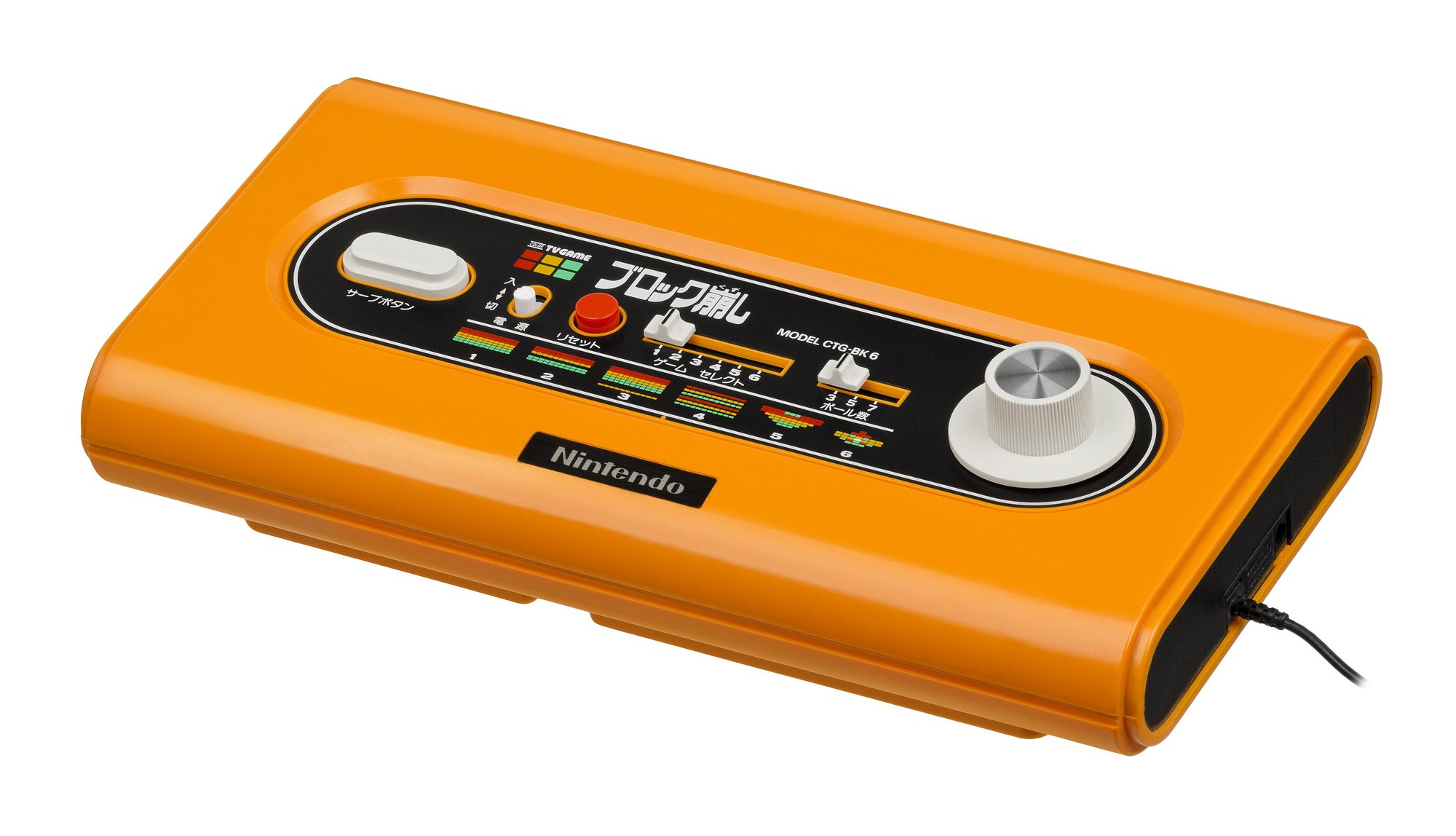
The Strong National Museum of Play names Epoch's TV Tennis Electrotennis, released in 1975, as the first Japanese home video game console. Nintendo's first hit console came two years later, the Color TV-Game 15 of 1977. Both arrived well before the Famicom, which Nintendo launched on 15 July 1983.
Who created Space Invaders?
Tomohiro Nishikado designed Space Invaders, and Taito released it in Japan in 1978. Taito counts 16 June 1978, the day the game was first shown to the trade, as its birthday. It was the first Japanese game to use a microprocessor, and its high-score display became standard in arcades.
Who created Mario?
Shigeru Miyamoto created Mario at Nintendo. The character first appeared as the hero of Donkey Kong in 1981, under early names such as Jumpman. Miyamoto then made Super Mario Bros. with Takashi Tezuka, released in Japan on 13 September 1985. It sold more than 40 million copies worldwide.
When did the NES come to America?
Nintendo brought its Famicom to the United States in 1985 as the Nintendo Entertainment System. It launched there with 18 games, and the Computer History Museum notes that it is often cited as the end of the Video Game Crash of 1983. In Japan, the Famicom had launched in July 1983.
When did the PlayStation come out?
Sony launched the PlayStation in Japan on 3 December 1994, and it reached North America on 9 September 1995. Engineer Ken Kutaragi led the project. It sold 100,000 units in Japan on its first day and later became the first home console to pass 100 million units.
Can you visit the Nintendo Museum?
Yes. The Nintendo Museum is in Uji, just south of Kyoto, in a former Nintendo plant built in 1969. Tickets are sold in advance through a random drawing, and you need a Nintendo Account to apply. Each ticket is for a set date and time, so apply well before your trip.