Kanji stroke count sounds like a dry statistic, yet it is one of the most practical habits a learner can build. Every character has a fixed number of pen movements. Count them as you write, and you have a check that needs no teacher, no app and no answer key.
This piece explains what a stroke is and how to count one. It then works through 切, a Volume 2 kanji at N4 (unofficial), and shows how the number guards your stroke order and exposes look-alikes. Along the way it visits dictionaries, a small Kyoto recipe and the slow habit that makes counting stick.
It closes on Kanji Workbook, Volume 2, which is in production and numbers every stroke on the page. First, the short answer.
What Is Kanji Stroke Count?
Kanji stroke count is the total number of strokes needed to write a character, where one stroke is one continuous pen movement from touch to lift. A corner or a hook inside a single movement still counts as one stroke. The number is fixed for each character, so it works as a quick check on your writing.
How Kanji Stroke Count Works
A stroke is the line your pen draws between touching the paper and lifting off. That is the whole definition, and it is simpler than it first appears. For example, a straight line is one stroke. So is a line that turns a sharp corner halfway, because the pen never leaves the page. So count the lifts, and you have counted the strokes.
Kanji stroke count varies widely across the characters in everyday use. James Breen of Monash University notes that kanji run from one stroke to more than forty. The eight public Volume 2 characters on this site span a much gentler stretch, from four strokes to thirteen. Each of those counts is also a plain fact you can check on the page.
Counting is easier when you know where strokes end. Three cues help. First, a lift of the pen ends a stroke. Second, a change of direction without a lift does not. Third, a hook at the end of a line belongs to that line. So a long line that drops, bends and flicks is a single stroke, however busy it looks. However, beginners often over-count here.
Stroke order is a separate question. The count says how many movements there are. The order says which one comes first, and our note on why stroke order matters covers that in depth. If you keep the two ideas apart at the start, then each becomes easier to hold.

Kanji Stroke Count in Practice: 切 in Four Strokes
Take 切, an N4 kanji (unofficial) and one of the public characters from Volume 2. It has four strokes. The left part has two strokes, and the right part has two. Write the left part first, then the right. So that split alone makes the character easy to hold in mind.
The first stroke is a horizontal line, drawn from left to right. The second begins above it, falls straight down through it, and turns right at the foot with a slight lift. Those two strokes cross, so they are easy to count as a pair. Together they form the left half.
The third stroke is a horizontal line that turns a corner, drops down the right side, and ends in a small curl toward the lower left. It is one movement with a corner in it, so it counts once. The fourth stroke starts inside that bend and sweeps down to the lower left. Four strokes, then, in a two and two pattern.
Next, notice what the count gave you. You can tell at a glance whether a written copy is complete. Three strokes means one is missing. Five means one has been split in two. The stroke geometry here follows KanjiVG, an open project released under a CC BY-SA 3.0 license. Grid paper helps too, because each stroke lands in a square you can see.

Count by parts, not by one long run
Counting four strokes is easy, but counting eleven is where a habit helps. Group the strokes by part instead of keeping one long tally. A character with a left part and a right part becomes two small counts added together, such as two plus two. Each small count is easier to hold in your head than one big number.
The same method scales up. The public Volume 2 characters include ones of eleven and thirteen strokes, and splitting them into parts turns a long count into two or three short ones. You check each part as you finish it, then add the totals. If the sum is wrong, you know which part to revisit.

Why Kanji Stroke Count Catches Errors Early
Kanji stroke count and stroke order guard each other. If you know a character has four strokes, you can stop at three and ask what is missing. If you know the order, you can ask whether the stroke you just drew is the one that should come next. Used together, they catch most errors before a habit sets.
This matters because early mistakes stick. A wrong order practiced twenty times becomes the order your hand prefers. Counting costs a second, while undoing a habit costs far more. Our guide on how to remember kanji explores how the hand stores whatever it repeats, which is why the first repetitions deserve care.
Unlined pages for slow evenings: count a few strokes, then write the day in your own hand.
Unlined · Travel journal
Shop This Journal →A slow routine at a low table
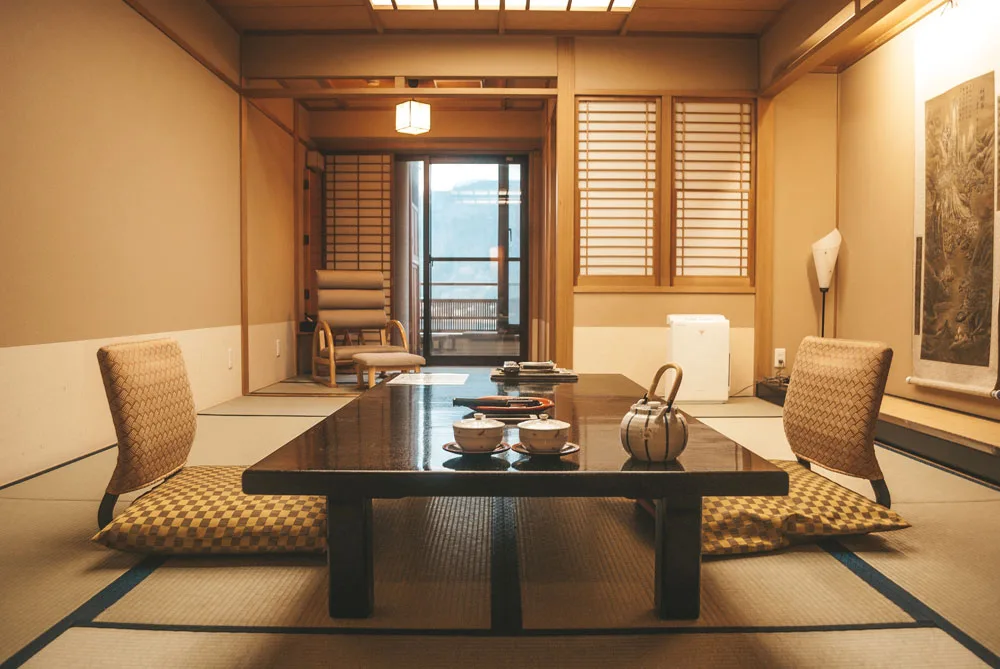
Try this in the evening, when the day has slowed. Sit at a low table with one sheet of grid paper and a fine pen. First, choose a single character and say the count aloud. Then write it slowly, tapping a finger once per stroke. Compare your tally with the printed number. If the two match, the order is very likely intact. If not, trace the model again.
The pace is the point. A rushed copy hides mistakes, while a slow one shows them. That is why the evening suits this habit, and why a hot bath, a pot of tea and a few careful lines belong together. One character is enough. A minute spent counting beats a page of hurried copies, because the number is either right or wrong.
Variations keep the routine fresh. Say the count in Japanese if you know the numbers, or whisper it in English. Trace one character with a dry pen first, then write it in ink. Some learners keep a small card beside the page with the count written on it. Any version works, as long as the tally happens while the pen is moving.
Pause between characters as well. Take a sip of tea, look at the page and stretch your wrist. These small breaks stop the count from turning into a reflex, and they give your hand a moment to settle before the next character. Because the goal is attention, a short session done well beats a long one done in a rush.
Telling look-alikes apart
Some characters look alike at a glance, and counting is a fast way to sort them. Write down the stroke count of each one, then compare. When the numbers differ, you have found a real difference in seconds. When they match, look at where the strokes sit and which ones cross.
Structure also gives you a second handle. Take 切 again: two strokes on the left, two on the right, and one crossing pair in the left half. That short description works as a fingerprint. Build a fingerprint like this for any kanji you confuse, and the confusion fades. A count and a glance at the parts are all you need. Next, the table sets out what the number can and cannot tell you.
The number is a check, not a teacher: it confirms that your copy is complete.
| Use | What the count shows | What it cannot show | Best moment to use it |
|---|---|---|---|
| Checking your copy | Whether a stroke is missing or split in two | Whether the strokes are in the right order | Right after you finish a character |
| Sorting look-alikes | A quick difference when two counts disagree | Which part of the shape differs when counts match | When two characters blur together in your notes |
| Dictionary lookup | A section to search when the reading is unknown | The meaning or sound of the character | As a fallback when other methods fail |
| Reading stroke panels | How many frames the character needs | How the stroke should feel under the pen | Before you start tracing a new character |
Kanji Stroke Count in Dictionaries and Lookup
Stroke count has a long history as a way to find a character in a dictionary. In a paper on multiple indexing, Breen wrote that the number of strokes can be an effective way to index a kanji dictionary, especially for simpler characters. The idea is easy to see. If you cannot read a character, you can still count its strokes and look in that section.
The same paper adds a note of realism. In a two-week sample of about 70,000 lookups on a kanji dictionary server developed at Monash University, stroke count accounted for 2.8 percent. Therefore it is a fallback, not a daily driver. Its real value today lies in checking your own writing.
If a few days built around handwriting and paper appeal, we can plan a custom itinerary around writing, paper and craft, from a brush lesson to the stationery shops worth an afternoon.
Occasional letters on kanji, handwriting and Japanese culture, with workbook news as it arrives. Email only.
Occasional letters. Unsubscribe anytime.
Japan’s Agency for Cultural Affairs publishes the jōyō kanji table, the list of 2,136 characters for general use. Its introductory notes explain the ordering. Characters are arranged by sound, and where sounds match, the ones with fewer strokes are generally listed first. Stroke count is therefore part of how the official table is organized.
Our eight-volume series covers all 2,136 characters, each once, so the table is the map we work from. The ordering has a small practical effect for learners. If you know how a character sounds, you can scan a short run of candidates, simplest first. It is a modest example of stroke count doing steady work behind the scenes.
Kanji Stroke Count on the Page: Numbered Panels
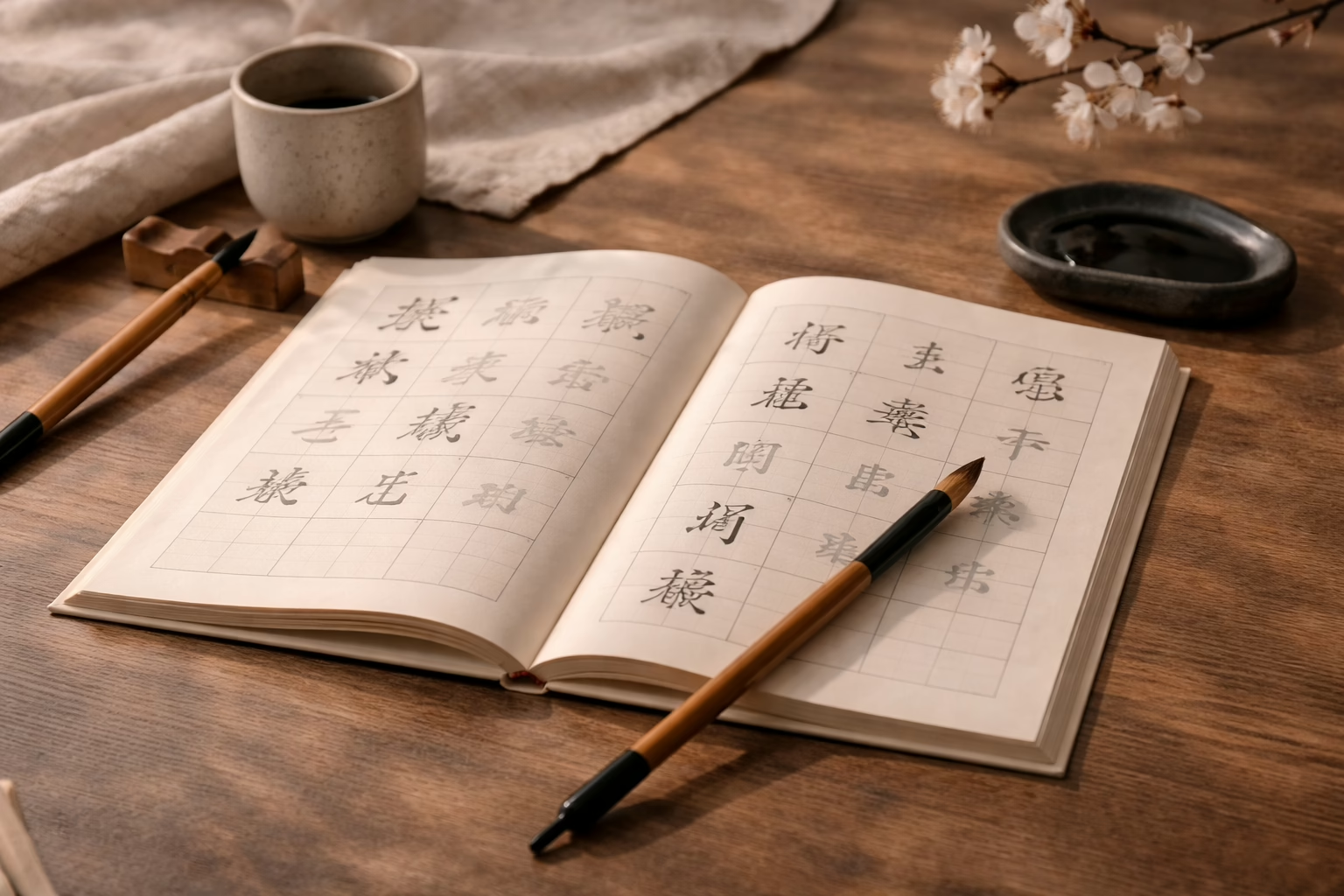
Kanji stroke count is easier to trust when the page shows it. That is the idea behind the stroke panels in our workbooks. Each panel shows one stroke. The new stroke appears in red, earlier strokes sit behind it in champagne, an arrow shows direction, and a number shows order. By the last panel, the count is not something you memorize. It is something you have watched build.
Because every stroke carries a number, the total is visible before you pick up a pen. You can read it from the last panel, and you can check your own copy against it stroke by stroke. Kanji Workbook, Volume 1 already works this way, and it is on sale in the Digital Letter edition.
Recommended
Volume 2 holds 100 kanji, all at JLPT N4 (unofficial), and it is in production. We label the levels unofficial because the JLPT itself has chosen not to publish a list of required kanji. After the panels, trace-to-memory boxes step from trace to half-trace to freehand.
Example sentences and checkpoints use only kanji you have already met, with later kanji shown in kana. As a result, you never read ahead of your own writing. Three editions are planned: Digital Letter, Print 6×9 and Print 8.5×11. The effect is a count you have rehearsed many times before you ever write from memory.
Mitarashi Dango: A Lesson in Counting Small Parts
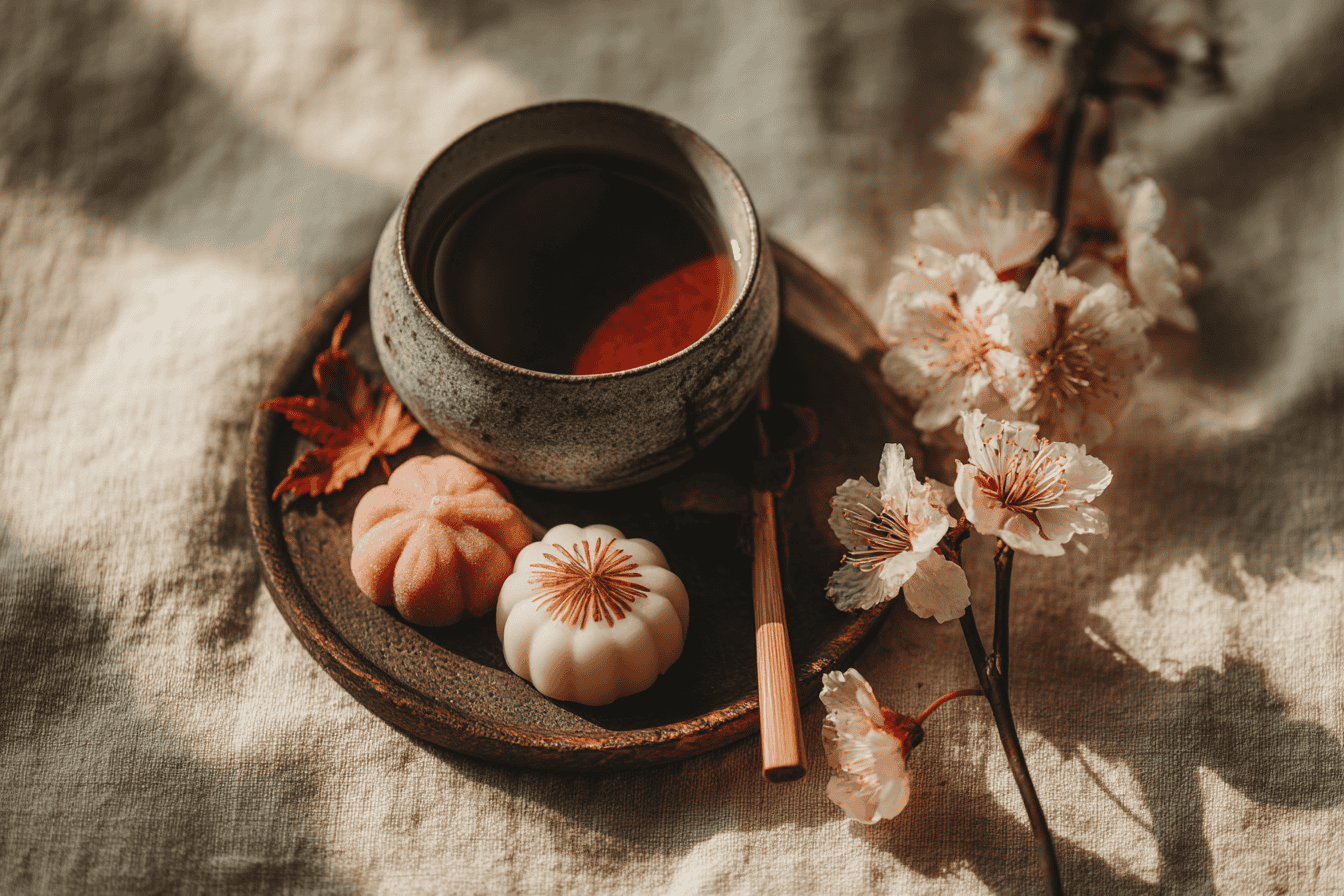
Counting small parts is not only a kanji skill. Consider mitarashi dango, the Kyoto sweet of rice dumplings under a sweet soy glaze. A local guide, the Kyoto Project, describes the traditional skewer as one dumpling set above four that sit together. Tradition places the sweet’s beginnings at a tea house beside Shimogamo Shrine, near a spring-fed pond where bubbles rise.
Modern recipes vary, with three or four dumplings on a stick, yet the traditional five keeps its grouping of one and four. Counting in groups, not singly, is exactly how you hold a long kanji. Below is a home version of the dish. Count the balls as you shape them, and then the pattern will appear.

A Kyoto sweet tied to the Kamo Mitarashi Tea House near Shimogamo Shrine. The traditional skewer holds five dumplings, one set above four.
- 1 cup (125 g) dangoko, Japanese dumpling flour
- About 6 tablespoons lukewarm water
- 3 tablespoons sugar
- 2 tablespoons soy sauce
- 2 tablespoons mirin
- 1/2 cup water for the glaze
- 1 tablespoon potato starch mixed with 2 tablespoons water
- 4 bamboo skewers
- Add the water to the flour a spoonful at a time, kneading until the dough feels soft like an earlobe and does not stick to your hands.
- Divide the dough into 20 equal pieces and roll each into a smooth ball. Count them as you go.
- Boil the balls in a wide pot until they float, then two minutes more. Lift them into ice water, then drain and pat dry.
- Thread five balls on each skewer, placing one slightly apart from the other four.
- Simmer the sugar, soy sauce, mirin and water for two minutes. Stir in the starch mixture and cook until the glaze turns glossy and thick.
- Spoon the warm glaze over the skewers and serve at once, with green tea.
Dango rewards patience in the same way as handwriting. The dough should feel like an earlobe, soft but not sticky, and that only comes from adding water a spoonful at a time. Rush it, and the dumplings crack, but slow down and each ball comes out smooth and even. Fluency grows out of small, controlled movements repeated with attention.
Serve the skewers warm with green tea, and count them once more before you eat. Four skewers of five make twenty dumplings, a tidy number for four people. For more dishes in this spirit, see our list of traditional Japanese dishes worth trying. The kitchen and the desk teach the same lesson.
Tools that keep strokes countable
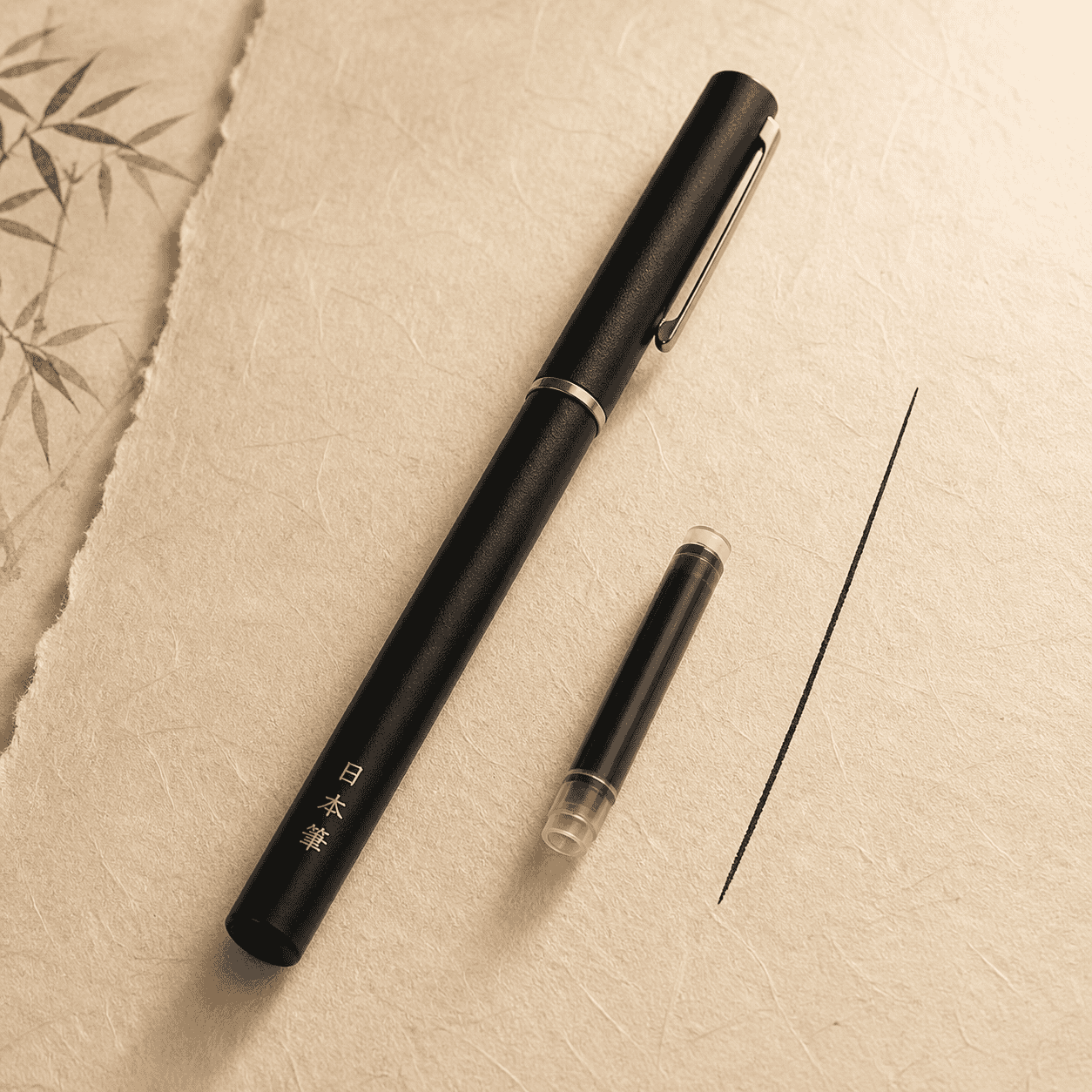
Clean strokes start with clean tools. A fine tip keeps a short stroke from blurring into its neighbor, so each one can be counted. A pencil lets you lift and redo a stroke while you learn the count, and a shaped grip makes long sessions less tiring. Ink that stays put matters as well, because smudges hide strokes.
The group below gathers fine pens and a pencil for this kind of practice. Pick one and keep it on the desk with your grid paper. So you do not need all three. A single reliable pen, used every day, will teach you more than a drawer of new ones. Consistency beats variety here.
Kanji Stroke Count and Imperfect Lines
Kanji stroke count can sound rigid, yet it serves the opposite of perfectionism. A stroke may wobble, lean or end unevenly, and the count stays true. That is worth remembering. The number tells you the structure is right, and it says nothing about beauty. Wabi-sabi, the Japanese sense of beauty in the imperfect and the unfinished, fits this well: a steady structure with a living line.
Think of a hand-thrown bowl. Its form is sound, yet no two are the same. Your strokes can work like that. Keep the count exact and let the line be yours. Over weeks, the wobble settles without forcing, because the order is steady and the hand has learned the route. Erase a stroke only when the count or the order is wrong.
The research in does writing kanji help you remember them points the same way. What matters is producing the shape from memory, not producing a perfect one. A slightly uneven stroke that you recalled yourself teaches more than a neat one you simply copied. Accuracy of count comes first, and polish follows on its own. Meanwhile, patience does the rest, because the hand improves whether or not you are watching it. So let the first pages be rough, and keep the tally honest. You will see the lines settle long before you feel any different, and that steady evidence is worth more than any compliment.
A short weekly habit
Build the habit in layers. On day one, count the strokes of a single character before you write it. On day two, count again, then write from memory and compare. By the end of the week, the count happens before you think about it. Review gets easier as well, because a character with a known count is one you can test yourself on. For that side of the work, see a separate guide to reviewing kanji without losing the old ones. Keep each session short, and stop while the page still looks tidy. A shorter session also leaves you wanting tomorrow’s.
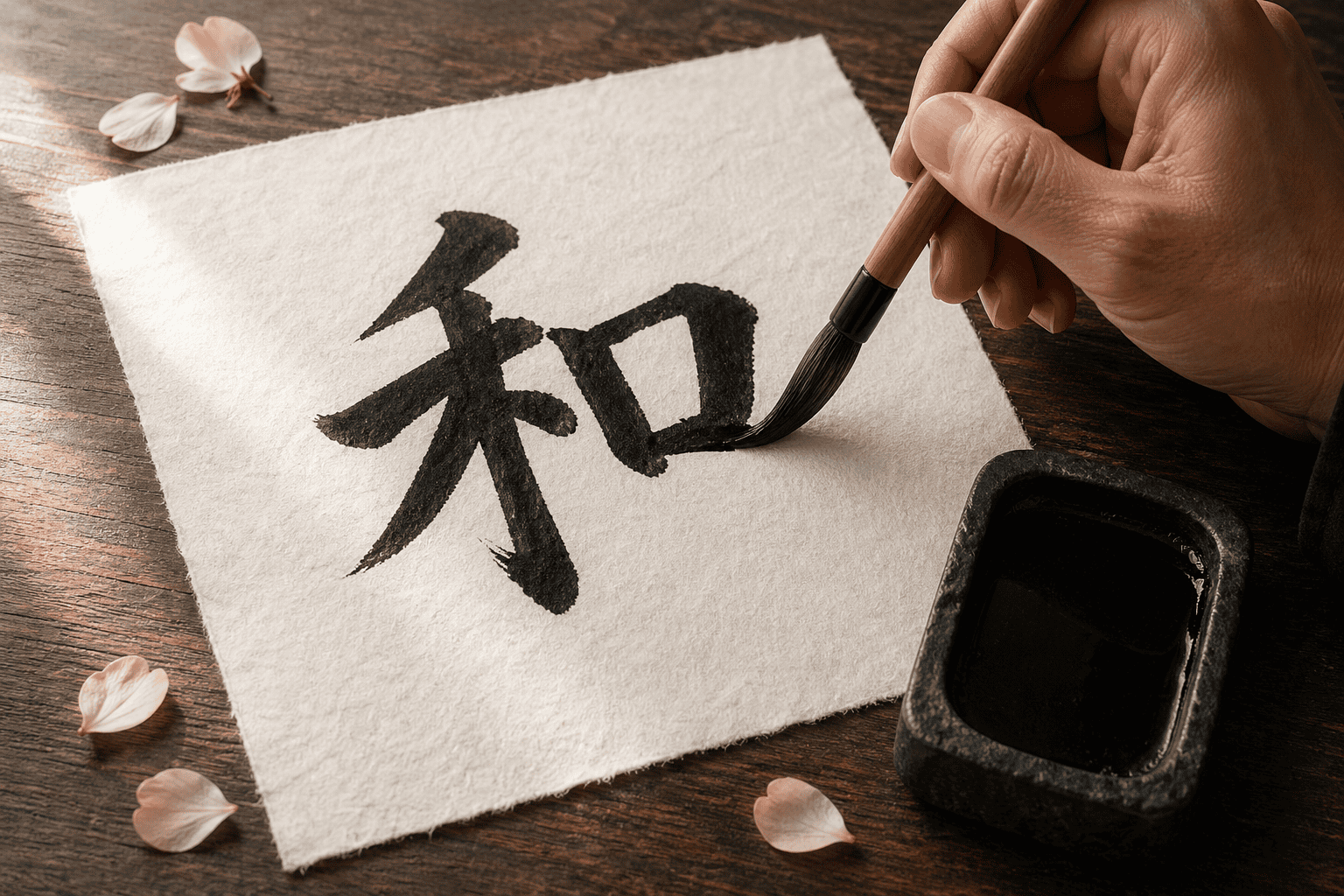
If you are still deciding whether handwriting is worth the time, our note on whether writing by hand earns its place weighs the question fairly. Counting is a gentle way to begin. It asks for a minute, a pen and a sheet of paper, and it gives you a clear result every time you try it.
To recap, count as you write. Then group the strokes by part. Next, compare your tally with the printed number, and trust the mismatch when it comes. None of this requires special tools, only attention. Used daily, it turns stroke order from a rule you were told into a habit your hand owns.
Questions Worth Asking
What is a stroke in a kanji?
A stroke is one continuous pen movement, from the moment the pen touches the paper to the moment it lifts. A corner or a hook inside that movement does not add a stroke. For example, the third stroke of 切 turns a corner and still counts once.
How many strokes does 切 have?
切 has four strokes. The left part takes two, written first, and the right part takes two. The second stroke crosses the first, and the third turns a corner before curling to the lower left. It is an N4 kanji (unofficial) and a public Volume 2 character.
Is kanji stroke count the same as stroke order?
No. Stroke count is how many strokes a character has. Stroke order is the sequence in which you write them. The two work best together: the count tells you whether a stroke is missing, and the order tells you whether the strokes you drew came in the right sequence.
Do I need to memorize the stroke count of every kanji?
No. The printed count is always available, and numbered stroke panels show it as they build. Use the number as a check after writing, not as a fact to memorize. Over time, familiar characters will start to feel right, and you will notice when a count looks off.
Is stroke count still used to look up kanji?
Yes, but sparingly. Some kanji dictionaries keep stroke count as a secondary index. In a two-week Monash University sample of about 70,000 lookups, it made up 2.8 percent. Reading and handwriting input are more common, so counting pays off mostly as a check on your own writing.
Does stroke count decide a kanji’s JLPT level?
No. The JLPT has chosen not to publish an official list of required kanji, so levels such as N4 are unofficial groupings, and stroke count does not define them. Use the number to check your writing, not to rank how hard a character is.
What Kanji Stroke Count Gives You
Kanji stroke count will not teach you a character by itself. It does something smaller and more dependable: it tells you, in a second, whether your copy is complete. Pair it with stroke order and slow, honest practice, and mistakes surface early, while they are still easy to fix.
So count the strokes of a new character before you write it, then count again afterward. When the two numbers match, move on. When they differ, return to the panel and find the missing stroke.
If you are starting from the beginning, the 100 Kanji Challenge gives a daily rhythm to begin with. And if you would like numbered stroke panels for 100 N4 kanji (unofficial), join the launch list on the Volume 2 page.
A 90-day guided journal for the beauty of the unfinished line, the stroke that is not quite straight and is still yours.
View the Journal →Wabi-sabi reminds us that a good page is one you finished, not one without flaws. Keep counting, keep the line honest, and let the rest settle in its own time. A notebook beside the bed and a fine pen are enough for tonight.
The Editors, Magnificent Japan
Stationery counters, a brush lesson and a slow hour with paper. We can shape a Japan itinerary around handwriting, craft and the places that still make things by hand, paced to suit you.
Plan Your Custom Japan Itinerary