
Most Tokyo anime tours sell the same afternoon. A walk through Akihabara, a photo stop outside a themed café, then a gift shop at the end. It is a clear product, and it sells. However, it answers a question the informed visitor is not asking. Someone who has already watched the films wants something narrower: which way into this city is worth a whole day.
That question has three honest answers, and this piece compares them rather than arguing for one. A private guide buys language and access. A group route buys decisions already made. Walking it yourself buys the freedom to change your mind at three in the afternoon.
Underneath all three sits the same map of Nakano, Akihabara and Mitaka. For the wider cluster, the Anime in Japan hub holds the rest of the series. What follows is the practical layer: how each route is built, and what it decides for you.
Are Tokyo anime tours worth booking?
A guide earns the fee where language is the barrier. That means the Mandarake rooms in Nakano, the secondhand dealers, and the pre-owned cases where condition grading is written in Japanese. For walking between districts, a map and two evenings of reading do the same work. Most visitors need two days, not one.
Why Tokyo Anime Tours Divide Into Three Choices
Tokyo anime tours divide cleanly into three shapes once you stop reading the marketing. Search the phrase and the results agree with each other. You find bookable package after bookable package, and almost no talk about what you would actually be buying.
That sameness is not a plot. It is simply what happens when every result comes from a company selling one product. So the useful information sits in the gap between the listings.
What the listings decide for you
A packaged route fixes the start time, the order of the stops and the length of each one. It often includes a themed café whether or not you wanted one. In exchange, it removes navigation, language, and the small worry of arriving somewhere at the wrong hour.
That trade is fair, and on a first visit it can be the right one. Still, these districts reward slowness, because their best rooms are small and easy to walk past. A fixed schedule and a small room are not natural partners.
The alternative is not heroic self-reliance. Instead, it is a different use of the same effort. You spend the planning hours before the trip rather than the walking hours during it. That is why the comparison below is framed in time rather than money. What a route takes in hours, in choice and in the freedom to stop is the part no listing states.
Private, Group or Self-Guided Tokyo Anime Tours
Three structures produce three quite different days, and almost all Tokyo anime tours sit in one of them. The first is a Tokyo private anime tour: one guide, and a pace that bends around your afternoon. The order below runs from most support to least, and none is right for everybody. So read them against your own patience for improvising.
The private guide
A private guide earns the fee in one situation above all. That is when language stands between you and the thing you came for. Mandarake’s specialist rooms, the pre-owned figure cases and the dealers who keep good material behind the counter all involve conversation rather than display.
The best guides build the walk around why a district looks the way it does, rather than around a shopping list. A guide who can read a sign is useful. However, a guide who can explain the sign is a different offer entirely.
What you buy in every case is edited attention. Somebody has already decided which of thirty rooms deserve your ninety minutes. If you have read nothing beforehand, that editing is the whole value. If you have read everything, it can start to feel like a fence. Either way, ask before booking whether the route can change on the day, and whether a themed café stop can become a restaurant.
A guided walk built around why Akihabara looks the way it does, rather than around a shopping list. Suits readers who want the district explained, not just read aloud.
View the Context Walk →A private, customizable day in Akihabara with one guide. One district across a whole day is a different offer from a three-district circuit.
See the Private Akihabara Day →A week-long group route with a leader and a set pace. It carries the timetable for you, which suits a first trip with few days in it.
View the Anime Adventure Week →The group tour, or no tour at all
Group routes run on a fixed clock with a leader and a shared plan. A week-long group route is the fullest version of the format. It suits a first trip with few days in it, because somebody else carries the timetable. That frees the attention you would otherwise spend on transfers and platform numbers.
The half-day packaged walk is the other common shape. It fixes your stops, includes a themed café, and returns you to the station at a set hour. The failure mode is easy to spot. If a listing promises Akihabara, Nakano and Harajuku before dinner, it is selling transit dressed as access.

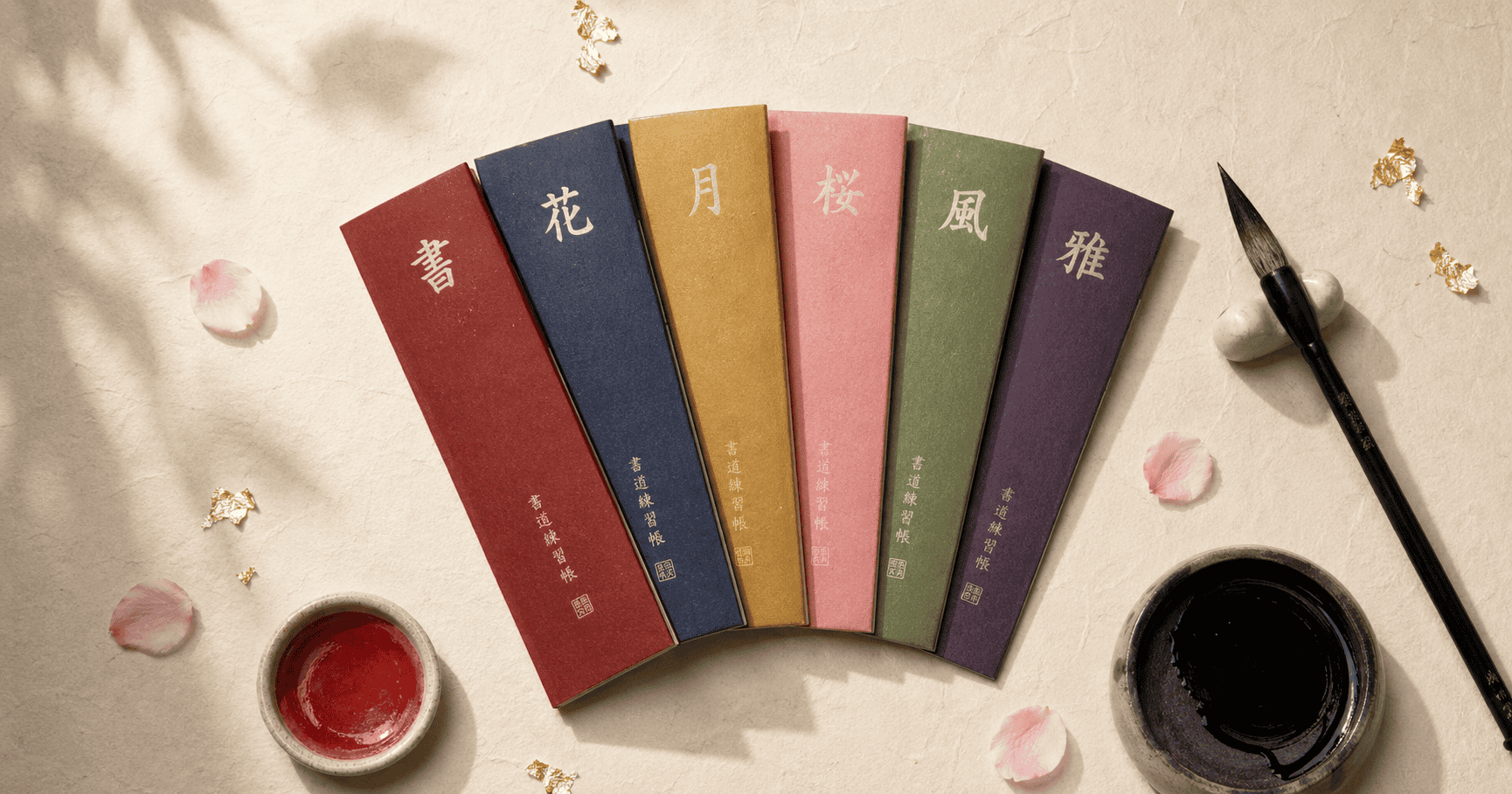
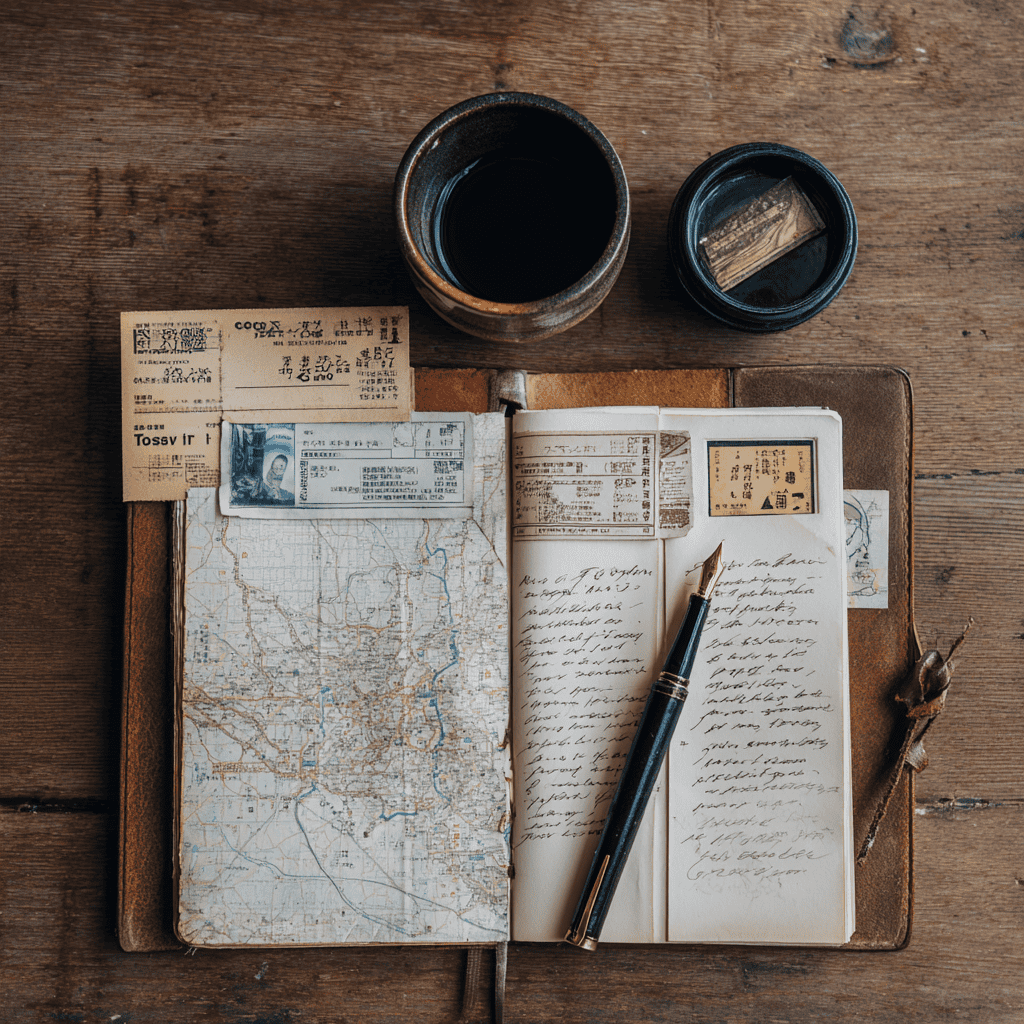
For the room numbers, dealer names and tags you could not read on the day.
6 × 9 in · 120 unlined pages · matte softcover
Shop This Journal →The third option suits readers who have done the reading. It costs preparation and returns control. You arrive when the shops open and leave when your attention goes. Nobody waits for you at a meeting point at half past nine.
The language layer is also easier than the guided listings imply. Mandarake says on its own store page that staff at the Nakano store can help in English. Point, ask, and the sale usually completes without drama. What you do need is a floor plan and an opening hour. The next section supplies both for the district that self-guided Tokyo anime tours handle best.
Nakano Broadway, the Deep End of Tokyo Anime Tours
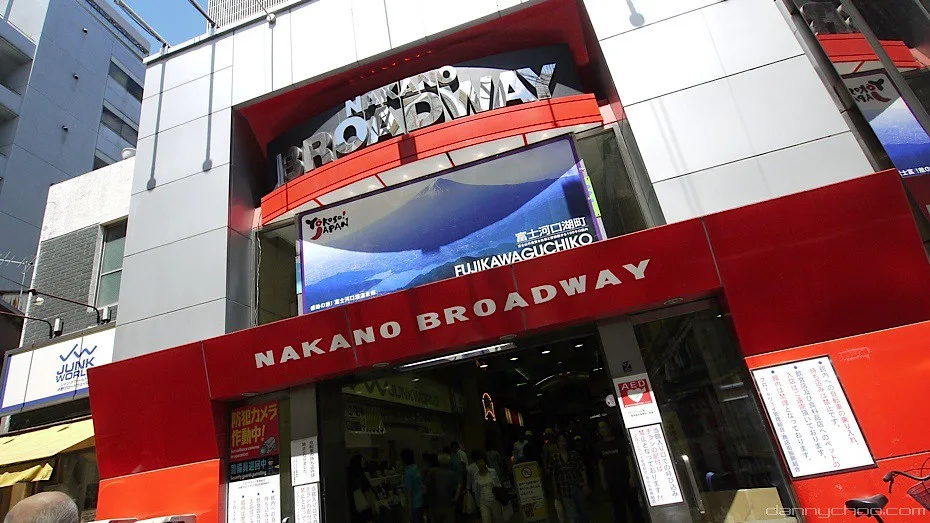
Nakano Broadway sits five minutes on foot from the north exit of Nakano Station, on the JR Chuo Line. The walk runs through a covered shopping street, and the arcade appears at the far end. Inside, the escalators skip floors, which is the one real trap on a first visit.
Four floors of shops sit above a basement supermarket, with the hobby shops on the second through fourth floors. According to the Go Tokyo listing for Nakano Broadway, building hours run from ten in the morning to eight at night. Hours and closing days vary by store, and every shop closes on the third Wednesday in February.

Mandarake opened here in 1987 as a single pre-owned comic dealer. Today it runs over thirty separate shops inside the same building, each sorted by the kind of item it carries. Its Nakano store opens from noon to eight, every day of the year. As a result, a visitor who turns up at ten gets two hours of an arcade that is open but largely asleep.
That sorting also explains when a guide helps. If you know you want animation cels, the room has a sign and staff will open the drawer. If you do not yet know what you want, thirty rooms stop being a museum and become a wall. For the buying side in depth, the collector’s manga shopping circuit covers it properly.
The floors, and what sits on them
Ground level is ordinary retail plus a drug store that returning visitors treat as a resupply stop. The upper floors hold the specialist rooms and the main secondhand manga stock. Several watch dealers share the same corridors, which remains the building’s oddest feature.
Each district suits a different visitor, and the hours decide the order of your day.
| District | Getting there | Best timing | Who it suits |
|---|---|---|---|
| Nakano Broadway | Five minutes on foot from Nakano Station north exit, JR Chuo Line | Midday onward, once Mandarake opens at noon | Collectors of pre-owned manga, cels and figures |
| Akihabara | Eighteen minutes from Shinjuku on the JR Sobu Line | Midweek mornings, side streets first | New releases, figures and model kits |
| Mitaka | JR Chuo Line west of Shinjuku, then fifteen minutes on foot from the south exit | Your reserved museum entry slot | Readers whose bond is with the films |
| Kichijoji | Fourteen minutes from Shinjuku on the JR Chuo Line Rapid | The afternoon after the museum | Anyone who wants a slow walk and coffee |
Condition grading on the small tags is written in Japanese. That single detail is the strongest case for hiring somebody, because grade carries most of the value on a pre-owned piece. Even so, staff will explain a tag when asked. Because rooms are sorted by category, a cel dealer and a figure dealer may sit floors apart. So give the arcade a morning rather than an hour. Walk the full loop first without buying, then return to the two rooms that held you. That one habit saves more time than any guide.
If the trip is still taking shape, a custom Japan itinerary can place these district days against the rest of the route, rather than bolting them onto the end.
A typeset printable: ten Japanese proverbs with kanji, romaji and meaning. Signing up also brings occasional letters on Japan and word when a new journal reaches print.
One email with your printable. Occasional letters after that. Unsubscribe anytime.
The independents between the big rooms
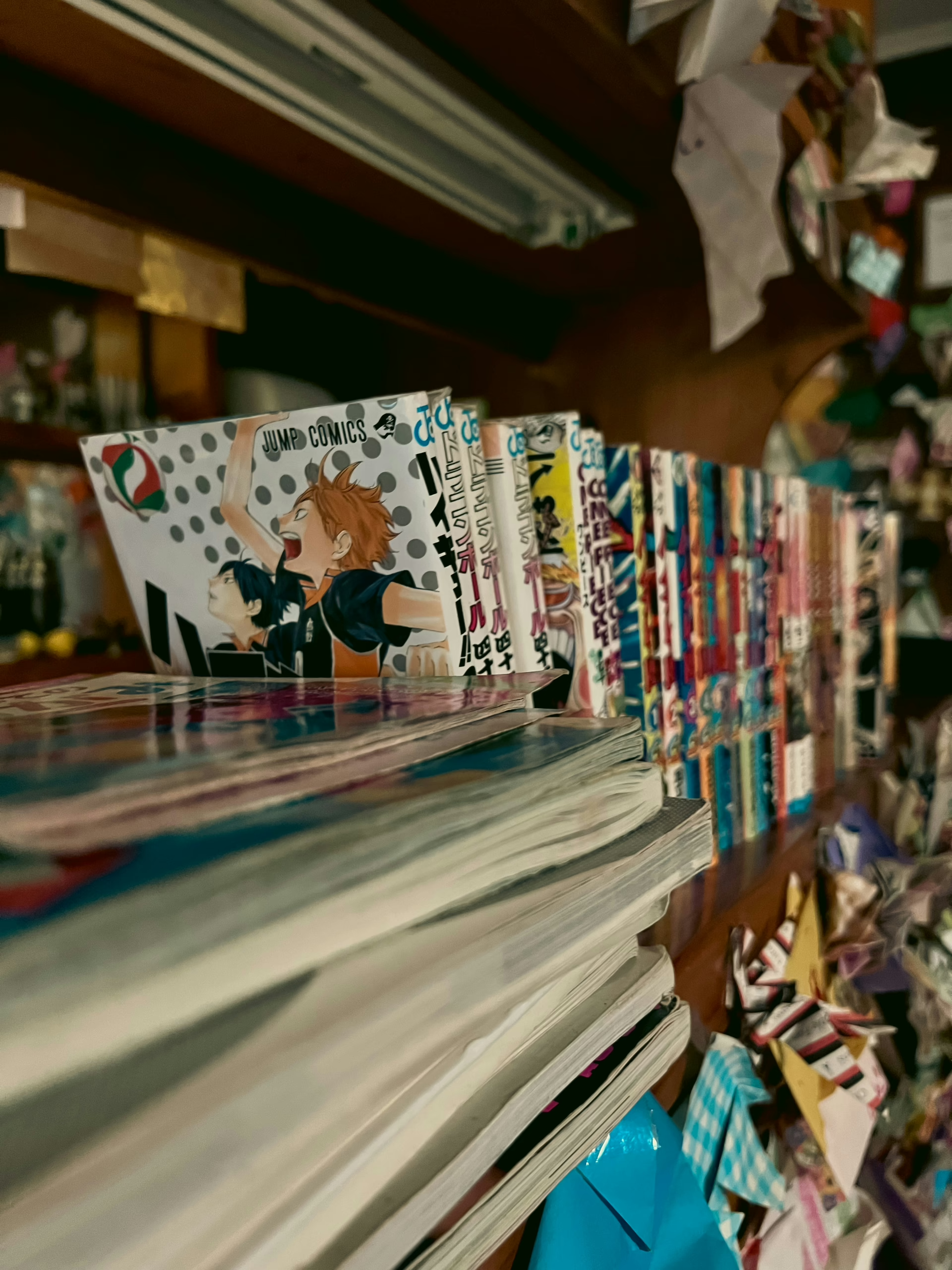
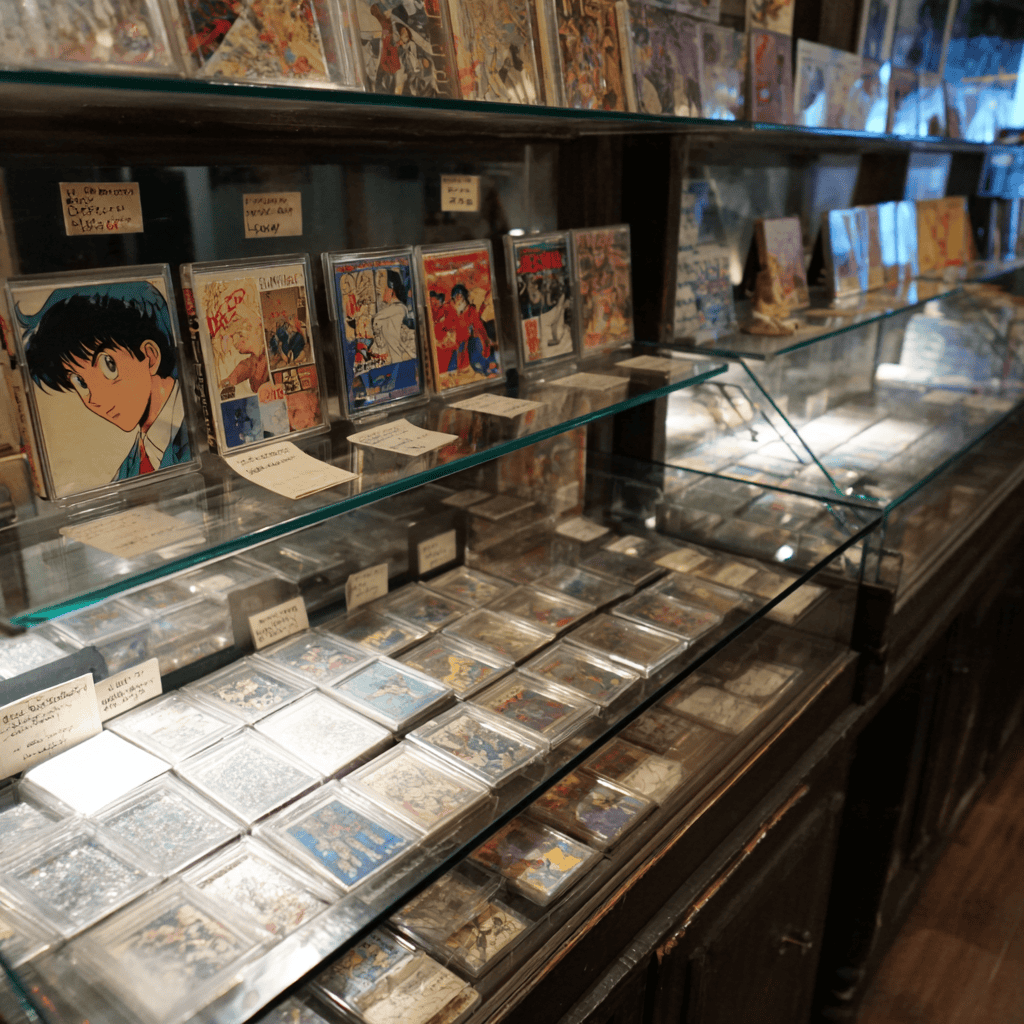
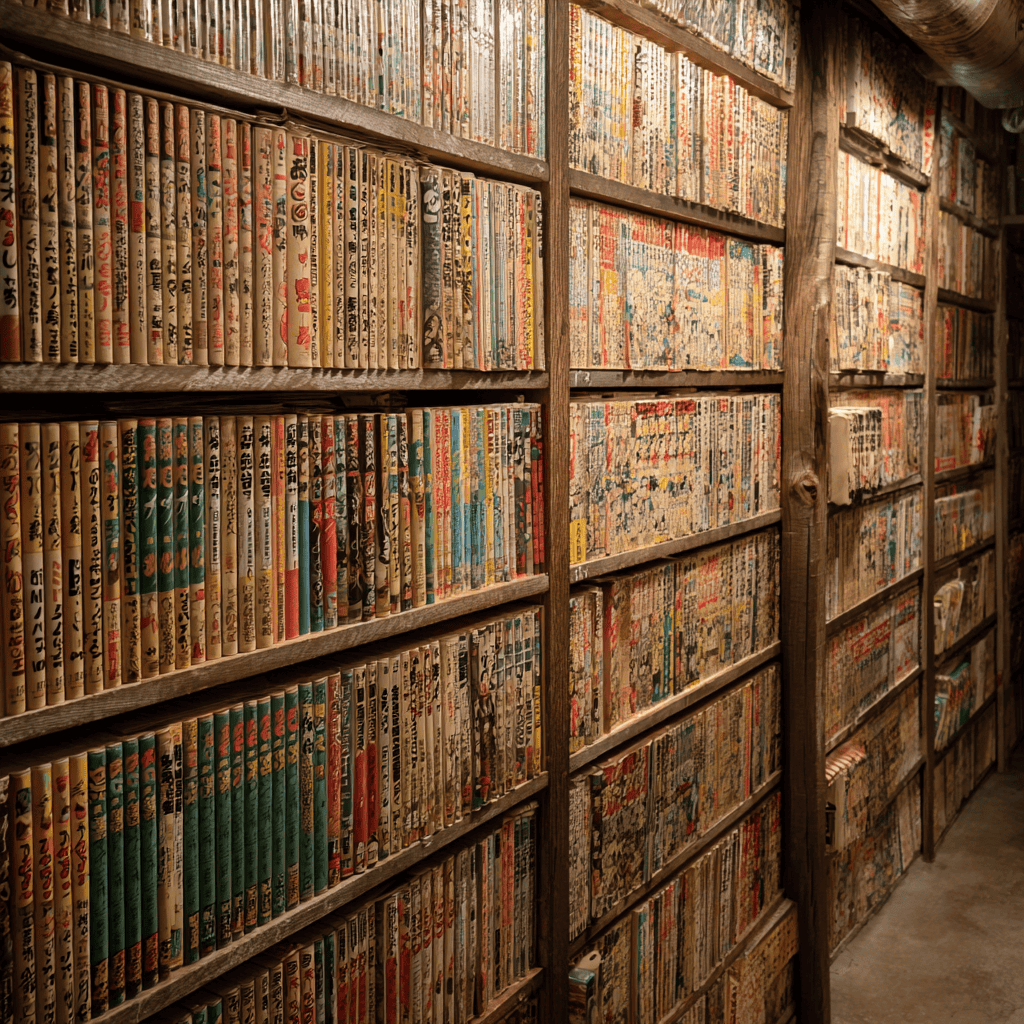
Between the Mandarake rooms sit independent dealers that no listing mentions. Some trade in self-published work, and others in older packaging and out-of-print volumes. These shops are where a slow second pass pays off, because their stock changes by the week and rarely has a sign in English.
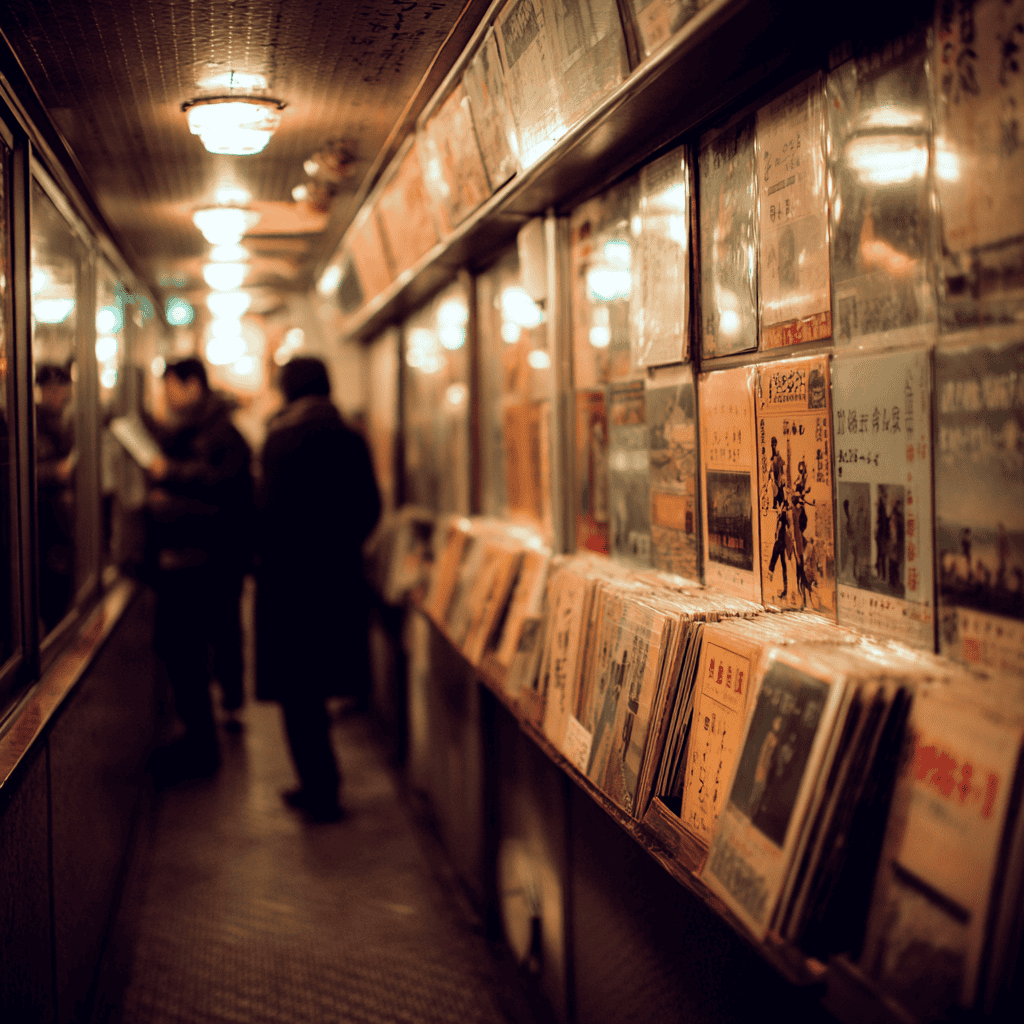
Older printings smell of warm paper and dust. The aisles are often narrow enough that two people cannot browse the same shelf. That closeness is part of the appeal, and it is also why a group of eight struggles here. Small rooms suit one or two visitors at a time, whatever route you book.
That sequence of fast loop, lunch and slow return sounds indulgent. In practice, it is the difference between a shopping trip and an afternoon you still remember. Eat in the streets behind the arcade between the two passes, because the building has few places to sit.
Nakano is also the district where a guide's value is easiest to measure. If your list is specific, you can find the room yourself. If your list is vague, a guide turns thirty doors into three. Either way, plan for at least three hours inside.
Akihabara, on Its Own Terms
Akihabara is the default answer, and the default answer is half right. The district still holds the deepest new-release stock in the city. However, it has also drifted toward attractions built for foot traffic. Both things are true on the same street, often in the same building.
Access is the easy part. Shinjuku to Akihabara takes eighteen minutes on the JR Sobu Line, and Tokyo Station is four minutes away on the Yamanote Line, per the Go Tokyo guide to Akihabara. So it slots into a morning or an evening without moving anything else.
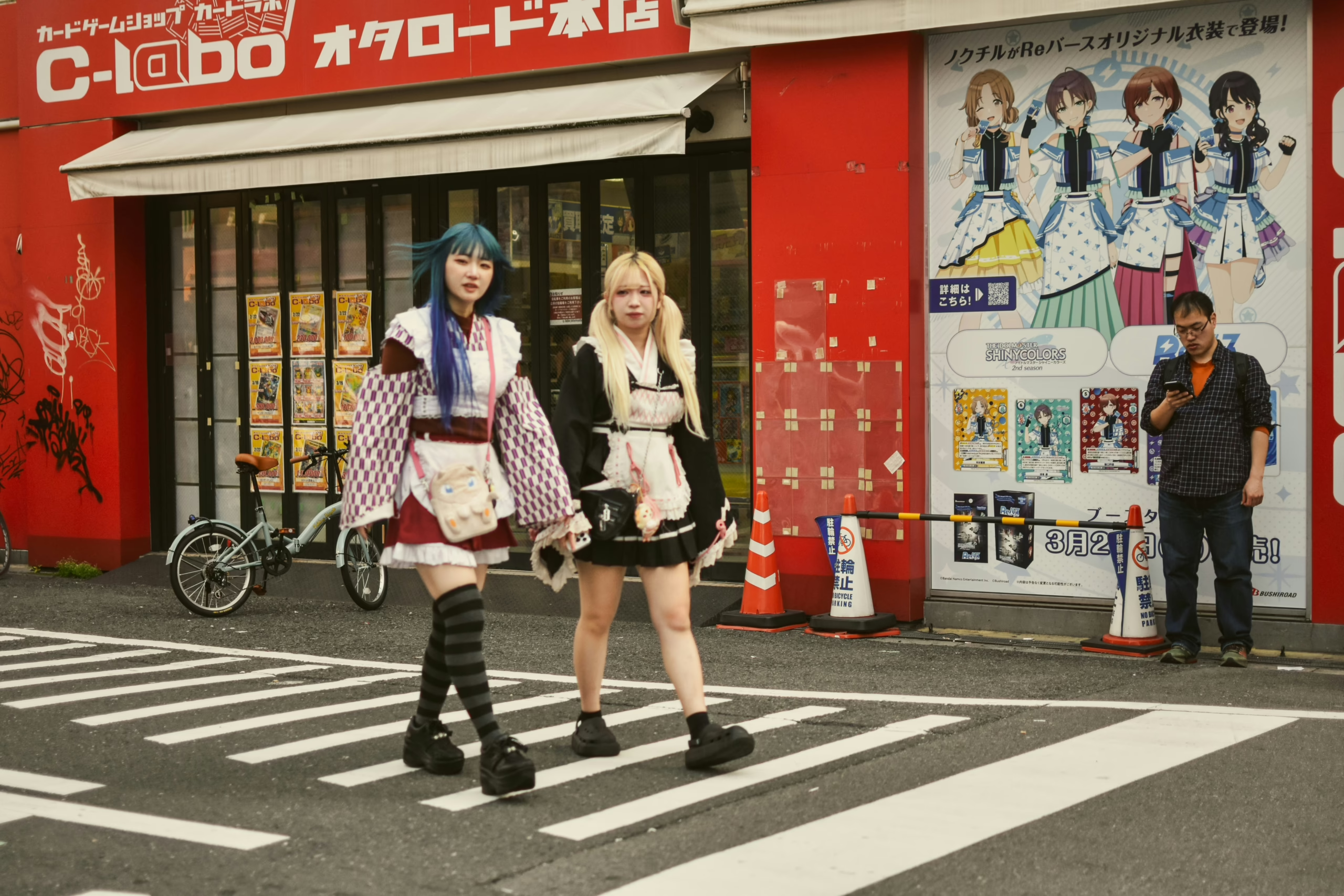
The useful move is to treat the main avenue as a corridor rather than a destination. Chain electronics stores along it carry tourist stock at tourist volume. The rooms worth an hour sit in the side streets, up narrow stairwells that smell faintly of dust and warm plastic.
Radio Kaikan stacks character goods and figure dealers floor on floor. The Akiba Cultures Zone does something similar a short walk away. Smaller hobby shops carry the model kits and specialist paints the chains never stock. Those shops often close earlier than visitors expect, so put them first.
Where the district still rewards attention
Figure cases are the honest test. Pre-owned pieces are graded and boxed by condition. The gap between two identical-looking boxes is one line of Japanese on a sticker, so ask about it. Staff field that question all day.
Recommended
Capsule-toy halls deserve an unhurried twenty minutes. Rows of machines, a coin tray, and the clack of a handle turning under bright light. It is the least serious room in the district. Yet it is often the one people describe first when they get home.
Weekends change the district more than the season does. Crowds thicken, side streets narrow, and browsing turns into lining up. Midweek mornings are the version worth planning for, especially if buying is the point. Finally, tax-refund counters take real time, so leave a margin before your last train and bring your passport. For the wider retail map, the famous Tokyo shopping districts places Akihabara against Ginza and Shibuya.
Mitaka and the Slow Hours
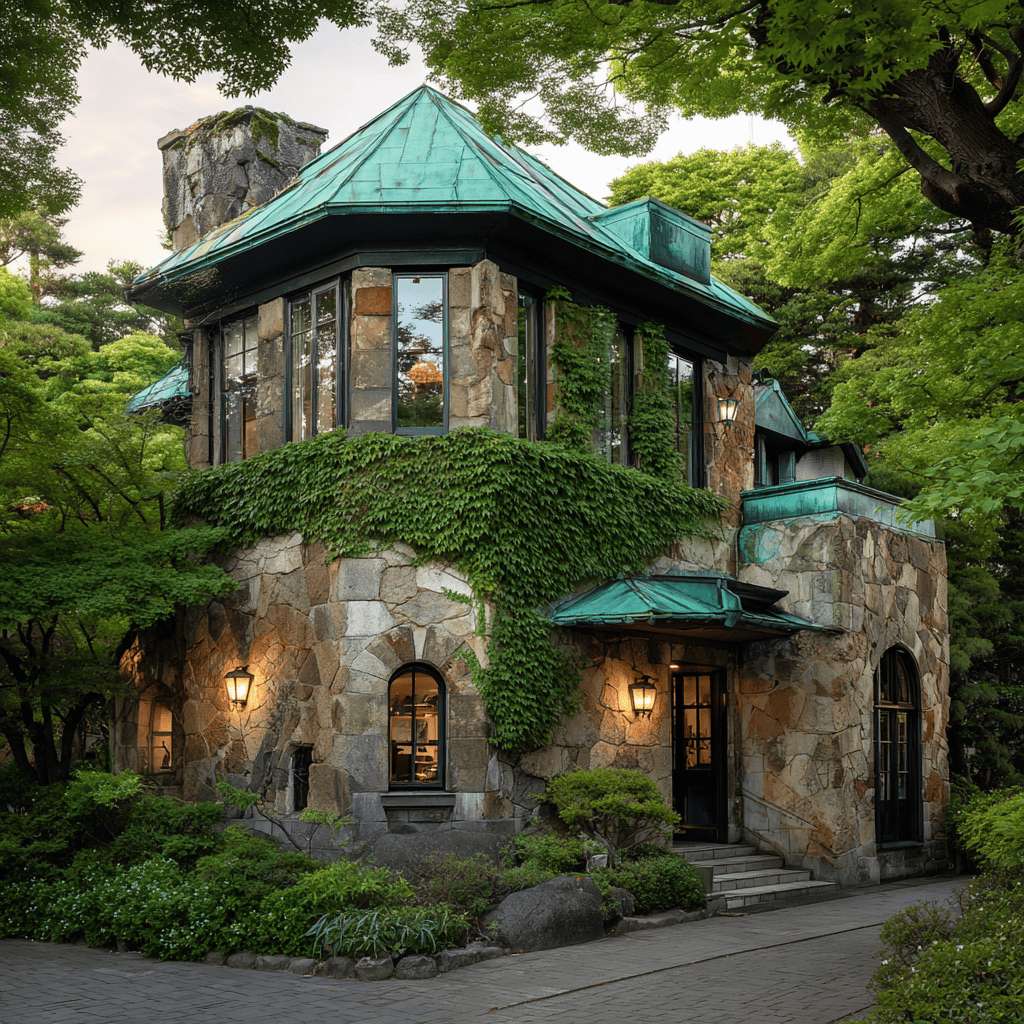
Mitaka sits a short ride west of Shinjuku on the JR Chuo Line. It is residential rather than commercial, and the change of mood is immediate. You notice fewer signs, wider sidewalks, and a suburban line instead of arcade music. The Ghibli Museum sits at the edge of parkland, and it is the one stop on most Tokyo anime tours that you cannot simply walk into.
From the south exit of Mitaka Station, the museum is a fifteen-minute walk. A community bus also runs every fifteen minutes during opening hours. Both details come from the museum's hours and directions page. Walk it if the weather allows, because the approach does half the work.
The ticket, then Kichijoji
The museum opens at ten and closes at six. One rule governs everything else. Entry is only by advance purchase of a reserved ticket that sets your date and entry time. There is no walk-up option, and no guide can change that.
This matters for the whole circuit, not just the morning. Your ticket time is the fixed point everything else bends around, so build the two days outward from it. Entry time is fixed, so arrive early and let the rest of the day stretch out from it. For the longer version of this thread, Studio Ghibli experiences in Japan covers the multi-day route.
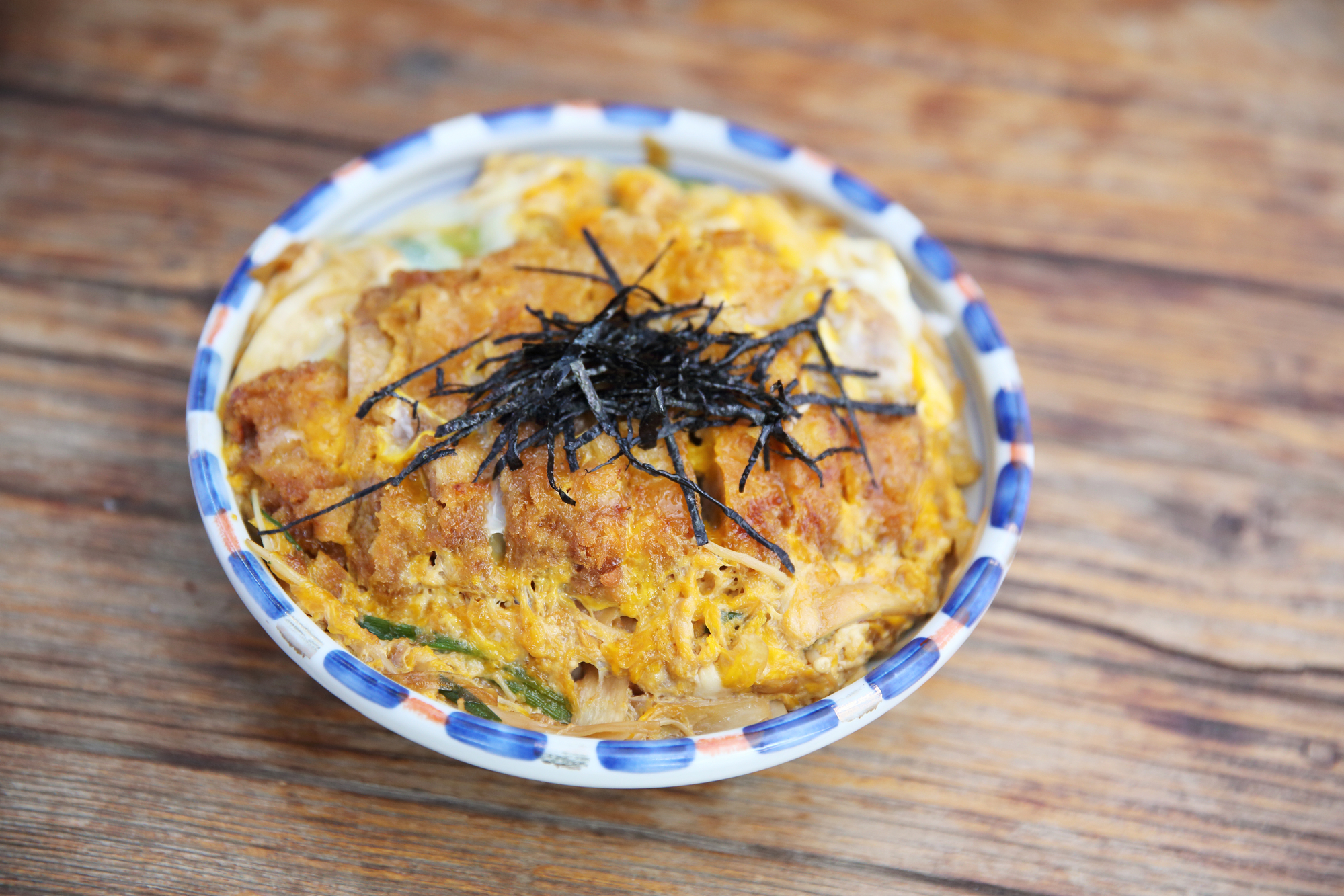
Katsudon tops a bowl of rice with a breaded pork cutlet simmered in sweet soy broth and egg. It is a standard of Japanese diners and set-meal counters nationwide.
- 2 boneless pork loin chops, about 1/2 inch thick
- Salt and black pepper
- 1/4 cup all-purpose flour
- 1 large egg, beaten, for coating
- 1 cup panko breadcrumbs
- Vegetable oil, for frying
- 1/2 cup dashi
- 2 tablespoons soy sauce
- 1 tablespoon mirin
- 1 tablespoon sugar
- 1 small onion, thinly sliced
- 3 large eggs, lightly beaten, for topping
- 2 cups cooked short-grain white rice
- 1 scallion, thinly sliced
- Season the pork with salt and pepper, then coat in flour, beaten egg and panko.
- Fry the cutlets in hot oil for about 3 minutes per side until golden, then rest and slice into strips.
- Simmer the dashi, soy sauce, mirin, sugar and onion in a small skillet until the onion softens.
- Lay one sliced cutlet in the broth, pour half the topping eggs around it, cover and cook until just set.
- Slide the cutlet and egg over a bowl of hot rice, then repeat for the second bowl.
- Scatter the scallion over the top and serve at once.
Kichijoji sits next door on the Chuo Line, about a fifteen-minute walk from the museum, and absorbs the rest of the afternoon easily. It offers coffee places, a covered shopping street and a large park. Nothing there needs booking, which after a timed ticket is its own small relief.
Eat before you travel back. Central Tokyo at seven in the evening is not where you want to start looking for a table. The western suburbs handle an early dinner far better than a late one. A bowl of katsudon near the station is the classic answer, and it is a diner staple that turns up often on screen in anime too.
A district-by-district guide to manga, anime, gaming and toy shopping in Tokyo. The closest thing to a guide in your coat pocket.
See Tokyo Geek's Guide →Hundreds of locations with maps and photographs, reaching beyond Tokyo. Useful when the anime thread runs into the wider trip.
View Otaku Japan →A Tokyo travel guide drawn in manga panels by an artist who loves the city. A lighter read for the train between districts.
See the Manga Lover's Guide →A Two-Day Plan for Tokyo Anime Tours
Two days is the honest minimum for the three districts, and it is also enough. Most Tokyo anime tours squeeze the same ground into one. The plan below puts the museum slot on the first morning, because the timed ticket is the least flexible part of the trip.
If rail passes are part of the wider trip, the Japan Rail Pass guide covers whether one earns its place. For two days inside Tokyo the answer is usually no. However, it changes quickly once Kyoto or Osaka joins the route.
Day one in Mitaka, day two in Nakano and Akihabara
Take the Chuo Line west after the morning rush thins. Walk the fifteen minutes from the south exit, arrive a little before your slot, and spend it unhurried. Then let the afternoon drift into Kichijoji for coffee and the covered street. Return to central Tokyo before the evening peak.
Day one carries the least shopping and the most walking, which is deliberate. Starting with the slower district sets a pace the second day then breaks. Ending a trip inside an arcade rarely leaves anyone with a clear memory of the city, while a park walk usually does.
On day two, reach Nakano for midday, when the hobby floors open properly. Give it three hours at least. Walk the loop once at speed, eat behind the arcade, and then return to the rooms that held you. Next, move east to Akihabara in the late afternoon and cover the side streets while the specialist shops are open.
Shorter, longer, and one stop gone
One day forces a choice. Nakano and Akihabara together suit collectors, while Mitaka and Kichijoji suit anyone whose bond is with the films. Trying both halves in a single day produces neither, because train time eats the difference. Three days adds room for Harajuku and Aoyama, where the design side of the medium lives. It also leaves time for the low streets of Yanaka's old neighborhood, which recalibrate the eye after two days of glass cases.
A third day can also hold something hands-on. Japan Awaits runs a private three-hour session in Suginami and Nakano that pairs the Suginami Animation Museum with a studio visit and a drawing workshop. Time with a pencil is a different souvenir from a boxed figure.
One stop has left the map. The life-sized Unicorn Gundam statue at DiverCity Tokyo Plaza in Odaiba ended its display in late August 2026, close to nine years after its 2017 debut. Tokyo Weekender's report on the closing covers the farewell. So drop Odaiba from a current plan, and spend those hours in Nakano or Akihabara instead.
Timed attractions are the recurring hazard on this circuit. A museum slot, a statue display, a shop that shuts at eight: each is small alone, yet together they decide the order of your day. Check them the week you travel, not the month before. That is also the strongest single case for a guide on a short trip, because someone who works the district daily knows what moved last week.
Questions Worth Asking
Is a guided anime tour in Tokyo worth it?
A guide earns the fee where language is the barrier. That means the Mandarake rooms in Nakano, the secondhand dealers, and the pre-owned cases where condition grading is written in Japanese on a sticker. For walking between districts, a map and two evenings of reading do much the same work.
What does a private anime tour in Tokyo include?
Usually a meeting point, a half day or full day on foot, and a route shaped around what you say you want. The guide handles language, floor plans and questions for staff. Better guides will swap a themed café stop for a restaurant if you ask before booking, so raise it early.
Which Tokyo district suits a serious anime visit?
Nakano Broadway rewards collectors most, because Mandarake runs over thirty rooms sorted by category inside one building. Akihabara holds the deepest new-release stock and the heaviest foot traffic. Mitaka has the Ghibli Museum and a slower afternoon. Most visitors want two of the three rather than all three in one day.
How much time do Tokyo anime tours take?
Two unhurried days cover Nakano, Akihabara and Mitaka well. One day works if you narrow the plan to a single pair of districts. Trying to cover all three between breakfast and dinner produces a circuit of train rides rather than time inside the rooms, which is the most common first-visit mistake.
Do I need a ticket in advance for the Ghibli Museum?
Yes. Entry to the Ghibli Museum in Mitaka is only by advance purchase of a reserved ticket that sets your date and entry time. There is no walk-up option. The museum opens from ten until six, so an early slot leaves a long, unhurried afternoon for Kichijoji nearby.
Is the Unicorn Gundam statue in Odaiba still there?
No. The life-sized Unicorn Gundam statue at DiverCity Tokyo Plaza ended its display in late August 2026, close to nine years after it first went up in 2017. Plans that still include an Odaiba stop for the statue should move that time to Nakano or Akihabara instead.
When is the best time to visit the anime districts?
October and November bring the most settled weather, while late March into early April brings blossom season and bigger crowds. Midweek beats weekends in Nakano and Akihabara, because the narrow rooms are easier to stand in. Avoid the Golden Week holidays in early May if you can.
What Tokyo Anime Tours Finally Reward
Treated well, these districts stop being shopping. They become a record of how a hand-drawn craft turned into a global export. Nakano is an archive that happens to sell things. Akihabara is a working market. Mitaka is a building designed so that nobody can hurry through it.
So choose the structure that matches your appetite rather than your wallet. Book the guide if language is the wall. Book the group route if the timetable is the wall. Walk it yourself if neither is, and give the days enough room for the city to interrupt you. For what sits either side of this thread, Tokyo experiences worth the time fills out a longer stay.
Beginner's mind for the visitor who arrives knowing the films and leaves seeing the city.
View the Journal →Whichever structure you choose, the districts open and close at the same hours. They reward the same thing, which is attention given without a clock attached. The real question is how much of your day somebody else has already planned, and whether you would rather plan it yourself.
A museum slot booked to the right morning, Nakano reached after the hobby floors open, Akihabara left for the late afternoon, and the rest of Japan sequenced around all three rather than squeezed beside them.
Plan Your Custom Japan Itinerary