Good anime character names do half of a character’s introduction. Before anyone speaks, the reader already guesses something about the person behind it. In Japanese, that guess comes from the kanji, because each character carries a meaning of its own.
That is why anime character names feel so deliberate. A name may mean snow, thunder or calm, and the story often leans on it. So if you are naming an original character, the kanji are your first and best tool.
This guide shows how to choose anime character names that fit, using real Japanese names and their kanji. It covers meaning, sound, surnames, old legends and the mistakes to avoid. Then it ends with a seven-step method you can use today. For the wider world of Japanese naming, start with our guide to the art of Japanese names.
How do you name an anime character?
Start with the meaning you want, then find kanji that carry it. Next, check the sound: short names feel quick, while longer names feel formal. Then add a surname that suits the setting. Finally, confirm the result is a real name rather than an ordinary word, and that its kanji match its reading.
First, a word on where these examples come from. Every name, reading and meaning below comes from the name list behind our own generator. That list holds 2,597 checked entries: 2,231 given names, 250 surnames, 27 names from legend and history, and 89 words that are not names at all. Each kanji appears with its dictionary meaning. As a result, nothing here is a guess, and you can trust the readings when you write them into your story.
What Makes Anime Character Names Feel Right
Think about why some names stick. A name feels right when its meaning, its sound and its setting agree with the character. In fact, Japanese readers see the meaning instantly, because the kanji sit right there on the page. A gentle healer named for a blizzard creates a small, deliberate tension. A gentle archivist named Shizuka, which means calm and serene, feels settled and still.
English-speaking creators often choose a name for its sound alone. That works up to a point. However, a Japanese name always says something, so a sound-only choice can send the wrong message. The name Hotaru, for example, means firefly. That suits a character who glows briefly and then fades, but it reads strangely on a stern warlord. So the first rule is simple: know what the name means before you commit to it.
Setting matters too. A name that fits a modern Tokyo high school may feel odd in a story set four hundred years ago. Older names often end in suffixes such as rō, suke or bei, while many modern names are short and bright. Because of this, the era of your story narrows the field before you even look at meaning.
Copic Sketch Markers — color the character you are naming
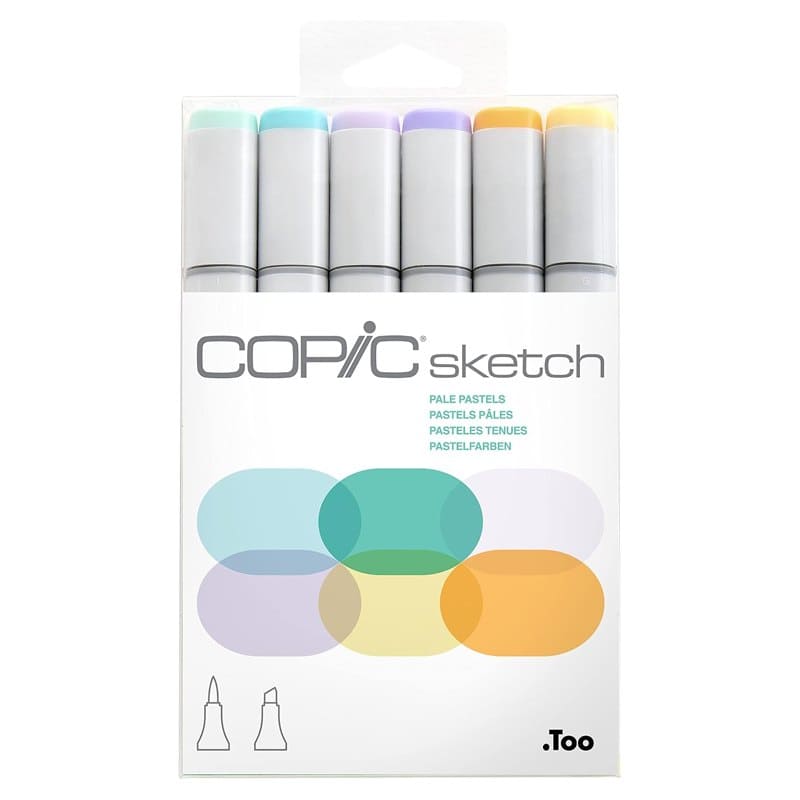
Many artists find the name while they color the design. Copic markers are made in Japan and are a long-standing favorite of manga and anime illustrators. This six-marker Copic Sketch pastel set pairs a flexible brush tip with a chisel tip for broad areas. The alcohol ink blends smoothly, so soft skin tones and pale hair come out even. The pastel colors suit spring scenes and gentle characters. Each marker is refillable, and the nibs can be replaced, so a favorite shade lasts for years. Start with one character sheet, color it, and see which name the finished face suggests.
You may also like
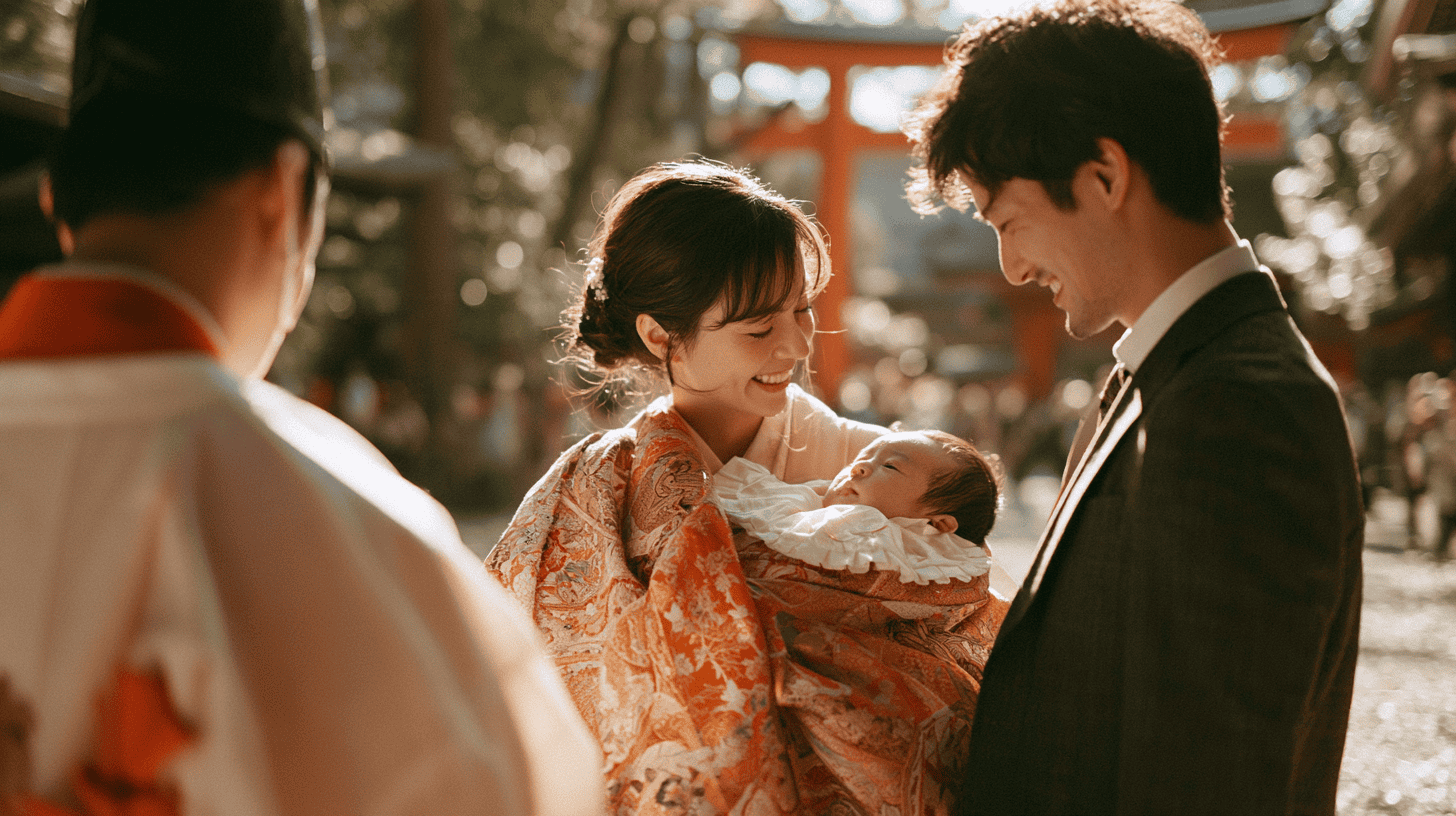
One more point before the kanji. Japanese readers notice when a name has been chosen with care, and they notice when it has not. A carefully chosen name rewards the reader who looks closer. Meanwhile, a careless one can pull a reader out of the story. So the time you spend on anime character names is time spent on the story itself, not a detour from it.
Start With the Meaning: Kanji That Hint at Personality
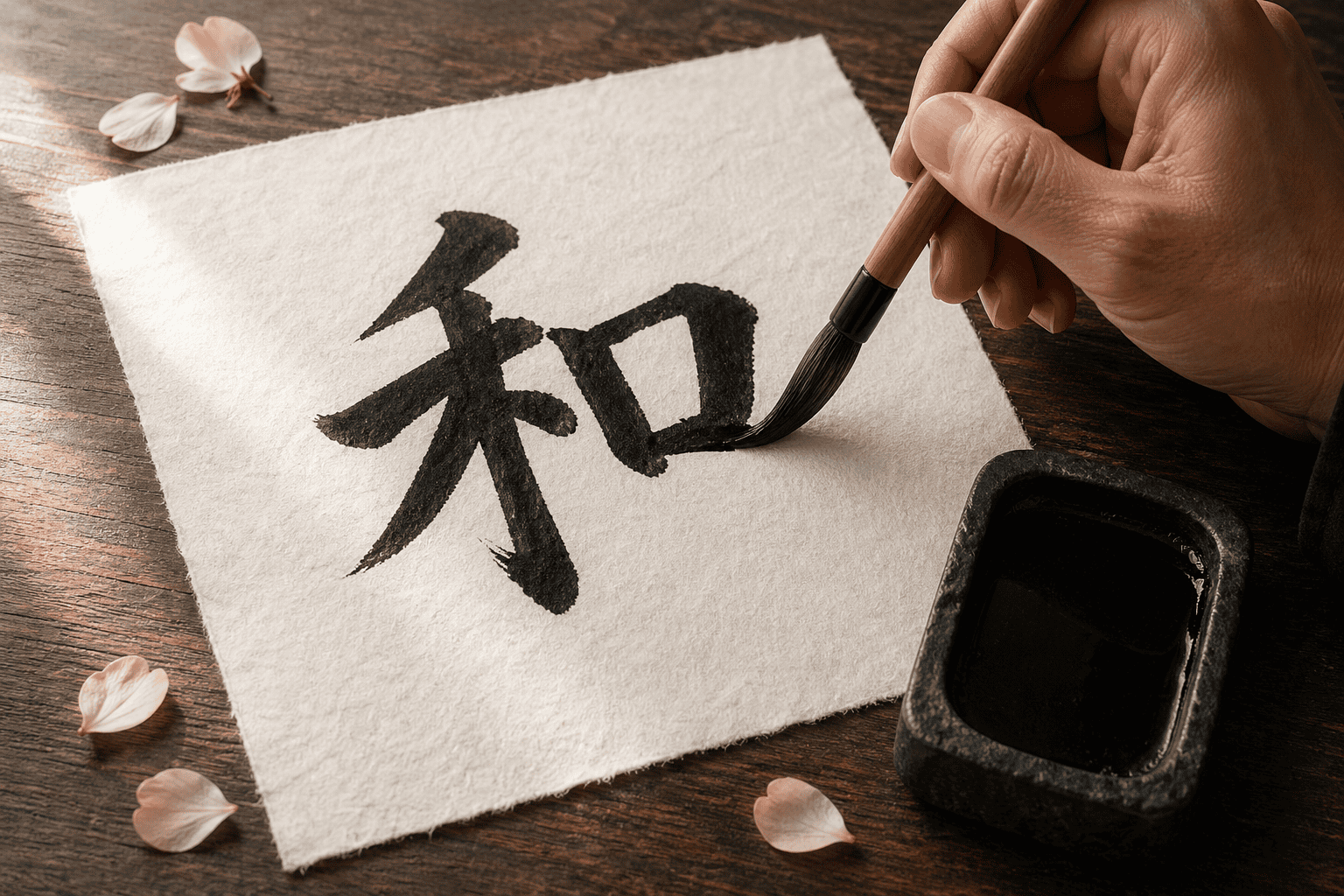
The fastest way to a fitting name is to start with one idea. Is your character bright, cold, brave, gentle or restless? Once you know, look for kanji that carry that idea. Nature words are the richest source, because Japanese names often borrow weather, light and the seasons. The table shows real given names, each with the meaning of its kanji.
| Name | Kanji | Kana | The kanji mean | Suits a character who is |
|---|---|---|---|---|
| Hikaru | 光 | ひかる | ray · light | bright, hopeful |
| Hayate | 颯 | はやて | sudden · quick · sound of the wind | fast, restless |
| Rin | 凛 | りん | cold · strict | composed, dignified |
| Fubuki | 吹雪 | ふぶき | blow · snow | fierce, wintry |
| Shizuka | 静 | しずか | calm · serene | composed, observant |
| Isamu | 勇 | いさむ | courage | brave, direct |
| Ken | 剣 | けん | sabre · sword · blade | disciplined, sharp |
| Hotaru | 蛍 | ほたる | firefly | gentle, fleeting |
| Yozora | 夜空 | よぞら | night · sky | dreamy, distant |
| Tsukiyo | 月夜 | つきよ | moon · night | serene, mysterious |
| Raiden | 雷電 | らいでん | thunder · electricity | powerful, loud |
| Ryūsei | 流星 | りゅうせい | flow · star (a shooting star) | brilliant, brief |
| Hanabi | 花火 | はなび | flower · fire (fireworks) | joyful, explosive |
| Ryū | 龍 | りゅう | dragon | proud, formidable |
Notice that the right-hand column is a suggestion, not a rule. A meaning sets up an expectation, and a writer can honor it or play against it. For instance, a timid character named Isamu, courage, has somewhere to grow. Likewise, a cheerful Rin, whose name means cold and strict, invites a second look. Either way, the meaning gives you material to work with.
One kanji can also anchor a whole family of names. Snow (雪) gives Yuki, snow; Koyuki, light snow; Shirayuki, white snow; and Fubuki, a blizzard. Moon (月) appears in Mitsuki, beautiful moon, and in Tsukiyo, a moonlit night. So if your cast shares a theme, a shared kanji can link siblings or members of a clan. Readers who notice the pattern will feel rewarded.
Kodansha Kanji Learner’s Dictionary — the meanings behind every name
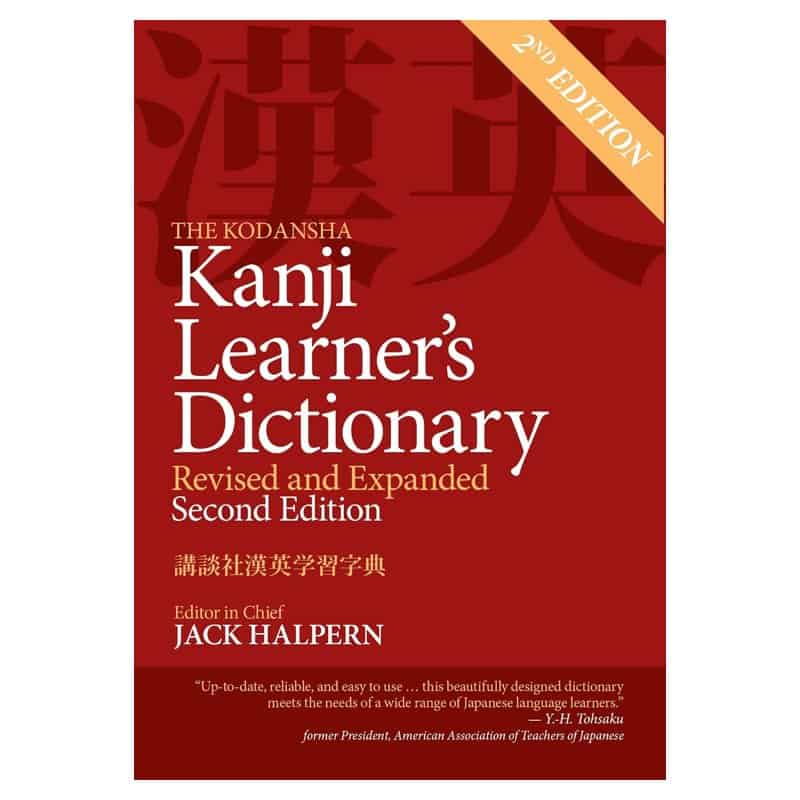
When you name characters often, a real kanji dictionary repays itself quickly. The Kodansha Kanji Learner’s Dictionary, in its revised second edition, covers 3,002 kanji. Each entry gives a core meaning, the readings in kana, the stroke order and common compounds. It also expands its coverage of name readings, which matters because names often use unusual ones. Look up 凛 or 颯, and you will see every sense the character can carry. That depth helps you choose between near-synonyms, such as the many kanji for light. It is a reference you will keep open beside your sketchbook, and it grows more useful with every cast you name.
Sound and Rhythm: Short, Long and Unisex Names
Once the meaning is set, listen to the name. Japanese names fall into a few rhythms. Short names of one or two syllables, such as Ren or Sora, feel quick and modern. Three-syllable names, like Hikaru or Shizuka, feel balanced. Longer names, such as Ryūnosuke or Kotarō, carry a formal or old-fashioned weight. As a result, the length alone tells readers something about a character before the story says a word. That is also why so many memorable anime character names are short: two syllables are easy to shout across a battlefield or a classroom.
Many creators also want names that suit any gender. Japanese has plenty, and our name list marks them as neutral. The table below gathers some of the most useful, from one syllable to three.
| Name | Kanji | Kana | The kanji mean | Rhythm |
|---|---|---|---|---|
| Ren | 蓮 | れん | lotus | short |
| Sora | 空 | そら | sky | short |
| Nagi | 凪 | なぎ | lull · calm | short |
| Ao | 碧 | あお | blue · green | short |
| Kaoru | 薫 | かおる | fragrant | balanced |
| Itsuki | 樹 | いつき | timber · trees | balanced |
| Asahi | 旭 | あさひ | rising sun · morning sun | balanced |
| Kokoro | 心 | こころ | heart · mind | balanced |
| Hibiki | 響 | ひびき | echo · sound | balanced |
| Tsukasa | 司 | つかさ | director · official | balanced |
| Mirai | 未来 | みらい | not yet · come (the future) | balanced |
| Akebono | 曙 | あけぼの | dawn · daybreak | long |
Try saying each name aloud with your character’s surname. Japanese puts the family name first, so rhythm runs across both parts. For example, a long surname often pairs well with a short given name, as in Takahashi Ren. Meanwhile, two short names together can sound clipped, which may be exactly right for a soldier or a rival. In short, read the full name aloud before you decide.
Vowel endings also shape a name’s character. Names ending in -ko, -mi or -ka once marked girls’ names clearly, though younger generations use them less. Names ending in -ta, -suke or -rō usually read as masculine. However, neutral names like Hikaru and Sora cross that line easily, which is why they are so popular with creators. If your story is set in a real Japanese city, our custom Japan itineraries can take you to the streets, stations and neighborhoods you are writing about.
Ten Proverbs to Carry With You
A printable folio of ten Japanese proverbs, each with a short note on where it shows up in daily life. A proverb in the right mouth can define a character as surely as a name. Leave your email and the printable arrives in your inbox, followed by an occasional letter on Japan.
One email with your printable. Occasional letters after that. Unsubscribe anytime.
When the Same Sound Has Different Kanji
One sound can be written many ways, and each spelling changes the meaning. Mizuki written 美月 means beautiful moon, while other spellings point elsewhere. Similarly, Kaito can be 海斗, sea and the Big Dipper, or 海翔, sea and soaring. So two characters can share a spoken name and still differ completely on the page. This is a subtle tool for writers. A pair of rivals with the same sound but different kanji gives readers a detail to discover.
Choosing a Surname for Your Character
Surnames are where many creators slip, because they choose them last and in a hurry. Yet a family name sets a character’s place in the world. Most Japanese surnames describe a landscape, such as a field, a mountain or a well. So the surname silently says where a family came from, and it can echo the given name’s theme.
| Surname | Kanji | Kana | The kanji mean |
|---|---|---|---|
| Kuroda | 黒田 | くろだ | black · rice paddy |
| Mochizuki | 望月 | もちづき | full moon · moon |
| Hoshino | 星野 | ほしの | star · field |
| Shiroishi | 白石 | しろいし | white · stone |
| Sakurai | 桜井 | さくらい | cherry · well |
| Ishibashi | 石橋 | いしばし | stone · bridge |
| Kaneko | 金子 | かねこ | gold · child |
| Maruyama | 丸山 | まるやま | round · mountain |
| Koizumi | 小泉 | こいずみ | small · spring |
| Takahashi | 高橋 | たかはし | tall · bridge |
Pairing is where surnames earn their keep. Hoshino, the star field, sits naturally beside Ryūsei, the shooting star. Mochizuki, the full moon, pairs with Tsukiyo for a character steeped in night. Then there is Kuroda, the black rice paddy, which adds a darker note without sounding invented. By contrast, a common surname such as Takahashi keeps a character ordinary, which can be exactly the point.
Recommended
Also think about frequency. A very common surname places a character among millions, while a rare one makes the family stand out. In a school story, a cast of rare surnames can feel artificial, because real classrooms are full of common ones. So mix a few ordinary family names into your cast. That way, the unusual names feel special rather than routine, and your world feels lived in. Remember too that friends use surnames with san in daily life, so readers will see the family name often.
Names From Mythology and History
Old stories offer some of the most memorable anime character names. Many come from the Kojiki, Japan’s oldest surviving chronicle, presented in 712, according to Arukikata’s note on the Kojiki and Nihon Shoki. Others come from folk tales and from the warriors of the sixteenth and seventeenth centuries. Our name list marks these separately, because they carry a strong association that a writer should use on purpose. In other words, these names arrive with a history attached, and readers will bring that history with them.
| Name | Kanji | Kana | The kanji mean | Known as |
|---|---|---|---|---|
| Amaterasu | 天照 | あまてらす | heavens · illuminate | the sun figure of the Kojiki |
| Tsukuyomi | 月読 | つくよみ | moon · read | the moon figure of the Kojiki |
| Kaguya | 輝夜 | かぐや | radiance · night | the moon princess of a folk tale |
| Momotarō | 桃太郎 | ももたろう | peach · big · son | the peach boy of a folk tale |
| Urashima | 浦島 | うらしま | bay · island | the fisherman of a folk tale |
| Musashi | 武蔵 | むさし | warrior · storehouse | a famed swordsman |
| Nobunaga | 信長 | のぶなが | faith · long | a sixteenth-century warlord |
| Kagetora | 景虎 | かげとら | scenery · tiger | a warlord’s early name |
| Ranmaru | 蘭丸 | らんまる | orchid · round | a young page of the warring era |
These names come with baggage, and that is their power. A character called Musashi will remind many readers of the great swordsman, so the name raises expectations. Similarly, Kaguya recalls the moon princess who returns to the sky. Therefore, use a legendary name when you want that echo, and avoid it when you do not. A good middle path is to borrow one kanji, such as 輝, radiance, rather than the whole name.
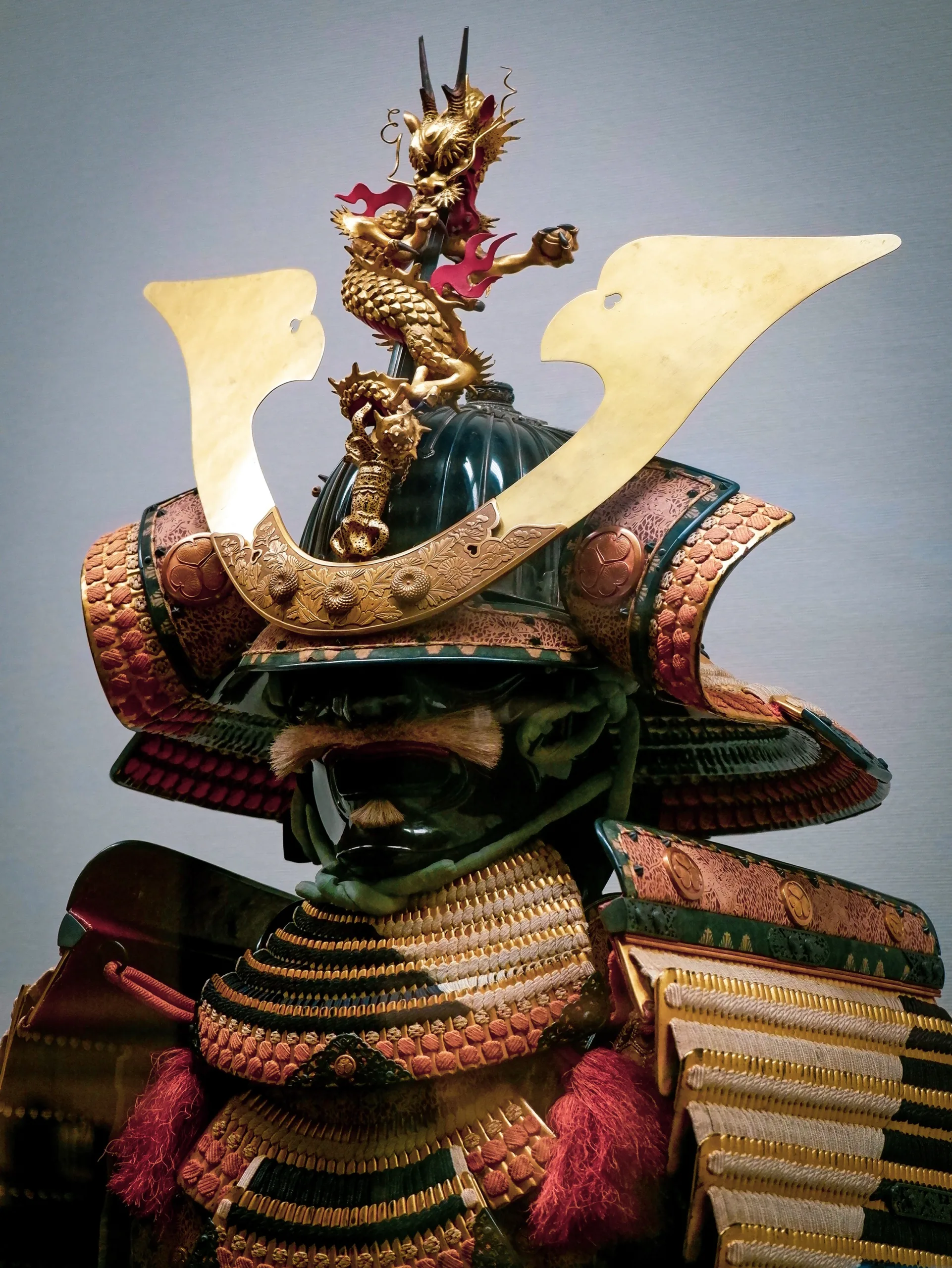
Historical suffixes also help set a period. Names ending in -maru, such as Ranmaru, were often given to boys in earlier centuries. Likewise, -bei, as in Jūbei, and -emon belong to the samurai and merchant eras. Meanwhile, modern parents rarely use them. So a single suffix can place your character in time as clearly as a costume. For a story set in the Edo period, for example, a name like Jūbei or Kotarō tells readers the era before the first scene ends. By contrast, the same suffix in a modern school story would mark a character as old-fashioned, or as the child of a family proud of its past.
Matching the Name to the Story
Setting can also guide the choice of a historical name, so think about the kind of story first. A swordsman’s name suits a story of duels and discipline, while a page’s name suits a tale of loyalty at court. Likewise, a folk-tale name such as Urashima carries a mood of wonder and loss, because the fisherman returns home to find that centuries have passed. Before you borrow a name, then, read the story behind it. The echo should support your plot rather than quarrel with it.
A note on tone is worth adding here. Figures from old chronicles and folk tales are part of Japan’s shared culture, much as Greek myths are in the West. Japanese readers will recognize them at once. As a result, a character named for one invites comparison, and the writing has to live up to it. If the comparison flatters your story, take the name. Otherwise, choose a humbler name and let the character earn a legend of their own.
There is also a practical reason for restraint. Search for a legendary name online, and you will find it already used by many games, novels and series. Therefore, a borrowed name makes your character harder to find and easier to confuse with another. A fresh combination of given name and surname, chosen by meaning, avoids that problem entirely. In time, it can become as recognizable as any name from the old stories.
You may also like

Mistakes to Avoid With Anime Character Names
The most common mistake is using a word that is not a name. Japanese has many beautiful words, and some sound like names to English ears. Yet a Japanese reader sees an ordinary word, not a person. Calling a character Yami, darkness, is a little like naming an English hero Gloom. It can work as a nickname or a code name, but it rarely reads as a real name. Among names in fiction, the strongest are usually real names first and symbols second, so the word can stay in the story as a title or an epithet instead.
Our name list keeps 89 of these words in a separate group for exactly that reason. The table shows a few that creators often reach for.
| Word | Kanji | Kana | What it means |
|---|---|---|---|
| Yami | 闇 | やみ | darkness, shadow |
| Kurayami | 暗闇 | くらやみ | total darkness |
| Shinobi | 忍び | しのび | stealth, moving in secret |
| Kitsune | 狐 | きつね | fox |
| Kaen | 火炎 | かえん | flame, blaze |
| Komorebi | 木漏れ日 | こもれび | sunlight through leaves |
| Ganbare | 頑張れ | がんばれ | do your best |
The second mistake is mismatched kanji. Some creators pick a sound, then attach kanji they like the look of. However, a name’s reading must fit its characters, and Japan’s rules limit which kanji a name may use at all. The Ministry of Justice publishes the list of kanji usable in a child’s name. A name built from characters outside it would never appear on a real family register.
The third mistake is borrowing a famous character’s name whole. If your hero shares both names with a well-known character, readers will think of that character first. Instead, keep the idea and change the form. For example, swap the surname, choose a different kanji for the same sound, or use a near-synonym. That way, the name stays yours.
You may also like

Test the Name Aloud
Finally, watch for unwanted meanings across languages. A name that is lovely in Japanese can sound awkward in English, or the reverse. Say the name aloud to a friend who does not know its meaning. If they laugh in the wrong place, you have learned something useful. So test every final choice on a fresh ear before it goes into print.
A 7-Step Method for Anime Character Names
Here is the whole process in order, built from the sections above. It works for a lead, a rival or a minor character, and it takes about half an hour once you have done it a few times.
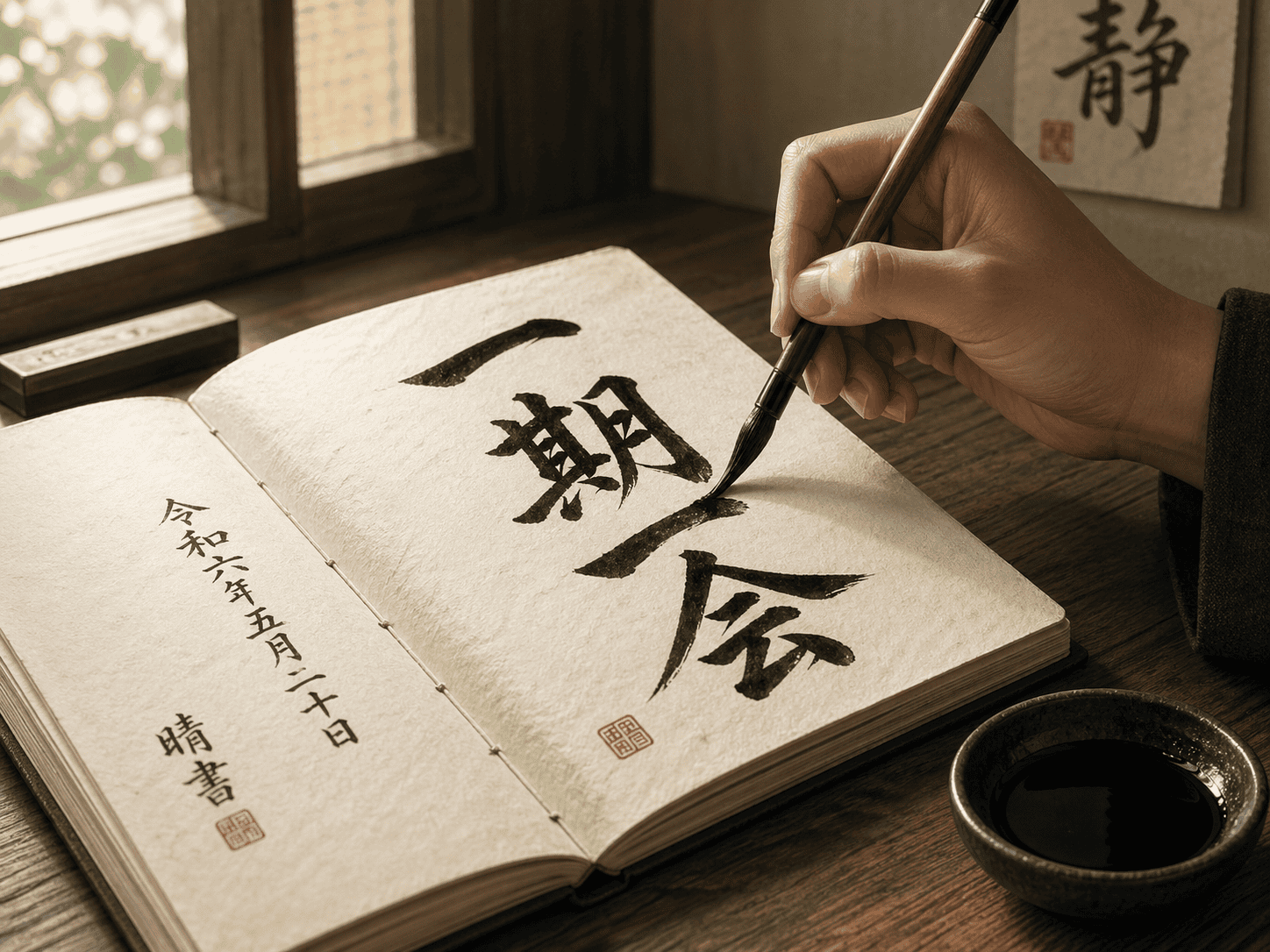
First, write one sentence about the character’s core trait. Second, list three or four ideas that express it, such as snow, calm or light. Third, find kanji for those ideas. Fourth, check names that use them, and choose a rhythm that suits the era. Fifth, add a surname that echoes or contrasts the theme. Sixth, confirm the name is a real name, not a word, and that its kanji match its reading. Seventh, say the full name aloud, family name first, and write it by hand.

Choose the meaning first, then let the Japanese name generator show real names that carry it. It searches the same checked list used in this guide, and it shows every kanji with its meaning and reading. As a result, steps three to six become quick. You can filter by gender, browse surnames and compare spellings side by side.
Manga for the Beginner — draw the face that fits the name
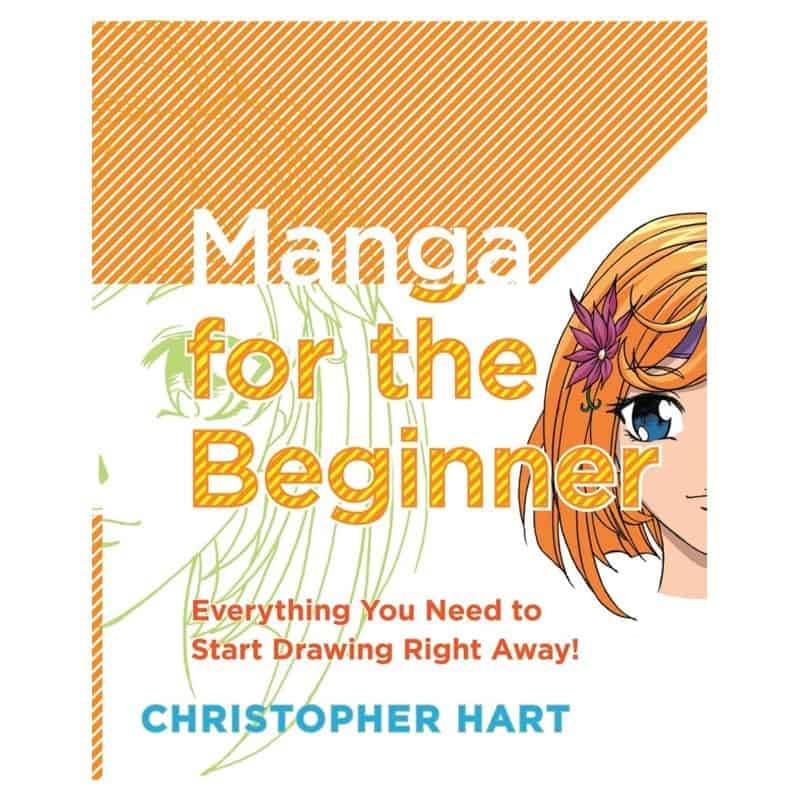
A name and a face should agree, and drawing helps you find both. Christopher Hart’s Manga for the Beginner teaches the basics step by step across 192 pages. It starts with the head, the eyes and the body, then moves to clothing, action poses and shading. Later chapters cover popular character types, including shōjo and shōnen figures. Because each lesson builds on the last, a new artist can design a full cast within weeks. Draw your character, then test the name against the finished face. If they clash, change one of them, and keep both versions for later.
Maruman Croquis Pad — a sketchbook for character sheets
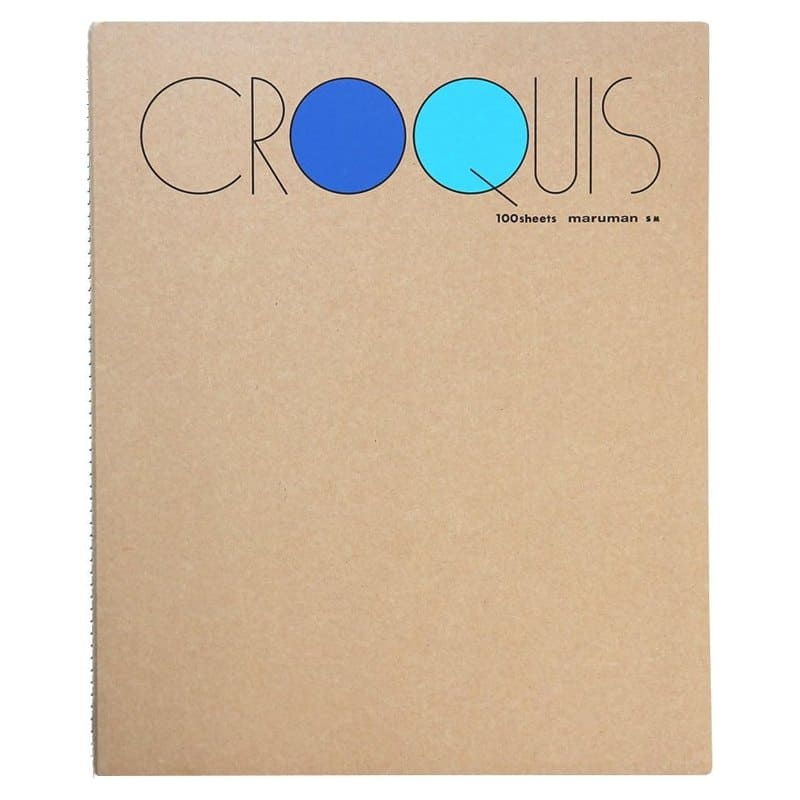
Every named character deserves a sheet: the face, the outfit, the name in kanji and a line about who they are. The Maruman Croquis drawing pad is a classic Japanese sketchbook made for exactly this kind of quick, repeated work. Its lightly textured archival paper takes pencil, pen and ink well. Thread stitching lets it open flat, so you can draw across the full page. At about twelve by ten inches, it fits a full character sheet with room for notes. Keep one pad per project, and your whole cast stays together in one place, ready for the next chapter.
Pentel Pocket Brush Pen — write the name the way it is meant to look
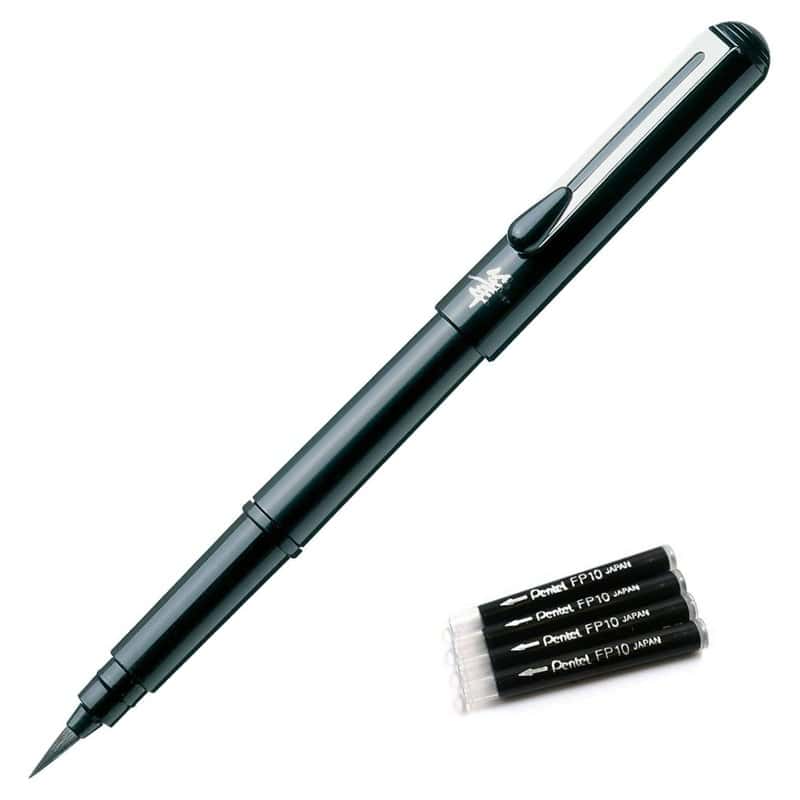
The seventh step asks you to write the name by hand, and a brush pen makes that step a pleasure. The Pentel Pocket Brush Pen has a real synthetic brush tip and refillable ink cartridges, and this set includes spares. Its fine point suits names written on a character sheet or a title card. Thick and thin strokes come naturally, so even a beginner’s kanji gain life. Write the full name, family name first, a few times. You will soon see whether the characters balance on the page, and whether the name truly belongs on the cover of your story.
A Snack for a Long Naming Session
Onigiri, the triangle of rice wrapped in nori, appears in countless anime school lunches and picnic scenes. It is simple, portable and endlessly varied. So it is the ideal food for an afternoon of sketching and naming. The recipe below is a classic version with salted salmon or pickled plum.
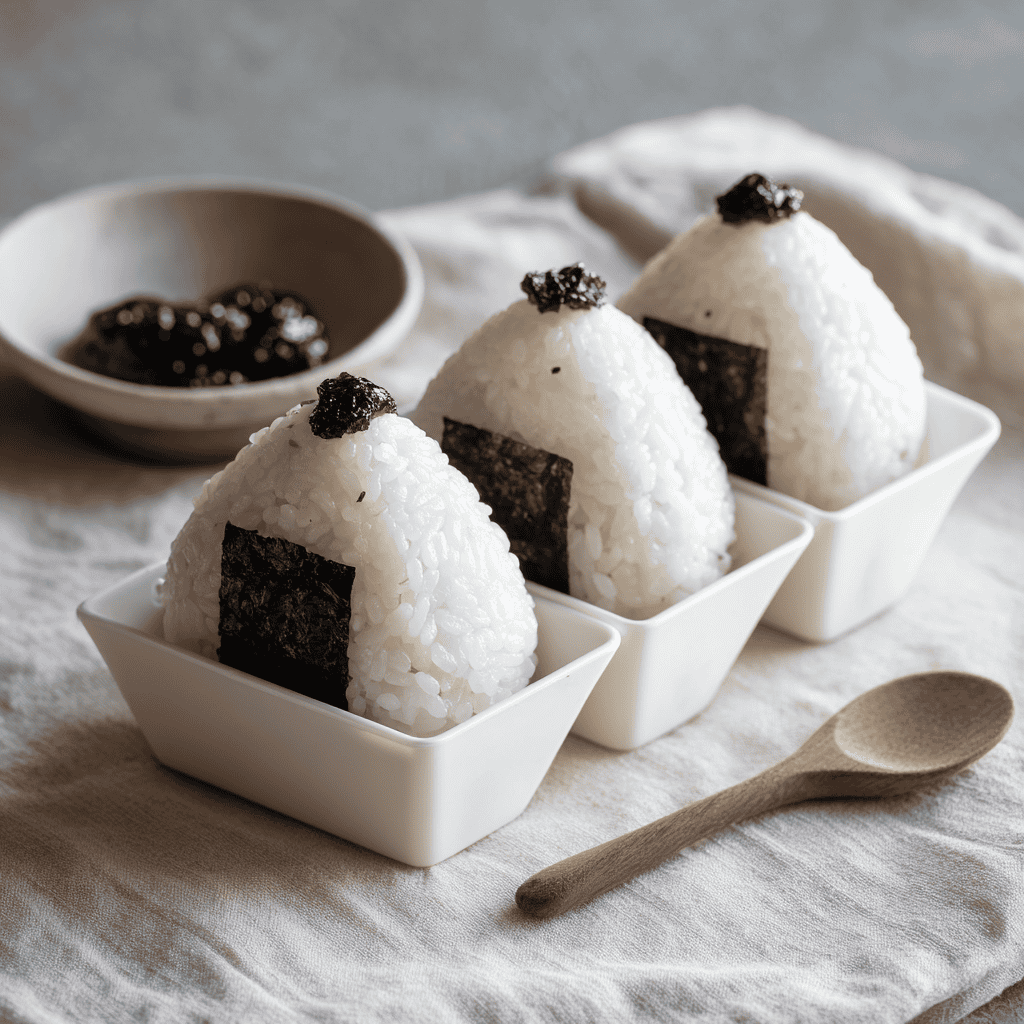
Onigiri — Japanese rice balls with salmon or umeboshi
Adapted from Just One Cookbook’s onigiri recipe, this makes about nine. First, rinse two and a quarter cups of short-grain rice, soak it for twenty to thirty minutes, and cook it with two and a half cups of water. Meanwhile, salt a salmon fillet, bake it at 425°F for ten to twenty minutes and flake it, and pit two umeboshi. Then wet and salt your hands, press a teaspoon or two of filling into a handful of rice, and shape a firm triangle. Finally, wrap each in a third of a nori sheet.
Keep the nori separate until you eat if you like it crisp. Alternatively, wrap it straight away for the soft texture of a packed lunch. Either way, a plate of onigiri beside the sketchbook keeps a naming session going.
Naming is a beginning, and beginnings reward an open mind. Japanese has a word for that attitude: shoshin, the beginner’s mind. It means meeting each task as if for the first time, without assuming you already know the answer. For a writer, that might mean letting a character surprise you, or trying a name you would have dismissed last year. So keep a little room for the unexpected, and revisit your list of names after a day away from it. The journal below turns that habit into a short daily practice.
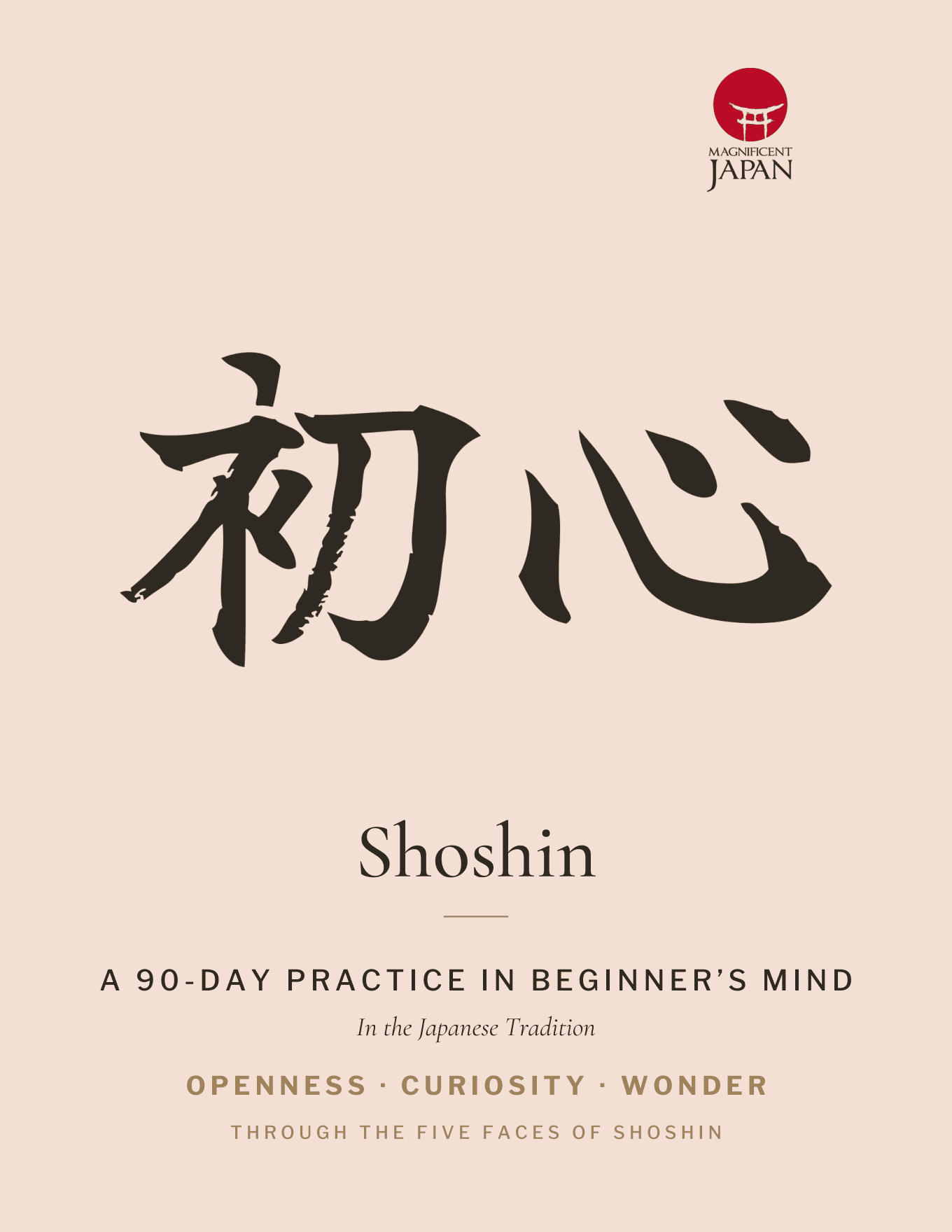
Shoshin means beginner’s mind, the habit of meeting each idea as if for the first time. This 90-day guided journal turns that habit into one short prompt a day, a good companion for anyone who creates characters and worlds. It comes as a write-on digital edition, and it is one of eight journals in the Cultural Reflection Collection.
View The CollectionLiving With the Name You Choose
A name grows into its character over the course of a story. At first it is only a label. Then, chapter by chapter, readers attach memories to it, until the name alone can make them smile or wince. That is the real test of anime character names: not how they sound on the first page, but how they feel on the last. A name chosen for its meaning gives the story something to pay off. When the timid Isamu finally acts with courage, readers who know the kanji will feel the click.

So choose with care, and then trust the choice. Read more about how Japanese speakers talk about bonds and feelings in our guide to Japanese words for love. Then, when you are ready to write your character’s name with a brush, our calligraphy practice tool shows each stroke in order. For the reasons behind that order, see our guide to kanji stroke counts. A name written well by hand is the last and most personal step in making it yours.
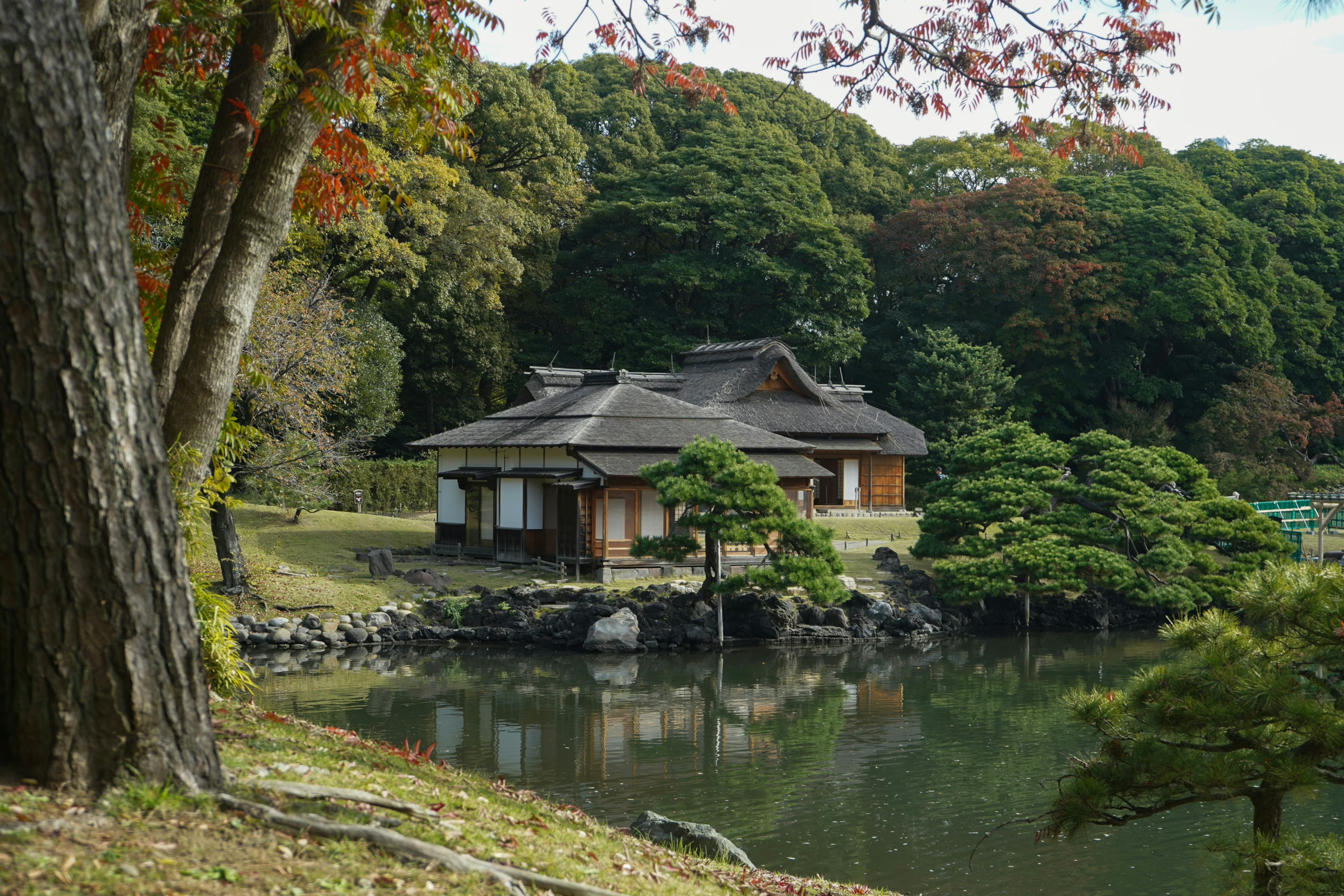
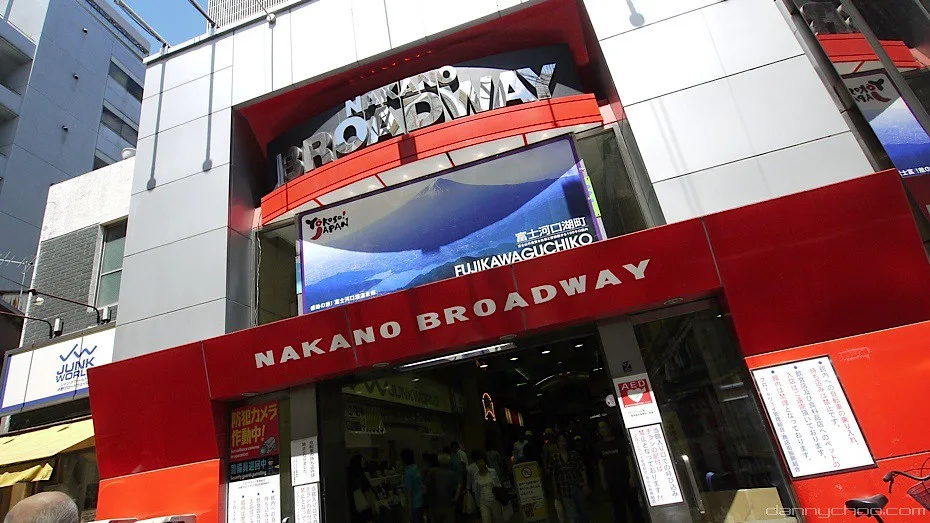
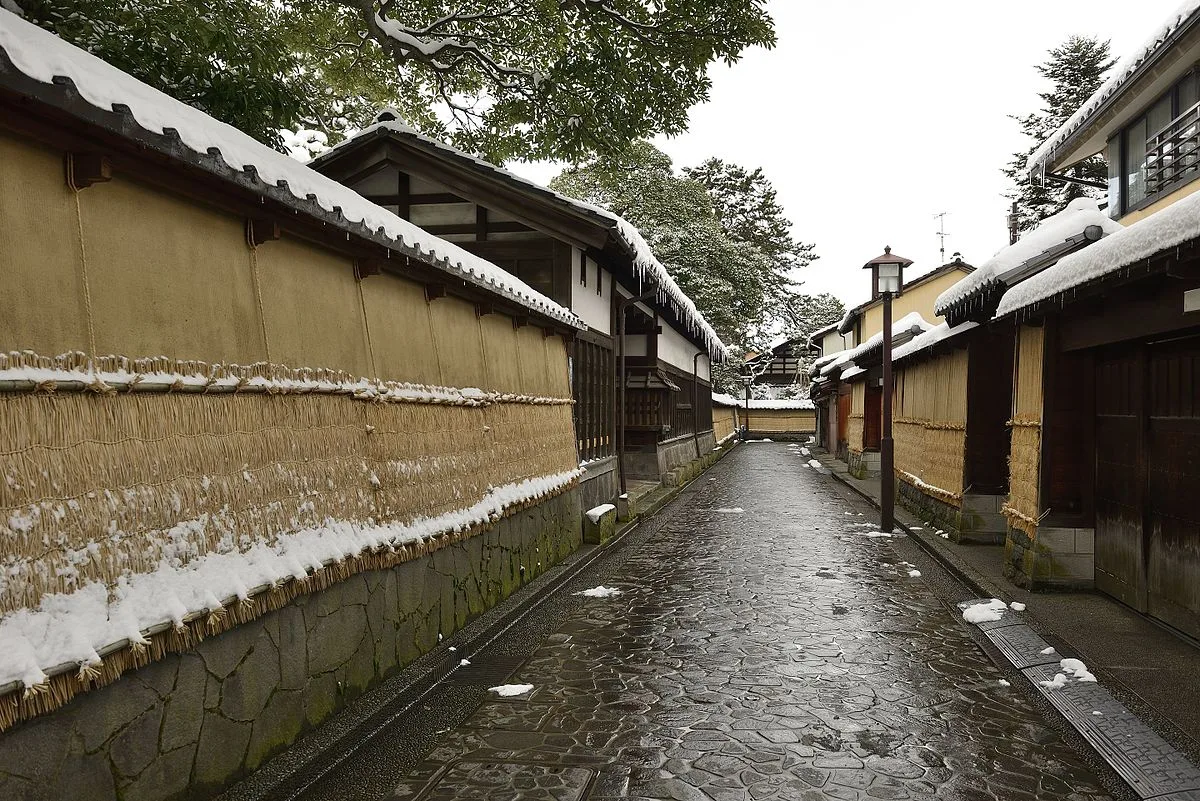
Settings like this one are part of naming too. A character raised beside a garden pond might carry a water kanji, while one from a neon district might carry light or thunder. So when you travel, notice the names on shop signs, station boards and house plates. Each is a small lesson in how Japanese families describe themselves. Over time, those lessons will make the names you choose feel grounded in a real place. The tools below help you take the next step.
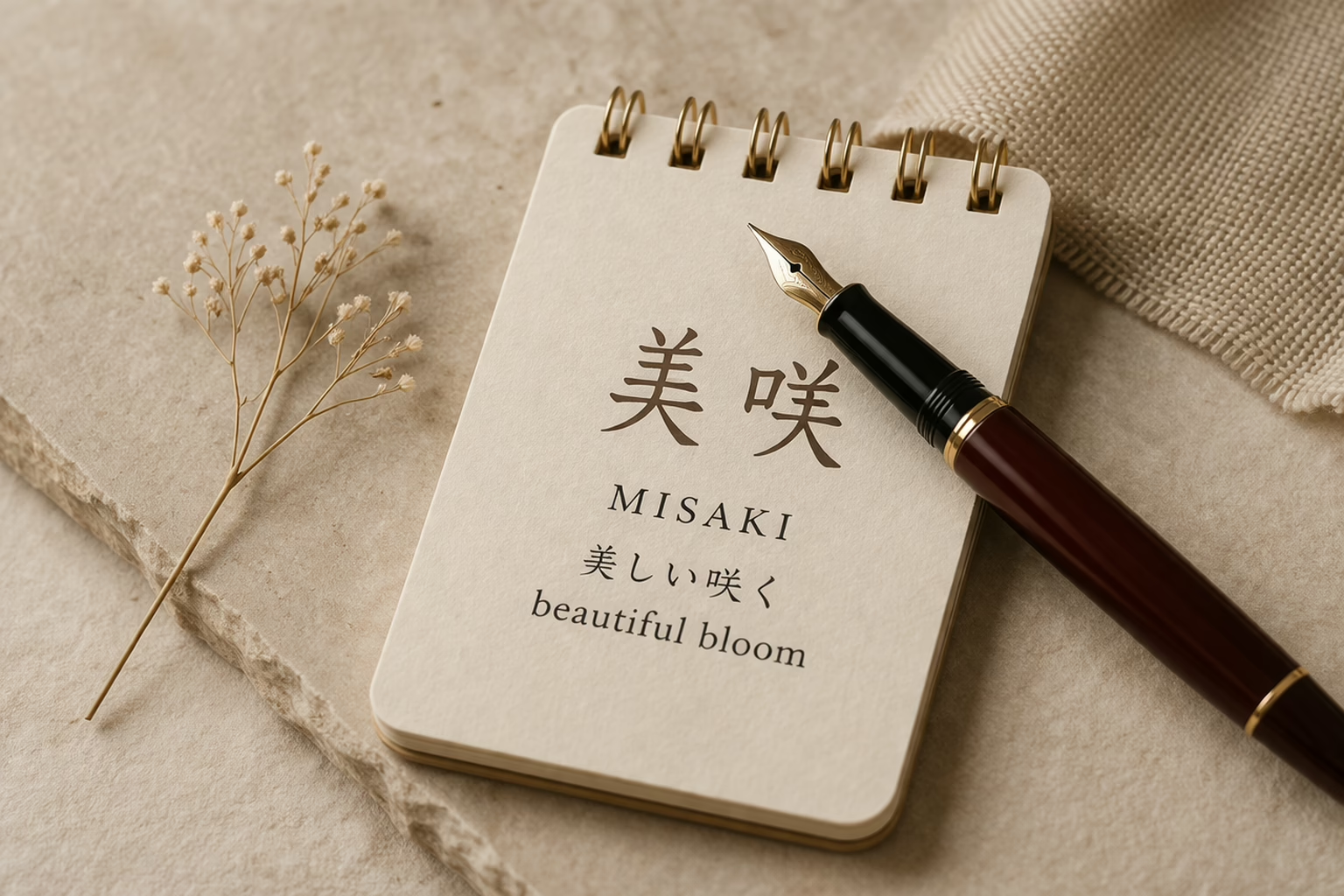
Seeing the Settings for Yourself
One last thought before the questions. The best research for a Japanese setting is to walk through one. That might mean an evening in Akihabara and a morning in an old castle town. Add a night in a small country inn, and your characters gain streets, sounds and seasons to live in. Would you like that trip planned around your story? Our travel designers can build a route through modern Tokyo and older Japan alike. They reserve the inns and guides, so you can spend your days noticing details rather than timetables.
A custom itinerary for writers, artists and fans who want to see the settings of Japanese stories in person. It moves from neon city districts to castle towns and old samurai lanes, with stays chosen for their character. Each day is paced for walking, sketching and eating well.
Plan Your Custom Japan ItineraryQuestions Worth Asking
What would my anime name be?
Start with a trait you value in yourself, such as calm or courage. Then find a real Japanese name whose kanji carry it, like Shizuka for calm or Isamu for courage, and add a surname that suits you.
Can an anime character have a made-up Japanese name?
Yes, fiction often bends the rules. Still, invented names read best when they follow real patterns: kanji used in names, readings that fit those kanji, and a familiar rhythm. Otherwise, Japanese readers may find the name jarring.
What are good unisex anime names?
Real names that suit any gender include Sora (sky), Ren (lotus), Hikaru (light), Kaoru (fragrant), Itsuki (trees) and Hibiki (echo). Their meanings are open, so they fit many personalities.
Do anime characters use the family name first?
In Japanese, yes. The family name comes first, so Ren of the Hoshino family is Hoshino Ren. English releases sometimes reverse the order, but the original always puts the surname first.
What Japanese names mean dark or shadow?
Yami means darkness, but it is an ordinary word rather than a name. For a real name with a dark tone, consider Yozora (night sky), Tsukiyo (moonlit night) or the surname Kuroda (black field).
Is it okay to use a name from Japanese legend for a character?
Yes, and many stories do. Remember that names like Musashi or Kaguya carry strong associations. Use one when you want readers to make the comparison, or borrow a single kanji for a lighter echo.
The Editors, Magnificent Japan