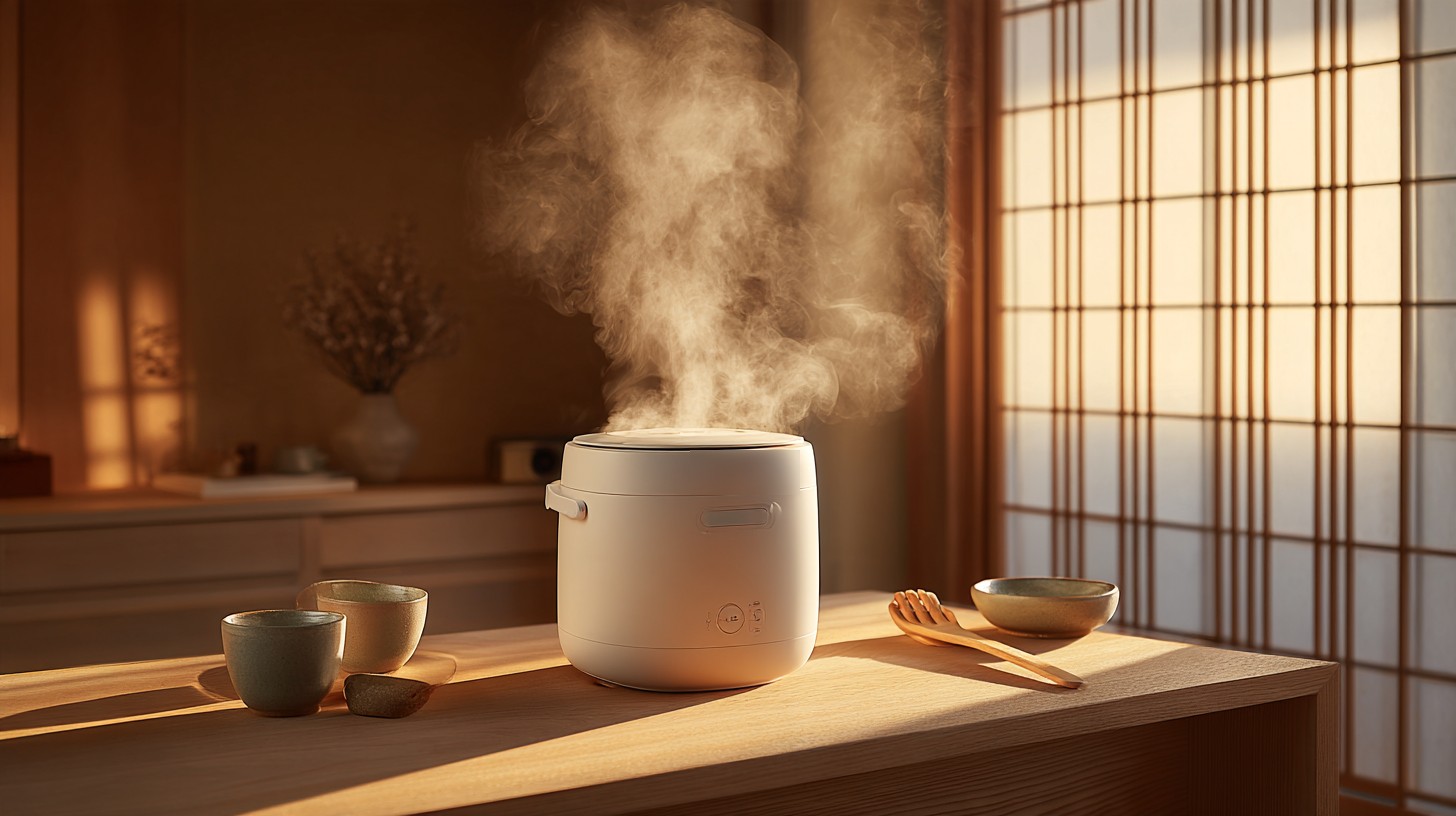
Did Japan really invent the rice cooker, the Washlet and karaoke?
Partly, and the true story of these Japanese inventions for the home is better than the myth. Toshiba sold Japan’s first automatic electric rice cooker in 1955, and Japanese engineers built the first karaoke machines in 1967 and 1971. The warm-water toilet seat, however, began as an American medical product that TOTO remade as the Washlet in 1980.
That pattern runs through every story in this guide. A small family factory, a team of company volunteers, a musician who could not read music: the people behind these Japanese inventions for the home were rarely famous. What they shared was patience with an ordinary problem until it went away.
This guide sits inside our wider look at Japanese inventions, and it moves room by room, from the kitchen to a bed for a night away. Two older stories close the tour. Each section separates the record from the myth, and the guide ends with the museums and a rice dish to cook at home.
How Did a Family Factory Teach the Rice Cooker to Switch Itself Off?
Before 1955, rice was a chore that never ended. In many homes it was cooked up to three times a day, often over a charcoal or wood stove called a kamado. The first fire was lit at around five in the morning, according to IEEE Spectrum’s history of the Toshiba cooker. Someone had to watch the pot the whole time.
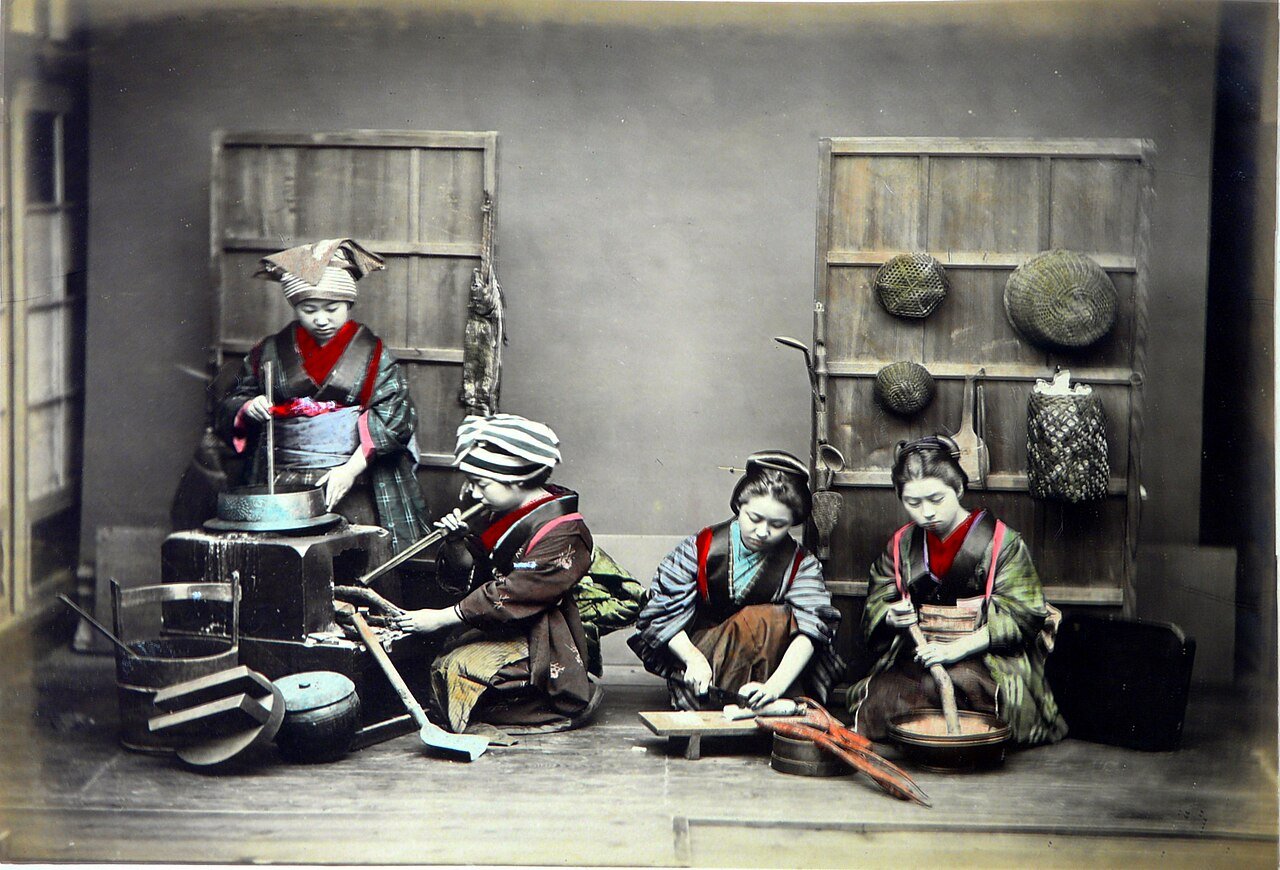
Electric rice cookers already existed by then. Makers had experimented with them since the 1920s, but none switched itself off. So the cook still stood guard, or the rice burned. The idea for a better machine came from a Toshiba salesman, Shogo Yamada. While selling washing machines, he kept hearing the same thing from women: rice was their hardest daily job.
The Minami family’s twenty minutes
In 1952 Toshiba took the problem to a small partner factory run by Yoshitada Minami. The Institute of Electrical Engineers of Japan names Minami as the inventor. His wife, Fumiko, spent about five years testing to find a reliable rule. Bring the rice and water to the boil, then cook for exactly twenty minutes.
The trick that followed was simple and clever. Rice went in an inner pot, and water went in an outer pot. That water stays at boiling point until it has boiled away. Then the temperature rises, and a bimetal switch cuts the power. A cup of water takes about twenty minutes to boil off, which matched Fumiko’s rule. When she fell ill, the rest of the family carried on the tests in cold, heat and humidity.
From slow seller to every kitchen
In December 1955 Toshiba began selling Japan’s first automatic electric rice cooker. At first, however, shops doubted it, and it sold slowly. It cost about a third of an average monthly salary. Toshiba then took it to the power companies and to live demonstrations in farming villages. Within a year it was selling more than 200,000 a month, and the Minami factory was saved from near-bankruptcy.
The cooker also traveled. The Toshiba Science Museum records that it was exported to the United States and Southeast Asia. In the same years, Japanese kitchens learned to love instant noodles, a story told in our guide to Japanese food inventions. Rice, though, stayed at the center of the table.
Why Did 300 TOTO Employees Test the Washlet?
The Washlet is the invention visitors talk about most, and it is often credited to the wrong country. The warm-water toilet seat began in America. A company called American Bidet sold a model named the Wash Air Seat. It was made for medical use, for hospital patients and people with limited mobility. It sold poorly in the United States, as TOTO’s own history of the Washlet explains.
The seat reached Japan in the 1960s, and TOTO began making a version of its own at the end of that decade. Those first models were unreliable. The water temperature swung and the spray missed, and customers asked for refunds. So in November 1978, in a recession after the oil crisis, TOTO decided to design the seat again from the start.
The volunteers and the golden settings
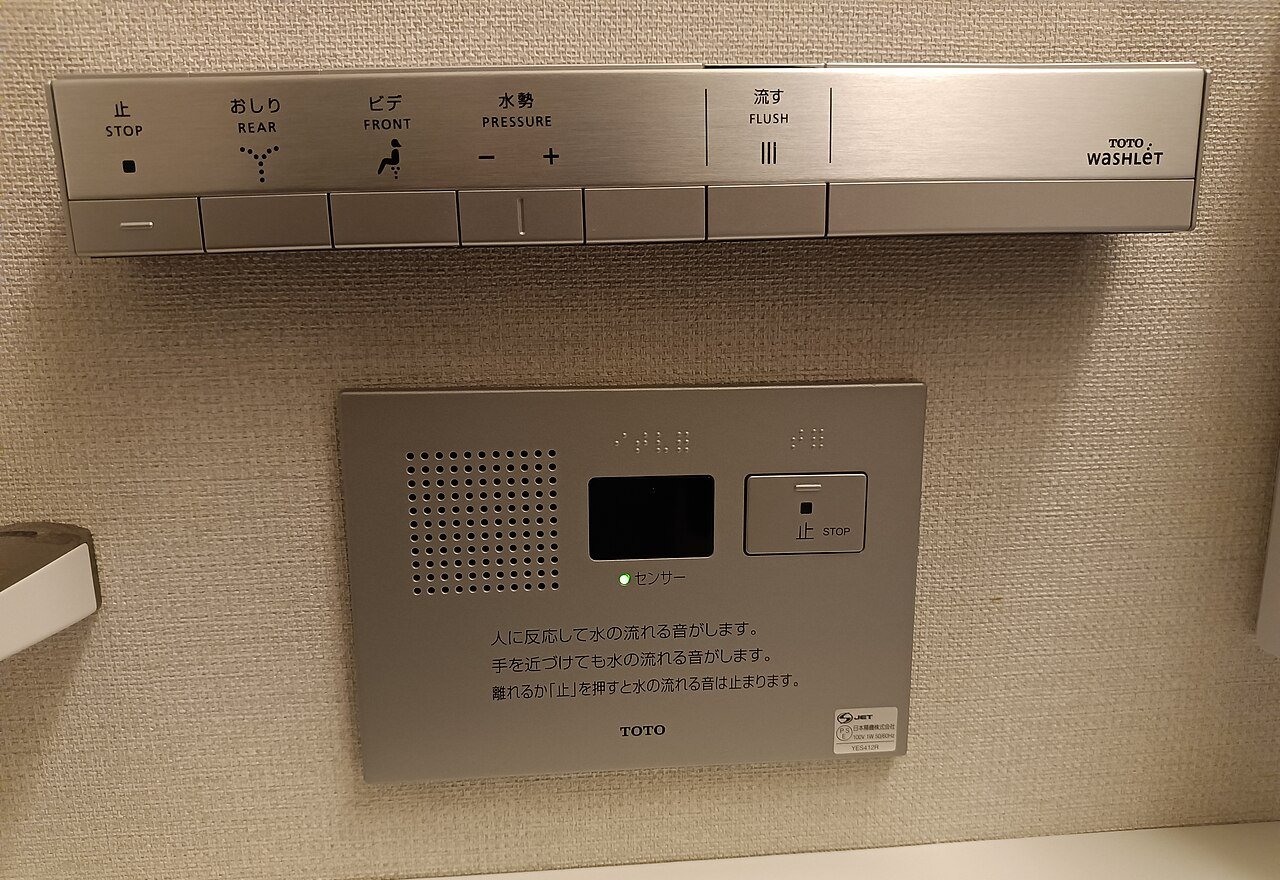
Nobody had data on where people actually sit. Therefore more than 300 TOTO employees volunteered for measurement and spray tests. The result was a pair of figures the company still calls golden: water at 38 °C (100.4 °F) and a spray angle of 43 degrees. In June 1980 TOTO launched the Washlet G. The name comes from the phrase “Let’s Wash”.
Even then, the launch was rocky. After complaints that the water ran cold, TOTO replaced every unit it had sold. A 1982 television commercial finally made the product widely known. One million had been sold by 1987, and 70 million by 2025, according to TOTO’s Washlet timeline.
From one company to most homes
Today the warm-water seat is ordinary furniture in Japan. In March 2018, 80.2% of Japanese households of two or more people owned one, up from 14.2% in 1992, nippon.com reported from a Cabinet Office survey. That figure covers every maker, not TOTO alone. Still, the company’s 1980 redesign is where the habit began.
Seen from outside, the rice cooker and the Washlet are simply machines. Inside a home, though, they hand back a little time and make a room ask less of the people in it. Japanese has a word for that ease between people and the place they share: nagomi, often translated as harmony.
Was Fujifilm’s QuickSnap Really the First Disposable Camera?
No, though it was the first to succeed. Single-use cameras had been tried for decades before it. In 1949 an American model called the Photo-Pac was sold with the instruction “Aim – Snap – Mail”, according to Digital Camera World’s history of the format. Those early versions vanished within a few years.
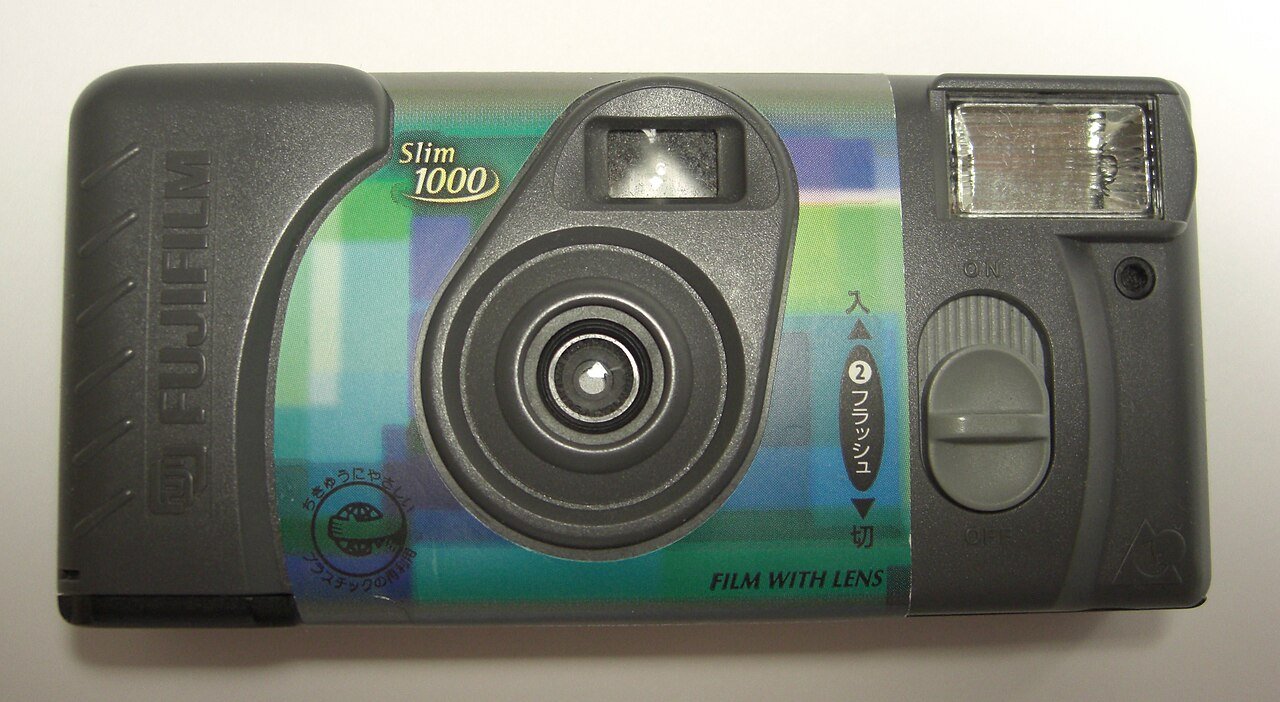
Fujifilm’s idea, by contrast, was disarmingly simple: stick a lens onto a roll of film. Its Utsurundesu went on sale in Japan on 1 July 1986. The first model used small 110 film at ISO 100. A year later came a 35 mm version, sold abroad as the QuickSnap. Kodak soon answered with a camera of its own, the Fling.
A camera that refused to disappear
Fujifilm kept adding to the idea. A telephoto model came in 1989, a panoramic one in 1990 and a waterproof one in 1991. Sales in Japan peaked around 1997, at more than 89 million cameras in a single year. Then digital cameras and phones nearly ended it. Yet in the late 2010s, sales came back.
The total is remarkable. More than 1.7 billion have been sold since 1986, Jiji Press reported for the camera’s 40th birthday in July 2026. Part of the appeal is the wait. You cannot check a shot, so you take fewer and look harder. For a photographer’s view of Japan in that patient spirit, see our guide to traditional Japan photography.
All three ideas are still on sale today. Japanese makers still build rice cookers, TOTO still builds the Washlet, and Fujifilm still loads film into the QuickSnap. Among Japanese inventions for the home, they are the three a visitor meets first, often within a single day of landing in Japan.
The Kitchen, the Bathroom and the Camera Bag
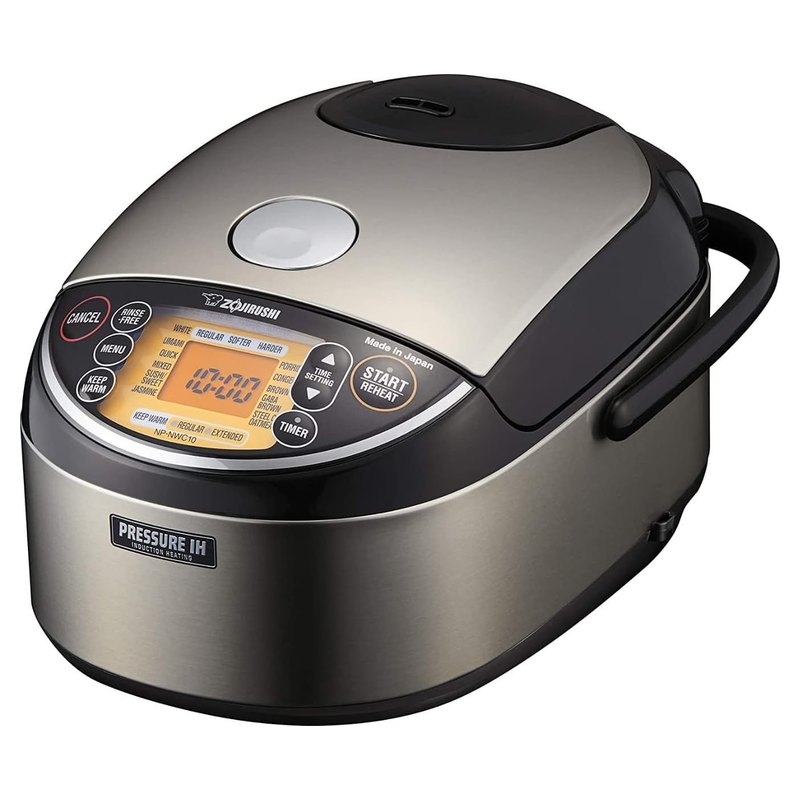
A pressure induction rice cooker from a Japanese maker, built for short-grain rice.
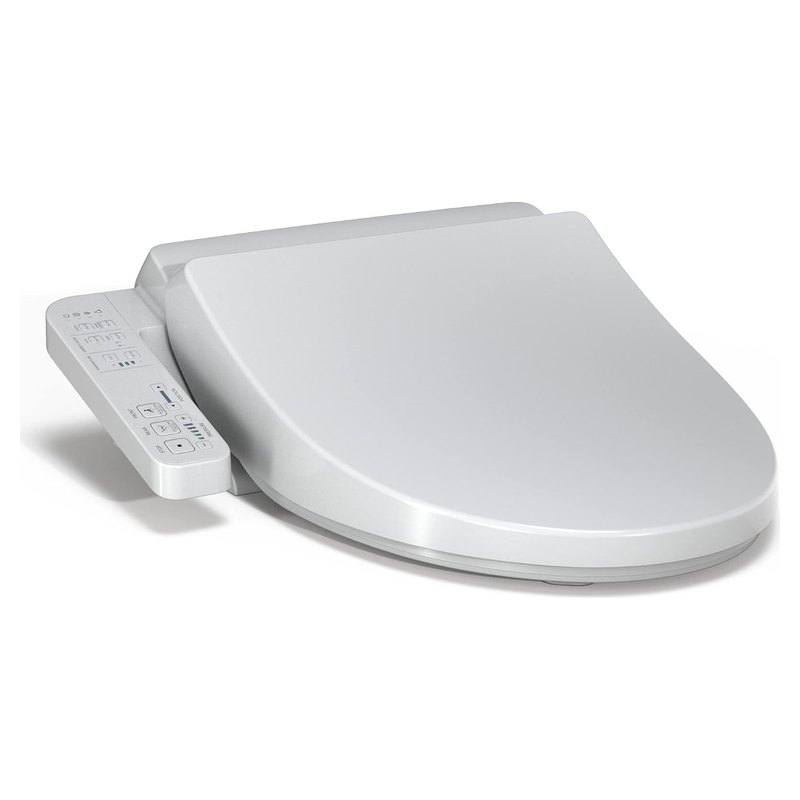
The Washlet line from the company that launched the first one in 1980.
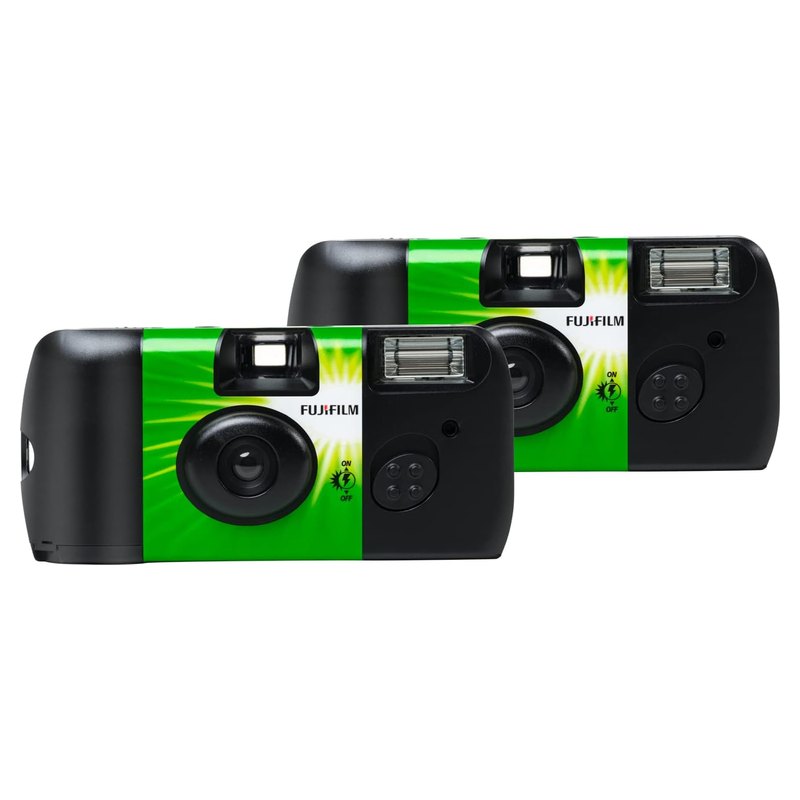
The descendant of the 1986 Utsurundesu, still loaded with real film.
Who Really Invented Karaoke?
Karaoke machines were born in Japan, but no single person can claim them. The engineer Shigeichi Negishi built one in 1967, after a colleague mocked his singing. Four years later, the musician Daisuke Inoue independently built his own, as NPR reported in its 2024 obituary of Negishi. Negishi never patented his.
Negishi’s Sparko Box
Negishi’s machine played eight-track backing tapes. It had a microphone mixer, a lyrics card and a coin timer that charged by the ten minutes. He first called it the Music Box, then renamed it the Sparko Box around 1969, according to the IEEE milestone record. Live musicians, meanwhile, saw it as a threat to their jobs.
In 2025 the IEEE, the engineers’ institute, named it the First Karaoke Machine. Its plaque, dedicated on 12 June 2025, hangs at the entrance to the Negishi Tobacco Store in Itabashi, Tokyo. It is a modest place for a world first, and that suits the story.
Inoue’s coin-box machine in Kobe
Daisuke Inoue played in a club in Kobe and could never read music. When a club customer invited him on a weekend company trip, Inoue made him a tape of instrumental backing music instead, AFP reported in 2004. He first had the idea for a karaoke machine in 1971.
His machine was built on a car stereo and fitted with a microphone, an amplifier and a coin box. In 2004 he received the Ig Nobel Peace Prize “for inventing karaoke”. That is a prize citation, though, not a settled verdict. Engineers now give the first machine to Negishi, whose 1967 box came four years earlier.
You may also like

Karaoke left the bar long ago and joined the other Japanese inventions for the home. Private karaoke rooms now fill whole buildings in Tokyo and Osaka, and home machines followed them. As a result, the song after dinner became something any family could own, with the guest, not the band, choosing the song.
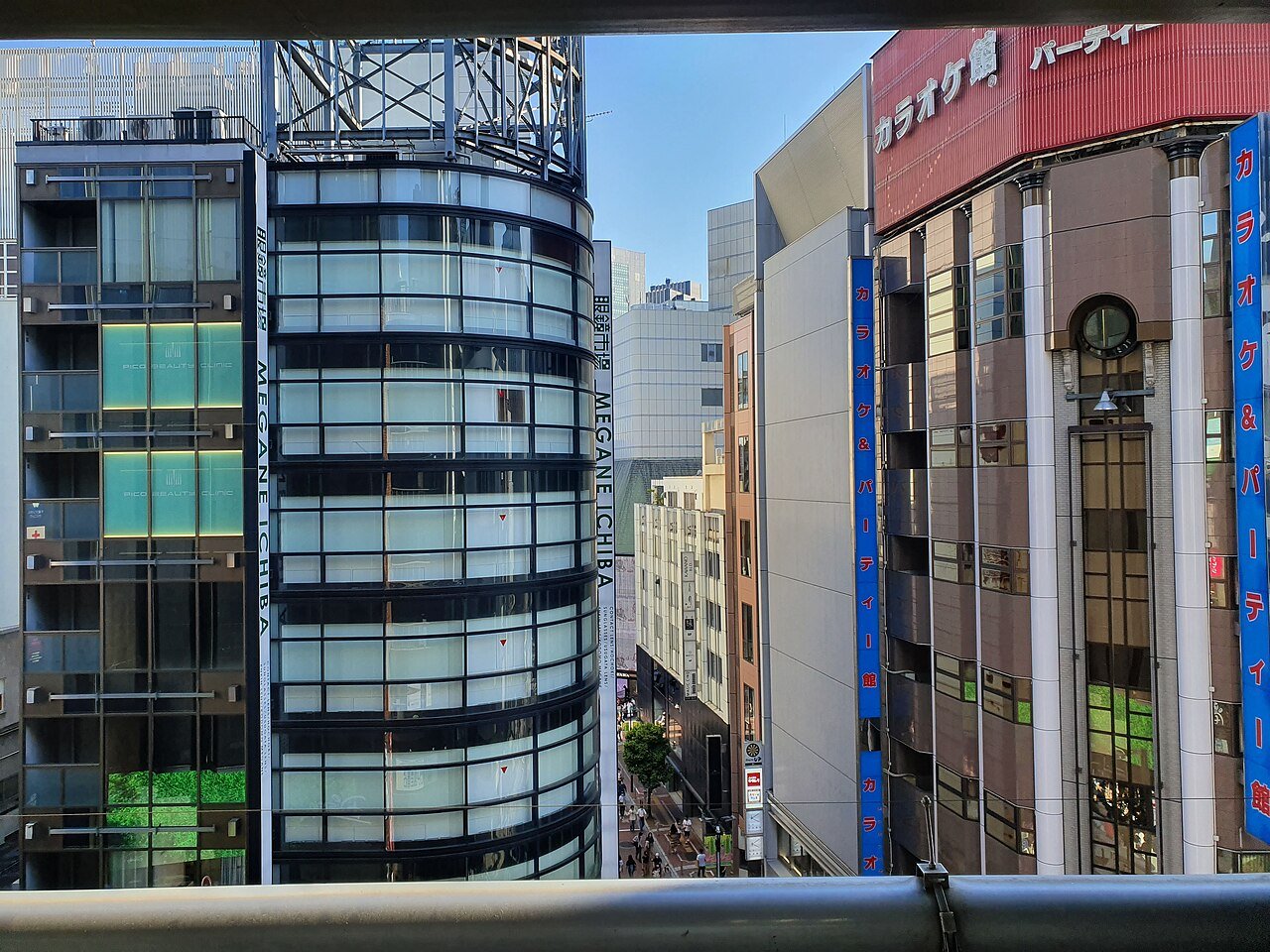
Yet the next invention in this guide began in a very different room. It was not a bar or a home but a bathhouse in Osaka, where a night out could end with a bath and a bed under the same roof.
Why Was the First Capsule Hotel Built Inside a Sauna?
The world’s first capsule hotel was not built for tourists. It was built inside a men-only sauna and bathhouse in Osaka. The commission reached the office of architect Kisho Kurokawa in 1977, and the Capsule Inn Osaka opened in 1979, according to MoMA’s exhibition labels on Kurokawa’s capsule work. It is still operating today.
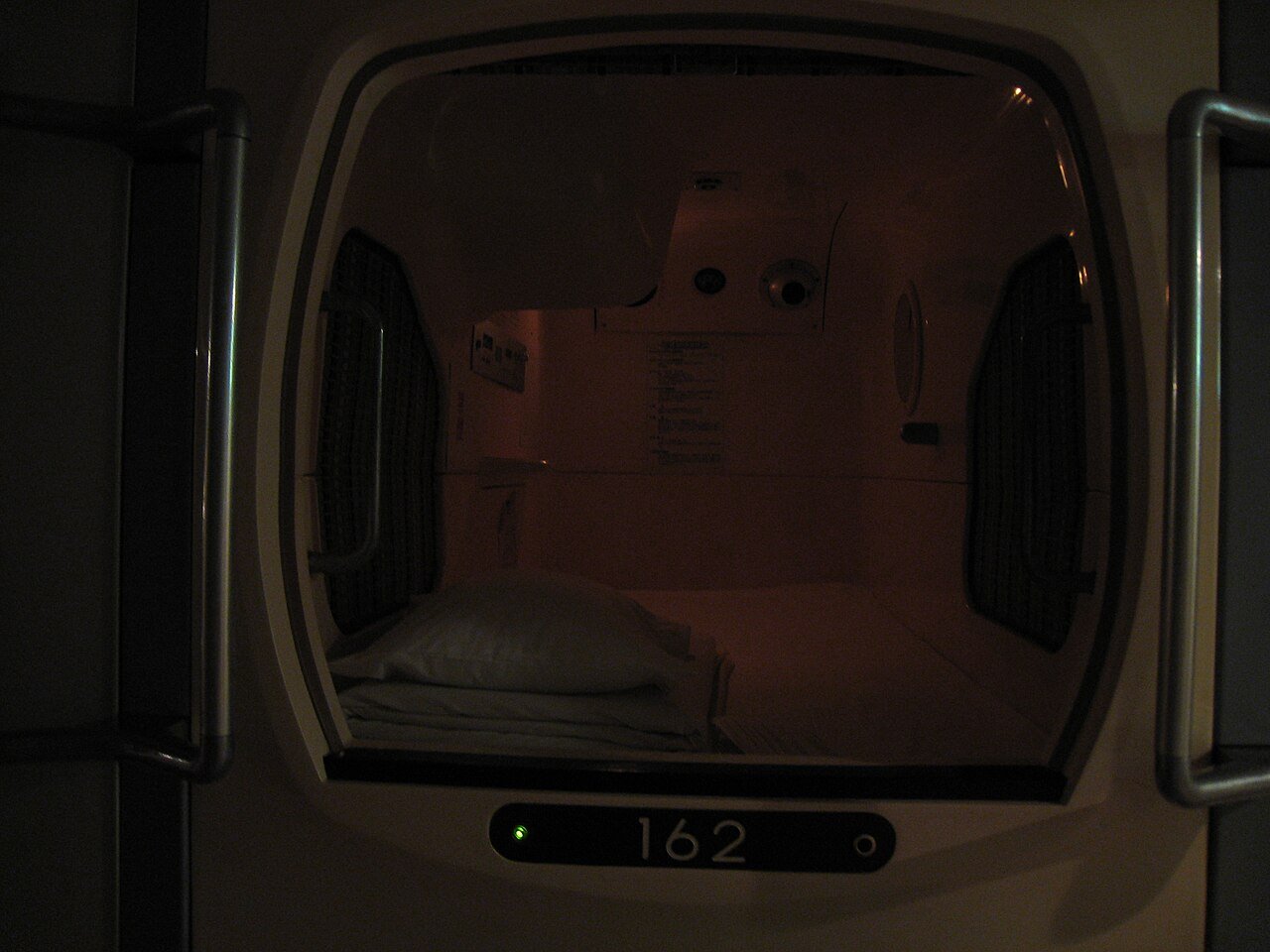
Kurokawa had been thinking about capsule living for years. He first showed it at Expo ’70 in Osaka. Then his Nakagin Capsule Tower in Tokyo opened in 1972, with 140 capsule homes. Many sources date the first capsule hotel to that year. However, the tower held apartments and offices, not hotel beds.
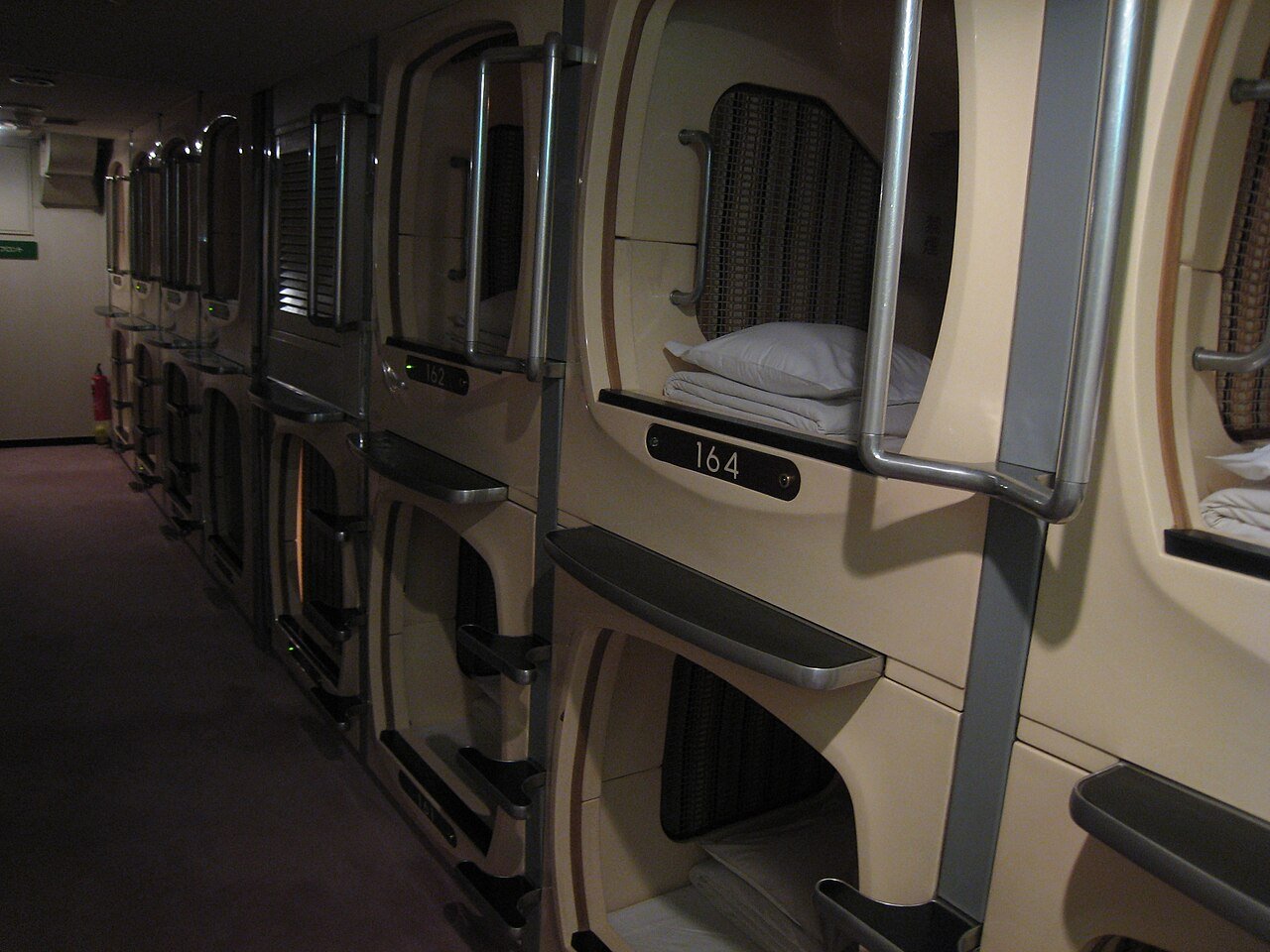
A miniature spaceship for one
Each capsule in Osaka was meant to feel like a miniature spaceship. It had its own air-conditioning control, a television and an alarm. Up to 450 guests sleep there in double-decker capsules. The layout, two tiers of capsules along a central corridor, each about two meters deep, became the standard for every capsule hotel since, as nippon.com’s guide to capsule hotels notes.
There is an irony here. Kurokawa is famous for the Nakagin tower, and its demolition began in April 2022. Yet MoMA suggests the capsule hotel may be his most enduring contribution to daily life. The sauna beds outlived the landmark. For the other end of a night away, see our pick of the finest hotels in Japan. For the city where the capsule began, see our guide to unusual Osaka.

The capsule’s real ancestor is the bath, not the bedroom. Japanese travelers have long ended a day in hot water before sleep, and the Osaka sauna simply added a bed. Our guide to onsen and ryokan shows the grander version of the same evening. In a capsule or a ryokan, the order rarely changes: wash, soak, eat, then sleep. It is a rhythm worth writing down on a trip.
How Did the Chemist Behind Adrenaline Bring Cherry Trees to Washington?
The adrenaline in today’s emergency injectors traces back to a Japanese chemist’s lab in Clifton, New Jersey. Jokichi Takamine had opened it in 1897. In February 1900 his assistant, Keizo Uenaka, arrived. Within about six months they had purified adrenaline in crystalline form, the first to do so, according to the Science History Institute.
Daiichi Sankyo, the company Takamine later led, tells the small human part. Uenaka found the crystals in a test tube he had left overnight, because he was too tired to wash it. The hormone came from sheep adrenal glands, and Takamine named it “adrenalin”. He patented it at once.
A patent, a rival and a name
The work had competition. John Jacob Abel of Johns Hopkins was racing to isolate the same hormone, and he challenged the patent. A court upheld Takamine’s. The hormone later became widely known as epinephrine, the name on the modern EpiPen. In 2024 Takamine was inducted into the National Inventors Hall of Fame.
A letter every second week: one idea worth keeping and one piece we think you should read.
The trees by the Tidal Basin
Takamine’s second gift is easier to see. In April 1909 he offered Washington 2,000 more cherry trees. He asked Tokyo’s mayor, Yukio Ozaki, to make them a gift in the city’s name. The first trees arrived in January 1910, infested with insects and disease. As a result, President Taft approved burning them.
Tokyo tried again. A second gift of 3,020 trees of 12 varieties reached Washington on 26 March 1912, the National Park Service records. The next day, First Lady Helen Taft and Viscountess Chinda, the wife of Japan’s ambassador, planted the first two by the Tidal Basin. Both trees still stand, marked by a bronze plaque.
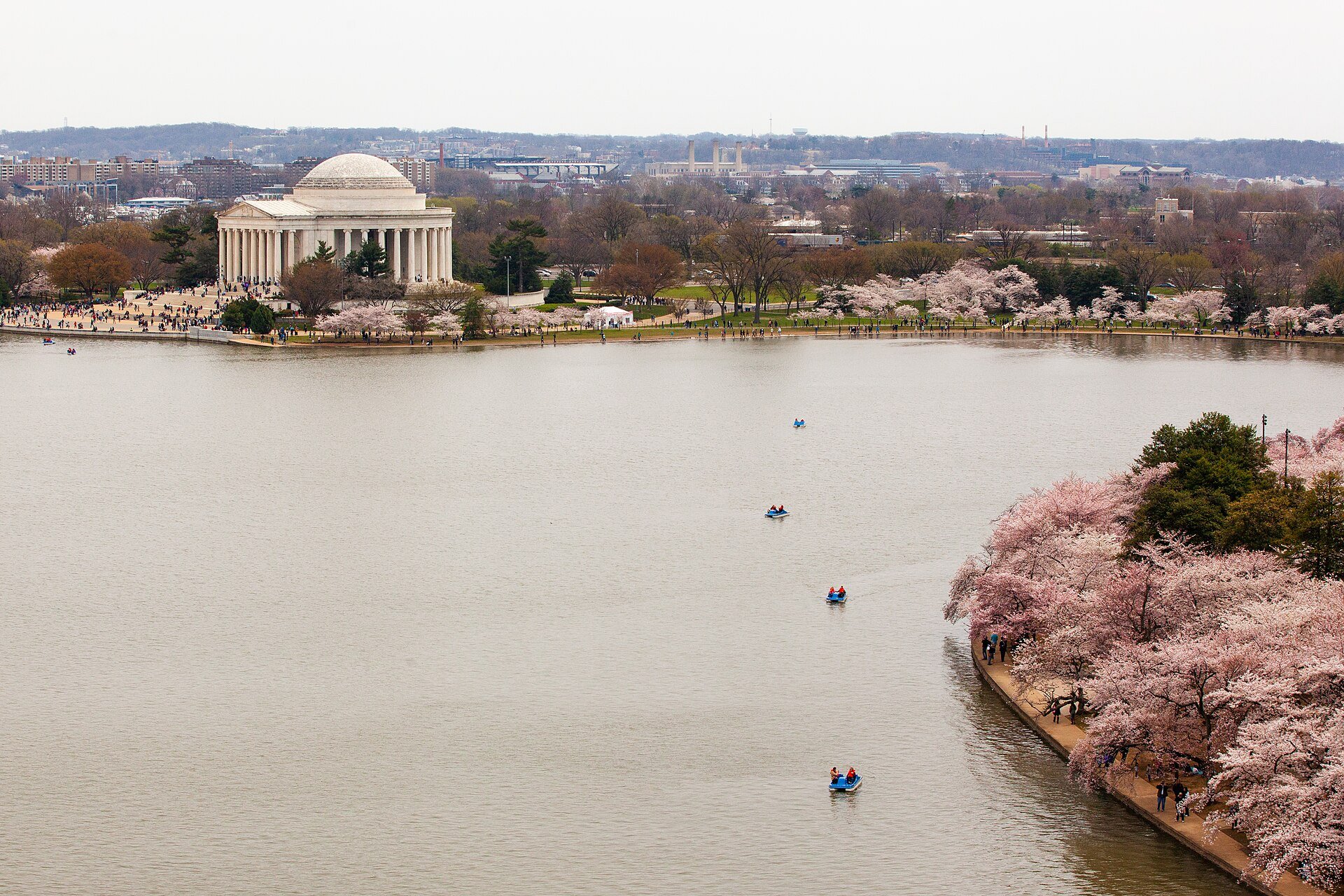
So a chemist helped arrange one of the best-loved sights in America. Each spring the Tidal Basin draws a direct line back to Tokyo. Our guide to cherry blossom season in Japan shows where the same spring is strongest at home.

Three stories from this half of the guide have whole books of their own: the engineer whose karaoke machine came first, the capsule tower Kurokawa built before the sauna, and the Washington trees from the burned first shipment to today.
Books on Karaoke, Capsules and Cherry Trees
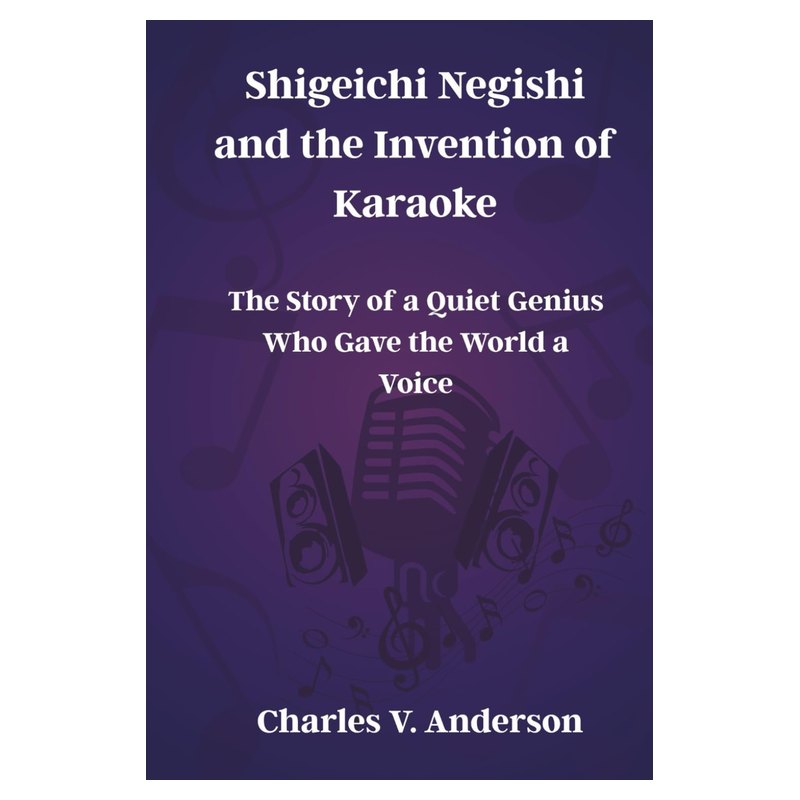
The engineer whose 1967 machine came before every other karaoke box.
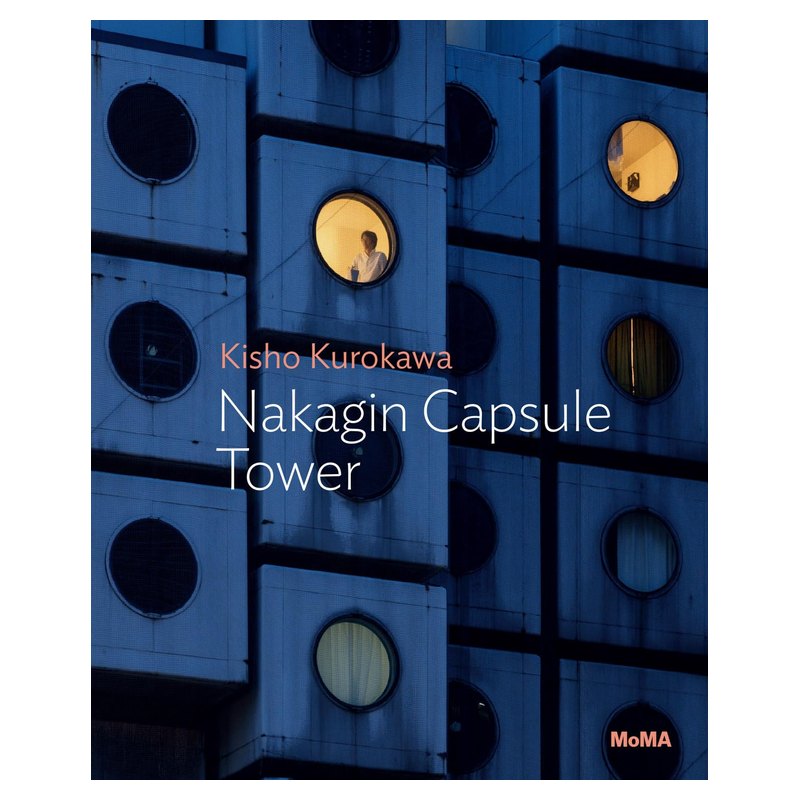
A study of the 1972 tower of capsule homes that came before the hotel.
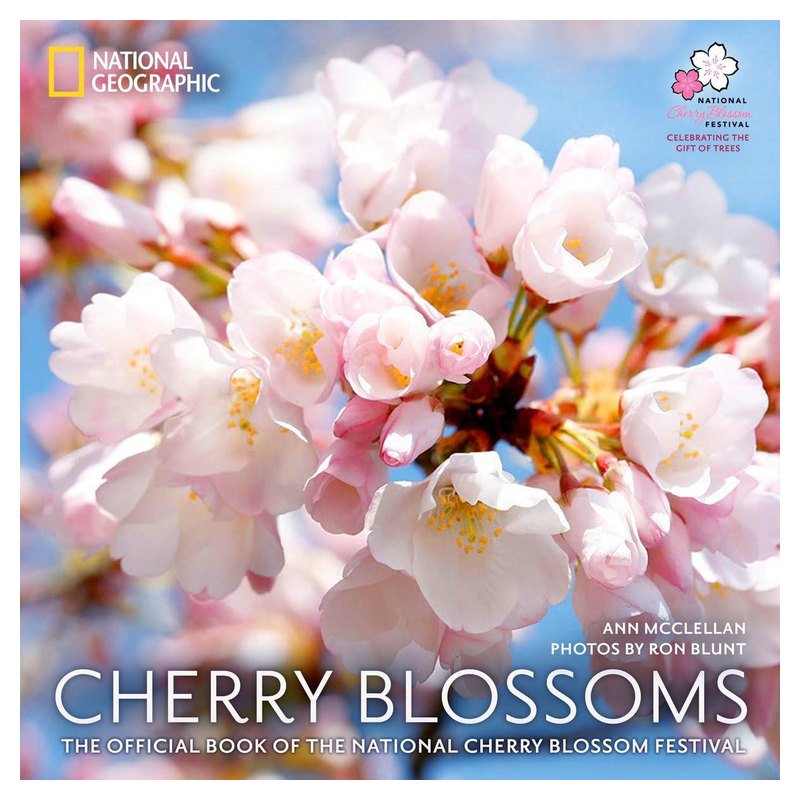
The Washington trees, from Tokyo’s 1912 gift to the blossoms of today.
Why Is Sharp Named After a Pencil?
One of Japan’s best-known electronics brands is named after a pencil. Tokuji Hayakawa trained as an apprentice metalworker, making hair ornaments and fine metal goods. In September 1912 he opened his own metal shop in Tokyo. The Science Museum Group says it began by making belt buckles.
In 1915 his brother brought in an order for mechanical-pencil parts. Mechanical pencils already existed, and Hayakawa did not invent them. Instead, he made his own durable metal version. At first, by Sharp’s own account, it did not sell at all in Japan.
Exports, then a new name
The First World War changed that. It cut European supplies, and a big order from a Yokohama trading house started exports to Europe and the United States. Once the pencil was praised abroad, Japanese wholesalers wanted it too. Refined to an extremely fine lead, it was renamed the Ever-Ready Sharp. That name stayed with the company, as Sharp’s founder story explains.
From pencils to radios
In 1923 the Great Kanto Earthquake and fire destroyed the factory. To clear his debts, Hayakawa handed over the pencil business and its machinery. He arrived in Osaka, in his words, with nothing but the clothes on his back. Exactly one year after the earthquake, on 1 September 1924, he put up a new sign there.
His next product was the radio. In 1925 he assembled Japan’s first crystal radio set, and the company grew into Japan’s leading radio maker. It took the name Sharp Corporation in 1970. Decades later, Sharp also built one of the first camera phones, a story in our guide to 90s Japanese gadgets. The pencil business was gone, but the name had outlived it.
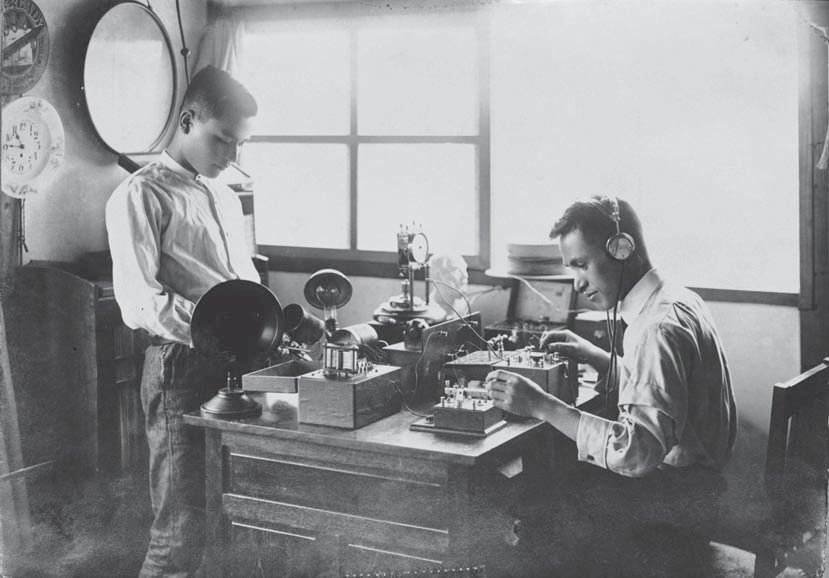
Hayakawa and Takamine both made something you could hold in one hand, then watched it travel the world. Japanese design still prizes that kind of object, close at hand and doing one job well: a calculator from the company the pencil named, a pencil that keeps its own point, and a book on the rooms where such things live.
Sharp, the Pencil and the Japanese Room
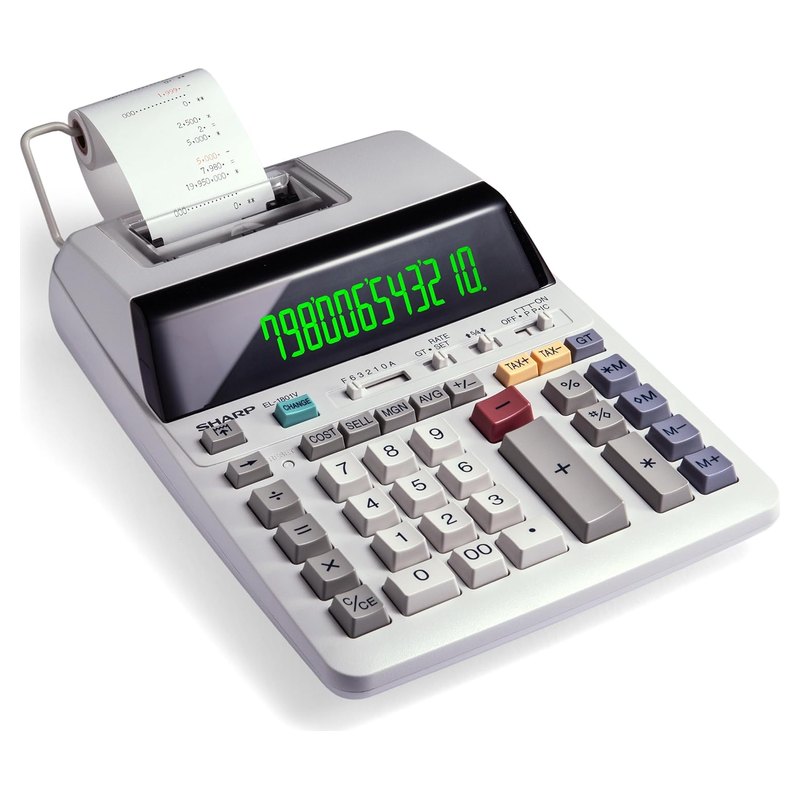
A desk calculator that prints its sums, from the company named after a pencil.
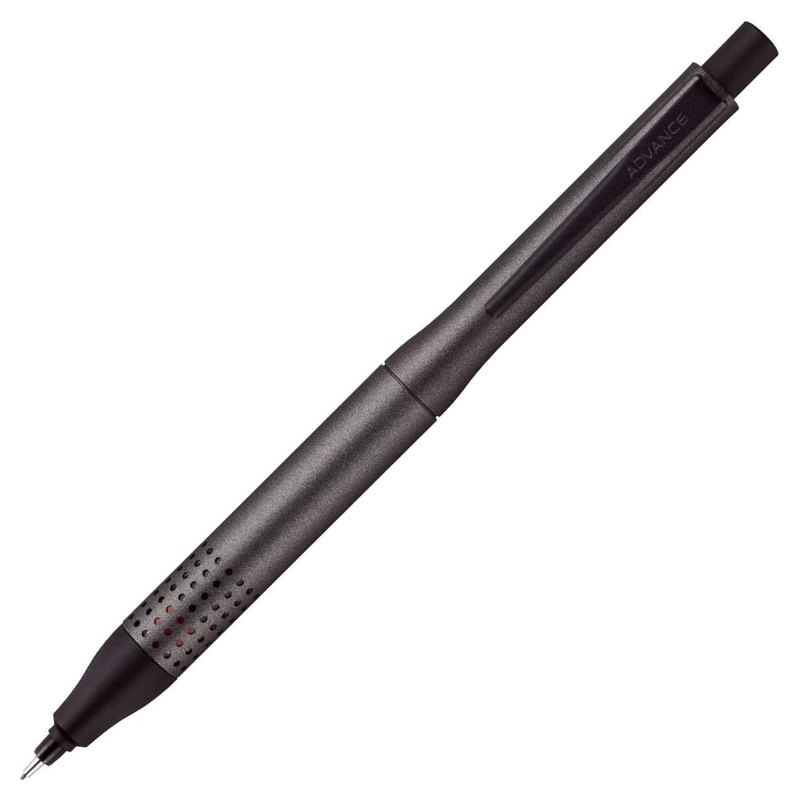
A Japanese pencil whose lead turns as you write, keeping the point fine.
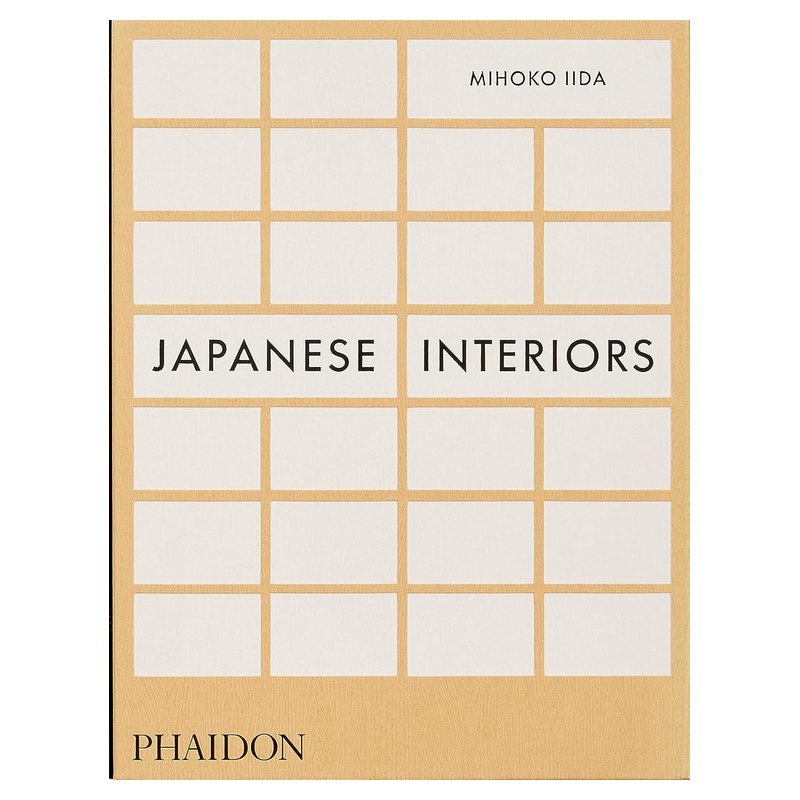
A survey of Japanese homes and the rooms where everyday objects live.
Where Can You See These Inventions in Japan?
Several Japanese inventions for the home have a place you can visit, mostly company museums. Plan them by region, since they spread from Tokyo in the east to Kitakyushu in the west.
One stop is no longer possible. The Toshiba Science Museum in Kawasaki, which showed the 1955 rice cooker, closed to the general public on 29 June 2024, PC Watch reported. Its exhibit page, titled Japan’s First Automatic Electric Rice Cooker, is still online.
TOTO Museum, Kitakyushu
The TOTO Museum stands at the company’s home in Kitakyushu, in Fukuoka Prefecture. Its second exhibition room shows milestone products, the Washlet among them, the museum’s official page lists. A first room covers the roots of the company, and a third shows products sold in different parts of the world.
Fujifilm Square, Tokyo
In Tokyo, Fujifilm Square at Tokyo Midtown West holds the Photo History Museum. It covers the history of photography, replica cameras you can handle, and films and cameras from Fujifilm’s own past, according to the official museum page.

The karaoke plaque and the Sharp museum
For karaoke, the IEEE plaque at the Negishi Tobacco Store in Itabashi is a short detour from central Tokyo. Further west, the Sharp Technology Innovation Museum in Tenri, Nara, covers the company’s past from its pencil to Japan’s first radio, according to Sharp’s museum page. It sits about fifteen minutes by taxi from Tenri Station, and groups must book ahead. In Osaka, meanwhile, the Capsule Inn still takes guests.

Give each museum an unhurried afternoon. Company museums reward slow looking, because the small changes between models tell the story: a switch moved, a lid redesigned, a panel simplified. Read the labels in order, and you watch an idea become reliable.
You may also like
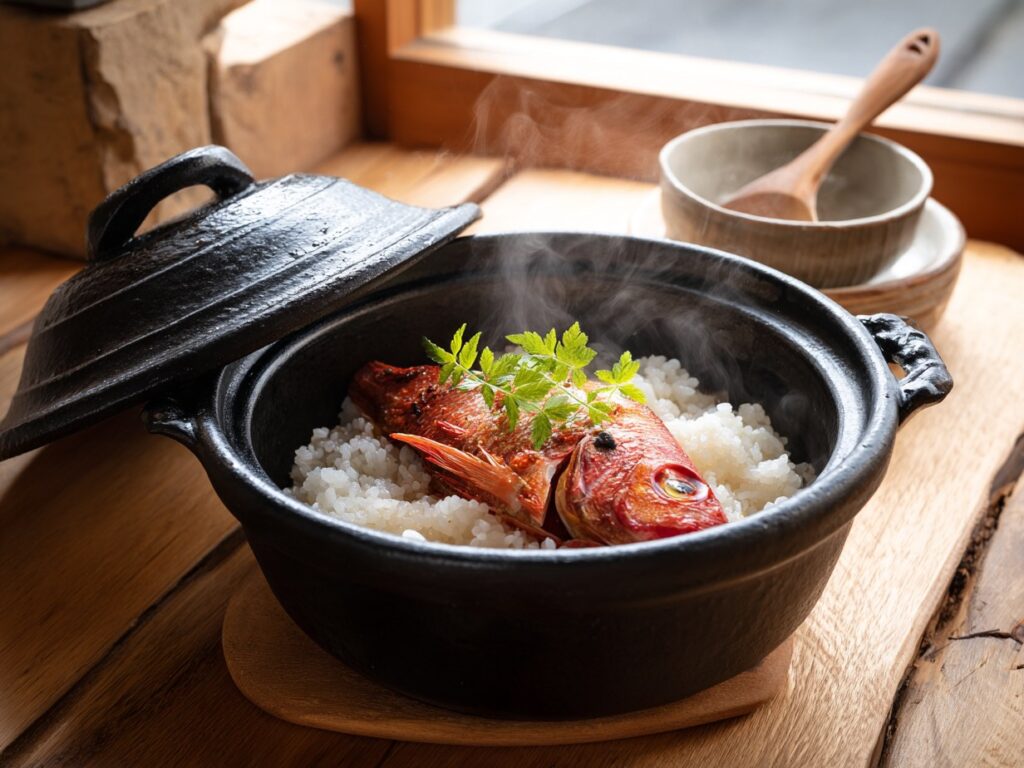
Tai Meshi: Sea Bream Cooked in the Rice Pot
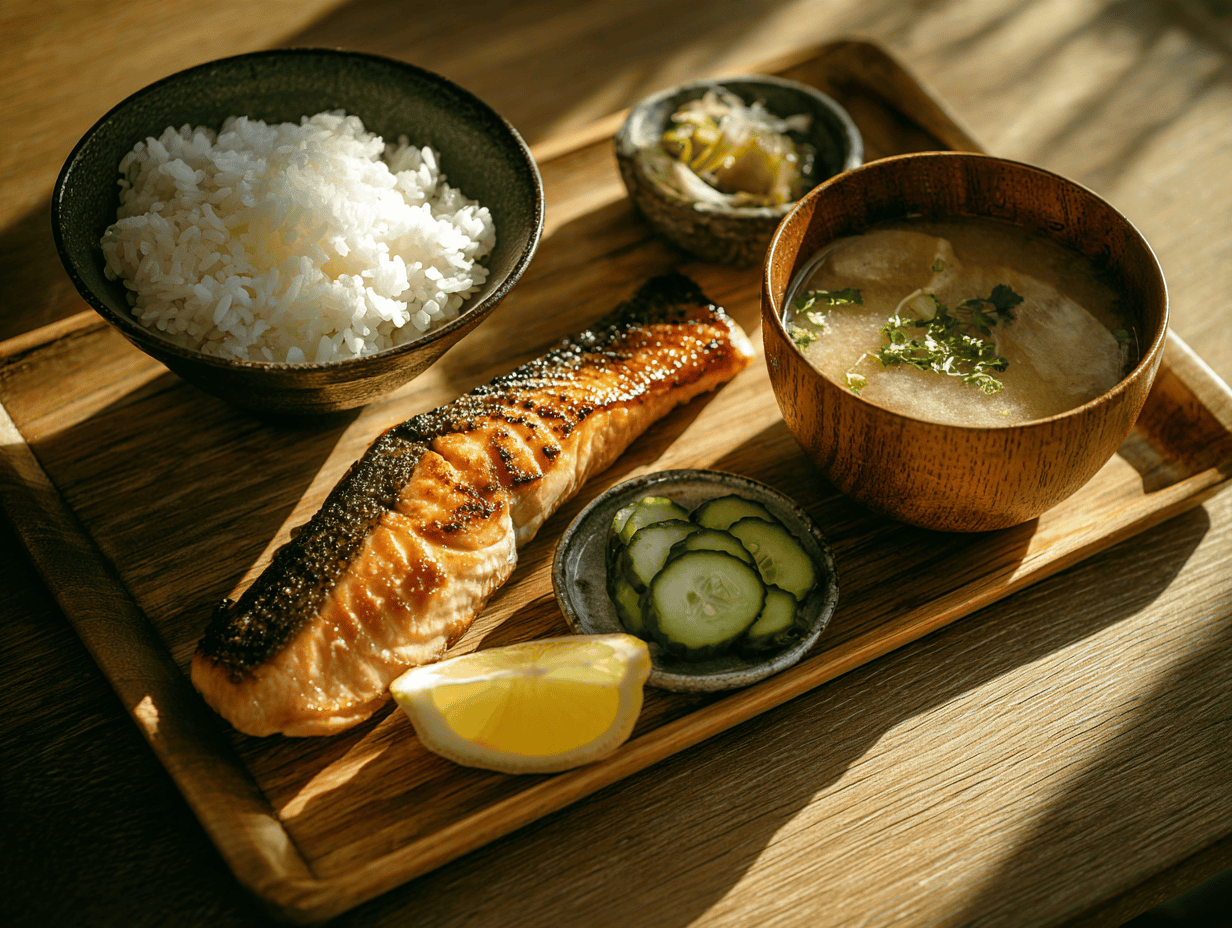
The rice pot deserves the last word, since it started this guide. Tai meshi is rice cooked with a whole sea bream laid on top, so the fish seasons every grain. Japan’s agriculture ministry records a version from Tokushima, made with sea bream from the Naruto Strait. Notably, the ministry’s own method uses an electric rice cooker, the Minami family’s machine, with an earthenware pot as the alternative.
Our version follows a clay-pot recipe from Toiro Kitchen, which salts and broils the fish before cooking it on the rice. Then the fish is lifted off, boned and folded back in.
Tai Meshi Recipe: Japanese Sea Bream Rice
A whole sea bream cooked on rice in one pot, a dish Japan’s agriculture ministry records from Tokushima.
- Prep 30 min
- Cook 40 min
- Total 70 min
- Serves 4
| For the fish | ||
|---|---|---|
| 1 lb (450 g) | 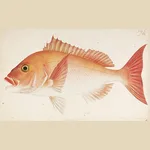 Whole sea bream (tai), cleaned | |
| 1 1/2 tsp | Salt | |
| 1/2 tbsp | Olive oil | |
| For the rice | ||
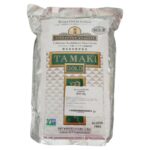
| 2 rice cups (360 ml) | Japanese short-grain rice, rinsed and drained | |
| 1 1/4 cups (300 ml) | Fish stock (dashi) | |
| 2 tbsp | Japanese rice wine (sake) | |
| 1 tbsp | Light soy sauce (usukuchi shoyu) | |
| 1/4 tsp | Salt | |
| To serve | ||
| A little | 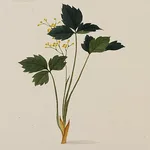 Japanese wild parsley (mitsuba), chopped | |
| A knob | Fresh ginger, sliced very thin | |
| To taste | 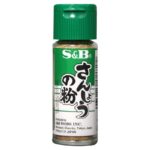 Japanese pepper (sansho), ground | |
We suggest serving it in individual bowls, garnished with thin-sliced ginger and Japanese wild parsley (mitsuba), with Japanese pepper (sansho) at the table.
| 1 | Salt the fish. Season every side of the whole sea bream (tai), including the cavity, with the salt for the fish. Let it rest for 20 to 30 minutes. Pat it dry, then make three shallow crosswise cuts on each side. |
| 2 | Broil the fish. Rub the olive oil over both sides and wrap the tail in foil. Broil until the skin is lightly browned, about 2 minutes per side. Remove the foil from the tail and set the fish aside. |
| 3 | Soak the rice and add the fish. In the clay rice pot (donabe), combine the rice, fish stock (dashi), Japanese rice wine (sake), light soy sauce (usukuchi shoyu) and the salt for the rice. Soak for 20 minutes. Pat the fish dry of excess oil and lay it on the rice, bending the tail upward if it does not fit. |
| 4 | Cook and rest. Cover the pot, with both lids if it has two, and cook over medium-high heat for 13 to 15 minutes, until 2 to 3 minutes after steam starts puffing from the lid. Turn off the heat and let it stand for 20 minutes. |
| 5 | Bone the fish and serve. Move the fish to a plate, then remove and discard the head and bones. Return the flesh to the pot and gently fluff the rice with the paddle. Garnish with the ginger and Japanese wild parsley (mitsuba), and serve in individual bowls with Japanese pepper (sansho) if you like. |
The dish is a good test of a rice pot. Every grain has to finish at once, under a fish, without stirring. That was exactly the problem the Minami family solved with twenty minutes and a bimetal switch. A clay pot reaches the same result by hand, with a cook listening for the steam.
What Do Japanese Inventions for the Home Have in Common?
Look back over the guide and a pattern appears. Few of these inventions were the first of their kind. Electric rice cookers, warm-water seats, single-use cameras and mechanical pencils all existed before the Japanese versions. What changed was reliability, and the patience to reach it. The Minami family tested for years, TOTO measured 300 colleagues, and Fujifilm reduced a camera to a lens on a roll of film.
Recommended
The people behind the names
The other pattern is modesty. Negishi never patented his karaoke machine and closed the business in 1975. Minami's factory nearly went bankrupt before the cooker sold. Hayakawa lost his pencil business entirely. The names that lasted belong to companies, while the people behind them are remembered mainly by engineers and museums. The same pattern shows up in your pocket, as our guide to Japanese technology inventions shows.

So next time a rice cooker clicks off, think of a family in a small factory testing the same pot for years. Or picture 300 colleagues with a tape measure, settling on one angle. These Japanese inventions for the home feel ordinary today because someone worked very hard to make them so.
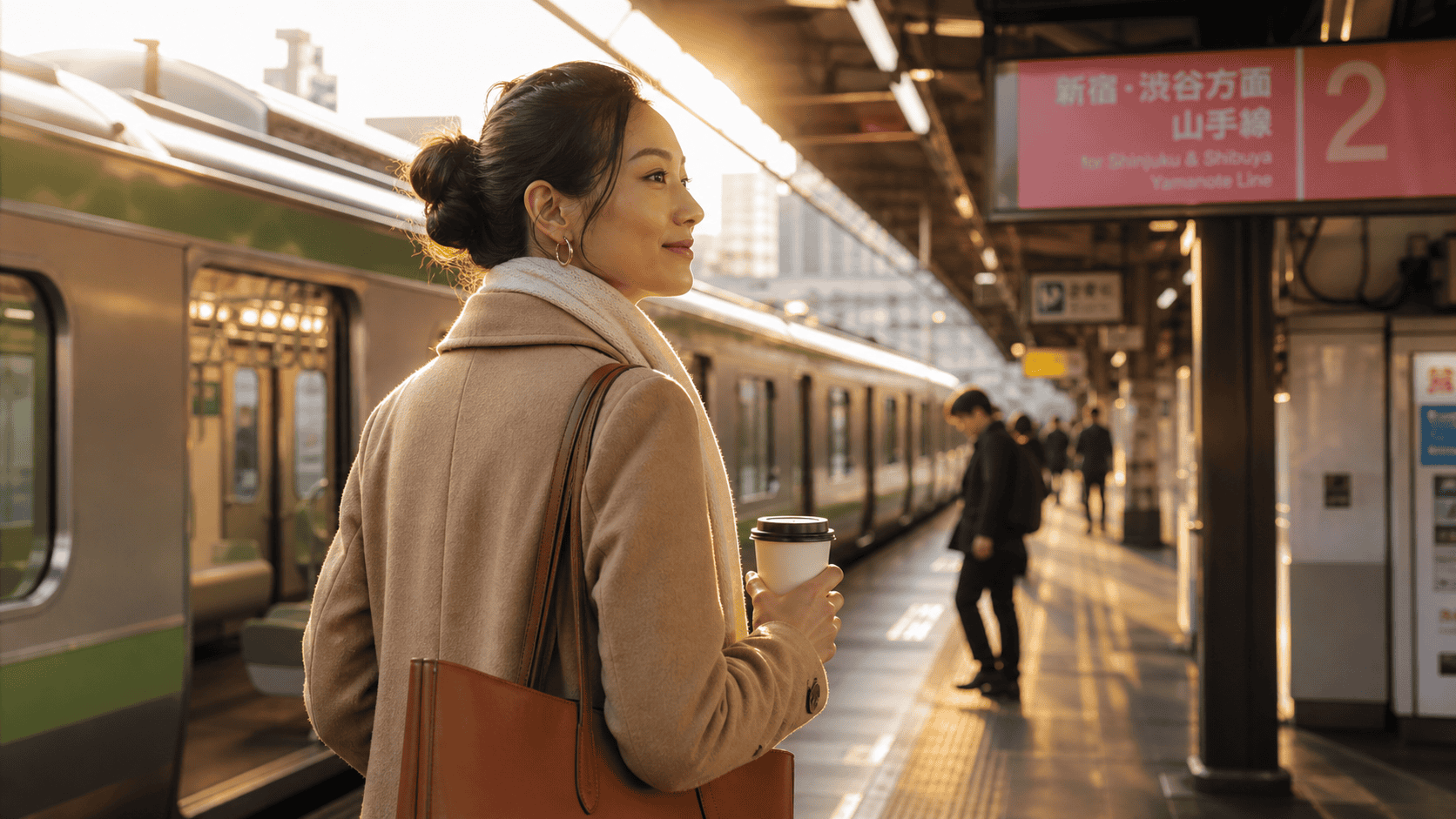
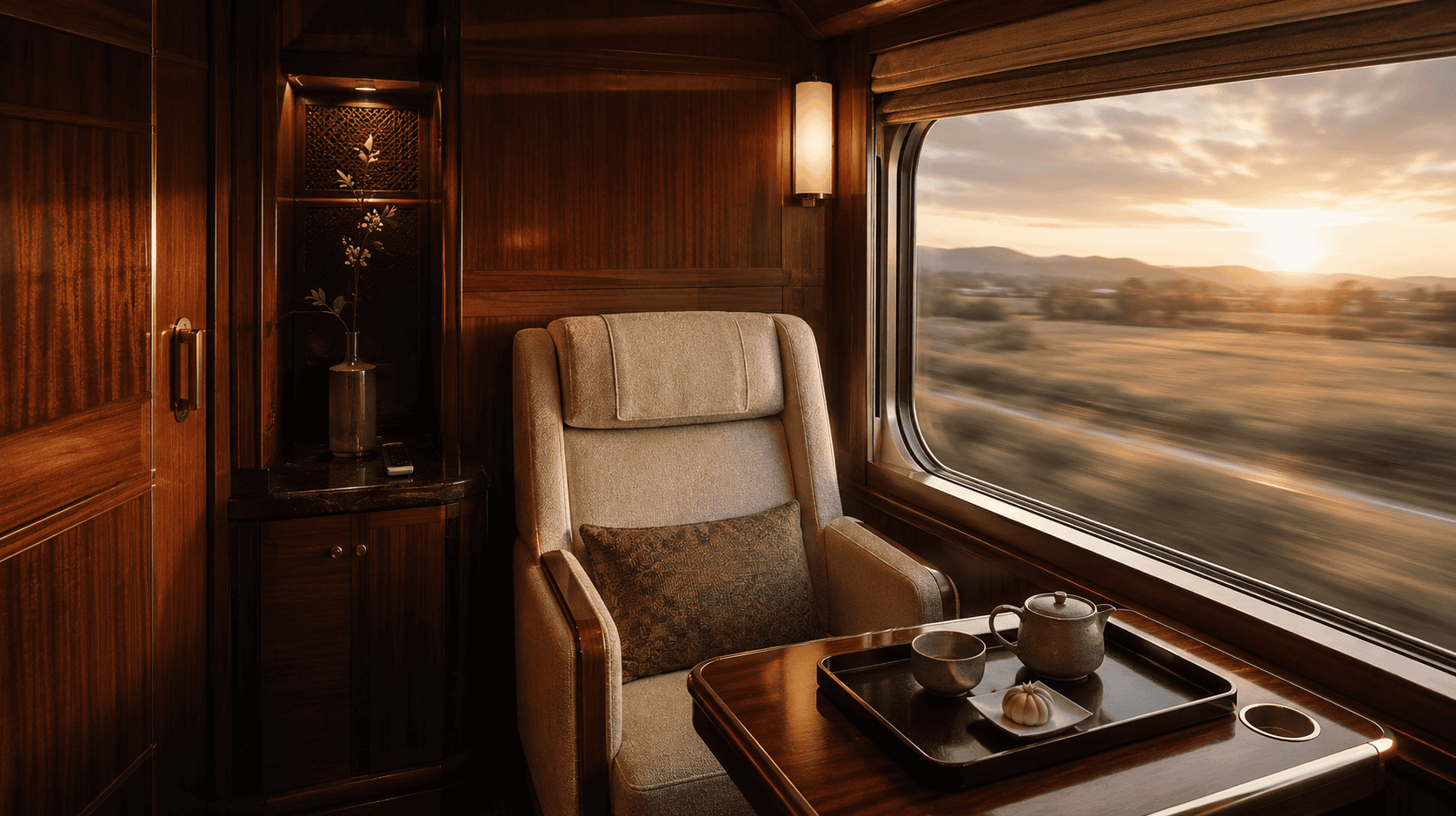
A trip built around these stories crosses most of Japan. Start in Tokyo with Fujifilm Square and the karaoke plaque in Itabashi, and browse the rice cookers in an electronics store while you are there. Then the Shinkansen carries you west to Osaka, where the capsule hotel began, and Nara, where Sharp keeps its museum. Finally, the Shinkansen crosses to Kyushu for Kitakyushu and the TOTO Museum. Along the way, you will sleep, eat and bathe with every invention in this guide close at hand. A night in a capsule, a morning by a warm-water seat and a dinner of rice from a clay pot make the history easy to remember.
A Journey Through Japan's Home Inventions
A custom itinerary can link Fujifilm Square in Tokyo, the karaoke plaque in Itabashi and the TOTO Museum in Kitakyushu into one unhurried route. It can also add a night in Osaka, where the first capsule hotel opened, and a morning at the Sharp museum in Tenri, Nara.
Plan Your Custom Japan ItineraryQuestions Worth Asking
What are Japanese inventions for the home?
They include the automatic electric rice cooker Toshiba first sold in 1955, TOTO's Washlet of 1980, the karaoke machine and Fujifilm's single-use camera of 1986. Several improved an earlier idea rather than starting it: electric rice cookers and the warm-water seat existed before, but the Japanese versions made them reliable enough for everyday homes.
What did Japan invent that changed the world?
Among the everyday ones, karaoke changed how people spend an evening, the capsule hotel changed how a night away can look, and Toshiba's automatic rice cooker was exported to the United States and Southeast Asia. Jokichi Takamine's lab also purified adrenaline in crystalline form in 1900, the first to do so, which led to today's emergency injectors.
Did Japan invent the bidet toilet seat?
No. The warm-water toilet seat began in America as the Wash Air Seat, a medical product sold by American Bidet. It reached Japan in the 1960s. TOTO then redesigned it from 1978, with more than 300 employees testing it, and launched the Washlet in June 1980, which made it part of everyday life in Japan.
Where does the name Washlet come from?
TOTO took the name from the English phrase "Let's Wash". The first model, launched in June 1980, was the Washlet G. Its settings came from tests with more than 300 TOTO employees: water at 38 °C (100.4 °F) and a spray angle of 43 degrees, figures the company still describes as its golden settings.
Is the mechanical pencil a Japanese invention?
No. Mechanical pencils existed long before 1915, when Tokuji Hayakawa made his own durable metal version in Tokyo. His pencil, renamed the Ever-Ready Sharp, sold well abroad and gave the company Sharp its name. Hayakawa improved an existing idea, then turned to radios after the 1923 earthquake ended his pencil business.
What is tai meshi?
Tai meshi is Japanese rice cooked with a whole sea bream laid on top, so the fish flavors every grain. The fish is usually salted and grilled first. After cooking, it is lifted off, boned and folded back into the rice. Japan's agriculture ministry records a well-known version from Tokushima, made with Naruto sea bream.