
“Should I learn to write kanji?” is one of the first serious questions a Japanese learner asks. It deserves a straight answer, not a slogan. The honest reply depends on what you want from the language, because some goals need a pen and others do not.
This guide gives you a decision framework by goal: reading only, travel, an exam, and writing by hand. It also explains what handwriting adds to reading, which most advice skips. Along the way you will meet 写, an N4 (unofficial) kanji from Kanji Workbook, Volume 2, which is still in production. You can join the launch list on that page.
Should I Learn to Write Kanji? The Short Answer
Not always, and not all at once. If your goal is reading, travel or the JLPT, recognition carries you a long way. Writing earns its place when you want kanji to stay in memory, to tell look-alikes apart, or to write by hand for pleasure. However, a few minutes a day is enough to gain most of the benefit.
Should You Learn to Write Kanji for Reading Only?
Start with the most common goal: you want to read. Menus, novels, manga, messages and news all ask you to recognize kanji, not to draw them. Recognition means you see a character and know what it says. That is a real skill, and it is the one that daily life in Japanese uses most.
So, should I learn to write kanji if reading is all I want? Usually the answer is not yet. Reading grows with volume, which means many short meetings with many characters. Writing each one slows that intake. If you try to write every kanji before you read it, you may stall before you reach real text.
There is one caution. Reading and writing are not separate rooms, because they share the same parts. A learner who has never written a character tends to see it as a single picture. As a result, look-alike characters blur together. Reading-only learners therefore still gain from a little writing, used as a tool rather than a goal.
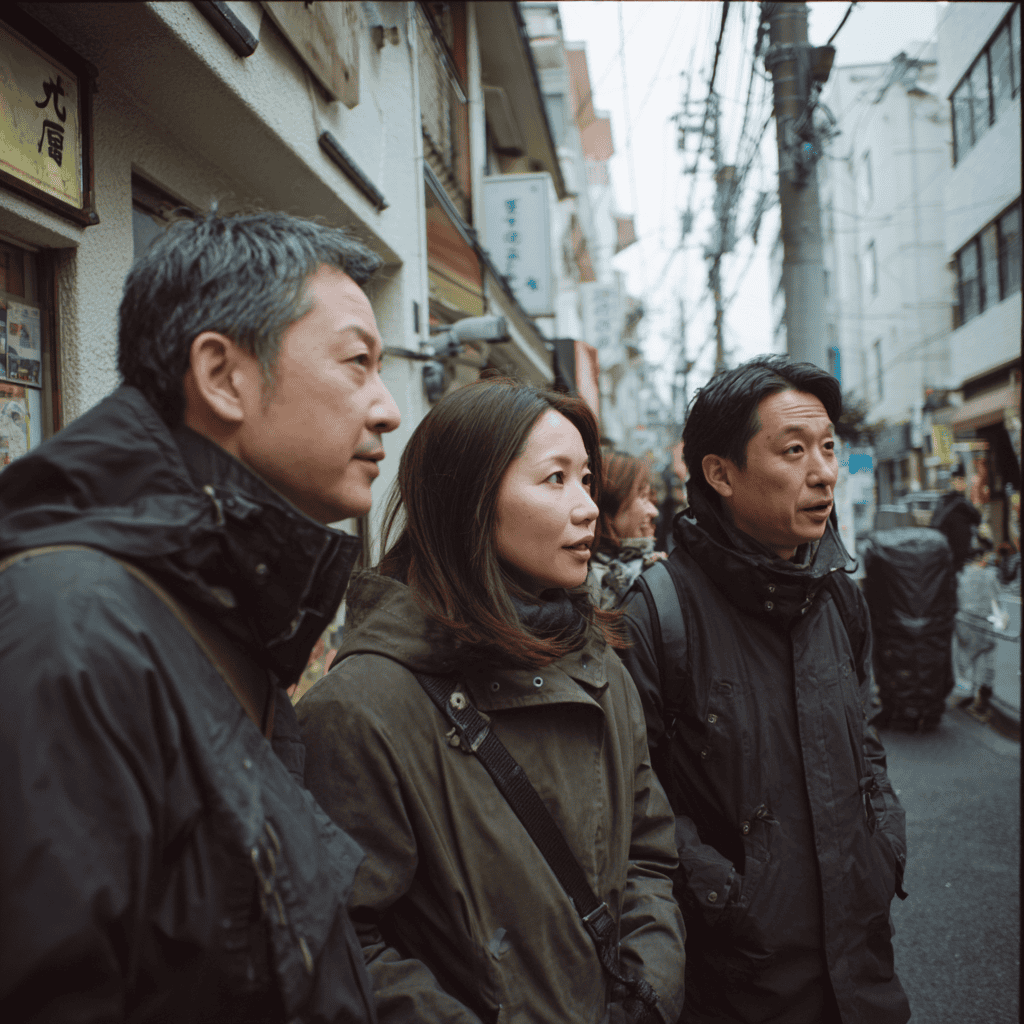
Recognition and recall are different skills
Recognition and recall sit at opposite ends of memory. Recognition asks whether you have seen a shape before. Recall asks whether you can produce it with nothing in front of you. Reading uses the first, while writing forces the second. For example, you can recognize a character on a sign without being able to sketch its first stroke.
This gap is normal, and it is not a flaw in your study. Our piece on how recognition and recall differ for kanji explains it in more depth. The practical point here is simple. Reading alone builds recognition, and a little writing builds the recall that protects it.
A light way to add writing
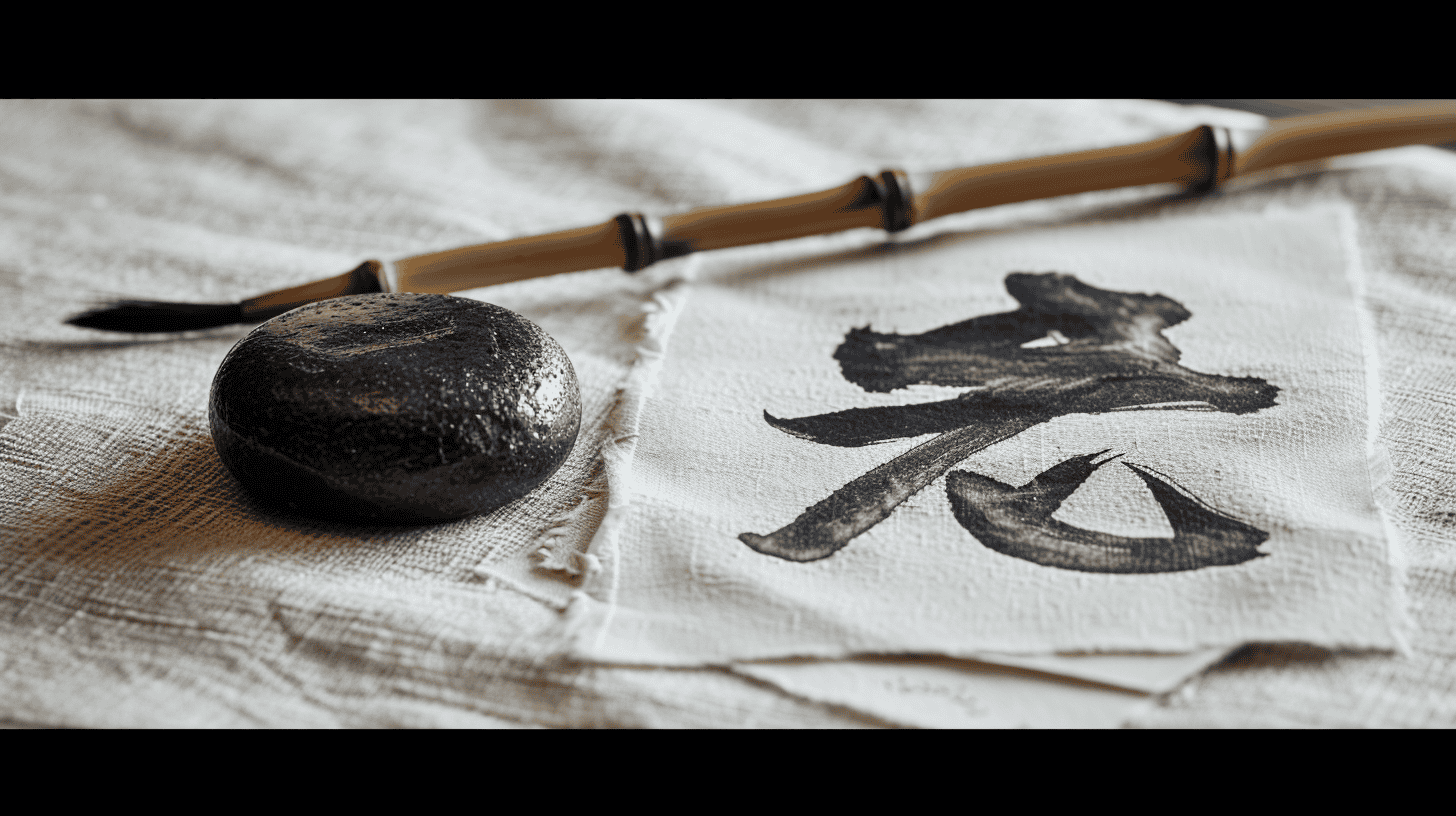
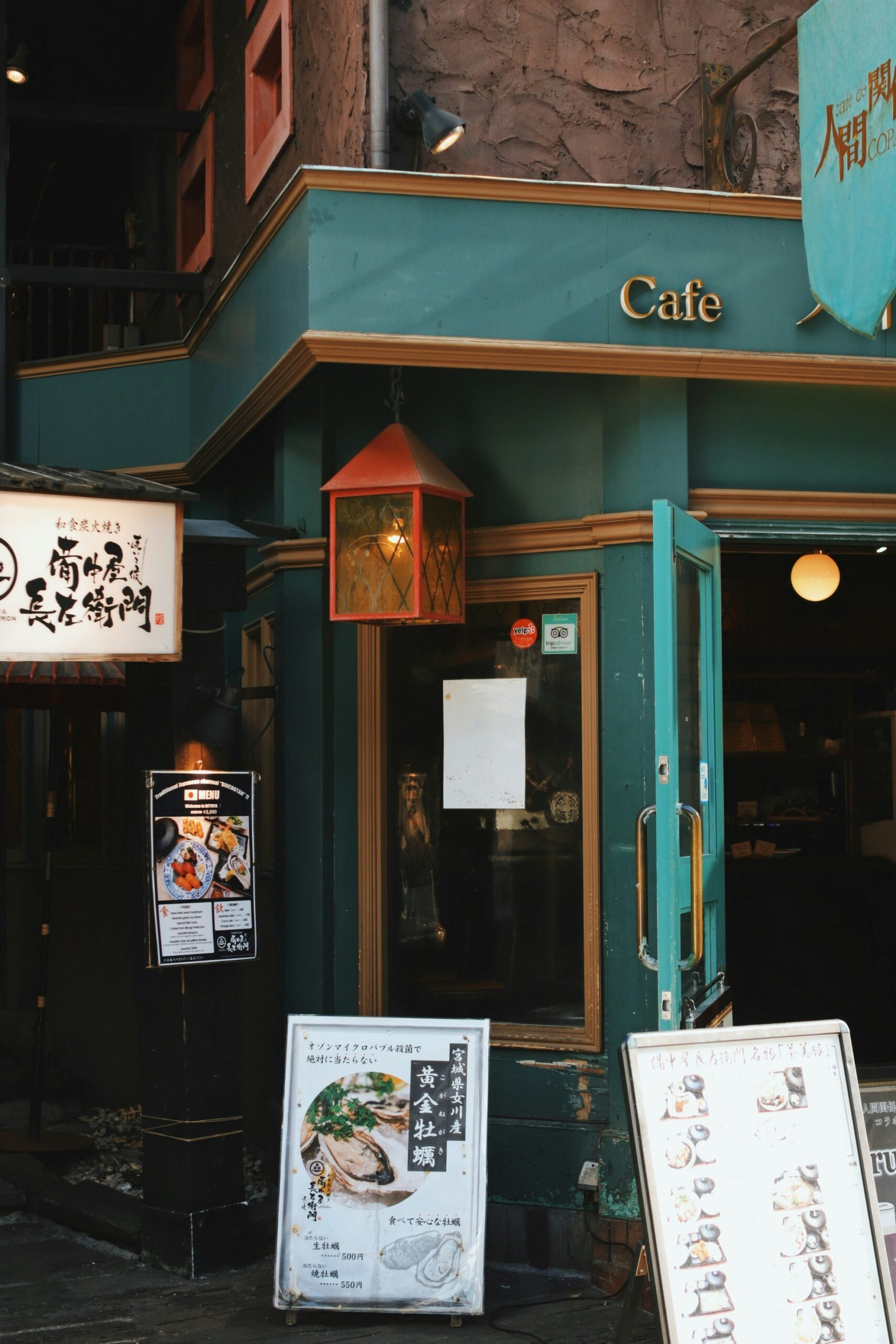
If you decide to add writing, keep the tools simple. A reliable pen matters more than a fancy one. A pen that glides lets you finish each stroke in one motion, which is what stroke practice needs. Gel pens suit most hands, fountain pens reward a lighter touch, and felt brush pens show where a stroke gains and loses weight.
Keep sessions short as well. Five minutes after a reading session is enough. Write the characters you met today, from memory, and then check them against the page. That habit gives a reading-first learner most of the gain for very little time. The three pens below are easy to find and pleasant to hold.
Should You Learn to Write Kanji for Travel?
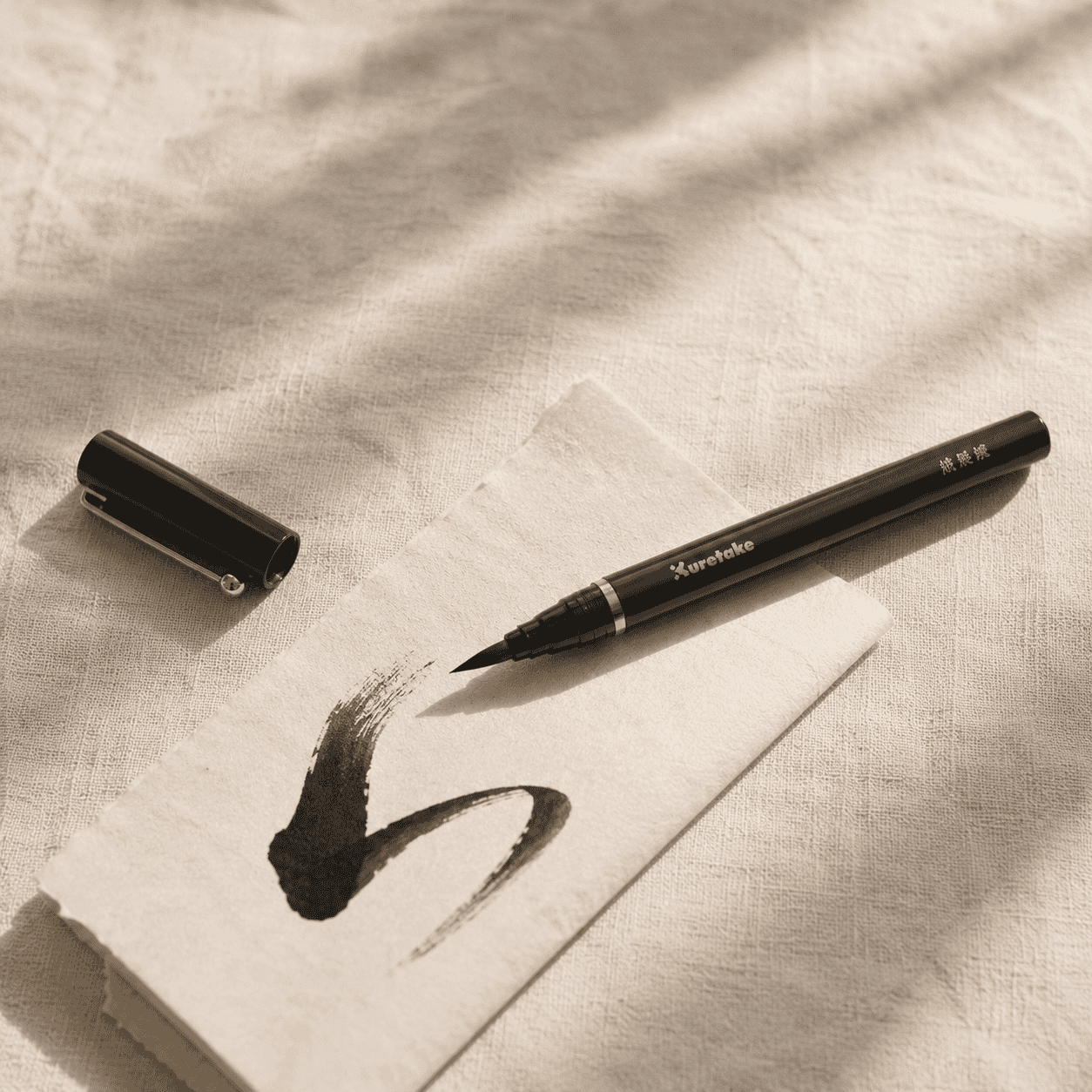
Travel changes the question. Nobody needs to write kanji to ride a train, order dinner or find a hotel. You need to read, or at least to match shapes. Station boards, signs and menus all reward recognition, and a translation app covers the gaps. For a trip of a week or two, the honest answer to “Should I learn to write kanji before I go?” is no.
Spend that preparation time on recognition instead. Learn to spot a dozen shapes that repeat on signs, and learn the kana first. Then let the trip do the rest. Every street corner becomes a small reading lesson, and the characters you keep seeing will start to stay.
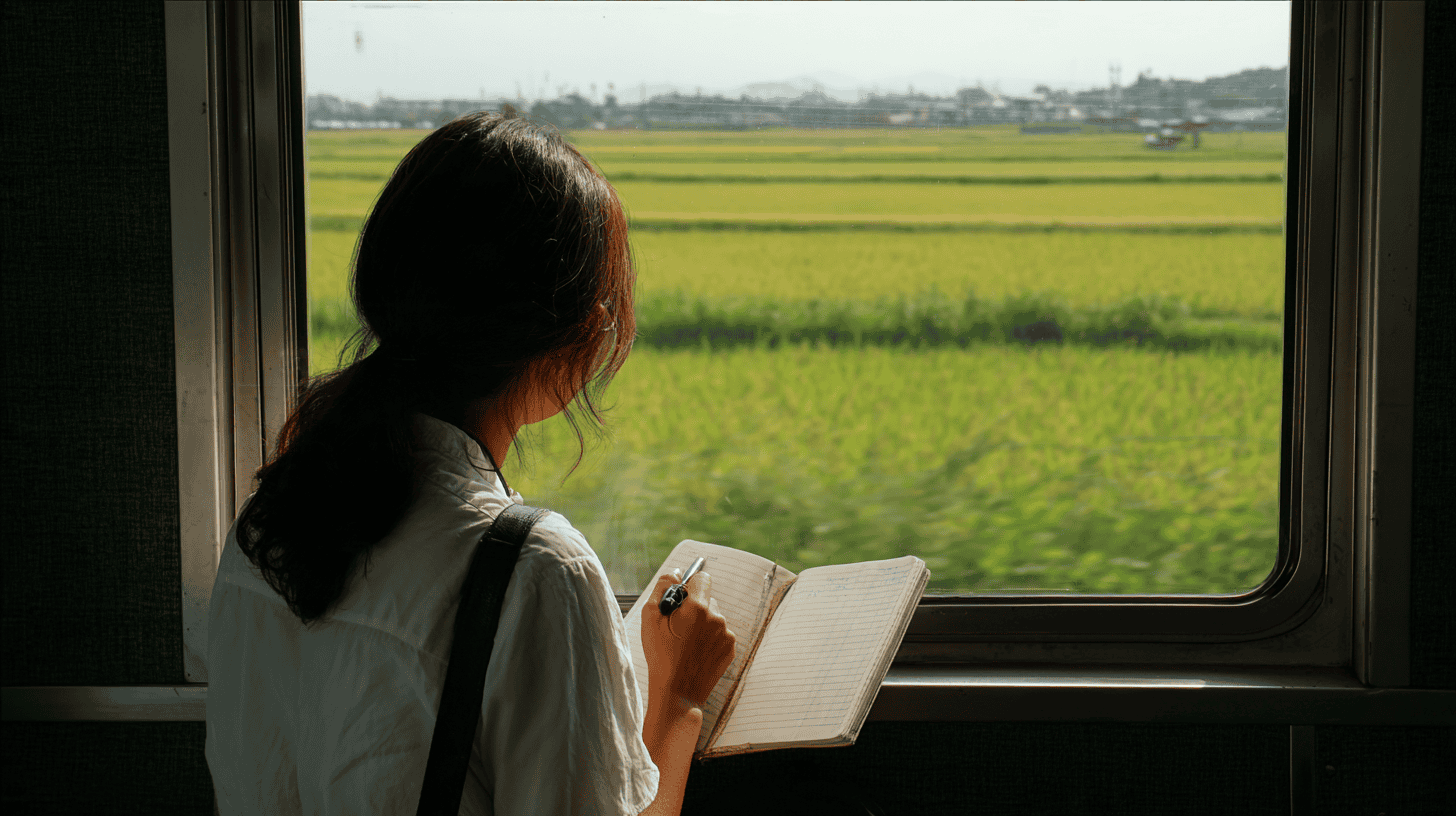
Write the trip, even in English
Writing still has a place on the road, even when it is not kanji practice. A few lines each evening give the day a shape you can return to. Copy one character from a sign you passed, then write it again from memory before you sleep. By the end of the trip you hold a small set of characters you can both read and write.
That is also a good souvenir. A page you wrote yourself records what you noticed, not only what you photographed. It asks for nothing but attention, and it fits in a coat pocket. Better still, it needs no battery, no signal and no charger.
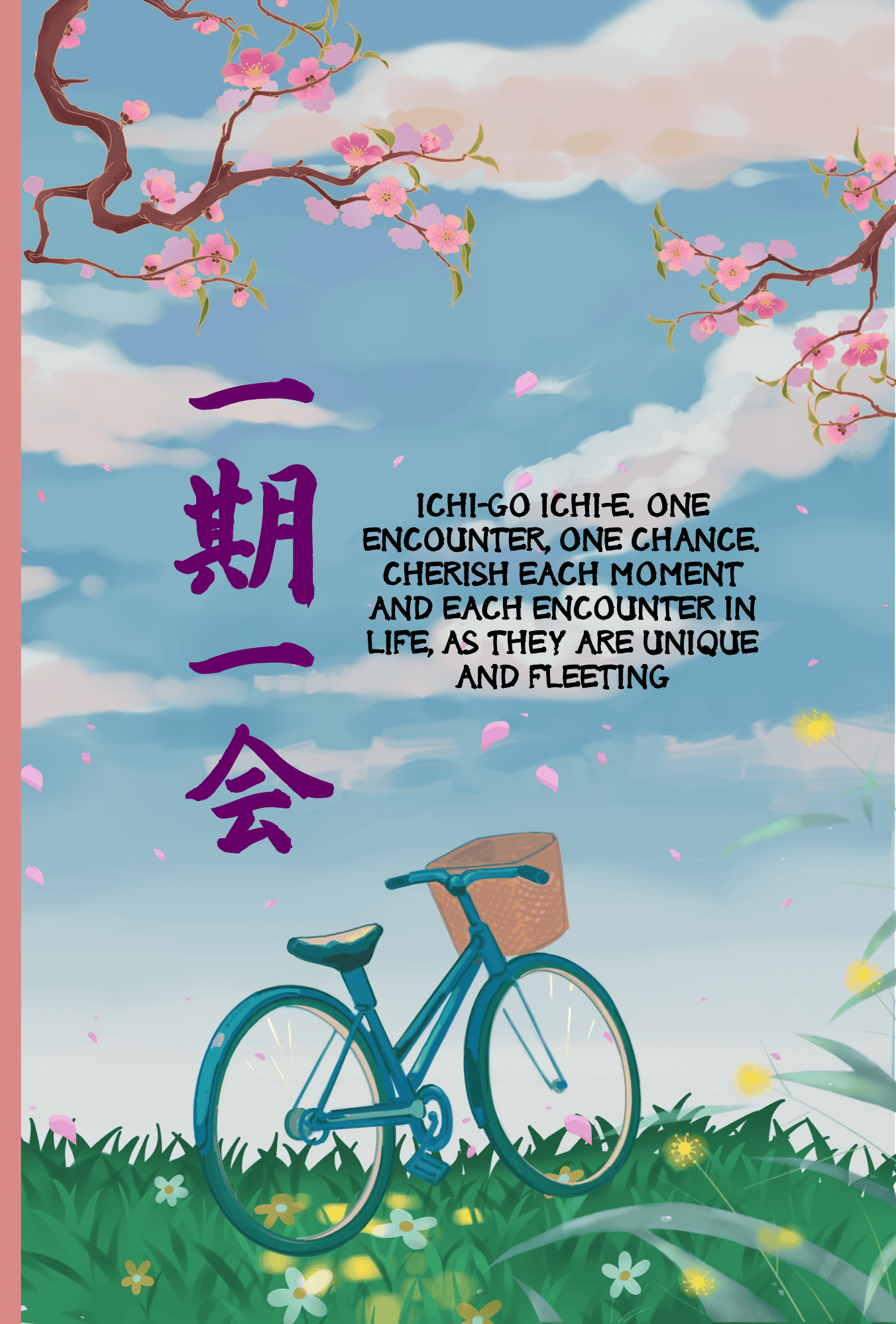
One encounter, one chance: write down the sign, the meal or the kindness before it fades.
Unlined · Travel journal
Shop This Journal →Ichi-go Ichi-e, the idea that each encounter happens once, suits this habit well. A meal, a conversation or a view will not return in the same form. Writing one line about it, however small, is a way of keeping faith with the moment. The characters you copy become part of that record, and they are easier to recall later because you chose them.
Travelers who enjoy this habit often find it leads back to the question of writing in earnest. That is a good sign. It means the hand has started to ask for more than the eye can give.
Should You Learn to Write Kanji for an Exam?
Exams depend on the exam. The Japanese-Language Proficiency Test, or JLPT, uses a multiple-choice, computer-scored answer sheet, so you choose an answer instead of writing one. In that case, should I learn to write kanji to pass? Strictly, you do not. The test rewards fast, accurate recognition. Think of it as a reading test with a fixed format, and plan your study around that format.
The JLPT also publishes no official kanji list. That is why we always call the levels unofficial, including the 100 N4 kanji (unofficial) planned for Volume 2. Choosing among several options still tests how well you tell similar characters apart. Writing the ones you confuse can sharpen that skill.

When an exam does ask you to write
Other exams differ. A school course, or a class with written answers, asks you to produce characters on paper. In that case the answer flips, and writing becomes part of the work. Check the format before you plan your study, because the format decides how much writing you need.
Even then, you can start gently. Begin with the kanji you already read well. Trace them first, then write them from memory, and add new characters only when the old ones hold. The table below sets all four goals side by side, so you can see where your own goal sits.
Reading needs the eye. Only writing by hand needs the hand.
| Your goal | Writing by hand | A sensible habit | What it gives your reading |
|---|---|---|---|
| Reading only | Optional | Five minutes of recall after each reading session | Keeps look-alike characters apart |
| Travel | Optional | A few lines in a journal each evening | Turns signs you saw into shapes you keep |
| An exam with answer sheets | Optional | Write the characters you confuse, then check them | Sharper choices among similar options |
| Writing by hand | Central | Short daily sessions: trace, half-trace, freehand | Parts, order and shape held in memory |
What Writing Unlocks for Reading
Writing has one benefit that reading-only advice often skips: it changes how you read. A 2005 study in the Proceedings of the National Academy of Sciences looked at readers of Chinese. Writing skill predicted reading skill, even after the researchers accounted for processing speed and awareness of sounds.
The authors point to two mechanisms: attention to the inner structure of a character, and motor memory, the stored feel of the movements. Chinese is not Japanese, so the study cannot speak for every kanji learner. Still, the two languages share the same logic of characters built from parts.
If you would like to see where handwriting lives in Japan, we can plan days around writing, paper and stationery, with the rest of the route shaped around your interests.
Occasional letters on kanji, handwriting and Japanese culture, with workbook news as it arrives. Email only.
Occasional letters. Unsubscribe anytime.
Structure you can see
Take 写, an N4 kanji (unofficial) with five strokes. At a glance it is a dense shape. Written in order, it comes apart. According to the KanjiVG stroke data, the first two strokes form a cover across the top. A short dot-like stroke opens it. A long stroke then runs across and turns down at the right.
The other three strokes make up the lower half. A short horizontal comes first, followed by a bending stroke that ends in a hook. Then the fifth stroke arrives last, a long horizontal that sweeps through the middle of the lower shape and crosses the bend. Your eye skips that detail, but your hand cannot.
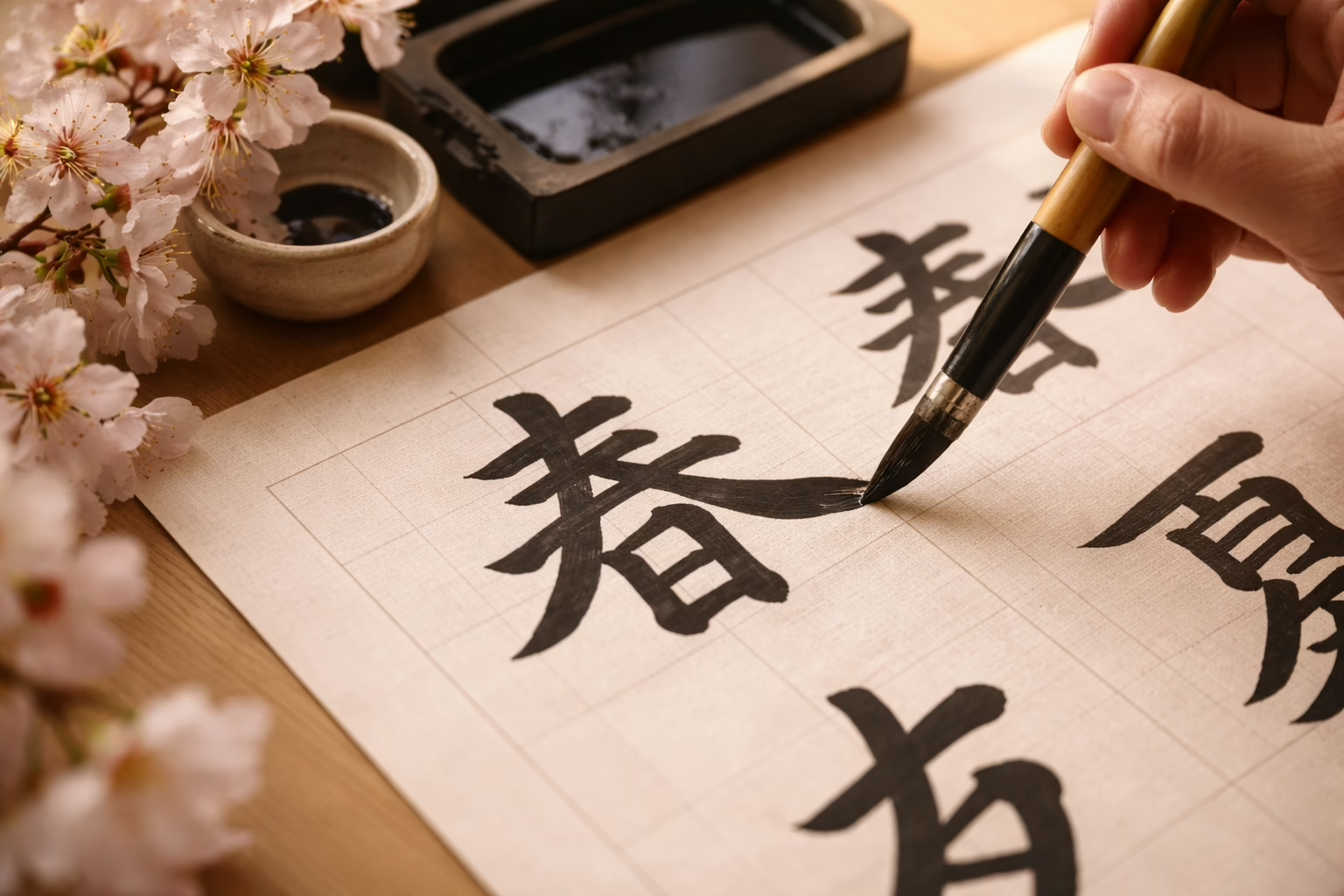
That is why order matters, too. Once the sequence sits in your hand, the character has a beginning, a middle and an end. It is no longer a blur. A fixed sequence is also easier to store than a loose picture, because each stroke cues the next. Learners who skip the order often write a character differently each time. As a result, they find it harder to check their work against a model. A steady order makes every attempt comparable with the last. Our piece on why stroke order matters goes further, and so does the look at what stroke counts reveal about a character.
Look-alikes you can tell apart
Many kanji differ from their neighbors by a single stroke or a single part. A learner who has only looked at them sees two similar pictures. A learner who has written them knows which part sits where. Because of that, errors in reading drop too, since the parts are no longer guesses.
There is a smaller gain as well. Writing from memory is a small test, and a small test makes the memory last. Reading a character again feels productive, yet recalling it is stronger. Writing supplies that recall without any extra apps, and it leaves a page you can check.
Recommended
None of this means reading is second best. Reading is where you will spend most of your hours, and it should stay the center of your study. Writing is the support that keeps what you read from slipping away. Think of it as a short daily repair, not a second job.
A little writing also builds confidence. Each clean character on the page is proof that the shape is yours now. It also gives short sessions a visible result, which makes the habit easier to keep. That feeling helps when a long text looks intimidating. You know the parts, so you can face a page of unfamiliar characters without panic.
Should You Learn to Write Kanji by Hand for Its Own Sake?
Some learners want the hand, not the test. They like the feel of a pen, a tidy page, or the idea of a letter in their own script. For them, “should I learn to write kanji?” already has an answer. You write because the act is worth doing. That is reason enough.
If that sounds like you, the next question is how. The short version is to move from support to independence. First you trace a full guide. Then you trace a faded guide, and finally you write from memory in an empty box. Our note on whether writing helps you remember goes deeper.
Paper, screen or keyboard
The surface matters less than you might expect. A University of Tokyo study had 48 volunteers note down a schedule. Those who used paper finished about 25 percent faster than those on a tablet or smartphone. Their brains also showed more activity in language, imagery and memory areas during recall.
A separate study recorded 36 university students as they wrote words. Handwriting with a digital pen produced more elaborate brain connectivity than typing. Both studies looked at everyday writing, not kanji. Still, they suggest that forming the shape by hand gives the brain more to work with than picking it from a list.
What Omurice Teaches About Writing by Hand
Consider omurice, the Japanese omelette laid over ketchup rice. In Japan, it is common to write a short message on top in ketchup, such as love, congratulations or thank you. Cafes sometimes do the same, and maid cafes in Akihabara are known for ketchup art at the table. The message is small, it is written in one pass, and there is no eraser.
That is handwriting at its most honest. You commit to the line, you accept a little wobble, and the person across the table reads it anyway. Kanji practice rewards the same attitude. A slightly uneven stroke still teaches you its order. Below is a version you can make at home, and you can write one short word on it.

A yoshoku dish, Western-style cooking developed in Japan. Two restaurants claim it: Rengatei in Tokyo around 1900 and Hokkyokusei in Osaka in 1925.
- 2 cups warm cooked Japanese short-grain rice
- 3 oz boneless chicken thigh, diced small
- 1/4 yellow onion, finely diced
- 1 tablespoon frozen peas
- 4 tablespoons ketchup, plus more for writing
- 1 teaspoon Worcestershire sauce
- 3 tablespoons unsalted butter, divided
- 4 large eggs
- 2 tablespoons whole milk
- Salt and black pepper
- Melt 1 tablespoon butter in a skillet over medium heat. Cook the onion for 2 minutes, add the chicken with a pinch of salt and pepper, and cook until no pink remains, about 4 minutes.
- Stir in the peas, rice, 4 tablespoons ketchup and the Worcestershire sauce. Cook for 3 minutes until the rice turns an even orange-red. Divide into two mounds and keep warm.
- Beat 2 eggs with 1 tablespoon milk and a pinch of salt. Melt 1 tablespoon butter in a small nonstick pan over medium-low heat, pour in the eggs, and stir gently until just set but still glossy.
- Spoon one mound of rice onto the lower third of the omelette, fold the top over it, and roll it onto a plate seam side down. Shape it with a paper towel. Repeat with the remaining eggs, milk and butter.
- Fill a squeeze bottle with ketchup and write one short word across the top in a single pass. Serve at once.
Omurice has a murky history. Two restaurants claim it: Rengatei in Tokyo, around 1900, and Hokkyokusei in Osaka, in 1925. Nobody needs to settle that to enjoy a plate. What matters here is the small ritual at the end, when the bottle comes out and you choose the word.
Try it once, then use the same attitude at your desk. Pick one word, write it once in a single pass, and do not fix it afterward. Then write it again with a slower hand. You will feel the difference between copying a shape and deciding one, and that difference is where memory begins.
Paper worth practicing on
Once you have decided to write, good paper helps. A smooth sheet lets the pen move without drag. A dot grid or a ruled line keeps each character in its own square, which makes it easy to see when a stroke has drifted. Plain paper suits learners who like room to move, and it is the best choice for short daily notes.
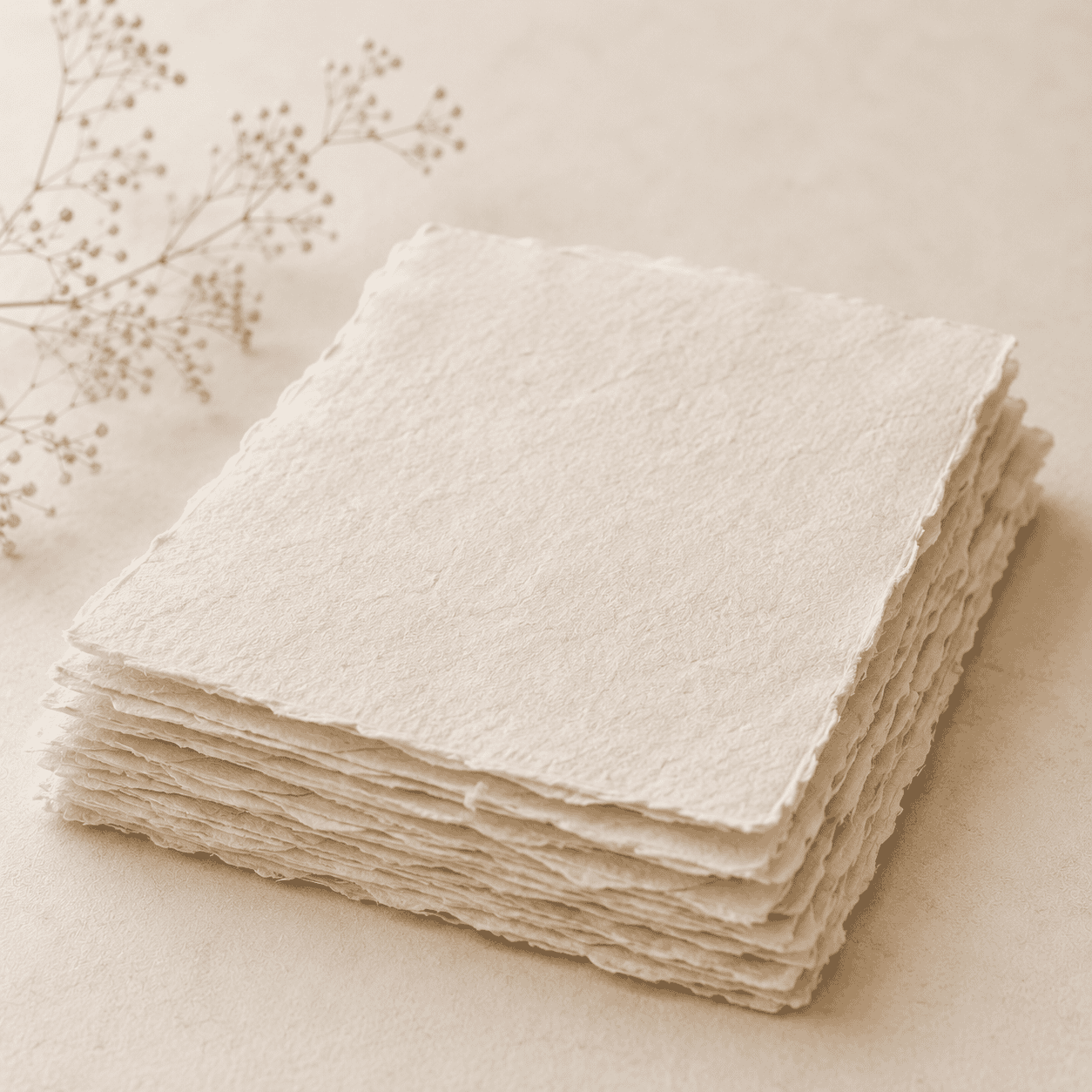
Whichever notebook you choose, leave it where you can reach it. A notebook that lives on your desk gets used, and one that lives in a drawer does not. Open it at the same hour each day, write for five minutes, and close it. The routine matters more than the paper.
If you prefer a screen on long practice days, a tablet works too. Our guide to practicing kanji on an iPad covers the setup, and a stylus keeps the hand in the work. Paper still suits short daily recall best, since it asks nothing of a battery and nothing of a screen.

How the workbooks handle writing
Magnificent Japan builds its kanji workbooks around this approach. Each kanji has a stroke panel for every stroke. The new stroke appears in red, earlier strokes sit behind it in champagne, an arrow shows direction, and a number shows order. So by the time you write, your hand already knows the sequence.
Trace-to-memory boxes then run from trace, to half-trace, to freehand. Example sentences and checkpoints use only kanji you have already learned, and later kanji stay in kana. As a result, you never meet a character you have not yet written. Volume 2 follows the same method, and Volume 1 is on sale as a Digital Letter edition.

The three editions are a Digital Letter, a Print 6×9 and a Print 8.5×11, so you can choose the surface that suits you. Whichever you pick, the goal is the same. You keep each session short and you check your work afterward. You also let the habit, not the intensity, carry you forward.
That fits the framework above. A reading-first learner can use the workbooks lightly, a few kanji at a time. A learner who loves the hand can work through every box. Both leave with the same thing, a set of characters that feel like their own. Neither path asks for speed. Both ask only that you return tomorrow.
Questions Worth Asking
Do I need to write kanji to pass the JLPT?
No. The JLPT uses a multiple-choice, computer-scored answer sheet, so you select answers instead of writing characters. Recognition is what the test measures. Writing the characters you confuse can still help you choose correctly, but it is optional.
Should I learn to write kanji if I only want to read?
Not at first. Reading relies on recognition, which means matching a shape you can see. Writing relies on recall, which means producing it unaided. The two skills grow at different speeds, and that is normal. A few minutes of writing keeps the parts of each character clear.
How long should I spend writing each day?
Five minutes is a good start. Write the kanji you met recently from memory, then check them. Short, regular sessions suit most learners better than one long session. If a character slips, bring it back sooner. If it feels easy, let it rest for a few days.
Is typing enough for learning kanji?
Typing trains recognition, because you enter the sound and pick the right kanji from a list. It works well for everyday messages. Handwriting adds recall of parts, order and shape. One study of 36 students found richer brain connectivity with handwriting than with typing, though it did not test kanji.
Does stroke order matter if I only want to read?
It helps more than you might expect. Stroke order turns a character into a sequence of movements, so its parts stay separate in memory. That makes look-alike characters easier to tell apart. You can learn the order gently, one character at a time, without aiming for perfect handwriting.
What should I write with?
Use any pen you will pick up every day. A smooth gel pen suits most hands. A fountain pen rewards a lighter touch, and a felt brush pen shows where a stroke gains weight. Pair it with paper that does not drag, and keep both on your desk.
So, Should You Learn to Write Kanji?
So, should I learn to write kanji? For most goals, the answer is a small, steady yes. Read first, because reading is the skill you will use most. Then add a few minutes of writing from memory, and check your work. That habit costs little, and it protects everything you have learned to read.
If you have not started yet, Volume 1 is available now. When you want the next structured step, join the launch list for Volume 2 of the kanji series. Whichever you choose, pick up a pen and write 写 once, slowly, in order. Then write it again without looking.
Ninety days of short entries by hand, written where ikigai tends to live: in small, recurring moments.
View the Journal →Ikigai, the sense that life is worth living, rarely arrives in one large moment. It tends to live in small, repeated acts: a morning cup of tea, a familiar walk, a few lines written by hand. Kanji practice works the same way, one character at a time.
The Editors, Magnificent Japan
We can plan days around the hand: a morning with a handwriting teacher, a paper-making workshop, and unhurried time in Japanese stationery shops, with the rest of the route shaped around your interests.
Plan Your Custom Japan Itinerary