
Japanese pearls began on a sheltered stretch of coast in Mie Prefecture. Along the bays of Ise-Shima, the pearl is more than a famous product. It is a window into the way Japan approaches luxury, through careful craft, regional specialization and understated excellence rather than loud marketing. That approach has deep roots. For centuries, Japanese makers have built reputations slowly, one region and one material at a time. Many of those reputations still shape what the world buys today.
The story reaches well beyond one jewel or one brand. Across Japan, whole prefectures have become centers for a single fine craft. These places do not only make beautiful things. They also preserve heritage, welcome visitors and create value that flows through local towns and into markets abroad. For the wider view, start with our guide to planning luxury travel in Japan well.
Where do Japanese pearls come from?
Modern Japanese pearls began in Ise-Shima, Mie Prefecture, where Kokichi Mikimoto cultured his first pearl in 1893. Today, Japan’s akoya pearl farms sit mainly in Mie, Ehime and Nagasaki. Ise-Shima remains the birthplace of the craft and the best place to see it, from family farms to Mikimoto Pearl Island.
The Pearl Coast: Ise-Shima and the Birth of Japanese Pearls
Ise-Shima is where modern pearl cultivation began. In 1893, after years of failed attempts, Kokichi Mikimoto cultured a pearl on a small island off Toba. That island is now Mikimoto Pearl Island, and the achievement changed the jewelry world. Before it, fine pearls came only from rare wild oysters. Afterward, skilled growers could produce them by design. The method spread quickly along the coast. Within a few decades, Japanese cultured pearls were sold in the great jewelry houses of Europe and America.
The coast grew into a remarkable cluster of expertise. However, the picture has shifted over the past century. Japan’s main akoya farms now sit in three prefectures: Mie, Ehime and Nagasaki. Ehime’s Uwajima area has become a major producer, while Ise-Shima remains the craft’s historic heart and still grows many of the finer, smaller pearls.

Industry voices often describe the pearl as Japan’s talent for turning a natural resource into a global luxury through patient craft. That transformation involves far more than growing oysters. It includes careful grafting, strict grading and quality control that protect the reputation of Japanese pearls. Most farms in Mie are still family businesses, often run by the same family for generations. Children often learn the work beside their parents, from cleaning cages to judging color and luster. As a result, skills pass down with remarkable care and continuity.
The setting explains much of the success. Ise-Shima’s deep, sheltered bays offer calm water and the right temperatures for the akoya oyster. Growers graft the oysters from spring into summer. Then they wait for winter, because cold water deepens the luster, as one Ise-Shima farmer explains. That rhythm has shaped village life on the coast for more than a century.

Old Craft, New Tools
Modern pearl farms blend inherited knowledge with new tools. Many now monitor water quality closely, track the health of their oysters and use powered boats to lift the heavy cages. These tools save labor, yet the essential work remains manual. A skilled hand still opens each oyster, places each nucleus and judges each finished pearl by eye. Even with modern equipment, a skilled grafter may handle hundreds of oysters in a day. Yet the success rate still depends on steady hands and long experience.
The economic effects reach far beyond the farms. Pearl processing, jewelry design, retail and export all draw on the same pool of skill. Mikimoto, the most famous name, keeps its flagship boutique in Tokyo’s Ginza, one of the city’s great shopping districts, while its roots and its museum remain on the coast. For the long history behind the gem, one book stands apart.
Pearls: Ornament and Obsession — a history in pictures

For readers who want the full sweep of pearl history, Pearls: Ornament and Obsession is a handsome place to begin. Kristin Joyce and Shellei Addison trace the pearl across some 4,000 years. They follow it from ancient treasure to modern jewel, with a chapter on how Japan changed everything.
The introduction comes from Sumiko Mikimoto, of the family that founded the cultured pearl industry. More than 200 photographs fill its 256 pages, so it works as much as a picture book as a history. Leave it on a side table before a trip to Ise-Shima, and the museum visit will mean far more.
A Wider Story
Pearls also tell a wider story about Japan’s economy. They were among the country’s most valuable exports in the decades after the war. They also helped build Japan’s reputation for quality long before its cars and cameras did. Today the industry is smaller, and it faces challenges from warming seas and rising costs. Yet the craft remains a point of pride on the coast, and growers continue to refine their methods with each new season. Visitors who arrive in winter can see that work up close.
The related reading below follows the same thread into other parts of Japan, from Kanazawa’s craft streets to the collectible objects that carry regional skill around the world. Each shows how a single region can carry its skill far beyond its own borders, much as the pearl coast did.
You may also like
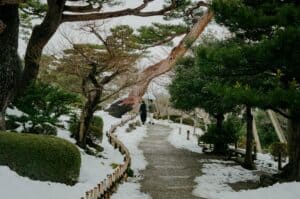
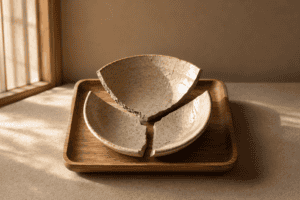
Pearls are the most famous example, but they are far from the only one. The same pattern of one place, one craft and generations of skill appears again and again across Japan. Once you notice it, a map of the country starts to look like a map of specialties. Each town has its signature material, its own techniques and its own reasons for doing things a particular way. Many of those towns now welcome visitors to their workshops, which makes the pattern easy to see firsthand.
Beyond Pearls: Japan’s Artisanal Luxury Crafts
The Ise-Shima model of regional specialization runs throughout the archipelago. Kyoto’s Nishijin district has woven silk brocade for centuries. Kanazawa, on the Sea of Japan coast, produces more than 99 percent of the country’s gold leaf, according to Japan’s national tourism agency. Artisans there beat gold until it is about one ten-thousandth of a millimeter thick.
Japan’s government recognizes this regional strength formally. By late 2025, the trade ministry had designated 244 traditional craft products, each made by hand in a specific region with established techniques. The list includes textiles, ceramics, lacquerware, paper, metalwork and woodwork. Together, they show how craft can generate lasting value by putting quality ahead of quantity. Each designation also protects a name. As a result, buyers can trust that a piece labeled with a craft region was truly made there, by hand, in the traditional way.
The same thinking shapes Japan’s sake regions. Hyogo’s Nada district and Kyoto’s Fushimi built their reputations on local water, rice and brewing families. Their brands lean on place, method and ingredients, much as wine regions do in Europe. The idea is terroir: the belief that a place gives a product something no other place can copy.
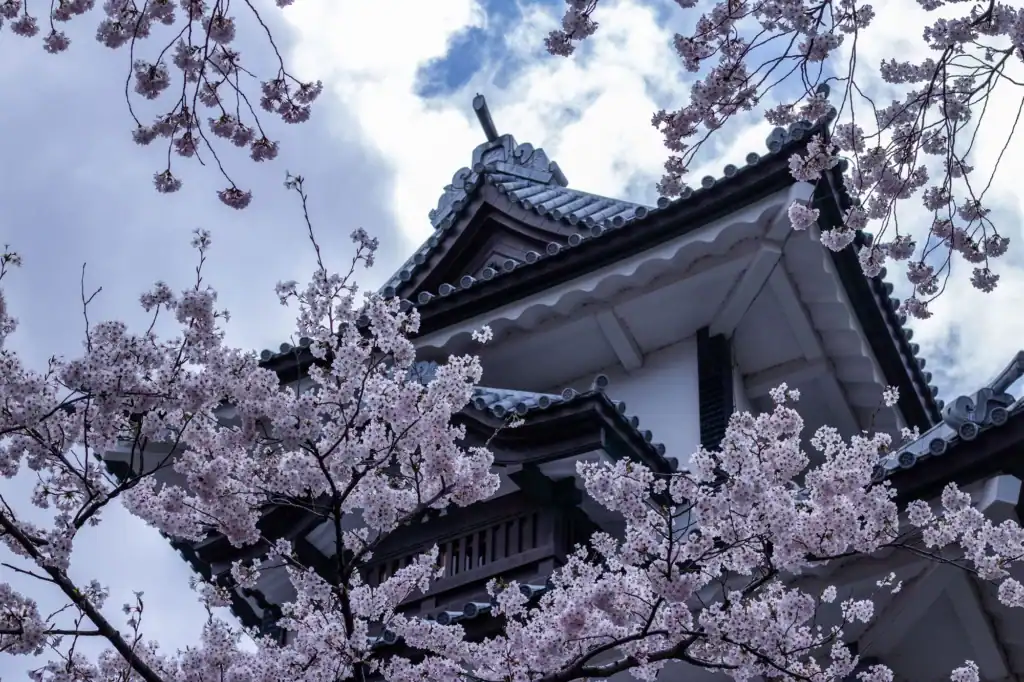
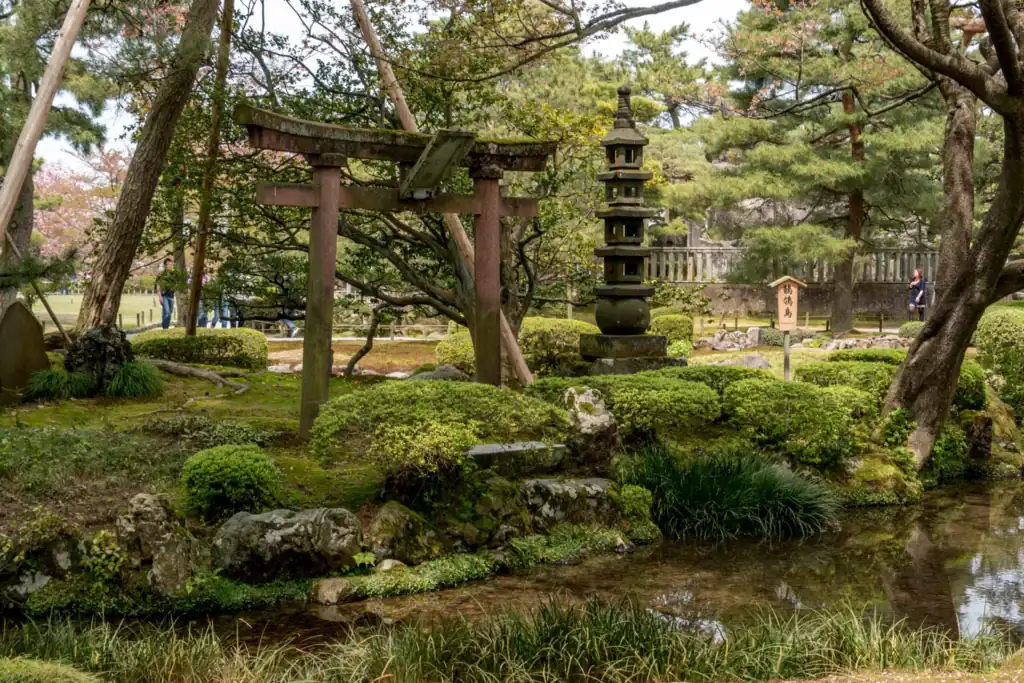
Kanazawa shows how a city can be shaped by its crafts. Its feudal lords, the Maeda family, encouraged gold leaf, lacquer, silk dyeing and ceramics, partly to display wealth and partly to keep skilled makers close. That patronage left a legacy that still defines the city today. Visitors can watch gold leaf being beaten, try a class in a small studio and buy directly from the people who make the work. The city’s gardens and old districts make the setting even more memorable.
A Shared Philosophy
Behind all of this sits a shared philosophy. Japanese luxury is rarely about display. Instead, it is about perfection in small details, from the choice of raw materials to the way a box is wrapped. As a result, the products earn their premium through visible quality rather than marketing. Even a modest silk accessory shows the principle clearly.
FORTUNA Tokyo Nishijin Silk Tie — woven in Kyoto

This FORTUNA Tokyo Nishijin silk tie is woven from 100 percent Kyoto silk on a jacquard loom. Nishijin is the historic weaving quarter of Kyoto, famous for kimono sashes and fine brocade. Here, its skill appears in a modern form that suits a business suit.
The pattern hides a small samurai motif, inspired by the designer’s brothers, who practice kendo. It is made in Japan by a small Tokyo label with a following abroad. As a gift, it carries a real story of place and craft, much like the picks in our guide to made-in-Japan gifts, which is exactly what this section describes. Wear it to dinner, and someone will ask about it.
Woven Regions
Textiles are one of the clearest examples of regional craft in Japan. Nishijin in Kyoto, Yuki in Ibaraki and Kurume in Fukuoka each have their own weaving or dyeing traditions. Experts can often tell a cloth’s origin at a glance. Many of these workshops now make modern accessories as well as kimono fabric, which helps them reach new buyers abroad. Buying a small piece supports the weavers and keeps the looms running for another generation. Many offer short workshops too.
Kanazawa, too, has more than one craft to its name. Beyond gold leaf, its samurai and merchant districts preserve the streets where many of those makers once lived and worked. The Nagamachi district, in particular, keeps its earthen walls and narrow lanes, which are lovely on a winter morning.
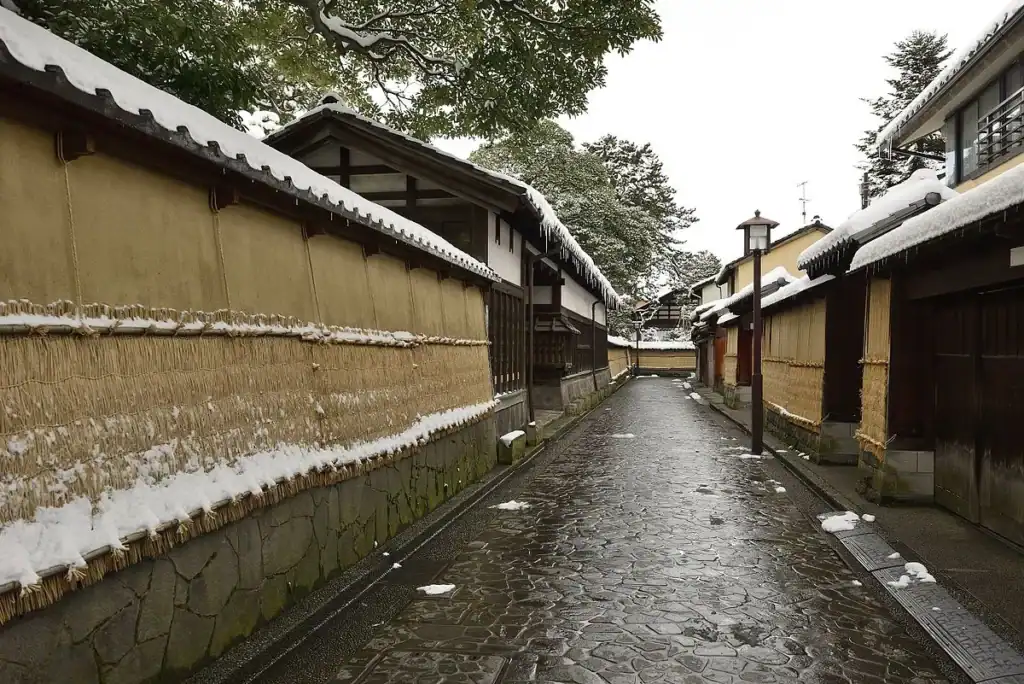
Walking through an old craft district is the best way to understand how these clusters formed. Workshops stood close together, so apprentices could learn from neighbors and suppliers could serve many makers at once. Shared skills, shared materials and shared customers made each town stronger than any single workshop. Many districts still keep that pattern today, with small studios lining the same few streets. Visit in the morning, when the work is under way and the doors are open. Many studios close on weekends.
What Makes a Craft Cluster Work
These clusters succeed for several reasons. Skills concentrate in one place, so apprentices learn from many masters. Quality control is strict, and brand heritage builds over generations. Strong ties to local identity also matter. Each region earns its reputation slowly, which protects local makers and builds trust with buyers who will pay for genuine Japanese craftsmanship. Small objects show this best.
Obama Lacquered Chopsticks — a crane and turtle pair from Fukui
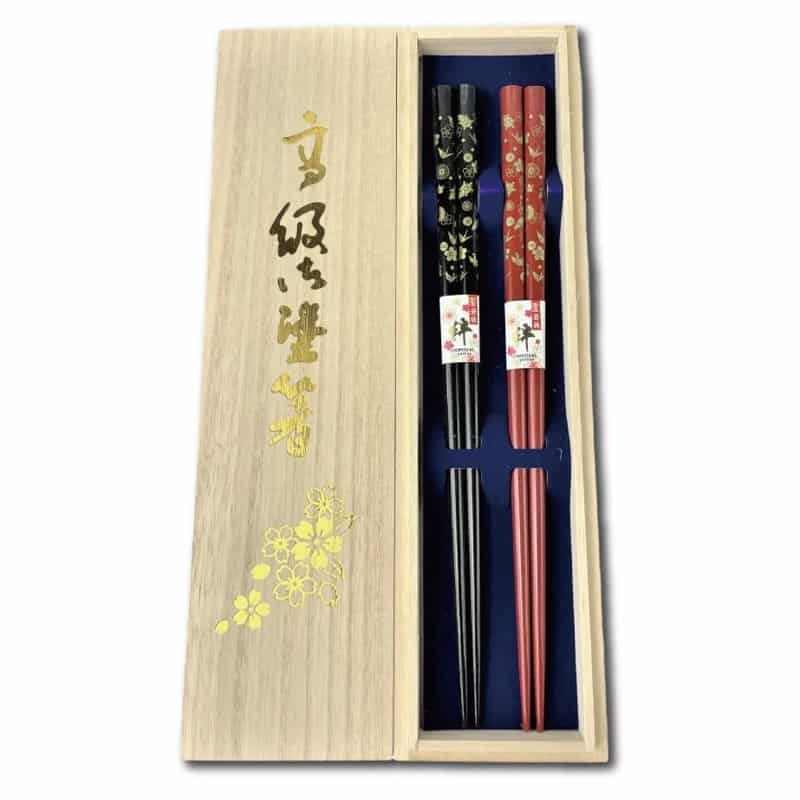
Obama, a small city in Fukui Prefecture, is a perfect example of a craft town. It has made lacquered chopsticks for more than 380 years, and most of Japan’s lacquered chopsticks still come from there. This set of Obama lacquered chopsticks shows why.
Craftsmen apply more than ten coats of lacquer, sanding and polishing between layers, before the pattern is revealed. The crane and turtle motif stands for long life and good fortune. Each pair is light, comfortable in the hand and safe in the dishwasher. Set them out at dinner, and an everyday meal feels a little more special.
Everyday Craft
Everyday objects like chopsticks show regional craft at its most practical. A town that makes one thing very well for centuries develops tools, suppliers and skills that no newcomer can easily copy. That is true of Obama’s lacquer, Seki’s knives and Arita’s porcelain alike. For buyers, it means that even a modest object can carry real craftsmanship. For travelers, it means each of these towns rewards a visit, with workshops, museums and shops that tell the story of the craft.
The same depth of skill also explains how Japanese luxury brands approach the world market, as the next part of this story shows in more detail. That story begins with scarcity, patience and a careful choice of where to sell.
Making beautiful things is only half the story. Japanese luxury houses also had to work out how to sell them abroad without losing what made them special. Their answer has been patient and selective, and it differs sharply from the volume-driven growth of many Western luxury groups. The next section looks at how they do it, and why scarcity sits at the heart of the approach. It is a model worth understanding before you shop, because it shapes prices, availability and service.
The Global Reach: How Japanese Luxury Travels
Japanese luxury brands have learned to expand abroad without diluting who they are. Many Western luxury groups chase volume. By contrast, Japanese houses tend to protect exclusivity and grow carefully. Mikimoto, for example, keeps a select number of boutiques in the world’s great shopping districts, led by its flagship in Ginza.

This selective approach reflects careful thinking about positioning. Japanese luxury brands understand that scarcity creates value, so they often limit supply on purpose. Rather than flooding markets, they rely on small batches, limited editions and close partnerships. As one way of putting it goes, Ise-Shima’s success shows how regional specialization can build worldwide recognition. A small region can become a global name when its makers protect quality over many decades and refuse to cut corners even when demand rises.
That recognition brings real advantages. It supports pricing power and customer loyalty, and it helps brands weather downturns. It also depends on discipline. Japanese houses train international partners closely, insist on consistent presentation and treat after-sales service as part of the product. The care extends to packaging, store design and the way staff explain each piece.
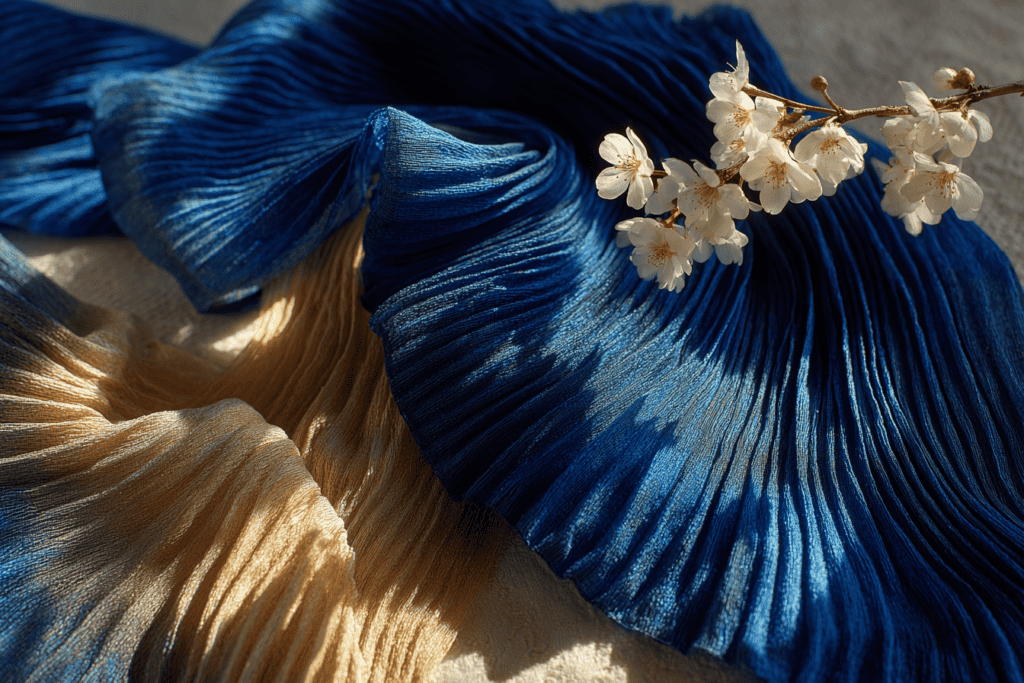
Japanese fashion and design houses follow a similar path. Many of them grew from a single workshop or a single idea, such as a pleating technique or a dyeing method. They still guard that core skill closely. Rather than chasing every trend, they refine one signature over decades. That patience builds loyal customers who value the story behind each piece. It also means that a Japanese label often feels closer to craft than to mass fashion, even when it is sold worldwide.
Telling the Story Online
Digital tools have opened new doors as well. Fine e-commerce, virtual showrooms and storytelling online let brands share their heritage with buyers who value craft and tradition. Even so, the goal is to tell the story well rather than to sell more units. For many buyers, a first piece of Japanese pearl jewelry starts with a simple, classic design.
The Pearl Source Akoya Stud Earrings — a classic first pearl
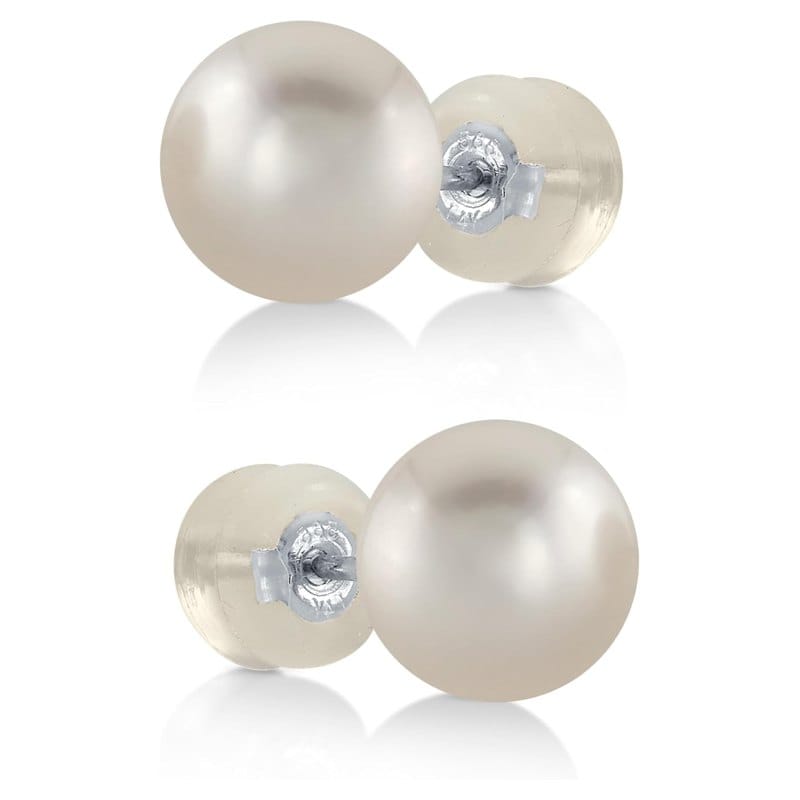
A pair of akoya studs is the most versatile way to own Japanese pearls. These Pearl Source akoya stud earrings use genuine Japanese akoya pearls of AAA grade, about seven millimeters across. They are chosen for round shape, smooth surfaces and the bright luster akoya pearls are known for.
The settings are 14K gold, and the pair arrives in a gift box with a certificate of authenticity. Studs of this size suit everyday wear as easily as an evening out. They also make a meaningful gift after a trip to Ise-Shima, since you will know exactly where such pearls begin.
Choosing Pearls
Choosing pearls well takes a little knowledge. Look first at luster, the brightness and depth of the shine, since it matters more than size. Then check the surface for blemishes, the roundness of each pearl and how well the pearls match on a strand. Akoya pearls are usually smaller than South Sea or Tahitian pearls, but their sharp luster is hard to equal. A reputable seller will explain the grading and provide a certificate. Ask about the farm and the harvest year, too.
The related guides below offer more ideas for meaningful objects from Japan, along with the art destinations that pair well with a craft-focused trip. Each pairs well with a visit to Ise-Shima, Kanazawa or Kyoto, and each points you to places worth a detour.
You may also like
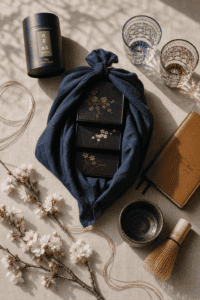
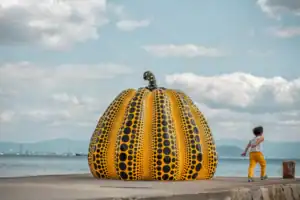
For a traveler, the most rewarding part of this story is that you can visit it. Japan’s craft regions have turned their workshops, farms and studios into places to learn, watch and take part. That shift brings income to small towns and gives visitors a far richer understanding of what they buy. Ise-Shima leads the way, but the same welcome now awaits in many craft towns. Many sessions can be booked in English, often online, a few weeks ahead of your visit.
Tourism Meets Craft: The Experience Economy
Ise-Shima has turned its pearl heritage into a draw for visitors. Mikimoto Pearl Island in Toba has a museum on pearl cultivation and demonstrations by ama, the women divers who once gathered oysters from the seabed. In their white diving clothes, the ama show a working tradition that reaches back centuries.

Family farms around Ago Bay offer a closer look. At places like Pearl Miki, visitors choose an oyster, open it and keep the pearl they find, then turn it into a pendant or charm. These sessions help visitors understand the skill involved in every strand. They also explain why fine Japanese pearls command the respect they do. Most sessions take about an hour. Families enjoy them as much as jewelry lovers, which makes them an easy addition to a coastal stay.
The region rewards a longer stay. Ise-Shima National Park covers much of the peninsula, with island-dotted bays, fishing villages and coastal walks. In 2016, the area hosted the G7 summit, and its resort hotels and seafood drew world attention. Visitors spend on lodging, meals, transport and craft purchases, so tourism spreads income widely.
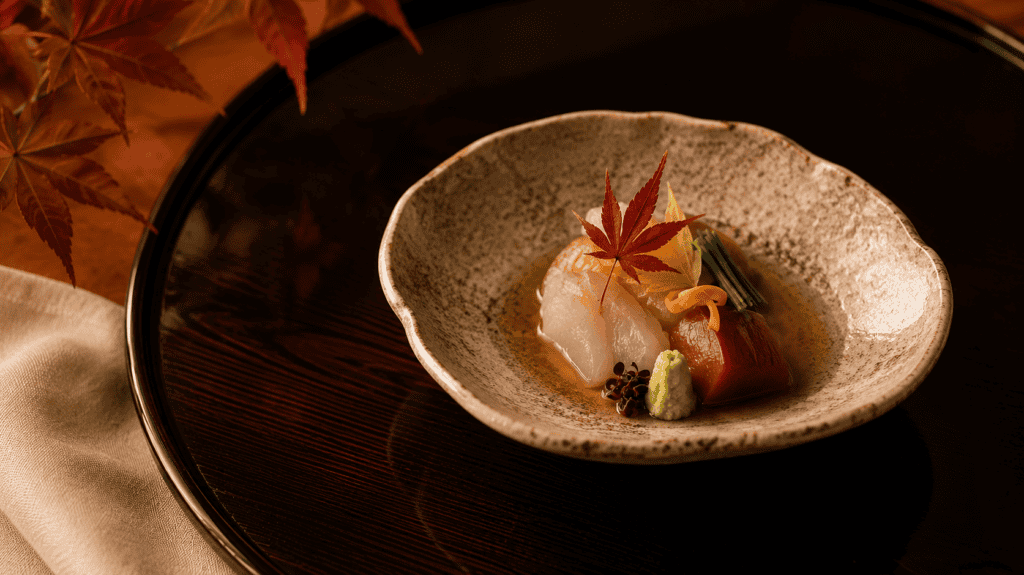
Seafood is as much a part of Ise-Shima’s identity as pearls. The same clean, sheltered waters produce spiny lobster, abalone and oysters, and many inns serve them in long seasonal dinners. Ama divers still gather some of this catch by hand, and a few huts invite visitors to eat grilled shellfish beside them. These meals connect travelers directly to the coast’s working life. They also show how food, craft and tourism support one another in a small region. Book these meals ahead in summer.
Food, Craft and Place
That model lets craft regions earn from their reputation beyond product sales. Tours, workshops and cultural sessions build emotional ties that advertising cannot. A visitor who watches a pearl being taken from an oyster sees the strand in a jeweler’s window differently. Food tells the same story. On this coast, one simple fishermen’s dish shows how local life and local work have always mixed.
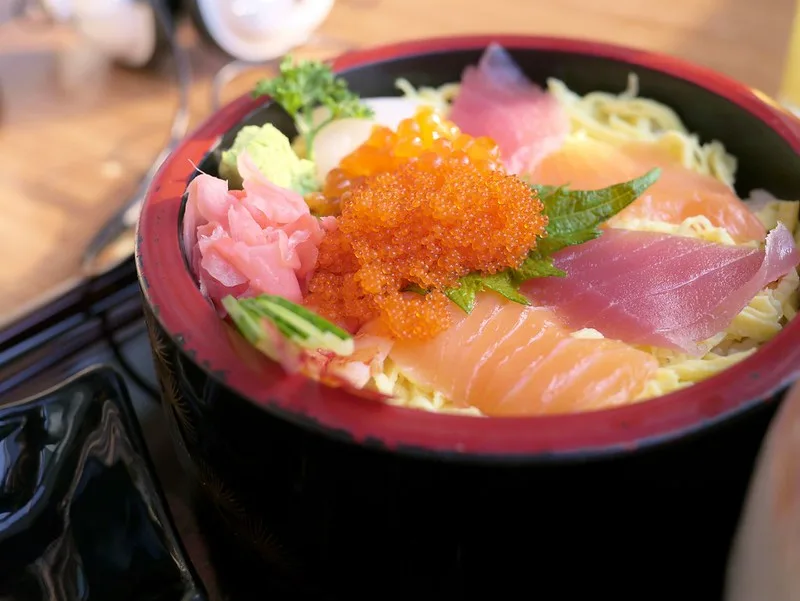
Tekone-zushi — the hand-mixed sushi of Ise-Shima
Cook one and a half cups of rice with a piece of kombu, lifting the kombu out just before it boils. Stir three tablespoons of sugar, four of vinegar and a teaspoon of salt into the hot rice, then let it cool. Meanwhile, boil five tablespoons of soy sauce with two of mirin and cool the marinade. Slice about ten ounces of bonito thinly and marinate it for five to thirty minutes. Cut eight shiso leaves and a knob of ginger into fine strips. Finally, spoon a little marinade over the rice, lay the fish on top and finish with shiso, ginger and shredded nori.
Tekone-zushi is easy to try on a visit. Many restaurants in Ise and Toba serve it, often beside other local dishes. Bonito is the classic fish, though some cooks use tuna or sea bream depending on the season. The marinated fish tastes rich against the light, vinegared rice, and fresh shiso and ginger keep it bright. It is simple, satisfying food that suits a long day of exploring the coast, and it travels well in a lunch box. Try it with green tea.
The recipe follows the version published by Japan’s agriculture ministry. Fishermen first made it on their boats, mixing the fresh catch with rice by hand, which is where the name comes from. Today it appears on menus across Ise and Shima. For travelers who want to plan a whole route around makers, one book is a beautiful guide.

Inland Mie
Inland from the coast, Mie offers a gentler landscape of forests, lakes and rice fields. Many travelers combine Ise-Shima with a few nights in the mountains or a visit to Iga, known for its pottery and its ninja history. Traveling between craft regions by rail is easy, and each change of scenery brings a new material and a new set of makers. Planning a route around those makers turns an ordinary trip into a journey with a clear thread.
A good book helps you find them. The best guides profile individual artisans and explain where and how to visit their studios respectfully. The one below is among the most beautiful, with photographs of the workshops, the materials and the landscapes that shape each maker’s work.
Craftland Japan — 25 artisans and the places they work
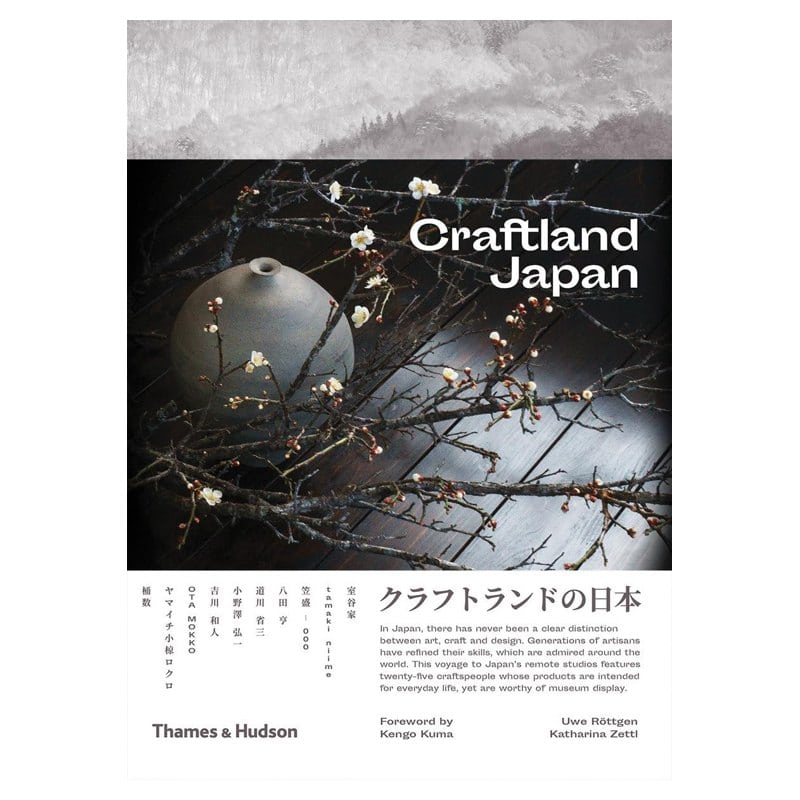
Designers Uwe Röttgen and Katharina Zettl traveled across Japan to find its finest living makers, and Craftland Japan is the result. The book profiles 25 artisans, with photographs of their workshops, their materials and the landscapes that shape their work.
It is organized around regions, so it doubles as a map for a craft-led trip. You will find makers working in paper, wood, lacquer, metal and textiles, each tied to a place. Read it before you plan, then circle the regions that call to you. Several studios welcome visitors by appointment, and the book names many of them, so a polite email can open a door few travelers knock on.
Visiting a working studio calls for a few courtesies. Always contact the maker in advance, since many work alone and cannot stop for unexpected guests. Arrive on time, ask before taking photographs and avoid touching pieces unless invited. Buying something, even small, is a kind way to thank a maker for their time. Many artisans are delighted by genuine interest, and a short conversation, even through a translation app, often becomes a highlight of the trip. Learn a simple thank-you in Japanese.
Japanese proverbs often celebrate this kind of patience and care. The printable below gathers ten of them, each with a short note on its everyday use. Several speak directly to craft, patience and the value of doing one thing well over a lifetime.
Ten Proverbs to Carry With You
A printable folio of ten Japanese proverbs, each with a short note on where it shows up in daily life. Several speak to patience and craft. Leave your email and the printable arrives in your inbox, followed by an occasional letter on Japan.
Before You Go
Planning a craft trip takes a little more care than a standard city tour. Workshops keep their own hours, farms follow the seasons, and the best sessions often book out weeks ahead. A few habits make the difference between a rushed visit and a memorable one. The tips below come from the details travelers most often miss, along with a few common mistakes worth avoiding. Read them before you book, since timing and reservations matter more on a craft trip than on almost any other kind of journey in Japan.
Tips for Exploring Japan’s Craft Regions
- Visit around the harvest. Ise-Shima’s pearl harvest takes place in winter, when the water is cold. It is the best time to see working growers and freshly harvested pearls.
- Book private tours early. Many makers offer behind-the-scenes visits by reservation only. These small sessions often include time with a master craftsperson.
- Research regional specialties. Each prefecture has its own crafts. Build a route around a few of them rather than trying to see everything.
- Read before you go. A good book helps you tell genuine makers from shops aimed only at tourists.
- Learn the basic terms. Knowing words like cultured pearl, akoya and baroque helps you appreciate what you see and buy wisely.
Timing matters most at the pearl farms. Grafting happens from spring into summer, while the harvest waits for winter. Visit in the cold months and you may see growers opening the season’s oysters. In warmer months, there are fewer harvests to watch, but workshops still run, and the bays are at their most inviting.
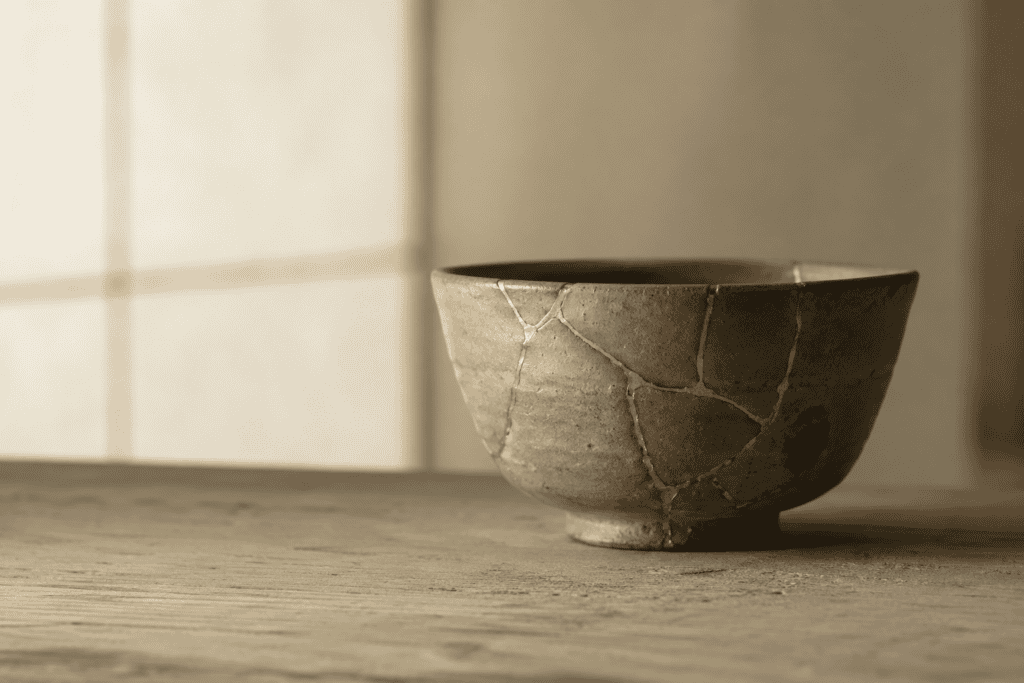
Kintsugi, the art of repairing broken pottery with lacquer and gold, captures a value found across Japanese craft. Instead of hiding damage, the repair becomes part of the object’s story. Many workshops in Kyoto and Tokyo now offer short kintsugi classes, using modern materials so you can take your piece home the same day. Traditional repairs with real urushi lacquer take weeks, which says a great deal about the patience behind Japanese craft. Some studios will ship finished repairs abroad for you.
Reading ahead pays off in every craft region. A thoughtful book changes what you notice in a workshop, from the marks a tool leaves to the way a maker talks about materials. It also helps you judge quality, which matters when you want to bring something home. Our guide to Japanese collectibles worth owning covers the pieces that hold their value. One classic text has shaped how the world sees Japanese craft for decades.
The Unknown Craftsman by Soetsu Yanagi — the classic on folk craft
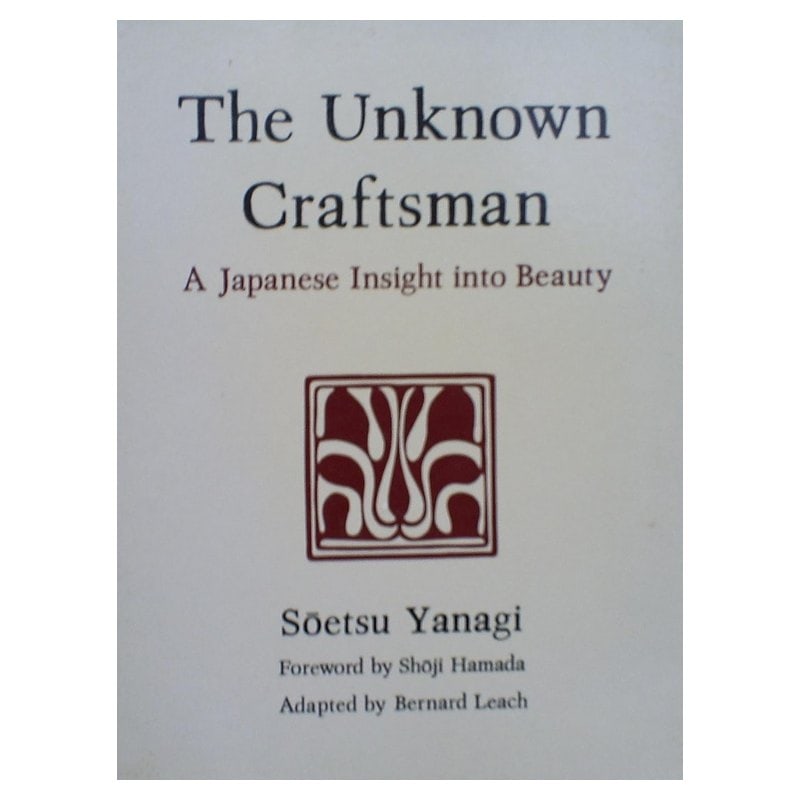
Soetsu Yanagi founded Japan’s folk craft movement, and The Unknown Craftsman gathers his most important essays in English. The potter Bernard Leach, his friend for fifty years, adapted the text. Yanagi asks why an ordinary lacquered rice bowl, made by an unnamed craftsman, can be beautiful.
His answer changed how collectors and designers think about handwork. The book includes 76 plates of everyday objects that prove his point. Read it before visiting a craft town, and you will look past famous names to the quality of the work itself. It is a revelation for anyone who loves well-made things.
The Mingei Legacy
Yanagi’s ideas still shape how Japan values handwork. The folk craft movement he founded, called mingei, celebrated objects made for daily use by unnamed makers. Today, mingei museums in Tokyo, Kyoto and other cities display baskets, textiles and pottery that were once ordinary tools. Many craft shops also follow his principles, choosing pieces for honest materials and careful making rather than fame. Look for the word mingei when you shop. It usually signals honest, everyday craft at a fair price.
With that background, it becomes easier to avoid the most common mistakes buyers make in Japan’s craft regions, which the next section explains. Each one is easy to avoid once you know about it, and the fixes make every purchase more meaningful.
Even experienced travelers make a few predictable mistakes in Japan’s craft regions. Most come from assumptions: that everything is expensive, that Japanese style is a single look or that only famous names matter. Each assumption narrows what you see and what you bring home. The short list below covers the three most common, with a simple way to avoid each one. None is difficult to fix, and each makes your purchases more rewarding and your visits to makers more personal.
Common Mistakes to Avoid
- Assuming every Japanese luxury good is costly. Top pieces command high prices, yet many regions offer smaller items of excellent quality and fair value.
- Overlooking regional differences. Each prefecture has its own methods and taste. Avoid thinking of a single Japanese style, and you will enjoy richer encounters and better purchases.
- Focusing only on famous brands. Mikimoto deserves its fame. Still, smaller regional producers often offer comparable quality with more personal service.
The last point applies especially to pearls. Ise-Shima’s family farms and specialist retailers sell beautiful akoya pearls that carry the same heritage as the famous names. Ask how and where the pearls were grown, how they were graded and whether they come with a certificate. A good seller will answer each question clearly and without pressure.
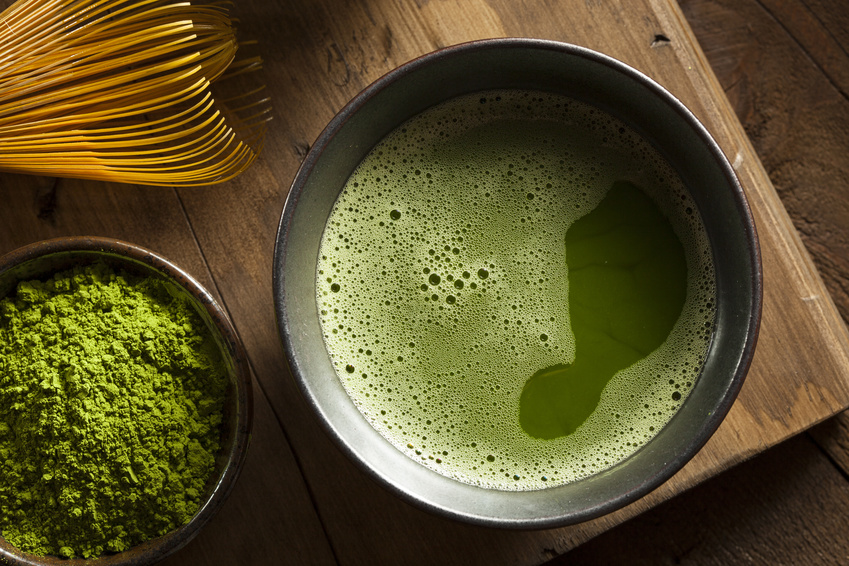
Tea bowls are another classic purchase from Japan’s craft regions. Each pottery town has its own clay, glaze and style, from the rough, warm tones of Hagi to the bold greens of Oribe. A bowl you use every day becomes a small reminder of the place you found it. Ask the seller who made it and where. Keep the wooden box if it comes with one, since it records the maker’s name and the bowl’s history. That box adds value too.
Independent jewelers abroad also work directly with Japanese growers. They can be a good route to genuine akoya pearls if you cannot buy in Japan. Look for clear grading, a stated pearl size and a certificate of authenticity. A matinee-length necklace is a classic choice that works with both day and evening clothes, and it shows off the luster better than any other style.
The Pearl Source Akoya Necklace — a matinee-length strand
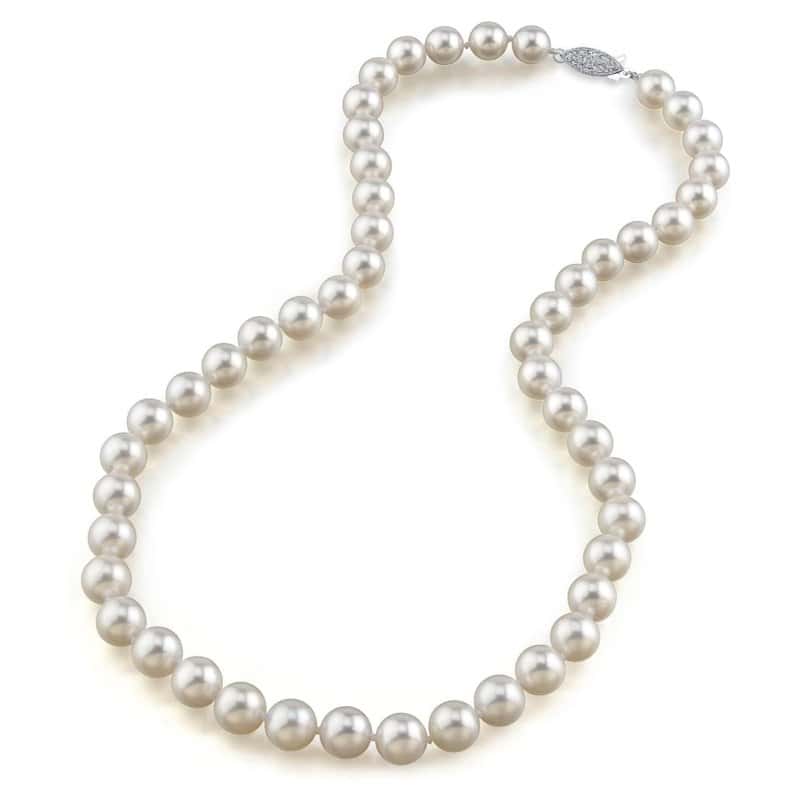
This Pearl Source akoya pearl necklace uses hand-selected Japanese akoya pearls of about eight millimeters. The strand is 24 inches long, a matinee length that sits just below the collarbone. It is strung in the United States with a 14K gold clasp.
The pearls are chosen for thick nacre, smooth surfaces and close matching, which give the strand its bright, even glow. It is a lasting piece that suits work, weddings and dinners alike. Store it flat in its box, away from perfume, and wipe it with a soft cloth after wearing. Treated this way, it will keep its shine for decades.
Caring for pearls is simple once you know the basics. Put them on last, after perfume and makeup, and wipe them gently with a soft cloth after wearing. Store them flat and apart from harder jewelry, which can scratch the surface. Have a strand restrung every few years if you wear it often, since silk thread stretches over time. With that care, a good strand of akoya pearls can last for generations and become a family heirloom. Many families pass them down.
The recommendations below collect more ideas for jewelry, crafts and objects from Japan, chosen to suit travelers who value quality and a good story. Many come from Japanese makers with long histories, and each would make a thoughtful gift or keepsake.
Recommended
A Habit of Attention
Craft regions also teach a habit of attention. Makers notice small things: the grain of wood, the weight of a bowl, the way light moves across a pearl. Travelers who adopt that habit see more and remember more. Many find that a few lines written each evening help, noting a material, a technique or a conversation with a maker. Over a trip, those notes become a record that photographs cannot match. They also make the objects you bring home far easier to remember.
A sketch works too. Even a rough drawing of a bowl or a loom makes you look more closely. That attention is exactly what Japanese makers practice every day. Add a note on the maker’s name and the town, so you can find them again on a future trip.
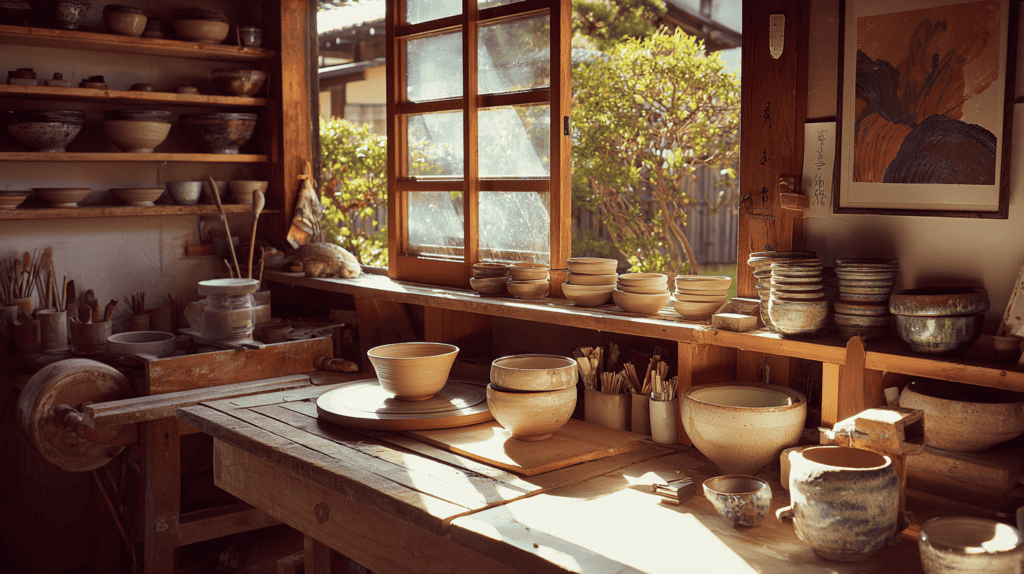
The journal below grew from a Japanese idea about tenderness for passing things, mono no aware. It suits a craft trip well, because so much of what you see is made slowly and changes with the seasons. One short prompt each day asks you to notice what is in front of you before it passes. It works on a tablet or on paper, in a ryokan room or on a train, and it takes only a few minutes each evening.
Many readers keep it beside a travel guide, writing a line at breakfast or before sleep. Over a trip, the small entries add up to a record of what mattered most. Many readers return to those pages years later and find the trip coming back in vivid detail.
Ten Proverbs to Carry With You
Our printable folio of ten Japanese proverbs, each with a note on where it appears in daily life. Leave your email and it arrives in your inbox, with an occasional letter on Japan.
Words From the Workshop
Many Japanese proverbs grew from the working lives of craftspeople, fishermen and farmers. Some praise patience, such as the idea that even a stone grows warm if you sit on it for three years. Others celebrate steady effort and attention to detail. They still appear in daily conversation, in workshops and on the walls of small studios. Learning a few gives you a gentle way into the values behind Japanese craft, from the pearl farm to the weaving room and the potter’s wheel.
They also make good companions for a journal. Choose one at the start of the trip, and notice how often its meaning appears in the work of the makers you meet. It is a small habit that keeps the spirit of the trip alive.
Objects and Memories
Many travelers buy one beautiful object on a craft trip and keep it for life. Others prefer to bring home a habit instead, a way of looking that lasts longer than any souvenir. The two go together well. A pearl, a bowl or a length of silk reminds you of the place, and a few pages of notes remind you of what you learned there. Together, they keep the trip alive long after the suitcase is unpacked and the photographs are filed away.
The journal below suits exactly that kind of reflection. It asks short, gentle questions that help you notice beauty in passing moments and in the objects you love. It works beautifully alongside a craft trip, since so many of its prompts invite you to look closely and slowly.
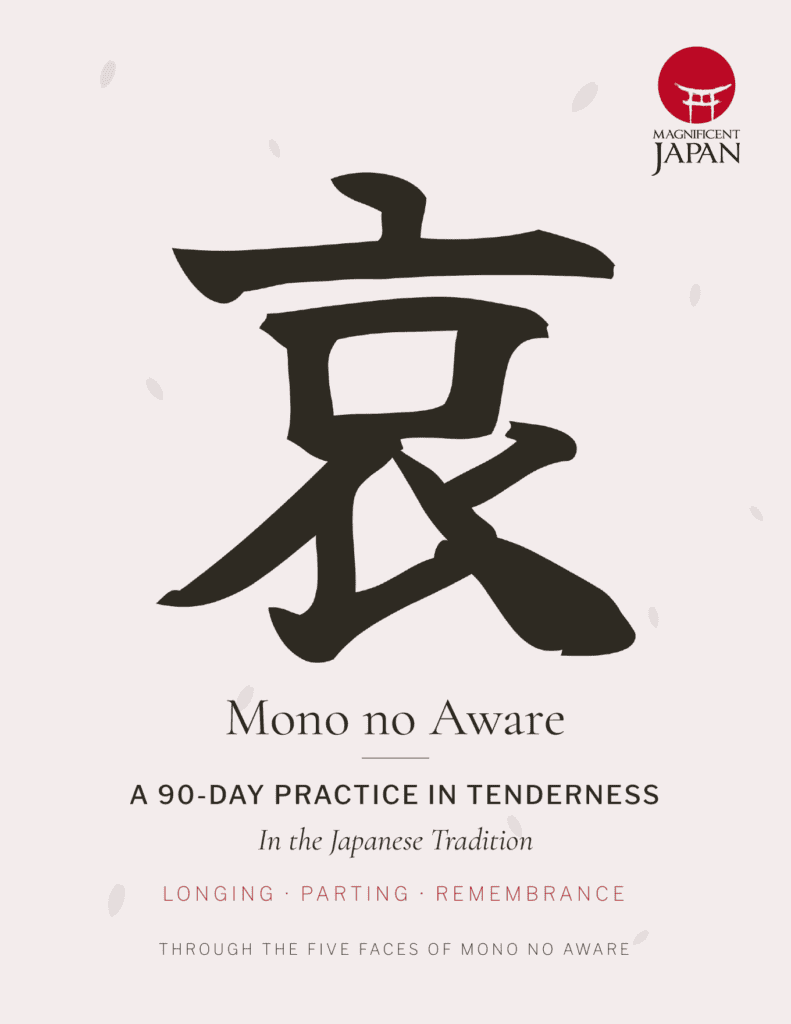
Mono no aware is the Japanese tenderness for things that pass, the feeling behind every season and every handmade object. This 90-day guided journal turns it into one short prompt a day. It comes as a write-on digital edition and as a paperback edition, and it is one of eight journals in the Cultural Reflection Collection.
View The CollectionWhat Japan’s Pearl Coast Teaches
Japan’s luxury crafts reveal an approach to growth that favors quality over quantity, regional specialization over mass production and genuine heritage over marketing. The success of Ise-Shima shows how traditional craft can become a modern economic engine while keeping its culture alive. Other regions have followed the same path in their own way. They build on one material, one technique and a community willing to protect both for the next generation. That patience, more than any famous label, is the real luxury here.
For more reading on Japan’s crafts and the regions behind them, the links below gather our guides to the luxury market, Kanazawa, made-in-Japan gifts, collectibles, art destinations and Naoshima. Each one adds practical detail on where to go, what to book ahead and how to link the regions by rail.
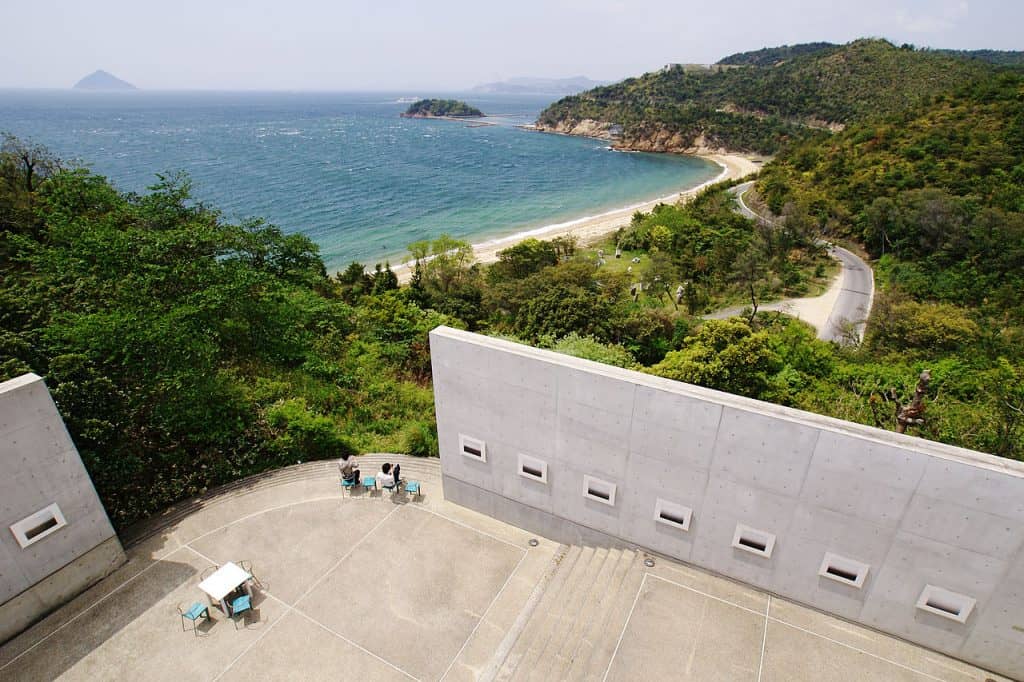
Islands and coasts across Japan show the same pattern in different forms. On Naoshima, a company remade a small island around contemporary art, drawing visitors from around the world. In Ise-Shima, pearls did the same a century earlier. Both stories show how a clear identity, patient investment and respect for place can turn a small region into a destination. Travelers who follow those threads find a richer, more personal Japan than the classic routes alone can offer. Both are easy to reach by train.
Each region also keeps its own rhythm, set by tides, seasons and the work of its makers. That is reason enough to linger rather than rush through. Two or three nights in each place is usually enough to feel that rhythm and meet the people behind it.
Following the Thread
Our profile of Naoshima’s art island tells that story. For travelers and business readers alike, these craft regions offer a fresh way to think about building value and building a brand. Whether your interest is pearls, silk, ceramics or lacquer, Japan’s prefecture-based clusters show how deep local expertise becomes a global advantage. Start with Japanese pearls in Ise-Shima, then follow the thread to Kanazawa, Kyoto and the smaller craft towns between them. Each one adds another chapter to the story.
The tools below help you begin. Use them to sketch a route, check rail options and choose a journal for notes on the makers you meet along the way. Together, they turn a first idea into a route you can refine with our travel designers.



The finest craft journeys are arranged rather than improvised. Our travel designers can book a private morning on a pearl farm, a gold leaf class in Kanazawa and a visit to a Nishijin weaving studio in Kyoto. They link the regions by rail, choose inns near the workshops and leave room to linger with the makers who welcome you. They also time the visit to the seasons, so you see the pearl harvest, the autumn colors or the first snow at their best.
Every plan begins with your interests, whether that is pearls, ceramics, textiles or food. From there, our designers shape a route that balances famous sights with small, personal workshops. Each itinerary is built around your dates, pace and interests, with every connection arranged in advance.
For the traveler who wants to meet the makers behind Japanese pearls and crafts: a custom itinerary through Ise-Shima, Kanazawa and Kyoto, with private workshop visits, a seafood inn on the coast and time set aside for the studios that matter most to you.
Plan Your Custom Japan ItineraryQuestions Worth Asking
Where do Japanese pearls come from?
Modern Japanese pearls began in Ise-Shima, in Mie Prefecture, where Kokichi Mikimoto cultured his first pearl in 1893. Today Japan’s akoya farms sit mainly in Mie, Ehime and Nagasaki, with smaller farms in Kumamoto and Oita.
What are akoya pearls?
Akoya pearls are saltwater cultured pearls grown in the akoya oyster. They are known for their round shape, fine size and bright luster. Japan pioneered their cultivation, and Ise-Shima still grows many of the smaller sizes.
When are pearls harvested in Ise-Shima?
Pearl harvests in Ise-Shima take place in winter, when the water is cold. Growers say oysters need warm water to build nacre and cold water to deepen the luster, so the harvest waits for the cold months.
Can you visit a pearl farm in Japan?
Yes. Mikimoto Pearl Island in Toba has a pearl museum and demonstrations by ama women divers. Several family farms around Ago Bay offer workshops where you open an oyster and keep the pearl you find.
Why is Kanazawa famous for gold leaf?
Kanazawa produces more than 99 percent of Japan’s gold leaf, according to the national tourism agency’s multilingual guide. Artisans beat the gold until it is about one ten-thousandth of a millimeter thick. Workshops in the city offer short classes.
How many official traditional crafts does Japan have?
Japan’s trade ministry had designated 244 traditional craft products by late 2025, after adding hand-carved Tokyo seals. Each designation recognizes a craft made by hand in a specific region with traditional techniques and materials.
The Editors, Magnificent Japan