
The weak yen is the headline, but it is only the start of the story. Japan’s economy is changing in ways that reach far beyond markets and boardrooms. For travelers, those shifts are opening experiences that once felt out of reach, from a night in a great ryokan to a craft workshop in a revived mountain village. Even the shape of a rural holiday is shifting, as towns that once saw few visitors build inns, guides and workshops to welcome them. Understanding why helps you plan a richer trip.
Economic policy and the travel experience have rarely been so closely linked. Government programs designed to stimulate growth are building new tourism infrastructure. At the same time, currency movements are widening access to experiences that were once reserved for the very wealthy. Our guide to planning luxury travel in Japan well covers the wider picture.
This shift is not just a change in the numbers. It is reshaping Japanese tourism itself, from the inn you choose to the cultural workshop you can attend. Below, we look at seven forces at work, and at how to plan around each one.
How does the weak yen affect travel to Japan?
The weak yen makes Japan unusually good value for visitors paid in dollars. The yen has lost more than 30 percent of its value against the dollar since 2022. As a result, many travelers now upgrade, choosing a ryokan, a private guide or a longer stay. Record visitor numbers and new travel taxes come with it.
The Currency Advantage: When the Weak Yen Meets the Traveler
The yen’s long slide against major currencies has made Japan one of the strongest values in world travel. According to IATA, the yen has lost more than 30 percent of its value against the dollar since 2022. The effect on demand has been dramatic. Japan welcomed about 42.7 million international visitors in 2025, a record and nearly 16 percent more than the year before. It was also roughly ten million more than in 2019, the last year before the pandemic, which shows how far demand has grown in a short time.
Americans are a large part of that story. More than 3.3 million visitors came from the United States in 2025, making it the fourth-largest market after South Korea, China and Taiwan. However, this is not simply about cheaper meals or souvenirs. The currency advantage lets travelers reach premium experiences that were previously out of reach.

Tourism officials describe the change in plain terms. Visitors who once stayed in business hotels are booking ryokan. Those who joined large group tours are arranging private cultural sessions instead. The data supports that picture. Spending by international visitors rose more than 16 percent in 2025, to a record, according to the Japan Tourism Agency. Its figures also suggest that visitors are staying in better rooms and spending more on food, culture and private experiences. They are not simply buying more goods to take home.
Meanwhile, per-person spending edged up as well. That detail matters, because it shows travelers are using their extra purchasing power to upgrade rather than simply spend less. Accommodation is now the largest single category of visitor spending, at more than a third of the total. Boutique hotels and fine ryokan feel that demand most.

A New Way to Compare
Exchange rates also change how travelers compare destinations. A few years ago, many Americans saw Japan as one of the most expensive trips in Asia. Today, a stay at a fine ryokan can cost less in dollars than a comparable night in parts of Europe. Meanwhile, the service and food remain exceptional. That shift has drawn first-time visitors who once chose elsewhere. It has also encouraged repeat visitors to explore new regions rather than return to the same few cities.
What the Margin Buys
Consider the practical effect. A ryokan room that once stretched the budget now costs noticeably less in dollars, while the service stays exactly the same. That margin lets travelers extend a stay or add something special, such as a private tea ceremony or a kaiseki dinner at a counter. Our explainer on how an onsen and kaiseki stay works shows what to expect. A current guidebook helps you spend the advantage well.
Lonely Planet Japan — the comprehensive guide for a long trip
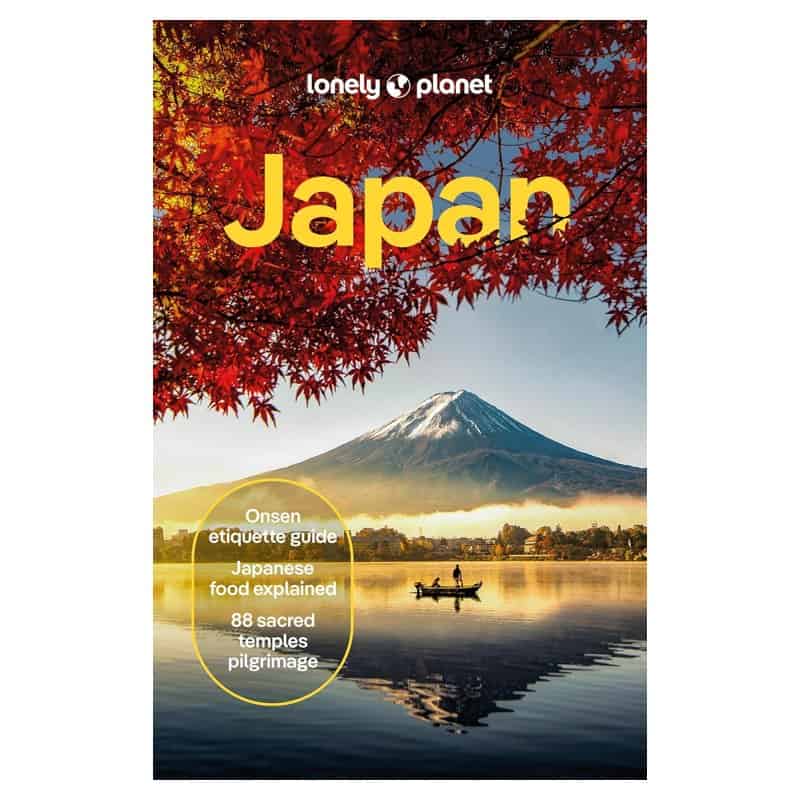
For planning a long trip, the Lonely Planet Japan comprehensive guide remains the most complete single volume. It is built for multi-week journeys, with itineraries that link the big cities to day trips and walking routes. It also reaches places many first-timers miss, such as the old streets of Hagi and a centuries-old brewery town in Niigata.
That breadth matters now. With the weak yen stretching budgets, more travelers add a second region or a few rural nights. A thorough guide shows what each place is worth before you commit. Mark the regions that tempt you, then compare them with the rail map. It quickly becomes clear which ones fit together.
Planning Tools
Guidebooks are only one way to plan, of course. Many travelers now combine a printed guide with official tourism sites, rail apps and a trusted travel designer. The printed book gives the overview and the history, while apps handle times, prices and bookings. Together they help you turn a favorable exchange rate into a better trip, not simply a cheaper one. For most visitors, that is where the real value of the weak yen lies, and it is why careful planning pays off.
For a closer look at where the money goes, the related reading below covers the luxury travel market in numbers and the people moving into Japan’s countryside. Both help explain the trends behind your own trip, from the hotels you book to the regions that are suddenly easier to reach.
You may also like
The weak yen explains why more people come. Yet it does not explain where they go once they land, and here policy plays a bigger role than exchange rates. Japan’s government has spent years trying to spread visitors beyond Tokyo, Kyoto and Osaka. The tools range from grants for local towns to new rules on lodging. For travelers, the result is a countryside that is better prepared to welcome guests than at any time in recent memory. Many towns now have English signs and websites too.
Rural Revitalization: Policy Creates New Destinations
Nowhere is the link between policy and travel clearer than in rural revitalization. Japan has a record nine million vacant homes, about 13.8 percent of all housing, according to the 2023 national survey. Many sit in villages that have lost young people to the cities. Turning some of them into guesthouses, cafes and workshops has become national policy.
Under its Regional Revitalization 2.0 plan, the government doubled its grants to local areas for fiscal 2025. Tourism is one of the main levers. The aim is not cosmetic. Instead, the money supports restored buildings, local guides, hospitality training for residents and the infrastructure that visitors need.
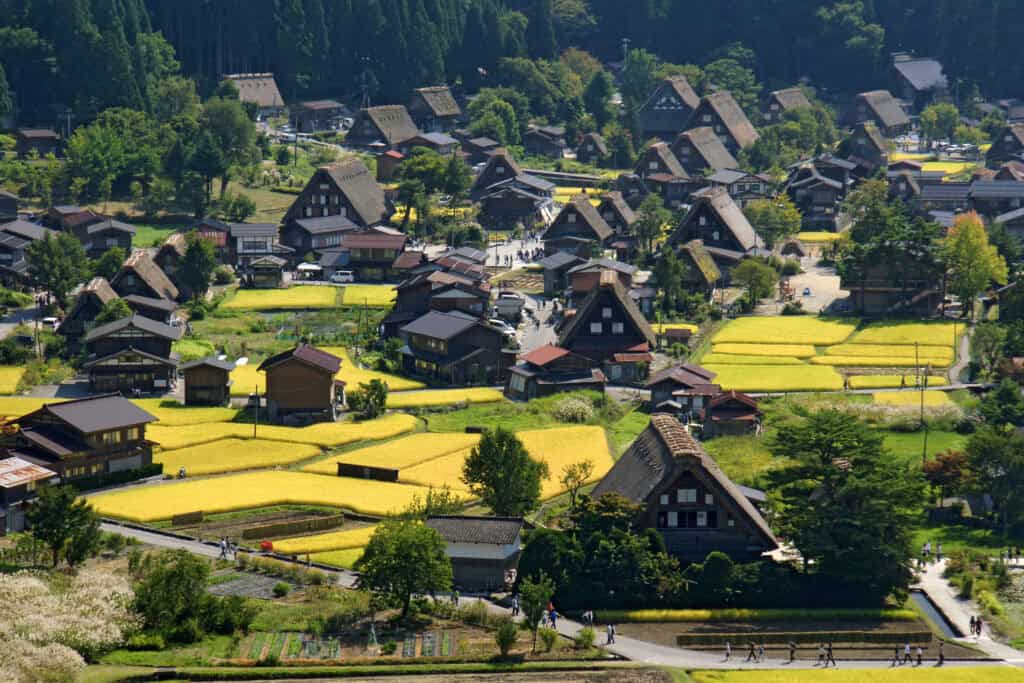
Travel industry leaders describe whole new tourism ecosystems. Areas that struggled five years ago now host overseas visitors in restored traditional buildings. They offer cultural experiences that never appeared in mainstream itineraries. Our essay on new life in Japan’s old towns looks at who is moving in. For visitors, the change is easy to feel. Old buildings are open again, local guides lead small groups, and craft studios welcome guests who once had no reason to stop. The money stays in the community, which helps keep these places alive.
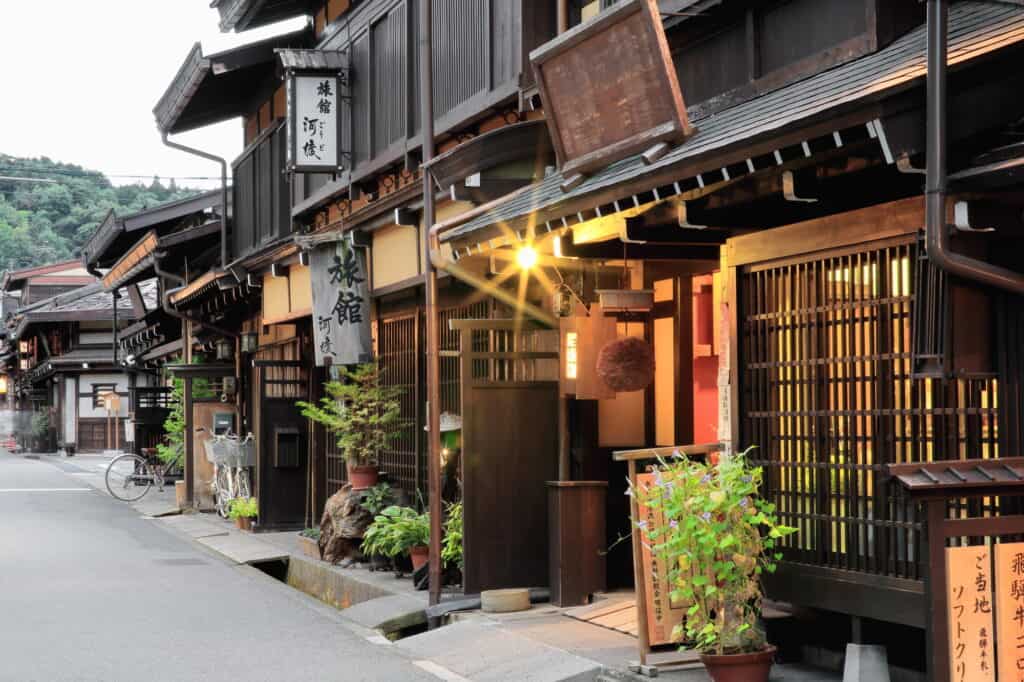
Take Shirakawa-go, beyond its famous thatched houses. Visitors can stay overnight in a gassho farmhouse inn, learn local crafts and walk the valley at dawn, before the day-trip buses arrive. Consequently, the tourism income reaches farmers, makers and innkeepers, which helps keep traditions alive.
New Kinds of Lodging
This rural renaissance is also driving new kinds of lodging. Entrepreneurs are converting old farmhouses, merchant homes and even schools into small hotels. These places offer something no city tower can match: a real place within a real community. Often the owner cooks dinner, and the next morning a neighbor shows you the fields. Rooms are few, so these inns book up early, especially in autumn and spring. In return, guests get a stay that feels personal, with meals cooked from the host’s own garden.
The food is part of the draw. Regional dishes that never reached the cities are now served to guests, often with the story of where they came from. In the Hida mountains of Gifu, one simple winter dish captures that mood perfectly.
Hoba Miso — miso grilled on a magnolia leaf
Slice about three ounces of green onions on the diagonal. Next, remove the stems from three ounces of shiitake and cut the caps into thin strips. Set a grill over a small charcoal stove and lay the dried magnolia leaf on top. Spread about a third of a cup of local miso over the leaf, then scatter the onions and mushrooms across it. Grill until the miso bubbles and smells toasty, which takes only a few minutes. Finally, eat it straight from the leaf with hot rice.
Hoba miso is easy to find on a visit to Takayama. Many inns serve it at breakfast, set on a small grill at the table, and the smell of toasted miso fills the room. Morning markets along the river sell dried leaves and local miso, so you can make it at home. It pairs well with Hida beef, mushrooms or simple rice, and every family seems to have its own version of the dish. Some add a little sake or sugar to the miso.
The recipe follows the version published by Japan’s agriculture ministry. It began with Hida woodsmen, who used the leaves as plates to grill miso in the mountains. Families still gather the fallen leaves each autumn for the winter ahead. One book captures the countryside these revivals are trying to save.
Small Towns, Big Stakes
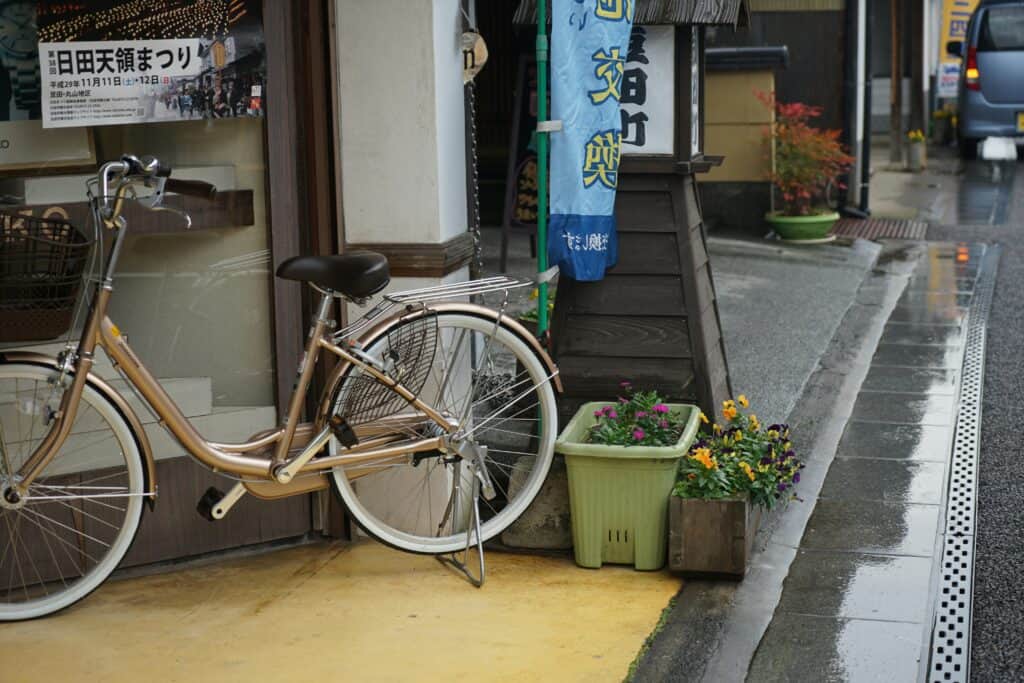
Small towns like this one are where Japan’s population decline is most visible. Shops close when owners retire, and schools merge as families move away. Yet many towns are fighting back with new businesses, festivals and visitor programs. Spending a night in such a place, eating at a family restaurant and buying from a local shop makes a real difference. Travelers often find these towns warmer than the big cities, precisely because each guest matters to the people who live there.
Writers have documented this countryside for decades, both its beauty and its struggles. One book in particular helped shape how the world sees rural Japan, and it remains a moving introduction to the places now being revived. Its author also played a real part in that revival, as the book itself explains.
Lost Japan by Alex Kerr — a love letter to rural Japan
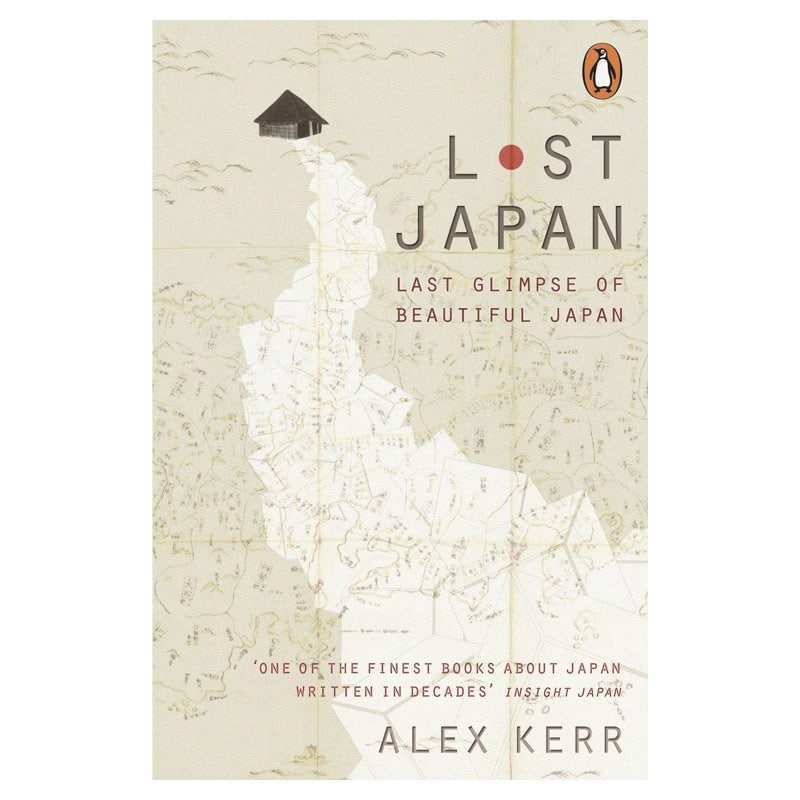
Alex Kerr first wrote Lost Japan in Japanese, and it won him a national literary prize. The book follows his three decades in the country, from the Kabuki stage to Tokyo boardrooms during the Bubble years. Above all, it tells the story of the remote valley that became his home, where he restored an old thatched farmhouse.
That house later became a model for the guesthouses now spreading through rural Japan. Kerr writes with both love and alarm about what was being lost. Read it before a stay in a restored village, and the place will make far more sense. The Penguin paperback runs to 256 pages and suits a long flight.
From Restoration to Revival
Kerr’s work has also had a practical effect. His restored house in the Iya Valley inspired a wave of similar projects. Since then, he has helped towns across Japan turn old homes into guesthouses. These projects show that preservation can pay for itself when visitors are willing to stay. They also prove that comfort and history can live together, with modern kitchens and baths fitted carefully into old timber frames. Many of the most memorable stays in Japan today follow that model.
Cities are joining in, too. Wooden townhouses that once seemed out of date are now some of the most sought-after places to stay in Kyoto and Kanazawa, often with a small garden. Staying in one is a fine way to see how old buildings can live a second life.

Old townhouses in the cities are getting the same treatment. In Kyoto and Kanazawa, wooden machiya that once stood empty now hold small inns, galleries and tea rooms. Countryside revival brings new inns, but it also exposes a hard problem. Japan’s working-age population is shrinking, and hotels feel it first. Rising costs and a lack of staff are forcing the whole hospitality industry to rethink how it works. As the next section shows, that pressure is producing changes that many guests actually prefer, from easier booking to more focused service.
Those changes affect every traveler, whatever the budget. Knowing why hotels work the way they do helps you choose well, book at the right time and get the most from each stay. It also explains why some of the best rooms in Japan are now in small, family-run inns rather than large hotels.
The Hospitality Evolution: Pressure Drives Innovation
Japan’s hospitality sector is changing fast, driven by pressures that often end up helping travelers. Labor shortages and rising costs are pushing hotels and ryokan to innovate. According to Teikoku Databank, the industry was on course for record revenue in fiscal 2024. Even so, many hotels limited occupancy because they could not hire enough cleaning staff. Rising wages and energy costs add to the pressure. As a result, owners have had to rethink almost every part of how a hotel runs, from the front desk to housekeeping and the kitchen.
The practical answer has been technology. Hotels now use digital check-in, multilingual support and online concierge tools to save staff time. The time saved goes back into the parts of the stay that matter most: the welcome, the meal and the bath. In many cases, the result feels more personal than before.

This change is clearest in boutique stays that blend Japanese hospitality with modern efficiency. Check-in takes minutes, recommendations arrive in your language, and the host still remembers how you take your tea. Moreover, the need to stand out has created specialist hotels. Some focus on one craft, some partner with local makers, and others offer access to traditional practices. For guests, the result is more choice than ever, from craft-themed inns to small hotels built around a single garden, kitchen or hot spring.
The value has grown rather than shrunk. Guests report high satisfaction even as costs rise, because creativity delivers more than spending alone. Formerly exclusive services are also easier to book. Private tea ceremonies, once arranged only through introductions, are now reserved online. Kaiseki now appears in smaller counter settings, with the same skill in a more relaxed room.
Dining in Smaller Rooms
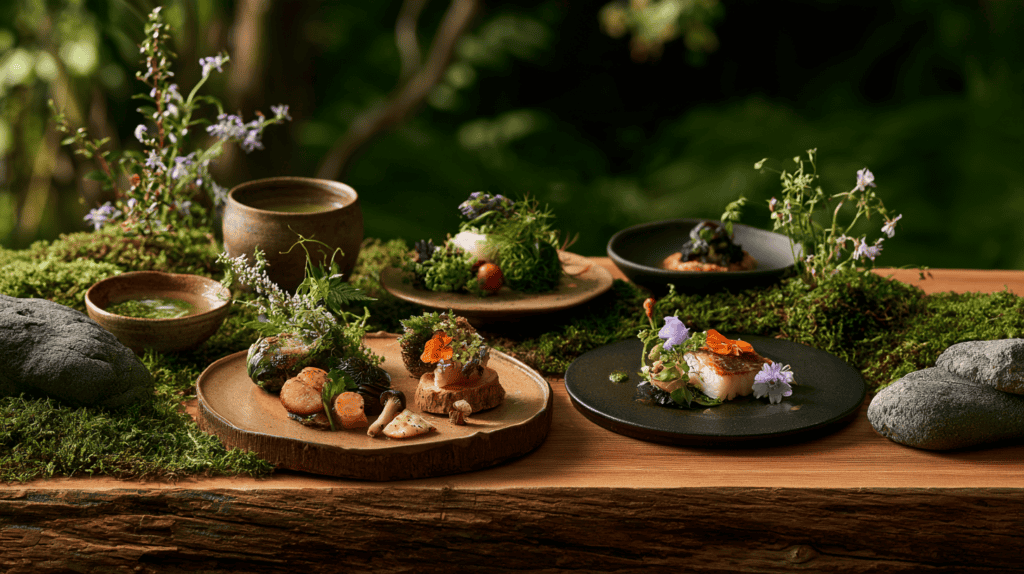
Dining has changed in the same way. Many fine restaurants now offer shorter lunch courses and counter seats, which make top cooking easier to book and easier to enjoy on a long trip. Some ryokan let guests choose a lighter dinner, while others add a private chef’s table. Ask when you book, since these options are rarely listed online in English. A good travel designer can usually secure them, along with seats at the counters that fill first.
How to Choose a Stay
For travelers, the lesson is to look beyond star ratings. A twelve-room inn with a strong owner can outshine a large hotel. Read recent guest reviews for comments about the host, the food and the bath, since those reveal the real quality. Then book directly where you can. A good guide also helps, and our page on how private tours in Japan work explains the options. To understand why Japan adapts this way, one book goes deeper than most.
Bending Adversity by David Pilling — modern Japan, explained
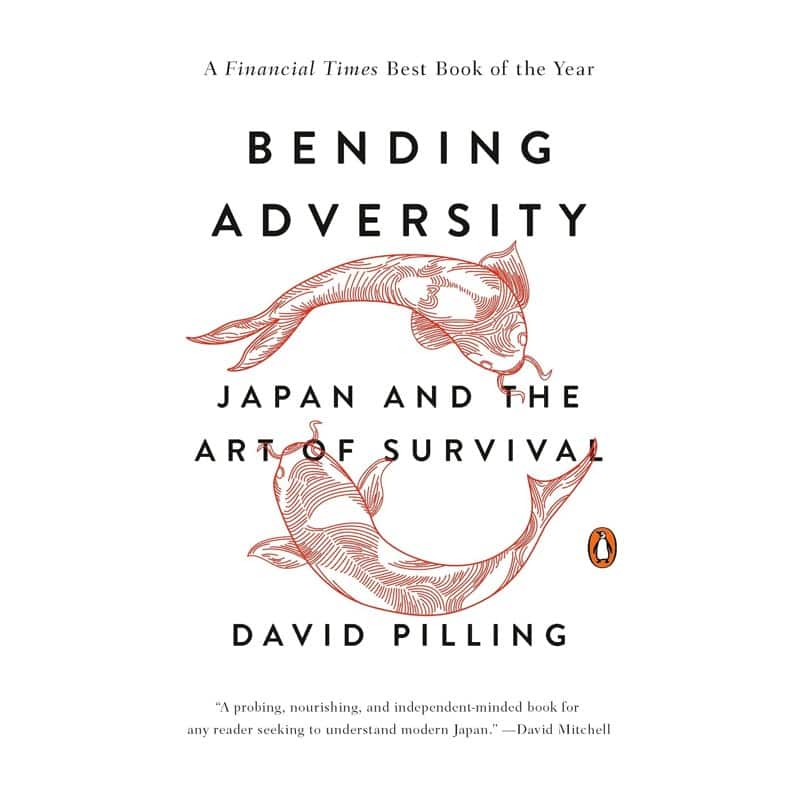
David Pilling was Asia editor of the Financial Times, and Bending Adversity grew out of his years in Tokyo. It opens with the 2011 earthquake and tsunami, then traces Japan’s long habit of recovering from crisis. Along the way, he interviews a wide range of voices, from the novelist Haruki Murakami to a former prime minister.
The book is not a dry economics text. Instead, it explains how ordinary people experienced the lost decades, the deflation and the recovery. That context helps a visitor read today’s Japan, from an empty village to a crowded new hotel. It is a thoughtful companion for anyone curious about the country beyond its sights.
Reading about modern Japan adds depth to every stop. The lost decades, the 2011 disaster and the long recovery all shaped the country you see today, from calm suburbs to busy new hotels. Understanding that history helps explain why Japanese hosts value stability, careful service and long relationships with guests. It also explains why so many towns welcome visitors so warmly, since tourism has become one of the few growing parts of many local economies across the country, from Hokkaido to Kyushu.
The related guides below show two ways to enjoy that hospitality at its best: a classic onsen and kaiseki stay, and a private tour with a guide who knows the country well. Both suit travelers who want depth rather than a checklist of famous sights.
You may also like

Cultural Access: Opening Doors That Were Closed
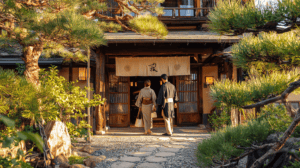
Japan’s economic evolution is changing how travelers reach its culture. Traditional gatekeepers, whether social, financial or practical, are giving way to market forces and to policies that value tourism. Demand for cultural experiences has grown steadily as a result. Just as important, access has widened.
The change is clearest in the craft world. Necessity has opened many traditional workshops to international visitors. Makers who once sold only to domestic buyers now offer classes, demonstrations and exchanges. These sessions provide income while keeping skills alive. The logic is simple: visitor spending supports craft communities, and travelers meet the craft firsthand. Many of these sessions last only an hour or two, so they fit easily into a city day or a rural stay. Some studios will also ship larger pieces home for you.
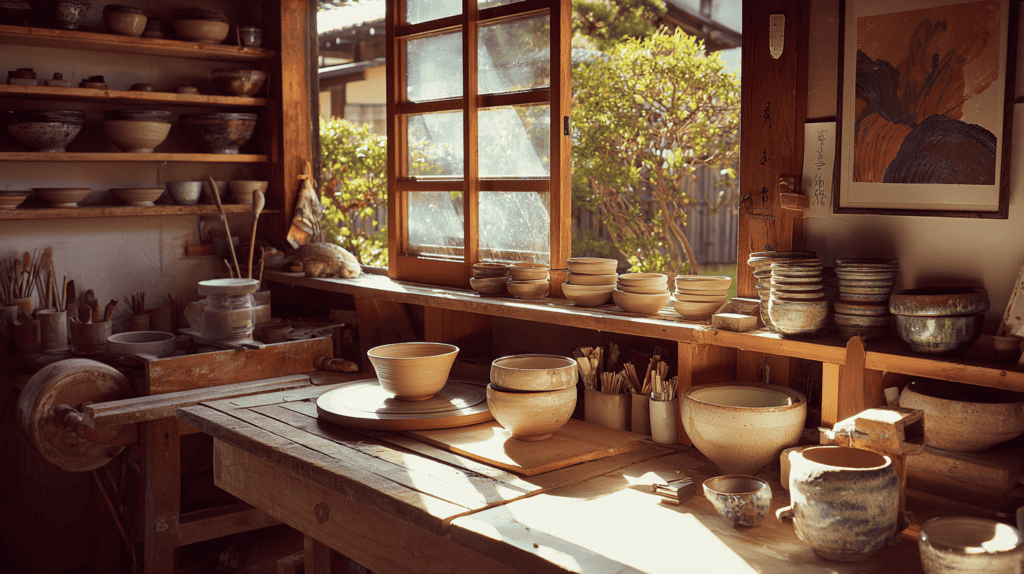
Digital platforms have removed many old barriers too. Experiences that once needed a personal introduction or specialist knowledge are now bookable online. Prices and expectations are clear before you arrive. That transparency helps both travelers and practitioners, and it creates steady income that supports traditional arts. A morning of indigo dyeing or lacquer work can now be arranged weeks ahead. Booking ahead also helps the makers plan their time, since many run small studios with only a few seats for each session.
Visitor money is also funding preservation. Gardens, historic houses and cultural sites that were once private or tightly limited are opening to guests. They rely on admission and local tourism taxes to balance preservation with access. For a sense of what the tea world offers, read our guide to the way of Japanese tea.
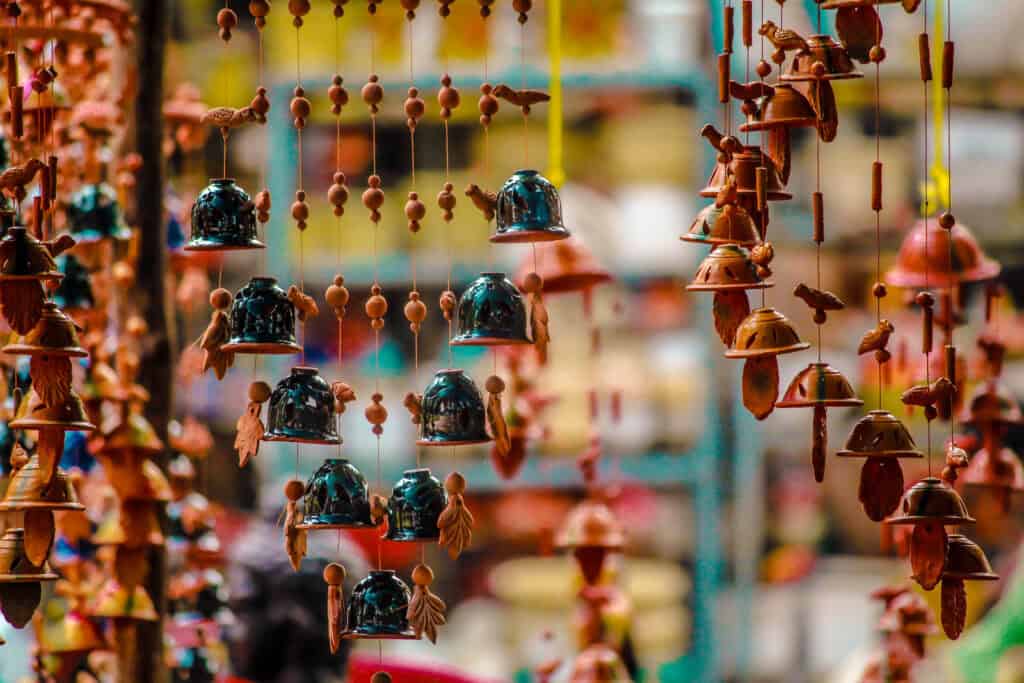
Markets and Makers
Markets are another easy way in. In Kyoto, monthly handmade markets bring potters, weavers and woodworkers together in one place. You can talk with the maker, ask how a piece was made and buy directly. Better still, the full price goes to the person who made it. Go early, when the best pieces are still on the tables and the stallholders have time to talk. Bring cash, since most stalls do not take cards, and ask before you photograph anyone’s work.
Markets like these also show how craft fits into daily life. Many buyers are local residents choosing a bowl or a basket for their own homes, which is a good sign that the work is genuine and fairly priced. Ask a stallholder which piece they would choose for themselves, and you will often learn something new.
Ten Proverbs to Carry With You
A printable folio of ten Japanese proverbs, each with a short note on where it shows up in daily life. Several speak to patience, thrift and good timing. Leave your email and the printable arrives in your inbox, followed by an occasional letter on Japan.
Policy does not only open doors. It also adds new costs and rules, and 2026 brought several that every visitor should know. None of them should change whether you go. They do, however, change how you budget, where you stay and what you do at the airport on the way home. The next section explains each one in plain terms, with the dates that matter and a few simple steps that make each rule painless. Most of them take only a minute to understand.
New Rules for 2026: Taxes and Shopping Refunds
Record visitor numbers have brought crowding to popular places. As a result, Japan is asking visitors to contribute more. From July 1, 2026, the international departure tax tripled. The fee is included in air and cruise tickets, and the government says the revenue will fund tourism infrastructure and steps against overtourism.
Cities are acting too. Kyoto raised its lodging tax on March 1, 2026, with a tiered system that charges the most on the most expensive rooms. Other cities are studying similar levies. For most travelers, the amounts are modest compared with the cost of the stay, but they are worth knowing in advance.
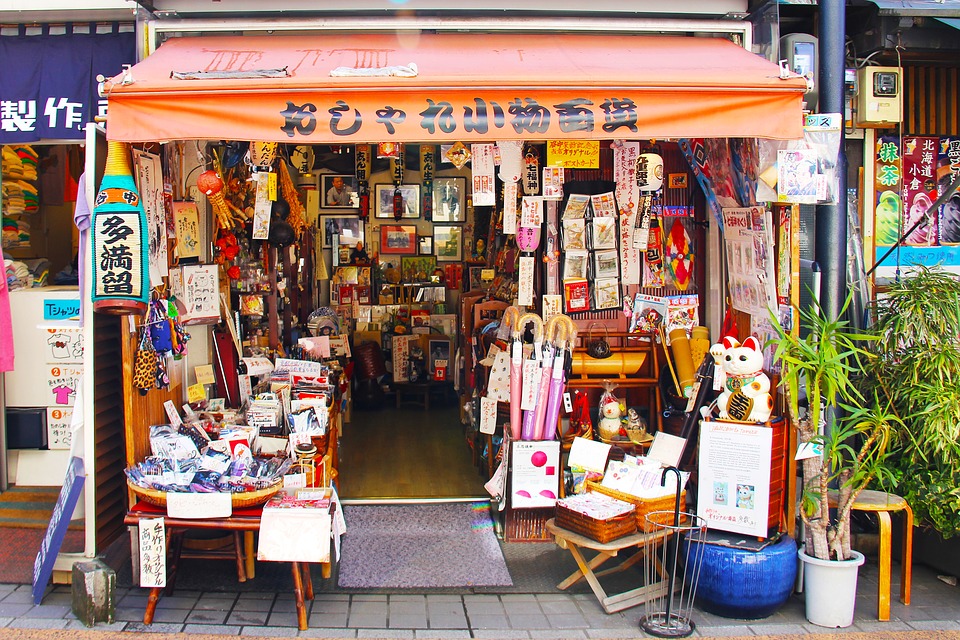
Shopping is changing as well. From November 1, 2026, Japan replaced its in-store tax exemption with a refund system. You now pay the full price in the shop. Then, at the airport or seaport, you show your goods to customs before checking your bags. Once customs confirms the items are leaving Japan, the consumption tax is refunded. Purchases must be made within 90 days of departure, and the old cap on consumables has gone. The sealed packaging rule for food and cosmetics has ended too.
In practice, that means two things. First, keep your purchases where you can reach them at the airport. Second, allow extra time before check-in. For details, Japan’s tourism board publishes an official guide to the new refund system. Japan also charges for most shopping bags, so a reusable cloth makes sense.
Recommended
Shopping Well
Shopping in Japan rewards a little planning. Department stores in Tokyo and Osaka gather regional crafts, food and fashion under one roof. Many have English-speaking staff and shipping services. Smaller shops in craft towns offer pieces you will not find anywhere else, usually at fairer prices. Either way, the new refund system means keeping receipts and goods together until you leave. A simple cloth bundle makes that easy, and it looks far better than a plastic bag on the train home.
Japanese wrapping cloths have done this job for centuries. They fold flat when empty and stretch to hold almost anything, from books to boxes of sweets. Many families still wrap gifts in them, so a good cloth makes a thoughtful present in its own right.
Honjien Furoshiki — a large cotton wrapping cloth

The Honjien cotton furoshiki is the elegant answer to paid shopping bags. At nearly 41 inches square, it ties into a sturdy tote for a day of browsing. Later, it wraps a bottle or a box for the flight home. The pattern of pine leaves is a classic design that stands for long life.
It is reversible, made in Japan from 100 percent cotton and easy to wash. Fold it into a pocket and it weighs almost nothing. At customs, your purchases are already gathered in one bundle, ready to show. Afterward, it makes a thoughtful wrapping for a gift, which is how many Japanese families still use it.
Practical Tips for Japan’s Economic Landscape
A few habits help you make the most of these shifts. None is complicated, and together they can change the shape of a trip. Read them before you book flights or hotels, since several affect where you stay and when you travel.
- Time your currency exchange. Watch the rate and exchange money when it is favorable. Apps that track currency movements help you protect your purchasing power through the trip.
- Explore rural destinations. Book experiences in less-visited areas supported by revitalization programs. They often offer better value and more personal encounters than the busiest centers.
- Book boutique stays. Try newly opened small hotels and restored traditional buildings. Their lean operations often deliver a superior stay at a fair price.
- Use technology. Book cultural experiences and reservations online. Many traditional sessions now take direct bookings, often at better rates than through intermediaries.
- Plan longer stays. Use a favorable exchange rate to stay longer. Longer stays unlock weekly or monthly rates and let you explore each place properly.
Cash still matters too, especially in the countryside. Cards are now widely accepted in cities, yet small inns, rural shops and festival stalls often prefer coins and notes. Japan’s coins come in six sizes, and they pile up quickly in a pocket. A proper purse solves that problem neatly. Many rural buses and small restaurants still take only cash, and some ATMs close at night. Convenience-store ATMs are the most reliable for foreign cards, so withdraw a little more than you think you need before heading into the countryside.

Transport is the other practical lever. Japan’s rail network reaches deep into the countryside, and a well-planned route can add two or three rural nights without much extra travel time. Before you buy anything, check whether a pass makes sense. Our Japan Rail Pass calculator compares the cost of a pass with single tickets for your route. In many cases, individual tickets now work out better. Regional rail passes, such as those for Shikoku or Kyushu, often give the best value of all.
Coins pile up quickly on a Japan trip, from bus fares to vending machines and market stalls. Japan has six coin sizes, and the larger ones are heavy in a pocket. A small purse keeps them sorted and ready, which saves time at busy ticket gates.
Edo Komon Coin Purse — a small clasp purse made in Japan
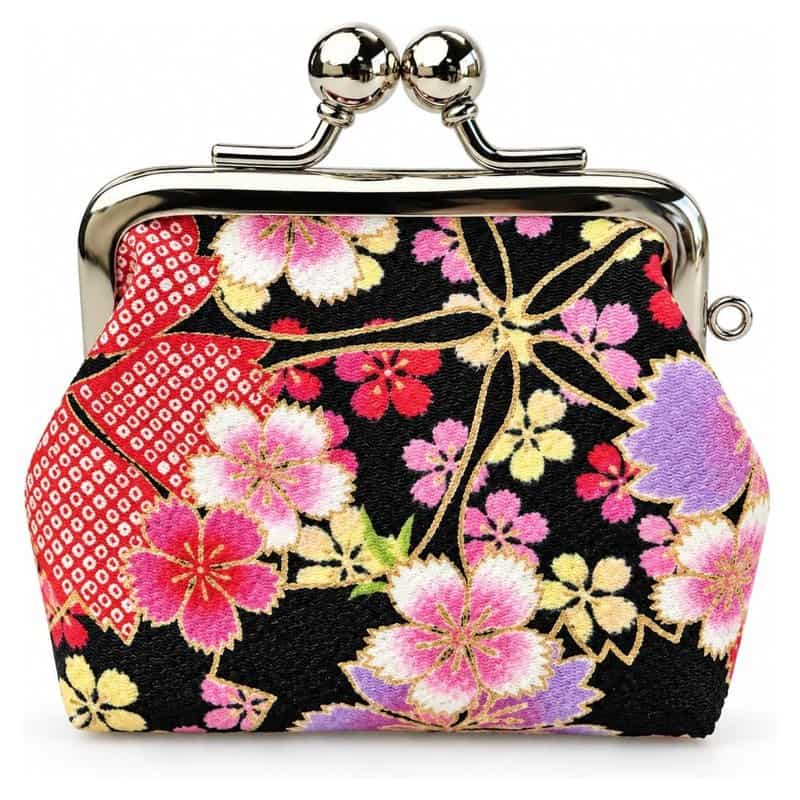
This Edo Komon coin purse keeps loose yen in order. It opens with one hand thanks to a sturdy clasp, which helps at busy ticket machines and festival stalls. The pattern draws on Edo Komon, a fine repeating design long used for kimono fabric.
It is made in Japan, measures about three and a half inches across and weighs barely an ounce. Toss it into a day bag and you will stop digging for coins at every turn. It also makes a charming small gift to bring home, since it is clearly Japanese without being a cliché or a trinket.
Coins and Cards
Small purchases are a big part of travel in Japan. Train snacks, garden entry fees, coin lockers and bus rides all add up, and many vendors still prefer coins. Paying exactly also speeds things up, which locals appreciate in busy places. If you prefer cards, add a transit card such as Suica or ICOCA to your phone. They now work on most trains and buses and in many shops across the country. Keep a few coins anyway for the countryside.
With money matters handled, the remaining risks are mostly about planning. A few common mistakes catch even experienced visitors, and each one is easy to avoid. The list below explains them in a few lines each, with the simple fix that keeps a trip on track.
Good habits matter, but so does avoiding a few common traps. Japan is changing faster than many guidebooks can track, and some travelers still plan as if it were ten years ago. Others assume today’s favorable conditions will last forever. The short list below covers the mistakes we see most often, along with the simple fix for each one. None of them requires special knowledge. They simply reflect how fast Japan has changed in the past few years, and how slowly travel habits follow.
Common Mistakes to Avoid
- Ignoring rural opportunities. Many travelers stay in the major cities and miss the value and experiences of revived rural areas.
- Relying too much on the exchange rate. Favorable rates create opportunities, but they may not last. Budget for currency swings.
- Booking without research. Japan’s tourism scene is changing quickly, so older recommendations may be out of date. Check current options and recent reviews.
- Missing cultural booking windows. Many newly opened experiences have limited places or seasonal dates. Book them early.
- Underestimating infrastructure changes. New routes and services appear often. Check for them, since they can reshape a plan.
The research point deserves emphasis. Japan’s tourism landscape moves fast, and a guidebook from even a few years ago can miss new hotels, closed restaurants and changed rules. A recent edition, checked against official sources, is the safest base for planning.
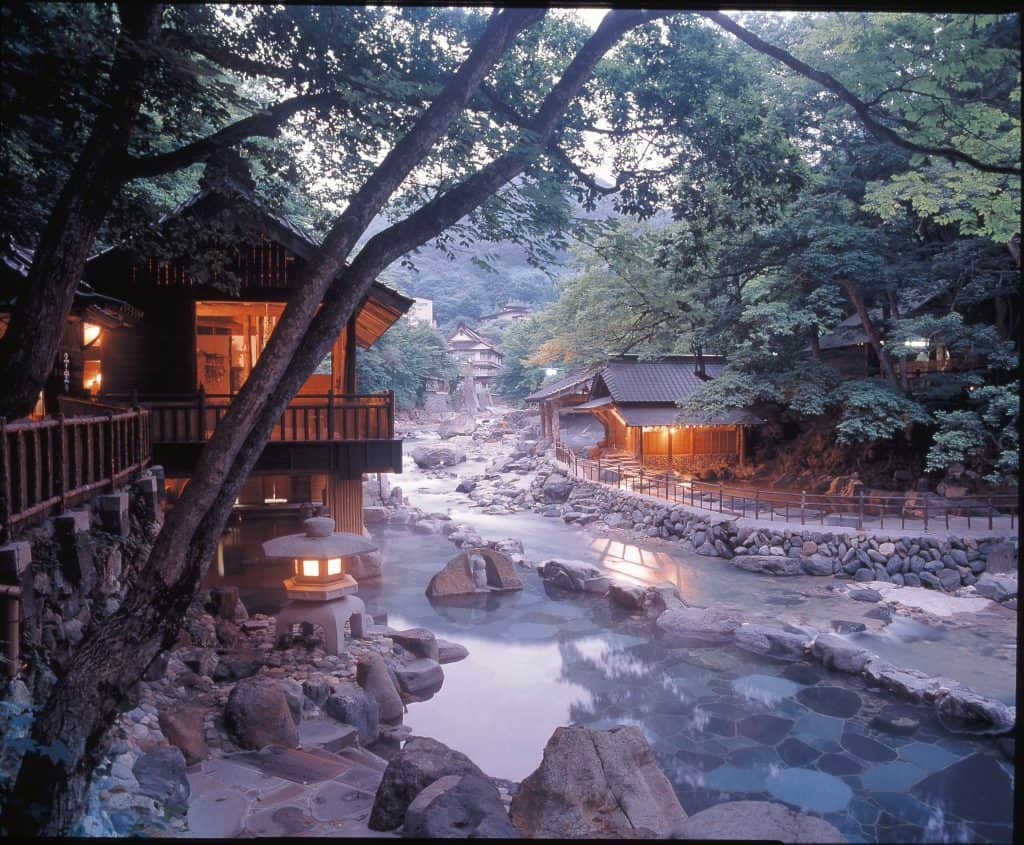
Onsen villages show the value of booking early better than anywhere else. The best riverside rooms, private open-air baths and kaiseki dinners at small inns often sell out months ahead. Demand peaks for autumn leaves and winter snow. Weekends fill first, as Japanese travelers book too. Midweek stays are calmer and easier to secure. If an inn is full, ask about cancellations a week or two before your dates, since plans change and rooms often reopen. A polite email in simple English usually works.
Above all, plan the special moments first. The ryokan with a private bath, the counter dinner and the guided morning in a garden fill up before anything else. Lock those in, then build the rest of the route around them. That order protects what matters most if prices rise or rooms sell out. A well-made guidebook helps you see the whole country before you choose.
DK Japan — an illustrated guide to every region
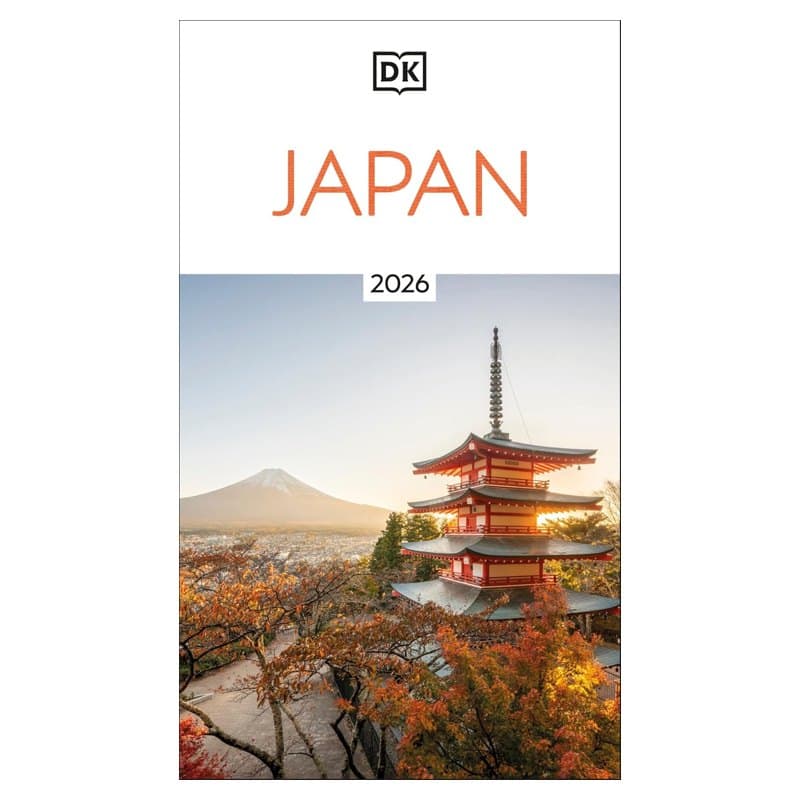
The DK Japan travel guide is the visual counterpart to a text-heavy guide. It uses photographs, illustrations and clear maps to show each region. As a result, it is easy to compare places at a glance. The area-by-area chapters cover the whole country, from Hokkaido to Okinawa.
It also includes suggested itineraries, walking tours and practical advice on getting around. Use it early in planning, when you are still choosing between regions. Then switch to apps and official sites for the latest details. Together, they give you the big picture and the current facts for your dates.
Planning also means thinking about how you move between regions. Japan’s rail network is excellent. Still, long distances take time, and some rural lines run only a few trains a day. Group nearby places together, allow at least two nights in each region and keep travel days light. That rhythm leaves room for the unplanned moments that often become the best part of a trip, from a festival to an invitation from a host. Slow days are rarely wasted in Japan.
The related guides below cover two practical sides of that planning: where to shop in Tokyo and how rail passes work for longer stays in Japan. Both are worth a look before you finalize the route and book the first night.
You may also like


Timing the Trip
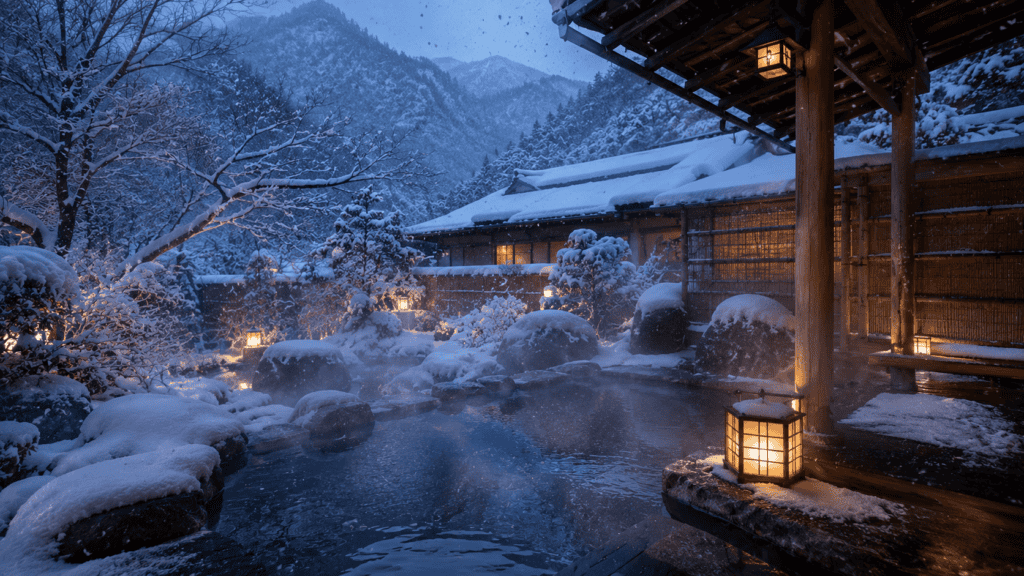
Seasons matter as much as prices. Spring blossoms and autumn leaves bring the biggest crowds and the highest rates. Winter, by contrast, brings snow-covered onsen, crab season on the coast and much easier bookings. Early summer offers green rice terraces and long evenings. Choosing a shoulder season can stretch the weak yen even further, while giving you more room to enjoy each place at an easy pace. Ask about seasonal menus too, since many inns change every dish with the month.
Shoulder seasons also bring better availability for the inns and restaurants that fill first. Late November, early December and the weeks after Golden Week in May are often good choices. Prices ease a little then, and the weather is usually kind for walking and onsen.
Where Japan Is Heading
All of these forces point in the same direction, and they are unlikely to reverse soon. Japan wants more visitors, wants them spread across the country and wants them to stay longer. The government’s target is 60 million international visitors a year by 2030. That ambition will keep shaping hotels, transport and rules for years to come. Travelers who understand it can plan richer, calmer and more rewarding trips, and they can book the best rooms before the crowds catch on.
For travelers, the message is simple. Japan will keep investing in visitors, so new inns, routes and experiences will keep appearing, especially outside the big cities. Each year brings more reasons to look beyond the classic route and stay longer.
Ten Proverbs to Carry With You
Our printable folio of ten Japanese proverbs, each with a note on where it appears in daily life. Leave your email and it arrives in your inbox, with an occasional letter on Japan.
Japanese proverbs often carry practical wisdom about money and time. Some praise thrift and patience, while others warn against chasing quick gains. They grew from merchant towns and farming villages, where good judgment meant survival through lean years. Many still appear in daily conversation, in business meetings and on shop signs. Learning a few gives you a small window into how Japanese people think about value, which suits a trip shaped by the economy and its changing fortunes over the centuries.
They also make lovely lines for a postcard or a journal page. Choose one that fits your trip, and see how often you hear it echoed in conversations with hosts and shopkeepers. A shared proverb is often the start of a longer, warmer exchange, even across a language gap.
A Record of the Trip
Many travelers find that a simple journal helps them notice how a place is changing from one day to the next. A few lines each evening about a host, a meal or a street can become a record of the trip that photographs never quite capture. Over time, the notes show patterns you would otherwise miss. The journal below grew from a Japanese idea about repair and renewal, which suits a country rebuilding its countryside one old house at a time.
Writing a few lines each night also helps you remember names, dishes and places you might otherwise forget, which makes it easier to recommend them to friends later. Many travelers keep the same journal for several trips, so each visit builds on the last.
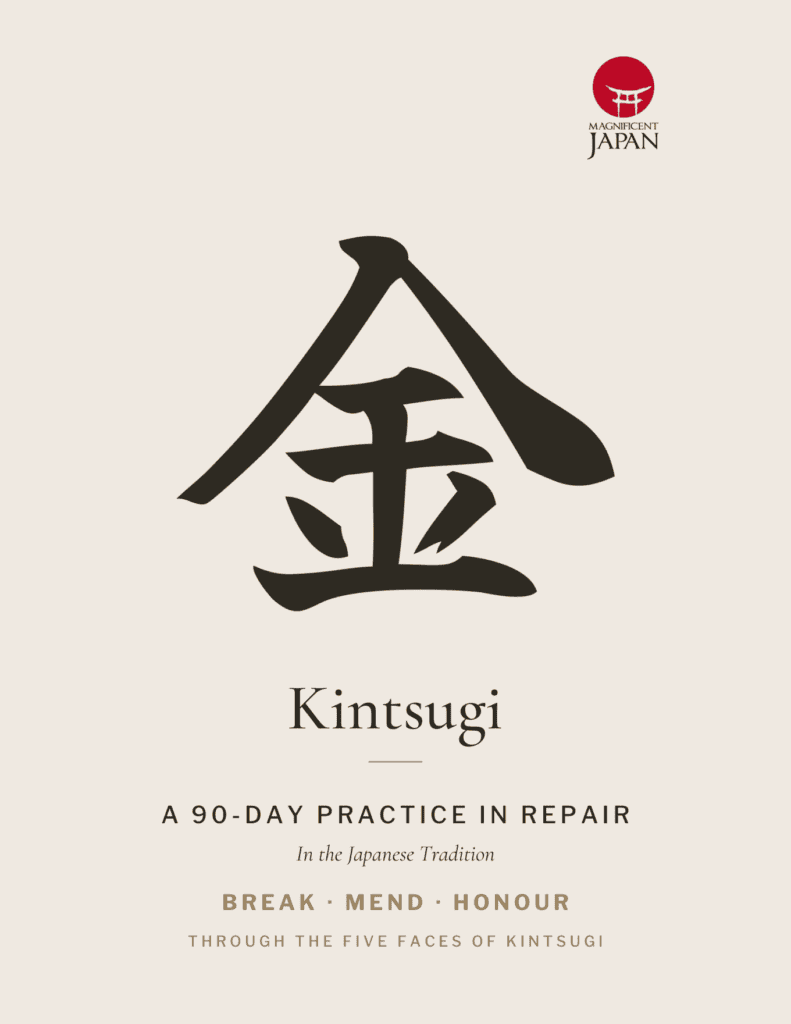
Kintsugi is the Japanese art of mending broken pottery with gold, so the repair becomes part of the beauty. This 90-day guided journal turns that idea into one short prompt a day. Choose the digital edition for a tablet or the paperback for ink and paper. It is one of eight journals in the Cultural Reflection Collection.
View The CollectionTraveling Well in a Changing Japan
Japan’s economic transformation is creating real opportunities for travelers willing to look beyond the usual routes. The interplay of the weak yen, government policy and fresh ideas in hospitality is reshaping the journey in ways that benefit visitors and local communities alike. It also rewards travelers who stay curious. The countryside, the craft towns and the new boutique stays all offer something the classic routes cannot, and each visit helps keep them thriving for those who follow and for those who live there.
For more context on the forces described here, the links below gather our guides to the luxury market, rural revival, sustainable travel, Tokyo shopping and rail passes. Each adds practical detail on where to stay, what to book early and how to travel between regions.
Better still, by understanding these forces, travelers can reach experiences that were once unavailable or too expensive, while supporting the sustainable growth of Japanese tourism. The key is to stay informed and to plan with flexibility. As Japan’s economy keeps evolving, the curious traveler will find new doors opening while still enjoying the culture that makes the country unique. Start with the special stay, add a rural region and leave a little room for surprise. Some of the best moments in Japan are the ones nobody plans.
Start Planning
The tools below help you start. Sketch a route, check whether a rail pass makes sense and pick a journal for the road, all in a single evening. Then add the special stays and dinners first, and build the rest of the route around them.
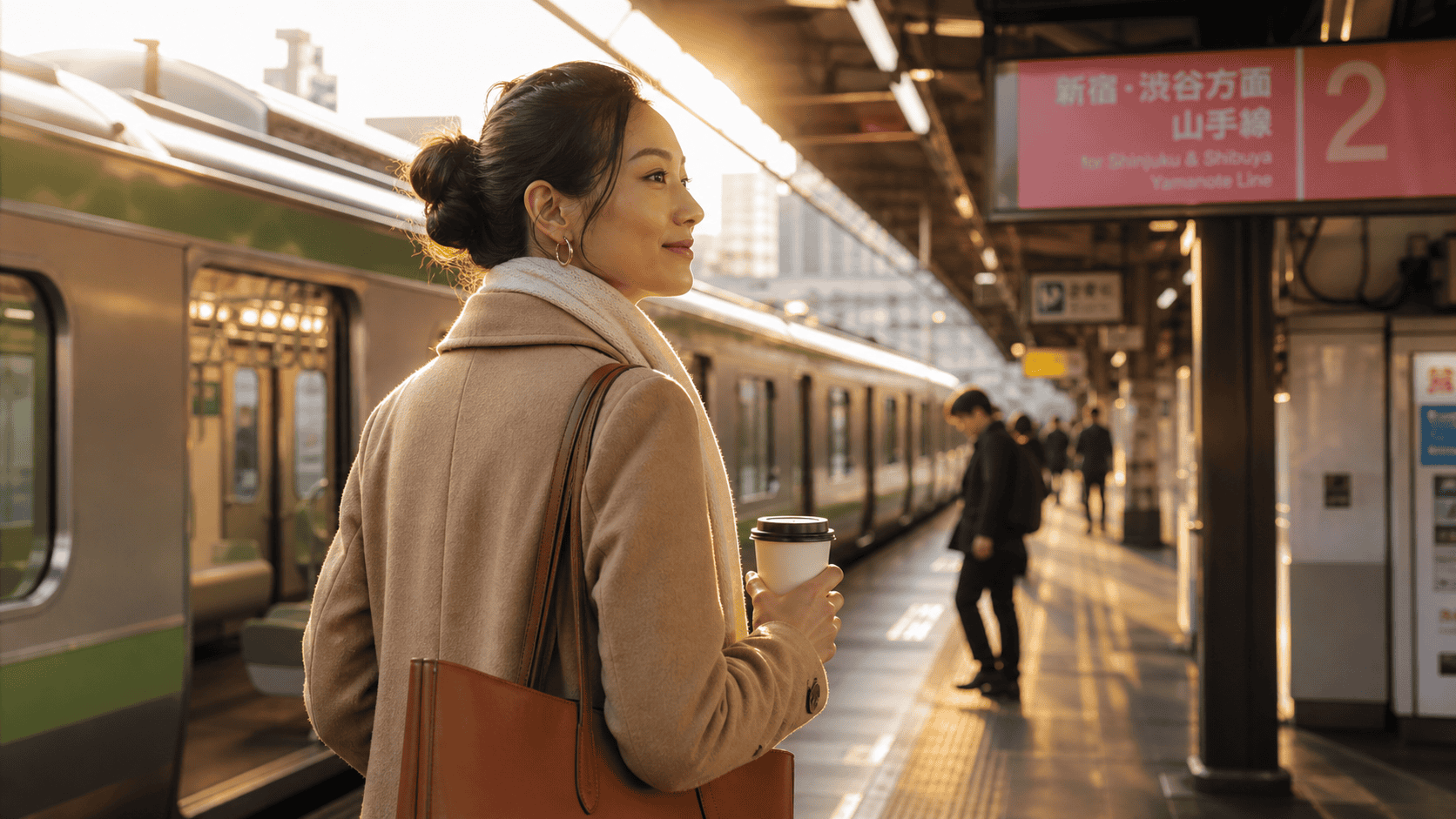

The best trips weave all of this together naturally. Our travel designers build routes that pair a great city hotel with a restored country inn, book the counter dinners that fill first and arrange private sessions with makers. They also track the new rules, so the taxes, rail passes and airport refunds are handled before you leave. That leaves you to simply enjoy each day, with every booking and detail settled in advance by people who know the country well.
Each plan starts with a conversation about your interests and pace, then grows into a route that balances famous sights with places most visitors never see. Our designers also track the new rules and taxes, so nothing at the airport comes as a surprise.
For the traveler who wants the value of the weak yen without the guesswork: a custom itinerary that pairs Tokyo and Kyoto with a restored country inn, private craft sessions and dinners booked well in advance.
Plan Your Custom Japan ItineraryQuestions Worth Asking
Is Japan still a good value for American travelers?
Yes. The yen has lost more than 30 percent of its value against the dollar since 2022, according to IATA. Many travelers use that margin to upgrade, choosing a ryokan, a private guide or a longer stay rather than simply spending less.
How many people visited Japan in 2025?
Japan welcomed about 42.7 million international visitors in 2025, a record and roughly 16 percent more than in 2024. Visitors from the United States passed 3.3 million, the fourth-largest market after South Korea, China and Taiwan.
What changes for tourists in Japan in 2026?
Three changes matter most. The international departure tax tripled from July 1, 2026. Kyoto raised its lodging tax in March 2026. From November 1, 2026, shoppers pay consumption tax in store and claim a refund at departure.
How does the new tax refund system work?
From November 1, 2026, you pay the full price in the shop. At the airport or seaport, customs checks the goods before you check your bags, and the consumption tax is then refunded. Purchases must be made within 90 days of leaving Japan.
Why is Japan investing in its countryside?
Japan has about nine million vacant homes, a record 13.8 percent of all housing, and many rural towns are shrinking. Under its regional revitalization plans, the government doubled grants to local areas, and tourism is one of the main tools.
Will the weak yen last?
Nobody can promise that. Exchange rates move with interest rates in Japan and the United States. Book the parts of a trip you care about most, such as a special ryokan, early, and build a margin into the budget in case the yen strengthens.
The Editors, Magnificent Japan