
Japan Rail Pass regional options often serve a trip better than the famous nationwide ticket. Japan’s railways are run by six JR companies. Most of them sell their own area pass, and each one covers a single region for a set run of days. Many cost a fraction of the national pass. So if your plan stays in Kansai, the north or Kyushu, a regional pass can save real money and still give you a shinkansen seat.
This guide compares the main passes company by company. Prices appear in US dollars, with yen after them. We also explain how area passes work, where they stop, and which one suits a given route. Prices change often, and several passes changed in 2026. For that reason, each section notes where to confirm the current figure before you book.
For a trip that stays in one or two regions, usually yes. The nationwide pass costs about $335 (¥50,000) for seven days. Regional passes from JR East, JR West, JR Kyushu and JR Hokkaido cover one area for much less.
Japan Rail Pass Regional or National: The Short Answer
Start with the map rather than the price. The nationwide pass costs about $335 (¥50,000) for seven days when you buy it on the official Japan Rail Pass site. That price followed a large rise in October 2023. Today the pass pays off mainly on long journeys. Think Tokyo to Hiroshima and back, or Tokyo to Kyushu. A loop of Kyoto, Osaka and Nara rarely comes close.
That is where Japan Rail Pass regional alternatives come in. A five-day Kansai-Hiroshima Area Pass costs about $115 (¥17,000). Even so, it covers the Sanyo Shinkansen to Hiroshima and the ferry to Miyajima. The JR Kyushu passes, similarly, cover the whole island for a few days at a time. So the first question is simple. How many regions will you actually cross on this trip?
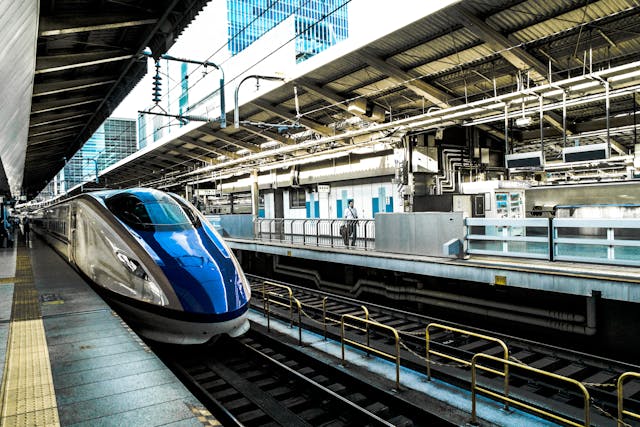
If the answer is one or two, a regional pass usually wins. If you plan to ride from Tokyo to the far south and back within a week, the national pass may still make sense. Our full guide to the Japan Rail Pass covers that case in detail. The rest of this guide is for travelers whose plans stay closer to one region.
Either way, write down your longest single journey before you compare anything. That one leg often decides the answer. A single shinkansen round trip can cost more than a whole regional pass. Once you know that figure, the choice usually takes a minute. It no longer needs an evening of spreadsheets, fare charts and second guesses.
How Area Passes Work
Every regional pass follows the same basic idea. You pay once, then ride the issuing company’s trains within a set area. The pass runs for a fixed number of consecutive days. Most cover shinkansen and limited express trains inside that area, plus local and rapid lines. However, each pass belongs to one JR company. Its coverage stops where that company’s tracks end.
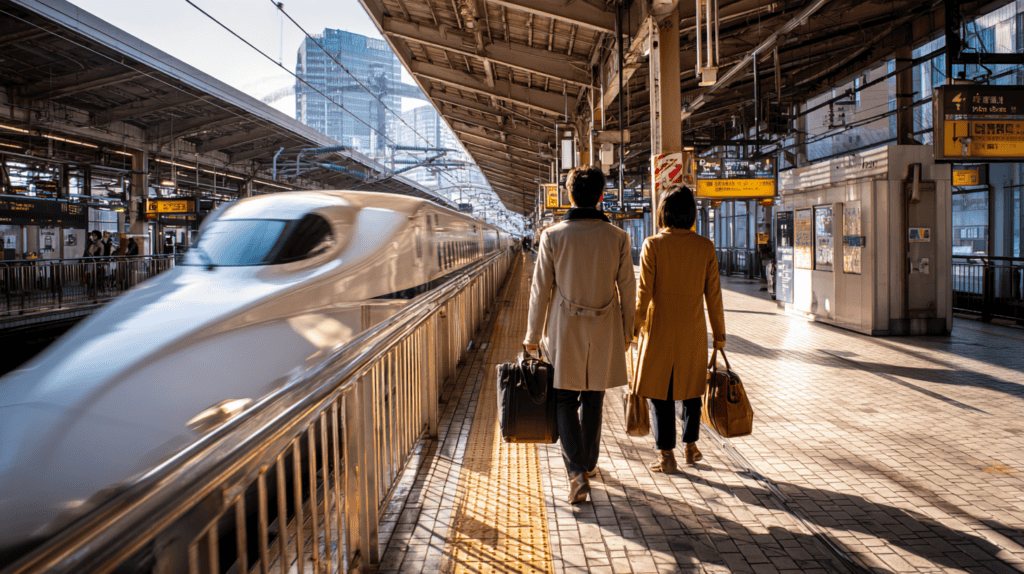
That boundary matters more than most travelers expect. The Tokaido Shinkansen between Tokyo and Shin-Osaka belongs to JR Central. As a result, most other companies’ passes do not cover it. A JR West pass will carry you west of Shin-Osaka, but not east to Tokyo. In practice, a Tokyo to Kyoto trip often pairs a regional pass with one separate shinkansen ticket.
Who can buy one
Eligibility is another shared rule. Almost every regional pass is sold only to foreign visitors on temporary visitor status. You show your passport when you collect or activate it. Some passes are bought online and collected at a station machine. Others now exist only as phone tickets sold by agencies abroad. Because of that, check the official page of each pass before you fly.
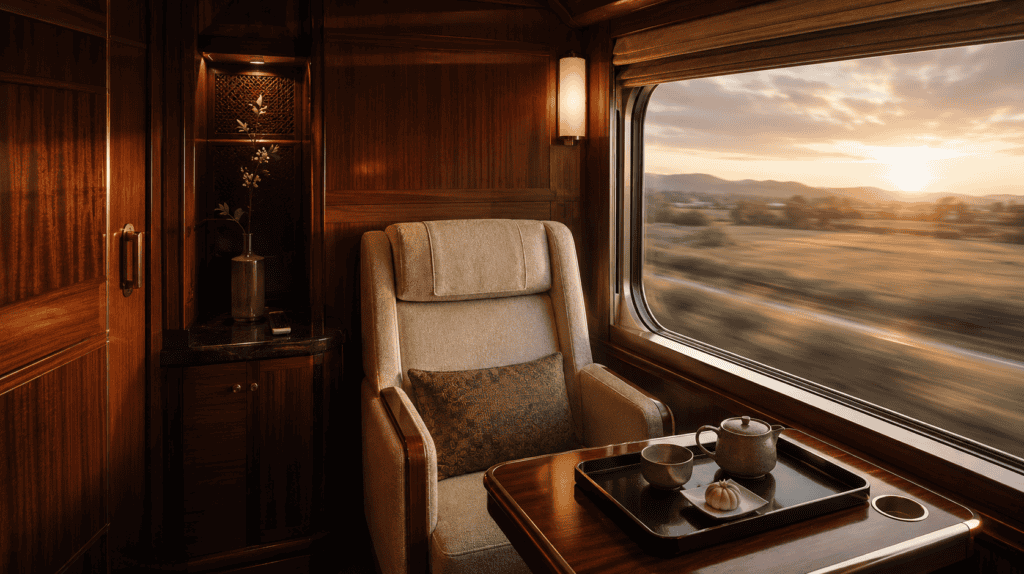
Finally, most passes include reserved seats on their shinkansen and limited express trains. You book them at a ticket machine or office at no extra charge. Green Car seats usually need an upgrade. So a regional pass gives you the same comfortable seat as a full fare. Just reserve it a day or two ahead on busy routes.
You may also like

One more detail shapes how a pass feels day to day. Consecutive-day passes start counting from your first day of use. A five-day pass on a ten-day trip should therefore cover the five busiest travel days in a row. Plan the long rides into that window. Then spend the other days on foot, on subways or on short local fares.
The JR East Pass: Tohoku, Nagano and Niigata
JR East simplified its range in 2026. From March 14, its Tohoku and Nagano-Niigata passes became a single JR EAST PASS. It costs about $235 (¥35,000) for five consecutive days. A ten-day version is reported at about $335 (¥50,000). It covers JR East lines across northern Honshu, including several shinkansen routes. For travelers, one ticket now replaces two, and planning becomes far simpler.
That makes it the natural Japan Rail Pass regional choice for travelers heading north from Tokyo. A five-day plan might run from Tokyo to Sendai and Matsushima. From there, it could continue to Kakunodate and Aomori, then return south through the mountains. In winter, the same pass reaches the ski towns of Niigata and Nagano. In autumn, it follows the leaves down from the north.
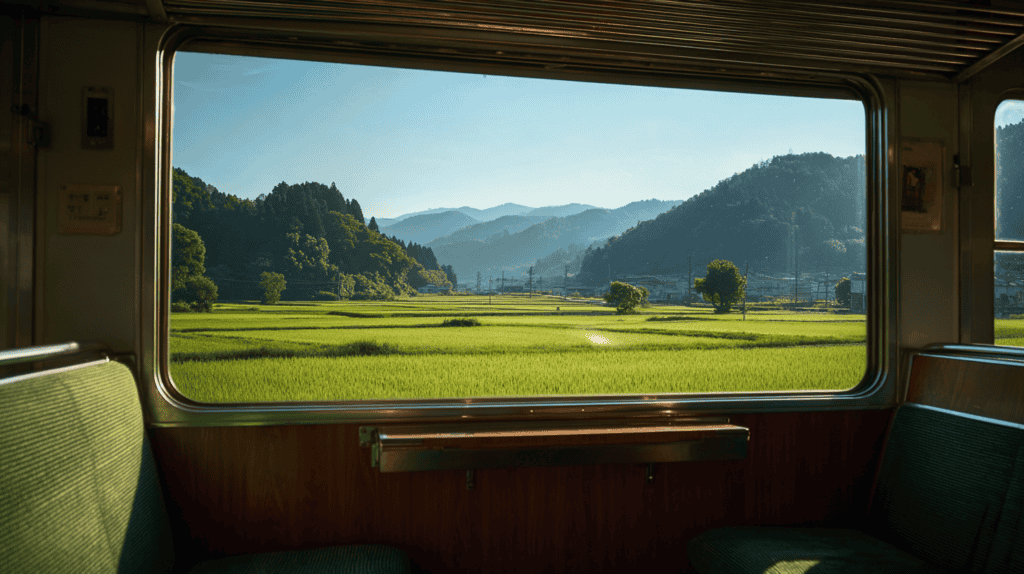
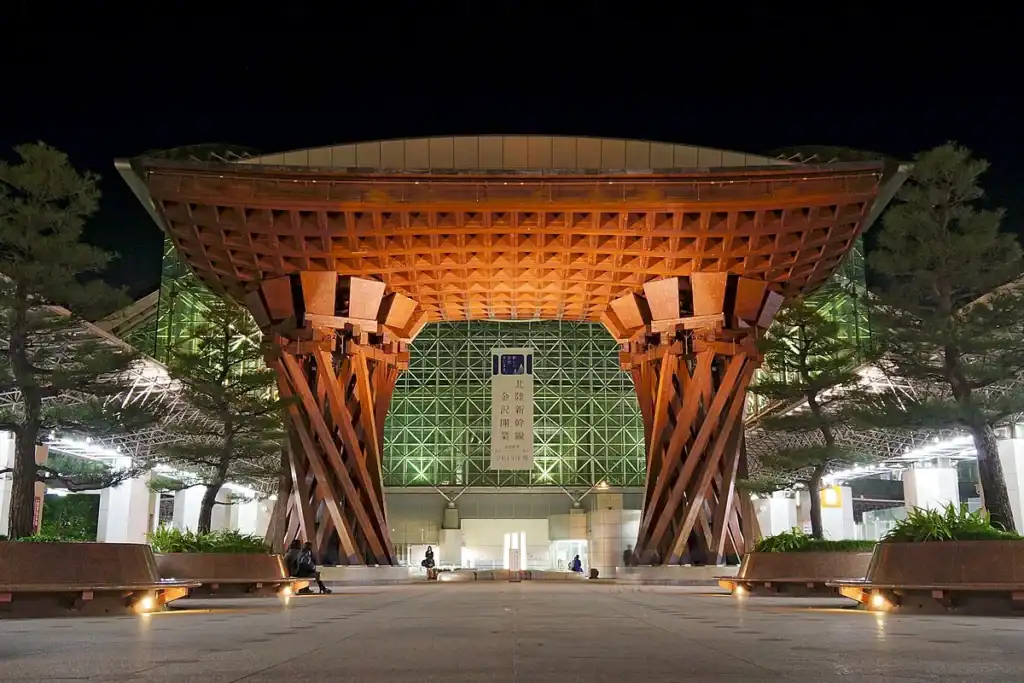
A few limits apply. The pass does not cover the Tokaido Shinkansen, so it cannot help with a Tokyo to Kyoto leg. It also stops at the edge of JR East territory. On the Hokuriku line, that edge falls before Kanazawa. If your plan ends in Kanazawa, check whether the last stretch needs a separate ticket or a JR West pass.
Still, for a week in the north, few tickets work harder. The Tohoku region rewards slow travel. It offers onsen towns, samurai districts and long coastal views. The pass lets you change plans without counting fares. Because prices are new, confirm the current figure on JR East’s own pass page. Then reserve seats on the first and last legs as soon as you can.
You may also like


JR West and the Kansai Passes
JR West covers the most visited region in Japan, and its passes changed in 2026. The paper Kansai Area Pass was long the default for Kyoto and Osaka. It stopped selling on September 30, 2026. Its successor is the WEST QR Kansai Area Pass, at about $18 to $45 (¥2,700 to ¥6,700) for one to four days. It is sold only as a phone ticket, through agencies outside Japan.
For wider trips, two passes matter most. The Kansai WIDE Area Pass costs about $80 (¥12,000) for five days. It adds the Sanyo Shinkansen between Shin-Osaka and Okayama, plus several limited express routes. The Kansai-Hiroshima Area Pass costs about $115 (¥17,000) for five days. It extends the shinkansen to Hiroshima and includes the JR ferry to Miyajima. Both are sold in Japan through JR West’s online reservation site.

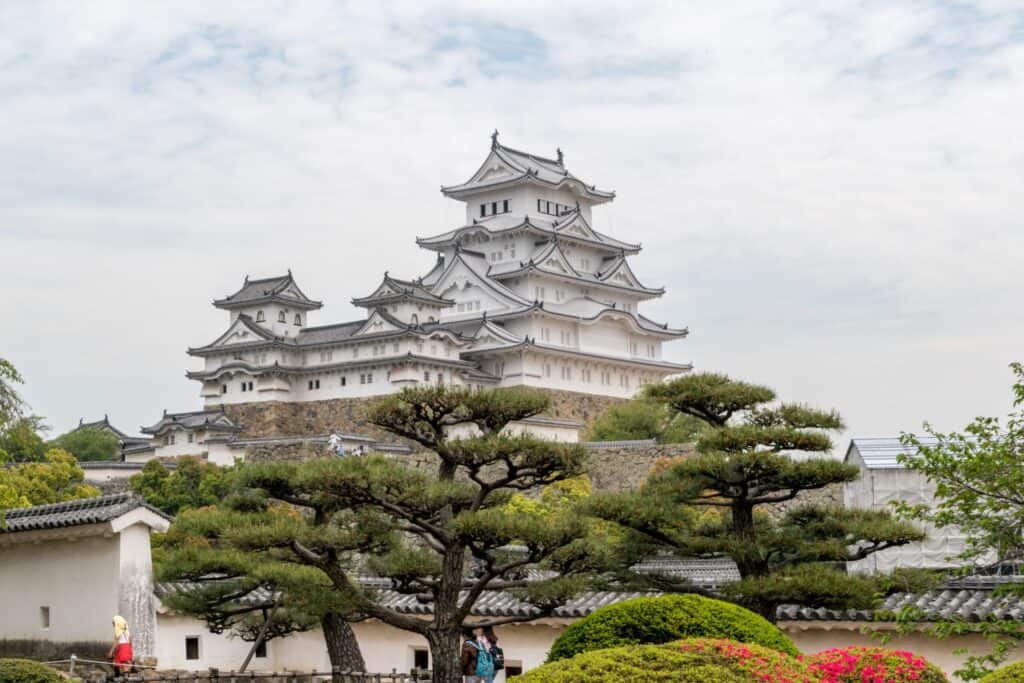
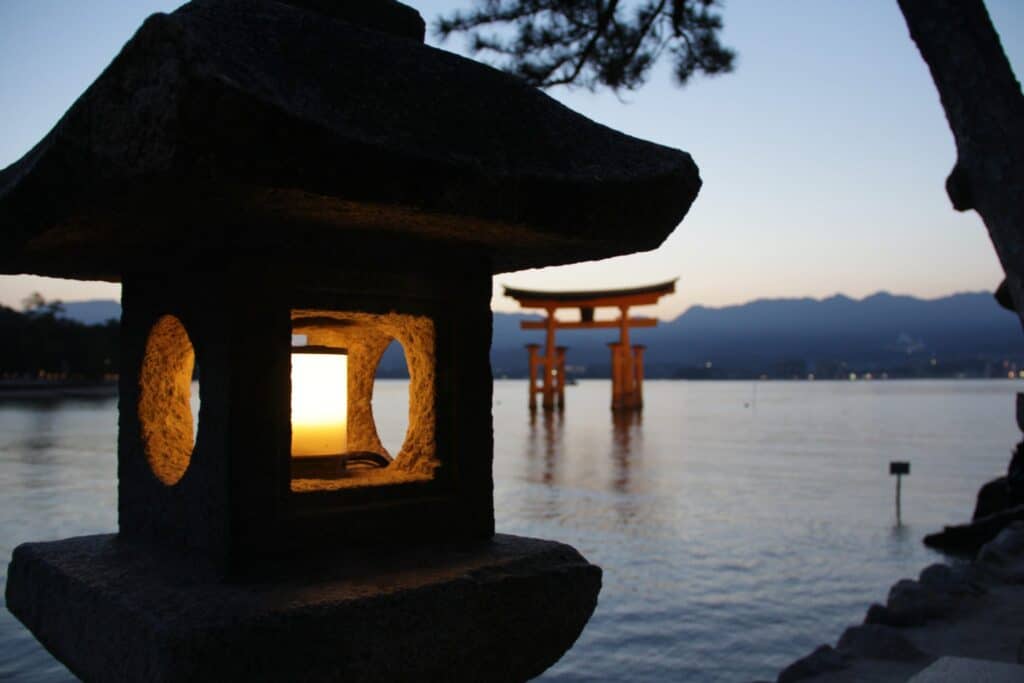
For many first trips, the Kansai-Hiroshima pass is the best value on this list. It links Kyoto, Osaka, Nara, Himeji, Hiroshima and Miyajima on one ticket. A day trip to Nara fits inside it. So does an evening of Osaka food after a morning at the castle. Note that Miyajima charges a small visit tax of about $1 (¥100) on boarding.
JR West also sells passes for the Hokuriku coast. JR West’s page lists the Hokuriku Area Pass at about $47 (¥7,000) for four days. It covers non-reserved seats on the Hokuriku Shinkansen between Tsuruga and Kurobe-Unazukionsen. That puts Kanazawa, Toyama and Fukui within one short pass. JR West dates those figures to 2024, though. Check the current price before you buy.
Ostrichpillow GO — memory foam support for long shinkansen days
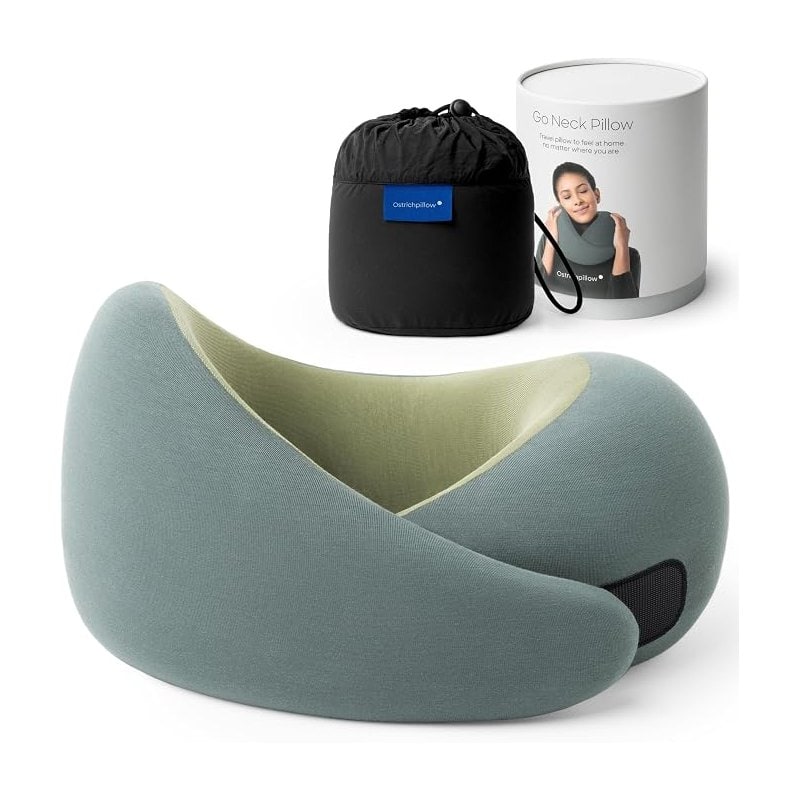
A five-day pass invites long days in the seat. That is where the Ostrichpillow GO earns its space. Its memory foam wraps the neck evenly. As a result, you can rest on the Sanyo Shinkansen without your head dropping onto the window. Unlike inflatable pillows, it keeps its shape for the whole journey and never needs topping up. It folds into its own sleeve and clips to a bag. That matters when you change trains at Shin-Osaka with luggage in hand. A good pillow turns a two-hour ride to Hiroshima into a proper break, not a stiff wait between stations.
Comfort matters because the best regional trips mix long rides with short walks. On a Kansai-Hiroshima plan, you might ride the shinkansen for two hours in the morning. Then you walk all afternoon on Miyajima’s paths. Arriving rested makes that second half far better. The same applies in the north, where a Tohoku day can include three or four hours on board.
JR Kyushu: One Island, Three Passes
Kyushu is compact, well served by trains and often skipped. That makes it ideal for a regional pass. JR Kyushu sells three versions. The All Kyushu pass costs about $148 (¥22,000) for three days, $160 (¥24,000) for five and $175 (¥26,000) for seven. For the north alone, the Northern Kyushu pass costs about $100 (¥15,000) for three days. The Southern Kyushu pass costs about $80 (¥12,000) for three days.
Northern Kyushu covers Fukuoka, Nagasaki, Saga, Kumamoto and Oita. It suits a first visit built around Hakata, Nagasaki and the onsen town of Beppu. Southern Kyushu covers Kumamoto, Miyazaki and Kagoshima. At its far end sit the volcanic views of Sakurajima. Meanwhile, the All Kyushu pass joins both halves. It includes the Kyushu Shinkansen from Hakata down to Kagoshima-Chuo.
Kyushu is also where Japan’s railways show off. Designer trains run on several lines. Some can be reserved with the pass, while others charge extra or sell out early. JR Kyushu also notes that its online booking site can show different prices from its standard list. Compare both before you buy. Then book any special train as soon as reservations open.

Nagasaki castella — a honey sponge for the train
Line a small loaf pan with parchment and heat the oven to 320°F. Whisk four eggs with three quarters of a cup of sugar over warm water for about ten minutes. Stop when the mixture turns pale and falls in thick ribbons. Beat in two tablespoons of honey loosened with a spoonful of warm water. Sift three quarters of a cup of bread flour twice, then fold it in over three additions. Pour the batter into the pan and tap it on the counter to burst large bubbles. Bake for about fifty minutes until golden and springy. Brush the top with thinned honey, wrap the warm cake and rest it overnight before slicing.
Castella arrived in Nagasaki with Portuguese traders in the sixteenth century. The city’s bakers have made it their own ever since. Today it is the classic souvenir of a Kyushu rail trip. Long boxes of it line the shops at Nagasaki and Hakata stations. Baking it at home is a pleasant way to plan the route. A slice also travels well in a bag for the morning train.
Ten Proverbs to Carry With You
A printable folio of ten Japanese proverbs, each set in kanji with its reading and a line on where you will hear it.
JR Hokkaido: The Northern Island
Hokkaido rewards a longer stay, and its rail pass reflects that. The Hokkaido Rail Pass comes in five, seven and ten day versions. Seller listings from March 2026 put the price at about $148 (¥22,000) for five days. Seven days cost about $188 (¥28,000), and ten days about $248 (¥37,000). The pass covers JR Hokkaido’s limited express and local trains. It does not cover the Hokkaido Shinkansen from Aomori.

Distances are long, so a pass pays off quickly. A seven-day plan might start in Sapporo. From there, it could run to Otaru, Furano and Asahikawa before heading east toward the national parks. In winter, the same routes reach the ski towns. In summer, they cross flower fields and open farmland. JR Hokkaido’s own page was unavailable when we checked. Confirm the price on its site before booking.
Hokkaido also shows the limits of rail travel. Some of its most beautiful areas sit far from any station. Buses or a hired car fill those gaps. A pass still makes sense for the long trunk routes between cities. For the last miles, plan a local tour or a driver. That matters most in winter, when the roads demand real experience.
Between the four main companies, nearly every region has a pass of its own. The two JR companies not covered above sell more specialized tickets. JR Central’s lines include the Tokaido Shinkansen. JR Shikoku, meanwhile, covers the island of the 88-temple pilgrimage and the Iya Valley. Both suit travelers with a specific route already in mind.
Choosing a Japan Rail Pass Regional Option for Your Route
The simplest way to choose a Japan Rail Pass regional option is to sketch your route first. Then price it two ways. Start by adding up the single fares for the long legs in a route planner. Next, compare that total with the passes for the same area. If a pass saves money, buy it. If not, an IC card and single tickets will serve you better.
A few patterns repeat. Kyoto, Osaka and Hiroshima in five days points to the Kansai-Hiroshima pass. Tokyo north to Sendai, Aomori and the Japan Alps points to the JR East Pass. A week on Kyushu suits an All Kyushu pass. A winter week in Hokkaido suits the Hokkaido Rail Pass. Only a trip covering Tokyo, Kyoto and Kyushu together favors the national pass.
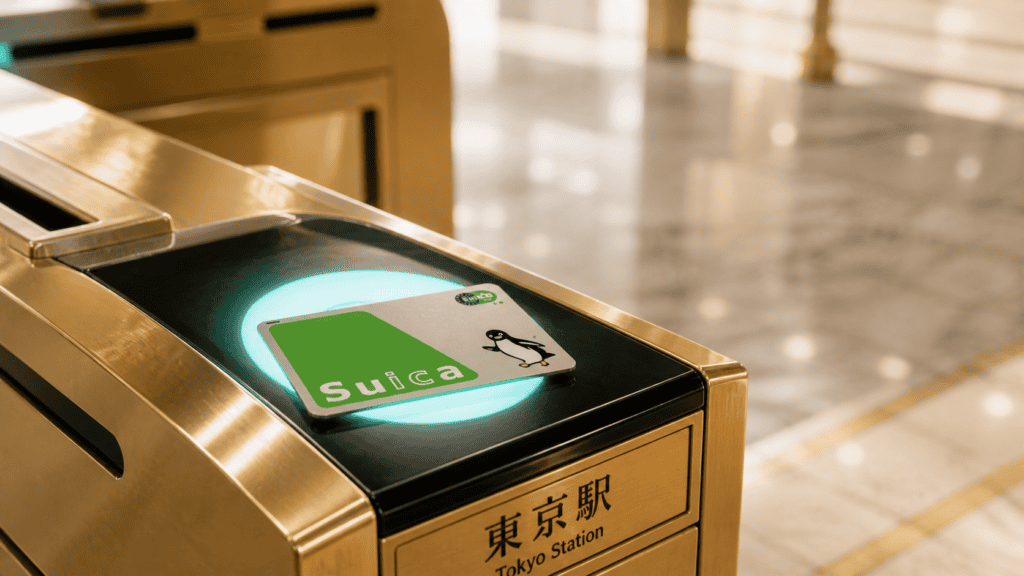
Longer stays need a different plan again. Travelers spending a month or more in Japan often do better with several regional passes. Each one is timed to a single leg of the trip. Our guide to rail passes for long stays sets out how to sequence them. The principle stays the same: match each pass to the days you ride hardest.
Three Pieces for a Pass Trip
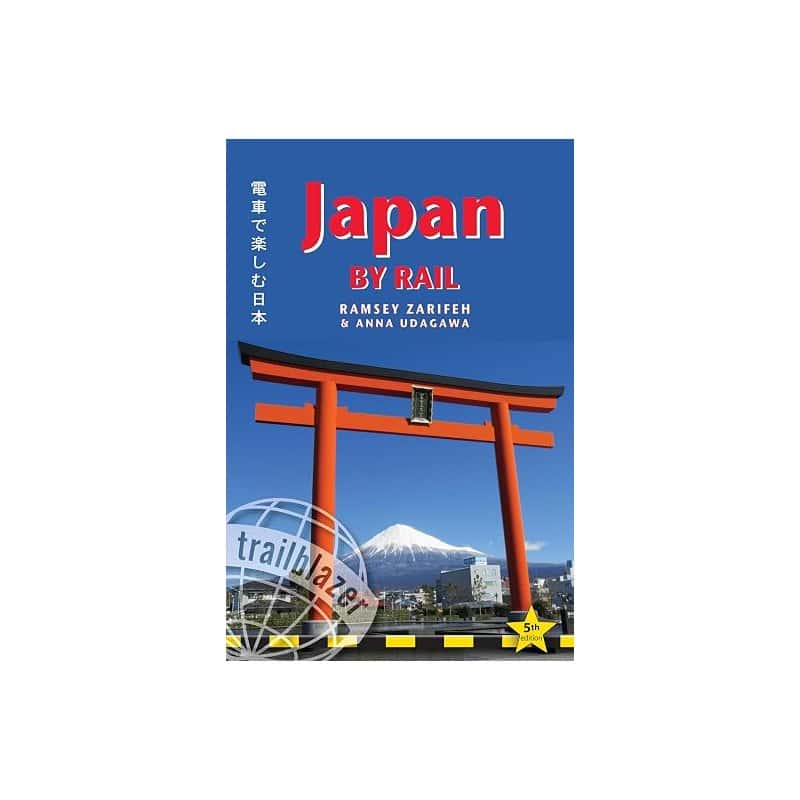
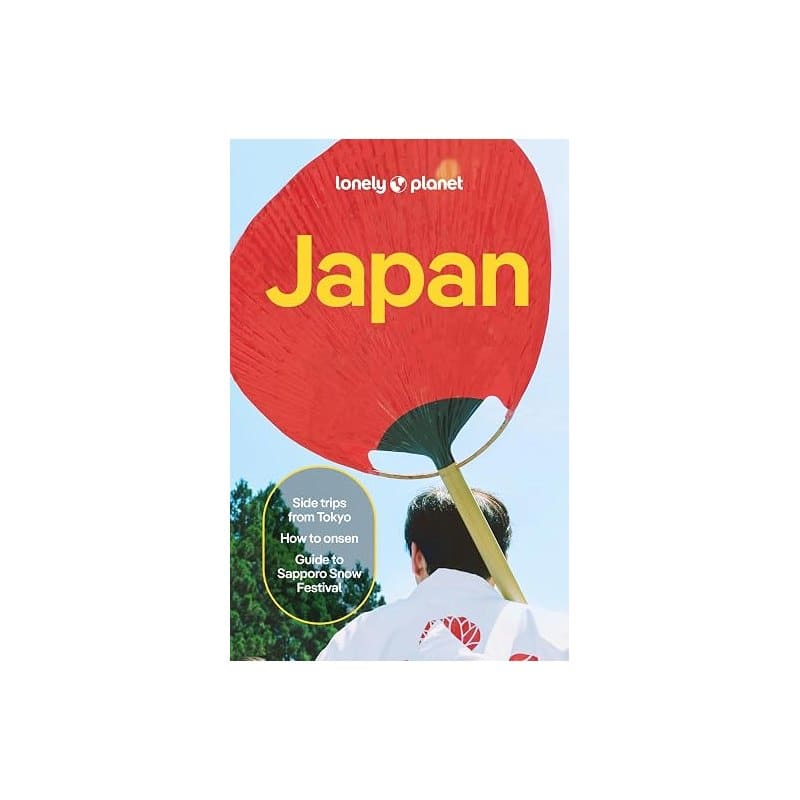
Regional chapters that help you match a pass to a plan.
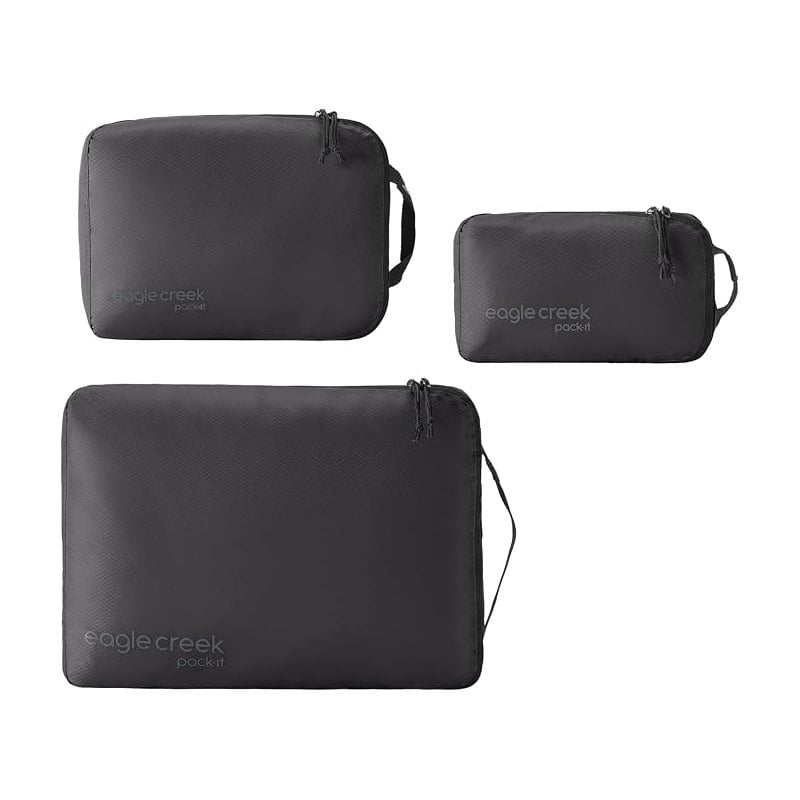
Three cubes that keep a carry-on tidy between trains.
Planning tools help most before you land. A rail guide shows which lines connect. A country guide shows which towns deserve a night. Once you know both, the right pass usually becomes obvious, and booking takes a few minutes. Packing well matters too. A regional trip often means a new hotel every second night, so a tidy bag saves time at every stop.
Riding Well With a Regional Pass
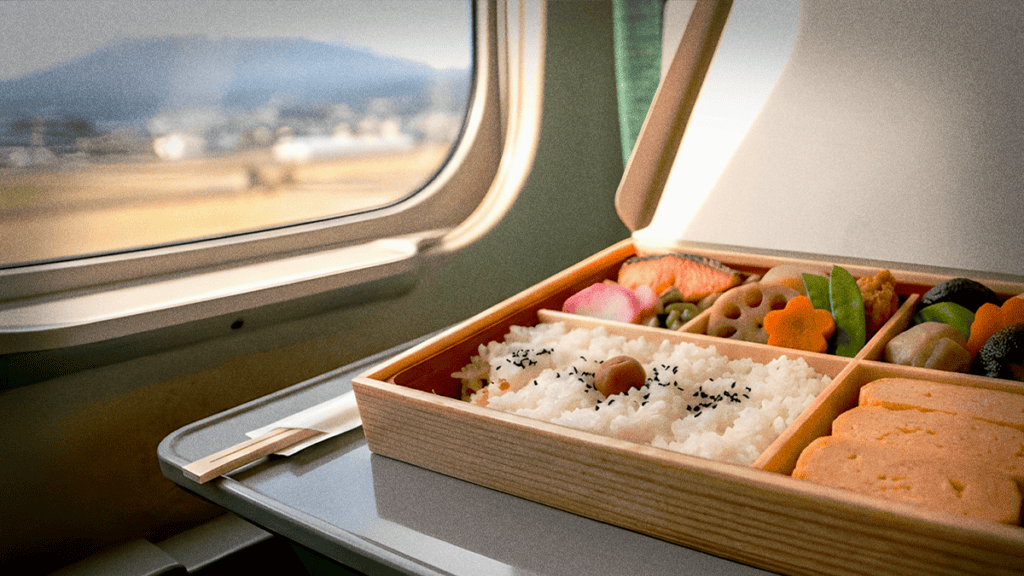
Japanese trains run on time, and a few habits keep a pass trip smooth. Reserve seats for the long legs as soon as your dates are fixed. That matters most during cherry blossom season, Golden Week and the summer Obon holiday. Arrive at the platform a few minutes early. Stand behind the marked lines for your car number. Then enjoy a station bento on board, which is half the pleasure.
Luggage needs one rule in particular. On the Tokaido, Sanyo and Kyushu shinkansen, large bags need a reserved space. Any bag over 160 centimeters in total dimensions needs a seat with oversized-baggage room. Without one, you may face a fee or a move. A carry-on that fits the overhead rack avoids the problem entirely. It also makes station changes far easier on a multi-city route.
Samsonite Element 20-Inch Carry-On — sized for overhead racks on the shinkansen
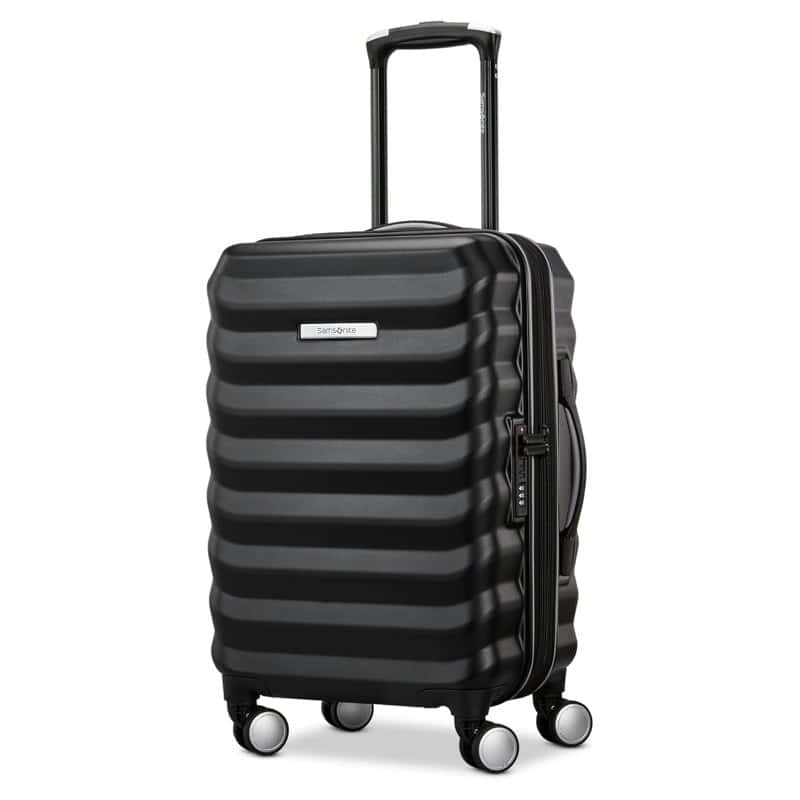
A twenty-inch case keeps shinkansen travel simple. The Samsonite Element carry-on fits that size well. It slides onto the overhead rack, so you never need the oversized-baggage seats. The hard shell protects ceramics and other souvenirs between cities. Its four spinner wheels roll smoothly through long station concourses and down busy platforms. When a trip grows, the expansion zip adds room for a few more boxes of castella. On a regional pass, you may change hotels every second night. A case that lifts easily and rolls without effort makes each move feel shorter, even on the busiest travel days.
Light luggage also opens up one of Japan’s best services. Luggage forwarding, known as takkyubin, sends a large case from hotel to hotel. The fee is modest, and delivery is usually overnight. Many travelers forward their main bag and ride with only a small case. That pairs well with a pass. You can hop off at a town on the way without dragging a suitcase through it.
Finally, keep the pass and your passport together. Photograph the pass details in case you lose a paper version. Phone tickets need a charged battery, so carry a small power bank. Above all, leave a little slack in the plan. The best moments on a rail trip often come from a stop you never meant to make.
That spirit of slack suits regional travel better than any timetable. A pass removes the small question of whether each ride is worth its fare. Before long, you choose trains for the view, the lunch or the town at the end of the line. Many travelers find that is when Japan opens up, well away from the main corridors.
The Verdict on Japan Rail Pass Regional Options
For most visitors, Japan Rail Pass regional options now make more sense than the nationwide ticket. Choose the company that runs your region. Then pick the shortest pass that covers your hardest travel days. The Kansai-Hiroshima pass suits a classic first trip. For the north, choose the JR East Pass. The Kyushu and Hokkaido passes each suit a week on their island.
Prices changed often in 2025 and 2026, and they will change again. Treat the figures here as a guide. Confirm each one on the JR company’s official page before you buy. With that done, a regional pass is one of the simplest ways to see more of Japan for less. It also lets you see the country from the window of a very good train.
Recommended
If you are still deciding, start with the route and let it choose for you. Mark the cities where you want to sleep. Join them with lines, then see which company’s map they fall inside. Usually, one regional pass and one or two single tickets cover the whole plan. The savings can then go toward a better ryokan.
Keeping a record of the route
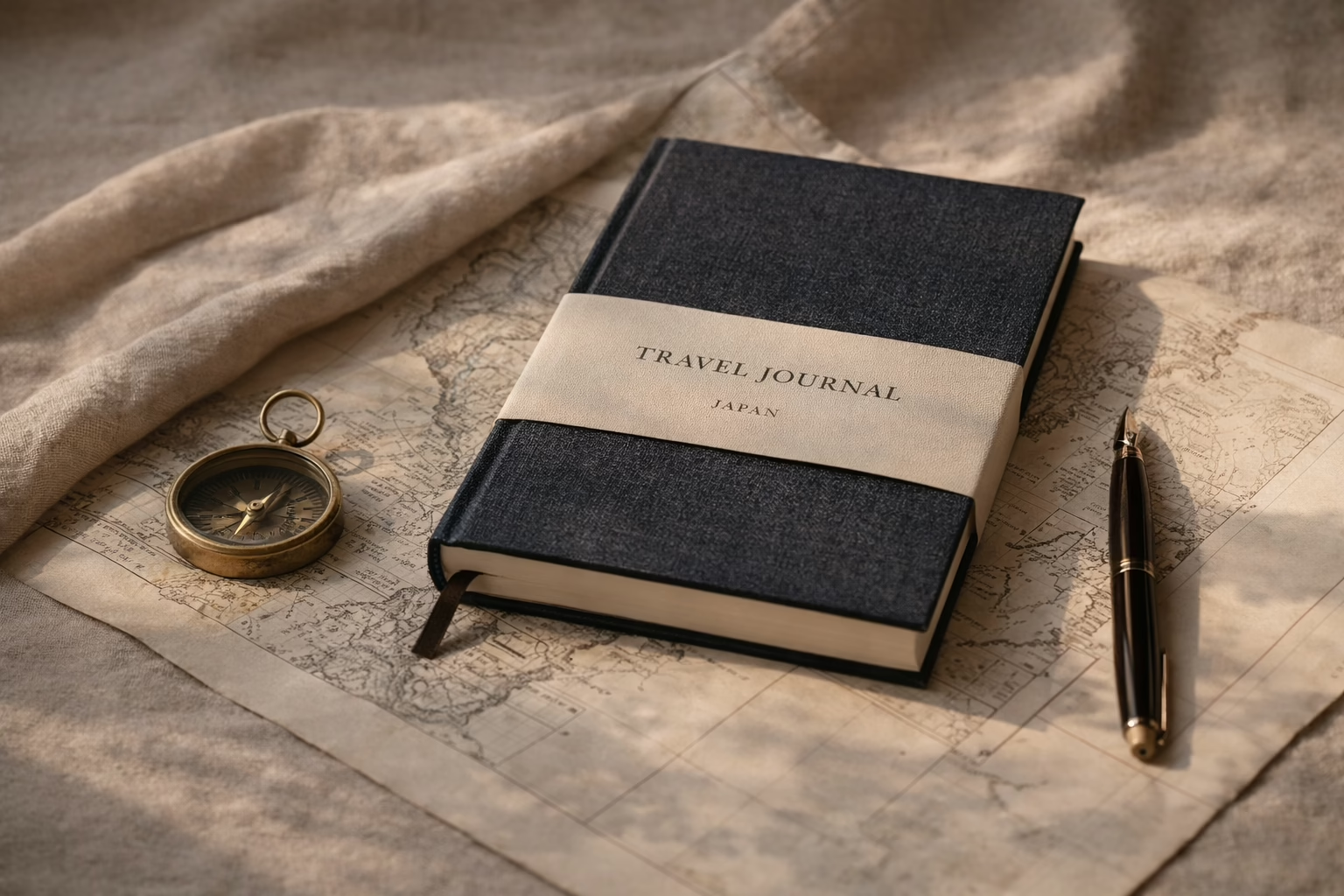
A rail trip also leaves a trail of small details. There is the station stamp, the menu you could almost read, and the town you had never heard of. Writing them down on the platform keeps the trip vivid long after you are home. A journal filled stop by stop becomes the best record of a route, better than any camera roll.

Of course, some trips need more than a pass. Private transfers, guided days in towns far from a station, and hotels timed to each leg make a regional route effortless. A custom plan also answers the questions a pass leaves open. When should you forward luggage? Where should you break a long journey? Which trains should you reserve first? Good planning also leaves room for a long lunch in a castle town or an extra night by the sea. It can add a morning with a craftsperson two stops from the main line. Those are the hours a timetable cannot hold, and they are often the ones travelers remember longest.
A Rail Journey Planned Around You
We match each leg of your route to the right pass or ticket, reserve the seats that matter, arrange luggage forwarding between hotels, and add private guides in the towns worth a slower look.
Plan Your Custom Japan ItineraryQuestions Worth Asking
What is a Japan Rail Pass regional pass?
It is a rail pass sold by one regional JR company, such as JR East, JR West, JR Kyushu or JR Hokkaido. Buyers must be visitors on temporary visitor status. It covers unlimited rides on that company’s lines in one area for a fixed run of days. Most cost far less than the nationwide pass.
Is a regional pass better than the nationwide Japan Rail Pass?
For most trips that stay in one or two regions, yes. The nationwide pass costs about $335 (¥50,000) for seven days. It pays off mainly on long journeys, such as Tokyo to Kyushu. A Kansai, Kyushu or JR East pass usually covers a regional plan for much less.
Can I use a regional pass on the Tokaido Shinkansen?
Generally no. The Tokaido Shinkansen between Tokyo and Shin-Osaka belongs to JR Central. Most regional passes from other JR companies do not cover it. Check each pass’s coverage map before you plan a Tokyo to Kyoto leg around it, and budget for a separate ticket.
Where do I buy a JR regional pass?
Each JR company sells its own passes. You can buy them on its online reservation site, at major stations in its area, or through agencies abroad. Some are now sold only outside Japan as phone tickets. Check the official page of the pass you want before you fly.
Do regional passes include reserved seats?
Most include reserved seats on shinkansen and limited express trains in their area. You book them at a ticket machine or office at no extra charge. Green Car seats usually cost more. Rules differ by pass, so read the conditions on the JR company’s own page first.
Which regional pass suits a first trip to Japan?
For a first trip around Kyoto, Osaka and Hiroshima, the Kansai-Hiroshima Area Pass is the easiest fit. Travelers heading north from Tokyo should look at the JR East Pass. It merged two older passes in March 2026 and covers Tohoku, Nagano and Niigata.