How did Japanese food inventions end up on tables everywhere?
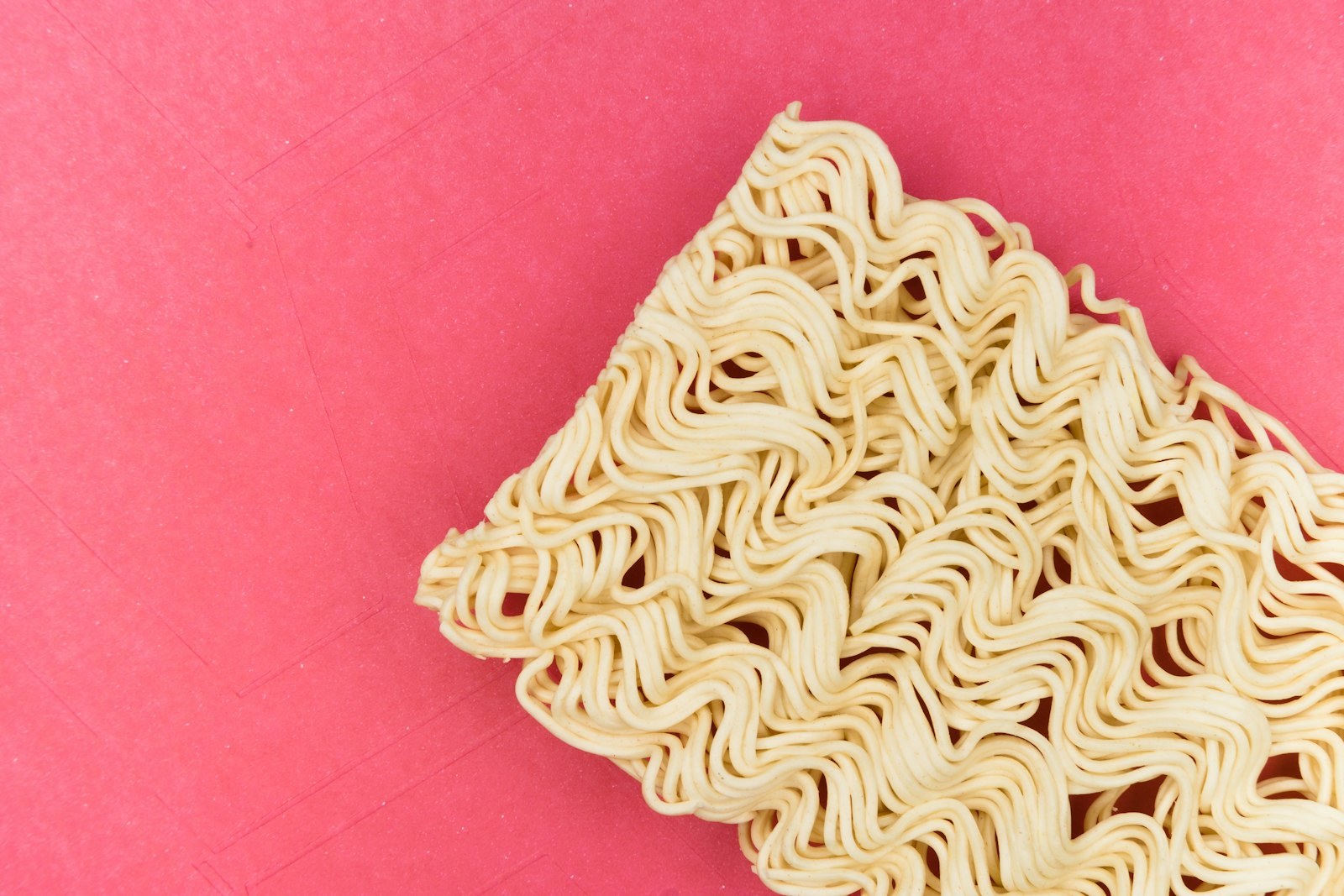
The best-known Japanese food inventions spread from Osaka and Tokyo after the war, each one built to solve a plain problem. Momofuku Ando’s Chicken Ramen of 1958 and his Cup Noodles of 1971 made a hot meal from boiling water alone. Yoshiaki Shiraishi’s conveyor belt, also from 1958, brought sushi back within everyday reach. Behind them stand umami, named by Kikunae Ikeda in 1908, and hiyashi chuka, a cold noodle of the 1930s.
Each of those Japanese food inventions began with one person and one stubborn problem. Ando had lost almost everything and wanted a meal that kept. Ikeda wanted to know why a bowl of broth tasted so good. Shiraishi watched beer bottles roll past and saw his sushi counter in them.
This guide follows five ideas from that first moment to the shelves of an American supermarket. It is one part of our wider story of Japanese inventions that shaped everyday life. Along the way, it shows where to stand in Yokohama and Osaka to see the work up close. It ends at the stove, with a bun that Tokyo bakers say they invented too.
Why Did a Man Who Had Lost Everything Invent Instant Ramen?
In 1957 a credit union where Momofuku Ando (Andō) served as a director went bankrupt. He lost almost everything except a rented house in Ikeda, a town north of Osaka. He was forty-seven. One memory stayed with him. After the war, he had seen a long line of people waiting in the cold at a makeshift ramen stall near Osaka Station.
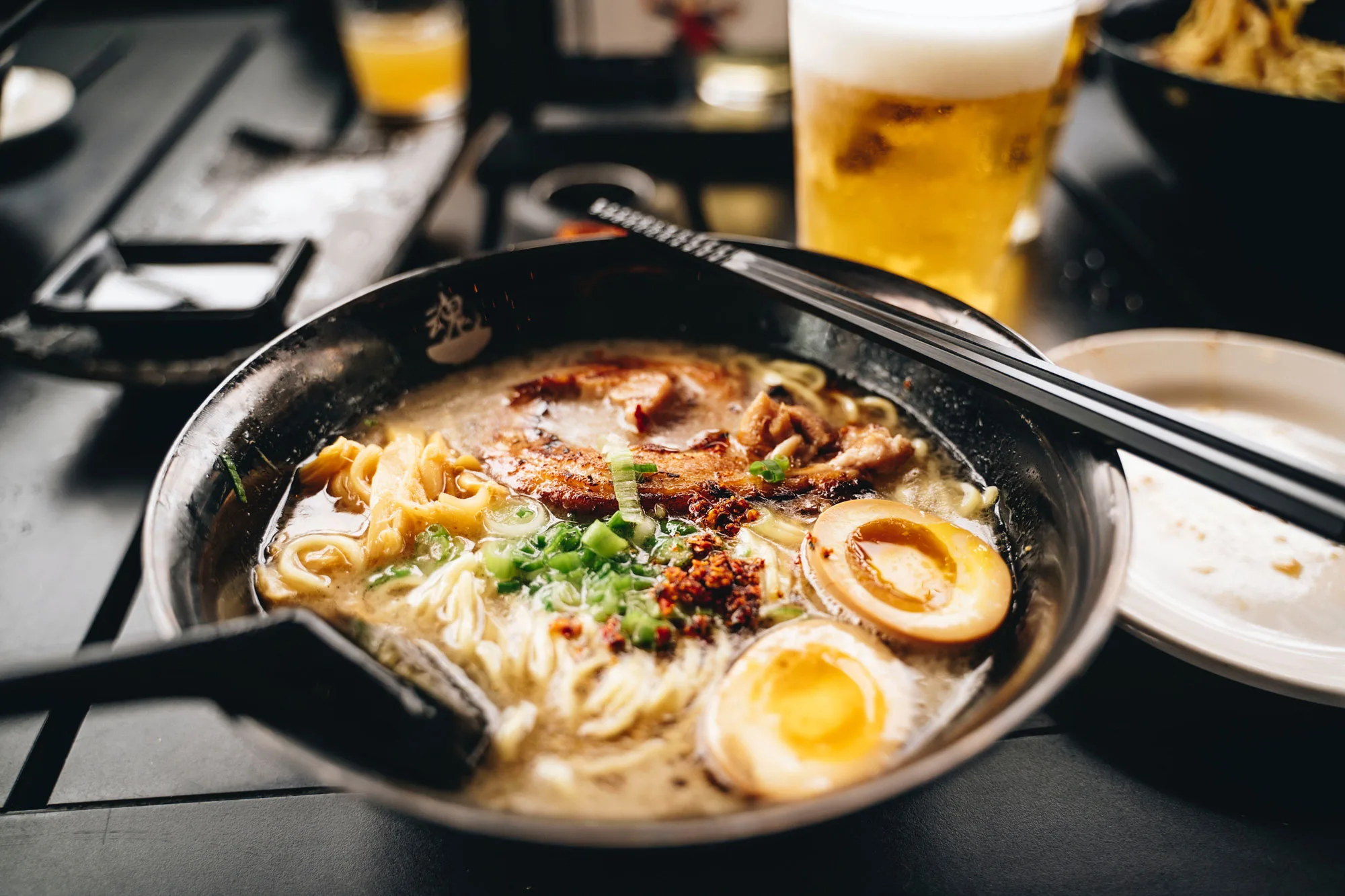
That queue gave him his question. Could a bowl of ramen be made at home, in minutes, by anyone? According to Nissin’s own account of its founder, he set himself five goals before he began. The noodles had to taste good and keep for a long time. They also had to be quick to prepare, affordable and safe to eat.
A year in the shed
He built a small shed in his back garden, about ten square meters, and worked there alone. His tools were ordinary kitchen tools. For about a year, he slept around four hours a night and took no days off. He tested one method after another, and each one fell short of the five goals.
The answer came from his own kitchen. One evening his wife, Masako, was frying tempura. Ando noticed that hot oil drove the water out of the batter and left tiny holes behind. He tried the same trick on seasoned noodles. Once fried, they kept, and the holes let hot water back in. Nissin still calls the method flash frying.

Magic ramen
Chicken Ramen went on sale in Japan on 25 August 1958. Nissin and the Cup Noodles Museum describe it as the world’s first instant noodles. Buyers soon called it magic ramen, because a dry block turned into a hot meal in a bowl. At first it cost about six times as much as a bundle of fresh udon. Even so, it sold. Ando was now forty-eight, and he later said it had taken him forty-eight years to invent it.
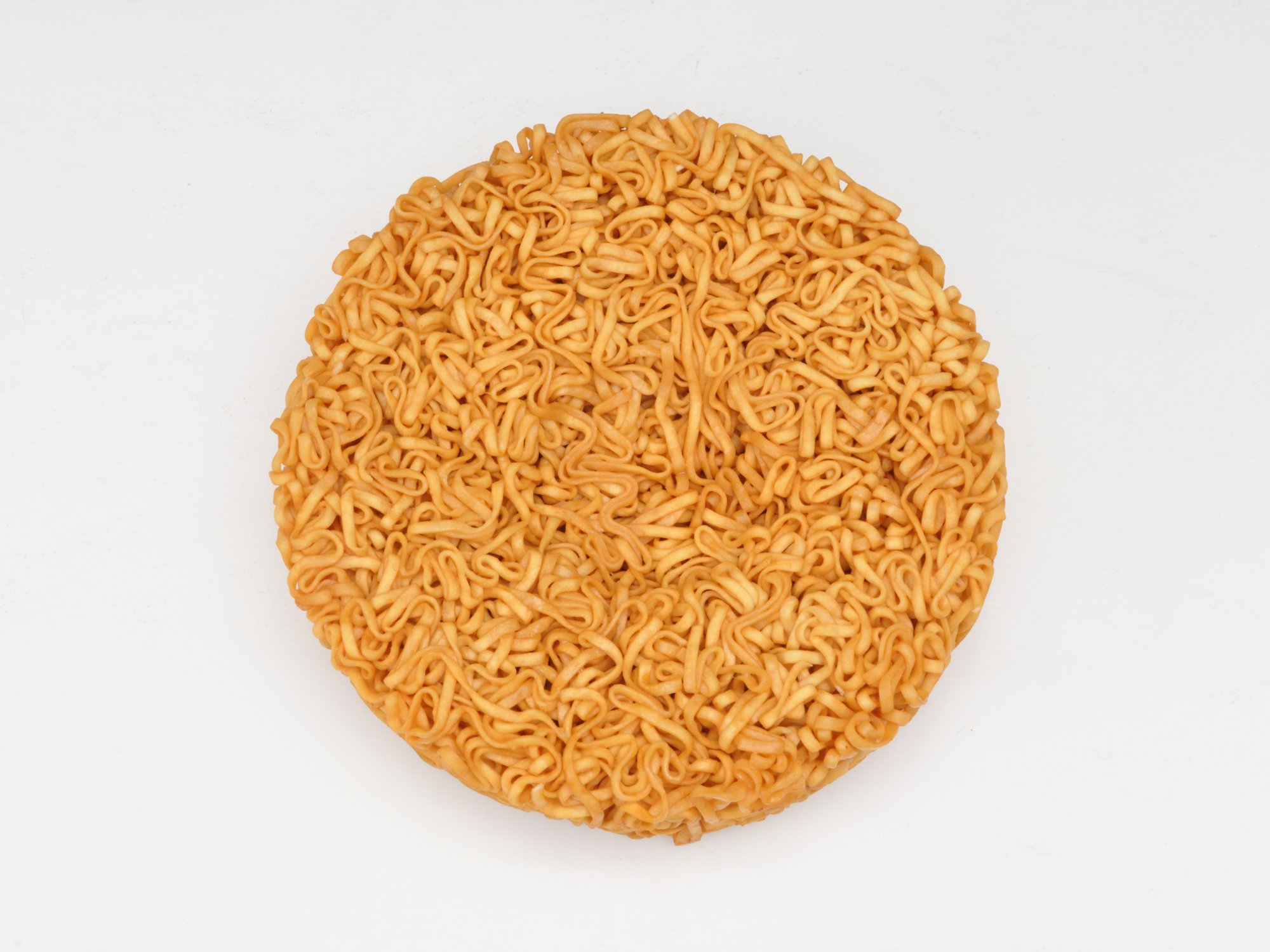
Nissin says the taste of Chicken Ramen has not changed since 1958. Its founder kept working long after that first success. In July 2005, aged ninety-five, he saw his method fly into space aboard the shuttle Discovery, as Space Ram. His own line sums up the story: there is no such thing as too late in life. For fresh ramen in its home country, see our guide to ramen and winter in Sapporo.

How Did Cup Noodles Get Into the Cup?
The second idea came from abroad. On a 1966 trip to the United States, Ando visited supermarket buyers to sell Chicken Ramen. He watched the managers break the noodles into paper cups, pour in hot water and eat them with forks. To him, the lesson was clear. Instant ramen would travel the world only if it left the bowl and the chopsticks behind.
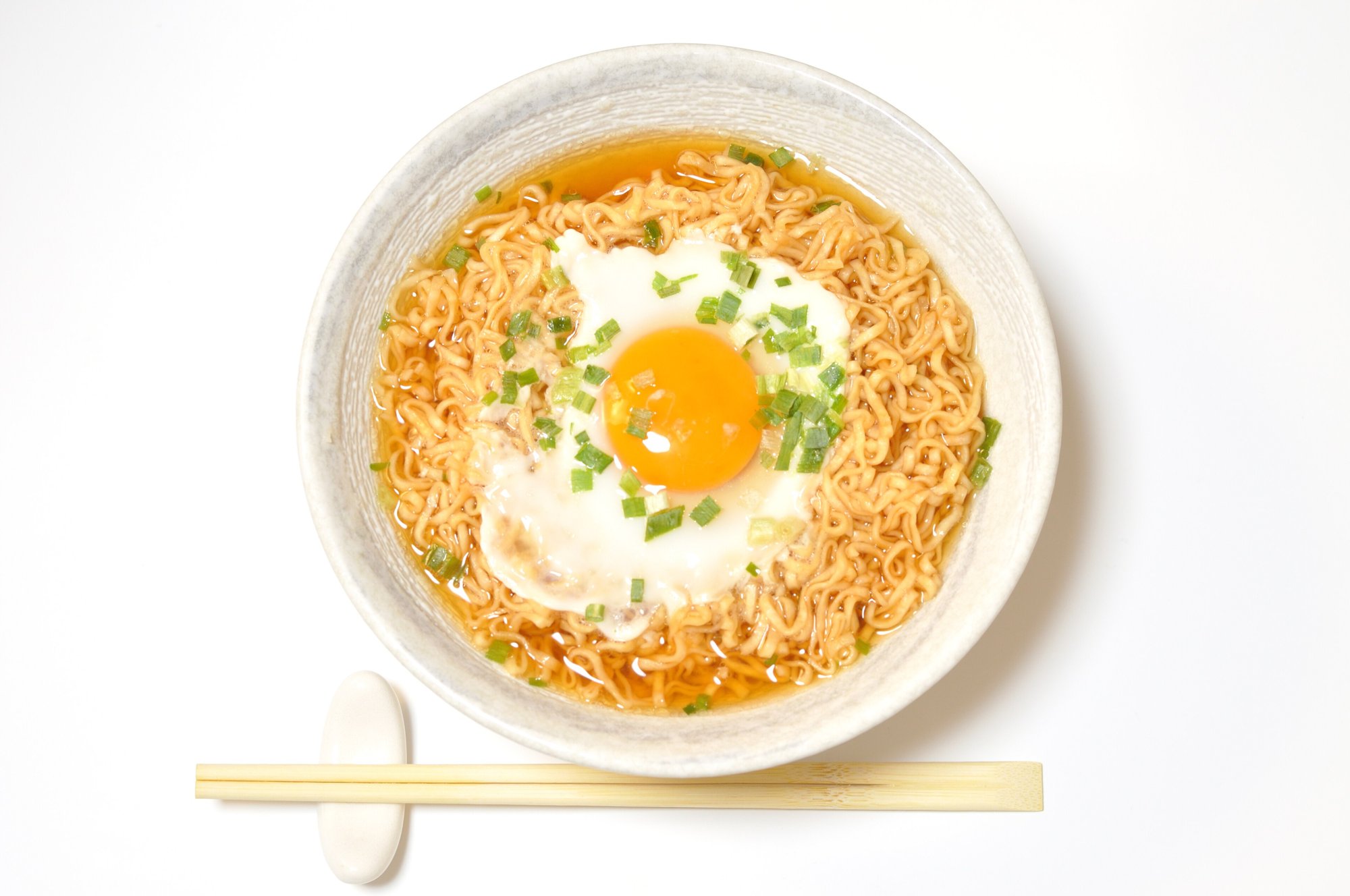
The cup itself took years. Nissin tried nearly forty prototypes before choosing polystyrene foam, made with technology brought in from America. Then came a smarter detail. The noodle block sits in the middle of the cup, held by the tapering sides. Below it, space is left for the water. Nissin calls this middle retention.
The cup upside down
However, filling the cups was the hard part. The noodle blocks kept tipping over before they reached the bottom. According to Nissin, the answer came to Ando one night. The factory would lay the block face down and lower the cup over it, upside down. Then it simply turned the whole thing over.
Cup Noodles went on sale in Japan on 18 September 1971, and Nissin calls it the world’s first cup noodles. At launch it cost four times as much as a bag of instant noodles. Full-scale sales began at the Isetan department store in Shinjuku. In November, Nissin took it to the street, at sampling sales in the pedestrian zone of Ginza. On good days, Nissin’s company history says, 20,000 servings sold.

From Ginza to the world
Next came the machines. Within a year, Nissin had put about 20,000 hot-water vending machines across Japan. Now the cup and the hot water could be bought in one place. The cup reached the United States in November 1973 as Cup O’Noodles. Even then, Nissin did not simply ship its Japanese flavors. It built new soups for American tastes instead.
You may also like
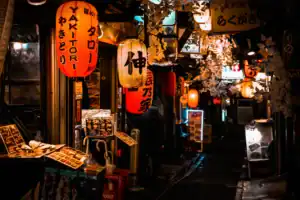
The figures that followed are hard to picture. Nissin counts more than 50 billion Cup Noodles sold worldwide by 2021, in 100 countries. At home, instant noodles became a habit. In fiscal 2017, consumers in Japan bought 5.69 billion servings, according to Nippon.com’s Japan Data on instant noodles. That works out to about 44.8 servings per person. Most of them, 3.98 billion, were cups. The same report counts more than 100 billion servings eaten around the world each year. China was the largest single market in 2017, with 38.6 billion servings. For travelers, the originals sit in Japan’s convenience stores, still in the cup Ando designed.
The Cup, the Packet and the Kitchen
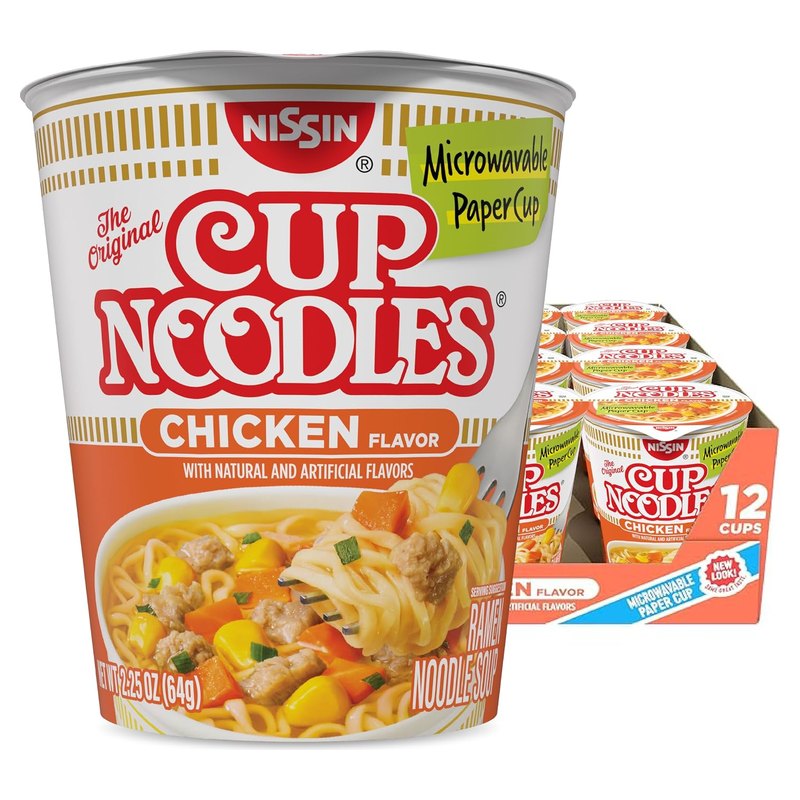
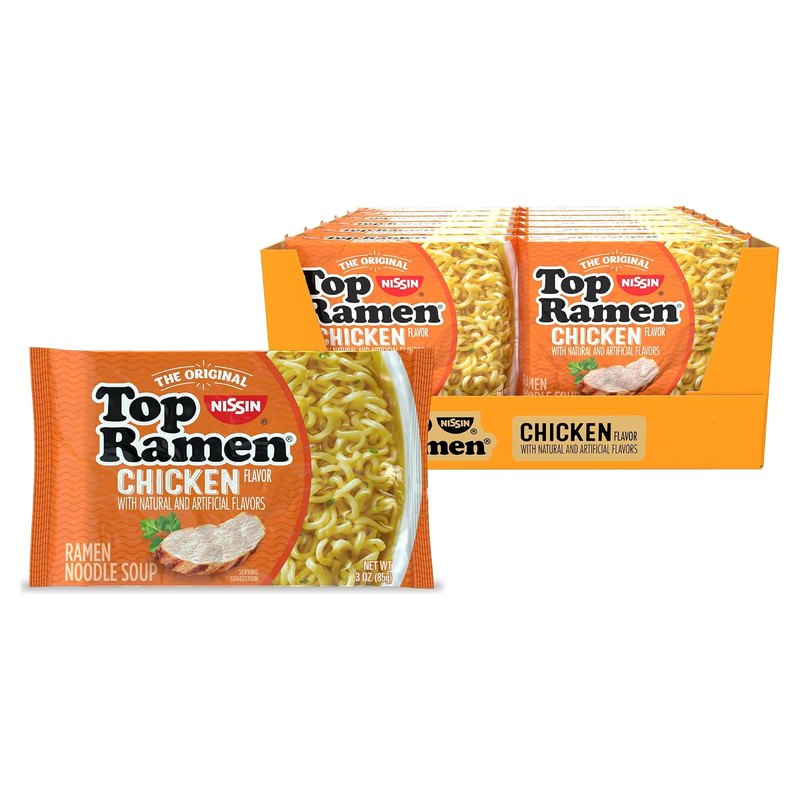
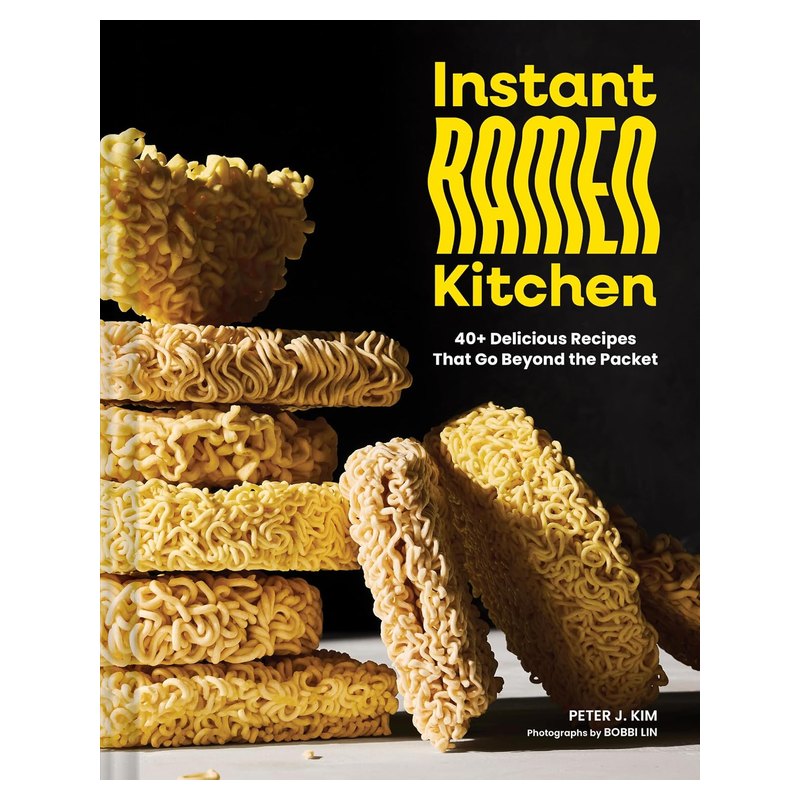
Recipes that cook with instant noodles, Ando’s idea at home today.
Hold a cup in your hand with its history in mind and the design starts to make sense. The space below the noodles is middle retention at work. Nearly forty prototypes stand behind the foam cup. An American supermarket office in 1966 explains the fork. Even the way the cups were filled, upside down, came from one idea at night. Few everyday objects carry their history so plainly, and few Japanese food inventions have traveled so far.
Why Would a Chinese Restaurant Invent a Cold Noodle?
Not every invention on this list came from a factory. Hiyashi chuka (hiyashi chūka) is a cold noodle dish created in Japan in the 1930s. Its name means chilled Chinese-style noodles. Yet two Japanese publishers have traced its story, JTB’s Rurubu and Shogakukan’s Serai. Both describe it as a dish China did not have at the time.
The reason was the weather. Restaurants then had no air conditioning. In a Japanese summer, customers simply stopped coming for piping-hot Chinese food. So the cooks needed a dish that felt cool. Two restaurants say they found it first, and no record settles which one was right.

Two kitchens, two claims
In Sendai, the restaurant Ryutei (Ryūtei) dates its version to 1937. According to Rurubu, its first owner, Yoshio Yotsukura, showed the cold dish to the city’s association of Chinese restaurants. He called it ryobanmen (ryōbanmen), cool tossed noodles, and the restaurant still uses that name. The first bowls held boiled cabbage, carrot, cucumber, roast pork and boiled egg. The noodles were chilled in ice water and running water.
You may also like


In Tokyo, Yosuko Saikan (Yōsuko Saikan) in Jimbocho (Jinbōchō) dates its claim to 1933. Serai reports that its second-generation owner, tired of Tokyo summers, kept eating cold soba nearby. He wanted a cold noodle for his own menu. He went through more than 200 test batches to get a slightly sweet sauce. His version is piled into a mountain, with toppings that stand for snow, earth, new leaves, autumn leaves and clouds.
The dish vanished during the war, when rationing took its ingredients, and returned in the late 1940s. Today it is the taste of a Japanese summer. Our guide to the wider inventions carries a full hiyashi chuka recipe, so this one leaves the cooking there. What stays with you is the reason it exists: a restaurant wanted its regulars back at the table. Rurubu adds that Ryutei’s first bowl was meant to help diners through summer fatigue. It was a dish for bringing people back to a shared counter in the hottest weeks of the year.
Did a Japanese Chemist Really Find a Fifth Taste?
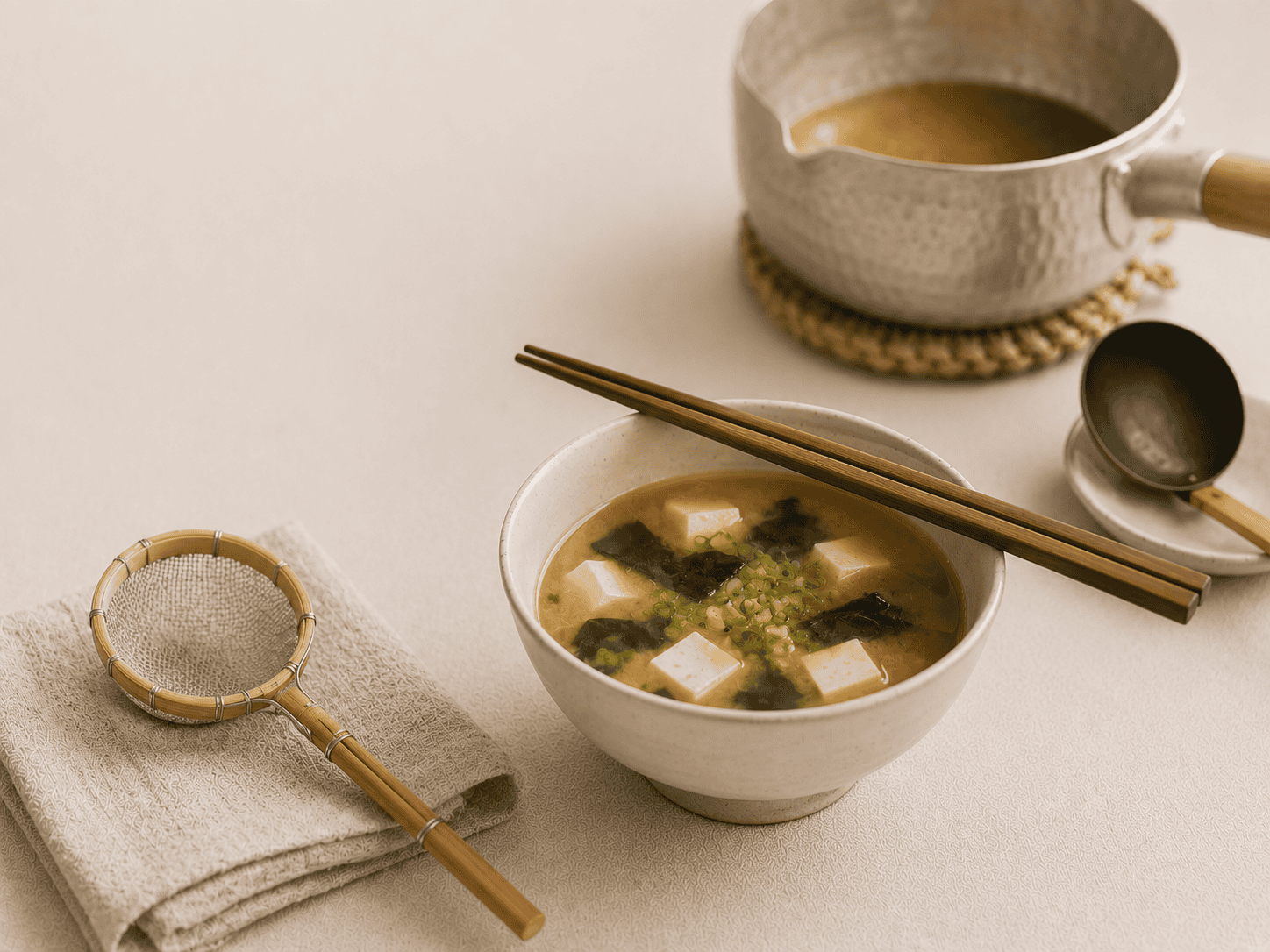
He did, and it took the rest of the world almost a century to agree. In 1908, Kikunae Ikeda identified glutamate as the source of the savory taste of kombu broth. He was a chemistry professor at Tokyo Imperial University, and he named that taste umami. According to Ajinomoto’s company history, the question began at dinner, over boiled tofu in kombu dashi.
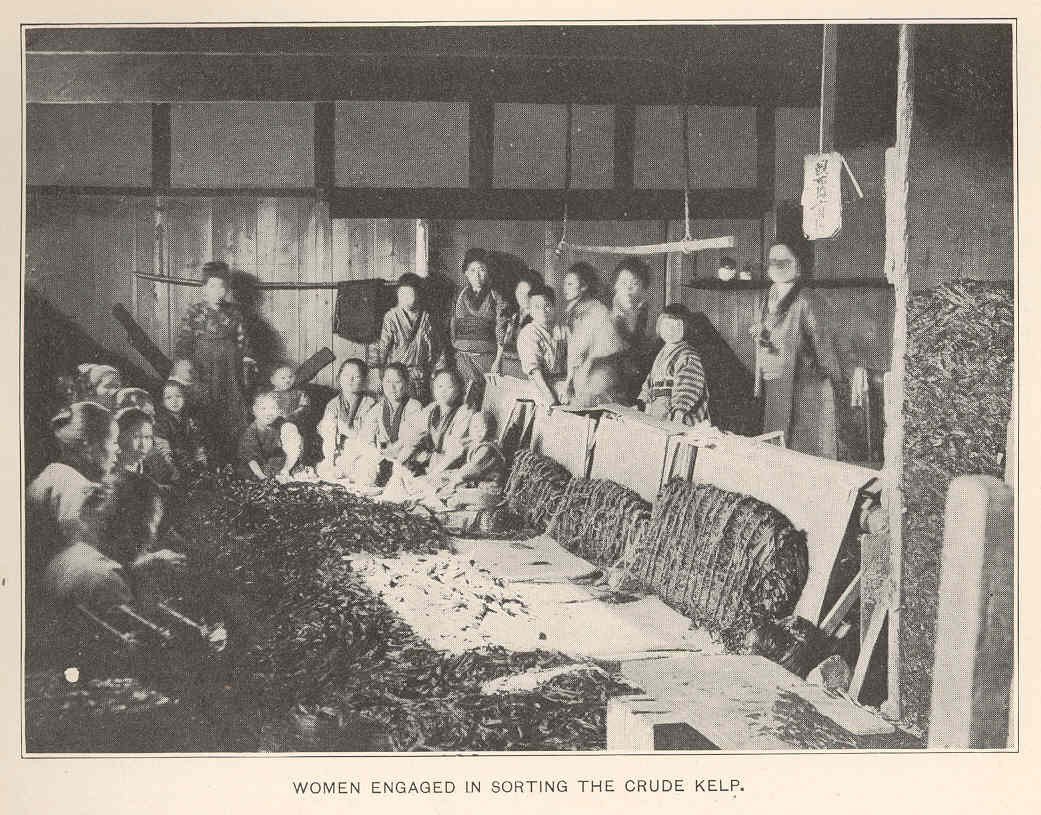
Ikeda noticed a taste that did not fit the four known ones. It was not sweet, sour, salty or bitter. So he set out to isolate it. He boiled down a large amount of kelp into a dark resin and refined it for months. In the end, it gave him only a tiny amount of brown crystals. They were glutamate, and the taste they carried was the one he had noticed in his soup.
He chose the name from the Japanese word for delicious. In 1909 he published his findings in the journal of the Tokyo Chemical Society. That same year, Ikeda and the businessman Saburosuke Suzuki II brought a seasoning to market as AJI-NO-MOTO. Ajinomoto calls it the world’s first umami seasoning. Ikeda had studied in Germany from 1899, before he returned to his professorship in Tokyo.
A century to agree
Western science was slow to accept the idea. Researchers found glutamate receptors on the tongue only in the early 2000s. The Science History Institute’s account of umami tells that long story. Today umami is counted as the fifth basic taste. It also gives depth to many of Japan’s traditional dishes, from miso soup to simmered vegetables.
You can taste Ikeda’s discovery at home. Warm a strip of kombu in water, and taste the water before and after. The change is the taste he named. The book, the seasoning and the kelp below follow the story from the laboratory to the pot.
Taste What Ikeda Found in His Soup

The science and history of umami, from kombu broth to the tongue.
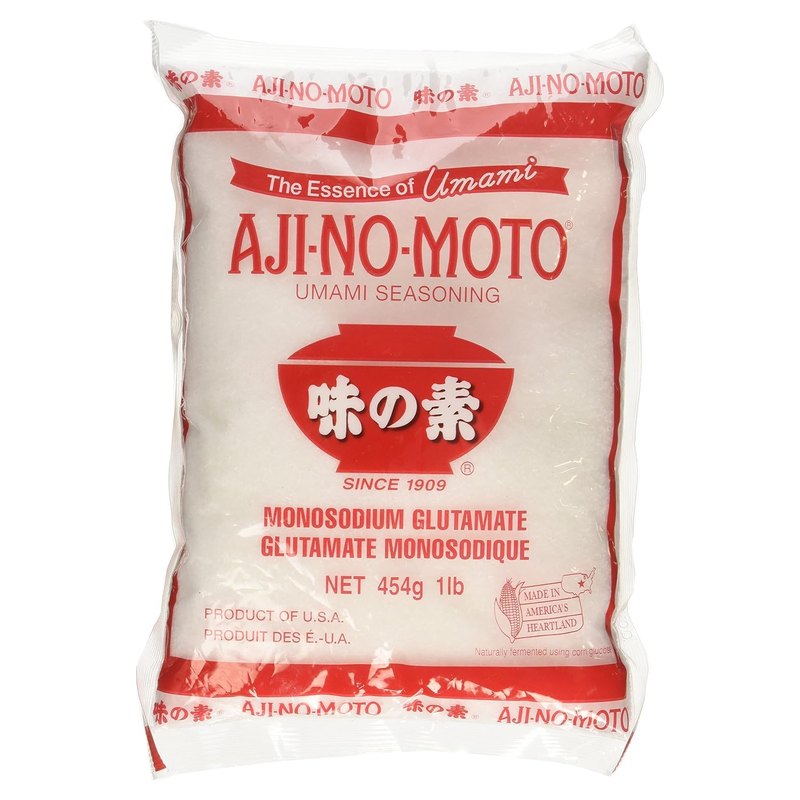
The seasoning born from Ikeda’s work, in a shaker for the kitchen.
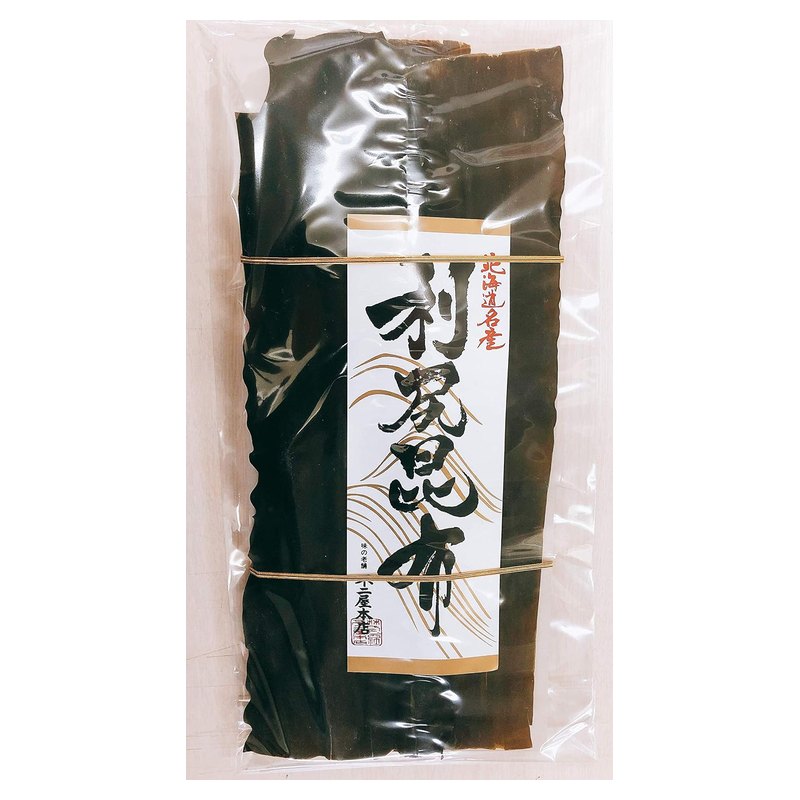
Dried kelp for a clear dashi, the broth where umami was found.
Ikeda’s own record is still kept in Tokyo. From 17 January to 22 April 2022, the University of Tokyo’s Science Library held a display on his life and achievements. It listed his 1909 paper by its plain title, About new seasoning. The paper filled pages 820 to 836 of volume 30 of the journal. The display itself stood on the third floor of the Science Library, in Building 1. Ikeda had held his professorship at the university since 1901. More than a century later, the taste he named is counted beside sweet, sour, salty and bitter. His stubbornness over one bowl of soup ties this whole story of Japanese food inventions together.
A letter every second week: one idea worth keeping and one piece we think you should read.
How Did Beer Bottles Inspire Conveyor-Belt Sushi?
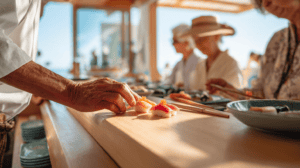
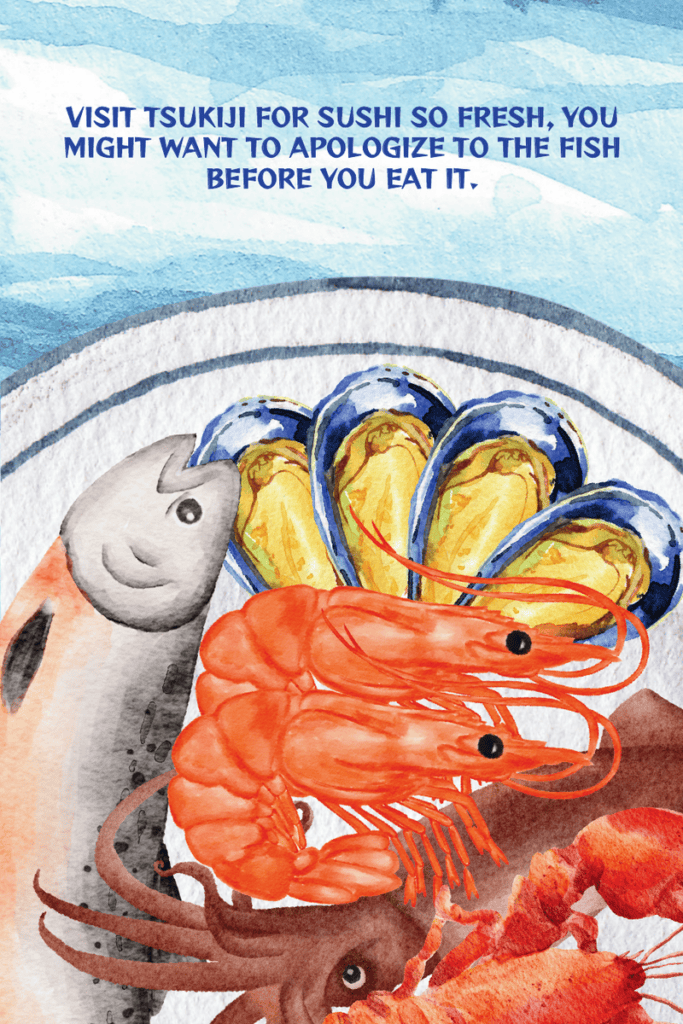
Sushi itself is old. In the Edo period it was street food, sold from small stalls. After the Second World War, however, selling raw food from stalls was banned, and sushi moved indoors. It became a meal for special occasions. One Osaka chef changed that, as the long history of sushi and sashimi in Japan shows.
Yoshiaki Shiraishi moved from Ehime to Osaka in 1947 and ran a standing sushi bar. He wanted to make his staff’s work easier and to keep his prices low. In 1948 he toured a beer factory in Suita, near Osaka. There he saw bottles moving along a conveyor belt. “This is it,” he thought, as the government agency J-Net21 tells the story.
The trouble with corners
The idea came in a moment, but building it took about a decade. The belt worked on the straight. On the curves, though, the plates flew off. The answer came from watching children play cards. They fanned their cards out in an overlapping curve. Shiraishi copied it with fan-shaped belt plates that overlap like fish scales, so the belt could turn a corner.
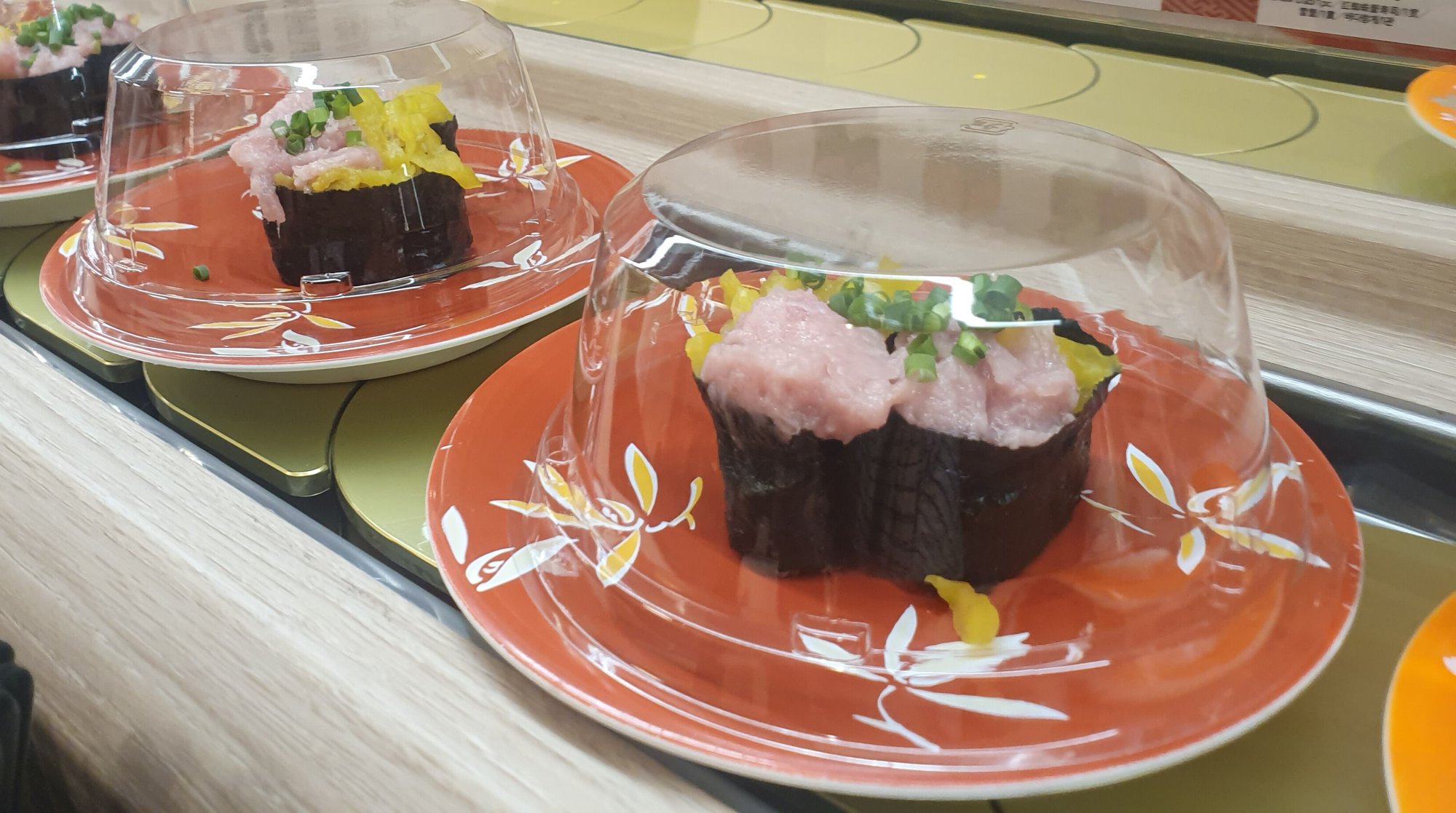
The prototype, which he called a conveyor rotating dining counter, was finished in 1957. In April 1958 he opened the first restaurant, Mawaru Genroku Sushi. It stood near Kintetsu Fuse Station, in what is now Higashiosaka (Higashiōsaka). A plate of four pieces cost about 30 percent less than at other sushi shops. He patented the counter in 1962.
The Expo and the dictionary
Fame came with the 1970 Osaka Expo. Genroku Sushi ran a stand there, and crowds queued for it every day. At its peak the chain had about 250 shops, according to J-Net21’s history of Genroku Sushi. In 1991 the word kaiten-zushi entered the Kojien (Kōjien), Japan’s best-known dictionary. Today some counters even send orders out on little trays shaped like the bullet train. The real train has its own chapter in this pillar, the story of the Shinkansen and Japan’s robots. Its roots reach back to the first railway in Japan in 1872.
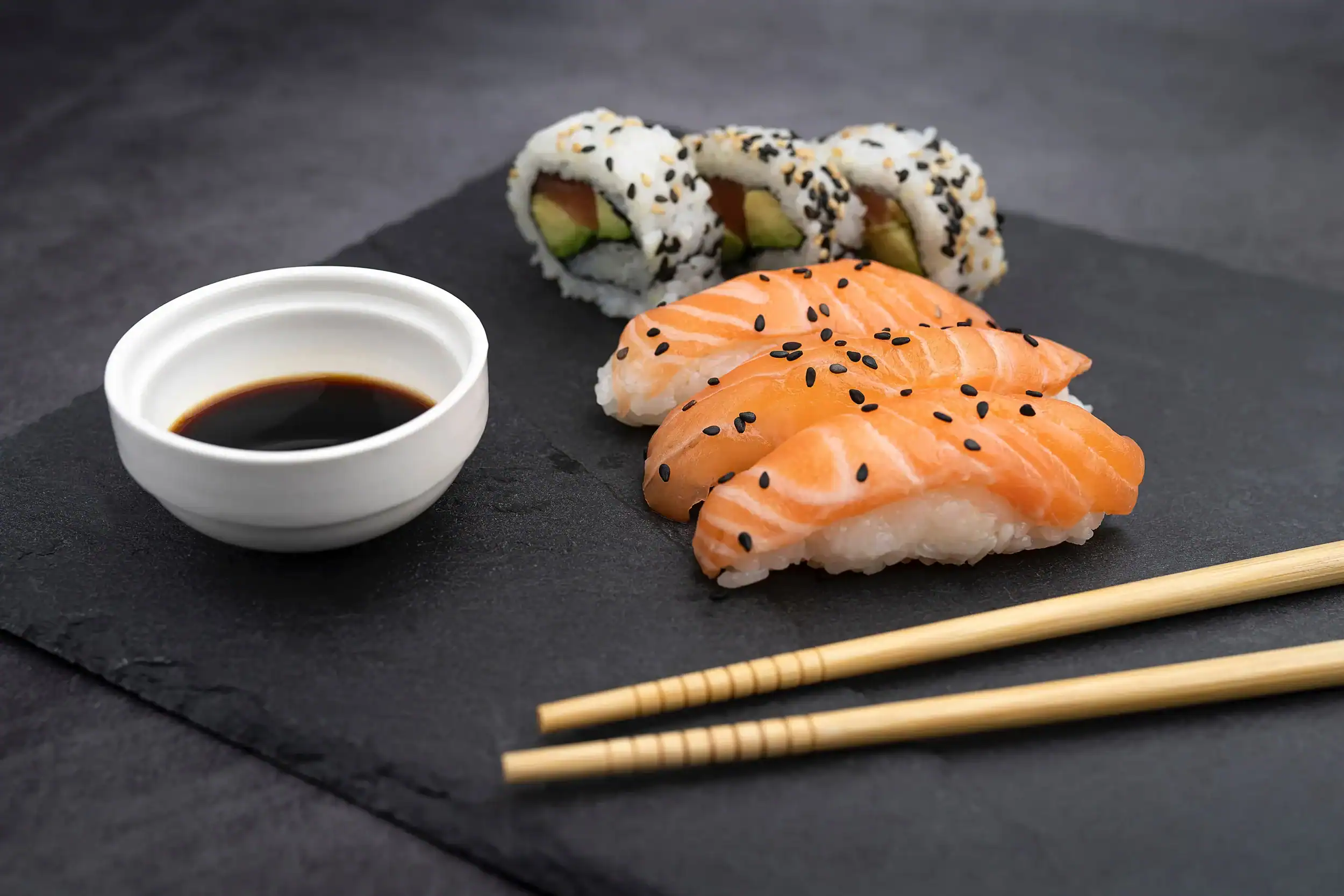
What Shiraishi built was more than a machine. He gave diners control of the pace. You take what you want, when you want it, and the stack of empty plates tells the bill. Nippon.com notes that the belts made sushi an everyday meal again after its postwar years as a luxury. Two books cover the craft behind the counter and sushi’s long journey to the rest of the world.
Read the Belt, Set the Table
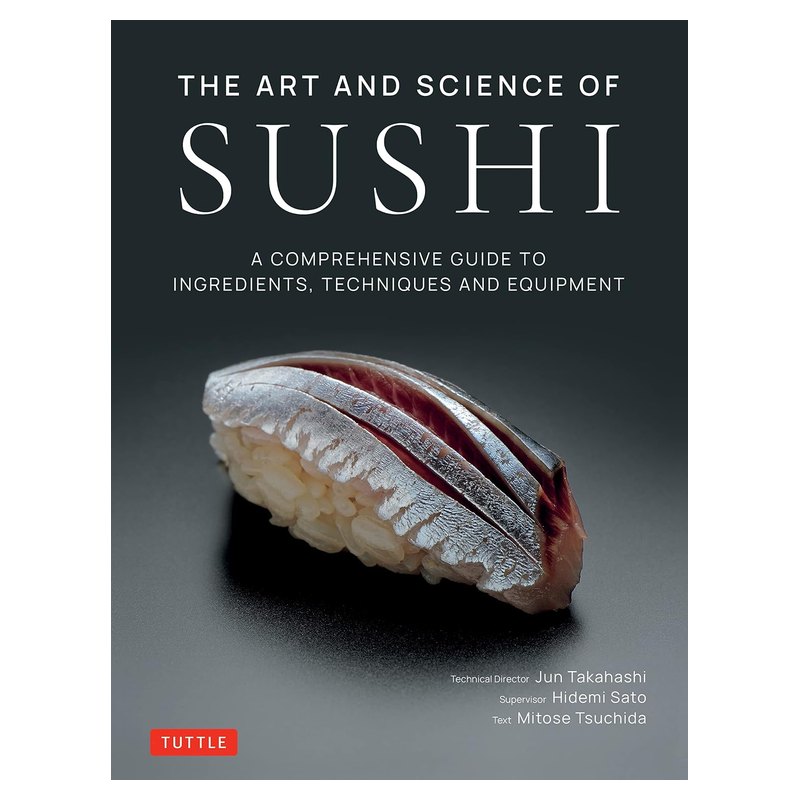
Sushi craft explained: the ingredients, the tools and the technique.
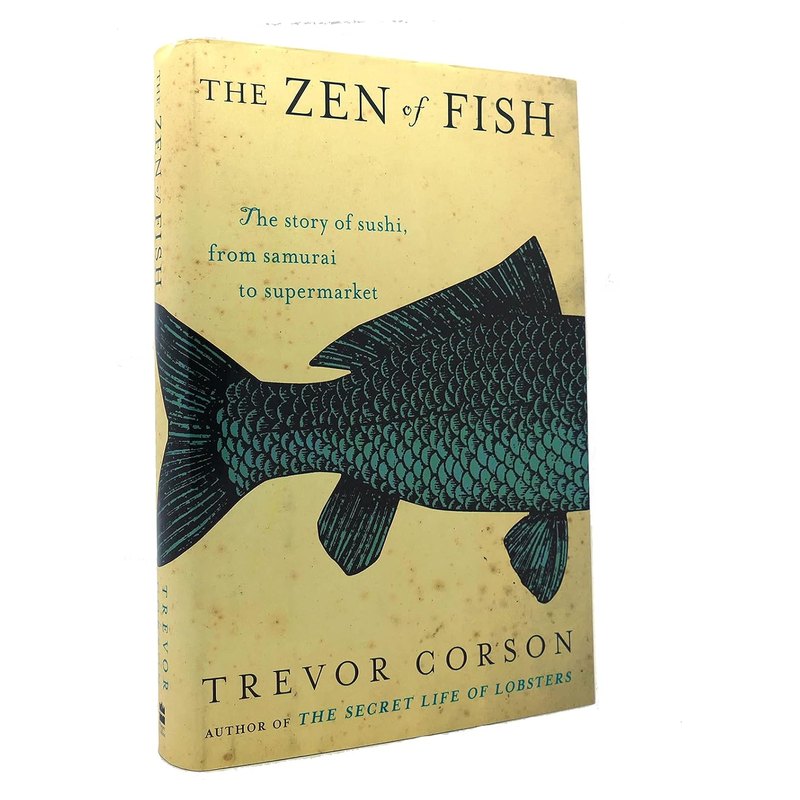
Sushi’s long story, from old Japan to the American supermarket.
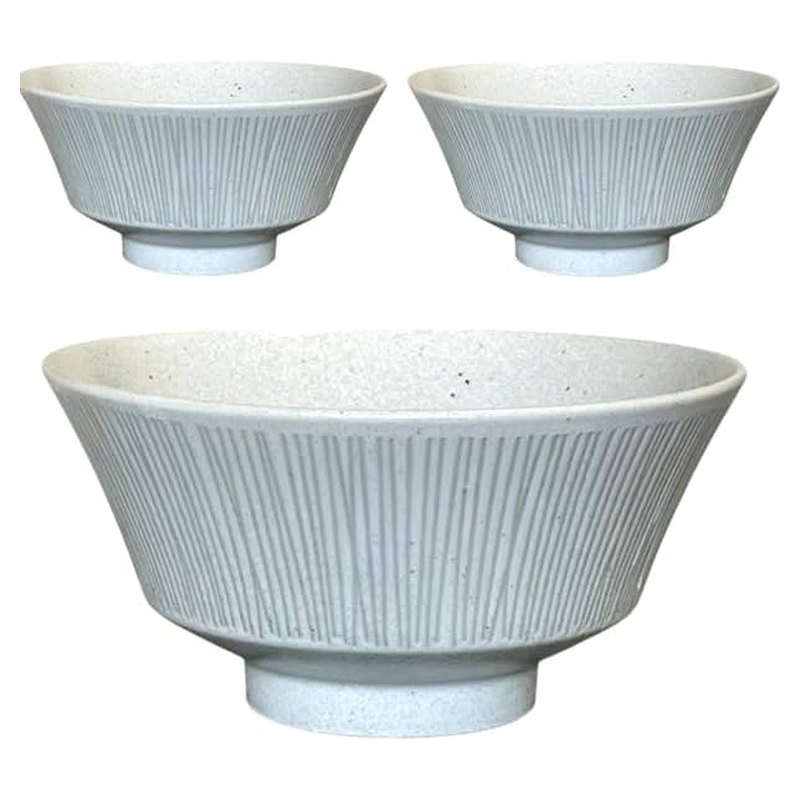
Three white Mino ware bowls, made in Japan for noodles at home.
Sit at a belt in Japan and watch it for a minute before you reach for a plate. The fan-shaped segments of the belt still overlap on the curves. Each one recalls the playing cards that gave Shiraishi the idea. Some counters add a second track that carries only the orders you place. Once you know the story, every curve on the belt reads like a small solved problem.
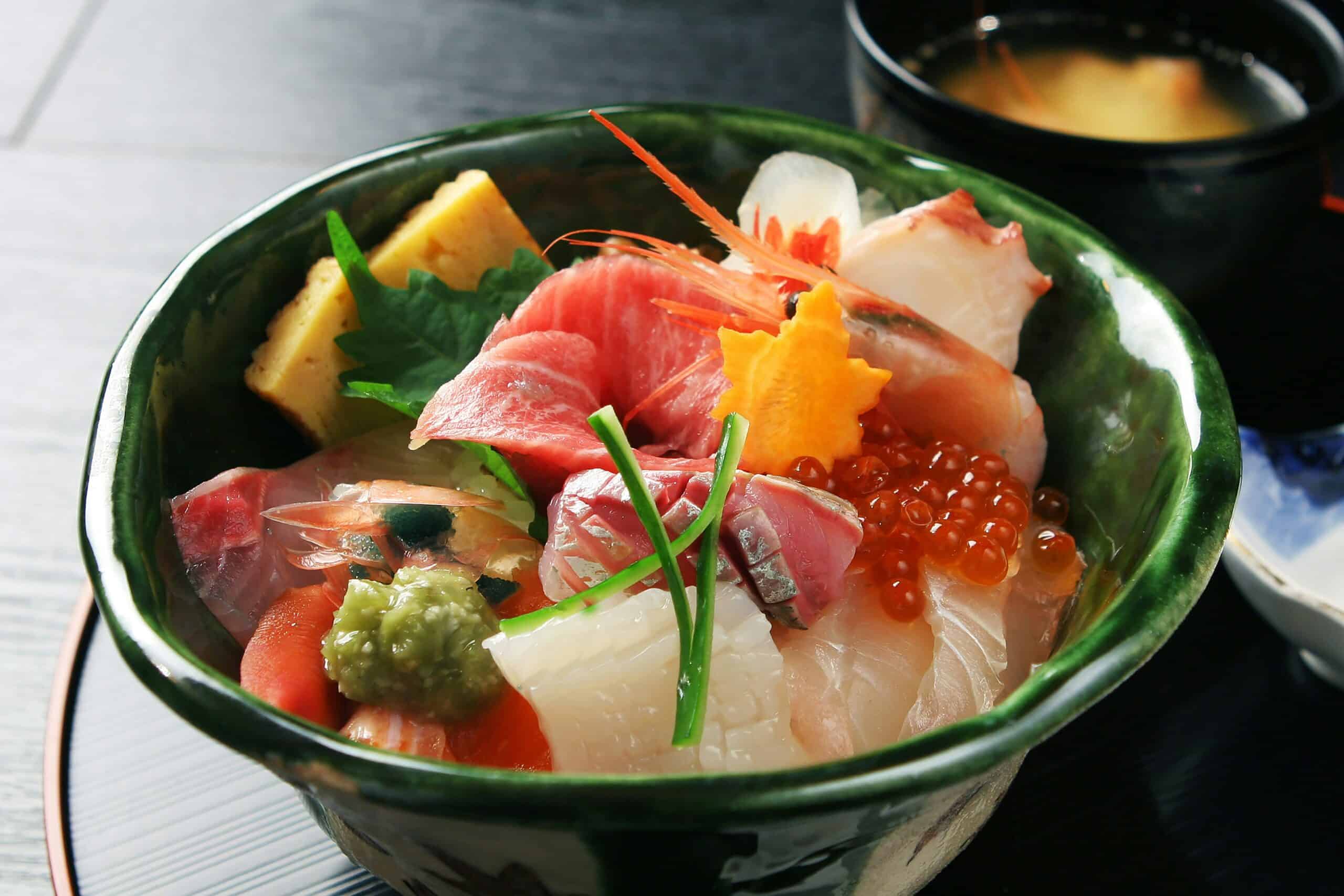
Where Can You See These Inventions in Japan?
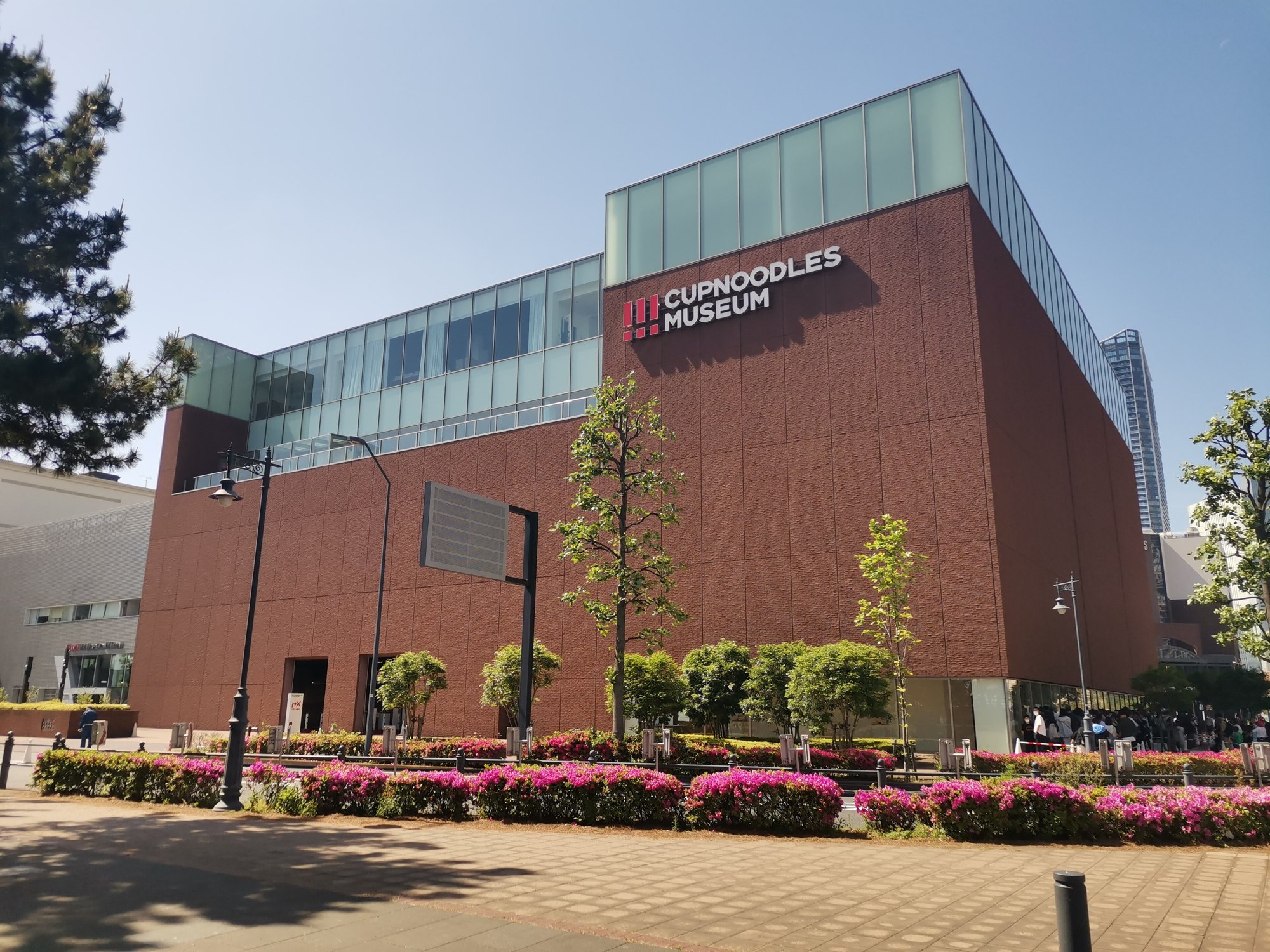
The best place to start is Yokohama. The Cup Noodles Museum Yokohama stands at 2-3-4 Shinko in Naka Ward, close to the harbor. Its exhibits include Momofuku’s Work Shed. The museum calls it a faithful recreation of the shed where Chicken Ramen was invented. Step inside and you see how small the room was. A single garden shed is where a meal that now sells by the billion began.
Inside, you can also make your own. At the My CUPNOODLES Factory, visitors create an original cup package of their own, with a numbered ticket. The Chicken Ramen Factory lets you make Chicken Ramen by hand, and the museum lists it as reservation required. The Instant Noodles History Cube shows a wall of packages that trace instant noodles from Chicken Ramen onward. Check the museum’s site for times before you go.
Ikeda, Osaka and Sendai
The second museum stands where the story began. The Cup Noodles Museum Osaka Ikeda is in Ikeda, the town where Ando built his shed behind his rented house. It also runs a Chicken Ramen Factory and a My CUPNOODLES Factory. Standing in the town closes the circle. The shed, the queue at Osaka Station and the tempura pan all belong to Osaka.

Osaka itself rewards an appetite. Higashiosaka, where Shiraishi opened the first belt in 1958, lies on the city’s eastern side, near Kintetsu Fuse Station. To fill the rest of the day, see our guides to Osaka’s food and its eating habit and to unique things to do in Osaka.

For hiyashi chuka, go north to Sendai in summer. Ryutei still serves its ryobanmen, under the name its founder chose. In Tokyo, museums of food and design can fill a long weekend. Our list of unusual museums in Tokyo suggests where to begin. Wherever you go, take something to write in. A food trip is easiest to remember through the plates you counted and the menus you could not read.
Is Curry Bread a Japanese Invention Too?
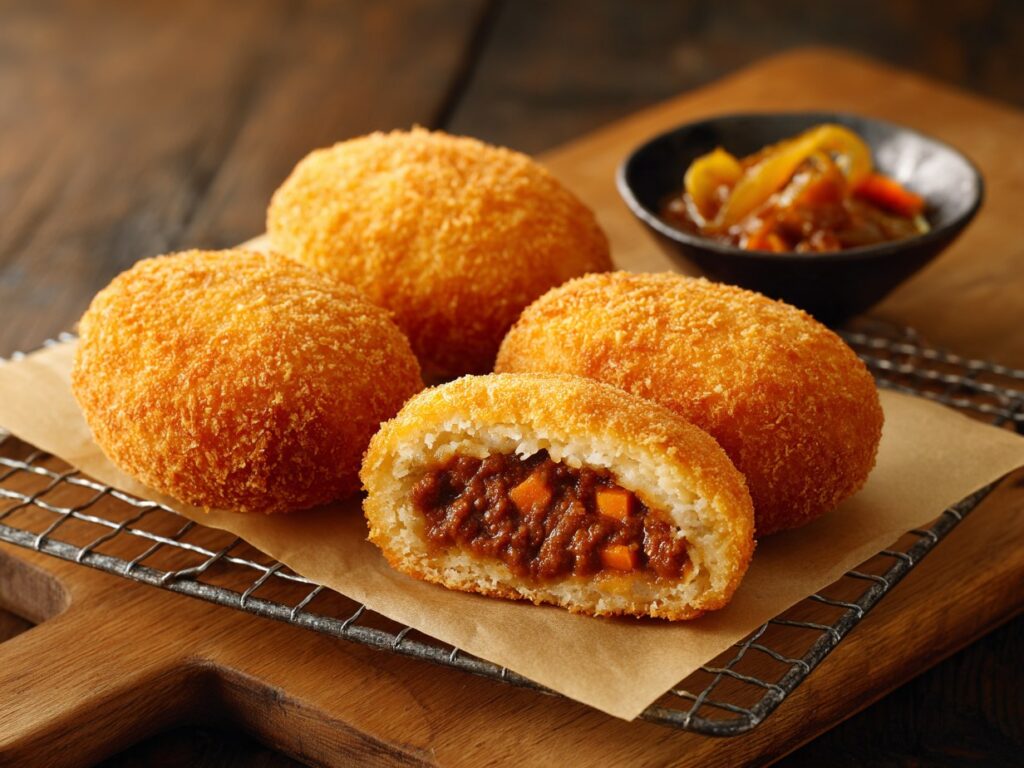
Probably, though the details rest on one bakery’s own account. Kare pan (karē pan) is a soft bun filled with thick Japanese curry, rolled in panko and deep-fried. Just One Cookbook calls it one of the most popular savory pastries at Japanese bakeries. Cattlea, a bakery in Morishita in Tokyo, says its predecessor Meikado created it. Entabe reports that the company traces it to a utility model of 1927, registered as Western-style bread.
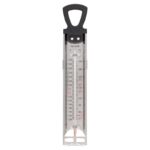
The bun fits this story well. Like Chicken Ramen, it takes something borrowed and changes it with hot oil. Like the cup, it makes a full meal you can hold in one hand. The recipe below follows Just One Cookbook’s method. Make the curry the day before, so it sets thick enough to wrap. A sturdy pot and a thermometer help, because the oil must stay steady while the buns turn golden.
Kare Pan Recipe: Japanese Curry Bread
A Tokyo bakery traces this panko-coated curry bun to a 1927 utility model for Western-style bread.
- Prep 1 hour
- Cook 15 min
- Total 220 min
- Serves 8
| For the dough | ||
|---|---|---|
| 1 1/4 cups (150 g) | Bread flour | |
| 50 g | Cake flour | |
| 1 tsp (3 g) | Kosher salt (Diamond Crystal), or half as much table salt | |
| 1 tbsp + 1/2 tsp | Sugar | |
| 1/2 cup + 1 tsp | Whole milk | |
| 1 tsp (3 g) | Instant yeast | |
| 10 g | Unsalted butter, at room temperature | |
| For the filling | ||
| 1 1/2 cups (300 g) | 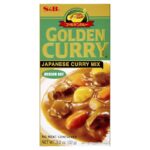 Thick Japanese curry (kare), made a day ahead, at room temperature | |
| For coating and frying | ||
| 1 | Large egg, beaten | |
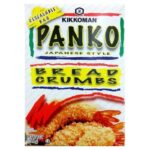
| 1 cup (60 g) | Japanese breadcrumbs (panko) | |
| 4 cups (960 ml) | Neutral oil, for frying | |
We suggest serving kare pan hot or at room temperature, as Just One Cookbook advises.
| 1 | Make the dough. Whisk the bread flour, cake flour, salt and sugar in a bowl. Warm the milk to about 95°F (35°C) and stir in the yeast. Mix the wet and dry ingredients into a rough dough, then work in the butter until it disappears. Knead for about 5 minutes, until the dough is smooth and pliable. |
| 2 | Let it rise and shape the rounds. Let the dough rise at about 100°F (38°C) for about 60 minutes, until doubled. Divide it into 8 equal pieces and rest them for about 15 minutes. Roll each piece into a 3½-inch (9 cm) circle and rest 10 minutes. Then thin only the edges, to about 4 inches (10 cm). |
| 3 | Fill and seal. Spoon 1 to 1½ tablespoons of the Japanese curry (kare) into the center of each round, well away from the edges. Pinch and press the edges tightly, so the seam stays shut while the buns proof and fry. Fold the seam over to one side once more, and set each bun seam side down. |
| 4 | Coat and proof. Brush each bun all over with the beaten egg, then roll it in the Japanese breadcrumbs (panko) until evenly coated. Set the buns seam side down again. Proof them at about 100°F (38°C) for 45 to 60 minutes, until they reach about 1½ times their original size. |
| 5 | Fry and serve. Heat the oil to 320°F (160°C). Fry 2 or 3 buns at a time, seam side down, and flip them after a few seconds. Keep turning them until golden brown, about 2 to 3 minutes, then drain well. Serve hot or at room temperature. |
Fry only two or three buns at a time, as the recipe advises, and drain them well. Just One Cookbook adds that they keep in the fridge for up to three days. To serve them again, it suggests warming them in a 350°F (177°C) oven until hot inside.
What the Inventors Had in Common
Look back over these stories and a pattern appears. None of the inventors set out to change the world. Ando wanted a meal for people standing in the cold. Shiraishi wanted to help his staff. Ikeda wanted to know why his soup tasted so good. The cooks of Sendai and Tokyo wanted their customers back in the heat of August.
Each of them also kept going after the first idea failed. The shed took a year. The belt took about a decade. Ikeda's crystals took months of boiling and refining, and a century to be fully believed. That patience is easy to forget when you peel back a lid, yet it is in every cup.
There is one more thread. Two of these Japanese food inventions began in Osaka, a city famous for its love of eating out. Both also belong to the postwar years that changed the Japanese kitchen. The rice cooker and other ideas of that time appear in our guide to Japanese inventions for the home.
Recommended
So the next time you reach for a cup of noodles, think of the shed in Ikeda. When you take a plate from a belt, think of the beer bottles in Suita. These Japanese food inventions are small, practical ideas. Yet they changed what billions of people eat on an ordinary day.
Planning a food trip
The tools below cover the practical side of a journey built around food. They run from the first route to the notes you keep along the way. Each is made for travelers who want to slow down and taste closely. Use them with the museum calendars, and let the season decide the menu. Good plans leave room for the meal you did not expect, and for a counter you find by chance on a side street.


A trip built around these inventions needs good timing more than a long list of sights. The Chicken Ramen workshop in Yokohama needs a reservation, and the cup workshop runs on numbered tickets. Hiyashi chuka is a summer dish, so Sendai belongs in the warm months. Our team can match a route to those windows. For example, we can place you in Yokohama on a weekday morning and in Osaka for a long evening of food. We can also add a sushi belt, a Sendai lunch and a slow afternoon at the recreated shed. Tell us what you want to taste, and we will shape the days around it, from the first train to the last table.
A Japan journey built around the food that changed the world
Our team builds custom itineraries around the Cup Noodles Museums in Yokohama and Ikeda, Osaka's food streets and a summer lunch of cold noodles in Sendai. We arrange the trains, the workshop times and the tables, so each day has room for one long meal.
Plan Your Custom Japan ItineraryQuestions Worth Asking
What is the most famous Japanese food invention?
Instant noodles have the strongest claim. Momofuku Ando of Nissin launched Chicken Ramen in 1958, and Nissin calls it the world's first instant noodles. Cup Noodles followed in 1971. Today more than 100 billion servings of instant noodles are eaten around the world each year, according to Nippon.com.
Who invented instant ramen?
Momofuku Ando, the founder of Nissin, invented instant ramen in a small shed behind his rented house in Ikeda, near Osaka. After about a year of work he found that flash-frying seasoned noodles kept them and let them soften in hot water. Chicken Ramen went on sale on 25 August 1958.
When were Cup Noodles invented?
Nissin launched Cup Noodles in Japan on 18 September 1971 and calls it the world's first cup noodles. The idea came from a 1966 trip to the United States, where Ando saw supermarket managers eat Chicken Ramen from paper cups with forks. It reached American shelves in November 1973.
What is umami?
Umami is the savory taste of glutamate, now counted as the fifth basic taste beside sweet, sour, salty and bitter. Kikunae Ikeda of Tokyo Imperial University identified it in kombu broth in 1908 and named it from the Japanese word for delicious. Receptors for it on the tongue were found in the early 2000s.
Who invented conveyor-belt sushi?
Yoshiaki Shiraishi, an Osaka restaurateur, invented conveyor-belt sushi. The idea came to him in 1948 when he saw beer bottles moving on a factory conveyor in Suita. After about a decade of work he opened Mawaru Genroku Sushi near Kintetsu Fuse Station in April 1958. The 1970 Osaka Expo made it famous.
What is kare pan?
Kare pan is Japanese curry bread: a soft yeast bun filled with thick Japanese curry, coated in panko and deep-fried until golden. It is one of the most popular savory pastries at Japanese bakeries. Cattlea, a bakery in Tokyo, traces its origin to a 1927 utility model for Western-style bread.