How Many Japanese Technology Inventions Are Inside Your Phone?
At least five Japanese technology inventions sit inside a typical phone: the QR code, the bright blue LED, the lithium-ion battery, flash memory and emoji. Each took shape in Japan between 1984 and 1999, though the battery’s credit is shared with two scientists abroad. Three older ideas, the VHS format, the quartz wristwatch and the Yagi antenna, shaped the devices that came before it.
The count is the easy part. Behind each of these Japanese technology inventions sits a person, a stubborn problem and, often, a quarrel over credit. A car-parts engineer needed a faster label for factory boxes. A chemist dropped iron on a battery to see whether it would explode. And a designer at a phone company drew 176 tiny pictures in a single month.
This guide follows those stories one part at a time, from the code your camera reads to the antenna on an old rooftop. It belongs to our series on Japanese inventions, and it flags the myths along the way. It ends with where to see the real objects in Tokyo, Nagoya and Sendai.
Why Does a QR Code Have Squares in Three Corners?
The story starts in 1992 at Denso Wave, then a division of the car-parts maker Denso. Factory workers there scanned boxes of parts all day long. The barcodes of the time held only about 20 alphanumeric characters, according to Denso Wave’s history of the QR code. Some workers scanned around 1,000 barcodes a day. Engineer Masahiro Hara wanted a code that held far more and read far faster.
The team began with just two people. It took about a year and a half of trial and error. The result, announced in 1994, could hold about 7,000 numerals, as well as kanji and kana. Denso Wave says it also read more than ten times faster than other codes. Even its name says so: QR stands for Quick Response.
The three squares
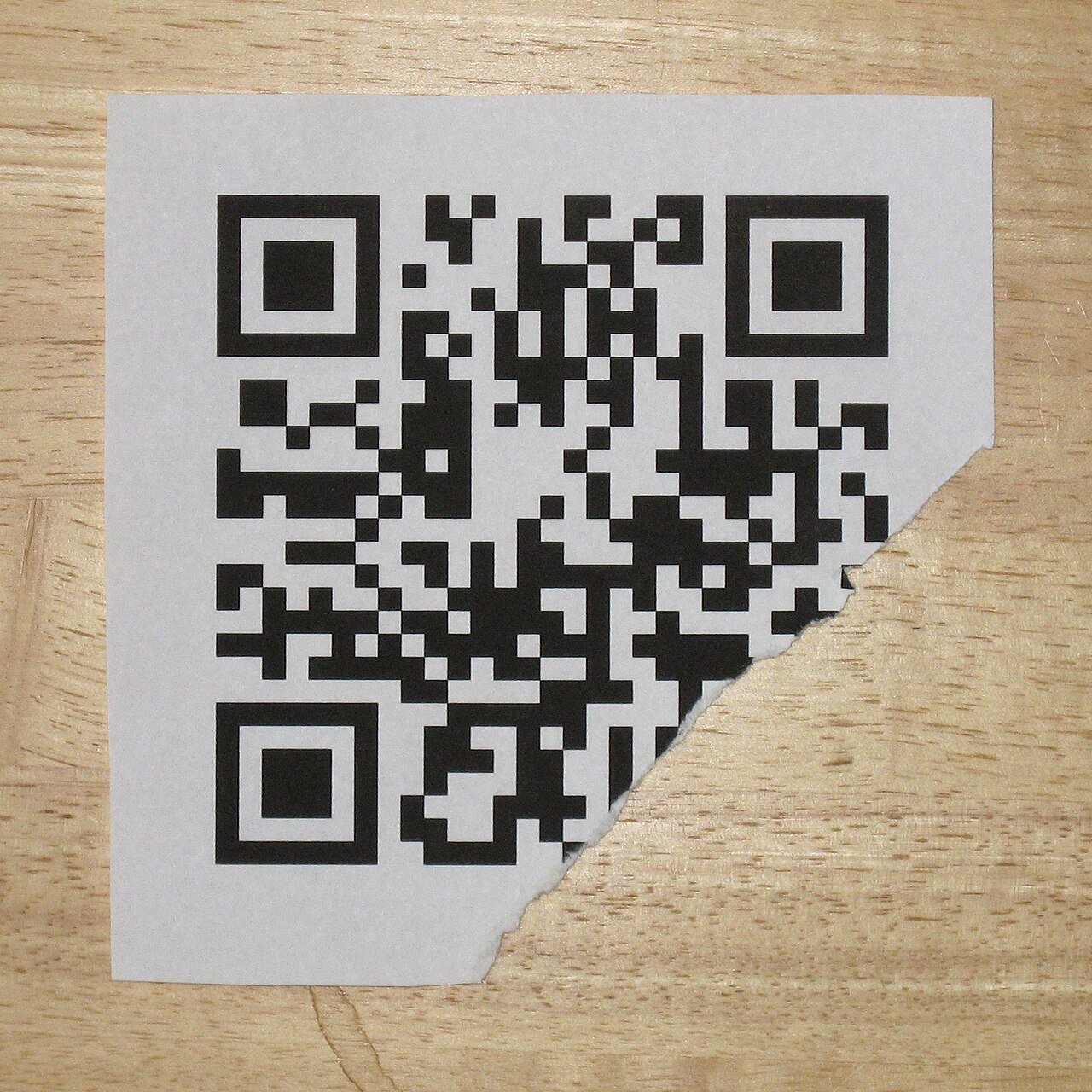
Look at any QR code and you will find a large square in three corners. These are finder patterns. Their black and white bands follow a ratio of 1:1:3:1:1. The team surveyed leaflets, magazines and cartons to find the ratio least likely to appear in print. As a result, a scanner can locate the code quickly, from any angle. IEEE Spectrum reports that the idea came to Hara on a train, when a tall building stood out from its surroundings.
The design forgives damage, too. According to IEEE Spectrum, a QR code can still be read when about 30 percent of it is dirty or damaged. Denso Wave makes the same point: the code stays readable even when part of it is stained or missing. That is why a creased ticket still scans.
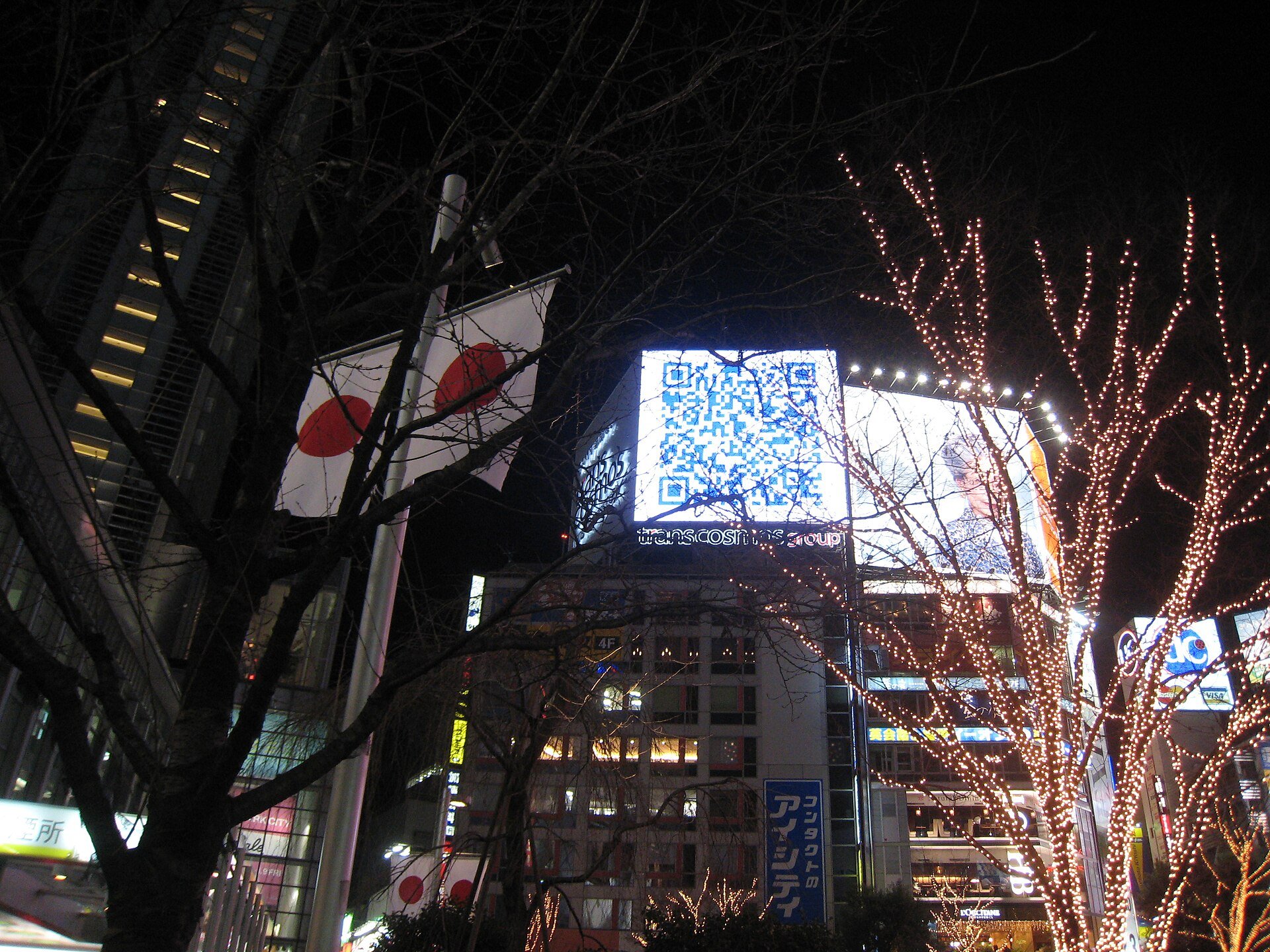
Denso Wave held the patent, but it declared that it would not exercise it, and it published the specification. In 2000 the code became an international ISO standard. Japanese phones with QR readers then made it common in Japan from 2002. That openness is why the same square now sits on restaurant tables, tickets and posters around the world. Of all the Japanese technology inventions in this guide, it is the one you see most often.
Who Made the Blue LED Bright Enough to Light Your Screen?
Red and green LEDs had glowed for decades. Blue was the missing color, and without it there could be no white LED light. For three decades the problem defeated the world’s laboratories, as the Nobel Committee tells it. In the end, three scientists working in Japan solved it in the early 1990s.
Isamu Akasaki and Hiroshi Amano worked at Nagoya University. Shuji Nakamura worked at Nichia, a small company in Tokushima on the island of Shikoku. All three bet on a material called gallium nitride when many others thought it hopeless. Akasaki and Amano then noticed, by chance, that their crystal glowed more brightly under an electron microscope’s beam. That clue led to the layer they needed. Later, Nakamura showed why it worked and replaced the beam with simple heating.
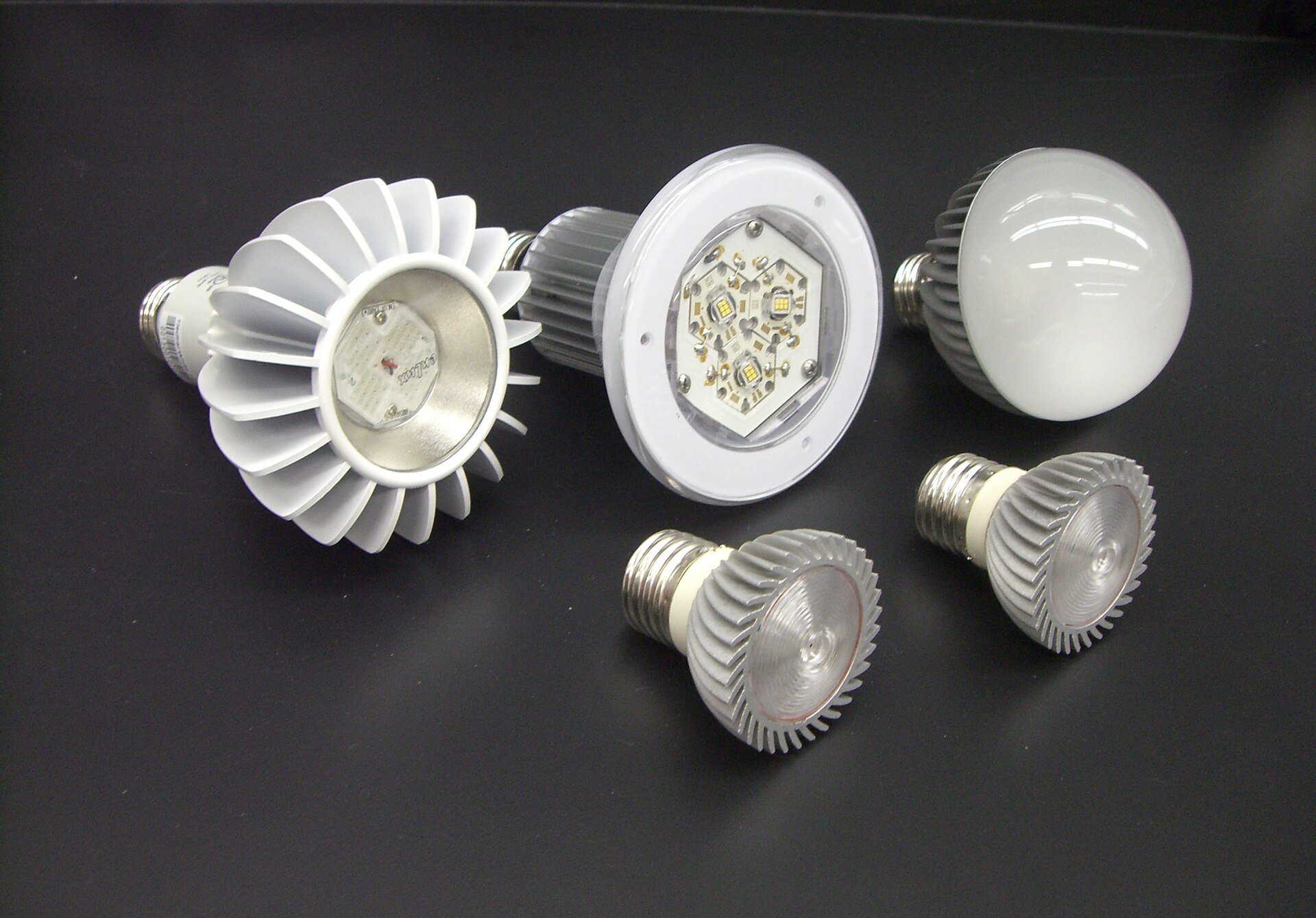
Together they created efficient, bright blue LEDs, and they shared the 2014 Nobel Prize in Physics. About one fourth of world electricity goes to lighting, and LEDs last up to 100,000 hours against 1,000 for incandescent bulbs, according to the Nobel Prize announcement. In addition, LEDs light the screens of phones, televisions and computers. On a phone, they also supply the camera’s lamp and flash.
Less than $200 for the idea
The aftermath is a story about credit. Nichia paid Nakamura less than $200 for the invention, according to AFP. In January 2004, a Tokyo court valued his contribution far higher and awarded him about $189 million. On appeal, the case settled in January 2005 for about $8 million. Nakamura said he was dissatisfied, but he accepted. “Engineers have long been ignored,” he said after the first ruling.

How Did a Lump of Iron Prove the Lithium-Ion Battery Safe?
The battery in your phone began with an oil crisis. In the 1970s, Stanley Whittingham built a lithium battery at Exxon in the United States, but it was too explosive to sell. In 1980, John Goodenough showed that lithium cobalt oxide could deliver about four volts. The missing piece came from Japan.
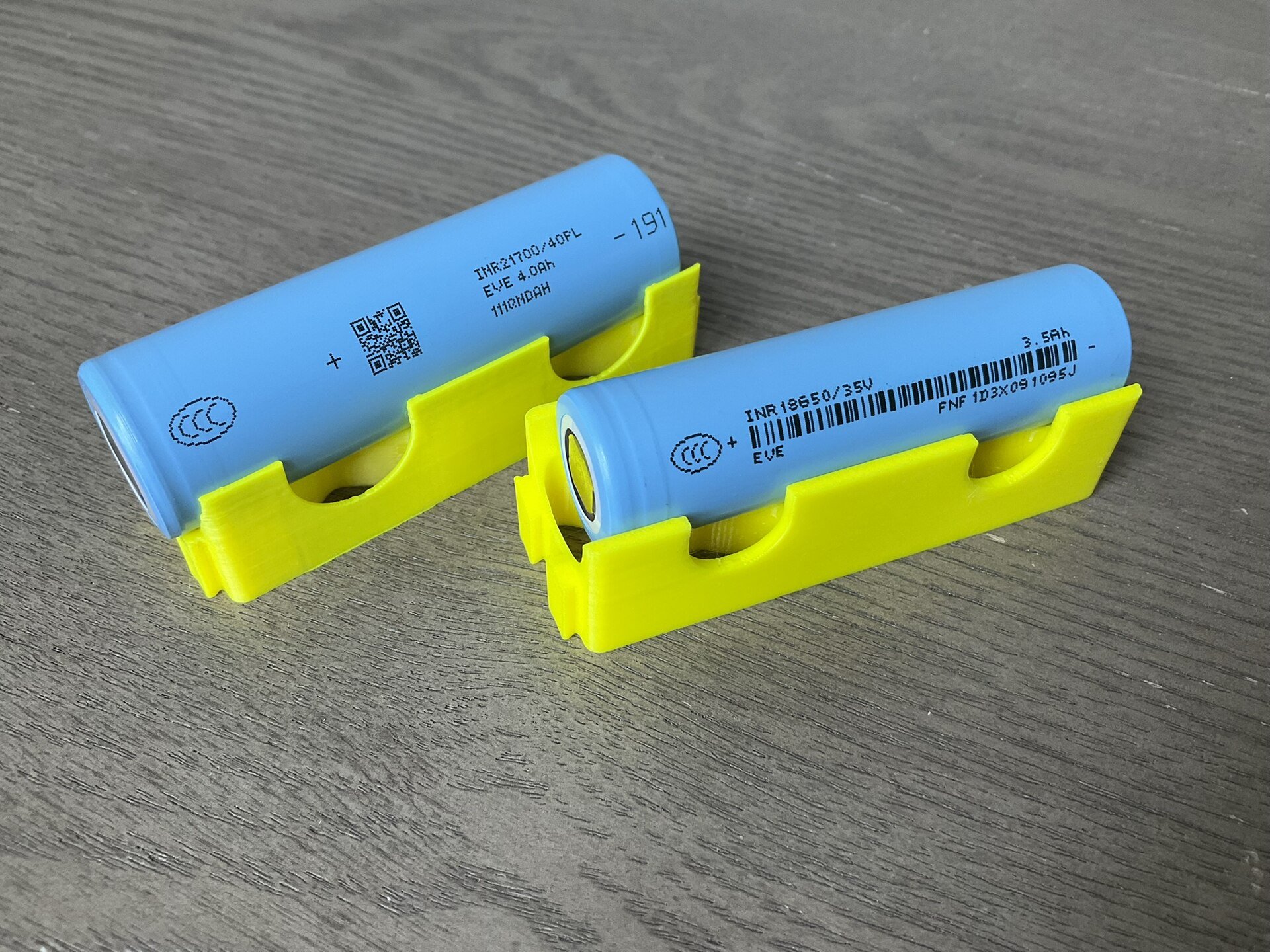
Akira Yoshino had joined the chemical company Asahi Kasei in 1972. His 1983 prototype was a third lighter than a nickel-cadmium battery, yet it was still too bulky. Then, in 1985, he swapped in a carbon anode. With no pure lithium metal inside, the battery became far safer. It paired Goodenough’s cobalt oxide cathode with that carbon anode, and it was the first commercially viable lithium-ion battery.
The drop test
Proof came in 1986, at a facility built for testing explosives. Yoshino dropped a large lump of iron on his battery, and nothing happened. A pure-lithium battery given the same test exploded violently. Yoshino later called it the moment when the lithium-ion battery was born. Sony launched the battery in 1991, according to Asahi Kasei.
In 2019 the three men shared the Nobel Prize in Chemistry. Goodenough was 97, the oldest Nobel laureate ever. The prize citation says the battery laid the foundation of wireless electronics such as mobile phones and laptops. Japan did not invent the lithium-ion battery alone. Of the Japanese technology inventions in your phone, it leans most on work from abroad. However, a Japanese chemist turned it into something you could safely carry in a pocket.
You may also like

Why Is the Memory in Your Phone Called Flash?
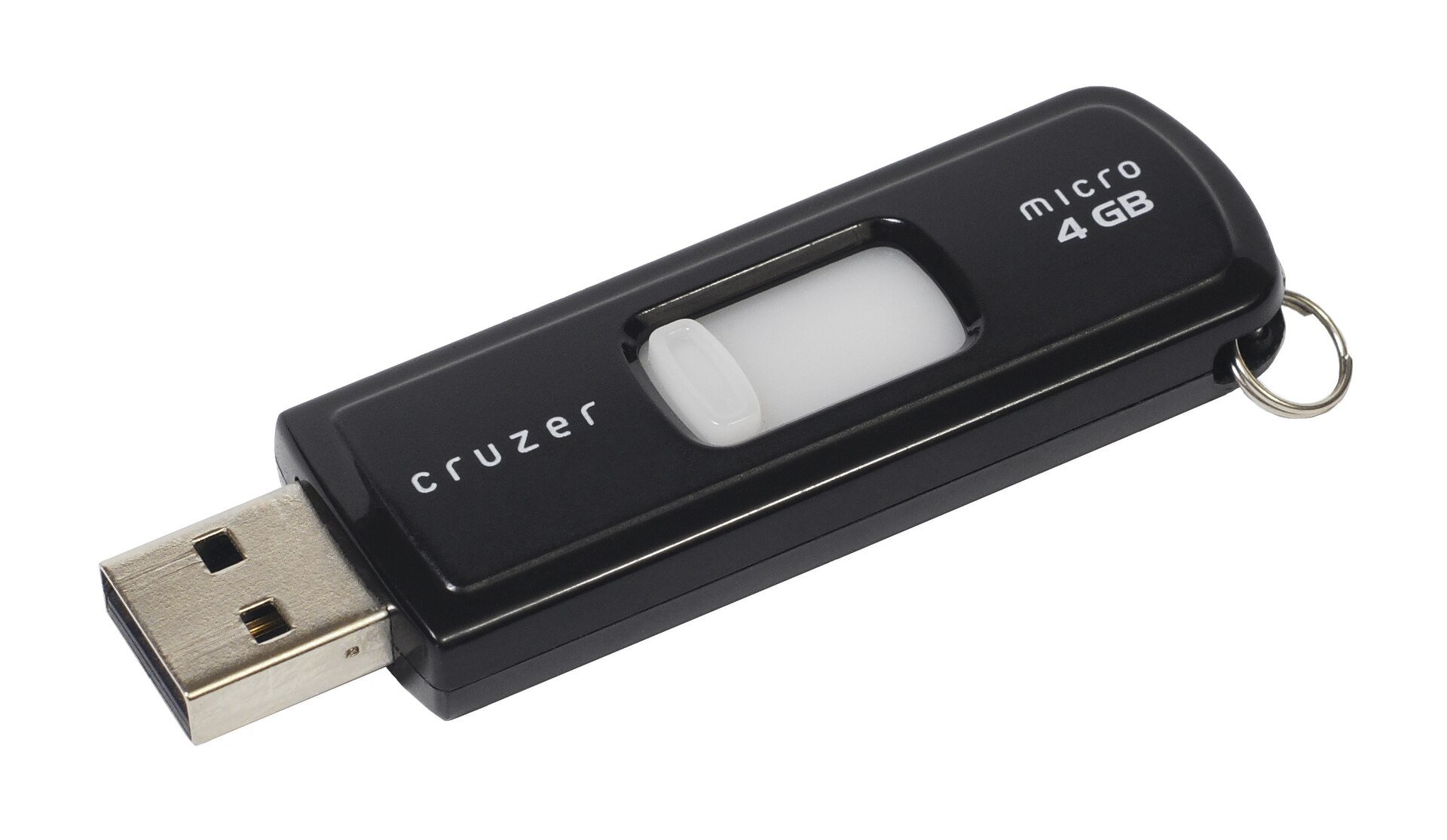
Your photos, messages and apps live on flash memory, which keeps its data when the power is off. It was invented at Toshiba in Japan by engineer Fujio Masuoka. He presented it in 1984 at an engineering meeting in San Francisco. Three years later, his team announced NAND flash, the type inside phones and solid-state drives.
The work began in 1980, largely on his own time. Forbes reported that Masuoka worked nights and weekends without his company’s permission. According to IEEE Spectrum, he recruited four engineers to a semi-secret project, and his bosses told him to erase the idea. The name fits the story. Flash memory erases large amounts of data at once, in a flash.
His dream was personal. Kioxia, the company that now runs Toshiba’s former memory business, says he imagined carrying dozens of songs and listening while running. Meanwhile, Intel started its own flash work after his 1984 talk and launched a chip in 1988. Toshiba gave him five engineers part-time, he told Forbes, while Intel put more than 300 on flash.
A bonus of a few hundred dollars
Recognition came slowly. Masuoka received a bonus of a few hundred dollars, Forbes reported, after a newspaper named flash the invention of the year in 1988. He left in 1994 to become a professor at Tohoku (Tōhoku) University. In 2004 he sued his former employer, and in 2006 Toshiba settled for about $758,000.
His choice to keep working, unpaid and against orders, raises a question that goes beyond engineering. What keeps a person at a task their employer has already rejected? In Japan, one answer is ikigai, often translated as a reason for living. It is less about passion than about the small, steady sense that your work matters. Masuoka said his dream was music on a morning run. Yoshino traced his love of chemistry to a book a teacher once gave him, Faraday’s The Chemical History of a Candle. Neither motive appears in a patent, yet both carried the work through years with little reward.
Did Emoji Really Begin on a Japanese Phone?
Yes, emoji began in Japan, though not with the set most people credit. The word itself is Japanese, from e, picture, and moji, character, according to Japan House Los Angeles. It has nothing to do with the English word emotion.
In 1999, Shigetaka Kurita designed a set of 176 emoji for NTT Docomo’s i-mode service. Phone screens were small and black and white, and messages had tight character limits. Kurita wanted to put feeling into short notes. He drew each picture on a grid of 12 by 12 pixels, and he designed all 176 in a single month.
He borrowed from video games and pictograms, NTT says. Japan House adds weather symbols, street signs and kanji to the list. The result was a vocabulary that a reader could take in at a glance, on a screen with almost no room for words.
The set before the set
Kurita’s set was not the first. An earlier black-and-white set came from the phone company J-Phone in 1997, as Japan House notes. According to Emojipedia, Kurita himself has said that J-Phone came first. Still, his set is the one that entered the Museum of Modern Art in New York, which added it to its permanent collection in 2016.
MoMA called the pictures “12 x 12 pixel humble masterpieces of design,” Dezeen reported. Unicode, the standard that lets phones share text, added emoji in 2010. So the next time you send a small heart, you are using a visual language that grew out of a Japanese phone screen. Its full history, along with the battery and the chip around it, fills three good books.
Books on the Battery, the Emoji and the Chip
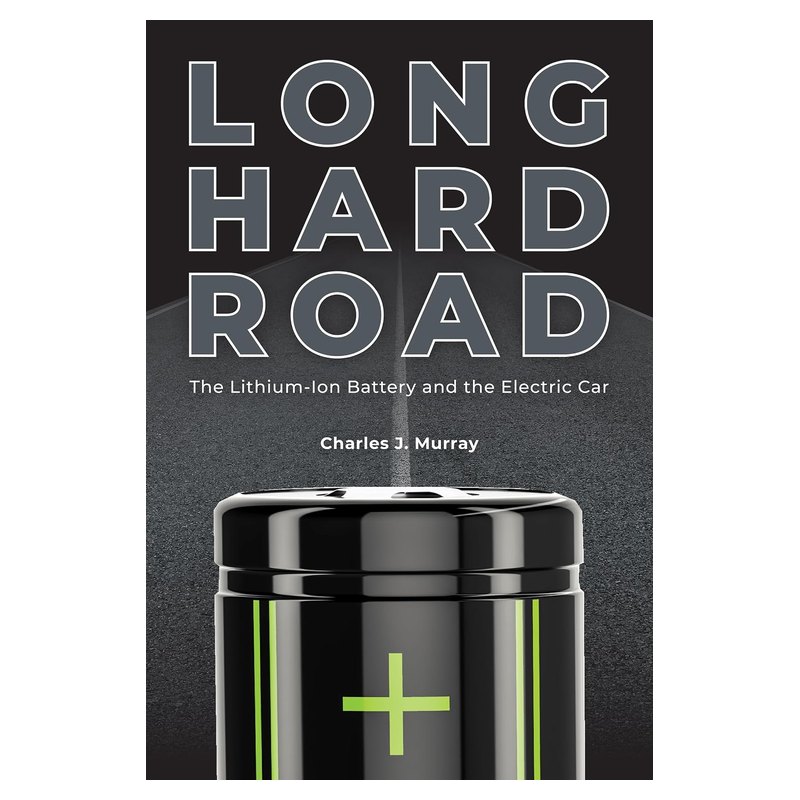
How the lithium-ion battery traveled from the lab to Sony and on to the electric car.
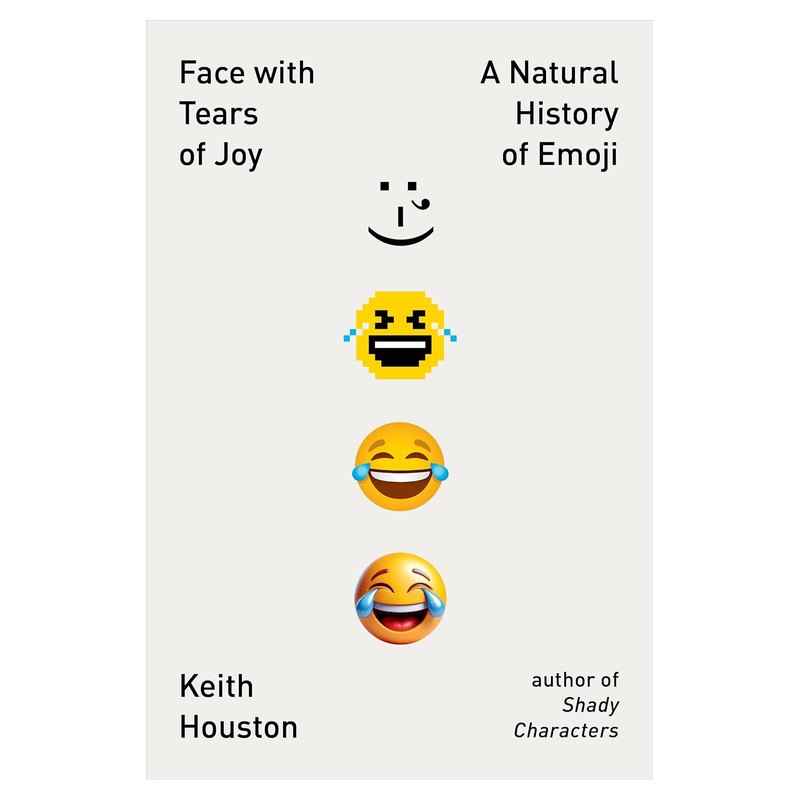
A natural history of emoji, from Japanese phone screens to every keyboard.
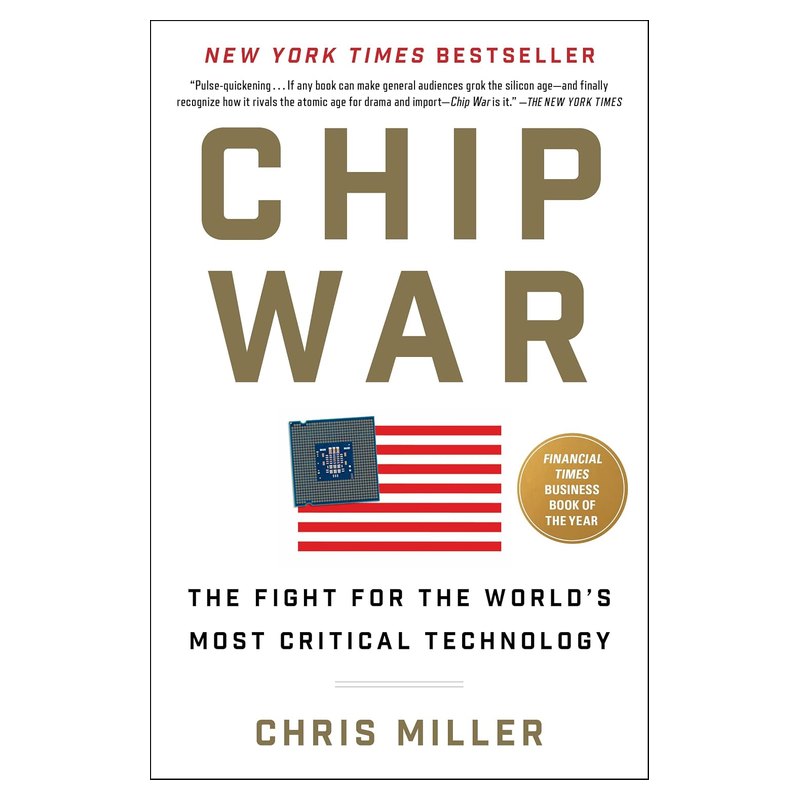
The race for the microchip, with Japan’s rise in memory chips as one chapter.
How Did VHS Win the Tape War?
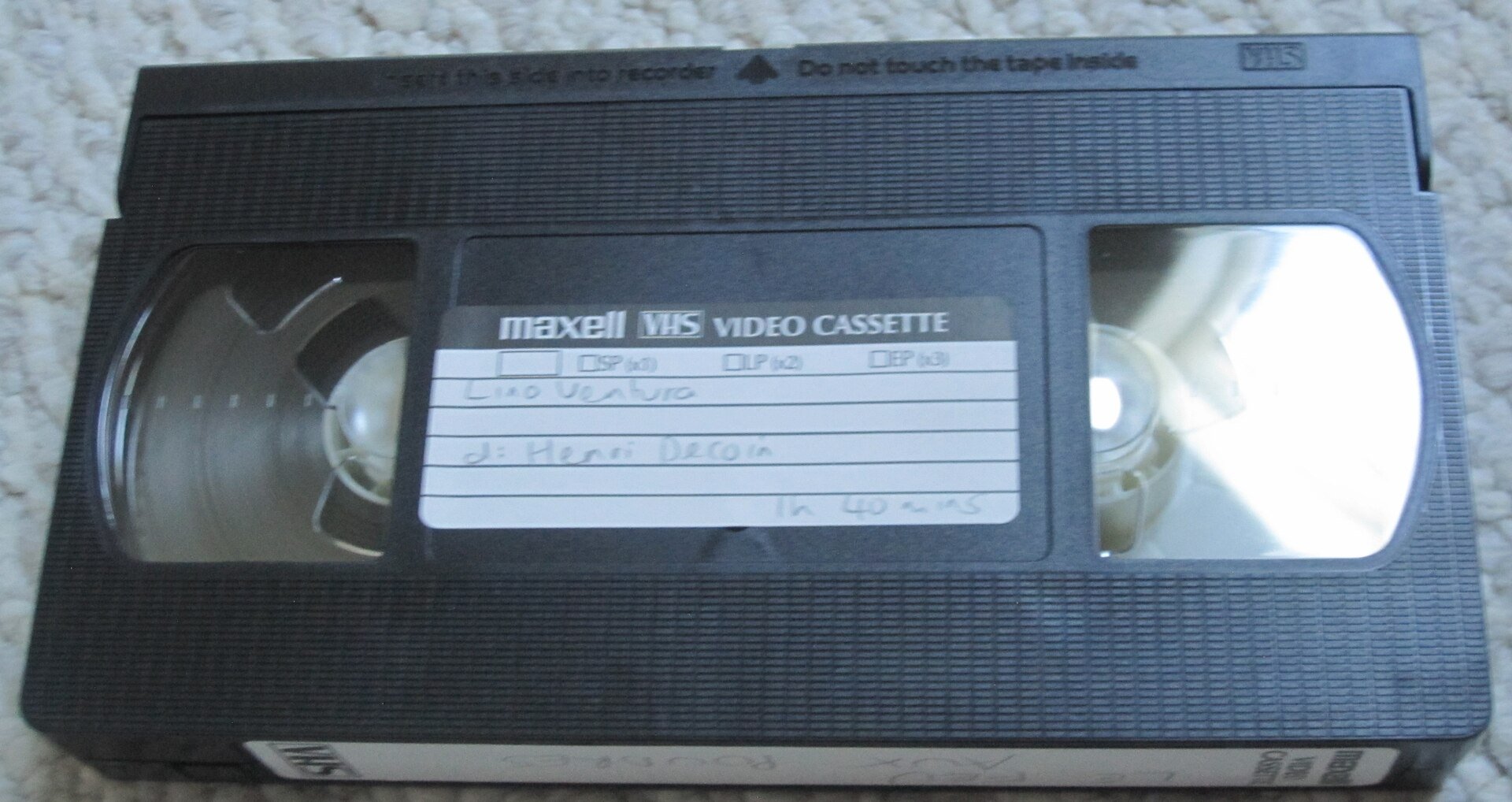
Before phones held films, a cassette did. VHS, the home video format that became the world standard, was developed in Japan by a JVC team led by Shizuo Takano and Yuma Shiraishi. Work began in 1971 at JVC, the Victor Company of Japan, with a list of 12 goals. One goal decided the future: more than two hours of recording.
Why two hours? A typical film or sports match ran about that long, according to IEEE Spectrum. Sony’s Betamax reached shops first, in 1975, and it recorded one hour. In 1974, Sony had shown its prototype to other Japanese makers, but talks failed over cassette size and playing time. JVC launched the HR-3300, the first VHS recorder, in September 1976. It weighed about 30 pounds.
You may also like
JVC then persuaded other Japanese firms to build VHS machines, and RCA brought VHS to the United States in 1977. Betamax may have had a slight edge in picture quality, yet longer play time won the tape war. By 2006, more than 900 million VHS decks had been made worldwide, according to JVC. That year, VHS became Japan’s sixth IEEE Milestone and the first in audio and video.
The VHS years overlap with the Walkman and the Game Boy, the era of our guide to 90s Japanese gadgets. In that decade, recorded film and music moved from the living room into the pocket. From then on, the limit on a portable device was no longer the tape inside it. It was the battery, and the race to build a better one began.
The VCR, the Battery and a Quartz Classic
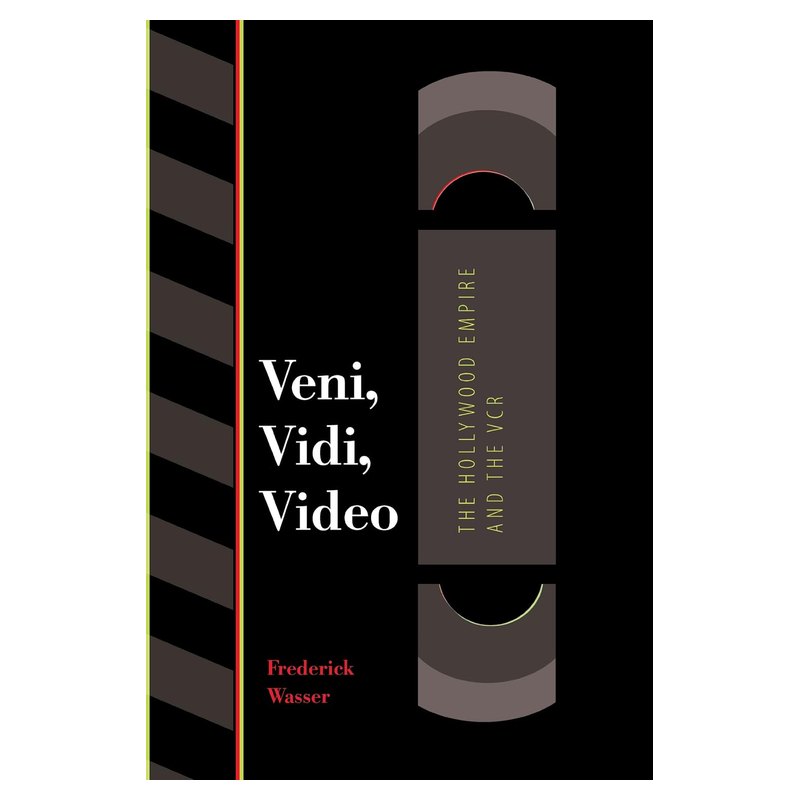
How the home video recorder changed the way Hollywood made and sold films.

The lithium-ion battery, the race to improve it and the cars it now drives.
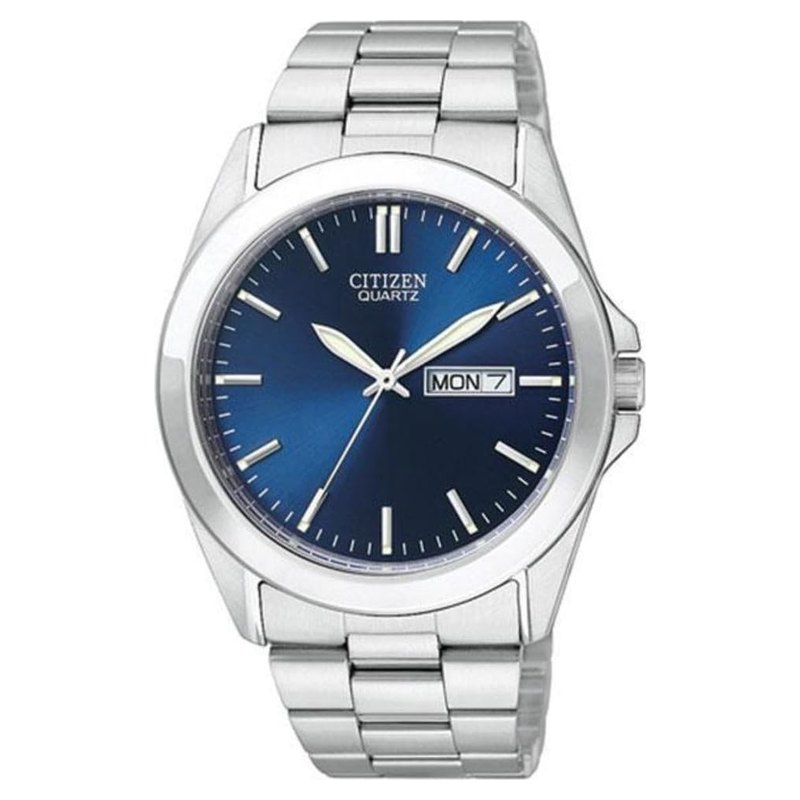
A plain Japanese quartz watch with a clean dial, made for everyday wear.
How Did a Clock the Size of a Locker Shrink to Fit a Wrist?
On Christmas Day 1969, Seiko put the Quartz Astron on sale in Tokyo. It was the world’s first quartz wristwatch, and 100 sold in the first week, according to the IEEE. Its accuracy was the point. The Astron kept time to within about five seconds a month. Mechanical watches of the day could drift by seconds, or dozens of seconds, every day.
That leap took about ten years of work. The journey began in 1958 with a Seiko quartz clock for a broadcaster, about the size of a large locker. Next, Seiko set itself a goal: to time the 1964 Tokyo Olympics. Its quartz Crystal Chronometer served as the master clock there. A wristwatch prototype followed in 1967. Finally, the Astron combined a tuning-fork quartz crystal, a hybrid circuit and a tiny stepping motor.
A letter every second week: one idea worth keeping and one piece we think you should read.
Then Seiko made a choice much like Denso Wave’s decades later. It opened up a large part of its quartz patents, so rivals adopted its method. As a result, its technology became the world standard. Today an Astron sits on permanent display at the Smithsonian in Washington, and the IEEE named it a Milestone in 2004.
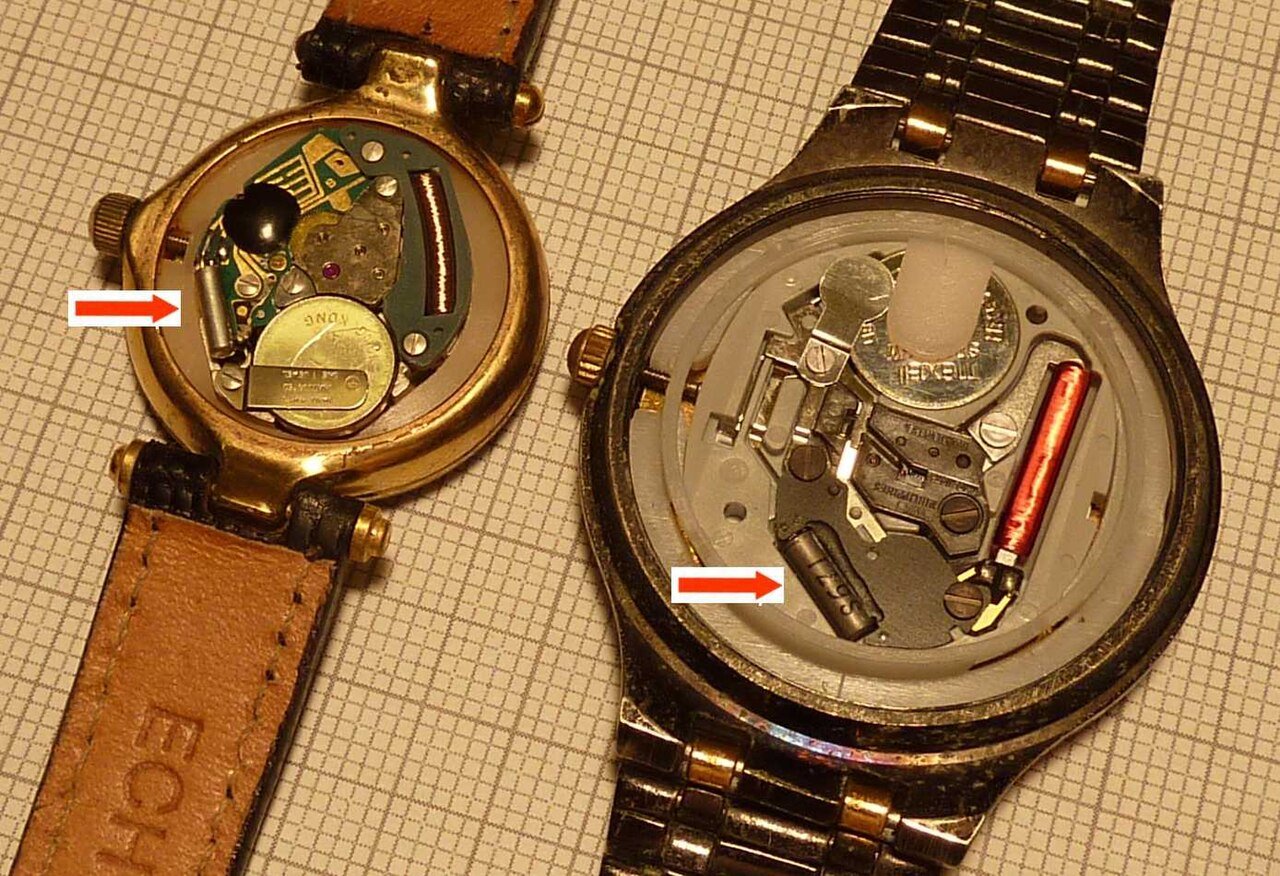
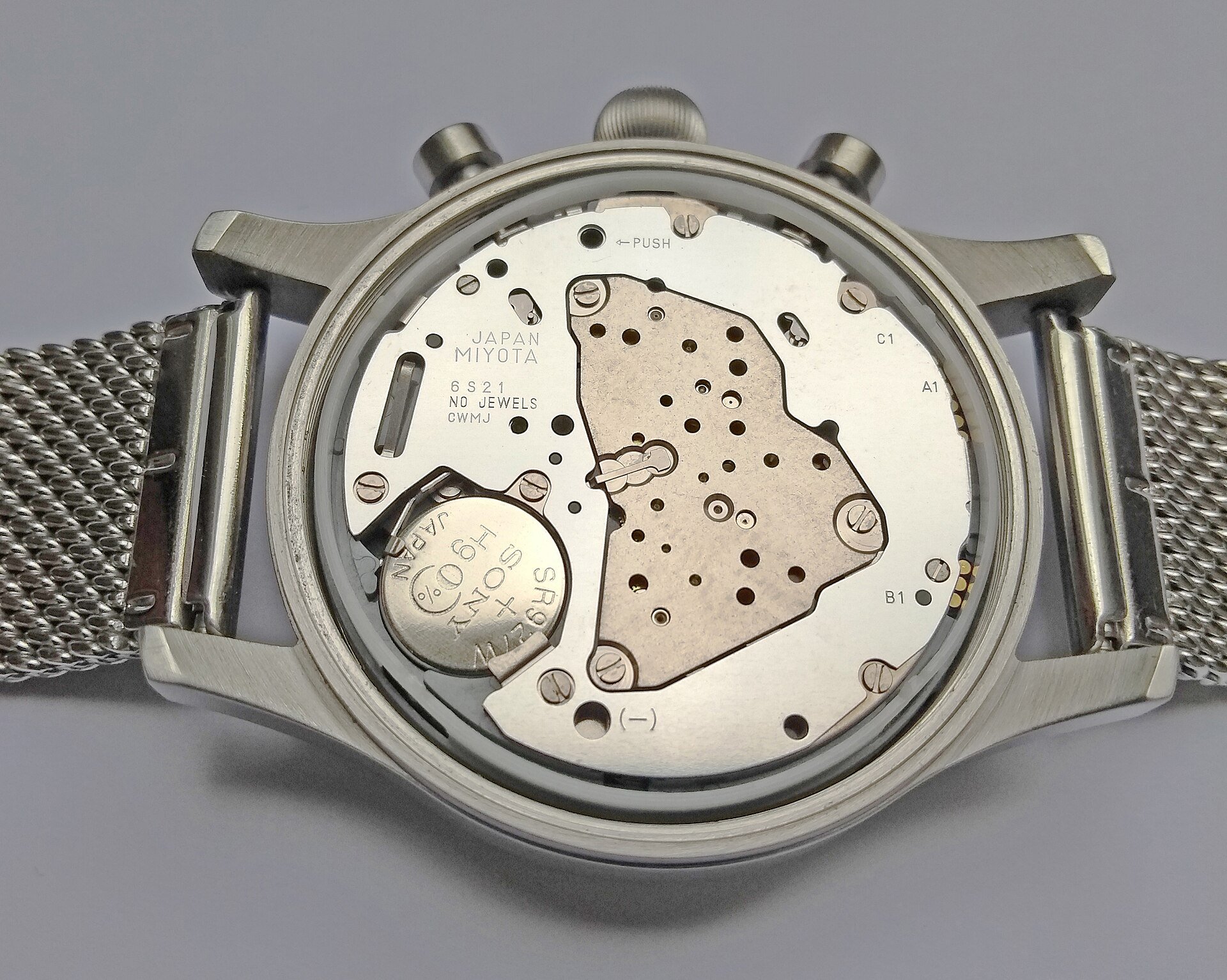
The Astron’s crystal vibrated 8,192 times a second, and 32,768 later became the standard frequency. Strip away the gold case and the Astron is the pattern for every quartz watch since: a crystal, a small circuit, a stepping motor and a cell. In other words, the same parts work inside the plain quartz watch on a wrist today, half a century later.
Quartz on the Wrist, Power in the Drawer
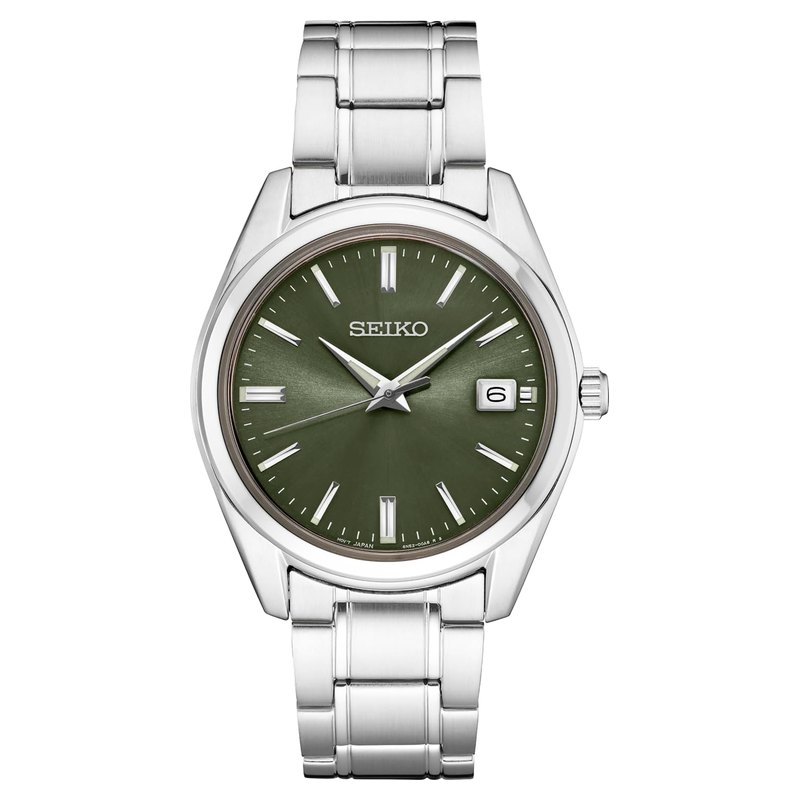
A quartz watch from the company that sold the first quartz wristwatch in 1969.
Rechargeable AA cells from a Japanese maker, made for cameras and flashes.
Inside the international race to build a better lithium-ion battery.
Who Really Invented the Yagi Antenna?
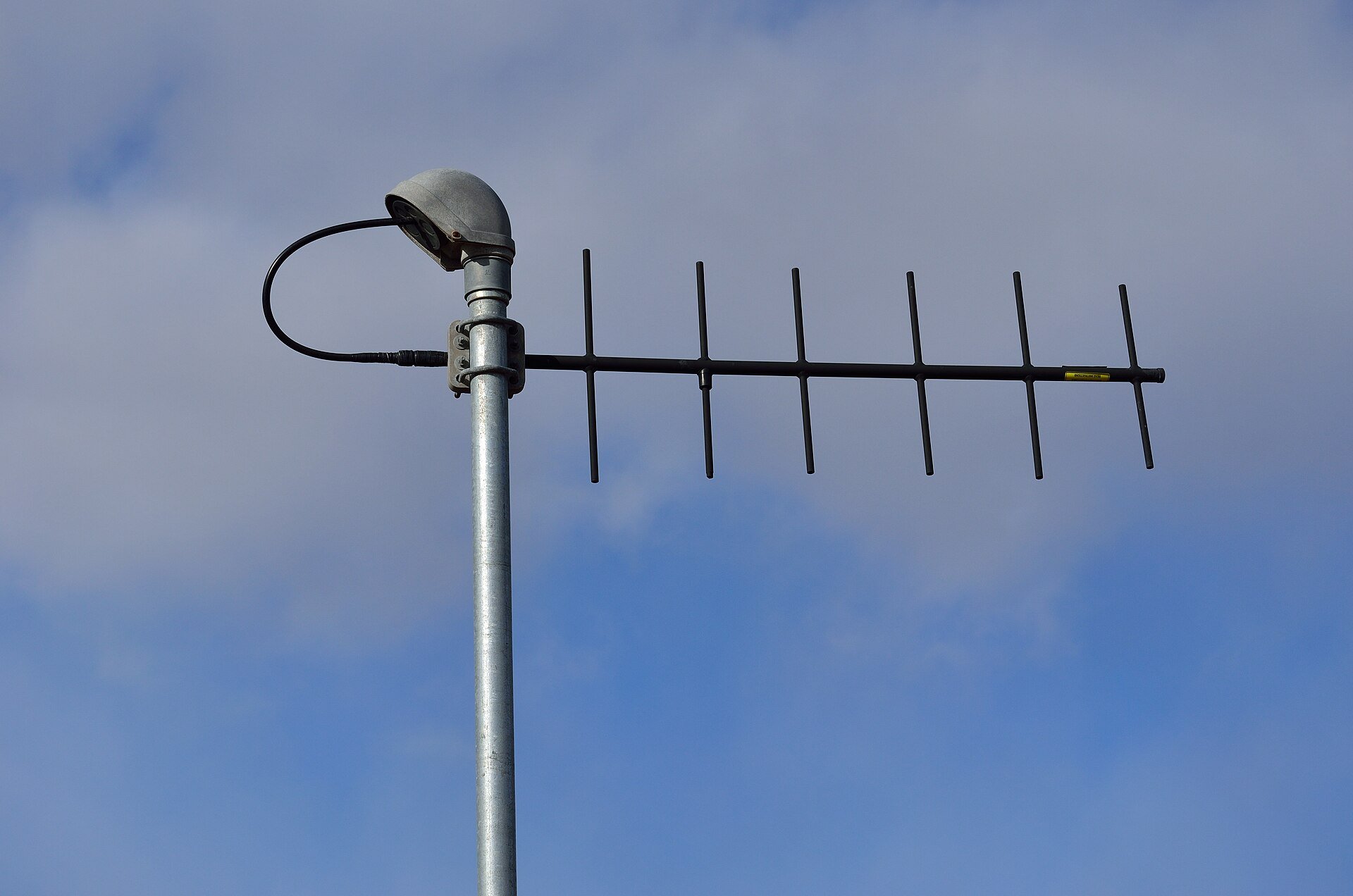
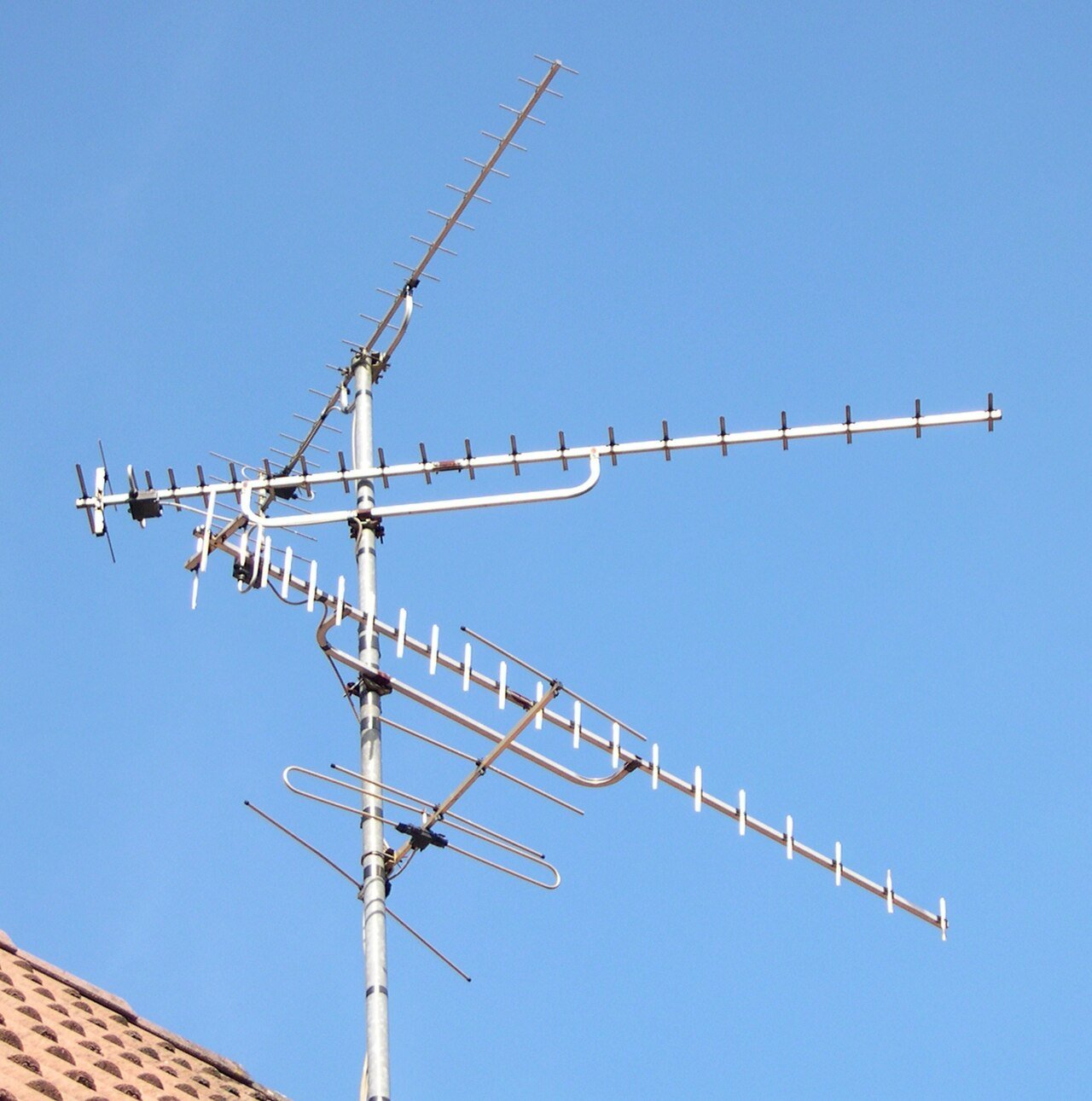
Look up at an older rooftop and you may see a row of metal rods on a pole. That shape is the Yagi–Uda antenna. It was developed in the mid-1920s at Tohoku Imperial University in Sendai by Shintaro Uda and Professor Hidetsugu Yagi. The IEEE plaque dates the start of the work to 1924.
The design is simple. One rod, about half a wavelength long, carries the signal. A reflector sits behind it, and shorter director rods sit in front. Together they focus the signal in one direction, for a gain of about 7 decibels. By the late 1930s the antenna served television, and it was widely used for reception in the 1940s and 1950s.
Two names, one antenna
So why is it usually called just a Yagi? Uda, Yagi’s assistant, wrote the first description, in Japanese. Yagi then wrote the English paper of June 1928 that the world read. The US patents were also issued in his name and assigned to RCA. Even so, the IEEE says the antenna should be credited to both inventors. In 1995 it became Japan’s first IEEE Milestone.
The idea is still alive in Sendai. In 2026, Tohoku University reported a Yagi–Uda antenna that a magnetic gear can reconfigure, aimed at future 6G networks. A design from a 1920s laboratory is being tuned for the next generation of phones. In other words, the oldest story in this guide loops back to the device in your hand.
Where Can You See Japanese Technology Inventions Today?
In Japan, a few places put these Japanese technology inventions back on display. Each holds an original object or a marker from the stories above.
Seiko Museum Ginza, Tokyo
The Seiko Museum Ginza stands at 4-3-13 Ginza, in Tokyo’s Chuo (Chūō) ward. Its fourth floor, titled Precise Time, shows the world’s first quartz wristwatch, the Astron, beside the world’s first quartz wall clock. The same floor holds the first Grand Seiko of 1960 and the Laurel, Japan’s first wristwatch. The museum asks every visitor to make a reservation, so book before you go.
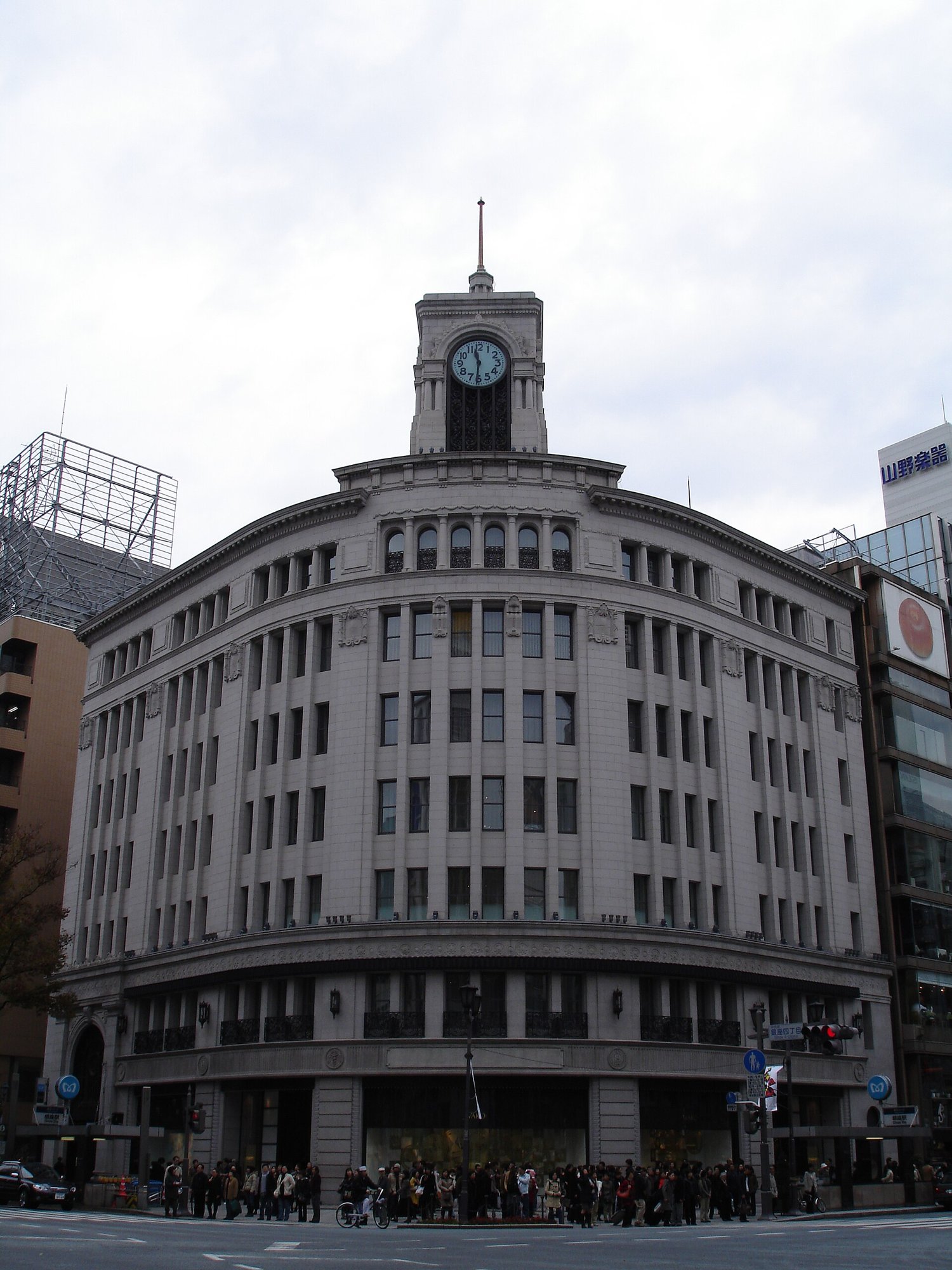
Afterward, Ginza’s department stores and watch boutiques are close at hand, and the district’s lit screens make a fitting coda to the Astron. Our guide to Tokyo shopping districts maps them street by street. For more small collections in the capital, see our guide to unusual museums in Tokyo.

Akasaki Institute, Nagoya University
In Nagoya, the Akasaki Institute honors Isamu Akasaki at the university where he and Amano made their breakthrough. Its first-floor exhibition room is open to every visitor, according to Nagoya University. Inside, a 160-inch LED screen, traffic signals and cell phones lit by blue LEDs stand beside laboratory equipment from his work.
Tohoku University, Sendai
In Sendai, the IEEE Milestone plaque for the Yagi–Uda antenna stands by the statue of Hidetsugu Yagi at Tohoku University. It marks Japan’s first IEEE Milestone, and Masuoka later taught at the same university.
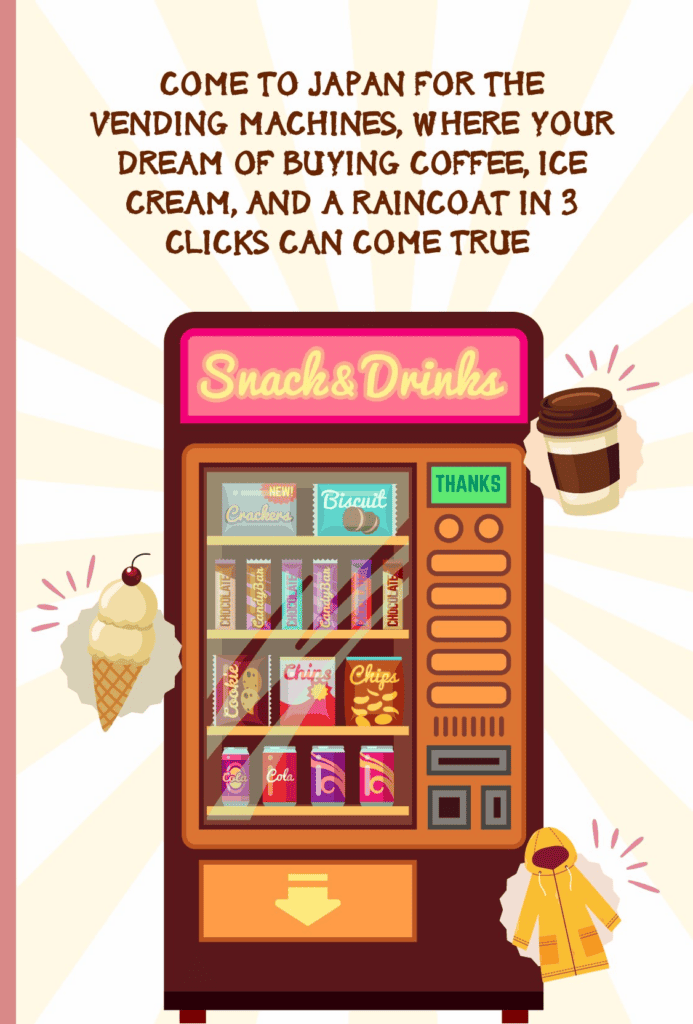
A day like this fills a notebook quickly: a floor number in Ginza, a label in Nagoya, the wording on a plaque in Sendai. Japan’s streets add their own technology between stops, from ticket gates to the vending machines that stand on almost every corner. Writing those details down by hand, away from the screen, is a good way to remember which story belonged to which place.
A Konbini Classic for a Museum Day: Tamago Sando
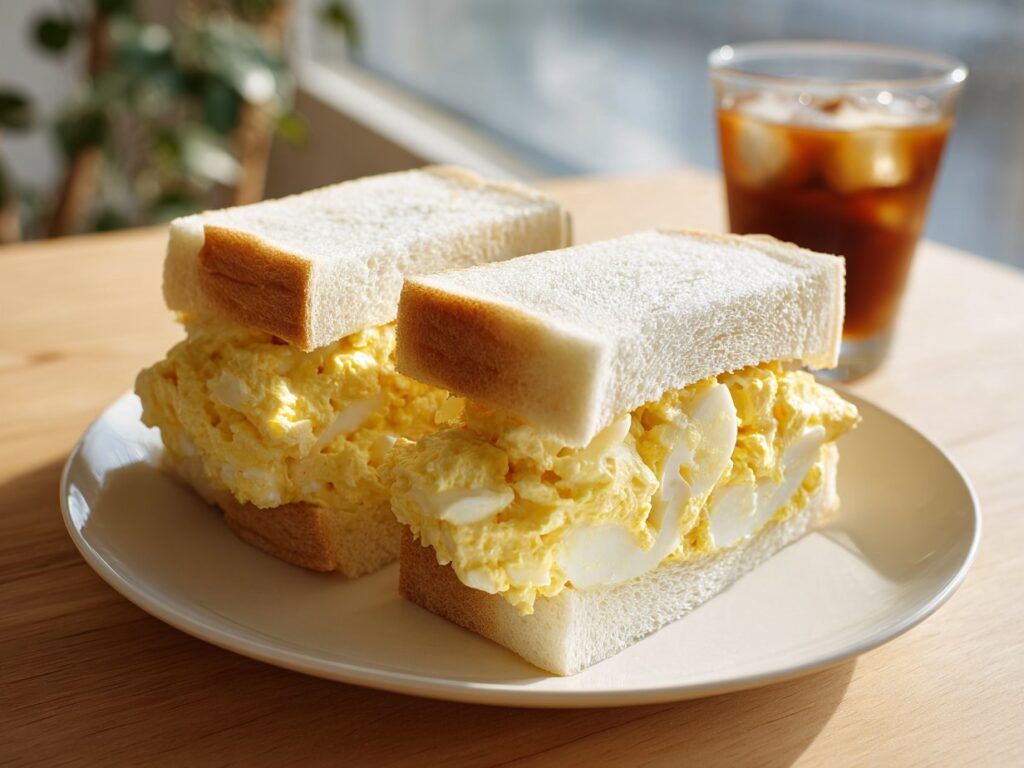
A museum day in Tokyo can start at a konbini, or convenience store, where the egg sandwich, tamago sando, is a classic. Just One Cookbook calls it a timeless snack found in every convenience store in Japan. It is soft Japanese milk bread around a creamy egg salad, cut into neat halves.
It also suits a day spent with inventions you carry, because it is made to be eaten with one hand while the other holds a phone. Here is a home version, adapted from Just One Cookbook’s recipe.
Tamago Sando Recipe: Japanese Egg Salad Sandwich
A soft egg salad sandwich that Just One Cookbook calls a timeless snack found in every convenience store in Japan.
- Prep 10 min
- Cook 15 min
- Total 30 min
- Serves 2
| For the egg filling | ||
|---|---|---|
| 3 | Large eggs, about a week old for easier peeling | |
| 1/4 tsp | Sugar, for the classic konbini flavor | |
| 1/4 tsp | Kosher salt (Diamond Crystal); use half as much table salt | |
| 1/8 tsp | Freshly ground black pepper | |
| 2 tsp (10 ml) | Milk | |
| 2 tbsp (30 ml) | 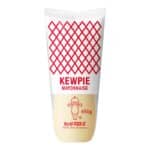 Japanese mayonnaise (Kewpie) | |
| For the sandwiches | ||
| 4 slices |  Japanese milk bread (shokupan) | |
| 1 tbsp | Salted butter, softened we suggest | |
We suggest serving it cut in half, with coffee, tea or a cup of royal milk tea.
| 1 | Boil the eggs. Put the eggs in a medium saucepan and add enough water to cover them by 1 inch (2.5 cm). Bring the water to a boil over medium heat and cook the eggs for 12 minutes. Move them to iced water to stop the cooking, let them cool completely, then peel them. |
| 2 | Make the egg filling. Put the peeled eggs in a bowl and mash them with a fork into small pieces of the same size. Add the sugar, kosher salt, black pepper and milk. Stir in the Japanese mayonnaise (Kewpie) and mix very well. Taste, and add a little more salt and pepper if needed. |
| 3 | Fill and press the sandwiches. Spread salted butter on each slice of Japanese milk bread (shokupan); the butter keeps the bread from turning soggy. Spread the egg filling on two slices and top each with a second slice, buttered side down. Set the sandwiches between two plates to compress them slightly, and leave them for 5 minutes. |
| 4 | Trim and serve. Cut the crusts off the bread with a sharp knife for the classic look. Then cut each sandwich in half and serve. We suggest serving it with coffee or tea, or with a cup of royal milk tea, as the source recipe does. |
The source keeps leftovers in an airtight container in the refrigerator for up to two days. The butter acts as a moisture barrier, so the soft bread does not turn soggy under the filling.
What Do These Japanese Innovations Have in Common?
Seen together, these Japanese innovations share a pattern. Most began with a small team, and often with a person working against the grain. Masuoka worked nights and weekends. Nakamura worked at a small company far from Tokyo. Two engineers began the QR code, and Kurita drew his emoji in a month.

A second pattern is openness. Seiko opened up its quartz patents, and Denso Wave chose not to exercise its QR patent. Credit, by contrast, was often contested. The Nobel Prizes for the LED and the battery were shared, and two inventors went to court over their pay.
Recommended
That mix of craft and argument is what makes modern Japan technology worth reading about. It also runs through the trains, robots and game machines in our other guides, from Japanese robots to the inventions in a Japanese home. For the design thinking behind many of them, see our essay on Japanese design principles.
The phone, in the end, is a small museum of Japanese technology inventions. It holds a code from a parts factory, a light from a Tokushima lab and a battery proven by a falling lump of iron. The stories are there for anyone who knows where to look.
Planning a trip around the inventions
The tools below cover the practical side of a journey to Tokyo, Nagoya and Sendai, from the first route to the notes you keep along the way. Each is made for travelers who want to look closely and move at their own pace.
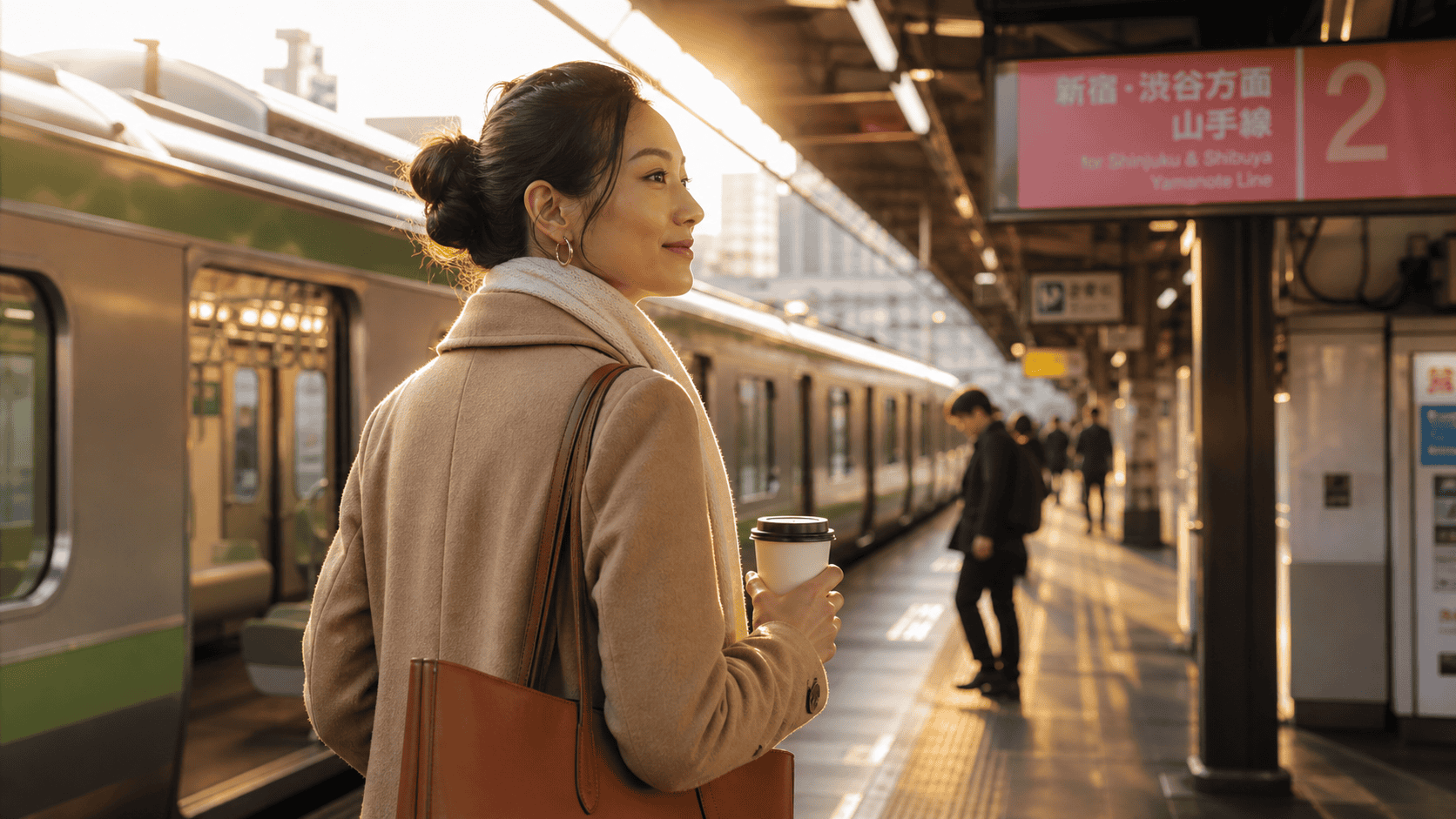

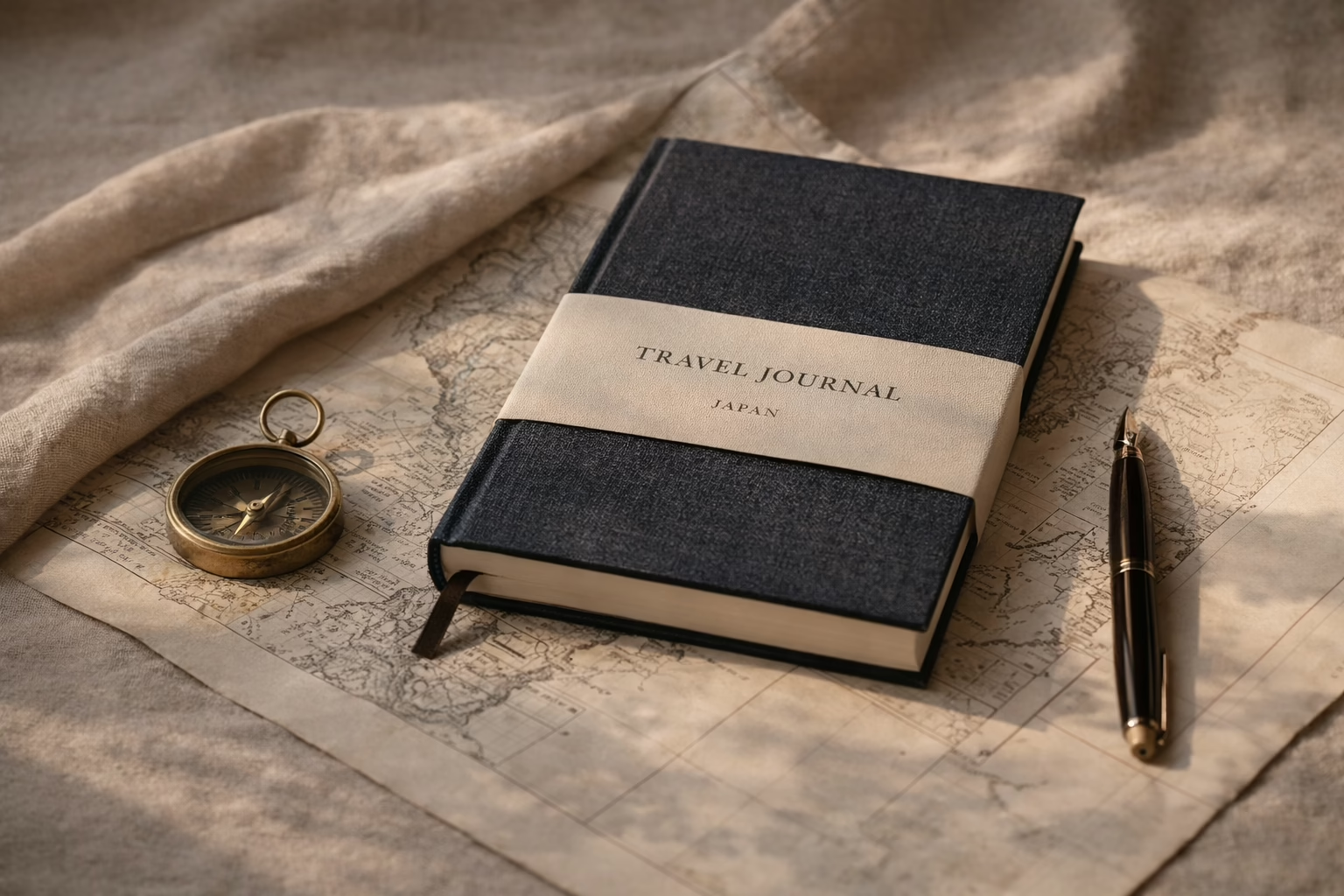

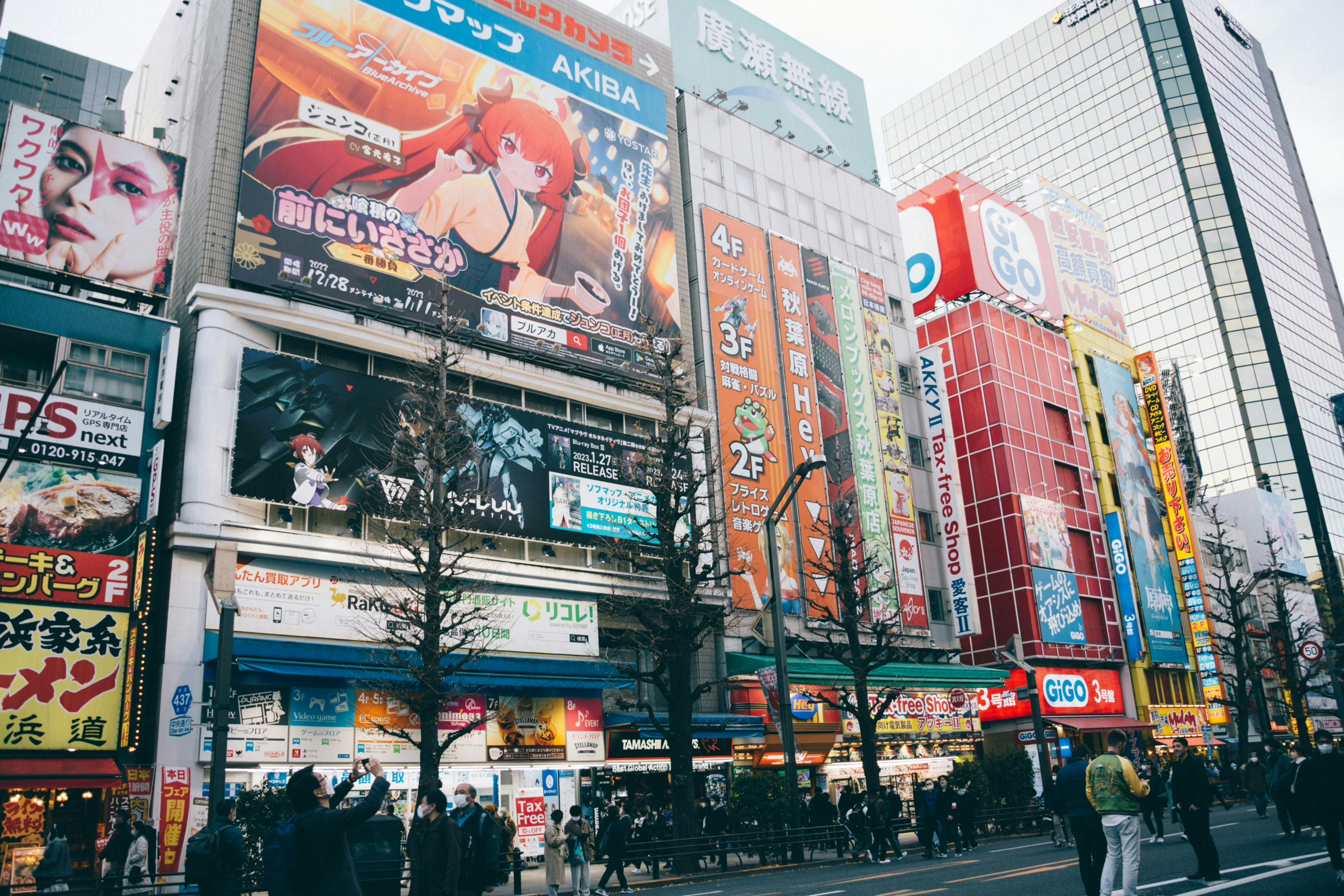
A trip built around these stories needs good timing more than a long list of sights. The Seiko Museum asks visitors to reserve, the university collections keep their own calendars, and Sendai and Nagoya sit in different directions from Tokyo. Our team can match a route to those details. For example, we can place you in Ginza for the Astron on one morning and in Nagoya for the blue LED the next. In addition, we can add Sendai by Shinkansen and a slow evening in Akihabara among the screens and the shops. Tell us which inventions you want to follow, and we will shape the days around them, from the first museum to the last train home.
A Japan journey that follows the inventions in your pocket
Our team builds custom itineraries around the Seiko Museum Ginza, the Akasaki Institute in Nagoya and Tohoku University in Sendai. Expect unhurried days, reserved visits and time between museums for the city itself.
Plan Your Custom Japan ItineraryQuestions Worth Asking
What is Japan known for in technology?
Japan is known for inventions now inside everyday devices: the QR code (Denso Wave, 1994), flash memory (Toshiba, 1984), the i-mode emoji set (1999) and the VHS format (JVC, 1976). Scientists in Japan also made efficient blue LEDs in the early 1990s, and Akira Yoshino built the first commercially viable lithium-ion battery in 1985.
Did Japan invent the QR code?
Yes. The QR code was developed in Japan by a Denso Wave team led by engineer Masahiro Hara and announced in 1994. Denso Wave holds the patent but chose not to exercise it, so anyone can make and read the code. It became an ISO international standard in 2000.
Who invented the blue LED?
Efficient, bright blue LEDs were created in Japan in the early 1990s by Isamu Akasaki and Hiroshi Amano at Nagoya University and Shuji Nakamura at Nichia. The three shared the 2014 Nobel Prize in Physics. Dim blue LEDs existed before; their breakthrough made bright blue and white LED light possible.
Is the lithium-ion battery a Japanese invention?
Partly. Akira Yoshino of Asahi Kasei built the first commercially viable lithium-ion battery in 1985, using John Goodenough's cobalt oxide cathode and a carbon anode. Stanley Whittingham laid the groundwork in the 1970s. The three shared the 2019 Nobel Prize in Chemistry, so the credit belongs to all of them.
Who created the first emoji?
Shigetaka Kurita designed 176 emoji for NTT Docomo's i-mode service in 1999, and his set is now in the collection of New York's Museum of Modern Art. It was not the first set, though. The phone company J-Phone released an earlier black-and-white set in Japan in 1997.
What was the first quartz wristwatch?
The Seiko Quartz Astron, put on sale in Tokyo on Christmas Day 1969, was the world's first quartz wristwatch. It kept time to within about five seconds a month. Seiko later opened up much of its quartz patents, and its method became the world standard for quartz watches.