
These JLPT N4 kanji study tips start from one idea. The exam asks you to recall a character while the clock runs, and a pencil is the best rehearsal for that. Reading a kanji feels easy on a calm evening. Finding it under pressure is another matter.
The test itself is multiple choice, so you will never write a kanji on it. Still, writing is how a shape moves from looking familiar to being yours. Below you will find what the exam really asks, how stress changes memory, and how to rehearse by hand.
Our Kanji Workbook, Volume 2 is in production, built on this same idea, and its page holds the launch list. Nothing below needs it, though. Any pen and any notebook will do for the first step.
What Are the Best JLPT N4 Kanji Study Tips?
The best JLPT N4 kanji study tips all train recall, not recognition. First, write each kanji from memory, then check it. Next, practice under a light clock. Then spread the work over several weeks instead of cramming. Finally, pack your desk the night before, so exam morning asks for no decisions.
Four habits do most of the work. First, write each kanji from memory before you look at it, then check the result. Second, practice with a light clock running, so speed and accuracy grow together. Third, spread the work across weeks, because a long weekend session fades by the following Friday. Finally, set up your desk the night before.
None of these habits is exotic. They do share one feature: each makes you produce an answer instead of admire it. That matters because the exam asks for a response, and a response is a different act from a nod of recognition. Good JLPT N4 kanji study tips therefore aim at the moment of retrieval, not at the pile of material.
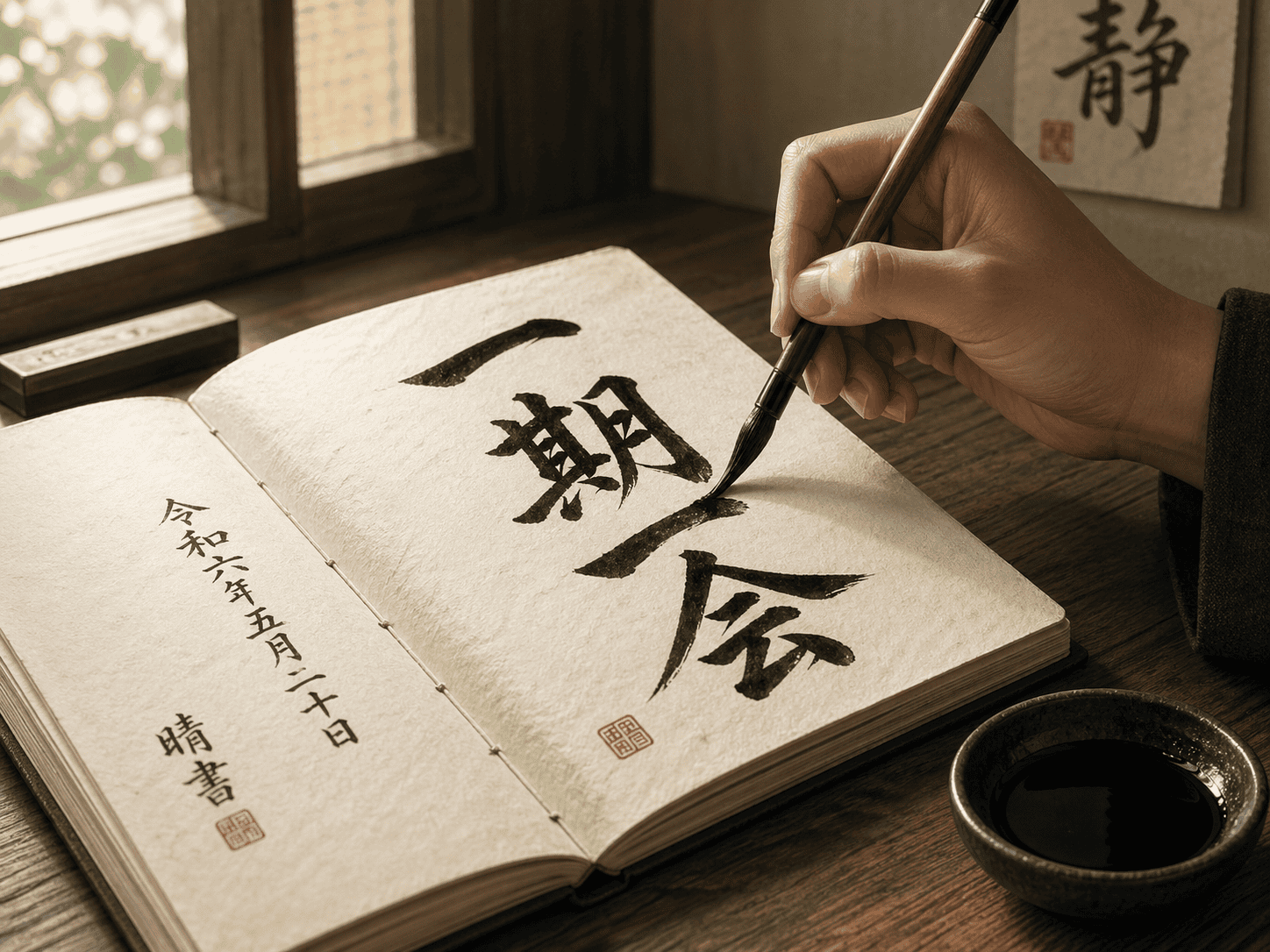
Why recall is the skill that counts
Recognition and recall are different skills. Recognition says, I have seen this before. Recall says, here is the shape, rebuilt from nothing. On a page of four answer choices, recognition looks like enough. In practice, however, it is where many candidates stall, because two choices can look alike when you only half remember them.
A kanji you can rebuild is a kanji you can pick out quickly. The rebuilt version holds its parts in order, so a wrong choice that swaps one part stands out. Our sister piece on what handwriting adds to memory looks at the research in more depth. Here, the focus is narrower: how to turn that idea into exam-week habits.
What the Test Actually Asks of a Kanji
Start with the format, because it shapes everything else. Three sections make up the N4, according to the official JLPT test-section guide: vocabulary at 25 minutes, grammar and reading at 55, and listening at 35. Kanji turn up in the first two. The vocabulary section includes kanji reading and orthography questions, so the characters are tested directly.
Every answer goes on a multiple-choice sheet. The official JLPT FAQ says the sheet is computer-scored, with four choices for most questions. Nobody asks you to write a kanji from scratch. You read, compare and choose, and you do it against the clock.
There is also no official list to memorize. The same FAQ explains that the JLPT stopped publishing kanji and vocabulary lists after its 2010 revision. Any N4 kanji list (unofficial) is therefore a study guide, not an answer key. That is one more reason to learn each character properly, rather than memorize a list of shapes.
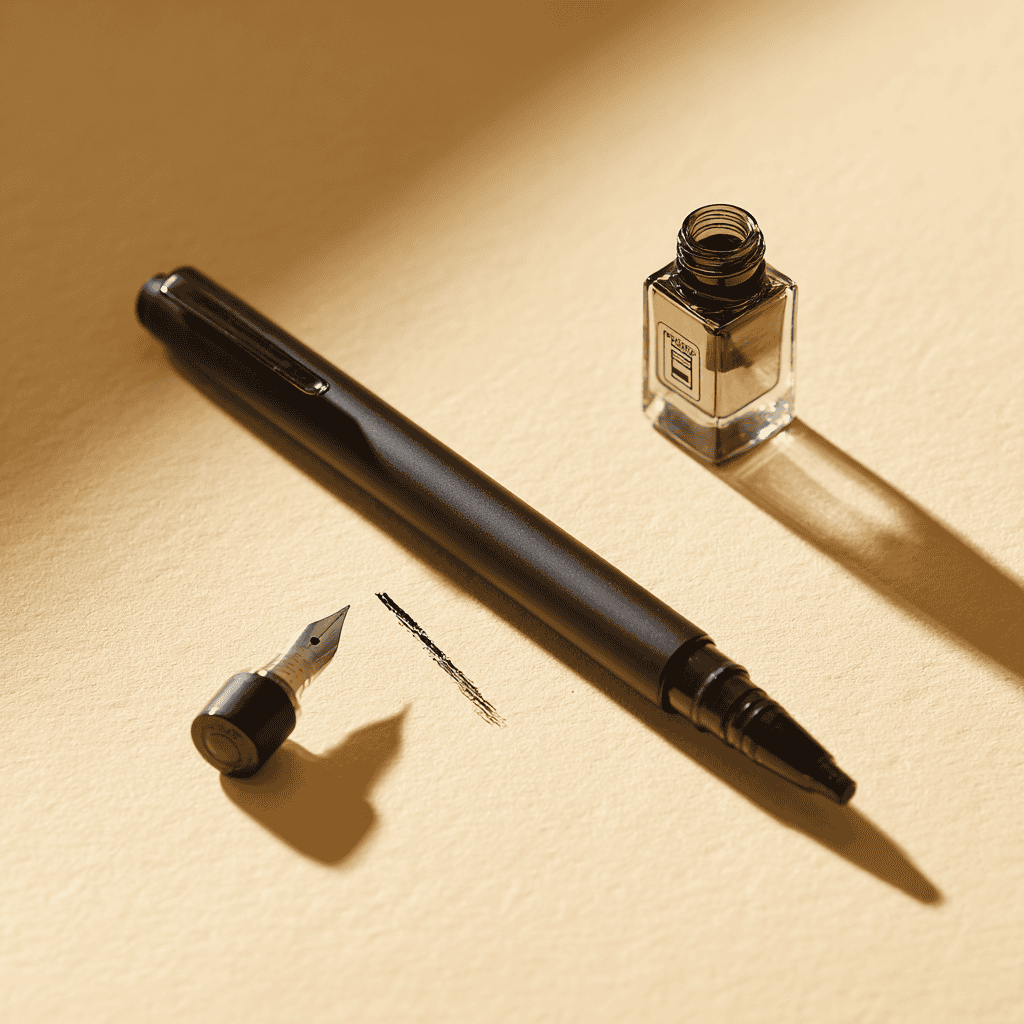
Because the sheet is read by a machine, your pencils matter more than they seem. A dark, clean mark and a clean erasure both help the scanner and help you. So practice with the same kind of pencil you will use, and keep a sharpener on your desk at home. The group above covers the basics of that set.
Study Tips for N4 Kanji That Hold Up Under Stress
Nerves change what memory can do. A 2016 study in Science by Smith, Floerke and Thomas tested this directly. Participants learned material either by restudying it or by taking practice tests. A day later, the researchers stressed half of them and measured recall. The restudy group showed the usual stress-related dip. Those who practiced retrieval did not.
The authors suggest that the effect of stress depends on how strong the memory is. That is encouraging for any candidate. It means part of the answer to exam nerves is a study method, not only a breathing exercise. These JLPT N4 kanji study tips therefore lean on practice tests, because retrieval builds the kind of memory that holds when your pulse rises.

Fall seven times, rise eight: a place to write down the mock test that went badly and the page that followed.
Unlined · Travel journal
Shop This Journal →When a practice round goes badly
Some practice rounds will go badly. A kanji you knew on Tuesday vanishes on Thursday. This is normal, and it is useful information. The Japanese proverb nana korobi ya oki says to fall seven times and rise eight, and it suits a study week well. Each miss simply marks a kanji to write first tomorrow.
Keep a short list of the week’s misses, written by hand. Then start each session by writing those kanji from memory before anything new. Over a month, the list shrinks, and you can watch it happen. There is a second benefit. A candidate who has stumbled in a mock round and recovered is less rattled by a hard question on the day. For the wider timeline, our note on the time an N4 set takes to learn helps you set a realistic start date.
Rehearse N4 Kanji Study Tips With a Pencil
If the exam is the performance, writing is the rehearsal. A rehearsal is not the show, yet it trains the same muscles. When you write a kanji from memory, you fetch its parts, place them in order and check the result. That is retrieval, performed slowly enough for you to see your own errors.
The hand also gives feedback that the eye alone cannot. You feel which stroke comes next. You notice when a part has drifted to the wrong side. As a result, look-alike choices on a sheet tend to feel different from one another, because your hand remembers which version it has actually written.

Two kanji at the desk: 教 and 試
Take 教, an N4 kanji (unofficial) with eleven strokes. Its strokes divide cleanly into a left part and a right part. The left part takes the first seven strokes, and the right part takes the last four. That split is a useful anchor when you write it from memory: left side first, then right.
Now compare 試, an N4 kanji (unofficial) with thirteen strokes. It also has a left part and a right part, with seven strokes on the left and six on the right. Its final stroke is a short dot near the top right. KanjiVG (CC BY-SA 3.0, kanjivg.tagaini.net) supplies these stroke counts. For why the order matters, see our guide to why stroke order matters.
Only the last two ask you to produce the shape, which is the skill the exam rewards.
| Mode | What you do | What it trains | Where it fits |
|---|---|---|---|
| Reading | See the kanji in a list or a sentence | Recognition of the whole shape | First exposure and daily top-ups |
| Tracing | Follow a full guide stroke by stroke | Order and direction | The first session with a new kanji |
| Half-tracing | Follow a faded guide that shows part of the shape | Recall with support | Second and third sessions |
| Freehand | Write from memory in an empty box, then check | Full recall | Every review, before you look |
The table shows a ladder, and each rung asks for a little more. Tracing builds the sequence. Half-tracing removes part of the support. Freehand removes all of it. That progression is how the Magnificent Japan Kanji Workbook series builds practice into every page, with a stroke panel showing each new stroke in red, earlier strokes in champagne behind it, an arrow for direction and a number for order.
The workbooks also keep every example sentence to kanji you have already learned, with later kanji in kana. As a result, a sentence never hands you a character you have not yet written. Checkpoints then return to earlier kanji after a gap, which is the spacing that makes recall last.
If the exam is part of a longer trip, we can plan a Japan itinerary around handwriting, stationery and learning days.
Occasional letters on kanji, handwriting and Japanese culture, with new tools and workbook editions as they arrive. Email only.
Occasional letters. Unsubscribe anytime.
A Spaced Plan for the Last Four Weeks
Space is the second pillar. A 2013 review by Dunlosky and colleagues, summarized in American Educator, rated practice testing and distributed practice as the most effective of the strategies it examined. Students who spread their practice over time kept knowledge longer than those who crammed, even with the same total hours.
So treat four weeks as four passes. In week one, write the kanji you know least. In week two, repeat them, then add the next group. Week three mixes everything together, with a light timer. Week four is maintenance only. Each pass is short, which means it fits around work or school.
A sample week
A sample week might run like this. Monday begins with the week’s misses, written from memory and then checked. Tuesday and Wednesday each add five new kanji, tracing first and writing freehand second. Thursday brings a timed round of ten. Friday is for rest, apart from two minutes on the misses. The weekend holds one longer review.
Ten to fifteen minutes is enough on most days. A short session you finish beats a long one you postpone. Also, stop while the session still feels manageable, because that makes tomorrow’s start easier. If a day disappears, do not double up. Pick up where the plan left off, and let the misses list decide what comes first. For the review habit itself, our piece on a review routine that keeps kanji from fading goes further.
Protect the pause
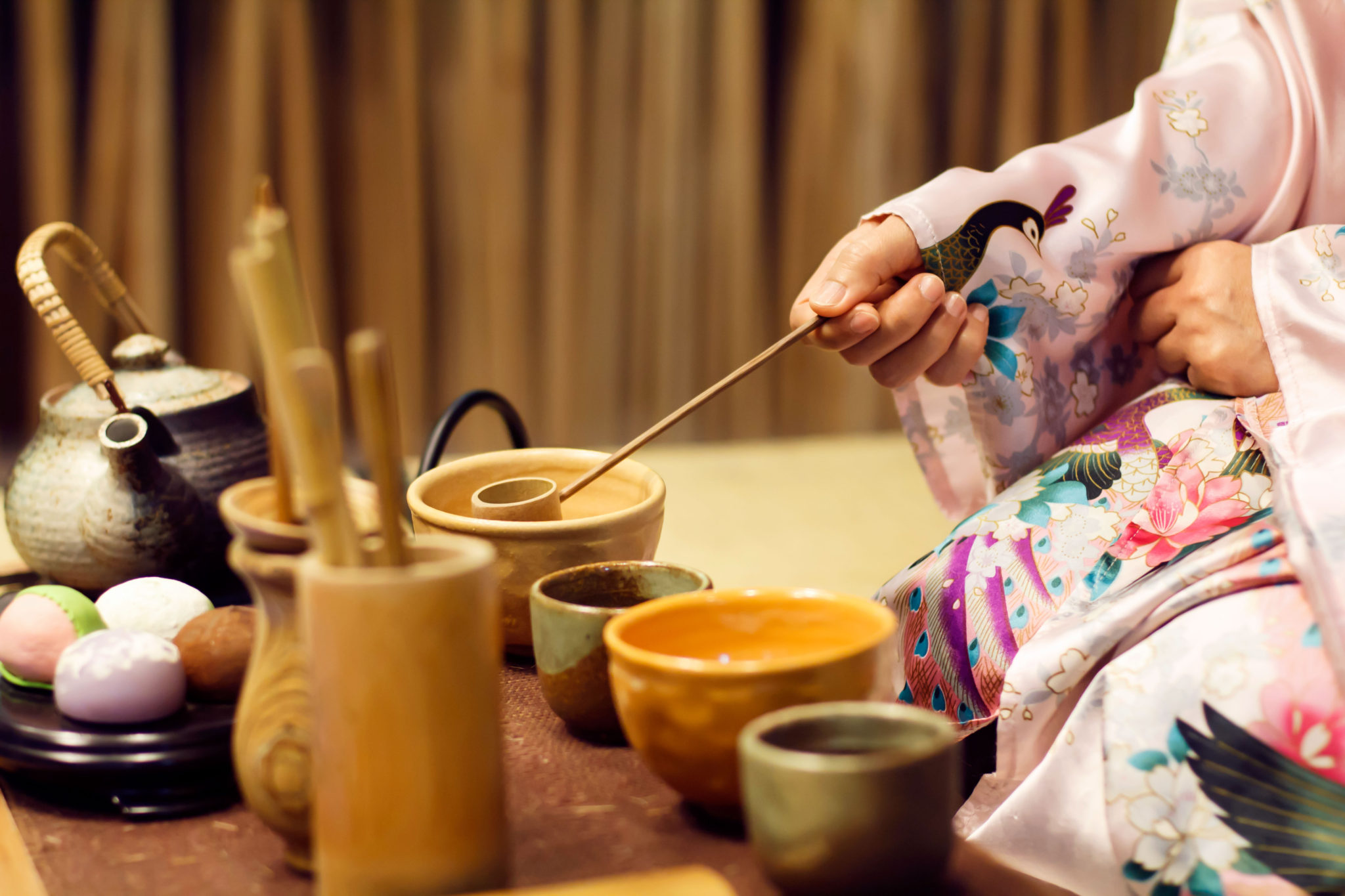
Rest belongs in the plan. A pause between sessions lets attention reset, so the next round of recall starts fresh. Japanese culture has a word for the meaningful interval, ma, and a study week benefits from it. Make tea, look out of a window, and leave the notebook closed for ten minutes.
The pause also keeps you honest about what you know. If a kanji escapes you after a break, you have found a real gap. If it returns, you have found a real strength. Either result tells you where tomorrow’s first five minutes belong. That information is worth far more than another hour of rereading.
Recommended
In week three, take one full mock round. The JLPT FAQ mentions two official practice workbooks, published in 2012 and 2018, which hold questions used in earlier tests. Sit at a table, set the timer to the section length and keep your phone out of reach. Afterward, mark every kanji that cost you time, not only the ones you got wrong.
Slow answers are worth noting as much as wrong ones. A kanji you identify after a long pause is a kanji still half in recognition. Write it from memory twice the next morning. Then check whether the pause shortens the following week. That small experiment turns a mock round into a map, and a map is what makes the last week calm.
The Night Before: A Pot of Rice
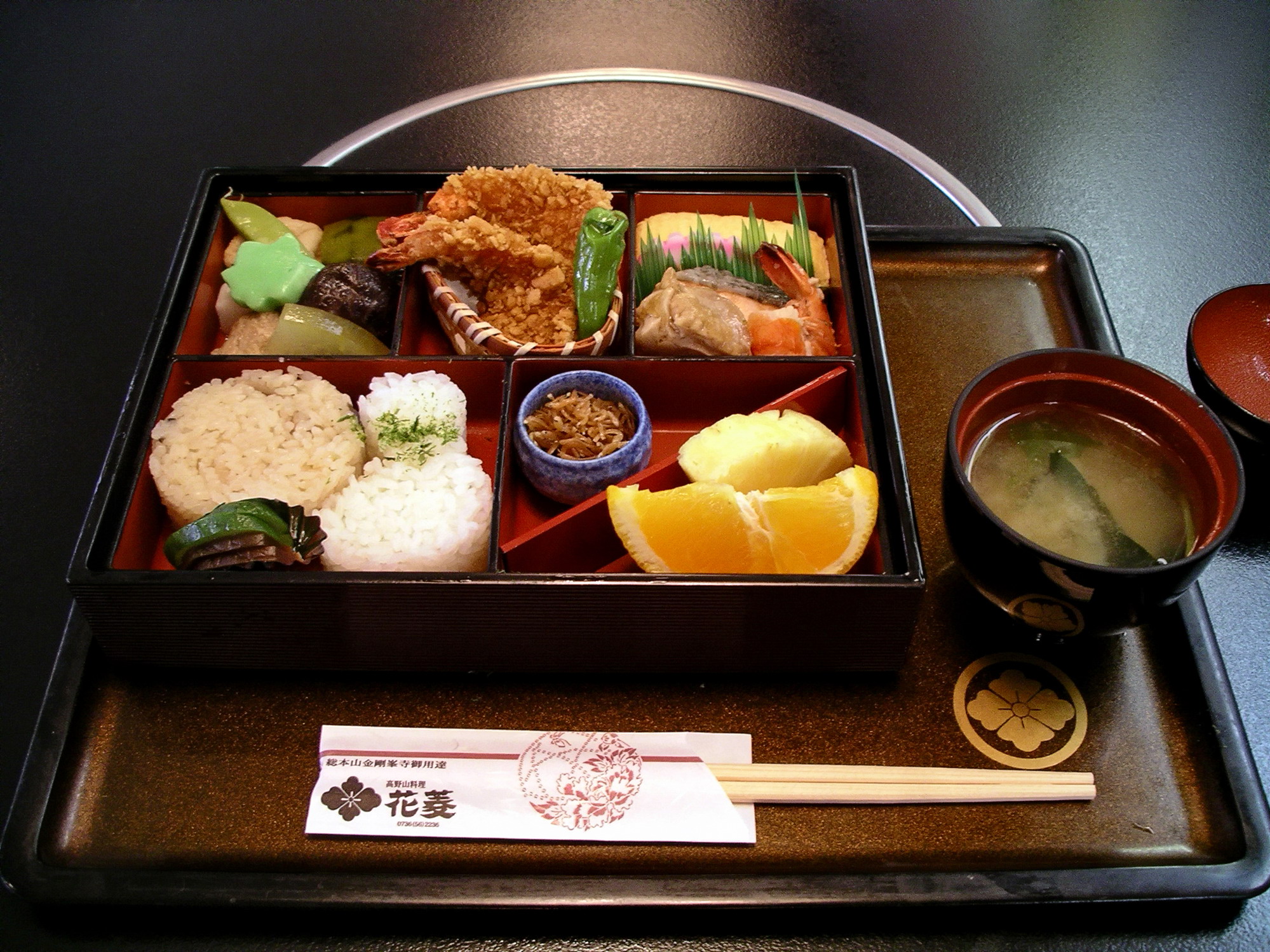
Exam eve is a scheduling problem. You want a real meal, a clear desk and no late decisions. Takikomi gohan solves the first part. It is a Japanese one-pot rice dish, cooked with dashi, soy sauce and seasonal ingredients, and the pot does the work once the lid goes on.
Nothing in this dish improves your kanji, so the link is honest but modest. You can slice the vegetables and make the dashi the evening before. Then cook while you run one last light round of recall. The recipe below serves four, which also leaves a good lunch for the next day. Cooking it is a calm, repeatable task, and a calm task is exactly what that evening needs.

A Japanese home dish in which rice cooks together with dashi, soy sauce and seasonal ingredients, so the flavor runs through every grain. It follows the seasons, with bamboo shoots in spring and mushrooms and chestnuts in fall.
- 1½ cups Japanese short-grain rice (about 300 g)
- 1½ tablespoons soy sauce
- 1½ tablespoons mirin
- 1 tablespoon sake
- ¼ teaspoon salt
- About 1 cup dashi, to bring the liquid to 1½ cups
- 1 boneless chicken thigh (about 5 oz), diced, or omit for a vegetarian pot
- 4 fresh shiitake mushrooms, stems removed, thinly sliced
- ½ carrot, cut into thin matchsticks
- 1 aburaage (fried tofu pouch), rinsed with hot water and diced
- 2 scallions, thinly sliced, to finish
- Rinse the rice in several changes of water until it runs nearly clear. Soak it for 30 minutes, then drain in a sieve for 15 minutes.
- Stir the soy sauce, mirin, sake and salt together in a measuring cup. Add dashi until the liquid reaches 1½ cups.
- Put the rice in a rice cooker or a heavy pot with a lid. Pour in the seasoned dashi and level the rice.
- Lay the chicken, shiitake, carrot and aburaage on top. Do not stir.
- Cook on the mixed-rice setting. On the stove, bring the pot to a boil, cover and cook on low for about 13 minutes, then rest off the heat for 10.
- Fluff the rice with a paddle, slicing gently so the ingredients spread through it. Serve in bowls with the scallion on top.
Takikomi gohan follows the seasons. Just One Cookbook’s guide to takikomi gohan lists bamboo shoots for spring, and chestnuts, matsutake mushrooms and sweet potato for fall. Because the ingredients cook with the rice, every spoonful carries the same flavor. It sits comfortably among the other traditional Japanese dishes served at home.
Eat slowly, and then put the pencil down. The night before an exam is not the time for a new kanji or a new method. A plain plate of rice with a few small sides is enough. After dinner, write your short list of shaky kanji once from memory, check it, and close the notebook for the night.
The Exam-Day Desk Kit for JLPT N4 Kanji Study
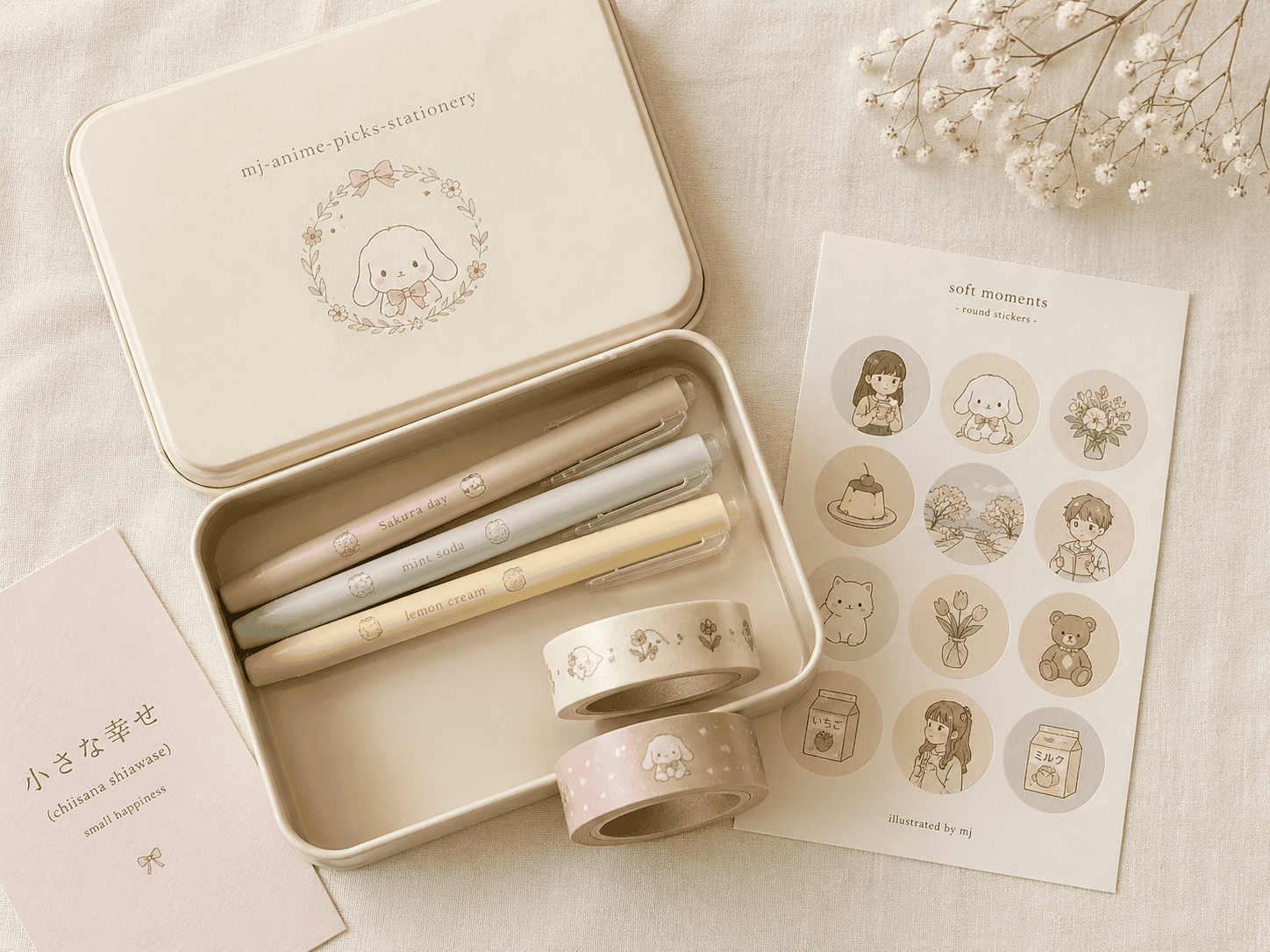
Pack the kit on the same night as the rice. Start with whatever your test notice requires, then add the writing tools it allows. Rules differ by site, so read the notice before you buy anything. A machine-read sheet also rewards clean erasing, so a soft eraser earns its place. Laying everything out the night before also gives you time to notice a missing spare, while a replacement is still easy to find.
Keep the kit small. Bring two spares of each tool, a case you can open quickly, and nothing new. A pencil you have used for weeks in practice will feel like home in the exam room. That continuity is the point of rehearsal, and it is easy to arrange.
Tune the kit in practice
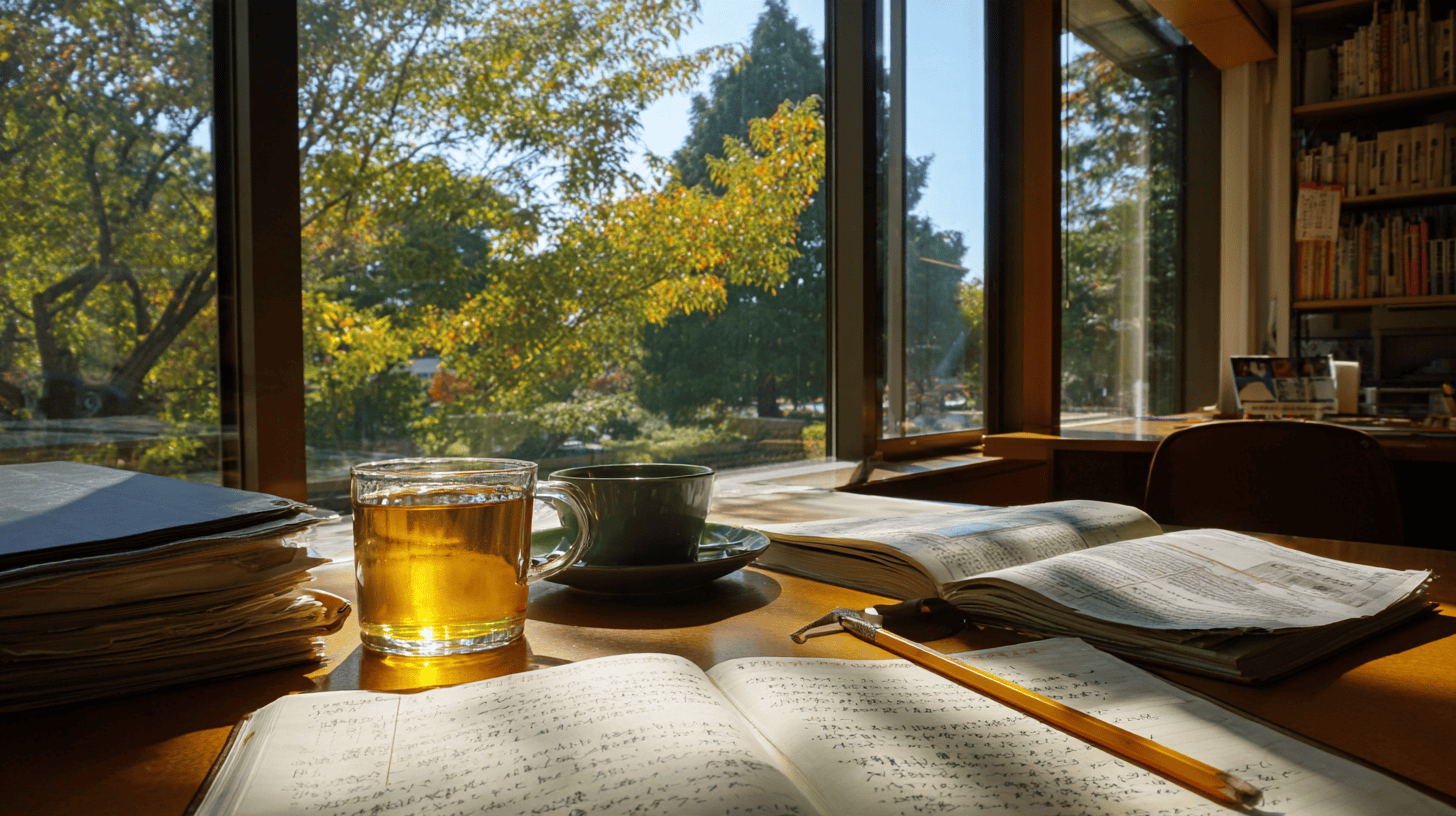
Use the kit for every mock round. Sit at a table, set a timer and write as if it counts. The goal is to remove small surprises, like a point that snaps or an eraser that smudges. Each one costs attention, and attention is what the exam tests most.
Then decide what you will do in the five minutes before the start: a slow breath, a glance at nothing in particular, hands flat on the desk. Do not review new kanji at that stage. A hard shape you meet for the first time at five to nine only plants doubt. Trust the weeks of rehearsal behind you instead, and let the morning be uneventful.


Exam morning
On the morning itself, keep everything familiar. Eat what you normally eat. Leave early enough that no step feels rushed. If a question stumps you, mark it, move on and come back. The sections have fixed lengths, so time is a shared resource across every question, and one stubborn kanji should not spend it all.
When you meet a kanji you half know, rebuild it in your mind the way your hand has done it. Left part first, then right. That is the rehearsal paying back. The shape that once needed a full guide now needs only a moment, and a moment is all the answer sheet asks for.
Afterward
After the test, resist the urge to replay every question. Instead, write down the three kanji that slowed you most. That short list is a map for the next level, whatever the result turns out to be. The method you built does not expire with the exam, because it works for any kanji you meet next.
Many learners find the test a useful deadline and a poor finish line. The finish line is reading a menu, a sign or a page of a novel without reaching for help. Handwriting habits carry on toward that goal. So do not retire the pencil on the evening of the exam. Keep a five-minute round going, and the next set of characters arrives more gently.
Keep the habit
A short daily round is worth more than a heroic weekend. Write five kanji from memory, check them, and stop. Over a season, those small rounds add up to a set you can both read and write, which is what good JLPT N4 kanji study tips promise. That is the steady advantage of handwriting: it stores the parts of a character, not just its outline.
If the exam is a first step toward longer study, choose tools you enjoy using. A pencil that feels good in the hand brings you back to the desk. A notebook with generous squares invites a second attempt. Small pleasures like these keep the habit alive long after the test date has passed.
Questions Worth Asking
Does the JLPT N4 ask you to write kanji?
No. The JLPT uses a multiple-choice, computer-scored answer sheet, with four choices for most questions. The N4 vocabulary section includes kanji reading and orthography questions, which ask you to choose. Writing by hand still helps, because it trains the recall that makes choosing fast.
Is there an official N4 kanji list?
Not any longer. After its 2010 revision, the JLPT decided against publishing lists of vocabulary, kanji and grammar items. Any N4 kanji list you study is therefore an unofficial guide to the exam, which is why we label every such level as unofficial.
How long is each section of the N4?
The official test-section guide gives 25 minutes for vocabulary, 55 minutes for grammar and reading together, and 35 minutes for listening. Because the sections are timed, practicing a few kanji rounds against a clock makes the real pacing feel familiar.
Should I study new kanji the night before?
Keep the night before light. Write a short list of your shakiest kanji from memory, check it, and stop. A new and difficult shape learned at the last minute tends to add doubt rather than points. Then pack your desk kit and rest.
Does writing help if the test is multiple choice?
It can. Writing from memory is a form of practice testing, and a 2016 Science study found that this kind of practice protected recall against stress a day later. The exam is a read-and-choose format, but the memory behind each choice is built by retrieval.
What should I bring to the test site?
Follow the notice that comes with your test registration, since rules differ by site. Bring spares of whatever writing tools it allows. Because the answer sheet is read by machine, a soft eraser and a sharp pencil are sensible choices to practice with in advance.
The Last of the JLPT N4 Kanji Study Tips
The best JLPT N4 kanji study tips end where they began, with a pencil and an empty box. Write from memory, check, rest and repeat. If you would like a workbook built on that rhythm, you can join the Volume 2 launch list on its page, and it will arrive in its own time.
On the morning of the test, trust the routine you built. Read the question, picture the strokes and choose. If a character refuses to come, move on and return to it later, because the next item may jog the memory. Afterward, note the characters that slowed you down, and write them first in your next session.
A ninety-day practice in harmony, for the weeks when study needs balance more than intensity.
View the Journal →Exam preparation rewards balance more than intensity. Nagomi, the settled ease of things in proportion, is a fair description of a study week that works. Write from memory, rest properly and let the plan do its slow work.
The Editors, Magnificent Japan
Handwriting, stationery and learning days in Japan: paper shops, brush and pen workshops, and unhurried mornings for writing. We shape the route around how you like to learn.
Plan Your Custom Japan Itinerary