Does writing kanji help you remember them, or is it a slow ritual you can safely skip? Almost every learner asks this within the first month. The honest answer is yes, and the reason is more interesting than practice makes perfect. Writing turns a character you can recognize into one you can rebuild on your own.
This piece walks through what handwriting research actually shows. It also explains why kanji reward the hand, and how to turn a pen into a memory tool. It closes on how the Magnificent Japan kanji workbook series builds that method into every page, starting with Kanji Workbook, Volume 1. First, the short answer.
Does Writing Kanji Help You Remember Them?
Yes, especially for recall. Reading builds recognition, the sense that a shape looks familiar. Writing asks for more: you rebuild the character stroke by stroke from memory, and that act of retrieval makes it last. Research on Chinese characters and on handwriting links writing by hand to stronger reading and memory. The gain comes from writing from memory, not from copying rows.
What Handwriting Adds That Looking Cannot
Recognition and recall are different skills
Most learners meet kanji through their eyes first. Flashcards, apps and graded reading all train recognition. You see 力, and a meaning surfaces. That is real progress, but it is the easier half of memory. Recall runs the other way. You start with a meaning or a sound. Then you must produce the shape yourself, with nothing on the page to prompt you.
So when people ask, does writing kanji help you remember, they usually mean recall. It explains why so many learners can read a word yet freeze when asked to write it. The character sits in memory as a picture, not as a set of parts in a fixed order. Our sister piece on recognition versus recall explores that gap in depth. Here the focus is narrower: what does writing add, and is there evidence for it?
What the research shows
The clearest evidence comes from Chinese, which shares its characters’ logic with Japanese kanji. In a 2005 study published in the Proceedings of the National Academy of Sciences, researchers tested 131 schoolchildren in Beijing. Writing skill predicted reading ability more strongly than awareness of sounds did. In other words, children who wrote characters well also tended to read them well.
A second line of work looks inside the brain. A University of Tokyo team compared paper, tablet and smartphone for noting down a schedule. The 48 volunteers, aged 18 to 29, who used paper finished about 25 percent faster. Later, during a recall test, their brains showed more activity in areas tied to language, visual imagery and memory.
Researchers at the Norwegian University of Science and Technology then recorded brain activity as 36 university students wrote words. Writing with a digital pen produced far wider brain connectivity than typing, in patterns linked to memory. None of these studies proves that one more written row equals one more remembered kanji. Together, though, they point one way: the hand adds something the eye alone does not.
Why kanji reward the hand
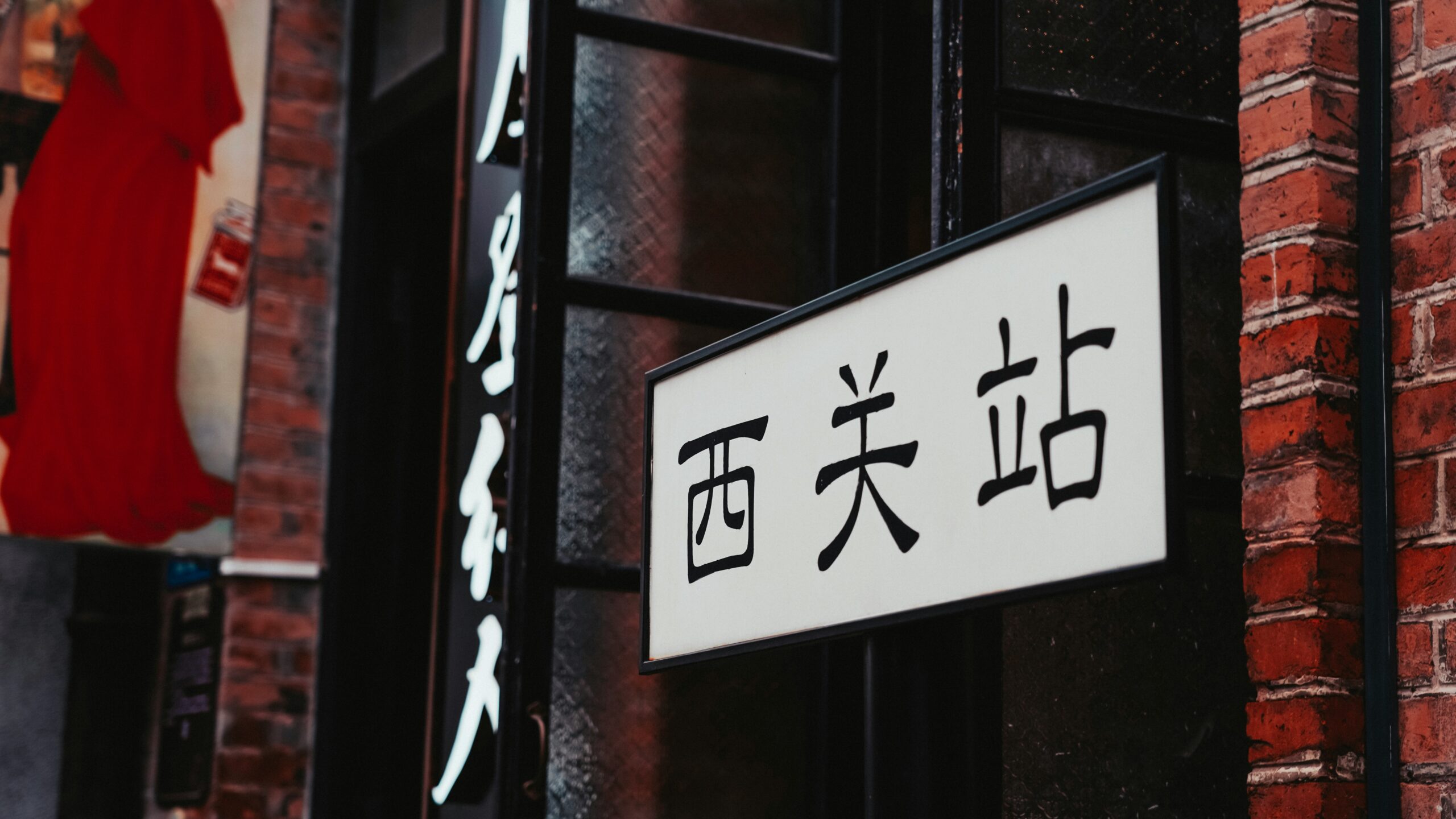
Kanji are built from strokes, and the strokes carry the structure. Japan’s official Jōyō Kanji table, the list for everyday use, holds 2,136 characters. Many share parts, and many differ by a single stroke. A vague visual memory is therefore not enough. You need to know which parts sit where, and in which order they arrive.
Writing supplies exactly that. Each character becomes a short sequence of movements, and a sequence is easier to store than a blur. That is also why stroke order matters beyond neat handwriting. For the brain side of the story, our essay on the neuroscience of writing Japanese by hand makes a good companion. So, does writing kanji help you remember them? The evidence says yes, provided you write the right way.
力 in Two Strokes: What the Hand Learns
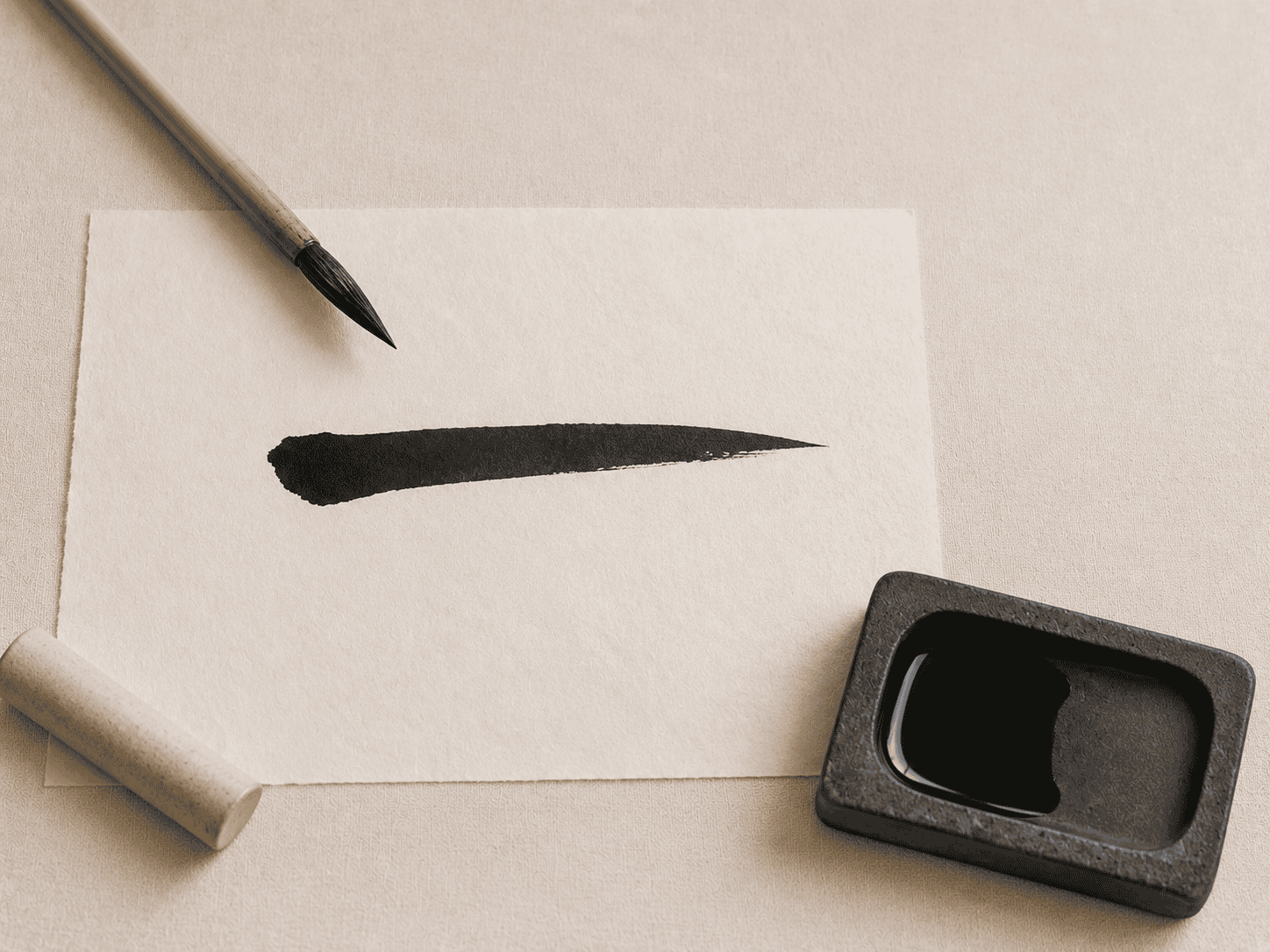
Take 力, which means power. It is an N4 kanji (unofficial), and it has just two strokes. That makes it a good test case. You can see it in a second, yet writing it well takes care.
The first stroke starts at the upper left. It runs across, turns sharply down, and ends in a small hook that flicks to the left. The second stroke begins above the first, cuts down through the horizontal, and sweeps away to the lower left. Write them in that order, and the character balances. Reverse them, and the sweep has nothing to cross, so the shape tends to lean.
Now notice what your hand learned that your eye skipped. The turn is a corner, not a curve. Next, the hook stays small. Finally, the sweep starts higher than the top line. None of these details matter much for recognition. All of them matter for writing, and writing them fixes them in memory. Its native reading is ちから (chikara), and its Sino-Japanese readings are リョク and リキ.
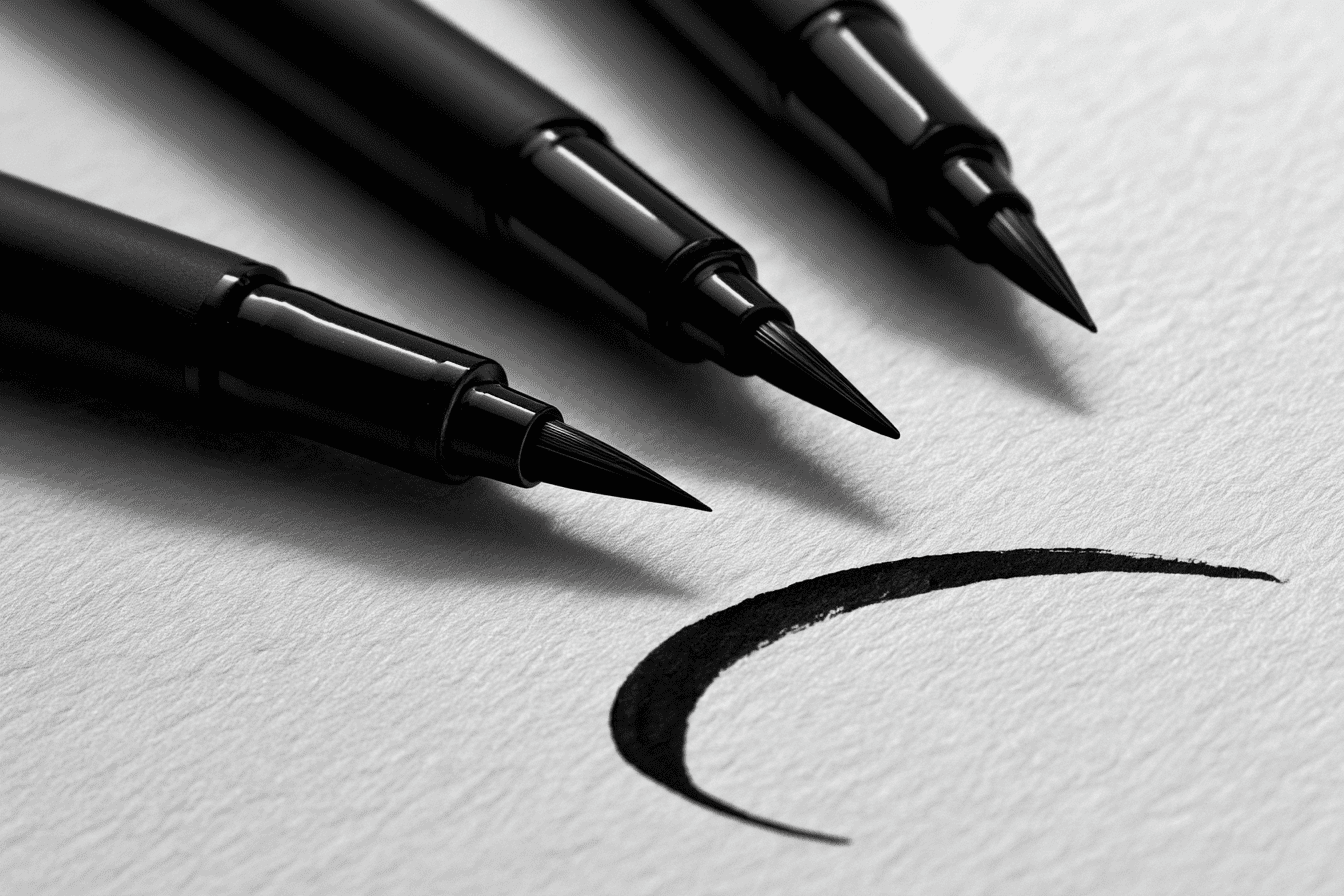
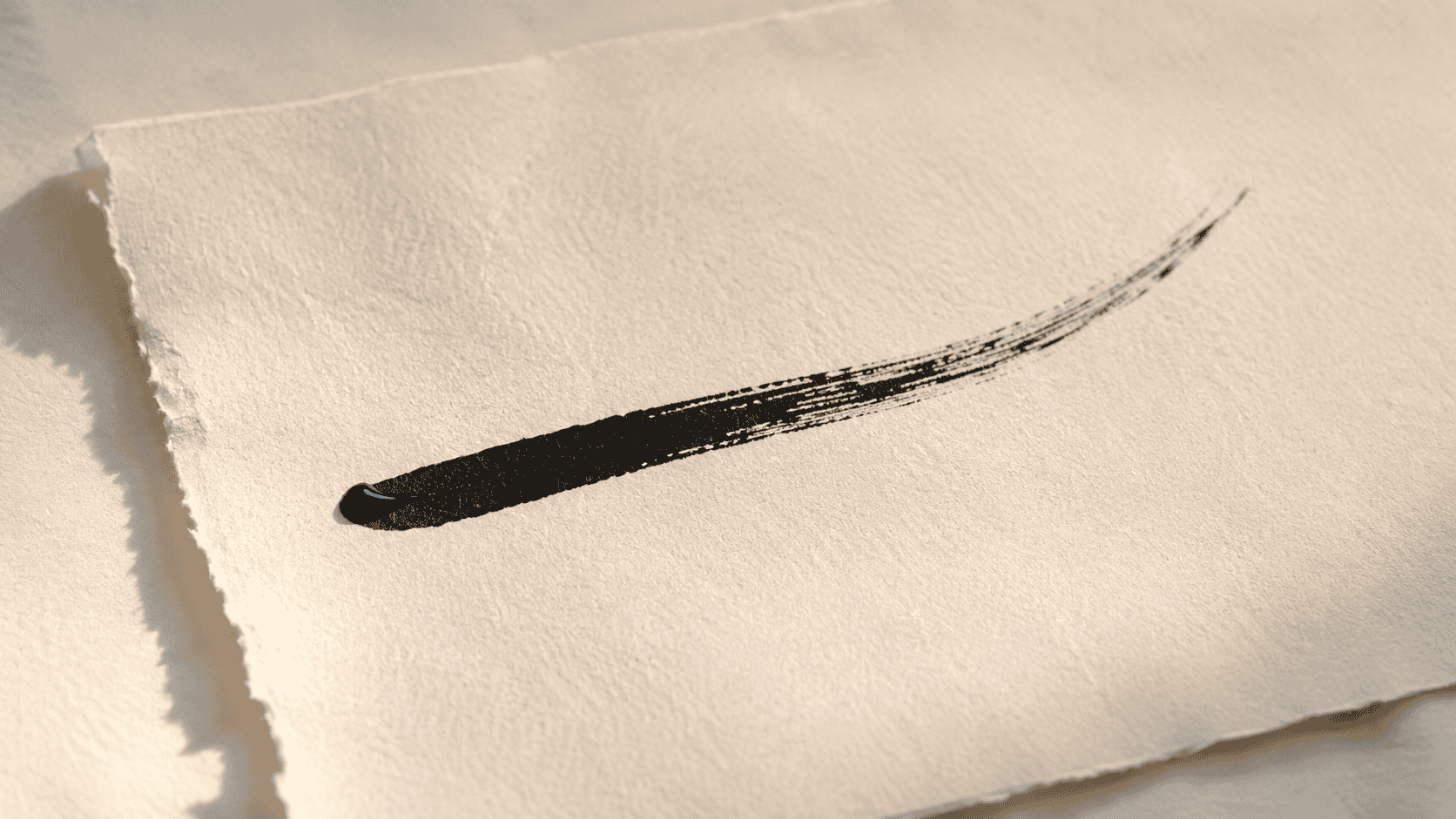
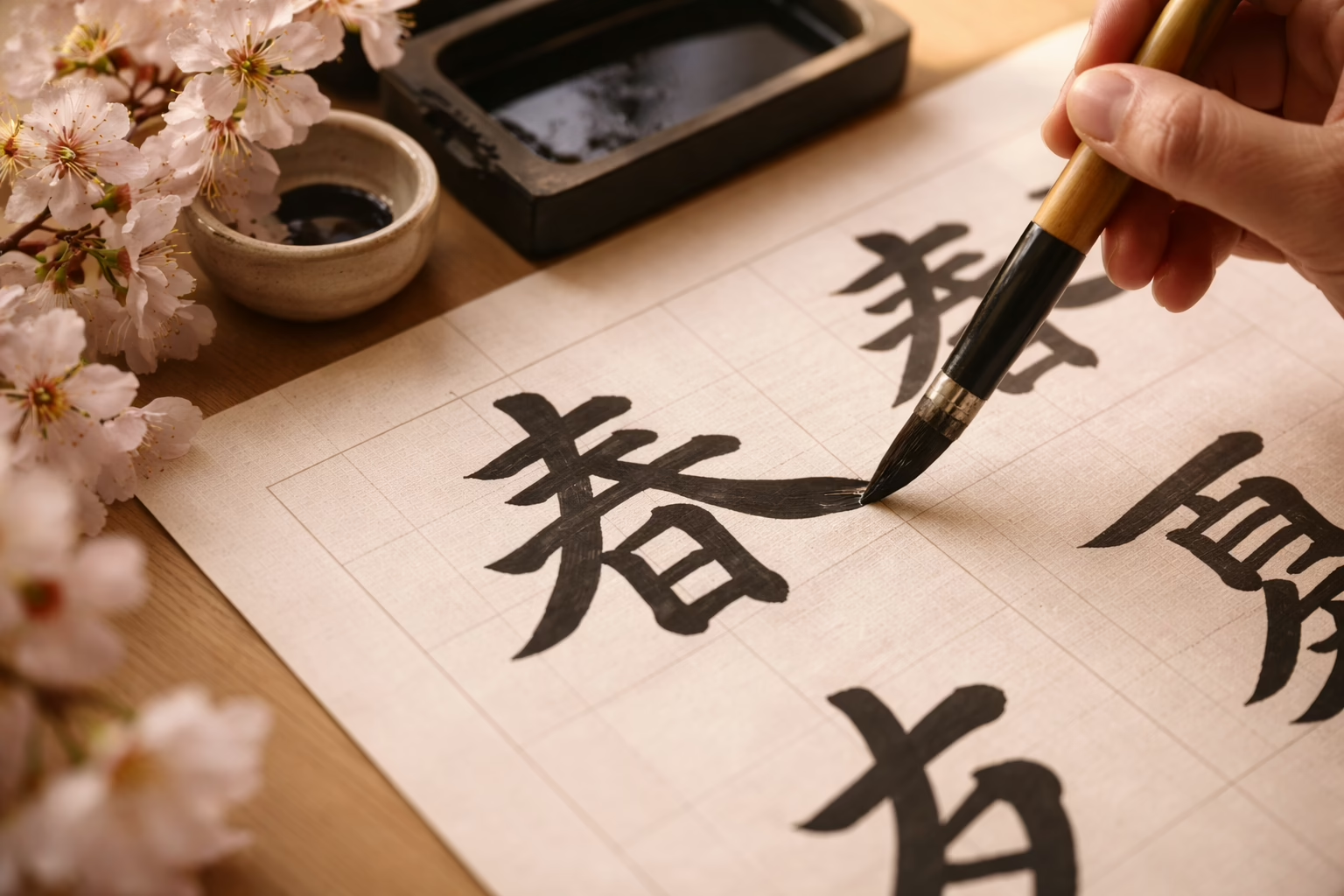
Brush pens help here because they exaggerate what a stroke does. A pencil line looks the same from start to end. A brush tip swells under pressure and thins as it lifts, so the hook and the sweep of 力 become visible on the page. You do not need to become a brush artist. You only need to see where a stroke gains weight and where it lets go.
From Tracing to Freehand: Why the Order Matters
If writing helps, the next question is how to do it. Copying a character twenty times in a row feels productive, yet much of it is copying the line above rather than remembering. The better pattern moves from support to independence. First you trace over a full guide. Then you trace a faded guide that shows only part of the shape. Finally, you write from memory in an empty box.
That last step is the one that counts. Consider a well-known 2006 study in Psychological Science. Students who practiced recalling a passage remembered far more a week later than students who simply reread it. Rereading felt better in the moment. Recall, however, won over time. An empty box works as a small recall test, and every time you fill it, the memory gets stronger.
Writing while you travel
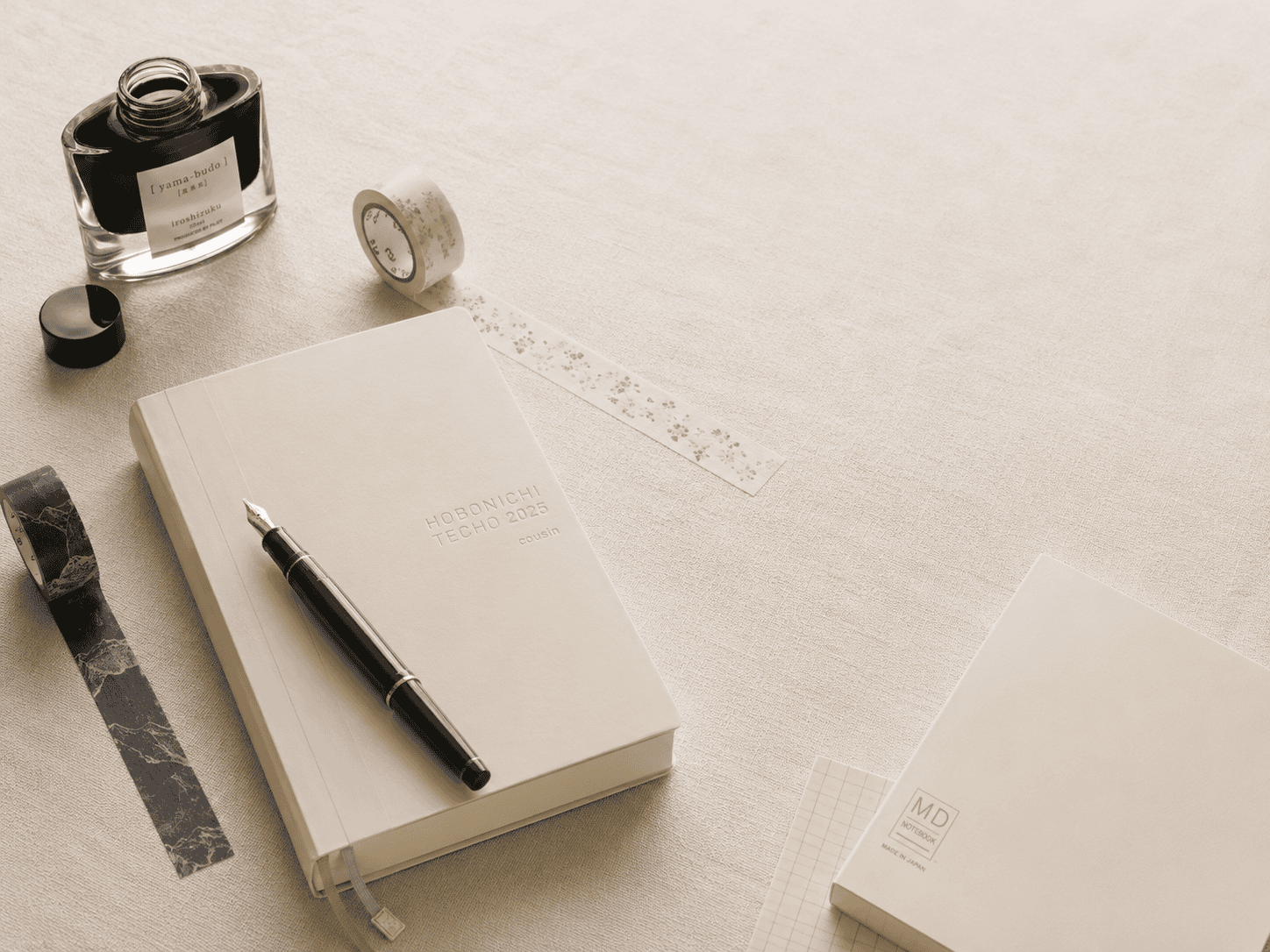
The same principle works outside a study session. Writing down what you saw, heard or learned forces you to choose words and shapes, and that choice is a form of recall. Travelers know this instinctively. So a few lines written by hand in Kyoto often hold the day better than a hundred photos. The page becomes a record you built, not one you merely received.
That is the idea behind Magnificent Japan’s travel journals: unlined pages, room for kanji you spotted on signs, and space to sketch a shape before it fades. A journal is not a workbook, yet it rewards the same habit of writing from memory.

Unlined pages for the kanji you spot on the road, written down before they fade.
Unlined · Travel journal
Shop This Journal →Try it on your next trip. Copy one kanji from a station sign or a menu, then write it again from memory before you close the journal. By the end of a week, you will hold a small, personal set of characters you can both read and write. That makes a better souvenir than most, and it asks for nothing but attention.
Paper, Tablet or Keyboard?
Most study now happens on screens, so a fair follow-up to does writing kanji help you remember is: on what surface? The evidence here is useful and a little surprising. The University of Tokyo study found that paper beat both a tablet with a stylus and a smartphone keyboard. Yet the Norwegian study used a digital pen on a touchscreen, and handwriting still outperformed typing. The line that matters, then, is not paper versus glass. It is forming the shape by hand versus letting software form it for you.
Why typing lets you forget
When you type Japanese, you usually enter the sound in kana, and the software offers kanji to choose from. You only have to recognize the right one. That is convenient. It is also why heavy typists often read far more kanji than they can write. The keyboard keeps recognition alive while recall slowly fades.
Where a tablet fits
A tablet with a stylus sits between the two. You still form every stroke yourself, so the recall work happens. You also gain a clean page every time and the chance to practice anywhere. Our guide to practicing kanji on an iPad covers the setup. Paper still has an edge for memory, but a stylus sits far closer to paper than to a keyboard.
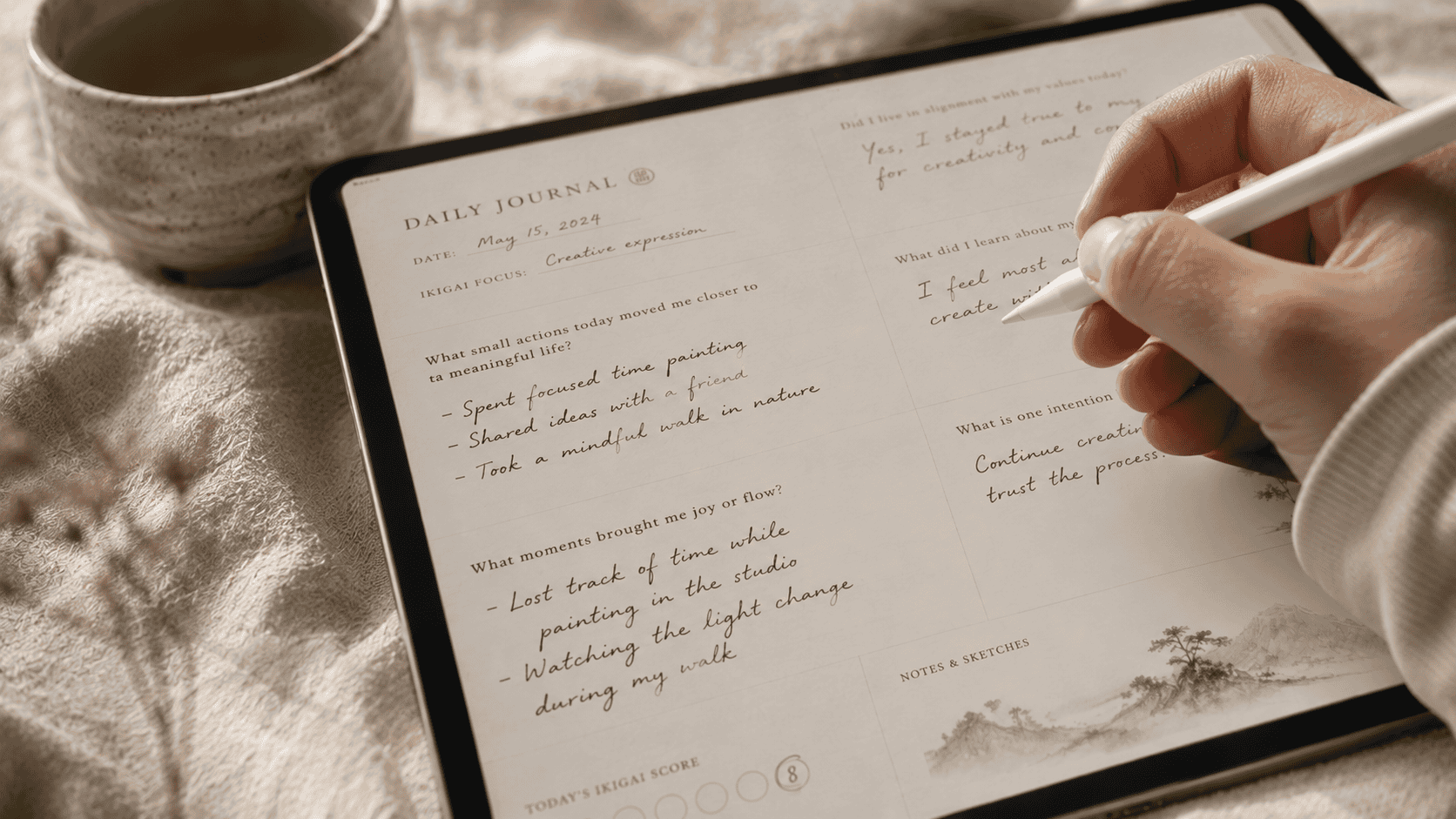
A sensible approach uses each tool for what it does well. Read widely to build recognition. Use flashcards for quick review on the move. Then write by hand, on paper or with a stylus, to build recall. None of these replaces the others. However, only the last one trains you to produce a kanji when nothing on the page will help you. If your study time is short, protect the writing minutes first. Reading and review will happen anyway, in apps and on signs. Writing, by contrast, only happens when you choose it. The table below sets the three side by side, with what each asks of your memory.
Only handwriting asks you to rebuild the character with nothing to prompt you.
| Method | What you do | What memory stores | Best for |
|---|---|---|---|
| Reading | See the kanji in context | Recognition of the whole shape | Building vocabulary quickly |
| Typing | Enter kana, pick from a list | Recognition among look-alikes | Everyday writing on devices |
| Handwriting | Form every stroke from memory | Recall of parts, order and shape | Making a kanji your own |
How 19 Boxes a Kanji Put It to Work
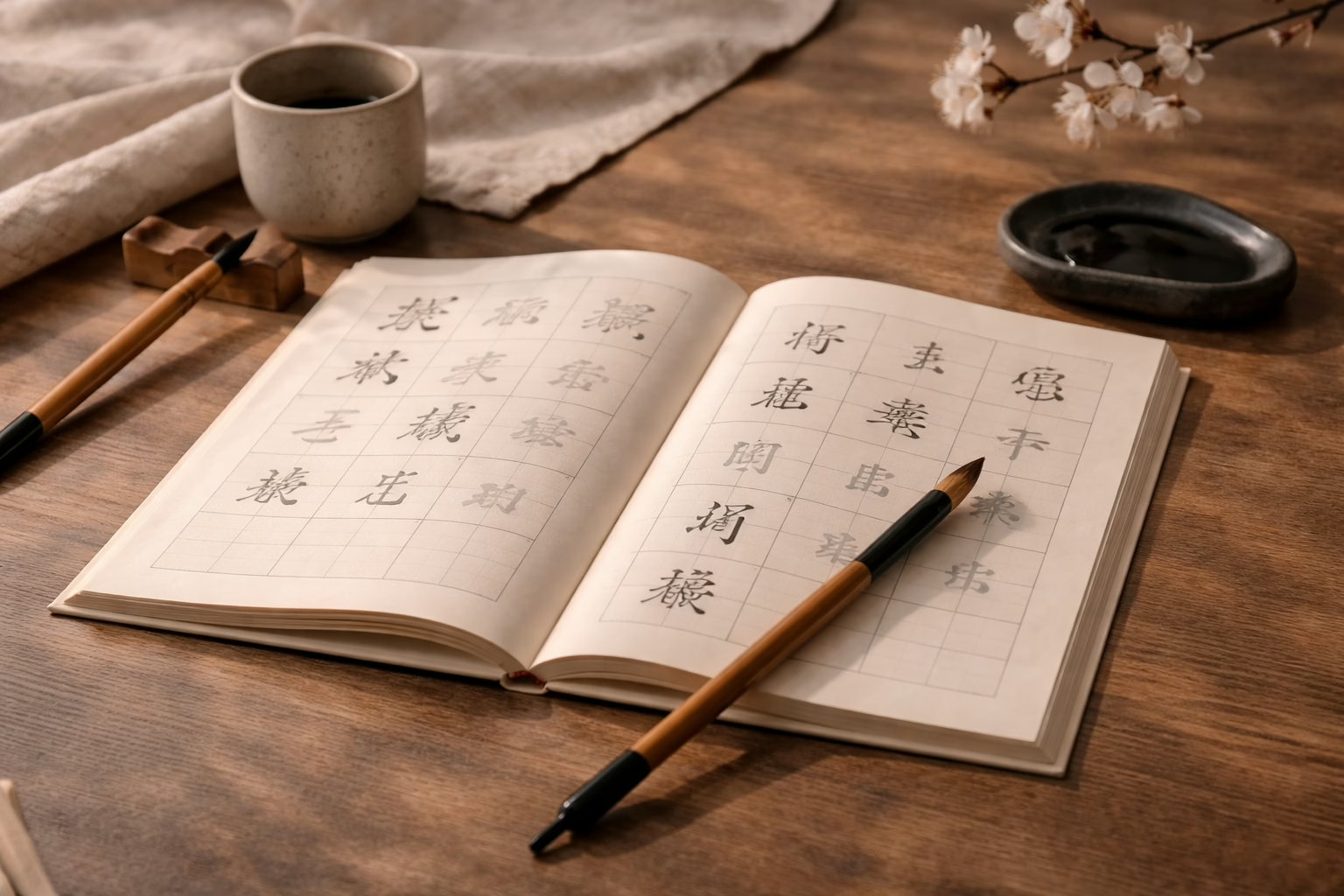
All of this shaped how the Magnificent Japan kanji workbooks are built. Volume 1 covers 100 kanji at JLPT N5 and N4 (unofficial): 63 at N5 and 37 at N4. Each kanji gets 19 practice boxes, 1,900 in all. They climb the same ladder the research supports: traced boxes, half-traced boxes, freehand boxes, and word boxes where the kanji appears in real vocabulary.
Before the boxes, a stroke panel shows the character being built. There is one frame per stroke. The new stroke appears in red, with earlier strokes in soft champagne behind it. An arrow shows direction, and a number shows order. So by the time you reach a freehand box, your hand already knows the sequence.
Handwriting habits travel well. If a trip to Japan is on your list, we can build an itinerary around writing and craft, including a brush calligraphy lesson and a visit to a traditional paper maker.
Occasional letters on kanji, handwriting and Japanese culture, with new tools and workbook editions as they arrive. Email only.
Occasional letters. Unsubscribe anytime.
Two further details matter for memory. First, every example sentence uses only kanji you have already learned, and later kanji appear in kana. As a result, you never meet a character you have not yet written. Second, checkpoints and a progress tracker bring earlier kanji back, so recall is tested again after time has passed. That spacing is what turns a good session into lasting memory.
The series runs to eight volumes and covers all 2,136 jōyō kanji, each one once. Volume 1 is available now as the Digital Letter edition, made for tablets, with tappable contents and bookmarks. Print editions at 6×9 and 8.5×11 are in production. If you like a daily rhythm, the 100 Kanji Challenge pairs well with it.
A Short Daily Routine for Writing Kanji by Hand
Write from memory first
Start each session by writing your previous session’s kanji before you look at them. Check your answers only afterward. This takes two minutes, and it is the most useful habit in this piece. Mistakes are fine. A wrong attempt followed by a quick correction still counts, because you did the work of retrieval.
Say it as you write
Say the meaning and a reading under your breath as you form each stroke. For 力, that might be chikara, power. Linking sound, meaning and movement gives the memory more than one way back in. It also keeps your attention on the character rather than on the rhythm of copying. That rhythm is where most practice goes wrong.
Recommended
Space the sessions
Short sessions spread across the week beat one long session at the weekend. Ten or fifteen minutes is plenty for most learners at the start. When a kanji feels easy, let it rest for a few days, then test it again from memory. When it feels shaky, bring it back sooner. Our piece on starting kanji without feeling lost suggests how to pace a first hundred.
Keep the page tidy
Write at a size that lets you see each stroke clearly, and give every character its own square. A tidy page is not about looks. It lets you compare your freehand attempt with the model and spot the one stroke that drifted. Over time, that habit of checking trains your eye as well as your hand.
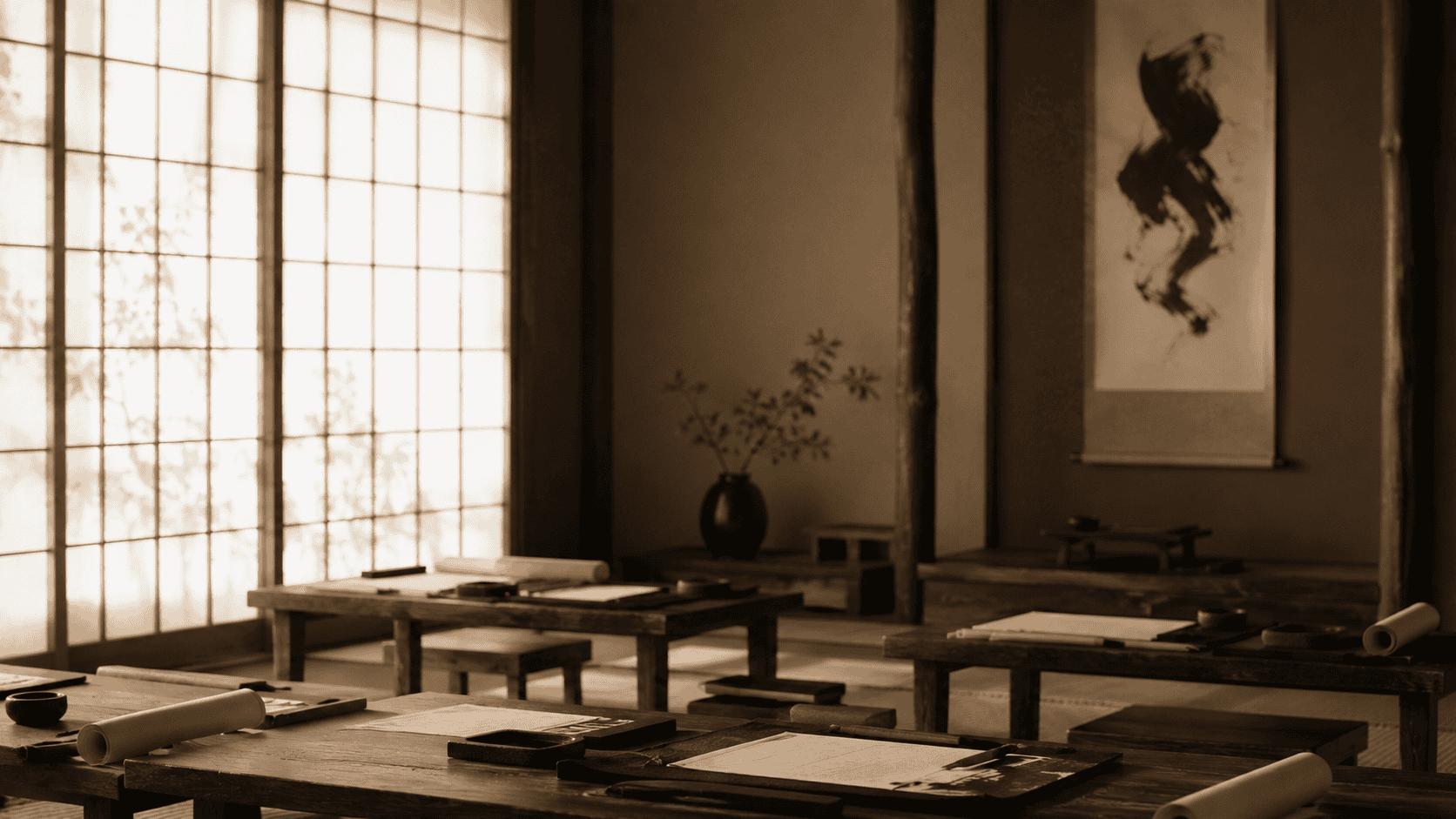
Finally, give yourself permission to be slow. A character written carefully five times from memory is worth more than one copied fifty times on autopilot. Speed comes later, almost on its own, once the sequence is stored. Treat each box as a small test rather than a chore, and the practice starts to feel different. It becomes a string of small wins you can see on the page. Those wins keep you coming back.
It also helps to end each session on a success. Write one kanji you know well, cleanly and from memory, before you close the notebook. As a result, you finish with confidence rather than frustration, and the next session feels easier to start.
Take a proper break
Breaks matter more than they seem. A short pause between sessions lets your attention reset, so the next round of recall starts fresh. In Japan, one of the simplest comforts for a pause is ochazuke: warm rice with savory toppings and hot green tea poured over it. It takes about fifteen minutes and uses leftover rice well. You will find it among many other traditional Japanese dishes on home tables. It is gentle, filling and fast, which suits a study break. Better still, it asks for no special skill. If you can cook rice and boil water, you can make it, and the salmon can even be cooked ahead.
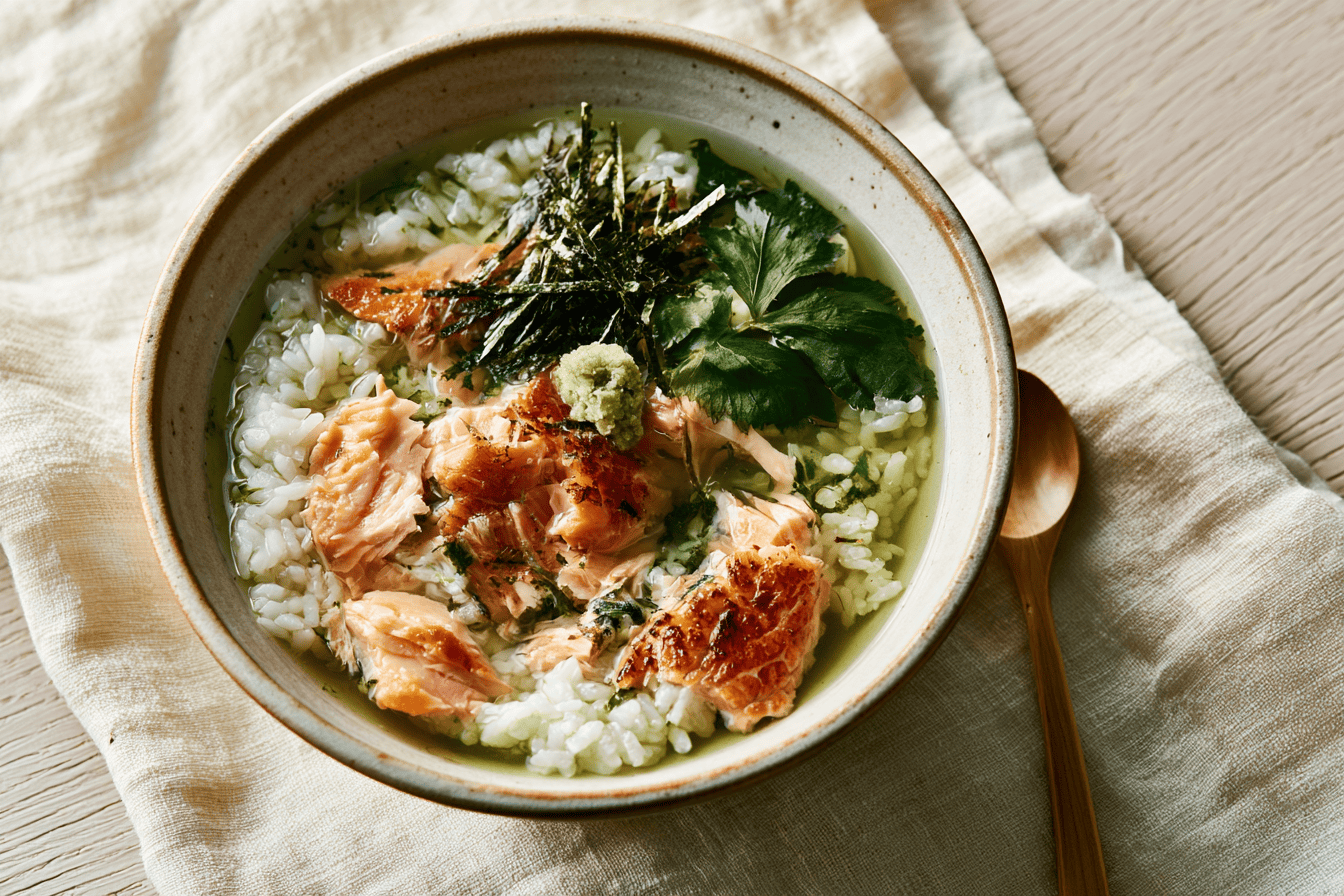
A Japanese home dish of rice with hot green tea poured over it. It began as a thrifty way to finish leftover rice and remains a favorite light meal.
- 2 cups warm cooked Japanese short-grain rice (leftover rice works well)
- 1 small fillet salted salmon (shiozake), about 3 oz
- 2 teaspoons sencha loose-leaf green tea
- 1½ cups hot water, just off the boil
- ½ sheet nori, cut into thin strips
- 1 teaspoon toasted white sesame seeds
- A small handful of arare rice crackers (optional)
- 1 scallion, thinly sliced
- Wasabi and a few drops of soy sauce, to taste
- Grill the salmon for 8 to 10 minutes until cooked through and lightly browned. Flake it, removing the skin and any bones.
- Let the water cool for a minute, then steep the sencha for about 1 minute and strain it into a small pot or pitcher.
- Divide the warm rice between two bowls and top with the flaked salmon, nori, sesame, arare and scallion.
- Set a small dab of wasabi at the side of each bowl.
- Pour the hot tea around the rice until it is about half covered, add a few drops of soy sauce, and eat at once.
The tea softens the rice, loosens the salmon and draws out the nori, so every spoonful tastes a little different. Eat it slowly, then return to the page for five more minutes of recall. That rhythm of short work and real rest is easy to keep up for weeks. In the end, consistency does more for kanji than intensity.
Tools that make each stroke visible
You can practice kanji with any pen. Still, a few tools make the details easier to see. A fine fountain pen shows the difference between a stop and a flick, because ink pools slightly where the nib pauses. A deep black ink gives strong contrast on the page. Traditional hanshi paper, meanwhile, is made for brush practice and rewards a steady hand.
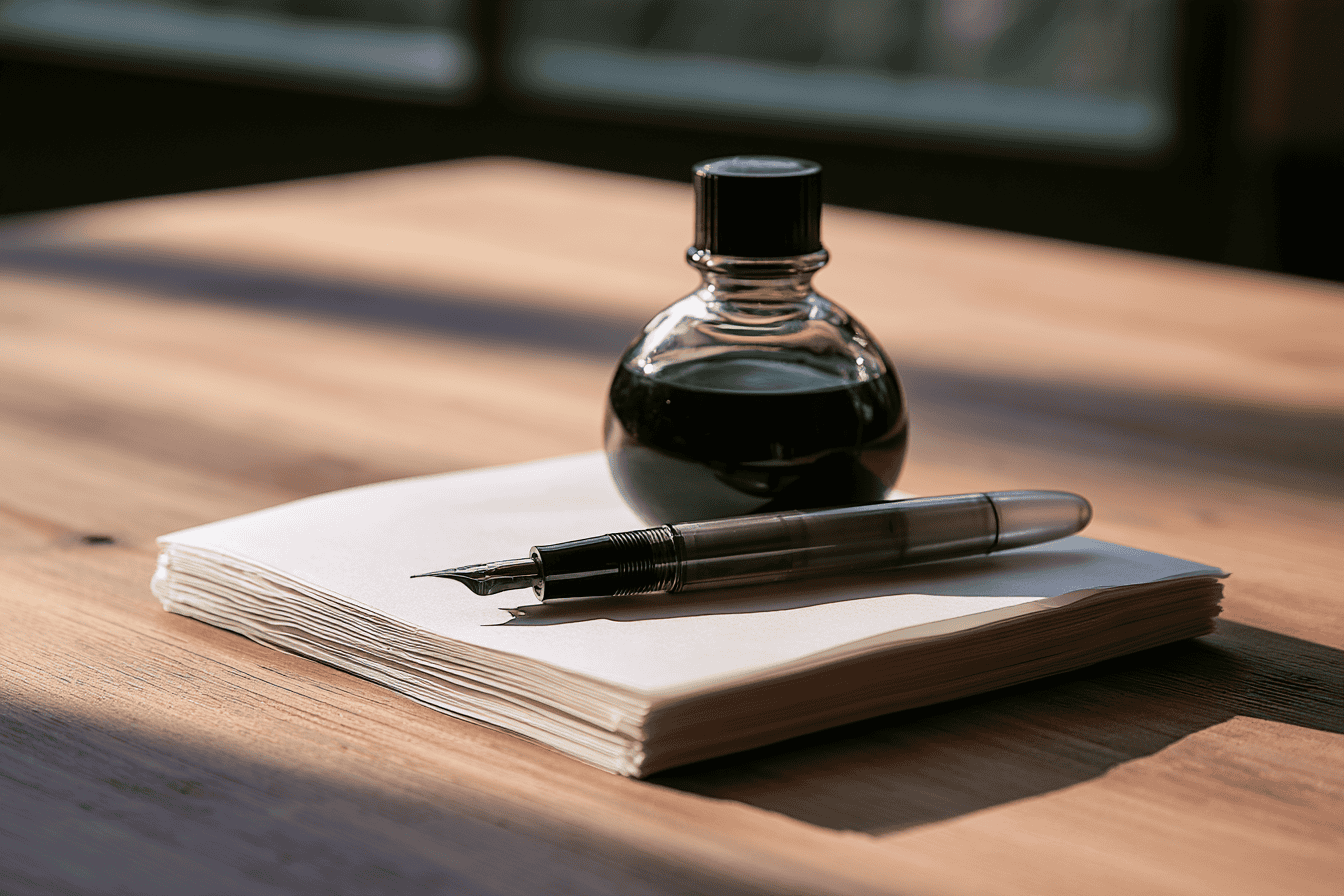
Keep the tools simple and within reach. A pen that lives on your desk gets used; one that lives in a drawer does not. The goal is not beautiful writing but frequent writing, done from memory, with a moment to check each attempt.
There is also no need to feel discouraged when a kanji slips away. Forgetting is part of the process, not proof that the method failed. Each time you pull a fading character back, you practice exactly the skill you want. A kanji you had to struggle for today is one you have genuinely worked on. That effort is the whole point, so welcome it.

What forgetting tells you
Japanese culture has a phrase for the tenderness of things that pass: mono no aware. It fits the learner’s experience surprisingly well. Kanji fade, return, and fade a little less each time. The fading is what makes the return worth something. Seen that way, a forgotten stroke is not a failure but a signal. It tells you which character to write next. It also keeps your practice honest about what you truly know.
For that reason, keep a short list of the kanji that slipped this week. Write them first in your next session, before anything new. Over a month, the list shrinks, and you can watch it happen.
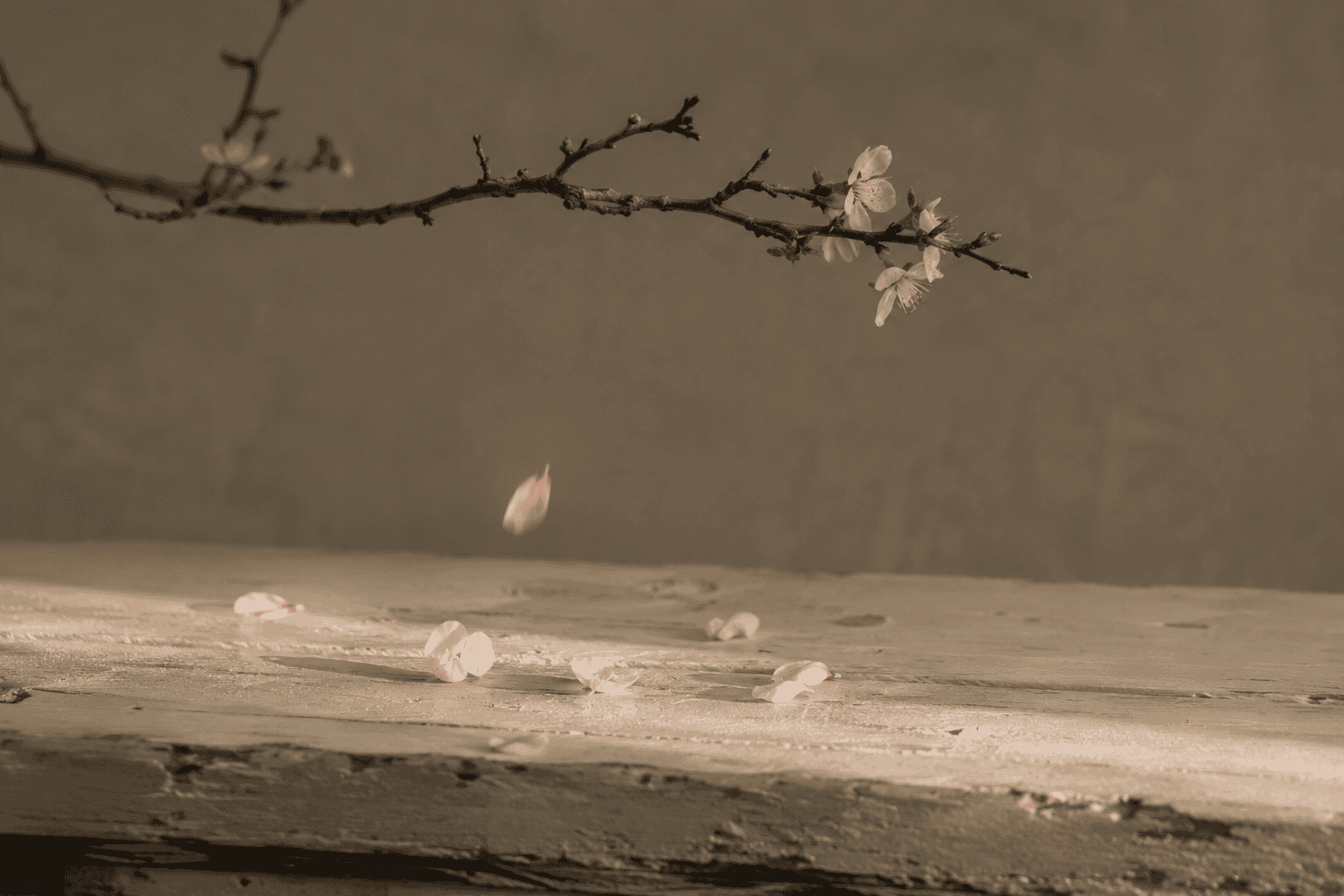
Put together, the picture is simple. Reading gives you recognition. Writing from memory gives you recall. Spacing gives you permanence. Does writing kanji help you remember? It does. Still, it helps most when each attempt is a genuine effort to rebuild the character, not a copy of the one beside it. Keep sessions short, check your work, and let forgetting tell you where to aim next.
Above all, keep the pen moving. Reading about memory is pleasant, but it changes nothing on its own. Five minutes of writing from memory, done most days, will teach you more than any article. That includes this one, so treat it as a starting point.
Questions Worth Asking
Is it worth learning to write kanji by hand?
Yes, if you want to recall kanji rather than only recognize them. Writing builds the parts, order and shape into memory. Even learners who mostly read benefit from a few minutes of writing, because it sharpens how they see similar characters. You do not need beautiful handwriting, only regular practice from memory.
Why can I read kanji but not write them?
Reading trains recognition, which only asks you to match a shape you can see. Writing asks for recall, which means producing the shape with no prompt at all. Typing with kana input also skips recall, since software offers the kanji for you. Regular freehand practice from memory closes the gap.
How many times should I write a kanji to remember it?
There is no magic number. A few careful attempts from memory, spread over several days, usually work better than dozens of copies in one sitting. Write it, check it, and write it again after a pause. If it slips, bring it back sooner rather than later.
Does writing kanji on a tablet work as well as paper?
It works well, and far better than typing. In a study at the Norwegian University of Science and Technology, writing with a digital pen produced richer brain connectivity than typing. A University of Tokyo study found paper had a further edge for memory. Use whichever you will practice on most often.
Does stroke order matter for memory?
Yes. Stroke order turns a kanji into a fixed sequence of movements, which is easier to store and recall than a loose picture. It also makes your writing balanced and readable, so others can recognize what you wrote. Learn the order with each new character rather than fixing it later.
Do I need a brush to practice kanji?
No. Any pen or pencil works, and most daily practice happens with ordinary pens. A brush pen or fountain pen helps you see where strokes gain weight, stop or flick, which makes details like hooks easier to notice. Choose the tool you will actually use every day.
The Verdict: Does Writing Kanji Help You Remember?
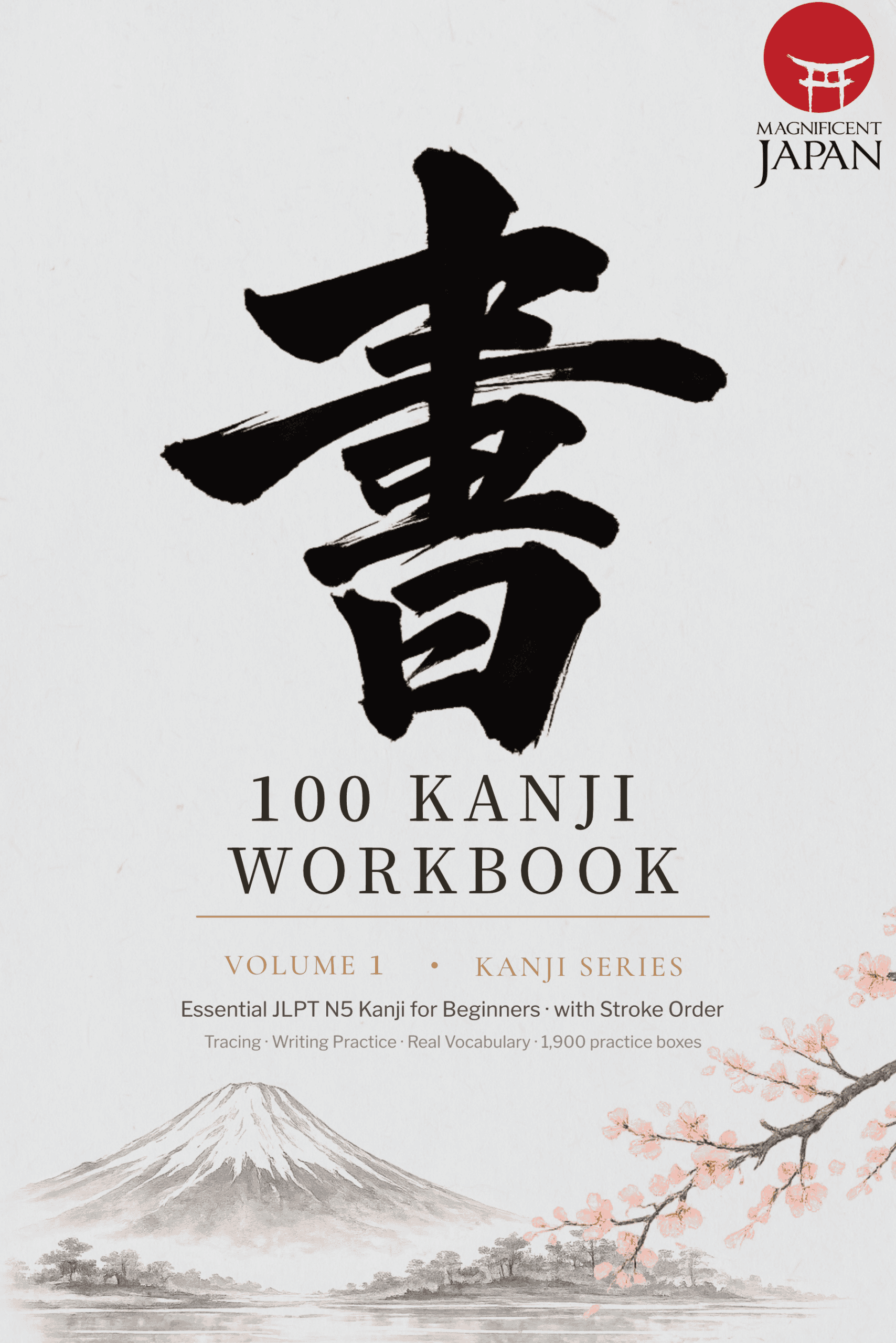
If the question that brought you here was does writing kanji help you remember, the answer is yes, with one condition. Write from memory, check your work, and come back to each character after a pause. Recognition will follow along the way, and so will the confidence to write a character without looking. That confidence is what separates knowing about kanji from knowing kanji.
When you want a structured path, the first volume of the kanji series puts every idea in this piece onto the page: stroke panels, 19 boxes a kanji, sentences that never outrun you, and checkpoints that bring each character back. Pick up a pen, write 力 twice, and begin.
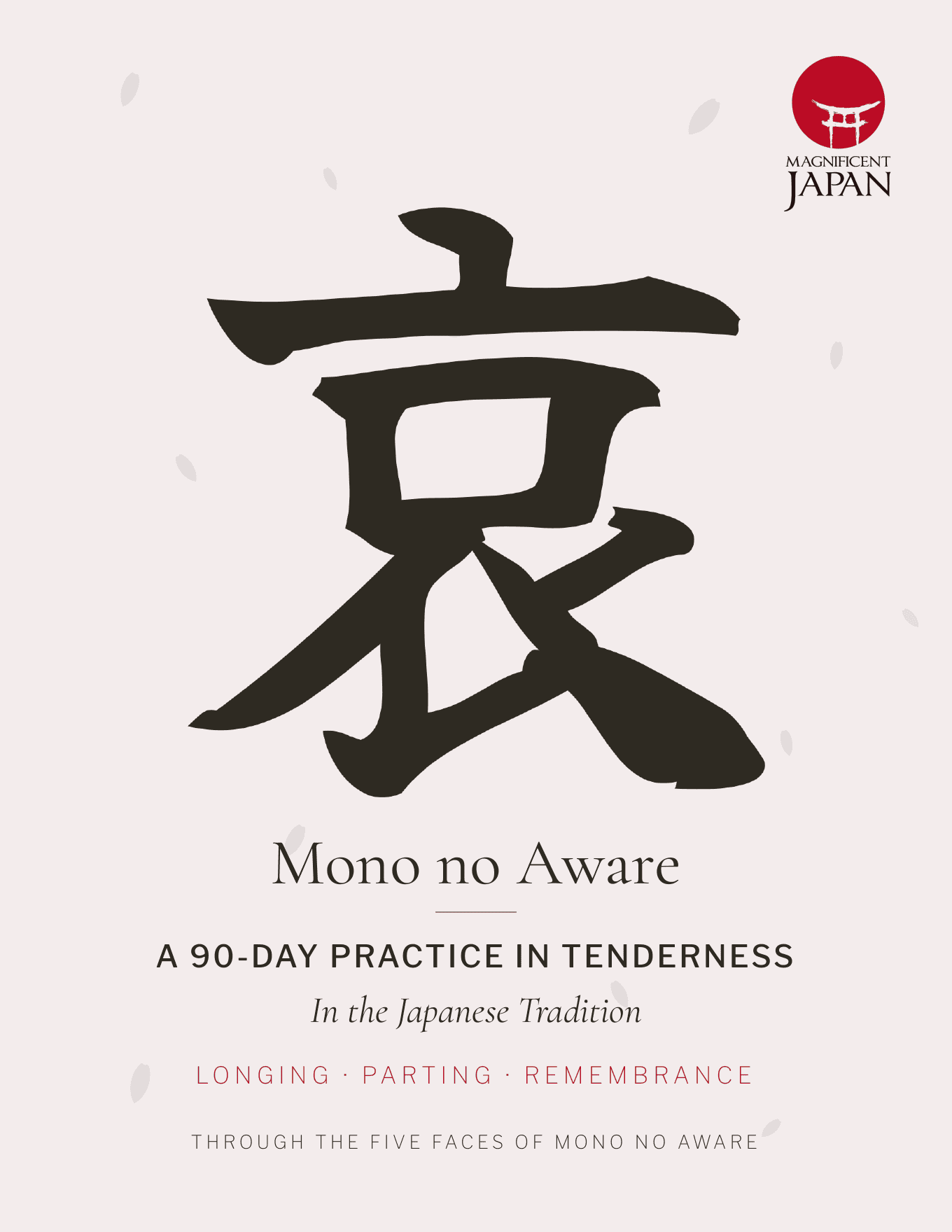
Like kanji that fade and return, it asks for a few honest lines by hand, often enough to become a habit.
View the Journal →Mono no aware asks you to notice what passes. Kanji practice asks the same of a single stroke: see it, write it, let it go, and find it again. Both reward patient attention, one character at a time.
The Editors, Magnificent Japan
We can plan days around the hand: a brush calligraphy lesson, a washi paper workshop, and time in the stationery shops of Tokyo and Kyoto, with the rest of the route shaped to your interests.
Plan Your Custom Japan Itinerary