
The silence between the notes is the music. The space around the flowers is the arrangement.
Ma 間 is the Japanese sense that the space between things is not nothing. Specifically, it means gap, interval or pause. Where English treats emptiness as a lack, ma treats it as structure.
So what is ma, beyond the dictionary line. The idea runs through almost every traditional Japanese art. Furthermore it shapes architecture, conversation and the way a room is measured. Yet English never found a single word for it, which is why explanations tend to circle rather than land.
Ma is the meaningful interval. It is the space or moment that gives shape to whatever sits either side. The character draws a gate with the sun inside, showing light in the opening between two doors. It governs Japanese music, theatre, gardens, design and speech alike.
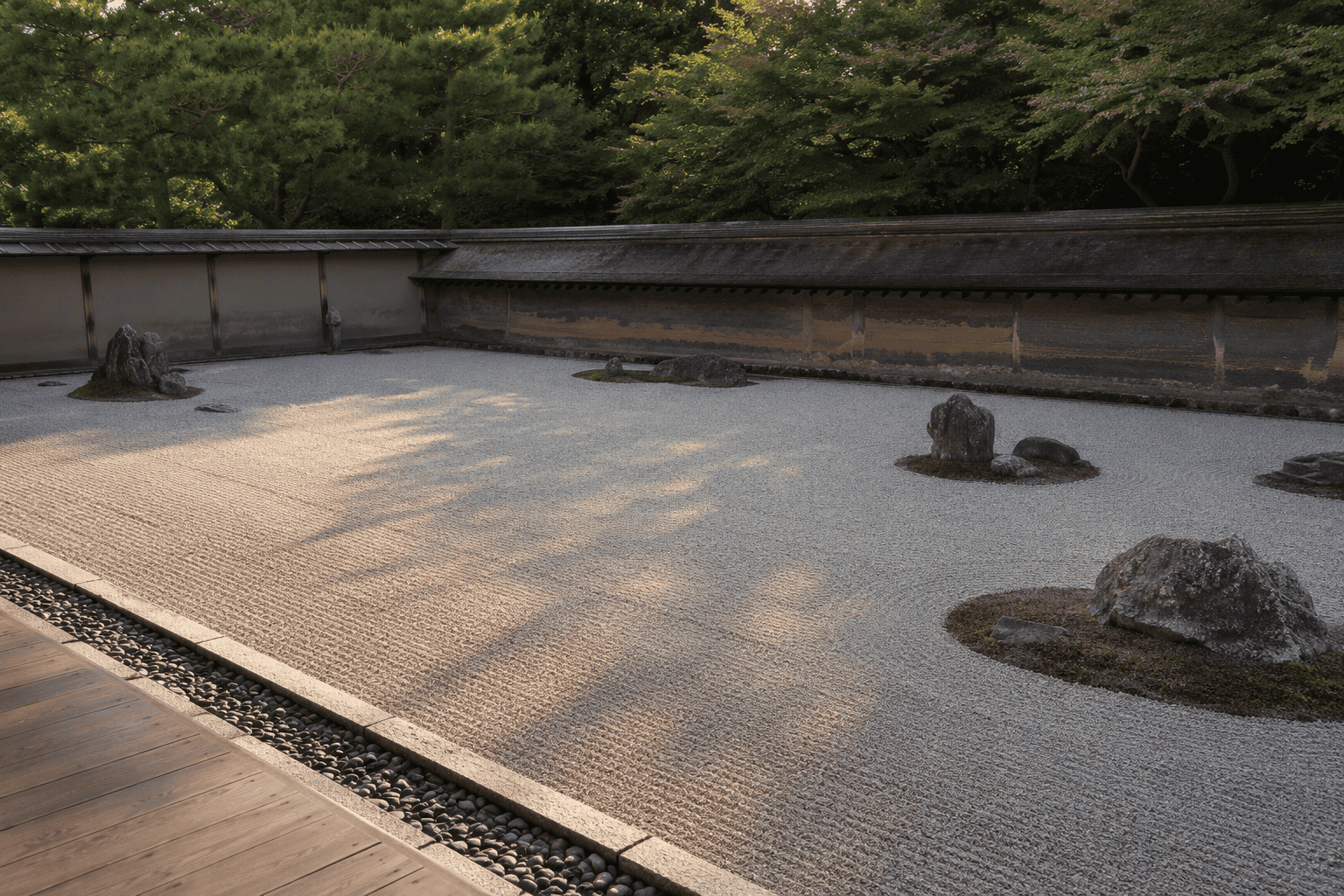
Before the definitions, hold one picture in mind. Fifteen stones sit in a rectangle of raked gravel at Ryōan-ji, and visitors sit for an hour looking mostly at the gravel. Nothing about the garden is empty in the careless sense. The space between the stones is the composition — and that is the shortest working definition of ma you will find.
The character explains the concept
Write ma and you draw a gate with the sun inside it. The form pairs 門, a gate, with 日, the sun. So the written character shows light in the opening between two doors.
That image does the philosophical work. The gap is not a fault in the gate. Rather, the gap is what the gate is for. A doorway is useful because of the part that is missing.
The written character: light in the opening between two doors.
Because the concept is spatial and temporal at once, ma sits inside a great many ordinary words. It appears in the word for time, the word for a room, and the word for a person. Consequently a native speaker meets the idea daily without ever naming it.
The same anatomy explains why translators struggle with the word. English offers gap, pause, interval, negative space — each catches one face of ma and drops the others. The character itself refuses the choice: it is spatial and temporal at once, which is exactly how the concept behaves in Japanese art and in Japanese conversation.
Where ma governs Japanese practice
What makes ma remarkable is not that one art form uses it, but that five unrelated disciplines converged on the same principle. A musician, a Noh actor, a tea host, an ink painter, and an architect are all trained — through entirely different apprenticeships — to treat the interval as material. The map below shows where the concept does its work.
Five arts, one principle — the interval trained in different rooms.
Music
In gagaku, the court music of the imperial household, the rests carry the phrasing entirely. A player who fills them has misread the piece. Therefore timing is not decoration in this tradition. It is the composition.
Gagaku moves slowly by Western standards, and newcomers often mistake that for solemnity. It is closer to spaciousness. Notes are given room to decay rather than stacked. So the ear follows a single line, and hears where it stops.
The shakuhachi makes the point more plainly still. Because the flute is breath-driven, each phrase ends when the breath ends. Consequently the silence is not a decision imposed on the music. It is the body’s own interval, and the piece is written around it.
Theatre
On the Noh stage, the held pause before a movement is where the audience does its work. The actor stops, and the stopping is the performance. Kabuki uses the same device more theatrically, freezing an actor mid-gesture so the moment can be felt.
Noh formalises the pacing itself. The principle of jo-ha-kyu divides a performance into a slow opening, a breaking middle and a rapid close. So the intervals contract as the piece proceeds. Because the audience learns the rhythm early, a late pause carries more weight than an early one.
Jo-ha-kyū: the intervals of a Noh performance contract as it proceeds.
A Noh actor may cross the stage over a minute or more. Nothing happens in the usual sense. Critics often call that crossing the most demanding passage in the form. A performer must hold attention through an interval offering nothing to hide behind.
This is also why decluttering alone rarely produces the calm people expect from it. Removing objects changes the count; it does not compose the field. A room acquires ma when the remaining things are placed with deliberate intervals — when the space between them is arranged as carefully as they are.
Tea
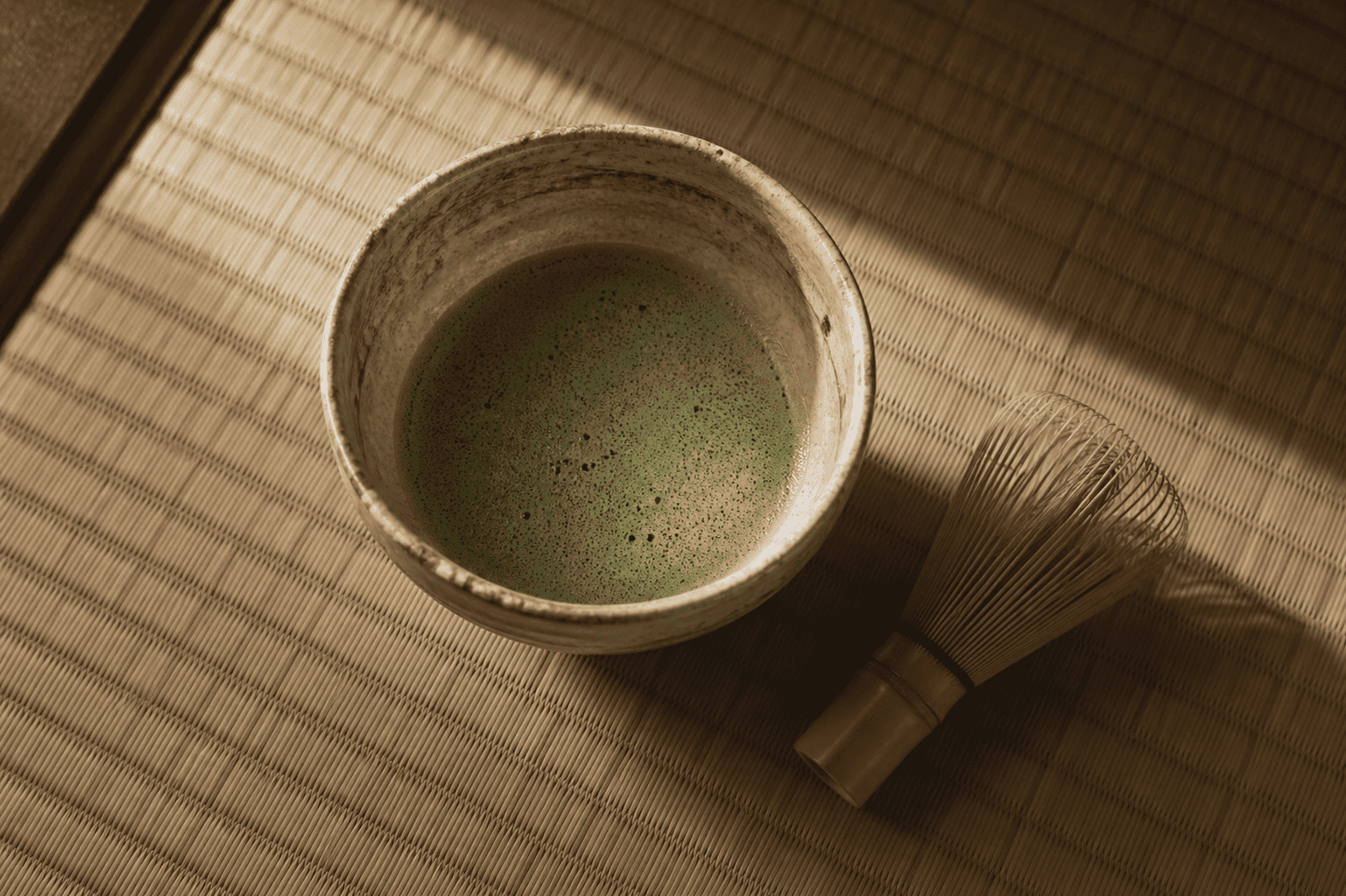
The Japanese tea ceremony judges the host’s timing between actions as closely as the actions themselves. Consequently nothing is hurried, and nothing is padded. The beginner’s guide to chanoyu walks through the sequence step by step.
Architecture enforces it before anyone sits down. The nijiriguchi, the low crawling entrance, obliges every guest to stoop. That awkward moment is not an inconvenience of old buildings. Rather, it installs a pause between the world outside and the room within.
Inside, the host’s movements are choreographed to a degree that surprises first-time guests. Each implement is set down fully before the next is lifted, without exception. Because nothing overlaps, the gathering acquires a tempo. That tempo is what guests remember afterwards.
The roji, the garden path leading to the tea house, applies the same logic in motion. It paces your approach deliberately, since the spacing of the stepping stones sets how quickly you may arrive.
Jo-ha-kyū is worth knowing beyond the theatre, because Japanese aesthetics applies the same contracting rhythm to almost everything with a beginning and an end — a tea gathering, a poem sequence, a formal meal, even a conversation. Once you can feel the pattern, you notice the intervals doing the pacing everywhere in Japanese culture.
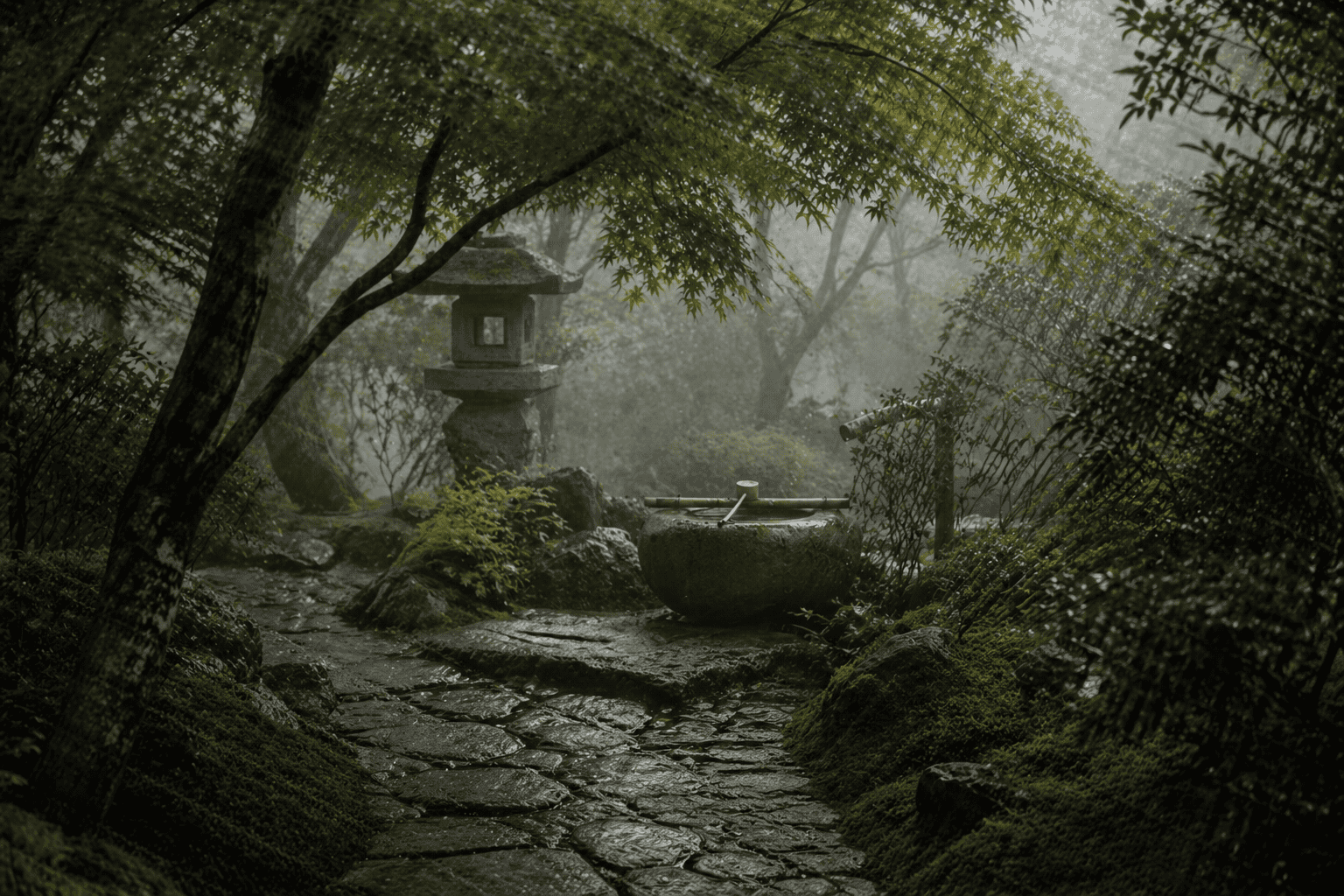
Flowers and ink
Similarly, in ikebana the arrangement is read through the space around the stems. Meanwhile in sumi-e the untouched paper is called yohaku, and it is composed as carefully as the ink itself.
Ikebana works from three principal lines rather than a mass of blooms. Three lines sit at different heights and angles. So the eye travels between them rather than resting on one point. A Western bouquet fills a shape; an ikebana arrangement describes one.
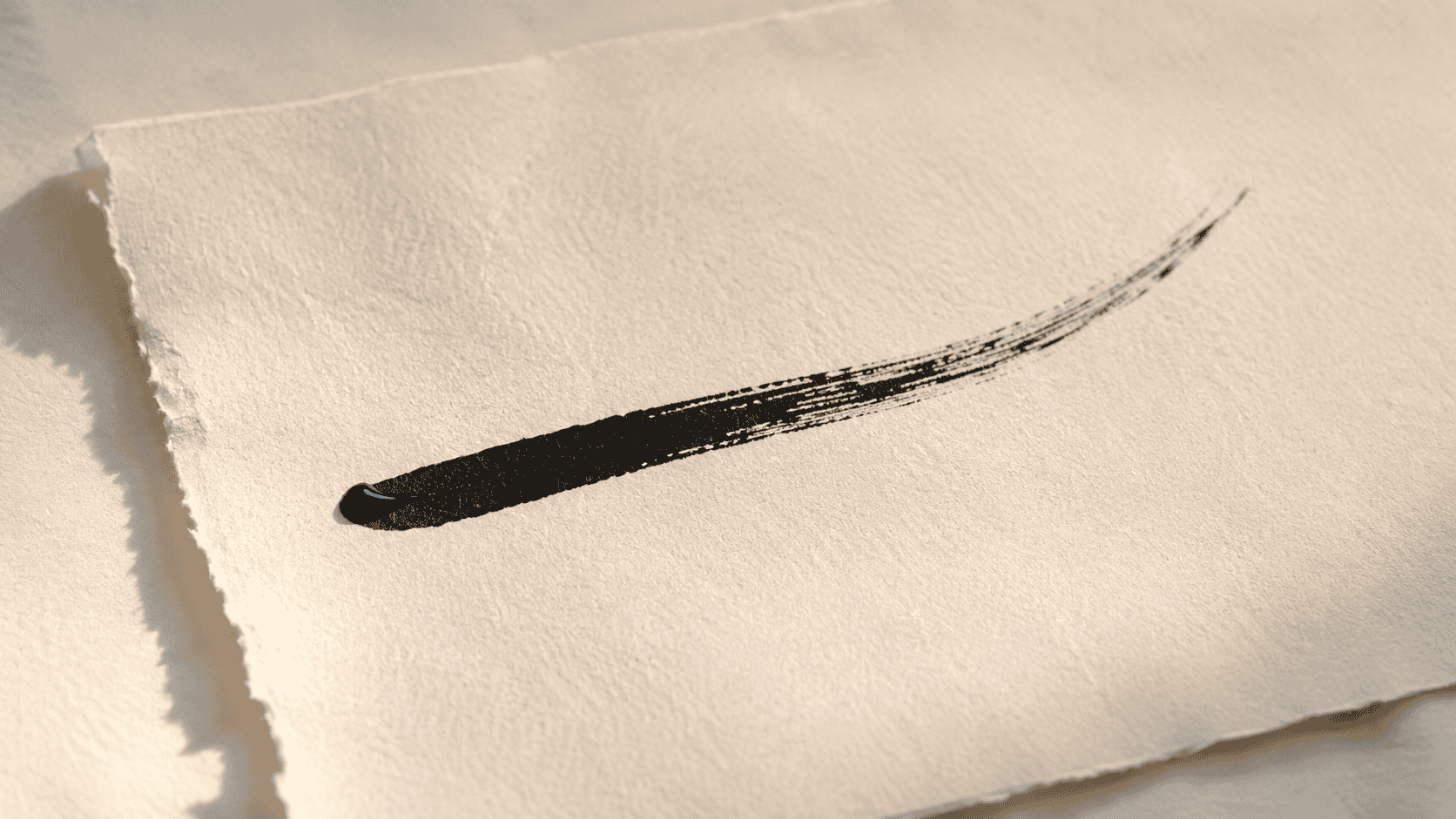
Ink painting takes the same restraint further, because ink cannot be undone. A stroke is final the moment it lands. Therefore the painter decides in advance how much of the sheet stays bare. That decision precedes the loading of the brush.
That principle carries into shodo, Japanese calligraphy. Here too, the paper left alone shapes the character as much as the brush. Negative space in Japanese art traces that idea across the visual traditions in full.
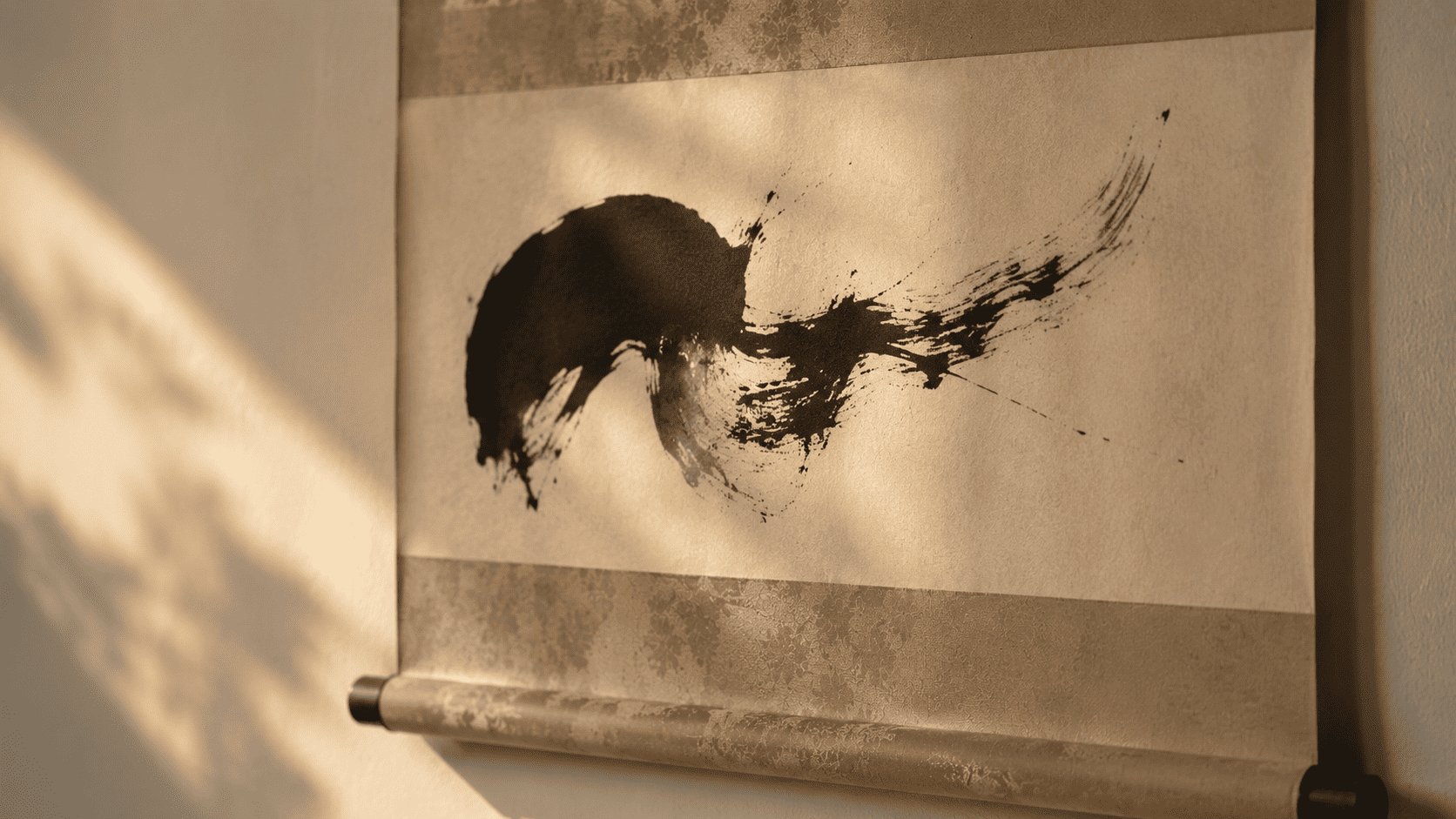
Calligraphy makes the principle visible at the scale of a single character. A shodō teacher corrects the spacing of a student’s strokes as often as the strokes themselves, because a kanji written without room around it reads as noise. The paper is not background; it is the other half of the character.

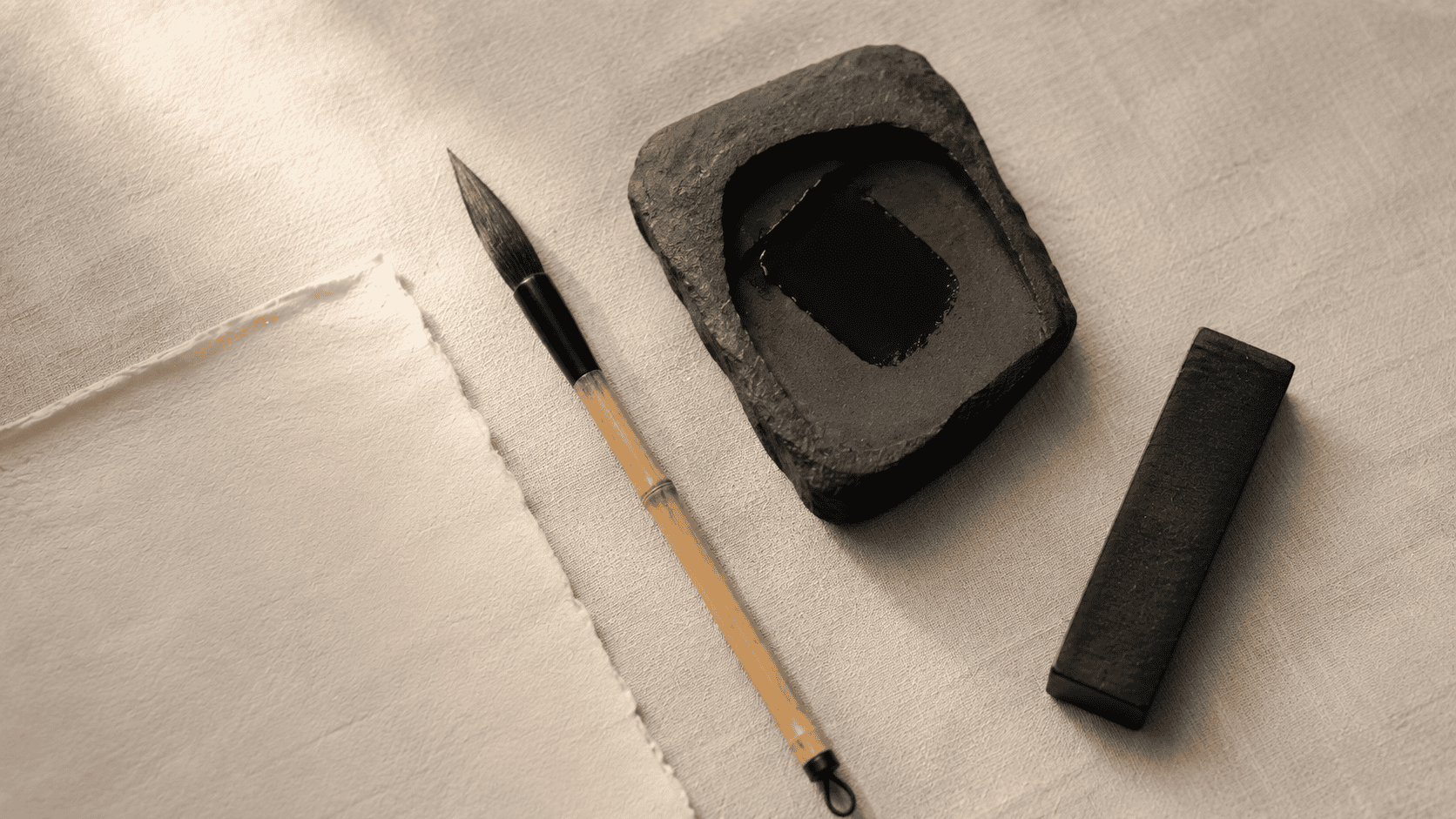
Architecture
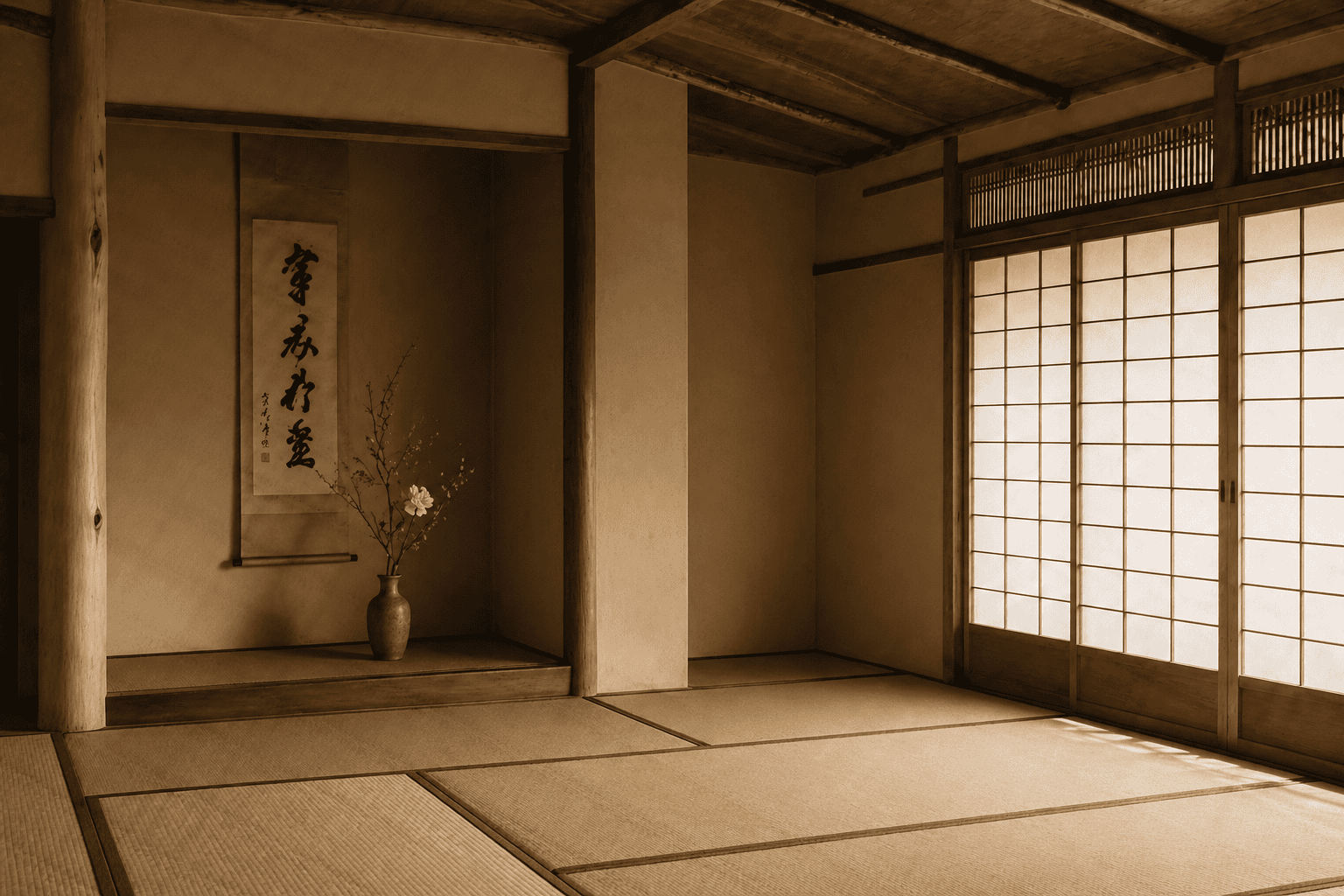
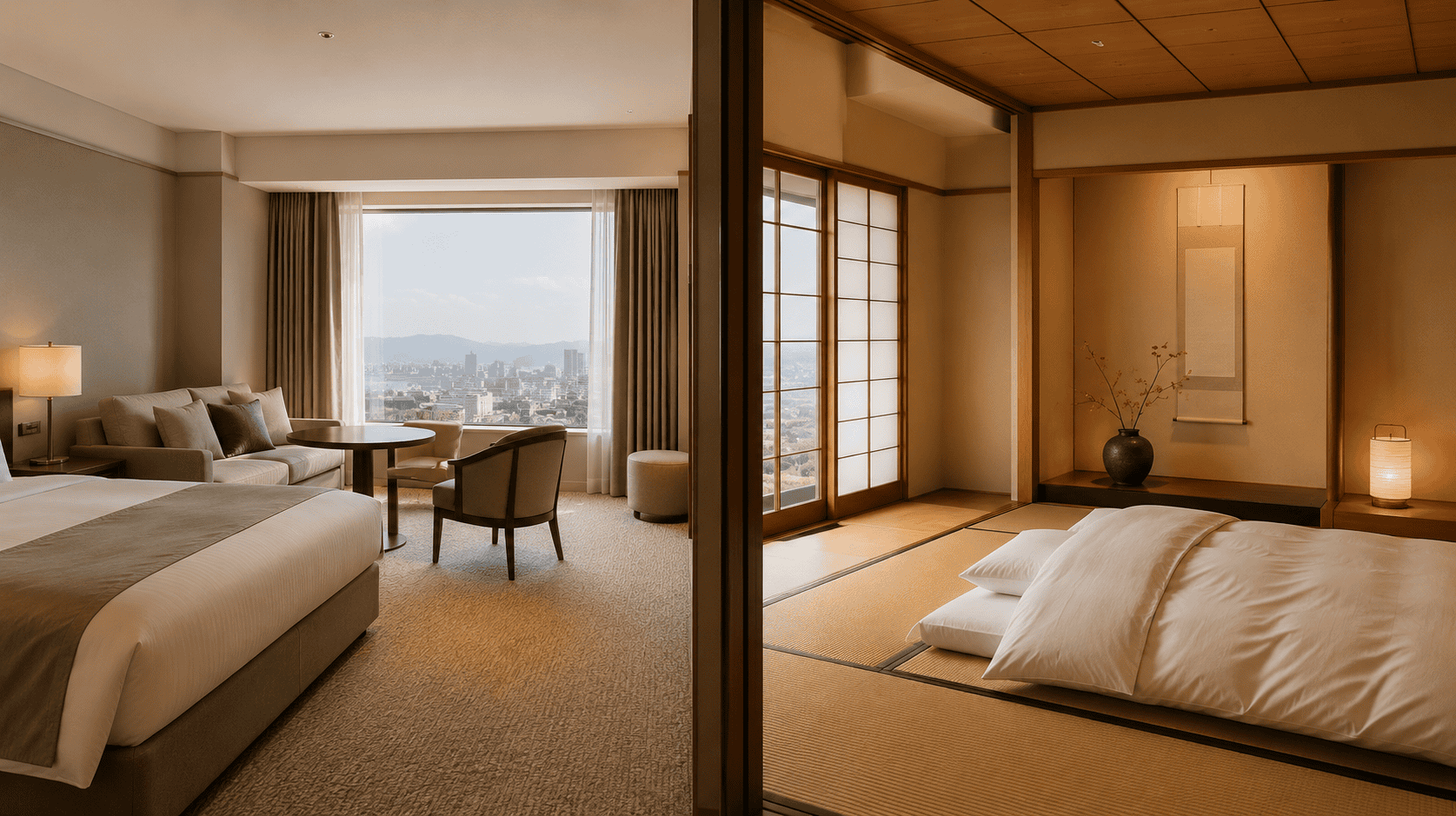
Architecture carried the idea furthest of all. Traditional rooms are measured in ken, a unit describing an interval rather than a length. So a room is described by the spaces it contains.
Moreover the sliding screen makes that literal. A wall becomes an opening, then a wall again. The engawa, the narrow veranda between inside and out, is ma built into the plan of the house.
The engawa deserves more attention than it usually gets. It is neither a room nor a garden, and it belongs to neither category cleanly. Because it refuses to resolve, it does something no corridor does. A household can sit inside the transition rather than pass through it.
Japanese architecture also organises approach rather than arrival. Temple grounds place gates, paths and thresholds so a visitor is prepared by degrees. The related idea of oku, or inwardness, describes depth reached through sequence rather than distance.
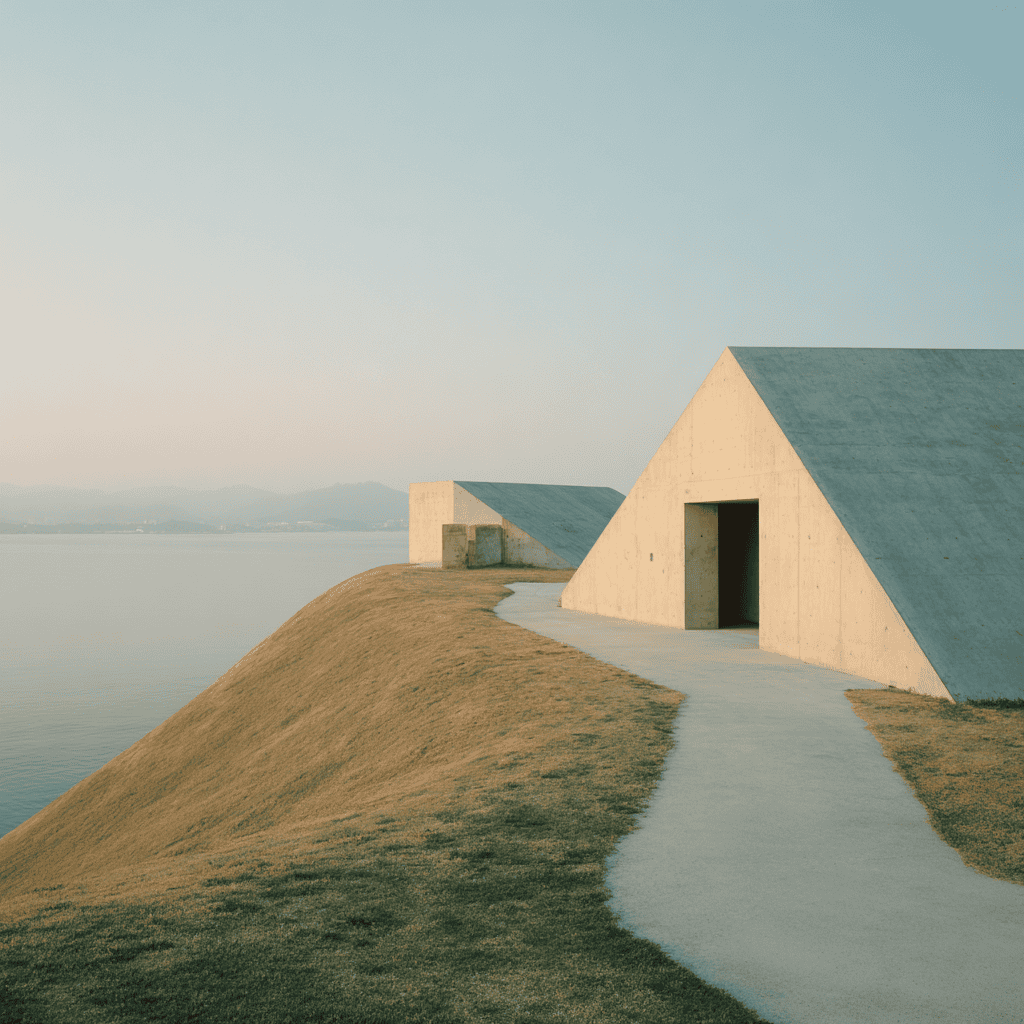
Modern Japanese architects kept the habit and took it abroad. Tadao Ando’s buildings on Naoshima are largely an argument about void, light and approach. Much of the work sits below ground, so the emptiness must be walked through.
Modern architects inherited the principle intact. Tadao Ando pours the same idea in concrete: his buildings are largely an argument about void, light, and approach, where much of the structure sits below ground so that the emptiness must be walked through before any gallery is reached. The interval is the architecture.
Ma in speech and everyday life
Here the concept leaves the gallery, and most English explanations stop short of it. Yet ma governs conversation as firmly as it governs design.
A pause before answering signals that the question was taken seriously. Consequently the Western instinct to fill silence can read as haste, or worse as inattention. Our guide to Japanese etiquette covers where a visitor meets that expectation first.
Business meetings are where visitors notice it fastest. A proposal is met with silence, and the foreign side often rushes to improve the offer. Yet the silence was consideration rather than resistance. The concession was volunteered against nothing at all.
The expectation reaches further than pacing. Reading the air — kuuki wo yomu — is the skill of sensing what a room needs before anyone says it. Ma is the temporal half of that skill. Knowing what to say matters little without knowing when.
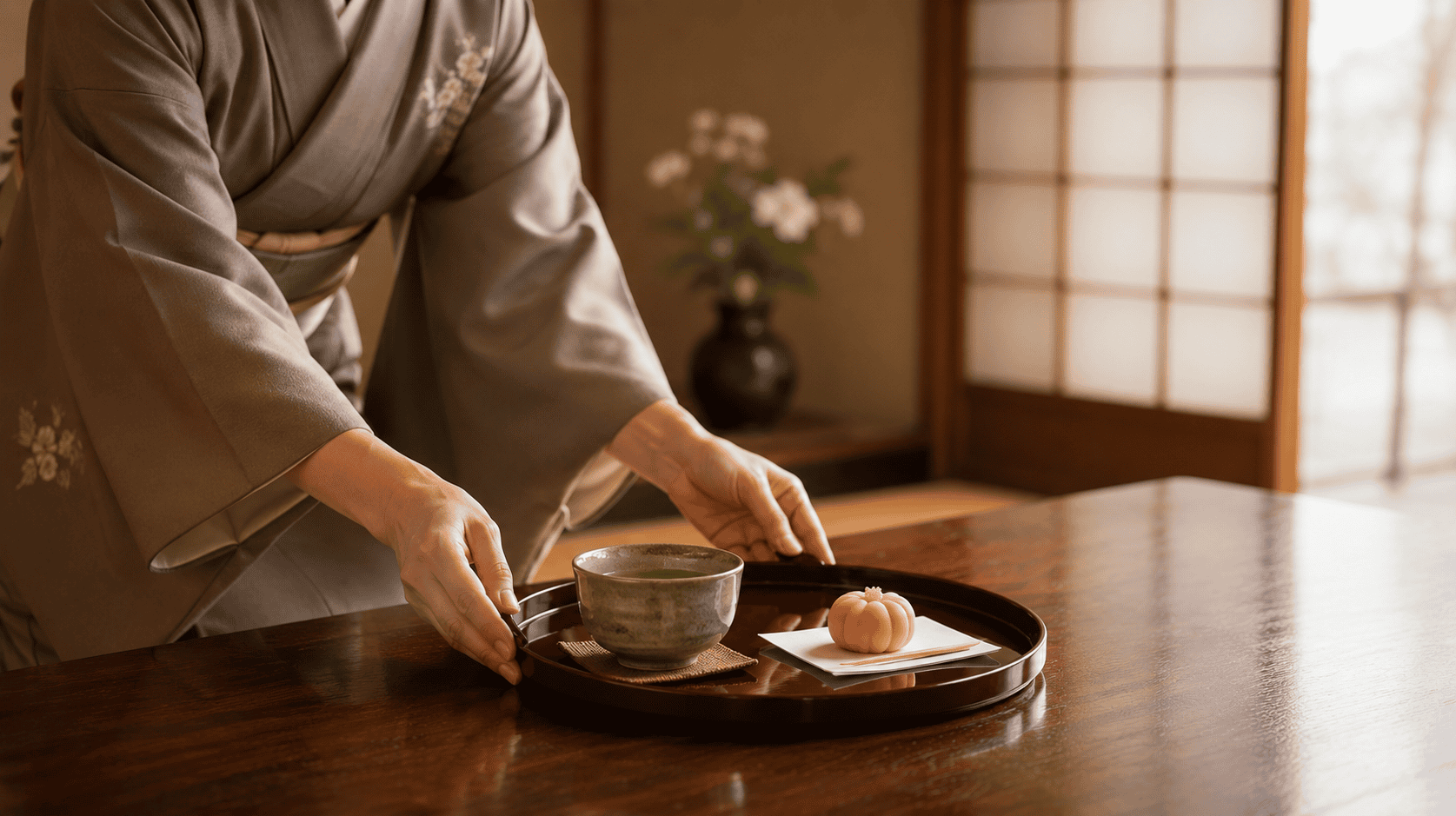
You can also feel ma in a temple lodging, where the day is paced rather than filled. The shukubo experience is built almost entirely from intervals. That is why a night there reorganises your sense of time.
Temple lodging makes the same point in the register of time rather than space. A shukubo evening is structured almost entirely from intervals — the pause before the meal, the silence after the bell, the long unlit corridor between the bath and the room. A night there quietly reorganises your sense of what a schedule is for.
When the timing fails, that has a name too
Japanese carries a phrase for getting ma wrong. Ma ga warui translates as bad ma, and it describes a moment mistimed. For example, someone speaks at the wrong point. A guest misreads the room. Another arrives at an awkward juncture, and everybody feels it.
Notice what the phrase does. It locates the fault in the interval rather than the person. Consequently the failure becomes a matter of timing rather than character. Timing is trainable in a way character is not.
Meanwhile English has no equivalent. We say tactless, or blunt, or thoughtless. Each of those describes a personality rather than a moment. That difference in vocabulary shapes what people believe they can change.
Ma is not minimalism
The two get confused constantly, and the confusion is worth undoing. Minimalism simply removes things. Ma shapes what remains between them. So a room can be full and still hold ma, provided its intervals are worked.
For example, consider a gold-ground screen crowded with pines. Notably, the gold is empty of description. Yet it is not simple, because it carries the space the pines need in order to be read.
Minimalism removes; ma composes what remains.
Nor is ma idleness. The interval is deliberate, and that distinction matters more than any other in this article. Leaving room is a skill rather than a mood.
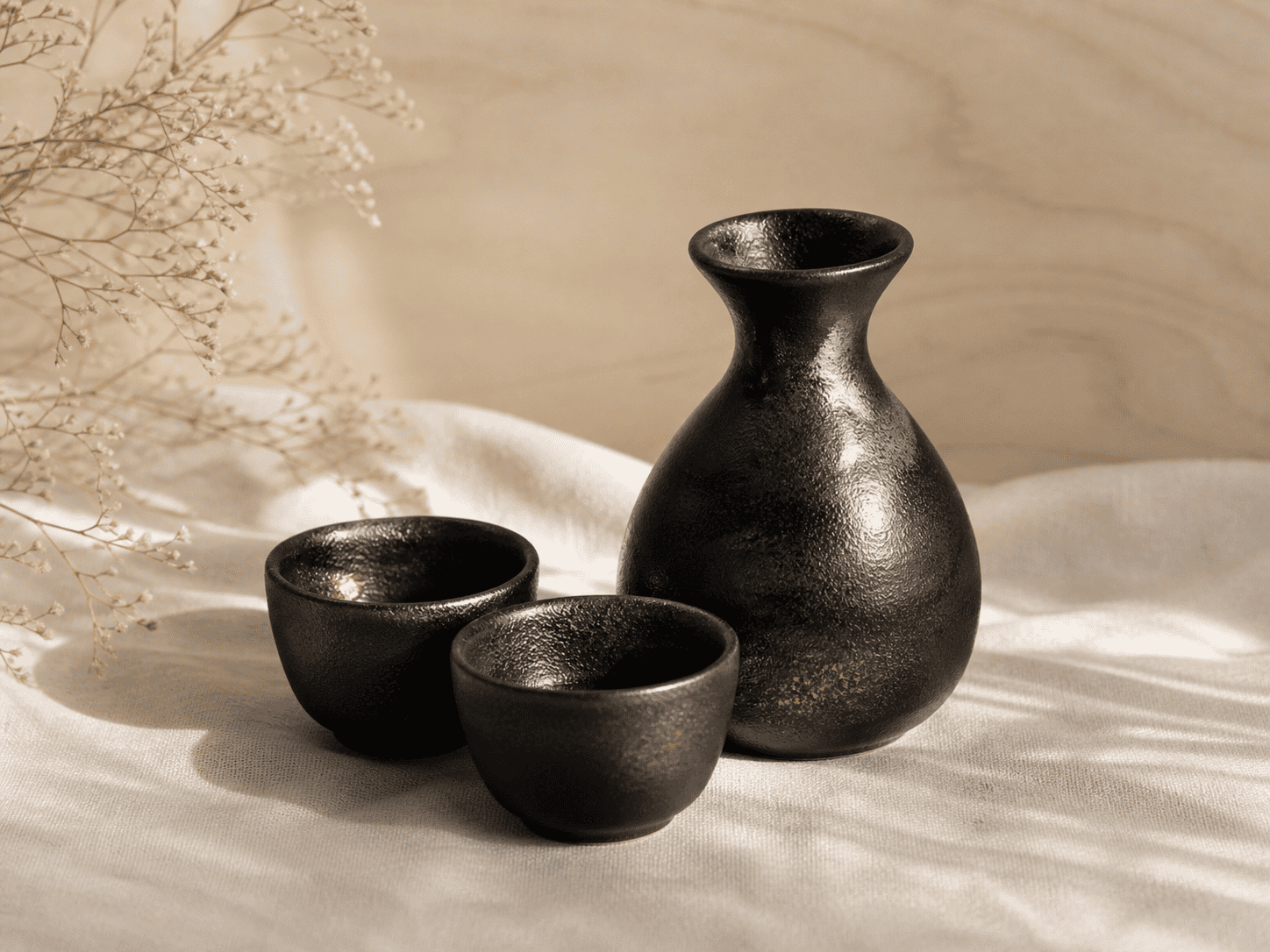
Craft objects carry the discipline at the smallest scale. A sake set or a pair of chopstick rests is designed to be arranged, and the arranging is the point — a few dark forms, placed with intention, and the table around them left alone. Ownership of such things is really the ownership of the intervals they create.
Finally, ma is not a wellness technique. It predates every modern idea now sold beside it. Moreover it began as a way of describing structure rather than feeling.
Essays on Japanese ideas, and the journals built from them. Leave your email and the next one finds you.
One letter a fortnight. Unsubscribe any time.
Why ma travels badly into English
Translations reach for negative space, emptiness, or interval. Each catches part of it, and none catches all three at once. Because English separates space from time, a word meaning both sounds imprecise rather than exact.
There is a further problem. English treats a gap as something to close. So advice built on ma often arrives sounding like a productivity tip. That inverts the idea completely.
The nearest English gets is musical. A rest in a score is not silence where the music stopped. It is part of the music, placed deliberately. Musicians understand ma immediately, whereas most other readers need the long version first.
What is ma in practice
Start by noticing rather than changing. Find one interval you routinely fill and leave it alone for a week. The walk between two rooms works well, and so does the moment before you answer.
Then widen it slowly. Ma is trainable in the way attention is trainable, which is slowly and by repetition rather than by resolve. Indeed most people see the interval well before they can use it.
Writing helps more than intention, because it forces a delay between an event and your account of it. That delay is where the noticing lives. The space between one thing and the next takes the argument further.
The practice: notice, leave the interval alone, return.
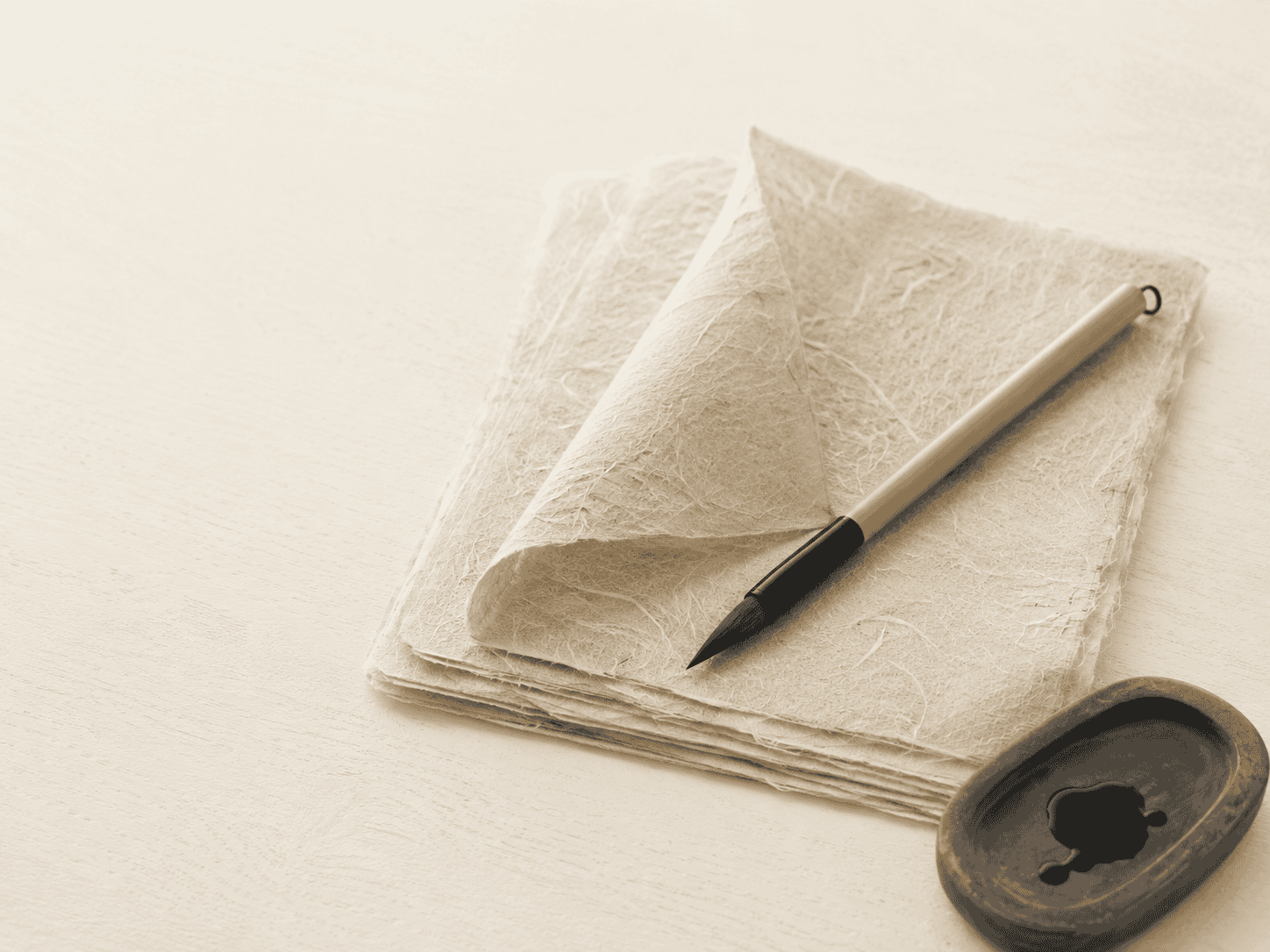
A last practical note on tools. The practice needs almost nothing — a notebook, a pen, and the discipline to leave one interval unfilled — but writers who keep it tend to care about the desk it happens at. The objects below are chosen for people who take the daily page seriously.
Learning it by hand
Reading about ma takes you only so far. Holding a brush teaches it faster. The paper punishes a crowded hand and rewards a patient one.
The lesson arrives through the body rather than the mind. Load the brush too heavily and the stroke bleeds. Move too quickly and it thins to nothing. Between those failures sits a narrow band of speed and pressure. Finding it takes repetition rather than instruction.
Spacing teaches the same thing at a larger scale. Set characters too close and the column reads as crowded, however accurate each is. Because the eye judges the gaps before the strokes, calligraphers learn to compose the white first.
The calligraphy practice page is open to anyone and needs no signup. If you would rather work on paper, the kanji workbooks take the same characters onto guided sheets. 間 is among them.
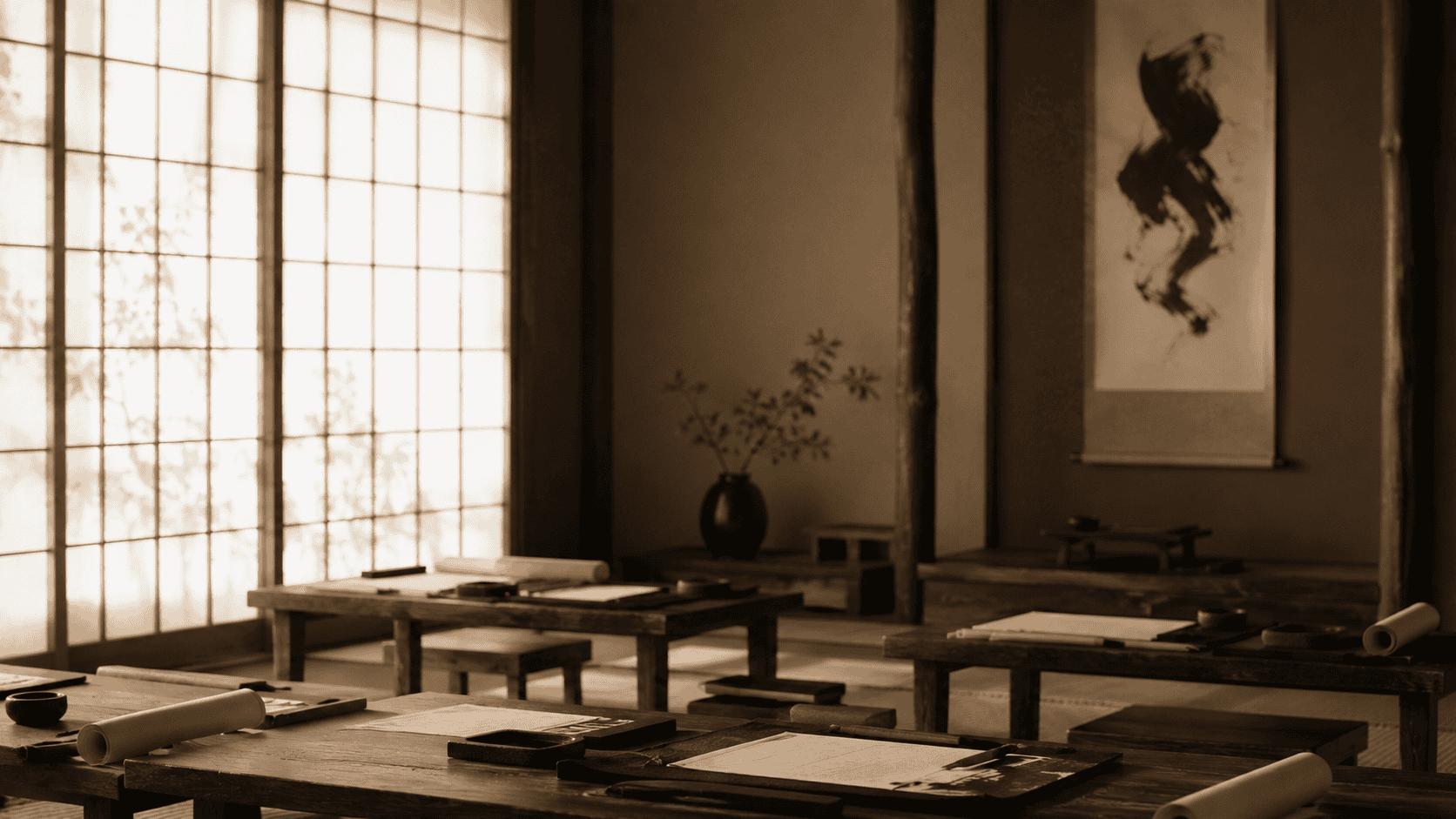
Guided journaling is the most reliable way to turn all of this from an idea you agree with into a habit you keep. Rather than facing a blank page, you meet one prompt each morning, answer it in the space provided, and let ninety days of small entries accumulate into a record of your own intervals.
What the film shows is the write-on digital format that every guided journal in the collection shares. One prompt sits on one page, you write directly on it with a stylus in GoodNotes or Notability, and the white space around your answer is deliberate — the page itself practises ma. The same format carries The Interval and Mono no Aware below, and both also exist in paperback print for readers who prefer ink on paper.
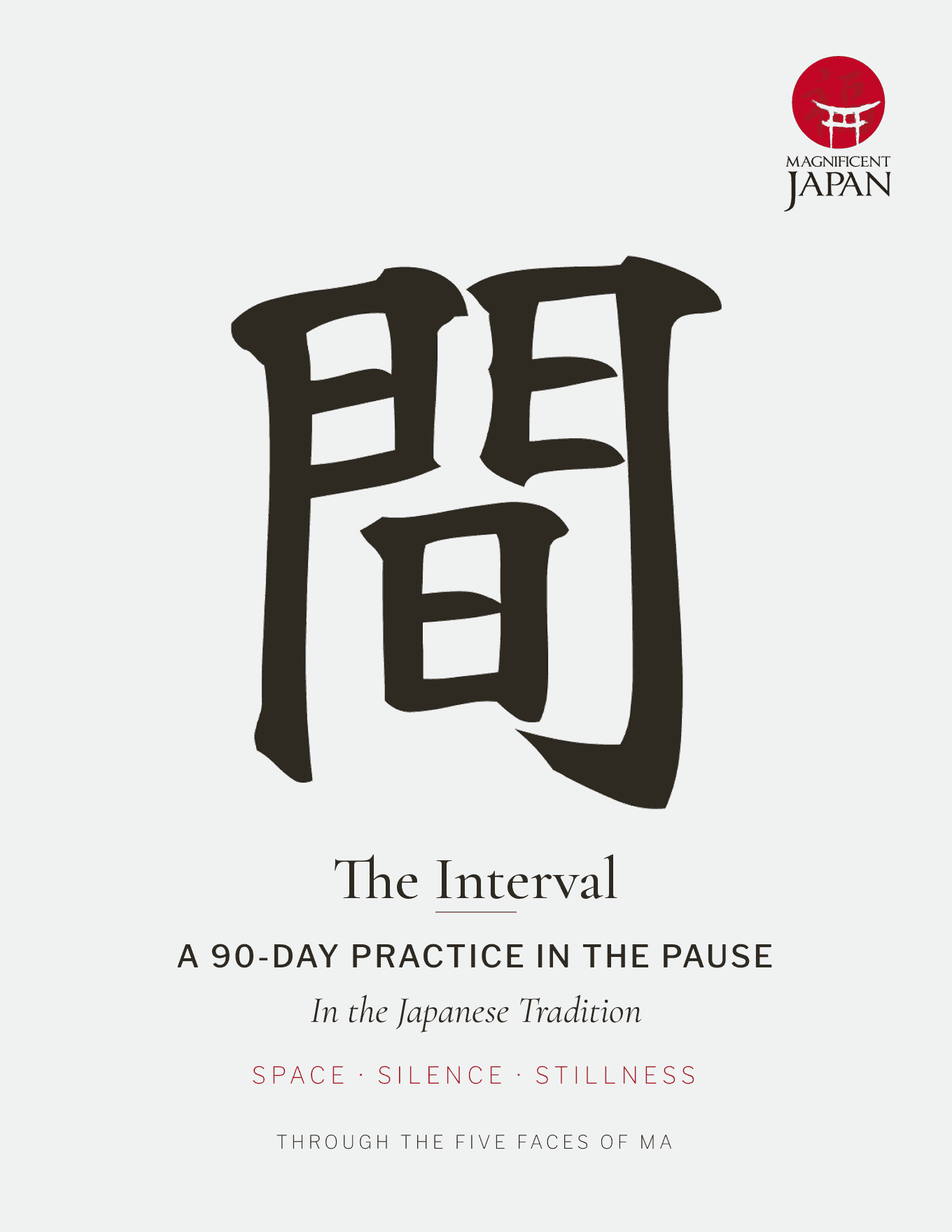 Ma · The Pause The Interval Ninety prompts make a daily practice of the pause — the interval trained across an over-full life. $27 · Digital & Print View This Journal
 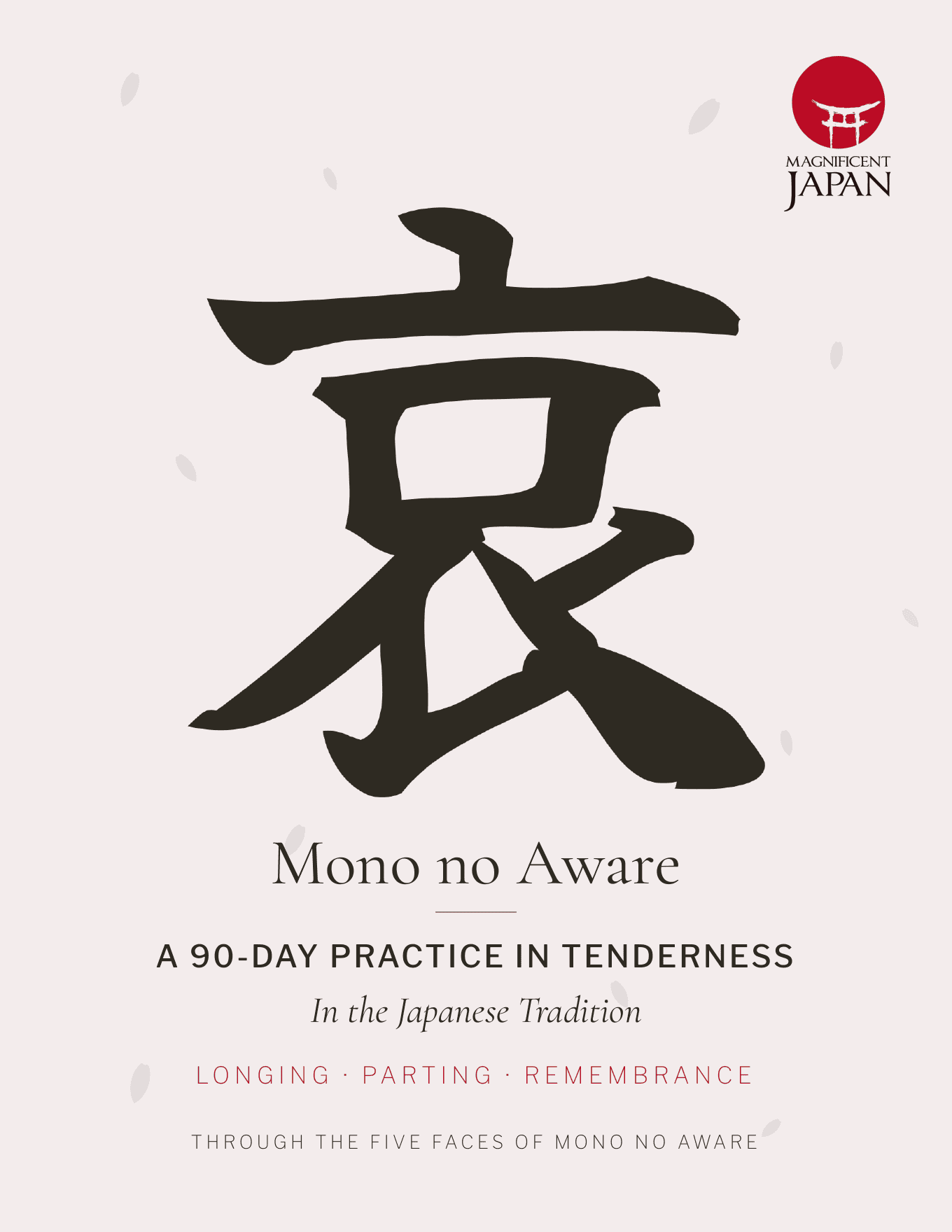 Mono no Aware · Tenderness Mono no Aware Ninety prompts turn tenderness toward what passes — longing, parting, and remembrance, held gently. $27 · Digital & Print View This Journal
 Both belong to the same family of Japanese guided journals — ninety days, one prompt a day, a weekly synthesis, and a monthly review, in a write-on digital edition and in paperback print. The Interval is the ma journal: it trains the pause this essay describes. Mono no Aware is its natural companion, a guided practice in the tenderness of what passes — because noticing the interval and noticing what moves through it are the same discipline. The full set of guided 90-day practices lives in the Japanese journals collection.