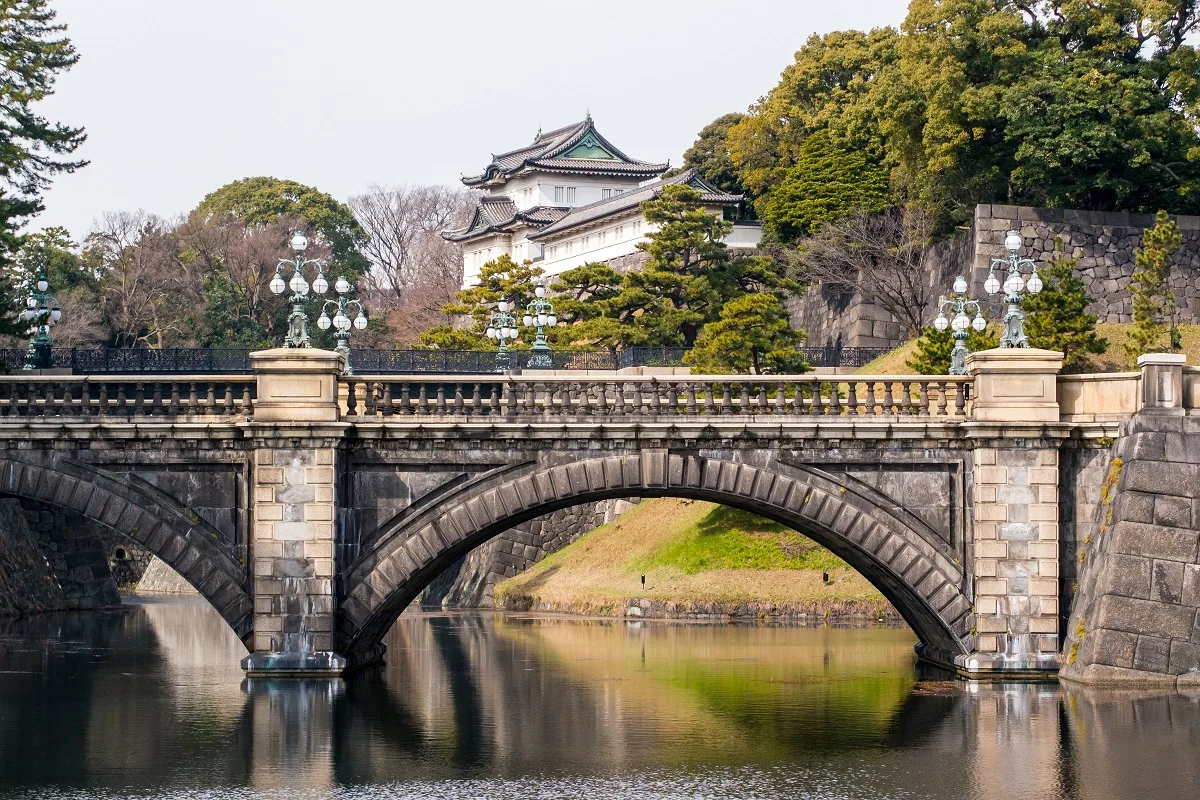
Japanese royalty is easy to picture and hard to describe. The photographs travel well: a stone bridge, a white-gloved wave, a woman in layered silk. What those pictures leave out is the machinery. There are statutes, appropriations and a ceremonial calendar that runs whether or not anyone watches. So understanding the institution means starting with the paperwork rather than the pageantry.
This court has outlasted shoguns, two constitutions and a war that nearly ended it. It survived by changing what it was for. Once it claimed authority; now it holds none. That exchange is the story worth knowing, and it is more recent than most readers assume. Japan’s wider inheritance, from castle towns to the country’s World Heritage sites, also reads more clearly once the court is in the frame.
What is Japanese royalty today?
Japanese royalty today is a symbolic monarchy. Under the 1947 Constitution, the Emperor is the symbol of the State and of the unity of the people, with no powers related to government. Emperor Naruhito has reigned since 1 May 2019. The throne passes only through the male line, and the Diet funds every expense of the household.
What Japanese Royalty Means Under the Constitution
Start with the constitutional text, because everything follows from it. The Imperial Household Agency quotes Article 1 first. The Emperor is the symbol of the State and of the unity of the people. He derives that position from the will of the people, with whom sovereign power resides. In short, he is a symbol with a job description, and the description is brief.
That description is also closed. He appoints the Prime Minister the Diet has designated. He appoints the Chief Justice the Cabinet has designated. Beyond that, he promulgates laws, convokes the Diet, dissolves the lower house, awards honors and receives ambassadors. The Constitution lists thirteen such acts. Article 4 then adds the limit: he performs only those acts and has no powers related to government.
The Clause That Does the Work
Every one of those acts requires the advice and approval of the Cabinet, and the Cabinet answers for them. In practice, the Emperor signs what an elected government puts in front of him. The ceremony is his; the decision is not. That single clause separates a symbolic monarchy from a head of state with reserve powers. Japan drew that line harder than most countries did.
The arrangement dates from 1947, and it was no gentle adjustment. Under the prewar constitution, the Emperor stood above the state as its sovereign. The postwar text placed him inside it as its symbol. Between those two sentences sits the distance between an empire and a democracy. Everything ceremonial that survives today survives inside the second framing. That is why the court reads as both very old and oddly modern.
So when people ask what the court is for, the honest answer is continuity. Governments turn over often. The court turns over once a generation, and it never argues in public. That division of labor is the whole design, and it has held for nearly eighty years.
How Japanese Royalty Outlasted Shoguns and War
The Agency keeps the lineage in two registers, the Daitofu and the Kouzokufu, much as a land registry keeps title. Where that record begins is a separate question, and a contested one. The court’s eighth-century chronicles reach back to a founding ruler in the seventh century before the common era. Historians working from datable material place firm ground in the sixth century of the common era. An honest account says both, without embarrassment. Either way, Japanese royalty predates every other monarchy still standing.
Why Weakness Preserved It
What matters more than the starting date is what the line survived. Regents ran the court from the ninth century. Warrior governments then ran the country from the twelfth. Between the Kamakura settlement and the Meiji Restoration, the emperor lived in Kyoto with little revenue and no army. That weakness arguably preserved the institution. Nobody needed to abolish something that threatened nothing.
Then 1868 reversed the arrangement. The Meiji government moved the emperor from Kyoto into the shogun’s former castle in Tokyo. It rebuilt the monarchy as the center of a modern state. Officials standardized court ritual and designed uniforms, so a very old institution acquired brass buttons. Much of what looks timeless today took shape inside a single generation.
A readable, opinionated history of the imperial family from the Meiji era through the postwar years.
View The Yamato Dynasty →Keene's biography of the emperor who left Kyoto for Tokyo and became the center of a modern state.
View Emperor of Japan →The fullest account of how the symbolic monarchy took shape after 1945, up to the 2019 abdication.
View Japan's Imperial House →The rupture of 1945 cut deeper still. The occupation stripped the throne of sovereignty, and the court came out smaller, poorer and more durable. Two reinventions inside eighty years is not a record many monarchies could survive. Even so, the line itself never broke, and that is the distinction the court guards most closely.
Who Holds Which Title in Japanese Royalty Today
The working family of Japanese royalty is small, and it is getting smaller. Emperor Naruhito acceded on 1 May 2019, and the era name changed from Heisei to Reiwa that day. His father did not die; he stepped down. Japan’s Foreign Ministry calls it the first imperial succession by abdication in approximately two hundred years. It also needed a one-off statute from the Diet, because the standing law had not foreseen it.
Empress Masako served in the Ministry of Foreign Affairs before her marriage in 1993, after graduate study at Oxford. That diplomatic background still shows in how state visits run now. Crown Prince Akishino, the Emperor’s younger brother, stands first in line. His son, Prince Hisahito, born in 2006, follows him and studies biological sciences at the University of Tsukuba. Princess Aiko, the Emperor’s only child, does not appear in the order at all. She graduated in Japanese language and literature from Gakushuin University. Her cousin Princess Kako, the Crown Prince’s younger daughter, works with the Japanese Federation of the Deaf.
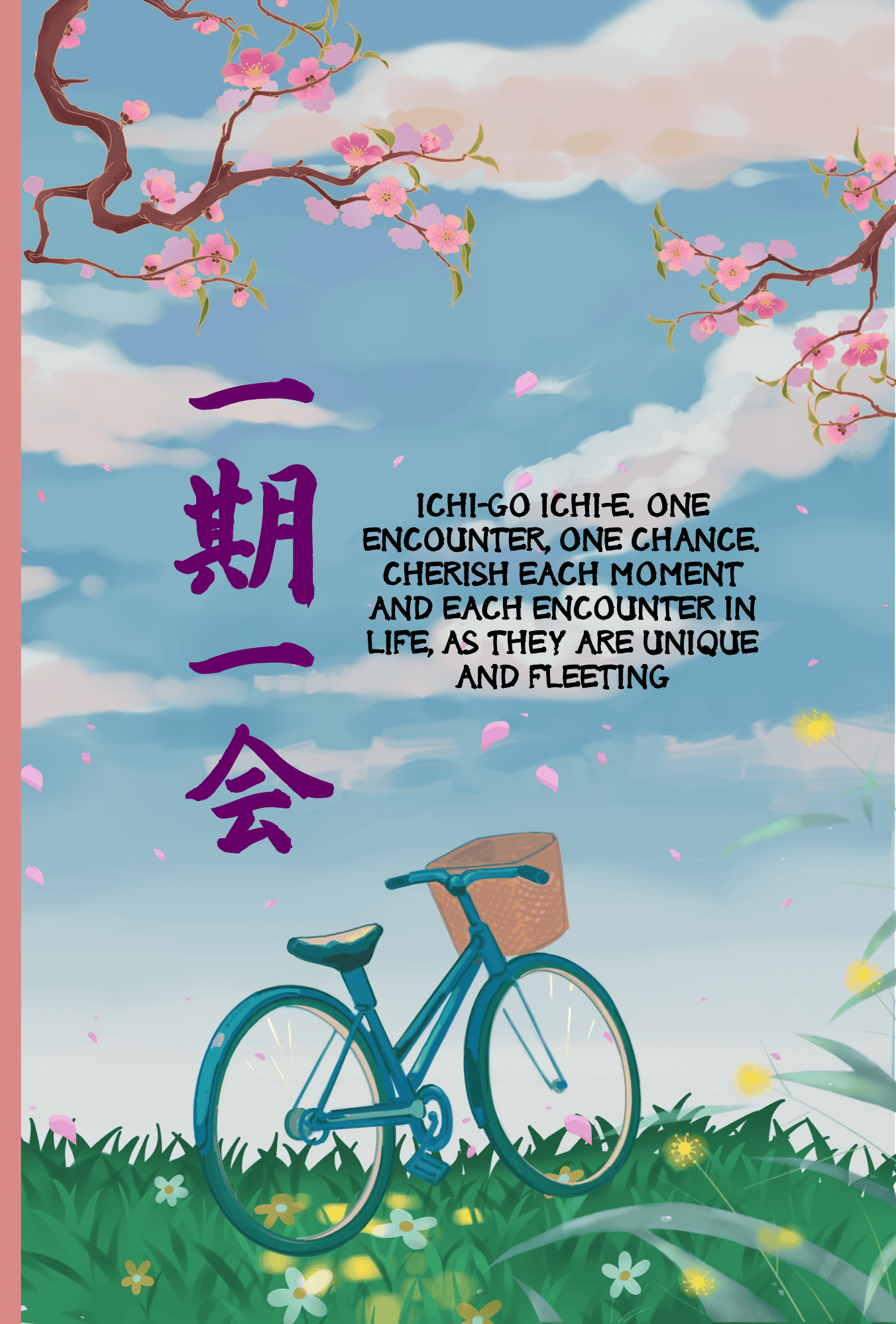
For palace days where cameras stay away: rooflines, stone, and the order the rooms arrive in.
6 × 9 in · 120 unlined pages · matte softcover
Shop This Journal →Titles, Majority and Marriage
Titles run on a fixed scale. The Agency uses Majesty for the Emperor, the Empress and their emeritus predecessors. Everyone else is an Imperial Highness. Majority arrives at eighteen for the Emperor, the Crown Prince and an imperial grandson who is heir. For every other member, it arrives at twenty. These are small distinctions, yet the law writes them down and applies them without exception.
Marriage is where the shrinkage happens. A princess who marries outside the family leaves imperial status, with a single lump-sum payment on the way out. Princess Mako, the Crown Prince’s elder daughter, left this way when she married in October 2021. Nothing comparable applies to a prince. Across the postwar generations, that rule has moved women off the register while adding almost no new male members.
Money follows the same strict logic. All property of the household belongs to the State, and the Diet appropriates every expense. The Agency’s published figures split it three ways. Personal Expenses cover the inner court, and an allowance covers the other members. Palace-related Expenses pay for ceremonies, state banquets, visits and the upkeep of the grounds.
The Distinction That Gets Misreported
Only the last of those three lines counts as public money in the Agency’s books. Personal Expenses and the family allowance are paid over and spent privately. Palace-related Expenses, by contrast, are public funds that the Agency accounts for in full. Running the Agency itself costs more than the palace line, so the household turns out cheaper than the bureaucracy that serves it.
That detail is where most reporting goes wrong. Conflating the private and public lines makes a modest household look lavish. In fact, the court has no private fortune, no separate estate and no investments of its own. Even gifts in and out of the household sit under statutory limits, and anything larger needs the Diet’s approval. For an institution often pictured as wealthy, it runs on remarkably short rope. The figures appear each year on the Agency’s own pages, line by line, for anyone who cares to read them.
Visiting the Palaces of Japanese Royalty
Access is real but managed. The Agency takes visit applications for the Imperial Palace in Tokyo, the Kyoto Imperial Palace, the Sento Imperial Palace and the Katsura and Shugakuin imperial villas. It also offers an audio guide app covering the palace tour, the East Gardens and the Kyoto palace. Most visitors never realize how close Japanese royalty lets them come.
Tokyo gives you the greetings; Kyoto gives you the buildings.
| Site | City | How to visit | Best for |
|---|---|---|---|
| Imperial Palace grounds | Tokyo | Guided tour by application | A first look at the palace |
| Imperial Palace East Gardens | Tokyo | Walk in, with an audio guide app | Castle walls and a slow morning |
| Kyoto Imperial Palace | Kyoto | Open most days; closed Mondays | The old seat of the court |
| Sento Imperial Palace | Kyoto | By application through the Agency | Gardens beside the palace |
| Katsura Imperial Villa | Kyoto | By application, booked ahead | Building proportion |
| Shugakuin Imperial Villa | Kyoto | By application, booked ahead | Hillside gardens and rice paddies |
Tokyo: The Palace on Edo Castle
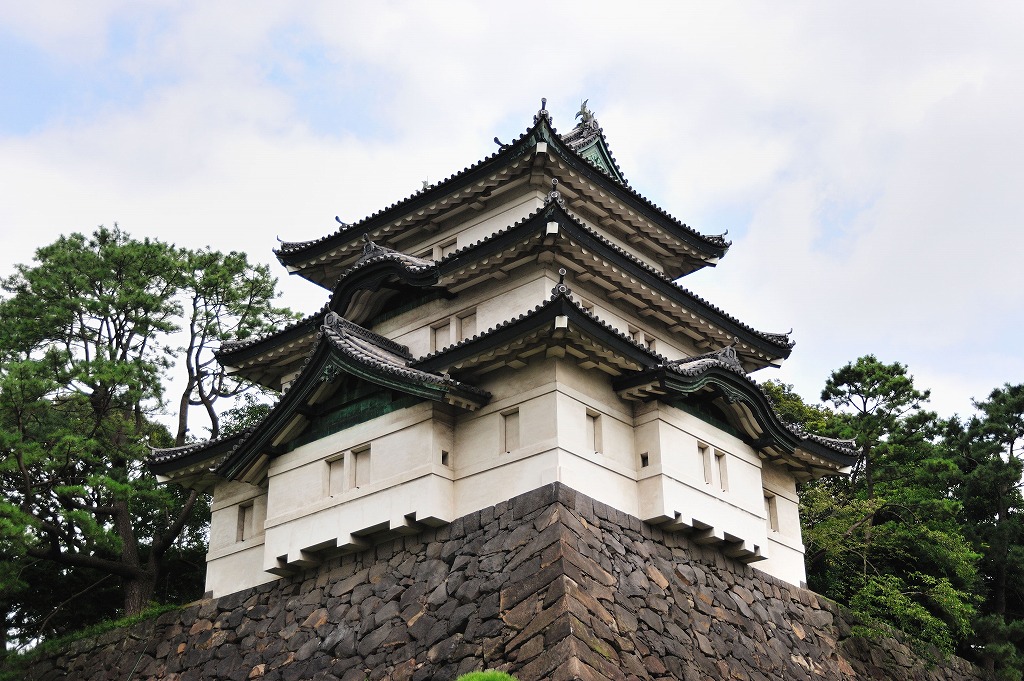
The Tokyo residence sits on the footprint of Edo Castle, which is why the moats run far wider than the buildings need. Stone walls curve up out of green water. Pines lean at angles that took a century of training. Beyond the walls, the financial district starts at once, and that contrast is the most Tokyo thing about the place. In August, you hear traffic and cicadas together.
Twice a year the gates open properly. At New Year, and again for the Emperor’s birthday, the public enters for the general greeting. The family appears on a palace balcony for a few minutes at a time. The Agency also opens Inui Street for a short run in cherry blossom season; in 2026 it ran for nine days in late March. These are the occasions when most people see the court in person.
Timing is the whole problem when you build a route around this. The greetings fall on fixed dates. Tours fill well ahead, and the Kyoto villas take separate applications. So let the fixed dates anchor the trip, then build the rest around them rather than the other way round. Spring is the hardest window, because Japan’s cherry blossom season fills the city at the same moment. Autumn is easier on the calendar and kinder to the gardens.
Prefer to have the route built for you? A custom Japan itinerary can sequence the palace tours, the greetings and the Kyoto villas so the fixed dates work in your favor.
A typeset printable: ten Japanese proverbs with kanji, romaji and meaning. Signing up also brings occasional letters on Japan and word when a new journal reaches print.
One email with your printable. Occasional letters after that. Unsubscribe anytime.
Kyoto: The Older Seat and Its Villas
Kyoto held the court for more than a thousand years. The Kyoto Imperial Palace stands in the Kyoto Gyoen National Garden, in Kamigyo-ku. According to the Kyoto Imperial Palace visitor pages, it closes on Mondays and over New Year, from 28 December to 4 January. When a Monday is a national holiday, it opens that day and closes on the Tuesday instead.
What you walk through is a reconstruction, and none the worse for it. The compound burned repeatedly across its history, and the present buildings date largely from the nineteenth century, built to older plans. Gravel crunches underfoot, and cypress-bark roofs sit low. The scale is domestic rather than imposing, which surprises most visitors.
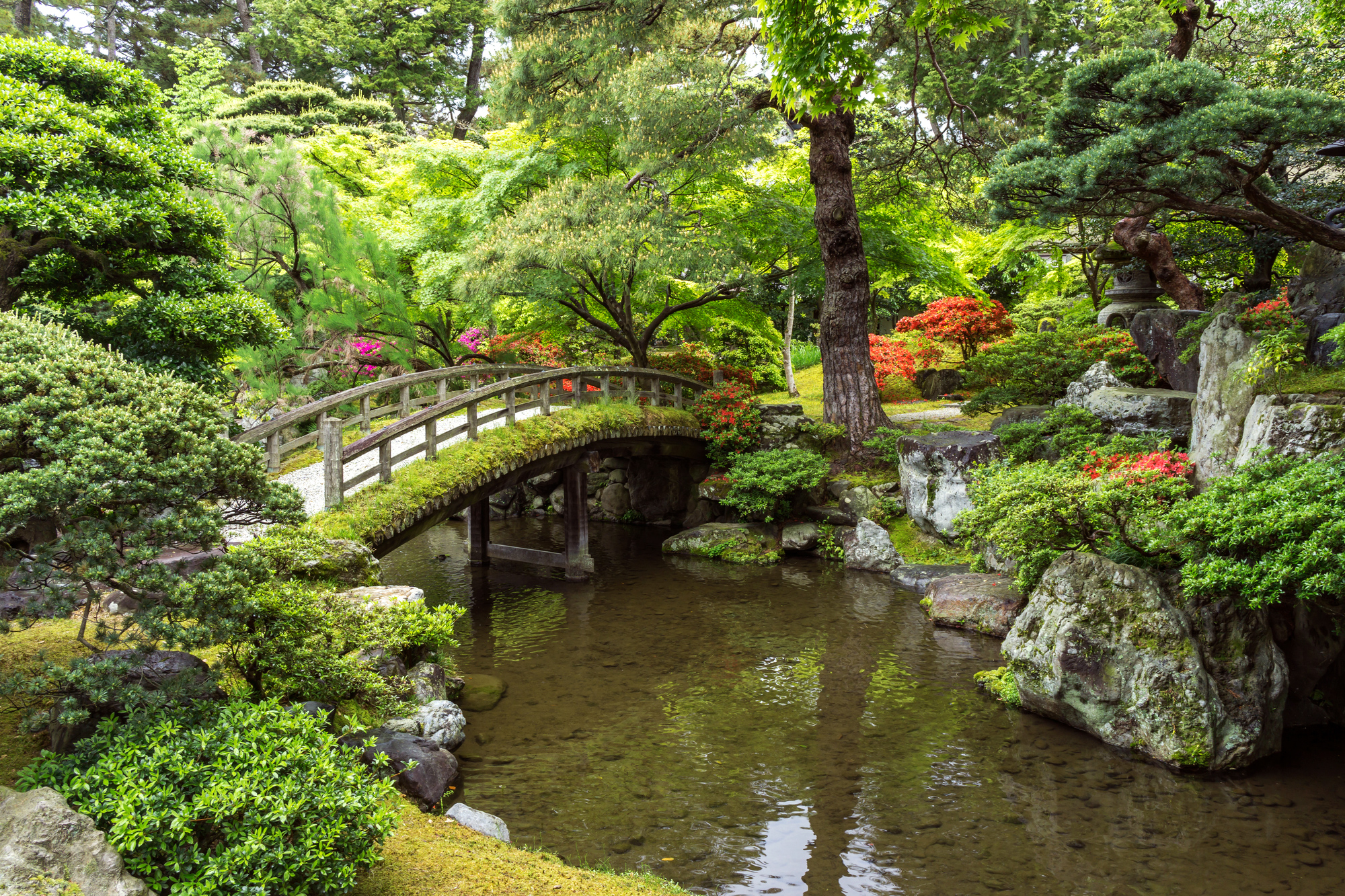
The Agency also runs the Sento Imperial Palace nearby, plus the Katsura and Shugakuin villas on the city's edges. Katsura repays the effort of booking ahead, because Japanese building proportion is easiest to read there. Shugakuin works quite differently from Katsura. Its gardens climb a hillside in three levels, with rice paddies still farmed between them. Both run as guided walks at a set pace, so give each its own unhurried morning rather than stacking both into one day. Then pair them with what Kyoto is worth clearing days for, because the palace district sits close to much of the old city.
Accession, Enthronement and the Court Calendar
Succession itself is instant and undramatic. The Imperial House Law says that upon the demise of the Emperor, the Imperial Heir ascends the throne. There is no interval and no confirming vote. Ceremonies come afterward, as separate events: the Ceremony of Accession when the throne passes, and the Rites of Imperial Funeral when an emperor dies. In 2019, the reign began months before the ceremony that proclaimed it.
For the current reign, that ceremony fell on 22 October 2019, in the Seiden State Hall of the Tokyo palace. Japan's Foreign Ministry account of the enthronement records 191 countries, organizations and others represented. The Emperor made a short proclamation, a court banquet followed that evening, and a procession by motorcar came on 10 November.
Recommended
The Calendar Nobody Photographs
Around that single hour sits a longer sequence of smaller rites, spread across weeks and mostly closed. The court's ceremonial year works the same way. It follows the farming seasons, it takes place inside the palace grounds, and the Agency reports it afterward in a paragraph or two. Continuity of practice is the point. Spectacle is not.
There is also a working thread. The court keeps rice fields inside the palace grounds and raises silkworms, and those harvests feed the annual observances. The Emperor plants and cuts the rice, while the Empress tends the silkworms. It looks ornamental until you notice something. This is the one part of the role that involves physical labor, done by people whose other duties are ceremonial.
Read that calendar as history. Officials rebuilt many modern versions of the rites with deliberate intent in the nineteenth century. Knowing which parts run unbroken and which were restored is most of what separates a useful account from a decorative one.
Court Music and the Taste of Japanese Royalty
The clearest surviving example is gagaku, the court music and dance. The Agency's own account of gagaku says the form reached its artistic shape by about the tenth century. It fused native song with music and dance from the continent. Today the Music Department still performs it at state functions, court receptions, state dinners and garden parties.
The sound is unlike anything else. A mouth organ, the sho, holds a cluster of pitches that never quite resolve. The hichiriki, a double-reed pipe, cuts across the top. Meanwhile, drums mark time so slowly that the beat almost disappears. In 1955, gagaku as the court musicians perform it became an Important Intangible Cultural Property. Then, in 2009, UNESCO inscribed it on its Representative List of the Intangible Cultural Heritage of Humanity.
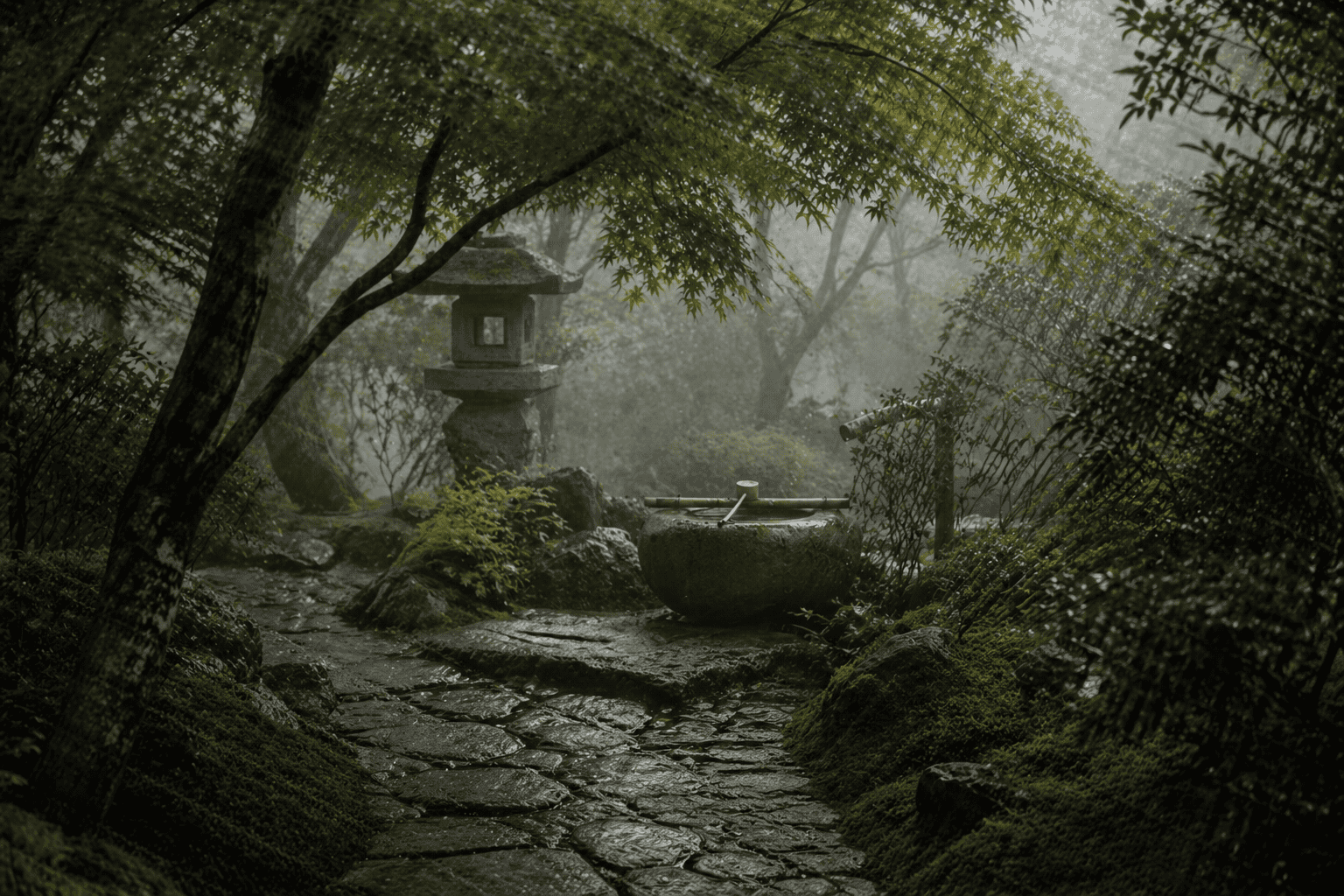
Court taste shaped Japanese making well beyond music. Restraint is the through-line: correct proportion, one material doing one job, and no ornament that has not earned its place. The same patronage shaped the professional arts outside the palace, which is part of how geisha training and repertoire developed. It shows in lacquer that survives daily use and paper made for brush and ink. It also shows in kilns that have kept the same shapes for centuries. The good versions announce nothing about their lineage. That reticence is itself the inheritance, because a court with no power learned early that restraint reads as authority.
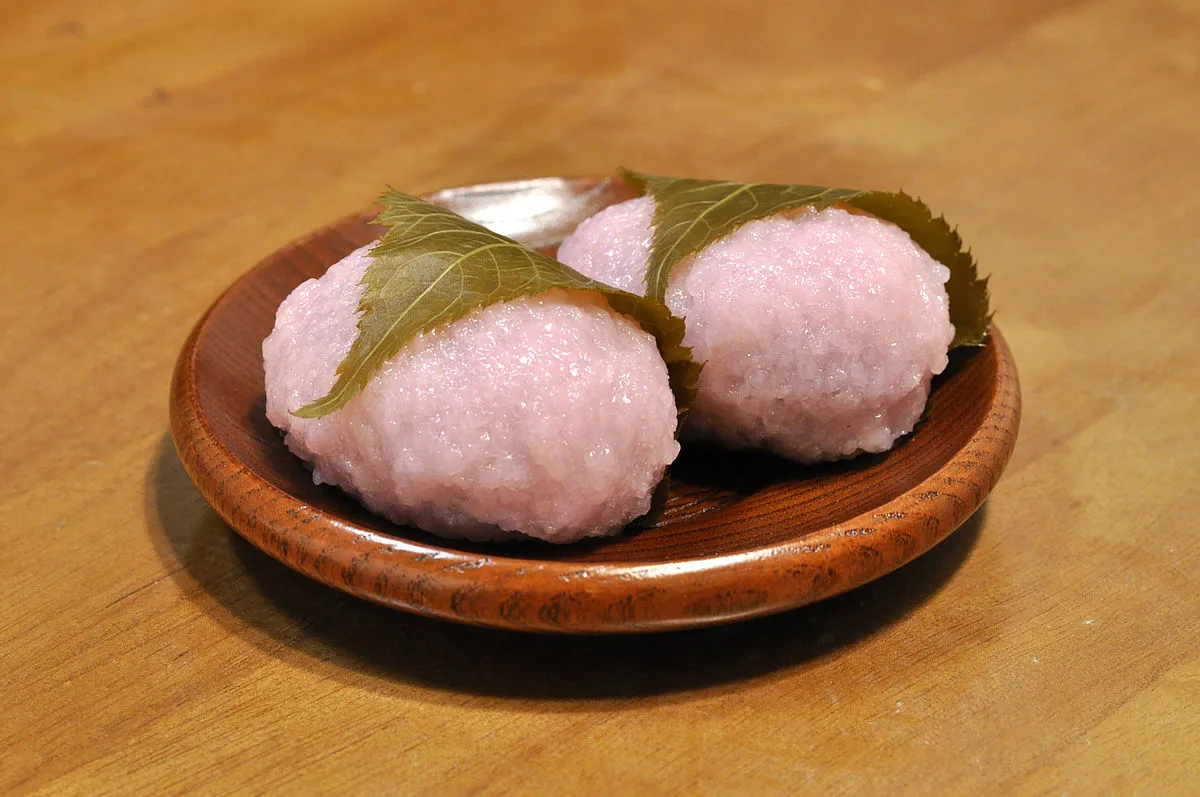
Sakura mochi is the sweet of early spring in Japan, eaten in the weeks of cherry blossom. The Kansai version, common in Kyoto, uses coarse domyoji rice flour for a grainy cake wrapped in a salted cherry leaf.
- 1 cup domyoji-ko (coarsely ground glutinous rice)
- 3/4 cup water
- 2 tablespoons sugar
- 1 drop red food coloring, optional
- 1 1/4 cups koshian (smooth sweet red bean paste)
- 8 salted cherry leaves
- Soak the cherry leaves in cold water for 20 minutes to draw out some salt, then pat them dry.
- Mix the water, sugar and food coloring, stir in the domyoji-ko, and let it soak for 30 minutes.
- Steam the mixture in a cloth-lined steamer over high heat for 15 to 20 minutes, until the grains turn translucent.
- Divide the bean paste into 8 balls, and divide the warm rice into 8 portions.
- With wet hands, flatten each rice portion, wrap it around a ball of bean paste, and shape it into an oval.
- Wrap each cake in a cherry leaf, vein side out, and serve the same day.
Sweets, Tea and Gardens
Kyoto's confectioners keep the same seasonal discipline. Their sweets follow the calendar closely, and sakura mochi belongs to early spring, the weeks when Inui Street opens in Tokyo. The Kansai version wraps a pink, grainy rice cake around sweet bean paste, then folds a salted cherry leaf around it. It takes an afternoon to make.
Tea is the easier entry for a home. Court patronage shaped the utensils long before the merchant classes took the practice up, and the vocabulary has barely moved since. Weight and balance matter more than decoration. A pot from Tokoname, one of Japan's Six Ancient Kilns, gets the pour right, which is what matters at a table. The way of Japanese tea ceremony shows the same grammar in full.
The great novel of the Heian court, in a translation that keeps its manners, seasons and poetry intact.
View The Tale of Genji →A rounded teapot with a built-in clay strainer and two cups, made at a kiln in Tokoname, one of Japan's Six Ancient Kilns.
View the Tokoname Tea Set →The mid-century study of Japanese cultural patterns that many English readers still start with.
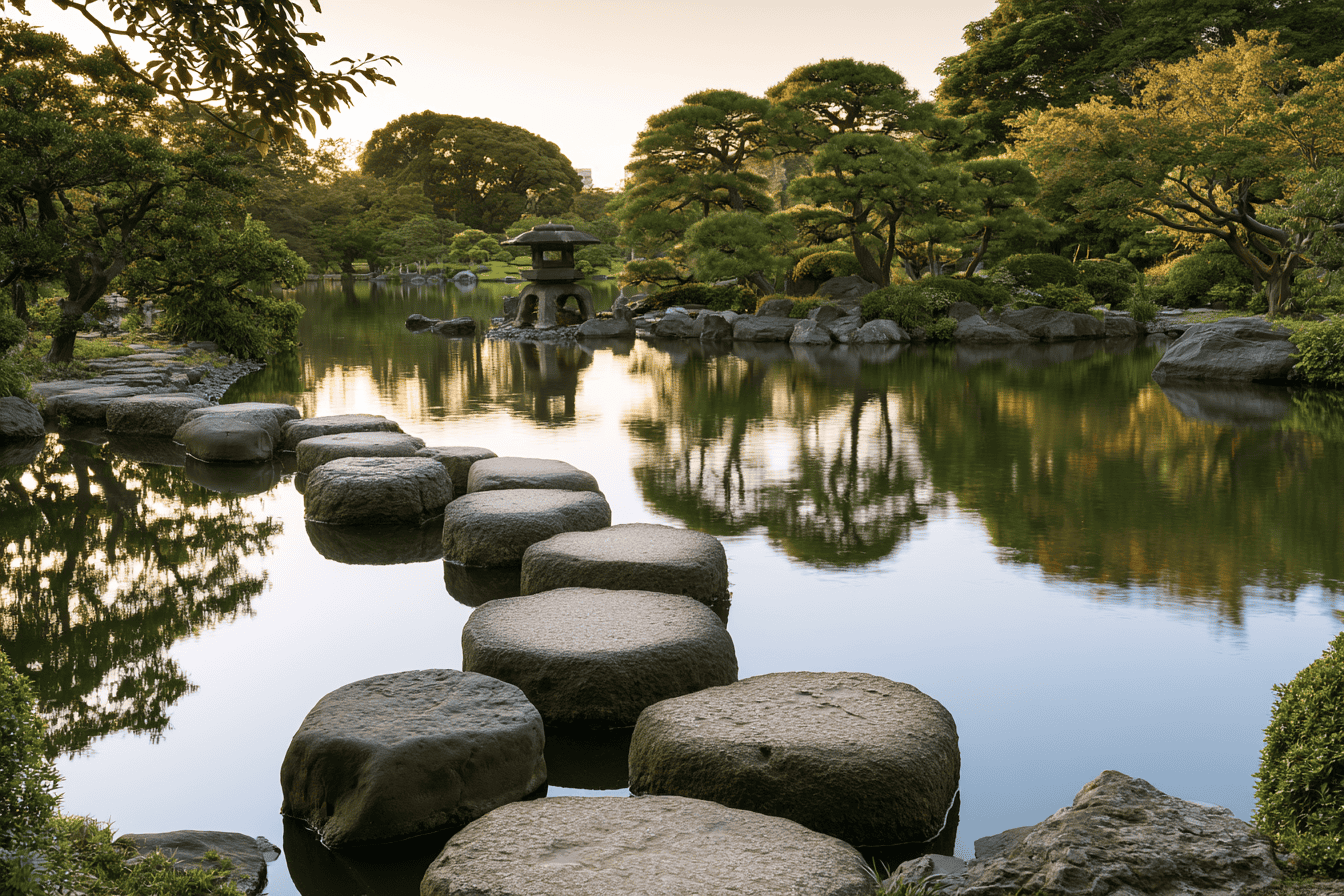
View The Chrysanthemum and the Sword →Gardens are the last of it, and by far the most accessible. Palace grounds in both cities follow principles that spread outward into private gardens across Japan. Stepping stones set a slow walking rhythm. Designers borrow distant hillside scenery into the view. Water keeps moving so that its steady sound covers the city traffic. None of it is accidental, and the effect still works on a weekday morning with a coffee in hand. Tokyo's great stroll gardens, such as Koishikawa Korakuen and Kiyosumi, let you read these principles up close without booking anything at all, often within sight of office towers.
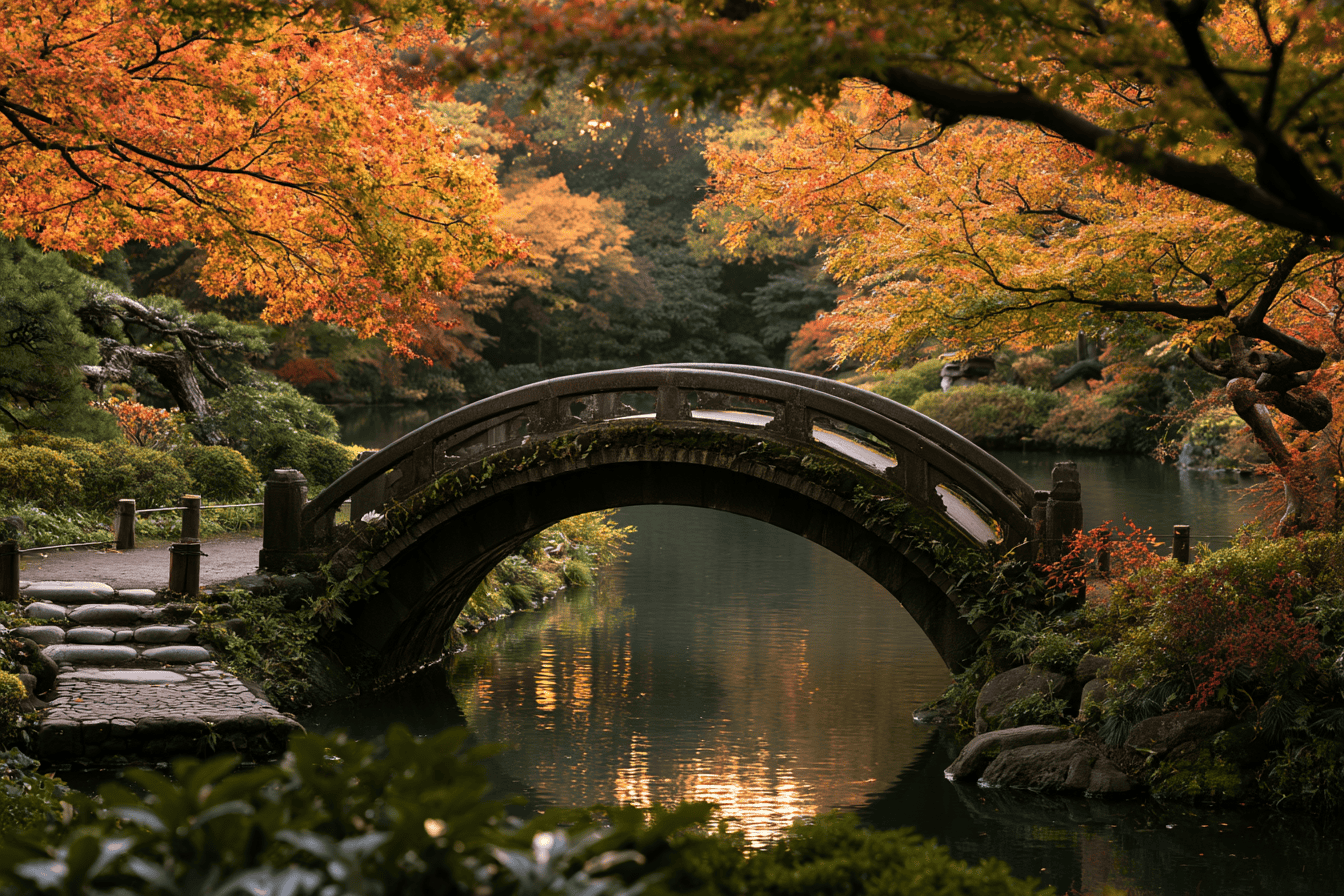
The same logic runs through the ryokan, where room, garden and meal arrive as one sequence. Anyone who has stayed at one of Japan's finest ryokan will recognize the grammar at once. It is court proportion scaled down to a building a family can run.
Succession and the Argument Japan Is Having
The rule itself is not ambiguous. The Agency's statement of the succession rules says the throne passes to male descendants in the male line of Imperial Lineage. It cites Article 2 of the Constitution and the Imperial House Law. The order runs from the Emperor's eldest son and his line, to other descendants, and then to brothers and uncles and their lines.
Two words carry the weight: male line. A daughter of an emperor is excluded, and so is her son. Reigns by women plainly happened, yet each sat inside a male line rather than starting a new one. That distinction makes the current argument narrow, technical and hard to resolve.
Four Proposals, No Consensus
The arithmetic is now the problem. The male-line pool has thinned across the postwar generations, and one young prince carries the line forward after his father. Proposals have circulated for years. Allow reigning empresses. Allow female-line succession. Restore collateral branches removed in 1947. Let princesses keep their status after marriage. Each has a constituency and a plausible objection, and none has reached a vote.
The marriage rule sharpens the timing. Princess Mako has already left. Princess Aiko and Princess Kako would leave too if they married outside the family, and the working household would shrink again. Time, in other words, favors no one.
The court cannot settle any of this. The Imperial House Law is an ordinary statute, so any change belongs to elected politicians in the Diet. Nobody in the family has standing to ask for one. That is the postwar settlement working as designed, and it cuts both ways. So the future of Japanese royalty sits with voters and their representatives, not with the palace. Meanwhile, the gardens open on schedule, the musicians rehearse, and the spending lines appear in print each year, as if nothing were in doubt. Visitors see the calm surface, while the real argument runs underneath it.
Questions Worth Asking
Who is the Emperor of Japan today?
Emperor Naruhito. He acceded on 1 May 2019, after his father, now the Emperor Emeritus, stepped down. The era name changed from Heisei to Reiwa the same day. Japan's Foreign Ministry describes it as the first imperial succession by abdication in approximately two hundred years.
Does the Emperor of Japan have any political power?
No. The Constitution makes him the symbol of the State and of the unity of the people. He performs a fixed list of acts in matters of state, such as appointing the Prime Minister the Diet designates, and every act needs the advice and approval of the Cabinet. He has no powers related to government.
Can a woman inherit the Japanese throne?
Not under current law. The Imperial Household Agency states that the throne passes to male descendants in the male line of Imperial Lineage, citing Article 2 of the Constitution and the Imperial House Law. Changing that would take an act of the Diet, and several proposals have circulated without reaching a vote.
Who is next in line to the Japanese throne?
Crown Prince Akishino, the Emperor's younger brother, stands first in line. His son, Prince Hisahito, born in 2006, comes next. Princess Aiko, the Emperor's daughter, is not in the order of succession, because the law limits the throne to male descendants in the male line.
How is the Japanese imperial family funded?
Through the national accounts. All property of the Imperial Household belongs to the State, and the Diet appropriates every expense. The money splits into Personal Expenses, an Allowance for Imperial Family Members, and Palace-related Expenses. Only the last counts as public funds that the Agency accounts for.
Can you visit the Imperial Palace in Tokyo?
Yes, in parts. The Imperial Household Agency takes applications for guided tours of the palace grounds, and the East Gardens are open on most days. The public also enters for the New Year and Emperor's Birthday greetings, and Inui Street opens for a short period in cherry blossom season.
Can you visit the Kyoto Imperial Palace?
Yes. The Kyoto Imperial Palace opens on most days. It closes on Mondays, or the Tuesday when Monday is a national holiday, and over New Year from 28 December to 4 January. The Sento Imperial Palace and the Katsura and Shugakuin villas need an application through the Agency.
What Endures
Strip away the ceremonial photographs and an institution remains that gave up everything except continuity. It has no power, no property and no private wealth. What it holds is a register, a calendar and a set of practices kept in much the same way for longer than most countries have existed. For a visitor, Japanese royalty is not a spectacle you go to see.
Instead, it is a set of places you can walk through and a calendar you can plan around. It is also a standard of making that shows up in a tea bowl as readily as in a palace hall. Give the Tokyo grounds a morning and the Kyoto compound a full afternoon. A timed two-day Kyoto itinerary shows how the palace fits beside the rest of the city.
Ninety days on the ties that bind people and places, the same thread the court has kept for centuries.
View the Journal →None of these sites rewards a rushed visit. Tours run at a fixed pace, and the gardens slow a walker down by design. So leave a day of slack after the villa dates, because applications rarely land where you would choose. The court has waited a long time, and it can wait for you too.
Palace tours fill ahead, the Kyoto villas take applications, and the public greetings fall on fixed dates. We build the trip around those constraints, from a Tokyo morning on the palace grounds to an afternoon at Katsura, then fill the days between with gardens, tea and a ryokan night.
Plan Your Custom Japan Itinerary