
Japanese spa treatments carry centuries of wellness practice, and they still draw millions of visitors each year. Hot springs, hands-on massage and slow seasonal rituals offer a deep kind of rest that settles both body and mind. Japanese wellness goes beyond simple relaxation. It rests on balance, respect for nature and long cultural habits. Understanding them lets travelers see one of Japan’s most genuine sides, while enjoying treatments refined over generations. This guide walks through each one, from the bath itself to the meal that follows.
It also covers the etiquette that ties everything together, so a first visit feels easy. For the wider context, our guide to planning luxury travel in Japan well is a good place to start. Each section ends with practical notes for planning.
What are Japanese spa treatments?
Japanese spa treatments center on onsen bathing in mineral-rich hot springs. Around it sit shiatsu and anma massage, Ibusuki’s geothermal sand baths and seasonal baths scented with yuzu or iris. Ryokan inns combine these with kaiseki meals, simple rooms and an unhurried pace, so the stay itself becomes the treatment.
Understanding Onsen Culture and Japan’s Spa Traditions
The benefits of onsen bathing reach beyond the body. Visitors describe a clearer head and a calmer mood after a long soak. Each hot spring has its own mineral profile, and Japan’s bathing customs follow a clear etiquette built on cleanliness, respect and shared space. Traditional Japanese spa treatments also include massage, herbal baths and still sitting practice, passed down through generations. Each one links physical comfort with peace of mind. In other words, the aim is to restore the whole person rather than treat one ache in isolation.
Japan has thousands of hot spring sources, from famous towns such as Hakone and Kusatsu to single inns deep in the mountains. Each town is proud of its water, and locals will happily explain what makes theirs special. Ask at the front desk.
What Science Says About Hot Spring Bathing
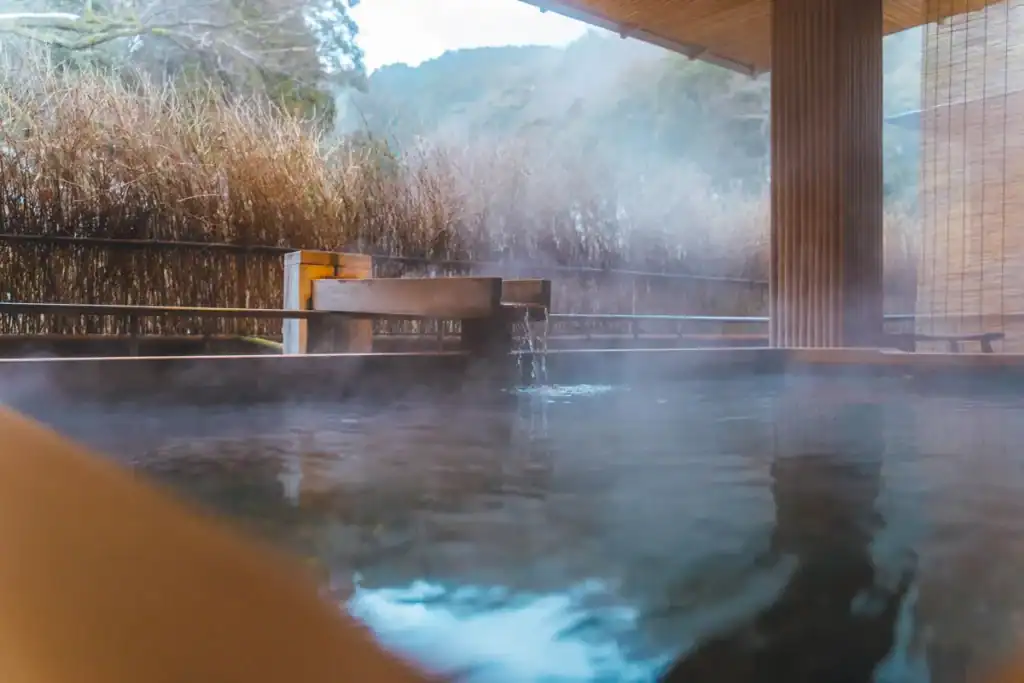
Japanese hot spring waters carry many minerals, including sulfur, sodium chloride and calcium carbonate. Bathers often report better circulation, softer skin and looser muscles. Warm water also helps the body relax, which is why a soak before bed so often leads to deep sleep. Research supports some of this, with care. A large study of more than 30,000 people in Japan, published in the journal Heart in 2020, linked near-daily hot tub bathing with a lower risk of cardiovascular disease and stroke.
Frequent bathers also had lower rates of high blood pressure. However, it shows an association, not proof, so modest expectations serve best. Anyone with a heart condition should ask a doctor before long, hot soaks. Pregnant travelers should check first as well.
Mineral Types and Temperature
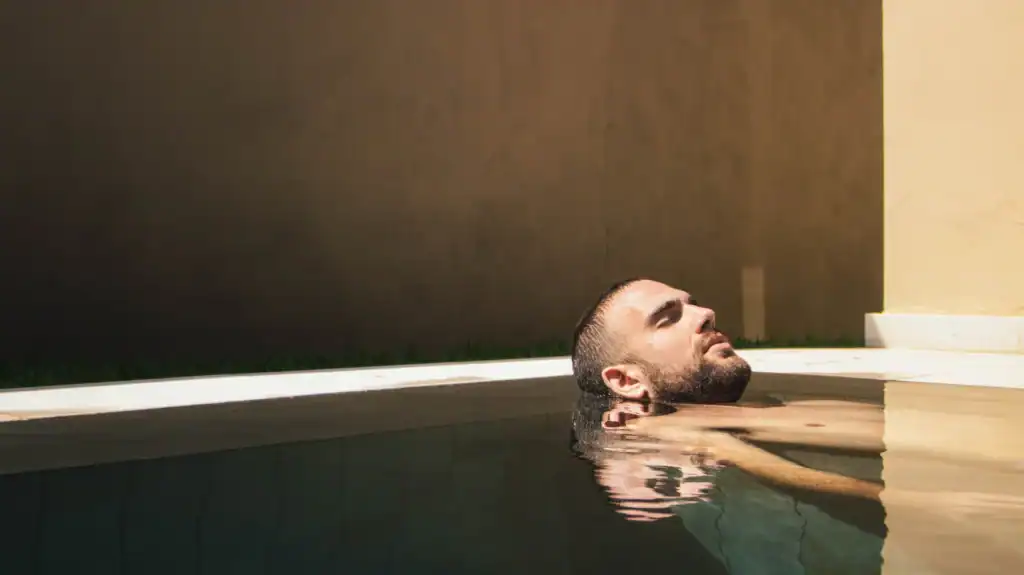
The mineral types matter to regulars. Sulfur springs smell of eggs and turn silver jewelry black. Salt springs are said to keep the body warm long after you dry off. Meanwhile, alkaline springs leave skin smooth, which is why some towns call them beauty baths. Each inn posts its spring’s analysis near the bath, so you can see exactly what is in the water. Our guide to what the research shows about onsen health benefits goes deeper, spring type by spring type.
Temperature matters as much as minerals. Most baths sit between 104°F and 108°F, so start slowly, and rest on the edge between soaks. Ten minutes at a time is plenty, and many regulars bathe two or three times a day.

Water is only the start, though. A Japanese spa trip combines the bath with small rituals before and after it: a cup of tea on arrival, a cool drink afterward and a long rest in a simple room. Those habits turn a soak into a full treatment, and they cost little to adopt. Most inns lay out everything you need, so packing stays light. Still, a few items make the journey between baths easier, especially when the inn sits far from the nearest station or town.
The list below stays short on purpose. Japanese spa culture values simplicity, and the best trips carry very little.
Essential Gear for a Japanese Spa Trip
A Japanese spa trip needs very little, and that is part of its charm. Inns supply robes, towels and toiletries. Still, a few carefully chosen items keep the experience smooth while respecting its unhurried rhythm.
Power and Connectivity
Modern wellness travelers still need a working phone for maps, rail tickets and translation. Yet the point of a spa day is to switch off, so the goal is a phone that stays charged without demanding attention. A small power bank solves that neatly.
Anker 10,000mAh Power Bank — compact charging for long travel days
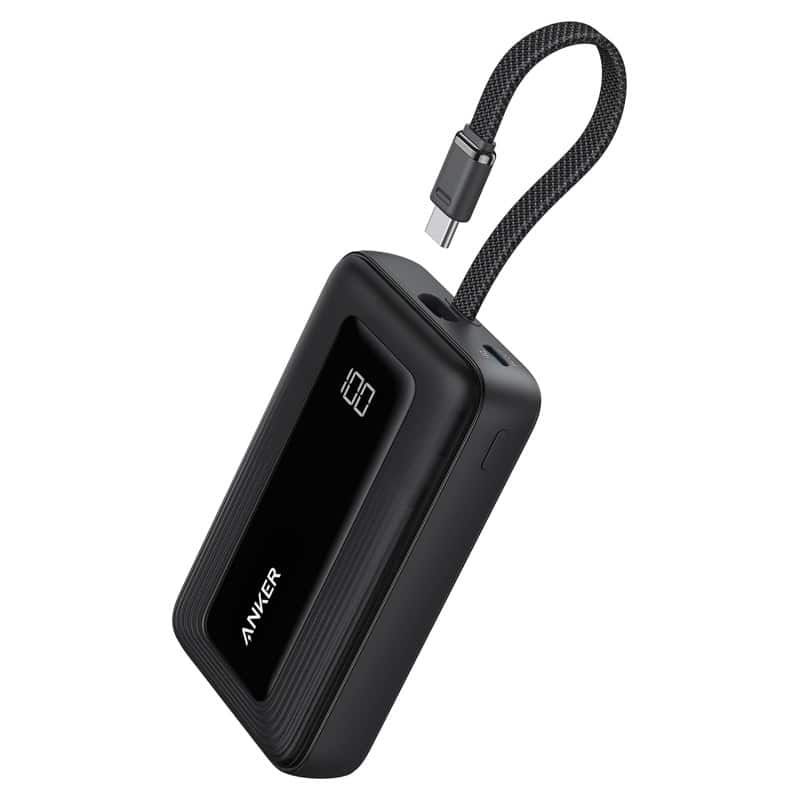
This Anker 10,000mAh power bank measures about four by two and a half inches, so it disappears into a robe pocket or a day bag. A built-in USB-C cable means one less thing to pack. Its 30-watt output charges a phone quickly.
It holds roughly two full phone charges, enough for a long day of trains and baths. Charge it overnight in your room, then leave the phone on silent while you soak. That way the map works on the walk back, and the bath stays undisturbed. It also meets airline rules for carry-on batteries.
Weather Protection
Many hot spring towns sit in the mountains, where rain and snow arrive quickly. Weather protection matters most at outdoor baths, which the section below covers. For now, pack a light layer for evening walks between the inn and the town’s public baths. Inns lend yukata robes and wooden geta sandals for those walks, and in towns such as Kinosaki, guests stroll from bath to bath in them all evening. Bring warm socks for winter, since the paths can be icy and the geta are open.
A small bag for wet towels helps, too. Many towns sell pretty cloth bags made for exactly that, and they make good souvenirs afterward. Some inns provide them on loan, along with a basket for carrying your things to the bath.
You may also like
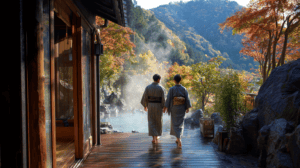
Massage is the other pillar of Japanese spa culture. Long before modern spas arrived, travelers to hot spring towns booked a masseur to visit their room after the evening bath. The tradition continues today in ryokan and city clinics alike, and it rests on two related techniques with long histories in Japan, both still taught and licensed under national rules. Traditional Japanese massage focuses on pressure, rhythm and the flow of the whole body. It pairs physical work with deep calm, easing both muscle tension and mental strain.
Traditional Japanese Massage Techniques
Shiatsu: The Art of Finger Pressure
Shiatsu applies steady pressure with the thumbs, fingers and palms along lines that practitioners map across the body. The rhythm improves circulation and releases tightness. In Japan, shiatsu belongs to a national licensing system for anma, massage and shiatsu therapists.
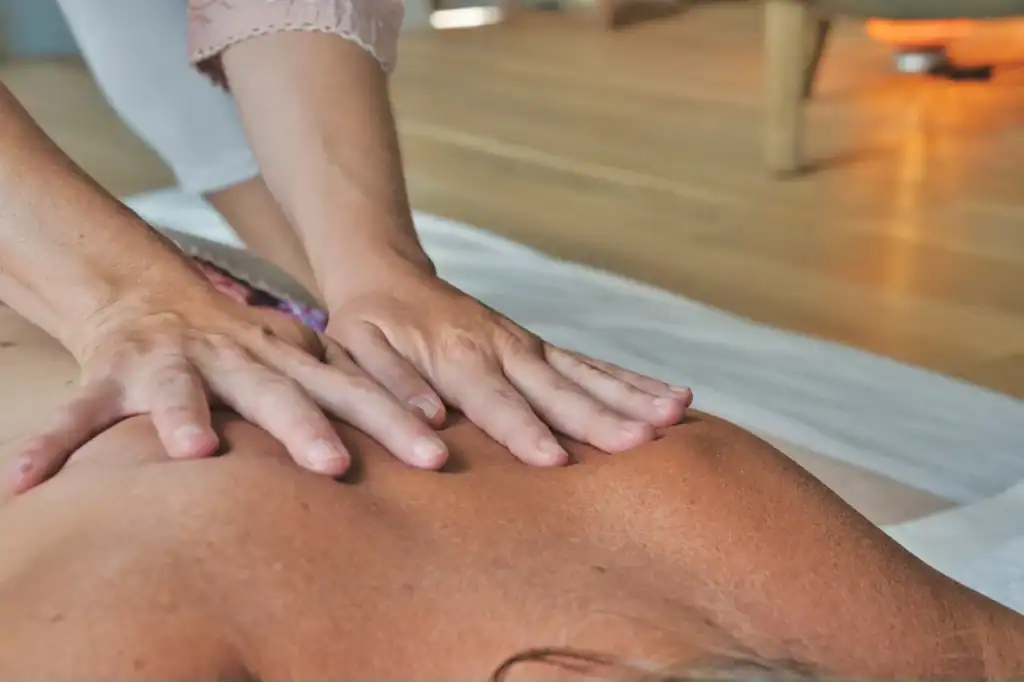
Practitioners train for years to read the body under their hands. As a result, each session adapts to the person on the mat, rather than following a fixed routine. It is usually done fully clothed, on a futon. Note that it is a traditional practice, not a medical cure, so see a doctor for any health concern. Sessions usually last forty to sixty minutes, and many ryokan can arrange one in your room after dinner. Tell the therapist if the pressure feels too strong, because they expect feedback.
Anma: Japan’s Older Bodywork Tradition
Anma is one of Japan’s oldest massage traditions. It uses kneading, pressing and stroking to bring deep relaxation, and it pays close attention to breathing and mindful touch. Shiatsu grew out of anma in the twentieth century, so the two share many movements.
A massage feels even better in a scented room. Japan’s woods supply one of the most loved aromas in the country, and a few drops recreate it at home.
Yoshino Hinoki Essential Oil — the scent of a Japanese bath
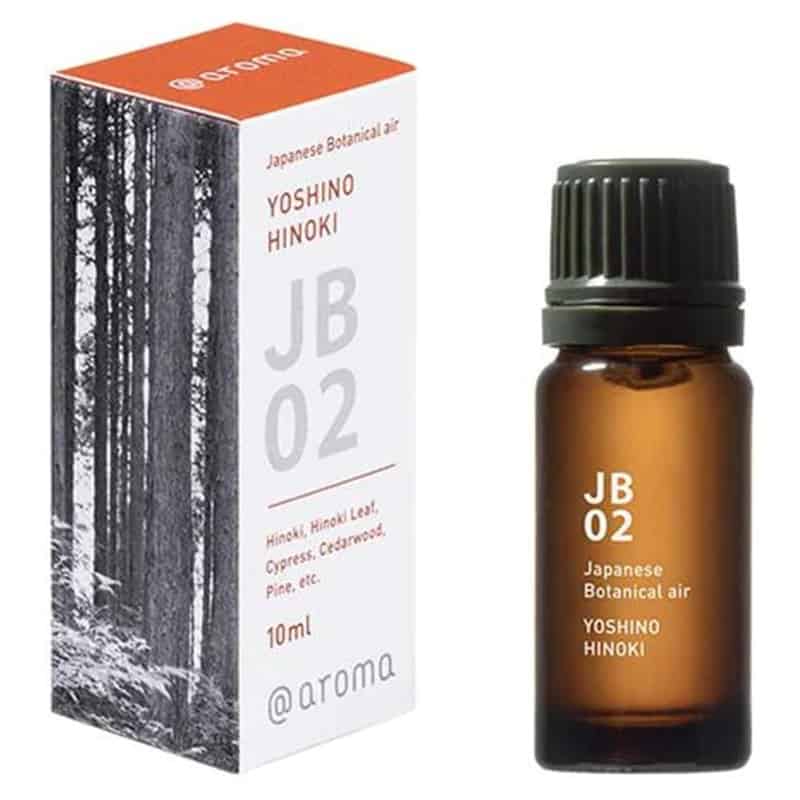
Hinoki, the Japanese cypress, lines the finest baths in the country, and its scent defines a ryokan soak. This Yoshino Hinoki essential oil blends hinoki wood and leaf with cypress, cedarwood and pine. The result is clean, soft and woody, rather than sweet.
Add a few drops to a warm bath or a diffuser after a long day. The 10-milliliter bottle lasts well, because a little goes a long way. It also suits a pre-massage room, where the familiar scent helps the body settle faster. Keep the bottle tightly closed, since the aroma is strong and lasts for months.
Japanese Wellness Rituals and the Pace of Rest
Wellness travel in Japan differs from many Western spa visits. Sitting practice, ceremonial bathing and mindful habits link guests with Japanese philosophy, and the pace slows on purpose. There are no packed treatment menus or timed appointments in a traditional inn. Instead, the day moves from bath to meal to rest, with long pauses in between. Guests often find that rhythm strange at first, and then they find it hard to leave. Even the meals arrive at a measured, deliberate pace.
The Philosophy of Ma: Space and Calm
Japanese spa culture embraces ma, the purposeful use of space, silence and pause. It shapes everything from the architecture of a bathhouse to the pacing of a massage. Our essay on what ma means in Japanese life explores the idea.

Understanding ma helps visitors appreciate the intentional silences, simple rooms and unhurried pace of a Japanese spa. It also teaches the value of being present in each moment, rather than rushing from one treatment to the next. Leave gaps in the schedule, and the stay feels longer than it is. Try one afternoon with nothing planned at all, just a bath, a nap and a walk. Many guests say that empty afternoon was the moment the trip finally began to feel restful.
Two nights at one inn works far better than one night at two. The second day, with no check-in and no train, is when rest truly begins. Book the same room for both nights, so you never have to repack.
Nowhere brings these ideas together better than a traditional inn. A ryokan stay wraps bathing, food and sleep into one rhythm, and guests often say the inn itself was the treatment. The best ones are small, run by the same family for generations and set in hot spring towns where the whole street smells faintly of minerals and woodsmoke. Traditional ryokan offer the most complete Japanese spa experience. They combine a room with baths, meals and calm spaces in settings that have changed little over generations.
The Ryokan Spa Experience
Many include private onsen access, and some add massage or sitting rooms. Rooms are floored with tatami, and the furniture is low and sparse. Guests sit on floor cushions, and a small alcove holds a hanging scroll or a seasonal flower.

The day follows a gentle pattern. You arrive in the afternoon, change into a yukata and bathe before dinner. After the meal, staff lay out futons while you bathe once again. Our guide to the best luxury ryokan in Japan names the inns that do it best, region by region. Check-in usually opens around three, and dinner is served at a set time, often six or seven. Arrive on time, because the kitchen times every course to your table.
Kaiseki Cuisine and the Wellness Table
A ryokan stay includes kaiseki dining built on seasonal ingredients, careful preparation and balance. The meal supports the whole stay, offering nourishment that suits a day of bathing and rest. Each course reflects the region, the month and the produce of nearby farms.
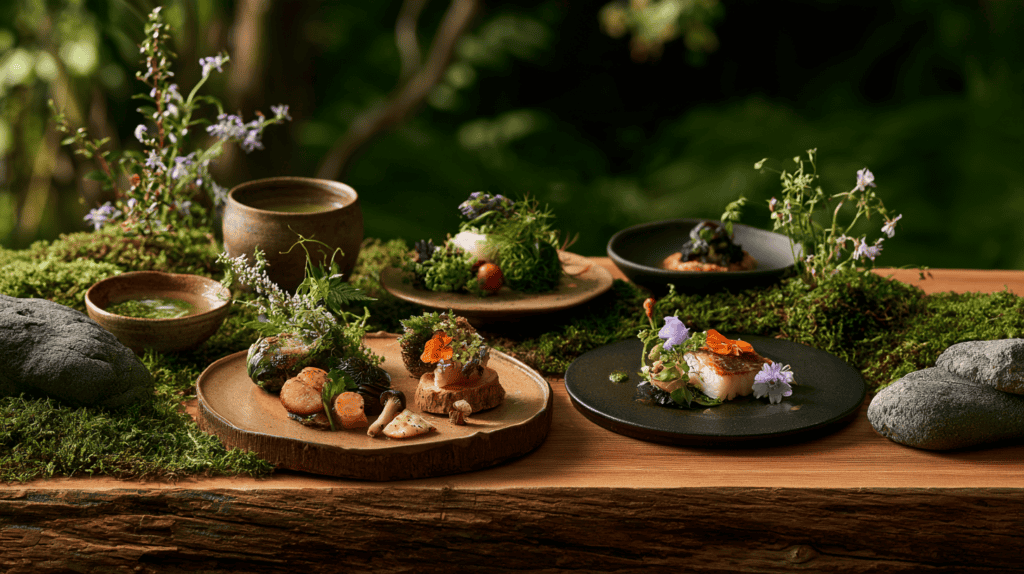
Each kaiseki meal joins artistry with good nutrition, choosing ingredients for their season and freshness. Eating it slowly, course by course, becomes a calm practice of its own. A typical dinner runs to eight or ten small courses, from a seasonal appetizer to grilled fish, a simmered dish and rice with pickles. Tell the inn about allergies or dislikes when you book, since the kitchen plans weeks ahead. Many inns serve dinner in your room, while others use private dining spaces.
Breakfast is simpler, and it often includes a soft hot spring egg, cooked in water just below a simmer. Some inns even cook theirs directly in the spring water. Beppu and Kusatsu are both known for these spring-cooked eggs, sold warm at stalls.

Onsen Tamago — the hot spring egg
Bring four cups of water to a boil in a heavy pot, then take it off the heat. Pour in three-quarters of a cup of room-temperature water, then lower in four cold eggs. Cover the pot at once and leave it for fifteen minutes without lifting the lid, or sixteen in a lighter pot. Lift out the eggs and crack each one into a small bowl. The white should be soft and the yolk creamy. Spoon over a little mentsuyu and serve.
Making It at Home
The method follows the stovetop version from Japanese Cooking 101. Adjust the time a minute at a time until the eggs suit you. A heavy pot holds its heat best, so the timing stays steady from one batch to the next. Serve the eggs with rice, miso soup and pickles for a simple ryokan-style breakfast at home. They also top a bowl of udon or a plate of cold noodles nicely in summer. Eggs straight from the fridge matter, because room-temperature eggs cook faster and set too firmly.
A tenugui cloth comes in handy at breakfast and in the bath alike. It is the one small item every regular bather carries. It costs little, weighs almost nothing and dries in minutes on a hook by the window after each bath.
Y’s Factory Gauze Tenugui — the small onsen towel
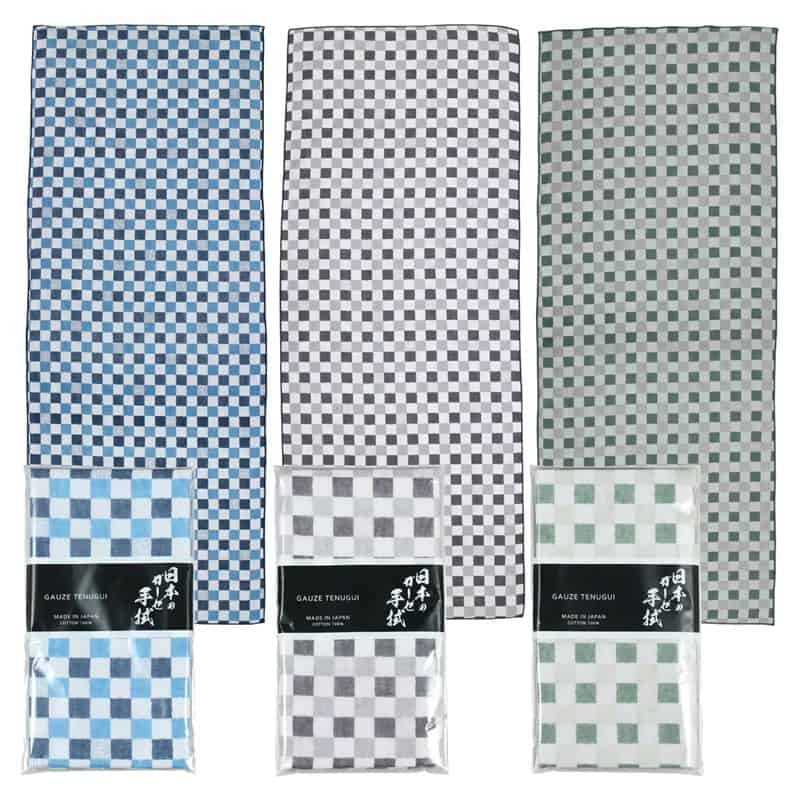
In Japan, bathers carry a small cloth, the tenugui, into the bath area. These Y’s factory gauze tenugui are made in Japan from soft cotton gauze, printed with the classic wave-and-plover pattern. Each measures about 14 by 35 inches.
Use one to wash at the shower station, then fold it on your head while you soak, as regulars do. It never goes into the water. The gauze dries fast, so it packs damp without trouble, and the set of three lasts a whole trip. At home, the cloths work as hand towels or as a wrap for a small gift.
The Tenugui Tradition
Tenugui come in hundreds of patterns, from waves and plovers to cherry blossoms and seasonal motifs. Many hot spring towns print their own designs, so a cloth becomes a souvenir of the town where you bathed. They dry in minutes on a balcony rail, which is why travelers carry two or three. Some inns hand one to every guest on arrival, printed with the inn’s name. Those cloths often end up framed at home, a gentle reminder of the stay, or tied around a gift for a friend.
For anyone who wants to bring home words as well as objects, we send a short printable of Japanese proverbs. Several suit a slow evening by the bath. It arrives by email within minutes, ready to print and keep by the bed.
Ten Proverbs to Carry With You
A printable folio of ten Japanese proverbs, each with a short note on where it shows up in daily life. Several suit a slow evening at a hot spring inn. Leave your email and the printable arrives in your inbox, followed by an occasional letter on Japan.
Etiquette is where first-time visitors feel most uncertain, yet the rules are simple once you know them. They exist so that everyone can share the same water comfortably. Learn the sequence once, and every bath in the country follows the same pattern, from a neighborhood sento to the finest private inn in Hakone. Good onsen etiquette shows respect for Japanese culture and keeps the baths pleasant for everyone. Knowing the customs prevents awkward moments and lets you relax fully.
Hot Spring Etiquette in Japan
Washing Before You Bathe
Before entering any onsen, wash thoroughly at the shower stations. Sit on the small stool provided, soap up and rinse completely, so no soap reaches the shared water. Baths are separated by gender, marked with red and blue curtains, and swimsuits are not worn.
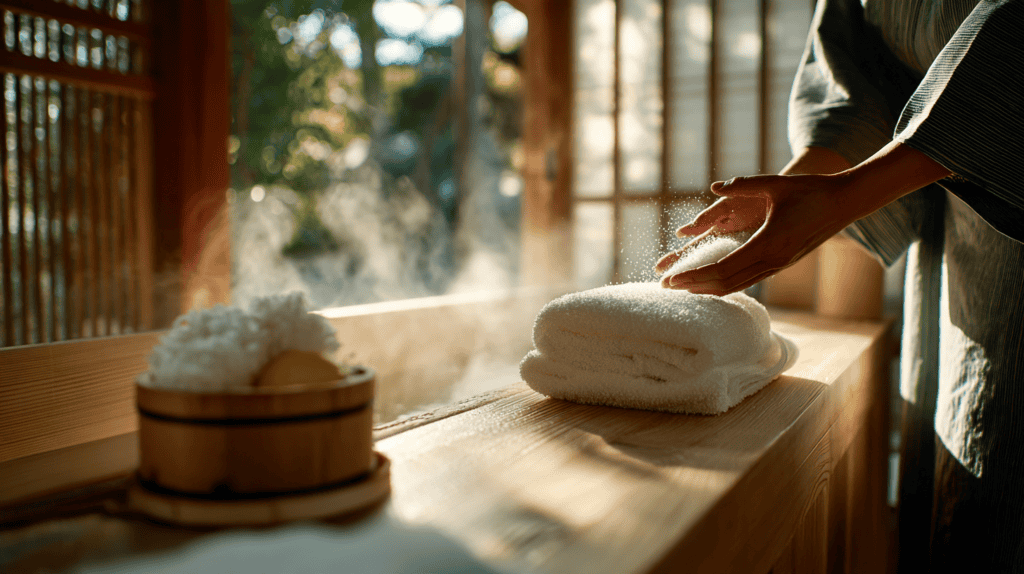
The wash is also a moment to slow down before the soak. It shows respect for other guests and for the hot spring itself, which many towns treat with real pride. Rinse the stool and bucket when you finish, and leave them neatly for the next bather. Lockers or baskets hold your clothes in the changing room, and valuables are best left in the room safe. Most baths provide shampoo, soap and conditioner, so you need to bring very little of your own.
In fact, the washing stool is such a familiar object that many people bring one home. A good one, made of hinoki, also scents the bathroom. Look for stools made from Kiso hinoki, widely seen as the finest grade of the wood.
Youbi Hinoki Bath Stool — a washing stool made in Japan
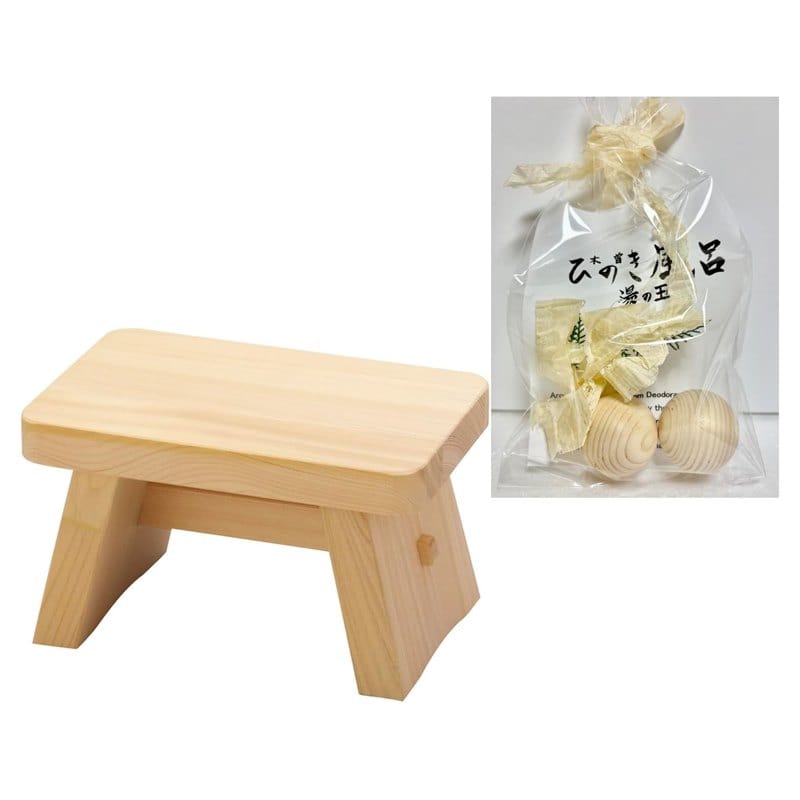
This Youbi hinoki bath stool is made in Japan from Kiso hinoki, the prized cypress of the Nagano mountains. It measures about ten by six inches and stands around six inches high, the classic onsen size. The pale wood releases a soft scent when wet.
It also arrives with a few hinoki bath balls and shavings to float in the tub. Use it in the shower to wash seated, Japanese style, and the bathroom starts to feel like an inn. Dry it after use, and the wood lasts for years. A light sanding every year or so refreshes the surface and the scent.
Bathing Mindfully
Once clean, enter the water slowly, letting your body adjust to the heat. Keep your voice low, move gently and respect other bathers, so everyone shares the calm that makes an onsen special. Towels stay out of the water, and long hair is tied up. Tattoo policies vary from bath to bath, so check ahead, or book an inn with a private bath. Finally, rinse off lightly or simply pat dry before dressing, so the minerals stay on your skin.
Drink water before and after each soak, too. Hot baths dehydrate the body faster than most visitors expect, especially at the hottest springs. Most inns leave cold water or barley tea in the changing room for bathers, for exactly this reason.
You may also like
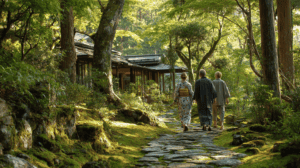
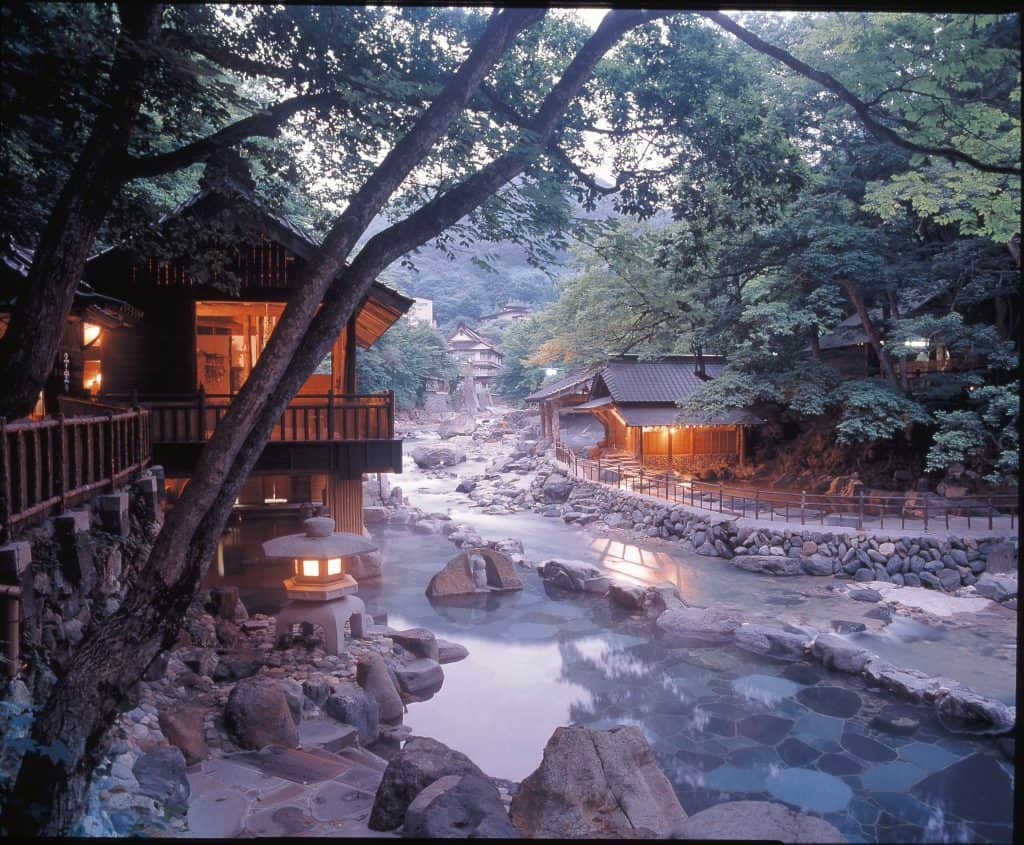
The most memorable baths are often outside. A rotenburo, or open-air bath, puts you in the weather: snow falling on the water, autumn leaves drifting past, or a mountain stream running below. These baths are the reason many people travel to a hot spring town at all, and the seasons transform them completely from one month to the next. Many of the finest Japanese spa experiences take place in open-air baths. In the mountains, weather changes quickly, so a little protection keeps the walk to the bath comfortable whatever the season.
Outdoor Baths and Weather Protection
Some open-air baths are shared, while others belong to a single room. Private ones can usually be booked by the hour at larger inns. Reserve a time slot at check-in, because the popular evening hours after dinner go first.
Snow monkeys in Nagano famously enjoy their own hot spring in winter, and human bathers follow the same instinct. A snowy rotenburo is one of the great pleasures of Japan. Mountain valleys in Nagano, Gunma and Tohoku hold some of the most beautiful, often reached by a short walk from the inn. In summer, the same baths sit among green forest, cooled by the evening air, and fireflies sometimes drift over the water in June. Each season offers its own reason to visit, so many travelers return to the same inn year after year.
Getting there, though, often means crossing a garden path in sleet, where a sturdy umbrella earns its place on the trip. Inns lend umbrellas at the door, but those rarely survive a strong mountain gust or a long walk to town.
Repel Windproof Travel Umbrella — a compact umbrella for mountain weather

The Repel windproof travel umbrella folds small enough for a day bag, yet opens wide. Reinforced fiberglass ribs and a vented canopy keep it from flipping in mountain gusts, and it is tested to strong winds.
A single button opens and closes it, which helps when your other hand holds a towel or a bath basket. Use it between the inn and an outdoor bath, or on a rainy walk through a hot spring town. It also protects belongings left by the changing room door. Afterward, it dries quickly in the inn’s entrance, ready for the next walk to the baths.
Rain and Snow
Rain rarely spoils a hot spring trip. In fact, many regulars prefer a wet day, because the baths empty out and the steam rises thickly over the water. The sound of rain on the roof of an open-air bath is one of the small pleasures of Japan. Pack a light rain jacket for walks through town, and leave the rest to the inn, which usually lends umbrellas at the door. A rainy afternoon also makes a perfect excuse for a long massage and an early dinner.
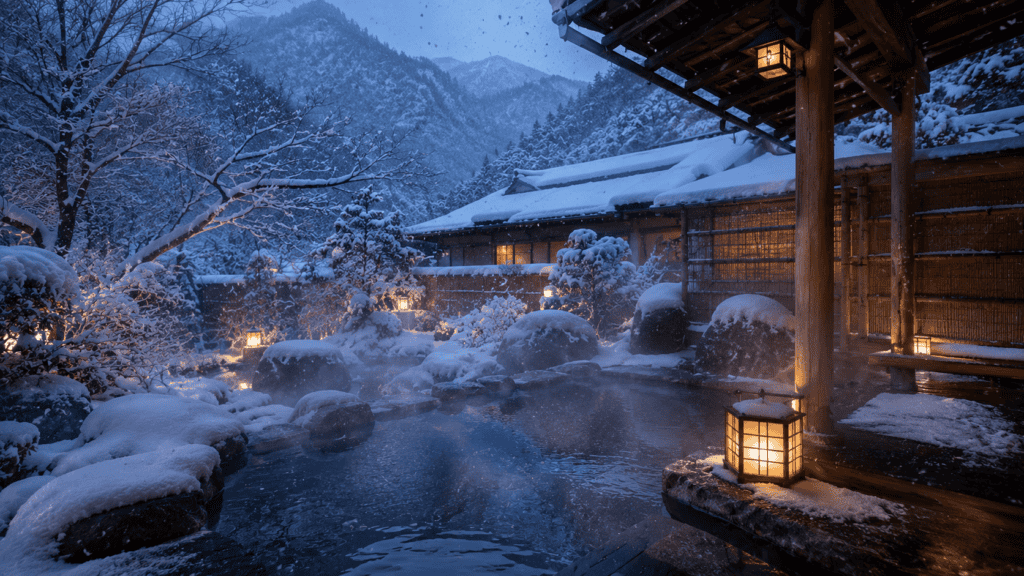
Snow is even better. Few experiences match a hot bath while flakes settle on the rocks around you and melt on the water. Northern Honshu and Hokkaido offer the most reliable chance of snow from late December to early March.
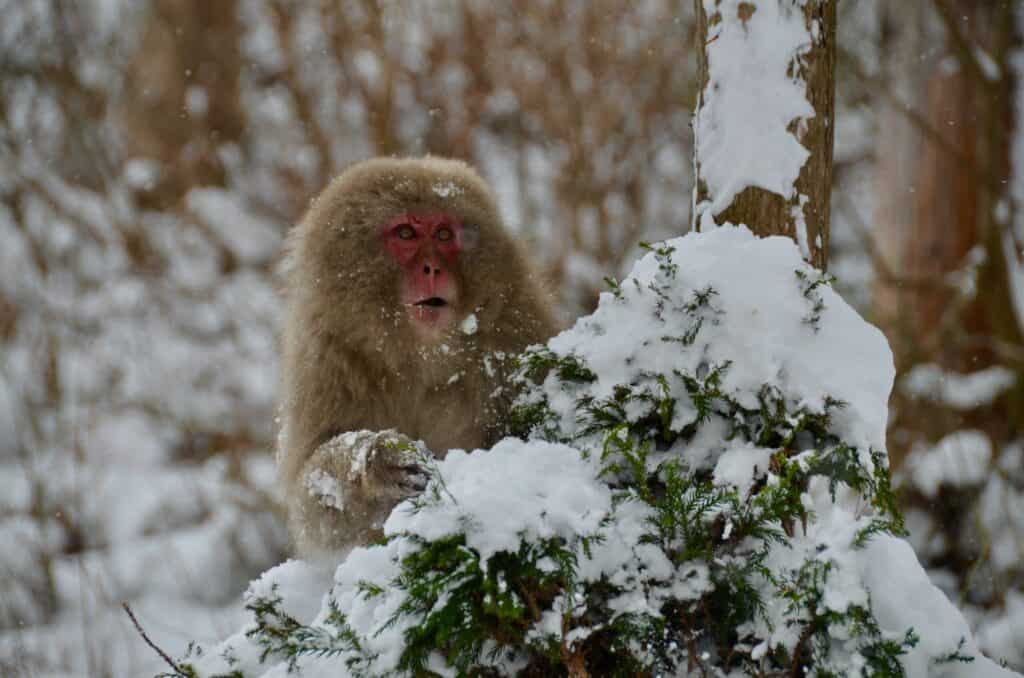
Winter is the favorite season for outdoor baths, but each season has its charm. Spring brings blossoms above the water, summer brings cool mountain evenings and autumn frames the baths in red maples. Many inns time special seasonal baths to the calendar too, and those are covered below, alongside two unusual traditions found in only a few places. The monkeys of Jigokudani, near Nagano, are easiest to see from December to March. A short forest walk leads to their pool, and the path is icy, so wear boots with good grip.
Sand Baths, Sento and Other Spa Traditions
Ibusuki’s Geothermal Sand Baths
On the southern tip of Kyushu, Ibusuki offers one of the most unusual Japanese spa treatments. Geothermal water heats the beach sand, and attendants bury bathers in robes up to the neck. Most people stay about ten minutes, feeling the heat soak through, before rinsing off in an indoor bath. The custom is at least 160 years old.
This sensation is hard to describe until you try it. The sand feels heavy and warm, and your heartbeat slows as the heat spreads. Ibusuki sits about an hour south of Kagoshima by train, and it pairs well with a stay in the city or on nearby Yakushima. The sand baths open year-round, though the coastal breeze makes winter visits especially pleasant. Afterward, most visitors soak in the indoor hot spring to rinse off the sand and finish the treatment.
Sento and Onsen
A sento is a neighborhood public bathhouse, heated with ordinary water, while an onsen uses natural spring water. Sento were once part of daily life for city families. Today, many are lovingly restored, with tiled murals of Mount Fuji, and they make a charming introduction to Japanese bathing.
Etiquette is the same in both, and sento are often less crowded with visitors. In Tokyo, several hold seasonal baths through the year, which brings us to one of Japan’s loveliest customs.
Bathing culture in Japan has also shaped spas around the world. Many international wellness centers now borrow Japanese ideas: mindful pacing, washing before soaking and simple rooms built from natural wood. Understanding the origins makes those experiences richer, and it also helps you recreate a little of a Japanese bath at home after the trip. Japanese bathing follows the seasons through special baths tied to the calendar. On the winter solstice, families float yuzu citrus in the tub, a custom dating to the Edo period and said to keep colds away.
Japanese Bathing Customs Through the Seasons
Seasonal Baths
On May 5, iris leaves go into the bath, tied to the Boys’ Festival. Public baths in Tokyo add others through the year, such as lavender in autumn. Some neighborhood baths add apples, citrus peel or herbs in their season.
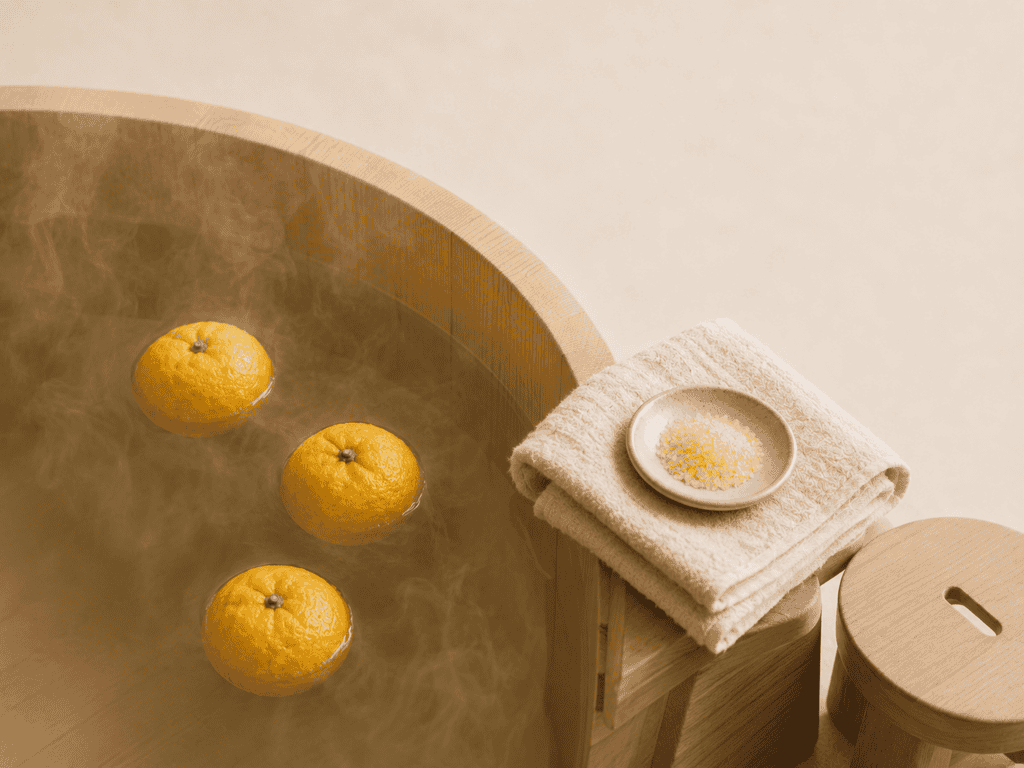
These customs follow the body’s changing needs through the year, and they encourage a closer bond with nature’s rhythms. At home, you can follow them with a few seasonal bath soaks and a little patience. For a yuzu bath, float three or four whole fruits in the tub, or halve them in a cloth bag so the oils release without pulp. Lemons work as a substitute, although the scent is sharper. The solstice falls on December 21 or 22, a good night to begin the habit.
Meanwhile, the same companies that supply Japanese households sell onsen-style bath powders worldwide. They recreate famous springs surprisingly well. Many households keep a box by the tub and choose a different spring each night of a long winter week.
Tabino Yado Bath Soak Set — hot spring baths at home
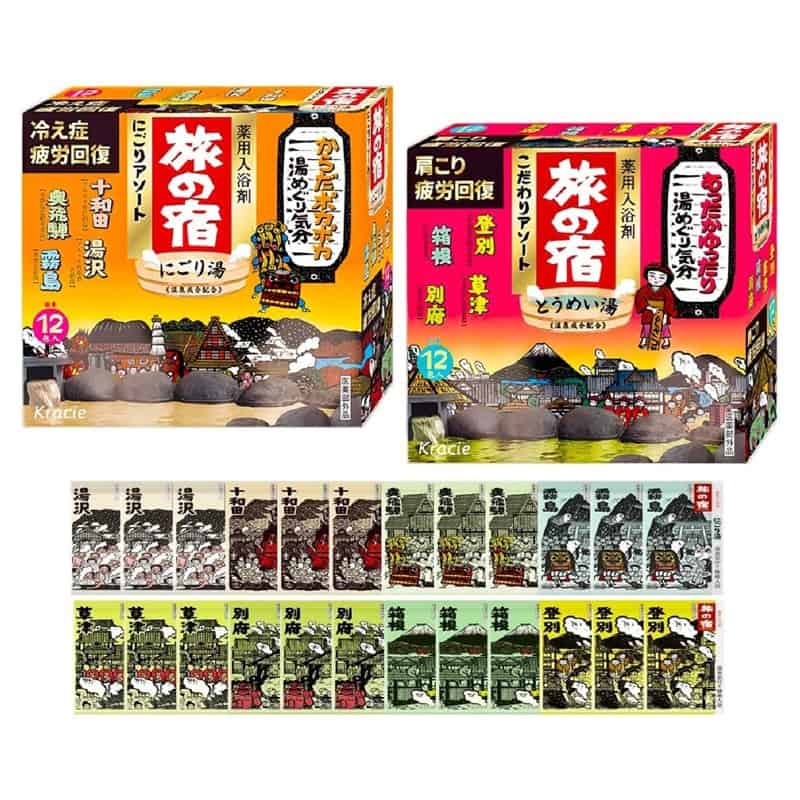
Kracie has made Japanese wellness products since 1887, and its Tabino Yado bath soak set recreates famous hot springs in a home tub. The gift set holds two boxes with eight varieties and 24 packets in total.
Each packet turns the water cloudy and fragrant, like an onsen inn. The boxes carry woodblock-print designs by the artist Yasuhiko Kida, so they also make a lovely gift. Choose a different packet each night, and a week of baths feels like a tour of Japan. It is the easiest way to keep the habit going after you return home from Japan.
The Nightly Bath at Home
Japanese households take bathing seriously, even in small city apartments. Most homes have a deep tub, called an ofuro, and families bathe in the evening, one after another, in the same hot water. Everyone washes first, outside the tub, so the water stays clean for the next person. Many tubs even keep the water warm for hours with a built-in heater. That nightly soak is less about getting clean than about ending the day well, and it explains why so many Japanese people sleep soundly.
You can borrow the habit easily. Run a hot bath, add a scent and stay in the water for ten unhurried minutes. Dim the lights, open a window a crack and let the steam carry the scent through the room.
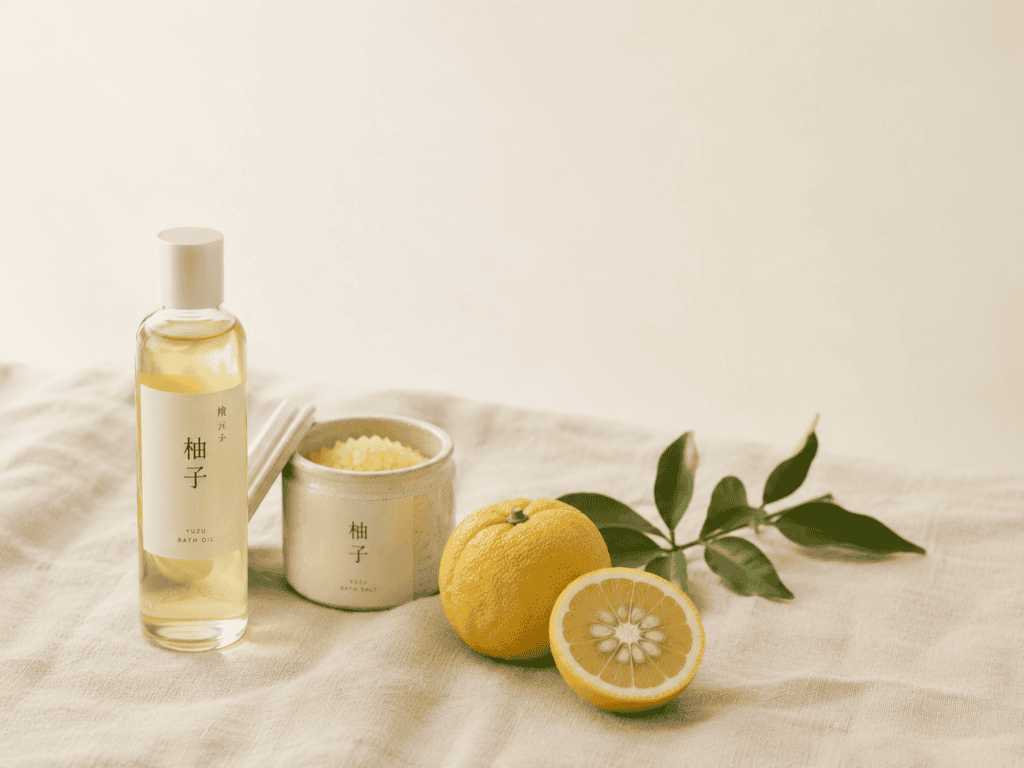
Seasonal baths are only one way to bring the practice home. A wooden stool, a scented oil and a tenugui cloth go a long way. So does a simple habit: bathe in the evening, slowly, with the phone in another room. After a week, many people find it the calmest part of their day, which is the real lesson of Japanese spa culture. No special equipment is needed, only time, warm water and a little ceremony each evening before bed.
Japanese brands make many of these small comforts, from bath salts to wooden stools, and they travel well as gifts for friends at home. Look for the words made in Japan on the label, and favor small family makers from the regions.
Recommended
Choosing Your Hot Spring Towns
Planning a spa trip in Japan is easy once you know what you want. Some travelers build a whole journey around hot spring towns, while others add a night or two between cities. Either way, a little research goes a long way, because the best inns are small and fill early, especially in autumn and winter. Popular choices include Hakone and Atami near Tokyo, Kinosaki and Arima near Kyoto and Osaka, and Beppu and Kurokawa in Kyushu. Each has a different character, from seaside resorts to mountain villages.
Many travelers combine two towns in a week, one near a city and one deeper in the mountains. That mix gives both convenience and seclusion. A rail pass often covers the trains between them, and the scenery on the way is part of the trip.
Ten Proverbs to Carry With You
Prefer something to read on the train to the hot springs? Our printable folio gathers ten Japanese proverbs, several about patience and rest. Leave your email and it arrives in your inbox, followed by an occasional letter on Japan.
Planning Your Japanese Spa Journey
Good wellness travel balances genuine experiences with personal comfort. Research reputable places, understand the customs and come ready for an experience that may change how you think about rest. A reputable inn answers questions clearly and lists its spring analysis openly. Consider starting with day visits to local onsen before booking an overnight ryokan. That gradual start lets you learn the customs while you discover the subtle benefits of Japanese wellness practice. Our guide to Japanese etiquette for travelers covers the essential customs.
Timing matters, too. Weekends and national holidays fill inns quickly, while midweek stays bring calmer baths and easier bookings. Booking about six months ahead secures the best rooms for the autumn leaves and the winter snow, when demand peaks across Japan.
Pairing a Spa Stay With Other Trips
For more ideas, see our guides to a Zen retreat in Japan and Japan photography tours, which pair well with a hot spring stay. Combine one of each, and a single week can hold baths, gardens and a morning of photography in the mountains. Rail passes make it easy to move between hot spring regions, and many inns offer a shuttle from the nearest station. Ask about pickup times when you book, since rural buses run infrequently. Ask about luggage forwarding, too.
Finally, leave the last day of a spa trip unhurried. Rushing to the airport undoes much of the good the baths have done. Plan one final morning soak, a late breakfast and an unhurried train back to the city or airport.
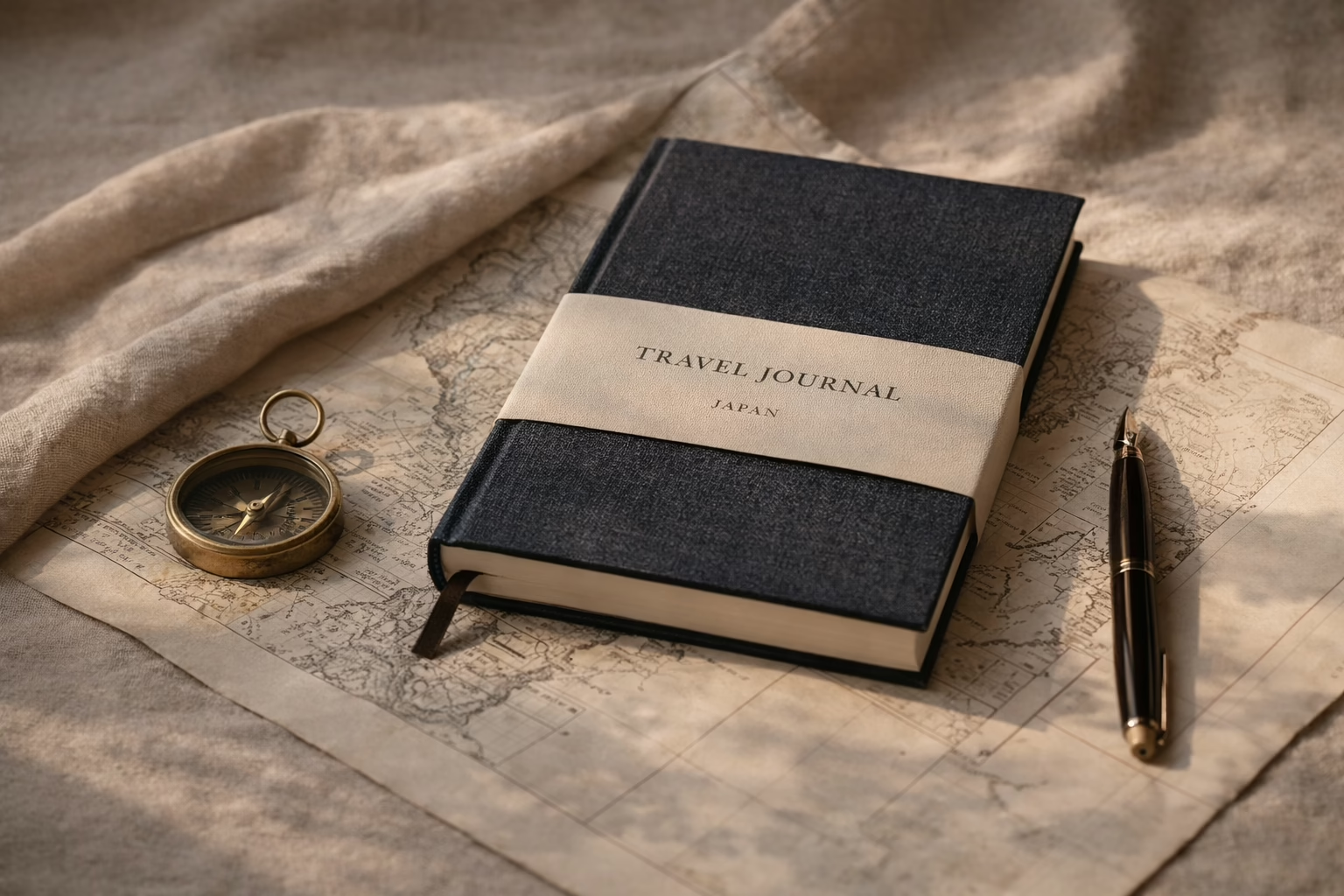
Many travelers keep notes on a spa trip, because the details blur quickly. Write down the bath, the water, the view and how you felt afterward. Over a few nights, those notes reveal what truly helps you rest. The journal below was made for that kind of reflection, and its theme of harmony suits a slow stay at a hot spring inn. A few lines each evening are enough, written after the last bath of the day and before sleep.
Nagomi, the idea behind it, describes the gentle balance that a good bath restores. It is a word many Japanese people use for that feeling. It fits a spa trip better than almost any other single idea in Japanese culture.
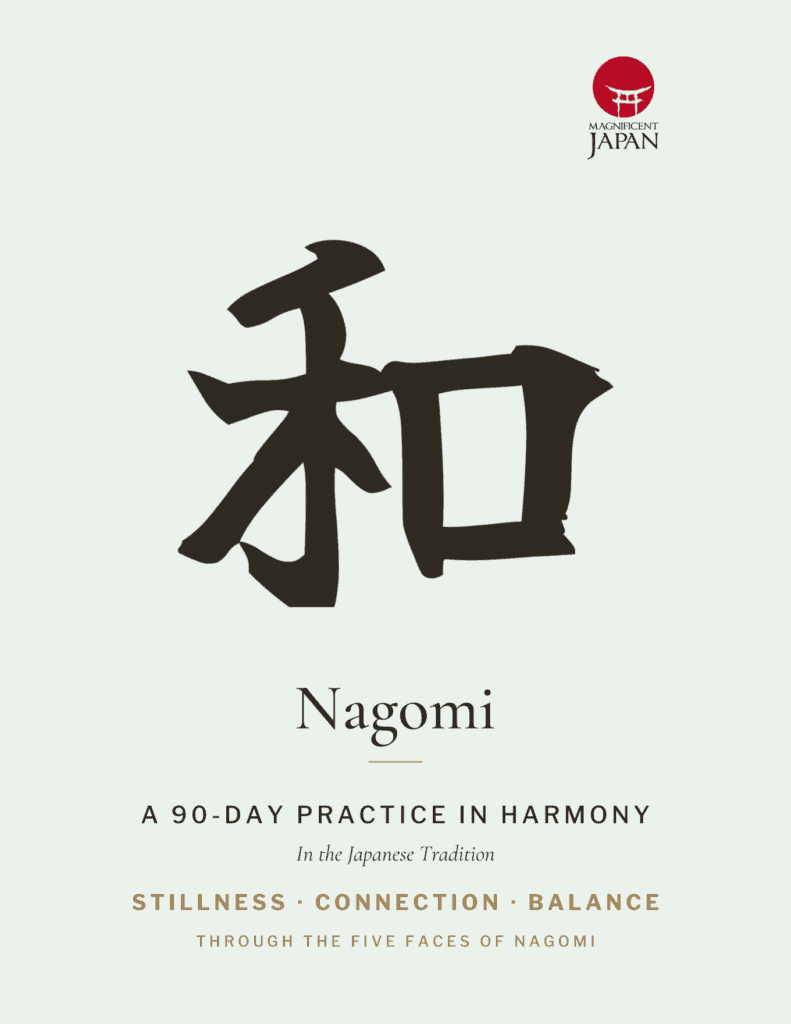
Nagomi is the Japanese idea of harmony and balance, the feeling a long soak and a calm evening restore. This 90-day guided journal turns it into one short prompt a day. It comes as a write-on digital edition for a tablet, and it is one of eight journals in the Cultural Reflection Collection.
View The CollectionRest, the Japanese Way
Traditional Japanese spa treatments offer deep rest that joins physical comfort with peace of mind. By understanding and respecting these traditions, visitors enjoy their benefits while honoring the culture that makes Japan’s spa world unique. Whether it is a single afternoon in a sento or a week of hot spring inns, the lesson is the same. Slow down, wash carefully, soak without hurry and let the evening unfold. Japan has practiced that rhythm for centuries, and it travels home easily.
The guides below go further into Japan’s hot spring towns, its inns and the research behind the baths. Each one adds practical detail for planning, from seasons and costs to etiquette and booking tips. Read them before you choose an inn.
Bringing the Habit Home
The best souvenir of a Japanese spa trip is a habit rather than an object. Travelers who return home and keep a nightly bath often say it changed their sleep and their evenings. Others keep a bottle of hinoki oil by the tub or a tenugui on a hook, small reminders of an inn in the mountains. Whatever you bring home, the idea is the same: protect a little time each day for warmth, water and rest, without a screen in sight.
A few tools help with planning the next trip, from a route sketch to a rail pass calculator and a journal for the notes. Each takes only a few minutes, and together they make the first planning conversation much easier for everyone.
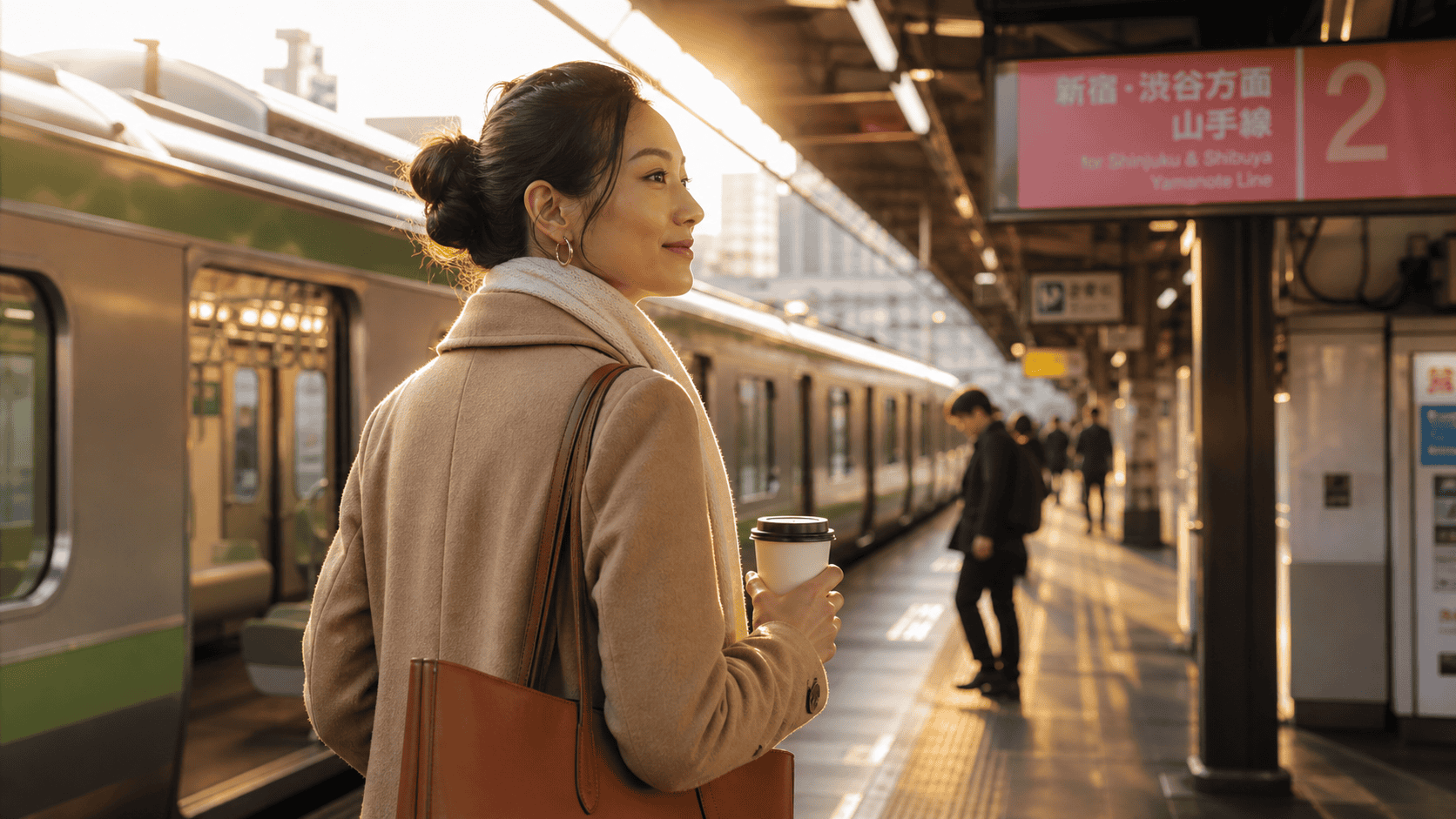
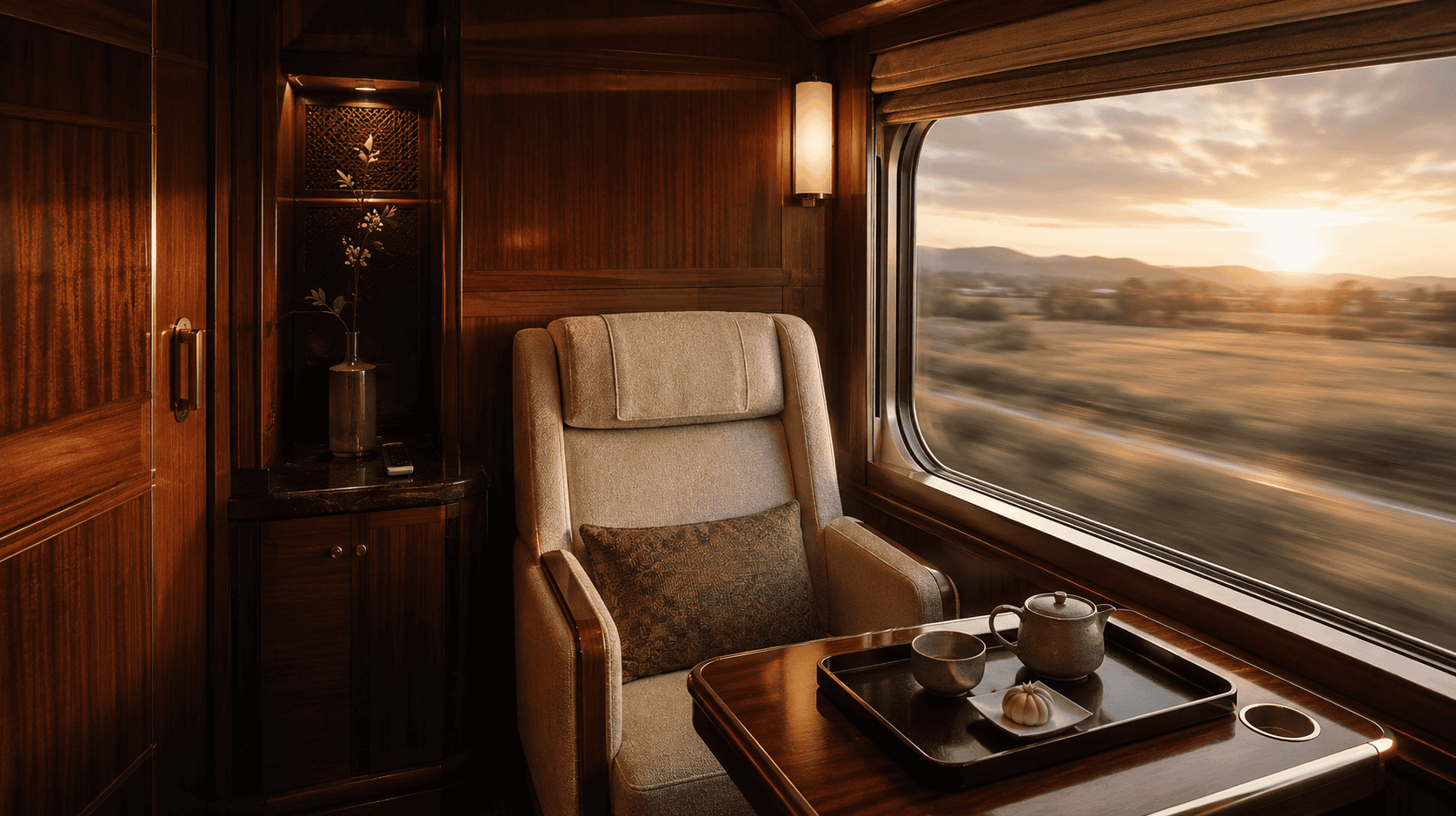
The finest hot spring inns in Japan are small, and they book months ahead, particularly for rooms with private open-air baths. Our travel designers know which inns suit couples, which suit families and which offer massage or sand baths nearby. They also pace each route so you arrive in time to bathe before dinner, every single night. Tell us how you like to rest, and we will shape the whole journey around it, from the first bath to the very last.
Every itinerary is built around your pace and season. Share your dates, and we will begin with a first draft for you to adjust. Nothing is booked until you are happy with every inn, bath and meal on the route.
For the traveler who wants Japan’s spa culture at its best: a custom itinerary of ryokan with private baths, kaiseki dinners, shiatsu sessions and Ibusuki’s sand baths, with unhurried days between the cities.
Plan Your Custom Japan ItineraryQuestions Worth Asking
What do traditional spa treatments in Japan include?
Traditional spa treatments in Japan center on onsen bathing in natural hot springs, along with shiatsu and anma massage, sand baths such as those at Ibusuki, and seasonal baths scented with yuzu or iris. Ryokan inns combine them with kaiseki meals and unhurried rest.
Is onsen bathing good for your health?
Many people find it relaxing, and a large Japanese study published in Heart in 2020 linked near-daily hot tub bathing with a lower risk of cardiovascular disease. That study shows an association, not proof, so treat health claims with care.
What is the difference between shiatsu and anma?
Anma is the older Japanese massage tradition of kneading, pressing and stroking. Shiatsu grew out of it in the twentieth century and uses steady pressure from the thumbs, fingers and palms. In Japan, both fall under a national licensing system.
Can I go to an onsen with tattoos?
Policies vary. Many baths still restrict visible tattoos, while others allow them or offer cover stickers. Private baths in ryokan rooms, called kashikiri or room baths, avoid the question entirely, so ask when you book.
What should I bring to an onsen?
Most baths provide soap and towels, but a small tenugui cloth is useful for washing and for resting on your head. Bring a hair tie, and leave jewelry in your room, because some mineral waters tarnish metal.
How long should you stay in an onsen?
Start with a few minutes and build up to ten or fifteen, resting in between. Drink water before and after, step out if you feel light-headed, and avoid bathing straight after a large meal or alcohol.
The Editors, Magnificent Japan