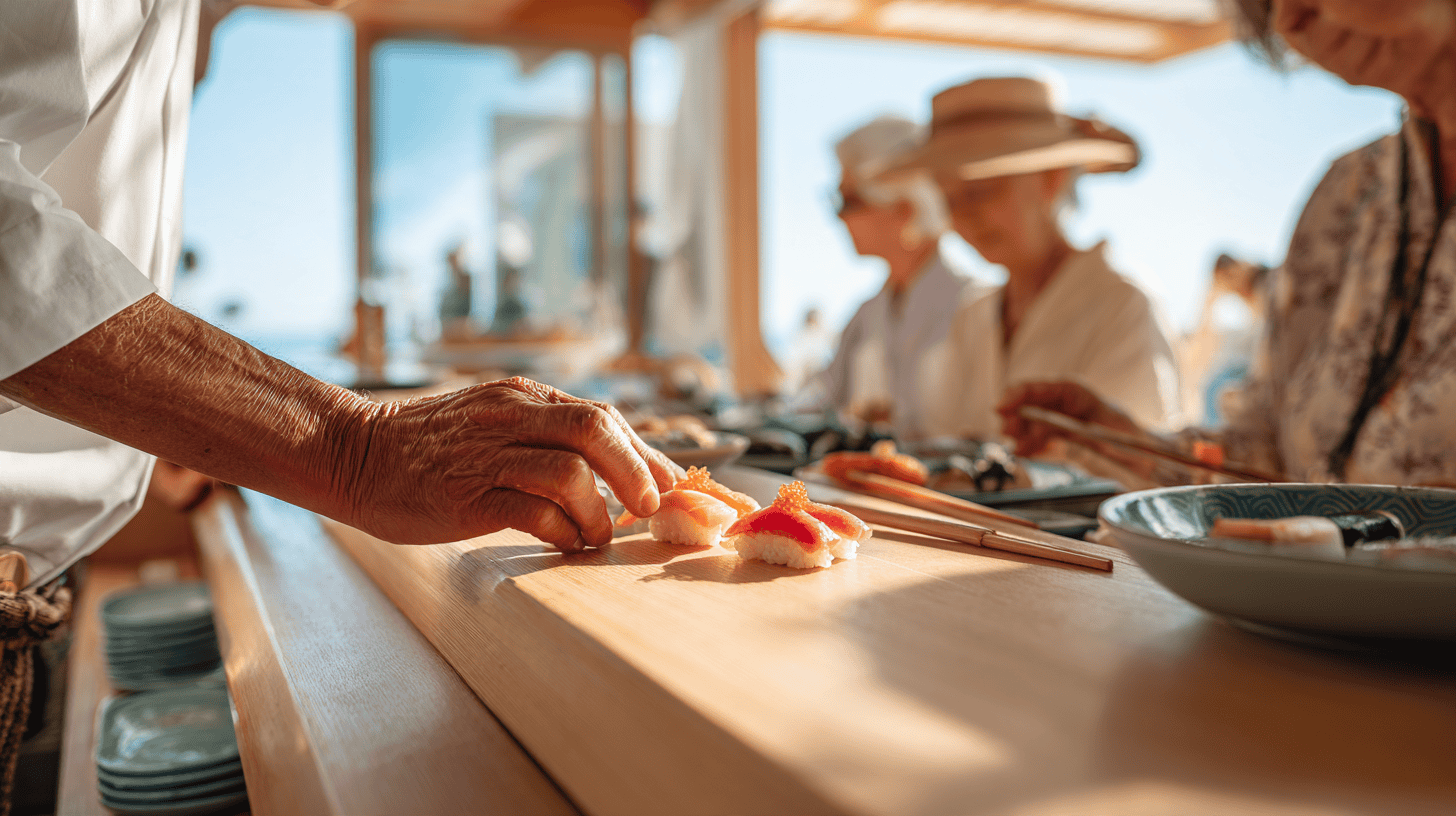
The most unique dining experiences in Japan are not themed rooms or novelty menus. They are meals where someone else decides. A kaiseki chef sets the season on a tray. A sushi master hands you each piece as it is made. At a kappo counter, the cook talks you through dinner across a cedar board. In each case, you give up the menu and gain the meal.
This guide reads Japanese dining through that lens. We cover the formal kaiseki dinner, the omakase counter and the kappo bar. The private ryotei room and the inn dinner follow. It sits within our wider guide to luxury travel in Japan, where food is one thread among several, and often the one guests remember longest.
What are the most unique dining experiences in Japan?
The standouts are kaiseki, a formal seasonal course dinner, and omakase, where a sushi chef chooses each piece. Kappo, a counter meal cooked in front of you, completes the trio. Add a private ryotei room and a ryokan dinner, and you have the core of fine dining in Japan. Each one hands the menu to the chef.
What links these meals is trust. You book a seat, not a dish, and the kitchen does the rest. For a first-time visitor, that can feel strange. However, it is also the easiest way to eat well. Menus may be in Japanese only, and here nobody needs one. Once you know how each format works, ordering stops being the problem. Choosing the right format for the evening becomes the whole decision.
What Sets Unique Dining Experiences in Japan Apart?
A Japanese dining experience is built on three things that Western fine dining treats as extras. First, the season drives the menu, often week by week. Second, the chef usually stands within arm’s reach. Third, the tableware matters almost as much as the food. Together, they make a meal feel specific to one evening.
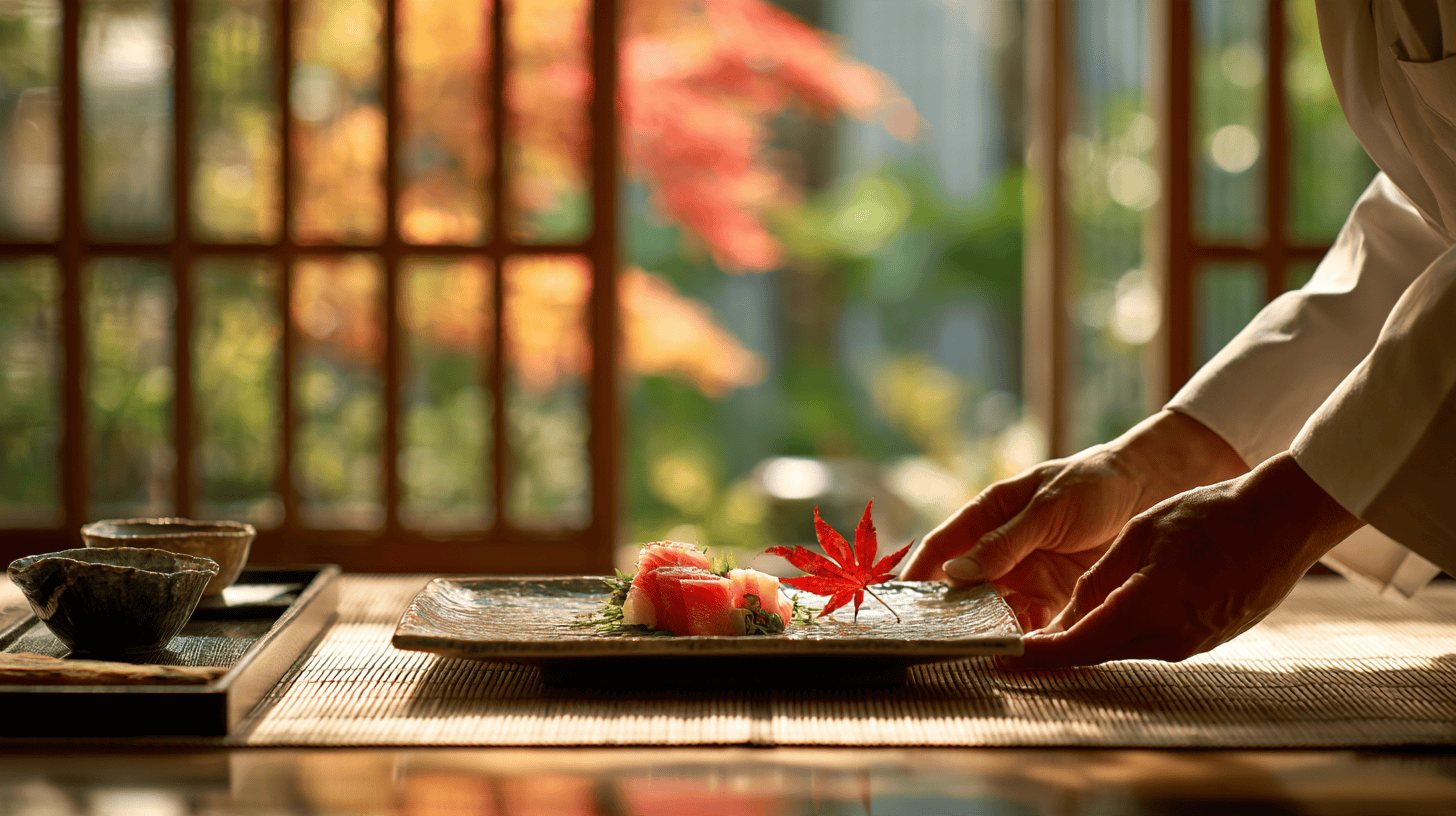
Seasonality is the clearest of the three. The Japan National Tourism Organization notes that kaiseki places a huge emphasis on seasonal ingredients as well as presentation. Its guide adds that every aspect is weighed, down to the dish each course is served on. As a result, the same restaurant can feel like a different place in May and November.
Proximity is the second difference. Many of the best rooms in Japan seat fewer than a dozen guests along a single counter. You watch the knife work, the plating and the timing. Moreover, the chef watches you. If you slow down, the next course waits. If you love one dish, the cook notices. That attention is what turns a good meal into one of the unique dining experiences in Japan.
Reading the season on the plate
Once you know the calendar, every menu becomes easier to read. In spring, bamboo shoots and young greens appear. Early summer brings sweetfish from the rivers, grilled whole on skewers. In Kyoto, pike conger is the classic summer fish, cut with hundreds of fine strokes. Autumn means mushrooms, chestnuts and maple leaves on the plate. Winter brings crab, yellowtail and hot pots.
This is also why timing a trip around food makes sense. If a particular dish matters to you, choose the month first. Then book the restaurant. Many of the unique dining experiences in Japan exist for only a few weeks each year. Miss the window, and the same restaurant serves a different meal entirely.
Why the menu is not yours
At most of these places, there is one menu per night, and it is set by the kitchen. Sometimes there are two lengths. You may be asked about allergies when you book, but rarely about preferences. In short, you are buying the chef’s judgment. If that feels like a loss of control, think of it as a guided tasting instead.
The Kikunoi chef walks through the seasons course by course. Read it before a kaiseki dinner and each tray makes sense.
View This Book →A piece-by-piece tour of an omakase menu at Sukiyabashi Jiro. It shows how much work sits behind one bite.
View This Book →The standard English guide to cutting, simmering and grilling. It helps you follow the cook at a kappo counter.
View This Book →Kaiseki: The Formal Seasonal Dinner
Kaiseki is the formal course meal of Japan, and it is the most structured of the five formats. JNTO describes kaiseki ryori as a traditional multi-course dinner. The courses move from small appetizers through sashimi, soup, grilled and simmered dishes, to rice and a sweet. Every course follows the season, and the tableware changes with it.
How a kaiseki dinner unfolds
Dinner usually runs between two and three hours. A server brings each course to a private room or a counter, then explains it briefly. You eat at your own pace, and the kitchen follows. Sake is offered throughout, while tea arrives near the end. Then the meal closes with rice, pickles and miso soup, and finally fruit or a sweet.
A dinner this long leaves a lot to remember, yet food memories fade fast. Within a week, you lose the name of a fish and the pattern on a bowl. Writing them down at the end of the night keeps them. It also makes the next booking easier, because you will know which formats and seasons suited you. A notebook earns its place on a food trip more than on any other.
For the name of the fish, the shape of the bowl and the line the chef said as he served it.
6 × 9 in · 120 unlined pages · matte softcover
Shop This Journal →Kikunoi, a Kyoto benchmark
To ground this, we checked one of Kyoto’s best-known kaiseki houses directly. Kikunoi was founded in 1912. Its head chef, Yoshihiro Murata, is the third generation of the family. He has led the kitchen at the main restaurant since 1993. The site lists Kikunoi Honten in Kyoto with three Michelin stars in the 2024 guide. Dinner at Honten takes last orders at 19:30, and bookings run through MY CONCIERGE or TABLE ALL.
Murata’s own book is the best preparation for a meal there. Kaiseki: The Exquisite Cuisine of Kyoto’s Kikunoi Restaurant walks through the seasons course by course. Each dish is photographed. Read it before you go, and the menu will make sense in the room. Afterwards, it works as a record of what you ate.
Kaiseki also appears outside restaurants. Many inns serve a kaiseki-style dinner as part of the stay, timed around the evening bath. Our guide to the ryokan experience explains how that meal fits the night. The inn version is often more generous and less formal. By contrast, a restaurant kaiseki is tighter and more precise.
Cost is the other practical point. Kaiseki is a major splurge, because each course is cooked for each guest, by hand, in small quantities. Lunch is usually the better entry point. Many top houses serve a shorter lunch course that shows the same skill. If you are unsure whether the format suits you, book lunch first. Then return for dinner on a later trip, in a different season.
Pick the format by the evening you want; the chef handles the menu in every case.
| Format | Setting | Pace | Best for |
|---|---|---|---|
| Kaiseki | Private room or counter | Two to three hours | The full seasonal course, ideally in Kyoto |
| Omakase | Sushi counter | One to two hours | Watching each piece made for you |
| Kappo | Counter facing the cook | Set course or the day’s fish | Conversation and precise cooking |
| Ryotei | Private room with a garden view | A whole evening | Anniversaries and business dinners |
| Ryokan dinner | Your room at the inn | About two hours, after the bath | A slow, generous night in |
| Single-dish counter | Tempura, ramen or griddle bar | Short and casual | Lunch between the formal dinners |
Omakase: Leaving It to the Chef
Omakase means, roughly, “I leave it to you.” At a sushi counter, the chef chooses every piece. Each one is formed, brushed with soy or salt, and placed in front of you. Then you eat it at once, while the rice is still at body temperature.
How the counter works
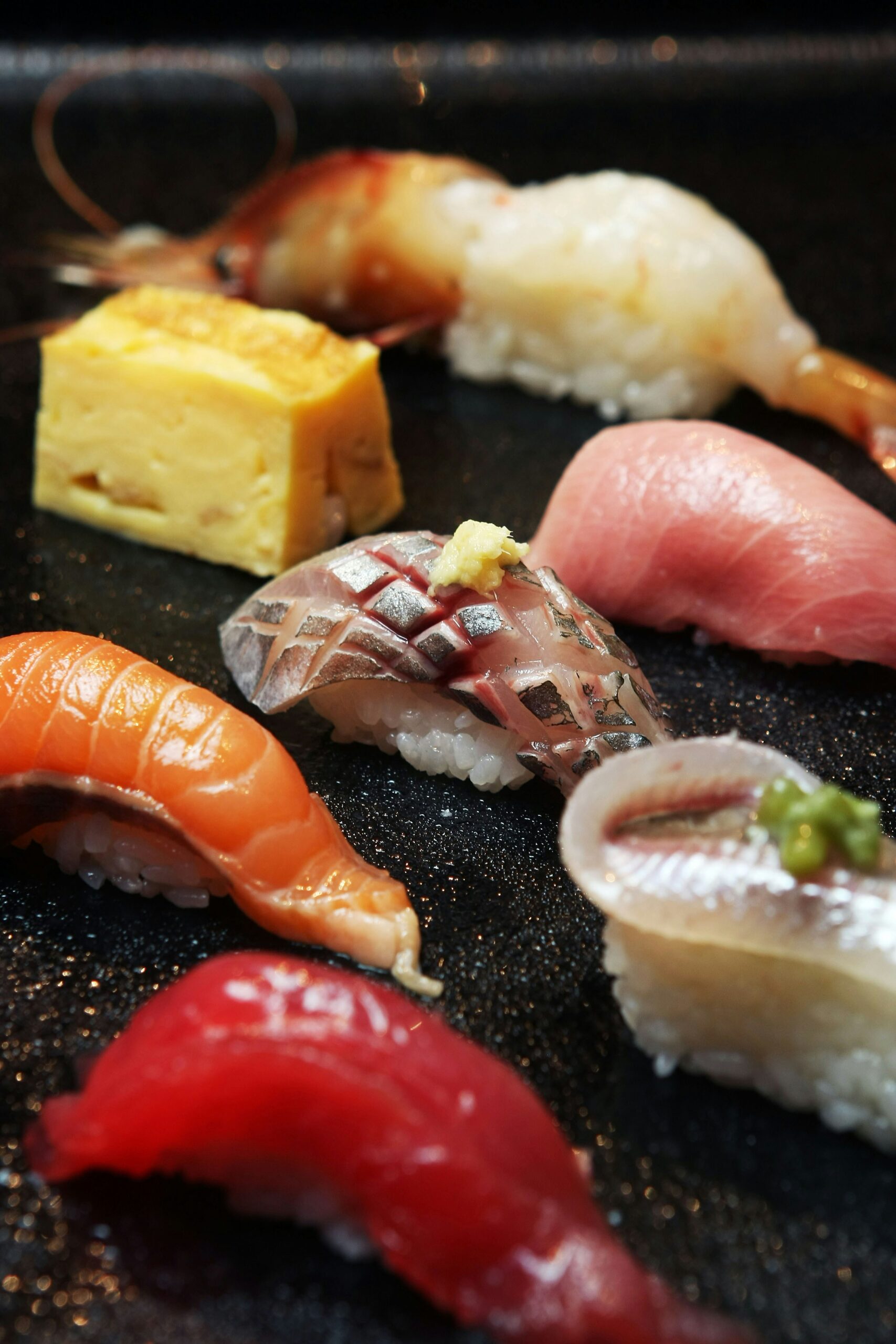
An omakase meal usually runs between one and two hours. The chef may start with a few small plates before the nigiri begins. Typically, white fish comes early and richer cuts later. Rolls and a sweet omelet often close the meal. Through all of it, the pace is set by the counter, and guests eat as each piece lands.
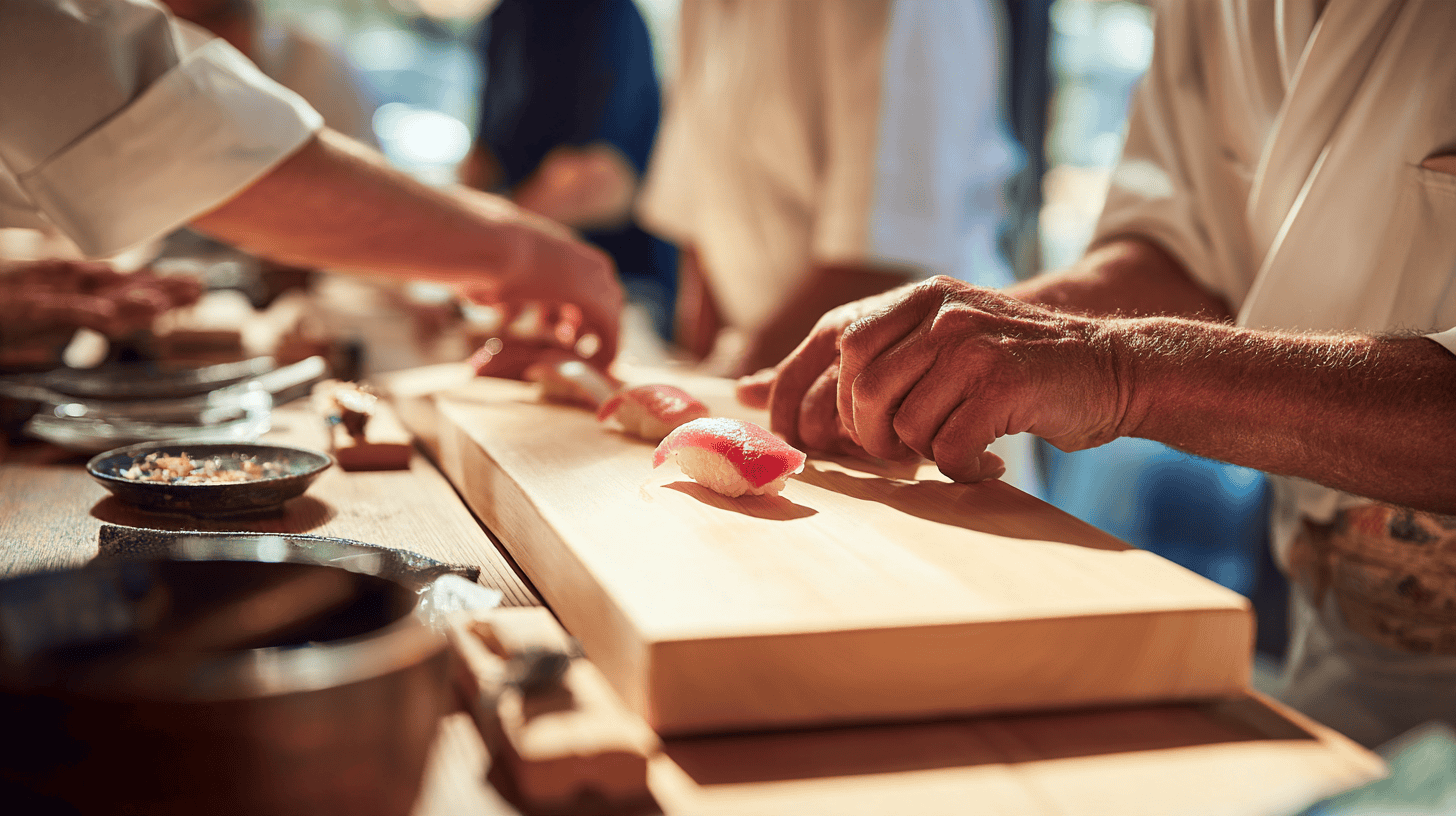
For a closer look at that discipline, read Sushi: Jiro Gastronomy. It is built around Sukiyabashi Jiro, written with Jiro Ono and his son Yoshikazu. The book goes piece by piece through a tasting menu, with notes on fish and rice. Above all, it shows how much work sits behind one bite.
What the chef notices
Counters are small, so manners show. Arrive on time, because the meal starts for everyone together. Skip strong perfume, since it competes with the fish. Eat each piece promptly, by hand or with chopsticks. Also, ask before photographing, as some counters prefer none. For the basics of eating sushi the Japanese way, see our guide to sushi and sashimi etiquette.
Would you rather hand over the reservations? Our tailored Japan itinerary books the counters around your route.
Booking is the hard part of omakase, not eating. The best counters seat few guests and often release seats months ahead. Many only take bookings through a hotel concierge or a reservation platform. In addition, cancellation rules are strict, because an empty seat is fish already bought. Plan the counter first and build the day around it. The edit below helps you plan the rest of the trip around those bookings.
MJ's Luxury Japan Edit is a curated planning edit for luxury travel in Japan. Leave your email and we will send it straight to your inbox. Letters on Japanese food and culture follow, roughly monthly.
One email with your printable. Occasional letters after that. Unsubscribe anytime.
One more tip on omakase. Tell the chef early if there is a fish you avoid, ideally when you book. Most kitchens adjust gracefully with notice. Equally, if you love a particular piece, say so. Some chefs will offer another at the end of the meal. That small exchange is often the moment guests remember most, and it only happens at a counter.
Kappo: The Counter Between Kaiseki and Izakaya
Kappo is the least known of the three formats abroad, yet it may be the most rewarding. The Michelin Guide notes that kappo simply means "to cut and to cook". Restaurants are usually small, with guests seated at the counter. The guide places kappo between formal kaiseki and the casual izakaya.
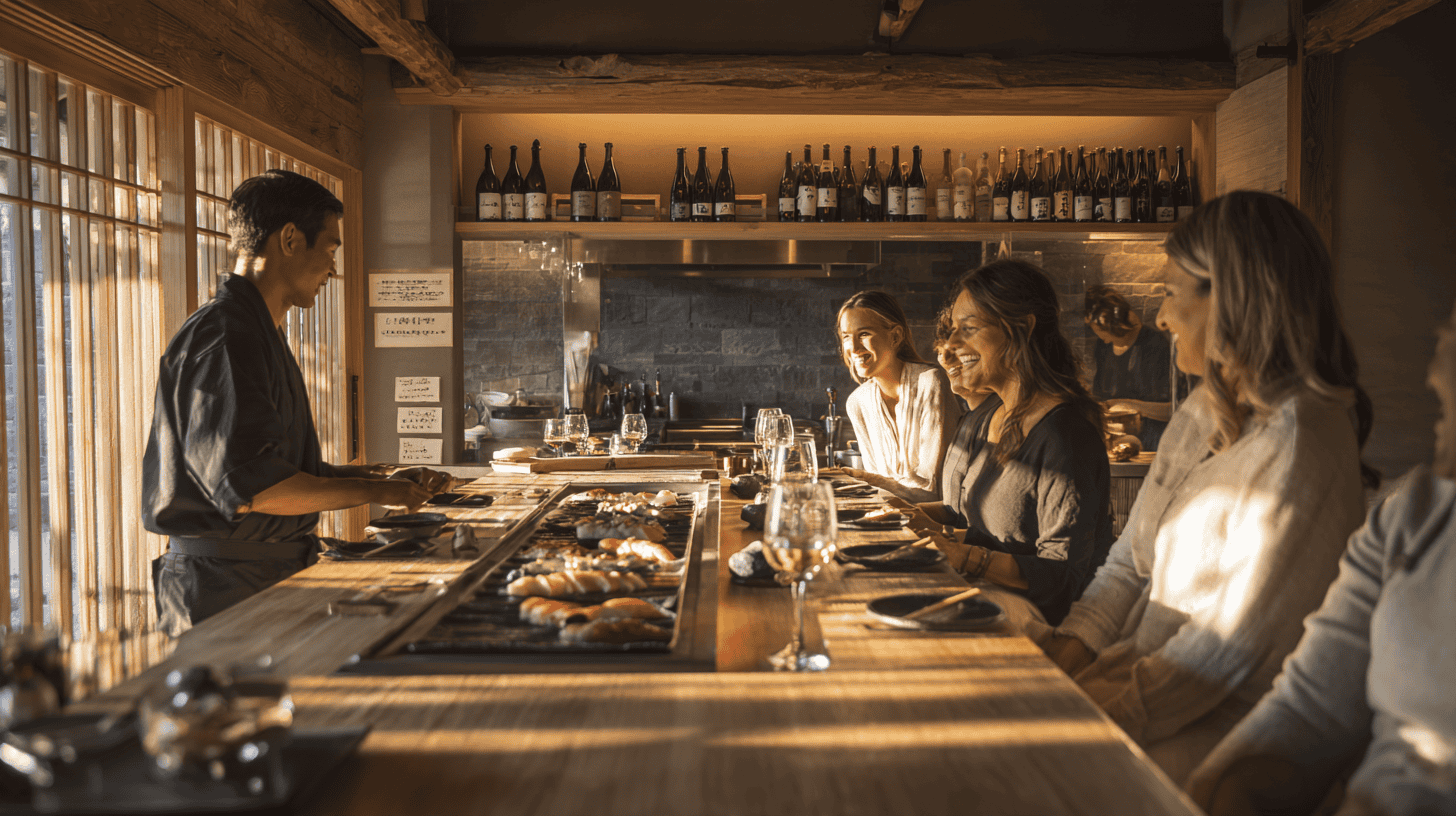
In practice, a kappo meal feels like kaiseki with the walls taken away. The courses are seasonal and precise. However, the chef cooks in front of you and talks as he works. Some kappo places offer a set course, while others let you order from the day's fish. Either way, the counter gives you a seat at the kitchen.
If you want to understand what the cook is doing, one book stands above the rest. Shizuo Tsuji's Japanese Cooking: A Simple Art has taught the basics to English readers for decades. It explains cutting, simmering and grilling in plain terms. Consequently, you will recognize each technique when it happens across the counter.
Kappo and the izakaya
Kappo also bridges toward the izakaya, Japan's informal drinking restaurant. The line between them is service and precision rather than price alone. If an evening of small plates and beer sounds better, an izakaya is the better choice. Many travelers do one of each in the same week, and the contrast teaches you a great deal.
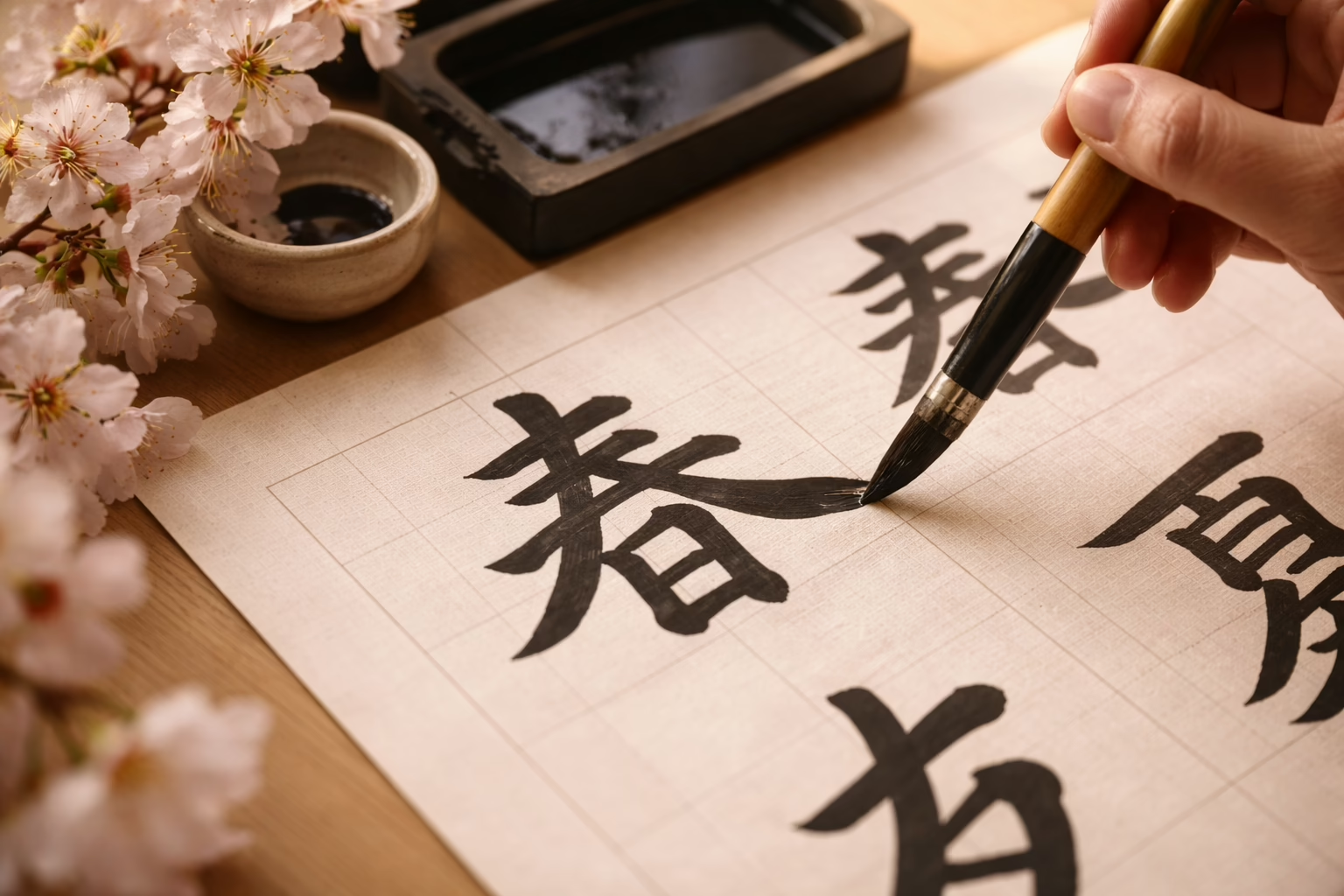
Wherever you sit, a little reading goes a long way. At kappo counters and izakaya, the menu is often handwritten on the wall. Recognizing the characters for fish, rice and sake helps you follow the meal. It also gives you something to ask about. Cooks enjoy explaining a dish to a guest who has tried to read its name. That small effort tends to change the tone of the whole evening.
Recommended
For a first trip, we usually suggest one meal from each format. Book one kaiseki, ideally in Kyoto. Add one omakase counter in Tokyo, and one kappo dinner wherever the week allows. That mix shows you the range of unique dining experiences in Japan without repeating yourself. It also spreads the cost, since kappo is often gentler on the bill than the other two.
Single-Dish Masters: The Other End of the Scale
Not every remarkable meal in Japan is a long one. Some of the best cooks spend a lifetime on a single dish. A ramen shop with ten stools can show the same devotion. So can an okonomiyaki griddle in Hiroshima. The format is casual. Yet the craft is not.
These shops make good lunches between the formal dinners. They also teach the same lesson in a smaller room: focus is a form of luxury. Hiroshima layers its okonomiyaki with noodles and cabbage, while Osaka mixes the batter through. Takoyaki, the octopus dumplings of Osaka, are best eaten standing at the stall.
The tempura counter
Tempura belongs on this list as well. In Tokyo, a handful of specialist counters serve nothing else. The chef fries each piece to order and sets it straight on your paper. Consequently, the batter is still crackling at the first bite. The style is lighter than most visitors expect, because the batter is mixed cold and barely stirred. Prawns are the classic first piece, followed by fish and seasonal vegetables. It is also a dish you can cook well at home. Timing matters more than skill, as the method below shows.
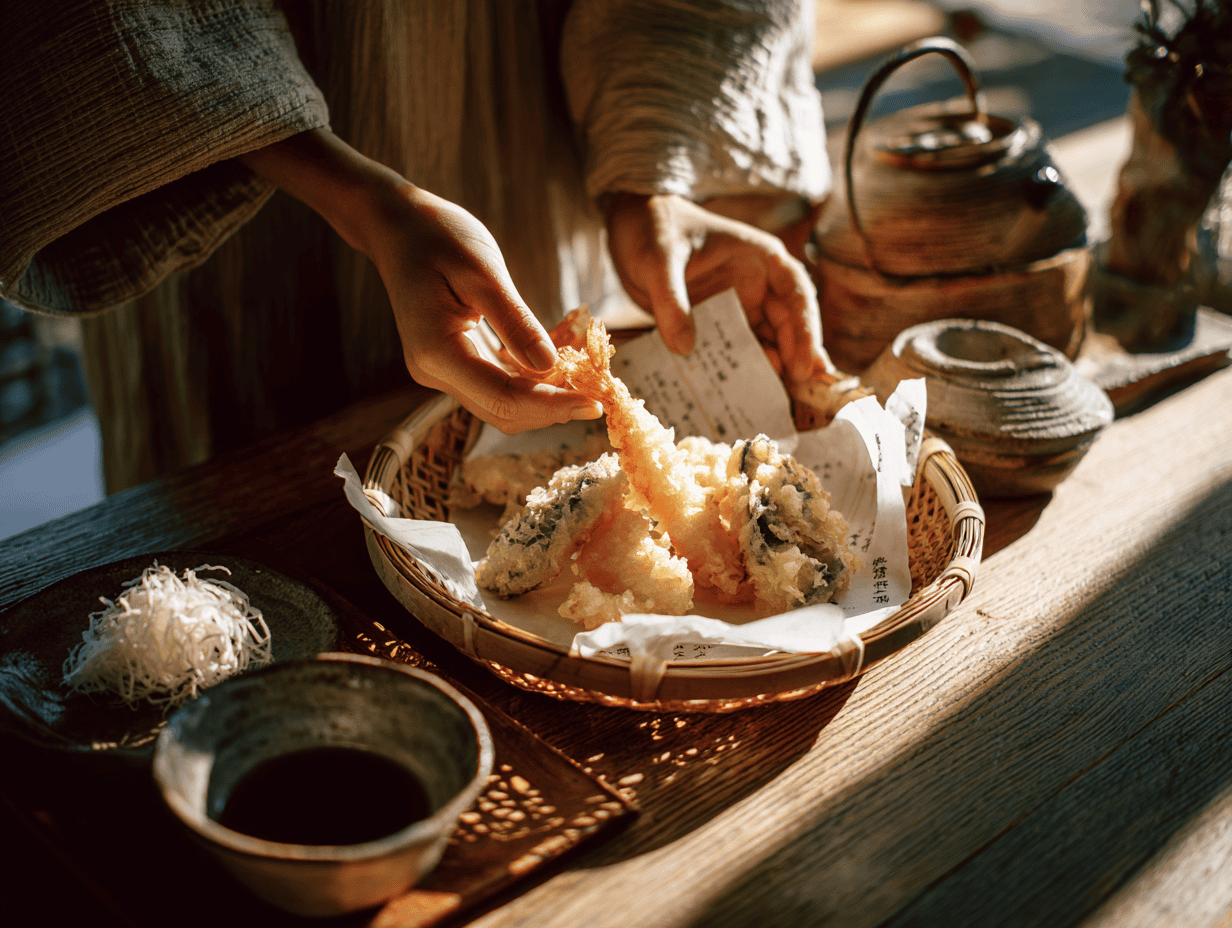
Frying in batter reached Japan with Portuguese traders in the sixteenth century. Street stalls in Edo, now Tokyo, then made tempura a city favorite.
- 3/4 cup dashi
- 3 tablespoons soy sauce
- 2 tablespoons mirin
- 2 teaspoons sugar
- 10 large prawns, tails on
- 3 cups neutral oil, for frying
- 1 chilled egg
- 3/4 cup plus 1 tablespoon iced water
- 1 cup chilled all-purpose flour
- Potato starch, for dusting
- Grated daikon, to serve
- Warm the dashi, soy sauce, mirin and sugar until the sugar dissolves, then set the sauce aside.
- Peel and devein the prawns, leaving the tails on. Score the bellies so they lie straight, then pat them dry.
- Heat the oil in a heavy pot to about 345°F.
- Whisk the egg into the iced water, then fold in the flour with chopsticks. Leave the batter lumpy.
- Dust each prawn in potato starch, dip it in the batter and fry a few at a time for about two minutes, until pale gold.
- Drain on a wire rack and serve at once with the warm sauce and grated daikon.
Why this guide skips theme restaurants
Earlier versions of this page covered Tokyo's theme restaurants, and the city still has many. The best known, Shinjuku's Robot Restaurant, opened in 2012 and has since closed for good. Themed rooms are fun for an hour. However, they are entertainment first and food second. This guide focuses on meals where the cooking is the show.
Tsukiji today
Tsukiji deserves a correction, since older guides still describe the auction there. The Tsukiji market site explains that the wholesale market has moved to another area within Tokyo. What remains is the outer market. It is a busy grid of food shops and small restaurants, and it is still worth a morning.
The Ryotei and the Inn: Kaiseki as a Whole Evening
There is one more format worth adding for special occasions. A private dining room turns any of these meals into an evening for two. Couples often reserve one for an anniversary or the last night of a trip. It also suits a luxury honeymoon in Japan. There, the meal can be the centerpiece of the day.
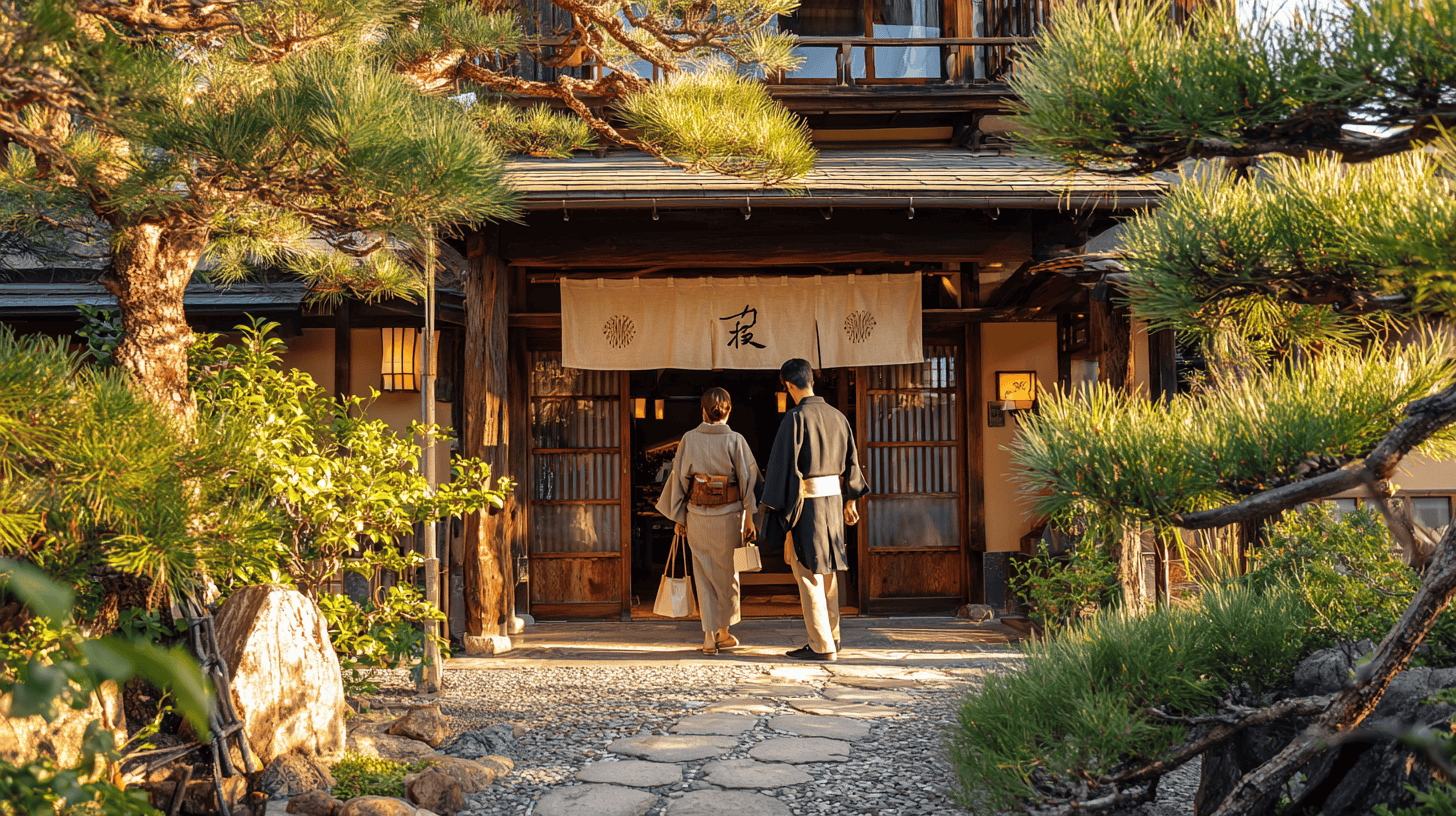
A ryotei is a traditional restaurant built around private rooms, often with a garden view. Historically, ryotei hosted business and political dinners. Today, a few accept visitors through introductions or hotel concierges. The food is usually kaiseki, but the setting is the point. You have a room, a server and an evening to yourselves.
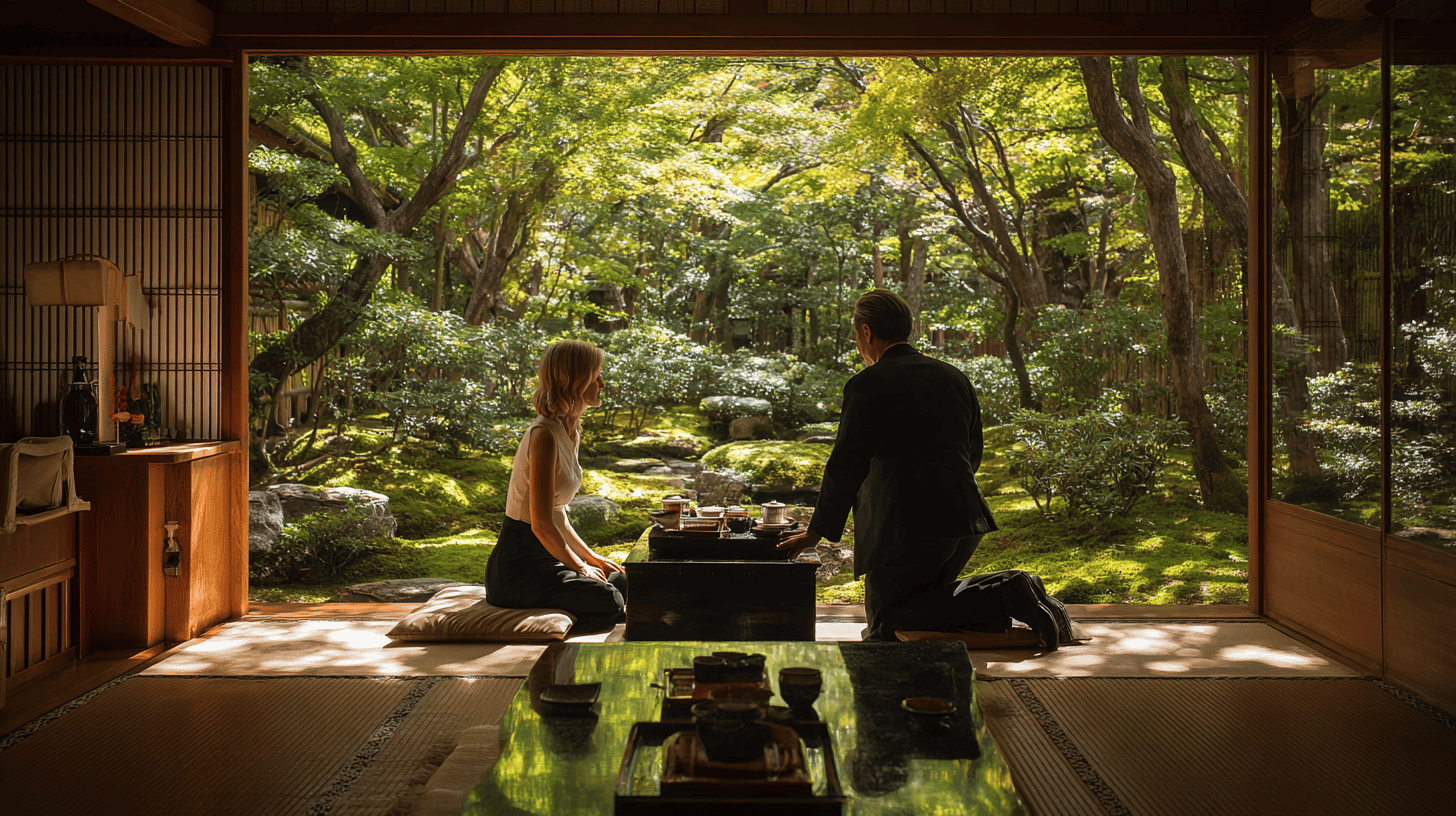
Access is the main hurdle. Some ryotei still prefer guests who come with an introduction, and few publish menus in English. Therefore, the simplest route is through a luxury hotel concierge or a planner who works with them. Ask early and give a clear sense of the occasion. A birthday, an anniversary or a business dinner each shapes the room and the menu differently.
The inn dinner is the more accessible cousin. At a ryokan, the meal is part of the stay, and it often comes to your room. For many visitors, it is the most memorable meal of the trip. That is partly the food and partly the context. After a hot spring bath, a two-hour dinner in a robe feels entirely natural.
A short essay on Japanese light, rooms and lacquer. It explains why a ryotei dinner feels the way it does.
View This Book →A photographic survey of classic inns, from the rooms to the dinner trays. Good for choosing where to stay and eat.
View This Book →A clear guide to ryokan and onsen stays. It covers the inn dinner as part of the whole night.
View This Book →Dinner on the water
Tokyo has its own version of the evening meal. Yakatabune are covered boats that cruise Tokyo Bay and the rivers while serving dinner, often tempura. Guests sit on tatami and watch the city lights pass. It is a looser, more social meal than the counter formats. Still, it works well for a group or a family night.
What arrives with the food
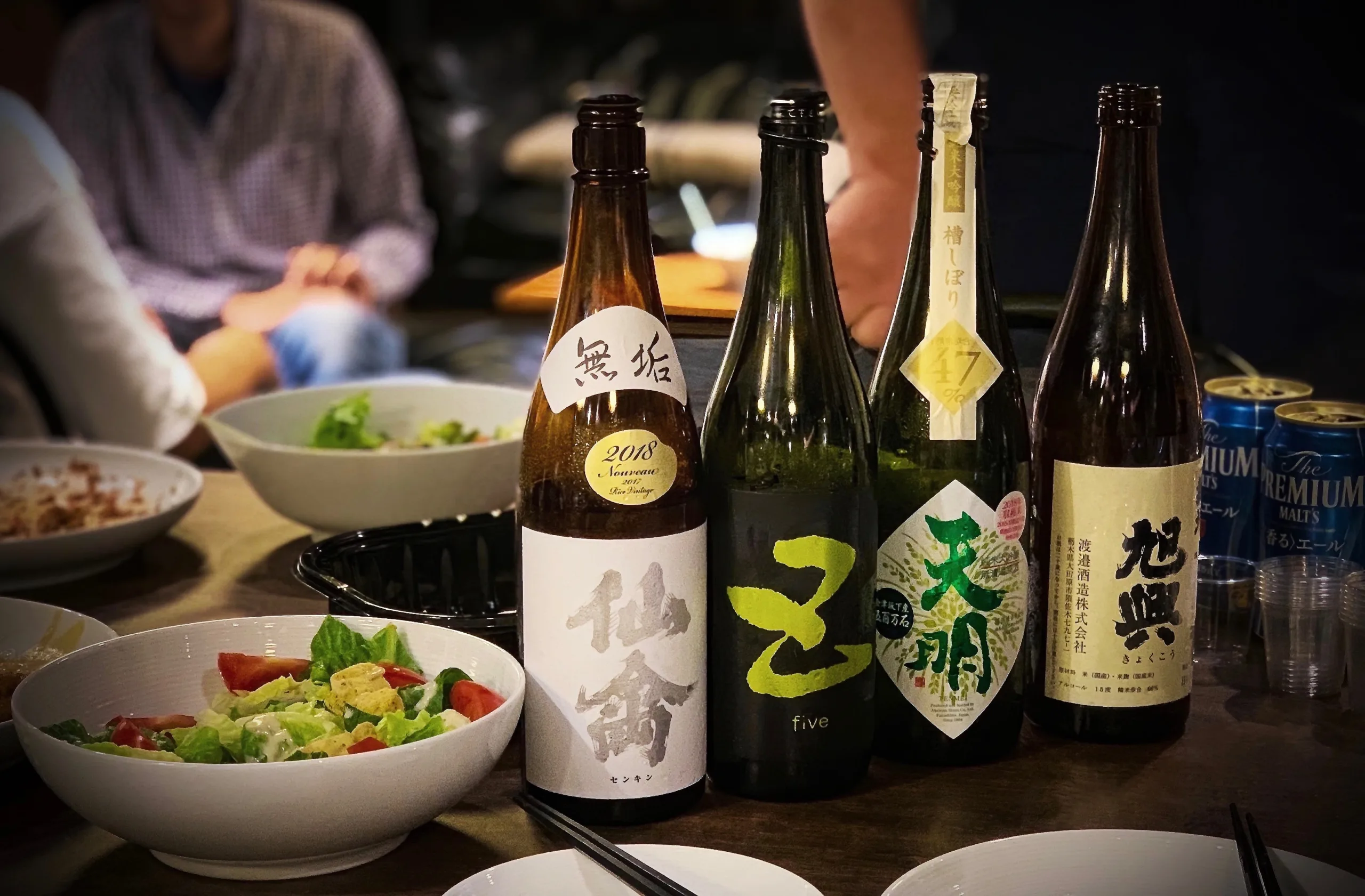
Drinks deserve as much thought as food at these meals. Sake is the natural pairing, and most restaurants hold a careful list. Ask the server to choose, and give a hint about your taste. Our guide to enjoying Japanese sake covers the main styles and serving temperatures.
The vessel shapes the drink, and Japanese glass makers take that seriously. Kagami Crystal, founded in 1934, makes cut glass in the Edo Kiriko tradition. Its pair of Yui sake cups holds 120ml each, in crystal glass made in Japan. Cups like these bring the counter home, and they suit a cold sake best.
If you do not drink, say so when you book. Many kitchens will pair the courses with tea instead. Green tea comes first, then roasted tea as the meal deepens. Some also offer juices made from seasonal fruit. Nobody will press a glass on you. In fact, a thoughtful tea pairing can be one of the more memorable parts of the evening.
Tea and the tableware
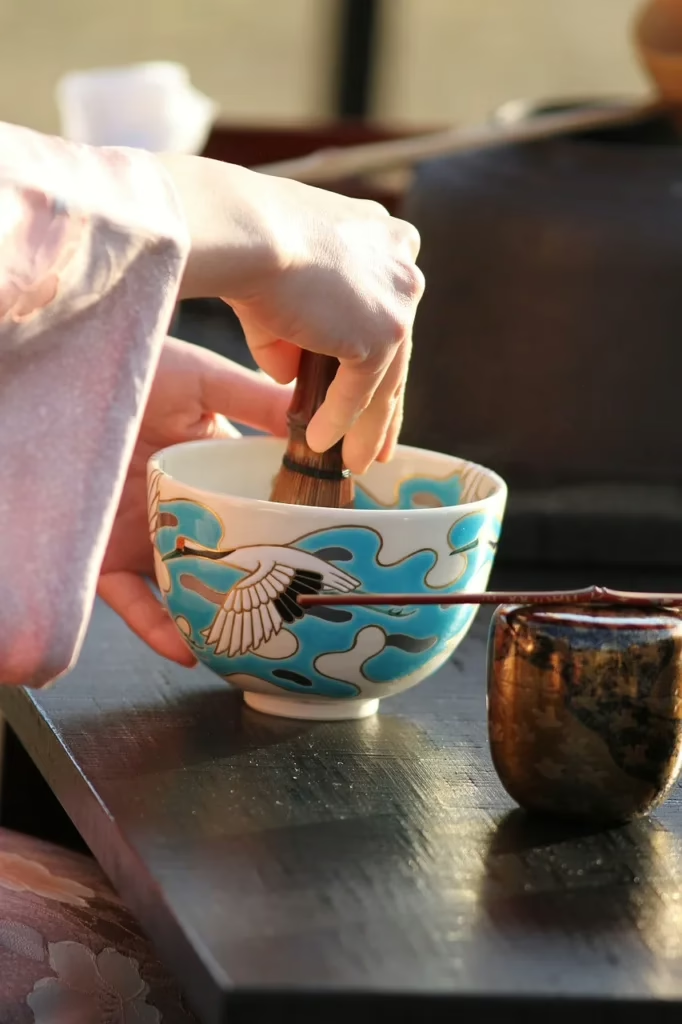
Tea often closes a kaiseki meal, sometimes as a bowl of whisked matcha. Kyoto's Ippodo, founded in 1717, sells Ummon matcha in a 40g can. The maker describes powerful umami and a deep emerald color. It can be whisked thin or prepared as thick koicha. A bowl after dinner at home recalls the end of the meal.
Tableware is the last layer. In kaiseki, the bowls and plates change with each course and each season. Lacquer appears in winter, glass in summer, and seasonal motifs throughout. You are not expected to comment on it. Even so, a word of appreciation for a dish or a bowl is always welcome. It tells the kitchen you noticed the care.
Booking, Dress and Etiquette
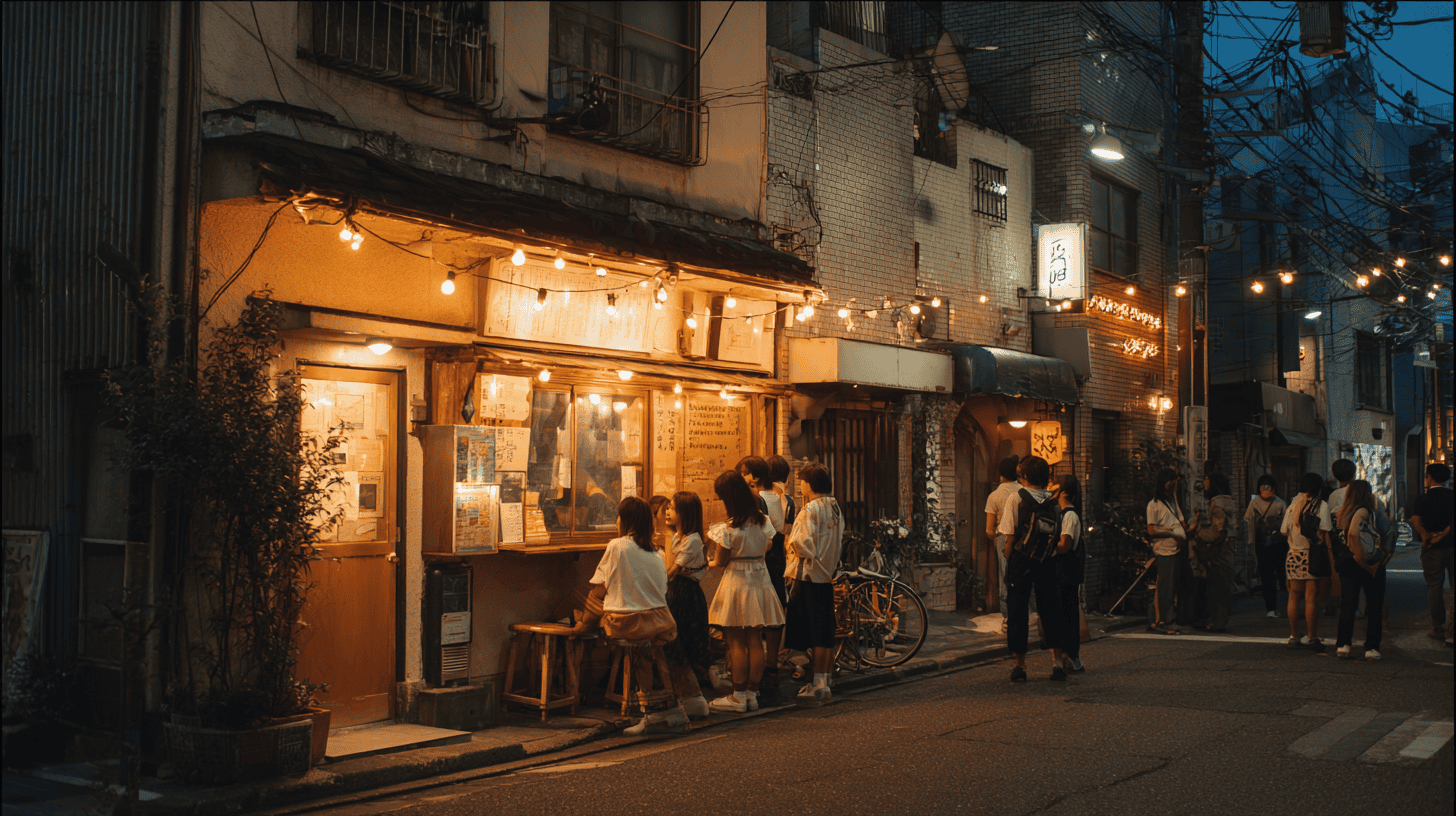
Booking well matters more than choosing well, because the best rooms fill early. For top kaiseki and sushi counters, book months ahead. Use your hotel concierge or a recognized reservation platform. Confirm the cancellation policy in writing. Then share allergies and dietary needs at the time of booking, not at the table.
Solo diners and smaller parties
Counters suit solo travelers better than almost any other format. You sit facing the chef, so dining alone never feels awkward. Some kaiseki rooms, however, take bookings for two or more only. Check the minimum party size before you plan around a restaurant. Likewise, ask about children, since many counters set a minimum age.
What to wear and how to behave
Dress is smart rather than formal. Avoid strong perfume and bulky bags, especially at counters. Arrive a few minutes early, since many meals start for all guests together. Finally, keep phones away during service. None of this is strict. Rather, it is the courtesy that makes small rooms work.
A last word on language. Most fine-dining rooms that accept overseas bookings can manage English basics. Even so, a few Japanese phrases go a long way. Say "itadakimasu" before you eat and "gochisousama deshita" when you finish. The second one, roughly "that was a feast," is the best thank-you a cook can hear. Use it at every counter, from kaiseki to ramen.
Questions Worth Asking
What is the most unique dining experience in Japan?
For most visitors, it is a kaiseki dinner. This formal, multi-course meal follows the season, in a private room or at a counter. An omakase sushi counter runs it close. Both hand the menu to the chef, which is what makes the evening feel unlike dining anywhere else.
What is the difference between kaiseki and omakase?
Kaiseki is a structured course meal. It moves from appetizers through sashimi, soup, grilled and simmered dishes to rice and a sweet. Omakase means leaving the choice to the chef. Most often, that happens at a sushi counter, one piece at a time. A kaiseki menu can be omakase in spirit, but the formats differ.
What is kappo dining?
Kappo is counter dining where the chef cuts and cooks in front of guests. The Michelin Guide places it between formal kaiseki and the casual izakaya. Courses are seasonal and precise, but the mood is warmer and more conversational. Some kappo restaurants serve a set course, while others let you order from the day.
How far ahead should you book fine dining in Japan?
For well-known kaiseki houses and sushi counters, book several months ahead where possible. Many take reservations through hotel concierges or reservation platforms rather than direct. Check the cancellation policy before confirming, and share allergies when you book. Lunch seats are often easier to secure than dinner.
Is there a dress code for kaiseki or omakase?
Usually smart casual rather than formal. The more important rules are practical. Arrive on time, skip strong perfume, and keep bags small and phones away. Ask before taking photographs, since some counters prefer none. At a ryokan, guests often dine in the yukata provided by the inn.
Can you visit the Tsukiji fish market auction today?
No. The wholesale market that held the auctions has moved from Tsukiji to another site in Tokyo. The Tsukiji outer market remains, with food shops, stalls and small restaurants. It is still a good place for a sushi breakfast or a morning of tasting.
Do you tip at restaurants in Japan?
No. Tipping is not part of dining culture in Japan, and staff may try to return the money. Good service is already expected. Some upscale restaurants and inns add a service charge to the bill instead. The best thanks is a sincere "gochisousama deshita" as you leave.
Choosing Your Evening
The unique dining experiences in Japan share one quality: the kitchen leads and the guest follows. Kaiseki gives you the season in order. Omakase gives you the chef's judgment, one piece at a time. Kappo gives you the cook's conversation. Choose by the evening you want, then book early.
To place these meals inside a wider trip, start with our luxury Japan travel service. We plan routes where the dinners are fixed first and the rest follows. A good meal in Japan rarely happens by chance. It happens because someone booked the right seat in the right season, then arrived hungry and curious.
Ninety days of noticing balance, at the table and long after the last course.
View the Journal →Whichever format you choose, the best results come from planning around the meal rather than squeezing it in. Fix the dinner reservations first, then the hotels and trains around them. That order feels backwards at first. In practice, it is how the most memorable food trips to Japan are built.
We fix the dinners first: a kaiseki house in Kyoto in the right season, an omakase counter in Tokyo, a kappo evening in between. Then we set the hotels, trains and lunches around them, with allergies and timings confirmed before you fly.
Plan Your Custom Japan ItineraryThe Editors, Magnificent Japan