
Disney Japan rewards the traveler who plans it like a fine dinner rather than a race. Two parks sit side by side on Tokyo Bay, a short train ride from Tokyo Station. One is a classic castle park, polished to a degree that surprises even devoted fans. The other, Tokyo DisneySea, has no real equal anywhere in the Disney world. Done well, a day here feels calm, generous and beautifully kept.
This guide compares the two parks, then covers the hotels inside the gates, tickets and the paid line system introduced in 2026. It closes with the calmer seasons and hours, a well-paced day and a dinner.
Yes. Disney Japan means Tokyo Disney Resort in Urayasu, about 20 minutes by train from Tokyo Station. It has two parks, Tokyo Disneyland and Tokyo DisneySea, plus six Disney hotels. The Oriental Land Company owns and runs it under licence, which is why it feels distinctly Japanese.
Disney Japan in Brief: Two Parks, One Resort
Tokyo Disneyland opened on 15 April 1983, the first Disney park built outside the United States. Tokyo DisneySea followed in 2001. Together they form Tokyo Disney Resort, along with six Disney hotels, a monorail loop and the Ikspiari shopping and dining district. Unlike the parks in California and Florida, Disney does not own them. Instead, the Oriental Land Company builds and runs everything under licence, and that local ownership shapes the whole experience.
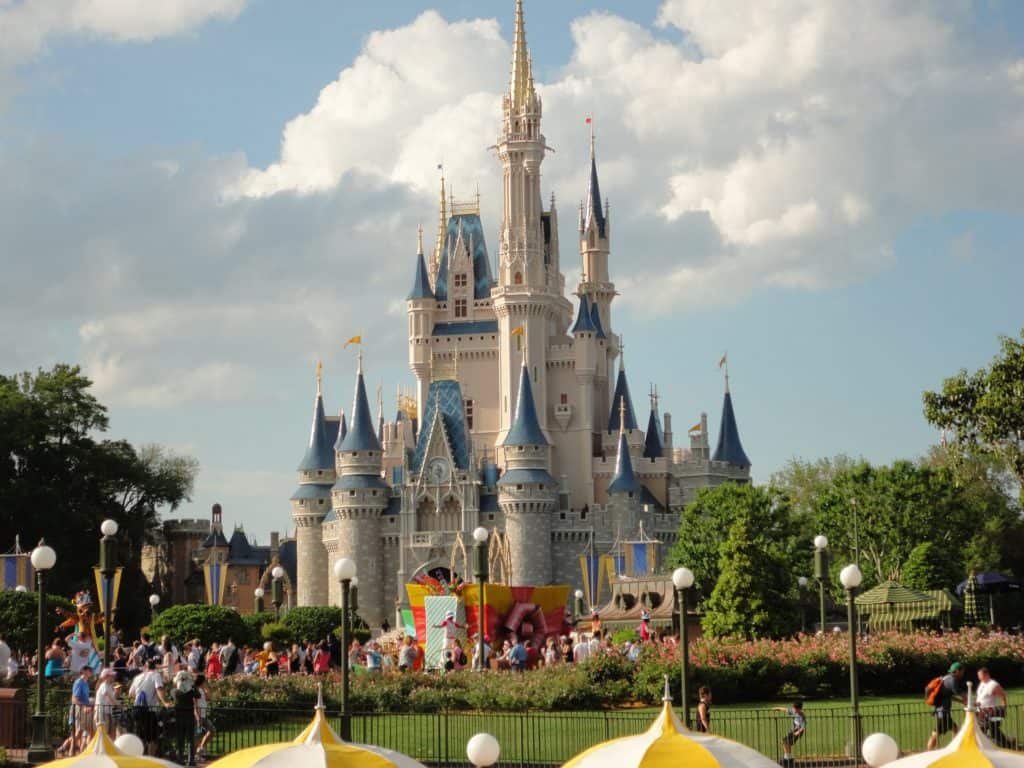
The result is a resort that many seasoned Disney travelers rank above the originals. Paths are swept constantly. Cast members bow, wave from passing boats and greet children by name. Food is taken seriously, and seasonal menus change with the calendar. Above all, the scale of the theming at DisneySea goes further than anything Disney has built elsewhere. For that reason, Disney Japan deserves more than a single rushed day if your schedule allows it.
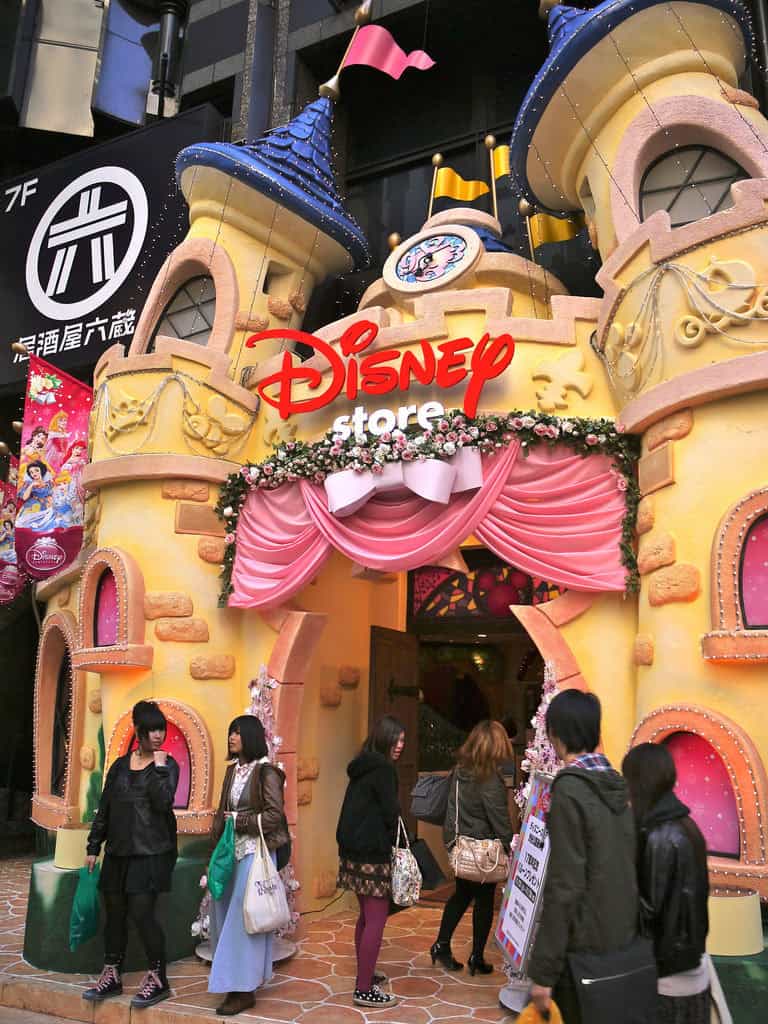
A word on names, too. Many people search for Disney World Japan, expecting a resort like the one in Orlando. There is no Walt Disney World in Japan. Tokyo Disney Resort is the Japanese counterpart, smaller in land area yet far denser in detail. Because both parks sit within a short walk or monorail ride of each other, two park days here are easy to arrange and easy on tired legs.
You may also like
Tokyo Disneyland or Tokyo DisneySea?
The honest answer is both, on separate days. Still, many travelers have a single day to give, so the choice matters. Each park has its own character, its own pace and its own best hours. Choose by who is traveling with you, not by the ride list alone.

Tokyo Disneyland: the classic, perfected
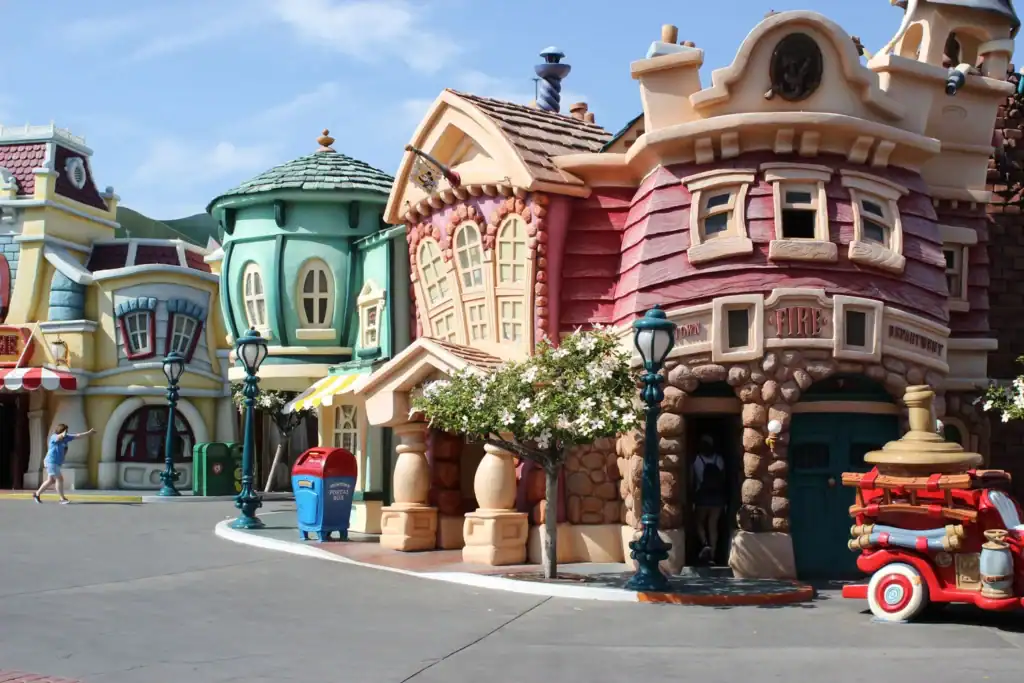
Tokyo Disneyland follows the familiar Magic Kingdom plan. There is a covered World Bazaar instead of an open Main Street, then a castle hub and themed lands around it. The parades are the headline here, especially Dreamlights, the nighttime electrical parade with its glowing floats. In addition, Toontown, Fantasyland and the newer area based on Beauty and the Beast suit young children beautifully. For a first visit with children under ten, this is usually the right park.

The attractions lean gentle and story-led. Pooh’s Hunny Hunt sends honey pots wandering on a trackless system that still delights engineers. Monsters, Inc. Ride and Go Seek hands every rider a flashlight. Meanwhile, Enchanted Tale of Beauty and the Beast is the park’s most ambitious ride, and its queues show it. Big Thunder Mountain and Splash Mountain cover the thrills, while the castle forecourt hosts daytime shows several times a day.
Tokyo DisneySea: the one with no equal
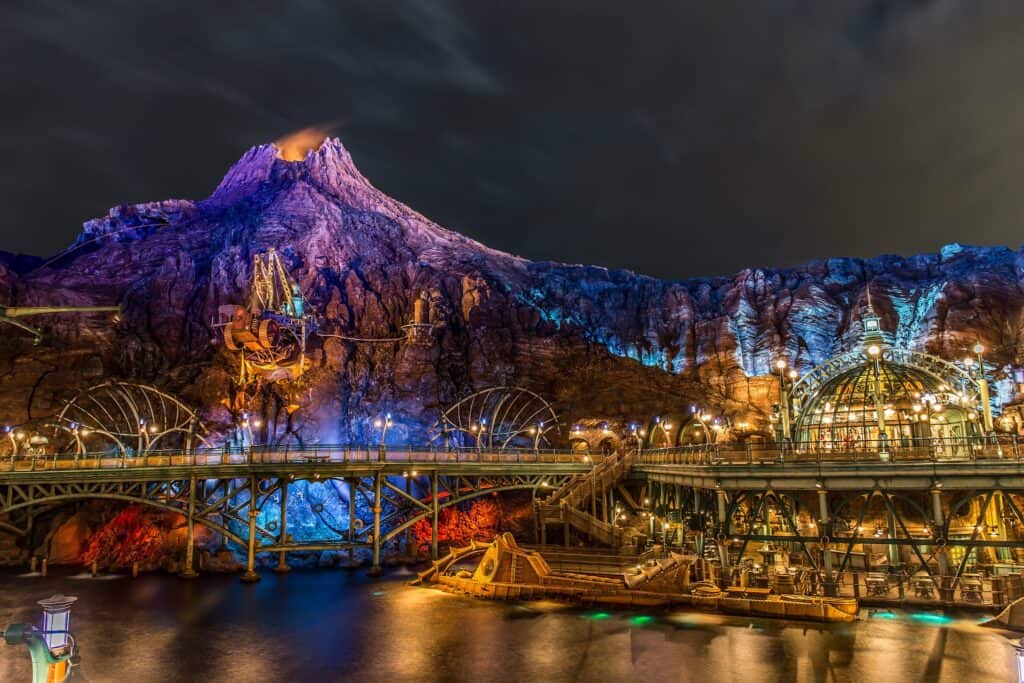
Tokyo DisneySea is built around water and architecture rather than characters. You enter through a Mediterranean harbor town, with a volcano, Mount Prometheus, rising behind it. From there, seven themed ports spread around the water, from an American waterfront to an Arabian coast and a mermaid lagoon. It feels like walking through a series of film sets built in stone, each with its own music and light.

This is the park for couples, older children and anyone who loves design. Journey to the Center of the Earth and Indiana Jones Adventure are its classic thrills. Soaring: Fantastic Flight is a gentler, sweeping ride over world landmarks. The restaurants are better too, from Italian dining in the harbor to Magellan’s, set inside the harbor’s explorers’ fortress. If you can only see one park in Disney Japan, and no small children are coming, make it this one.
Reading about the parks before you go deepens the day. Knowing why a volcano sits at the heart of DisneySea, or how a trackless ride works, makes the walk between attractions richer. The book below is the one we would pack. It tells the story of the people who design Disney parks, including the teams behind Tokyo. It suits curious teenagers as much as their parents.
The Imagineering Story — the official history of Disney’s park designers
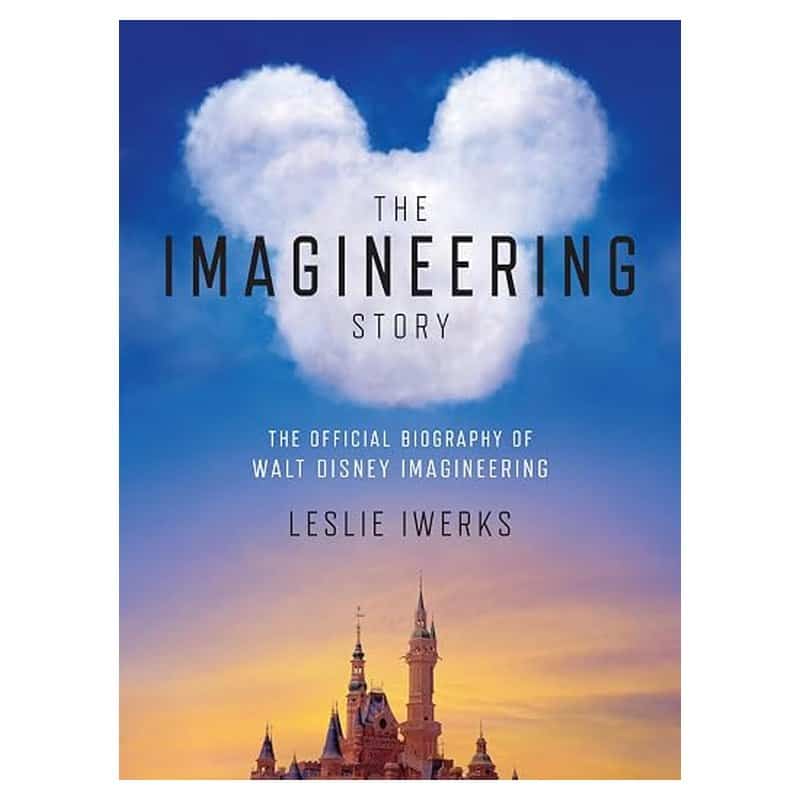
The Imagineering Story is the official biography of Walt Disney Imagineering, the group that designs every Disney park. It grew out of Leslie Iwerks’s documentary series, and it covers decades of rides, castles and lands. The chapters on the parks abroad explain how Tokyo Disneyland came to be built and run in partnership with a Japanese company. It also shows how DisneySea pushed theming further than anything before it. Read it on the flight, and the harbor, the volcano and the trackless rides will feel less like magic and more like craft. That shift does not spoil the wonder. Instead, it adds a second layer of pleasure to every corner you turn.
Fantasy Springs, the Newest Port
Fantasy Springs opened at Tokyo DisneySea on 6 June 2024. It is the largest addition in the resort’s history, an eighth port reached by a path past waterfalls and rock work. Inside are three areas themed to Frozen, Tangled and Peter Pan. Four attractions sit within them, including Anna and Elsa’s Frozen Journey, Rapunzel’s Lantern Festival and Peter Pan’s Never Land Adventure. All of them are among the most advanced rides Disney has built.
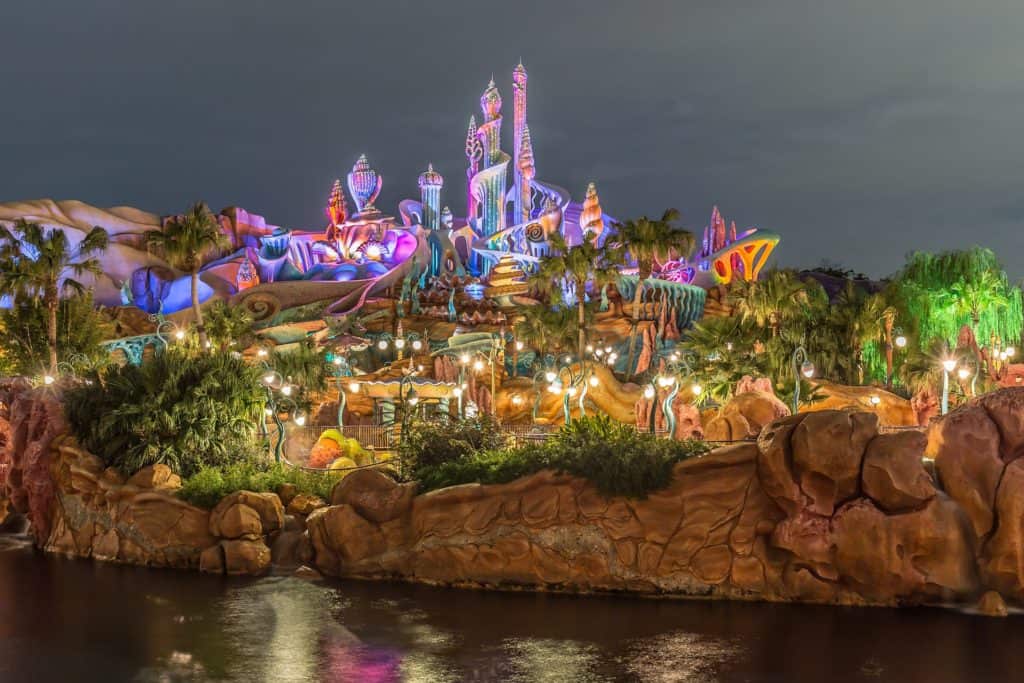
Access is simpler than it was at launch. An ordinary 1-Day Passport now lets you walk into Fantasy Springs, and the special Fantasy Springs Magic passport has been retired. The rides use standby lines, or Disney Premier Access if you prefer a booked return time. Therefore, plan Fantasy Springs either first thing in the morning or in the last hours of the evening. The light in Arendelle after dark is especially lovely, and the lines usually ease by then.
The Hotels Inside the Gates
Where you sleep shapes a Tokyo Disney trip more than anything else. Two hotels sit inside Tokyo DisneySea itself, which no other Disney park offers in this way. A third faces the Disneyland gate. Staying at any of them changes the rhythm of the day. You can walk back for a rest after lunch, return for the evening and avoid the morning train entirely.
Fantasy Springs Hotel
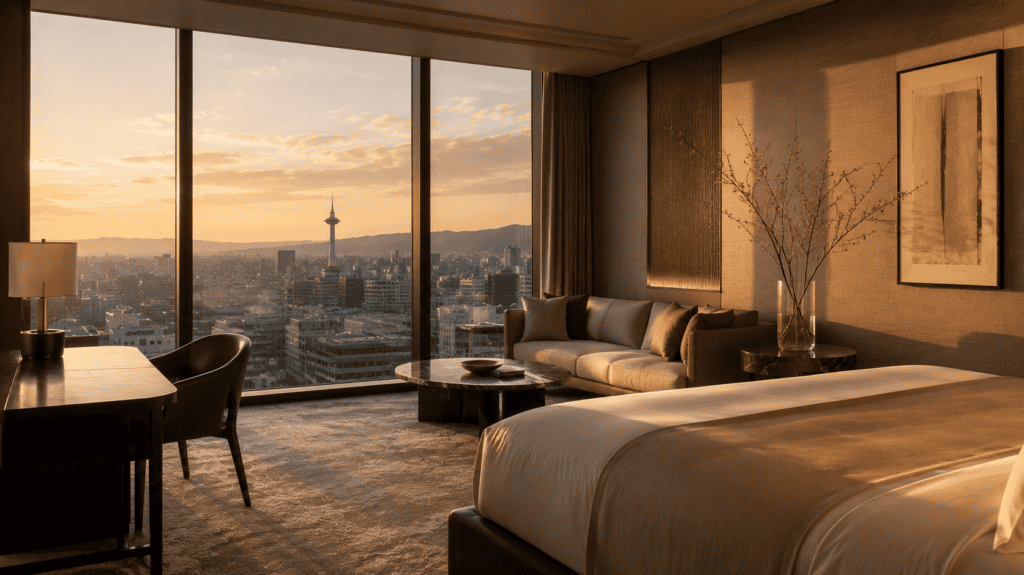
The Tokyo DisneySea Fantasy Springs Hotel opened with the new port in 2024. It is split into two wings. The Grand Chateau is the resort’s most luxurious tier, with a private lounge and suites that face into Fantasy Springs. The Fantasy Chateau is the deluxe wing, still elegant and still inside the gate. Rooms are scarce and sell out quickly, so book the moment your dates open.
Tokyo DisneySea Hotel MiraCosta
MiraCosta wraps around the harbor at the park’s entrance, in the style of an Italian palazzo. The prized rooms are on the Porto Paradiso side, which look directly over the water and the evening show. Few hotel windows anywhere offer a view like it. Meanwhile, the hotel’s restaurants, including Oceano for Mediterranean dining, make an easy dinner booking on a park night. For many travelers, MiraCosta is the defining Disney Japan stay.

Tokyo Disneyland Hotel and the others
The Tokyo Disneyland Hotel is a Victorian-style grand hotel facing the Disneyland gate, ideal for families with young children. Beyond it, the Disney Ambassador Hotel has art deco style near Ikspiari, while the Toy Story Hotel and Tokyo Disney Celebration Hotel are lighter, more casual options. Our guide to the finest hotels in Japan covers where to stay for the Tokyo nights on either side of your park days.
Disney hotel stays also bring Happy Entry. On every day of your stay except check-in day, you may enter a park before general guests, about 15 minutes early at Tokyo Disneyland. The rules vary by hotel and by date, so confirm them on the official Disney Hotels guest benefits page before you book. That quarter hour is the calmest time in either park.
You may also like
Tokyo Disney Tickets: How They Work Now
Tickets for Tokyo Disney are date-specific and sold online, through the official website and app. Buy them before you fly, because busy dates can sell out. The standard ticket is the 1-Day Passport, valid for one park on one date. Prices change by date. Since October 2026, the adult price reaches about $76 (¥12,400) on the busiest days, up from a former ceiling of about $67 (¥10,900). Ordinary weekdays cost less, and junior and child tickets are lower again.
There are shorter options as well. From 15 September 2026, the After 3 Passport admits you from 3 p.m. on weekends and holidays. Likewise, the After 5 Passport admits you from 5 p.m. on weekdays. These suit a second visit, or an evening at DisneySea after a morning in the city. On a first visit, though, a full day is worth it, because the early hours are the best ones.
Ten Proverbs to Carry With You
A printable folio of ten Japanese proverbs, each set in kanji with its reading and a line on where you will hear it.
A note on hotel packages. Vacation Packages, sold through the official site, bundle a Disney hotel room with tickets and sometimes Premier Access. Compare one with booking separately before you pay. Either way, keep every ticket in the official app, where Premier Access and mobile ordering also live.

Disney Premier Access, Explained
For three years, Tokyo Disney offered a complimentary Priority Pass on selected rides. That ended on 31 August 2026. From 1 September 2026, Disney Premier Access, the paid system, took its place across both parks. You buy it per person and per ride, inside the official app, once you have entered the park. It gives you a return time, so you skip most of the standby line.
Prices vary by attraction. At Tokyo DisneySea, Anna and Elsa’s Frozen Journey and Soaring cost about $15 (¥2,500) each. Journey to the Center of the Earth costs about $12 (¥2,000), and Raging Spirits about $9 (¥1,500). At Tokyo Disneyland, Enchanted Tale of Beauty and the Beast costs about $15 (¥2,500). Big Thunder Mountain and Pooh’s Hunny Hunt cost about $9 (¥1,500), and Monsters, Inc. about $6 (¥1,000).
Is it worth it? For the two or three rides you care about most, generally yes. Premier Access turns an hour of queuing into a stroll and a coffee. Buy the most popular ride first, as soon as you enter, since return times sell out. After that, add others through the day as your mood decides. Shows can carry Premier Access too, which secures a seat in a dedicated viewing area.

Your phone is your ticket, your map, your Premier Access wallet and your restaurant order. By evening, that is a lot to ask of one battery. Wait times refresh constantly, and photos of the parade add up quickly. A compact power bank that clips to the back of the phone keeps everything running without a cable. It is the single most useful thing to carry on a park day, and it costs nothing in comfort.
Anker MagGo Power Bank — a magnetic charger for a full park day
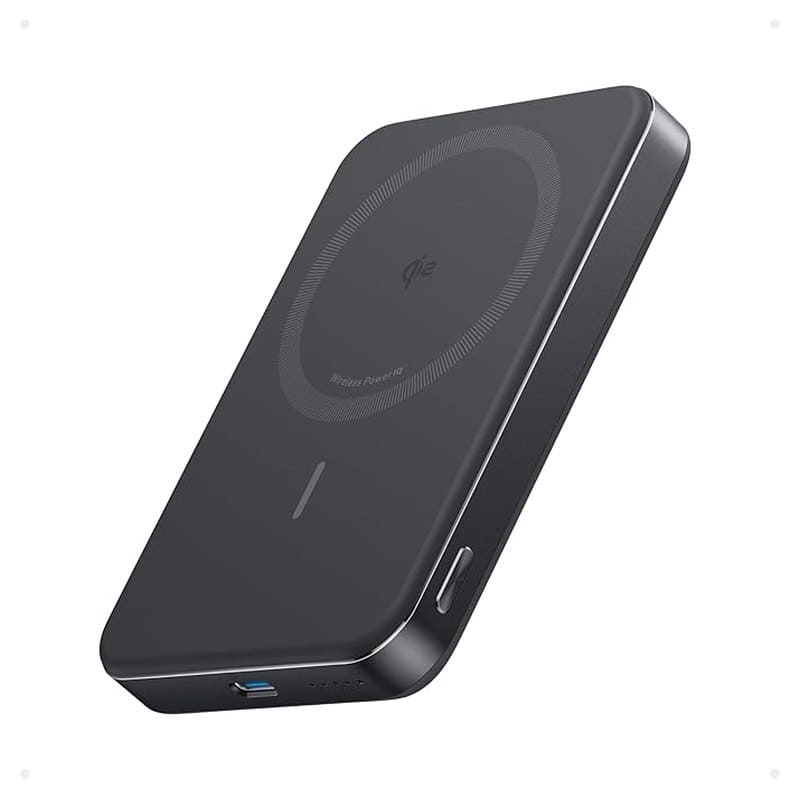
The Anker MagGo Power Bank holds 10,000mAh, enough to refill most phones about once and a half. It snaps magnetically onto the back of a recent iPhone and charges at up to 15W under the Qi2 standard, so there is no cable to tangle in a bag. A small fold-out stand lets you prop the phone up while you wait for a show to begin. A display shows how much charge remains, which helps you plan the evening. For a Tokyo Disney day, that means your tickets, Premier Access and mobile orders stay ready until the last monorail. It also fits easily in a sling or jacket pocket.
Timing, Seasons and the Calmer Hours
Crowds at Tokyo Disney follow the Japanese calendar closely. The busiest periods are Golden Week in late April and early May, the summer school break, the New Year holidays and almost every weekend. In contrast, weekdays from mid-January to early March tend to be the calmest of the year. Late May and June, during the rainy season, can be calm too, especially midweek.
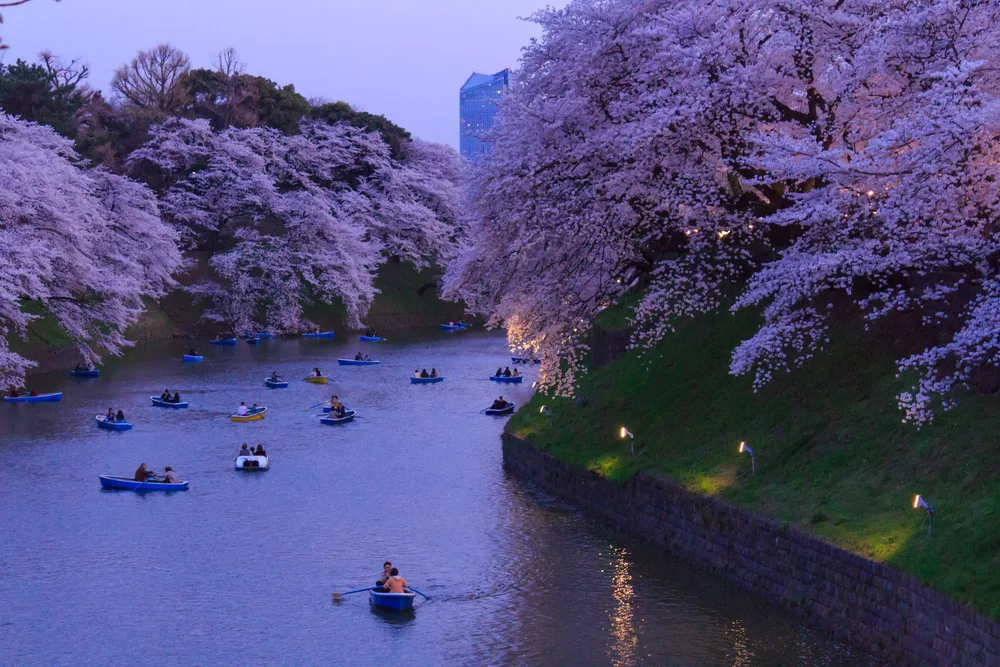
Seasonal events change the picture. Halloween runs through September and October, and Christmas fills November and December with decorations and special shows. Both are beautiful, yet both draw large local crowds. Cherry blossom season brings spring color around the resort, much as it does across the city, and our guide to sakura season covers where to see it in Tokyo. Whatever the season, a Tuesday, Wednesday or Thursday beats a weekend.
Weather matters too. Summers are hot and humid, with high UV, while winters are cold but clear and often dry. If you visit in summer, start early, rest in the afternoon and return after dark. If you visit in winter, dress in layers, because the evening wind off Tokyo Bay is sharp.
Japan’s sun can be fierce, and summer days at the parks see little shade in the queues. Japanese travelers solve this with a parasol, often one that doubles as an umbrella. It keeps you cooler than a hat, and it works in the sudden showers of June too. Look around any Tokyo street in July and you will see them everywhere. One light, folding umbrella covers both the sun and the rain without filling your bag.
Wpc. go-koh Foldable Umbrella — Tokyo’s answer to sun and rain
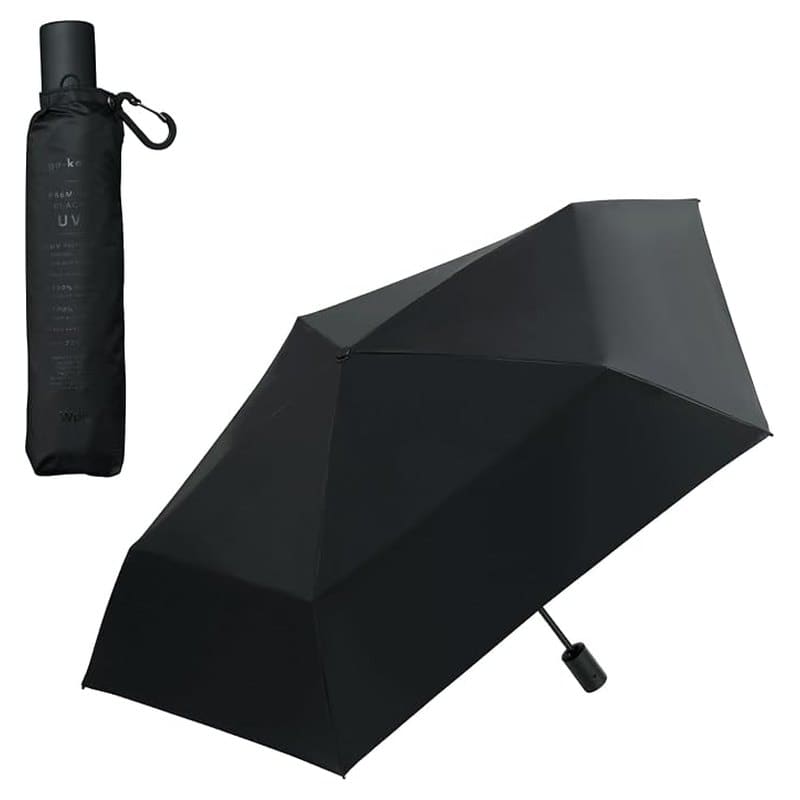
Wpc. is a Tokyo umbrella maker, and the Wpc. go-koh foldable umbrella is built for exactly this kind of day. It blocks UV at UPF50+, so it works as a parasol in summer sun. It also repels rain, so you can keep walking when a June shower rolls in off the bay. A push button opens and closes it with one hand, which helps when you are holding a child’s hand or a snack. Folded, it slips into a sling bag. In a Japanese queue, a parasol is entirely normal, so you will fit right in. Close it during parades, though, so the people behind you can see.
Within the day
Most park days run from about 9 a.m. to 9 p.m., though the official calendar sets each date. The first hour and the last two hours are the calmest. Midday is the busiest stretch, so plan lunch, a hotel rest or a show then. In the evening, many families with young children head home after the parade, and lines shorten noticeably. In short, the best of the parks happens at the edges of the day.
Getting to Tokyo Disney From the City
Tokyo Disney Resort sits in Urayasu, just across the Chiba border from Tokyo. The station is Maihama on the JR Keiyo Line, about 15 minutes from Tokyo Station by train. From Maihama, Tokyo Disneyland is a short walk. For Tokyo DisneySea and the hotels, the Disney Resort Line monorail loops around the whole resort, with Mickey-shaped windows that children love.
A private car or hired transfer is the calmest option from a central Tokyo hotel, especially with luggage or small children. Taxis from Ginza or Tokyo Station take roughly half an hour outside rush hour. If you are joining the resort to a wider trip, our guide to beautiful places in Tokyo helps shape the days before and after. Many travelers stay two nights at the resort and the rest in the city, which balances the two worlds well.
A Tokyo Disney Day, Planned Well
The best park days share a shape. Arrive early, ideally with Happy Entry, and go straight to the ride you most want. Buy Premier Access for your second choice before the morning is out. Rest at midday, then return for the evening shows and the softer crowds. Throughout, the official app does the heavy lifting, from tickets to wait times and mobile food orders. That leaves your attention for the moments that matter.
Small things round out the bag. A slim refillable bottle saves trips to the kiosks. Next, a light, packable sling carries the essentials and folds flat for the flight home. In summer, a handheld fan is what half of Tokyo carries, and it makes a long wait in the sun far more pleasant.
Three Pieces for a Long Day
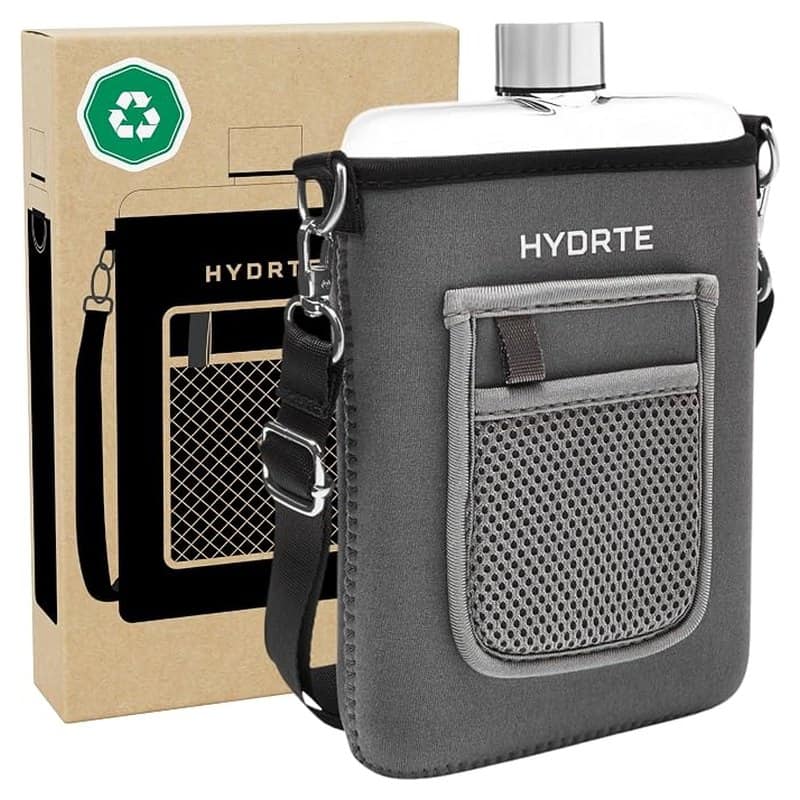
A slim 18 oz bottle with a strap, easy to refill between rides.
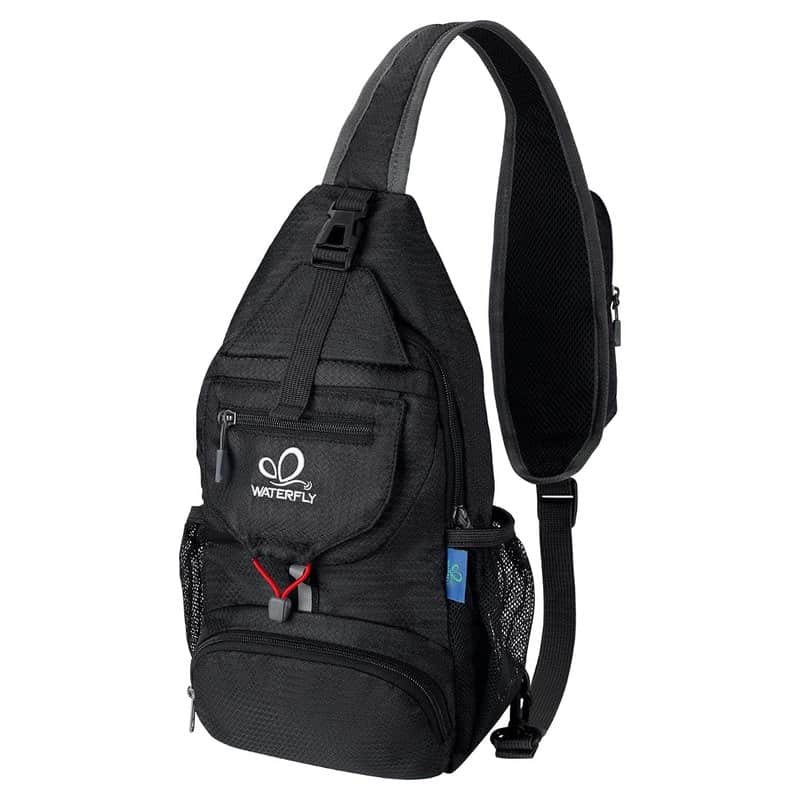
A light crossbody sling that folds into its own pocket.
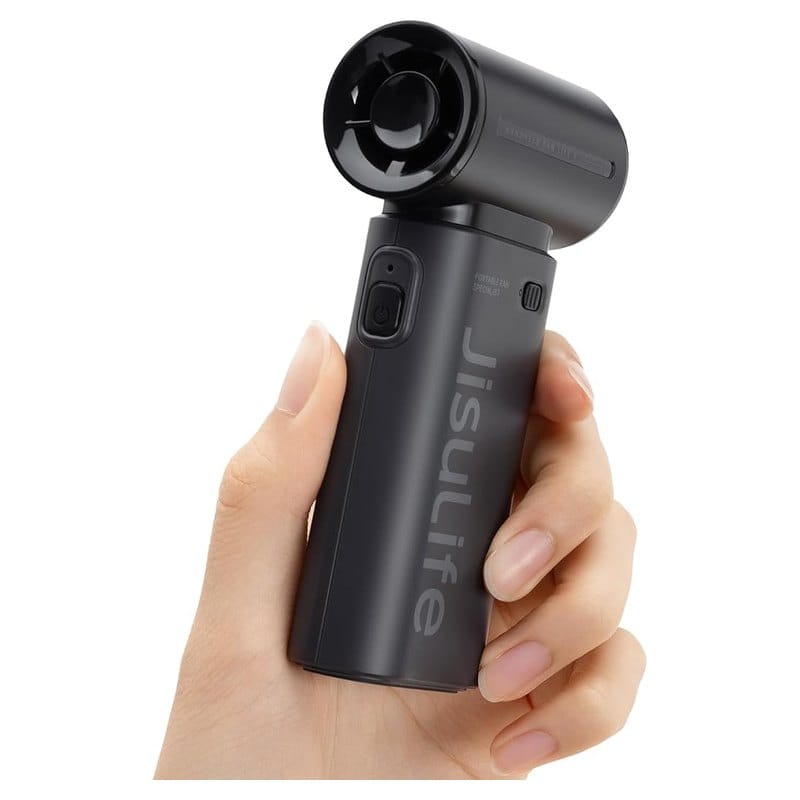
A light handheld fan for summer queues, with a long battery.
Finally, leave room in the plan for the unplanned. Some of the best moments happen between attractions. A street band plays in the harbor, a character waves from a passing boat, or a snack cart sells a seasonal popcorn flavor you will not find again. Slow down enough to notice them, and the day will feel generous rather than rushed.

Dinner After the Parks: Wagyu Yakiniku
After a long day at the parks, many travelers return to the city for a proper dinner. Yakiniku, Japanese grilled meat, is a favorite for families and couples alike. Thin slices of beef are grilled at the table over high heat, then dipped in tare, a sweet soy sauce. In Tokyo, the best restaurants serve wagyu with deep marbling, and each slice needs only seconds on the grill. You can recreate the meal at home, too. More dishes worth trying appear in our guide to traditional Japanese food.

Wagyu Yakiniku — grilled beef with apple and soy tare
Warm a quarter cup of soy sauce with a tablespoon each of honey and sugar, then stir in a quarter of a small apple, grated, with a clove of grated garlic, a teaspoon of sesame oil and a teaspoon of sesame seeds. Let the tare cool for ten minutes. Heat a tabletop grill until very hot, oil it lightly, and grill a pound of thinly sliced wagyu a few pieces at a time, about thirty seconds a side. Dip each slice in the tare and eat it at once with rice and green onion.
The grated apple is the secret of a good tare. It softens the soy, adds a gentle sweetness and helps the sauce cling to the beef. Cook only a few slices at a time, so the grill stays hot and the fat renders cleanly. Share the cooking around the table, too, as Japanese families do. That slow, social rhythm is the right way to end a busy day.
The Verdict: Disney Japan, Done Well
Disney Japan is not a theme park day to squeeze between museums. It is a place worth a little planning and, if possible, a night or two inside the gates. Choose DisneySea for design and dining, and Disneyland for parades and young children. Book a hotel inside the resort if you can, buy Premier Access for the rides that matter, and use the first and last hours of each day.
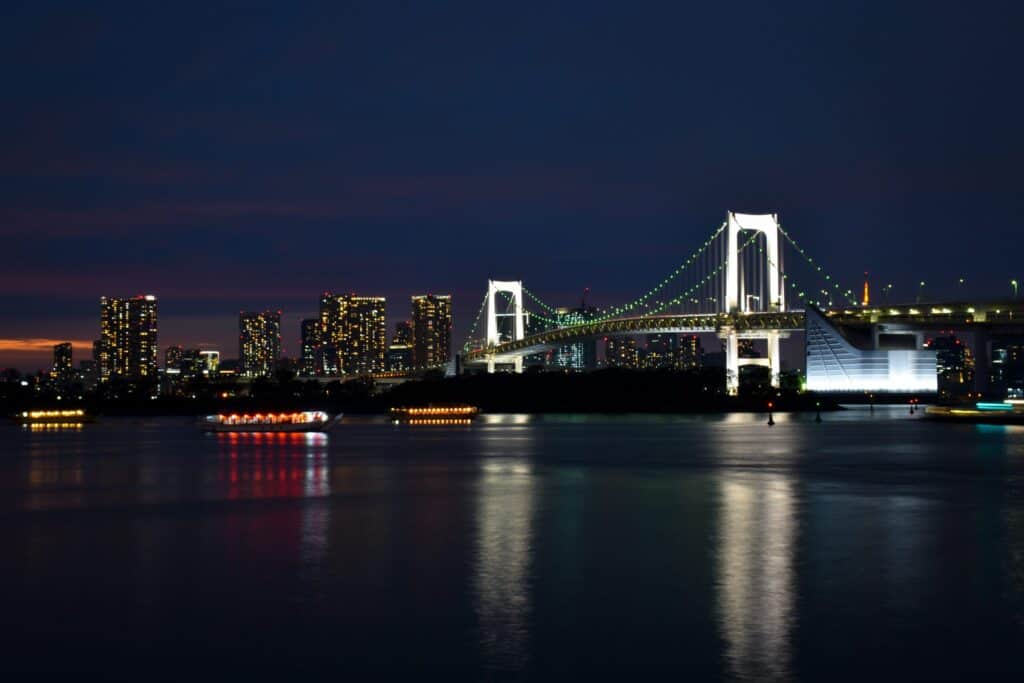
Above all, treat it as part of a wider Japan trip rather than a detour. Pair it with a few days in the city, and our guide to luxury travel in Japan will help with the rest. Done this way, Tokyo Disney becomes the gentle, joyful heart of a family journey rather than its most tiring day. Return home with a few photos, a popcorn bucket and the memory of the harbor at night, its lights doubled in the water.
Recommended
How Many Days to Give It
Families often ask how many days to give the resort. Two park days is the sweet spot for most, one at each park, with a night at a Disney hotel between them. A third day suits devoted fans, or anyone who wants Fantasy Springs at a slower pace. Beyond that, the city calls. Tokyo has gardens, galleries and Tokyo experiences of every kind, and a family trip feels richer with both. Japanese children, after all, treat Disney as one treat among many. Follow their lead, and the parks become a happy chapter rather than the whole book. Leave an open day after the parks, too, with nothing booked but a late breakfast.
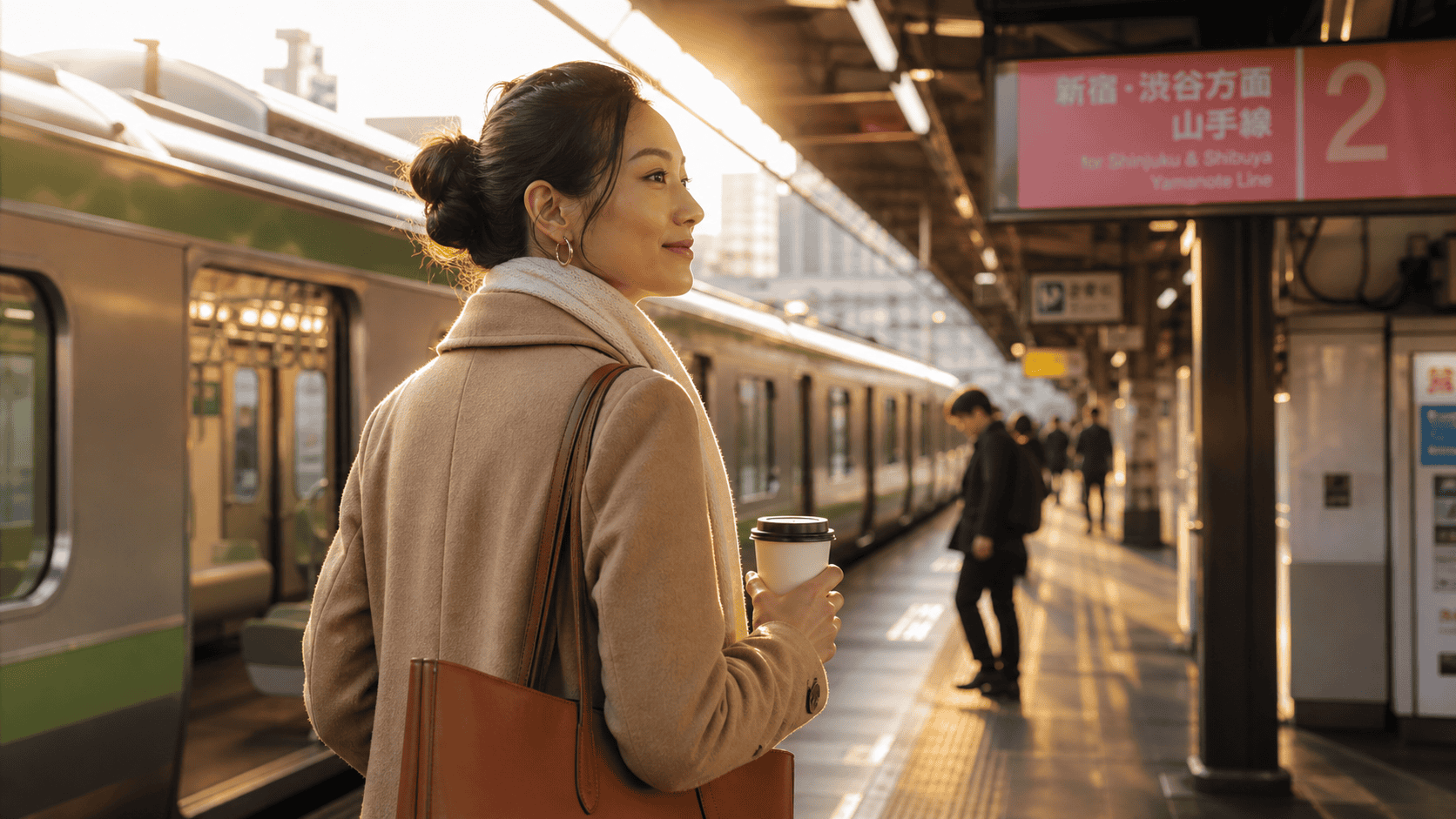
Tokyo Beyond the Parks
Tokyo Disney is only one part of a remarkable city. A trip built with care can pair two park days with private tours of Tokyo’s gardens, a sushi counter in Ginza and a ryokan stay in the hills beyond the city. The pace can stay gentle throughout, with transfers arranged and tables booked. Children can enjoy their days at the parks, while their parents enjoy the gentler pleasures of Japan in between. That balance is what turns a holiday into a journey worth repeating.
Whether you are planning a first visit or a return, the right plan makes all the difference. The Japan you remember is shaped by the order of the days, the hotels you choose and the space left for rest.
A Tokyo Family Journey, With Disney at Its Heart
We can plan a Tokyo stay around two park days: a room inside Tokyo DisneySea, private transfers from the city, and calm days of gardens, food and culture on either side. Every itinerary is built around your pace and your interests.
Plan Your Custom Japan ItineraryQuestions Worth Asking
Is Tokyo DisneySea better than Tokyo Disneyland?
It depends on who is traveling. Tokyo DisneySea is the more grown-up park, with harbors, architecture and dining that suit couples and older children. Tokyo Disneyland has the classic parades, castle and gentler rides for young children. With only one day, most first-time visitors without small children choose DisneySea.
How much is a Tokyo Disney ticket?
The adult 1-Day Passport is priced by date. From October 2026, the busiest dates reach about $76 (¥12,400), and ordinary weekdays cost less. Junior and child tickets are lower. Tickets are date-specific and sold online, so check the official calendar and buy before you fly.
Is Disney Premier Access worth it?
For the headline rides, usually yes. Since the complimentary Priority Pass ended in August 2026, Premier Access is the only way to book a return time. It costs about $6 to $15 (¥1,000 to ¥2,500) per person, per ride. Buy it in the official app once you are inside the park.
Which Tokyo Disney hotel is best?
For a once-in-a-lifetime stay, the Fantasy Springs Hotel Grand Chateau or Tokyo DisneySea Hotel MiraCosta. Both sit inside DisneySea, so the park becomes your garden. For young children, the Tokyo Disneyland Hotel faces the Disneyland gate. Disney hotel stays include Happy Entry, an early start on most days.
When is the best time to visit Tokyo Disney?
Weekdays from mid-January to early March, and late May through June, tend to be the calmest. Avoid Golden Week, the summer school break and the New Year holidays. Halloween in autumn and Christmas in November and December are beautiful, but busy. Weekdays always beat weekends.
Is there a Disney World in Japan?
No. Walt Disney World is in Florida. Disney Japan means Tokyo Disney Resort, in Urayasu just east of Tokyo. It has two parks, Tokyo Disneyland and Tokyo DisneySea, plus six Disney hotels and a shopping district. It is run by the Oriental Land Company under licence from Disney.