
The best Japanese gifts for dad share one quality: he will reach for them every week. Japan makes tools for people who care how a job feels in the hand. So a knife, a saw, a pen or a mug from a Japanese workshop can outlast most of what sits in his drawer. This guide sorts fourteen picks by what your father actually does. For the rest of your list, start with our hub of gifts for the Japan lover.
Every pick below was in stock for US delivery when we checked it. We also explain who made it and why it suits a dad in particular. Finally, five dinner recipes show how to put his new kitchen kit to work on the day itself.
What are good Japanese gifts for dad?
Good Japanese gifts for dad are tools he will use often. Think of a Shun chef’s knife from Seki, a Gyokucho pull saw, Okatsune pruners, a Pilot Vanishing Point pen or a Seiko 5 watch. Match the gift to his habits, whether he cooks, builds, gardens, writes or golfs.
Japanese Gifts for Dad: How to Choose
Start with his weekend, not with Japan. A father who cooks will value a knife more than a souvenir. Meanwhile, a dad who builds things will treasure a saw that cuts on the pull stroke. The country matters because it shapes the quality, yet the habit should decide the gift.
Next, look for the maker’s town. Japan has regions famous for one craft. Seki in Gifu is known for blades, and the City of Seki still promotes its cutlery heritage today. Likewise, Miki in Hyogo is known for garden tools and saws. Buying from these towns means buying from people who have refined one object for generations.

Then think about how long the gift will last. Most picks here improve with care rather than wearing out. A whetstone keeps a knife sharp for decades, and a fountain pen can be refilled for life. As a result, these gifts often become heirlooms that pass to the next generation.
For the Dad Who Cooks
If your father runs the grill or the stove, start here. Japanese kitchen tools are thinner, harder and lighter than many Western ones. That makes them precise, although they ask for a little care in return. These picks cover the blade, the stone and the fuel for a proper yakitori night.
1. Shun Classic 8" Chef's Knife — the everyday blade
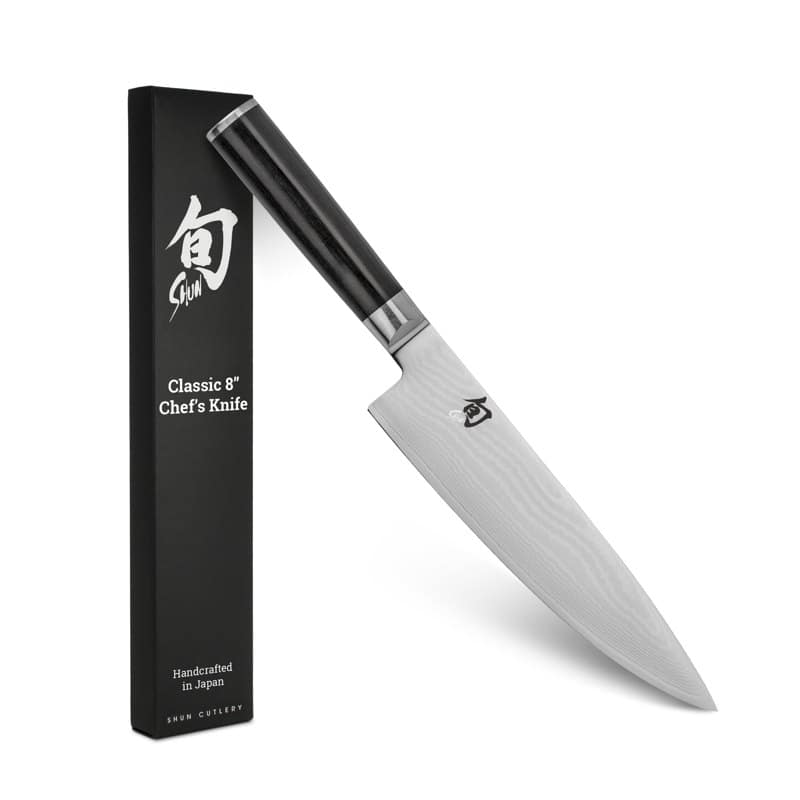
Kai makes Shun knives in Seki, the blade town of Gifu Prefecture. The Shun Classic 8″ chef’s knife has a hard VG-MAX steel core wrapped in rippled Damascus layers. As a result, it holds a fine edge far longer than a typical supermarket knife. The D-shaped pakkawood handle sits comfortably in a right hand and resists moisture. For a dad who cooks most nights, it handles almost every job, from onions to a roast chicken. It is also light enough that long prep sessions feel easy. However, it is not a cleaver, so keep it away from bones and frozen food. Pair it with the whetstone below, and it will stay sharp for years of family dinners.

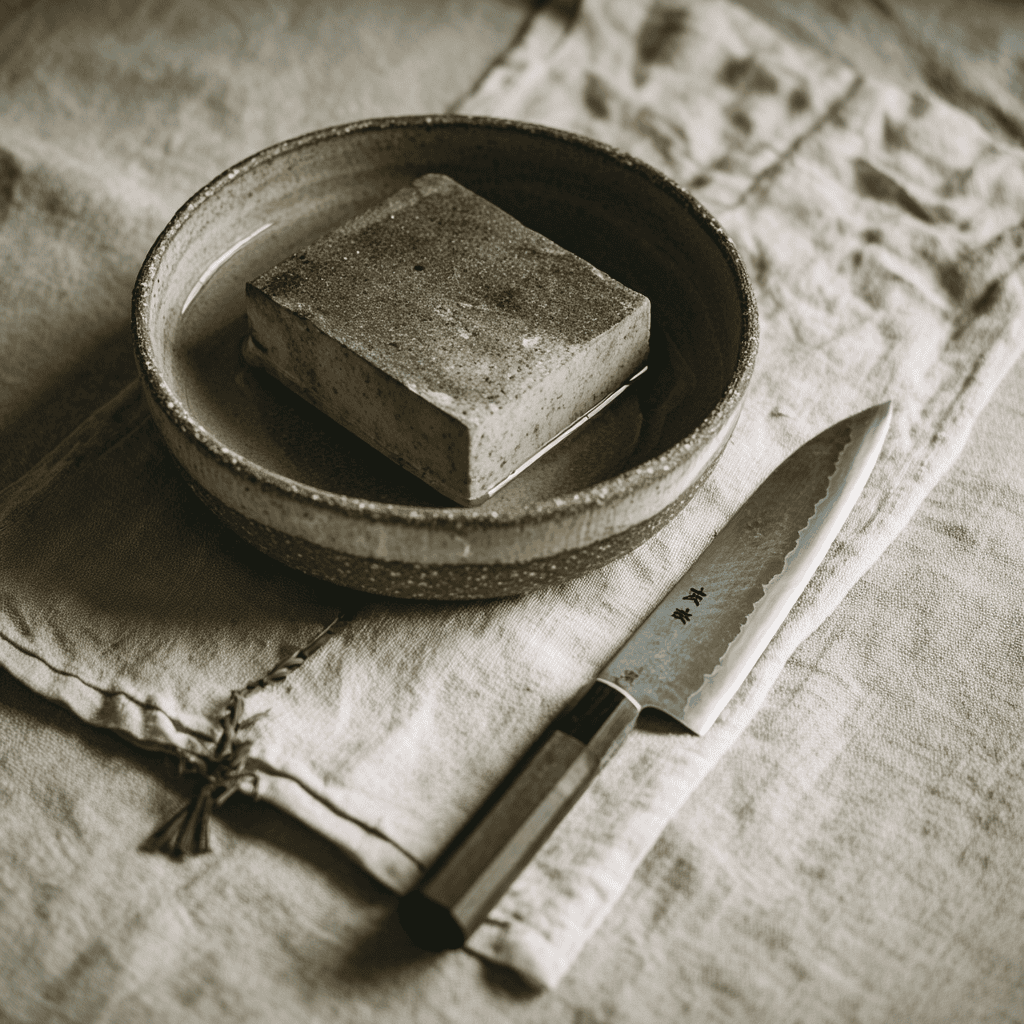
2. Naniwa Combi Whetstone 1000/3000 — the sharpening stone
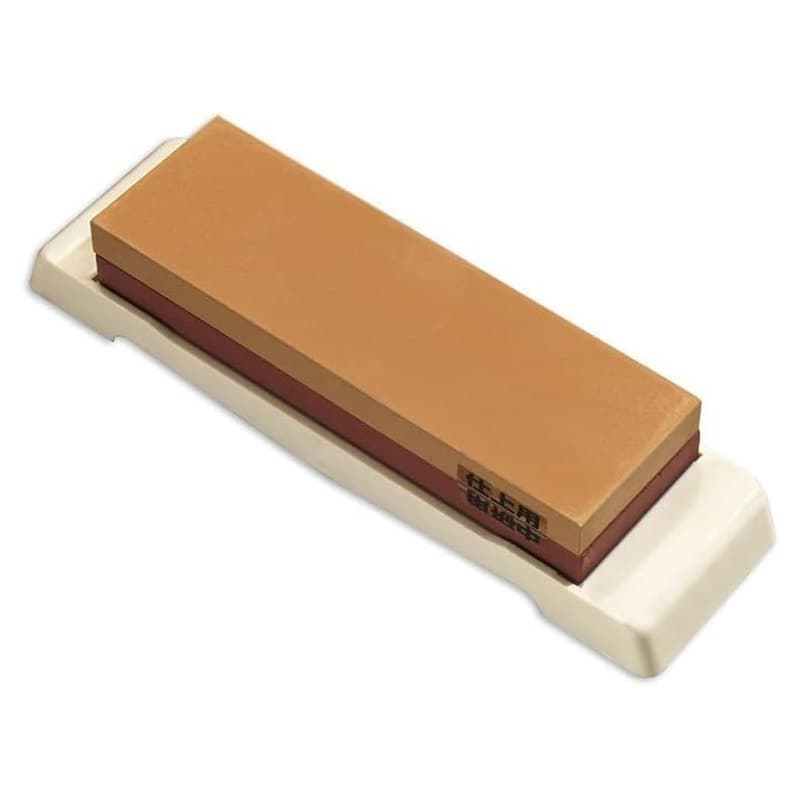
A good knife needs a good stone, and Osaka-based Naniwa has made them for decades. This Naniwa Combi 1000/3000 whetstone pairs a medium grit for sharpening with a finer grit for polishing. First, soak it briefly in water. Then draw the blade across the coarse side at a steady angle before moving to the fine side. The routine takes about ten minutes once a month. Many fathers come to enjoy it as a calm Sunday ritual. Because the stone comes on a non-slip base, it stays put on the counter while he works. It suits the Shun above, and it can rescue the dull knives already in his kitchen.
Sharpening also suits a dad who likes to understand his tools. Once he learns the angle, he will start sharpening everyone else’s knives too. For more kitchen ideas, our list of Japanese cooking tools covers pans, graters and rice pots.
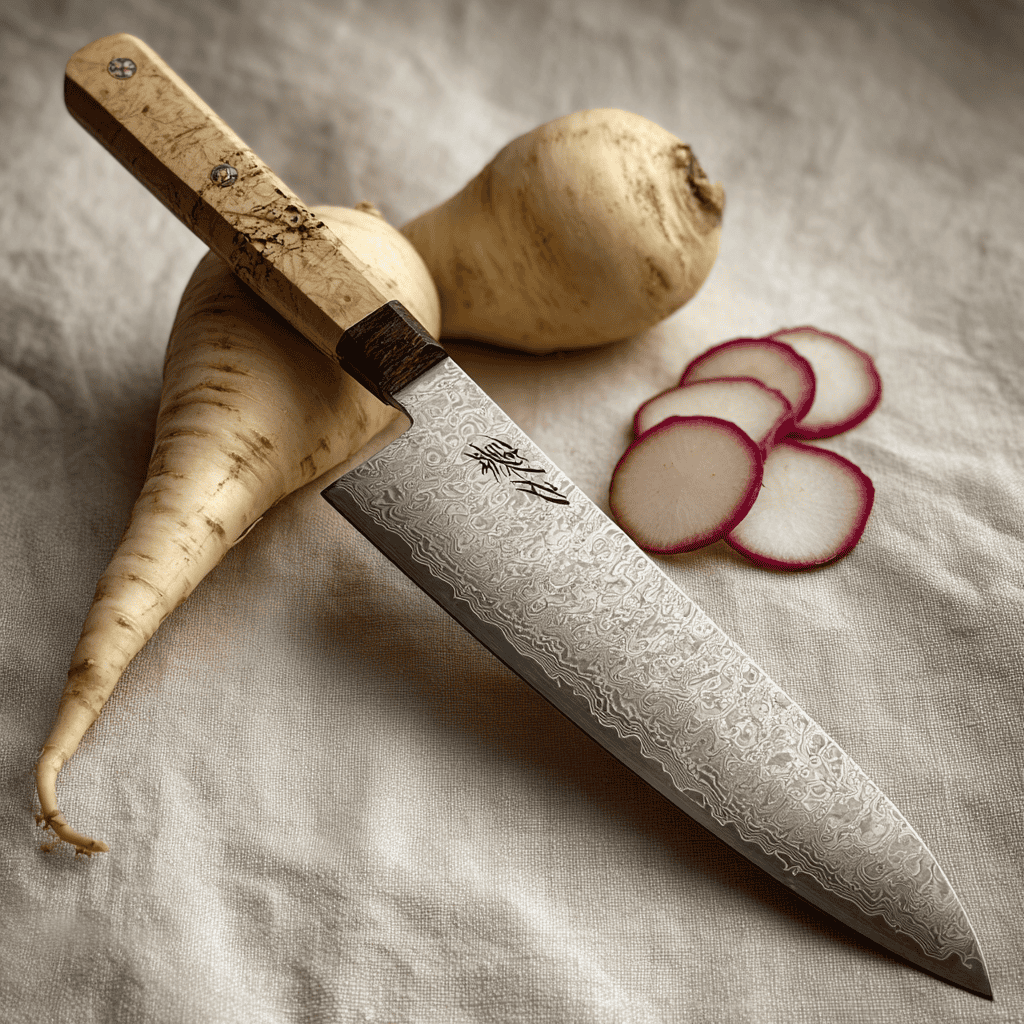
3. Ippinka Kishu Binchotan Charcoal — fuel for real yakitori
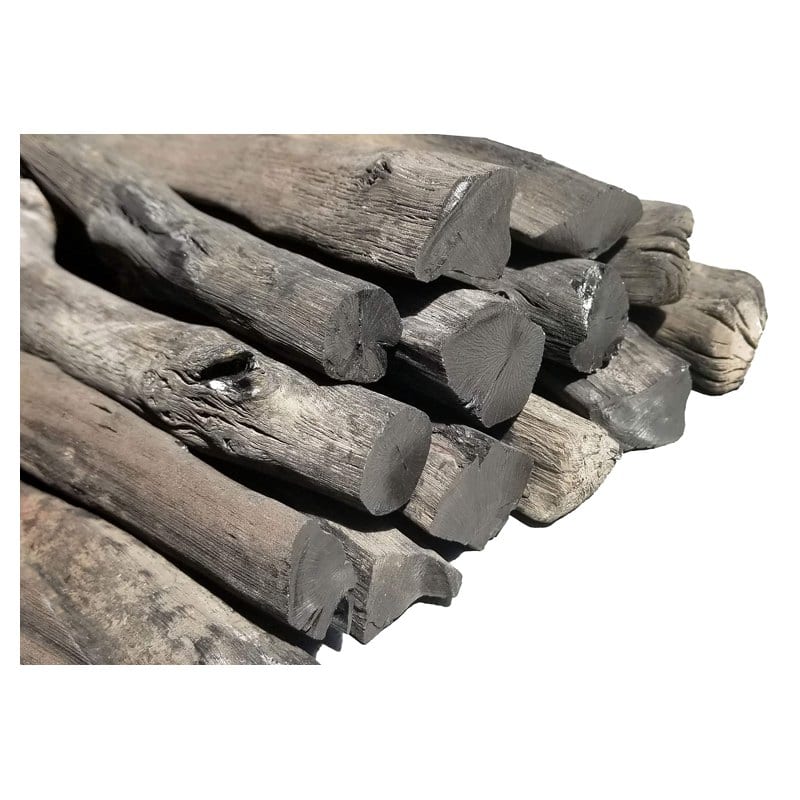
Binchotan is a white charcoal made from ubame oak in Wakayama, an area once known as Kishu. It burns hot and steady with very little smoke, which is why yakitori bars use it. This Kishu binchotan BBQ charcoal comes from Japan in a two-pound bag. Since it burns for hours, a small amount goes a long way on a backyard grill. Light it in a chimney starter, then let it glow white before cooking. The result is skin that crisps quickly while the meat stays juicy. For a grilling dad, it turns an ordinary cookout into something closer to a Tokyo counter. Afterward, any unburned pieces can be put out and reused next time.
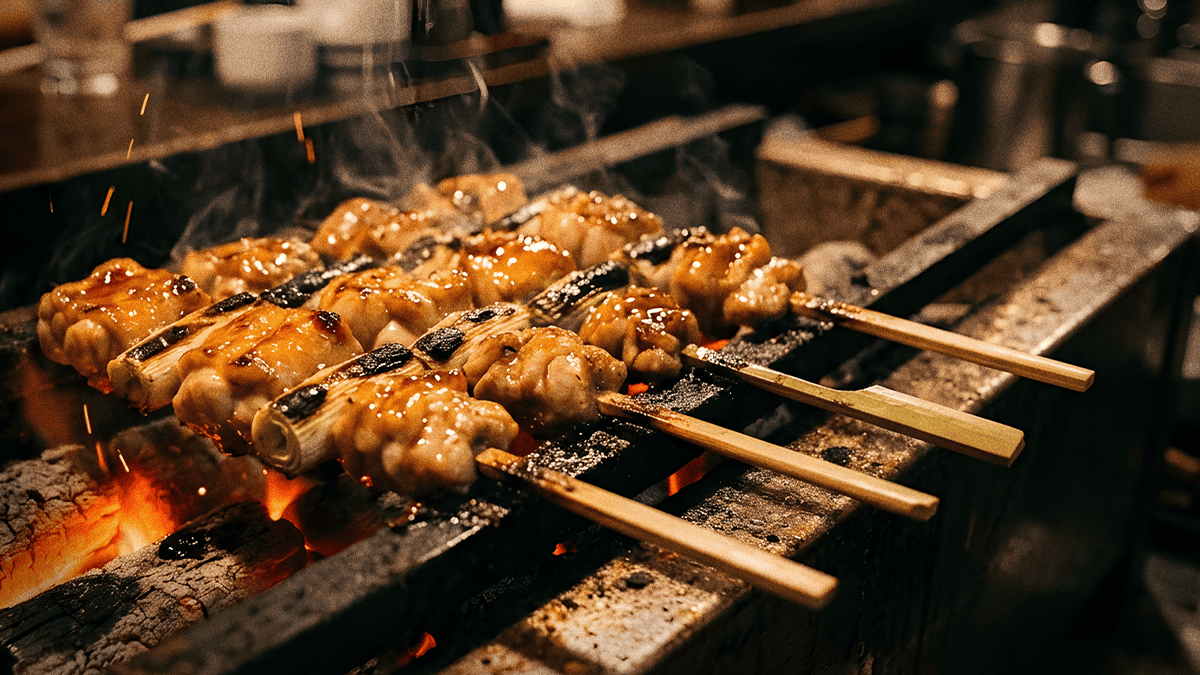
Yakitori — chicken skewers with tare
Soak the bamboo skewers in water for thirty minutes so they do not burn. Meanwhile, cut boneless chicken thighs into bite-size pieces and the white part of a few green onions into short lengths. Thread chicken and onion onto the skewers, alternating them. Next, make the tare by simmering soy sauce, mirin, sake and sugar in a small pan until it thickens slightly, about ten minutes. Grill the skewers over hot charcoal, turning often, for eight to ten minutes. Brush them with tare twice near the end, and serve at once with a pinch of shichimi pepper.
Yakitori suits a Father’s Day evening because everyone can help thread the skewers. Then dad takes the grill, which is where most fathers want to be anyway.
You may also like
For the Workshop and the Garden
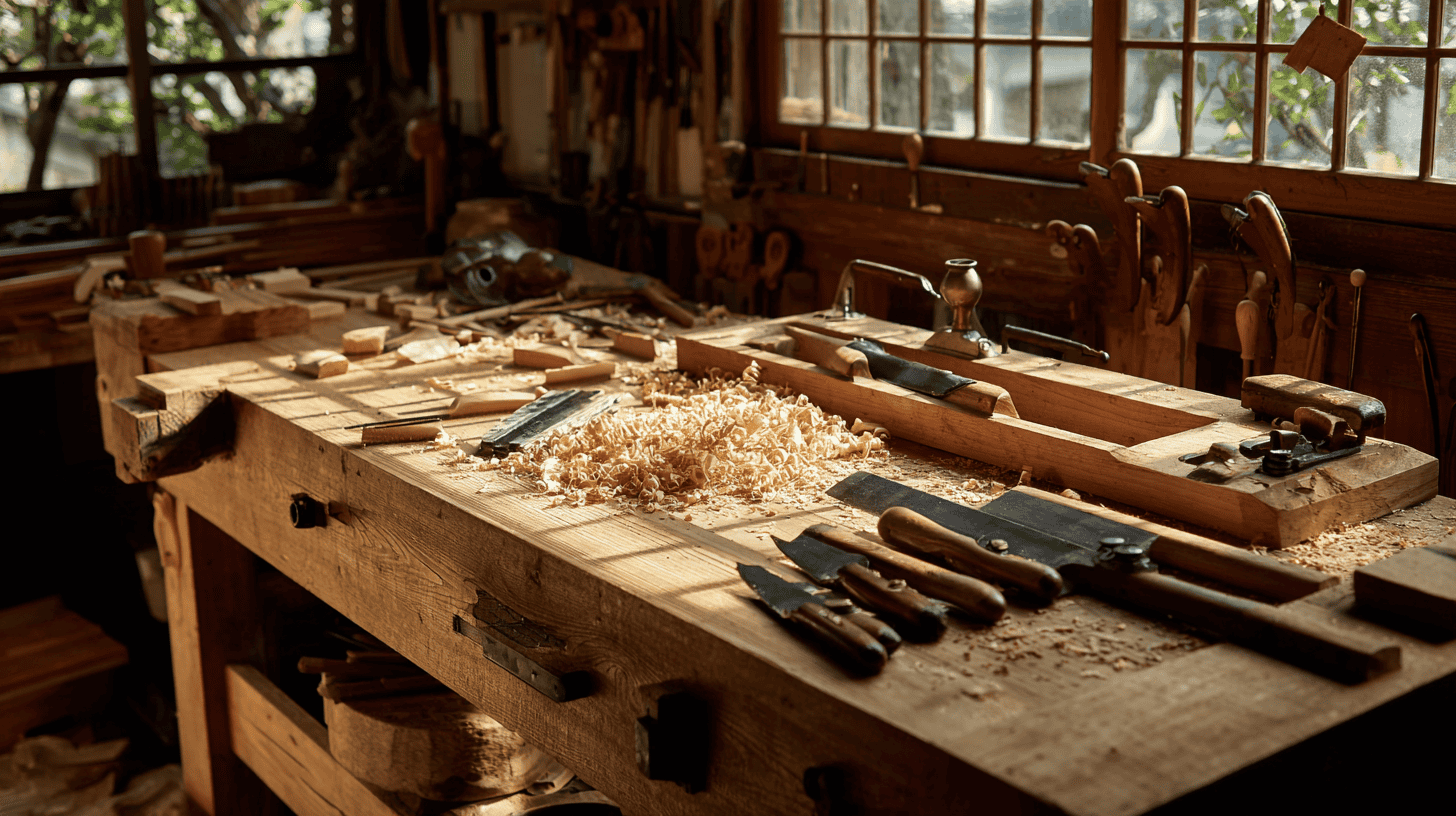
Japanese woodworking and gardening tools work differently from Western ones, and that is part of their appeal. Saws cut on the pull stroke, while pruners are forged in one piece of steel. Many dads find these tools a pleasure to learn.
4. Gyokucho Razor Ryoba Saw — the pull saw
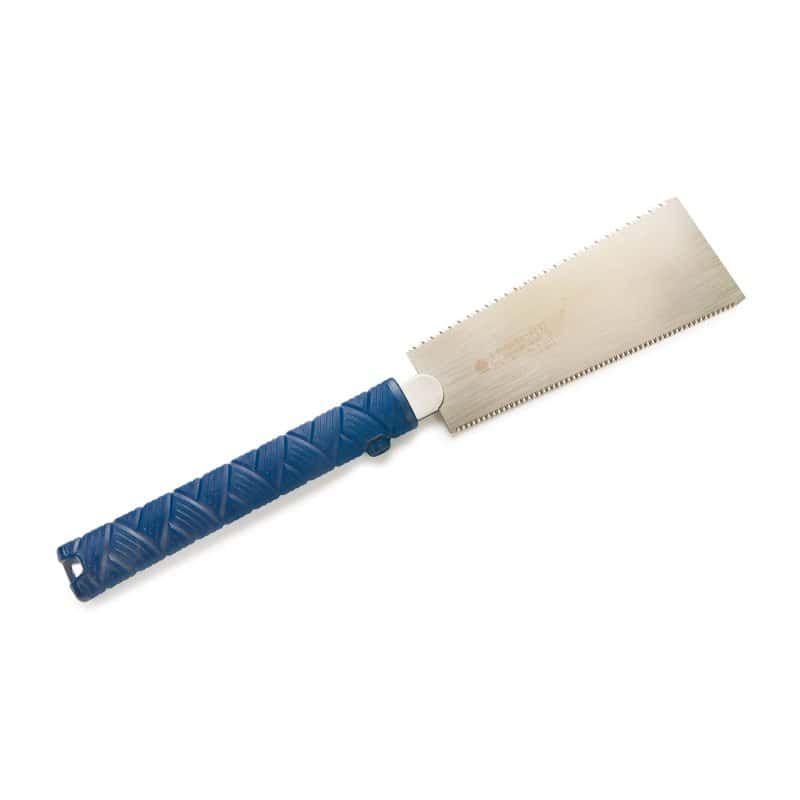
A ryoba saw has teeth on both edges, one for ripping along the grain and one for cutting across it. This Gyokucho Razor ryoba saw comes from a long-established saw maker in Japan. Because it cuts on the pull, the thin blade stays straight and leaves a clean line. As a result, it is easier to control than a push saw, especially for beginners. When the teeth eventually dull, the blade can be swapped rather than sharpened. It suits a dad who builds shelves, fixes fences or has started a woodworking hobby. Moreover, it is light enough to keep in a toolbox for small jobs around the house.
5. Japanese Woodworking Tools by Toshio Odate — the book
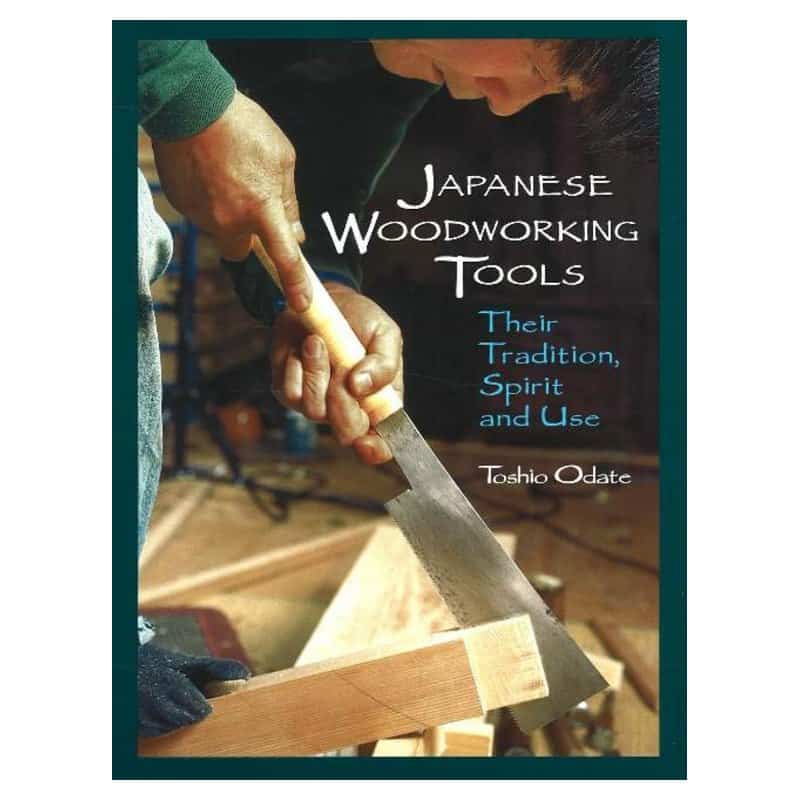
Toshio Odate trained as a woodworker in Tokyo before moving to the US to teach. His book, Japanese Woodworking Tools: Their Tradition, Spirit and Use, explains saws, chisels and planes in plain language. It covers how each tool is made, set and sharpened. Equally, it tells the stories of the craftsmen behind them. For a father who likes to understand why a tool works, it is a lasting read. It also pairs well with the saw above as a matched gift. Many readers keep it on the bench and return to it whenever a project goes wrong, which is high praise for a reference book.
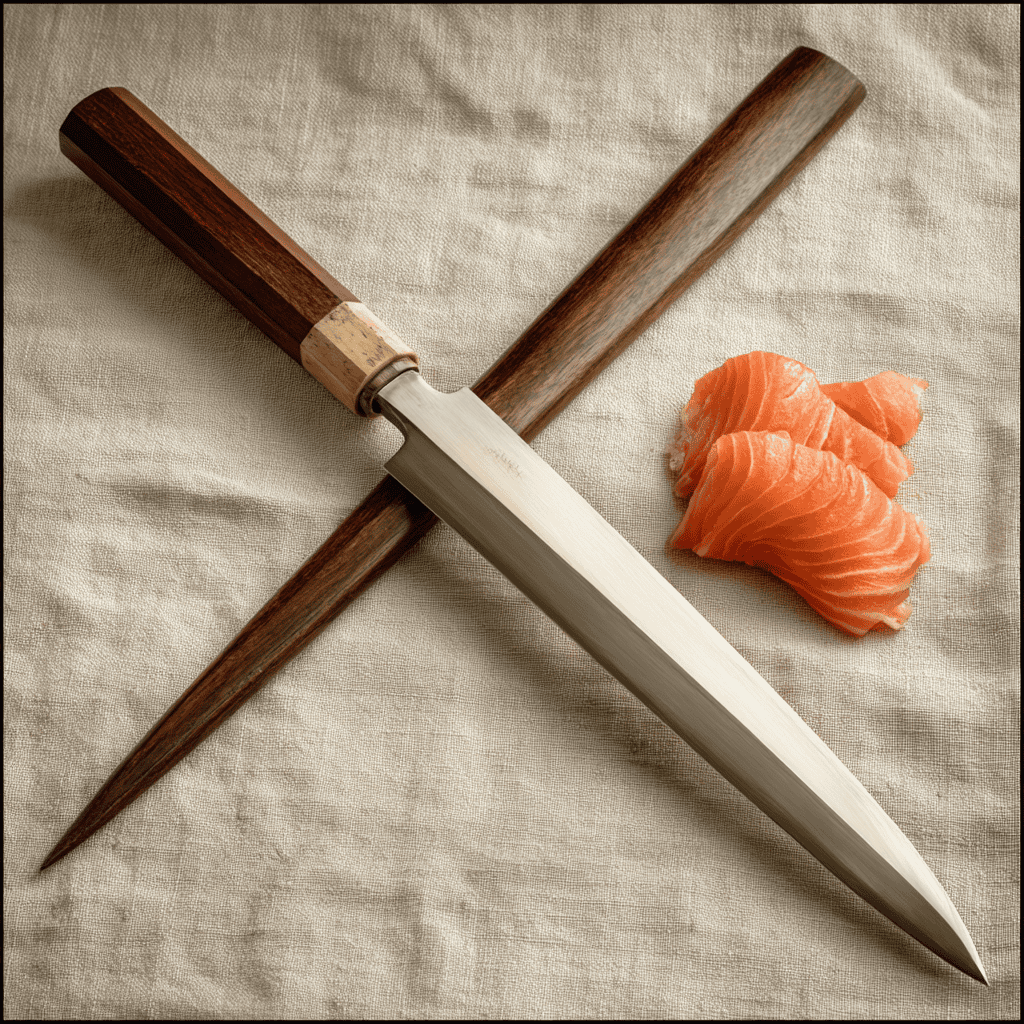
6. Okatsune 103 Bypass Pruners — the garden shears
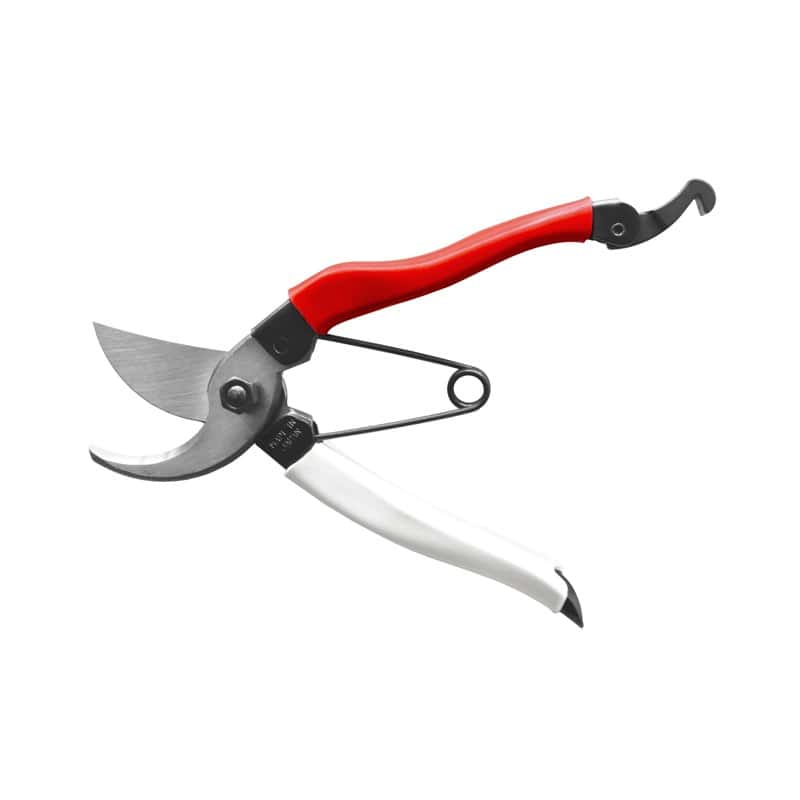
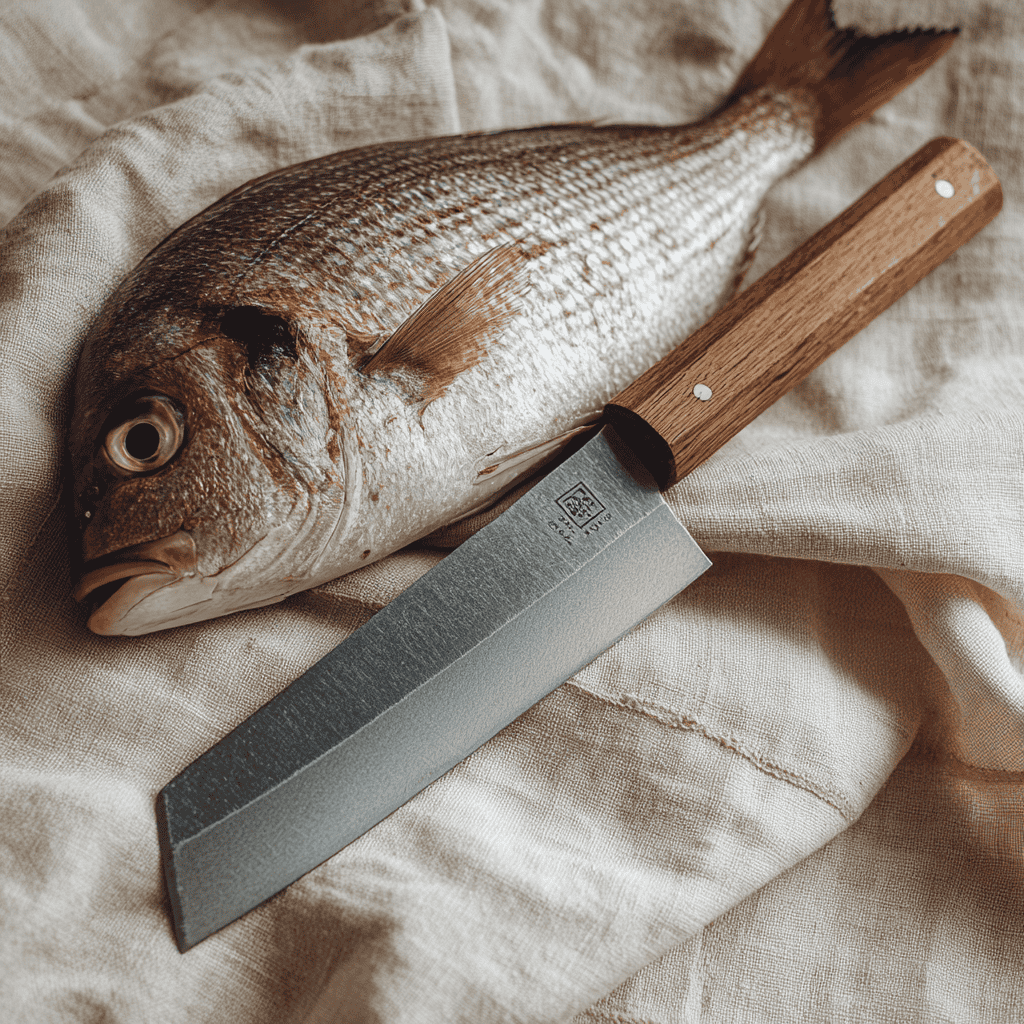
Okatsune has forged garden tools in Hyogo Prefecture for generations. The Okatsune 103 bypass pruners are their best-known model, with a blade of Izumo Yasugi steel. They cut cleanly through branches up to about three-quarters of an inch. Because the steel is hard, the edge stays sharp through a full season of pruning. The red and white handles also make them easy to find in the grass. For a dad who keeps roses, fruit trees or a hedge, they will replace a drawer of lesser clippers. However, the medium size suits most hands, so check the large model if his hands are big.
Cold soba is the classic lunch after a morning in the garden. It is light, fast and best eaten outside on a warm day.
For the Desk, the Wrist and the Morning
Some fathers rarely cook or build, yet they still care about well-made things. For them, the best Japanese gifts for dad are the small objects he touches every day. These four picks cover writing, timekeeping and grooming.
7. Pilot Vanishing Point Fountain Pen — the click pen
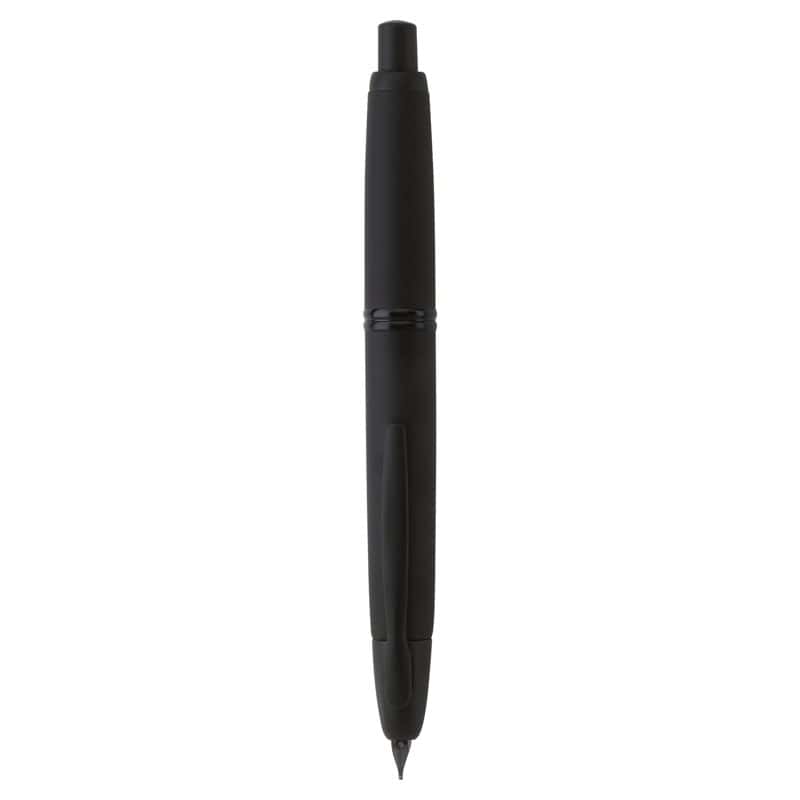
Pilot is one of Japan’s great pen makers, and the Vanishing Point is its cleverest design. The nib retracts into the barrel with a click, just like a ballpoint. So the Pilot Vanishing Point fountain pen works for quick notes in a meeting without a cap to lose. Yet it writes with the smooth, expressive line of a gold-nib fountain pen. This matte black version has a fine nib, which suits small handwriting and cheaper paper. It uses cartridges or a converter, so refilling is simple. For a dad who still signs cards by hand or keeps a notebook, it is a daily pleasure.
8. Seiko 5 Sports Automatic Watch — the daily automatic
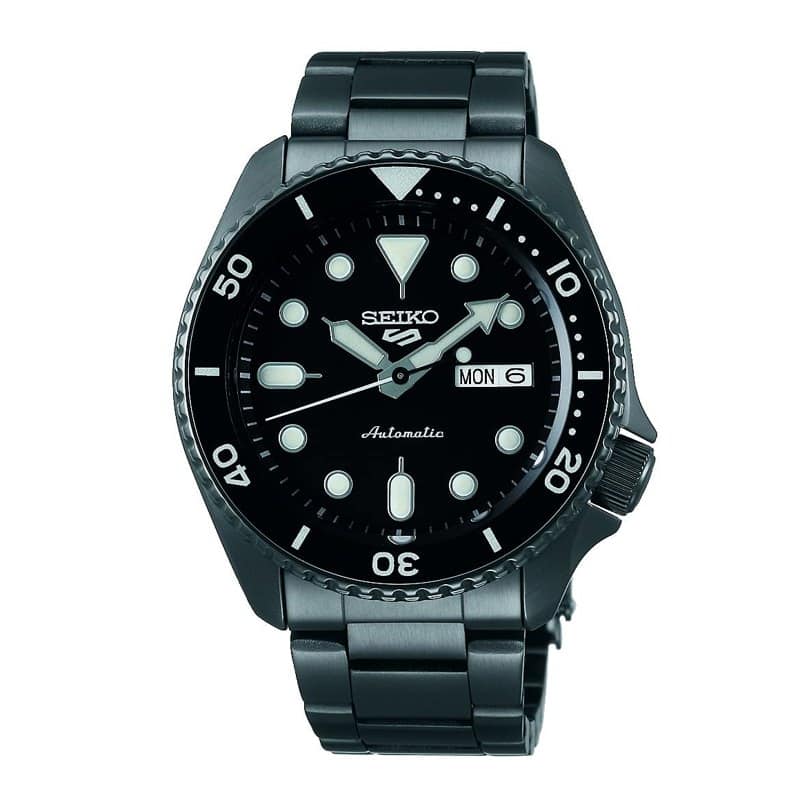
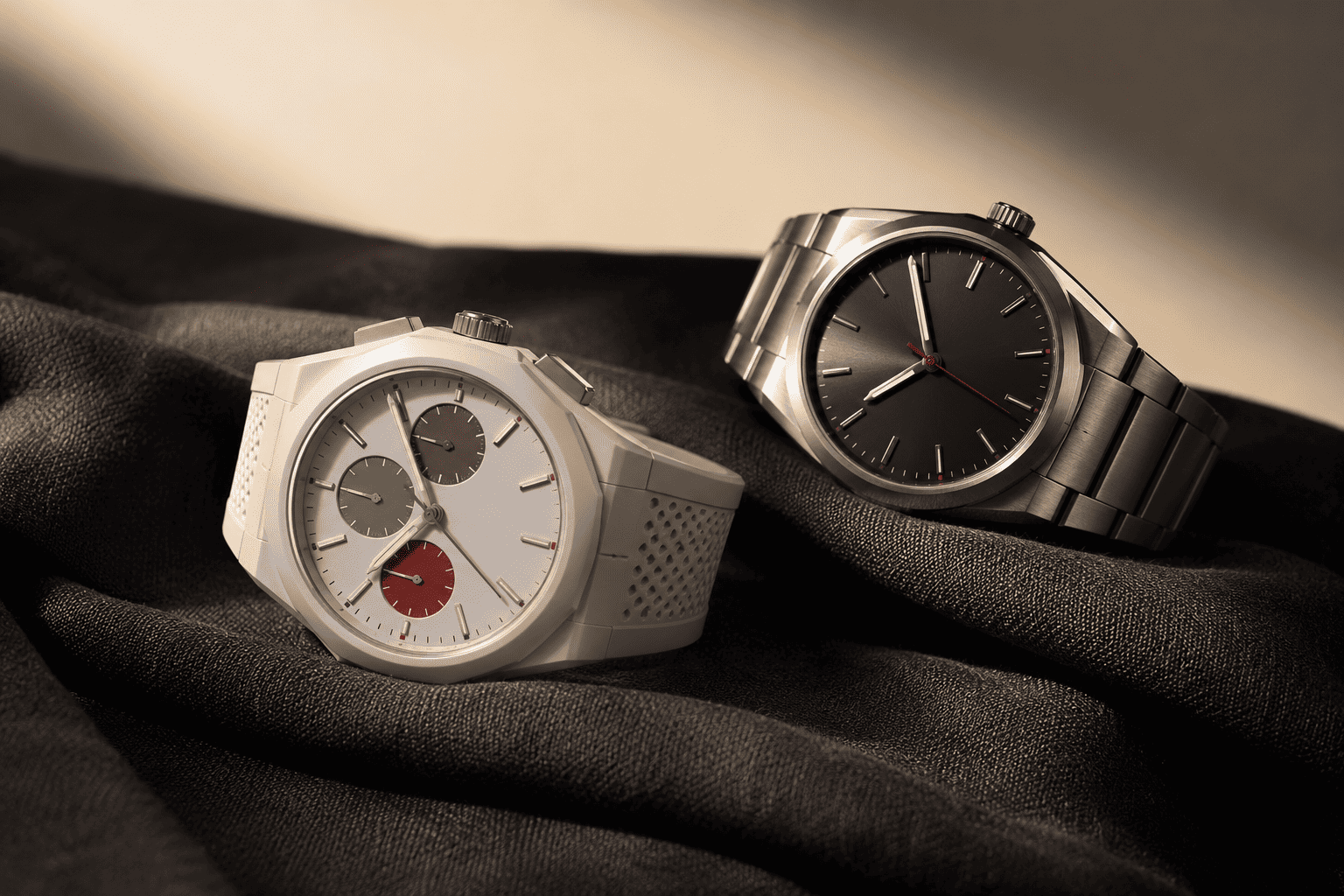
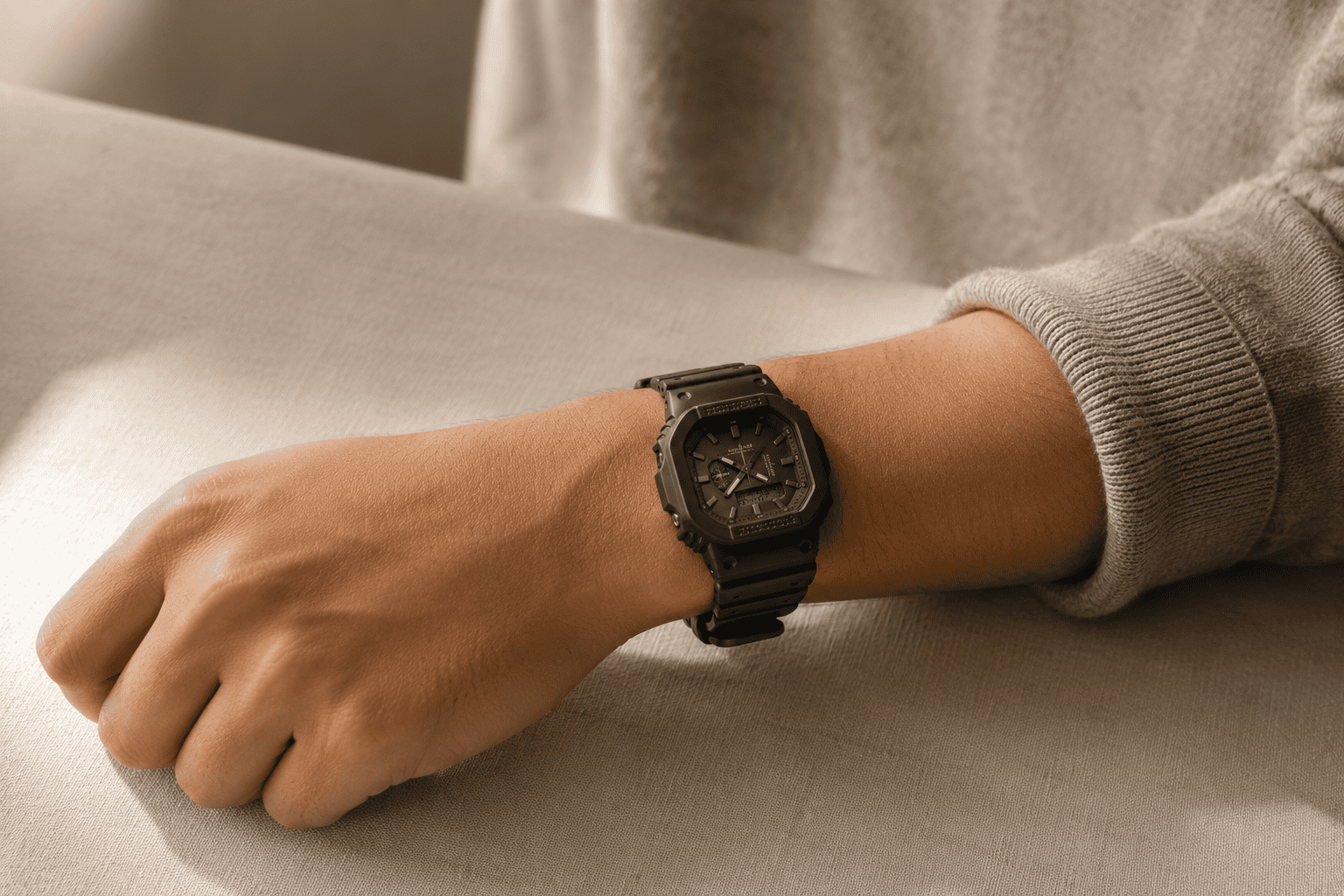
Seiko has built the 5 series since 1963, and it remains the classic first automatic watch. This Seiko 5 Sports automatic watch winds itself as he moves, so it never needs a battery. The black dial, day-date window and rotating bezel give it a confident diver style. Meanwhile, the steel bracelet and 100-meter water resistance make it practical for daily wear. It also has a display back, so he can watch the movement turn. For a father who wears one watch for everything, it is a smart choice. Moreover, it pairs easily with a suit, a polo or a weekend shirt.
You may also like

9. Seki Magoroku Type 102 Nail Clipper — the small luxury
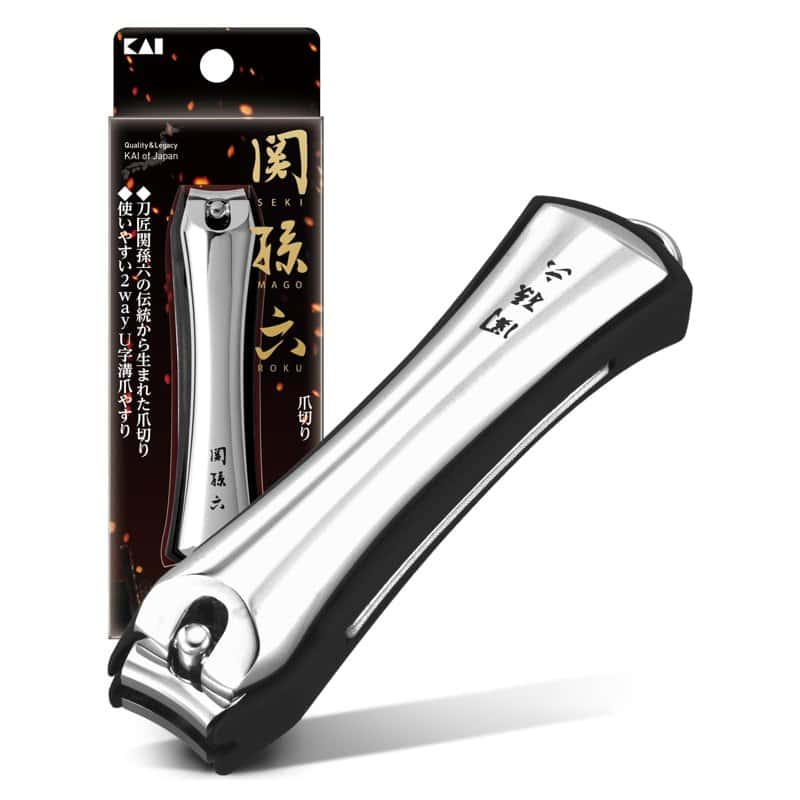
Kai also makes this Seki Magoroku nail clipper in Seki, the same blade town as the Shun knife. It may sound like a modest gift. However, once he uses it, every other clipper will feel blunt. The curved stainless blades meet precisely, so nails are cut cleanly rather than crushed. A catcher holds the clippings, and the lever has a firm, satisfying action. Many people who try one end up buying them for the whole family. As a stocking filler or a small Father’s Day extra, it shows real thought. It also fits in a dopp kit, so it travels with him on every trip.
Ten Proverbs to Carry With You
A printable folio of ten Japanese proverbs, each set in kanji with its reading and a line on where you will hear it.
10. Feather AS-D2 Safety Razor — the proper shave

Feather has made razor blades in Seki since 1932, and its blades are favorites with barbers. The Feather AS-D2 stainless safety razor is machined from solid steel and feels weighty in the hand. That weight lets the razor do the work, so he needs only light pressure. As a result, the shave is close with less irritation than many cartridge razors. It includes five Feather blades, and refills are inexpensive. For a dad who enjoys a morning ritual, it turns shaving into a small pleasure. It also cuts plastic waste, which many fathers appreciate. Add a shaving brush and soap, and the set is complete.
A Supper in His Honor
Nikujaga is home cooking rather than restaurant food, so it suits a family dinner in his honor. Indeed, many Japanese fathers name it as the taste of home.
Recommended
Morning and evening routines matter, yet many dads light up most on an open afternoon outdoors. The final group covers coffee, the golf course and the trail. These are gifts for the hours he guards most carefully. Each one has a Japanese design story, from a coffee dripper fired in Arita to a golf ball made by a Kobe-born company. Moreover, three of the four can be shared, so the gift becomes an invitation to spend time together.
For Weekends Outdoors
11. Hario V60 Ceramic Dripper — the coffee cone
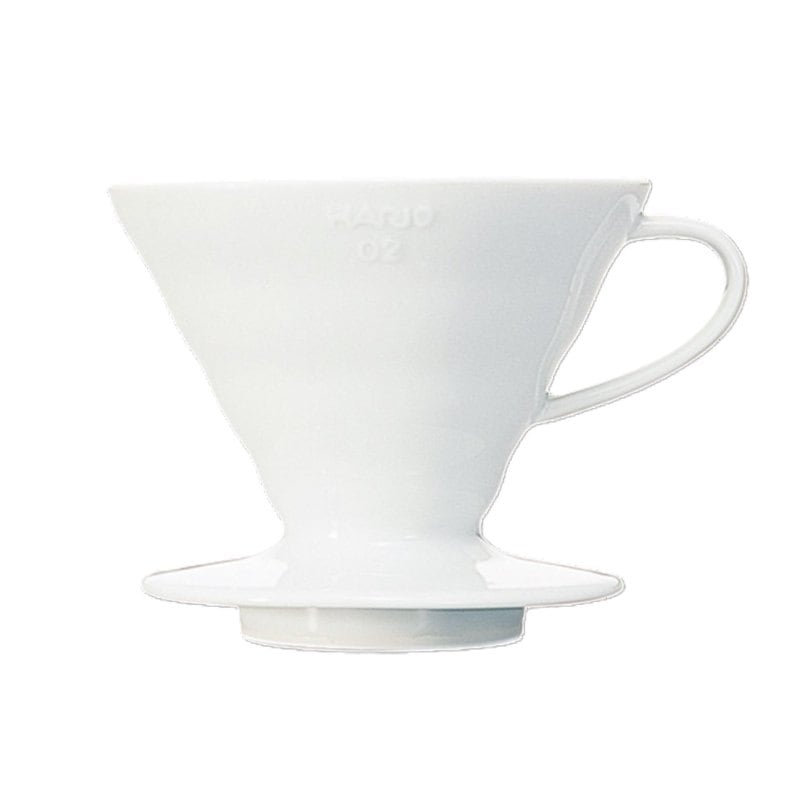
Hario is a Tokyo glass and ceramic company, and its V60 dripper changed how cafés brew coffee. This Hario V60 ceramic dripper is made of porcelain fired in Japan. Spiral ribs inside the cone and a single large hole let him control how fast the water flows. So he can brew a cup that is bright and clean, or rich and heavy. The ceramic holds heat well, which keeps the brew steady. It suits a dad who has graduated from pods but does not want a complicated machine. Add a bag of good beans, and the morning becomes something he looks forward to.
12. Zojirushi Stainless Steel Mug — the thermos
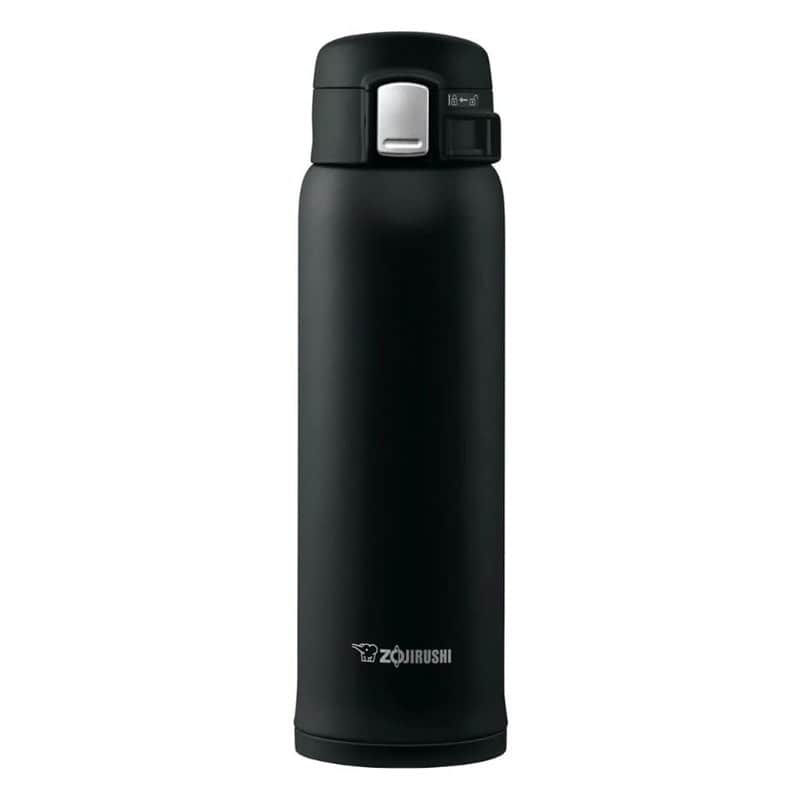
Zojirushi is an Osaka company best known for rice cookers, and its vacuum mugs are just as good. This Zojirushi stainless steel travel mug keeps coffee hot for hours and iced drinks cold all afternoon. A one-touch lid locks closed, so it can ride in a golf bag or a backpack without leaking. The interior has a nonstick coating that resists stains and smells. As a result, it rinses clean even after a day of coffee. It holds about sixteen ounces, which suits a commute or a round of golf. For a practical father, it will be the most used gift of the year.
13. Srixon Z-Star Golf Balls — the tour ball
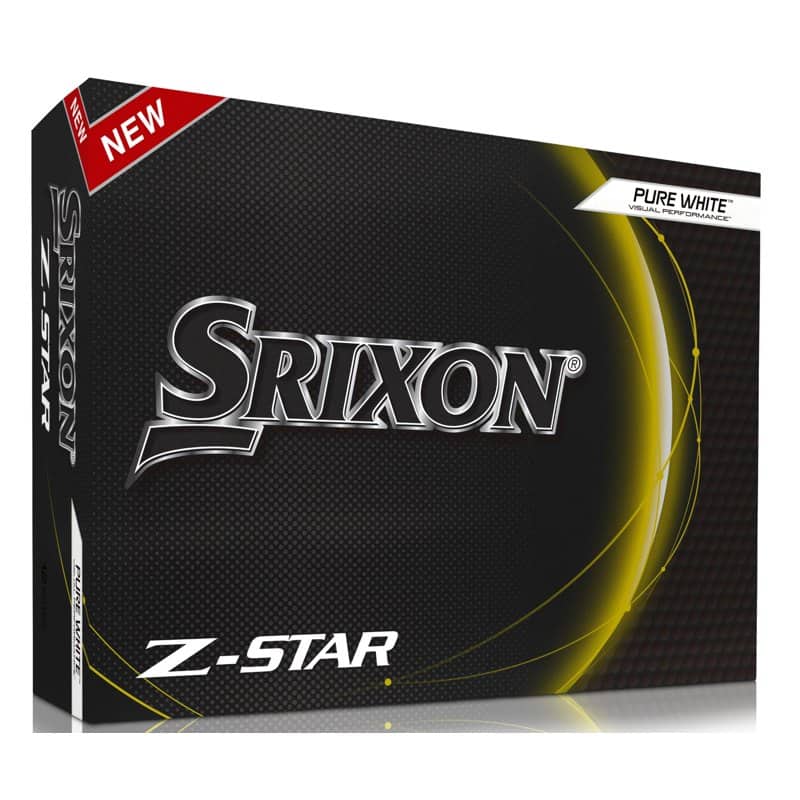
Srixon belongs to Sumitomo Rubber Industries, a Japanese company founded in Kobe. The Srixon Z-Star golf balls are its tour-level model, with a soft urethane cover. That cover gives good spin around the greens, while the core keeps distance off the tee. Many golfers find them a strong value next to other premium balls. A dozen makes an easy Father’s Day gift, and he will use every one. However, if his game is still developing, a softer distance ball might suit him better. Either way, golf balls are a gift that never sits in a drawer. Add a marker pen so he can personalize each ball.
14. Snow Peak Titanium Single Wall Mug — the camp cup
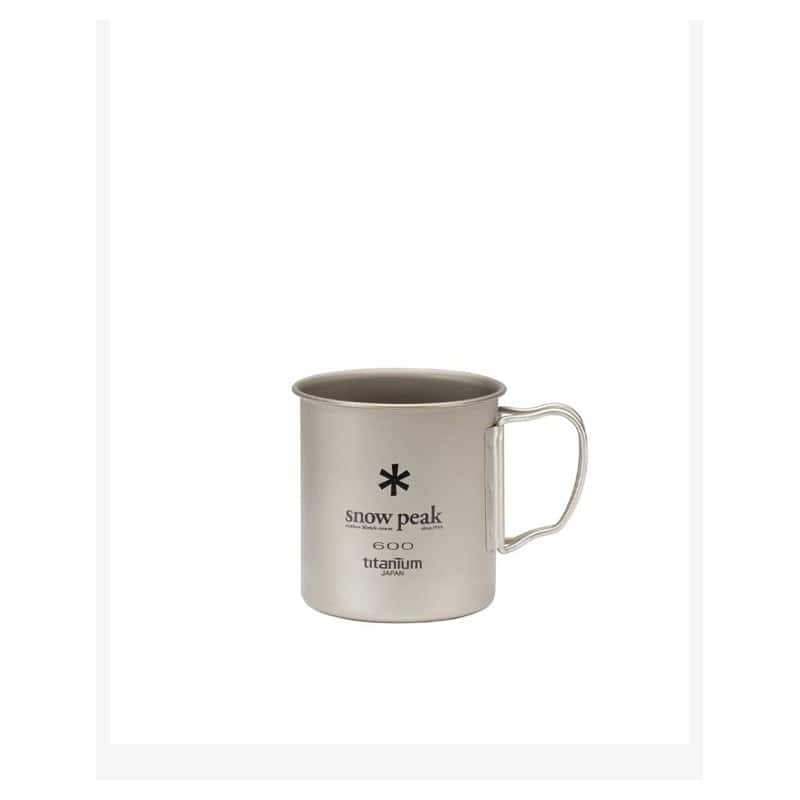
Snow Peak was founded in Sanjo, Niigata, a city famous for metalwork. Its Snow Peak titanium single wall mug weighs only a couple of ounces, yet it is almost impossible to break. The folding handles tuck away, so it nests neatly with a camp stove. Because it is titanium, it can go straight on a small flame to heat water. The metal also leaves no taste in coffee or soup. For a father who hikes, camps or fishes, it will join every trip. Furthermore, it develops a warm patina with use, so it becomes more his over time. It suits the Hario dripper too, for coffee at the campsite.
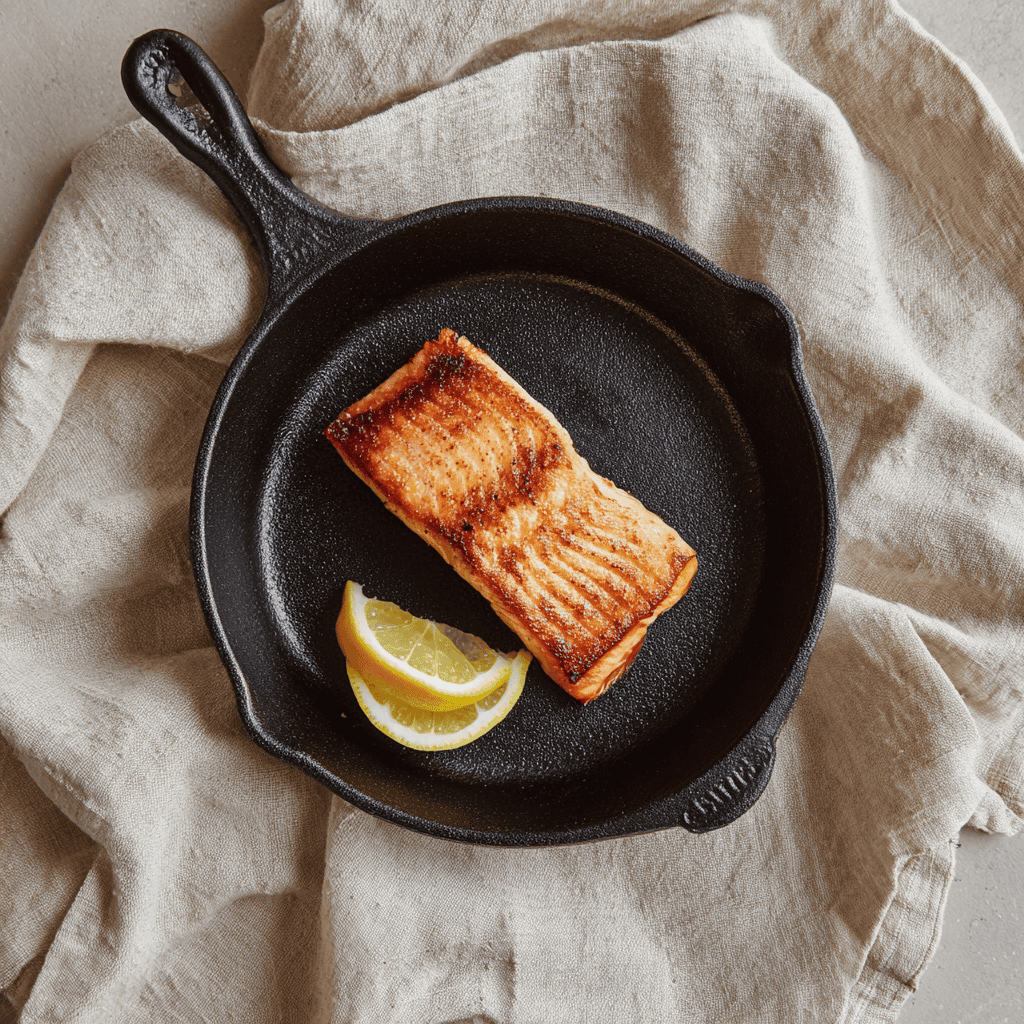
A Japanese breakfast of grilled salmon, rice and miso soup makes a fine Father’s Day start. It is easy to cook while he sleeps in.

A Celebration Dinner
Weekends outdoors often end with friends around a table, and that is where a final dish comes in. Tonkatsu is one of Japan’s most loved comfort foods, and it suits a celebration dinner for a father. It is crisp, generous and easy to share. The recipe uses panko breadcrumbs, which give the crust its light crunch.
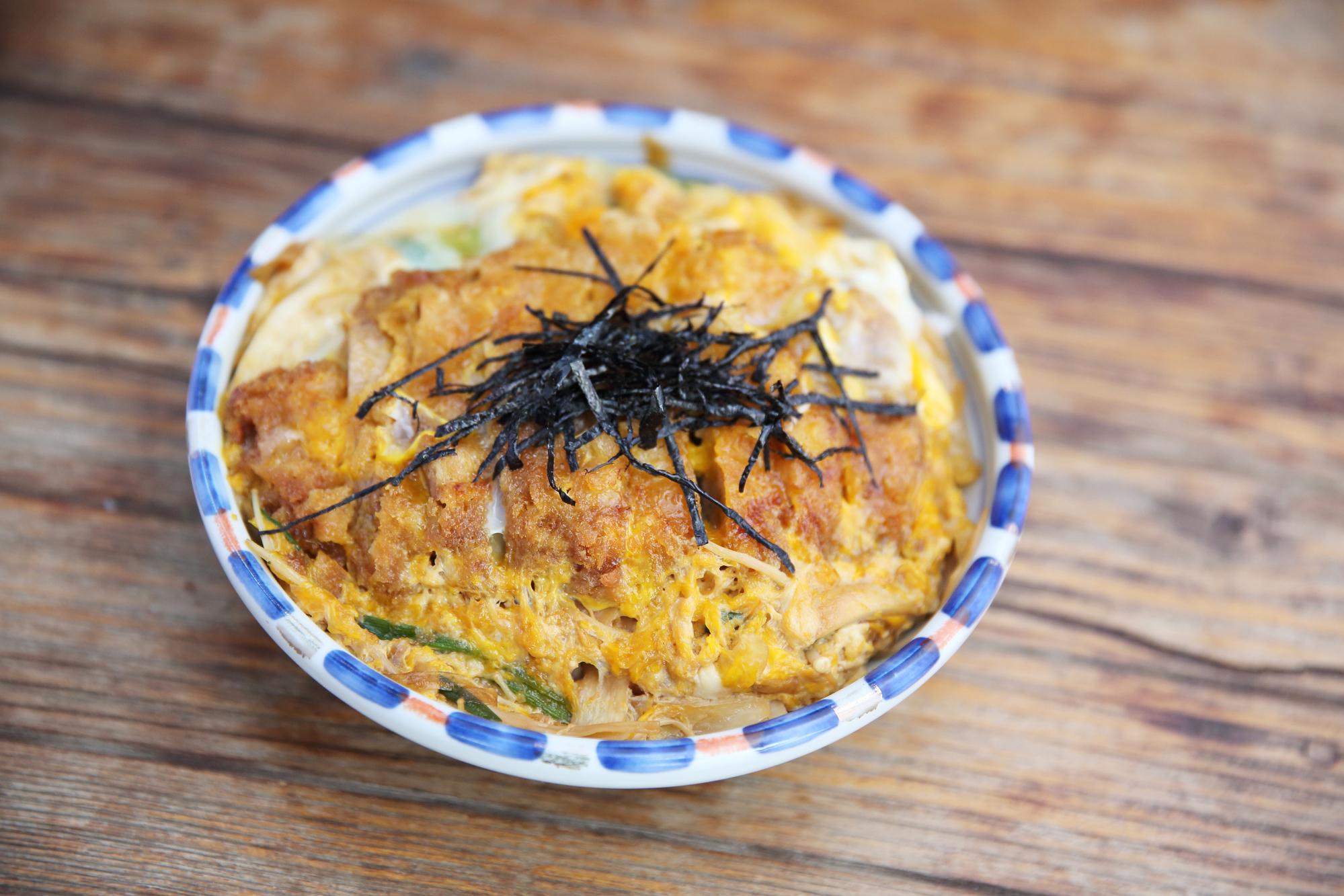
Tonkatsu — panko pork cutlet
Pound boneless pork loin chops lightly and season them with salt and pepper. Set out three bowls with flour, beaten egg and panko breadcrumbs. Coat each chop in flour, dip it in egg, then press it firmly into the panko. Meanwhile, heat oil to about 340°F in a heavy pan. Fry the cutlets for three to four minutes per side, until golden and cooked through. Rest them on a rack for a few minutes, then slice into strips. Serve with shredded cabbage, rice and tonkatsu sauce.
Father's Day in Japan, and How to Give the Gift
Japan celebrates Father’s Day on the third Sunday of June, the same day as the US. The holiday is newer there than Mother’s Day, and it is a little lower key. Families often share a meal, and children give small, useful gifts. That habit suits the picks above, since none of them is flashy.
Presentation also matters in Japan. A gift is often wrapped in a furoshiki, a square of cloth tied neatly around it. The cloth then becomes a second gift that he can reuse. Alternatively, a plain box with a handwritten card fits the understated style of these tools.

If you are shopping for the whole family, our guides to Japanese gifts for mom and Japanese gifts for grandparents follow the same approach, and so does our list of Japanese gifts for him for a younger partner. Each pick is made in Japan or by a Japanese company, and each is chosen for daily use.
Before you choose, picture the moment he opens the box. A tool he understands immediately makes the best gift. The Shun knife and the Seiko suit almost every father. Meanwhile, the saw, the pruners and the golf balls suit specific hobbies. When in doubt, pick the object he uses most and buy the best Japanese version of it. That simple rule works for these Japanese gifts for dad and for nearly any gift you give him.
Gifts That Become His
A good gift disappears into daily life, and that is its success. In a year, the knife will be the one he always grabs first. The pen will live in his shirt pocket, and the mug will ride in his car. That is the steady promise of Japanese craft, and it suits fathers well. If he likes the idea behind these objects, our essay on Japanese concepts for life explains the thinking that shapes them, from patience to repair and care.
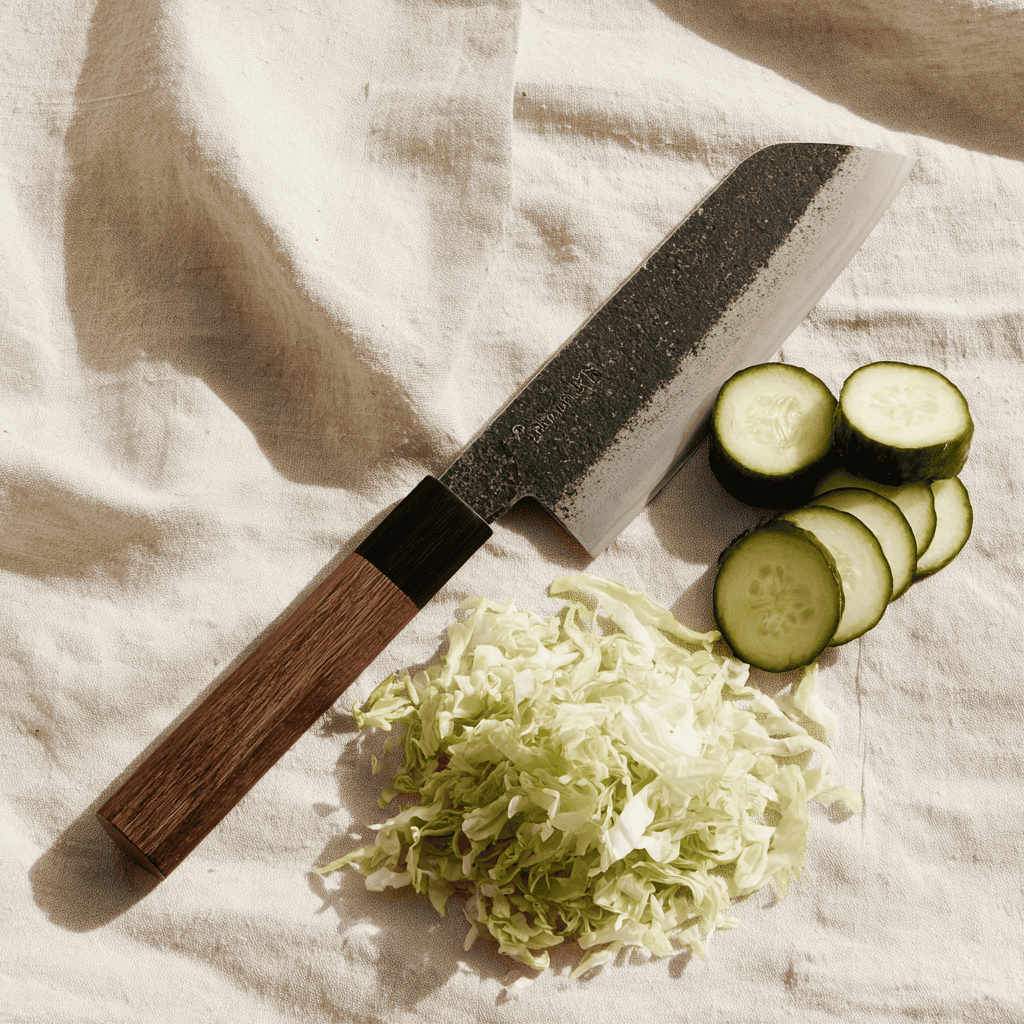
In the end, Japanese gifts for dad work because they respect the way he spends his time. They are made to be used and cared for, and to last longer than the occasion. The best ones also carry a story he can tell, about a blade town or a family workshop. That story is part of the gift, so share it in the card. A line about where the knife was forged turns a tool into a keepsake he will show his friends.
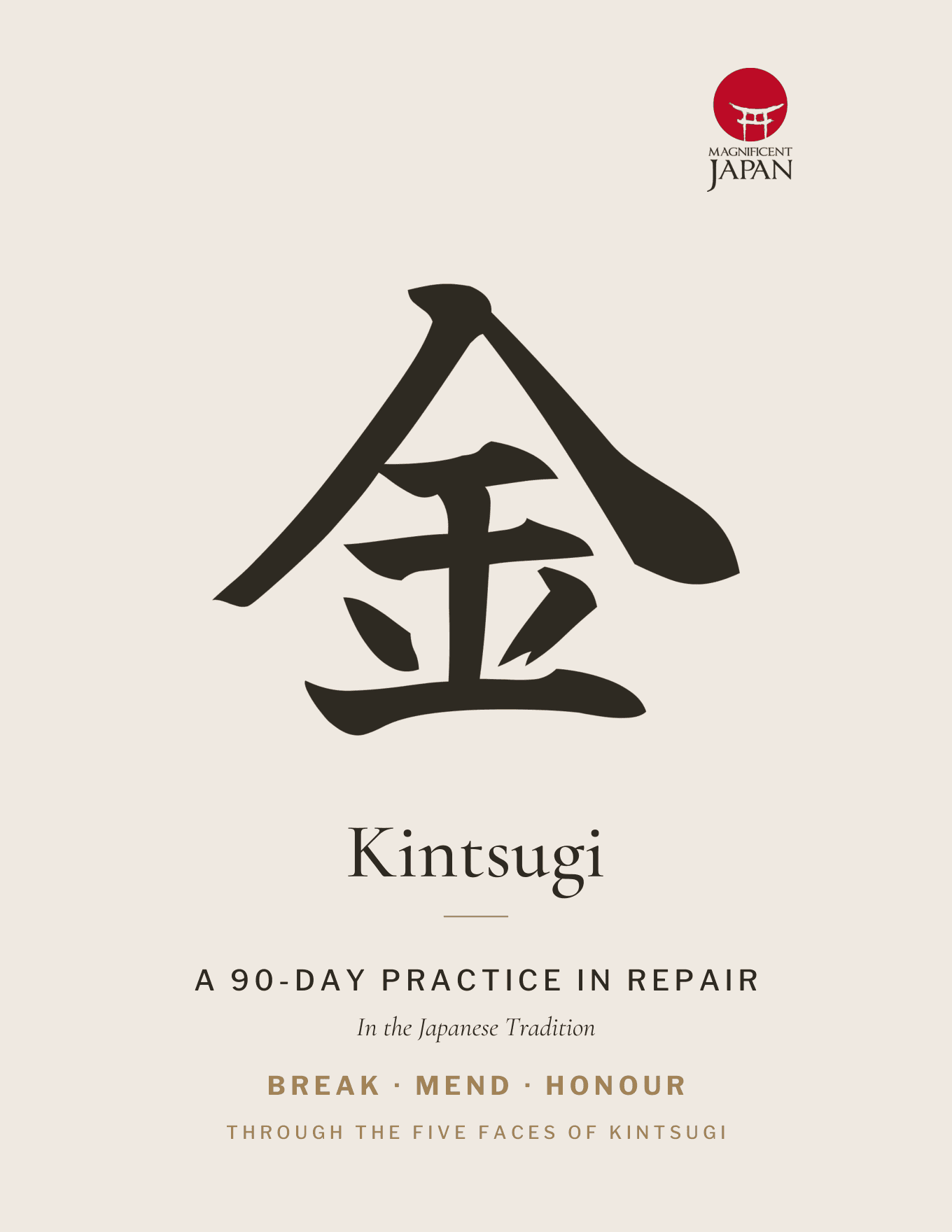
For a father who likes to mend what he owns, the Kintsugi Journal is a 90-day practice built on kintsugi, the art of repairing broken pottery with gold. One short prompt a day helps him notice what has been repaired and strengthened in his own life. Choose the digital edition for a tablet or the paperback for ink and paper. It is one of eight journals in the Cultural Reflection Collection.
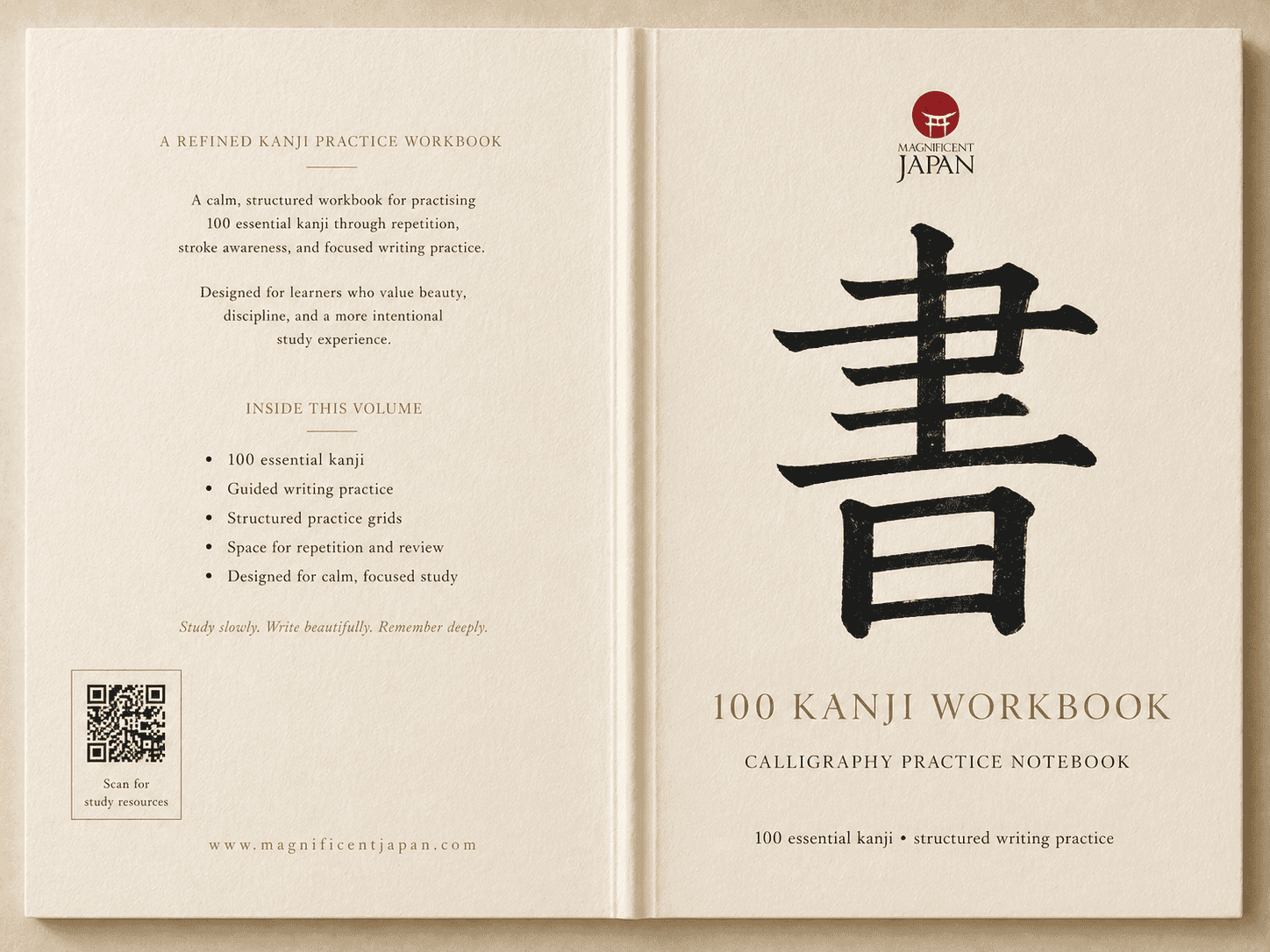
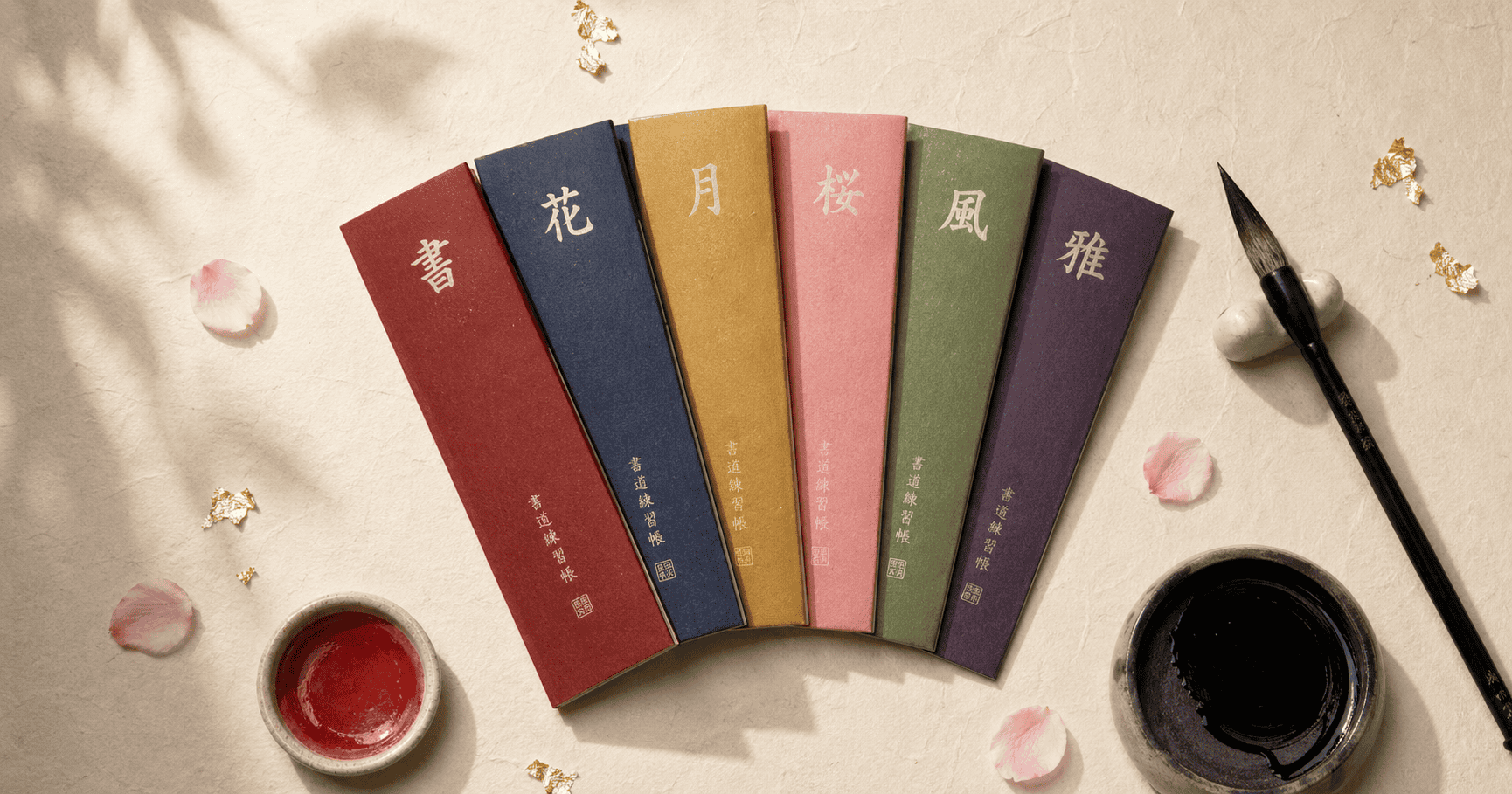
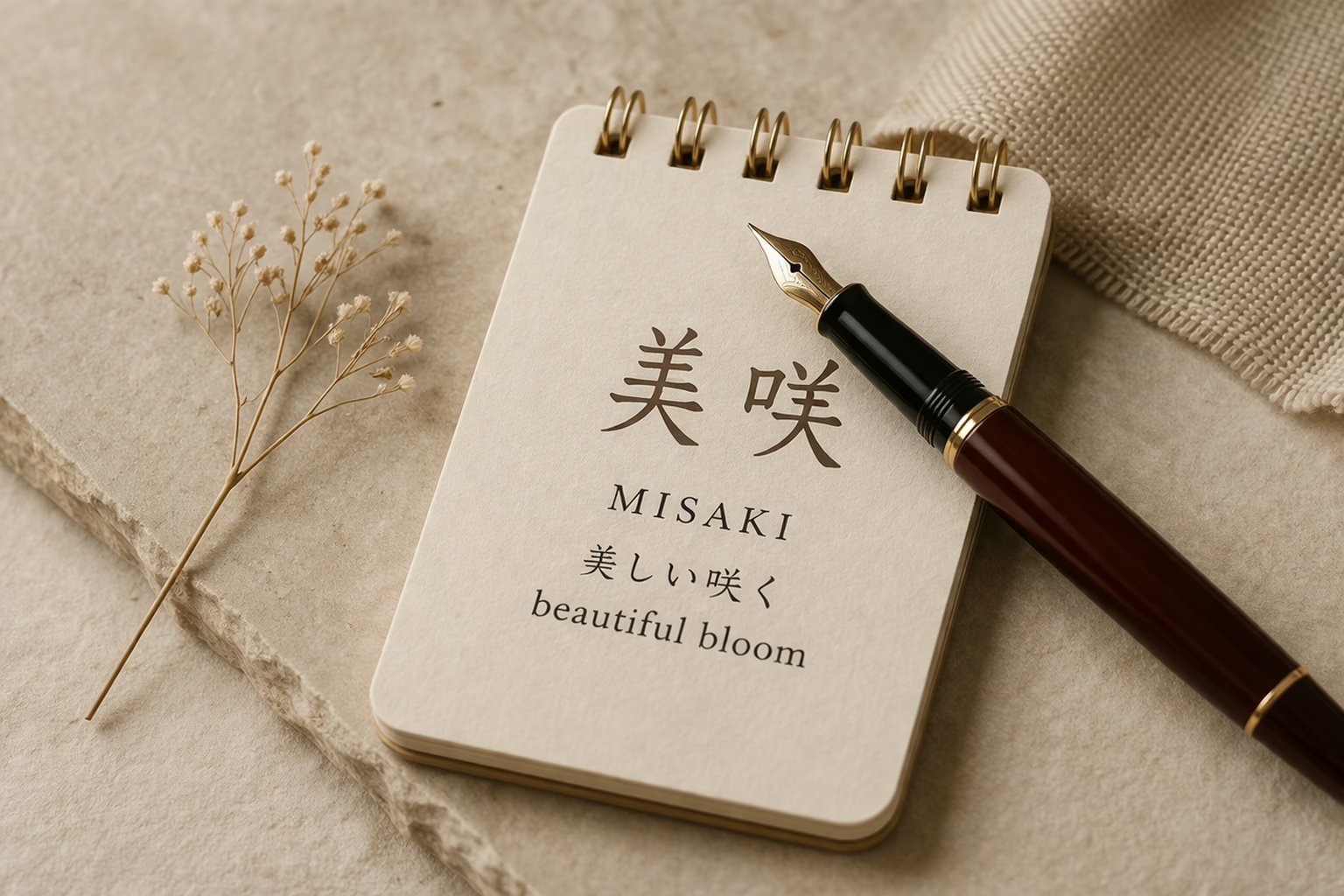
View The CollectionFor a father who loves learning, Japanese gifts can open a new hobby too. Some dads want to read the kanji stamped on a new knife. Others enjoy brush writing on a slow evening, or planning a trip in a notebook. Our workbooks, journals and name tools below suit exactly that kind of curious father. Each one is made by Magnificent Japan, and each pairs well with the picks above. Choose one as a small extra, or let him pick his own as part of the gift.

Seeing the Workshops in Japan
Many fathers who love Japanese tools want to see the workshops themselves. If he has always wanted to visit, our team plans private trips around exactly these interests. Picture a morning with knife makers in Seki, coffee in a Kyoto roastery and a round of golf with Mount Fuji in view. Then finish with a long night at a yakitori counter in Tokyo. Tell us about him, and we will sketch a route that fits his pace and your family’s dates.
For fathers who love tools, food and the outdoors: a day with knife makers in Seki, coffee in Kyoto, a round of golf with Fuji in view and a long night at a yakitori counter, all planned for his pace.
Plan Your Custom Japan ItineraryQuestions Worth Asking
What are good Japanese gifts for dad?
Good Japanese gifts for dad are tools he will use often. A Shun chef’s knife, a Gyokucho pull saw, Okatsune pruners, a Pilot Vanishing Point pen and a Seiko 5 watch all suit different fathers. Choose by his habits, whether he cooks, builds, gardens, writes or plays golf.
When is Father's Day in Japan?
Japan celebrates Father’s Day on the third Sunday of June, the same day as the United States. It is a family occasion rather than a public holiday, and children usually give a small, useful gift or share a meal with their father.
What do Japanese men like as a gift?
Many Japanese men appreciate practical, well-made gifts over flashy ones. Good tools, quality stationery, a reliable watch or fine food and tea are common choices. Presentation matters too, so a neat wrap or a furoshiki cloth shows care.
Are Japanese knives a good gift for dad?
Yes, if he cooks often. A Japanese chef’s knife is lighter and sharper than many Western knives. However, it needs a whetstone and hand washing. Pair the knife with a stone such as the Naniwa Combi so he can keep the edge sharp for years.
What is a good Japanese gift for a dad who has everything?
Choose something that improves a daily habit. A Seki Magoroku nail clipper, Kishu binchotan charcoal or a Feather safety razor are small upgrades that most fathers do not buy for themselves. They feel special without adding clutter.
How should I wrap a Japanese gift for dad?
Wrap it in a furoshiki, a square cloth tied around the box, or use plain paper with a handwritten card. Japanese gift wrapping favors simple, neat presentation over bright paper and ribbons.
The Editors, Magnificent Japan