Japanese nature names are among the oldest and most loved names in Japan. A single character can hold the moon, the sea or a branch of plum. If you want to find one by theme, the Japanese name generator lets you search real names by what their kanji mean. This guide walks through the same themes by hand, from the moon and the sky to the four seasons.
Each table below gives the name, its kanji, its kana and the meaning of every character. The names are grouped the way a reader of Japanese would group them: by moon, sky, sea, mountain, flower, season and weather. So you can browse for a feeling, or read straight through for a short lesson in how the landscape enters a name.
For the wider story of names in Japan, start with our guide to the art of Japanese names. If you would rather see names sorted for girls, boys and both, our list of Japanese name meanings, kanji by kanji does exactly that.
What are Japanese nature names?
Japanese nature names are given names written with kanji for natural things, such as 月 (moon), 空 (sky), 海 (sea), 花 (flower) or 雪 (snow). The meaning comes from the characters, not the sound. For example, 蒼空, Aozora, joins blue and sky. Most use one or two kanji, so each name reads like a small picture.
First, a word on where these names come from. Every name, reading and meaning on this page comes from the name list behind our own generator. That list draws on published baby-name rankings and on the EDRDG kanji dictionary. Each character is shown with its dictionary meaning, so some glosses look plain, such as child for 子 or thick for 太. We kept those plain words on purpose. They are honest, and they are how a Japanese reader actually sees each character before the picture forms.
Why So Many Japanese Names Come From Nature
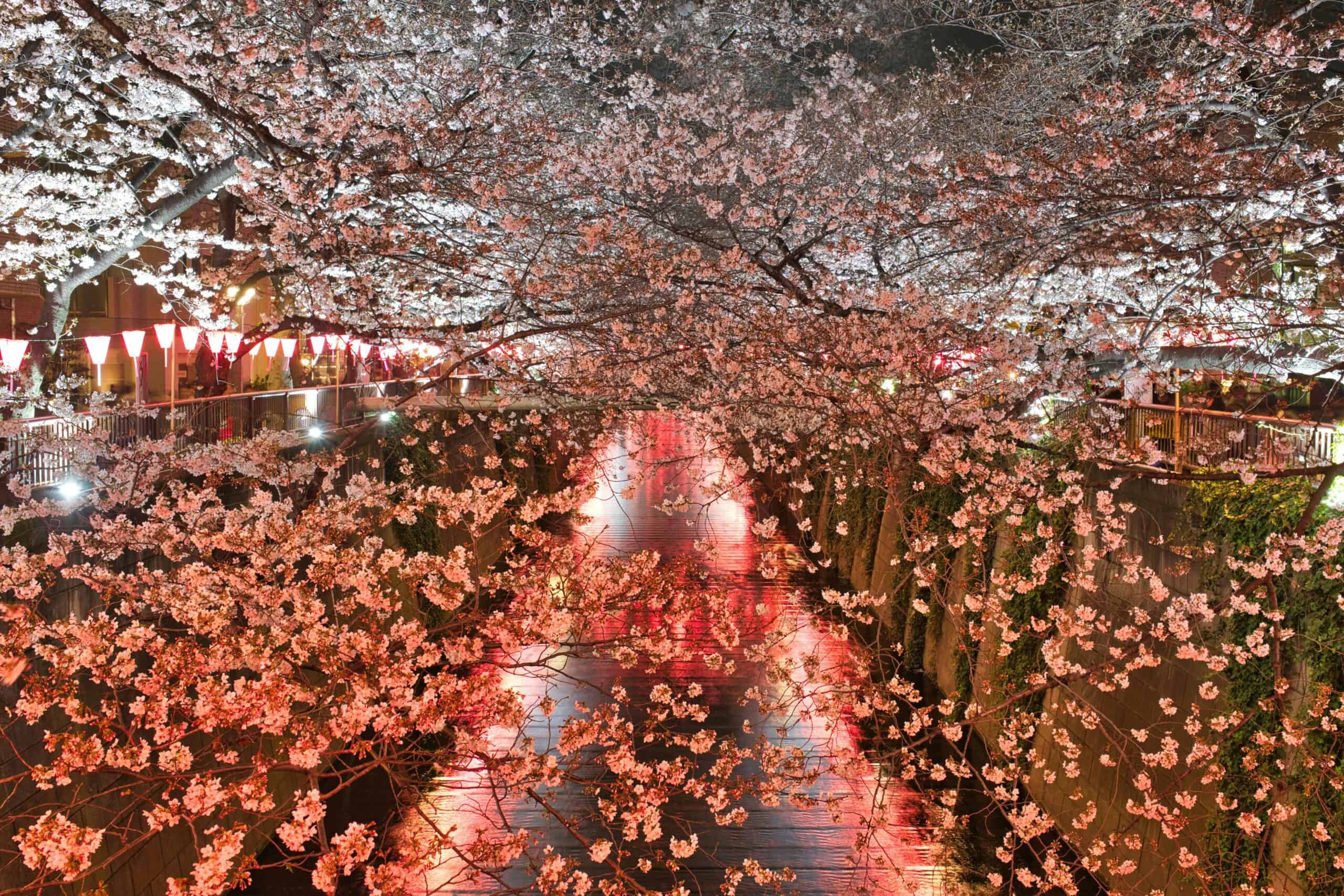
Japan is a country of sharp seasons. Cherry blossom, rainy season, maple and snow arrive on a calendar that everyone follows. So it is natural that parents reach for those images when they name a child. A name with 春, spring, carries the feeling of new growth. Likewise, a name with 雪, snow, carries a hush and clean light. In both cases the name gives the child a season to belong to.
Nature names also travel well between generations. Older names such as Umeko and Fujiko pair a plant with 子, child. Meanwhile, newer names lean toward sky, sea and light, as in Aozora or Kaito. As a result, Japanese nature names can sound classic or modern, depending on the second character and the reading.
Seasons in a Single Character
In Japanese poetry, a season word, or kigo, sets the time of year in one stroke. Names work the same way. Hazuki, 葉月, joins leaf and moon, while Fuyume, 冬芽, joins winter and bud. Each name places the reader in a moment. That is why a nature name often feels more like a scene than a label.
The law shapes the choice as well. A given name in Japan must use characters from two government lists: the jōyō kanji for everyday use and the jinmeiyō kanji kept by the Ministry of Justice for names. Hiragana and katakana are allowed too. However, a rare character outside those lists cannot be registered, however lovely it looks. So every name below uses characters a family could actually register in Japan today. That matters if you hope to use one of these names on a real document, not only on a page.
You may also like

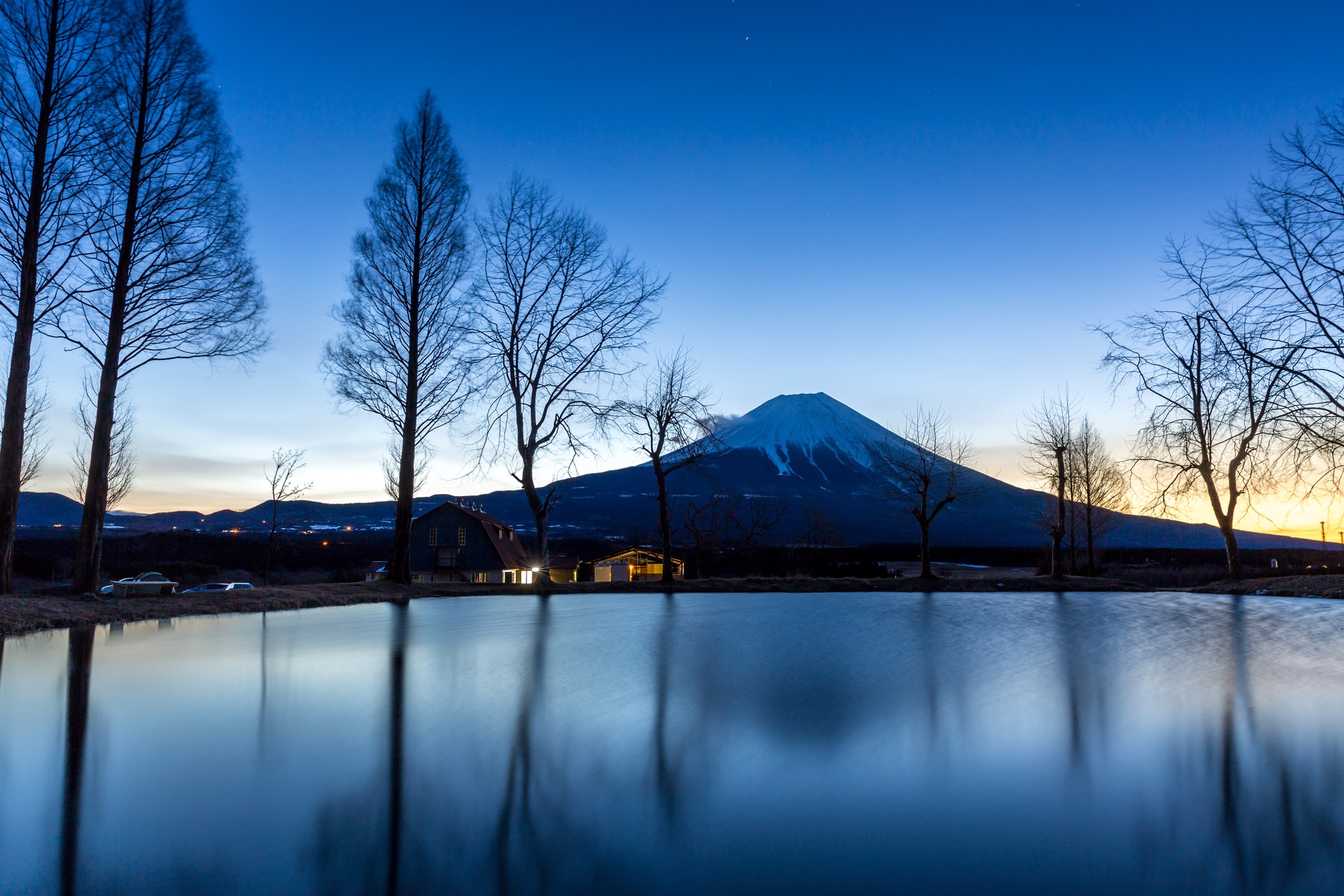
With that background in place, the tables start where many Japanese parents start: with the night sky. The moon has a special place in Japanese naming. It appears in poems, in old month names and in autumn festivals, and it gives a name a calm, reflective tone. The first table gathers names with 月, moon, together with one name built on the first day of the lunar month. Read each pair of meanings slowly, and the picture will form on its own.
Japanese Names That Mean Moon
月, read tsuki or tsu, is the moon, and it also means month. So a moon name can point to the night sky or to a time of year. Mitsuki, 満月, is the full moon, while Tsukiyo, 月夜, is a moonlit night. Similarly, Tsukimi, 月見, joins moon and see. It is the name of the autumn custom of moon viewing.
| Name | Kanji | Kana | The kanji mean |
|---|---|---|---|
| Tsukiko | 月子 | つきこ | moon · child |
| Mitsuki | 満月 | みつき | full · moon |
| Tsukiyo | 月夜 | つきよ | moon · night |
| Tsukimi | 月見 | つきみ | moon · see |
| Kōgetsu | 皓月 | こうげつ | white · moon |
| Sōgetsu | 蒼月 | そうげつ | blue · moon |
| Hazuki | 葉月 | はずき | leaf · moon |
| Satsuki | 咲月 | さつき | blossom · moon |
| Yuuzuki | 悠月 | ゆうづき | distant · moon |
Notice how the first character changes the mood. Kōgetsu, 皓月, joins white and moon, a clear and bright image. In contrast, Sōgetsu, 蒼月, joins blue and moon, which feels cooler and more distant. Satsuki, 咲月, puts blossom beside the moon, so it belongs to spring. These are among the most graceful Japanese names that mean moon, because each adds one exact detail.
A Sweet for the Harvest Moon
Moon viewing has its own food. On the night of the autumn full moon, families stack small white rice dumplings by a window, often beside pampas grass. The stack is an offering to the moon and a simple dessert afterward.
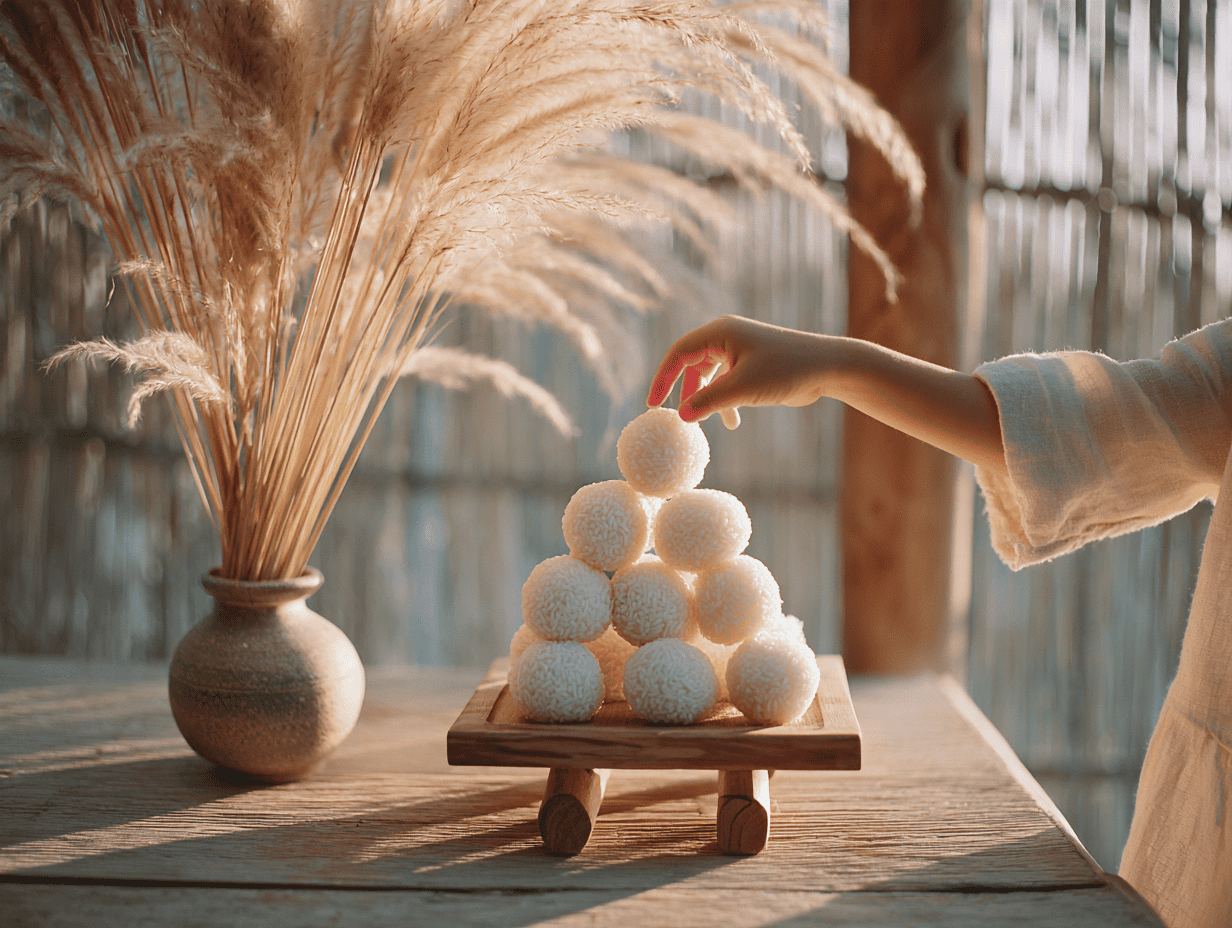
Tsukimi dango for moon viewing
Adapted from Just One Cookbook’s tsukimi dango recipe, this makes a stack of fifteen. First, bring a large pot of water to a boil. Stir two-thirds of a cup of water into one and a third cups of dangoko, a little at a time, until it clumps. Then knead until smooth and soft. Divide it into balls of about twenty grams and roll each one smooth. Knead mashed kabocha into two for yellow moons, if you like. Next, drop the dango into the boiling water, and once they float, cook them one or two minutes more. Cool them in ice water, drain them on a damp tray, and stack nine, then four, then two.
The dumplings take little more than rice flour and water, so children can help shape them. If the stack hardens after the evening, toast the dango and brush them with a sweet soy glaze.
The moon also appears on Japanese textiles, where it is often paired with cranes or autumn grasses. A furoshiki, the square cloth used to wrap gifts, is an easy way to carry that image into daily life.
Moon and Crane Furoshiki — a cotton wrapping cloth made in Japan
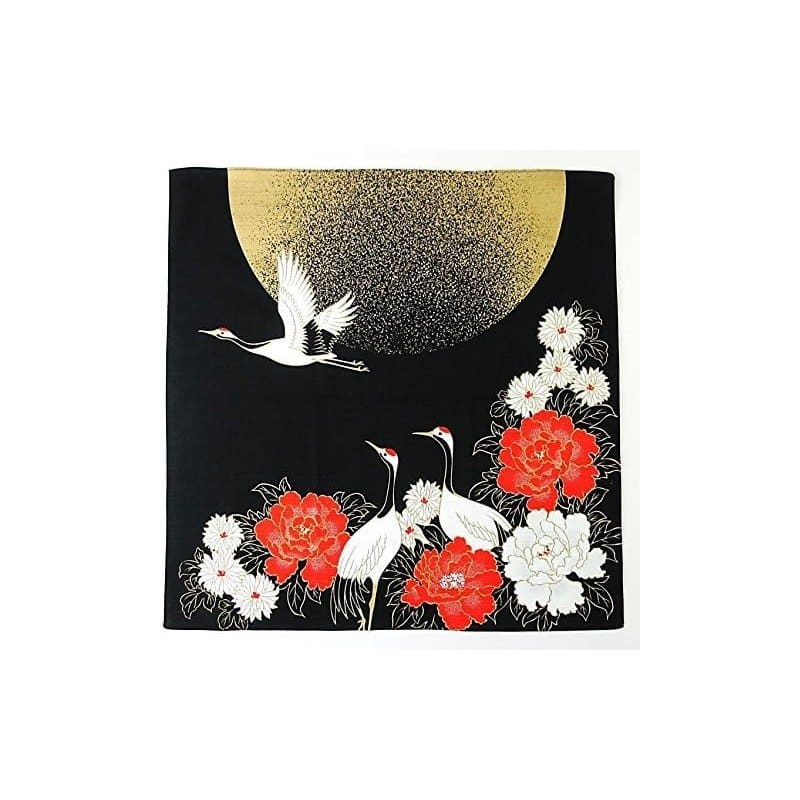
This moon and crane furoshiki is printed on cotton and made in Japan. It measures about 19.7 inches square, the size used to wrap a box, a bottle or a book. A gold full moon fills one corner, while cranes and peonies fill the dark ground below. In Japan, the crane stands for long life, so the cloth suits a birth or birthday gift. Use it to wrap a present for a child with a moon name, such as Tsukiko or Mitsuki. Afterward, it can hang on a wall as a small textile picture. Because it is washable cotton, it also works as a tray cloth or a lunch wrap.
Japanese Names That Mean Sky, Sun and Stars
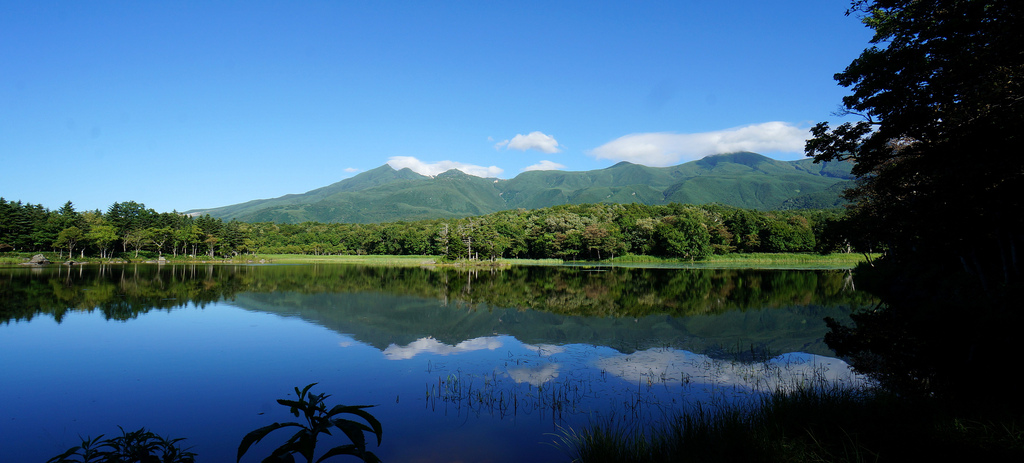
Sky names feel open and hopeful. 空 is sky and also empty, a reminder of how wide the sky looks. Aozora, 蒼空, is blue sky, and Oozora, 大空, is the great sky. Toa, 翔空, joins soar and sky, so the name seems to lift as you read it. For a single character, Sora, 昊, means sky on its own. Sky names also pair easily with almost any family name, because the sounds are short and open. That flexibility is one reason they have grown so popular with parents in recent years.
| Name | Kanji | Kana | The kanji mean |
|---|---|---|---|
| Aozora | 蒼空 | あおぞら | blue · sky |
| Oozora | 大空 | おおぞら | large · sky |
| Sora | 昊 | そら | sky |
| Tenne | 天音 | てんね | heavens · sound |
| Toa | 翔空 | とあ | soar · sky |
| Hoshiko | 星子 | ほしこ | star · child |
| Ryūsei | 流星 | りゅうせい | flow · star |
| Kōsei | 光星 | こうせい | light · star |
| Hokuto | 北斗 | ほくと | north · Big Dipper |
Star names are fewer but striking. 星 is star, so Hoshiko is star child. Ryūsei, 流星, joins flow and star, which pictures a shooting star. Meanwhile, Hokuto, 北斗, joins north and Big Dipper. It is a name that points to the constellation itself. These Japanese names that mean star tend to feel bright and a little rare, which is part of their appeal.
The sun appears in names through 陽, sunshine, 旭, the rising sun, and 晴, clear weather. Asahi, 朝陽, joins morning and sunshine. Similarly, Akira, 旭, is the rising sun in one character. Niji, 虹, the rainbow, belongs here too, since it hangs in the same sky. Together, these names describe light at different hours of the day.
| Name | Kanji | Kana | The kanji mean |
|---|---|---|---|
| Asahi | 朝陽 | あさひ | morning · sunshine |
| Akira | 旭 | あきら | rising sun |
| Akira | 陽 | あきら | sunshine |
| Haruhi | 春日 | はるひ | springtime · sun |
| Hare | 晴 | はれ | clear up |
| Niji | 虹 | にじ | rainbow |
Light names often suit a child born in the morning or in early spring. Haruhi, 春日, joins spring and sun, while Hare, 晴, means to clear up after rain. The tone is warm and steady rather than dramatic. Because they are easy to say, these names also travel well outside Japan. Curious to see these skies in person? Our custom Japan itineraries can time a trip for clear autumn skies, winter stars or the first light of spring.
Ten Proverbs to Carry With You
A printable folio of ten Japanese proverbs, each with a short note on where it shows up in daily life. Several turn on the same images as the names here: the moon, the sea and the seasons. Leave your email and the printable arrives in your inbox, followed by an occasional letter on Japan.
One email with your printable. Occasional letters after that. Unsubscribe anytime.
Where Names and Proverbs Meet
Proverbs and names draw on the same images, which is why the two sit so well together. A saying about the moon or the wind uses the same characters that parents choose for a child. Once you know those characters, both the proverb and the name open up at once. So the more nature kanji you learn, the more you will notice them in signs, poems and the names of the people you meet. The next table turns from the sky to the water below it.
Japanese Names That Mean Sea, Rivers and Calm
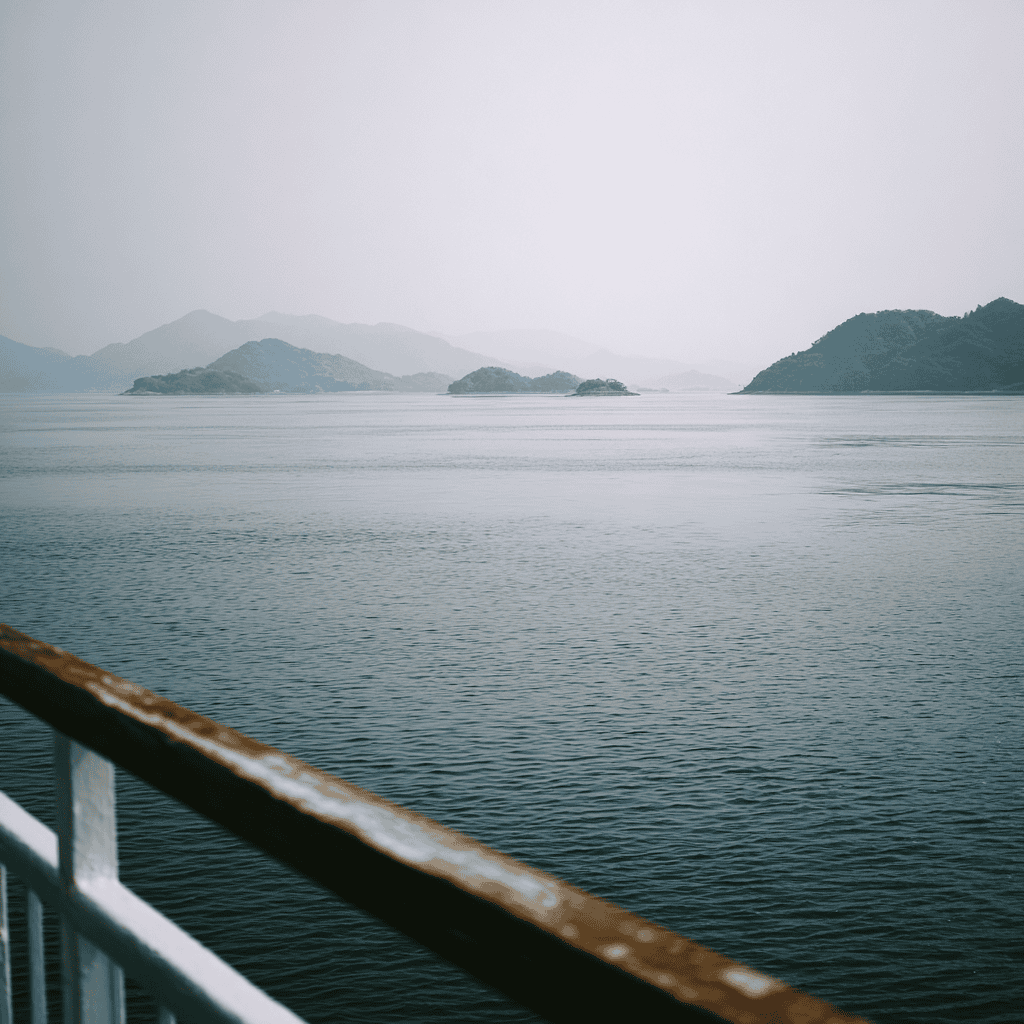
Japan is an island country, so the sea is never far from a name. 海 is sea, and it opens names such as Kaito, sea and soar, and Amane, sea and sound. 波 is waves, as in Nami. Likewise, 潮 is the tide, as in Shio. Minato, 湊, means harbor, and it was the most popular boy’s name of 2025 in Meiji Yasuda’s annual ranking, reported by Nippon.com.
| Name | Kanji | Kana | The kanji mean |
|---|---|---|---|
| Minato | 湊 | みなと | harbor |
| Takumi | 拓海 | たくみ | open · sea |
| Kaito | 海翔 | かいと | sea · soar |
| Amane | 海音 | あまね | sea · sound |
| Nami | 波 | なみ | waves |
| Shio | 潮 | しお | tide |
| Aomi | 碧海 | あおみ | blue · sea |
| Minami | 美波 | みなみ | beautiful · waves |
| Yūnagi | 夕凪 | ゆうなぎ | evening · calm |
| Nagisa | 凪沙 | なぎさ | calm · sand |
Some of the loveliest sea names describe stillness. 凪 means a lull, the calm when the wind drops. So Yūnagi, 夕凪, is the evening calm at sea, and Nagisa, 凪沙, joins calm and sand. In contrast, Takumi, 拓海, joins open and sea, which feels active and forward-looking. These Japanese names that mean ocean cover every mood of the water, from storm to glassy calm. So if you love the sea, decide first whether you picture it moving or still.
You may also like

Water also shapes Japanese pattern design. One of the oldest motifs, seigaiha, draws the sea as rows of overlapping waves. It appears on kimono, ceramics and cloth, and it carries a wish for calm and lasting good fortune. The pattern is so familiar in Japan that many people recognize it at a glance, even on a small object. A tenugui in that pattern is a simple, useful way to keep the sea close.
Seigaiha Tenugui — a cotton towel in the blue wave pattern
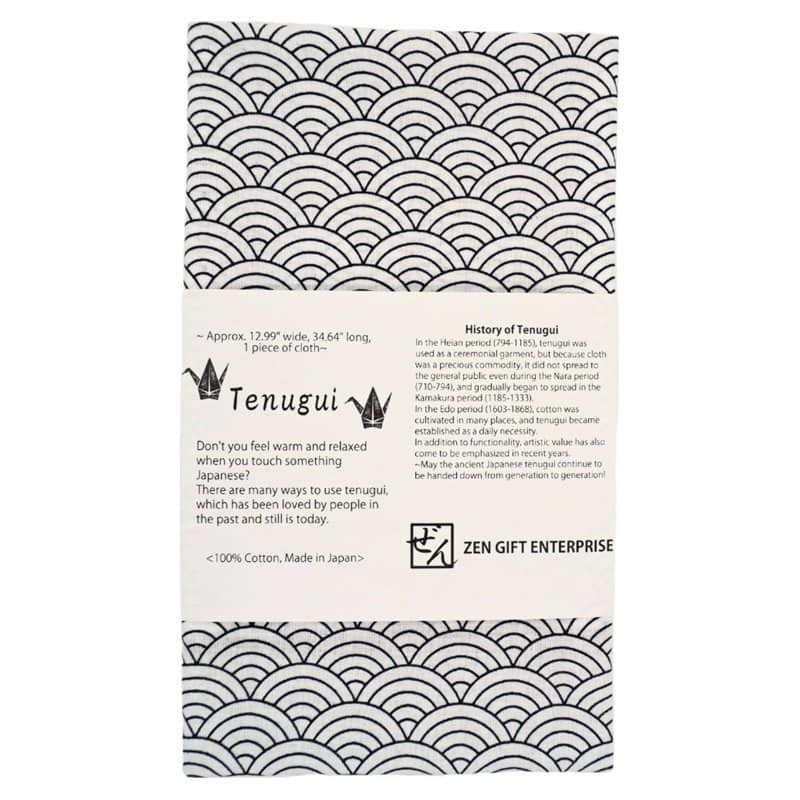
This seigaiha tenugui is a thin cotton towel made in Japan, about 35 by 13 inches. Its navy and white waves are the classic seigaiha pattern, used on kimono for centuries. In Japan, a tenugui serves as a hand towel, a headband, a gift wrap or a small wall hanging. The edges are finished to resist fraying, so it lasts through many washes. Give one with a card that explains a sea name, such as Nami or Kaito. Or simply hang it in a kitchen, where the waves bring a little of the coast indoors. Over time, the cotton grows softer with use.
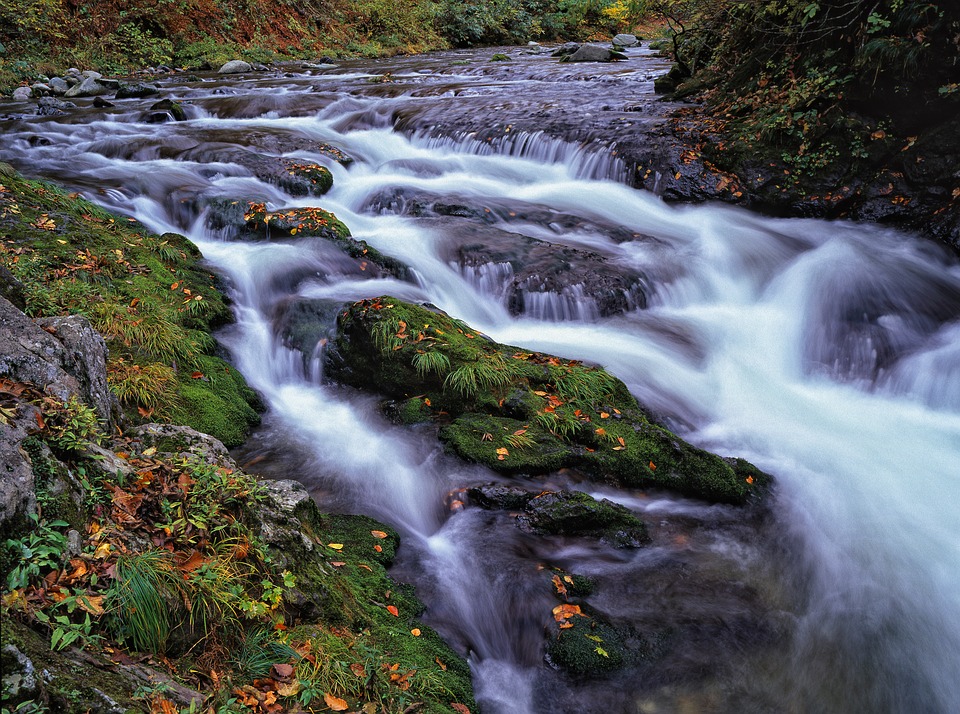
Rivers and springs appear in names more quietly than the sea. Many surnames use river and well, as our guide to Japanese last names and their landscape explains. Given names, however, lean toward the sea and the calm. That split is worth knowing if you pair a given name with a family name. A river surname and a sea given name can sit together like two parts of the same coast. Together they describe the full journey of water, from the mountain spring to the open sea.
Recommended
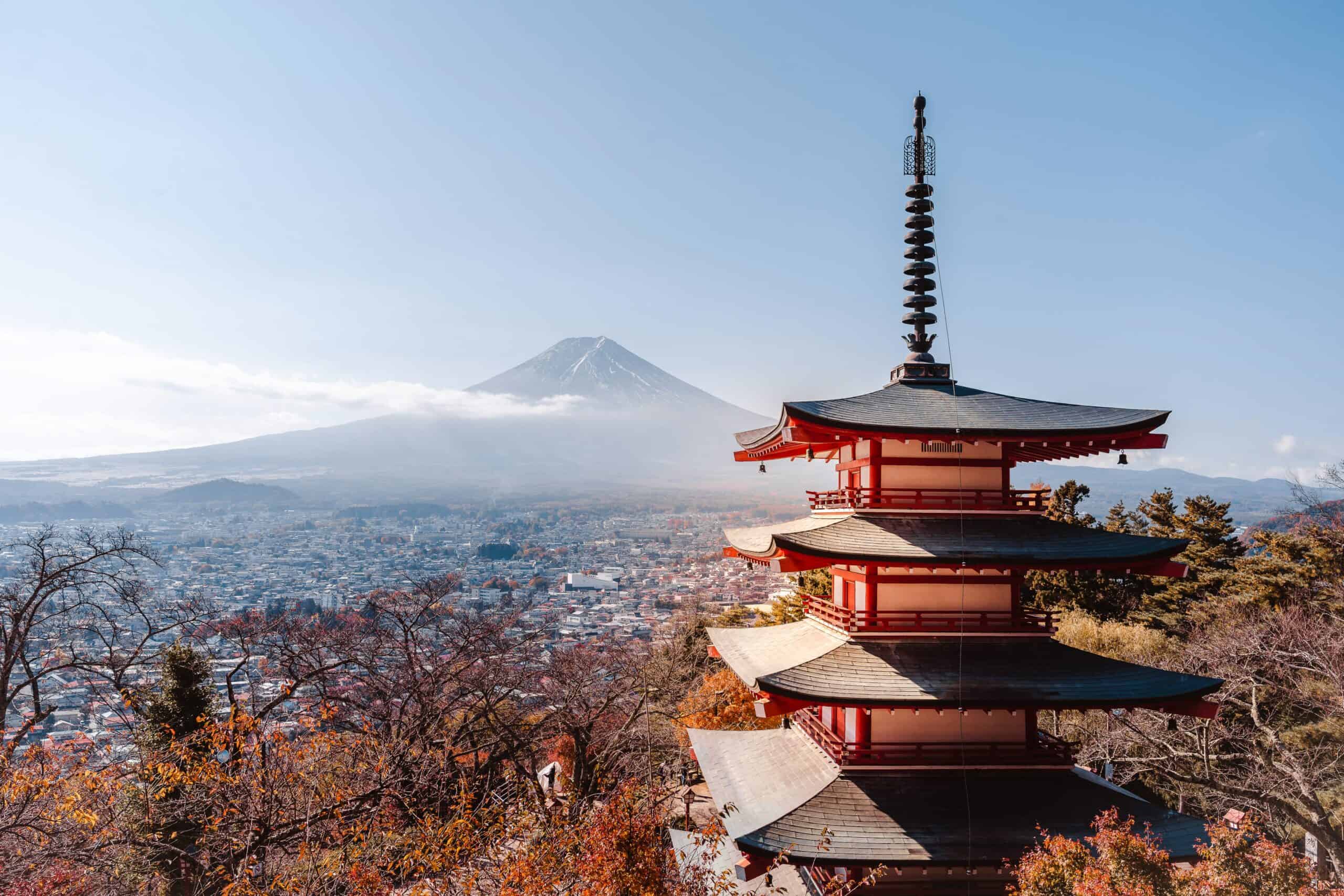
From the coast, the land rises quickly. Mountains cover most of Japan, and forests cover most of the mountains. So it is no surprise that peaks, rocks, pines and bamboo appear in names too. These names tend to sound steady and strong, while the leaf names that follow them sound young and fresh. The next table puts both together, because the forest and the mountain belong to the same view.
Names From Mountains, Trees and Forests
Mountain names are short and solid. Gaku, 岳, is a peak. Takane, 高嶺, joins high and peak, a lofty and serene image. Meanwhile, Iwao, 巌, is rock, and it suggests a person who does not move in a storm.
| Name | Kanji | Kana | The kanji mean |
|---|---|---|---|
| Gaku | 岳 | がく | peak |
| Takane | 高嶺 | たかね | high · peak |
| Iwao | 巌 | いわお | rock |
| Matsu | 松 | まつ | pine tree |
| Take | 竹 | たけ | bamboo |
| Yanagi | 柳 | やなぎ | willow |
| Wakaba | 若葉 | わかば | young · leaf |
| Futaba | 双葉 | ふたば | pair · leaf |
| Natsuki | 夏樹 | なつき | summer · trees |
| Fuyuki | 冬樹 | ふゆき | winter · trees |
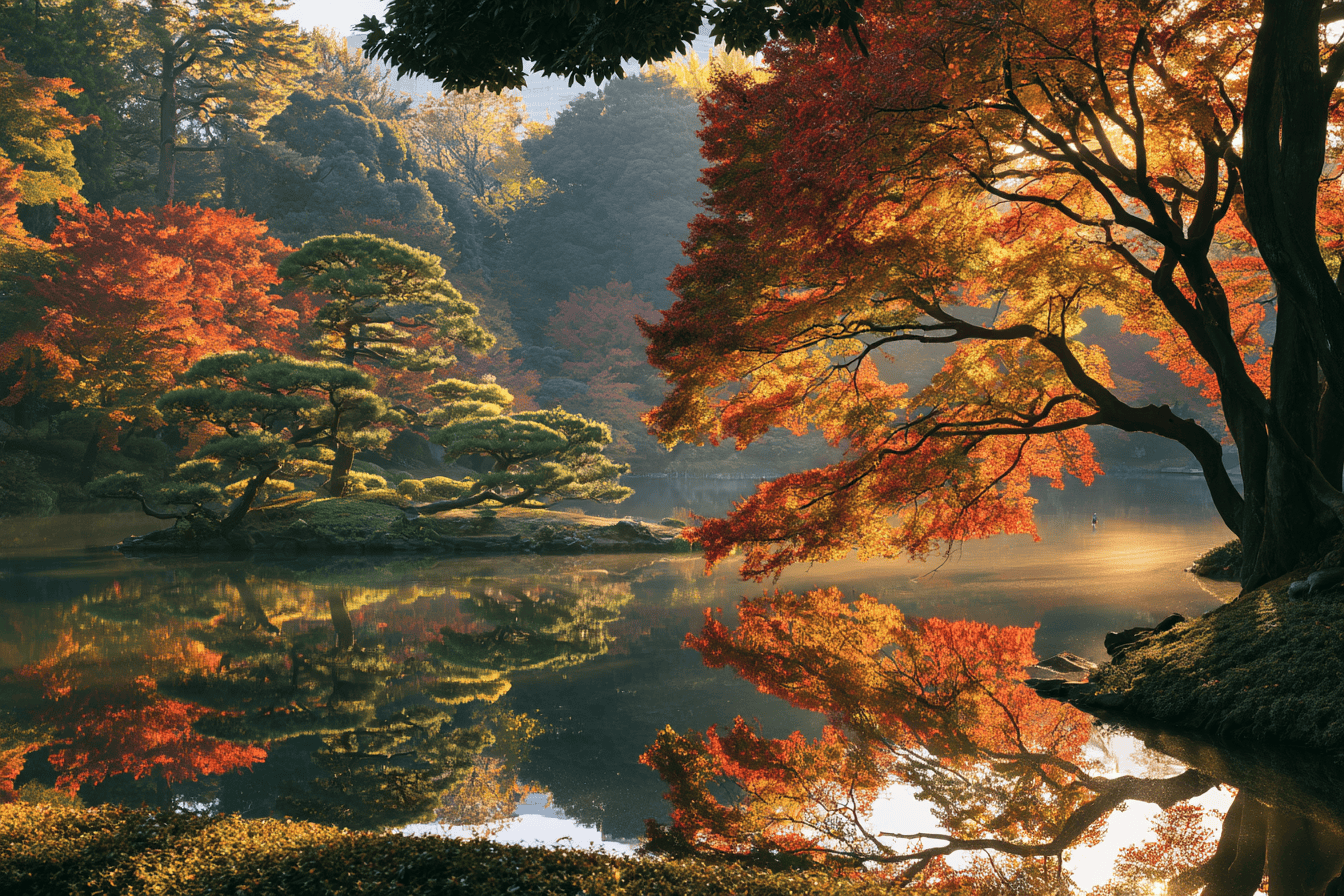
Tree names add life to that strength. Matsu, 松, is the pine, a symbol of long life because it stays green all winter. Take, 竹, is bamboo, which bends without breaking. Similarly, Wakaba, 若葉, is young leaf, and Futaba, 双葉, is a pair of leaves, the first sprout of a seedling. As a result, these names suit a child at the start of everything.
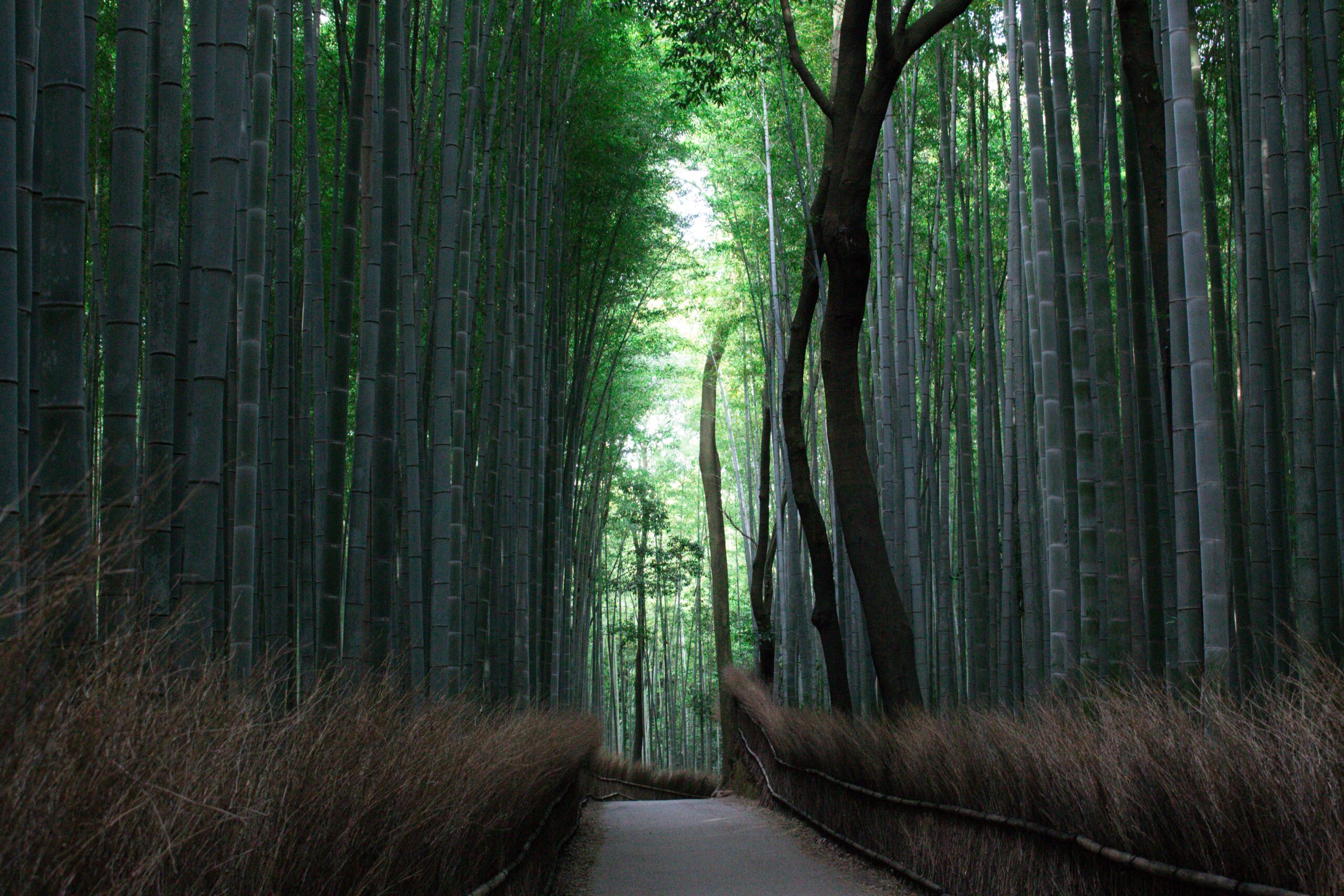
Forest names also link to the seasons. Natsuki, 夏樹, joins summer and trees, so it pictures deep green shade in July. In contrast, Fuyuki, 冬樹, joins winter and trees, with bare branches against a pale sky. The same tree can feel very different, depending on the season you place beside it. That is the small skill of a good nature name. It chooses one detail, such as the season, and lets that detail change the whole picture. So when you read a tree name, look first at its partner character, because that is where the mood is set.
You may also like
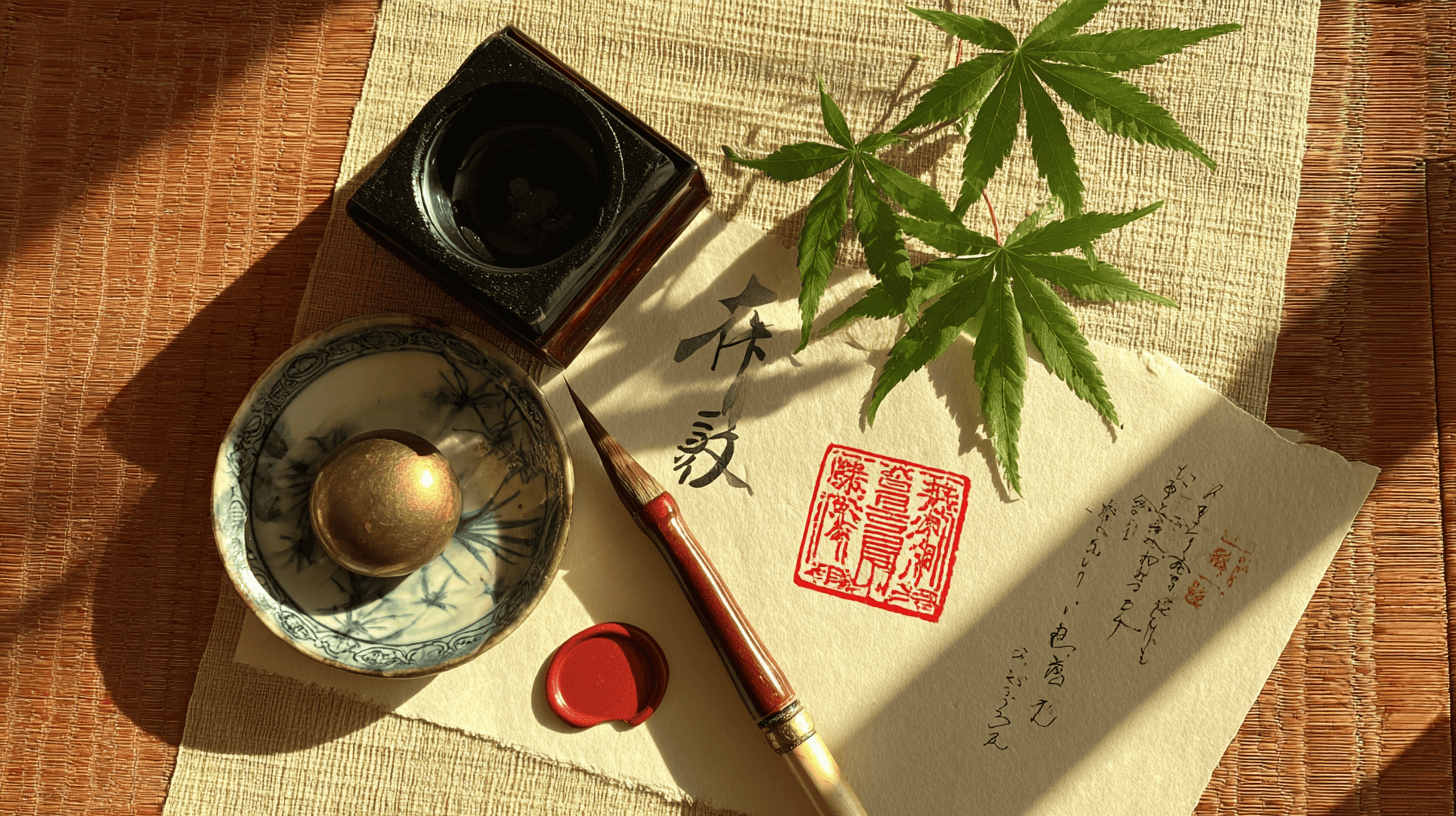
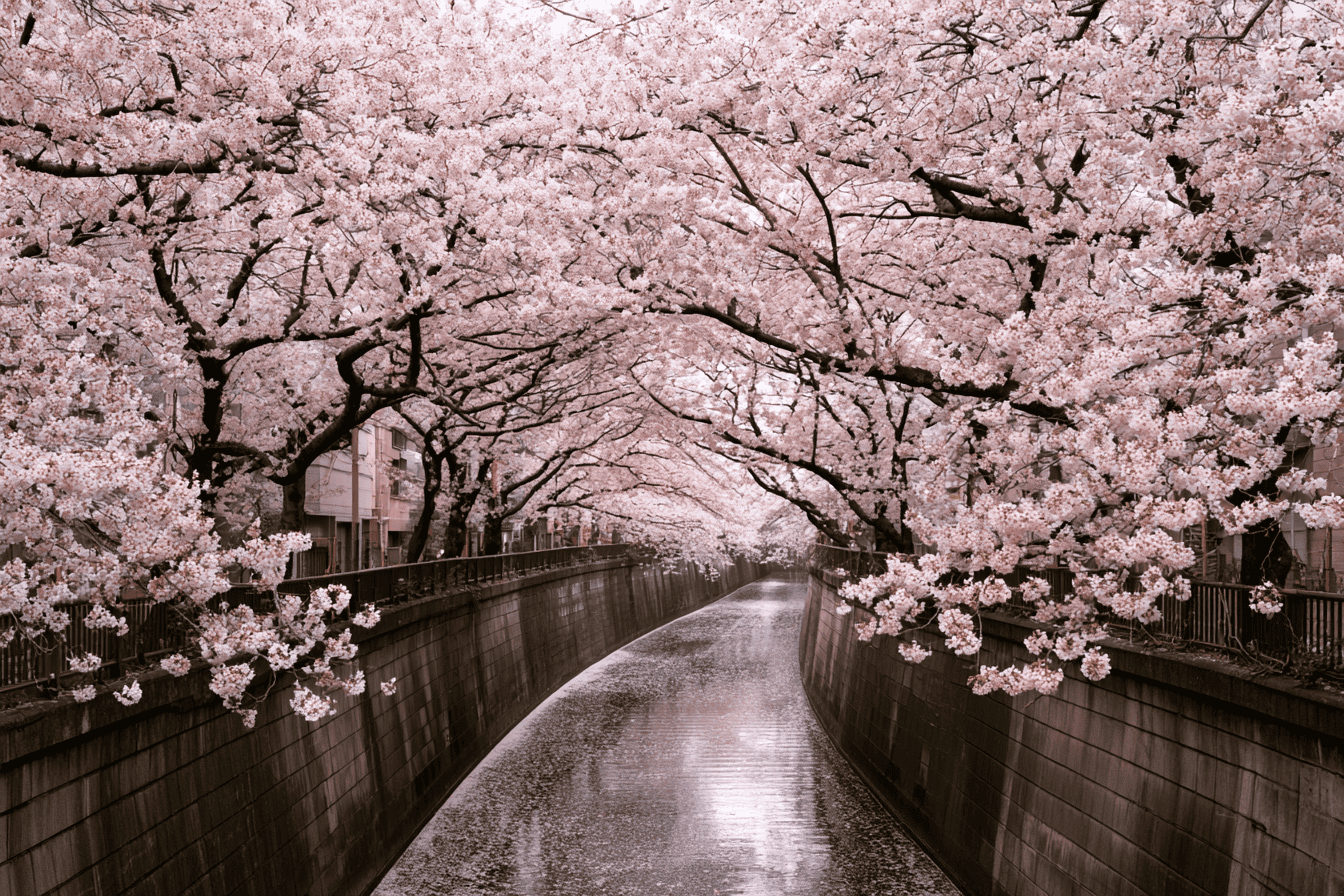
After the forest, the flowers. In Japan, flower names are some of the most popular names for girls, and many are written with 花, flower, or with the kanji for one particular bloom. The cherry is the best known, yet the plum, the wisteria and the chrysanthemum each have their own season and their own mood. The next table covers all of them. Look at the second character in each name, because it often decides whether the flower feels classic or modern.
Japanese Names That Mean Flower
花, read hana or ka, is flower. Ichika, 一花, joins one and flower, a single bloom. Kaon, 花音, joins flower and sound, an image that feels almost musical. Meanwhile, 桜, cherry, opens names such as Mio, 美桜, beautiful cherry. Each of these Japanese names that mean flower places a bloom at its center.
| Name | Kanji | Kana | The kanji mean |
|---|---|---|---|
| Mio | 美桜 | みお | beautiful · cherry |
| Sakura | 咲良 | さくら | blossom · good |
| Ichika | 一花 | いちか | one · flower |
| Kaon | 花音 | かおん | flower · sound |
| Fuji | 藤 | ふじ | wisteria |
| Koume | 小梅 | こうめ | little · plum |
| Shiragiku | 白菊 | しらぎく | white · chrysanthemum |
| Momoka | 桃花 | ももか | peach · flower |
| Momo | 桃 | もも | peach |
| Hasu | 蓮 | はす | lotus |
Other flowers mark other months. Koume, 小梅, little plum, belongs to late winter, when the plum blooms before the cherry. Fuji, 藤, is wisteria, which hangs in long purple sprays in May. Likewise, Shiragiku, 白菊, white chrysanthemum, is an autumn flower. So a flower name can quietly tell you when a child was born.
Flowers also fill Japanese family crests, called kamon. Plum, wisteria, cherry and chrysanthemum all appear in hundreds of crest designs. For anyone who loves these names, a book of crests shows how each flower is drawn in a single bold emblem.
Japanese Design Motifs — 4,260 family crests drawn from nature
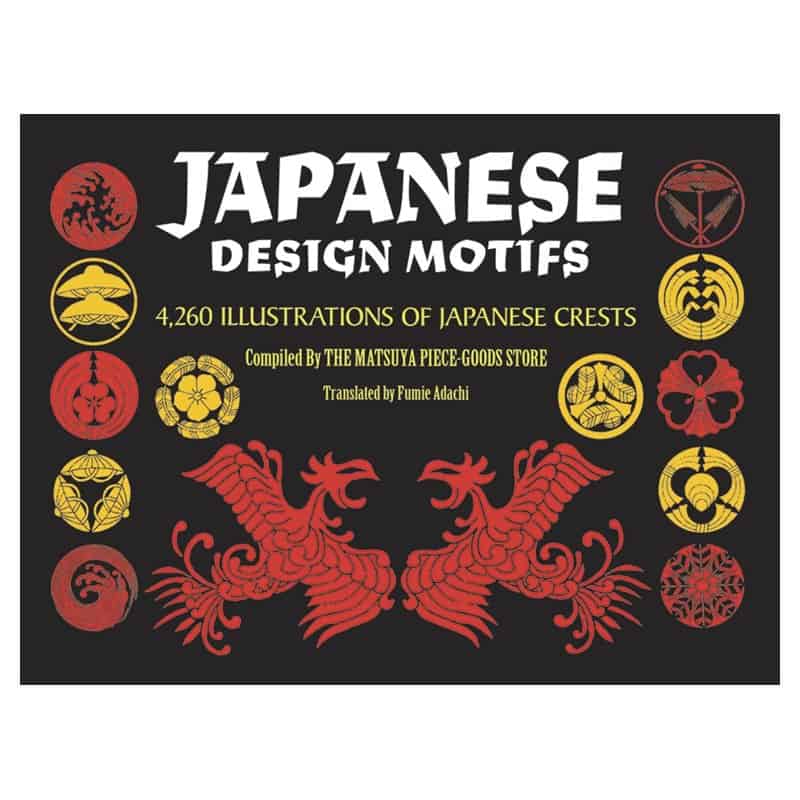
Japanese Design Motifs reproduces 4,260 kamon, the family crests of Japan, from an old crest book. Many are drawn from nature: plum blossoms, wisteria, waves, pine, bamboo and the moon. Each crest is a clean black-and-white design, so the book is easy to browse and to trace from. Use it to find the crest version of a flower in your favorite name. For example, look up wisteria beside the name Fuji, or plum beside Koume. Designers and artists also use it as a pattern source. As a result, it is a lasting reference for anyone drawn to Japanese nature names.
Names for the Four Seasons
Some names skip the flower and name the season itself. Haru, 春, is spring, and Natsu, 夏, is summer. Aki, 秋, is autumn, and Fuyu, 冬, is winter. Then longer names add a second picture. Kaho, 夏帆, joins summer and sail, while Chiaki, 千秋, joins thousand and autumn, a wish for many years. Season names are short and easy to say, so they suit almost any family name. They also tell a story about the year a child arrived, which many families enjoy explaining to friends.
| Name | Kanji | Kana | The kanji mean |
|---|---|---|---|
| Haru | 春 | はる | springtime |
| Koharu | 心春 | こはる | heart · springtime |
| Natsu | 夏 | なつ | summer |
| Kaho | 夏帆 | かほ | summer · sail |
| Aki | 秋 | あき | autumn |
| Chiaki | 千秋 | ちあき | thousand · autumn |
| Momiji | 椛 | もみじ | autumn foliage |
| Fuuka | 楓夏 | ふうか | maple · summer |
| Fuyu | 冬 | ふゆ | winter |
| Fuyume | 冬芽 | ふゆめ | winter · bud |
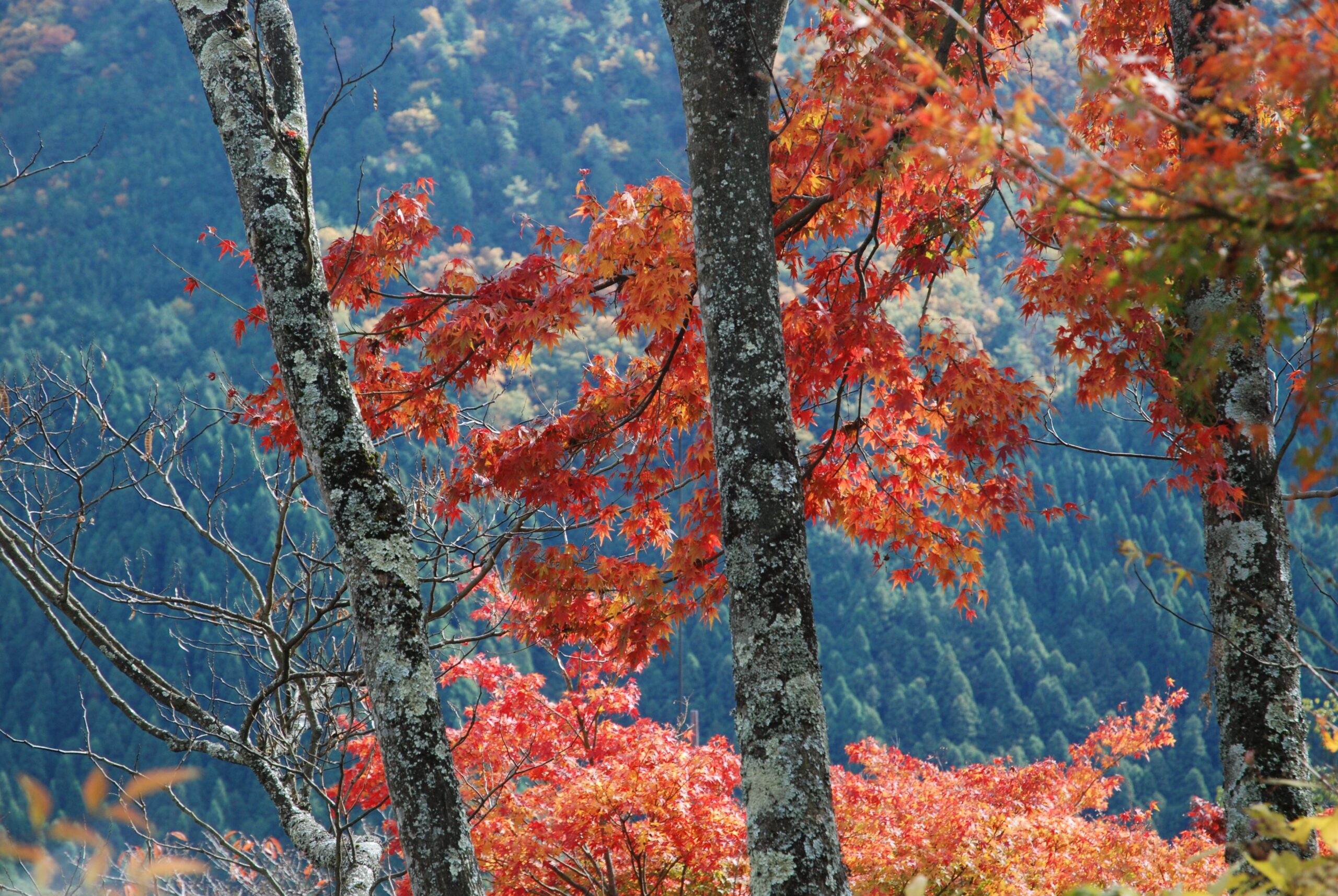
Autumn has a name of its own for its color. Momiji, 椛, means autumn foliage, the red leaves of the maple. Fuuka, 楓夏, joins maple and summer, so it holds two seasons at once. Spring, meanwhile, appears in Koharu, 心春, heart and spring, a warm and gentle name. Because seasons repeat, these names carry a sense of return, which many parents find comforting.
Haiku and Seasonal Words
The seasons are also the heart of haiku. Every classic haiku carries a season word, so poems and names share one vocabulary. A good illustrated collection shows how the great poets used those words.
The Illustrated Book of Japanese Haiku — a journey through the seasons
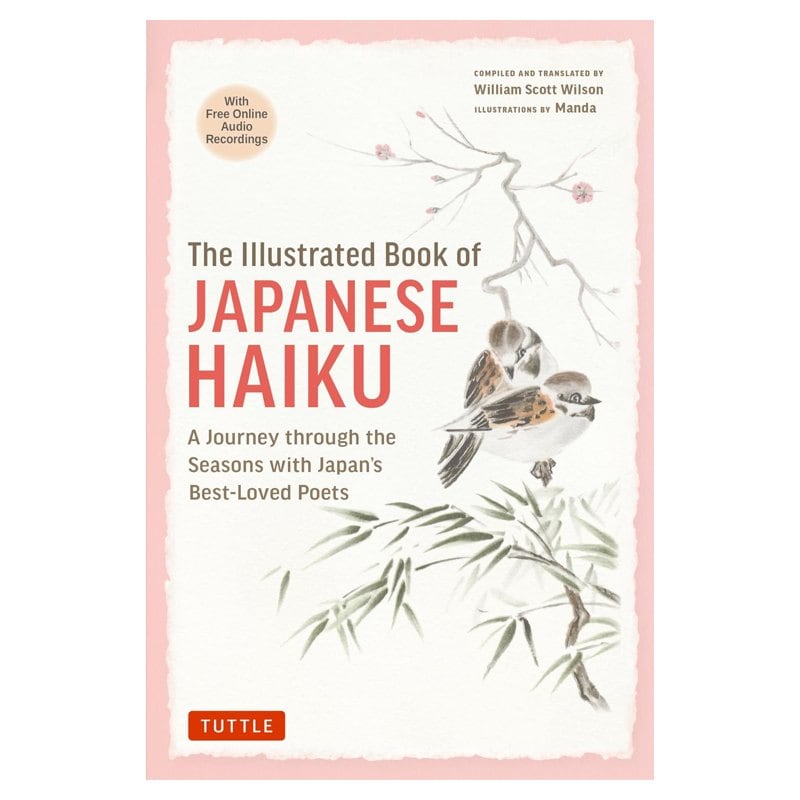
The Illustrated Book of Japanese Haiku, published by Tuttle in 2024, gathers more than 385 haiku by over 100 poets. William Scott Wilson selected and translated them, with short notes on each. The poems are arranged by season, so spring, summer, autumn and winter each have their own chapter. That makes it a natural companion to this guide. For example, read the autumn poems beside Chiaki or Momiji, and the winter ones beside Yuki or Fuyu. Basho, Buson, Issa and Shiki all appear, alongside many less familiar poets. The soft brush illustrations make it a pleasure to keep on a bedside table.
Reading haiku also trains your eye for names. Once you notice how a poet uses snow, mist or a single plum branch, you will start to see those images in the names around you. The last table gathers exactly those weather words. They are some of the most poetic Japanese nature names of all, because they describe a passing moment rather than a fixed thing.
Wind, Snow, Rain and Mist
Weather names feel fleeting and beautiful. Yuki, 雪, is snow, and Koyuki, 小雪, is a light snow. Fubuki, 吹雪, joins blow and snow, a snowstorm. By contrast, Kazane, 風音, joins wind and sound, so the name suggests the sound of wind in trees. Kasumi, 霞, is haze, the soft blur over spring hills.

| Name | Kanji | Kana | The kanji mean |
|---|---|---|---|
| Yuki | 雪 | ゆき | snow |
| Koyuki | 小雪 | こゆき | little · snow |
| Fubuki | 吹雪 | ふぶき | blow · snow |
| Shirayuki | 白雪 | しらゆき | white · snow |
| Yukiko | 雪子 | ゆきこ | snow · child |
| Shigure | 時雨 | しぐれ | time · rain |
| Kazane | 風音 | かざね | wind · sound |
| Chikaze | 千風 | ちかぜ | thousand · wind |
| Kasumi | 霞 | かすみ | be hazy |
| Yūgiri | 夕霧 | ゆうぎり | evening · fog |
| Arashi | 嵐 | あらし | storm |
Rain has a place too. Shigure, 時雨, joins time and rain, the passing showers of late autumn. Yūgiri, 夕霧, joins evening and fog, which feels soft and mysterious. Arashi, 嵐, is storm, a bolder choice that some parents love for its energy. Each of these names catches the air at one exact moment.
Wind has its own small music in Japan. In summer, many homes hang a furin, a wind bell, by the window. When the breeze moves its paper strip, the bell rings, and the sound is said to make a hot day feel cooler.
Nambu Iron Furin — a cast-iron wind bell made in Japan
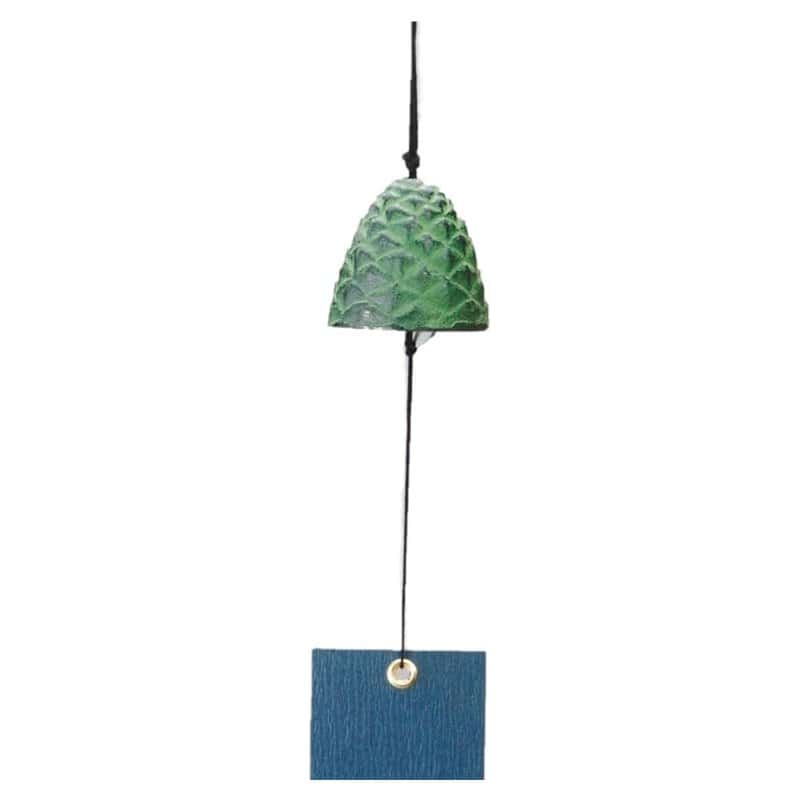
This Nambu iron furin is a small cast-iron wind bell made in Japan. Nambu ironware has been made in northern Japan for centuries, and its bells ring with a clear, lasting note. This one is shaped like a pine cone and hangs above a blue paper strip, called a tanzaku. When the wind catches the strip, the clapper strikes the bell. Hang it by an open window or in a garden for a soft chime on breezy days. It pairs naturally with a wind name such as Kazane or Chikaze. You could even write the name on the paper strip.
How to Choose a Japanese Nature Name
Start with the picture, not the sound. Decide which image you want, such as moon, sea, snow or plum. Then look for real names that carry it, rather than joining two kanji you like. Real names come with real readings, so Japanese speakers will recognize them at once. When you are ready to compare dozens of real names side by side, you can search names by theme and kanji meaning in our tool. Each result shows the kana and the meaning of every character.
Next, check every character, not just the one you love. Fuyume joins winter and bud, and both parts matter. After that, say the name aloud with the family name, and write it by hand a few times. If you are choosing a name for yourself, our guide to finding your own Japanese name compares the honest ways to do it. Finally, think about the season. A name like Haru or Koyuki will always point to a time of year, which can be a lovely gift.
Names also connect people across time. A nature name chosen with care links a child to the parents who chose it and to the season in which it was given. In that sense, each name here is a fine thread between people and the world around them. The journal below takes that idea of connection as its theme, with one short prompt a day.
A 90-day practice in en, Connection, the ties that link people, families and generations. One short prompt a day helps you notice the bonds that shape your life, including the ones a name carries. Choose the digital edition for a tablet or the paperback for ink and paper. It is one of eight journals in the Cultural Reflection Collection, each built on a Japanese idea.
View The CollectionLiving With Japanese Nature Names
Learn a dozen of these characters, and Japan starts to read differently. A station sign holds a river, and a colleague’s name holds the moon. So when you meet someone in Japan, ask how their name is written. It is a gracious question, and the answer is often a small landscape.
To practice the characters themselves, our calligraphy practice tool shows each stroke in order. Alternatively, the daily kanji flashcards add one character a day, so moon, sea and flower soon become words you read on sight.
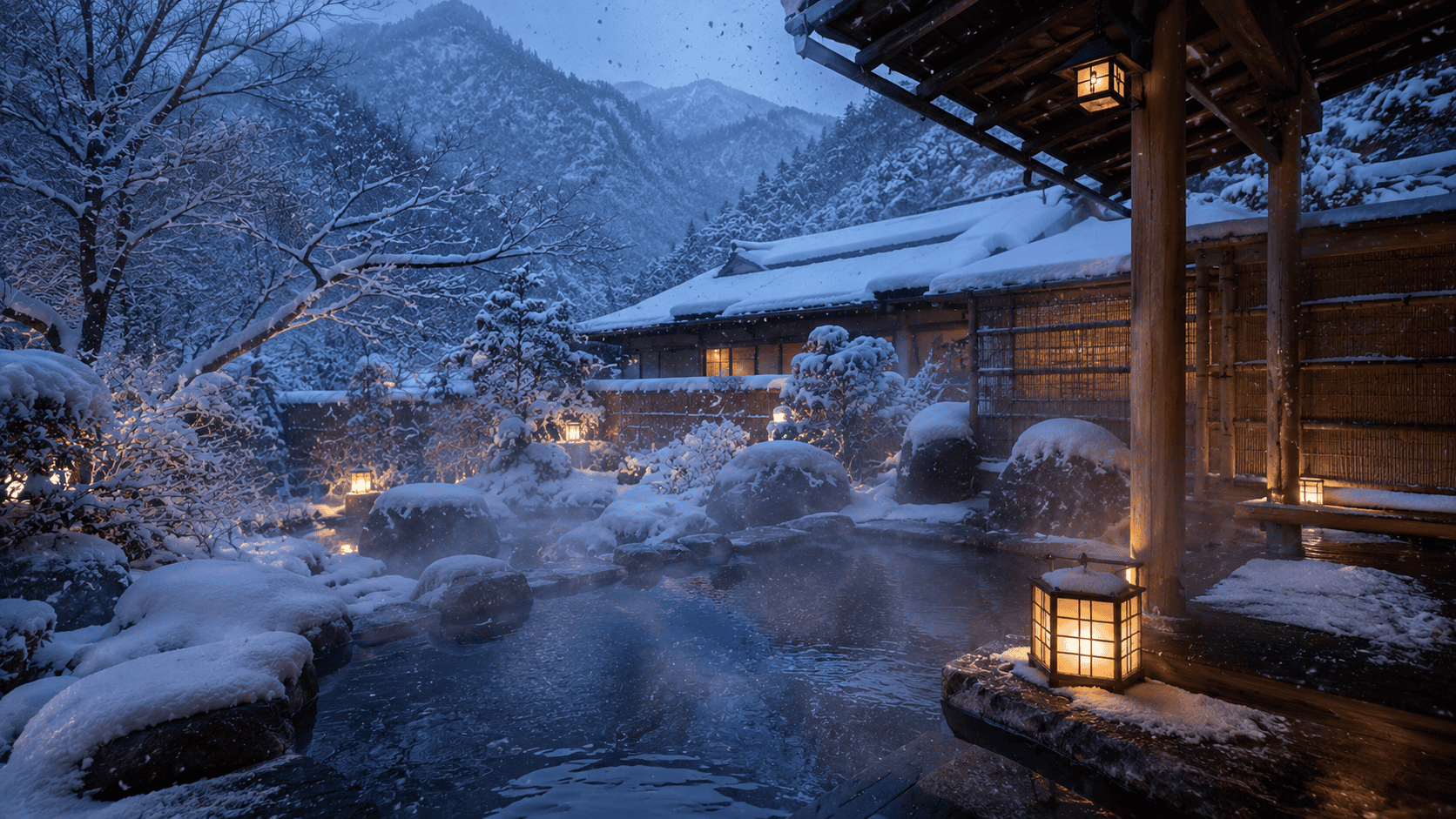
One last thought before the questions. These names were taken from real places and real seasons, and the best way to feel them is to travel through them. Picture plum blossom in February, a moonlit garden in September and a snowy inn in January. Would you like a journey planned around those moments? Our travel designers can build a route that follows the blossoms, the maples and the snow, with inns and guides chosen for their setting, and every day paced for walking and noticing.
A custom itinerary for the traveler who wants to see the Japan that its names describe. It follows cherry paths in spring, maple valleys in autumn and snowy inns in winter, with stays chosen for their setting. Each day is paced for walking, eating well and noticing the season.
Plan Your Custom Japan ItineraryQuestions Worth Asking
What is a Japanese name that means moon?
Names with 月, moon, include Tsukiko (moon child), Mitsuki written 満月 (full moon) and Tsukiyo (moonlit night). Satsuki written 咲月 joins blossom and moon. The first character changes the mood, so read both kanji before you choose.
What Japanese name means sky?
Sora is the best known, written 空 or 昊. Aozora, 蒼空, means blue sky, and Oozora, 大空, means the great sky. Toa, 翔空, joins soar and sky. All of them feel open and hopeful.
What are Japanese names that mean flower?
Names with 花, flower, include Ichika (one flower) and Kaon (flower and sound). Others name a bloom: Fuji is wisteria, Koume is little plum, and Mio written 美桜 is beautiful cherry. Each flower also points to a season.
Are Japanese nature names only for girls?
No. Many flower names are given mostly to girls, but sea, sky, mountain and tree names are common for boys. Kaito (sea and soar), Gaku (peak) and Hokuto (north and Big Dipper) are examples. Some, such as Hare (clear weather), are given to both.
What Japanese name means snow?
Yuki, 雪, is snow, and Koyuki, 小雪, is a light snow. Shirayuki, 白雪, joins white and snow, and Fubuki, 吹雪, is a snowstorm. Older names add 子, child, as in Yukiko.
Can I give a pet or character a Japanese nature name?
Yes, and nature names suit both well. Choose a real name, such as Nami (waves) or Momiji (autumn foliage), and keep its usual kanji. Our guide to anime character names explains how meaning and sound work for fictional characters.
The Editors, Magnificent Japan