Studio Ghibli Experiences in Japan: A Considered Pilgrimage
The most common mistake the first-time Ghibli pilgrim makes is to plan the trip as a checklist of locations. Museum in the morning, park three days later, a vintage-shop run in between, a merchandise sweep on the final afternoon. Done that way, the trip will be technically successful and emotionally hollow. Locations photographed, tickets clipped, and none of the quiet that the films are about ever quite makes it onto the itinerary.
The better approach treats the explicit Ghibli sites as anchors around which the rest of the trip is built. A morning at the museum followed by an unhurried afternoon at the Edo-Tokyo Open Air Architectural Museum that inspired much of the bath-house aesthetic. A day at the park followed by two nights at a forested ryokan that lets the source material settle. Films like these are not really about the buildings. Instead, they are about the quality of attention one brings to the buildings, to the trees, to the small moments between scenes. A trip should reflect that. Crucially, the full Anime Hub covers the wider conversation; this is the itinerary that grows from it.
Inside this piece
The Ghibli Museum, Mitaka
The Ghibli Museum sits on the western edge of Tokyo in Mitaka, twenty minutes from Shinjuku on the JR Chuo line. Notably, Hayao Miyazaki himself designed the building. It is the closest physical expression of the studio’s working method anywhere in the world. The exhibition spaces document the animation process. Original sketches, layered cel work, and the studio’s hand-drawn pre-digital technique reward the visitor who has actually watched the films. Two or three hours is the realistic time to spend inside. The general Japanese etiquette primer is worth reading before the visit, particularly the conventions around photography, voice level, and queueing.
Crucially, what separates the museum experience from a conventional film studio tour is the deliberate refusal of spectacle. There are no animatronic characters. There is no gift-shop-as-finale logic. The museum’s own short films screen in the small Saturn Theatre on the ground floor. These are made specifically for the museum and exist nowhere else. Indeed, the whole experience is engineered for unhurried attention. Therefore it sits badly with a checklist itinerary, and rewards a morning slot on a weekday with no other planned destinations.
In practice, tickets must be purchased through Lawson Ticket in advance. International visitors can buy through Lawson Ticket’s overseas system. Sales open on the 10th of each month at 10am Japan time for the following month. Weekend slots sell out within minutes. Weekday morning slots, particularly Tuesday, Wednesday, and Thursday, tend to remain available longer. For overseas visitors, the realistic strategy is to set an alarm for the sale opening. Book immediately, and accept whatever weekday slot is available.
Ghibli Park, Aichi
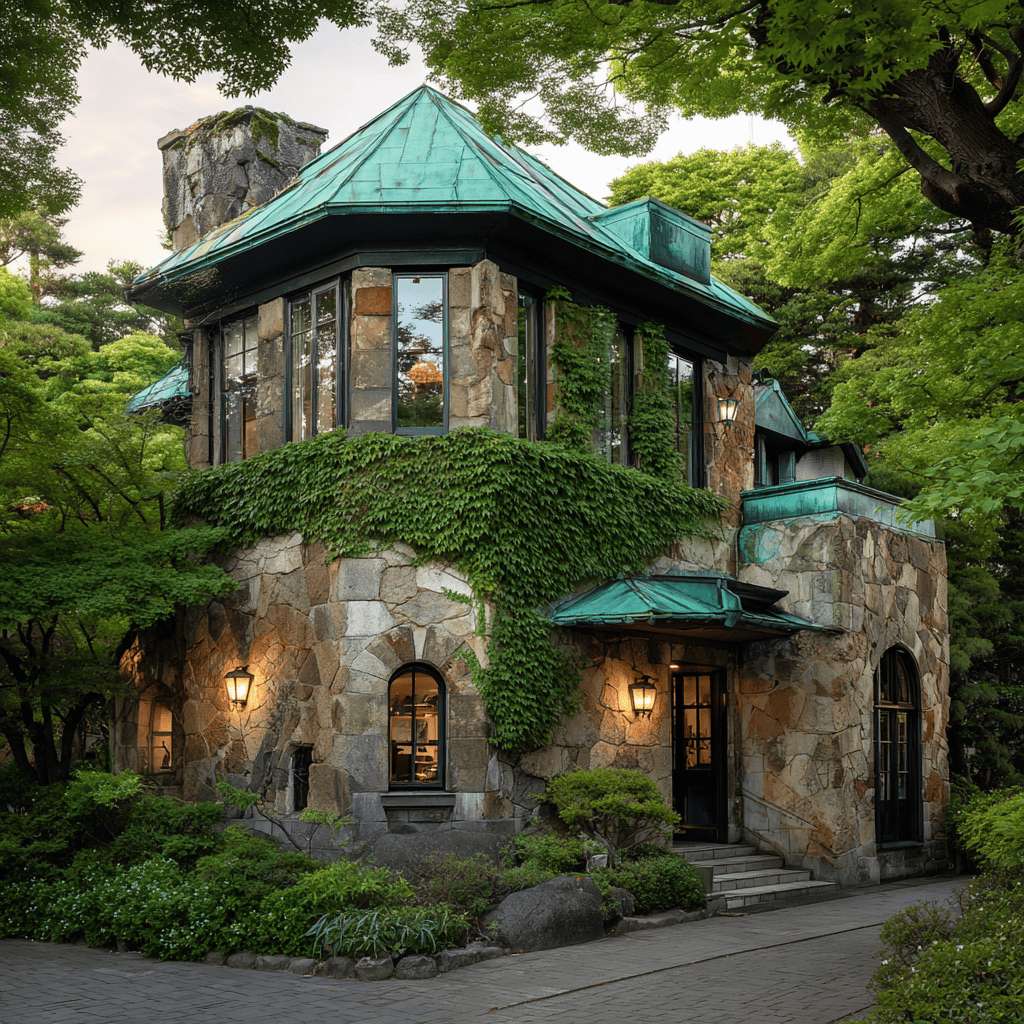
Meanwhile, Ghibli Park opened in November 2022 in Aichi Prefecture, about an hour east of Nagoya by train. It sits on the grounds of the 2005 World Expo site. Unlike the museum, which focuses on the animation process, the park is built around the world of the films. Physical recreations of buildings and environments from Spirited Away, Howl’s Moving Castle, My Neighbour Totoro, and Princess Mononoke all appear across the grounds. The park is divided into five distinct areas: Ghibli’s Grand Warehouse, Hill of Youth, Dondoko Forest, Mononoke Village, and Valley of Witches.
The park’s own design discipline is what makes it work for adult visitors. There are no roller coasters, no costumed characters in the conventional theme-park sense, and no flashing lights or queueing zones. Instead, the visitor walks through carefully built environments that reward close attention. The creak of wooden floors at Satsuki and Mei’s house in Dondoko Forest. Steampunk machinery in the Elevator Tower of Hill of Youth. Witches’ kitchen detail in Valley of Witches. A full visit to all five areas takes between six and eight hours. Ghibli’s Grand Warehouse alone occupies about three hours.
Tickets are date-and-time specific. They must be purchased in advance through Lawson Ticket’s official international portal. Sales open on the 10th of each month at 2pm Japan time for entry two months ahead. Weekend slots and Grand Warehouse times sell out within hours of opening. Reseller packages bundle park admission with hotel accommodation in Nagoya and Shinkansen transit from Tokyo. These offer a more turnkey route for international visitors who want the planning handled.
The Tokyo source-material circuit
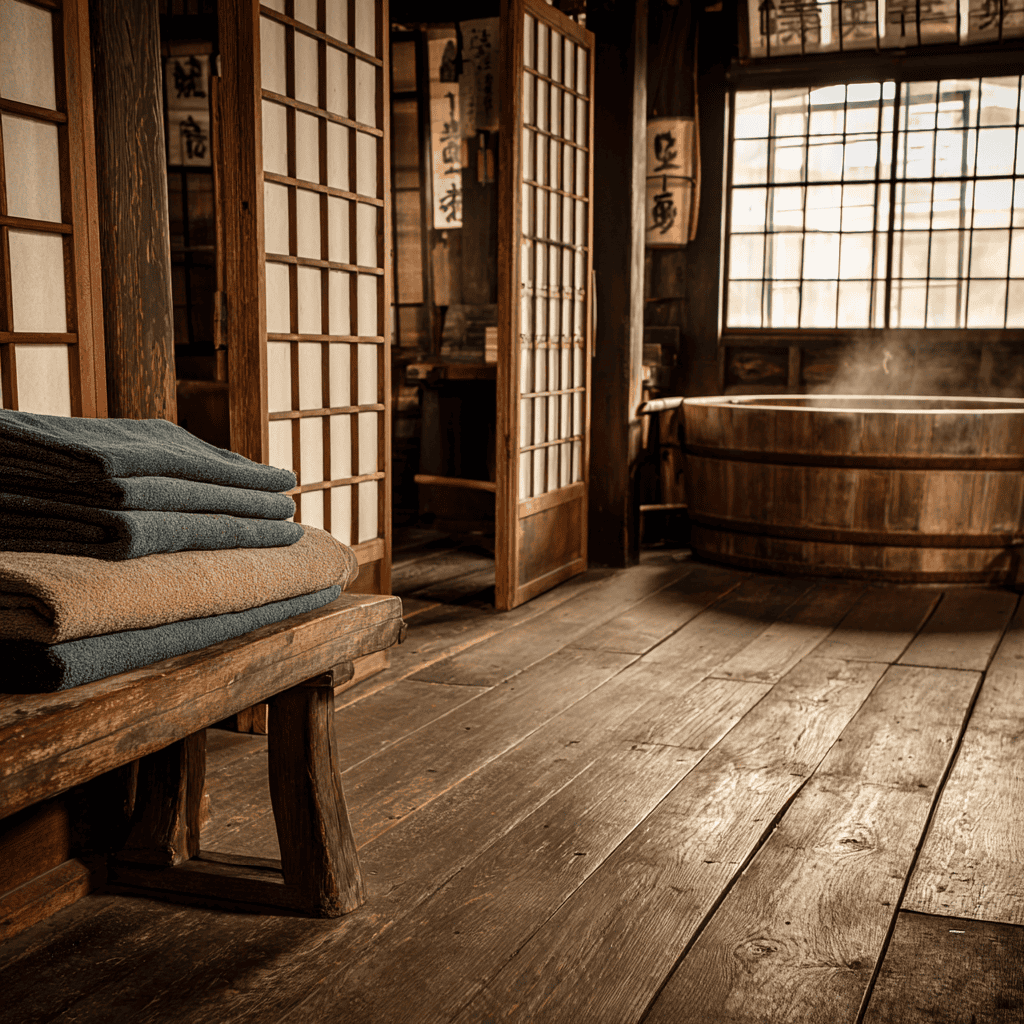
Similarly, one of the most rewarding additions to a Ghibli pilgrimage is the day spent visiting the actual Tokyo source material. The Edo-Tokyo Open Air Architectural Museum in Koganei Park preserves restored buildings from the Meiji and Edo periods. Among them is the bathhouse that directly inspired the bath-house in Spirited Away. Miyazaki has spoken publicly about visiting the site during preparation for the film. A morning here, followed by lunch in nearby Kichijoji and an afternoon walk through Inokashira Park, builds the architectural context. That context makes both the museum and the park land more deeply.
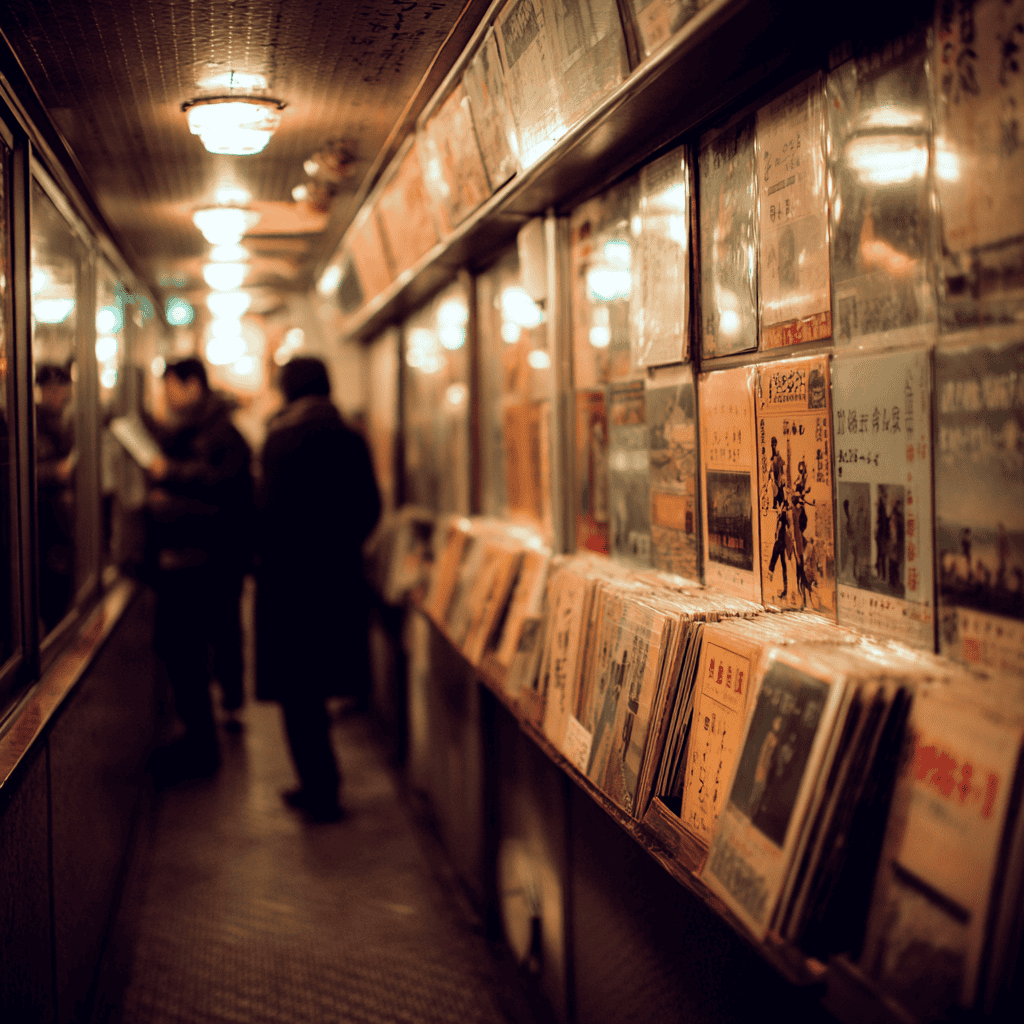
For the wider Tokyo Ghibli circuit, the official Donguri Republic chain operates small stores in Tokyo Station, Skytree, and Solamachi. These stock licensed merchandise at a more accessible level than the museum gift shop. Mandarake’s flagship store in Nakano Broadway holds extensive vintage Ghibli ephemera for the serious collector. Original animation cels, vintage posters, and out-of-print artbooks turn up there regularly. The Studio Ghibli archive itself is not open to the public. However, the Mitaka neighbourhood around the museum rewards a slow morning of walking. Coffee shops and small Western-influenced restaurants clearly inspired some of the film interiors. The wider editorial map of Tokyo cultural experiences covers the broader connective tissue.
The Ten Japanese Proverbs
A short editorial folio of ten Japanese proverbs that reward slow reading — the kind of compact wisdom that pairs naturally with a Ghibli-paced trip. Printable, sent on subscription, returns to the inbox occasionally.
A ryokan stay in the forest
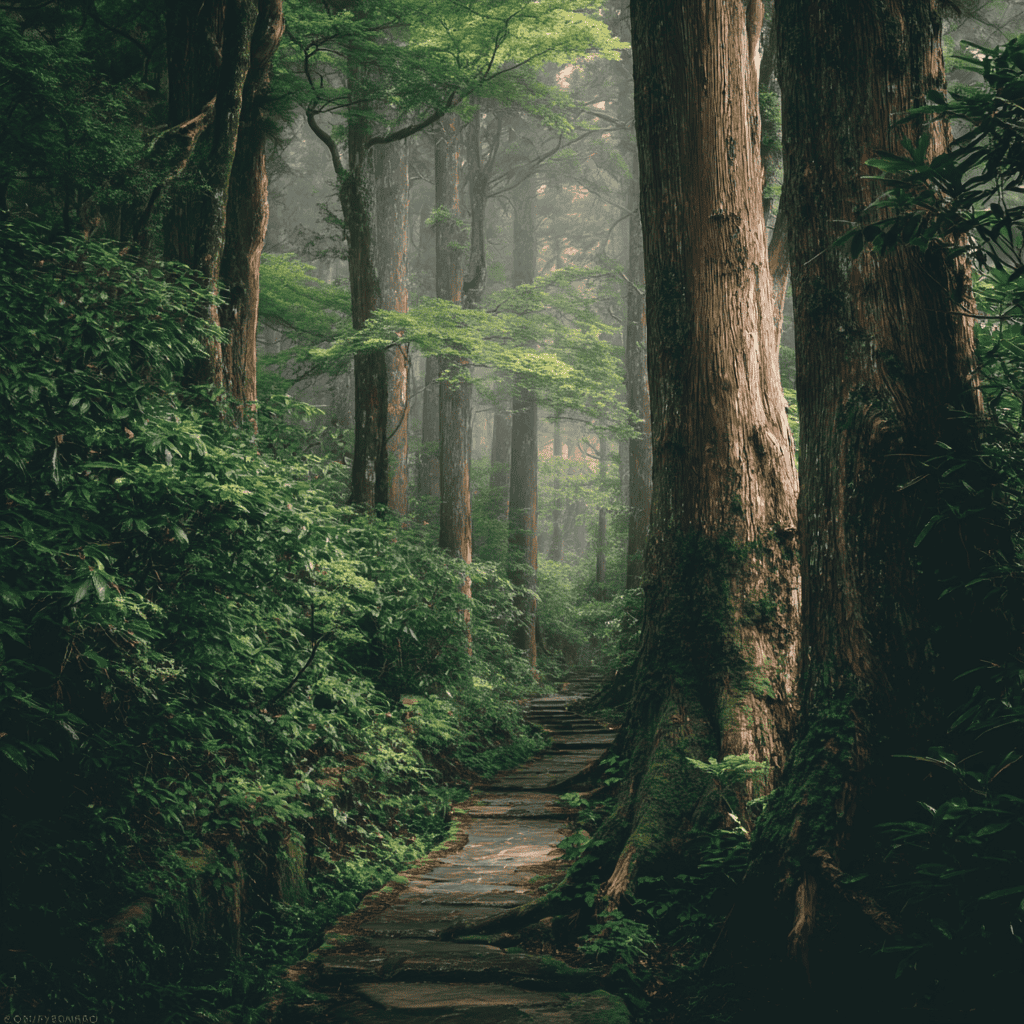
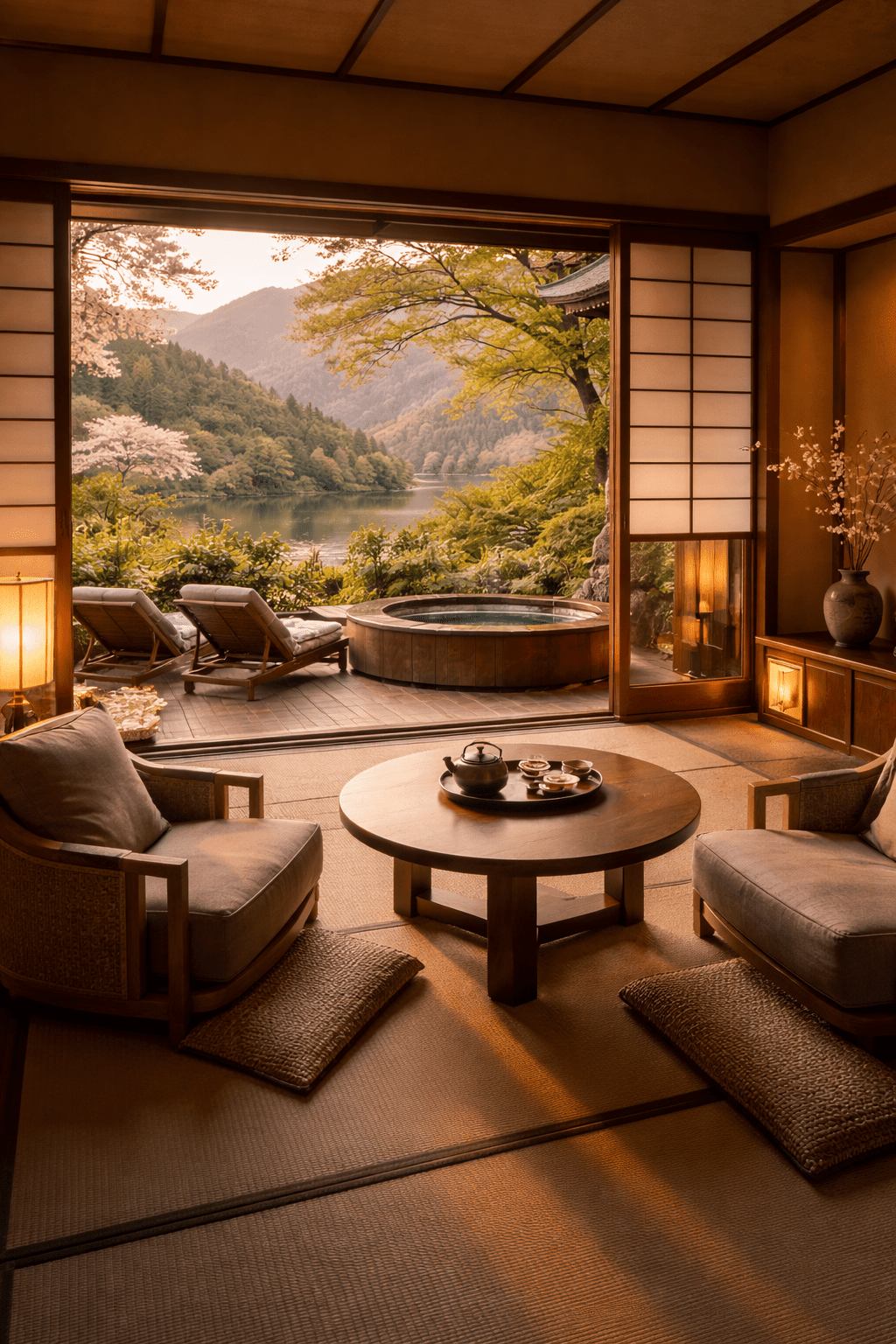
A single addition elevates this pilgrimage from an itinerary into an experience. A two- or three-night ryokan stay in a forested region that recognises itself in the source material. The Hakone area sits two hours west of Tokyo. It holds the volcanic and onsen aesthetic that informs much of Spirited Away. Older traditional ryokan there carry their wooden corridors, kaiseki dinners, and pre-dawn forest baths. They provide the kind of unhurried atmosphere that the films are actually about. Forested mountains of Tohoku in the north, particularly around Tsuruoka, hold the cedar-and-moss aesthetic that informed Princess Mononoke. Yakushima, the cedar island south of Kagoshima, was the direct inspiration for the forest scenes in that same film. It remains the deepest pilgrimage destination for any serious Mononoke-leaning traveller.
What the ryokan stay does for the trip is restore the slowness that the urban segments compress. Two nights in a forest with no phone, no rushed mornings, and the kind of evening soak that lets the day’s images settle. That is what separates a Ghibli pilgrimage from a Ghibli vacation. For travellers who want the silence as the actual reason for the trip, the wider Zen retreat conversation runs through the same forested mountain regions. The traveller leaves with a different relationship to the films than they arrived with. That is the actual point of the trip.
For the higher-end version of this segment, the Aman Tokyo and Aman Kyoto sit at the urban end of the conversation. Smaller traditional ryokan in Hakone, Kurokawa Onsen, and Yakushima sit at the rural end. The bespoke trip-planning route lets the traveller balance both registers. Off-the-shelf package routes tend to default to the urban hotel logic and miss the forest entirely.
The shopping circuit
Ghibli-licensed merchandise concentrates in three places in Japan. First, the Donguri Republic chain operates dedicated stores throughout the country. Its largest selections sit at the Tokyo Station and Solamachi locations. Second, the Ghibli Museum gift shop carries museum-exclusive items that do not appear elsewhere. Among them are the small short films released only at the Saturn Theatre, certain artbooks, and the museum’s own ceramic and stationery items. Third, Ghibli Park gift shops, particularly the one in Ghibli’s Grand Warehouse, carry park-exclusive items in the same register.
Beyond the official channels, the design-led version of the shopping circuit takes a different shape. Loewe’s three Studio Ghibli capsule collections are now archive pieces. Spirited Away in 2021, My Neighbour Totoro in 2022, and Howl’s Moving Castle in 2023 — the final release. The collections are available only through secondary markets now. They were the high-water mark of Ghibli-luxury crossover. Dover Street Market Ginza occasionally hosts pop-up installations from collaborators in the Ghibli register. Beams and United Arrows in Harajuku have, at various points, carried Ghibli-collaboration items in their accessory and homeware sections. None of these are predictable. All of them reward a slow afternoon of walking the relevant districts rather than a checklist of locations.

A worked itinerary
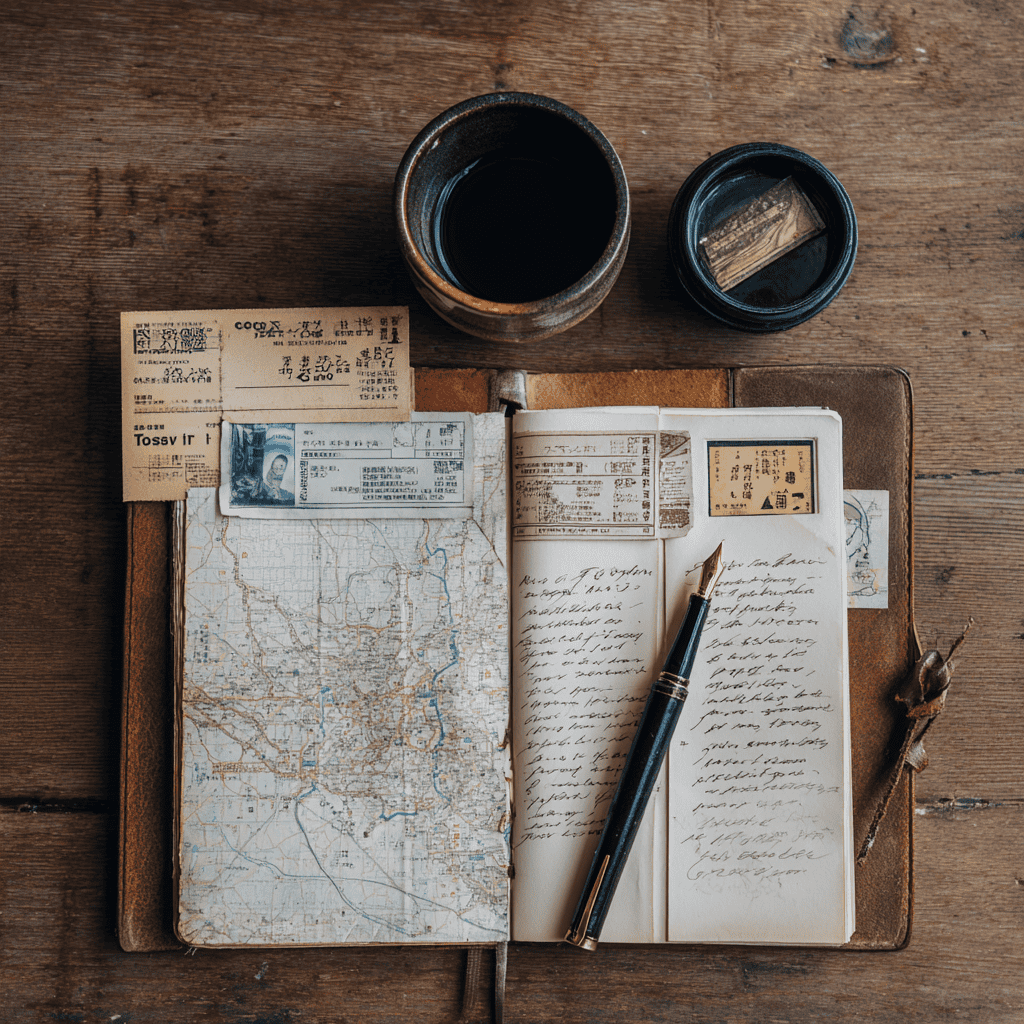
A representative ten-day Ghibli-centred Japan itinerary, balanced between the explicit sites and the quieter source-material experiences, looks roughly as follows. Days one and two: arrival in Tokyo and recovery from the flight. Day two carries an unhurried morning at the Ghibli Museum and the afternoon at the Edo-Tokyo Open Air Architectural Museum. Day three covers the Tokyo Ghibli circuit. Donguri Republic at Solamachi, Mandarake at Nakano Broadway, and lunch in a Mitaka coffee shop. Day four: travel to Hakone for the first ryokan stay, late afternoon arrival, evening kaiseki and onsen.
Days five and six: two full days in Hakone. Walking the forested paths of the Hakone shrine area. Taking the cable car and ropeway across the volcanic landscape. The rest of the time treated as the unhurried pause the films themselves are about. Day seven: morning return to Tokyo, afternoon Shinkansen to Nagoya, overnight at a hotel near Nagoya Station. The eighth day is a full day at Ghibli Park. Grand Warehouse first thing. Mononoke Village and Valley of Witches in the afternoon. Dondoko Forest at the end of the day for Satsuki and Mei’s house in the soft evening light.
Day nine: morning return to Tokyo. The afternoon at leisure in the Yanaka or Kagurazaka districts. In particular, these older Tokyo neighbourhoods recognise themselves in some of the urban Ghibli scenes. Day ten: departure. A fourteen-day version adds a Kyoto segment for the broader cultural context. Or a Yakushima segment for the deeper Mononoke pilgrimage. A seven-day version compresses the Hakone stay to a single night and removes the second Tokyo day. The bespoke planning route lets the traveller balance their own film preferences against the practical logistics. Off-the-shelf packages tend to default to the museum-and-park double without the wider connective tissue.
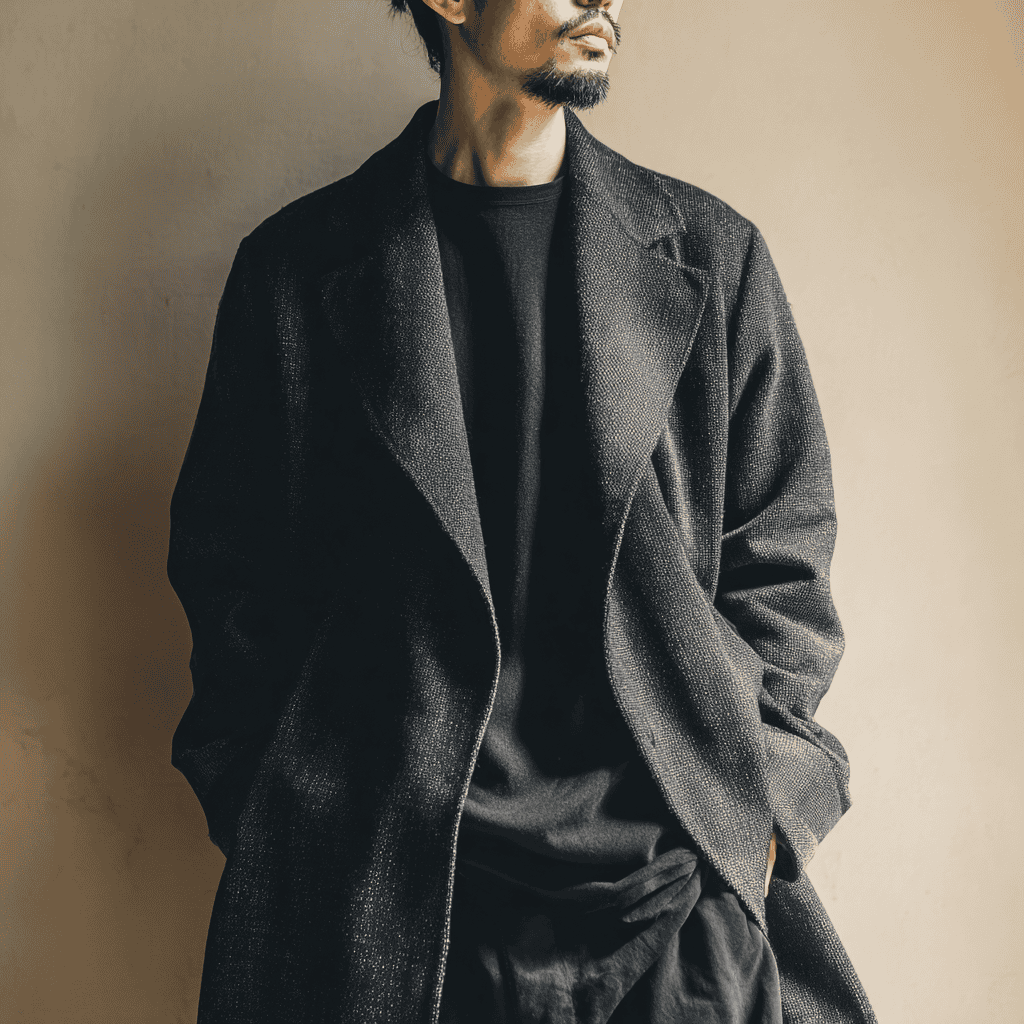
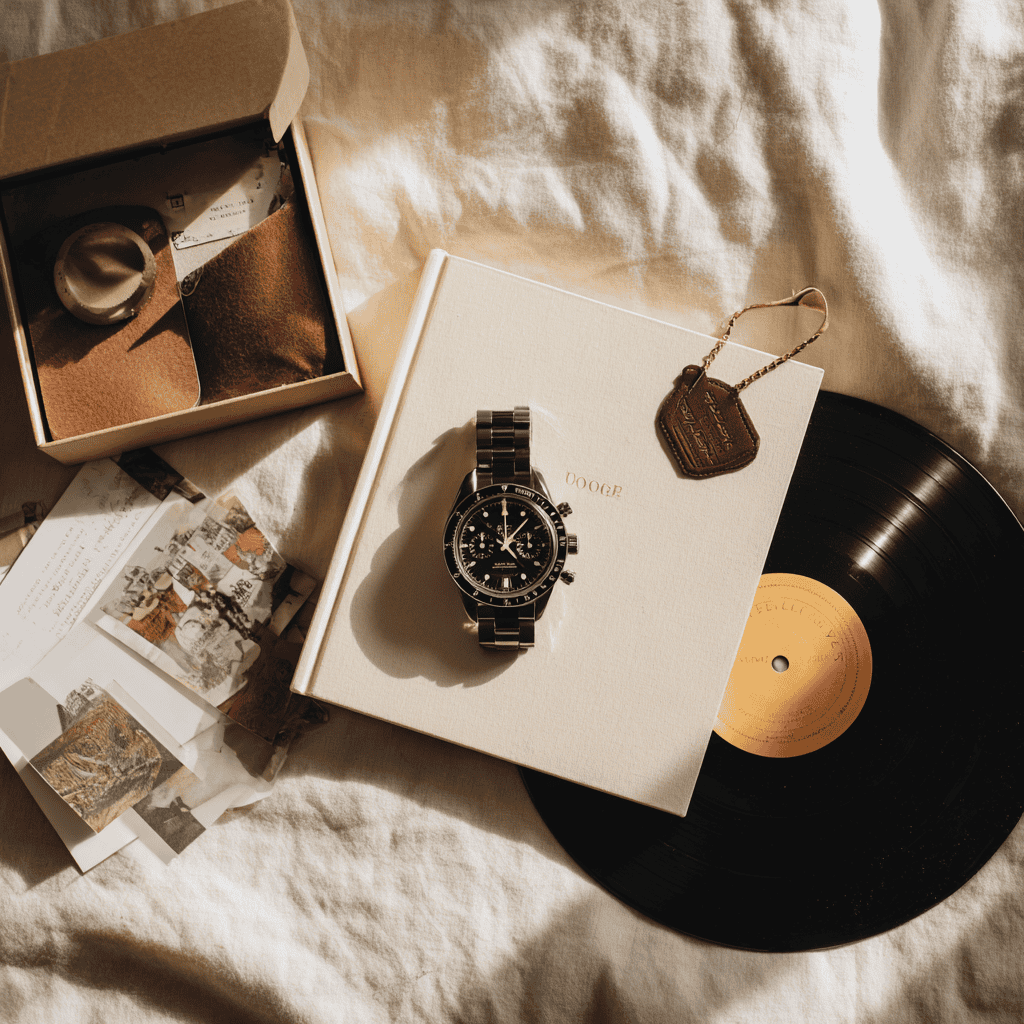
The most successful adult Ghibli journeys treat the films as instruction. Consider the pace of My Neighbour Totoro: the long pause on a rain-wet bus stop, the unrushed walk through a cedar wood. That is the pace the trip aspires to. The objects below are the kind of considered companions that hold up to that pace.
Questions Worth Asking
What is the difference between Ghibli Park and the Ghibli Museum?
Ghibli Park opened in November 2022 in Aichi Prefecture near Nagoya. It is built around the world of the films. Physical recreations of buildings and environments from Spirited Away, Howl’s Moving Castle, and My Neighbour Totoro appear across the grounds. The Ghibli Museum sits in Mitaka on the western edge of Tokyo. It focuses on the animation process itself. Original sketches, the studio’s working method, the craft behind the films. Both are essential. Neither replaces the other.
How do I get tickets to Ghibli Park as an overseas visitor?
International visitors buy through Lawson Ticket’s official overseas portal. Sales open on the 10th of each month at 2pm Japan time for the following month. Tickets sell out within hours for weekend slots, particularly for Ghibli’s Grand Warehouse. Set an alarm for the sale opening time. Book immediately. Reseller packages bundle park admission with hotel and transit for a more turnkey experience.
How do I get tickets to the Ghibli Museum?
The Ghibli Museum sells tickets through Lawson Ticket. Sales open on the 10th of each month at 10am Japan time for the following month. Overseas visitors can also purchase through international travel agencies that hold ticket allocations. Like Ghibli Park, weekend slots sell out almost immediately. Weekday morning entries are the most realistic option for international visitors.
Where was Princess Mononoke filmed?
The forest scenes in Princess Mononoke were inspired by Yakushima. Yakushima is the cedar island south of Kagoshima in southern Japan. Miyazaki visited the island during preparation for the film. The ancient cedar groves at the heart of Yakushima, particularly the Shiratani Unsuikyo ravine, are the closest physical equivalent to the film’s forest. A visit takes two to three days. That includes the boat or short flight from Kagoshima.
What about staying near these locations?
For Ghibli Park, hotels at Nagoya Station are the conventional choice. They sit well-located for the 60-minute transit out to the park. For the museum, any Tokyo accommodation works. Mitaka is 20 minutes from Shinjuku on the JR Chuo line. The deeper Ghibli pilgrimage tends to add a ryokan stay in a forested region that informed the films. Hakone holds the Spirited Away aesthetic. Yakushima holds the Princess Mononoke cedar forest. For the upper end of this segment, the list of the most luxurious ryokans in Japan covers the territory.
When is the best time to visit?
Late September through early November works for the autumn light. Late March through April works for cherry blossom, though the parks are at their busiest. Golden Week (late April to early May), Obon (mid-August), and the New Year period are best avoided. Travel during these periods only if dates are inflexible. The shoulder seasons tend to produce both the best weather and the most realistic ticket availability.
How long do I need for a proper Ghibli pilgrimage?
A focused Ghibli-centred trip works in seven to ten days. Two days in Tokyo for the museum and adjacent districts. One full day in Nagoya for the park. Two to three nights at a forested ryokan for the source-material atmosphere. The remainder for whatever else the traveller wants from Japan. A two-week trip incorporates the Ghibli circuit alongside a wider Japanese itinerary. A four-day trip is realistic if focused tightly on the museum and park alone.
Is this trip suitable for adult travellers without children?
Particularly so. Both the museum and the park are designed to reward adult visitors with knowledge of the films. The absence of theme-park rides means the experience reads as cultural rather than recreational. The most successful adult itineraries pair the Ghibli sites with quieter elements. Consider a forested ryokan stay, a Mashiko kiln visit, or a slow morning at the Tokyo National Museum. These complement rather than compete with the source material.
What this pilgrimage finally asks
The Studio Ghibli pilgrimage rewards the traveller who treats the films as instruction rather than as itinerary. Miyazaki’s work has always been about the quality of attention one brings to small things. How light plays through trees. The texture of an old wooden floor. A kettle whistling slowly in a quiet kitchen. The trip that incorporates those qualities into its rhythm produces a different relationship to the films. Different from the trip that simply photographs the buildings.
Consider the traveller who spent an unhurried afternoon at the Edo-Tokyo Open Air Architectural Museum. Who soaked in a Hakone onsen at five in the morning. Who walked the cedar paths of Yakushima in the rain. That traveller returns home a different reader of the films. They watch Spirited Away or Princess Mononoke on a screen at home and see a different film. That is the actual pilgrimage. The buildings are simply what makes it possible.
The pilgrimage sits inside a wider register. A companion piece on designer fashion covers the wardrobe one might pack for the trip. An adjacent piece on considered gifts covers what one might bring back. Or send ahead, for the friend who could not come. The trip itself, the wardrobe, the gifts — all three belong to the same conversation. The most successful adult Ghibli journeys treat all three as parts of a single connected experience.
Plan the trip the films deserve
From Mitaka to Nagoya to Hakone to Yakushima — bespoke Studio Ghibli pilgrimage planning for adult travellers who want depth, slowness, and the trip the films actually call for. Quote within 24 hours, no commitment.
Begin a Custom Itinerary