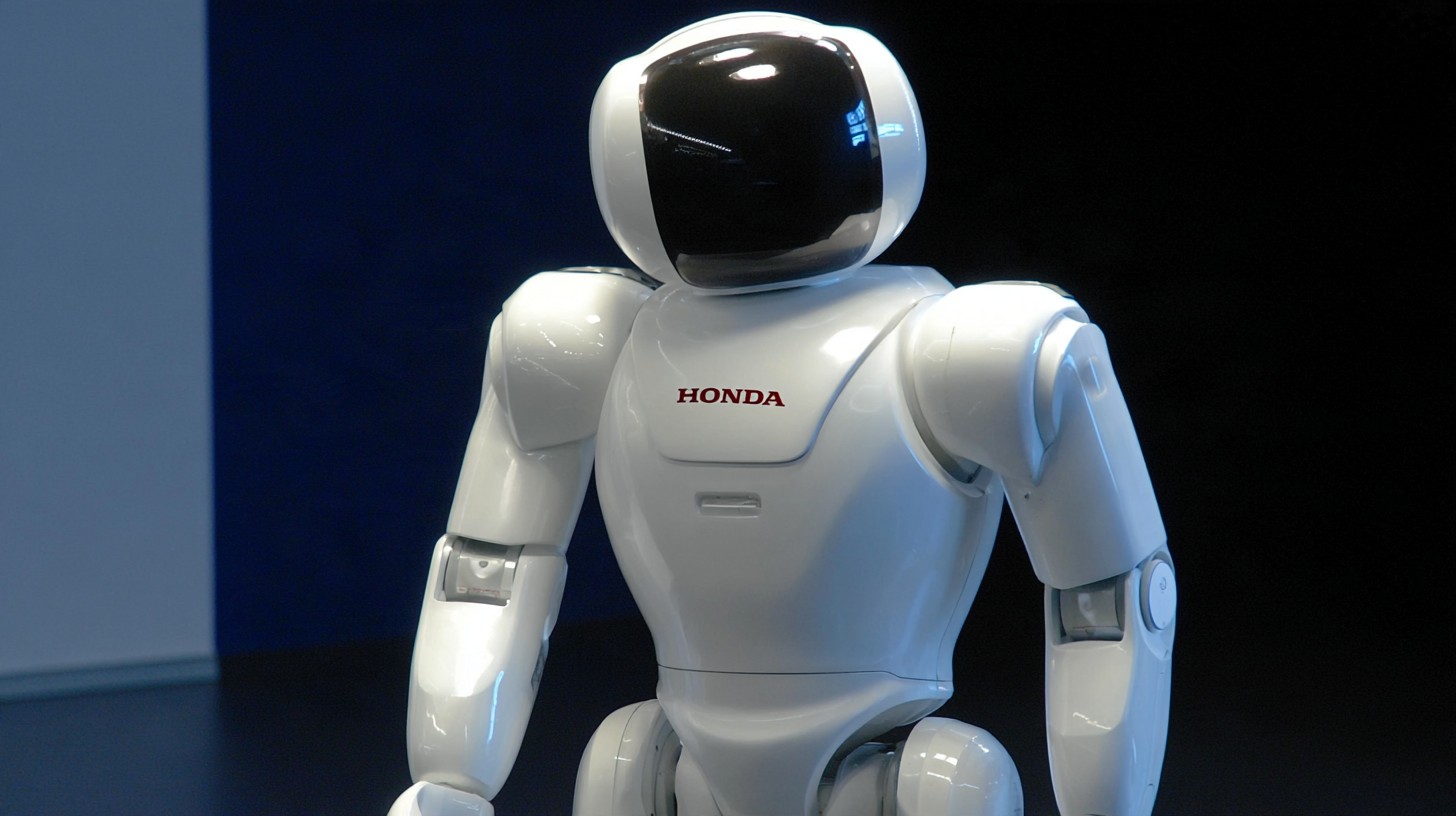
How did Japanese robots go from one step in 45 seconds to running?
Slowly: Japanese robots history is nearly four decades of patient engineering, first at a Tokyo university and then at Honda. Waseda University’s WABOT-1, finished in 1973, took 45 seconds for a single step. Honda’s first walking robot, built in 1986, needed 15 seconds. By 2011, Honda’s ASIMO could run at about 5.6 mph (9 km/h).
Walking was only half of Japanese robots history. In the same decades, Japan built machines that carried people faster than ever before. A bullet train opened in 1964. The first mass-produced hybrid car followed in 1997. In 2015, a magnetic train set a world speed record. Along the way, a robot dog sold out online in about twenty minutes.
This guide follows six of those machines in the order they appeared. It is one chapter of our wider story of Japanese inventions, the ideas born in Japan that now shape daily life. Each section tells one machine’s story, setbacks included. Then the guide shows where to see the real things in Nagoya and Tokyo. Finally, it ends with a plate of Nagoya chicken wings.
Why Did Japan Build the Bullet Train First?
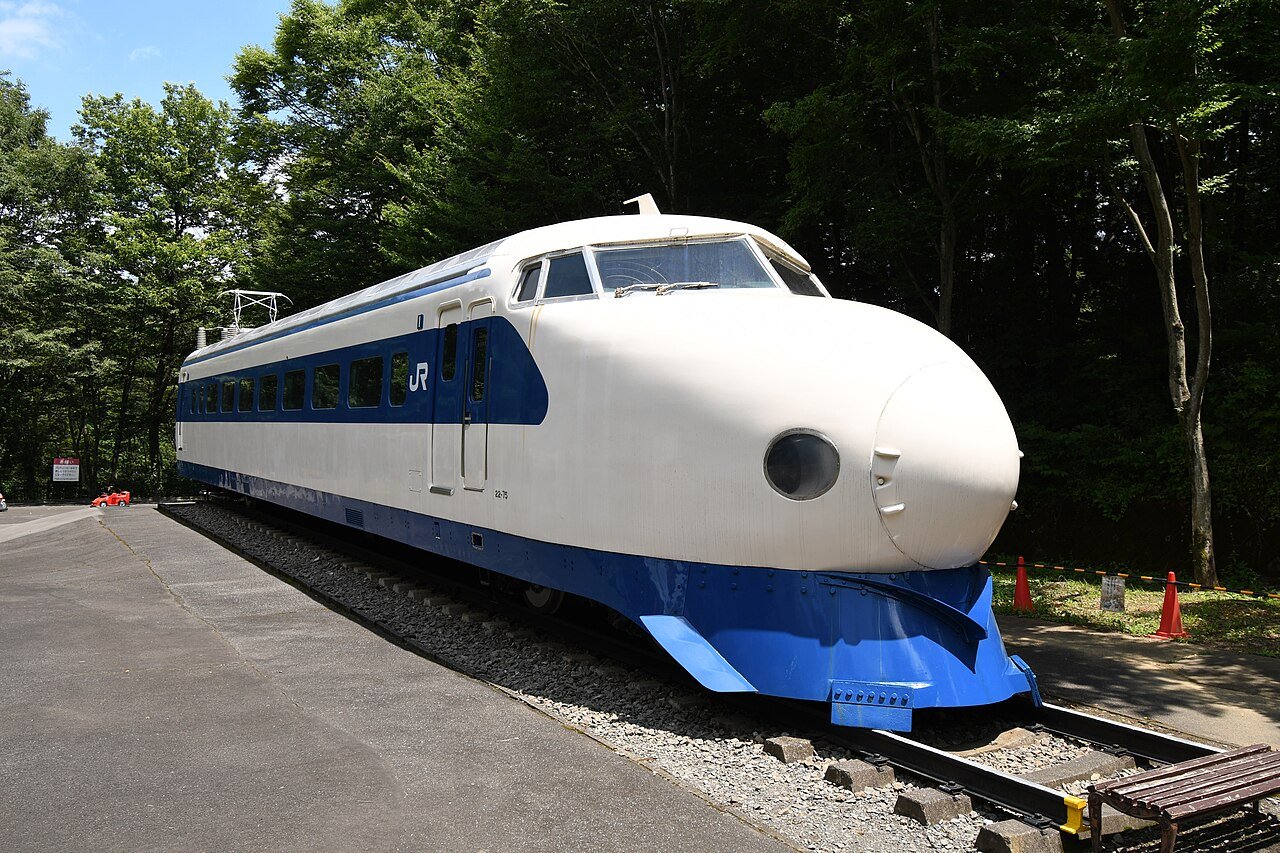
On 1 October 1964, the Tokaido Shinkansen began running between Tokyo and Osaka. The Tokyo Olympics opened nine days later. The train ran at 210 km/h (130 mph), and the World Bank called it the fastest long-distance railway in the world at the time. Europe’s high-speed lines came later. Historian Vaclav Smil writes that they copied Japan’s example.
The Olympics gave the project a deadline. Yet money was the hardest part. In fact, the story of the Shinkansen is a story of two men who promised more than they could prove. Both paid for it before the first train ran.
The loan that nearly failed
The World Bank lent Japan $80 million for the line in May 1961, as its record of loans to Japan shows. At first, however, its staff saw the train as too risky an experiment. So in 1960 the engineer Hideo Shima flew to Washington. He insisted the train used “no experimental factor”, only proven parts.
The planners had also priced the line low to win approval. In the end, the real cost almost doubled. As a result, the two men behind the project resigned in 1963. They were Shinji Sogo, president of Japanese National Railways, and Hideo Shima. Their train opened on time a year later, without them.
Motors under every carriage
Shima’s train had no locomotive. Instead, he spread electric motors under every carriage. The route was just as bold. About 45 percent of its 500 km (310 miles) ran through tunnels or over bridges and viaducts. There were 67 tunnels in all.
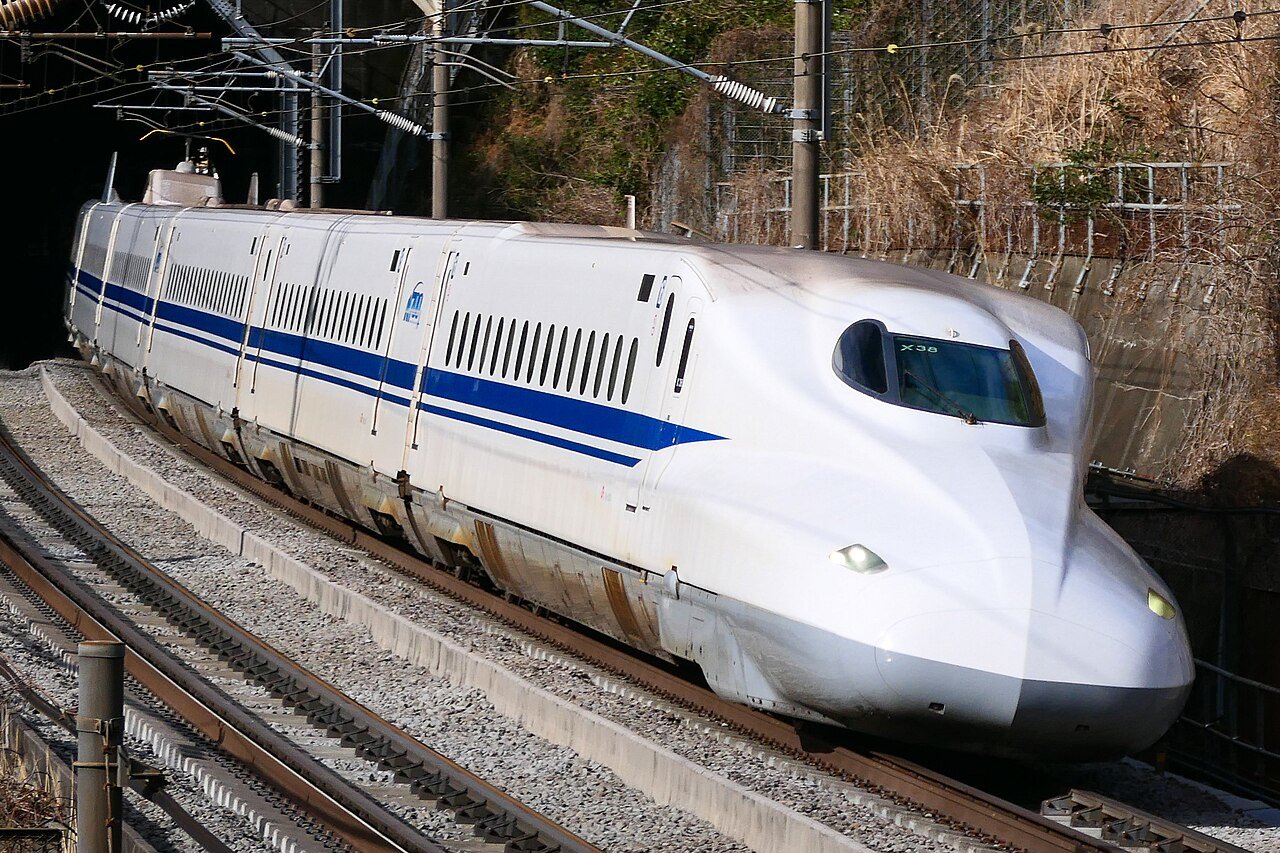
Then came the record that made the name. In its first 50 years, the Shinkansen never had a fatal derailment or collision. By 2014 it had carried nearly 6 billion passengers. In 2013 the average delay was 36 seconds. Our story of Japan’s first railway shows how far the country had come.
Today, later trains carry the same idea north and west. If you plan to ride them, our guide to Japan Rail Pass regional options shows which passes cover which lines. At home, a scale model and a good history are the next best thing to a window seat.
The Bullet Train, at Home
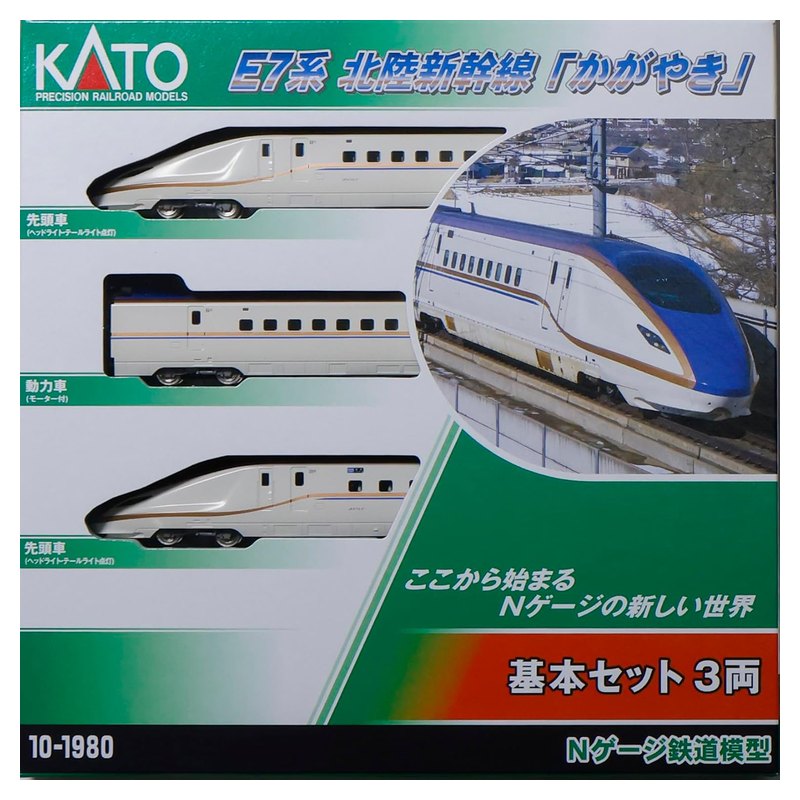
A precise N-scale model of a later Shinkansen, made for a working layout.
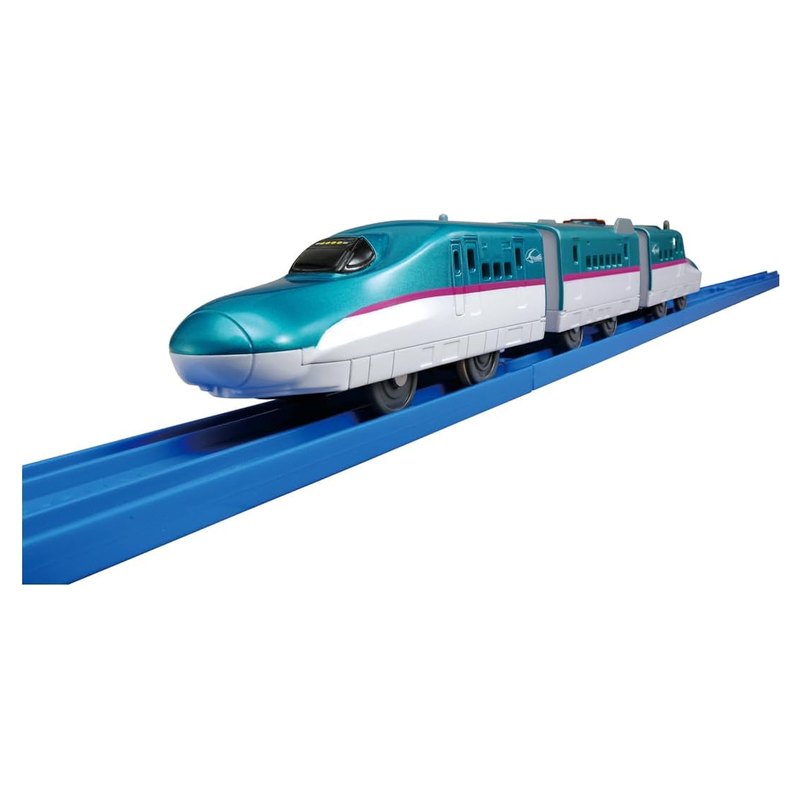
The toy bullet train that Japanese children run on blue plastic track.
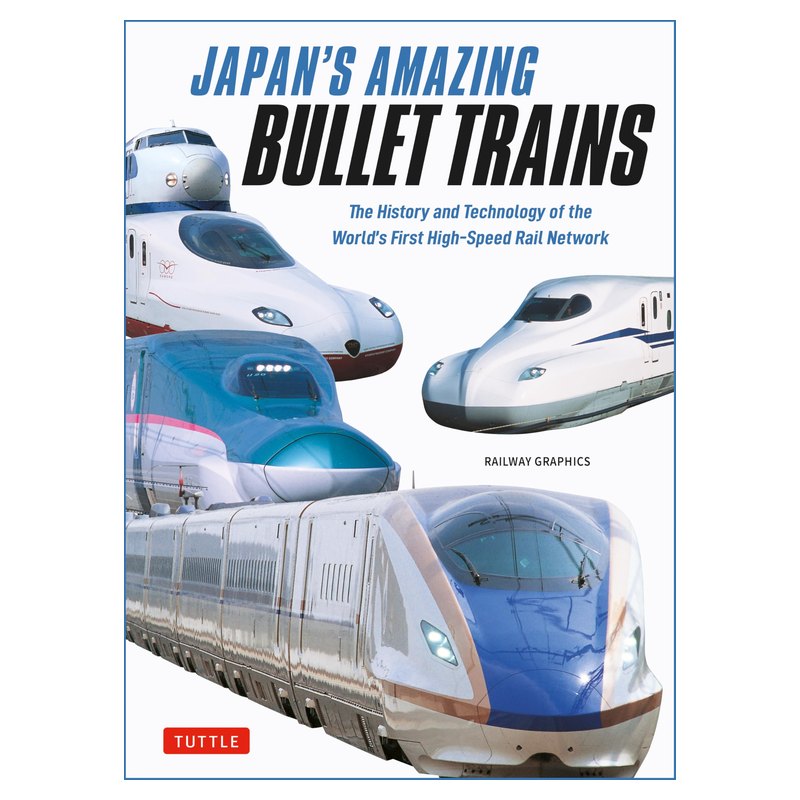
The history and the engineering of the Shinkansen, line by line.
Each looks at the same machine from a different distance. The history explains why the line was built. The models show how the nose changed over the decades, as later trains ran faster through the same tunnels. Meanwhile, a different machine was taking shape in a university lab in Tokyo.
Who Built the World’s First Humanoid Robot?
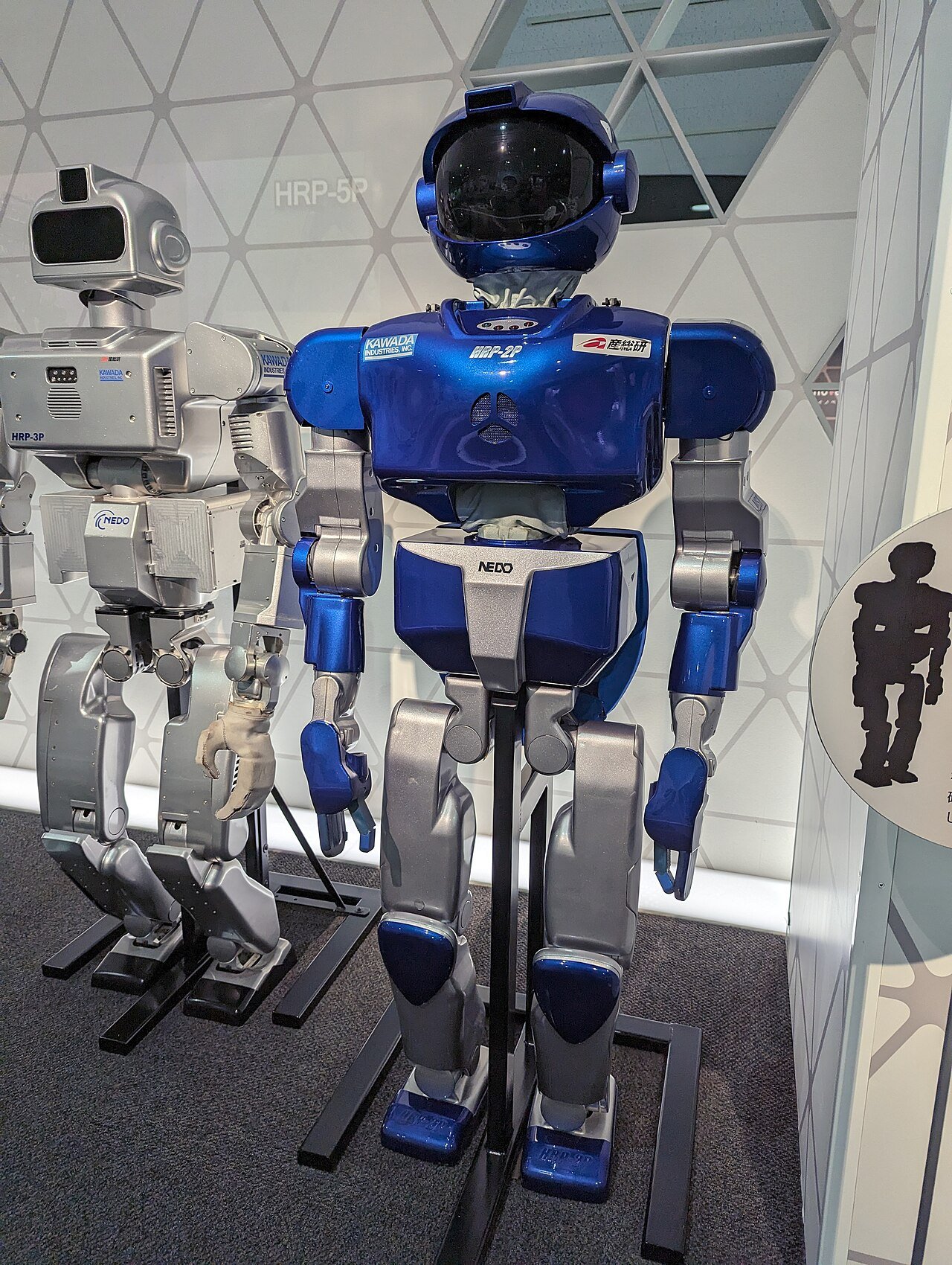
A team at Waseda University in Tokyo built it, led by Professor Ichiro Kato. Their WABOT project began in 1970. In 1973 they completed WABOT-1, which Waseda calls the world’s first full-scale humanoid robot. Kato is remembered there as the father of Japanese robotics research.
WABOT-1 could walk on two legs, grip objects and speak simple Japanese. Its makers compared its abilities to a child of about one and a half. It was slow, however. Each step took 45 seconds and covered only about 10 cm (4 in).
A robot that played the organ
The team did not stop there. Its successor, WABOT-2, followed in 1984. It could read sheet music and play an electronic organ with both hands and both feet. It played at Expo ’85 in Tsukuba. In eleven years, the robot had moved from a careful step to a full keyboard.
The idea of a mechanical figure was older. Edo-period craftsmen built karakuri, mechanical dolls such as a tea-serving doll. Our guide to ancient Japanese inventions tells their story. Still, WABOT-1 was something new. It sensed, moved and spoke for itself.
You may also like


Its influence spread well beyond Waseda. IEEE Spectrum notes that this slow robot inspired Honda’s ASIMO. That makes WABOT-1 the true starting point of Japanese robots history, at least for machines on two legs.
Where WABOT-1 stands today
WABOT-1 still stands in the lobby of Building 63 on Waseda’s Nishi-Waseda campus. Even so, later robots owe something to that first unsteady step. That includes the robot waiters in Tokyo’s themed cafes.
Japanese readers had met robots as heroes long before WABOT-1 stood up. Manga such as Osamu Tezuka’s Astro Boy showed a robot as a friend, not a threat. Three books trace that thread, from scholarship on robots in Japan to tin toys and the robot boy himself.
Books on Japan’s Robots
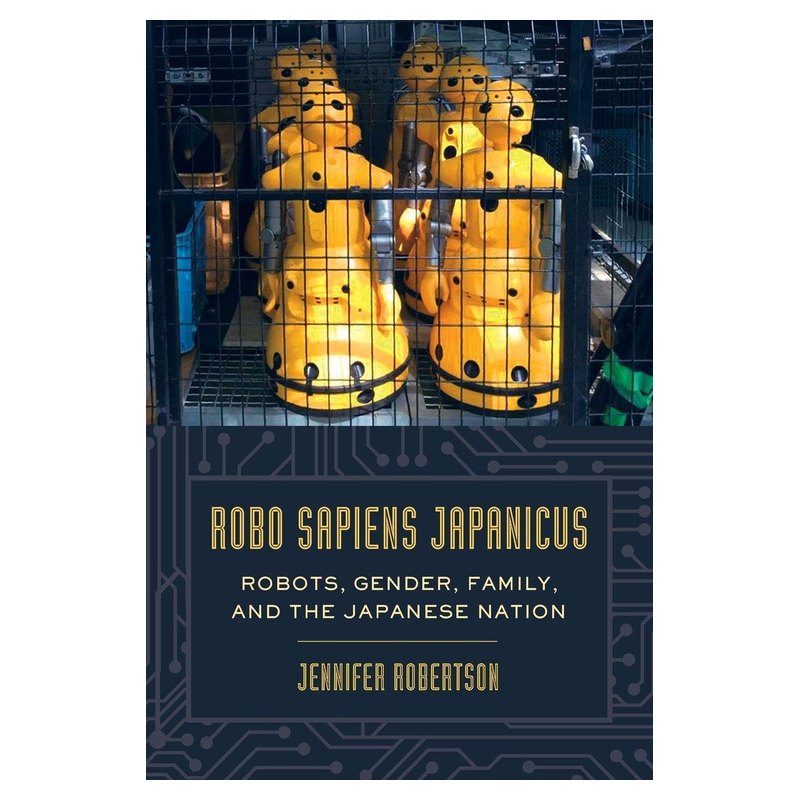
An anthropologist’s study of why robots matter so much in Japan.
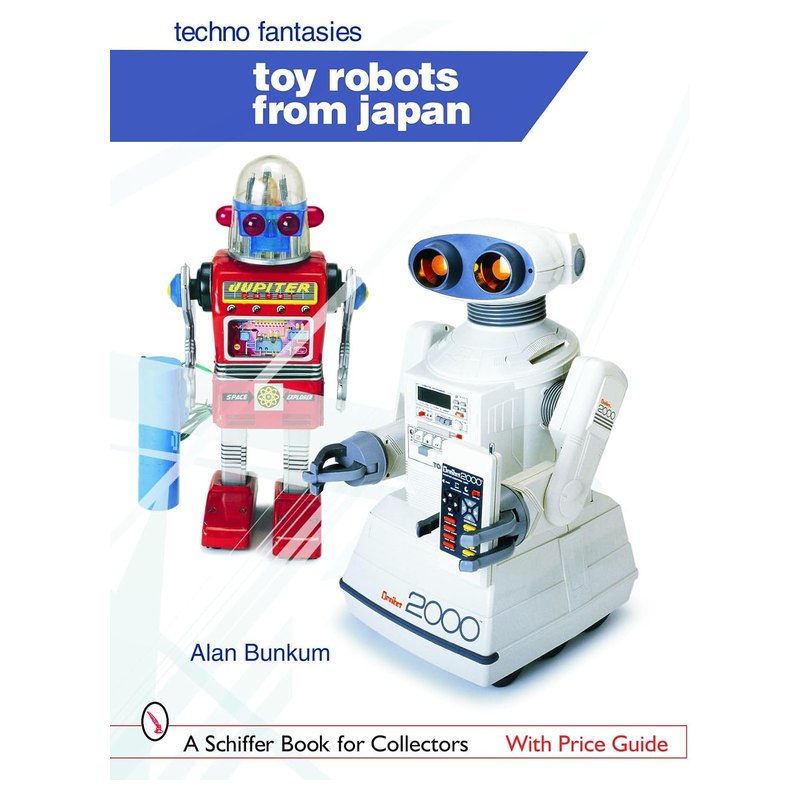
Japan’s tin and toy robots, catalogued and photographed.

The first omnibus of Tezuka’s robot boy, the hero of the series.
Read them side by side and a pattern appears. The robots of fiction were friendly, while the robots of the lab were slow. Over three decades, that gap would narrow. First, though, a car company had a problem to solve.
How Did a Prototype That Would Not Start Become the Prius?
In February 1994, Toyota started a project called G21. The name stood for “Globe” and “21”, for the 21st century. The first target was 1.5 times the fuel efficiency of a normal car. Then the target doubled. In November 1994, executive vice president Akihiro Wada gave project leader Takeshi Uchiyamada a blunt choice. Make it a hybrid, he said, or the project ends.
Forty-nine days to move
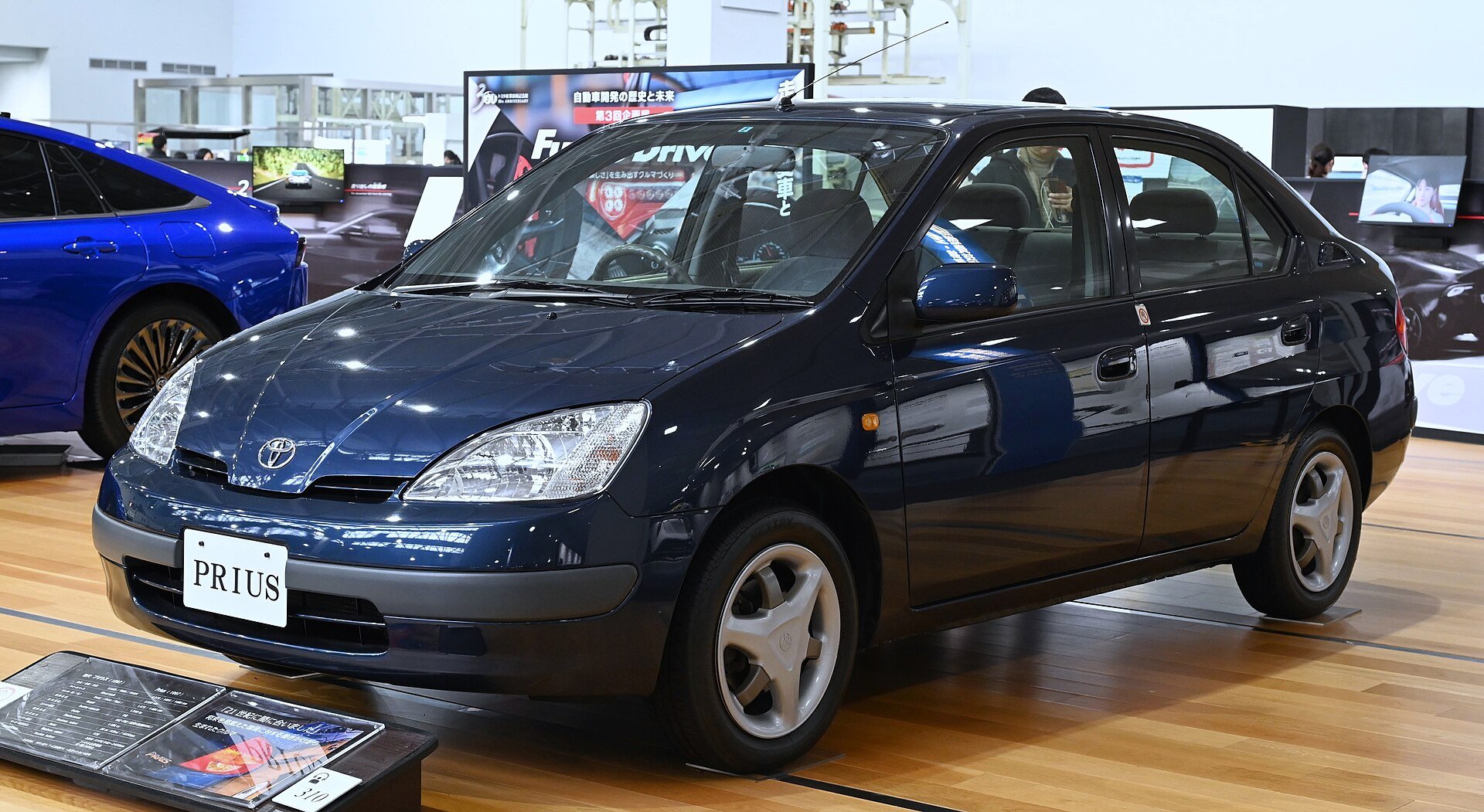
The first prototype refused to cooperate. It took 49 days to run at all. Then it stopped after about 500 m (a third of a mile), according to Toyota’s own history. The team kept going. Meanwhile, Toyota moved the launch forward by a year to meet the Kyoto climate conference in December 1997.
The Prius went on sale on 10 December 1997. Its slogan was “Just in time for the 21st century.” It doubled the fuel economy of similar gasoline cars and halved their carbon dioxide. First-month orders reached 3,500, about three times the target.
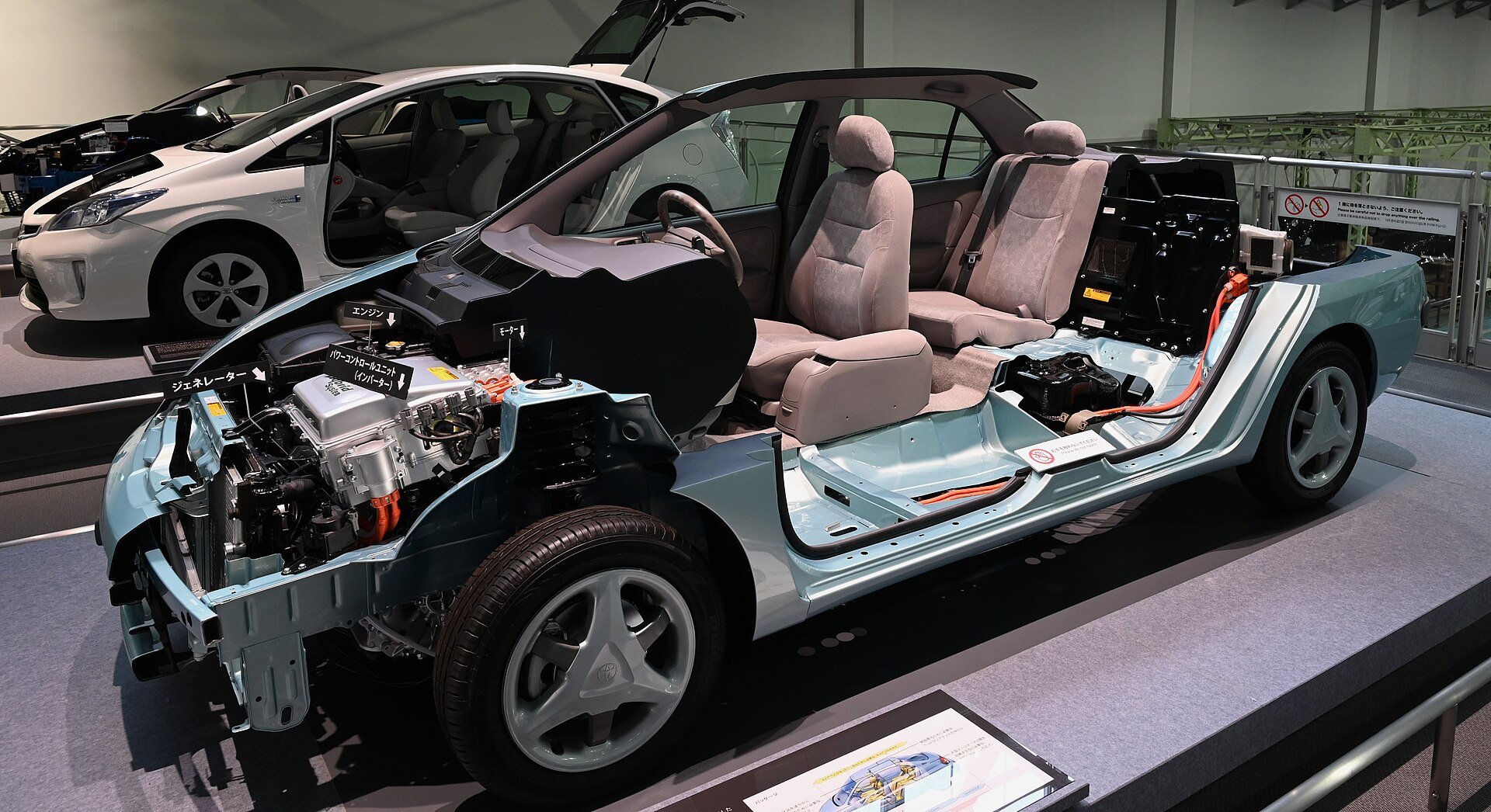
Those numbers hid the real work. Under the hood, a gasoline engine and an electric motor had to share one car without fuss. Getting them to cooperate was the hybrid problem Wada had set in 1994. The prototype that sat still for 49 days was part of the price of solving it.
First mass-produced, not first
The Prius was not the first hybrid car. Guinness lists a Lohner-Porsche hybrid, shown in Vienna in January 1901, as the first vehicle with a mixed drive. What Toyota built was the world’s first mass-produced hybrid car. Toyota’s history and the IEEE Milestone that honors it both use that wording.
You may also like


The difference matters. A hybrid built in small numbers proves an idea. A hybrid built by the hundred thousand changes a market. By January 2017, Toyota had sold more than 10 million hybrids. The car that would not start had become a familiar shape on every road.
Toyota’s hybrid and Waseda’s robot shared one quality. Both looked slow at first. Yet both changed what people expected from a machine. By the late 1990s, that expectation was about to enter the home.
Why Did Sony’s Robot Dog Sell Out in 20 Minutes?
On 31 May 1999, Sony offered its robot dog AIBO on its website in Japan. All 3,000 units sold in about 20 minutes. Guinness World Records lists it as the fastest-selling entertainment robot. The next day, 2,000 more went on sale for the United States. Demand crashed the web servers.
The name means “pal” or “partner”. The dog stood about 11 inches (27.9 cm) tall and could show six emotions. This was the Sony of the Walkman and the Discman, stars of our guide to 90s Japanese gadgets. Now it sold companionship rather than sound.

The repair clinic that closed
Sony sold about 150,000 of the dogs before it stopped in 2006. By 2014 it had run out of spare parts and closed its repair clinic. Owners did not give up, however. A company of former Sony engineers, A-Fun, took over and had fixed 400 dogs, nippon.com reports.
In 2015, Japan’s National Museum of Nature and Science named AIBO an essential historical item of science and technology. Then Sony brought the dog back. The new aibo went on sale in Japan on 11 January 2018. It had OLED eyes and a camera in its nose.
A pet on a living-room floor is far from a lab robot that needs 45 seconds per step. Yet the two belong to the same line of work. Both asked how a machine could share a space with people. Neither had an easy answer, and each needed years of small fixes before it felt at home among us.
The answer, in both cases, was patience. Sony’s engineers gave the dog six emotions to show. Later, when spare parts ran out, owners went looking for anyone who could still repair it. That loyalty says as much about people as about machines. It also explains why AIBO’s story is still told, more than twenty-five years later.
The appeal has not faded, and it has spread well beyond one company. Japanese companies still build small companions and walking robots for the home. Some are made to be held, and others to be built. The three picks below cover that range: a soft robot pet, a walking kit and one book on how Toyota builds machines.
Robots and Machines to Live With

A soft Japanese companion robot that responds to touch and voice.
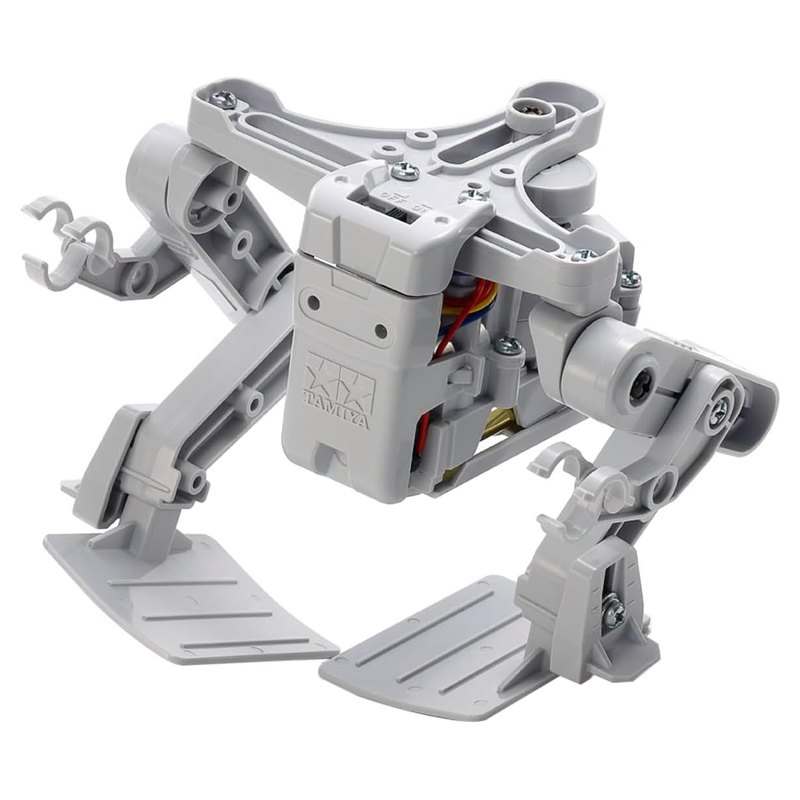
A build-it-yourself robot that walks on two legs, step by step.
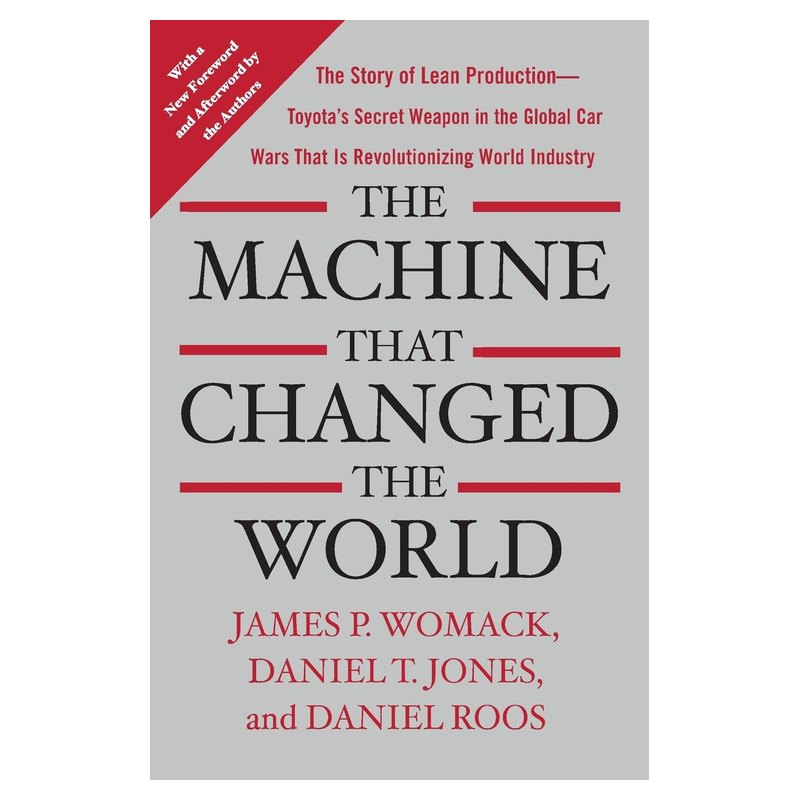
The classic study of how Toyota builds cars, the world the Prius came from.
While Sony taught a dog to show its moods, Honda was teaching a robot to run.
How Far Did ASIMO Walk Before It Retired?
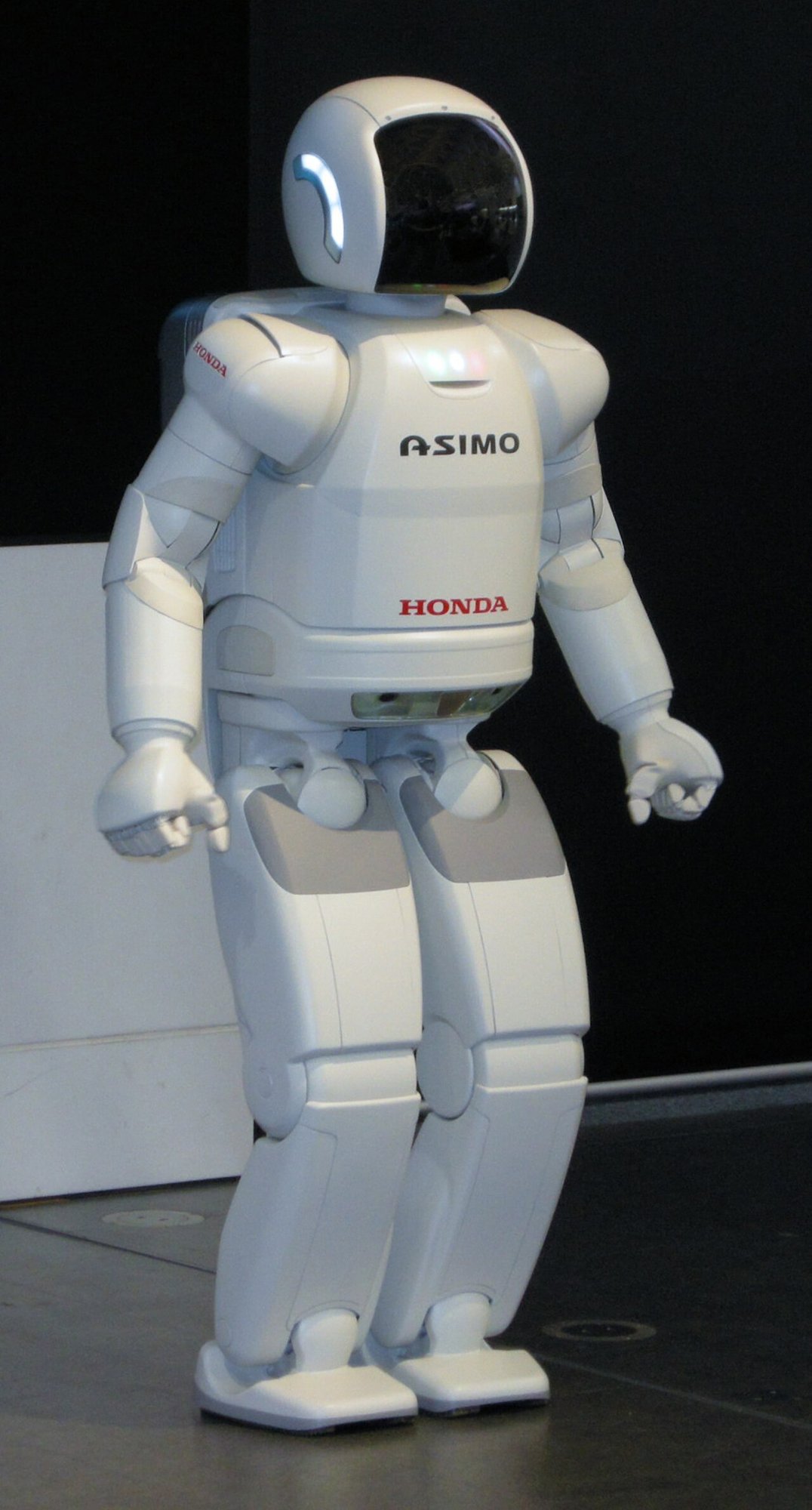
Honda’s walking research began in 1986 with a robot called E0. It took 15 seconds per step and could only walk in a straight line. Ten years later, Honda’s P2 walked on its own. However, it stood 1.82 m (6 ft) tall and weighed 210 kg (463 lb). Then, in November 2000, Honda unveiled ASIMO, a much smaller and lighter robot.
From walking to running
ASIMO kept learning. By 2005 it could run at 6 km/h (about 3.7 mph). By 2011 it ran at 9 km/h (about 5.6 mph). It could also hop and use sign language.
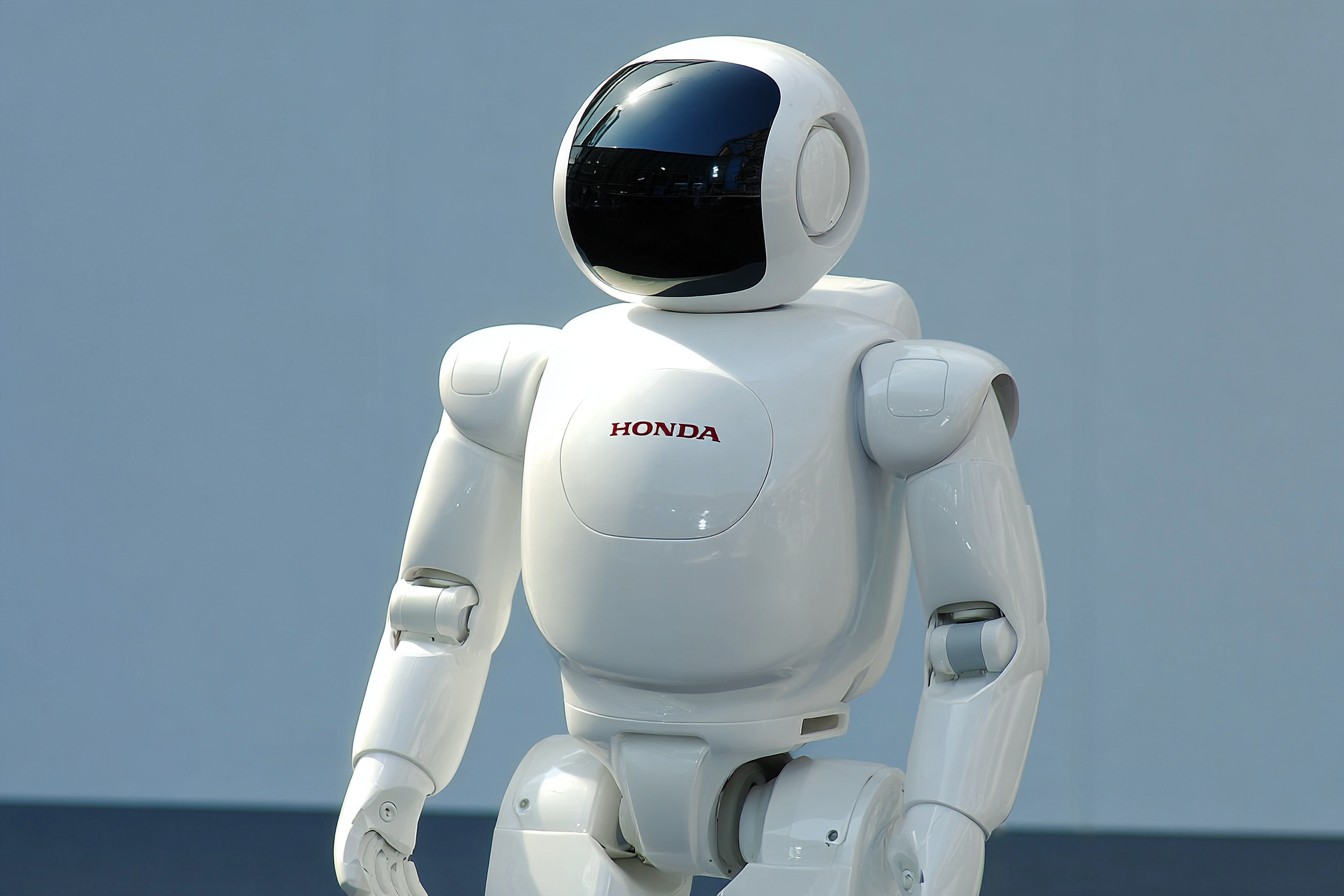
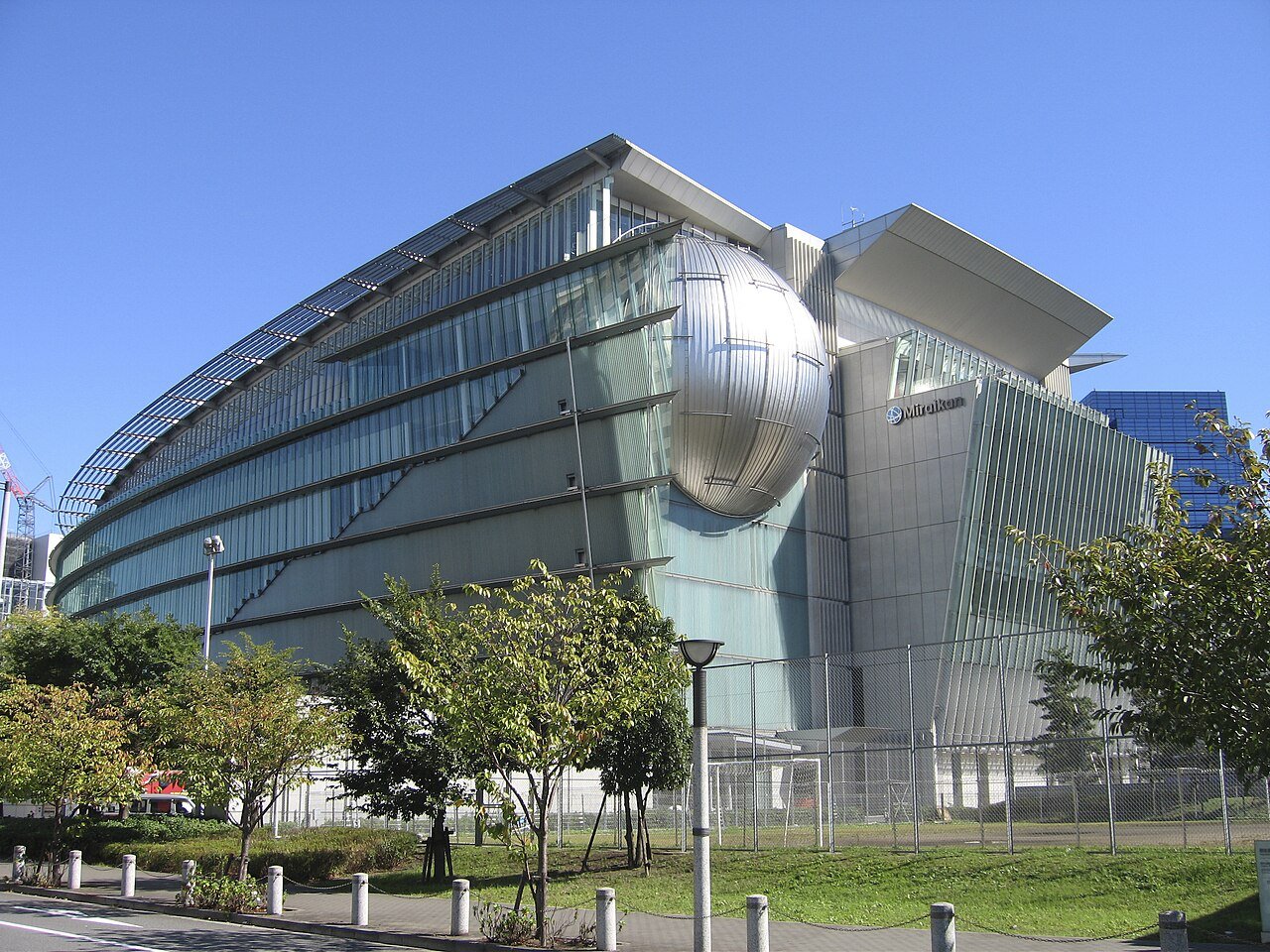
Much of that fame came from one museum. ASIMO performed at Miraikan, Tokyo’s National Museum of Emerging Science and Innovation, from January 2002. By the end of 2021 it had given 15,466 demonstrations there, as Miraikan’s notice records. An estimated 2 million visitors watched.
The last regular show
Despite that fame, ASIMO was never sold. Its regular shows at Miraikan ended on 31 March 2022, after twenty years. Together, every ASIMO took more than 33.26 million steps. That adds up to about 7,907 km (4,913 miles), according to Honda’s ASIMO page.

Look back at those early step times and something stands out. WABOT-1 needed 45 seconds and E0 needed 15. The engineers were really working on the pause between one step and the next. Shortening it took thirty years. Japanese has a word for that kind of interval: ma, the space between things. It applies to a footstep as much as to a garden or a conversation.

The pause shaped trains as well as robots. A bullet train that stops for a minute at each station depends on every second of its timetable. The next leap, however, would not need wheels at all.
Did Japan Invent the Maglev Train?
No. Maglev itself is not a Japanese idea. A German engineer, Hermann Kemper, patented a magnetic levitation train in 1934. Shanghai’s airport maglev runs on German Transrapid technology. What Japan built is different. JR Central developed a superconducting maglev, and it holds the world speed record for a train.
Ten centimeters above the guideway
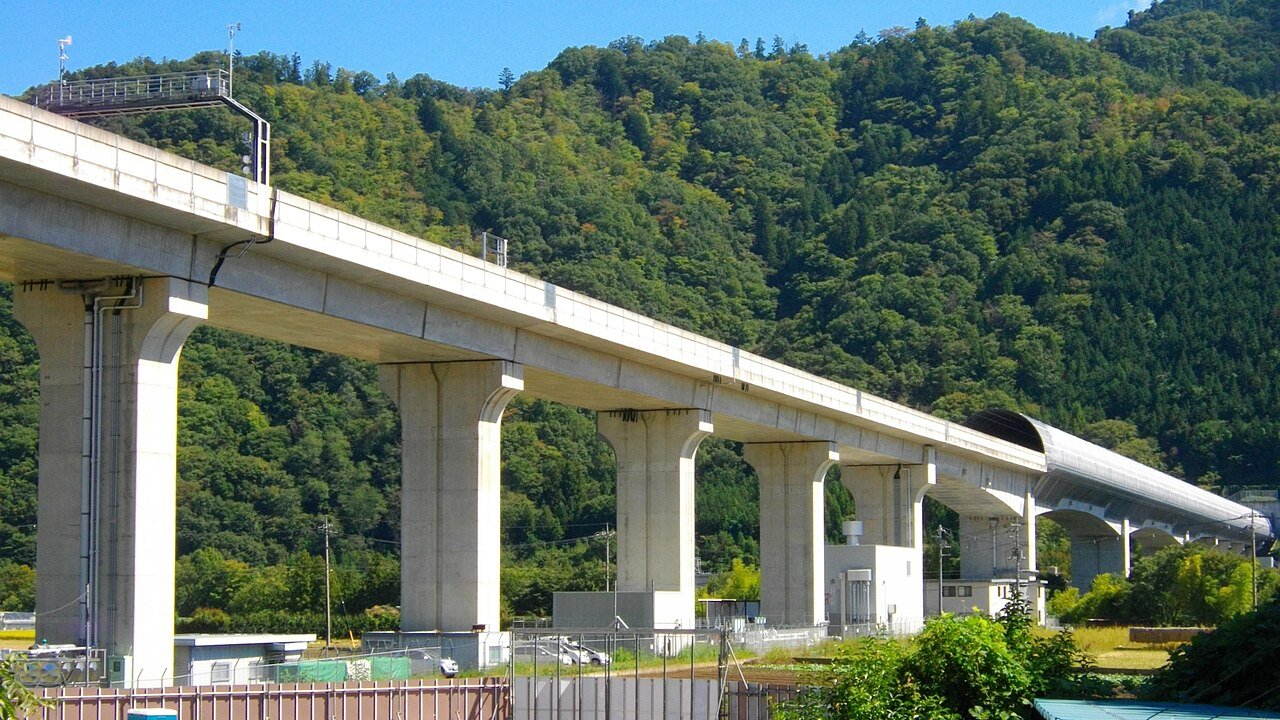
Japan began its maglev research in 1962. Its superconducting magnets lift the train about 10 cm (4 in) off the guideway. Ordinary maglev trains float only about 1 cm. That bigger gap is useful in a country with frequent earthquakes, IEEE Spectrum explains. A test line opened in Yamanashi, near Mount Fuji, in 1997.
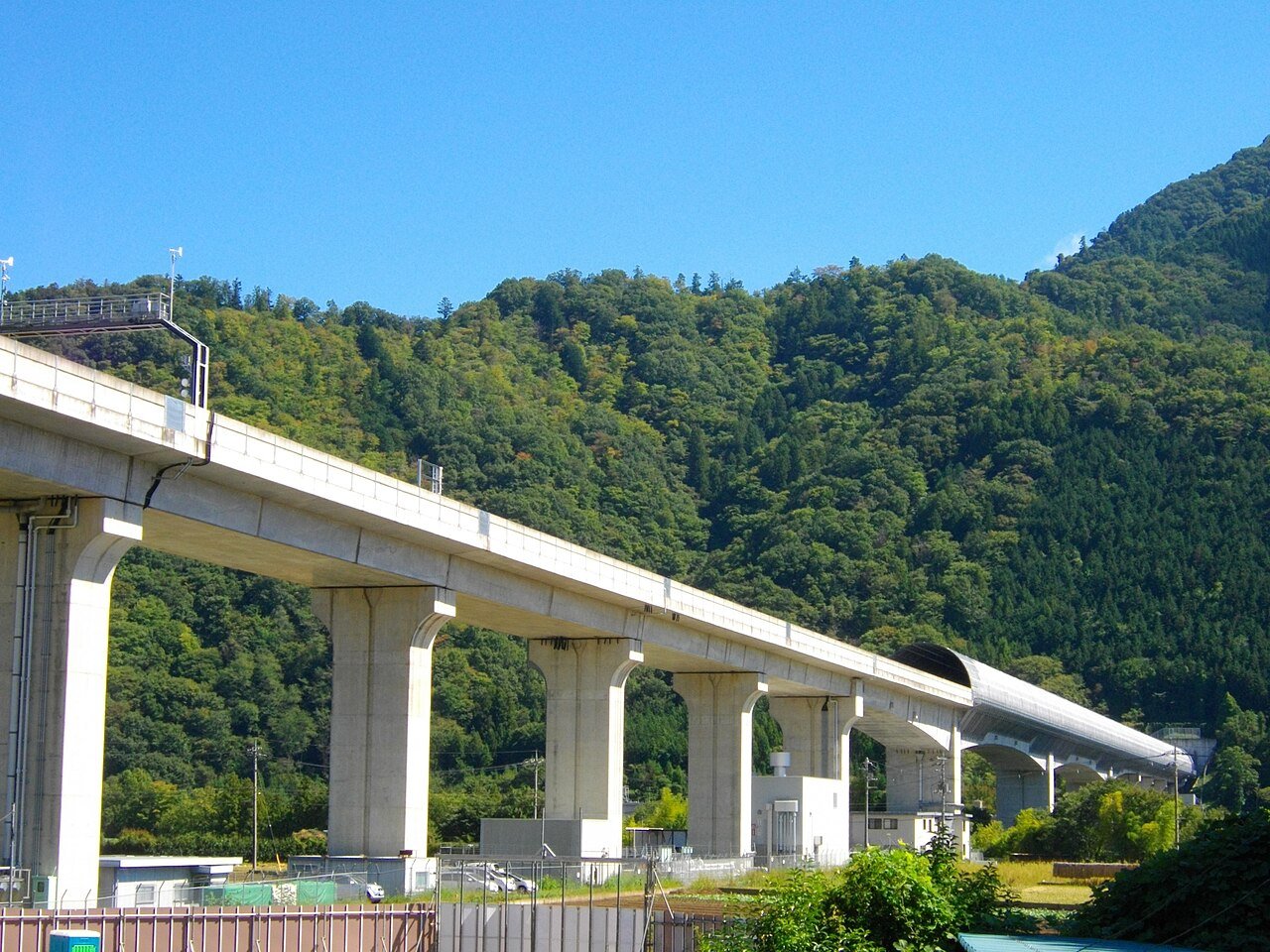
The speeds climbed in stages. Japan’s maglev reached 517 km/h in 1979, then 552 km/h with people on board in 1999. On 21 April 2015, a Series L0 train hit 603 km/h (374.68 mph) on the Yamanashi line. That is the train speed record listed by Guinness for the fastest maglev.
A letter every second week: one idea worth keeping and one piece we think you should read.
When can you ride it?
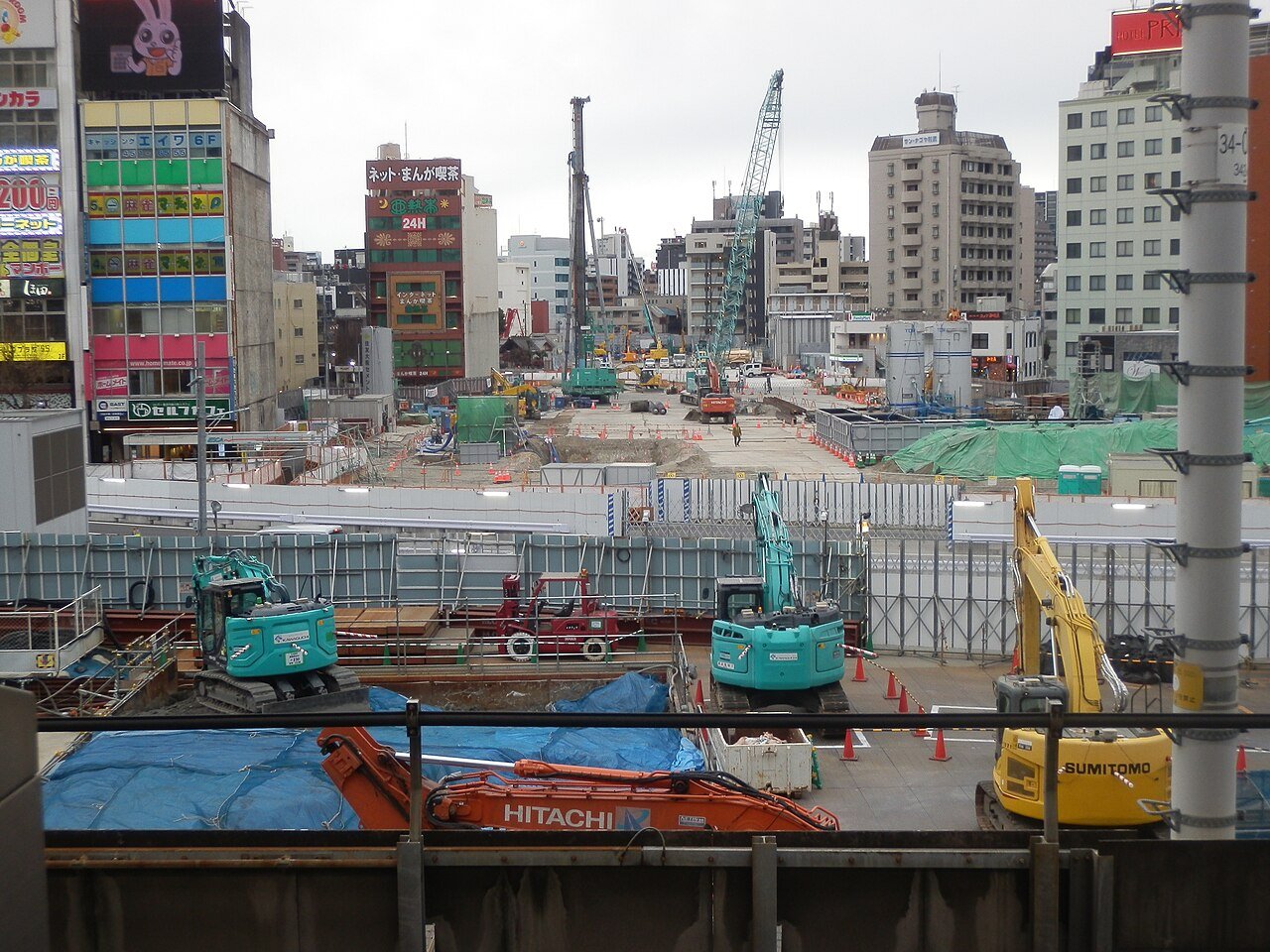
Not yet. The planned Chuo Shinkansen would link Shinagawa in Tokyo with Nagoya in about 40 minutes. Osaka would be 67 minutes away. It was meant to open in 2027. However, the earliest opening is now 2036, according to nippon.com’s Japan Data report. Note that 603 km/h was a test record. The planned service speed is about 500 km/h (311 mph).
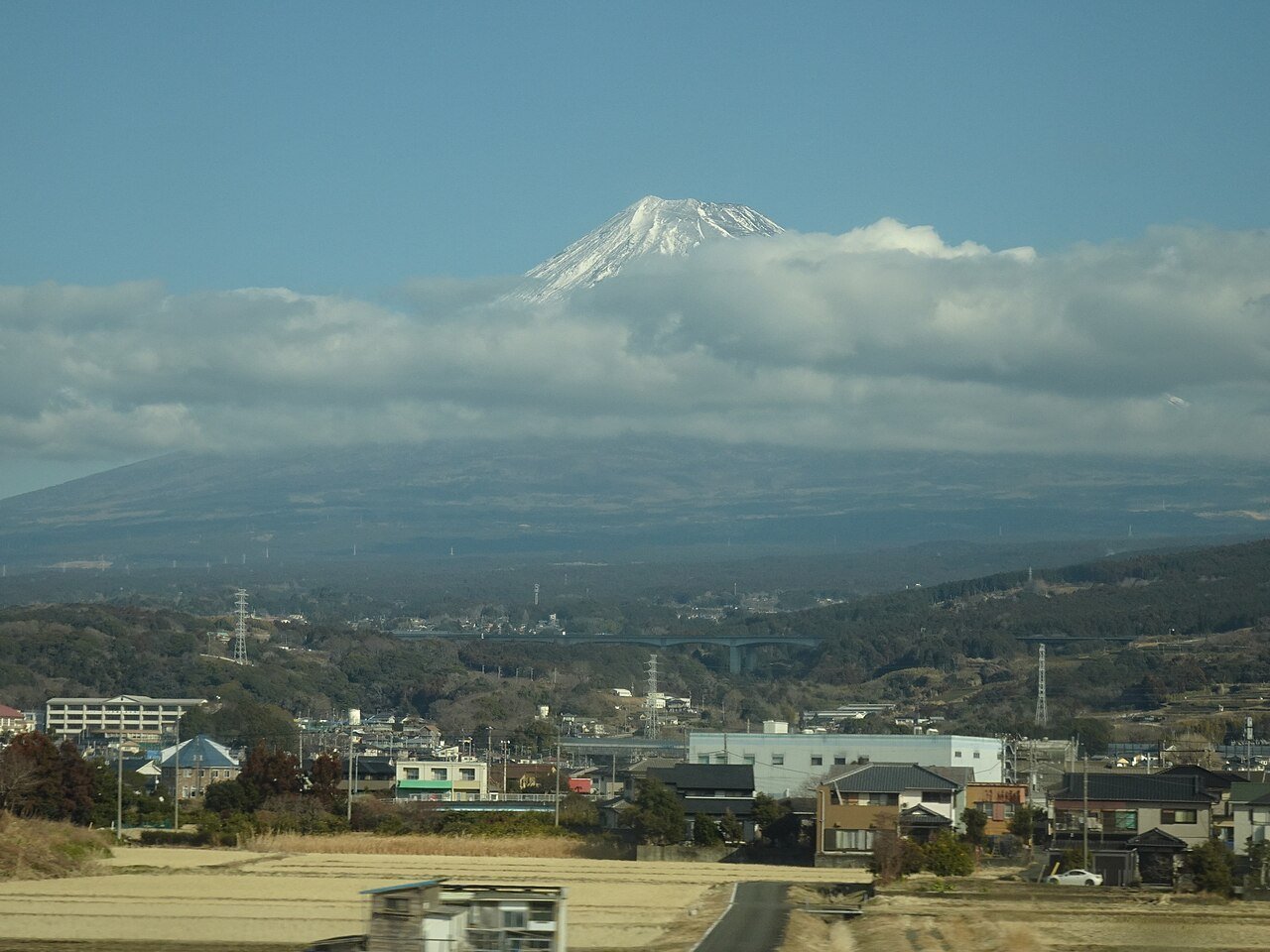
So the honest answer to the myth is a split one. Japan did not invent maglev, but it made the fastest one. Likewise, Japan did not invent the hybrid car or the idea of a robot. In each case it built the version that worked at scale.
Where to See Japanese Robots History in Person
Two cities hold most of this story. Nagoya has the record trains and the robots of industry. Tokyo has the first humanoid robot and the museum where ASIMO performed. The Tokaido Shinkansen links them, so the line of 1964 is also your way between the two.
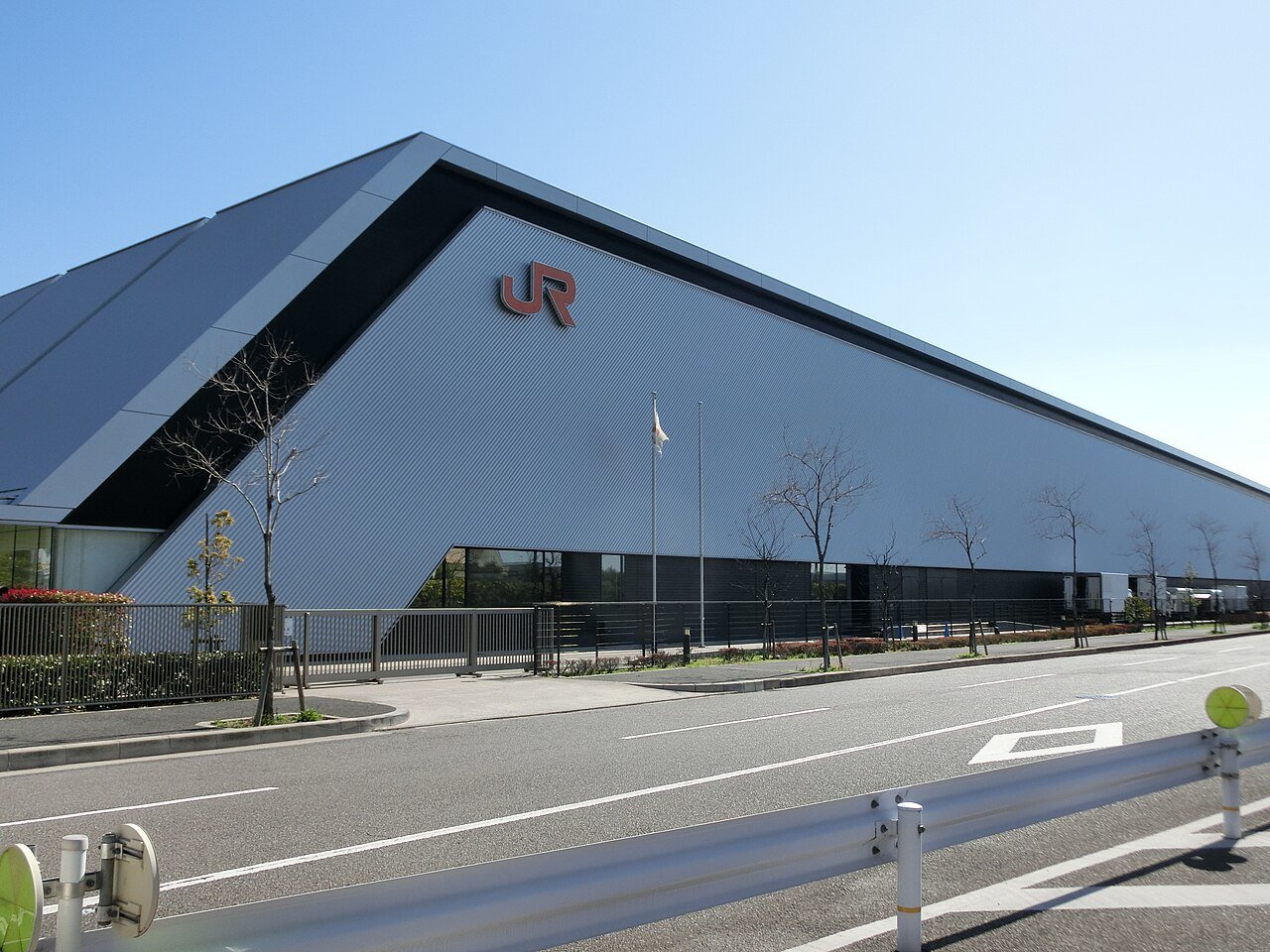
SCMAGLEV and Railway Park, Nagoya
JR Central’s museum sits about two minutes on foot from Kinjofuto Station on the Aonami Line. The ride from Nagoya Station takes about 24 minutes, the park’s access page says. Inside are 39 rolling stock displays, and several of them set world speed records.
Three of them tell this guide’s story in metal. The MLX01-1 is an earlier superconducting maglev test car. In the same hall, the Class 955, known as the 300X, was an experimental Shinkansen. The park lists it as the fastest electric multiple unit of 1996. In the Great Rolling Stock Hall stand Series 0 Shinkansen cars, the shape that opened the line in 1964.
Toyota Commemorative Museum of Industry and Technology
Toyota’s museum stands in the birthplace of the Toyota Group. It is three minutes on foot from Sako Station on the Meitetsu Nagoya Line. Its home is an early twentieth-century plant. Two pavilions, one for textile machinery and one for cars, trace the company from looms to engines.
The detail we would not miss is a robot. A walking partner robot plays the violin there, with delicate fingering and arm movements. It debuted at the Japan Pavilion of the Shanghai Expo in 2010. It came to the museum in June 2014, the museum’s demonstrations page says. In July 2026, the museum announced that the violin performances had resumed.
Tokyo: Waseda and Miraikan
In Tokyo, WABOT-1 stands in the lobby of Building 63 on Waseda’s Nishi-Waseda campus. Miraikan is where ASIMO performed for twenty years. Its regular ASIMO shows have ended, so check its current exhibitions before you go. For more small collections in the city, see our guide to unusual museums in Tokyo.
Between the two cities, ride the line itself. The Tokaido Shinkansen still follows the route that opened in 1964. It is the simplest way to feel the history in this guide. Two engineers once resigned to deliver this speed, and now it is an everyday part of travel in Japan. Many travelers keep a small notebook for days like these. It holds the train numbers, the museum hours and a quick sketch of a nose cone, a robot hand or a machine spotted on a station platform.

A Taste of Nagoya: Tebasaki
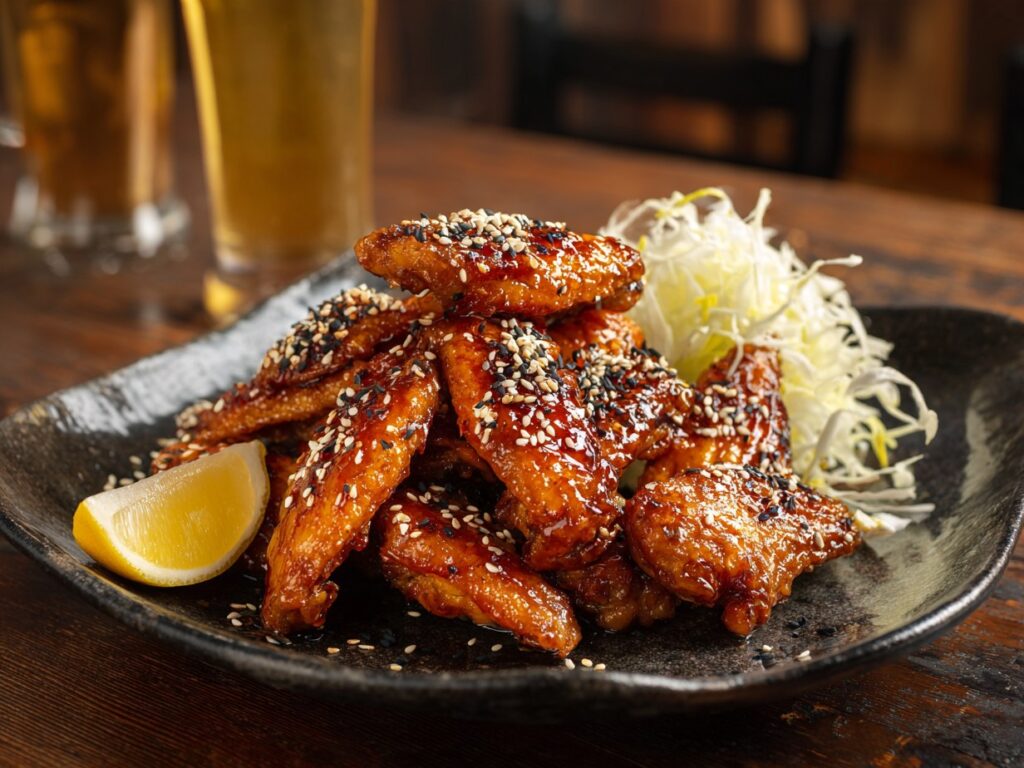
Nagoya is Toyota’s home ground and the future end of the first maglev line. It also has strong food of its own. Its best-known snack is tebasaki: chicken wings dusted in starch, fried twice and glazed with sweet soy sauce. Just One Cookbook credits this style to the restaurant Furaibo in Nagoya.
The wings belong to the evening, after a day in the museums. They suit an izakaya, the casual Japanese pub, beside a cold beer. Our recipe below follows Just One Cookbook’s Nagoya-style wings, and every step comes from that source.
The method is a small lesson in engineering. The first fry, at a lower heat, cooks the chicken most of the way. Next, a hotter fry crisps the skin. Only then does the glaze go on.



Tebasaki Recipe: Nagoya Chicken Wings
Nagoya’s twice-fried chicken wings with a sweet soy glaze, a style Just One Cookbook credits to the restaurant Furaibo.
- Prep 20 min
- Cook 30 min
- Total 50 min
- Serves 4
| For the sauce | ||
|---|---|---|
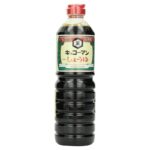
| 1 cup (240 ml) | 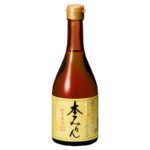 Sweet rice wine for cooking (mirin) | |
| 1/2 cup (120 ml) | Soy sauce | |
| 3 tbsp (45 ml) | Japanese rice wine for cooking (sake) | |
| 1/3 cup (80 ml) | Sugar | |
| 1/4 tsp | Kosher salt (Diamond Crystal), or half as much table salt | |
| 1 knob | Fresh ginger, a 1/2-inch (1.3 cm) piece, sliced | |
| 2 cloves | Garlic, crushed or minced | |
| For the wings | ||
| 1 lb (454 g) | Chicken wings, cut into flats and drumettes | |
| 1/4 cup (60 ml) |  Potato starch (katakuriko) or cornstarch | |
| 3 cups (720 ml) | Neutral oil, for deep-frying | |
| 2 tsp (10 ml) | Toasted white sesame seeds (iri goma) we suggest | |
We suggest serving them at once with a lemon wedge and cabbage on the side, the way Furaibo-style wings are plated in Nagoya.
| 1 | Make the sauce. Put the sweet rice wine (mirin), soy sauce, Japanese rice wine (sake), sugar, salt, ginger and garlic in a small saucepan and bring to a boil. Lower the heat and simmer for 15 to 20 minutes, until the sauce has reduced and thickened. It thickens more as it cools and keeps in a jar in the refrigerator for up to a month. |
| 2 | Prepare and coat the wings. Cut the chicken wings at the joint into flats and drumettes, then pat them dry with paper towels. Dredge each piece in the potato starch (katakuriko) or cornstarch, and shake off the excess before frying. |
| 3 | Fry the wings once. Heat the oil in a heavy pot to 320°F (160°C) over medium heat. Fry the wings for about 8 to 10 minutes, until they are about 80 percent cooked. Lift them out and let them drain on a wire rack or paper towels for 3 to 5 minutes. |
| 4 | Fry them again and glaze. Raise the oil to 350°F (180°C) and fry the wings again for about 3 to 5 minutes, until crispy and golden brown. Toss the hot wings in the sauce with tongs, or plate them and pour the sauce over. |
| 5 | Serve at once. Sprinkle the wings with the toasted white sesame seeds (iri goma) and serve immediately. We suggest a lemon wedge and cabbage on the side, as Furaibo-style wings are plated. For a little heat, add a sprinkle of white pepper. |
Make the sauce a day ahead if you like, since it keeps for a month in the refrigerator. Then the evening comes down to two short fries and a toss in the glaze. That leaves time to trade stories of the day, from the violin robot to the maglev car.
What the Machines Have in Common
Look back over these six machines and a pattern runs through Japanese robots history. Each began slower, heavier or stranger than its makers hoped. The bullet train nearly lost its loan. WABOT-1 took 45 seconds per step. The first Prius would not start for 49 days.
What followed was patience, not a single flash of genius. Teams refined the same machine for years, sometimes for decades. As a result, Japan's gift was often the version that worked every day for millions of people.
That habit is easy to miss from far away, and it is the real lesson of Japanese robots history. A museum display of an old robot or a retired train can look modest. Yet each one marks a long run of small corrections. They were made by people who kept going after the first failure.
Recommended
Seen that way, a day in Nagoya or Tokyo becomes a short course in persistence. You can stand beside the 300X, hear a robot play the violin and ride the line that started it all. For the inventions inside your phone and laptop, our guide to Japanese technology inventions picks up the story.
Planning a trip around the machines
The tools below support the practical side of a journey to Nagoya and Tokyo. They cover the first route, the rail pass and the notes you keep along the way. Use them with the museums' own calendars, because demonstrations run at set times. A good plan also leaves room for one long, unhurried lunch. In Nagoya, that lunch can be a first taste of the wings in this guide.


A journey built around these machines needs good timing more than a long list of sights. The museums keep their own calendars, and the robot performances run at set times of day. Our team can match a route to those details. For example, we can place you at the railway park in the morning and the Toyota museum after lunch. Then we can add an evening of tebasaki and a window seat on the Shinkansen to Tokyo. Every route starts with a short conversation about what you most want to see. Tell us which machines matter to you, and we will shape the days around them, with rooms that let you rest between the stops.
A Japan trip that follows the machines that moved it
Our team builds custom itineraries around the SCMAGLEV and Railway Park, the Toyota Commemorative Museum and Tokyo's science museums. Expect unhurried days, a window seat on the Shinkansen and evenings in Nagoya and Tokyo at their best.
Plan Your Custom Japan ItineraryQuestions Worth Asking
What is the history of Japanese robots?
Japanese robots history in this guide starts in 1973, when Waseda University completed WABOT-1, often called the world's first full-scale humanoid robot. Honda began its walking research in 1986 and unveiled ASIMO in 2000. Sony's AIBO robot dog went on sale in 1999. Edo-period mechanical dolls called karakuri came much earlier.
What was the first robot created in Japan?
Gakutensoku, built in 1928 by Nishimura Makoto, is thought to be the first robot built in East Asia, nippon.com reports; a 2008 replica is shown at the Osaka Science Museum. Japan's first full-scale humanoid robot came later: Waseda University's WABOT-1, completed in 1973, which walked on two legs and spoke simple Japanese.
When did the Shinkansen open?
The Tokaido Shinkansen opened on 1 October 1964, nine days before the Tokyo Olympics, running between Tokyo and Osaka at 210 km/h (130 mph). The World Bank lent $80 million toward the line. In its first 50 years, the Shinkansen never had a fatal derailment or collision.
Was the Prius the first hybrid car?
No. Guinness World Records lists a Lohner-Porsche hybrid shown in Vienna in 1901 as the first vehicle with a mixed gasoline and electric drive. Toyota's Prius, launched on 10 December 1997, was the world's first mass-produced hybrid car, and it doubled the fuel economy of comparable gasoline cars.
Can you still see ASIMO?
ASIMO's regular demonstrations at Miraikan in Tokyo ended on 31 March 2022, after twenty years and 15,466 shows by the end of 2021. Honda never sold the robot. Check Miraikan's current exhibitions before a visit, because regular ASIMO shows are no longer on its program.
When will the Chuo Shinkansen maglev open?
Not before 2036, according to nippon.com; the line was first planned for 2027. It would link Shinagawa in Tokyo with Nagoya in about 40 minutes and with Osaka in 67. Its Series L0 train set the world speed record for a train, 603 km/h (374.68 mph), in April 2015.