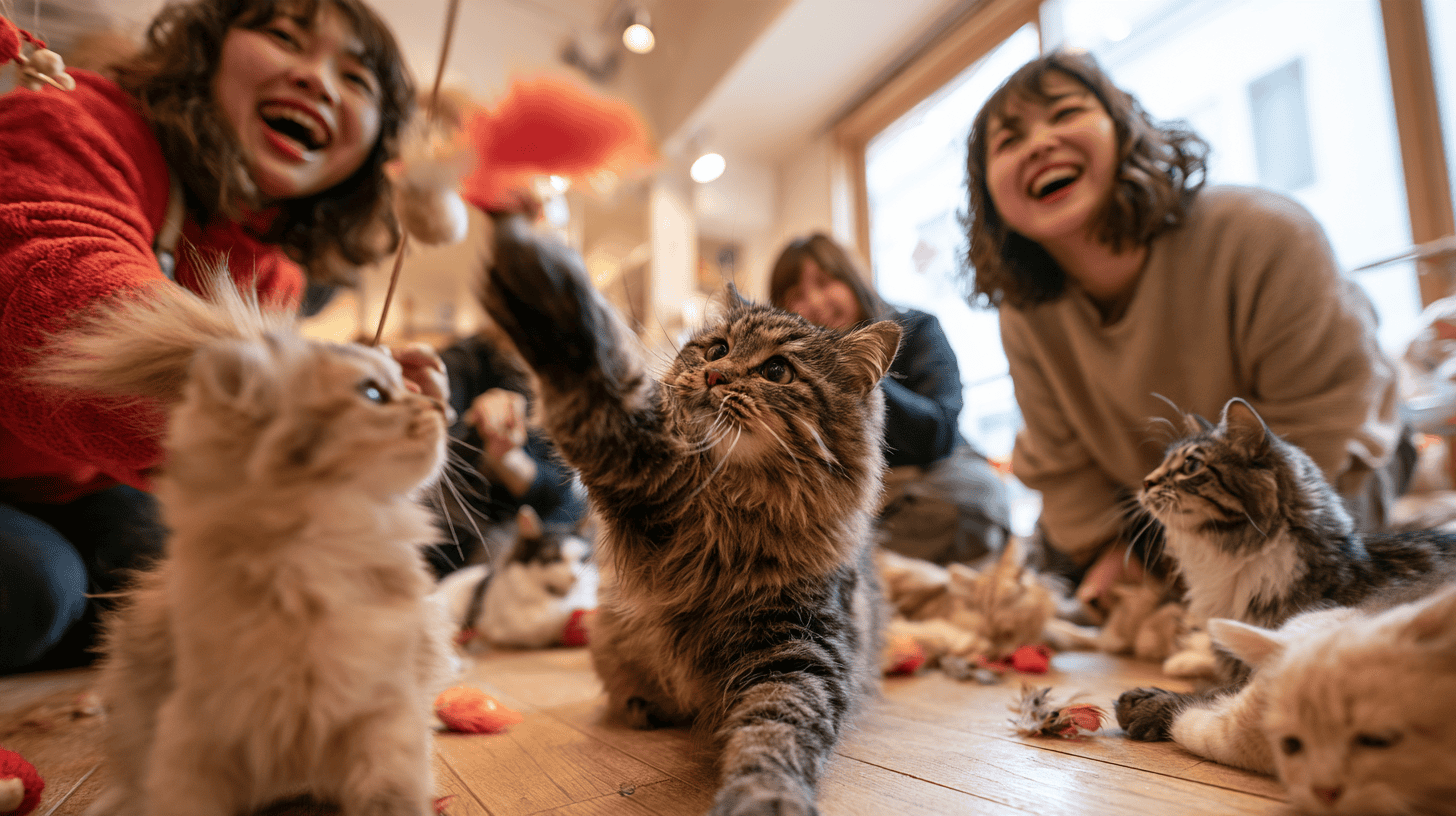
Japanese nicknames are small acts of affection. A friend named Megumi becomes Megu-chan, and a classmate named Takumi becomes Takkun. Nobody plans it, yet the new name sticks for decades. It tells everyone in the room how close two people are.
To find a real name to start from, the Japanese name generator shows thousands of given names with their kanji, kana and meaning. Then this guide shows what Japanese speakers do next. They shorten the name, add a suffix, and turn it into something warmer.
Below, you will find the suffixes, the rule that shapes almost every nickname, and twenty examples built from real names. There is also advice on online usernames and the mistakes to avoid. For the wider story of naming in Japan, start with our guide to the art of Japanese names.
How do Japanese nicknames work?
Most Japanese nicknames shorten a given name to its first two beats and add a suffix. Megumi becomes Megu-chan, and Keiko becomes Kei-chan. The suffix sets the tone: chan is warm and childlike, kun is common between boys, and san stays polite. Friends also invent playful forms, such as Takkun from Takumi.
First, a note on the examples. Every name, reading and meaning below comes from the name list behind our own generator. That list holds 2,597 checked entries: 2,231 given names, 250 surnames, 27 names from legend and history, and 89 ordinary words. Each kanji appears with its dictionary meaning. The nicknames themselves follow published patterns, and we say where each pattern comes from. As a result, nothing here is invented, and you can use any of these forms with confidence.
Why Japanese Nicknames Matter in Daily Life
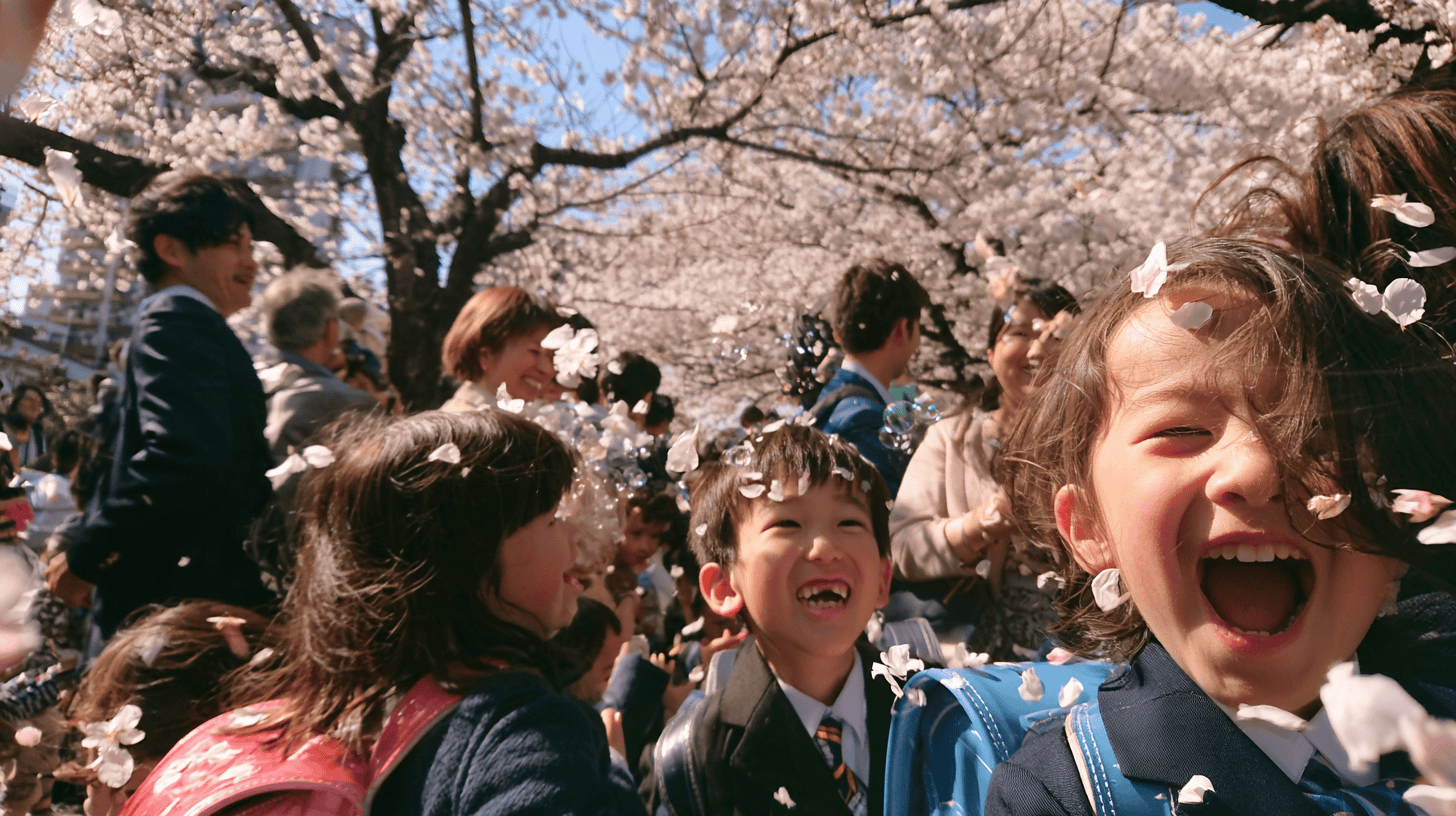
In Japan, the way you address someone is never neutral. Colleagues use family names with san, and that distance feels normal. So when a friend starts calling you by a shortened first name, something has changed. The nickname marks a relationship as close, relaxed and a little private.

That is why Japanese nicknames carry more weight than their English cousins. An English speaker might call a new acquaintance Mike or Liz on day one. By contrast, a Japanese speaker usually waits to be invited. Children are the exception, because school friends hand out nicknames freely. Many of those childhood names survive into middle age, so a man of fifty may still be Ken-chan to his oldest friends.
Nicknames also soften authority in a gentle way. A popular teacher might be known to students by a nickname they would never say to her face. Similarly, a family may call its youngest child by a pet name long after she leaves home. In each case, the nickname records a history that a formal name cannot hold.
Kodansha Kanji Learner’s Dictionary — read the meaning before you shorten it

A nickname keeps part of a name and drops the rest, so it helps to know what each part means. The Kodansha Kanji Learner’s Dictionary, in its revised second edition, covers 3,002 kanji. Each entry gives a core meaning, readings in kana, stroke order and common compounds. It also expands its coverage of name readings, which matters because names often use unusual ones. For instance, look up 恵 and you will see why Megumi and Keiko share a character. That kind of detail turns a nickname from a sound into a story. It is a reference you will return to every time a new name crosses your path.
You may also like
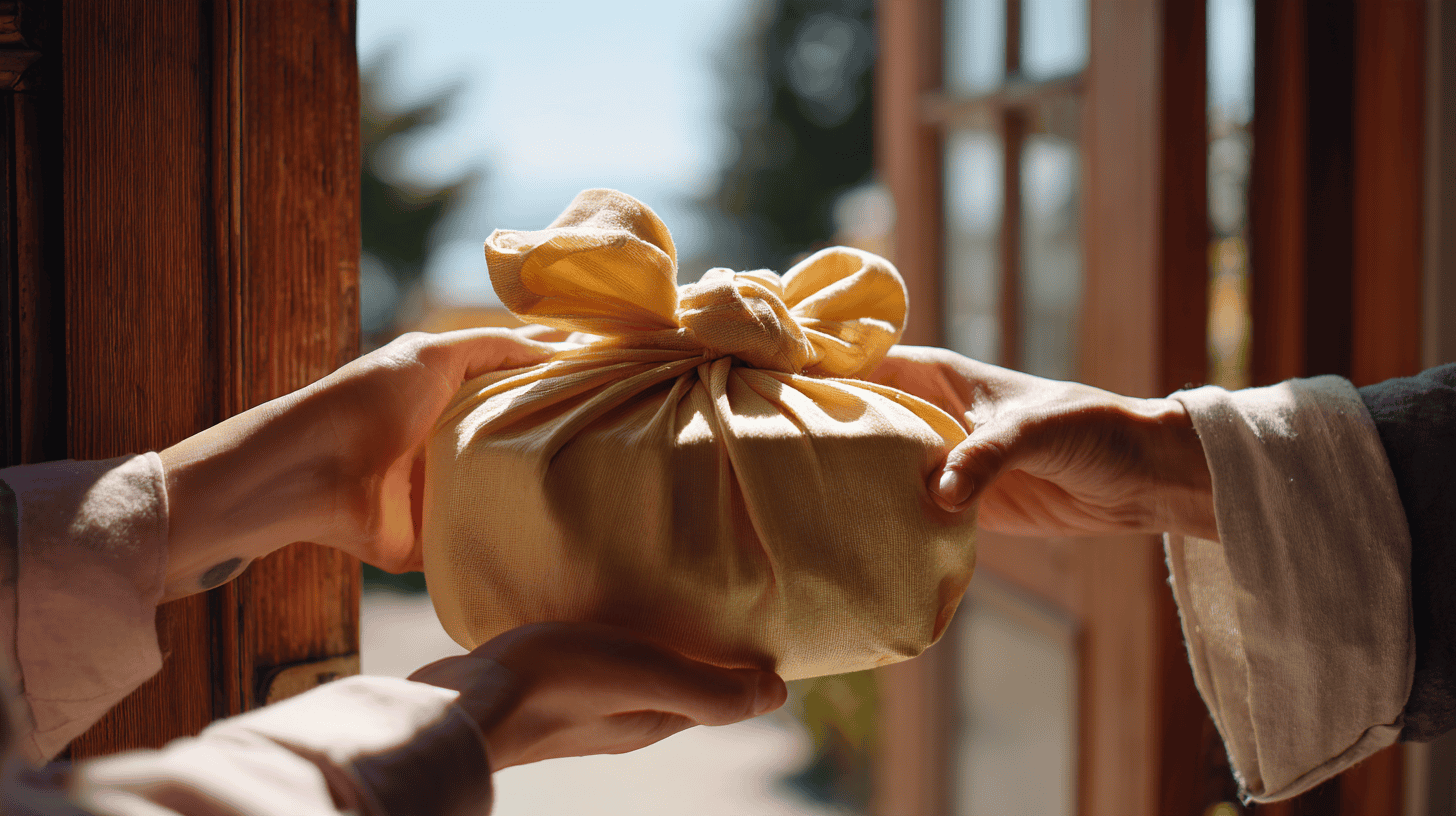
Before the suffixes, one more point about timing. In Japan, a nickname is usually offered, not taken. A friend might say, “Just call me Yuki,” and that sentence is a small gift. If you are visiting or working in Japan, wait for that invitation before you shorten anyone’s name. Meanwhile, the family name with san is always safe. Once the invitation comes, though, use the nickname warmly and often, because hesitating can feel like a step back.
Japanese Name Suffixes: San, Kun, Chan, Sama and Tan
The suffix does as much work as the name. Five endings cover almost every situation, and each sets a different distance. According to Coto Academy’s guide to making a nickname, chan is a soft suffix for girls, young children, pets and close friends. Kun is typical for boys, especially among classmates and colleagues. Tan is a babyish form of chan that grew out of online fan culture.
| Suffix | Kana | Tone | Typically used for |
|---|---|---|---|
| san | さん | polite, neutral | almost anyone, with a family name or a given name |
| sama | さま | formal, respectful | customers and letters, rarely friends |
| kun | くん | familiar | boys, younger men, classmates |
| chan | ちゃん | warm, childlike | girls, children, pets, close friends |
| tan | たん | playful, babyish | online fans and very close friends |
Notice how the table moves from distance to closeness. San is the default, and it works with a family name or a given name. Sama sits above it, so you will hear it from shop staff and read it on envelopes. Kun and chan, meanwhile, are where Japanese nicknames really begin. Both say that the speaker feels close to, or slightly older than, the person named.
These boundaries are not strict, however. Some teachers call every student kun, girls included. Likewise, a grandmother may call her grown son chan for the rest of his life. A boss calling a junior employee kun is ordinary, but the reverse would be rude. So think of each suffix as a dial of warmth and rank rather than a gender label.
Why the Suffix Can Replace the Name
A suffix can even stand in for part of the name. When a friend calls you Aki-chan instead of Akiko-san, two things change at once. The name gets shorter, and the suffix gets warmer. That double change is why a nickname feels so personal. It shows both familiarity and affection in a single word.
The Two-Beat Rule Behind Japanese Nicknames
Here is the pattern that explains most Japanese nicknames. Japanese counts sounds in beats called morae. A short syllable such as ka is one beat, while a long vowel or a final n adds another. When a name becomes a nickname with chan, it is almost always cut to exactly two beats. Linguists call this a two-beat foot, and MIT’s phonology course describes truncation to a two-beat foot as “the one constant” in these names, in its lecture notes on how names are shortened.

The examples make the rule clear. Megumi has three beats, me-gu-mi, so the nickname keeps me-gu and becomes Megu-chan. Keiko has three beats, ke-i-ko, so the nickname keeps kei and becomes Kei-chan. Junko, ju-n-ko, becomes Jun-chan, because the n counts as a beat. Meanwhile, Yuki is already two beats, so Yuki-chan needs no cutting at all.
Sometimes the two beats come from an unexpected place. Sachiko can become Sat-chan, often written Sacchan, where a doubled consonant fills the second beat. Midori can become Mido-chan or simply Mii-chan, with a long vowel. Hanako can become Hana-chan, Hā-chan or Hat-chan. In every case, the base before chan is two beats long.
Kun Follows the Same Pattern
Boys’ nicknames work the same way, though kun is more common than chan. Kazuya becomes Kazu-kun, and Tomoya becomes Tomo-kun. There is also a playful merged form. Takumi can become Takkun, where the suffix fuses with the first beat, as Coto Academy notes. Because these forms are so regular, you can predict a likely nickname for almost any name you meet.
Custom Stone Name Seal — carve the name your friends use
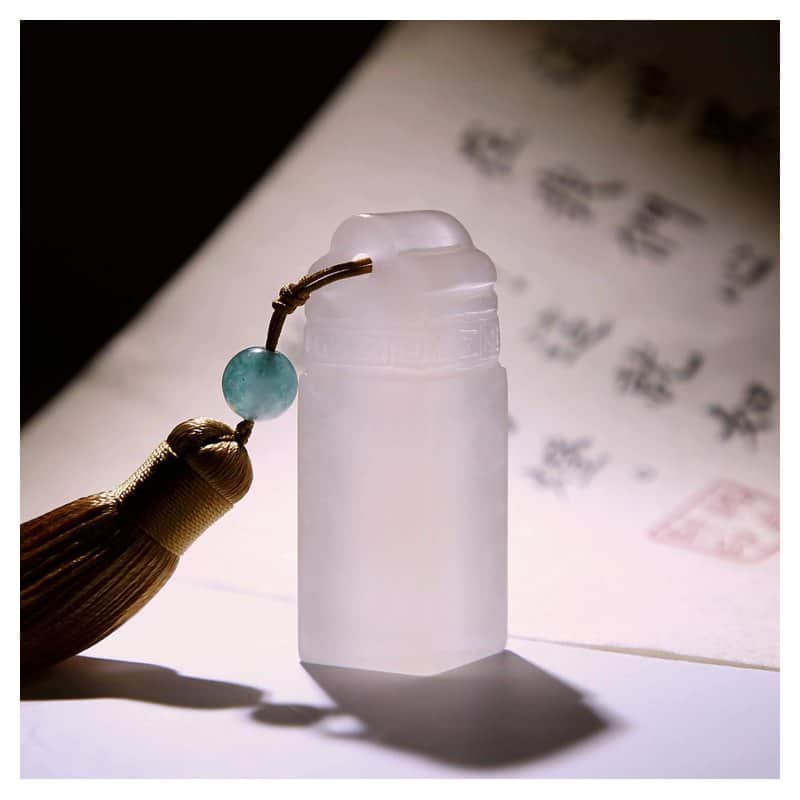
A nickname rarely appears in writing, which makes it special when it does. This custom stone name seal is carved to your own text, so it can carry a nickname as easily as a formal name. Send the exact characters, in kana or kanji, rather than a romanized spelling, so the carver does not guess. The stone is about one inch square, with a tassel at the top. Because each piece has its own grain, no two seals look alike. Stamp it on cards and letters for the people who use that name. As a gift between old friends, it says something a formal seal never could.
Cute Japanese Nicknames From Real Names
Now for the examples. Each row starts with a real given name from our list, shows its kanji and the meaning of each character, and then gives a nickname. Forms marked with an asterisk appear in MIT’s lecture notes. The rest follow the same two-beat pattern, so they are the forms a Japanese friend would most likely use first.
| Name | Kanji | Kana | The kanji mean | Nickname |
|---|---|---|---|---|
| Hanako | 花子 | はなこ | flower · child | Hana-chan* |
| Keiko | 恵子 | けいこ | favor · child | Kei-chan* |
| Junko | 純子 | じゅんこ | purity · child | Jun-chan* |
| Sachiko | 幸子 | さちこ | happiness · child | Sacchan* |
| Midori | 緑 | みどり | green | Mido-chan* |
| Megumi | 恵 | めぐみ | favor · grace | Megu-chan* |
| Takako | 享子 | たかこ | enjoy · child | Taka-chan* |
| Masako | 雅子 | まさこ | elegant · child | Masa-chan |
| Ayaka | 彩花 | あやか | coloring · flower | Aya-chan |
| Nanami | 七海 | ななみ | seven · sea | Nana-chan |
| Haruka | 遥 | はるか | far off · distant | Haru-chan |
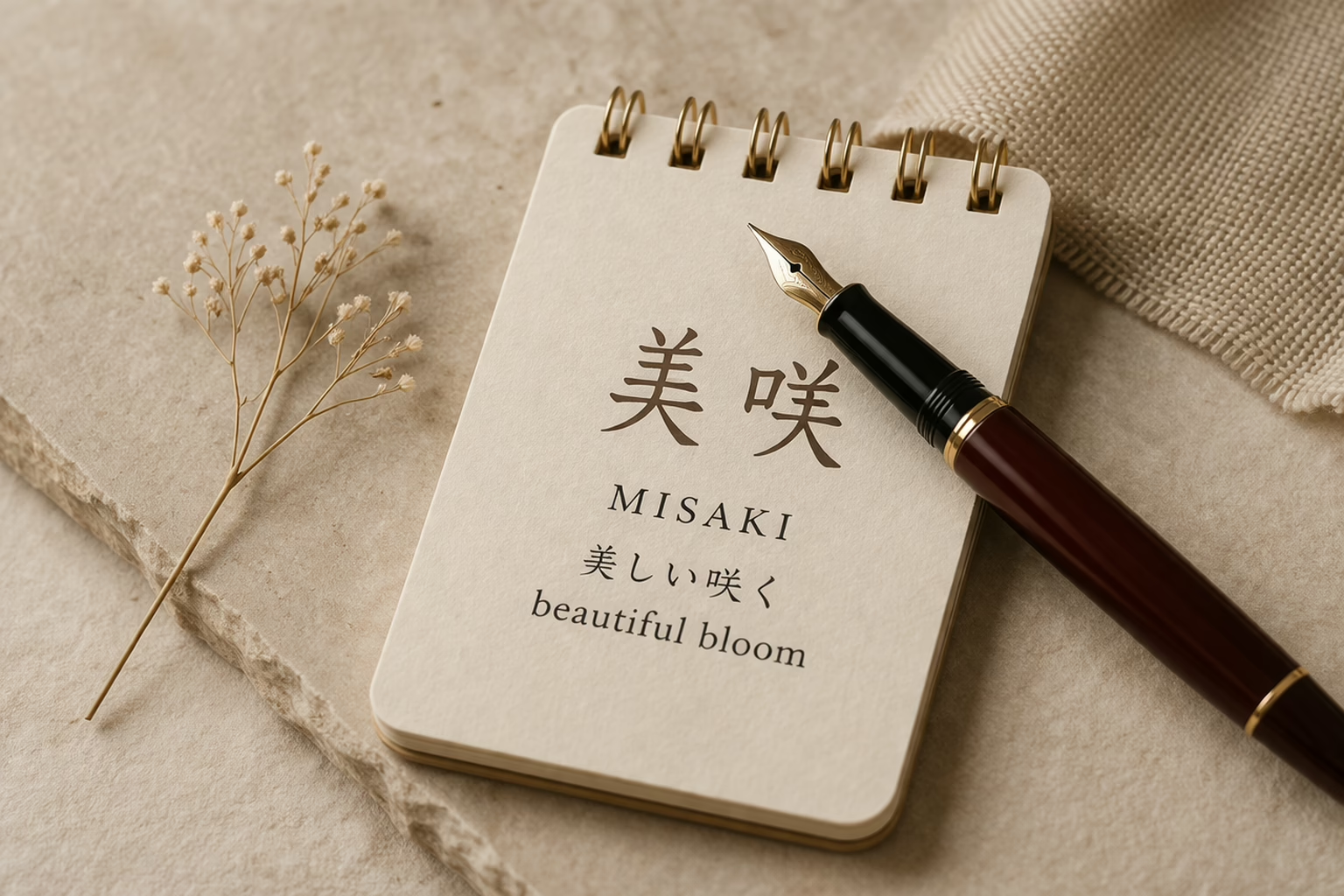
| Misaki | 美咲 | みさき | beauty · blossom | Misa-chan |
Several of these names end in ko, which means child. That ending was the most common pattern for girls’ names through much of the twentieth century. Today it sounds a little classic, so many younger women named Keiko or Junko are better known by their nickname.
Boys’ names follow the same logic, and the table below pairs them with kun or chan. Kun is the everyday choice among classmates. However, chan for a boy is common in families and among childhood friends, so both appear.
| Name | Kanji | Kana | The kanji mean | Nickname |
|---|---|---|---|---|
| Akira | 明 | あきら | bright · light | Aki-chan* |
| Takumi | 匠 | たくみ | artisan | Takkun |
| Kenta | 健太 | けんた | healthy · plump | Ken-chan |
| Daiki | 大輝 | だいき | large · radiance | Dai-chan |
| Haruto | 陽翔 | はると | sunshine · soar | Haru-kun |
| Kazuya | 一也 | かずや | one · to be | Kazu-kun |
| Tomoya | 倫也 | ともや | companion · to be | Tomo-kun |
| Riku | 陸 | りく | land | Riku-kun |
Look closely, and you will see that Haruto and Haruka share a nickname base. Both shorten to Haru, which means the suffix and the setting tell people apart. In a class with both, friends might switch to a family name or invent something new. So nicknames are never fixed by rule alone. They grow from the people and places around them. For the full meaning of each kanji in a name, see our guide to Japanese name meanings.
You may also like

Nicknames From Family Names
A final word on surnames before moving on. Nicknames can also grow from a family name, especially among teammates and coworkers. A colleague named Yamamoto might become Yama-chan, following the same two-beat rule. This is common in offices, where first names are rarely used. So if you know only someone’s family name, you can still guess the nickname a friend might choose. Our guide to Japanese last names explains what those family names mean. If you would like to hear these names spoken in Japan itself, our custom Japan itineraries are built around neighborhoods, cafés and the people in them.
Ten Proverbs to Carry With You
A printable folio of ten Japanese proverbs, each with a short note on where it shows up in daily life. Like a good nickname, a proverb says a great deal in very few words. Leave your email and the printable arrives in your inbox, followed by an occasional letter on Japan.
One email with your printable. Occasional letters after that. Unsubscribe anytime.
Nicknames Between Friends, Family and Colleagues
Who uses a nickname matters as much as the nickname itself. In a family, parents and grandparents often use chan for every child, whatever their age. Among school friends, nicknames change with each new class and club. At work, by contrast, most people use family names with san, and nicknames appear only among close teammates.
Couples have their own habits too. Some partners keep the nickname they used as friends, so a husband may still call his wife Megu-chan after twenty years. Others drop the suffix entirely and use the bare first name, which feels intimate in its own way. Meanwhile, parents often call each other Mama and Papa once children arrive. Each choice says something about how the relationship sees itself.

Pets deserve a mention as well. Japanese owners almost always add chan to a pet’s name, and many shorten it first. A cat named Momo becomes Momo-chan, and a dog named Kotarō becomes Kota-chan. In cat cafés, staff introduce each animal with its nickname, which helps visitors feel at home. So if you name a pet with a Japanese name, the nickname will likely follow on its own. Many owners even add a second, sillier form for home, such as Momo-tan, which they would never use in public. In that sense, a pet often collects more nicknames than anyone else in the family.
Pentel Pocket Brush Pen — write the nickname by hand
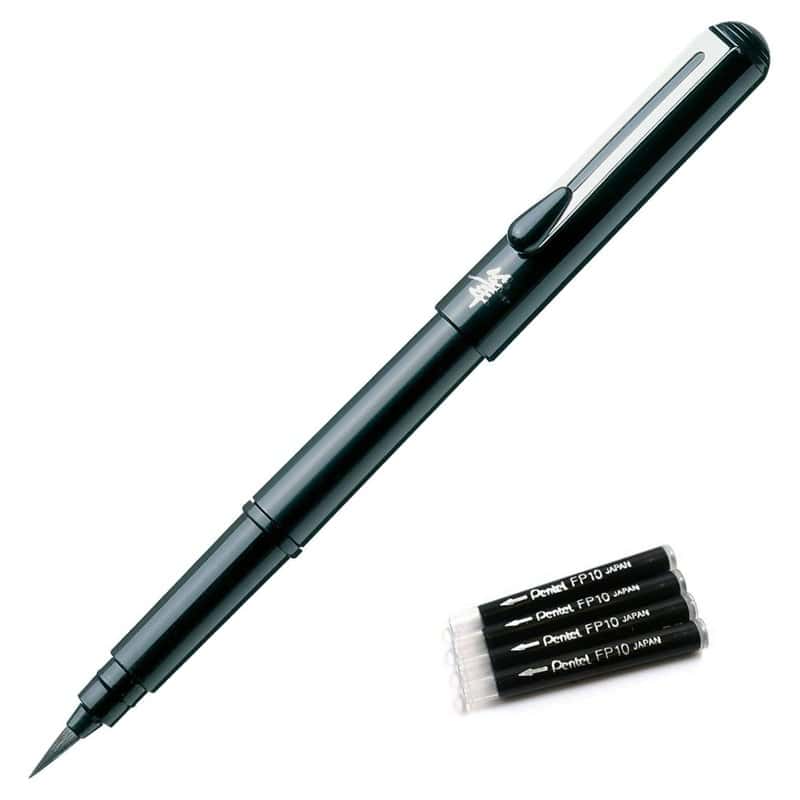
Birthday cards and farewell notes are where Japanese nicknames finally appear in writing. The Pentel Pocket Brush Pen has a real synthetic brush tip and refillable ink cartridges, and this set includes spares. Its fine point suits short words such as Megu-chan or Ken-chan in kana. Thick and thin strokes come naturally, so even simple characters look lively. Moreover, the pen fits in a jacket pocket, so it travels well. Write a friend’s nickname at the top of a card, and the message beneath it feels warmer before they read a word. Keep a spare cartridge in the box, since the ink runs freely and you will use the pen more than you expect.
Recommended
Teachers and coaches sit in an interesting middle ground. A homeroom teacher may call students by family name with kun or san in class, then by nickname at a school festival. Sports coaches often use short family-name nicknames because they are quick to shout. As a result, a student can carry three or four names in a single day. Each one belongs to a different group, and switching between them is second nature.
Japanese Usernames: Building an Online Handle
Online, a nickname works differently, because strangers see it first. Many Japanese users choose a handle built from a nickname, a hobby or a single word. A gamer named Haruto might play as Haru, while an illustrator named Ayaka might post as Aya. The pattern is the same two-beat base, simply without the suffix.

If you want a Japanese username of your own, start with what you want it to say. A nickname from a real name feels personal. By contrast, a single word feels like a symbol. Our name list keeps 89 ordinary words apart from real names, and several of them make striking handles precisely because they are not names.
| Word | Kanji | Kana | What it means | Suits a handle for |
|---|---|---|---|---|
| Kitsune | 狐 | きつね | fox | a clever, playful persona |
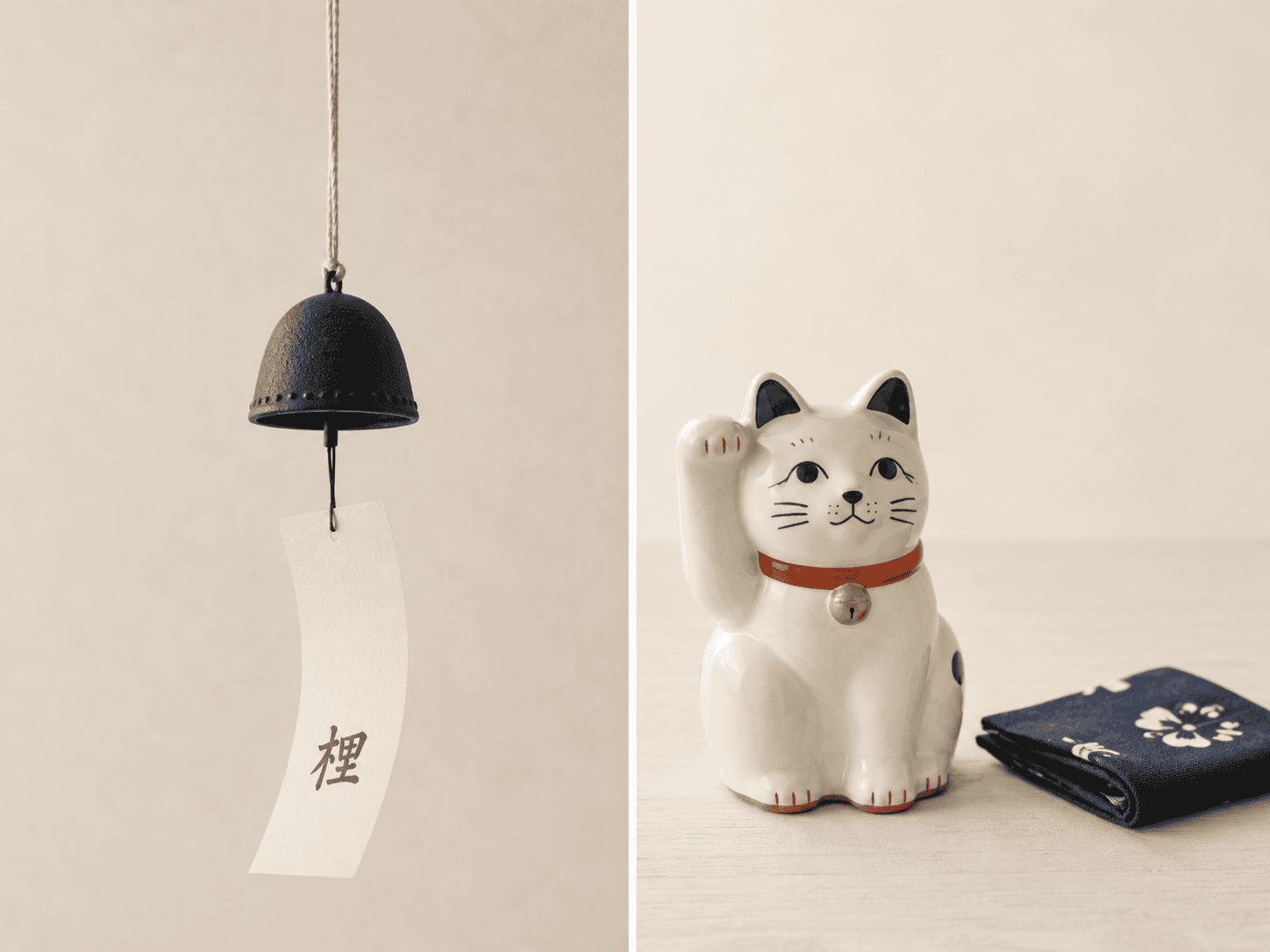
| Tanuki | 狸 | たぬき | raccoon dog | a cheerful joker |
| Fukurō | 梟 | ふくろう | owl | a night owl or a reader |
| Kamome | 鷗 | かもめ | seagull | a traveler by the sea |
| Tabibito | 旅人 | たびびと | traveler, wanderer | a travel account |
| Tsundoku | 積ん読 | つんどく | buying books and letting them pile up | a book lover |
| Kagayaki | 輝き | かがやき | radiance, sparkle | an artist or a streamer |
Spelling matters more online than in speech. Long vowels can be written several ways in English letters, so Yūki may appear as Yuuki, Yuki or Yūki. Many users double the vowel, because a macron is hard to type. Likewise, Fukurō often becomes fukurou or fukuro. Choose one spelling and keep it everywhere, so friends can find you. If you also want your own name in Japanese script, our guide to what is my Japanese name compares katakana, kanji and a chosen Japanese name.

Kuretake ZIG Calligraphy Markers — letter your handle in color
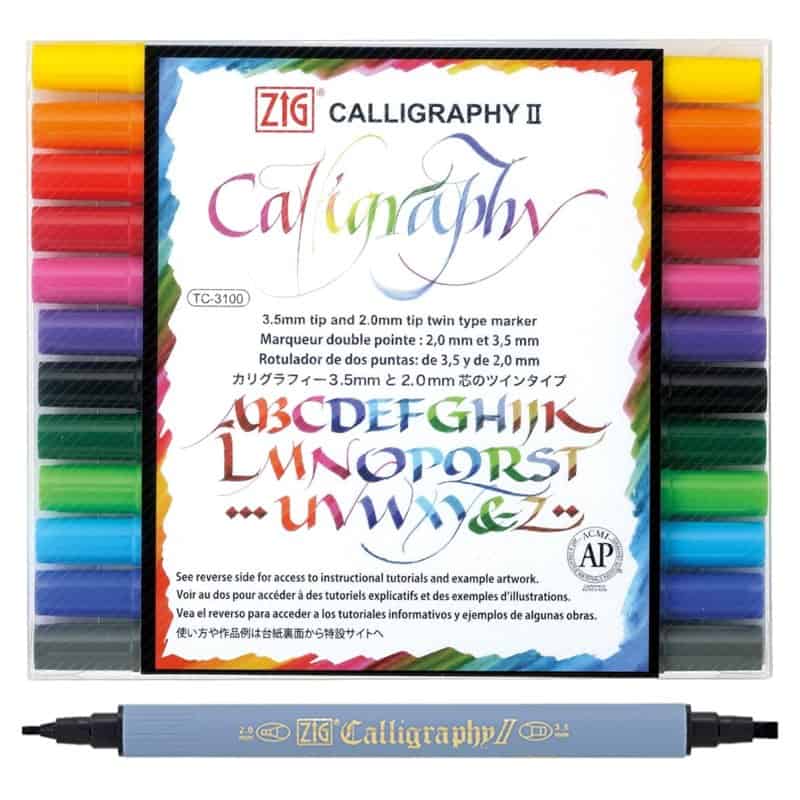
A handle often needs a small piece of art: an avatar, a banner or a name card. These Kuretake ZIG calligraphy markers come in twelve colors with a chisel tip at each end. Kuretake is a Japanese maker with a long history in ink and brushes, and these markers are made in Japan. The chisel tips give kana a neat, lettered look. Try writing your handle in one color and its meaning in another, then photograph the card. That simple image can become a profile picture that no one else has. The markers also suit birthday cards, club signs and labels for a shared notebook. Because the ink is water-based, it will not bleed through ordinary card stock.
A word on privacy belongs here too. Many people build a handle from their real name, which makes them easy to find. If you would rather stay private, choose a word from the table instead, or combine a nickname with a hobby. For example, Kitsune-reads or Haru-sketches keeps the warmth without revealing a surname. Then test the handle aloud, because a good username, like a good nickname, should be easy to say. Finally, search for it before you commit, since popular words are often taken already.
Mistakes to Avoid With Japanese Nicknames
The first mistake is using a nickname without an invitation. Calling a new colleague Kei-chan on the first day would feel presumptuous, even if you mean it kindly. Instead, use the family name with san until someone suggests otherwise. Then follow their lead, because the person named decides what they are called.
The second mistake is the wrong suffix. Calling a senior colleague kun reverses the usual direction of the word and can sound rude. Similarly, tan between people who are not close may feel odd or teasing. When in doubt, choose the more formal option, since moving closer later is easy. Moving back, however, is awkward for everyone.

The third mistake is cutting the name in the wrong place. A nickname almost always keeps the first two beats, not the last ones. So Megumi becomes Megu-chan, never Mi-chan. Of course, families sometimes invent exceptions, such as Mii-chan for Midori, but those come from the people involved. For a learner, the two-beat rule is the safe default.
Test It on a Friend
Finally, remember that some nicknames carry meanings of their own. A short form can accidentally match an ordinary word, which may amuse or embarrass. So before you use a new nickname widely, say it to a Japanese friend and watch their face. If they smile in the right way, you have chosen well. If they laugh in the wrong place, you have learned something useful, and you can try another form. The same test helps with anime character names, where a careless name can pull readers out of a story.
A Lunchbox Classic to Share
Nicknames are born over shared meals as often as in classrooms. A rolled omelette is one of the most familiar foods in a Japanese lunchbox, and friends trade slices of it every day. So it makes a fitting recipe for this guide. The version below is dashimaki tamago, seasoned with dashi for a soft, savory layer.
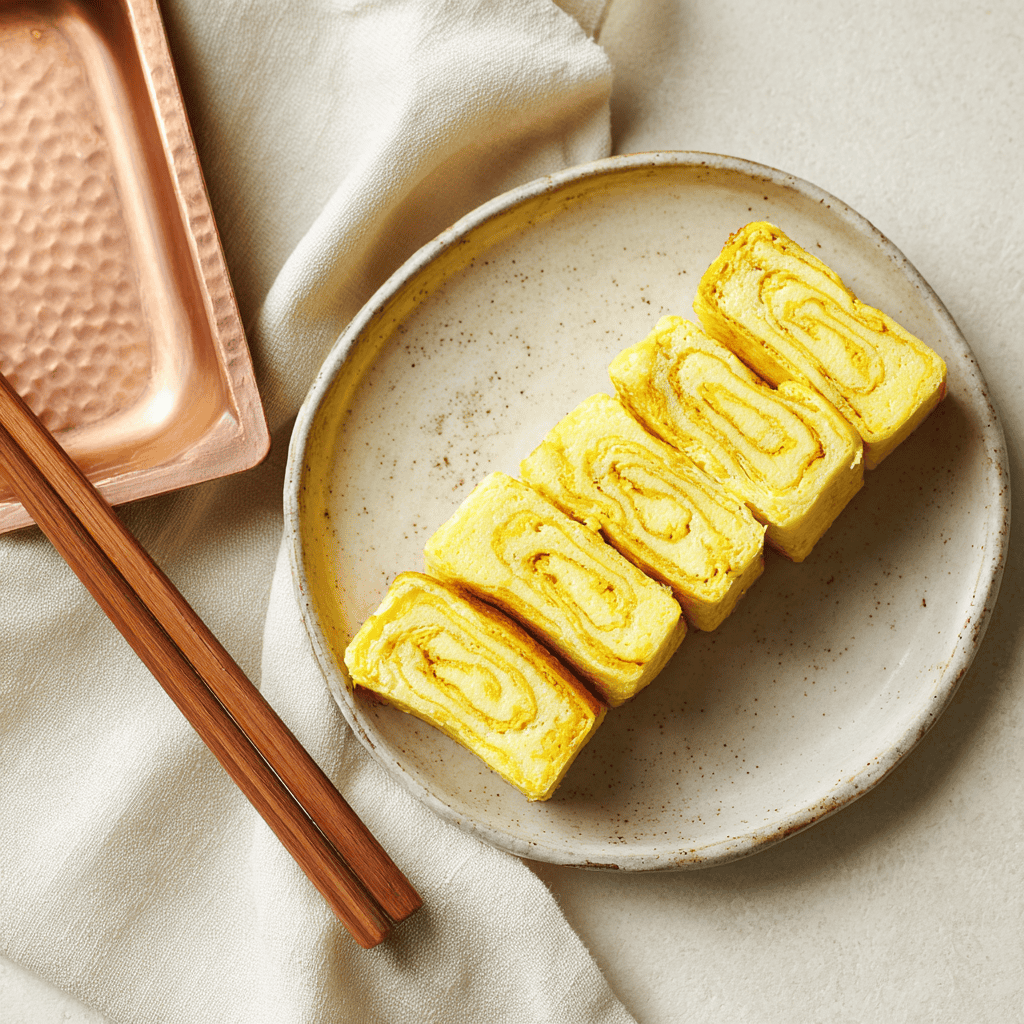
Dashimaki tamago — Japanese rolled omelette with dashi
Adapted from Just One Cookbook’s dashimaki tamago recipe, this serves two. First, beat three eggs lightly, then stir in three tablespoons of dashi, two teaspoons of sugar, a teaspoon each of soy sauce and mirin, and two pinches of salt. Next, oil the pan over medium heat and pour in a thin layer. When it sets, roll it toward you, push the roll back, and add another layer beneath it. Then shape the finished roll in a bamboo mat, rest it five minutes, and slice.
Serve the slices warm or at room temperature, with grated daikon and a little soy sauce if you like. Better still, pack them into a lunchbox and share them, which is exactly how many school friendships, and many nicknames, begin. The omelette keeps well for a few hours, so it travels to picnics and train journeys too. Once you can make it, try rolling a little chopped scallion into the layers for color, a variation many home cooks enjoy.
Behind every nickname is a connection between two people. Japanese has a word for that bond: en, the tie that links people across time. It explains why a childhood nickname can survive fifty years, and why hearing it from an old friend feels like coming home. So when someone gives you a nickname, they are also giving you a place in their life. The journal below turns that idea into a short daily practice, one prompt at a time, so the people behind your names stay in view.
A 90-day practice in en, Connection, the ties that link people, families and generations. One short prompt a day helps you notice the bonds that shape your life, including the ones carried in the names friends give you. Choose the digital edition for a tablet or the paperback for ink and paper. It is one of eight journals in the Cultural Reflection Collection, each built on a Japanese idea.
View The CollectionA Name That Belongs to the People Who Use It
A formal name is given once, at birth. A nickname, by contrast, is given again and again, by every group that takes you in. That is the gentle power of Japanese nicknames. They record who knew you, where and when, and they change as your life does. Your school name, your team name and your family name for you can all be different, and each is true.
So learn the rules, then let them go. Shorten the name to two beats, choose the suffix that fits, and wait to be invited. After that, the nickname belongs to the friendship rather than to any rule. For words that carry the same warmth, read our guide to Japanese words for love. And when you want to write a friend’s name with a brush, our calligraphy practice tool shows each stroke in order.

Midori Letter Paper — a page for the name only friends use
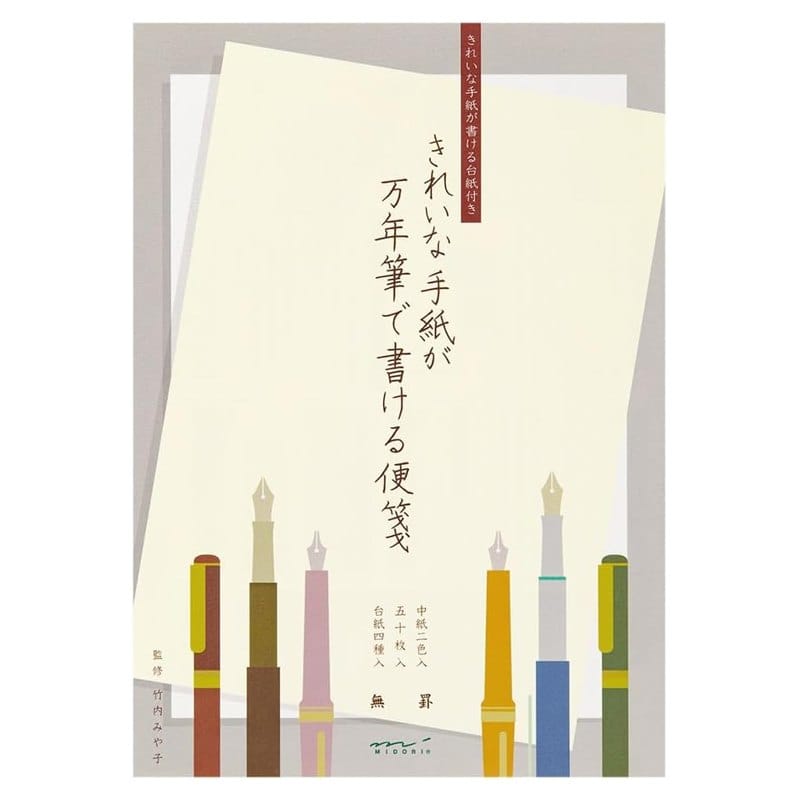
Some nicknames deserve a proper letter. This Midori letter paper comes from a Japanese stationery maker known for simple, well-made paper. The pad includes a guide sheet that slips under each page, so your lines stay straight without printed rules. As a result, a name written at the top sits beautifully on a plain field. The paper takes fountain pen ink well, and it suits a brush pen for short words. Start the letter with the nickname your friend has carried since school. Few greetings land as warmly, and the letter will likely be kept for years. Finish with your own nickname as the signature, and the letter becomes a small record of the friendship itself.

Names in Japan live on two levels at once. On paper, there is the family register, the seal and the formal name. In daily life, however, there are the nicknames, which nobody registers and everybody remembers. Visiting Japan with that in mind changes how you hear the language. Every Megu-chan called across a station platform is a small story about a friendship. The tools below help you take the next step, from finding a name to writing it well.

Hearing Nicknames in Japan
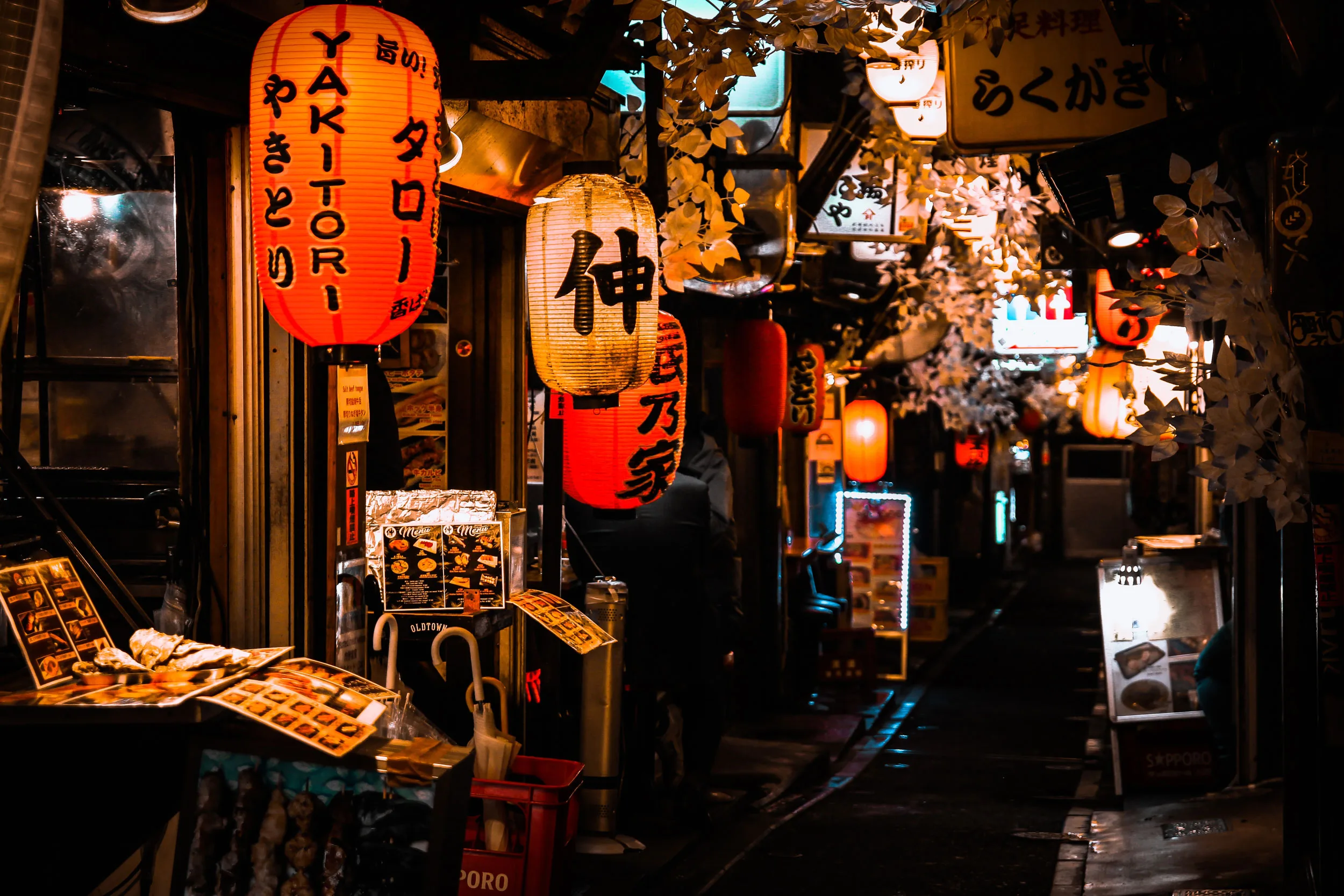
One last thought before the questions. The best way to learn how nicknames work is to hear them in use. That might mean an afternoon in a neighborhood café and an evening at a small izakaya counter. Add a stay with a family-run inn, and you will hear every suffix in this guide within a day. Would you like a trip built around those moments? Our travel designers plan routes through the neighborhoods where daily Japanese is spoken, from Tokyo’s side streets to small country towns. They reserve the inns and guides, so you can spend your days listening rather than planning.
A custom itinerary for travelers who want to hear Japanese as it is really spoken. It moves from Tokyo cafés and lantern-lit counters to smaller towns, with stays chosen for their hosts. Each day is paced for walking, conversation and eating well.
Plan Your Custom Japan ItineraryQuestions Worth Asking
How do you make a Japanese nickname?
Take the first two beats of a given name and add a suffix. Megumi becomes Megu-chan, and Kazuya becomes Kazu-kun. Names that are already two beats long, such as Yuki, simply take the suffix: Yuki-chan.
What is the difference between chan and kun?
Chan is warm and childlike, used for girls, children, pets and close friends. Kun is familiar and common for boys and younger men, especially classmates. Teachers and bosses may use kun for anyone junior to them.
Is it rude to use a Japanese nickname?
It can be if you have not been invited to use it. Start with the family name and san. Once someone suggests a nickname, use it, because refusing an offered nickname can feel distant.
What are cute Japanese nicknames for a partner?
Many couples shorten a name and add chan, such as Megu-chan or Haru-chan. Others drop the suffix and use the bare first name, which feels intimate. Parents often switch to Mama and Papa once children arrive.
How do I choose a Japanese username?
Use a nickname from a real name for a personal feel, or a single word such as Kitsune (fox) or Fukurō (owl) for a symbolic one. Pick one romanized spelling, test it aloud, and check that it is not already taken.
What does tan mean after a name?
Tan is a babyish version of chan that grew out of online fan culture. It sounds playful and very affectionate, so it suits close friends and fan writing rather than everyday conversation.
The Editors, Magnificent Japan