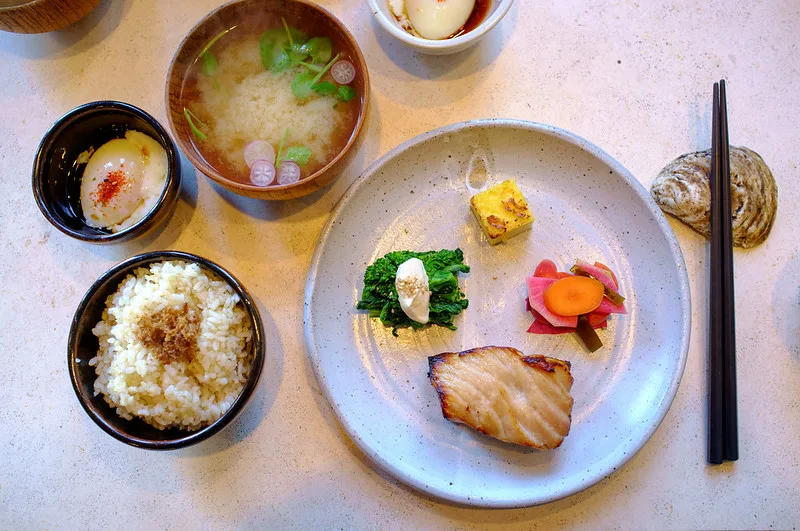
A meal in Japan begins before the first bite. The tray arrives arranged like a small landscape — rice at the left, soup at the right, three modest dishes between them. Meanwhile, the season sits visibly on the plate. Traditional Japanese food rewards travelers twice over. You need to know what the dishes are, and you need to know where and how each one is best eaten. This guide covers both. First come the twenty-eight dishes that define the cuisine, from a market sushi breakfast to the refined progression of kaiseki. Then come the tables in Tokyo, Osaka, and Kyoto where they belong.
The guide moves from foundation to refinement. First comes washoku, the tradition that gives every dish its logic. Then the dishes themselves, in six chapters — the classics, the comfort table, the street, the refined tier, and the sweet finish. After that come regional specialties, table etiquette, and where to eat. For the cook rather than the traveler, our guide to Japanese cooking tools covers the kitchen side of the same tradition.
What Defines Traditional Japanese Food
Traditional Japanese food is built on washoku: rice at the center, seasonal ingredients, dashi stock for depth, and the one-soup-three-sides structure called ichiju-sansai. UNESCO recognized washoku as Intangible Cultural Heritage in 2013. The tradition spans everyday dishes like miso soup and onigiri through street classics such as okonomiyaki. At its summit sits the multi-course artistry of kaiseki.
Washoku is less a set of recipes than a way of thinking about a meal. Rice anchors the table. A bowl of soup balances it. Three sides — one usually grilled or simmered, the others pickled or dressed — bring variety without excess. Above all, the season decides. Bamboo shoots announce spring, ayu sweetfish carry summer, matsutake mushrooms mark autumn, and rich hotpots answer winter. For a deeper reading, our essay on mastering washoku traces the tradition from farmhouse roots to the modern kitchen.
Two ingredients hold the whole structure together. Dashi is the stock drawn from kombu kelp and bonito flakes. It supplies the savory depth that Western cooking builds from butter and bones. Fermentation supplies the rest. Miso, soy sauce, mirin, and rice vinegar are all products of koji mold, cultivated for over a thousand years. When UNESCO inscribed washoku on its heritage list, it honored a living system. This is not a museum cuisine, but the way households still eat.
With the foundation set, the dishes follow. Twenty-eight of them, in the order a traveler is likely to meet them.
The Classics
1. Sushi
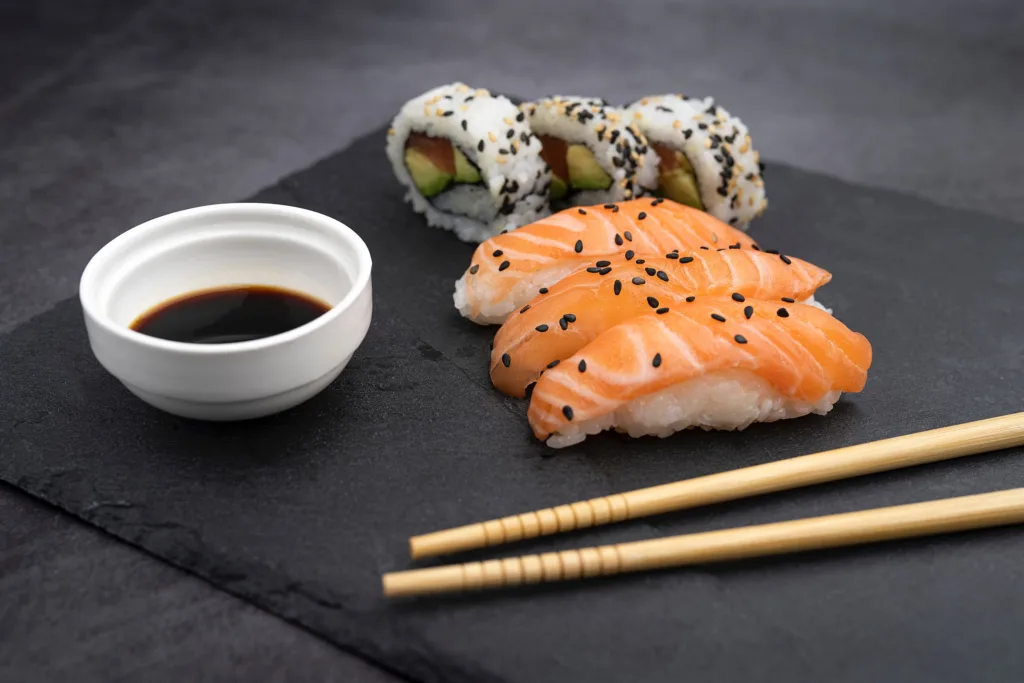
Sushi is the emblem of Japanese cuisine abroad, and its range at home still surprises first-time visitors. Nigiri is the purest form. A slice of fish is pressed over a small bed of vinegared rice, seasoned by the chef, and eaten in one bite. Maki wraps rice and fillings in nori seaweed, from austere tuna rolls to generous futomaki. Chirashi scatters sashimi and garnishes over a bowl of sushi rice. Notably, this is the form most families actually make at home for celebrations.
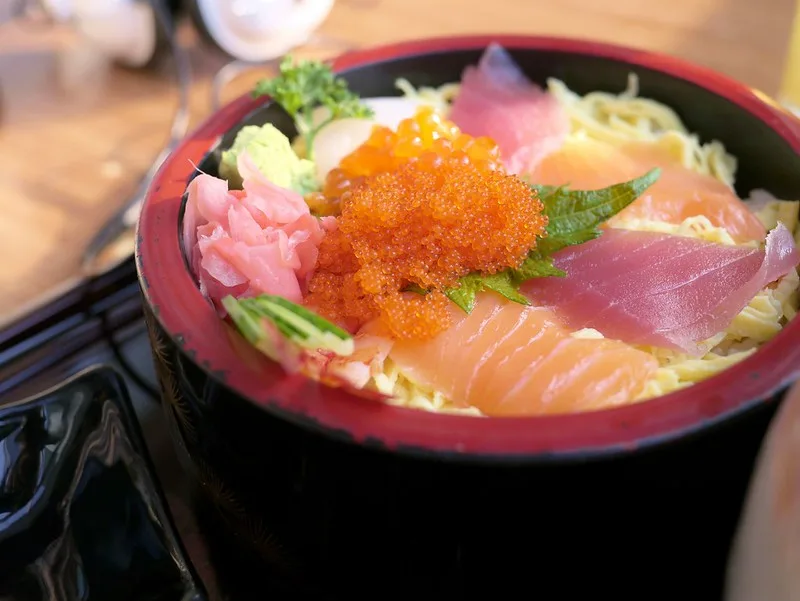
Quality turns on the rice as much as the fish. A good shari is body temperature, lightly seasoned, and loose enough to fall apart on the tongue. Watch for that before you judge the tuna. Our companion guide to sushi and sashimi the Japanese way goes deeper into the forms, the seasons, and the ordering. For rolling maki at home, a classic bamboo rolling mat does the work of a specialist. Beyond that, a complete sushi making set adds the paddle, molds, and spreader.
2. Sashimi
Sashimi predates sushi and stands apart from it. Sliced raw fish arrives without rice, judged on knife work, freshness, and the cut. Lean akami tuna, marbled toro, sweet amaebi shrimp, and firm white-fleshed tai each ask for a different thickness of slice. A dab of wasabi goes on the fish, not in the soy sauce. That small distinction instantly reads as fluency at a Japanese table.
3. Ramen
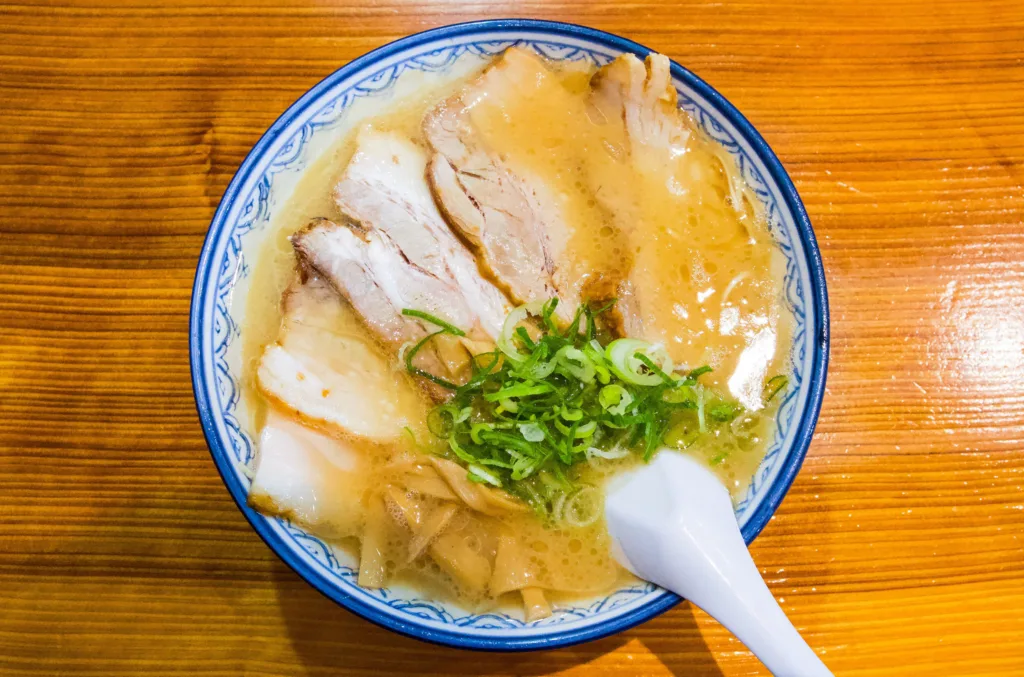
Ramen arrived from China and became one of the most obsessively regional foods in Japan. Shoyu, the Tokyo classic, builds a clear soy-sauce broth over chicken and dashi. Miso, born in Sapporo, thickens the bowl with fermented depth and stands up to winter. Tonkotsu, from Fukuoka, boils pork bones until the broth turns ivory and coats the spoon. Toppings follow their own grammar — chashu pork, bamboo shoots, a soft-set egg, a raft of scallions.
Slurping is correct. It aerates the broth, cools the noodles, and signals enthusiasm rather than bad manners. At home, a proper deep bowl changes the experience more than any single ingredient. A Japanese ramen bowl set with matching chopsticks and spoon seats it the way the shops do.
4. Tempura
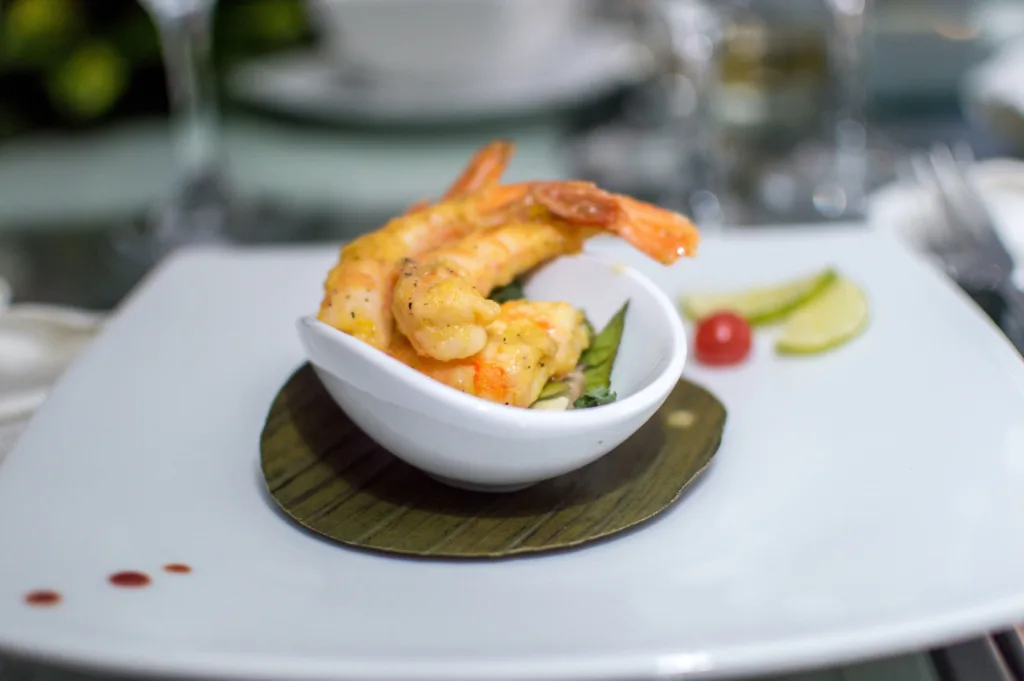
Tempura shows what restraint can do to frying. The batter — flour, egg, ice-cold water, barely mixed — fries into a lace shell that shatters rather than crunches. Shrimp is the standard-bearer, but seasonal vegetables often outshine it: sweet potato, lotus root, shiso leaf, a whole small fish in spring. The dipping sauce of dashi, soy, and mirin is traditional. However, the best tempura counters offer only fine salt, confident the batter needs nothing else. Cooks at home get remarkably close with a dedicated mix such as Kikkoman tempura batter and genuinely cold water.
5. Tonkatsu
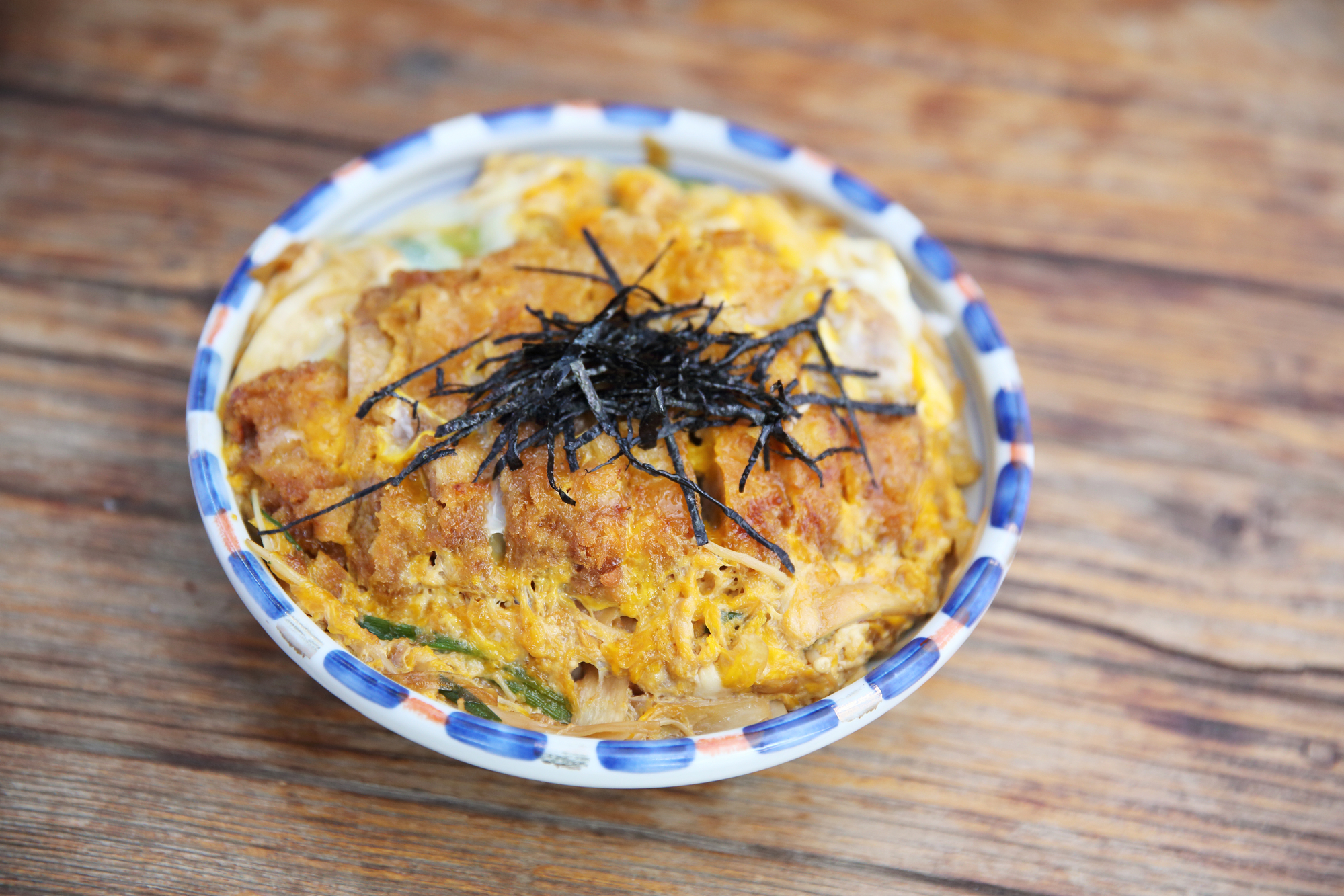
Tonkatsu is a breaded pork cutlet, fried to a deep gold, sliced for chopsticks, and served over a snowbank of shredded cabbage. It belongs to yoshoku, the family of Western-inspired dishes Japan absorbed and remade in the late 1800s. Even so, it has become as Japanese as anything on this list. The fruity, Worcestershire-adjacent tonkatsu sauce is standard; the refined version comes with sesame you grind yourself at the table. Its offspring are everywhere: katsu curry, katsudon rice bowls, and the katsu sando that vanishes from department-store food halls by early afternoon.
6. Yakitori
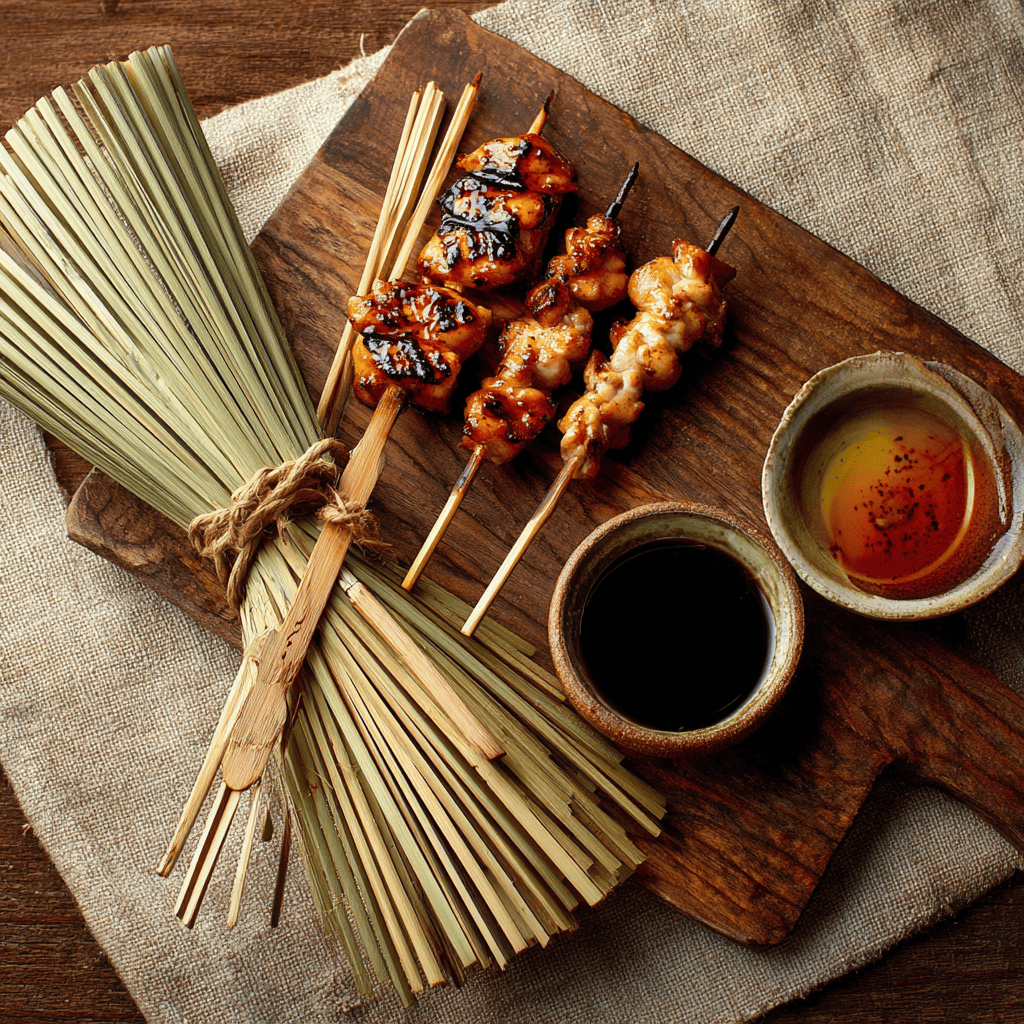
Yakitori turns a single chicken into a tasting menu. Thigh with scallion, crisp skin, and meatball tsukune glazed with sweet tare lead the menu. For the committed, heart, gizzard, and cartilage follow, each grilled over binchotan charcoal that perfumes without smoking. Order in pairs, choose tare glaze or plain salt, and settle in. Yakitori is less a dish than an evening, which is why it lives at the izakaya rather than the restaurant.
Noodles and Comfort Food
7. Udon
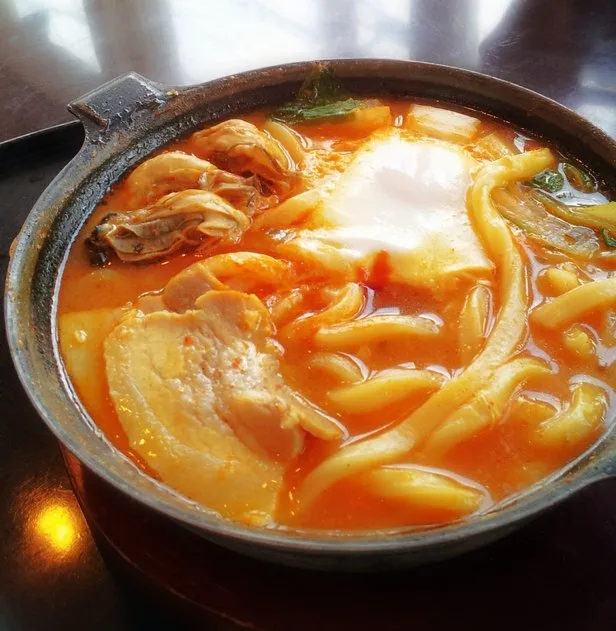
Udon are the thick, slippery wheat noodles of western Japan — comfort in its most direct form. Kagawa Prefecture on Shikoku is the spiritual home, where sanuki udon achieves a chew the Japanese call koshi. Serve it hot in light dashi broth, cold with a dipping sauce in summer, or simmered into a bubbling nabe hotpot. Either way, the noodle carries the meal on texture alone.
8. Soba
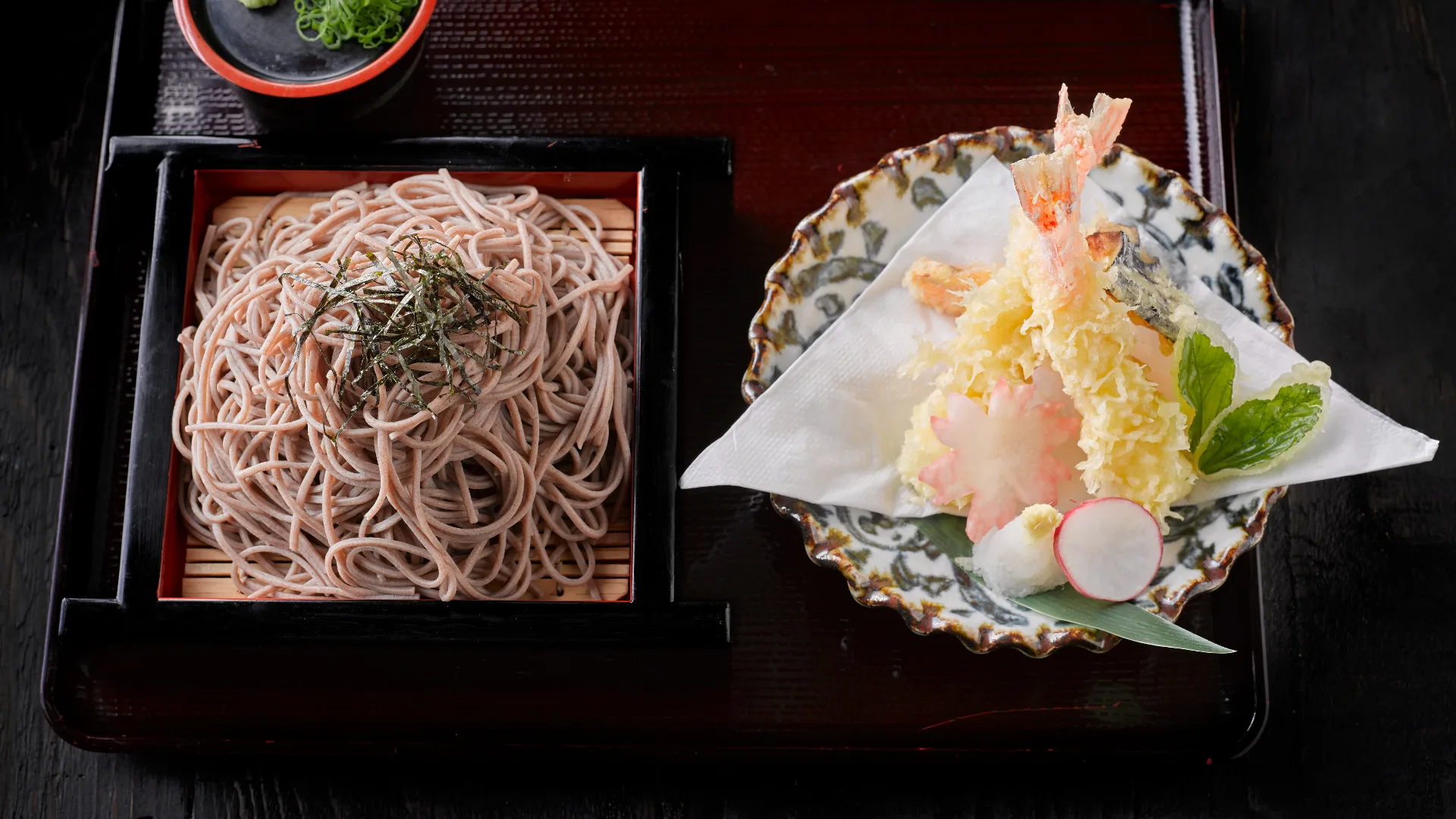
Soba, the buckwheat noodle of the east, is udon’s austere sibling. The purest expression is zaru soba — chilled noodles on a bamboo tray, dipped in tsuyu. The meal ends with the cloudy cooking water the shop brings unasked. Handmade soba is a craft discipline, and apprenticeships run years. Accordingly, a century-old soba shop near a temple gate remains one of Japan’s most satisfying lunches. Eating soba on New Year’s Eve, for a long life, is a tradition most households still keep.
9. Donburi
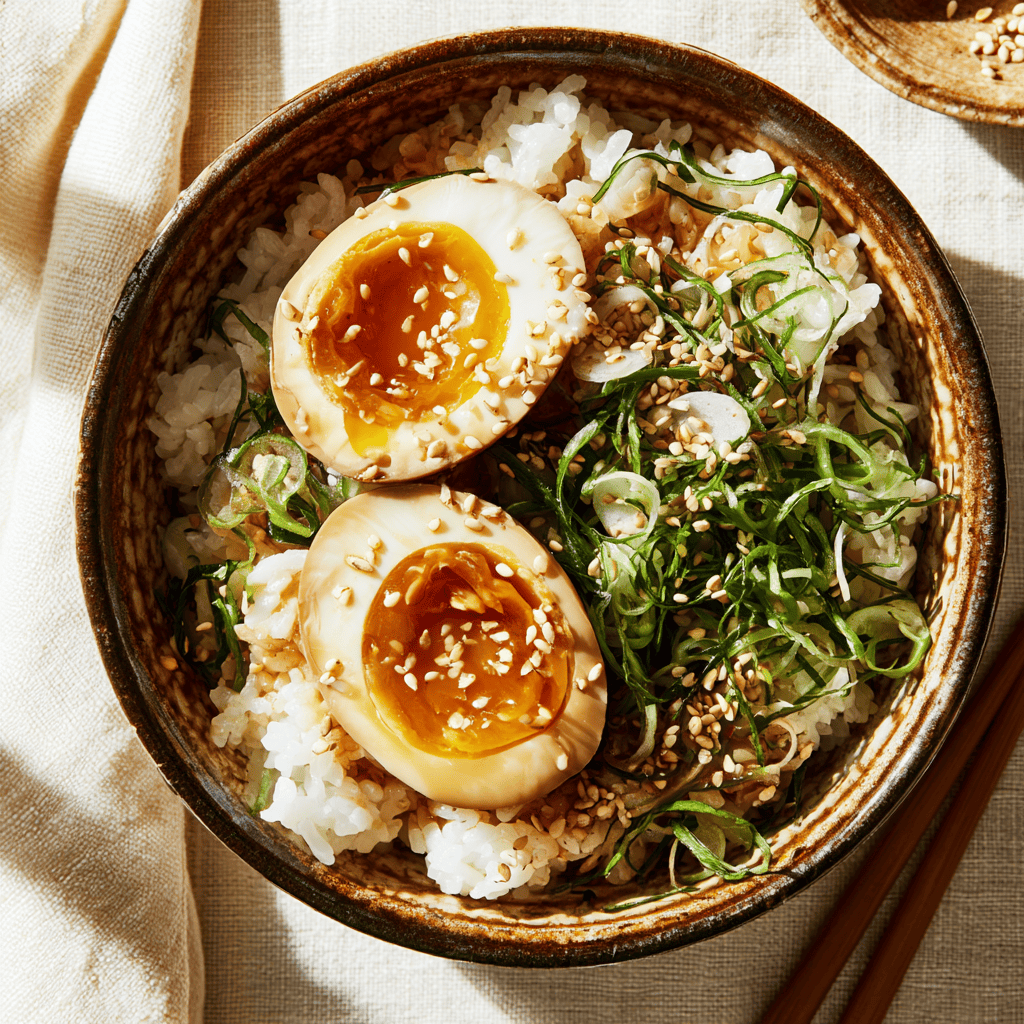
Donburi means bowl, and the bowl means dinner: rice topped with something generous. Gyudon layers soy-simmered beef and onion. Oyakodon — literally parent and child — pairs chicken and softly set egg. Katsudon crowns rice with a tonkatsu cutlet, and tendon does the same with tempura. Fast, inexpensive, and everywhere, donburi is how Japan actually eats on a weekday.
10. Japanese Curry
Curry rice is Japan’s adopted national comfort food. It runs thicker, sweeter, and milder than its Indian ancestors, ladled beside rice with pickled fukujinzuke. Households build it from roux blocks; specialist shops simmer theirs for days. The katsu curry variation, with a fried cutlet on top, may be the single most requested meal among returning travelers. Nobody calls it refined. Everybody orders it twice.
11. Gyoza
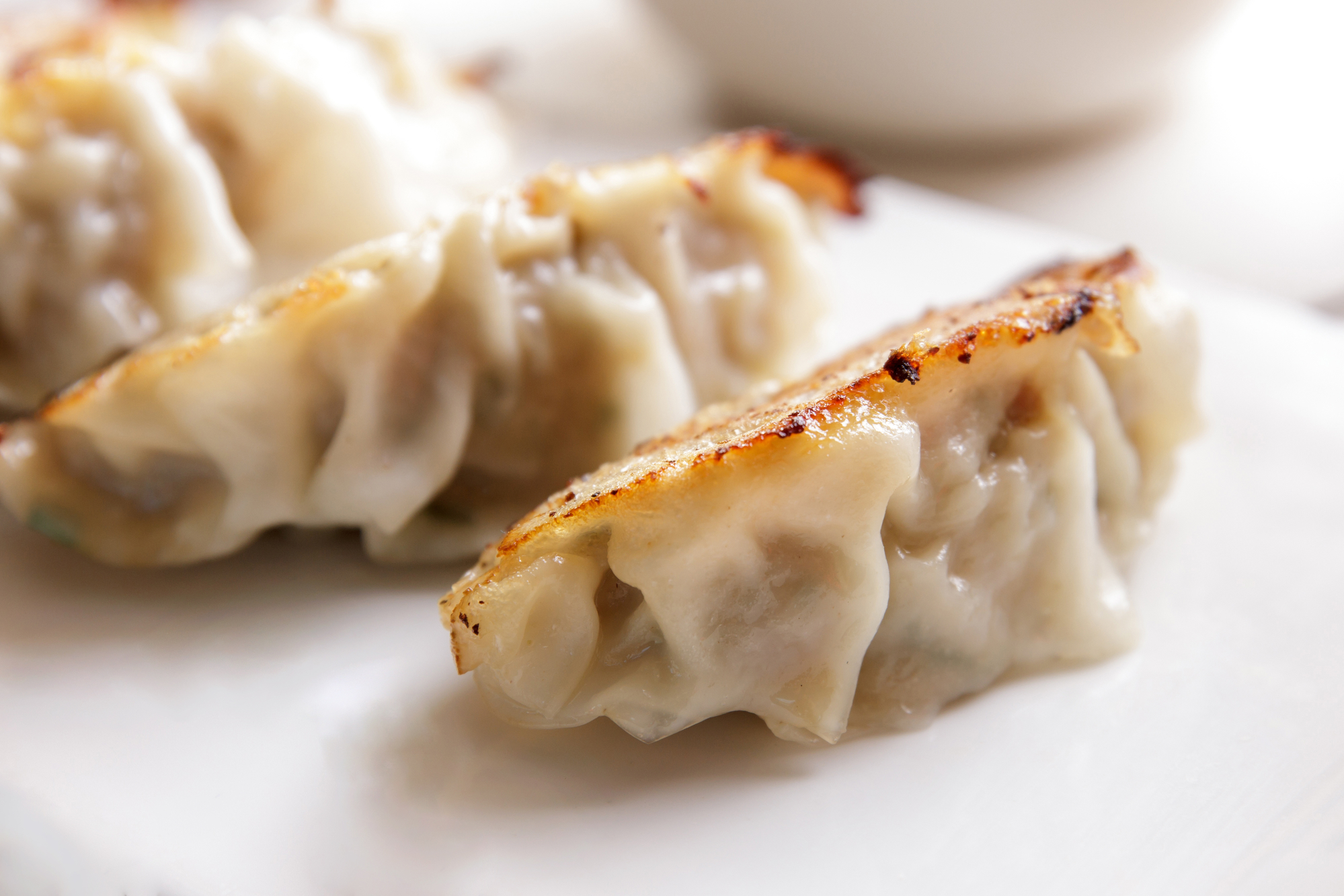
Gyoza crossed from China and settled in as ramen’s inseparable partner. The Japanese version is pan-fried then steamed in the same skillet, giving a crisp base and a tender top in one motion. Fillings stay simple — pork, cabbage, garlic, chive — and the dip is a personal ratio of soy, vinegar, and chili oil. Utsunomiya and Hamamatsu contest the national gyoza crown with the seriousness other countries reserve for football.
12. Onigiri
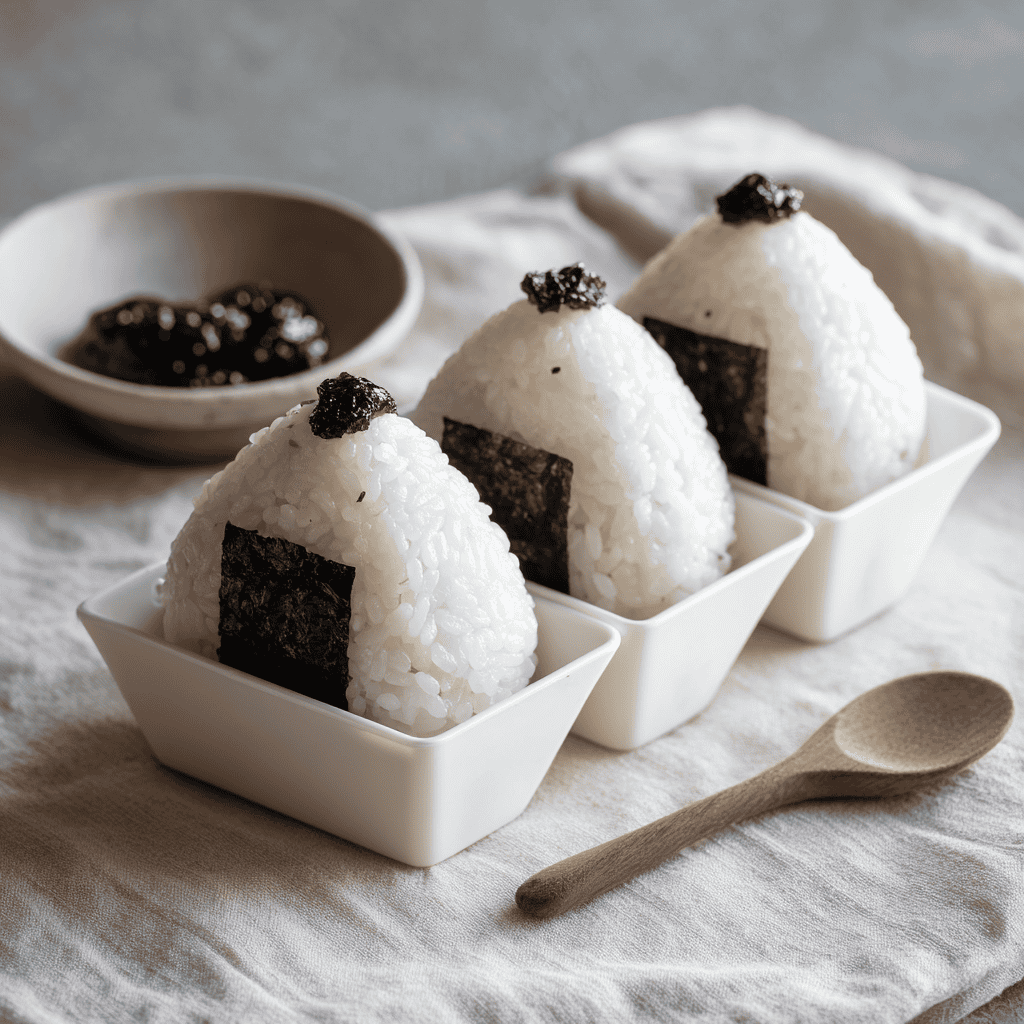
Onigiri is the oldest fast food in Japan — a hand-pressed triangle of rice around a salted center, wrapped in nori. Classic fillings run from umeboshi pickled plum to salted salmon and tuna-mayo, the modern favorite. Convenience-store onigiri is engineered so the nori stays crisp until the wrapper opens. It is a small daily marvel, and the correct answer to hunger on a train platform.
13. Miso Soup
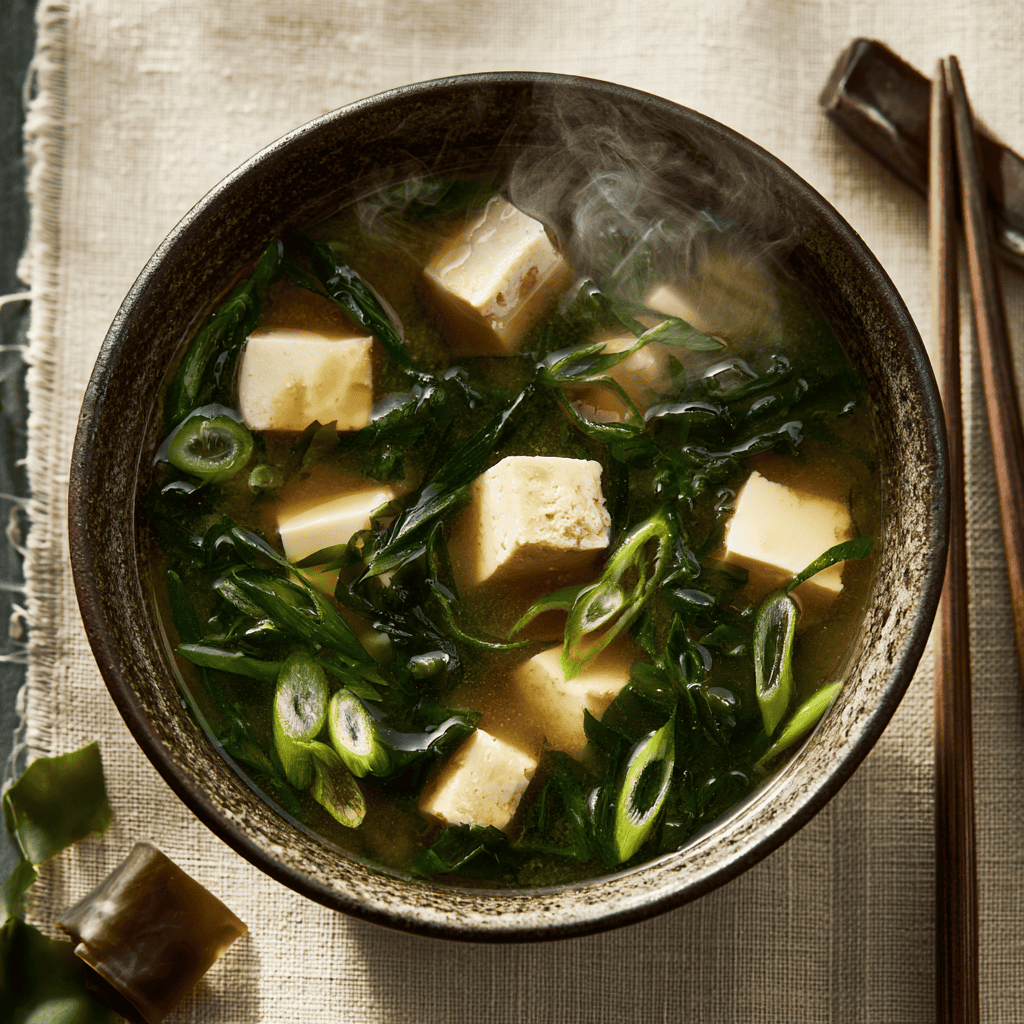
Miso soup is the heartbeat of the washoku meal — dashi warmed with fermented miso paste, holding tofu, wakame, or whatever the season sends. Every region leans on its own miso: sweet white in Kyoto, robust red in Nagoya, blended styles elsewhere. It appears at breakfast, lunch, and dinner without apology, and it is sipped from the bowl, chopsticks steering the solids.
14. Tamagoyaki
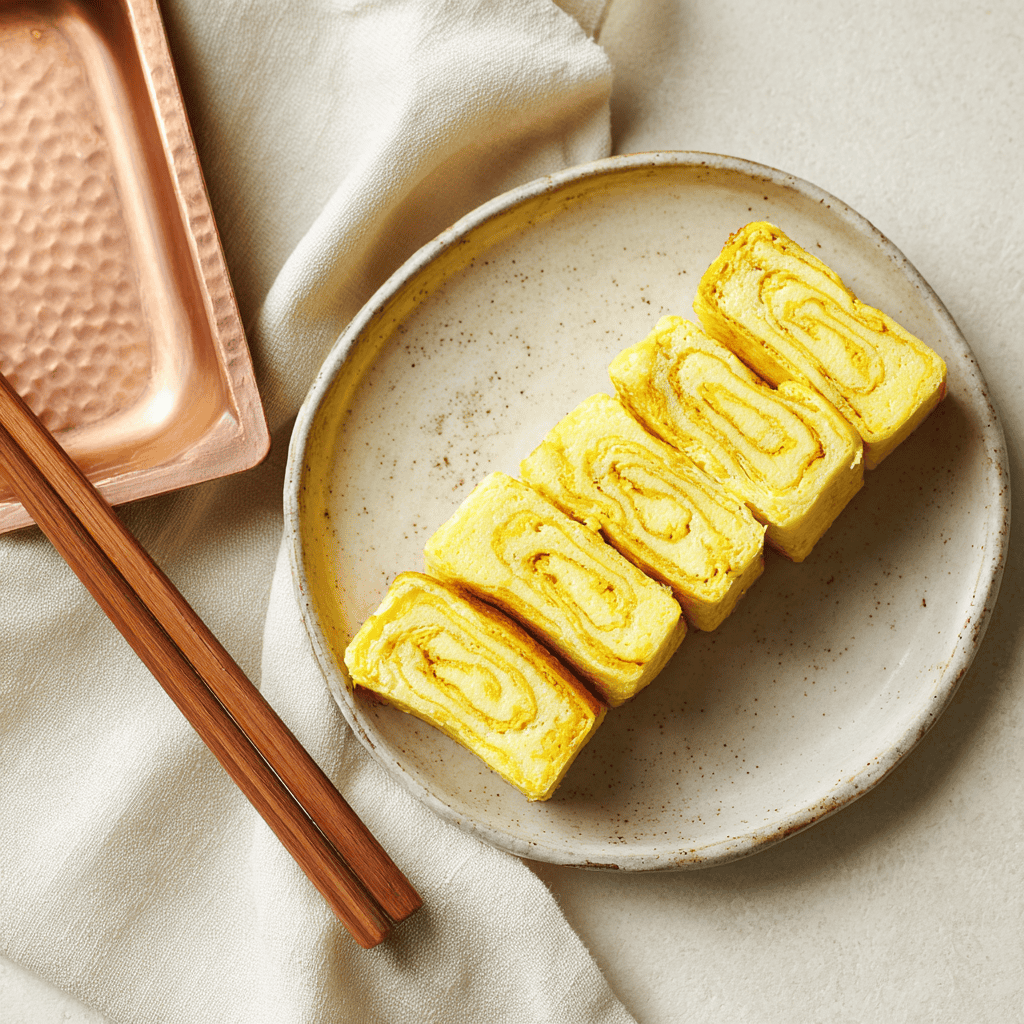
Tamagoyaki is the rolled omelet of the Japanese breakfast and the bento box. Thin layers of seasoned egg fold in a square pan until they form a tender, faintly sweet block. Sushi chefs serve their version as a closing course, and regulars judge a counter by it. Anyone can buy good tuna, but the tamagoyaki reveals the kitchen’s hand.
The Magnificent Japan Letter
A fortnightly letter on Japan’s places, seasons, and craft — including where to eat well and when to travel for it. Leave your email and the next edition finds you.
Street Food and the Izakaya Table
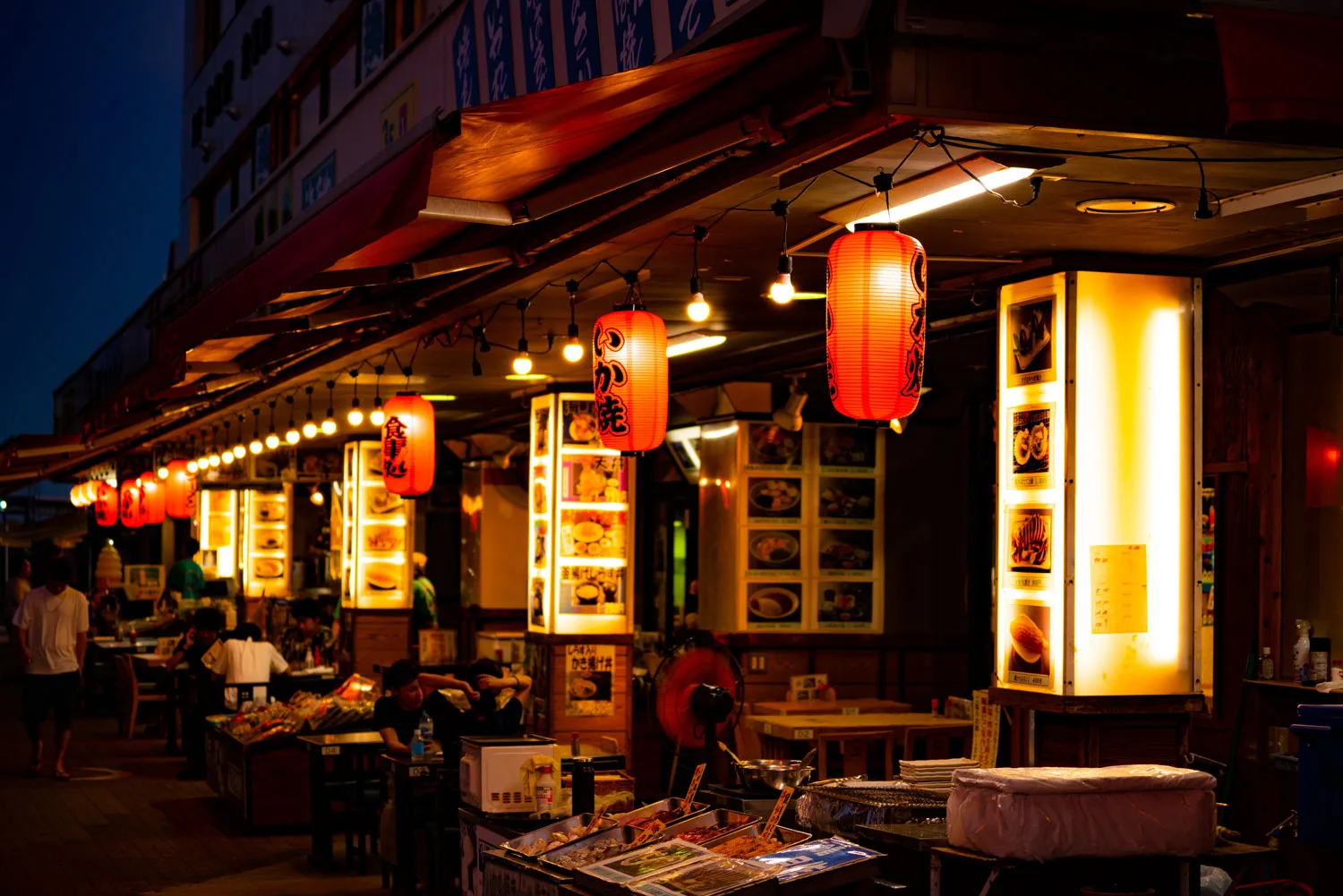
Japan’s street food lives at festivals, market lanes, and above all at the izakaya. That is the pub where small plates, cold beer, and long evenings meet. The dishes below move freely between griddle stalls and izakaya menus. Our guide to izakaya culture covers the ordering rhythm that makes those evenings work. A flight of local brews pairs naturally, and the same goes for nihonshu. Our primer on enjoying Japanese sake makes the menu legible.
15. Okonomiyaki
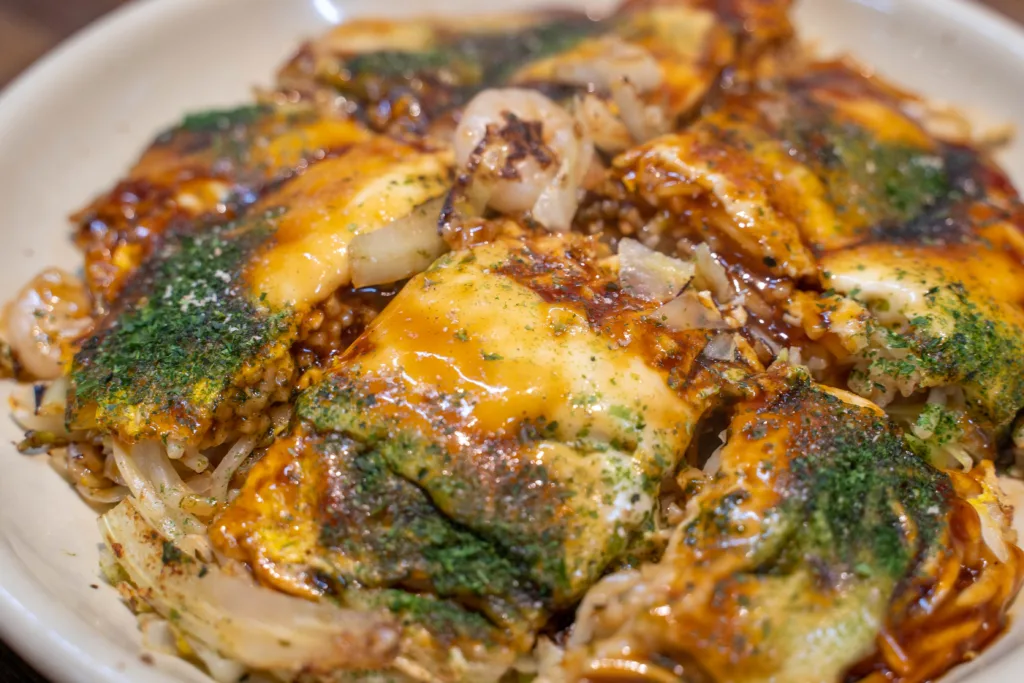
Okonomiyaki means grilled as you like it. The savory pancake holds batter, mountains of cabbage, and whatever the diner chooses, finished with sweet-savory sauce, mayonnaise, and dancing bonito flakes. Osaka mixes everything into one batter and grills it whole. Hiroshima builds in layers, with a stratum of yakisoba noodles inside — a genuine engineering upgrade its partisans defend fiercely. The national tourism board’s okonomiyaki guide maps both schools for the committed.
16. Takoyaki
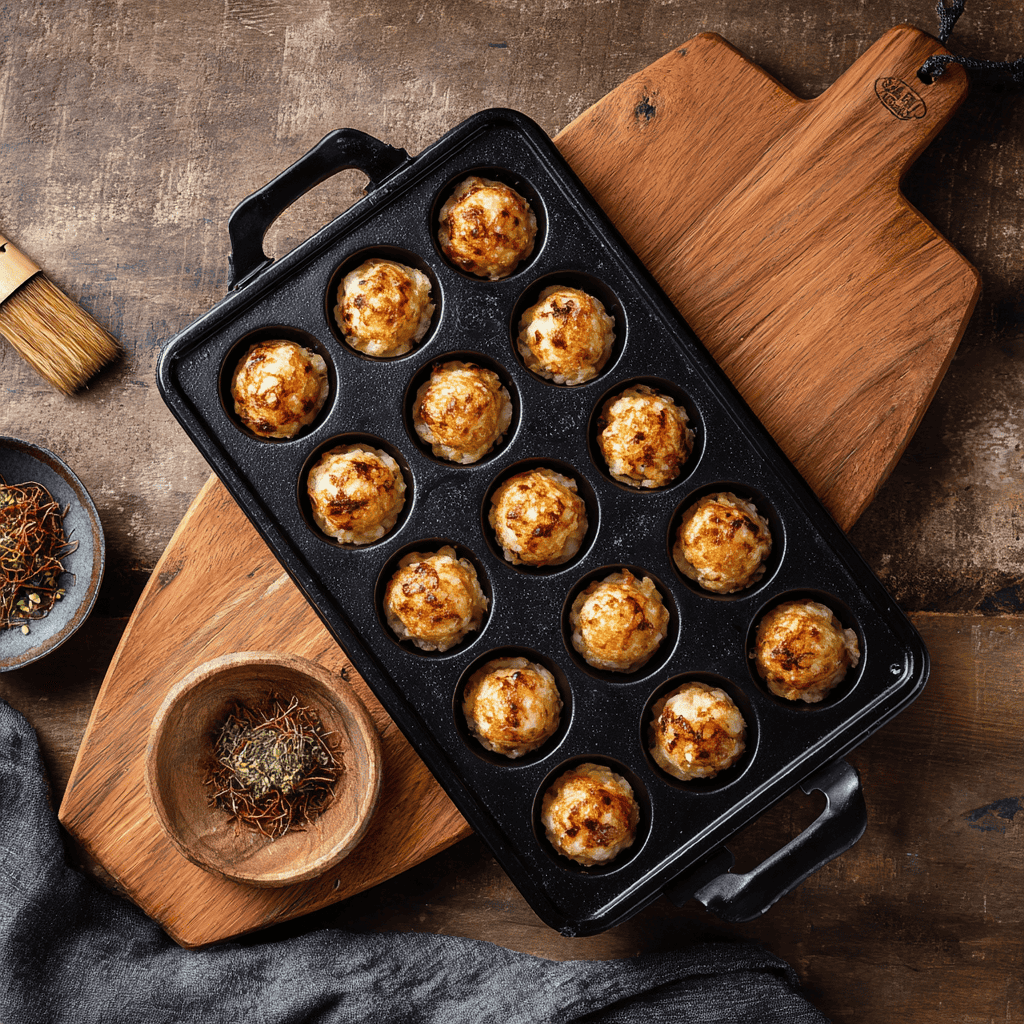
Takoyaki are Osaka’s molten octopus spheres. Batter goes into a dimpled iron pan, a piece of tako drops into each well, and picks turn the spheres until golden and just set. Sauce, mayo, aonori, bonito flakes, and a mandatory warning: the interior holds heat like a reactor. Locals wait a minute. Visitors learn.
17. Kushikatsu
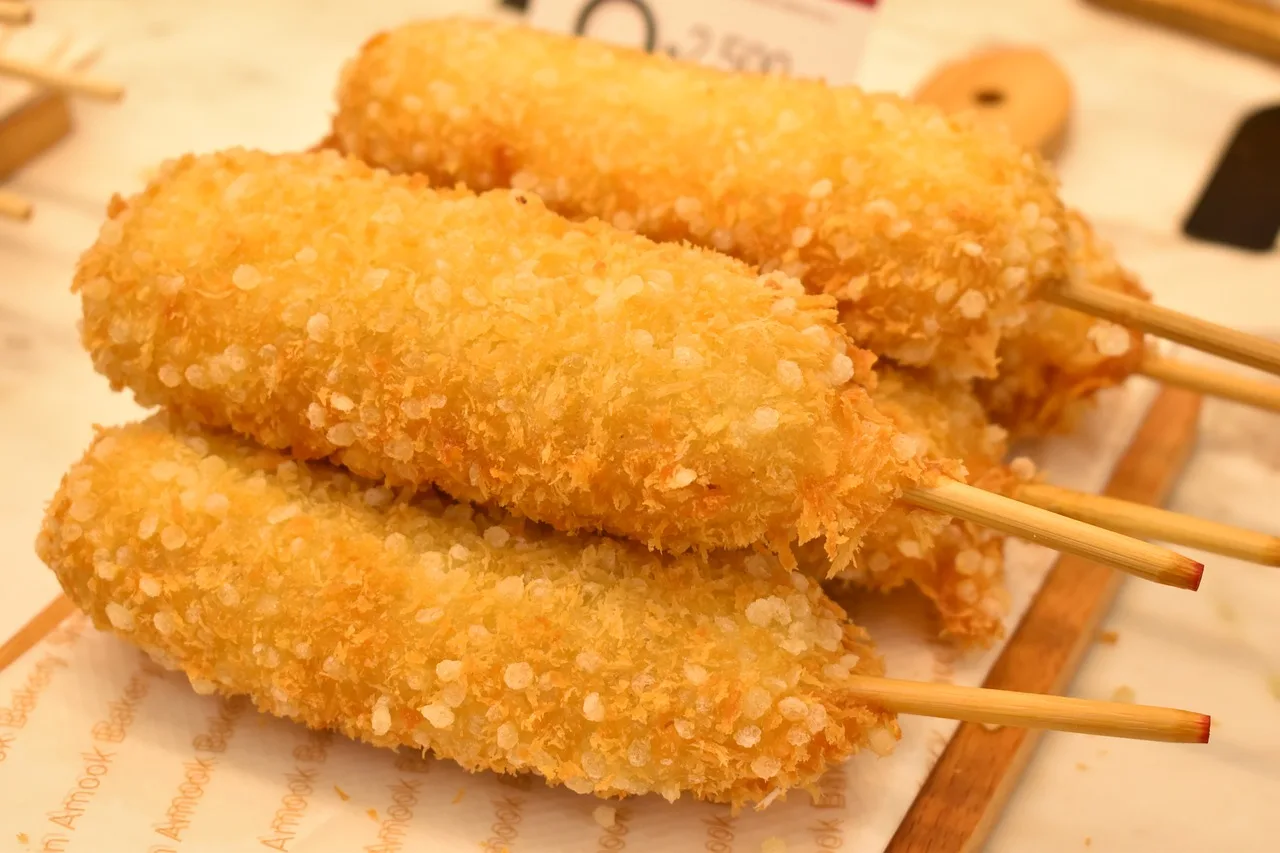
Kushikatsu are skewers of meat, seafood, and vegetables, breaded fine and deep-fried, born in Osaka’s Shinsekai district in the 1920s. Everything works on the skewer — pork, quail egg, lotus root, cheese, even mochi. One law governs the table: the communal sauce pot is dipped once, before the first bite, never again. Shops post the rule on the wall. Honor it.
18. Yakisoba
Yakisoba is festival food at its most direct. Wheat noodles hit a flat griddle with pork, cabbage, and a tangy sauce, then take a crown of pickled ginger and aonori. Despite the name it uses no buckwheat. The smell of yakisoba on a summer evening is, for many Japanese, the smell of the neighborhood matsuri itself.
19. Taiyaki
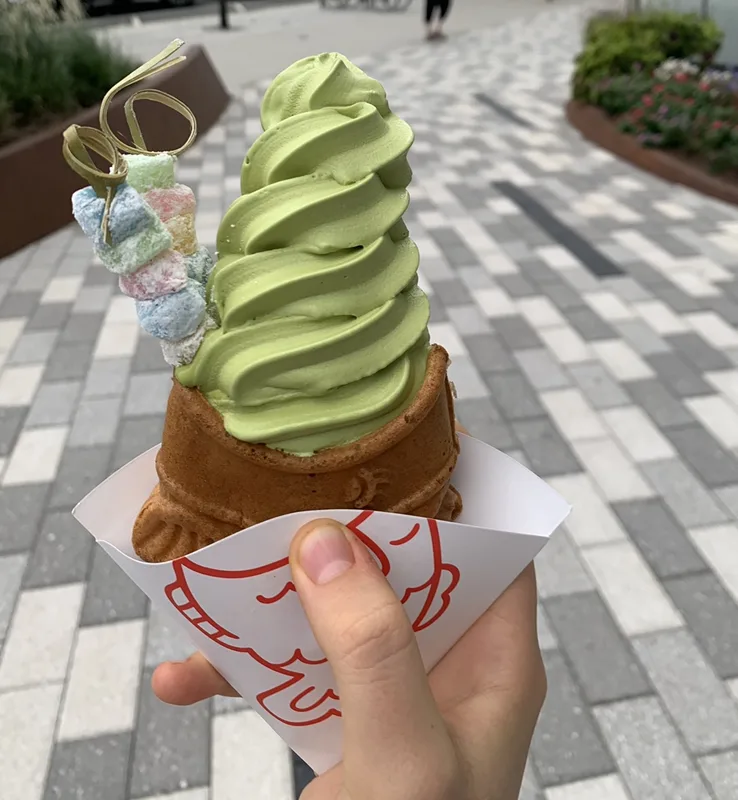
Taiyaki closes the street chapter on a sweet note. The fish-shaped waffle cake, crisp at the fins, traditionally holds red bean paste. Newer hands fill it with custard, chocolate, or a swirl of soft serve. The shape honors the sea bream, a fish of celebration. The debate over whether to start eating from the head or the tail is eternal and unserious.
The Refined Table
Most guides to Japanese food stop at the street. The cuisine does not. Its upper register — kaiseki, the omakase counter, temple cooking, the great hotpots — is where technique, seasonality, and hospitality meet at full strength. Therefore it deserves a chapter of its own. These are the meals worth building a day around, and often worth reserving before the flight is booked. Japan’s most distinctive dining experiences cluster at this end of the table.
20. Kaiseki
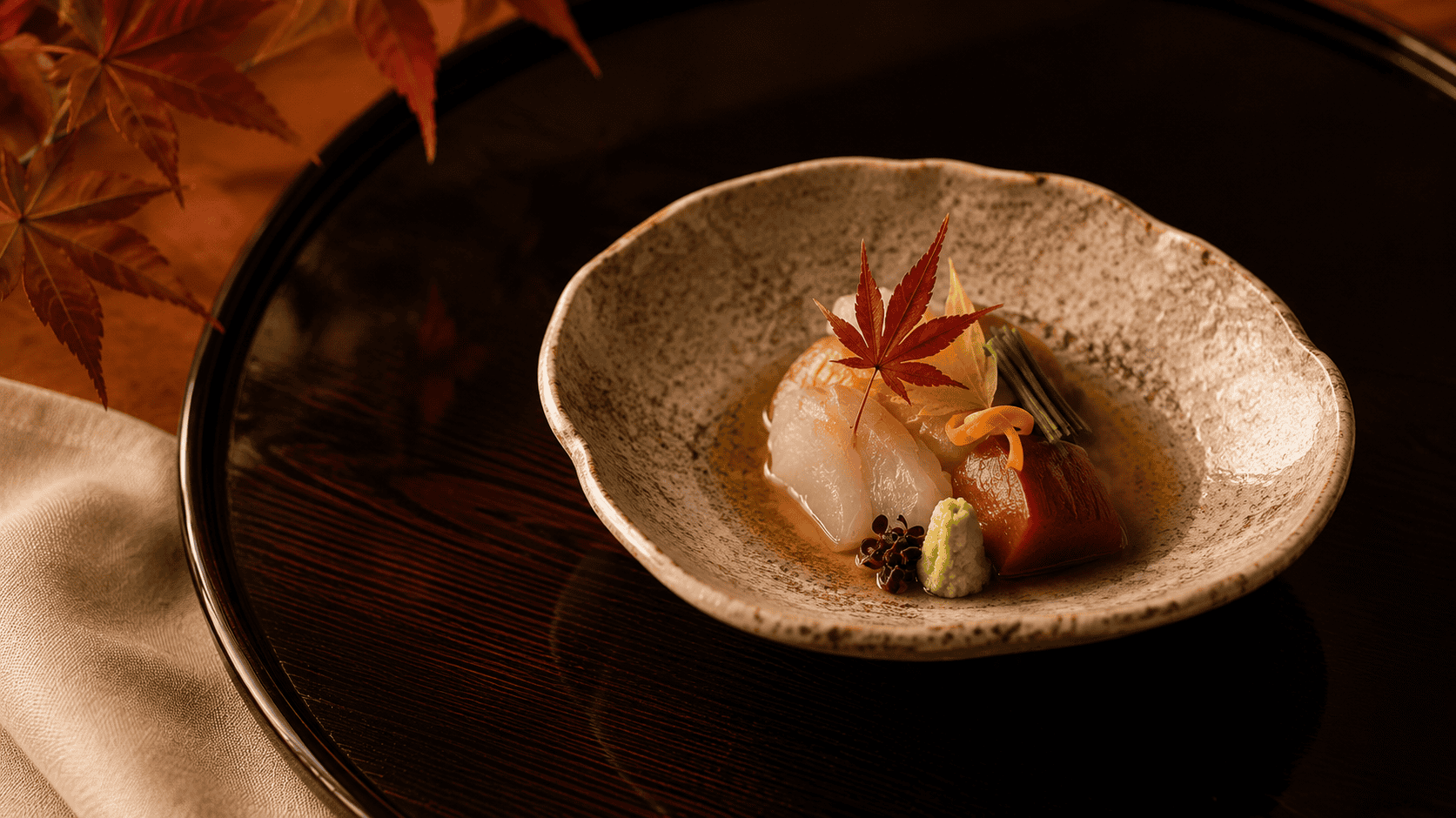
Kaiseki is Japanese cuisine composed as a full evening — a fixed progression of small courses, each built on a different technique. An appetizer opens, then a clear soup, sashimi, something grilled, something simmered, something steamed, rice, and a restrained dessert. The form grew out of tea-ceremony hospitality in Kyoto. The season governs everything, from the fish to the ceramics to the single maple leaf on the tray. A true kaiseki dinner in a Kyoto ryotei unfolds in a private tatami room over two unhurried hours. No table offers a deeper single immersion in Japanese culture.
21. Omakase
Omakase means I leave it to you. At a sushi counter, that sentence hands the meal to the chef, who serves piece by piece as the morning’s market suggests. Lighter white fish comes first, richer tuna later, tamagoyaki to close. The counter seats a handful of guests, and the rice arrives seasoned to the second. Conversation with the itamae is part of the meal. Where kaiseki is a composed program, omakase is live performance. The best counters book out weeks ahead and hold perhaps ten seats a night. Precisely for that reason, the reservation is worth engineering in advance.
22. Shojin Ryori
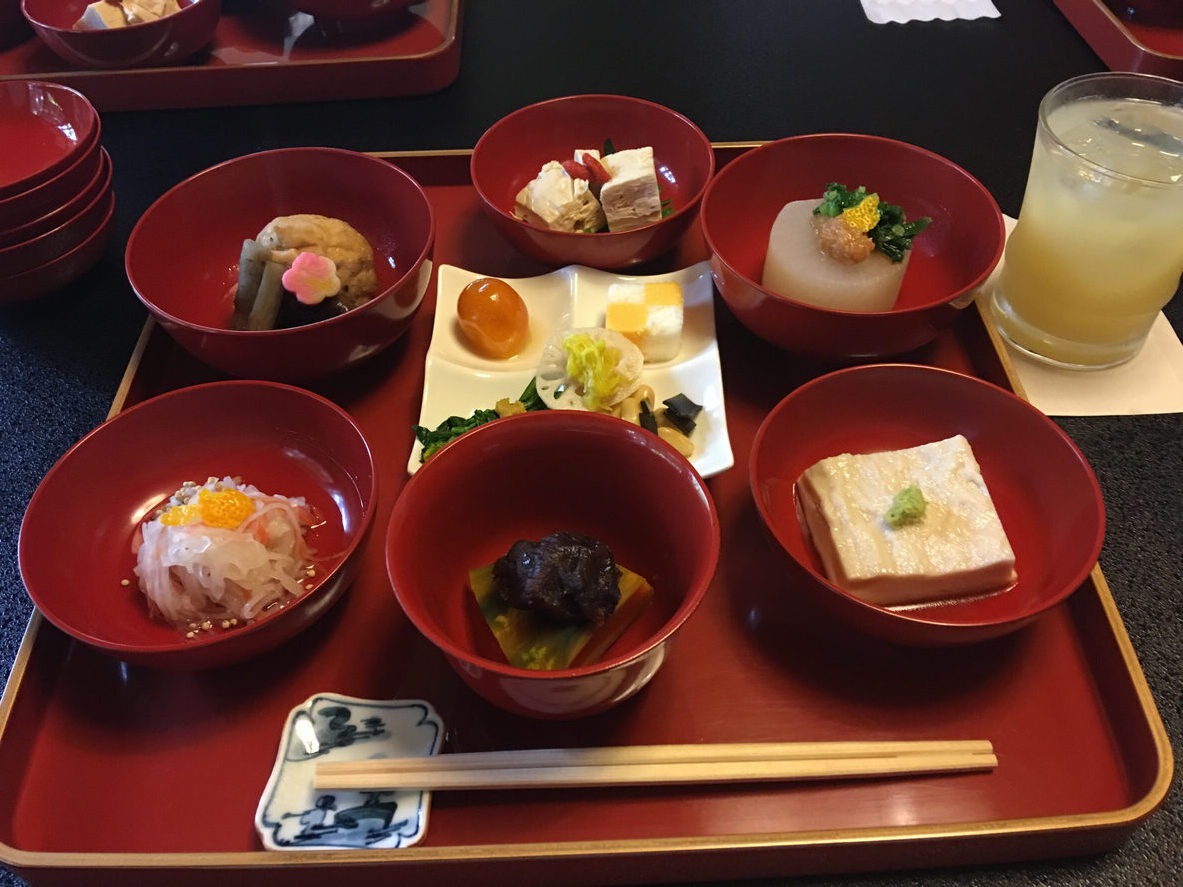
Shojin ryori is the vegetarian cuisine of Zen temples — no meat, no fish, and in strict kitchens no garlic or onion. Yet nothing about it feels like absence. Sesame tofu, seasonal vegetables in delicate dashi drawn from kombu alone, and pristine knife work turn restraint into depth. Temple lodgings on Mount Koya serve it to overnight guests, and the meal recalibrates what a plate of vegetables can be.
23. Sukiyaki
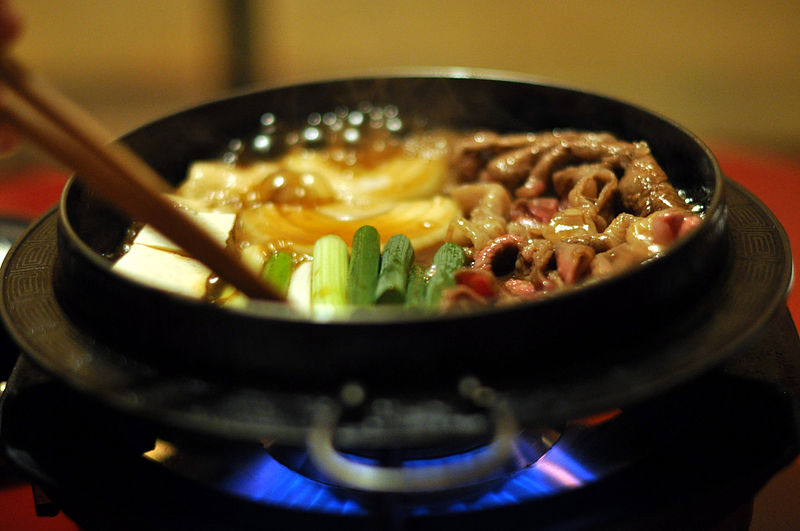
Sukiyaki is the celebratory hotpot. Thin-sliced beef sears in an iron pan, then simmers tableside with tofu, greens, and shirataki noodles in a sweet soy-mirin broth. Each bite is dipped in beaten raw egg, which cools the beef and silks the sauce. When the beef is wagyu, sukiyaki becomes one of the finest things that can happen to it.
24. Shabu-Shabu
Shabu-shabu names its own technique. The word is the sound of paper-thin beef swishing through barely simmering kombu broth, before a dip in ponzu or sesame sauce. Where sukiyaki is rich and sweet, shabu-shabu is clean and precise, a dish about the quality of the meat and nothing else. The broth, fortified by everything cooked in it, finishes the meal as a porridge or noodle course no one skips.
25. Unagi
Unagi — freshwater eel, filleted, glazed with sweet tare, and grilled over charcoal — is summer eating elevated to ritual. Kanto steams the eel before grilling for a melting texture; Kansai grills it straight through for caramelized edges. Specialist houses have guarded their tare pots for generations, topping up a sauce that never empties. Served over rice as unaju in a lacquered box, it is one of Japan’s oldest luxuries.
Sweets, Tea, and Matcha
26. Wagashi
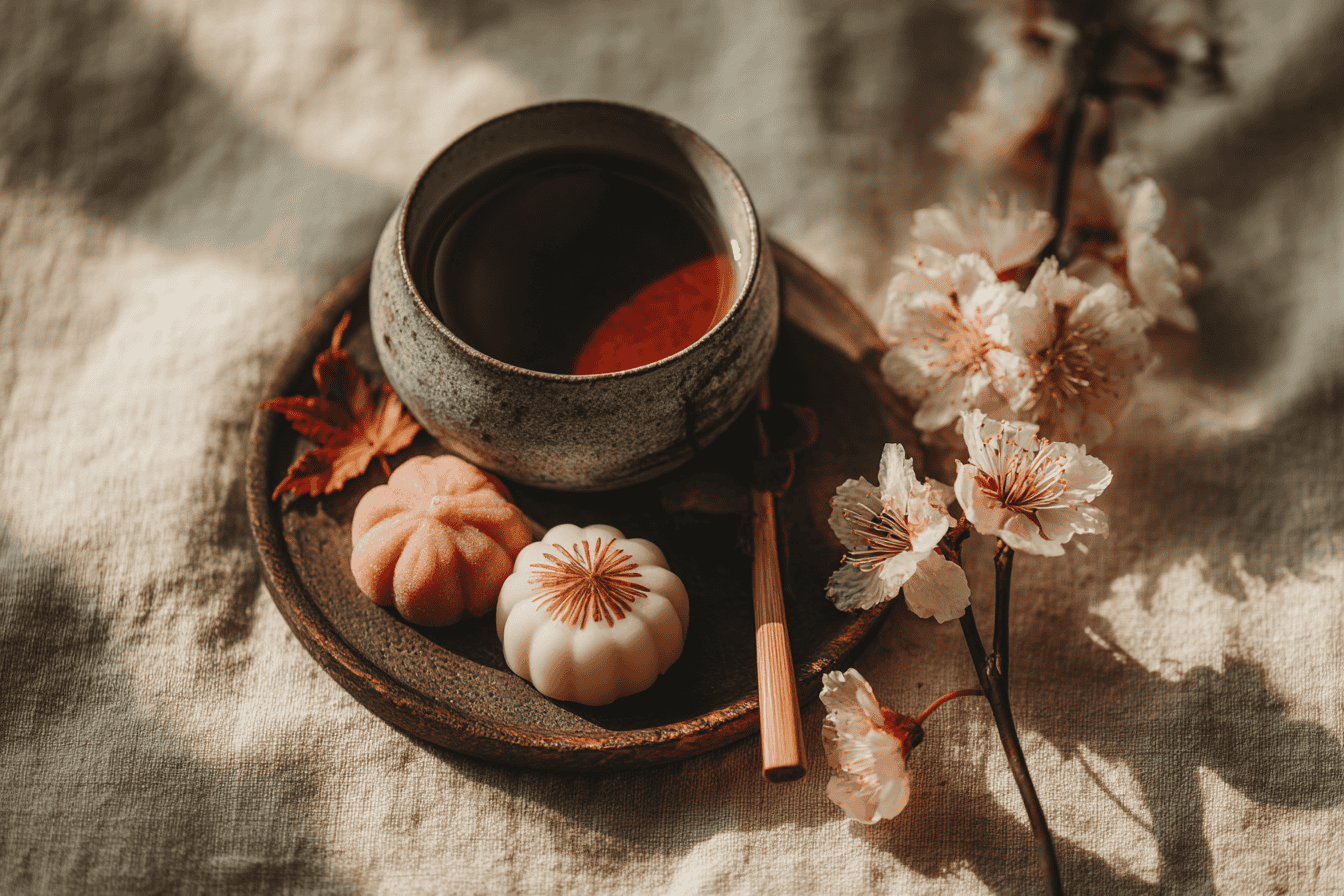
Wagashi are the traditional confections of Japan, shaped from bean paste, rice flour, and agar into miniature seasons. A plum blossom appears in February, a maple leaf in November. They exist to accompany tea: their gentle sweetness sets up matcha’s pleasant bitterness. In Kyoto, generations-old shops treat wagashi as sculpture with a shelf life of a day.
27. Mochi
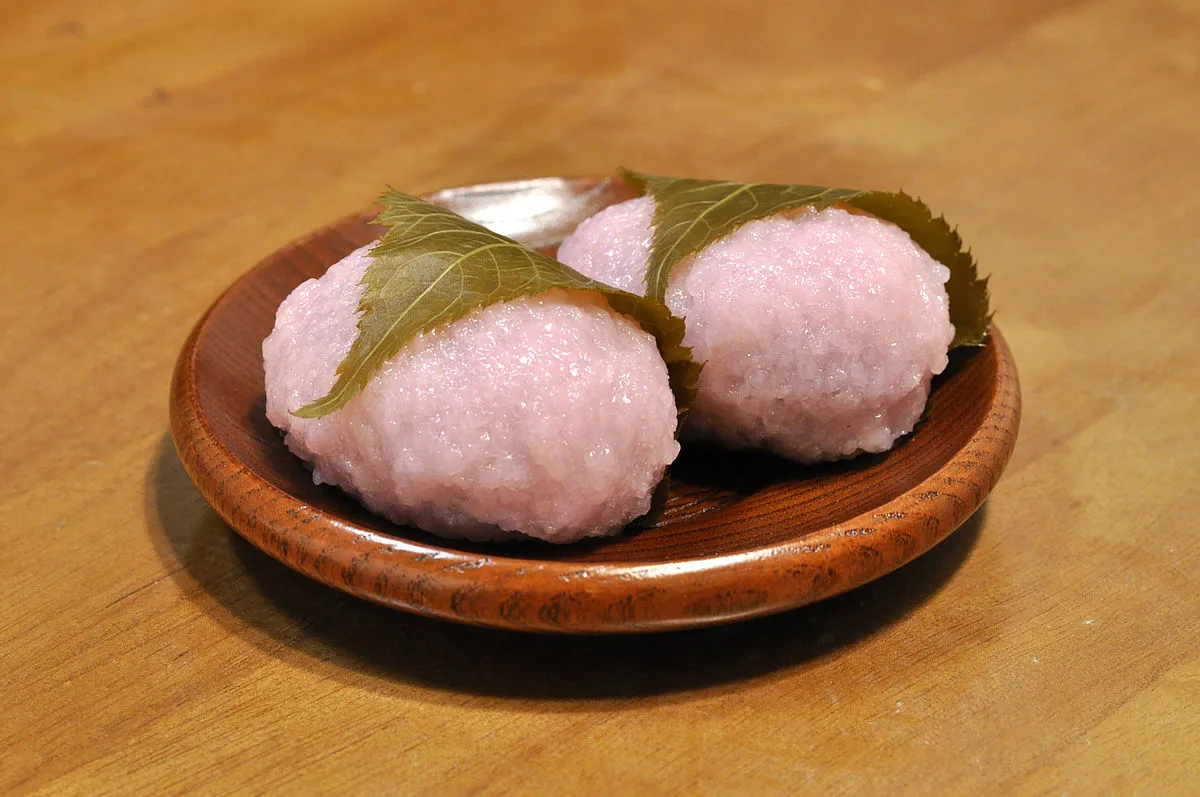
Mochi is glutinous rice pounded into a supple, chewy cake. Eat it grilled with soy, floated in New Year soup, or wrapped around sweet fillings as daifuku. Sakura mochi, folded in a salt-pickled cherry leaf, tastes like April. Fresh strawberry daifuku, a whole berry inside bean paste inside mochi, converts skeptics in one bite.
28. Matcha
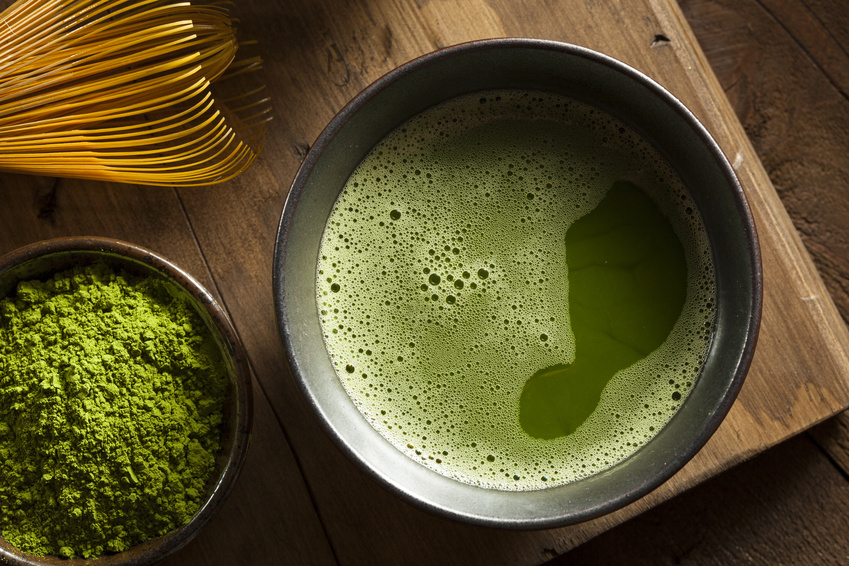
Matcha is shade-grown green tea, stone-ground to powder and whisked whole into water. You drink the leaf itself, which is why the flavor lands with such depth. It anchors the Japanese tea ceremony, where preparing a single bowl becomes a meditation on hospitality. Beyond the tea room, it flavors half the dessert case of modern Japan. Uji, south of Kyoto, has grown the finest leaf for eight centuries.
Making a proper bowl at home asks only two things. The first is ceremonial-grade powder such as Jade Leaf organic matcha. The second is a bamboo chasen, and a complete matcha whisk set supplies the bowl, whisk, and scoop in one.
Regional Specialties Worth Traveling For
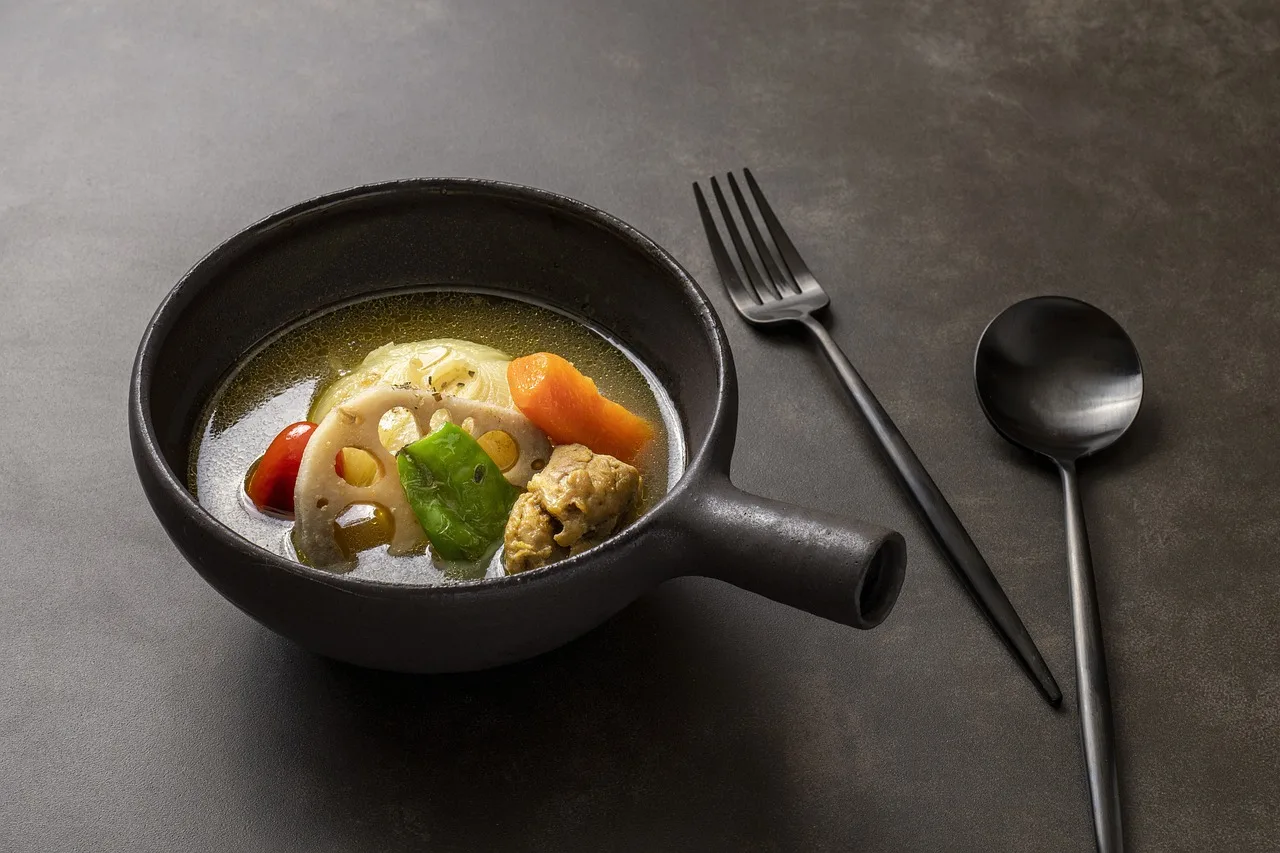
Japanese food is fiercely local, and the regions treat their specialties as identity. Osaka calls itself the nation’s kitchen, and earns it. Takoyaki, kushikatsu, and the mixed school of okonomiyaki all trace home to its griddles. Our guide to the Osaka food experience walks Dotonbori and beyond. Hiroshima answers with its layered okonomiyaki and oysters from the Seto Inland Sea.
Head north and the map changes again. Hokkaido pairs miso ramen and soup curry with the best dairy, crab, and uni in the country. Sapporo in winter is a food destination in its own right. Fukuoka, at the southern end, gave the world tonkotsu ramen and keeps its yatai street stalls alive along the river. Kyoto refines rather than invents — kaiseki, tofu cuisine, and matcha reach their peak there. And at New Year, the whole country converges on one table. The lacquered boxes of osechi ryori hold dishes that are each an edible wish for the year ahead.
How to Eat Like You Belong
Traditional Japanese food comes with table manners, and they are less a minefield than a short list of meaningful gestures. Say itadakimasu before eating and gochisosama after — small thanks that every server registers. Chopsticks carry the only serious taboos. Never stand them upright in rice, and never pass food from chopstick to chopstick, because both echo funeral rites. Rest them on the holder, together, when pausing.
Beyond that, the rules relax by venue. Lifting rice and soup bowls toward you is correct, not casual. Slurping noodles is welcome at the ramen counter and neutral everywhere else. Soy sauce is poured in small amounts and never over white rice; sushi is dipped fish-side down, in one motion. At an izakaya, pour drinks for companions rather than yourself, and expect the same in return. Tipping does not exist — service is complete in the price, and attempting it causes polite confusion rather than gratitude.
One phrase unlocks the refined tier: omakase. Saying it at any serious counter tells the kitchen you trust it, and kitchens repay trust. The rest is posture. Eat what arrives while it is at its moment, ask about what you do not recognize, and let the meal set the pace.
Where to Eat: Tokyo, Osaka, and Kyoto
Tokyo’s food day starts at Toyosu Market, where the wholesale tuna trade moved from Tsukiji in 2018. The sushi counters there serve fish that was swimming the night before, while the old Tsukiji outer market remains a lively street-food quarter. For tempura, the city’s venerable houses — Tenichi in Ginza has fried since 1930 — show the form at its most precise. Ramen rewards wandering: nearly every acclaimed shop posts its queue by mid-morning, and the queue is the review.
Osaka concentrates its energy on Dotonbori and the surrounding lanes, where okonomiyaki griddles, takoyaki stands, and kushikatsu counters run past midnight. Endo Sushi, beside the central wholesale market, has served morning sushi to market workers for over a century. In Kyoto, Izuju has pressed the local saba-zushi style near Gion since the Edo period, while Nishiki Market covers the graze-and-browse hours. South of the city, the Uji district is the pilgrimage for matcha in every form, led by tea houses such as Tsujiri.
The refined tier plays by different rules. Kaiseki ryotei and top omakase counters hold few seats, book weeks out, and often accept reservations only through hotels or introductions. This is where planning pays: build the meal first and the itinerary around it. If that dinner is the point of the trip, we design custom itineraries around the table. The reservation, the ryokan nearby, and the days that frame it all take shape together.
Cooking Japanese Food at Home
The home kitchen needs surprisingly little to begin: short-grain rice, soy sauce, miso, mirin, rice vinegar, and dashi. That last one comes either fresh from kombu and bonito flakes or from good instant granules. With those six on the shelf, miso soup, donburi, and teriyaki are weeknight food. The equipment side matters just as much, and it deserves its own guide. Our Japanese cooking tools guide covers the knives, pans, and rice-cookery pieces worth owning, from a first santoku to a donabe clay pot.
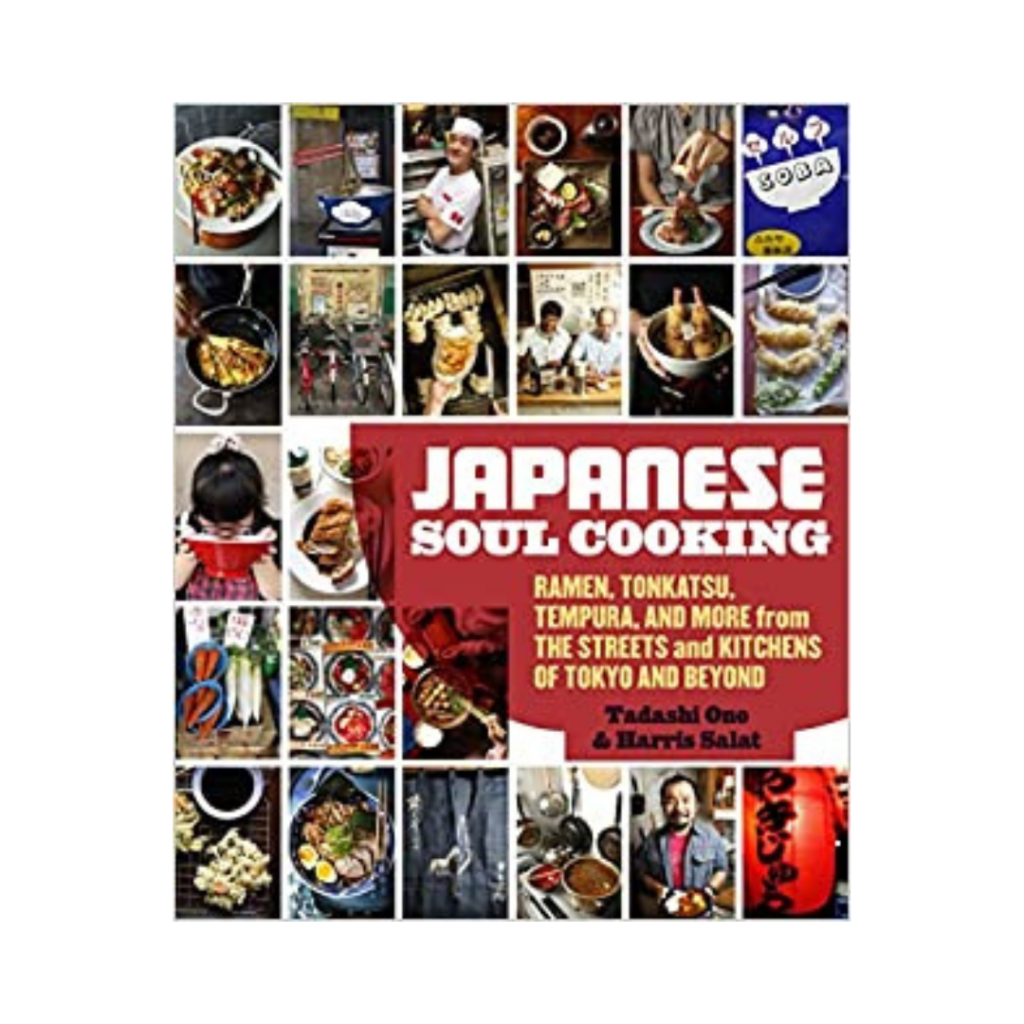
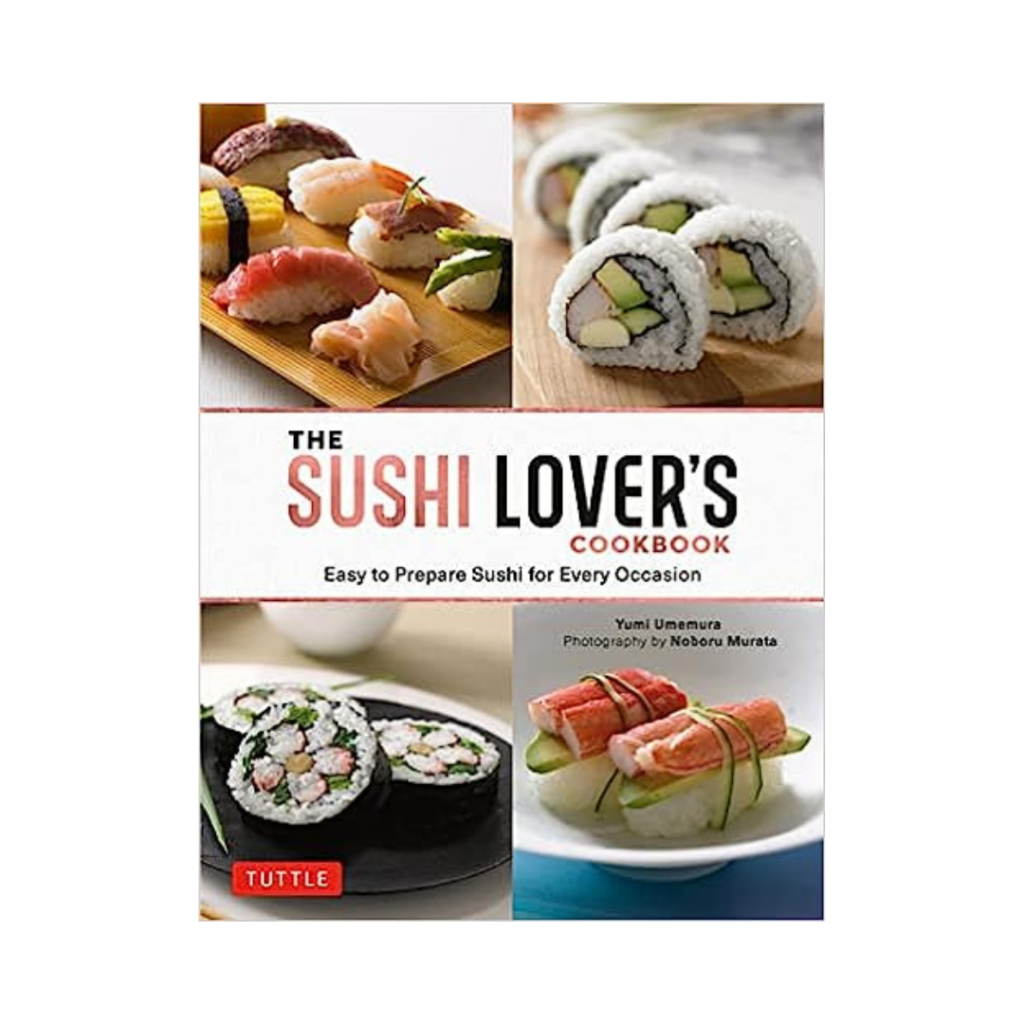
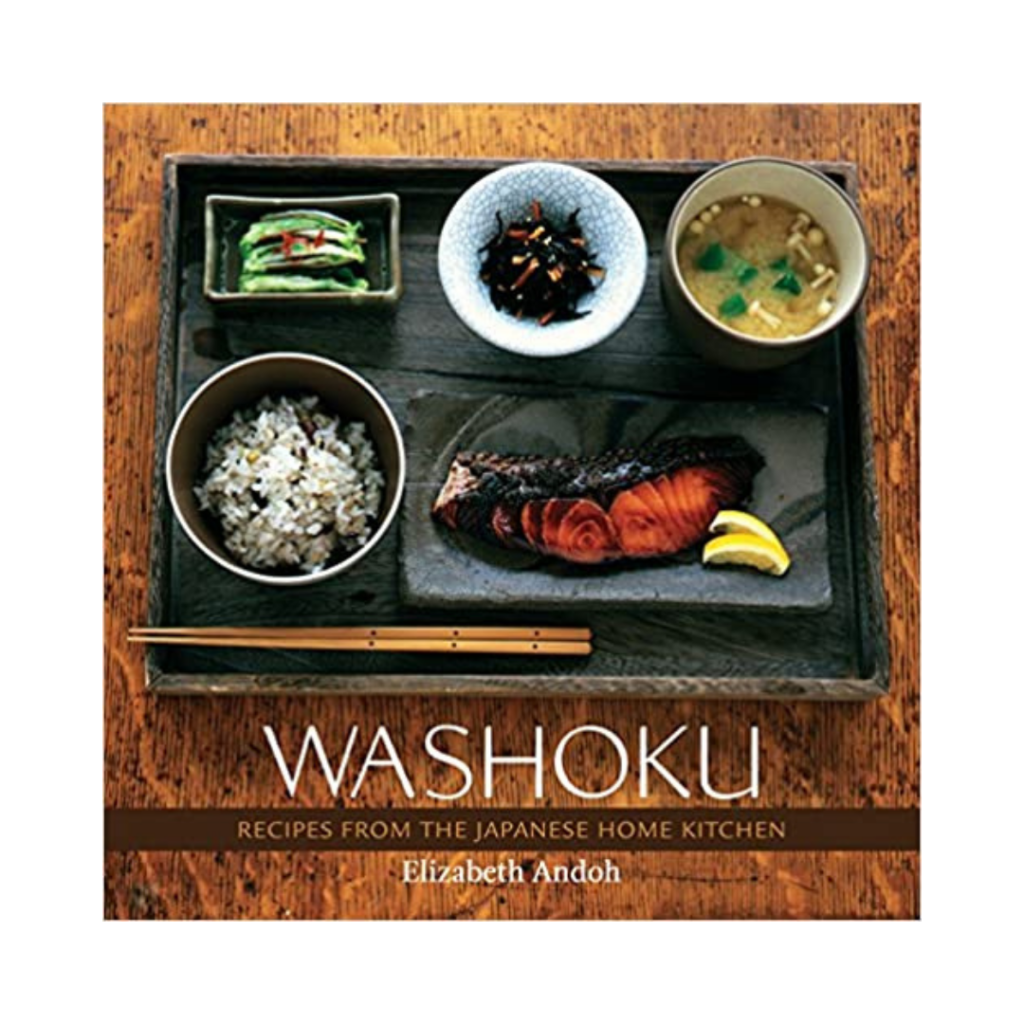
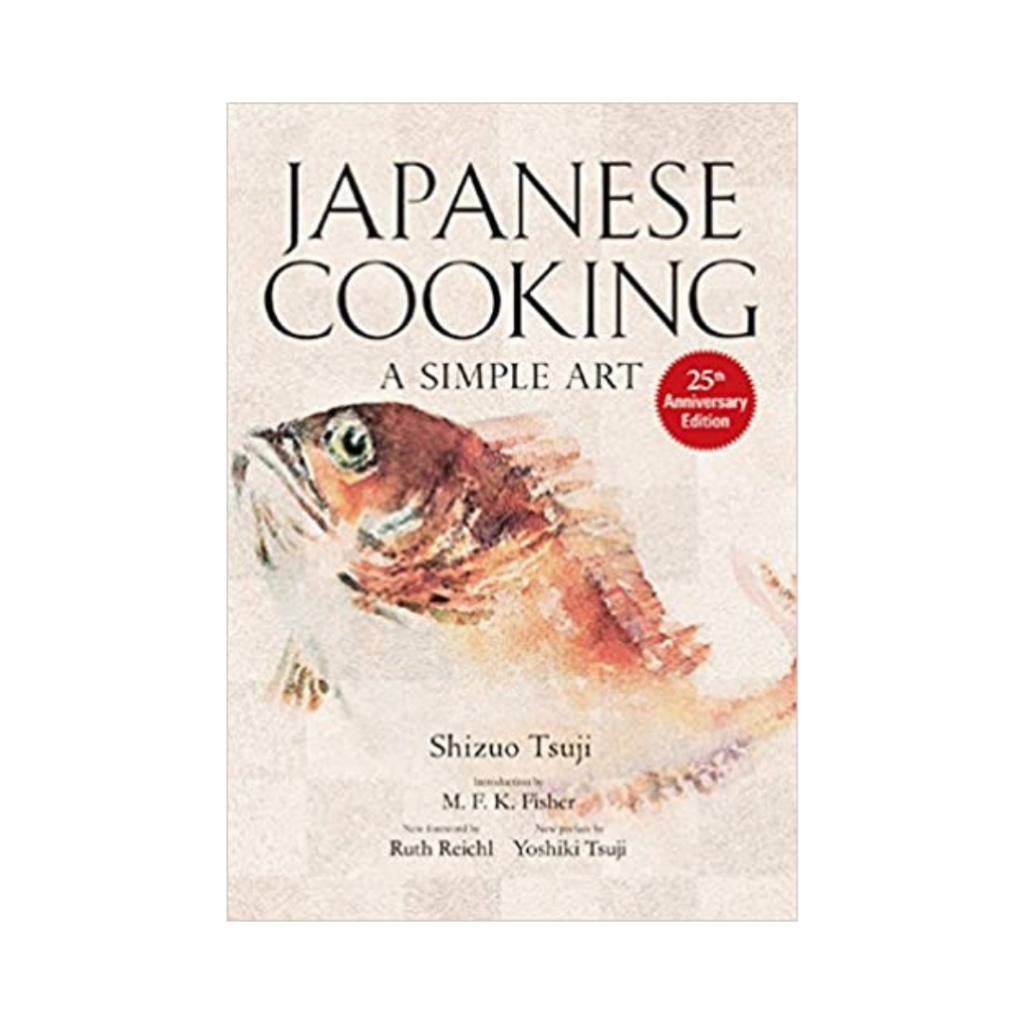
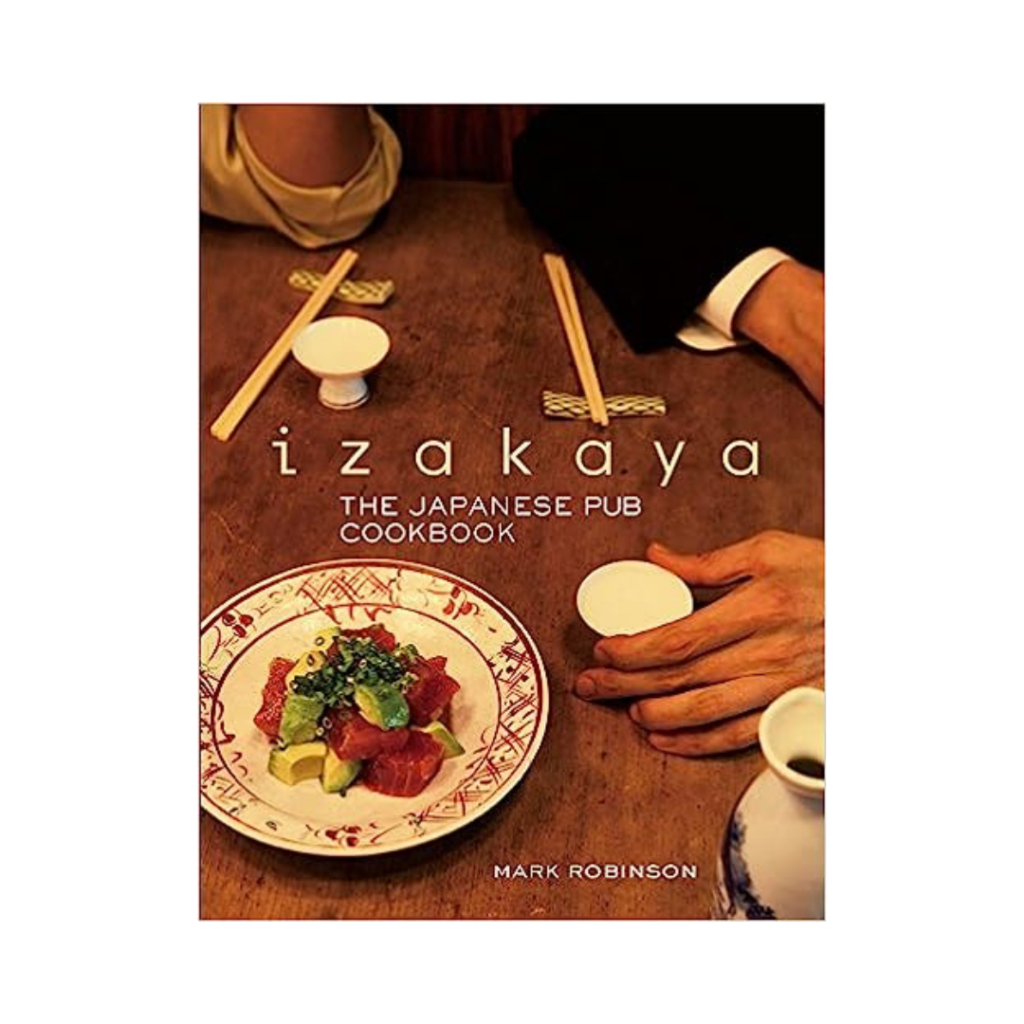
For the cook who wants the tradition behind the technique, five books repay their shelf space many times over. Japanese Soul Cooking maps the comfort canon — ramen, gyoza, curry — with affection. Japanese Cooking: A Simple Art, by Shizuo Tsuji, remains the definitive English-language reference half a century on. Washoku, by Elizabeth Andoh, brings the home-kitchen philosophy to life. The Sushi Lover’s Cookbook makes the rolling approachable, and Izakaya: The Japanese Pub Cookbook bottles the small-plates evening.
Questions Worth Asking
What food is Japan most famous for?
Sushi is Japan’s most famous food worldwide, followed closely by ramen, tempura, and wagyu beef. Within Japan itself, everyday icons such as miso soup, onigiri rice balls, and regional dishes like okonomiyaki carry equal cultural weight, and kaiseki represents the refined summit of the cuisine.
Is sushi traditional Japanese food?
Yes. Sushi descends from narezushi, a fish-preservation method documented in Japan over a thousand years ago. The nigiri style eaten today took shape in Edo-period Tokyo during the early 1800s as a fast food for city workers, which makes it both genuinely traditional and surprisingly modern in form.
What is washoku?
Washoku is the traditional dietary culture of Japan, built on rice, seasonal ingredients, dashi stock, and the one-soup-three-sides meal structure called ichiju-sansai. UNESCO added washoku to its Intangible Cultural Heritage list in 2013, recognizing the practice as a living tradition rather than a fixed set of recipes.
What is the difference between kaiseki and omakase?
Kaiseki is a structured multi-course meal with a set progression of cooking techniques, rooted in tea-ceremony hospitality and usually served in a private room. Omakase means leaving the menu to the chef, most often at a sushi counter, where the sequence responds to that morning’s market rather than a fixed format.
What should a first-time visitor eat in Japan?
Start with a sushi breakfast at Toyosu Market, a bowl of ramen from a regional specialist, and an evening of small plates at an izakaya. Add one street-food classic such as okonomiyaki or takoyaki, and reserve one refined meal, either kaiseki in Kyoto or an omakase counter, to see the cuisine’s full range.
What is Japan’s national dish?
Japan has no officially designated national dish. Rice is the historic foundation of the cuisine, and sushi serves as the country’s culinary emblem abroad. Many Japanese would nominate ramen or curry rice as the true everyday favorite, which says a great deal about how open the tradition remains.
The table and the journey
Twenty-eight dishes make a map, not a checklist. The pleasure of traditional Japanese food is that the map keeps opening. The ramen shop reveals a regional school, the school reveals a city, and the city sets a table you did not know to want. Start your tour of traditional Japanese food with a market breakfast and an izakaya evening. Save one meal for the refined tier. The cuisine will handle the rest of the itinerary on its own.
Cream-paper journals for the unhurried side of the journey — which counter, which season, what the menu could not say.
View the Journals →For the celebration table at year’s end, our guide to Japanese New Year food opens the osechi boxes dish by dish. And when the meal calls for a toast, the beginner’s path into sake pairs the bottle to the table.
Eat Where These Dishes Are Made
Our custom itinerary service builds your Japan journey around the table. Think of the omakase counter in Ginza, the kaiseki ryotei in Kyoto, the morning market in Osaka. Tell us the meals you want to remember, and we will shape the route, the reservations, and the seasons to match.
Plan Your Custom Japan Itinerary