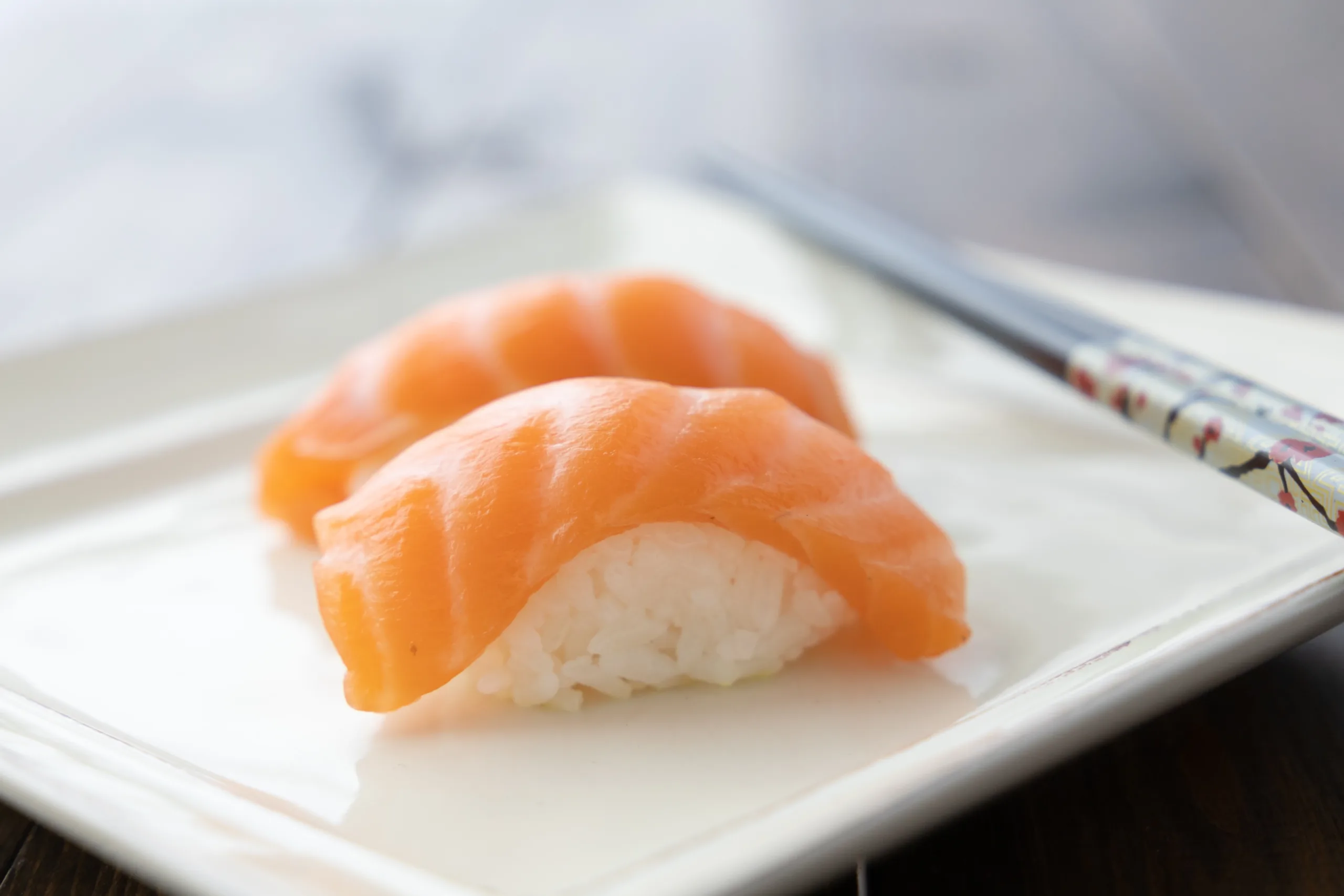
The types of sashimi you meet in Japan go far beyond the tuna and salmon of a typical menu abroad. A good counter might offer a dozen fish in one evening. Each is cut to suit its texture and served at its peak. Once you know what to look for, a plate of raw fish becomes a short lesson in season, place and knife work.
This guide walks through the ten most popular types of sashimi, from fatty tuna to cured gizzard shad. It also explains the knife cuts that shape each slice and how to order well in Japan. Then it covers serving sashimi safely at home. Along the way you will find a classic recipe from Kochi and the tools we would choose for a first home plate.
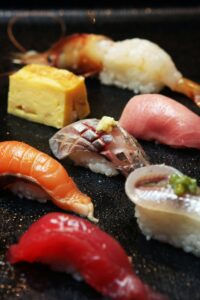
Tuna (maguro) leads, followed by yellowtail, salmon, red sea bream, flounder, octopus, sweet shrimp, sea urchin, salmon roe and cured gizzard shad. A good assorted plate moves from light white fish to rich, fatty cuts.
What Sashimi Is, and How It Differs From Sushi
Sashimi is sliced raw seafood served on its own, with soy sauce, wasabi and a few garnishes. Sushi, by contrast, always includes vinegared rice, and its topping need not be raw at all. Cooked eel, sweet omelet and pickled vegetables all appear on sushi. So the simplest way to separate them is this. Sushi is built around the rice, while sashimi is built around the fish.
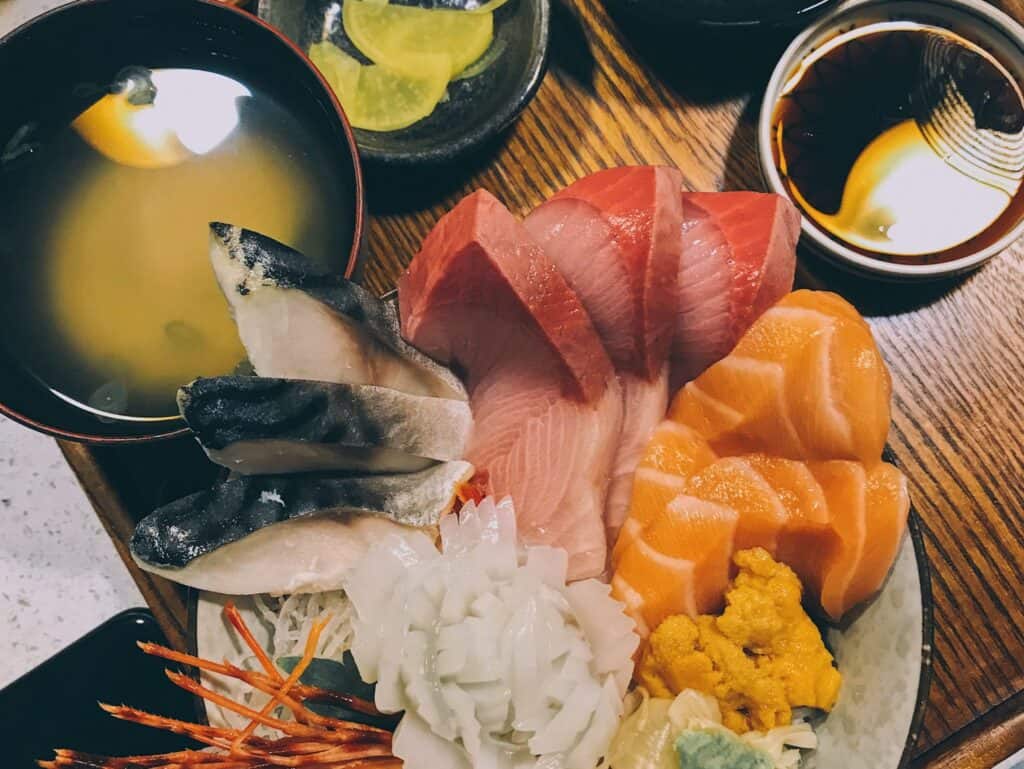
Because nothing hides the fish, freshness and handling matter more than anything else. Chefs choose each fish for its season, then cut it to suit its texture. A soft fish is sliced thick so it holds together. A firm white fish, however, is sliced so thin you can see the plate. That attention to texture is why sashimi tastes so different from one fish to the next. For the wider story of raw fish on rice, our guide to sushi and sashimi covers how the two traditions grew side by side.
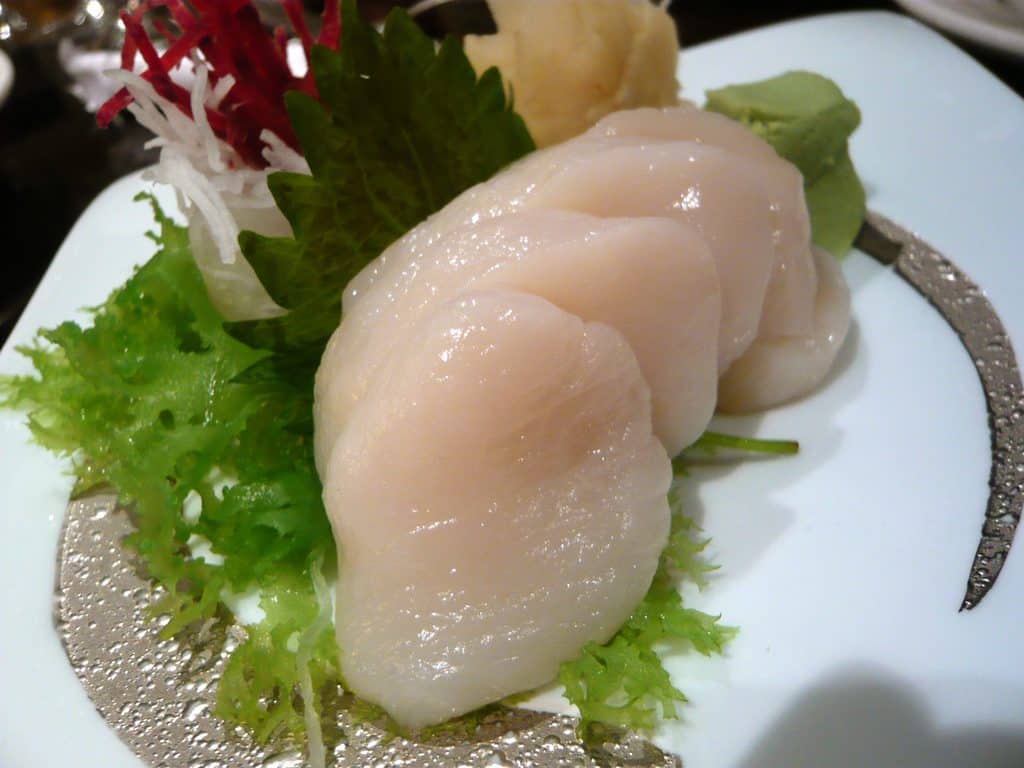
A plate usually arrives with a small mound of shredded daikon, a shiso leaf and fresh wasabi. These are not decoration. The daikon refreshes the palate between pieces, and the shiso adds a bright, herbal note. Meanwhile, the wasabi cuts through the richness of fatty fish. Eat them along the way, and each slice tastes clearer than the last.
Ten Popular Types of Sashimi to Know
The list below follows the order a Japanese diner might meet these fish on a menu. It starts with the most familiar and ends with the cured, more traditional choices. Each entry covers what the fish tastes like, how it is usually cut and what to look for. Together they cover most of the popular sashimi you will see at counters from Tokyo to Fukuoka.
271. Maguro (Tuna)
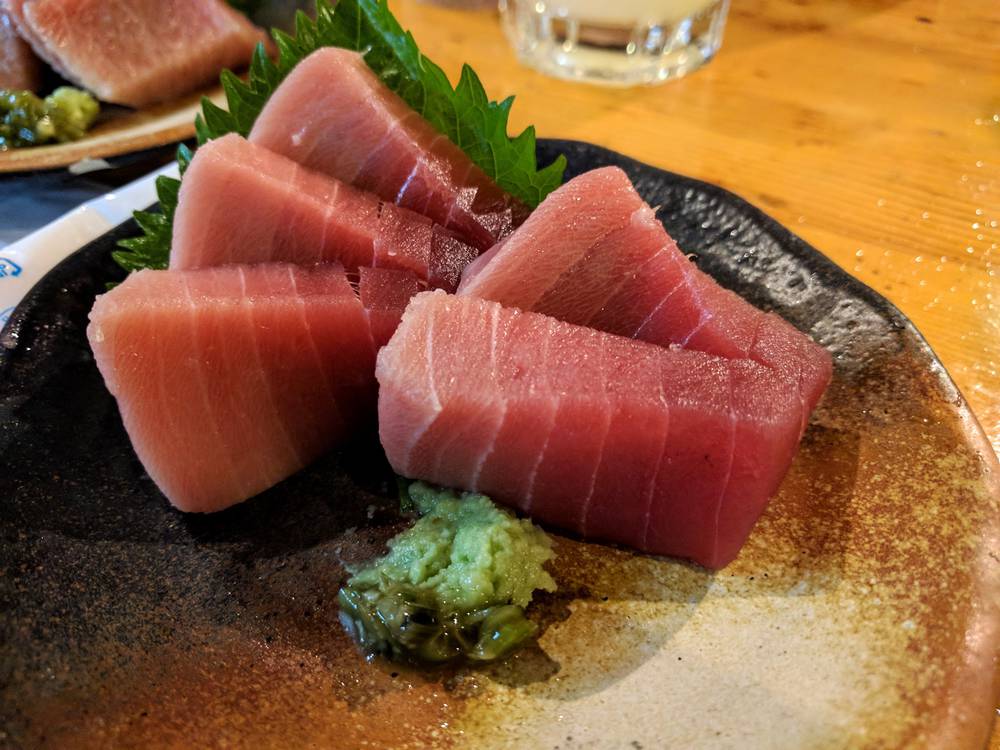
Maguro is the backbone of Japanese sashimi, and bluefin, or hon-maguro, is the most prized. One fish gives three main grades. Akami is the lean red meat from the back, clean and meaty. Chutoro sits between the back and the belly, with a soft marbling of fat. Otoro, the fattiest cut from the belly, almost melts on the tongue. Try them side by side, and you will taste how much fat changes the same fish.
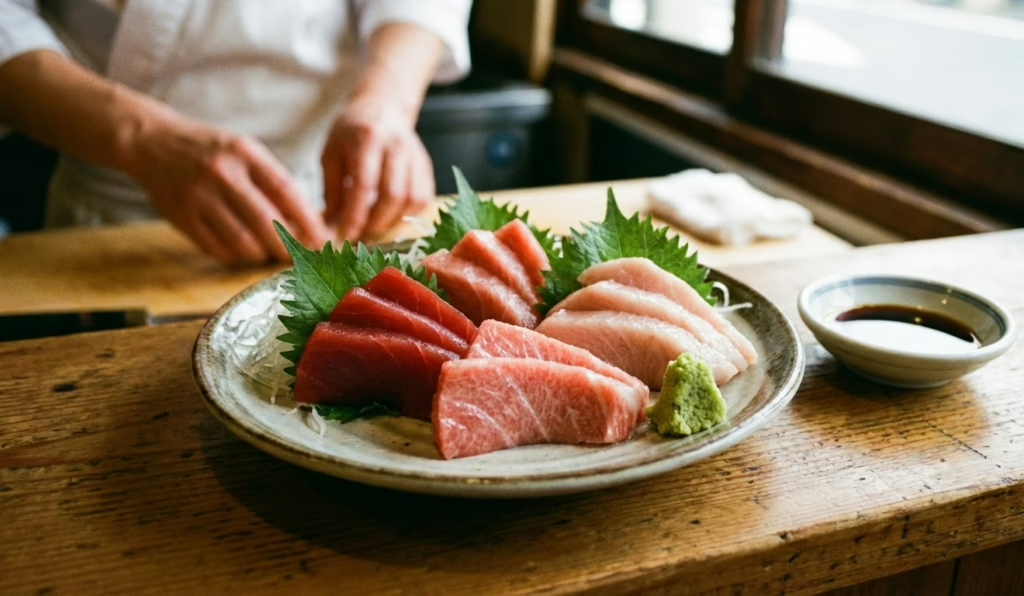
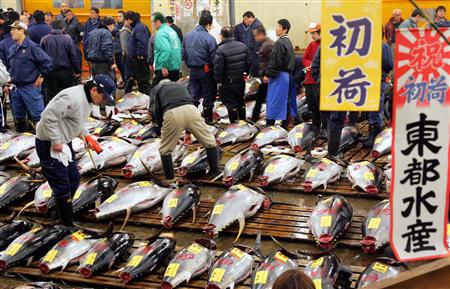
Tuna also carries the drama of the trade. Toyosu Market in Tokyo held its first New Year auction in January 2019. There, a 278 kg bluefin from Aomori sold for about $3.1 million (¥333.6 million). The buyer, Kiyoshi Kimura of the Sushi Zanmai chain, later admitted he had paid far more than he expected. Most tuna, of course, sells for ordinary prices, yet the auction shows how much the best fish means in Japan.
262. Hamachi and Buri (Yellowtail)
Hamachi is young Japanese amberjack, and buri is the same fish when fully grown. It is a shusse-uo, a fish whose name changes as it ages, much like a rising employee earns a new title. The flesh is pale pink with a creamy richness and a gentle sweetness. In winter, wild buri from the Sea of Japan grows especially fatty. It is then sold as kan-buri, a treat many diners wait for all year.
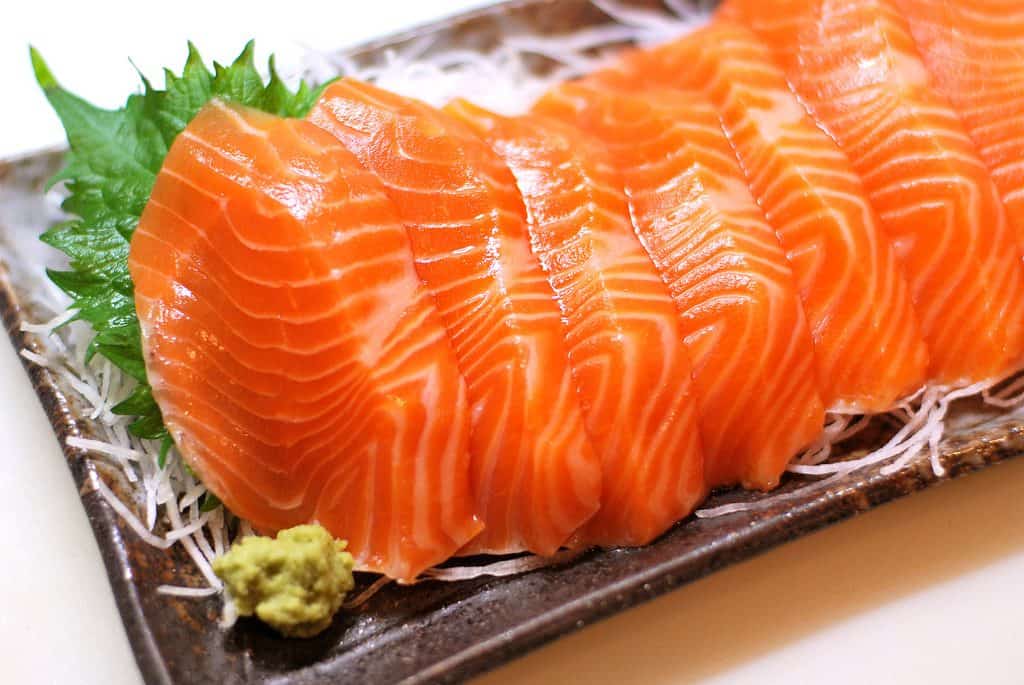
253. Sake (Salmon)
Salmon is the most popular sashimi abroad, yet it is a newer arrival in Japan. Japanese wild salmon was traditionally cooked, because of the risk of parasites. That changed in the 1980s, when Norway’s Project Japan began persuading Tokyo chefs to serve farmed Norwegian salmon raw. Today it is a fixture of every assorted plate. Its soft, buttery texture and mild flavor make it a natural first choice for new sashimi eaters.
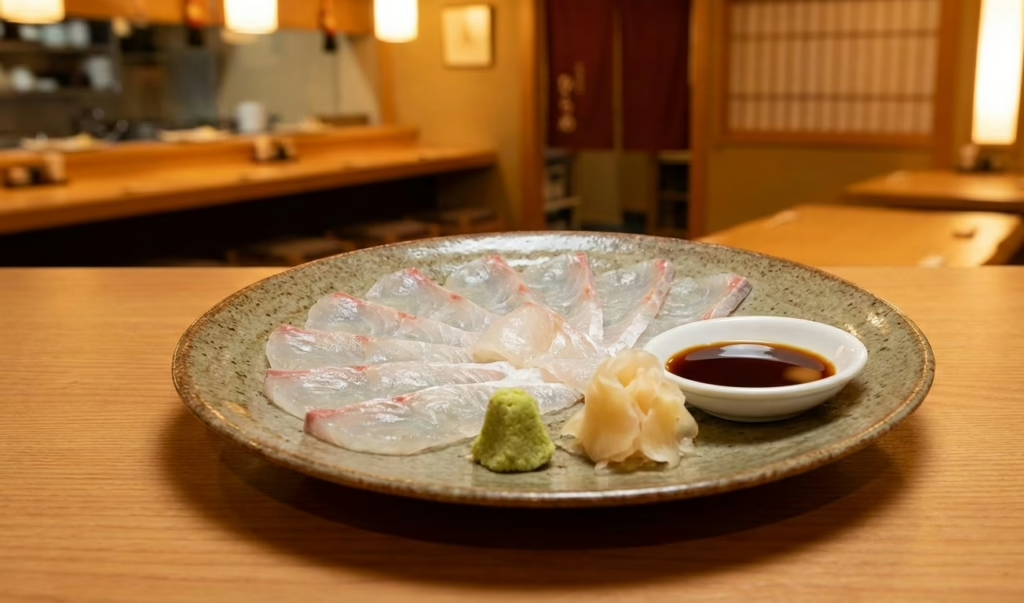
244. Hirame (Flounder)
Hirame, the olive flounder, is the classic white fish of the sashimi counter. Its flesh is firm, clean and lightly sweet, so chefs often slice it paper thin and fan it across the plate. The fin muscle, called engawa, is prized for its chewy richness. Flounder is at its best in winter, when it is often served with ponzu and grated daikon rather than plain soy sauce.
235. Tai (Red Sea Bream)
Tai, the red sea bream, is the fish of celebration in Japan. Its name echoes medetai, a word for joyful occasions, so it appears at weddings and New Year meals. The flesh is white with a faint pink edge, firm and delicate. Chefs sometimes leave the skin on and scald it quickly. This style, matsukawa-zukuri, adds a tender bite and a striking pattern.

226. Tako (Octopus)
Octopus is usually boiled before it is sliced, so tako sashimi is cooked rather than raw. The result is chewy, with a clean flavor of the sea and a pleasing bounce. It is often sliced on a wavy angle so the soy sauce clings to the ridges. For travelers wary of raw fish, tako is a gentle way into the sashimi menu.

217. Amaebi (Sweet Shrimp)
Amaebi means sweet shrimp, and the name is honest. These small, cold-water shrimp are served raw, and their flesh is soft, glossy and strikingly sweet. In many restaurants, the heads come back later, deep-fried until crisp, so nothing is wasted. Hokkaido is the best-known source, although you will find amaebi on menus across the country.
208. Uni (Sea Urchin)
Uni is the roe of the sea urchin, golden and custard-soft, with a taste that moves from sweet to briny. Good uni tastes of the cold sea, while tired uni turns bitter, so this is one fish where freshness shows at once. Hokkaido’s summer catch has the strongest reputation, and many visitors to Sapporo plan a market breakfast around it.

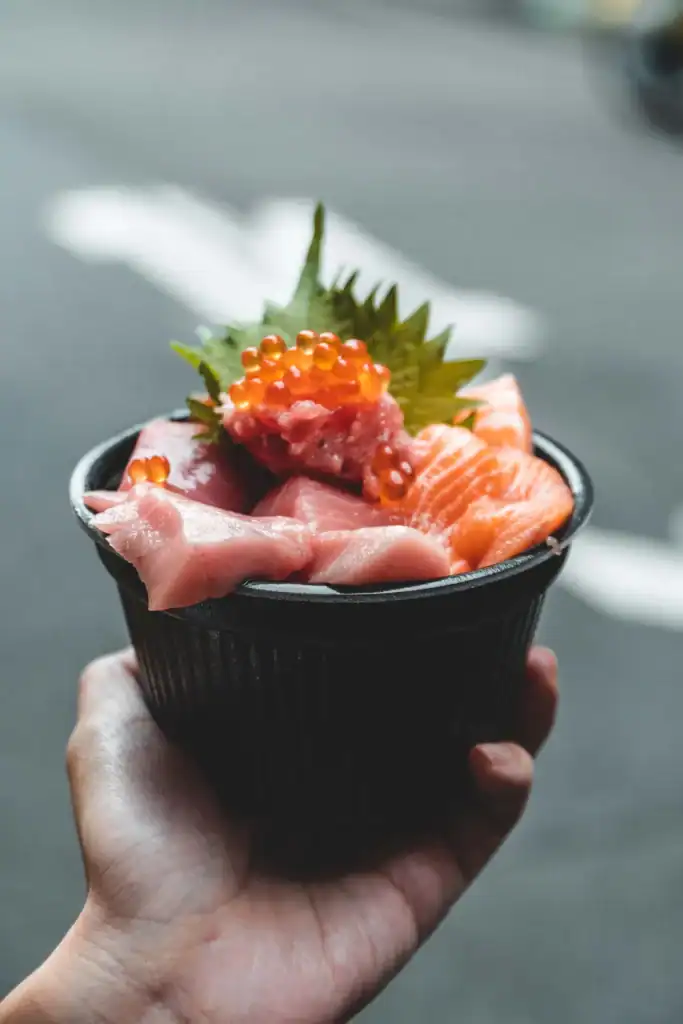
199. Ikura (Salmon Roe)
Ikura are the large, glowing orange eggs of the salmon, usually marinated in soy sauce before serving. Each bead bursts with a salty, rich pop. On a sashimi plate they often sit in a small dish or a cucumber cup, adding color and contrast. They are also a favorite topping for rice bowls in autumn, when fresh roe reaches the markets.
1810. Kohada (Gizzard Shad)
Kohada closes the list because it shows the older side of raw fish in Japan. This small, silver-skinned fish is cured with salt and vinegar before serving, which firms the flesh and tames its strong flavor. It belongs to the family of hikari-mono, the shining fish, which also includes mackerel and horse mackerel. Tokyo chefs treat kohada as a benchmark of skill, so ordering it is a subtle compliment to the counter.
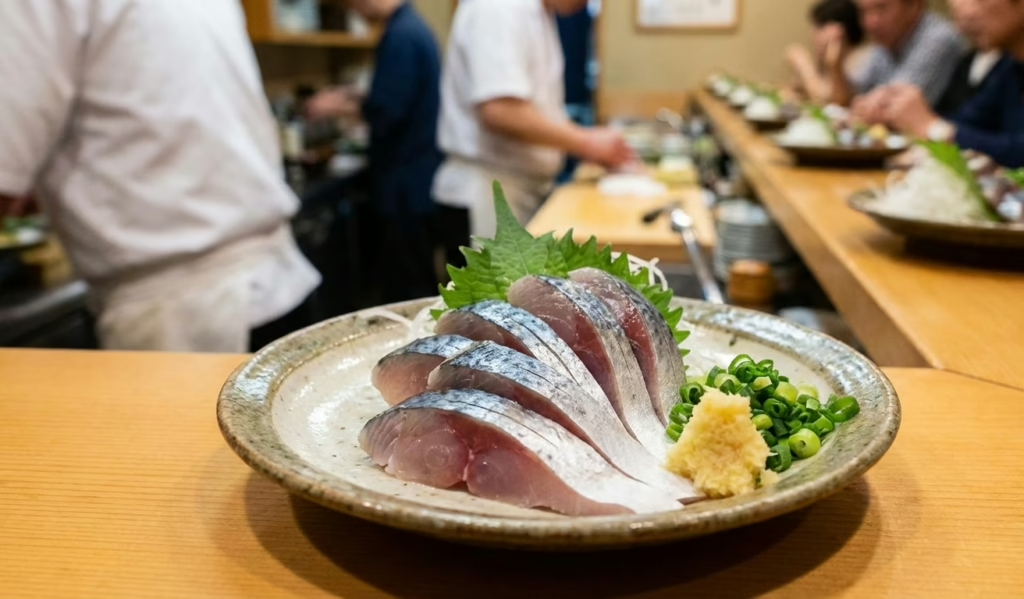
Those ten cover most of the popular sashimi you will meet, yet the list keeps going. Squid, horse mackerel, scallop and seared bonito all appear often. Learn the ten above first, and the rest of the menu becomes much easier to read.
17The Shoshin Journal
How the Knife Shapes the Taste
In Japanese cooking, the knife is not only a tool but part of the flavor. The same fish tastes different when it is cut thick, thin, straight or angled. Chefs choose the cut to suit each fish’s texture, so soft fish keeps its body and firm fish becomes tender. That is why learning the cuts helps you understand the types of sashimi on any menu.
The most common cut is hira-zukuri, a straight, flat slice about a third of an inch thick, used for tuna and salmon. Usu-zukuri slices firm white fish, such as flounder or blowfish, so thin it turns translucent. Kaku-zukuri cuts tuna into neat cubes, while sogi-zukuri uses an angled stroke for smaller fillets. Each slice is drawn in a single long pull, never sawed, so the surface stays glossy.

That single pull explains the shape of the Japanese sashimi knife. The yanagiba, or willow-leaf blade, is long and narrow so one stroke can cross the whole fillet. Most are sharpened on one side only, which lets the blade glide through the flesh without crushing it. A home cook does not need a professional knife. Still, a long, sharp blade makes a visible difference the first time you slice a piece of tuna.
16Kai Seki Magoroku Ginju Sashimi Knife — a 240 mm yanagiba for clean slices
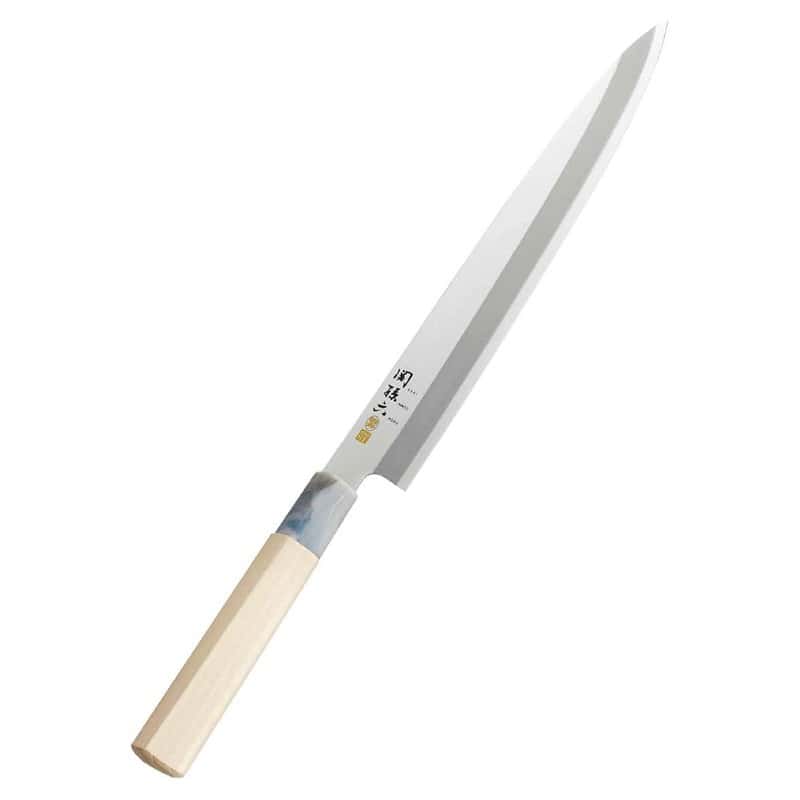
The Kai Seki Magoroku Ginju comes from Seki in Gifu, the city at the heart of Japanese blade making. Its 240 mm stainless blade can slice a block of tuna in one pull. That single stroke keeps the surface smooth and glossy. The single-edged grind lets the blade separate each slice cleanly, so soft fish does not tear. Stainless steel also forgives the occasional slow drying at home. For a first yanagiba, it balances real Japanese craft with easy care. Use it only for fish and keep it sharp. Then even a supermarket fillet will look as if it came from a counter.
A sharp blade matters more than an expensive one. Even a fine knife dulls quickly on a cutting board, and a dull edge crushes soft fish instead of slicing it. Japanese cooks sharpen on water stones, which keep the edge keen without removing much metal. A combination stone with a coarse and a fine side covers almost every home need. With a few minutes of practice each week, any home cook can keep a blade ready for the next fillet.
Ordering Sashimi in Japan
The easiest order in any Japanese restaurant is the moriawase, an assorted plate chosen by the chef. It shows you what is best that day, and it usually moves from light to rich. If you prefer to choose, ask what is in season. Japanese cooks call this shun, the moment when each fish tastes its best, and a good chef will light up at the question.
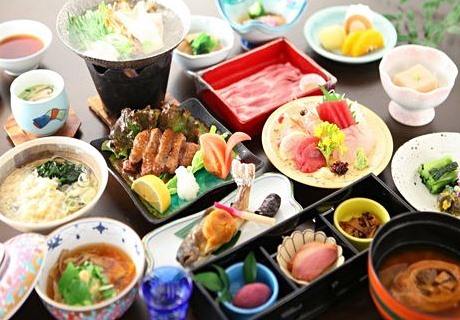
Eat the pieces in order, from white fish to red, and from lean to fatty. Fatty tuna and salmon coat the palate, so they come last. Place a little wasabi on the fish itself rather than stirring it into the soy sauce. Then dip a corner of the slice, not the whole piece, so the flavor of the fish stays in front. Above all, take your time, because the best counters pace a meal slowly.
15Where to taste the best
Tokyo’s wholesale fish trade moved from Tsukiji to the new Toyosu Market in October 2018. Visitors can watch from observation corridors at Toyosu and eat at the restaurants inside. Meanwhile, the old Tsukiji outer market still bustles with small seafood counters. Beyond Tokyo, coastal towns often serve the freshest plates of all. Kochi is famous for bonito, Hokkaido for sea urchin and crab, and Kanazawa for winter yellowtail and sweet shrimp.
In Osaka, the market streets are livelier still, and stalls sell tuna and sea urchin by the piece. Our guide to Osaka food covers the best places to graze. Wherever you are, look for a small counter with a short menu and a busy chef. That is a better sign than a long, laminated list.
You may also like

Serving Sashimi at Home
Sashimi at home starts with the fishmonger, not the knife. A good counter will tell you what arrived that morning and what to avoid. It will also slice a block to order if you ask, which saves you the hardest step and shows you how a professional holds the knife. Buy fish sold for raw eating from a counter you trust, and ask how it was handled and frozen. In the United States, sashimi-grade is a seller’s term rather than a legal standard. The US Food and Drug Administration advises freezing fish for raw use at -4°F (-20°C) for seven days. That kills parasites, so many sellers freeze it for exactly that reason.
14Plating it simply
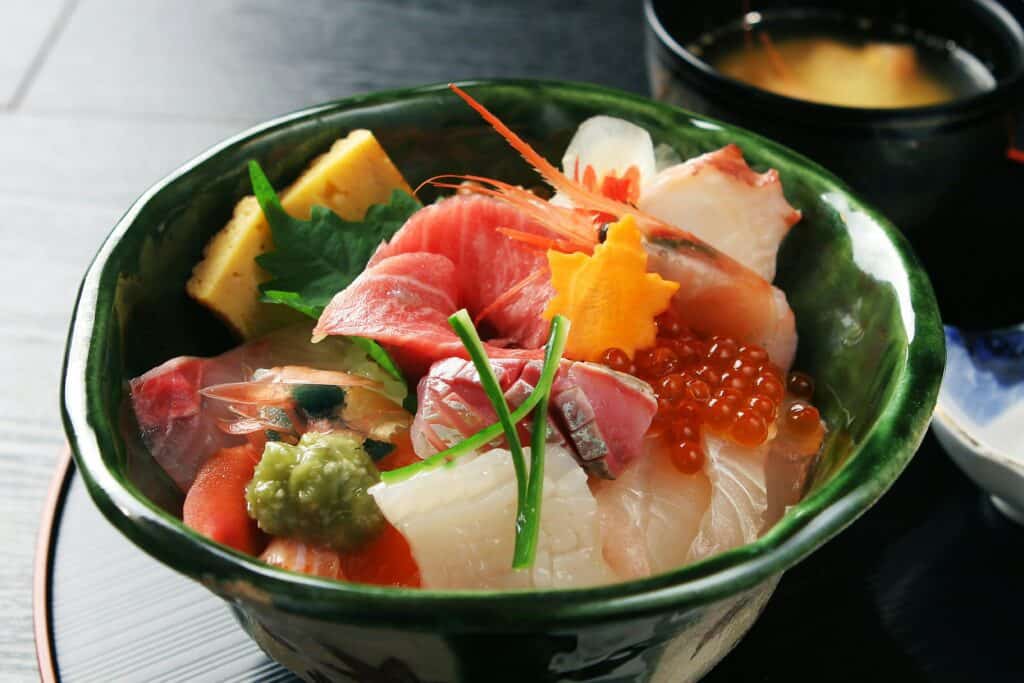
Keep the fish cold until the last moment, slice it just before serving, and eat it the same day. Then plate it simply. A few slices of two or three fish look better than a crowded platter. Add shredded daikon, a shiso leaf and a small mound of wasabi. Serve soy sauce in small individual dishes so each guest can dip to taste. A plain ceramic plate shows the color of the fish better than a busy pattern. Finally, chill the plates for ten minutes before you lay out the slices, because a cold plate keeps the fish firm and glossy while guests take their time at the table.
If you want to go deeper, a good reference makes the next step much easier. Learning to judge a fish by its eye, gills and smell takes practice, as does learning which fish suit which cut. A clear book with photographs shortens that learning curve, and it helps you talk with a fishmonger in their own terms.
It also explains the reasoning behind each habit. So you can adapt when the fish in front of you is not the one in the recipe. The one below is the reference we would keep beside the cutting board. It is also the one we would give a friend who wants to start. Keep it in the kitchen rather than on a shelf, because it earns its place one fillet at a time.
13The Art and Science of Sushi — a cook’s reference to fish and technique
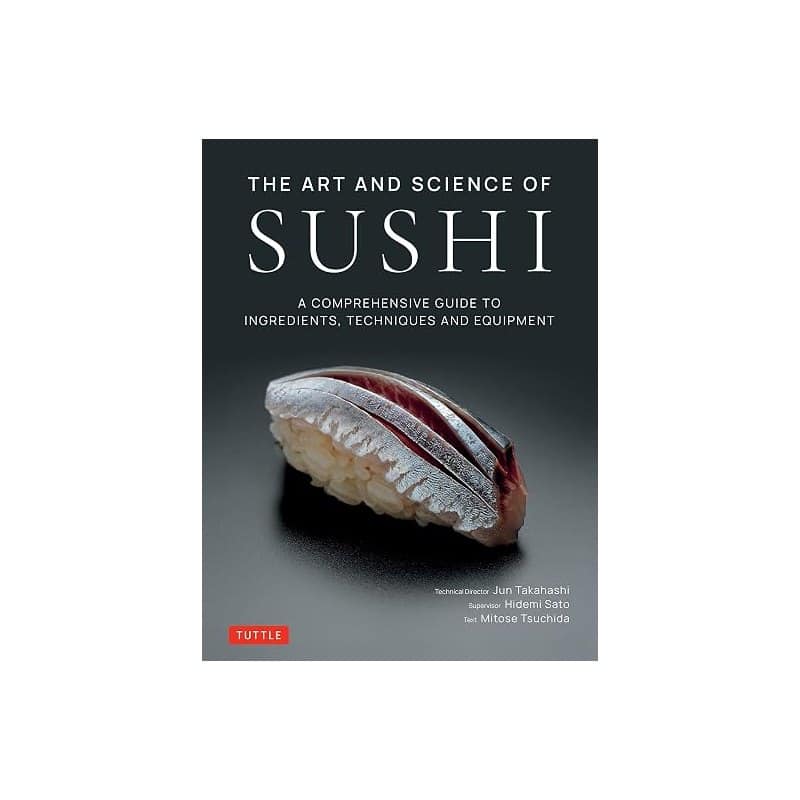
The Art and Science of Sushi, published by Tuttle, explains the why behind each step as well as the how. It covers buying and judging fish, the main knife cuts, safe handling and the role of each garnish, with clear photographs throughout. Although its title says sushi, much of the book is about fish itself, which makes it just as useful for sashimi. Read the chapters on choosing fish before your next market visit, and bring the book’s questions with you. As a result, you will know what to ask and what to avoid. You will also know how to slice each fillet so it tastes the way it should, from the first cut to the last.
12A recipe from Kochi: seared bonito
One of the easiest ways to start at home is with tataki. This style sears the outside of the fish while keeping the center raw. The most famous version comes from Kochi, on the island of Shikoku, where bonito is seared over a roaring straw fire. In Kochi it is often eaten with salt, while elsewhere it comes with ponzu, garlic and ginger. A very hot pan or a gas flame works well at home.

Katsuo no Tataki — seared bonito with ponzu, garlic and ginger
Pat a ten-ounce loin of bonito sold for raw eating dry and season it lightly with flaky salt. Heat a heavy pan with a teaspoon of oil until it smokes. Sear each side for about fifteen seconds, just long enough to brown the outside while the center stays red. Plunge the loin into ice water for a moment, pat it dry and chill it for ten minutes so the slices hold their shape. Cut it into thick pieces with one long pull of the knife and lay them over shiso leaves and paper-thin onion. Scatter sliced garlic, grated ginger and scallion on top, then spoon a quarter cup of ponzu around the plate.
11Three Pieces for a Home Sashimi Plate
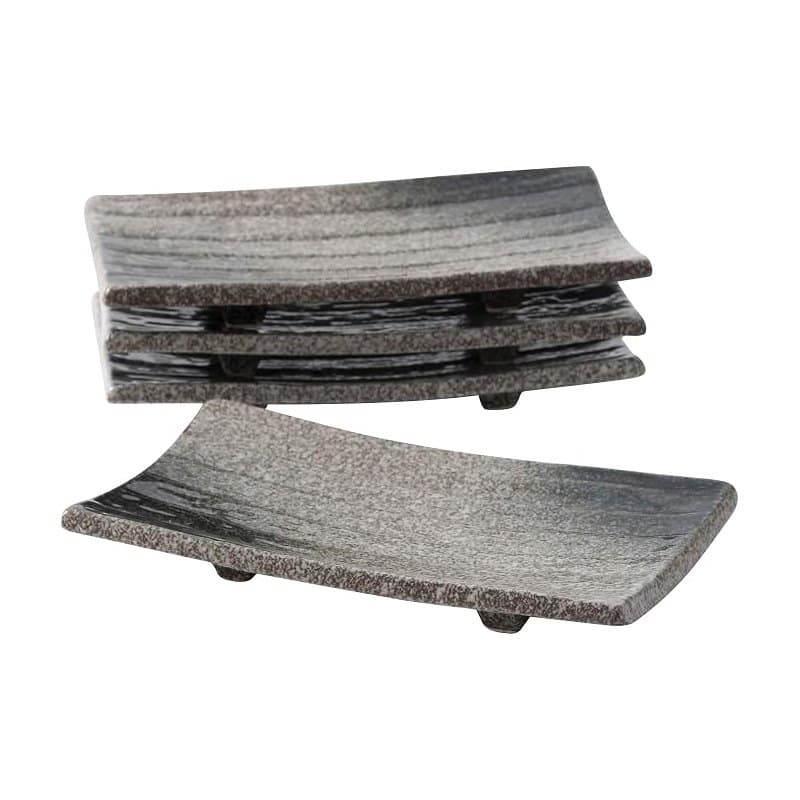
Deep blue stoneware that makes red tuna and pale white fish stand out.
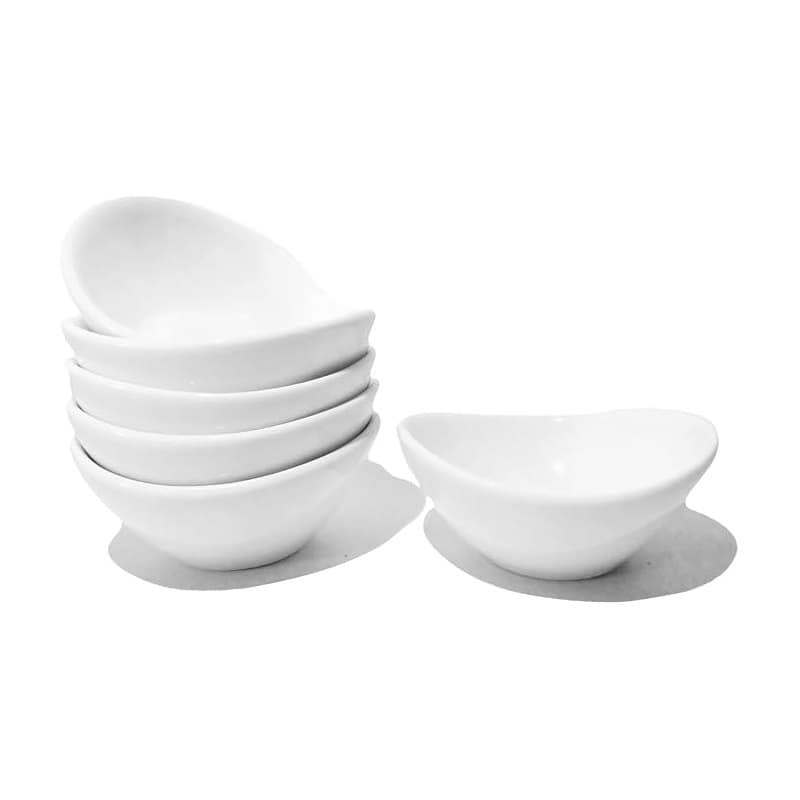
Small white dishes so each guest dips to taste.
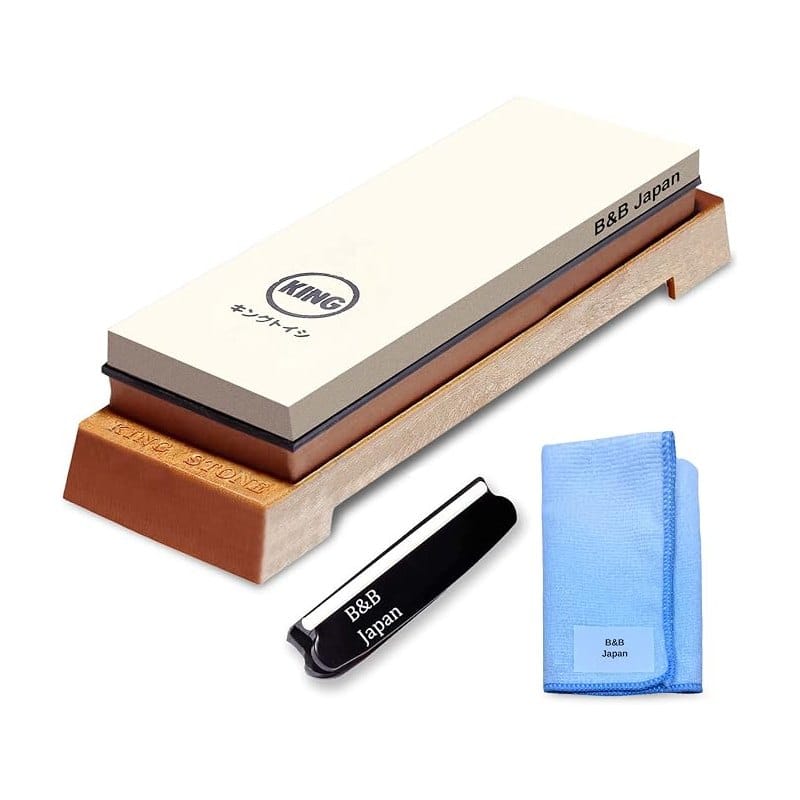
A 1000/6000 grit stone made in Japan, with an angle guide.
The contrast is the point: a smoky edge, a cool center and a sharp citrus sauce. Serve it as a first course, or as the centerpiece of a light summer dinner. Because the outside is seared, tataki also suits guests who are new to raw fish. If you visit Kochi, eat it at the Hirome Market, where stalls sear bonito to order over open flames.
Sashimi Through the Seasons
Season decides what reaches the best counters, so the types of sashimi on a menu change through the year. Bonito arrives in spring as hatsu-gatsuo, light and lean, and returns in autumn as modori-gatsuo, richer after feeding in the north. Summer brings sea urchin and horse mackerel. Winter is the time for fatty yellowtail and flounder, when cold water makes the flesh firm and sweet.

Following the seasons is also the best way to eat well while traveling. A chef in Hokkaido in July will offer something very different from a chef in Kyushu in January. Ask, taste and compare, and the trip becomes a map of flavors as much as places. That habit also ties sashimi to the wider culture of traditional Japanese food, where season shapes every course.
10Ten Proverbs to Carry With You
A printable folio of ten Japanese proverbs, each set in kanji with its reading and a line on where you will hear it.
9The season on the plate
Japanese restaurants often mark the season on the plate as well. A maple leaf in autumn or a cherry blossom petal in spring marks the moment. At New Year, a sprig of pine does the same. These small touches remind diners that sashimi is about timing. The fish, the garnish and the plate are chosen together, so the meal tells you exactly when you are eating it.
The idea runs deep in Japanese culture. Noticing small changes, and enjoying something because it will not last, is part of how many Japanese people see the year. A first bonito of spring is precious precisely because its season is short. Eat it while you can, and remember it when it is gone. That attention to the moment is what turns a good meal into a lasting memory.
For a traveler, that mindset is easy to borrow. Keep a short list of the fish you tried and where, and the season when you tasted it. Over a trip, the list becomes a personal guide to Japan’s coasts. It also makes ordering easier next time, because you will know which types of sashimi you love and which you still want to try.
Choosing Your First Plate
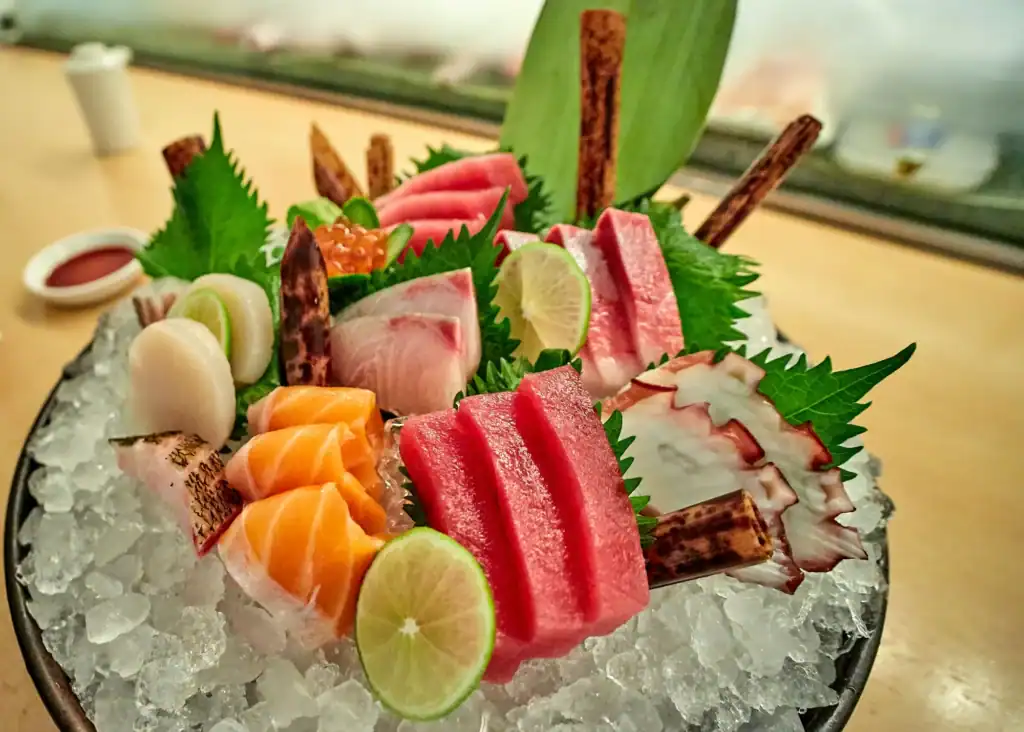
If you are new to sashimi, start with salmon, tuna and a white fish such as flounder or sea bream. Add octopus or sweet shrimp for texture, then move to sea urchin and salmon roe when you feel adventurous. Leave cured kohada for the night you sit at a serious sushi counter. In that order, the types of sashimi build from familiar to rare, and each new fish feels like a small discovery.
Recommended
Above all, trust the chef. The best meals in Japan rarely follow a fixed list. They follow the morning’s catch, the season and the cook’s judgment. Ask for an omakase or a moriawase, eat slowly, and let each slice speak for itself. That trust is what turns raw fish into a meal you remember long after the trip has ended.
At home, keep it simple: one good fish, one sharp knife and a clean plate. Practice slicing a single block of tuna or salmon until the cuts feel natural. Then add a second fish and a seasonal garnish. Within a few meals, the plate will look calm and confident, which is exactly how sashimi should look.




8Planning a Trip Around the Catch
A trip built around the table rewards a little planning. The best counters take few guests and book weeks ahead, and the finest markets open before dawn. Seasonal fish also shape the route: Kochi for bonito, Hokkaido for sea urchin in summer, Kanazawa for winter yellowtail. Plan those stops around the catch, and every region adds a new chapter to the list of fish you have tried. Leave room for the unplanned meal, too. Some of the best sashimi in Japan is served at a small counter you find by chance, often down a side street near a station, with a handwritten menu and only eight seats. Those meals often become the stories you tell when you get home.
7Japan’s Coasts, Plate by Plate
We can build days around the catch: a dawn visit to Toyosu, a private counter in Tokyo, seared bonito in Kochi and a Hokkaido market breakfast. Every itinerary follows your pace and the season you travel in.
Plan Your Custom Japan ItineraryQuestions Worth Asking
6What are the most popular types of sashimi?
Tuna (maguro) leads in Japan, followed by yellowtail (hamachi and buri), salmon, red sea bream (tai), flounder (hirame), octopus, sweet shrimp, sea urchin, salmon roe and cured gizzard shad. A good assorted plate usually mixes lean, fatty and shellfish choices so the flavors build from light to rich.
5What is the difference between sashimi and sushi?
Sashimi is sliced raw seafood served on its own, with soy sauce, wasabi and garnishes. Sushi always includes vinegared rice, and the topping need not be raw: cooked eel, egg and vegetables all appear. In short, sashimi is about the fish and the knife, while sushi is about the rice.
4Is it safe to eat sashimi at home?
It can be, with care. Buy fish sold for raw use from a trusted fishmonger, keep it cold, and eat it the same day. The US Food and Drug Administration advises freezing fish meant for raw use at -4°F (-20°C) for seven days to kill parasites. Pregnant guests should ask their doctor first.
3How do you eat sashimi properly?
Use chopsticks, place a little wasabi on the slice itself, then dip a corner of the fish lightly in soy sauce. Eat lighter white fish before fatty tuna or salmon so the delicate flavors are not lost. The shredded daikon and shiso leaf on the plate are meant to be eaten too.
2What is the best season for sashimi in Japan?
Each fish has its own season, called shun. Bonito peaks twice, in spring and again in autumn. Yellowtail is richest in winter, when it is sold as kan-buri, and flounder is at its best in the cold months. Sea urchin from Hokkaido is a summer treat. Asking the chef what is in season works everywhere.
1What does sashimi-grade mean?
In the United States, sashimi-grade or sushi-grade is a seller’s term, not a legal standard. It usually means the fish was handled and frozen with raw eating in mind. Ask the fishmonger how the fish was stored and frozen, and buy only from a counter you trust.