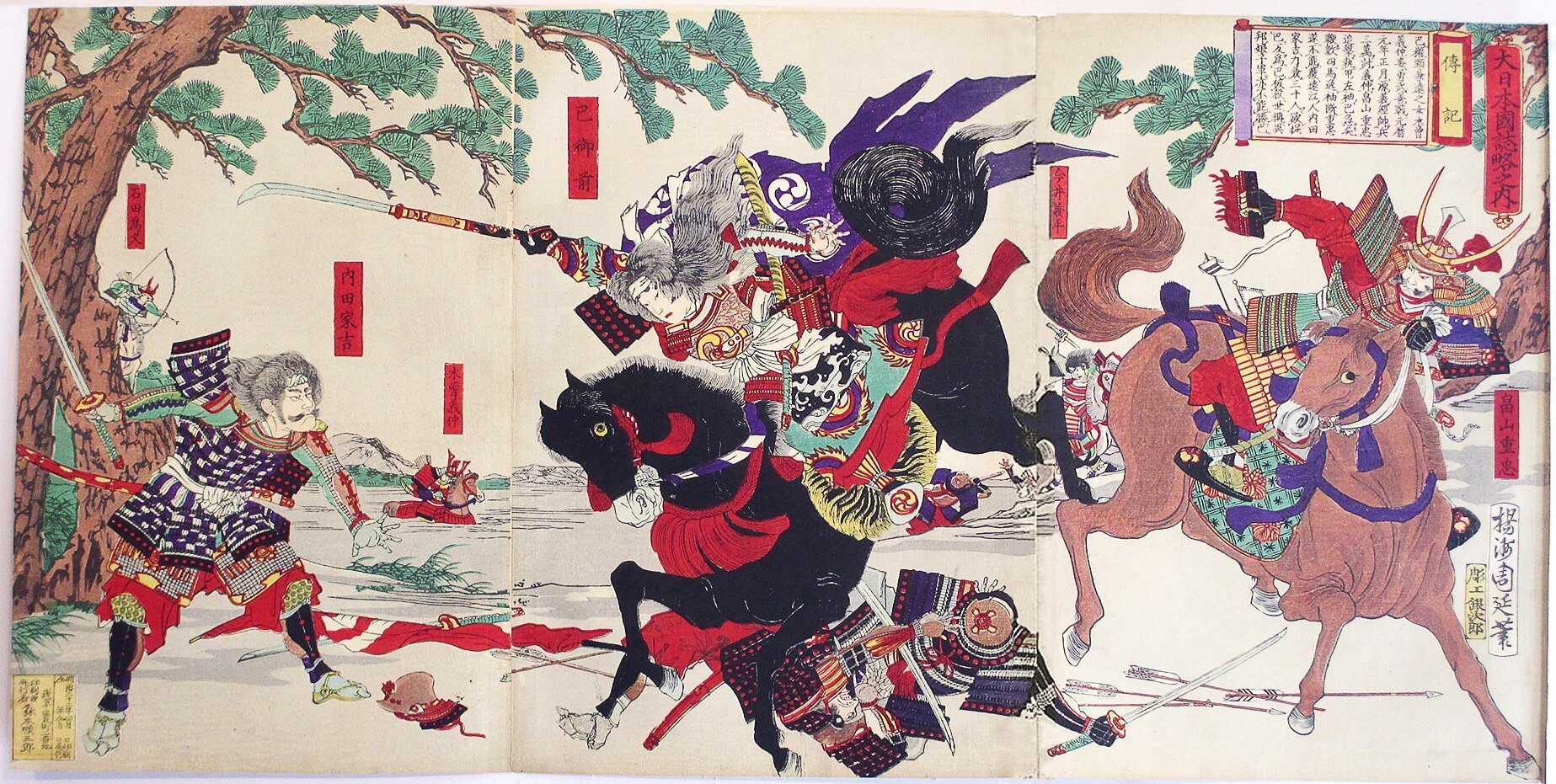
Did female samurai really fight in battle?
Yes, a few female samurai fought in battle, though most never did. Called onna-bugeisha, they were women of the warrior class who trained with the naginata and defended their homes. Tomoe Gozen appears in the Tale of the Heike in 1184, and part of her story is legend. Nakano Takeko fought at the Battle of Aizu in 1868, and that is well recorded.
The answer above leaves most of the story out. Between the first tale and the last battle lie nearly seven centuries of female samurai who trained, defended and sometimes fought, and the famous ones sit at very different distances from the evidence.
This guide follows female samurai from the first tale to the last battle. It answers the question our Short leaves open: where did Tomoe go? The old texts disagree, so we set out each version and mark which parts are later legend. Then it shows where to stand in Aizu-Wakamatsu and the Kiso Valley, where the stories still have places attached to them.
What Did a Samurai Daughter Train For?
Yes, though in a narrower sense than the films suggest. The word samurai names a man of the warrior class. The women born into that class had duties of their own. They ran households, kept accounts and guarded the home while the men were away. Our guide to the warrior class and its ranks shows how that world was arranged.
Japanese writers today use the word onna-bugeisha for women who fought. Their favored weapon was the naginata, a curved blade on a long pole. Its reach helped a smaller fighter hold off a larger one. Daughters of samurai families learned it as part of their upbringing, and some used it in earnest.
Hangaku Gozen: a woman who held a castle
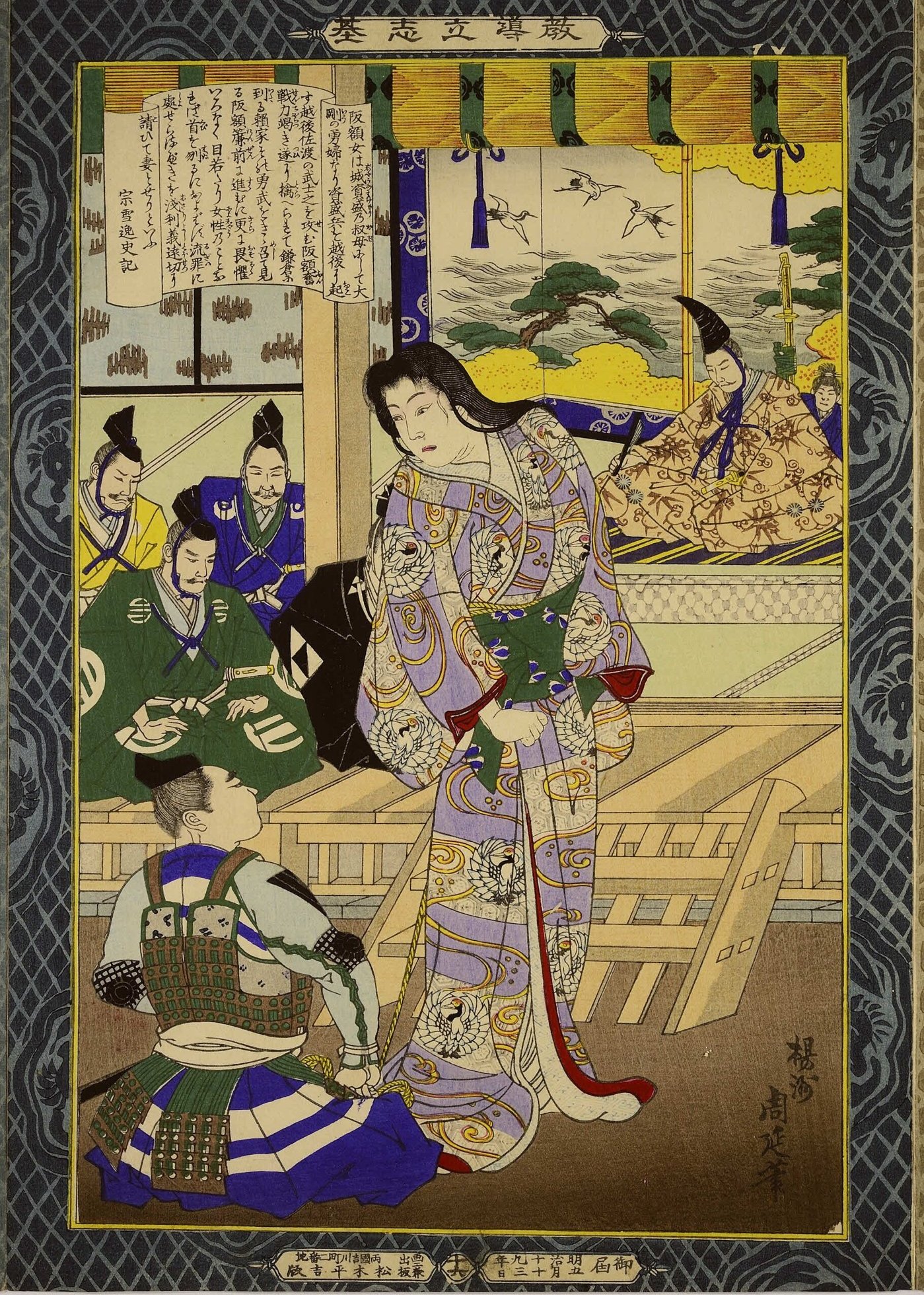
The clearest early female samurai is Hangaku Gozen. In 1201 she took part in a failed coup against the Minamoto and then defended the Torisaka family castle. For three months she held off the shogun’s army. She was shot in the thigh, and the castle fell. She was taken to Kamakura, where the shogun is said to have joked about her ferocity, and she was given in marriage to one of his retainers, according to National Geographic.
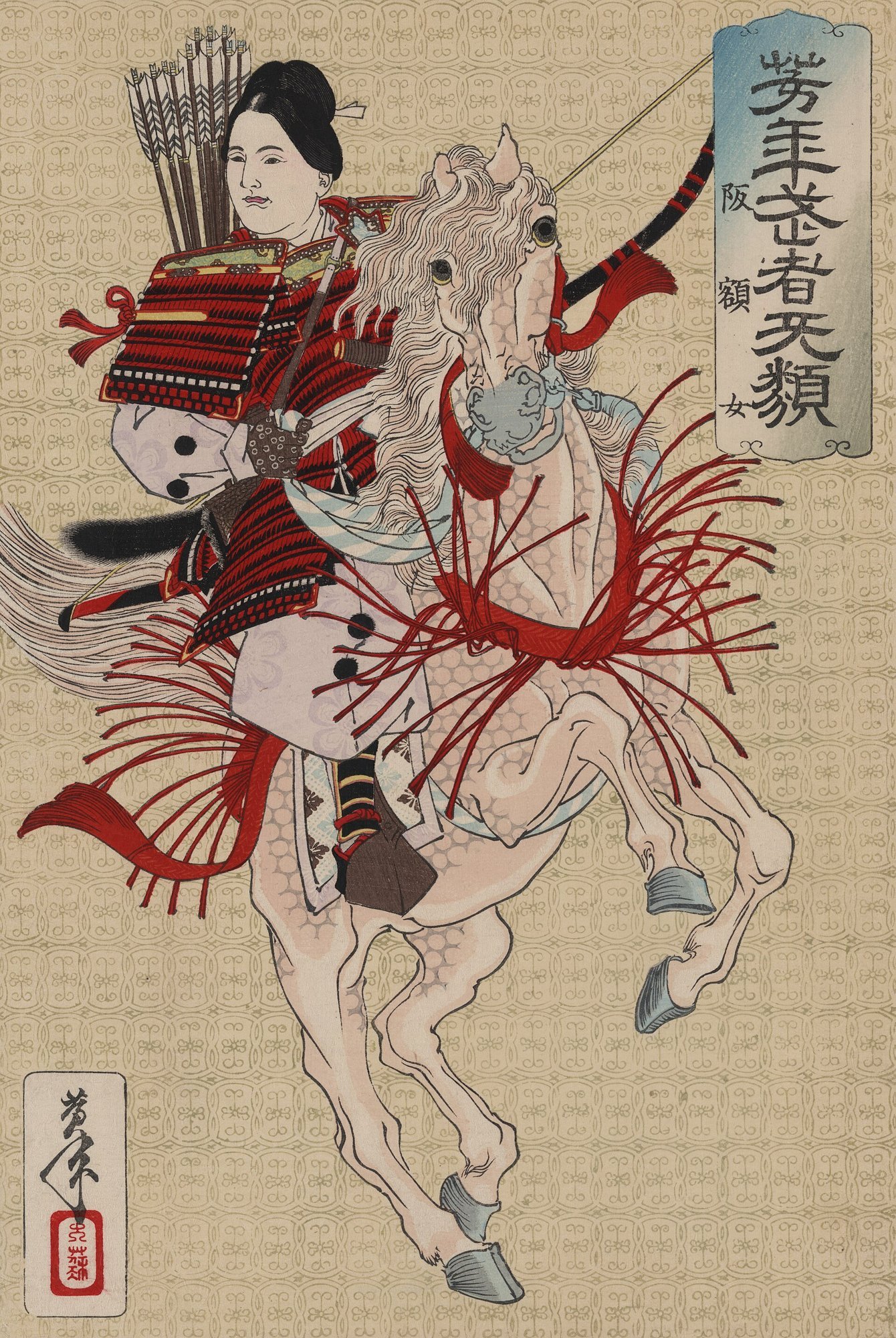
A chronicle matters for what follows. The Azuma Kagami is the main primary source for the war in which Tomoe Gozen fought, and she does not appear in it, as National Geographic notes. Keep that in mind as her story unfolds. A woman can be famous in the tales and still be missing from the record.
Did Tomoe Gozen Really Ride Into Battle in 1184?
Tomoe Gozen rode with Minamoto no Yoshinaka, also called Kiso Yoshinaka, a warlord from the Kiso Valley in the mountains of Shinano. In 1184 he fought the last battle of his life at Awazu, near Lake Biwa. The Tale of the Heike tells the story. It is a medieval war tale, performed by traveling storytellers before it was written down. The oldest surviving copy dates from 1371, according to the EBSCO research starter on Tomoe Gozen.
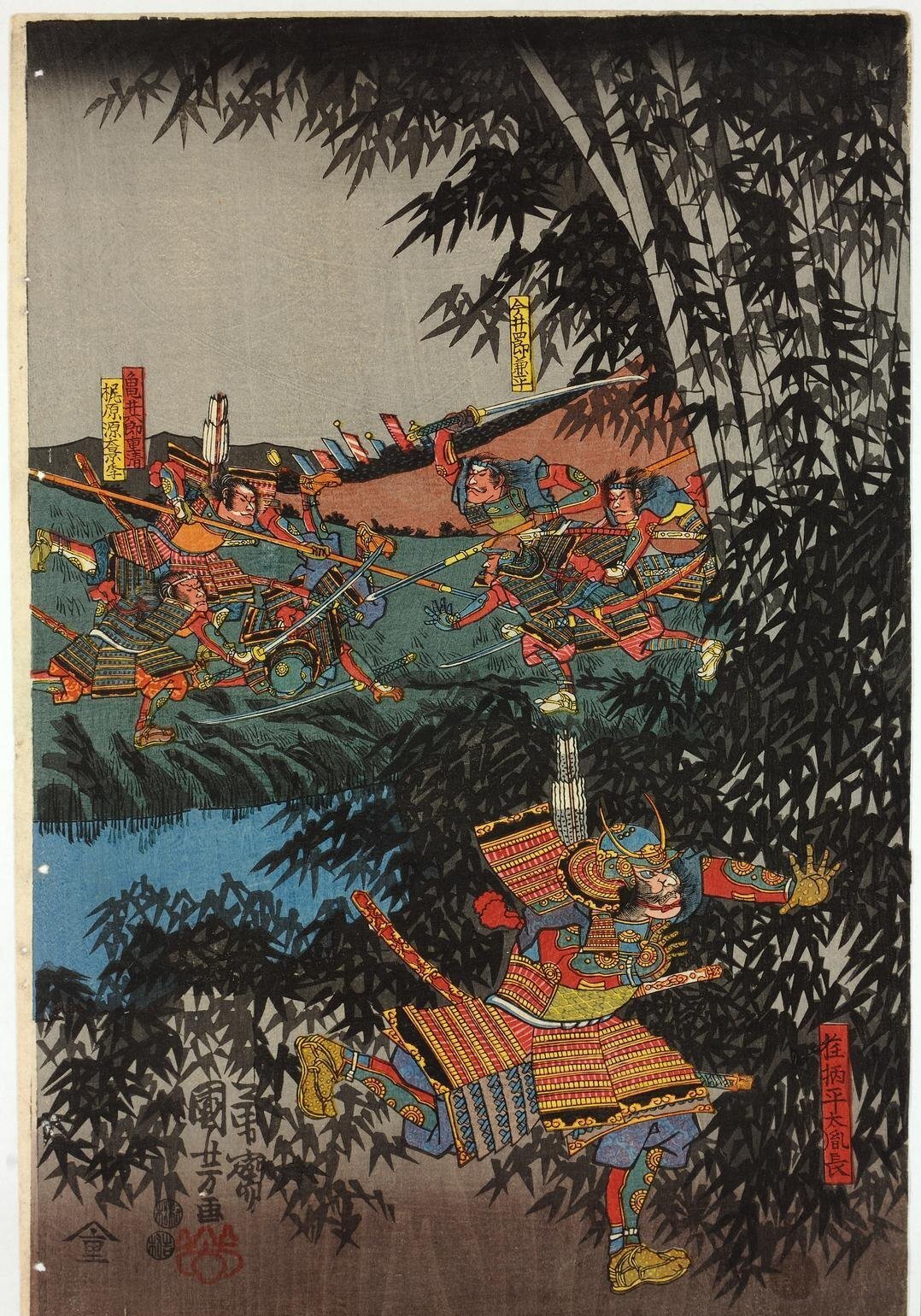
Yoshinaka was a warlord who rose fast and fell faster. The men who followed him down from the mountains were the same men who rode beside him at Awazu. That helps explain Tomoe. In the tale she comes from his valley and his household, not from the capital, and she stays loyal when the household is almost gone.
A swordswoman worth a thousand
The Heike describes her as a fine archer and a swordswoman worth a thousand warriors. She could manage an unbroken horse and ride down a steep slope without a fall. Few scenes in the tale praise a fighter so openly. It is also the only place where we meet her in her own time.
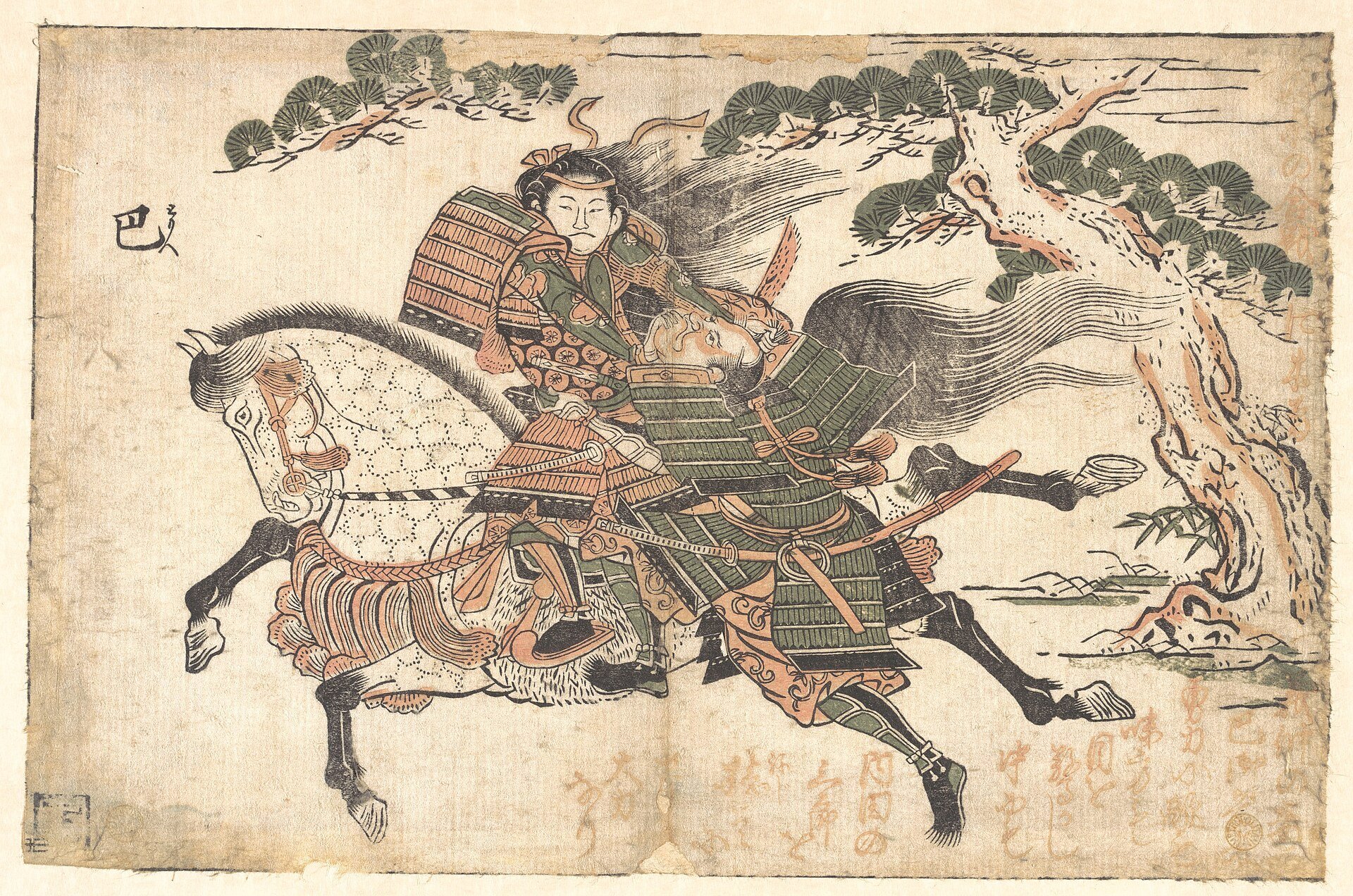
The last battle at Awazu
By the end, only five riders were left around Yoshinaka, and one was a woman. He told Tomoe to leave. He did not want it said that Lord Kiso kept a woman beside him in his last battle, in the words of Helen Craig McCullough’s translation. She stayed for one last fight. She seized the enemy rider Onda no Hachiro Moroshige, twisted off his head and threw it away. Then she cast off her armor and rode toward the eastern provinces.
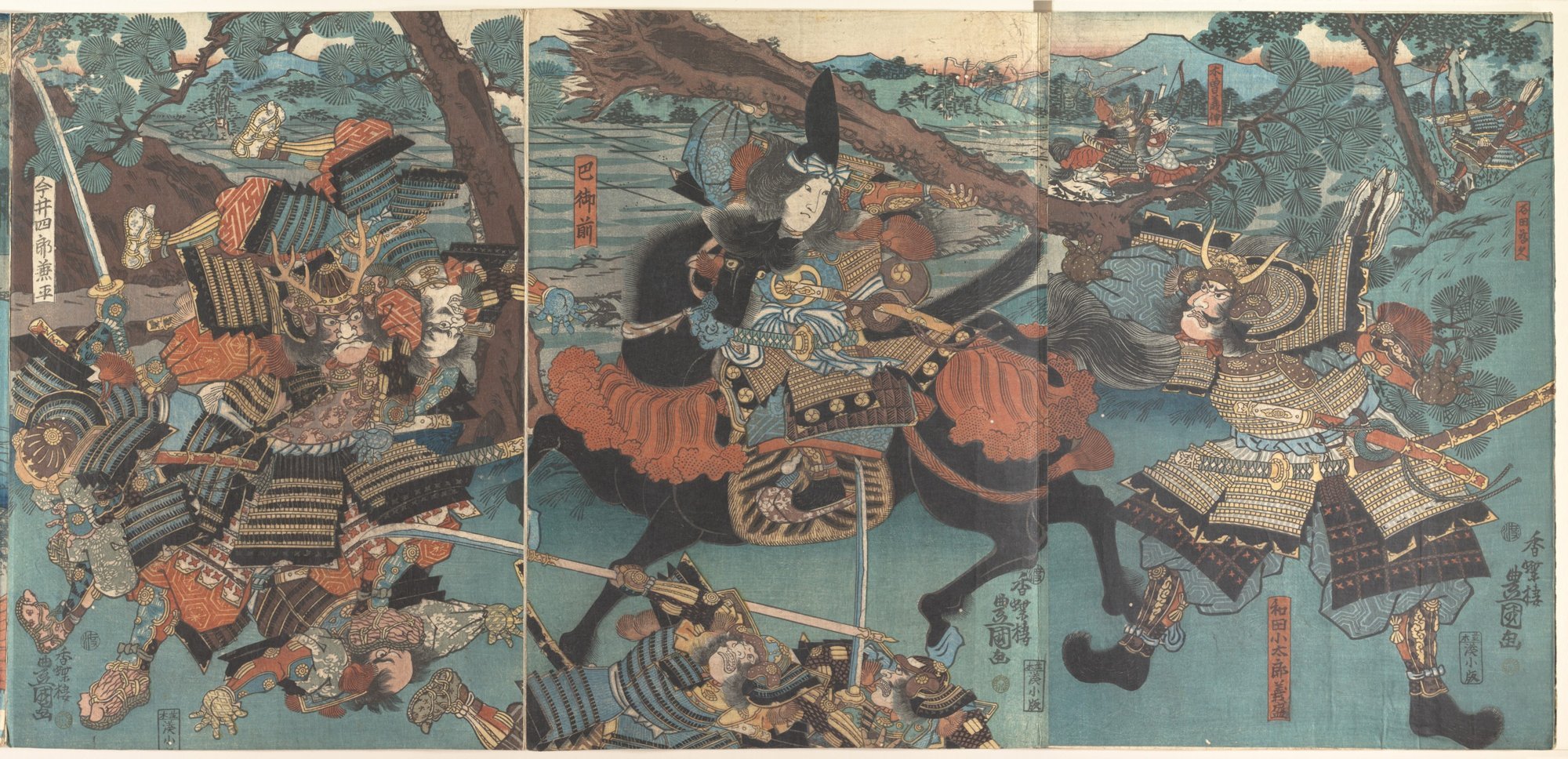
The scene has fed centuries of prints and plays. Edo-period artists drew Tomoe again and again, most often in the middle of her last fight. The Noh stage gave her a play of her own, called Tomoe. In it, her ghost returns to the shore at Awazu. Each retelling added detail the Heike never gave. To meet her as the storytellers first did, read the tale itself in English translation.
Books on Tomoe and the Women Who Fought

A modern translation of the war tale that gives us Tomoe, Yoshinaka and Awazu.
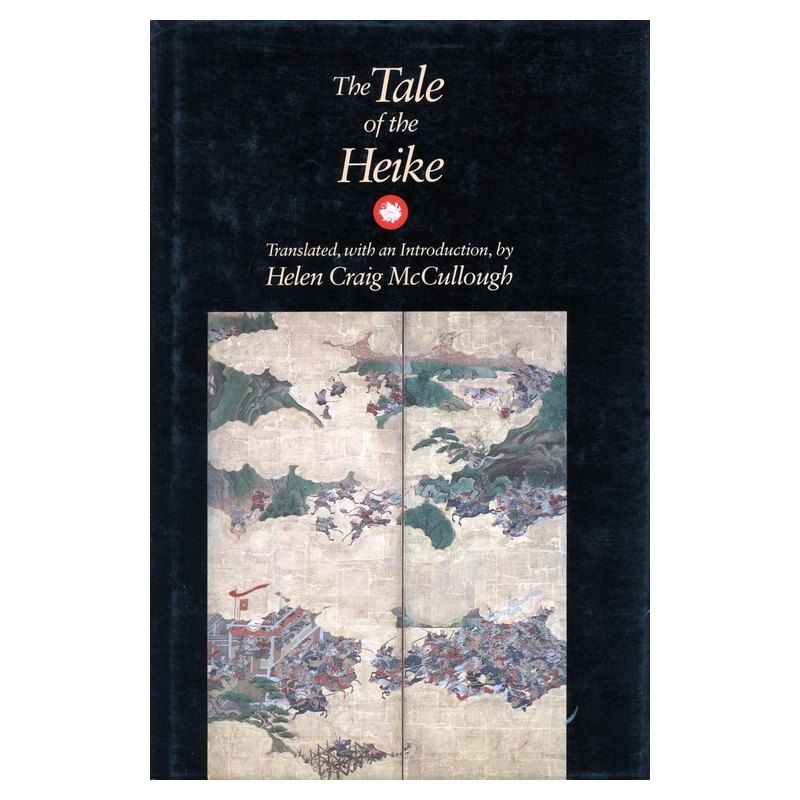
The standard English translation, with the Awazu chapter in full.
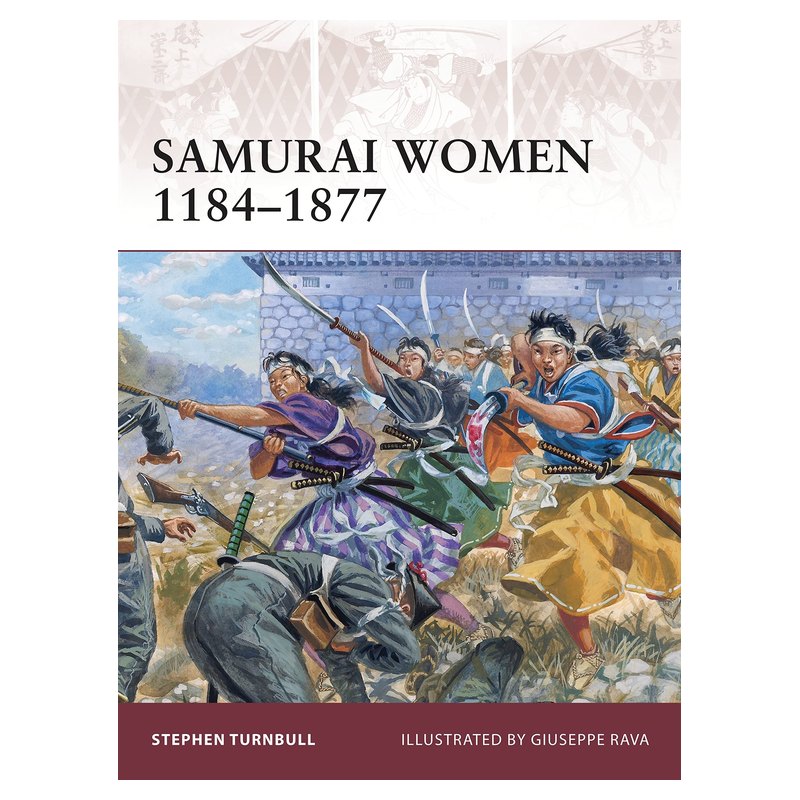
A history of warrior women from Tomoe to the Aizu war.
Read the Awazu chapter slowly and you will notice how quickly it ends. Yoshinaka dies within pages, and the storyteller turns to the next battle. Tomoe disappears into the east in a single sentence. That silence is the reason her afterlife is so crowded with stories. Later writers filled the gap, and they did not agree on how.
Where Did Tomoe Go After the Battle?
The Heike stops at the moment she leaves. It never mentions her again. The tales that fill the gap are later, and they do not agree. That is the honest answer to where she went, and it helps to set each version beside the others.
What the Heike says
Only this: she rode east. The line is short because the tale follows Yoshinaka to his death. Tomoe leaves the page alive, and the storyteller moves on. Nothing in the Heike tells us whether she lived, married or died soon after.
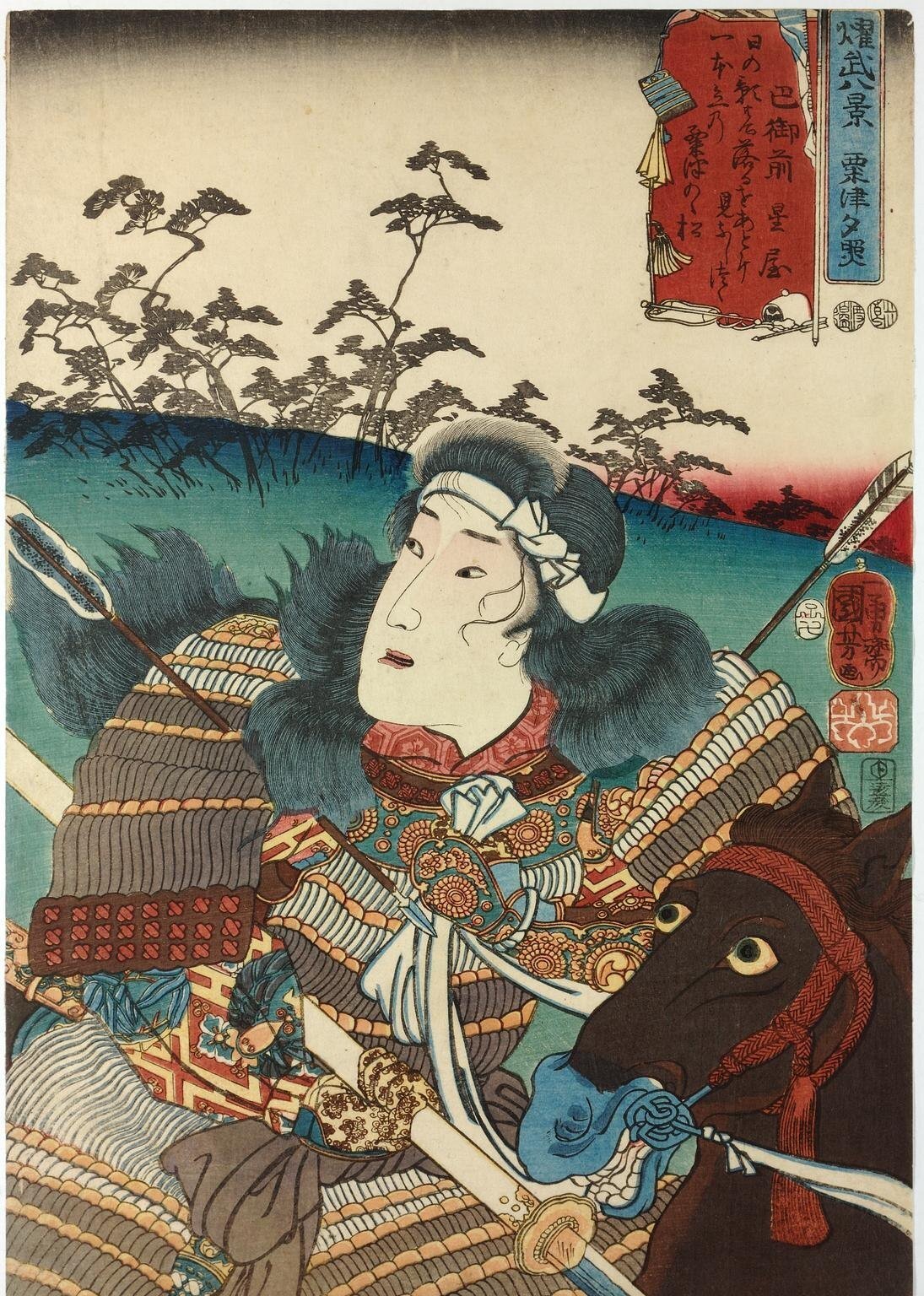
What the later tales add
The Genpei Seisuiki, a longer fourteenth-century telling of the same war, gives her a second life. Here Tomoe is captured and taken to Kamakura. She is sentenced to death, then pardoned by Wada Yoshimori, a leading Kamakura warrior, and she marries him.
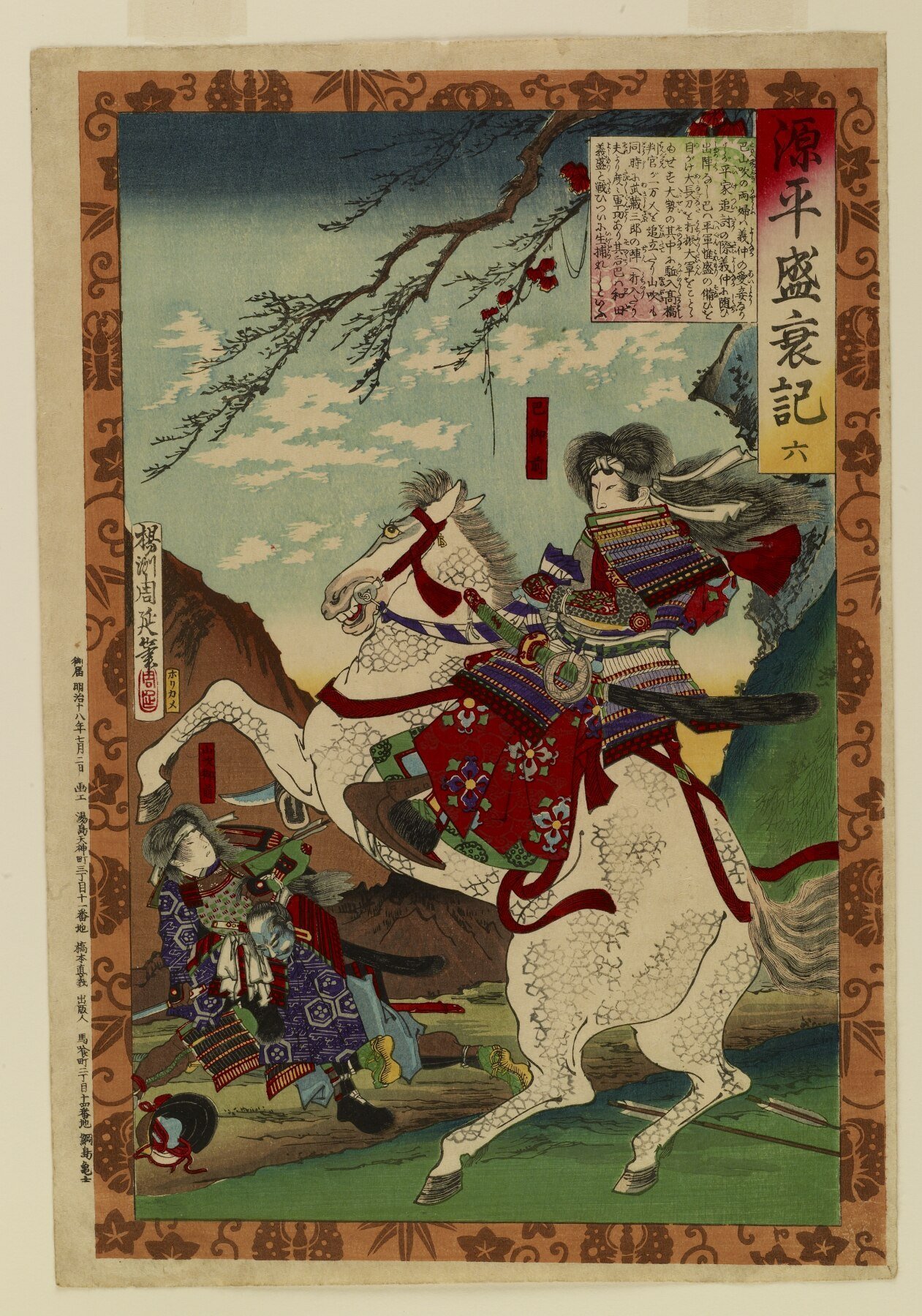
In this version Tomoe later withdraws from the world. She is said to live to ninety, or ninety-one by the old way of counting, and to die in 1247. Other retellings are shorter. They end her story at Awazu, with a death beside Yoshinaka. In the Kiso Valley, local tradition goes further and keeps a grave for her beside his.
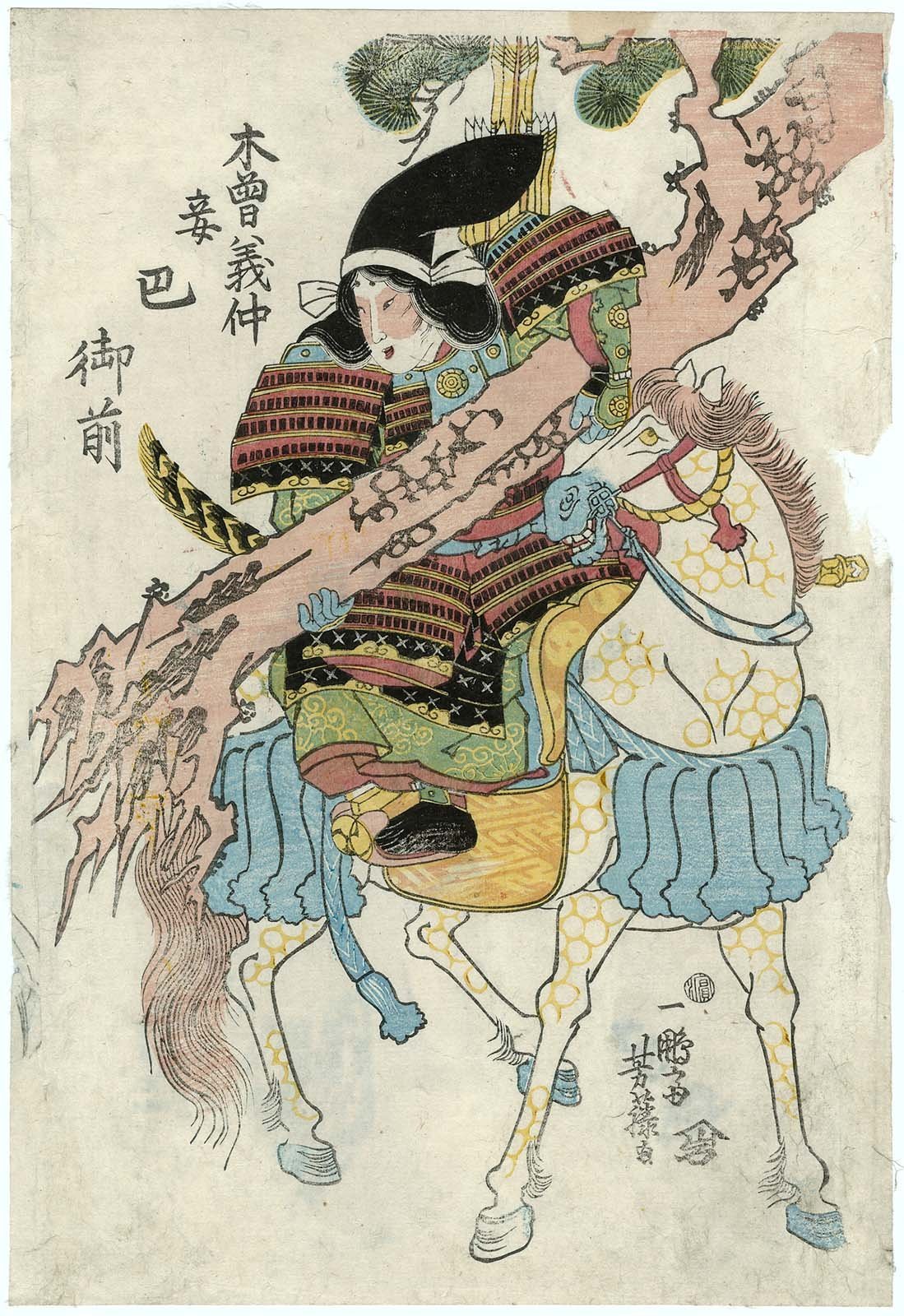
What is legend, and what is record
Here is the line between the two. The Azuma Kagami records the war and Yoshinaka’s end. It does not name Tomoe. Her name comes from the Heike and the works that followed it. The marriage and the long old age belong to the Seisuiki, written well over a century after the battle.
Scholars are careful. Most treat her as a real woman, though no document proves it, according to EBSCO. Historian Steven T. Brown writes that her biography is so enfolded in legend that it is impossible to say where history ends and literature begins, as a feature on samurai women reports. We can say that she rode out of the Heike alive, and nothing more.
So the answer to our Short is a fork. In the tale she rides east and is gone. The Seisuiki has her marry and live to a great age. A third tradition lets her die at Awazu. Each version tells you what its audience wanted her to be. None is the record.
A letter every second week: one idea worth keeping and one piece we think you should read.
Hold the three versions side by side for now. Later in this guide you will meet the Kiso Valley, where local tradition keeps a grave for her. Nobody can prove the grave is hers. Yet the place shows how a legend settles into a landscape and becomes part of a town’s own history.
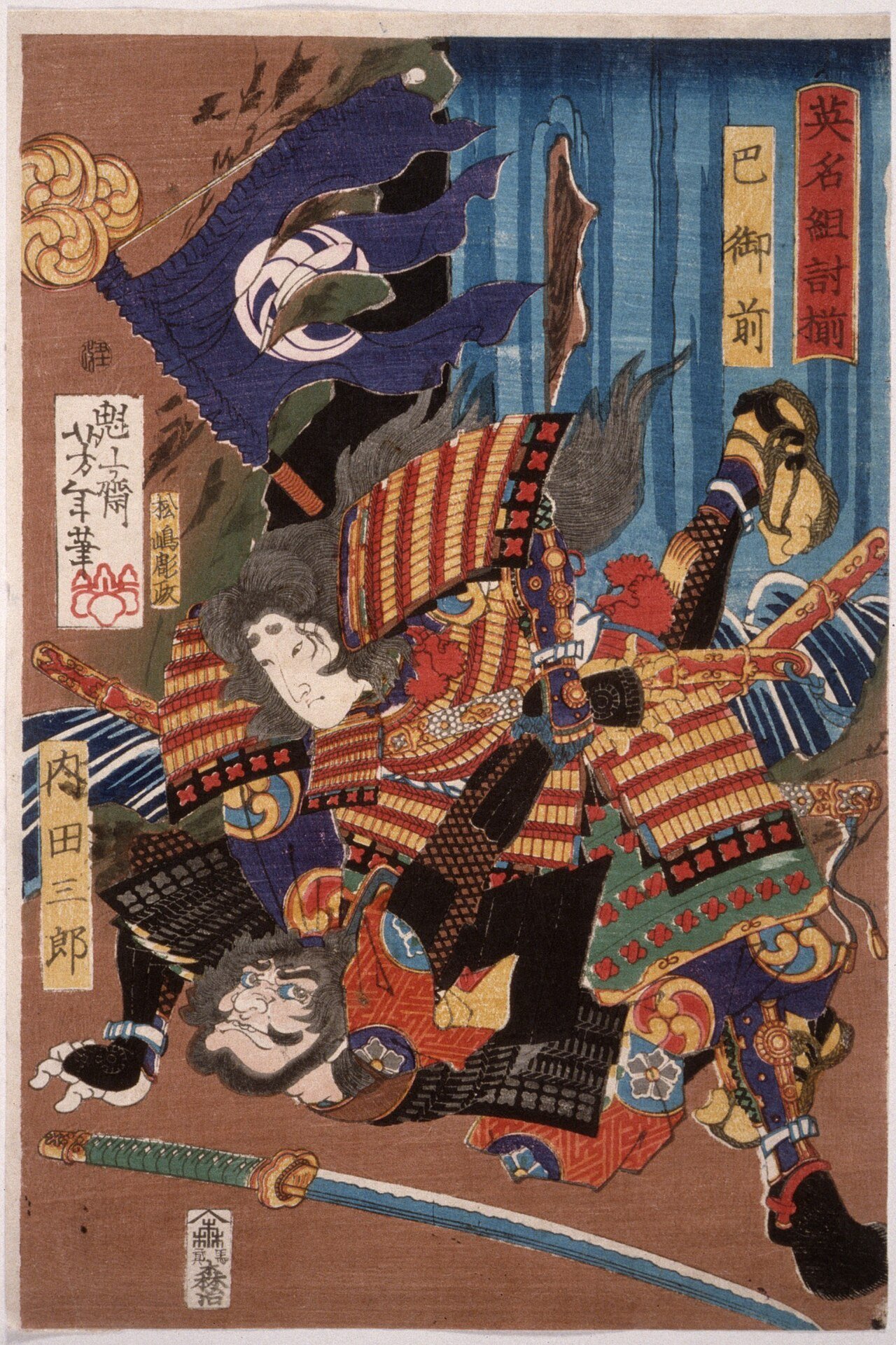
How Did Nakano Takeko Come to Lead Women Into Battle?
Nearly seven centuries pass before another woman’s battle is recorded in such detail. By then, the arrival of the Black Ships in 1853 had shaken the shogunate. In 1868 the Meiji Restoration put an imperial government in the shogun’s place. Aizu, a domain in northern Japan, stayed loyal to the shogun, and imperial forces marched against it.
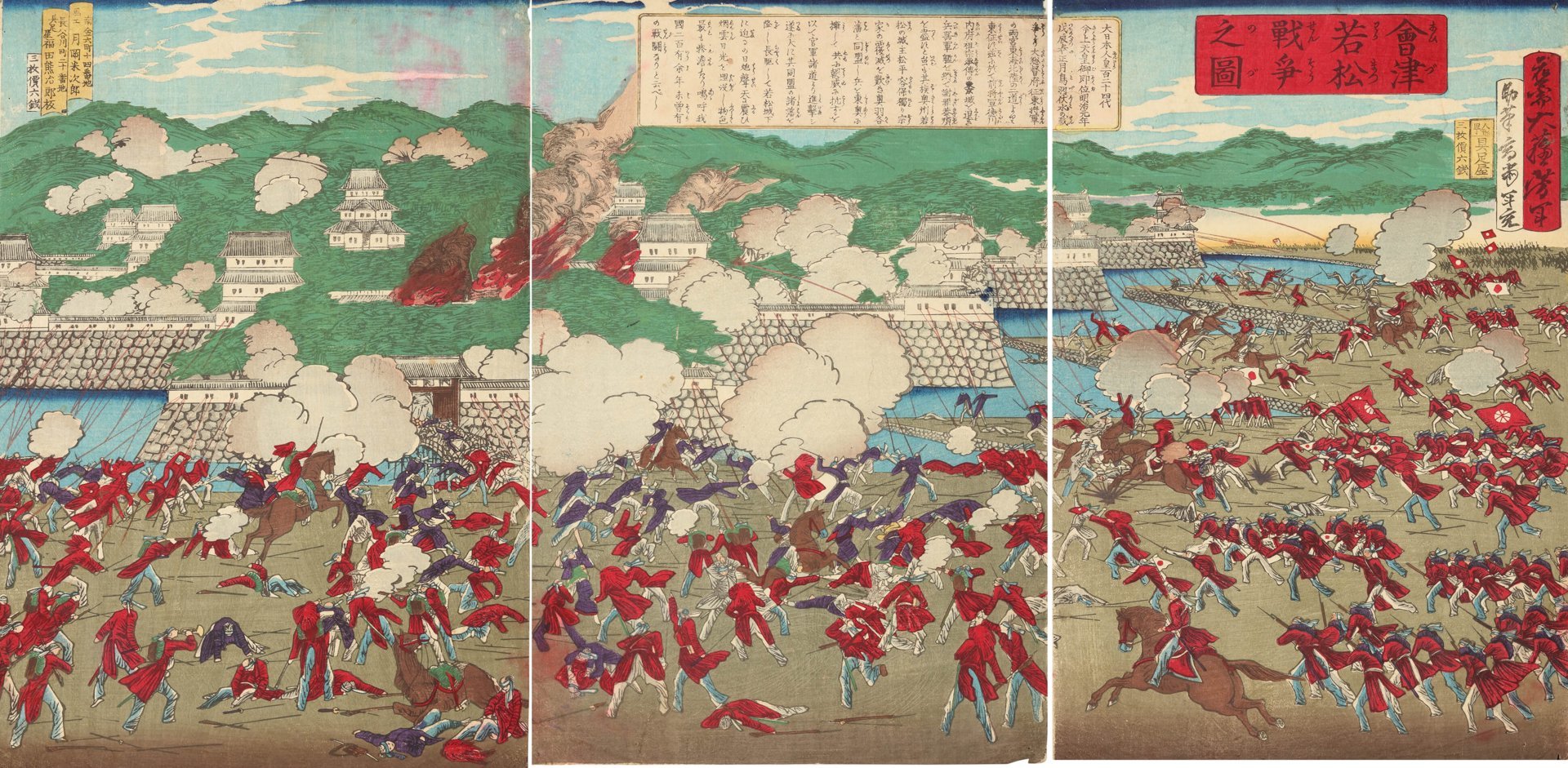
The fighting in Aizu began on 14 June 1868 at Shirakawa Castle. Wakamatsu Castle, also called Tsuruga Castle, surrendered on 6 November, according to the National Diet Library’s Aizu War timeline. About 5,000 people crowded inside during the siege, and the attack on 29 October reportedly used 50 cannons firing 50 shells each. Aizu casualties came to about 2,400.
Artists drew the siege while it was fresh. Their prints show smoke over the keep, soldiers in Western-style coats and cannon aimed at the walls. They remind us how modern the war was. The women who had trained with the naginata now faced rifles and artillery, and they went out anyway.
Nakano Takeko and her band
Nakano Takeko was born in Edo in 1847 and trained in the naginata from childhood. When Aizu’s senior retainers refused to let women join the army, she gathered a band of women anyway. It was later called the Joshitai, meaning the women’s corps. The name was applied afterward. The Ministry of Land, Infrastructure, Transport and Tourism notes that she led an independent force that included her mother and sister, in its database entry on women in the Boshin War.
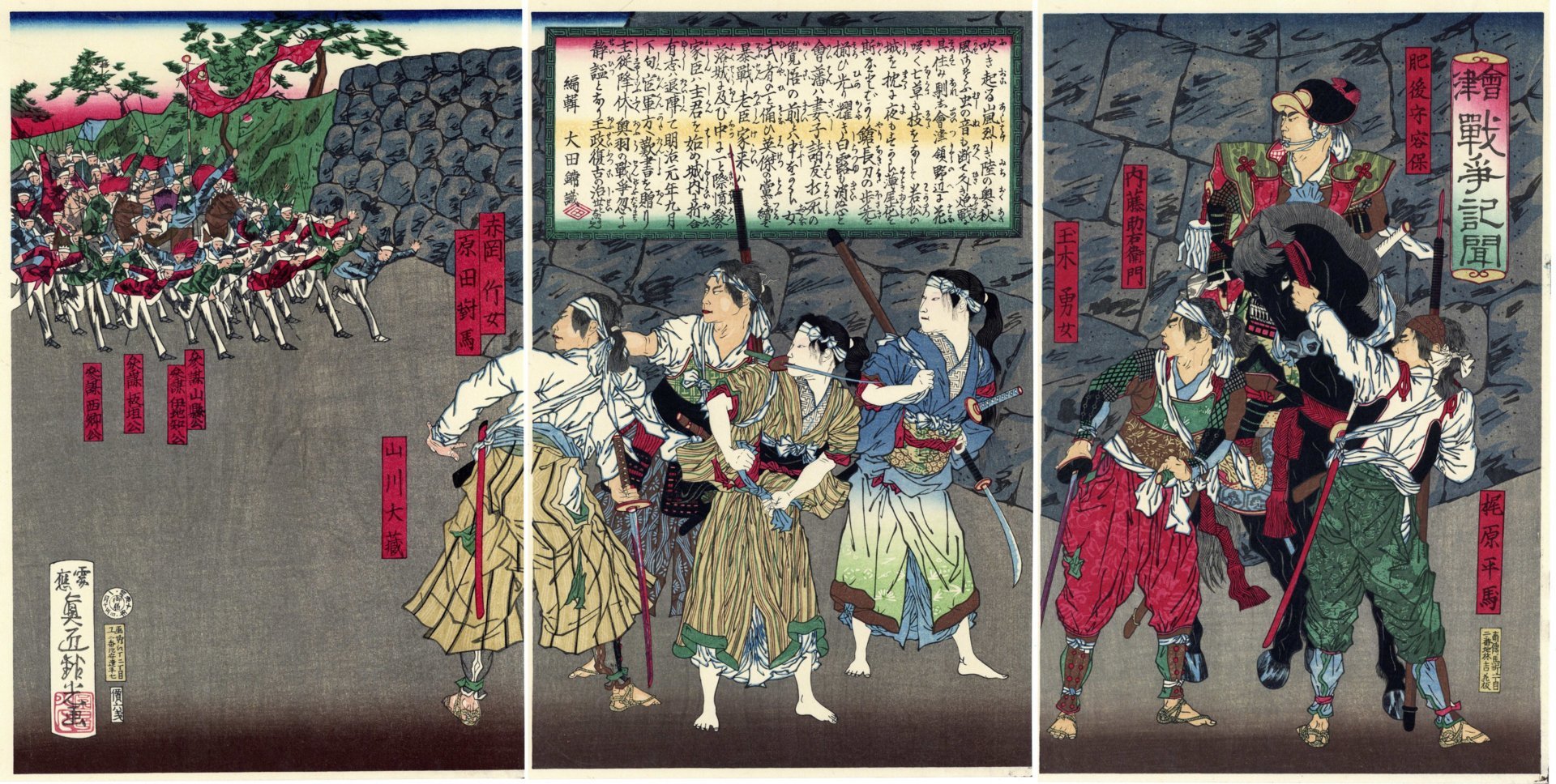
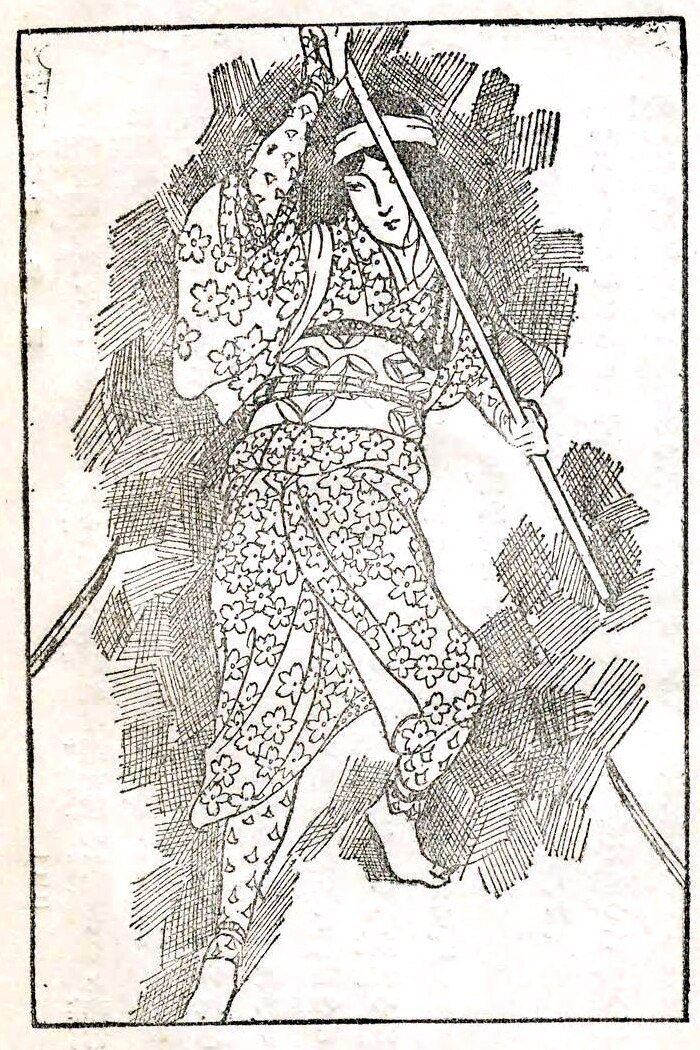
In the autumn of 1868 the band fought imperial troops outside the castle town. Takeko fought with her naginata and is credited with killing several enemy soldiers before a bullet struck her. She was in her early twenties. She asked her younger sister to make sure the enemy could not take her head as a trophy, according to National Geographic. A memorial statue now marks the place, and her grave lies in Aizubange.
You may also like

Her band was small. Accounts put it at around twenty women. They fought in the clothes they had, with the naginata they had trained on since girlhood. They had no place in the army’s lines. That is why Takeko is remembered so clearly in Aizu. She was not a general. She chose to fight after the men in charge said no. Her mother and sister stood beside her.
Yamamoto Yae and the guns inside the castle
Not every woman carried a blade. Yamamoto Yae learned marksmanship from her father, an Aizu gunnery instructor. In 1868 she helped defend Tsuruga Castle with a gun. She later married the educator Niijima Jo and nursed soldiers in two wars. The same government database records that she helped found Doshisha Girls’ School in Kyoto, the forerunner of today’s Doshisha Women’s College of Liberal Arts.
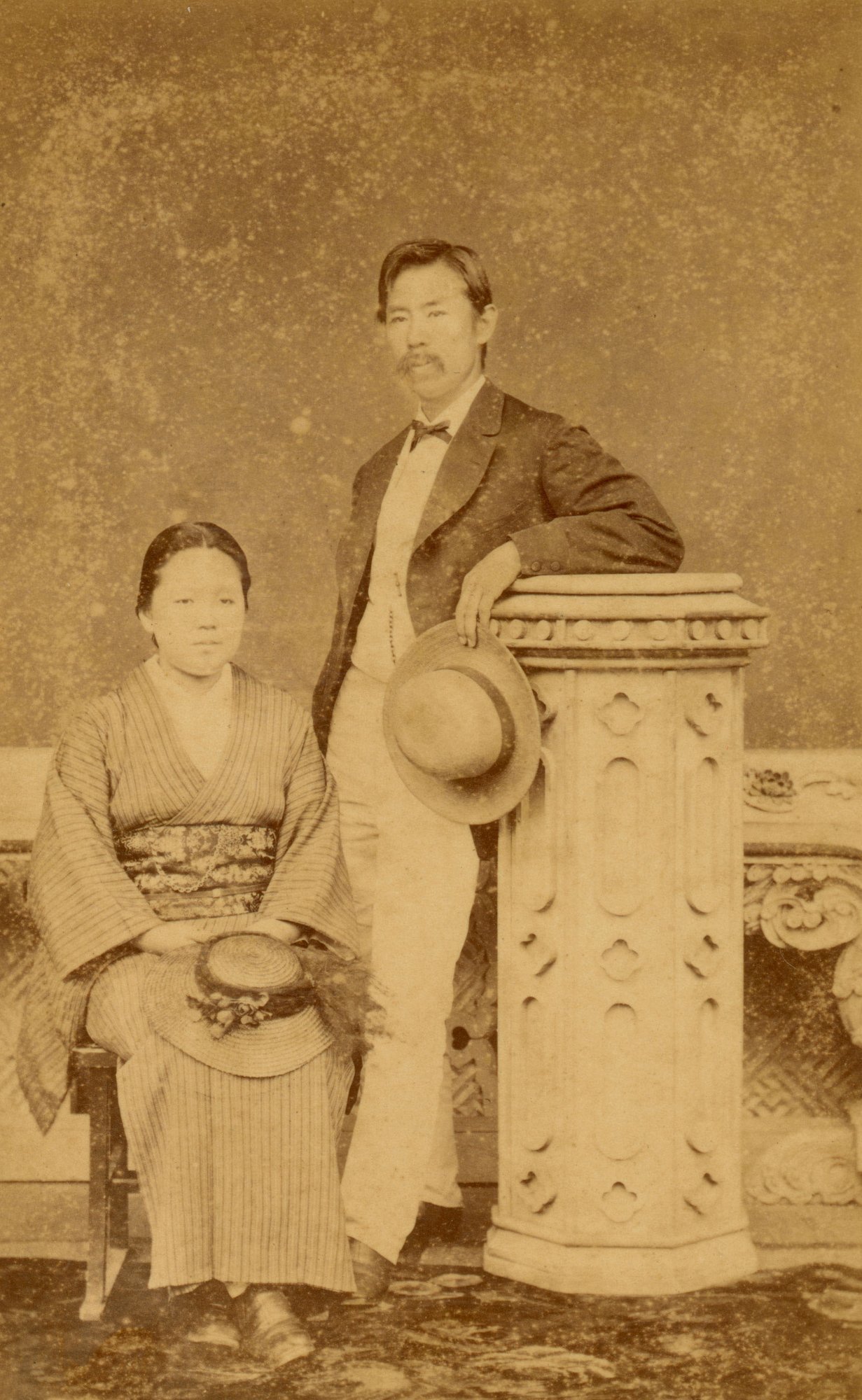
The photograph shows how far she traveled from the castle walls. About eight years after the siege she stands beside her husband, the educator Niijima Jo. She went on to a long career in nursing and education. Her life after 1868 is a reminder that the female samurai of Aizu did not vanish when the fighting stopped.
After the siege
The defeat cost Aizu its place. About 17,000 Aizu samurai followed the Matsudaira family north to Mutsu Province, and the domain’s income fell from 230,000 goku to 30,000, according to the National Diet Library. Families that had held the castle for generations began again in poor country, far from the world they knew. The story of the women belongs inside that larger loss.
Together, these women show a second kind of record. Tomoe belongs to a tale. Takeko and Yae belong to a battlefield, a grave and a school. Yet their two wars were alike in one way. Each began as a struggle between great houses and ended with the old order gone. The Gempei War brought in the first shogunate, and the Boshin War ended the last one. To see how far the warrior class traveled between them, read the two wars side by side.
Books on Two Wars Seven Centuries Apart

The war of Tomoe Gozen, told battle by battle with maps and plates.

The armies of the war in which Nakano Takeko fell, with uniforms and weapons.
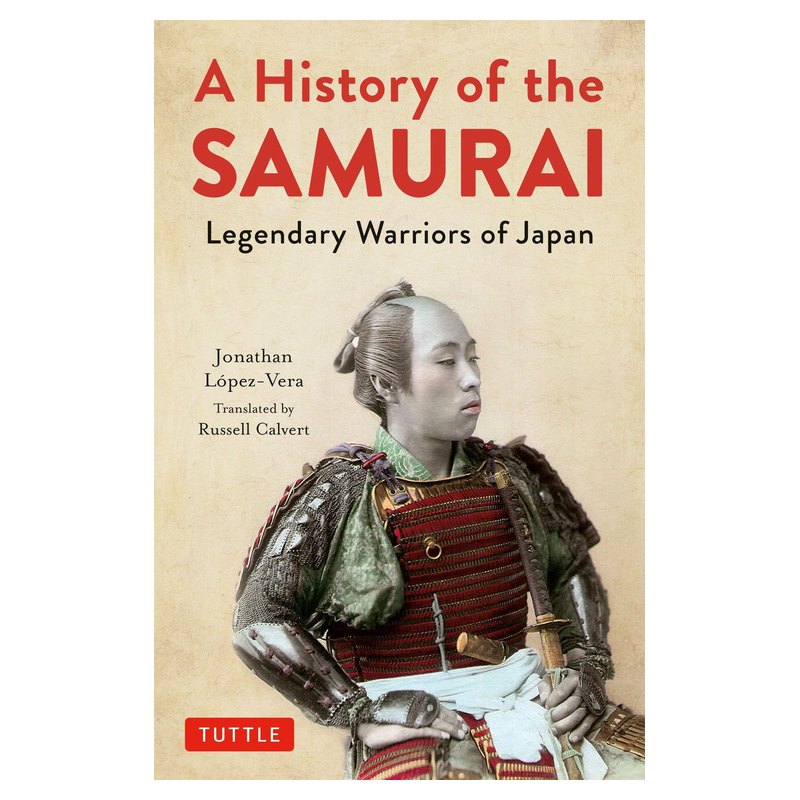
A single volume that places both wars in the long story of the warrior class.
It is worth pausing on what these two wars share. In both, a woman steps into a fight that custom does not ask of her. In both, the people around her record what she did and then argue about what it meant. The difference is only the evidence. One survives as song, and the other as a name in a government file.
That difference is the reason this guide exists. Where the record breaks, later hands fill the gap. Tomoe’s silence after Awazu was filled with a pardon, a marriage and a long old age. Takeko’s band was given its name only after the war. Neither story is worth less for the mending, as long as you can see where the seams are.
Where to See the Story Today
Both women have places attached to them. Aizu-Wakamatsu holds the best-preserved record of 1868. The Kiso Valley holds the home ground of Yoshinaka and, by local tradition, of Tomoe. Visit both and you will cross the whole span of this guide in a few days.
Tsuruga Castle in Aizu-Wakamatsu
From Tokyo, ride the Tohoku Shinkansen to Koriyama, about one hour and thirty minutes. Change to the Ban-etsu West Line for Aizu-Wakamatsu, about one hour and eleven minutes more. From the station a bus takes you to the Sanno-cho stop, and the castle is about ten minutes on foot, according to the Tokyo Metropolitan Government’s Edo Legacy guide.
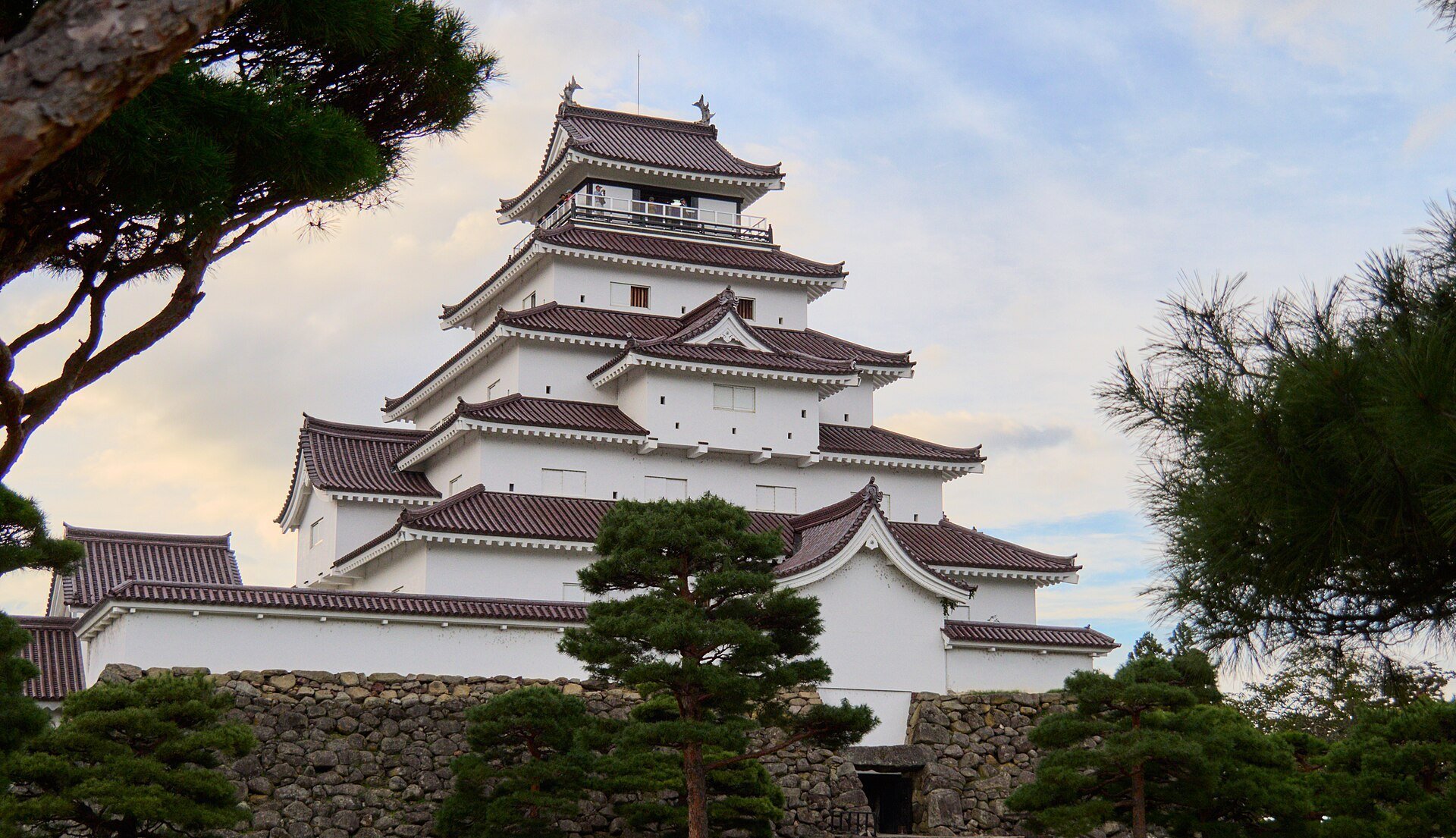
The five-story keep was rebuilt in 1965 and now houses a history museum on Aizu and its last battle. The castle’s official site lists the museum as open from 8:30 to 17:00, with last entry at 16:30, every day of the year. Stand on the stone base and look toward the town. The siege of 1868 happened in this view.
A second stop is the Aizu Bukeyashiki, the former samurai residence. The Ministry notes that it covers the women of Aizu. For more samurai houses, see our guide to Kanazawa, where the Nagamachi district keeps some of them. Allow a half day for both, and a night in town if you can. Aizu empties after the day-trippers leave, and the evening light on the keep suits the story.
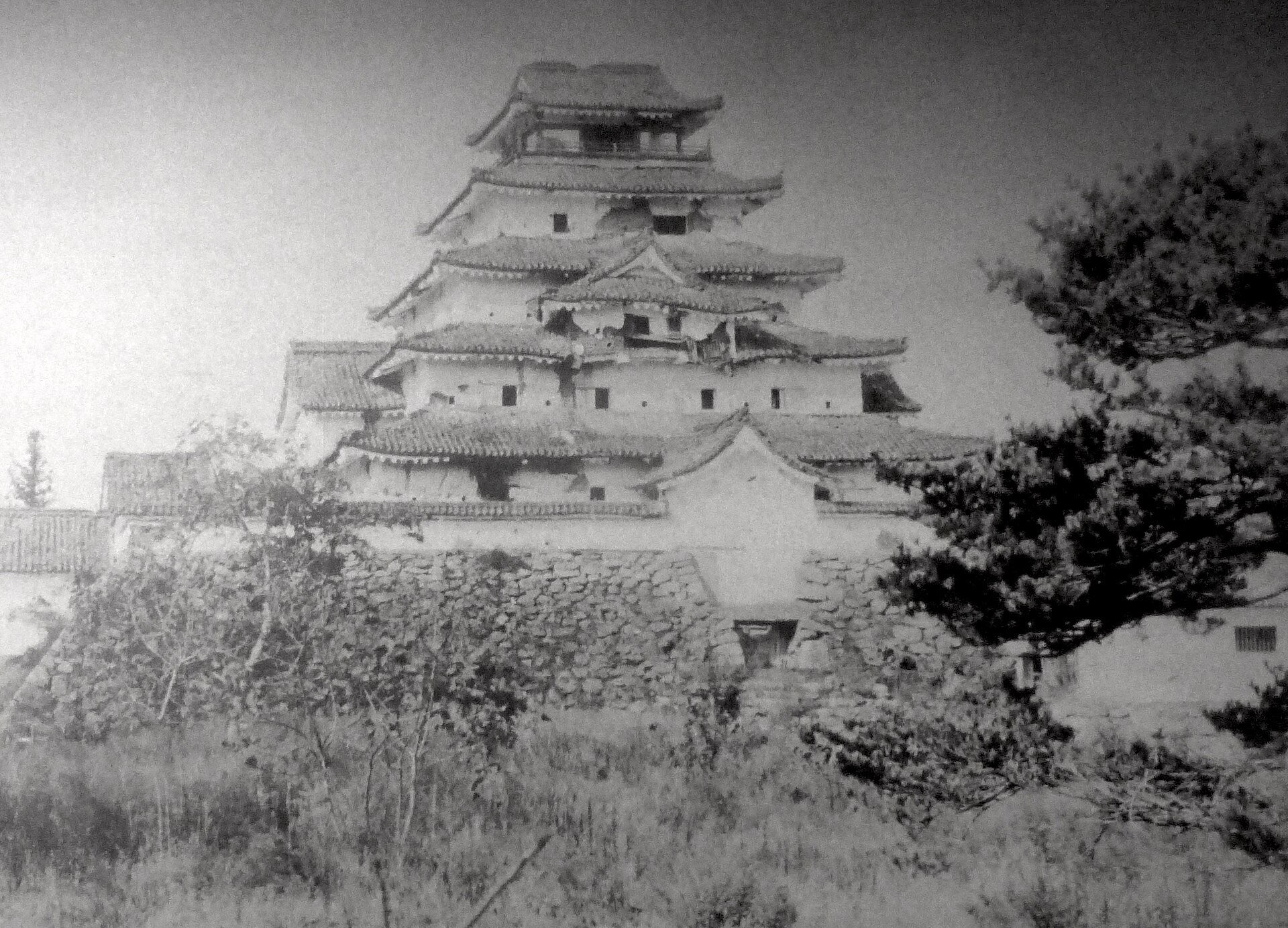
The old keep in the photograph did not last. For castles that survive from the era, our guide to World Heritage sites in Japan includes Himeji. The castle was demolished in the Meiji era, and the present keep is a reconstruction of 1965. What you see from the stone base is therefore a faithful copy on the original ground. The ground itself is the record. It is the same ground where thousands sheltered in the autumn of 1868, and where the women of Aizu held their places.
The Kiso Valley and Yoshinaka’s home ground
Tomoe’s story begins in the mountains of Nagano. The Yoshinaka-kan, a small museum in Hiyoshi, is five minutes from Miyanokoshi Station on the JR Chuo Main Line, according to the Japan National Tourism Organization’s Japan47Go listing. It tells the life of Yoshinaka and shows dolls of him and of Tomoe Gozen. Check the museum’s calendar before you go, as small museums close on set days.
Nearby, a river pool carries Tomoe’s name. Japan47Go lists the Tomoe Fuchi, in Hiyoshi, about twenty minutes from the same station. Local tradition also keeps a grave for her beside Yoshinaka’s. It is a calm place to hold the question of where she went, with no answer to find.
The valley also carries the old road that linked Edo and Kyoto, the Kisokaido. Yoshinaka raised his army in these mountains in 1180 and took it all the way to Kyoto in 1183. The post towns of Narai, Tsumago and Magome keep their wooden inns. Hiroshige and Eisen drew the road nearly two centuries ago. Their prints make a good companion for the walk.
Books for the Road and the Castles
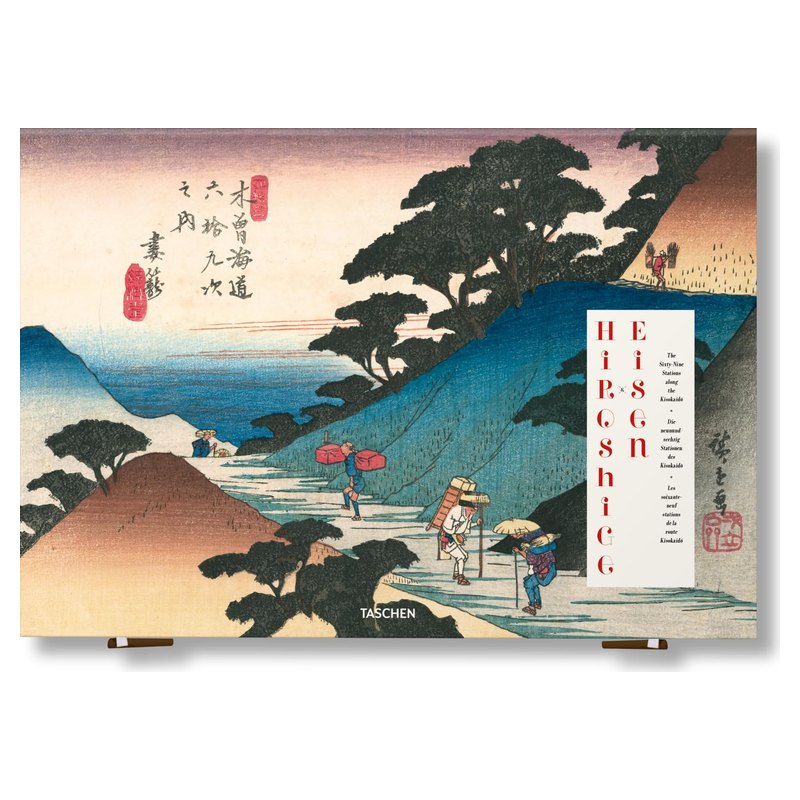
The old road through the Kiso Valley, print by print.
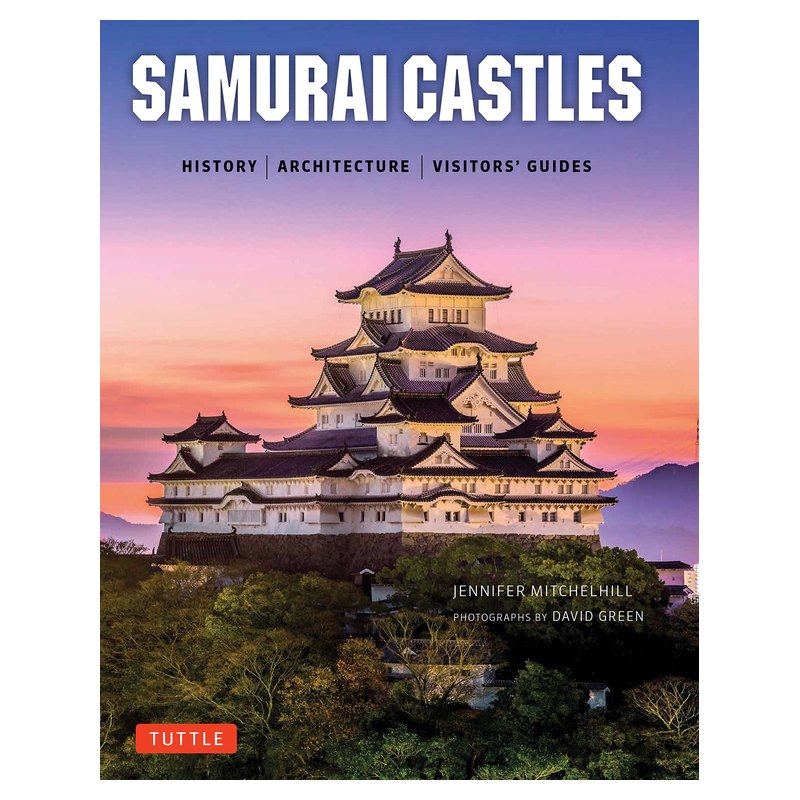
A guide to the surviving castles and what to look for in each.
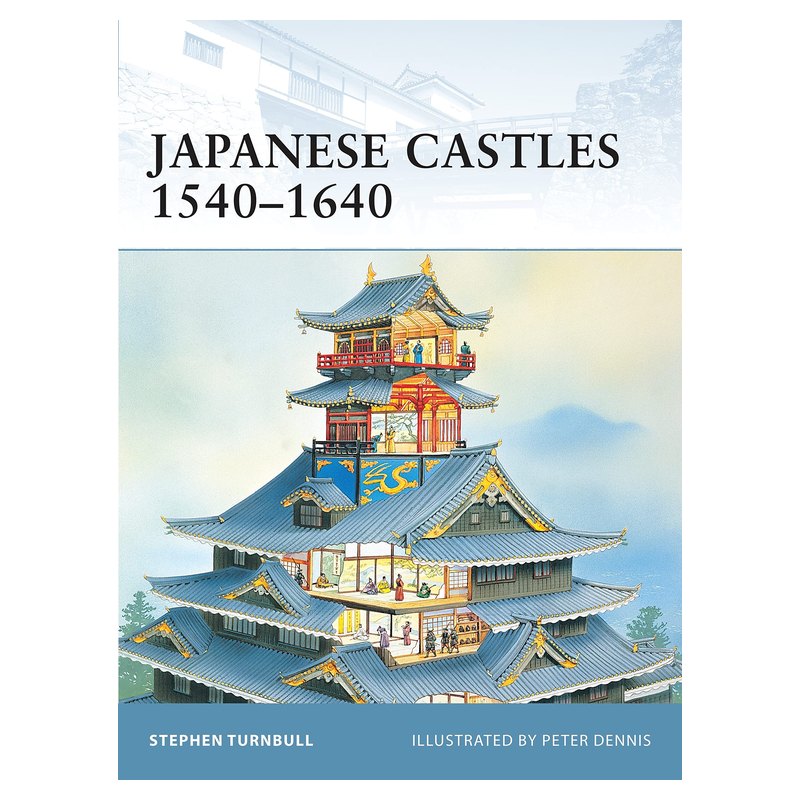
The age of the great castles, with plans and plates.
Spring changes the view at the other end of this story. Cherry trees come into flower around Tsuruga Castle, and the white keep stands above them. It is a softer picture than the defenders saw in autumn 1868, when cannon fire pitted the walls. Inside the keep, the museum tells the story of that last battle.
Standing there, it helps to hold both pictures at once. Today’s blossom is the castle as Aizu keeps it now. The prints and photographs show it as the siege left it. The women of this story belong to the second picture, yet the town remembers them in the first. Most visitors want to write that moment down before the light changes.

A Taste of Aizu: Kozuyu
Aizu food has its own history. The region lies among mountains, far from the sea. Dried seafood became an important source of protein, and ships carried it up the Agano River in the Edo period, according to the Ministry’s entry on Aizu-Wakamatsu food culture. Kozuyu is the best known result, a clear soup built on dried scallop stock. It tastes of the mountains and the sea at once, because dried scallop meets bracken, taro and mushrooms.
Japan’s Ministry of Agriculture, Forestry and Fisheries says kozuyu has been eaten for more than 100 years, in its regional cuisine record. It was served at weddings, festivals and banquets. Make it on a cold evening after reading about the siege, and you eat what Aizu households ate then.
You may also like

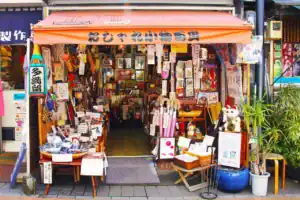
The ingredients tell the same story as the castle. Each one could be dried, stored or gathered close to home. Scallops came upriver dried, and the mushrooms and bracken came from the hills. A wedding pot of kozuyu used what a mountain town could keep through a long winter.
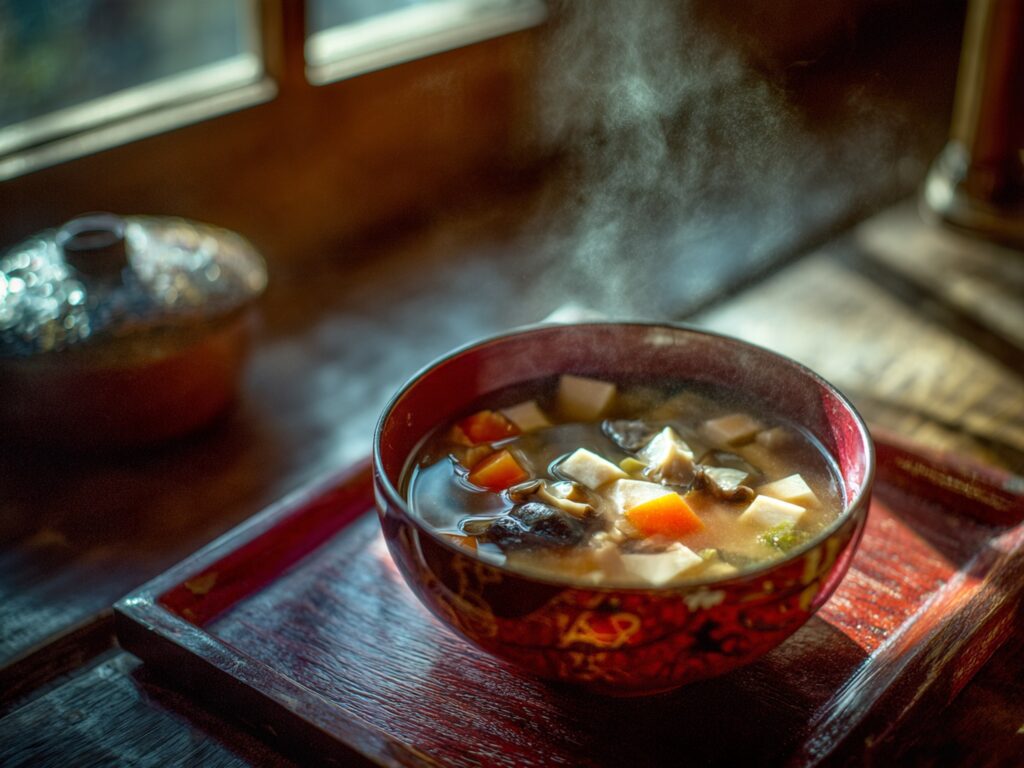
In the bowl it is a clear broth, crowded with small pieces of every ingredient. The scallop gives the stock its depth, and the wheat-gluten balls soak it up. Nothing in it is grand. Even so, it was the dish set out for the biggest days in a family’s year, from weddings to festivals. The recipe below follows the Aizu way, step by step.





Kozuyu Recipe: Aizu Dried Scallop Soup
A clear Aizu soup of dried scallop stock, served at weddings, festivals and banquets for more than 100 years.
- Prep 30 min
- Cook 30 min
- Total 1 hour
- Serves 4
| For the soup | ||
|---|---|---|
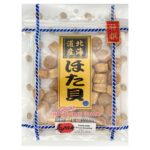
| 2 | Dried scallops, soaked overnight in 1 cup (240 ml) water, broken into pieces | |
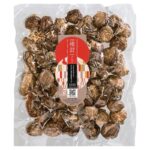
| 1 | Dried shiitake mushroom, soaked, stem removed, diced; use sparingly | |
| 4 cups (950 ml) | Japanese fish stock (dashi), made with dried bonito flakes (hana-katsuo) | |
| 1/4 | Carrot, cut into thin quarter-round slices | |
| 8 pieces | 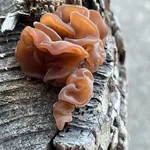 Dried wood ear mushrooms (kikurage), soaked overnight in 1 cup (240 ml) water, torn into pieces | |
| 1/4 ball |  Yam noodles (shirataki), cut into 1 cm lengths, boiled briefly | |
| 3 small |  Small taro root (satoimo), cut into quarter-round slices, boiled briefly to remove sliminess we suggest | |
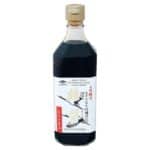
| 1–2 tbsp (15–30 ml) | Soy sauce | |
| A little | Japanese rice wine for cooking (sake) | |
| 4 tbsp (60 ml) |  Small wheat-gluten puffs (shiratama-fu), soaked in water, drained | |
| To serve | ||
| A pinch | 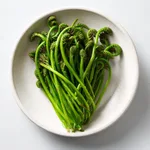 Boiled young fern shoots (warabi), cut into 2 cm lengths | |
| 8 | Snow peas or spinach leaves, boiled we suggest | |
We suggest serving it hot in small lacquer bowls, the way Aizu serves it at New Year and other celebrations. Second helpings are part of the custom.
| 1 | Soak the dried ingredients. Soak the scallops and the wood ear mushrooms (kikurage) overnight, each in its own cup of water. Soak the dried shiitake in water, then cut off the stem and dice it. Break the soaked scallops into pieces and keep their soaking water, and tear the wood ear mushrooms into bite-sized pieces. |
| 2 | Prepare the vegetables. Cut the small taro root (satoimo) into quarter-round slices and boil it briefly, until the sliminess is gone. Cut the yam noodles (shirataki) into 1 cm lengths and boil briefly. Soak the small wheat-gluten puffs (shiratama-fu) in water and drain them. Cut the carrot into quarter-round slices and the boiled young fern shoots (warabi) into 2 cm lengths. |
| 3 | Build the broth. Put the scallops, shiitake, both soaking waters and the fish stock (dashi) in a pot and bring to a boil. Add the carrot, wood ear mushrooms and yam noodles and simmer until the carrot is soft. Add the taro and simmer until it is soft. |
| 4 | Season and serve. Season with the soy sauce and rice wine (sake), then add the wheat-gluten puffs and simmer for about 1 minute. Serve topped with the boiled snow peas or spinach and the fern shoots. |
Do not add too much shiitake, because the scallop should lead. Families in Aizu change the cuts and the seasoning, and some add an omelet. Treat the recipe as a starting point and make it yours. A soup that has been handed down is also a kind of record, kept in the kitchen instead of the archive.
What the Women Left Behind
Tomoe left a silence, and the tales filled it. Takeko left a battlefield, a memorial and a grave. Both are true in their own way. One tells you what people hoped a woman warrior could be, and the other tells you what one woman did.
Look for both on the road. Read the Heike before you go, and let the question of where she went stay open. Then stand in Aizu and hold the record. The gap between the two is the real subject of this guide.
That habit travels well. Every castle, road and museum in Japan carries some of each: a document that says what happened, and a tale that says what it meant.
Recommended
Learn to tell them apart and a visit changes. You stop asking whether a story is true and start asking who told it, when and why. Those three questions turn a sightseeing day into reading, and they work as well on a menu, a map or a museum label as on a castle wall.
Planning a trip around the story
Aizu-Wakamatsu and the Kiso Valley sit far apart, one in Fukushima and the other in Nagano. A trip that follows both women needs two bases and a long rail day between them. Begin in the Kiso Valley to take the story in order, with Tomoe and the twelfth century. Then travel north to Aizu for 1868, and the planning tools below can map the rail legs.

Timing matters more than a long list of sights. Cherry blossom lasts about a week at the castle in spring. In the Kiso Valley, the post towns are calmer early in the day. The small museums in Hiyoshi and at the castle keep their own calendars. Autumn has its own claim on this story, too.
The siege of Aizu ended in the autumn of 1868, and Takeko's band fought in the same season. Visit then, and you stand in the castle grounds in the season of the siege. Either works well. What matters most is a full day in each place. That way the tale and the record each get their turn.
A Japan trip that follows the women of the story
Our team builds custom itineraries around castles, museums and old roads. Expect unhurried days in Aizu-Wakamatsu and the Kiso Valley, with evenings in rooms that face a garden.
Plan Your Custom Japan ItineraryQuestions Worth Asking
Were there really female samurai?
Yes, in the sense that women of the warrior class trained with the naginata, defended their homes and sometimes fought. Hangaku Gozen in 1201 and Nakano Takeko in 1868 are both recorded. Tomoe Gozen is known mainly from the Tale of the Heike. The record is thin, but the women were real.
Was Tomoe Gozen a real person?
Most scholars treat her as a real woman, though no document proves it. She does not appear in the Azuma Kagami, the main record of the Genpei War. Her name comes from the Tale of the Heike and later works. Her biography is so enfolded in legend that fact and fiction are hard to separate.
What happened to Tomoe Gozen after she rode away?
The Tale of the Heike says only that she rode east. The later Genpei Seisuiki says she was captured, pardoned by Wada Yoshimori and married him, and later lived to about ninety-one. Other retellings end her story at Awazu in 1184. These versions disagree, and all of them are later than the Heike.
Who was Nakano Takeko?
Nakano Takeko was a naginata fighter born in Edo in 1847. In 1868 she led a band of women, later called the Joshitai, at the Battle of Aizu. She was shot in the field in autumn 1868 and died in her early twenties. A memorial statue marks the place, and her grave lies in Aizubange.
What weapon did female samurai use?
The naginata was their main weapon, a curved blade on a long pole. Its reach helped a smaller fighter hold off a larger one, and girls of samurai families learned it as part of their training. Some women also used bows, as Hangaku Gozen did, and Yamamoto Yae fired a rifle at Tsuruga Castle in 1868.
Where can you see female samurai history in Japan?
Tsuruga Castle in Aizu-Wakamatsu holds a museum on the Aizu domain and its last battle, and the Aizu Bukeyashiki covers the women of Aizu. In the Kiso Valley, the Yoshinaka-kan museum in Hiyoshi tells the story of Yoshinaka and Tomoe. Both can be visited from Tokyo in a few days.