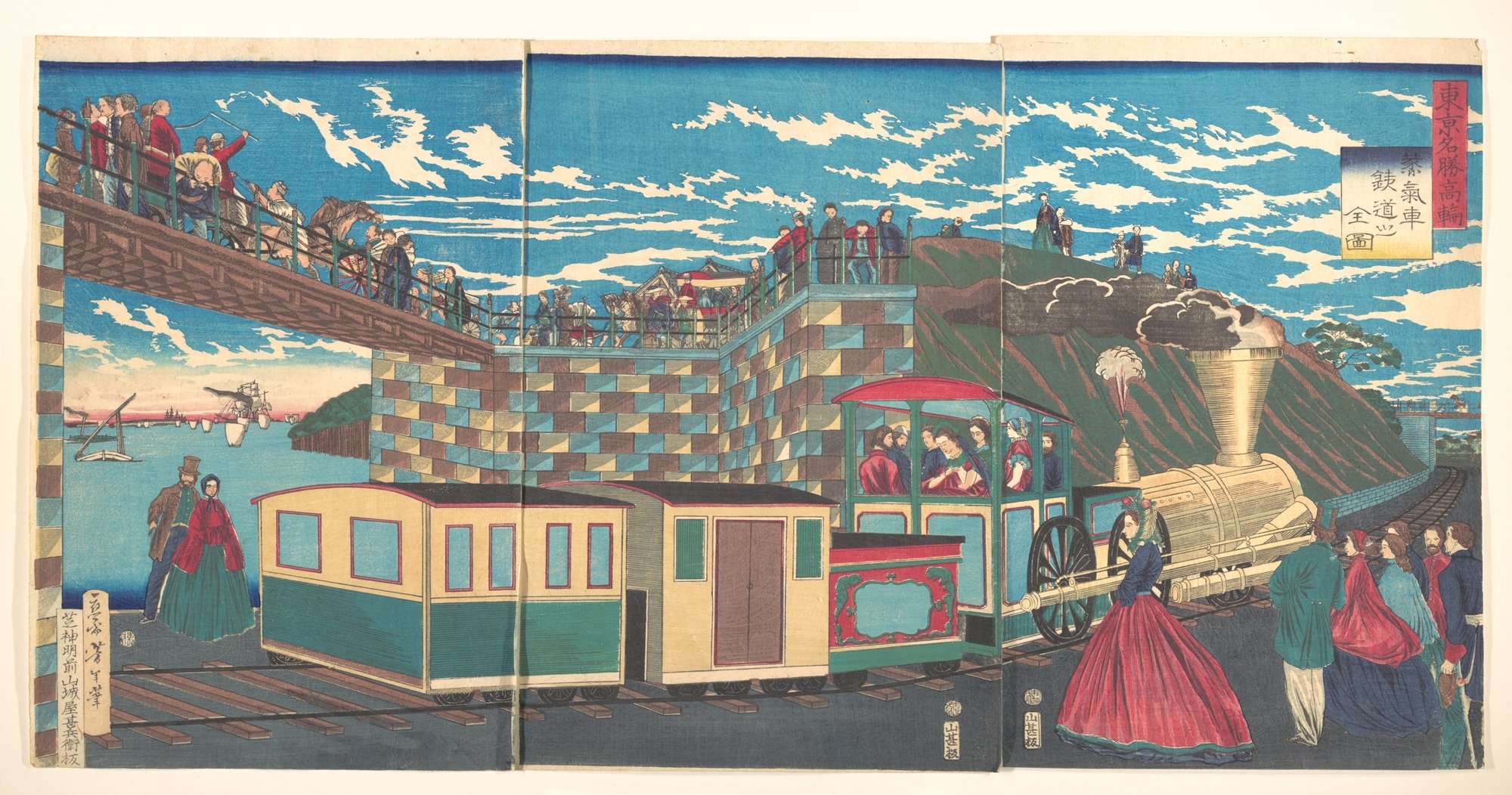
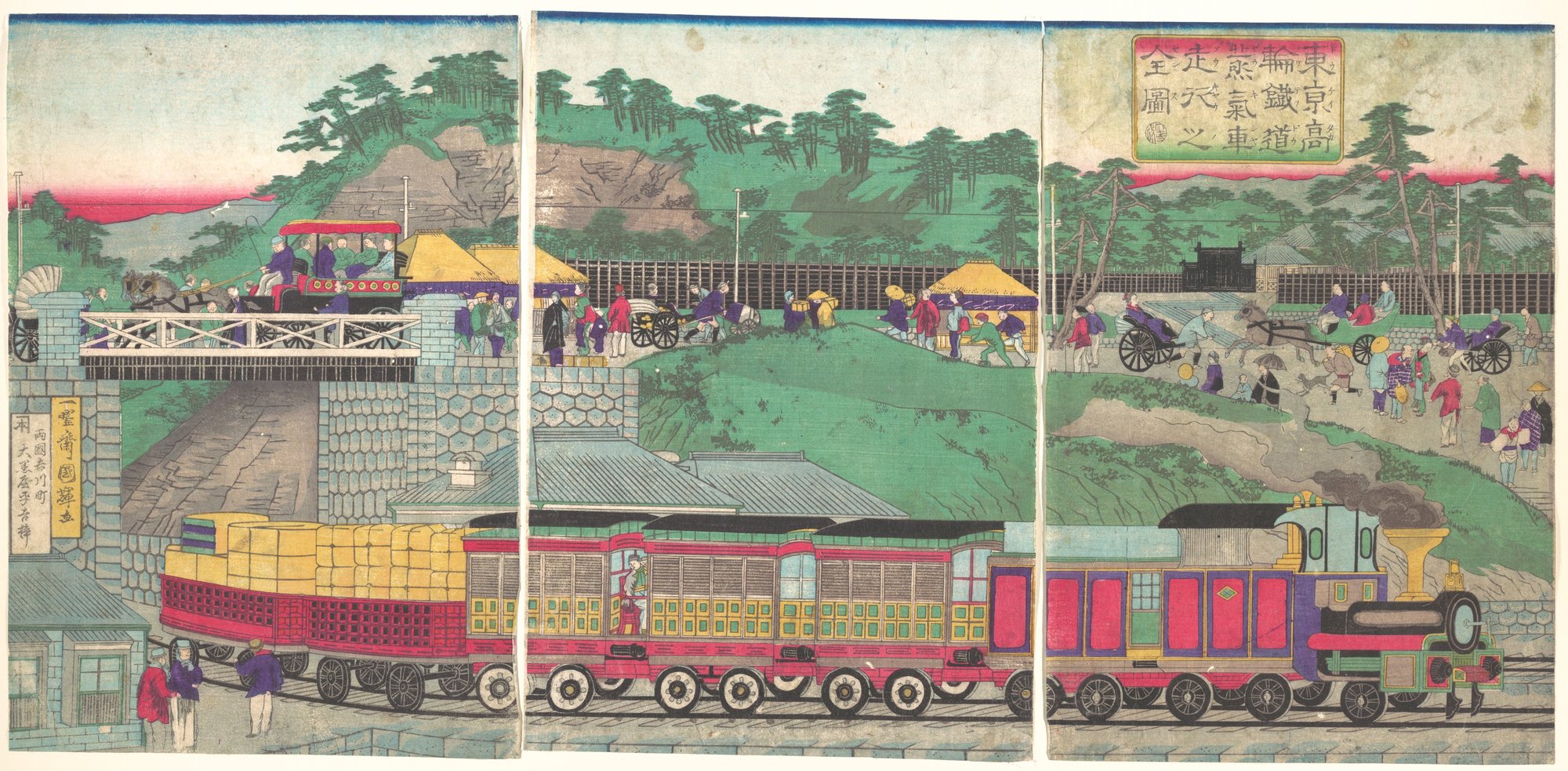
The first railway in Japan opened on 14 October 1872, and it ran for 29 kilometers between Tokyo and Yokohama. Emperor Meiji rode it on opening day. British engineers laid the track, and British factories built the locomotives. Within a single generation, Japan would build its own.
That second story is the one most guides skip. Our short video asks when Japan began building and running its own railways, and this guide answers with dates. It also shows where to stand today beside the original line, from a rebuilt Tokyo terminal to a museum holding the first locomotive.
What was the first railway in Japan?
Japan’s first railway ran from Shimbashi in Tokyo to Yokohama, about 29 kilometers. It opened officially on 14 October 1872, with Emperor Meiji present. British engineers built it and British makers supplied the engines. Japanese engineers took over construction by 1880, with the Osakayama Tunnel near Kyoto as the first sign.
What Was the First Railway in Japan?
The line joined the capital to its main port. Tokyo’s terminal stood at Shimbashi (Shinbashi), on the Shiodome waterfront. Yokohama’s terminal stood at Noge Kaigan, the place now called Sakuragicho. Between them the trains stopped at Shinagawa, Kawasaki, Tsurumi and Kanagawa.
The record on the opening is clear in outline and fuzzy in detail. Ceremonies took place at both stations on 14 October 1872, and the emperor rode the line there and back. Regular passenger trains had already begun on 12 June 1872, but only between Shinagawa and Yokohama. The Review of the East Japan Railway Culture Foundation explains why. Army officers refused to let tracks cross their land beside Tokyo Bay, so the last stretch waited for a new sea embankment.
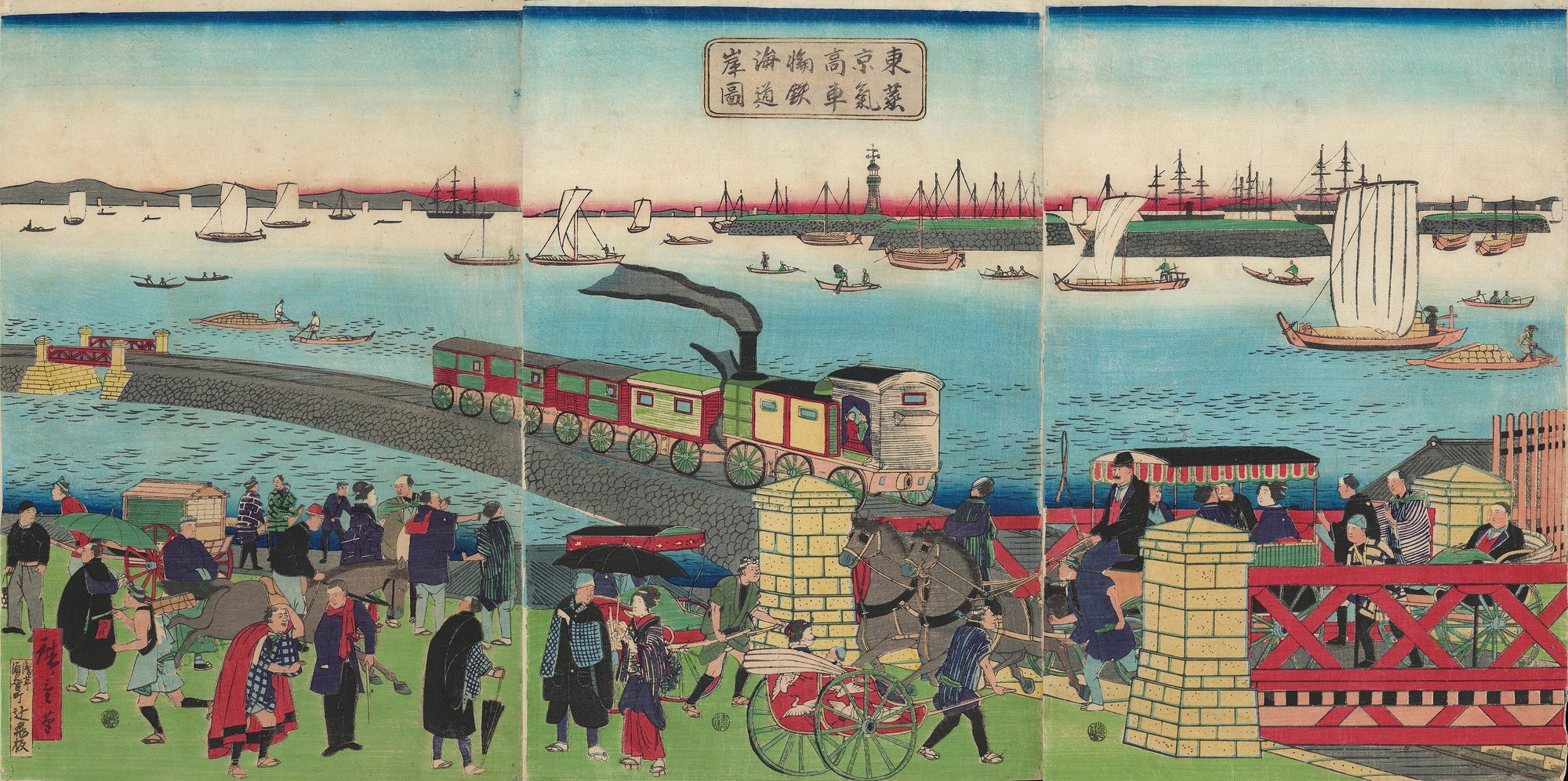
The numbers come from the same Review. The line measured 29 kilometers. Ten tank locomotives and 58 two-axle carriages arrived from Britain in September 1871, according to the Japan Railway & Transport Review. Nine round trips ran each day soon after the opening. Journey times differ by source. Early timetables are quoted at 53 minutes end to end, while the Review gives 35 minutes for the finished line.
A Toy Train That Started It All: Perry’s Gift of 1854
The idea reached Japan as a toy. In 1854, Commodore Matthew Perry gave the shogunate a quarter-size steam locomotive. It ran at about 32 kilometers an hour on a circular track just over 100 meters long, as Nippon.com’s history of the first line records. The Japanese officials who watched it were delighted.
Some of them would not sit inside the tiny carriage. Instead, they climbed on the roof and clung on as it circled, their robes flying. One of them, Kawada Hachinosuke, rode on the roof out of scientific curiosity. In the same way, samurai engineers soon copied the machine. The Saga domain built its own working model within a year or so.
The first plan for a real line came before the Meiji government existed. In January 1868, a shogunate official approved a proposal from the American diplomat Anton Portman for a railway between Edo and Yokohama. The new government later voided that deal. It wanted to keep control of its own railway, and Harry Parkes urged it to seek British help on that basis.
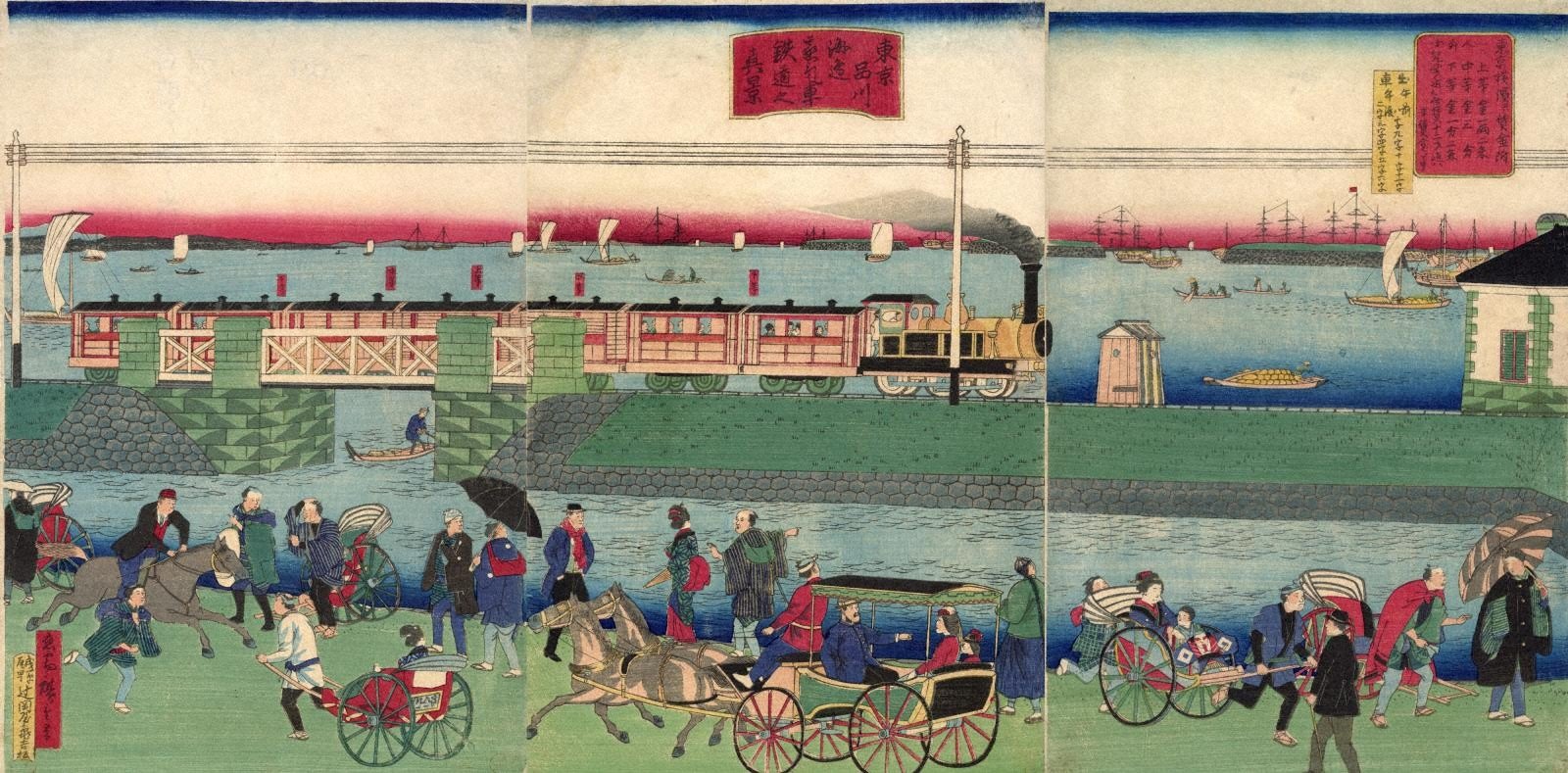
So the first railway in Japan began with real curiosity, and the demand was real too. However, a working railway needed money, iron, engineers and political will. All four arrived within about fifteen years of Perry’s gift. The new Meiji government held the will, and Britain supplied most of the rest.
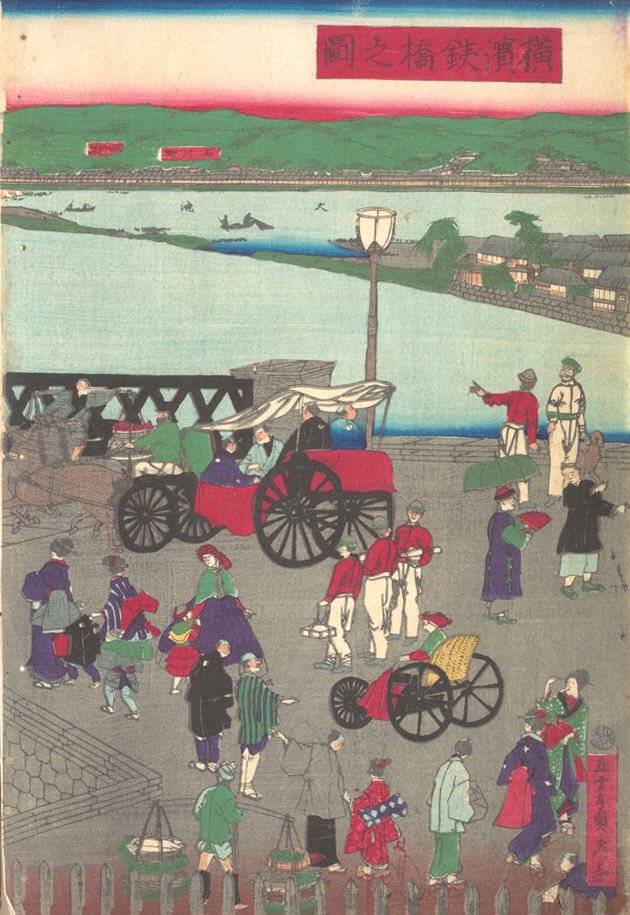
Building the Line: Shimbashi to Yokohama, 1870 to 1872
The embankment in the bay
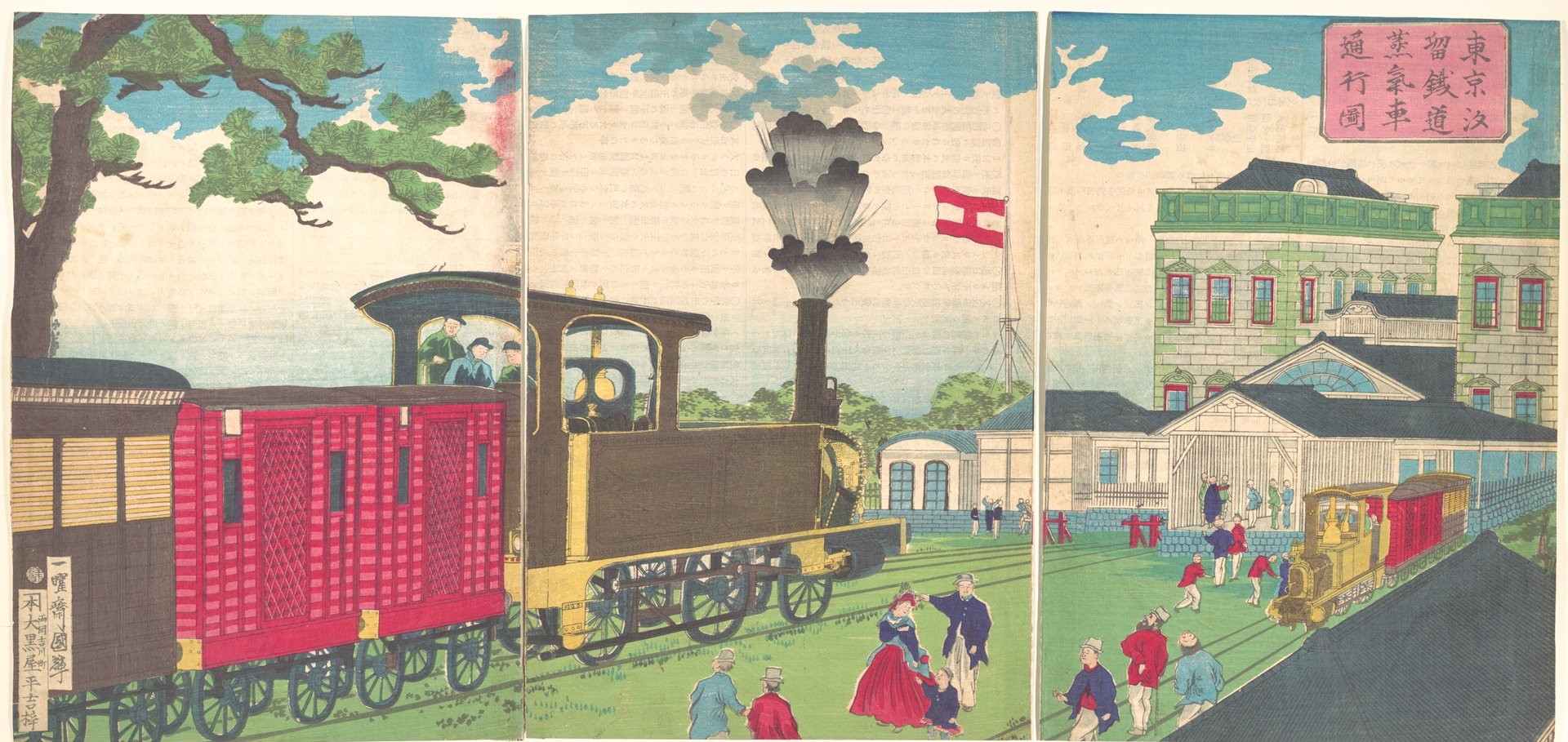
Construction began in 1870, after British minister Harry Parkes pressed the government in December 1869. Surveys started on 25 April 1870. The route followed the Tokaido (Tōkaidō) road, the old highway between Edo and Kyoto. Because the army refused to give up its land, the builders went into the water instead.
The resulting Takanawa Embankment ran 2.7 kilometers and stood 6.4 meters wide, according to Nippon.com. Workers piled earth into Tokyo Bay and faced it with stone walls. Today most of that bay has been filled with land. The first railway in Japan once ran across open water here.
Ten engines from Britain
The track used a gauge of 3 feet 6 inches, or 1,067 millimeters. That was the narrow gauge of many British colonies. Okuma (Ōkuma) Shigenobu, who led the project, later called the choice the blunder of his life.
Britain supplied the loans as well. The Meiji government borrowed through a London financier, then dropped him when it suspected he was skimming profit. Even so, the orders for engines and rails had already gone out. That is why the first trains on Japanese track carried British makers’ plates.
You may also like
Those two guides add context for this chapter. The first explains how Japan’s imperial family works today. The second traces rank from the court to the samurai, the order the railway helped to unsettle. Next, the story turns to the people who made the line.
Who Built It? British Engineers and Their Japanese Students
The man who died before opening day
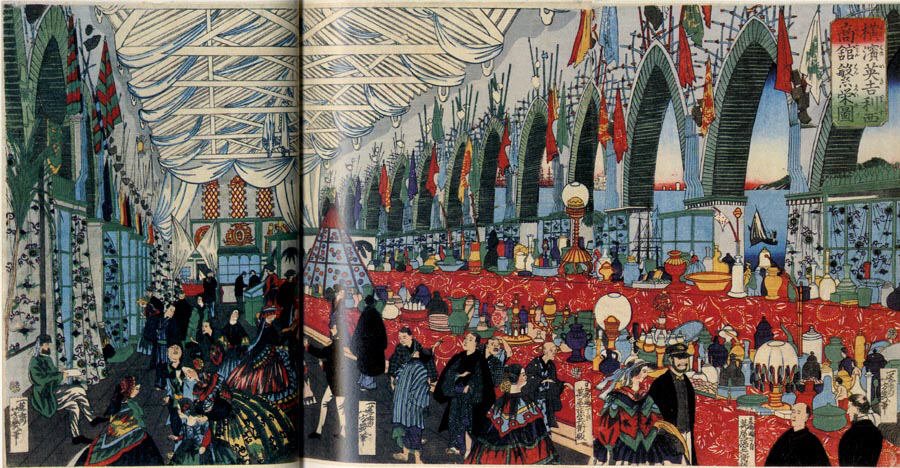
Edmund Morel, a British civil engineer, arrived in April 1870 as the first Engineer-in-Chief. He guided the building and screened the foreign staff. He also advised the government to create a Ministry of Public Works, which it did in December 1870. Sadly, Morel fell ill with tuberculosis. He died on 5 November 1871, eleven months before the line opened.
His assistant, John Diack, drove the first stake at Shimbashi. That marker survives today. Nearly 300 foreigners, mostly British, worked on Japanese railways in all. Their number reached 119 in June 1874, then fell as Japanese engineers replaced them, the Review reports. To see what those engineers worked among, three books give the period in its own words and pictures.
Reading the Meiji Railway Years
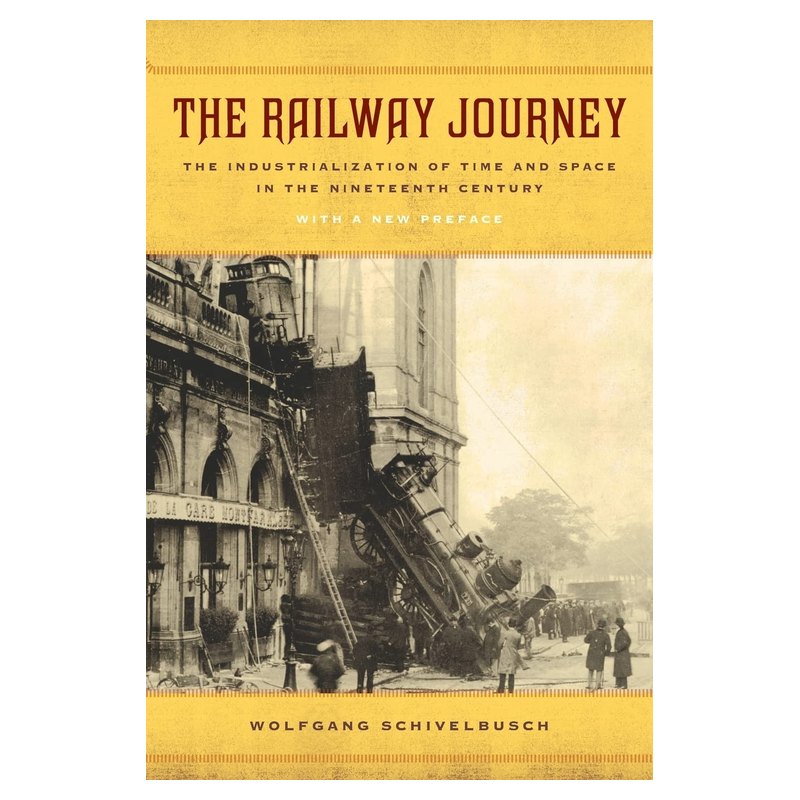
How the railway changed the way people felt time and distance, a useful lens for 1872.
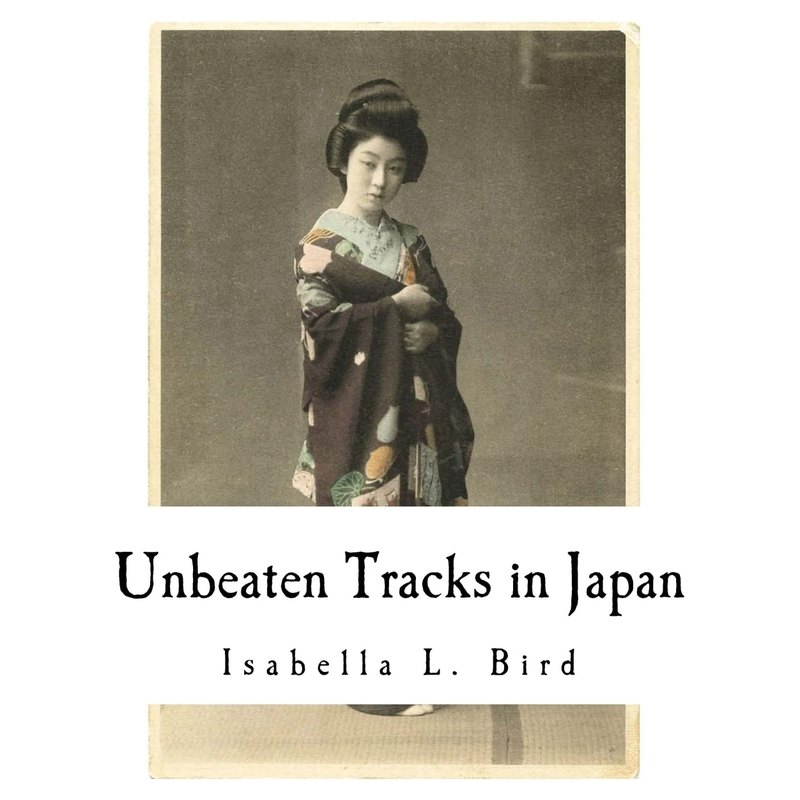
A traveller’s own account of Japan in the years when the first lines were opening.
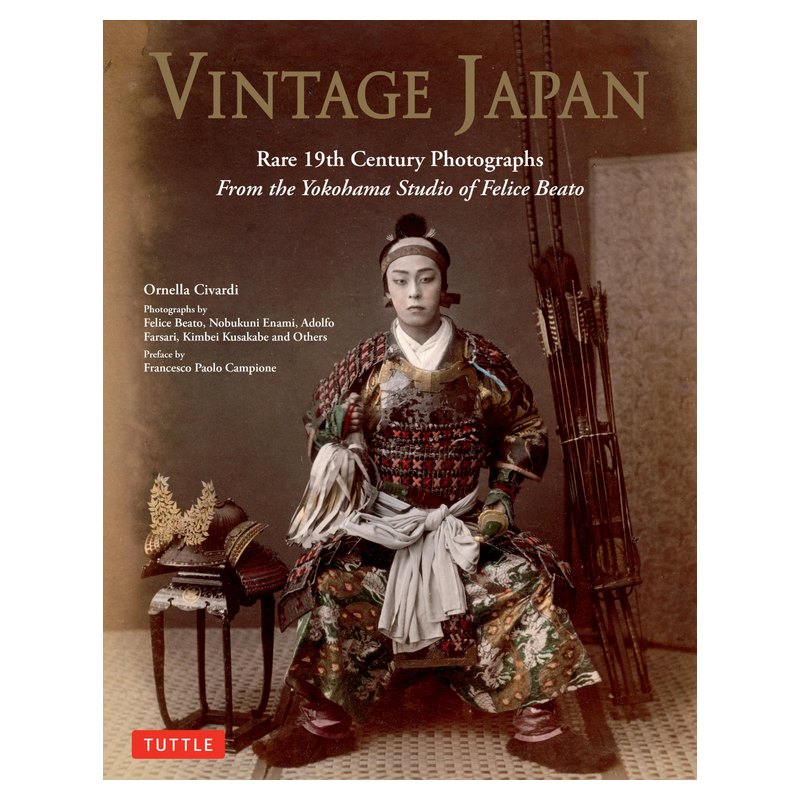
Rare Yokohama photographs of the port city where the line ended.
Photographs and travel accounts show a country changing quickly. A reader can hold a street scene from the 1870s and imagine the first train passing through the same frame. Then the story turns to the Japanese engineers who learned from the foreign ones.
Inoue Masaru and the engineering college
The Japanese side of the story begins with Inoue Masaru. He was one of the Choshu (Chōshū) Five, young men who slipped out of Japan in 1863 to study in Britain. Inoue studied railways and mining at University College London, then returned in 1868. He became Japan’s first Director of Railways.
Inoue’s greatest act was to build a school. In May 1877, the government opened an engineering college in the Osaka station. Young Japanese passed an entrance test and learned civil engineering from a British master. Twenty-four students graduated before the school closed in 1882. They were the first Japanese railway engineers, and the next chapter belongs to them. It also answers the question our video leaves open.
When Did Japan Start Building and Running Its Own Railways?
The short answer is 1880, with the first signs in 1878. Over those years, Japanese engineers built a mountain line from start to finish. After 1880, the government ran the network largely with Japanese staff. Locomotives took longer. Japan built its first in 1893 and made them in numbers from 1913.
1880: the first tunnel built without outside help
The Osakayama (Ōsakayama) Tunnel carries the line between Kyoto and Otsu. Construction began in 1878, and the tunnel opened with the line in 1880. It runs 646 meters. The Review calls it Japan’s first mountain tunnel and the first tunnel designed and built by Japanese engineers. Many of the diggers were the graduates of Inoue’s college.
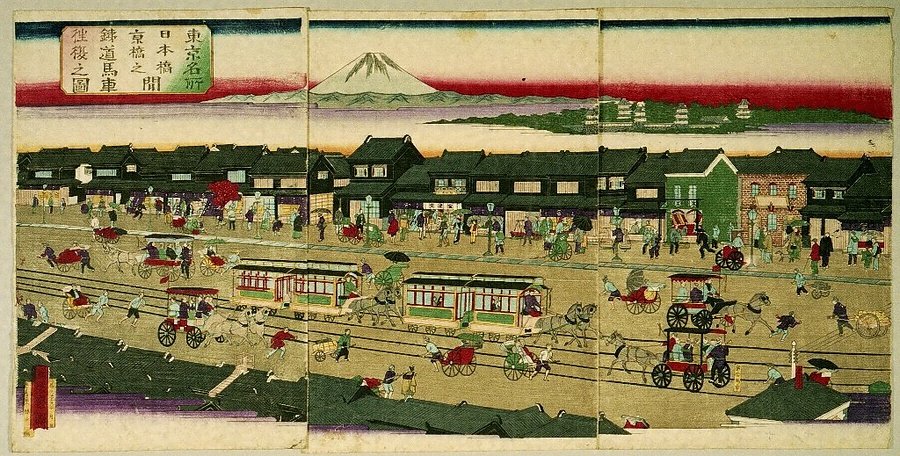
By 1880, there were enough Japanese engineers to replace foreigners in most key posts. Two jobs stayed with outsiders for longer: designing steam locomotives and designing bridges. Foreign designers kept that work into the 1890s. Among them were the brothers Richard Francis Trevithick and Francis Henry Trevithick, grandsons of the steam pioneer. The government hired them from 1888 to 1904 and from 1876 to 1897.
1881 to 1906: private lines, then one national network
Private money arrived next. Nippon Railway, Japan’s first private railway company, received its charter in 1881. It opened Ueno to Kumagaya in 1883 and reached Aomori by 1891. Private lines then grew faster than government ones. In the 1890s they passed the state network in total length.
The state took them back in 1906. Prime Minister Saionji Kinmochi enacted nationalization that March, after the Russo-Japanese War had shown how useful one unified network could be. Japan had gone from importing railways to owning, building and running them in thirty-four years.
1893 and 1913: the engines
Building the locomotives took longest. Class 860, completed at Kobe in May 1893, was the first locomotive built in Japan, according to the Institution of Mechanical Engineers archive. Foreign designers still guided the work. Richard Francis Trevithick was one of them, and he supervised locomotive design and manufacture for the government. Even so, the hands that built it were Japanese.
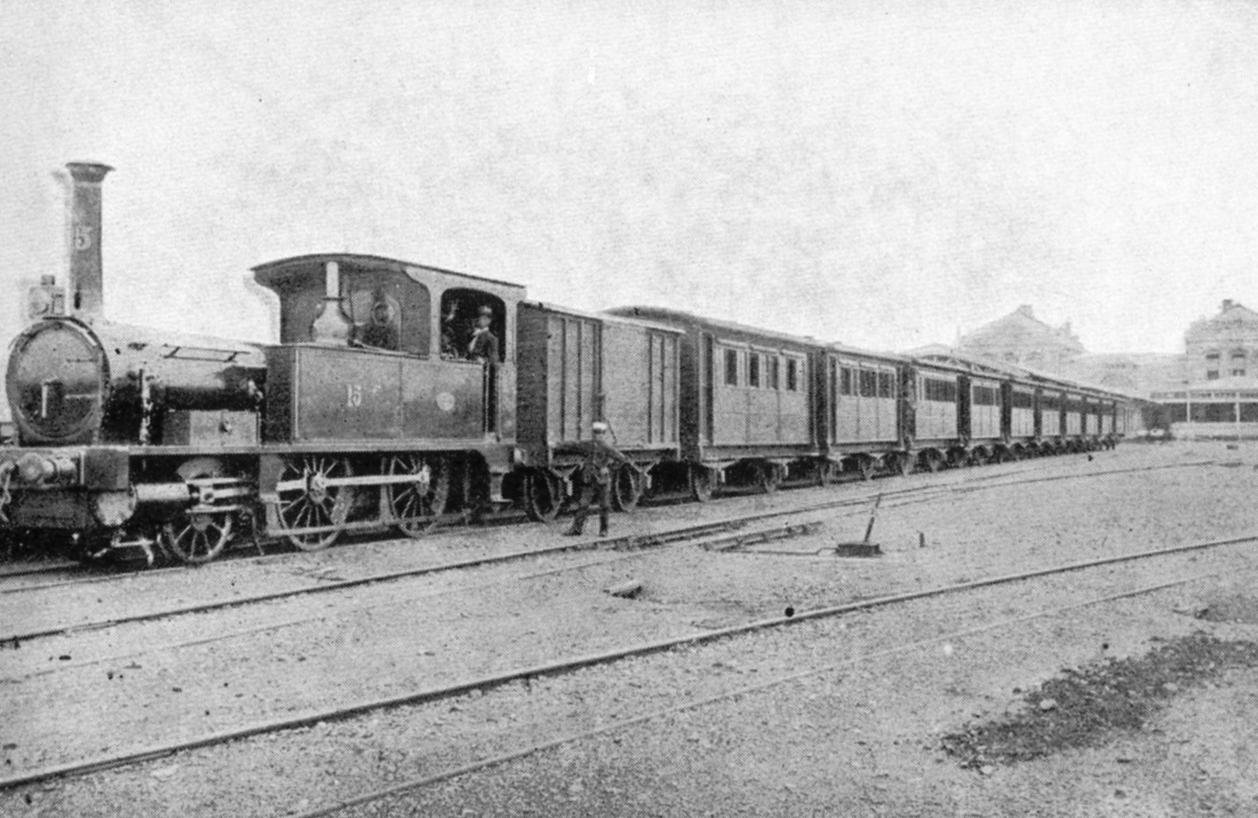
Mass production came later. The Class 9600 freight engine, built from 1913, was Japan’s first full-scale main-line freight locomotive. The Railway Institute’s Kokura Factory, Kisha Seizo and Kawasaki built 770 of them for the national railway, and production ran until 1925. By then the toy train of 1854 had become an industry.
From the Meiji Line to the Bullet Train
The first railway in Japan, which began at Shimbashi, grew into the world’s most admired network. The Tokaido Shinkansen opened in 1964 on a route of more than 500 kilometers between Tokyo and Osaka. Its trains reached 210 kilometers an hour, a world record at the time. For a visitor, the Shinkansen is the plainest answer to the question of what the 1872 line led to. The journey from the first steam train to the first bullet train took ninety-two years, which is less than one long lifetime.
Its scale is striking. The IEEE history wiki records that more than 280 Shinkansen trains ran between Tokyo and Osaka each day as of 1997, carrying more than 360,000 passengers daily. You can read those figures in the IEEE Tokaido Shinkansen milestone. The line has carried over 100 million passengers a year for many years. Few railways anywhere move so many people so punctually.
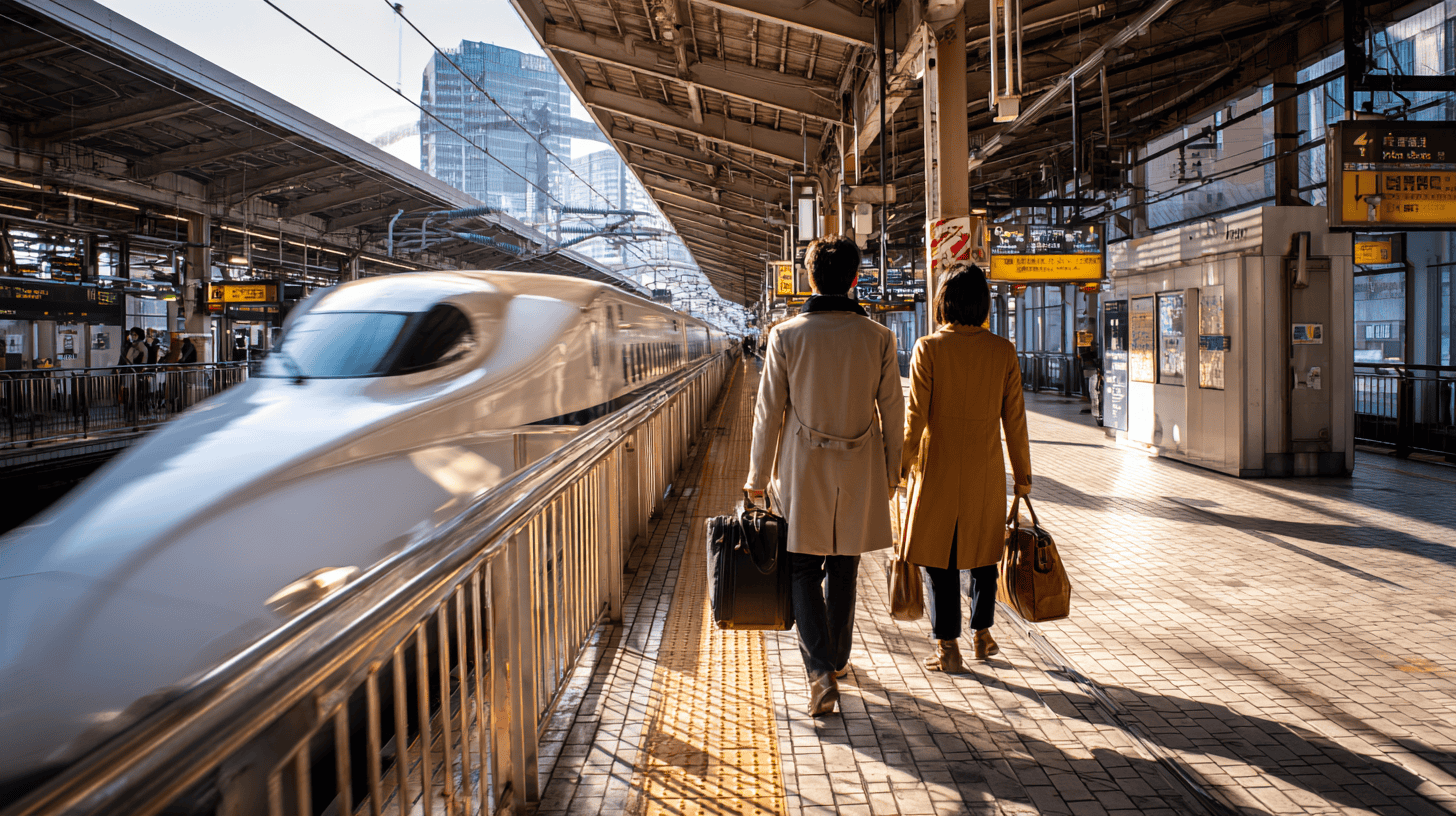
The old and new lines share a spirit. Both were built to make distance feel smaller, by people who had to learn the craft quickly and teach it to the next group. A traveller who understands that will see Japanese trains differently, from the first platform of the day to the last.
Books From the First Line to the Bullet Train
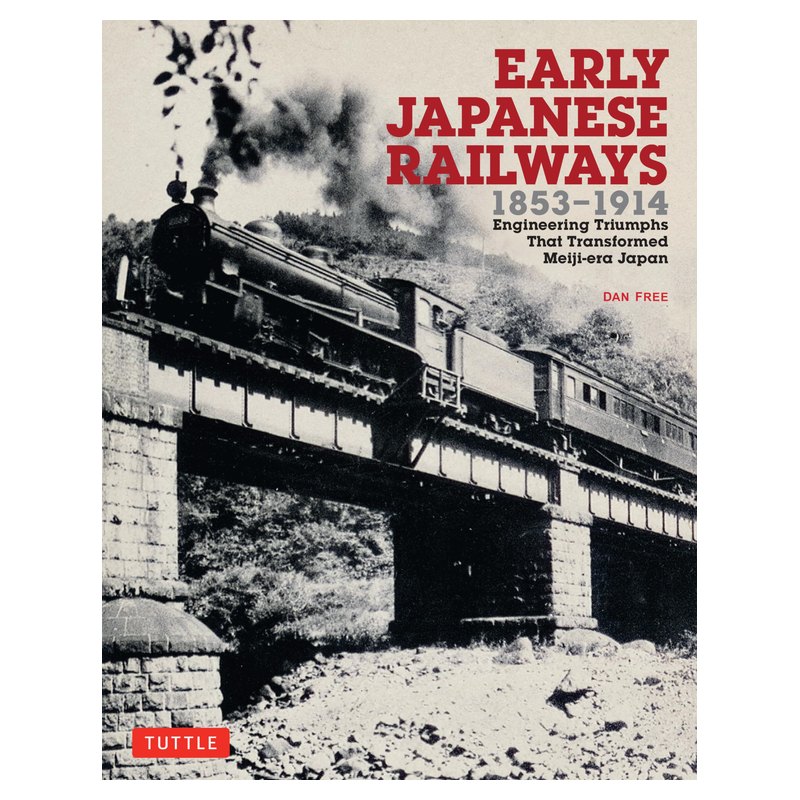
A history of the Meiji lines, their engineers and the works they built.
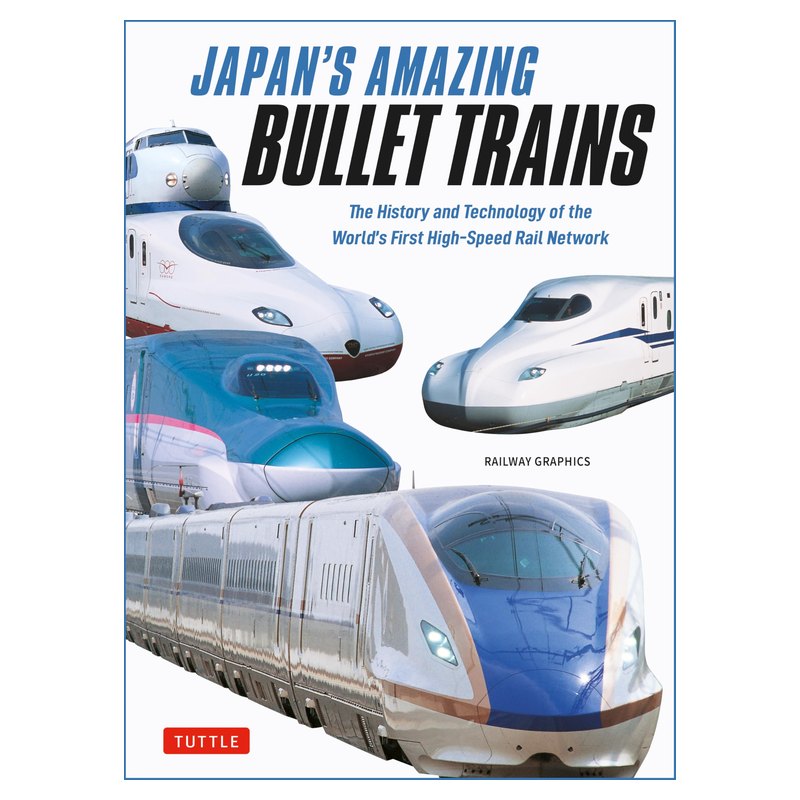
The Shinkansen story told through its trains, tracks and technology.
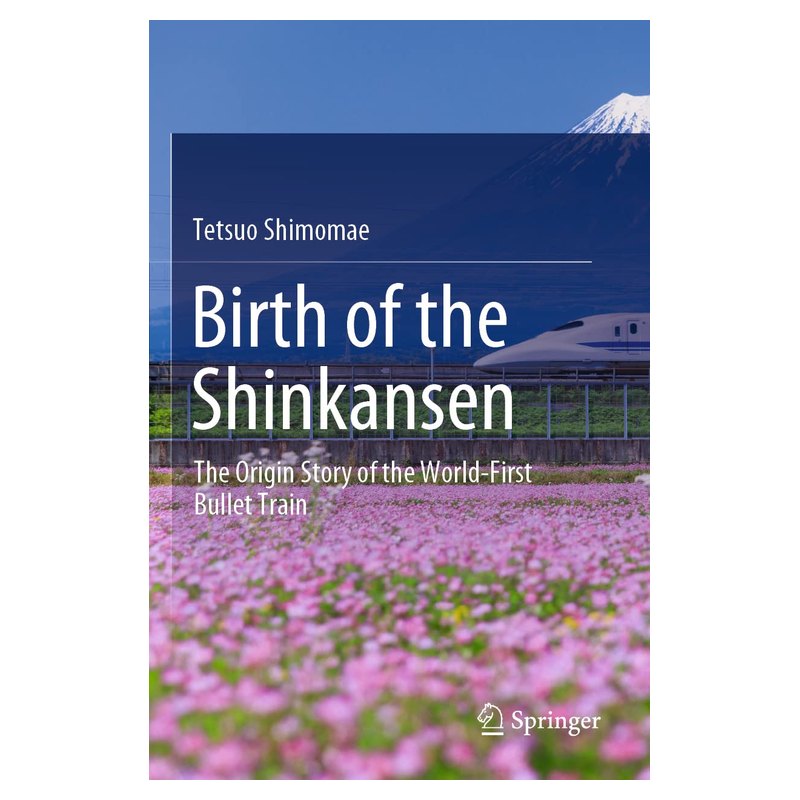
How the world’s first high-speed railway came to be.
These books pick up where the Meiji story ends. The first covers the early decades, while the other two follow the line to 1964 and beyond. Each generation built on the last. Next, the practical part: where you can see the beginning for yourself.
Where to See Japan’s First Railway Today
Three places in the Tokyo region tell the story of the first railway in Japan in order. Old Shimbashi Station shows where the line began. The Railway Museum in Saitama holds the locomotive. Sakuragicho marks the Yokohama end. You can visit all three in one long day, and each also works alone.
Old Shimbashi Station, Tokyo
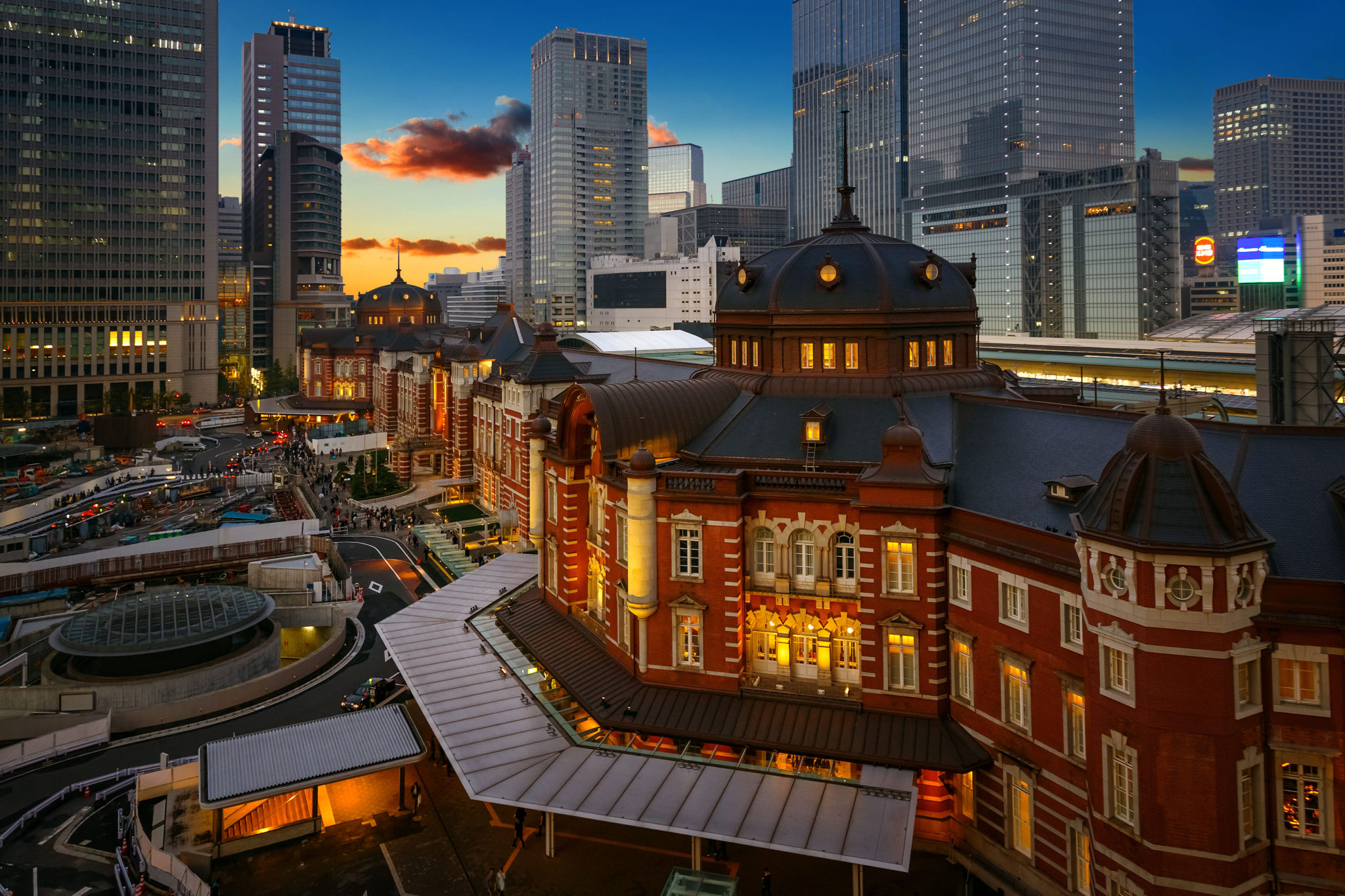
The original Shimbashi Station was designed by Richard P. Bridgens, an American architect. It burned after the Great Kanto Earthquake in 1923. A faithful reconstruction opened in 2003 on the original site at 1-5-3 Higashi-shimbashi, as Japan Travel’s guide explains. From JR Shimbashi Station, take the Ginza exit and walk straight along Showa-dori for about five minutes.
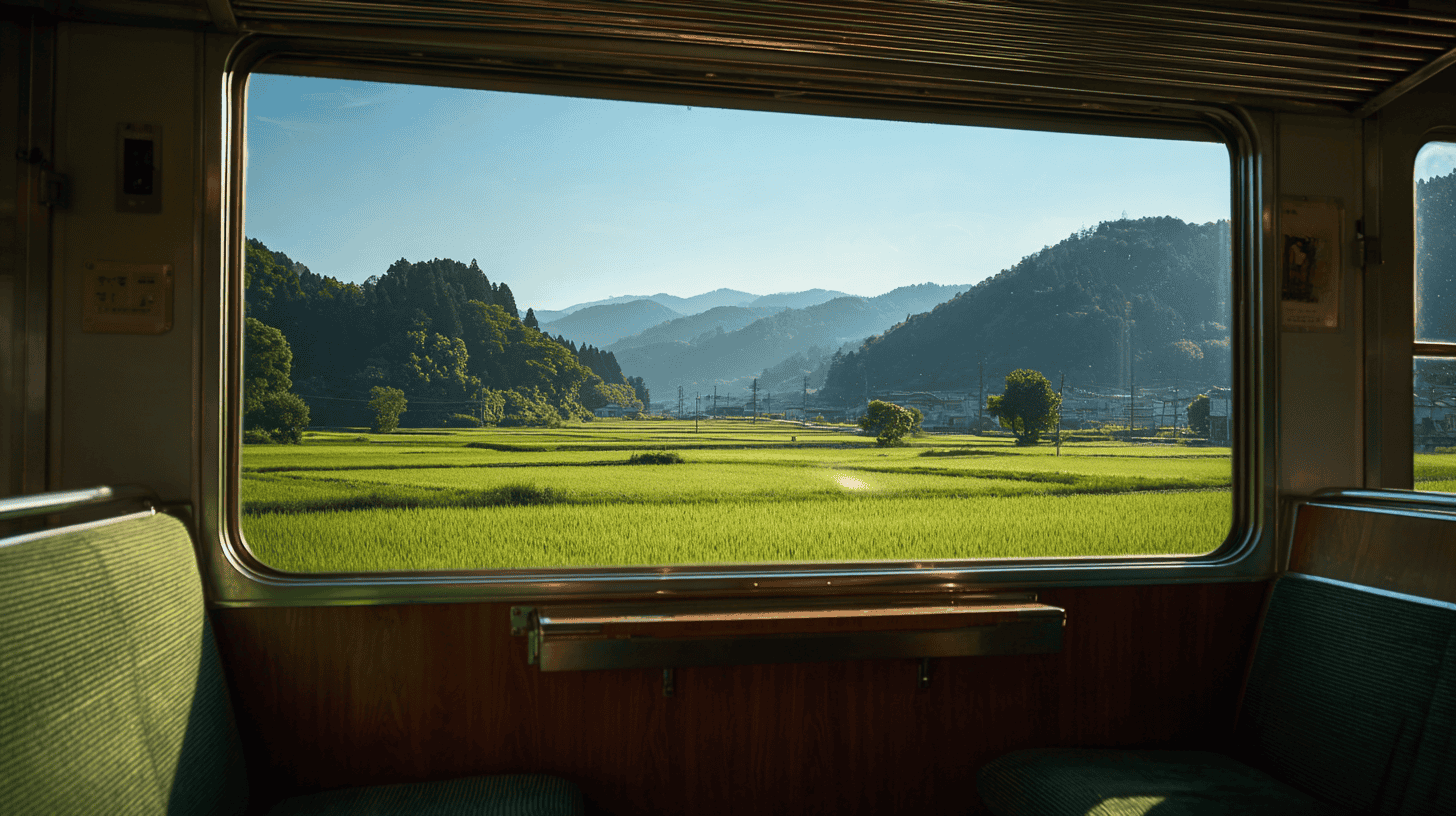
Inside, the Railway History Exhibition Hall shows nails, plates, rails and tools from the original line on the first floor. Special exhibitions and film of the construction fill the second floor. Outside, near the reconstructed platform, stands the original 0 Mile marker. John Diack drove that first stake at Shimbashi. Opening days and hours change, so check the East Japan Railway Culture Foundation calendar before you go.
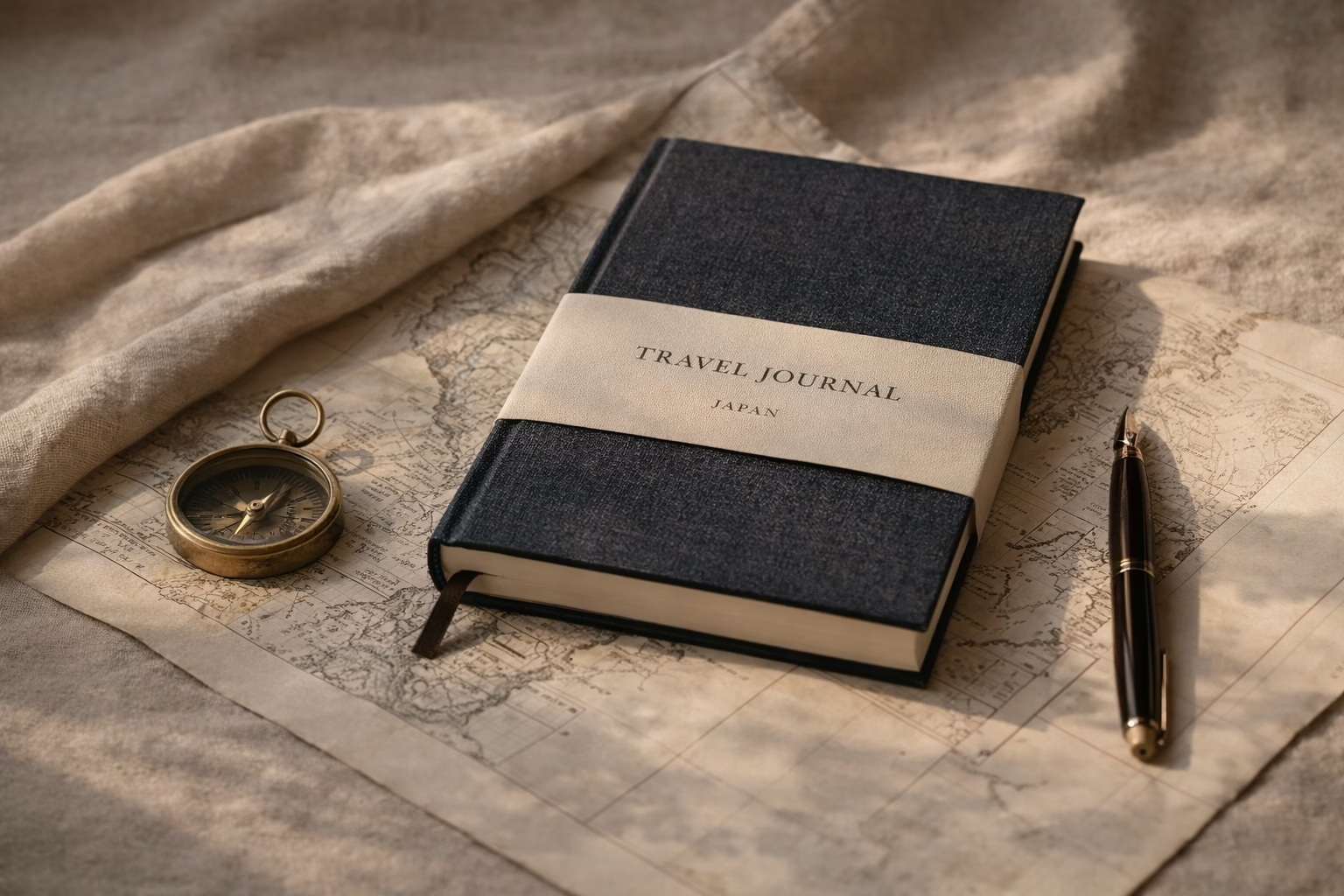
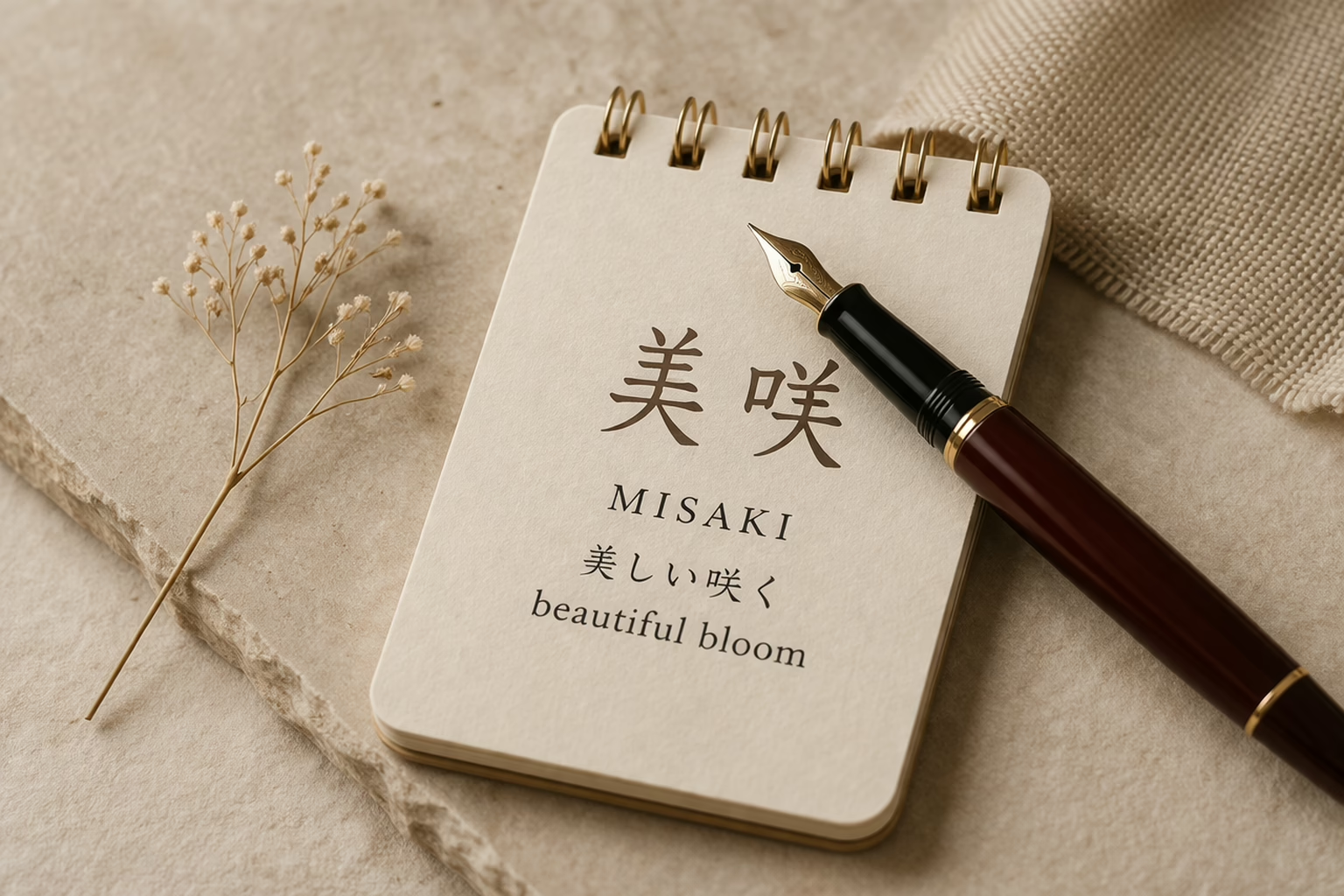
Many visitors take a notebook to an exhibition like this one. A rail gauge, a carriage detail or a line on a wall label is easy to lose by evening. Writing it down fixes it. Our travel journals are made for that habit, and the one below travels well on a train.
The Railway Museum, Saitama
The Railway Museum stands in Omiya (Ōmiya), Saitama, north of Tokyo. It opened in 2007 and is run by the East Japan Railway Culture Foundation. From JR Omiya Station, ride the New Shuttle one stop to Tetsudo-Hakubutsukan Station. The museum is a short walk from there.
The star is the British-built locomotive No. 1, made by the Vulcan Foundry in 1871. The International Steam Pages call it generally regarded as the first locomotive of the Japanese railway, and a key exhibit close to the museum’s entrance. Beyond it you will find steam, electric and Shinkansen vehicles. A driving simulator lets you try an E5 Shinkansen cab. Allow a good part of a day.
Sakuragicho and the first Yokohama terminal
The Yokohama end of the line stood at Noge Kaigan, where Sakuragicho Station now sits. The original Yokohama Station is the one the Review says was later renamed Sakuragicho. A monument near the station marks the birthplace of Japan’s railways. Neither original station building survives, so the visit is about place rather than architecture.
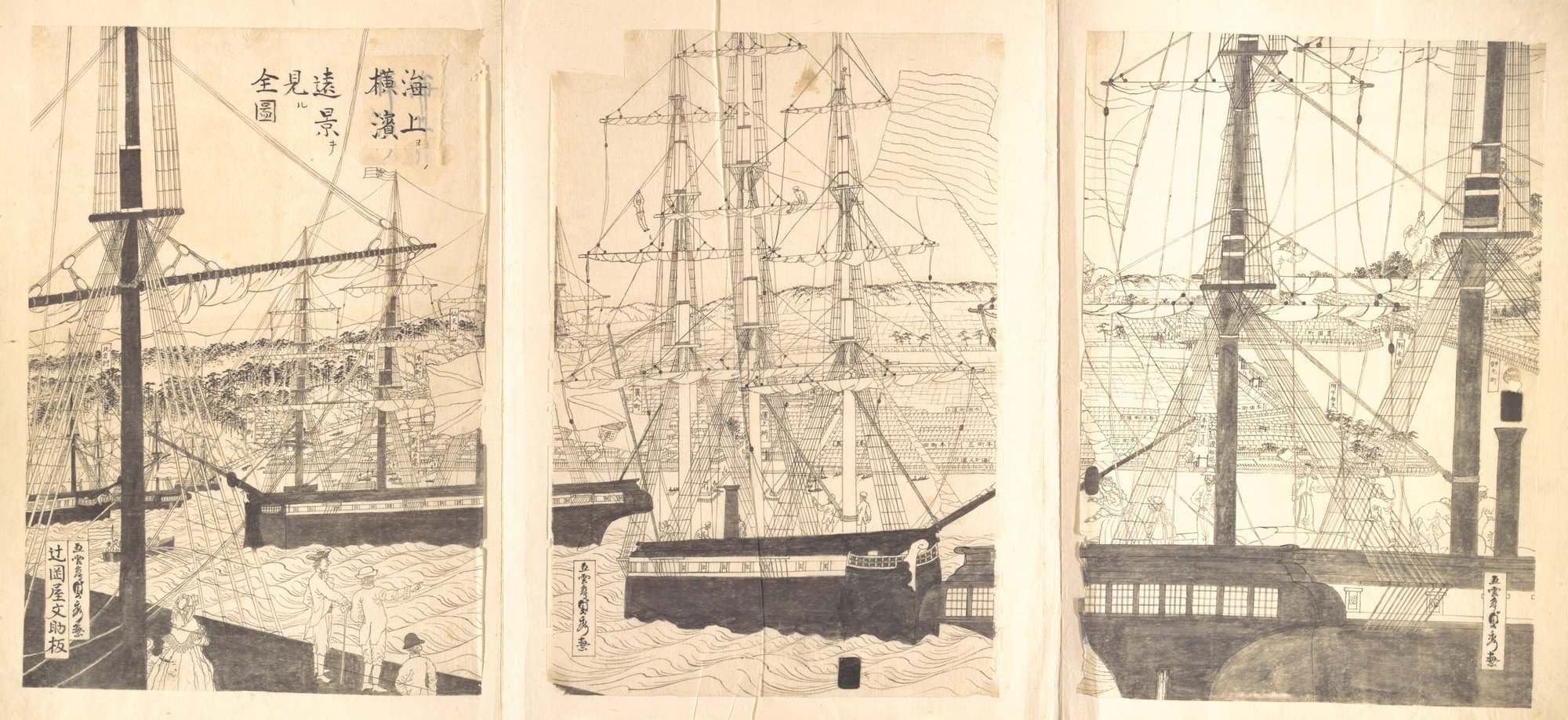
It pairs well with a walk along the Yokohama waterfront. Newer Yokohama Station replaced the first terminal in the early twentieth century, and the port itself has changed beyond recognition since 1872. Even so, the sea air and the view of boats on the bay recall why the line ended here. Yokohama was Japan’s window on the world. Allow an hour for the harbor views and a slow coffee before you move on to the next stop.
A day plan from Tokyo
Begin at Old Shimbashi Station in the morning, when the exhibition hall is calm. Then ride a JR train to Yokohama, the same direction as the first service, and stop at Sakuragicho. Walk the waterfront for lunch. Finish with the Railway Museum if you have the energy, or save it for a second day. The order follows the history, and it also follows the geography.
Planning the rest of the trip
For more small museums in the capital, our guide to unusual museums in Tokyo lists a dozen worth the detour. If you plan to travel on beyond Tokyo, our note on regional rail pass options explains which pass fits which region. Both help you plan a rail-minded trip without crowding the days. For a walk through the older city, Yanaka, the Tokyo district that survived, shows how the capital looked before the tracks multiplied. A day with few stops leaves room to enjoy each one. Trains in Japan keep close to their timetables, so a loose plan still works well. Slow travel suits a subject like this one, and it leaves room for surprises.
Books for Travelling the Lines Today
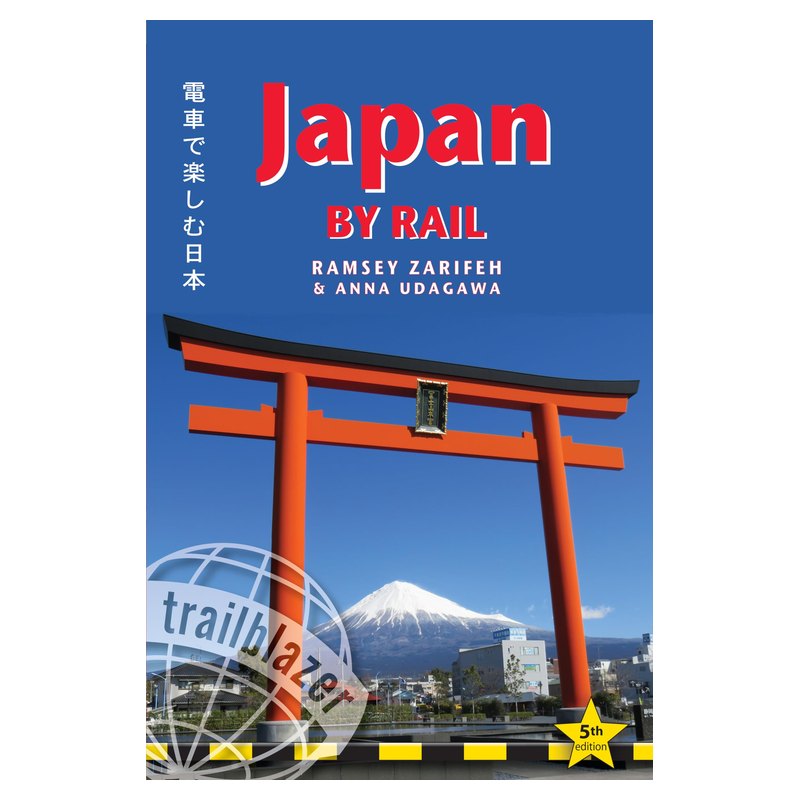
A practical guide to riding Japan’s lines, with routes and stops to match.
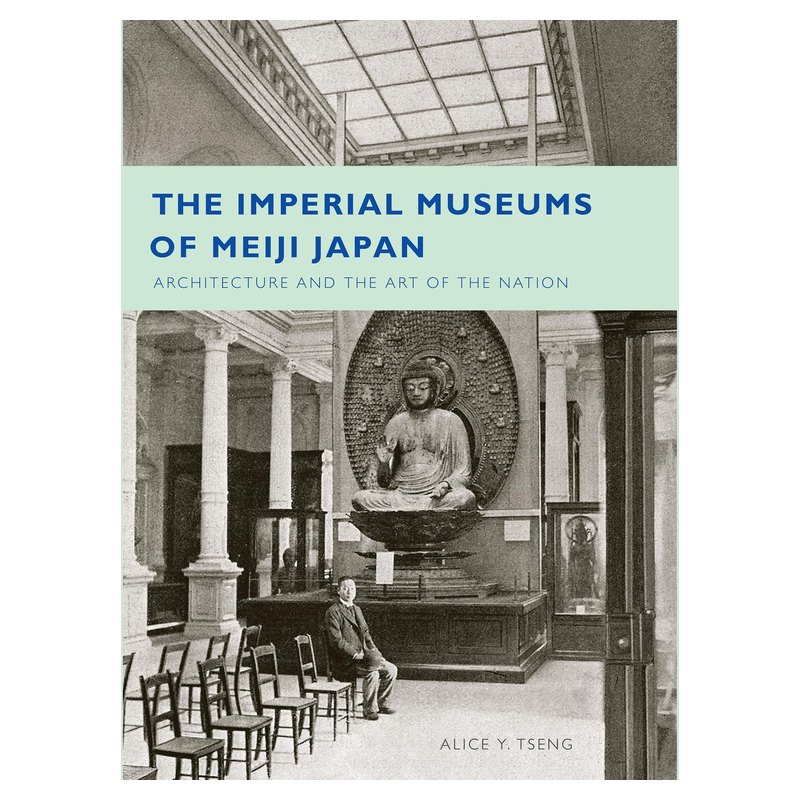
How the Meiji state built museums as statements of a modern nation.
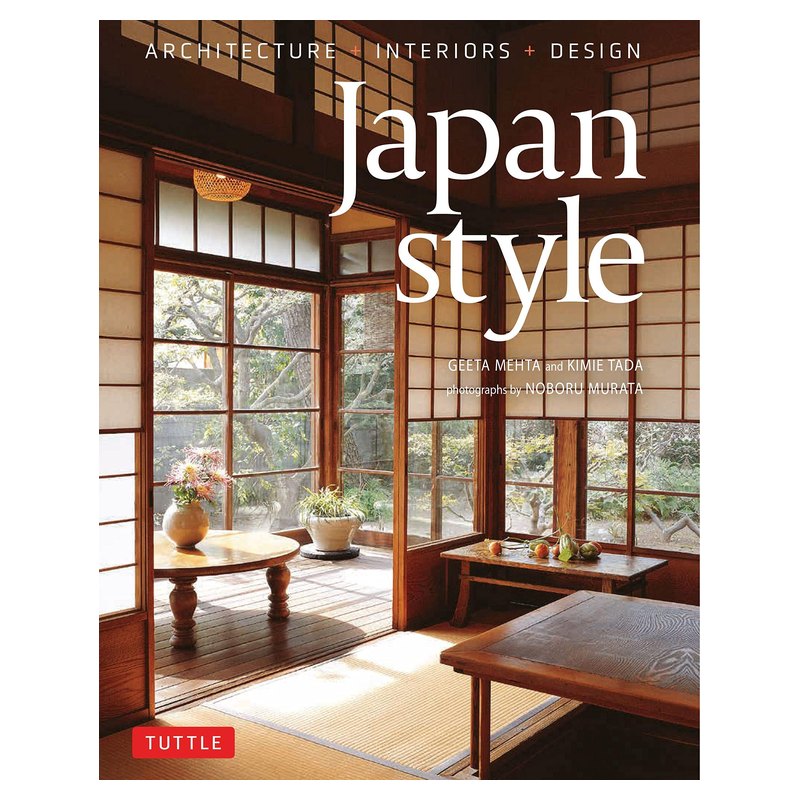
Japanese buildings and interiors, from old forms to modern design.
Reading before you go
A rail trip rewards some reading beforehand. The first book plans your routes, and the second explains the red-brick Meiji buildings you will pass. The third shows how Japanese design carried on after the old lines were laid. With those three, a station platform becomes more than a place to wait. It becomes a place to look.
Pack one in a bag and read a chapter between stops, with the landscape sliding past the window. A long ride is the best reading time a trip offers. The pages mean more when the scenery they describe is moving by outside, and a few chapters can cover a whole day of travel. Choose the book that matches the stop you plan to see next.
You may also like
Those two guides sit close to this one. The first lists small museums in Tokyo, and the second covers rail passes by region. Both suit a traveller who wants the train to be part of the pleasure, and not only the way to get there, for a whole trip. Reading about a place often brings the wish to keep a small piece of it, however modest. A printable folio of ten Japanese proverbs is one such keepsake, and it is on offer just below for any reader who would like it. After that comes a small taste of the same decade, from a bun created in Tokyo only two years after the first train.
Ten Proverbs to Carry With You
A printable folio of ten Japanese proverbs, each set in kanji with its reading and a line on where you will hear it.
Anpan: A Bread From the Same Decade
The railway was not the only import of the 1870s. Bread was another. In 1874, Kimura Yasubei, a former samurai, created anpan at his bakery in Ginza. He filled a soft bun with sweet red bean paste, the filling of traditional manju sweets, as Nippon.com’s guide to anpan records.

Kimuraya presented the bun to Emperor Meiji in April 1875, for a spring outing to view the cherry blossoms. Bakers still top some anpan with a single salted cherry blossom. The Ginza bakery that made it remains open today. Anpan is a fine snack for a train ride, which suits this guide’s theme.

Anpan Recipe: Sweet Red Bean Buns
Whisk 225 grams of bread flour, 3 1/2 tablespoons of cake flour, 1/4 cup of sugar, 1 teaspoon of kosher salt and 1 teaspoon of instant yeast. Add one egg, 3 tablespoons and 1 teaspoon of warm milk, and the same of warm water, then knead until a loose dough forms. Work in 2 1/2 tablespoons of cubed butter and knead for about 15 minutes, until smooth and elastic. Let the dough double, one to two hours. Divide into eight pieces and rest for 15 minutes. Flatten each piece, place 35 grams of red bean paste in the middle, and seal it. Set the buns seam side down on a lined sheet and proof for 30 minutes. Brush with beaten egg, sprinkle with black sesame seeds, and bake at 400 degrees Fahrenheit for 13 to 15 minutes. Cool on a rack.
Bakers have kept the idea alive for a century and a half. Nearly every Japanese bakery sells a version. It is the simplest food to carry on a train, since it needs no plate, no knife and no spoon. A bun in a paper bag is enough.
Anpan holds a place in the story of Japan’s modernization. The bun is Western in form and Japanese in taste. Railway food followed the same pattern, as did many other Meiji ideas. Foreign shapes were filled with local content. That blend still shapes Japanese food, and it explains why a train station bakery can feel so Japanese.
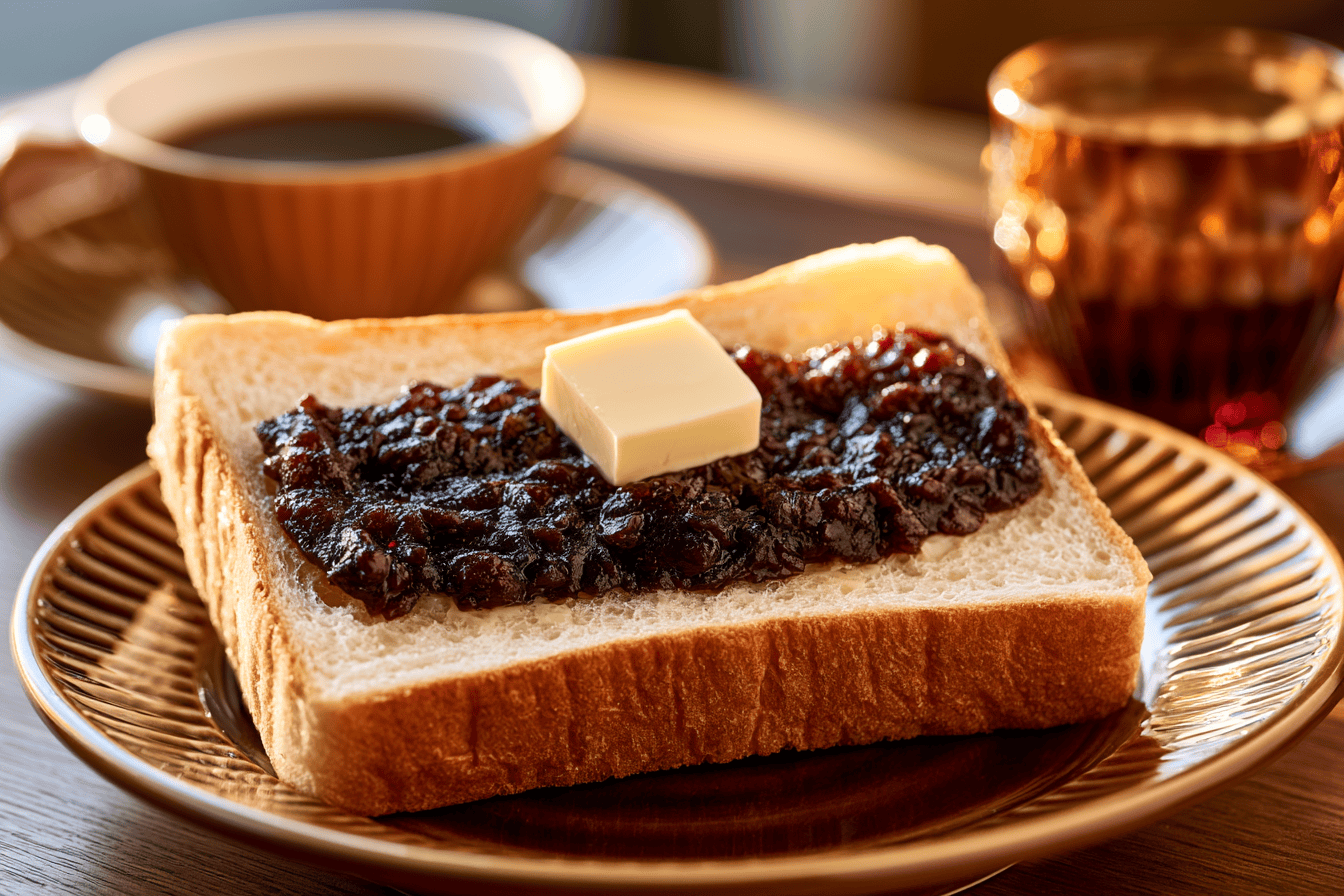
A slice of toast with bean paste and butter is a quick way to taste the same filling at home. Pair it with coffee or hot tea. Then bake the buns above when you have an afternoon to spare, and keep a few for the next day.
Travelling the Old Line Today
You do not need to be a railway enthusiast to enjoy this history. The first railway in Japan is the root of everything you will ride there. Every punctual departure and every tidy platform grew from it. Next time you board in Tokyo, remember the roof riders of 1854 and the engineers of 1880.
Recommended
The pattern is worth noticing. Japan borrowed a machine, hired teachers, built a school and then handed the work to its own graduates. That sequence took less than thirty years, from the first British engineers in 1870 to a Japanese-built locomotive in 1893. Few countries have moved from student to maker so fast.
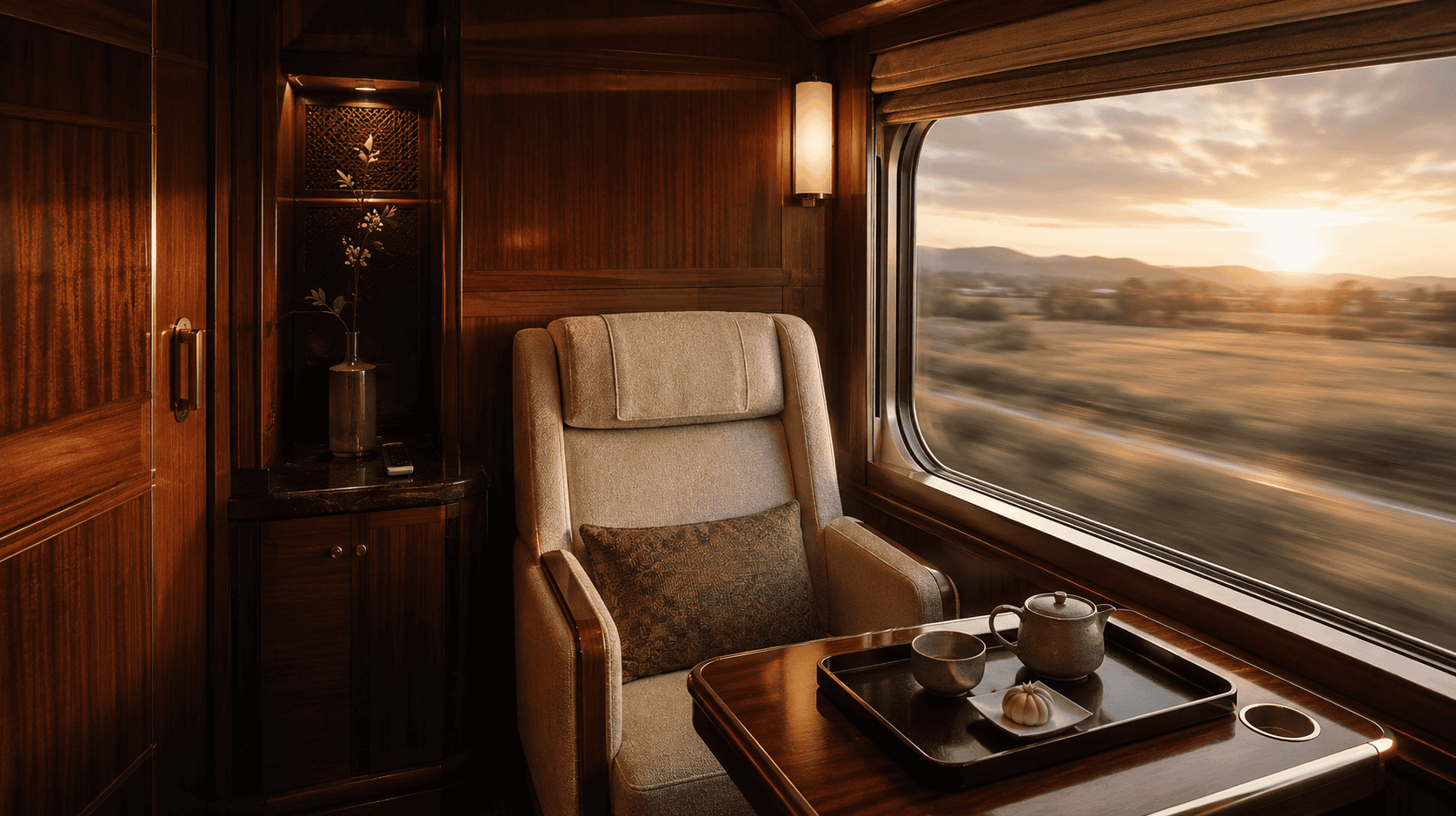
Riding the line today
Ride the modern line between Tokyo and Yokohama and you follow the old route. Several of the original stops, Shinagawa, Kawasaki and Tsurumi, are still stations on the JR line today. The sea has gone from view behind landfill and buildings, but the direction and the pace of the journey are the same. Watch for the moment the city thins and the bay appears.

A good habit on any rail day is to write down what you notice. A station name, a time or a view from the window is enough. Those small notes become a record of the trip, and they bring the history home. Add one line for each place you visit, and the list will read like a timetable of your own.
Planning a rail-minded trip
The tools below help with the practical side of a trip to Japan, from the first route to the notes you keep on board. Each one is made for travellers who want to move with care. Use them alongside the museum calendars, and let the history set the pace of your days. A good plan leaves time for one slow platform and one long look at an old locomotive.
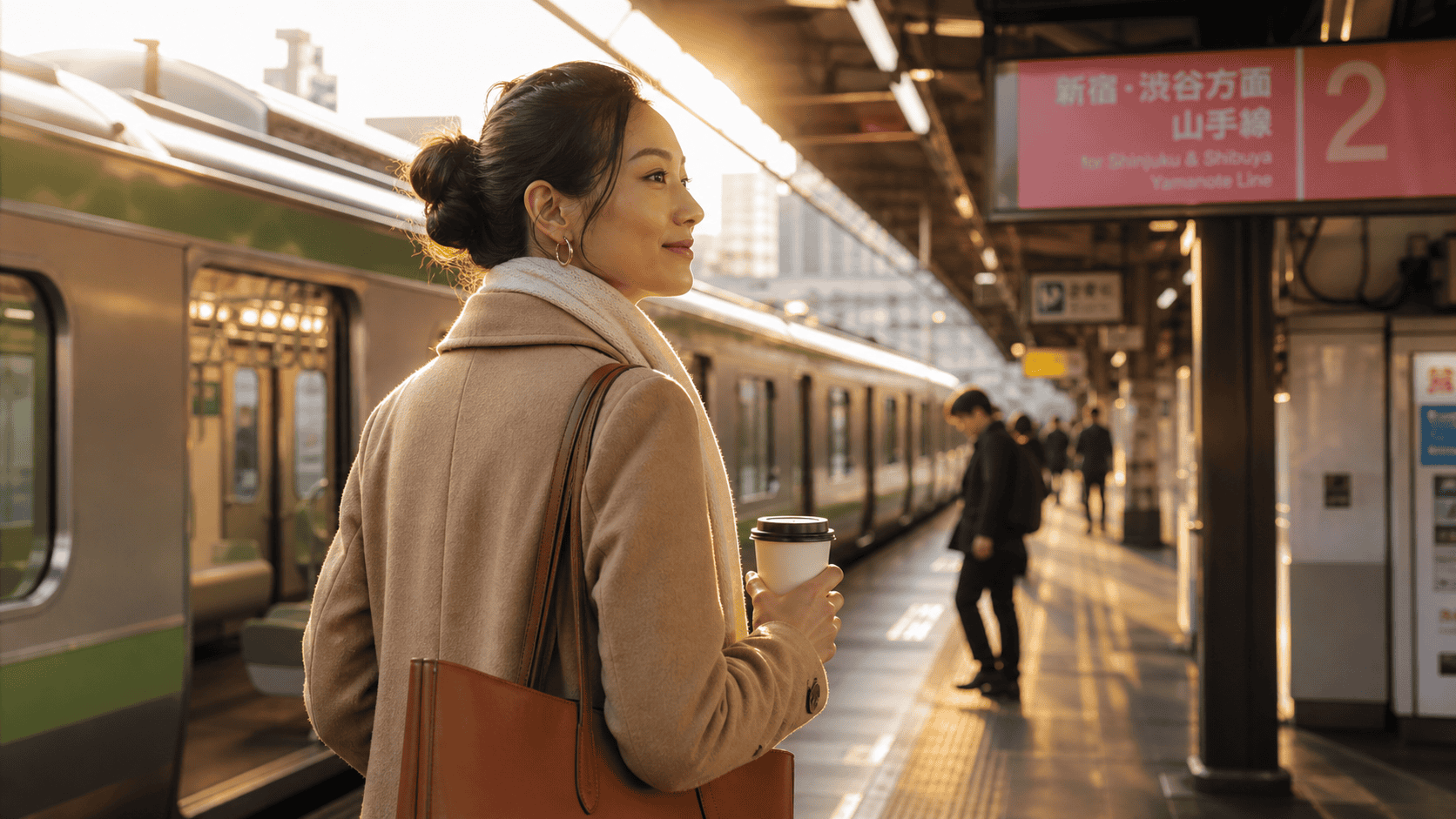
A short list helps on a rail day. Choose one place from the three stops above, and leave the rest of the day open for the line itself.
A trip built around railways needs good order more than a long list of sights. Old Shimbashi Station, the Railway Museum and Sakuragicho fit one day or three, depending on the pace you prefer. Our team can match those stops to the rest of your route. For example, we can place you in Yokohama for an evening on the waterfront, or on a window seat for the best view of Mount Fuji. We can also leave slow afternoons for a long lunch, a bakery in Ginza or a private guide through Meiji Tokyo.
A Japan trip built along its railways
Our team builds custom itineraries around railway history, from a private morning at Old Shimbashi Station to a window seat on the Shinkansen. Expect unhurried days, well-timed connections and evenings in rooms with a view of the bay.
Plan Your Custom Japan ItineraryQuestions Worth Asking
When was the first railway built in Japan?
Construction began in 1870, and the first line, from Shimbashi in Tokyo to Yokohama, opened on 14 October 1872 with Emperor Meiji present. Regular trains had run between Shinagawa and Yokohama since 12 June 1872. The line was about 29 kilometers long.
Who built Japan’s first railway?
British engineers led the work. Edmund Morel, the first Engineer-in-Chief, planned the line but died in November 1871. His assistant John Diack finished it, and Inoue Masaru, Japan’s first Director of Railways, supervised for the government. British makers supplied the locomotives.
How long was Japan’s first railway?
About 29 kilometers, or 18 miles, with four stops between: Shinagawa, Kawasaki, Tsurumi and Kanagawa. Early timetables are quoted at 53 minutes end to end, while the East Japan Railway Culture Foundation Review gives 35 minutes for the finished line.
When did Japan start building its own railways and locomotives?
Japanese engineers built the Osakayama Tunnel between Kyoto and Otsu without outside help, and it opened in 1880. Japan built its first locomotive, Class 860, at Kobe in 1893. The Class 9600 freight engine, built from 1913, was its first full-scale main-line freight locomotive.
Where can you see Japan’s first train today?
The British-built locomotive No. 1 of 1871 stands near the entrance of the Railway Museum in Omiya, Saitama. Old Shimbashi Station in Tokyo keeps the original 0 Mile marker and exhibits from the line. A monument near Sakuragicho Station in Yokohama marks the other end.
How did the Shinkansen change the first railway’s story?
The Tokaido Shinkansen opened in 1964 and reached 210 kilometers an hour, a world record then. As of 1997 it ran more than 280 trains a day between Tokyo and Osaka and carried more than 360,000 passengers daily. Japan, once a student of British railways, now led the world.