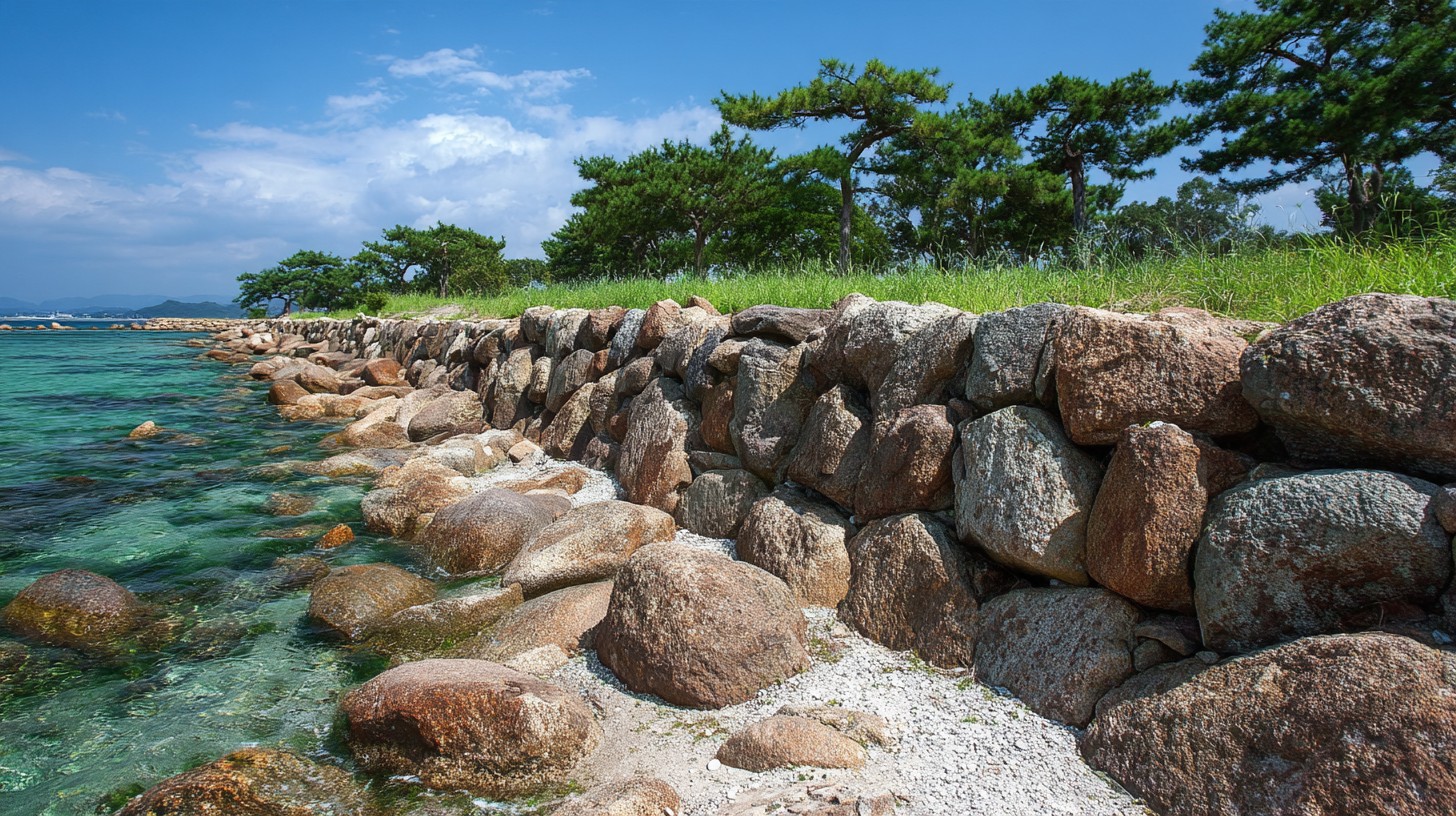
The kamikaze meaning most people know is wrong by about six centuries. The word is Japanese for “the wind that saved Japan,” and it first belonged to a storm. In the summer of 1281, a typhoon struck the largest invasion fleet Japan had ever faced and wrecked it off the coast of Kyushu.
The word was only borrowed later, for pilots in 1944. This guide starts with the storm and the men who waited for it behind a stone wall. It then follows the fleet to the seabed, where divers are still finding what the typhoon left. Finally, it shows where to stand in Fukuoka and on Takashima island to see the story for yourself.
What does kamikaze mean?
Kamikaze (神風) is Japanese for “the wind that saved Japan.” It names the typhoon of 1281 that wrecked Kublai Khan’s second invasion fleet off Kyushu. The word is more than six centuries older than the pilots of 1944 who were later given it. Divers are still finding the fleet’s ships off Takashima island.
What Is the Real Kamikaze Meaning?
The kamikaze meaning starts with how the word is written. Kamikaze is written with two characters, 神風, and Japanese speakers also read them as shinpu. The word is older than the Mongol fleets. Poets had used it for centuries as a set phrase, long before any typhoon carried the name.
It became a historical term in the years after 1281. Japan had survived a vast invasion, and the storm that ended it arrived at a remarkable moment. People remembered it as the wind that saved Japan, and that is the original kamikaze meaning. The phrase stuck, so it still names that one summer.
One word, two meanings
In English, the kamikaze meaning now points mostly to the pilots of the last year of the Pacific War. That second use is a borrowing. In 1944, Japan’s navy took the old name for its suicide units, so that it recalled the storm of 1281. Both uses are real, yet they belong to different centuries. The older one is the subject of this guide, and it is a story of walls, ships and weather.
What Happened at Hakata Bay in 1274?
The first invasion came in the autumn of 1274. A Mongol-led force of about 30,000, made up of Mongol and Korean troops, crossed from the Korean peninsula. It took Tsushima and Iki, two small islands on the way. On 19 November it entered Hakata Bay at dawn, according to Nippon.com’s account of the invasions.
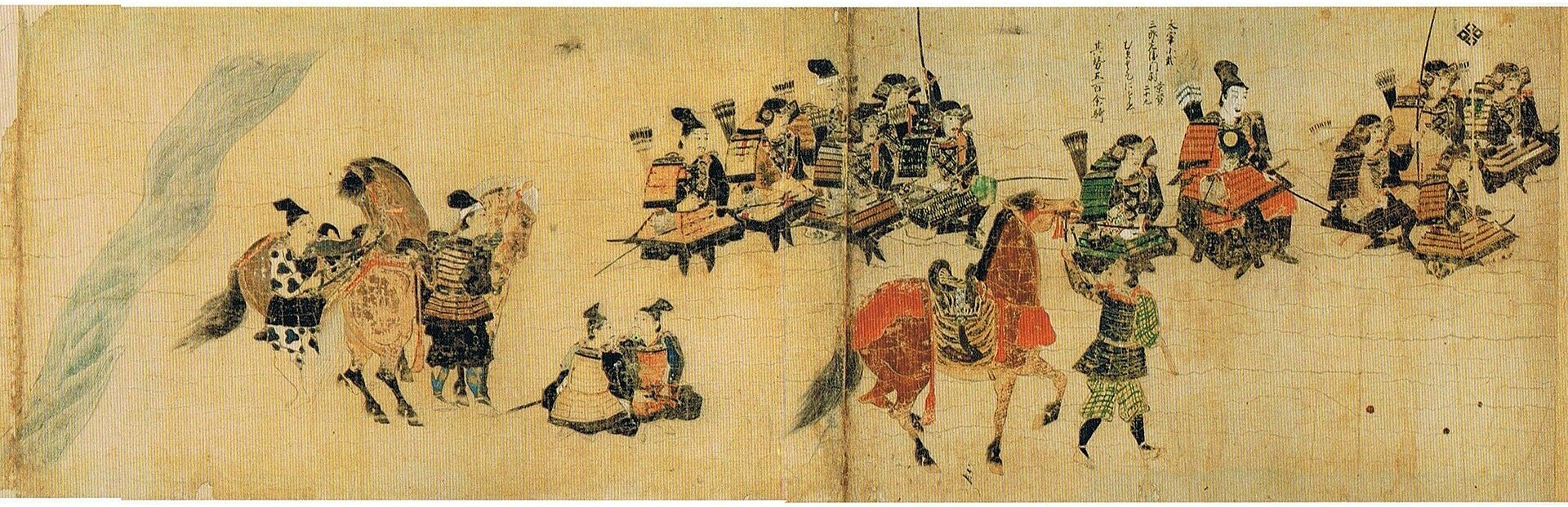
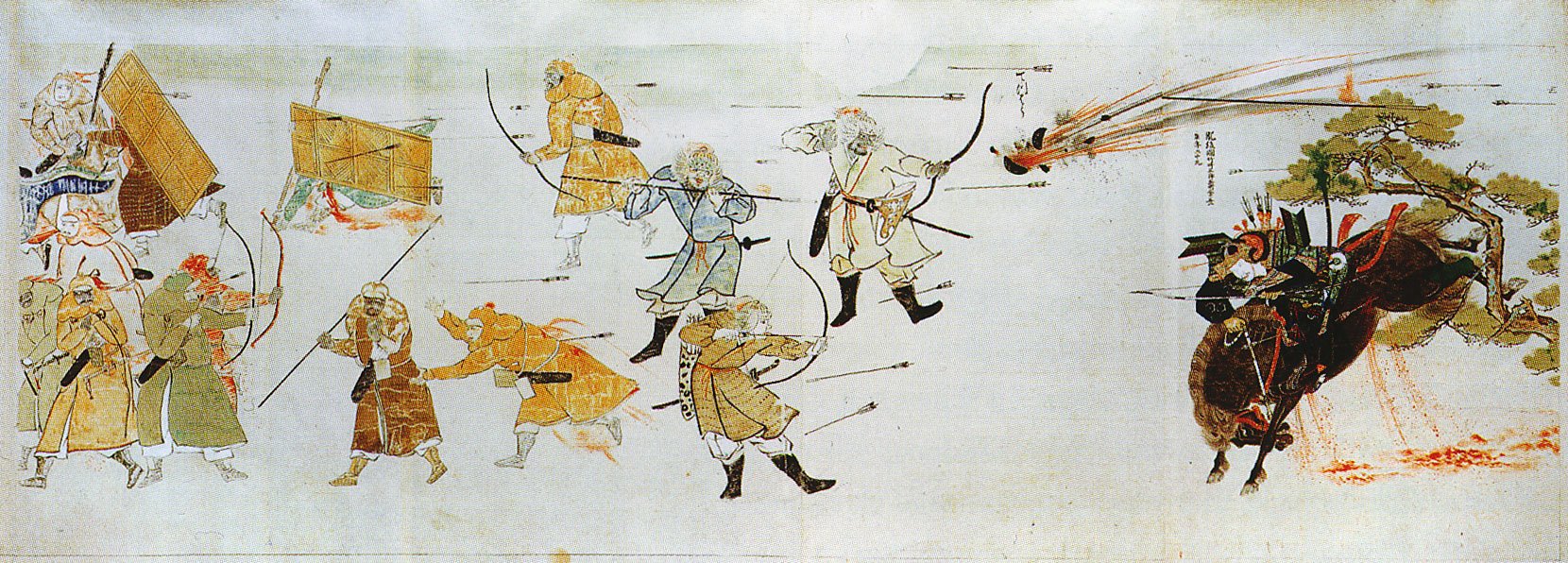
The defenders were not ready for the way the invaders fought. Mongol units moved in groups, while samurai still sought single combat on horseback. The attackers also used explosive projectiles, which frightened the horses. By the end of the day, the Japanese had pulled back from the beach.
The fleet that vanished overnight
Then came the puzzle. On the morning of 20 November, the invasion ships had gone. Historians still disagree on why. Some point to a storm, while others cite low morale or the plan itself. One view holds that the raid was only a probe, so the army never meant to stay. Because of that gap, the sources do not agree that a typhoon saved Japan in 1274.
What is certain is that the shogunate took the warning seriously. It did not wait for a second attempt. Instead, it began to build a defence for the whole bay.
Why Did Japan Build a Wall Along Hakata Bay?
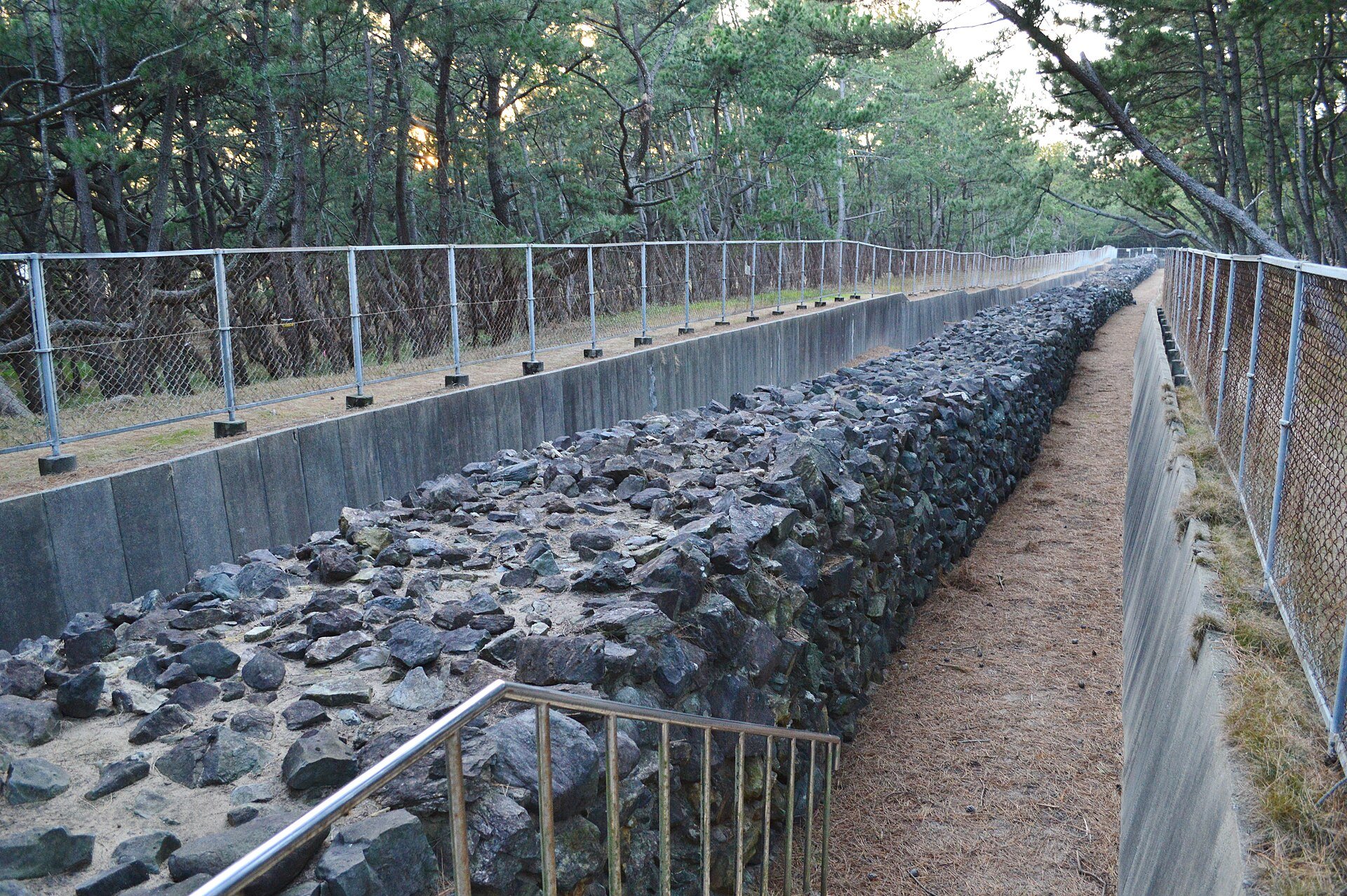
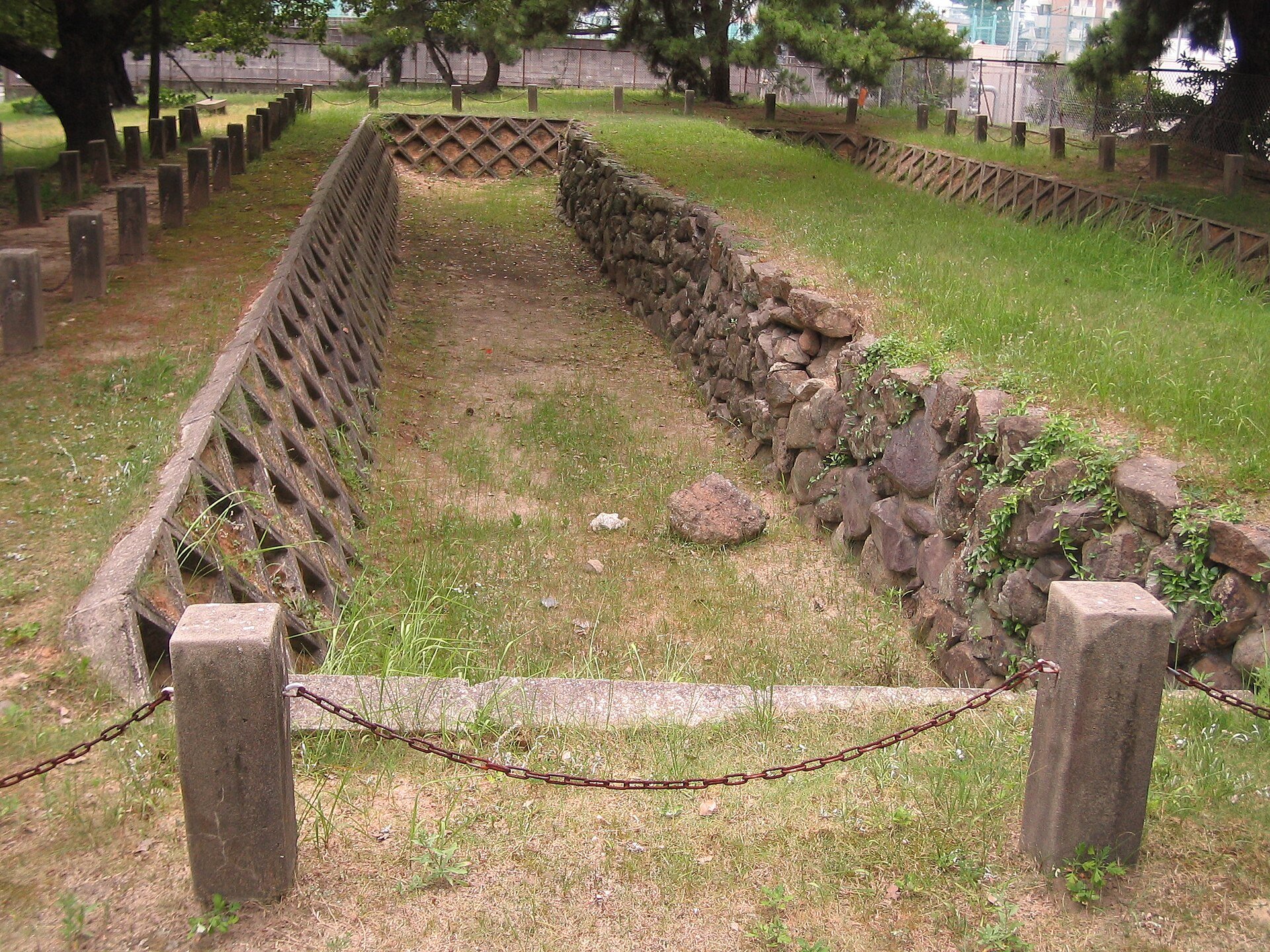
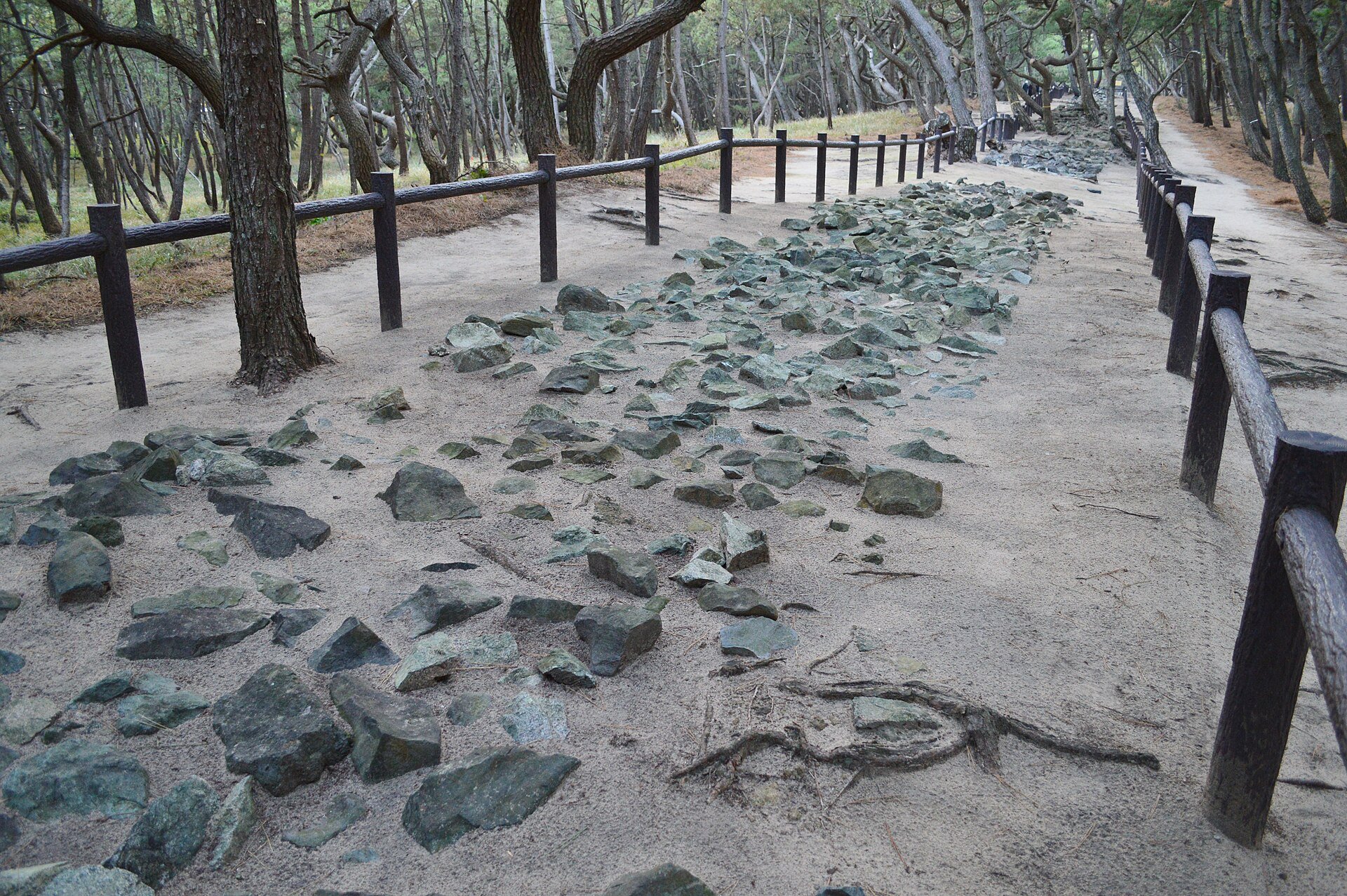
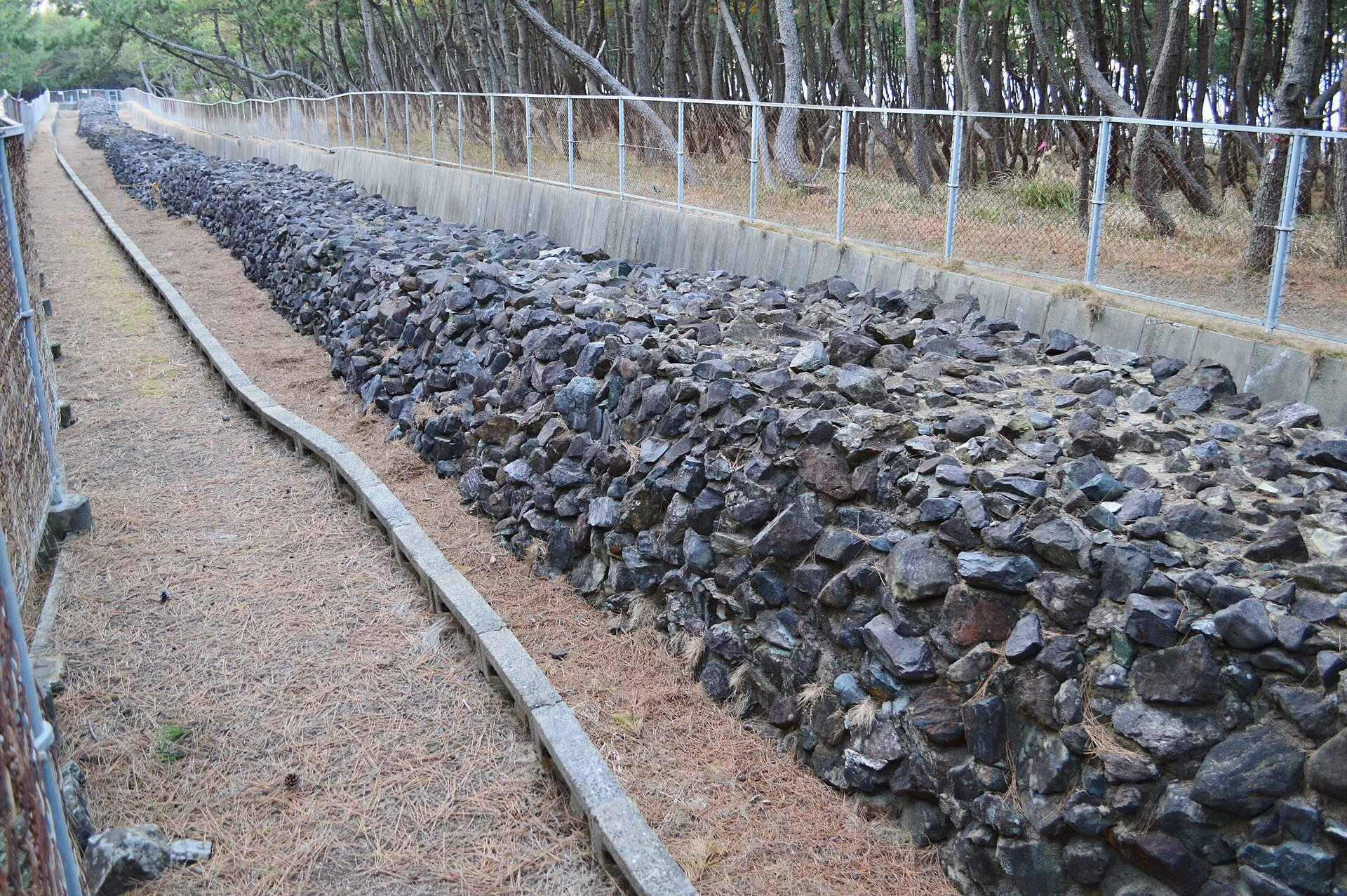
The Kamakura shogunate began the wall in March 1276, and the work took about six months. It is known as the Genko Borui, a stone barrier meant to deny the Mongols a landing. Fukuoka’s tourism board describes it as about 20 km of stone along the coast, standing roughly 2.5 to 3 m high on the sea side.
You may also like
The scale was large for the time. A wall of that length meant the whole coast of the bay had to be held at once. It was a very practical answer to a problem the first landing had shown. The Mongols had gone ashore wherever they liked, and now there would be stone in their way.
The wall also changed the plan of the second invasion. With no suitable beach to land on, the invaders stayed afloat for weeks and ran low on supplies. Their ships waited offshore, packed together in the open bay. In August, that waiting would matter more than any battle.
What Happened When the Fleet Returned in 1281?
Kublai Khan sent two fleets in the summer of 1281. Roughly 900 ships sailed from Korea, and about 3,500 left southern China. A combined figure of 140,000 men is often quoted, though historians dispute it. Some argue the true number was far lower, perhaps a tenth as large.
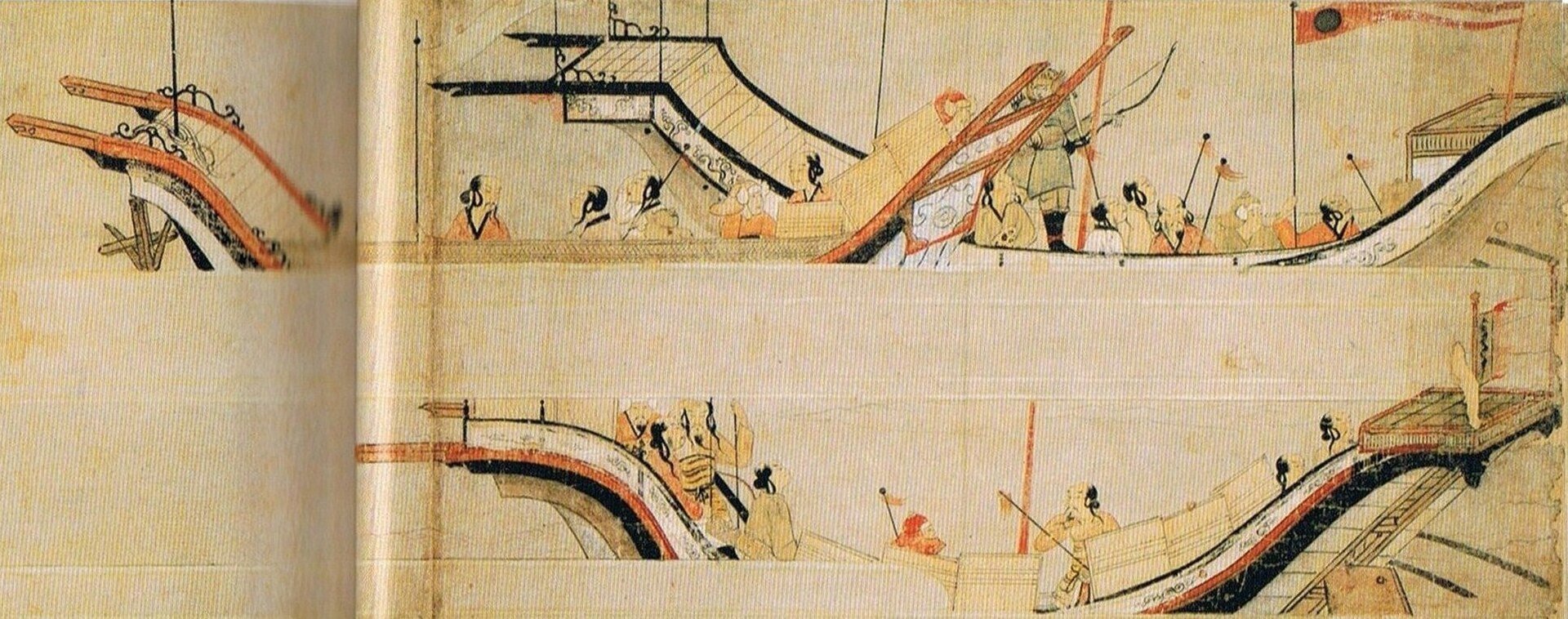
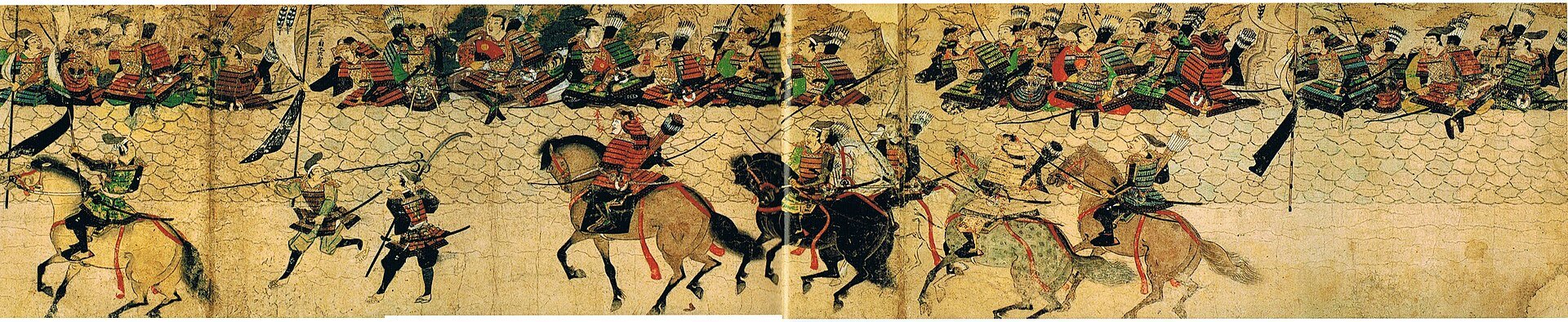
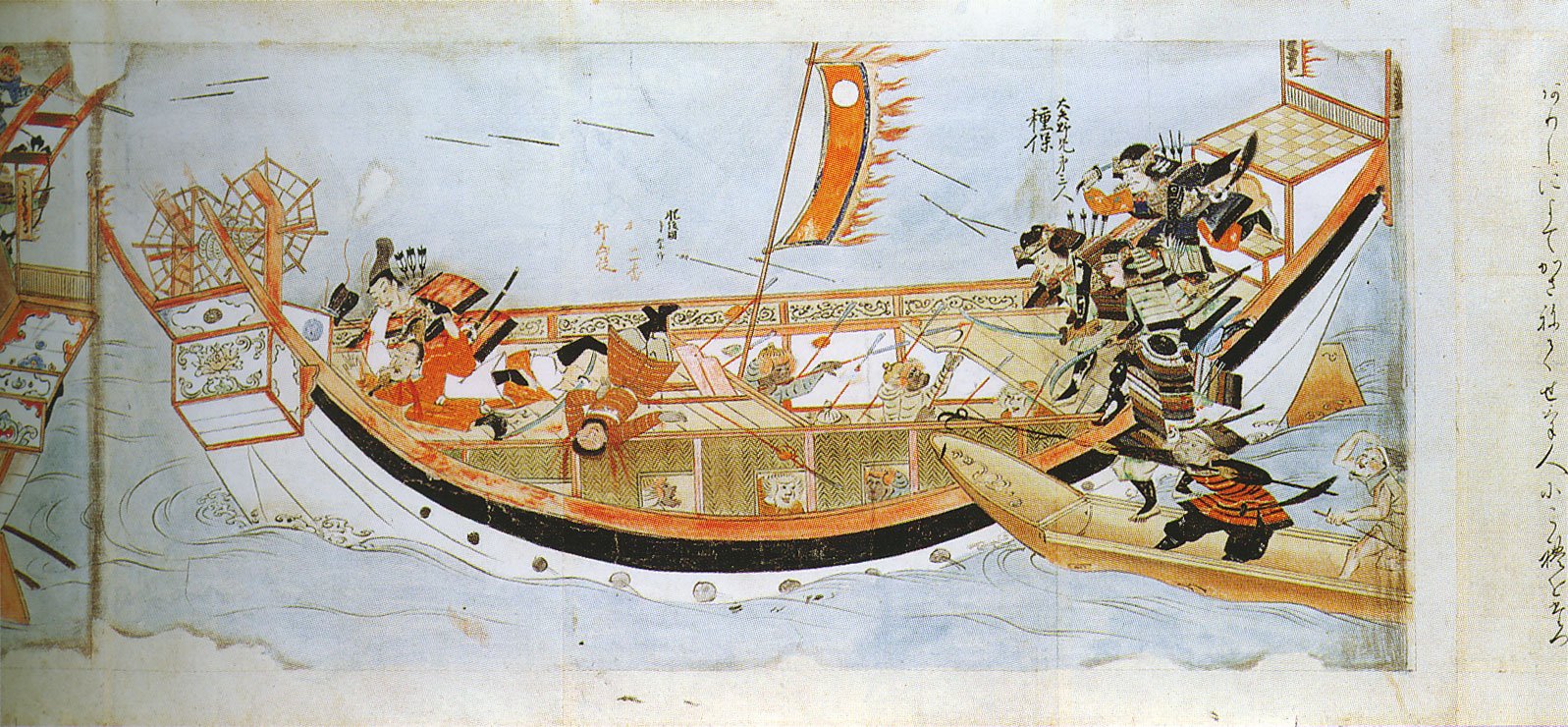
The eastern fleet attacked Tsushima and Iki in June, then struck Hakata Bay. However, the wall held. Fighting settled into a standoff that lasted weeks. The scroll of the samurai Takezaki Suenaga shows his comrades rowing out to attack the ships in small boats.
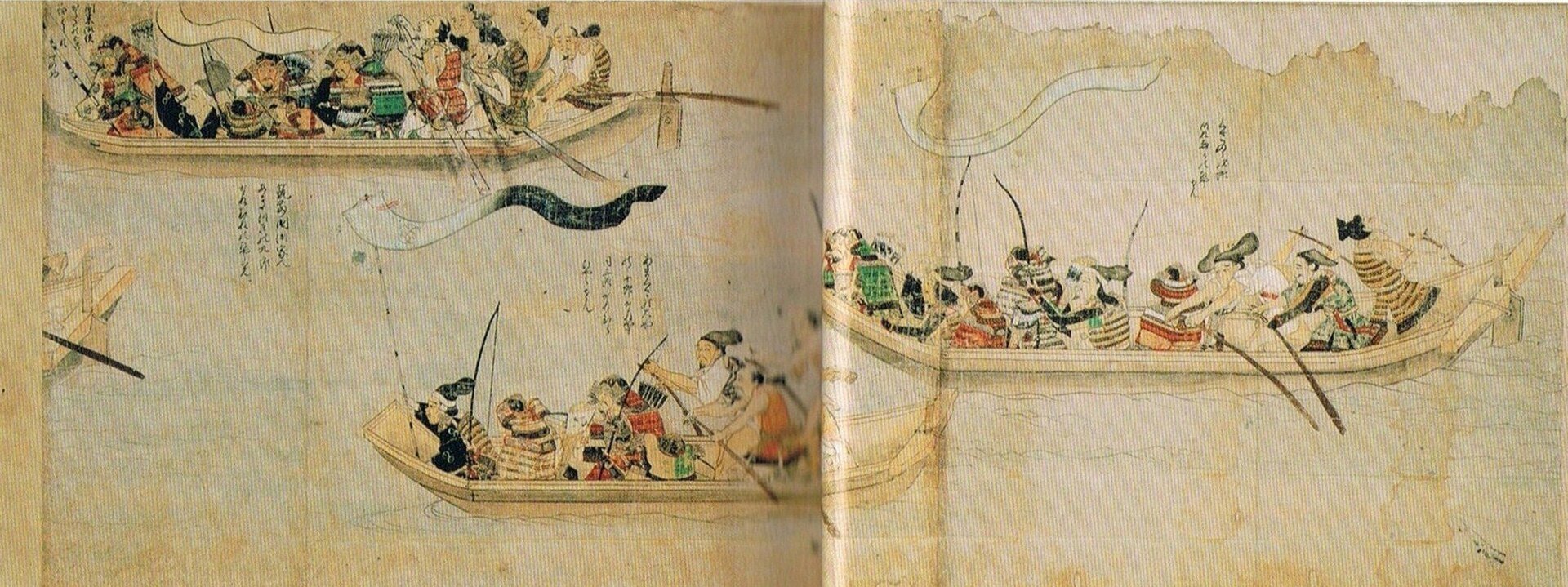
The storm in mid-August
Then the weather turned. A typhoon swept across Kyushu in mid-August, with sources giving 15 or 23 August depending on the calendar used. The ships were anchored shoulder to shoulder in a bay with no shelter, so many were smashed against each other. Korean records say 7,592 of 26,989 men in the eastern fleet did not return. Chinese and Mongol sources suggest losses of 60 to 90 percent.
Nippon.com notes that scholars agree the 1281 typhoon was catastrophic for the invaders. The Japanese who survived those weeks did not credit chance. They credited the wind. That is where the word kamikaze begins. The storm gave a defeated invasion a name, and the name carried a promise that Japan would always be sheltered by its own weather. Whether or not the storm decided the war on its own, the belief it created shaped how a whole country remembered the summer. For the families on the coast, that memory mattered more than any argument about the exact day of the storm, because it gave the long years of watching and waiting a clear ending.
Three Books on the Mongol Fleets
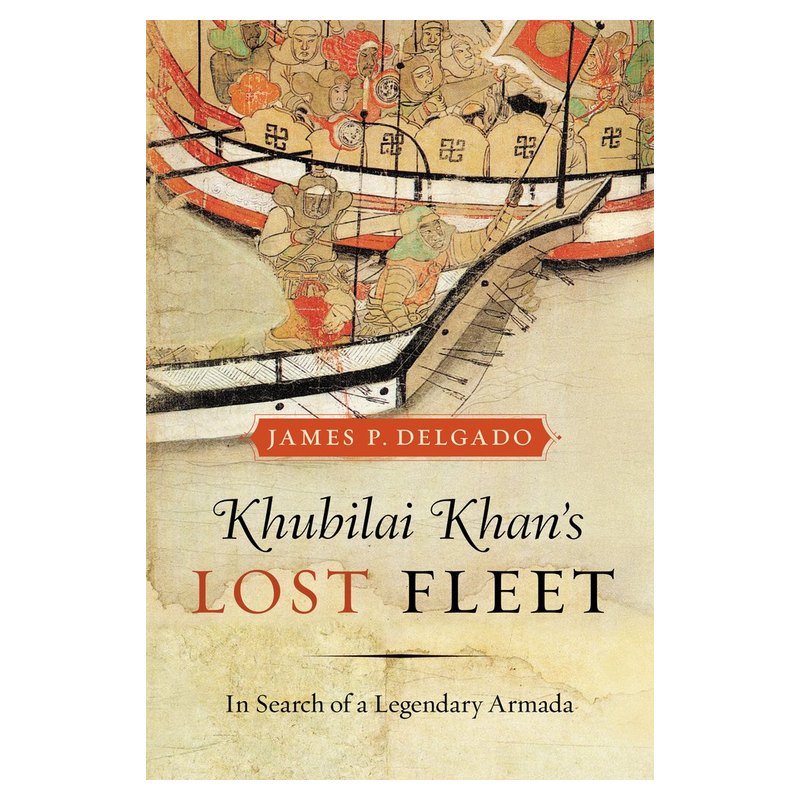
The author dives the Takashima site and follows the search for the wrecks.

A translation of the scrolls painted by a samurai who fought in both invasions.
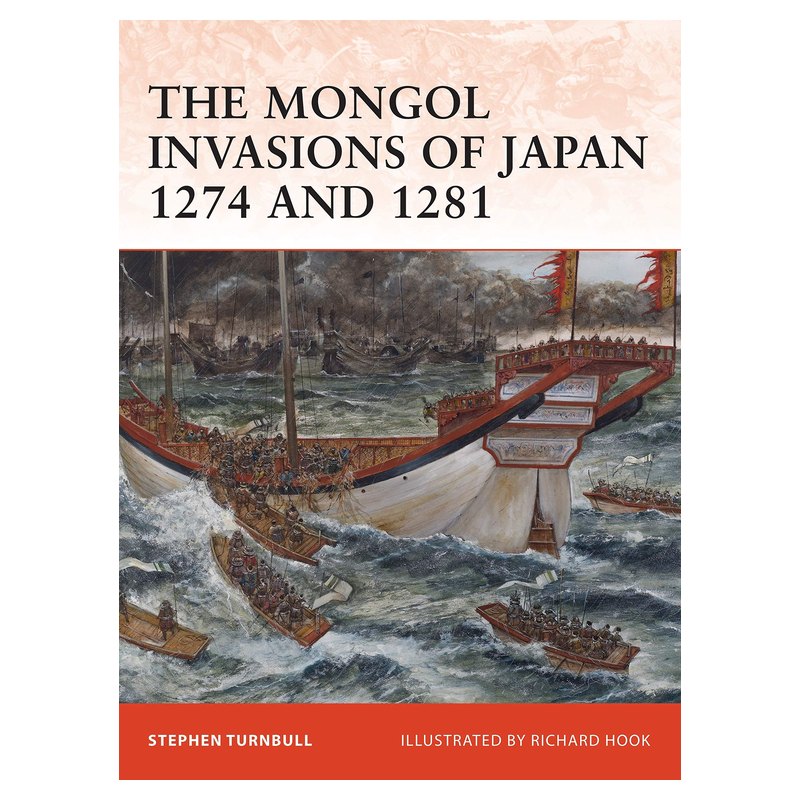
A concise account of both campaigns, with the arms and tactics of each side.
If you read only one of these, start with the scroll translation. It lets you meet the story through a man who stood on that coast, rather than through later retelling. The Delgado book is the best companion for the seabed chapter that follows. Turnbull then fills in the weapons, ships and tactics for readers who want the military detail.
Who Sailed Against Japan?
It is easy to picture the fleet as purely Mongol. In fact, it was not. The southern fleet came largely from conquered Song China, with shipbuilders, sailors and soldiers pressed into service. The eastern fleet came from Korea, whose shipyards and forests paid a heavy price. Delgado wrote that the invasion was Mongol only in name, and the seabed bears this out.
Only about one percent of the objects raised from the main wreck are Mongolian. The rest are Chinese. That matches what the documents say about a navy built in a hurry from the resources of an empire. It was large, but it was not united. A fleet gathered from three nations, crossing open water in the typhoon season, was a fragile thing.
For the invaders’ side of the story, the best guide is a biography of Kublai Khan himself. He ruled China and a vast empire beyond it, and Japan was one of his failures. Two further books on the Mongol court give the wider picture of an empire that could raise a fleet counted in the thousands, yet could not control the weather.
Three Books on the Khans and Their World
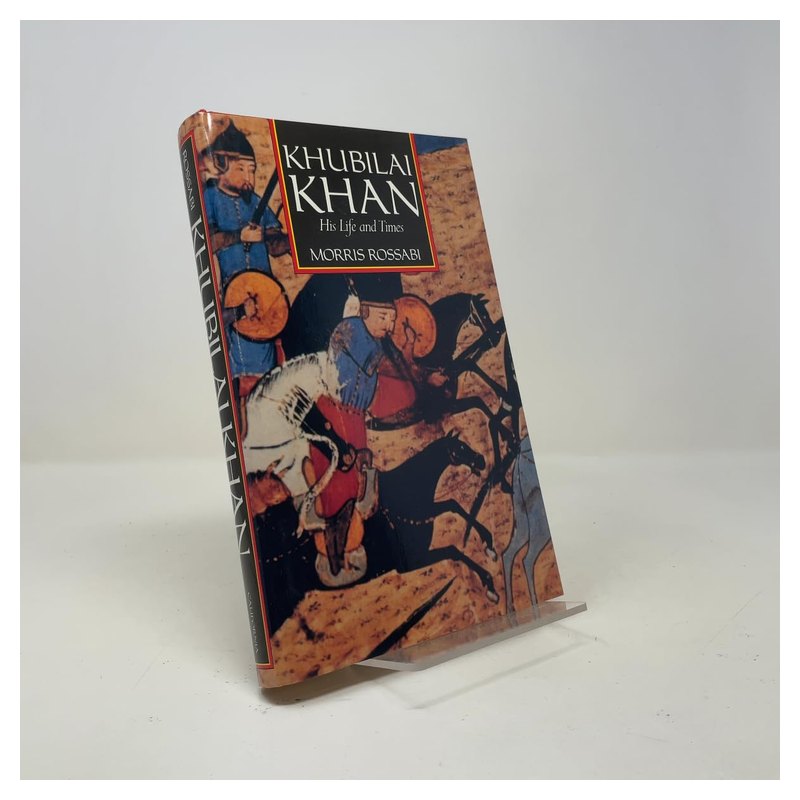
The standard life of the ruler who sent both fleets across the sea.
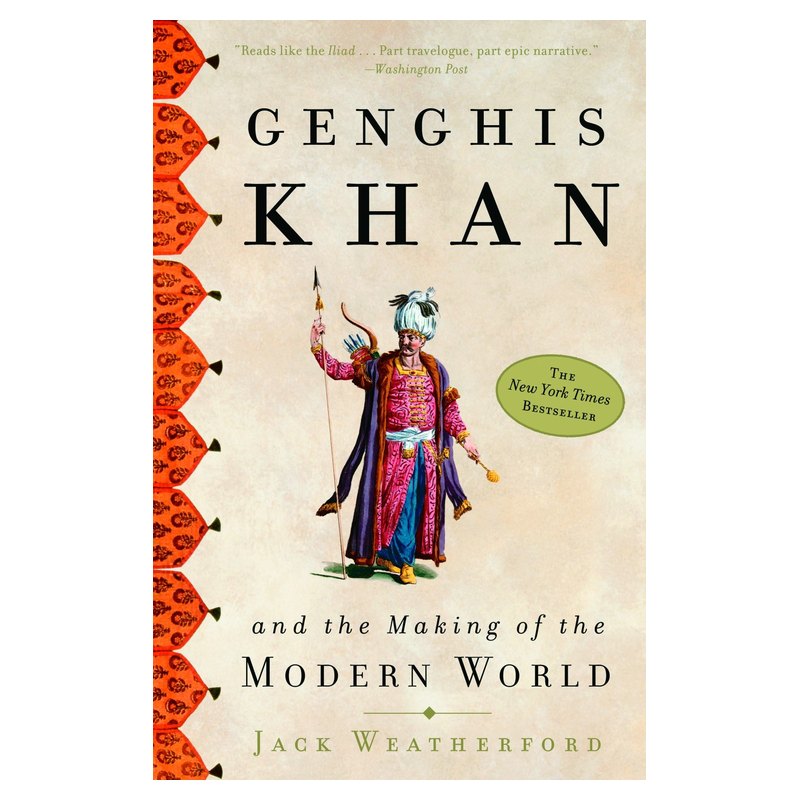
How the Mongol court moved goods, people and ideas across Eurasia.
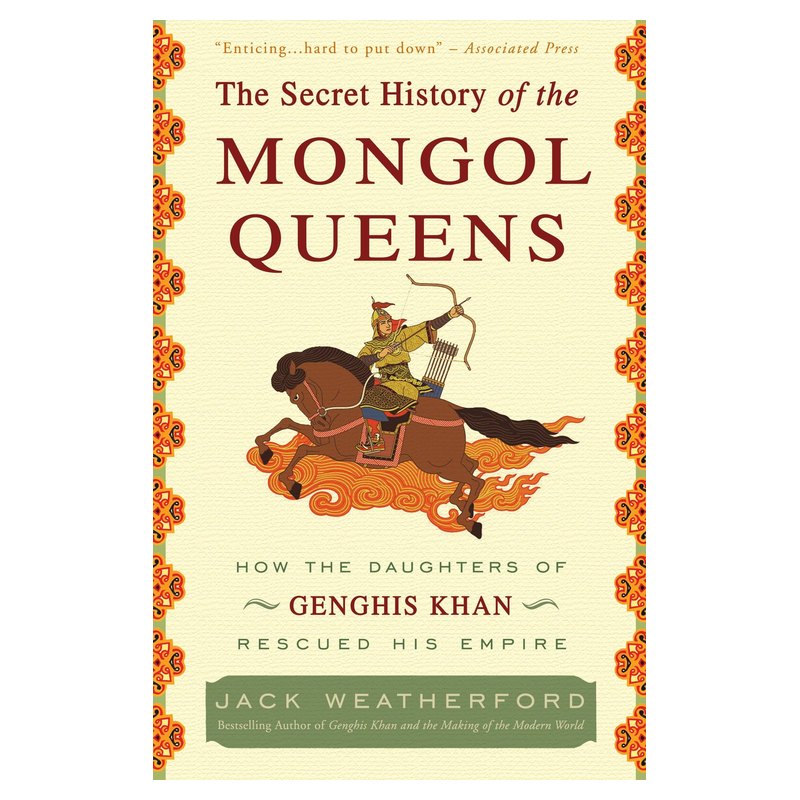
The women who ran the empire’s households and, at times, its politics.
What Have Divers Found Off Takashima?
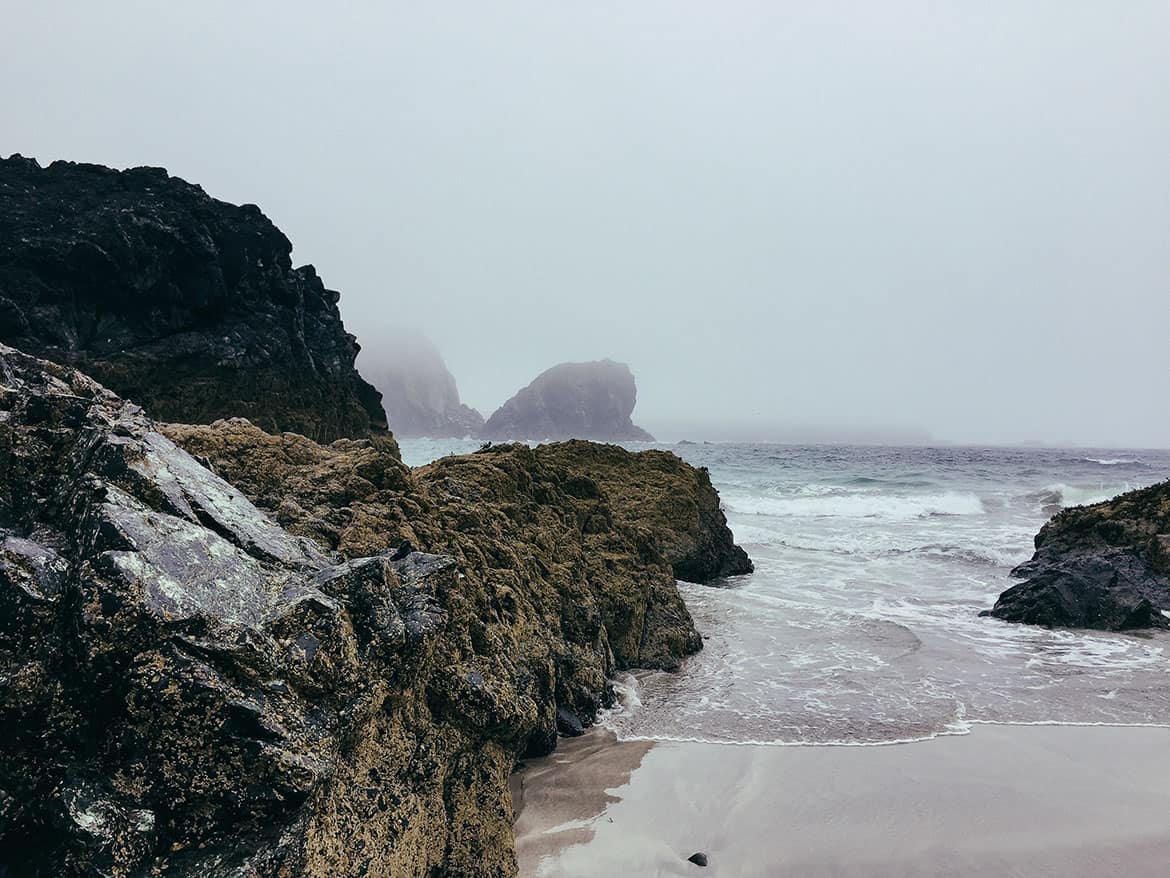
Takashima is a small island in Imari Bay, off the coast of Nagasaki Prefecture. A bridge, finished in 2009, now links it to the mainland of Kyushu. The Mongol fleet was anchored in these waters when the typhoon hit. Fishermen had been pulling up strange objects for generations, long before archaeologists arrived.
In 1980, fishermen found a bronze seal in Chinese and Phagspa script, marking a Mongol commander. A year later, divers recovered iron swords, stone catapult balls and spearheads. Since 1991, annual field seasons have worked the site. In October 2001, the team found the remains of a ship, as Archaeology magazine reported.
What the wreck held
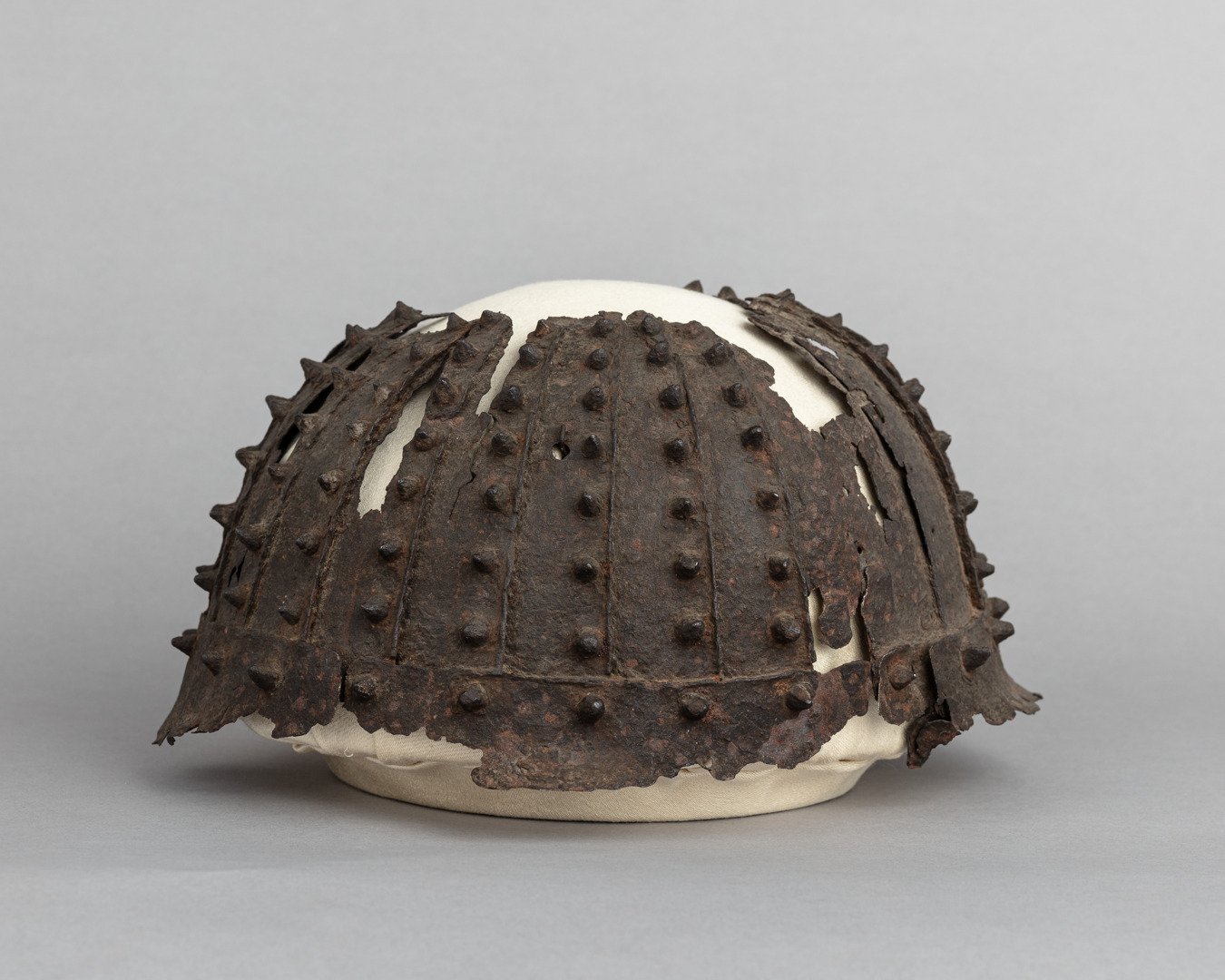
That wreck lay in about 45 feet of water, under four feet of mud. The mud had kept the wood and the cargo safe for seven centuries. The list of finds is long, and each item answers a question the documents could not.
- More than 80 swords and sabers, plus bundles of iron arrow tips.
- An upright Mongol helmet and scraps of red leather armor.
- Six ceramic bombs, which Archaeology magazine calls the earliest known exploding projectiles.
- Large numbers of crude storage jars and tortoiseshell combs.
X-rays of two of the bombs showed one filled with gunpowder alone. The other held powder and more than a dozen square pieces of iron shrapnel. In other words, the weapon that frightened the horses at Hakata in 1274 is now in a museum case. A single piece of pottery even carried the name of a commander, painted on a small bowl.
More ships, and a national site
The search did not stop there. In 2011, a team led by Yoshifumi Ikeda of the University of the Ryukyus found another ship from the fleet. In 2015, a second vessel about 65 feet long was located, and its ironware tied it to one of the two Mongol fleets. Japan designated the seabed a National Historic Site in 2012, the first underwater site given that status.
Kenzo Hayashida, who led the field seasons for years, believes hundreds of ships, not thousands, lie buried off the island. Their number matters less than their condition. Because the mud sealed them so well, each new find is a chance to read the fleet’s own cargo. The seabed site is not open to the public, so the museum is where visitors meet the finds.
You may also like
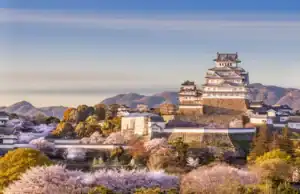
What Did the Wind Change in Japan?
Victory brought no reward. The shogunate had won by defending, so there were no new lands to hand out. The warriors who had built walls and watched the coast for years expected payment, yet there was nothing to give. Resentment grew, and the age of the warrior women told in our guide to female samurai lay not far ahead. In 1333, a little over fifty years later, the Kamakura shogunate fell. The invasions were one of the causes.
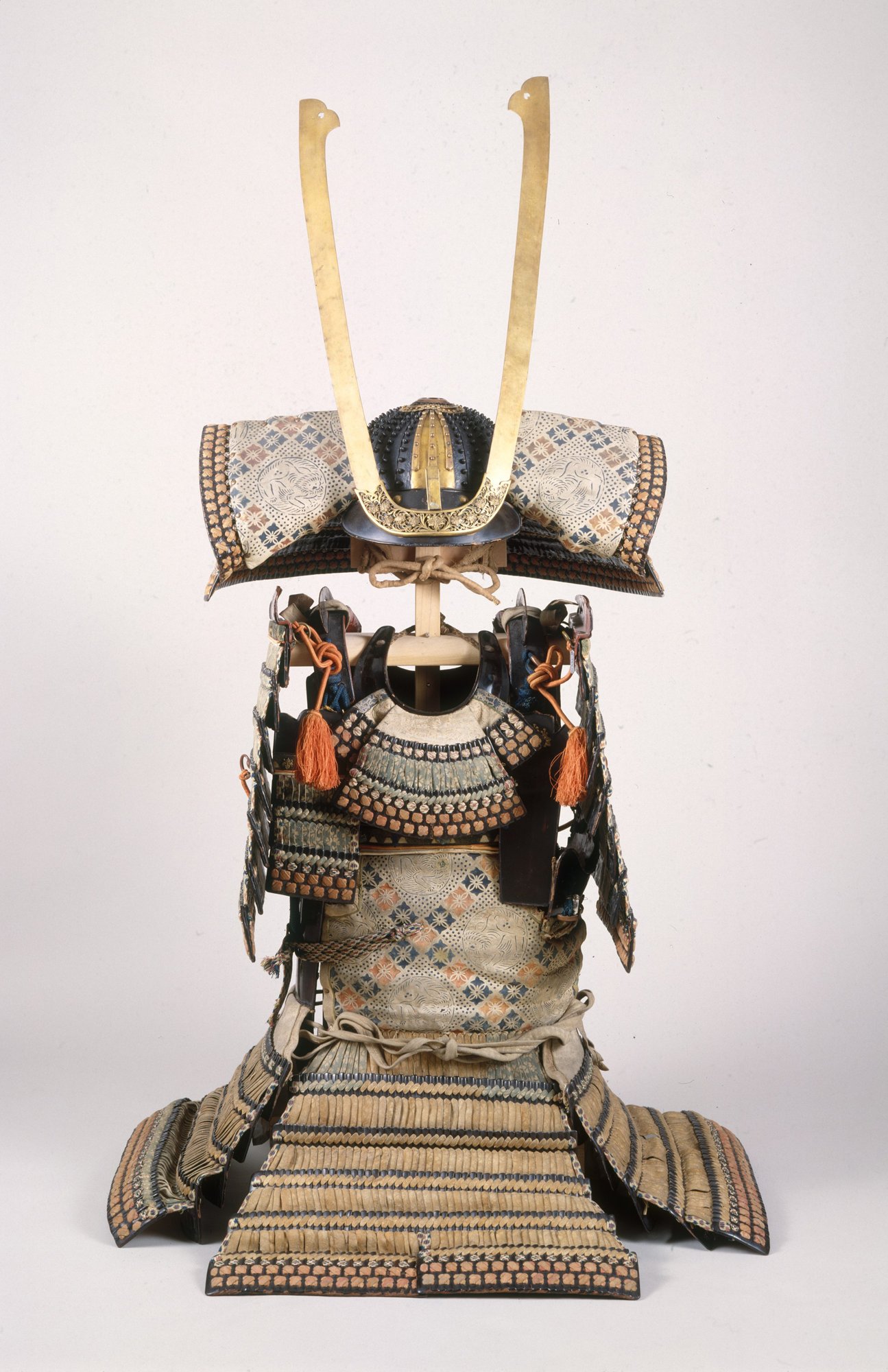
The belief in the wind grew in the same years. Over time, the idea took hold that Japan was a land the wind itself would protect. That idea outlived the Kamakura era by many centuries. It was still in circulation in 1944, when the navy chose the old name for its new suicide units.
The word’s second life
The first organised suicide attacks came in October 1944, during the Battle of Leyte Gulf in the Philippines. By the end of the war in August 1945, more than 1,300 aircraft had been flown into Allied ships, and the young pilots died. The name was official, a unit title written with the same two characters. This guide leaves it there. The pilots belong to the history of that war, not to the story of the storm.
In the thirteenth century, by contrast, the word meant relief. A later arrival from the sea, the black ships of 1853, brought a very different kind of news to the same coasts. The history shows how a phrase can change its weight over six centuries. For travelers, that is a useful habit. Check which century a place belongs to before deciding what its name means.
Three Books to Read the Era Properly
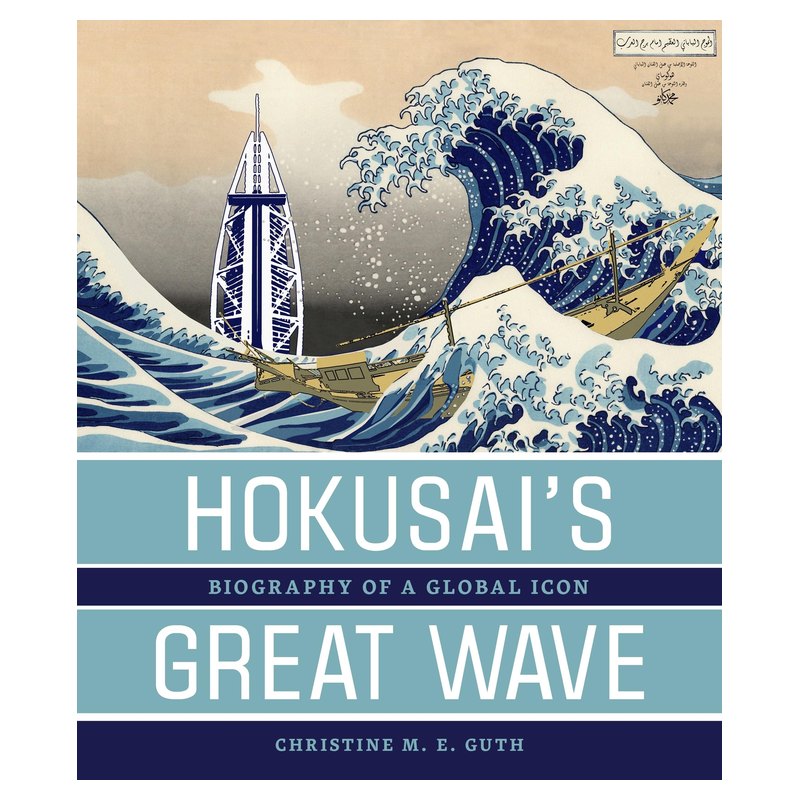
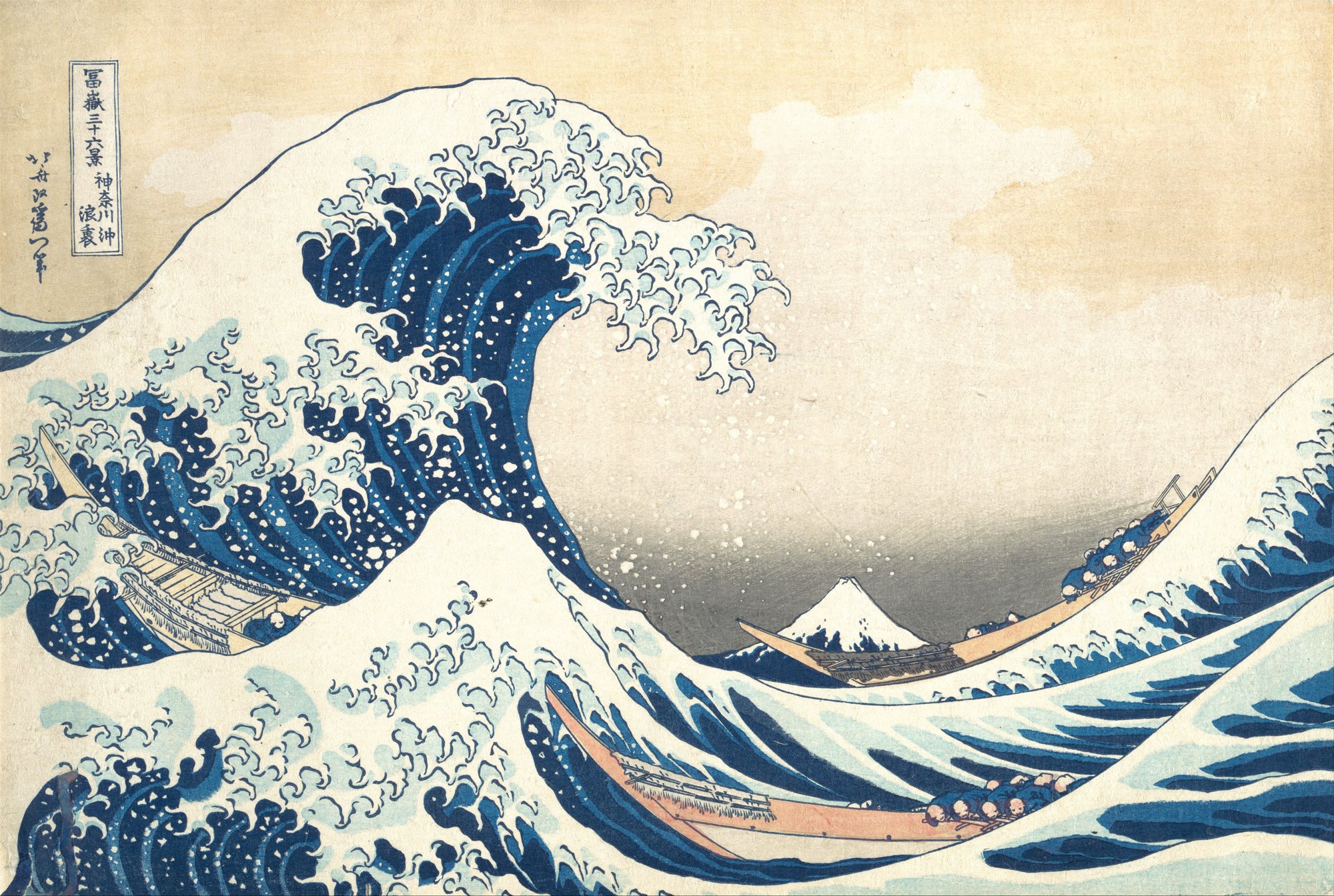
How one wave print became a symbol, and what the sea meant to Japan.
A classic one-volume history that places the invasions in the long arc.
The standard account of the Kamakura era, from its start to its fall.
Together these three books cover the sea, the century and the long view. Sansom’s volume to 1334 is the one to open if you are standing on the wall at Imazu. It ends in the year the shogunate fell, so it reads almost like a guide to the stones around you. Hokusai’s biography adds a different thread, because it follows one famous picture of the sea across two centuries. Together, the three books let you read the coast on three scales at once: the day, the era and the image that outlasted both. Each one is easy to carry on a train, and each repays a slow read between stops, with the coast itself as the best bookmark.
Where to See the Story Today
The wall in Fukuoka
Fukuoka is the easiest starting point. From Tokyo, the Shinkansen takes about five hours to Hakata Station, and from Shin-Osaka it takes around two and a half. Planes are faster still. The country’s first railway in Japan, opened in 1872, began the network that now carries you there. Once there, three stretches of the wall lie along the bay, at Nishijin, Iki-no-Matsubara and Imazu. All are open-air remains that you can walk beside. Most visitors base themselves in Hakata or Tenjin, where the hotels, the airport subway line and the rail connections all meet. From there, each stretch makes an easy half day, so one morning on the wall and an afternoon in the city fit comfortably into the same day.
Nishijin is the simplest. It is about a ten-minute walk from Nishijin Station on the subway airport line, and the stones came out of the ground in 1920. At Imazu, about 200 m of the 3 km stretch is open to the public, beside a small plaza with panels and a film. Take the Nishitetsu bus to the Borui-mae stop, then walk about five minutes.
Takashima and its museum
Takashima needs more time. The nearest rail stations are Karatsu and Takashimaguchi, and Fukuoka airport is roughly 90 minutes to two hours by car. Plan a full day, or stay overnight on the coast. The Matsuura City Archaeological Center sits on the island at Kozaki, and it shows finds raised from the seabed. Check the city’s page for opening times before you go.
Ten Proverbs to Carry With You
A printable folio of ten Japanese proverbs, each set in kanji with its reading and a line on where you will hear it.
Hakata motsunabe, the dish of the bay
Fukuoka’s signature winter pot is motsunabe, a hot pot of beef intestine, cabbage and garlic chives. It is a modern dish, born in Hakata after the Second World War, not a medieval one. Even so, it belongs to the same bay. Sitting down to it after a day beside the wall is the plainest way to finish the trip. Here is a home version, adapted from a recipe by Just One Cookbook.
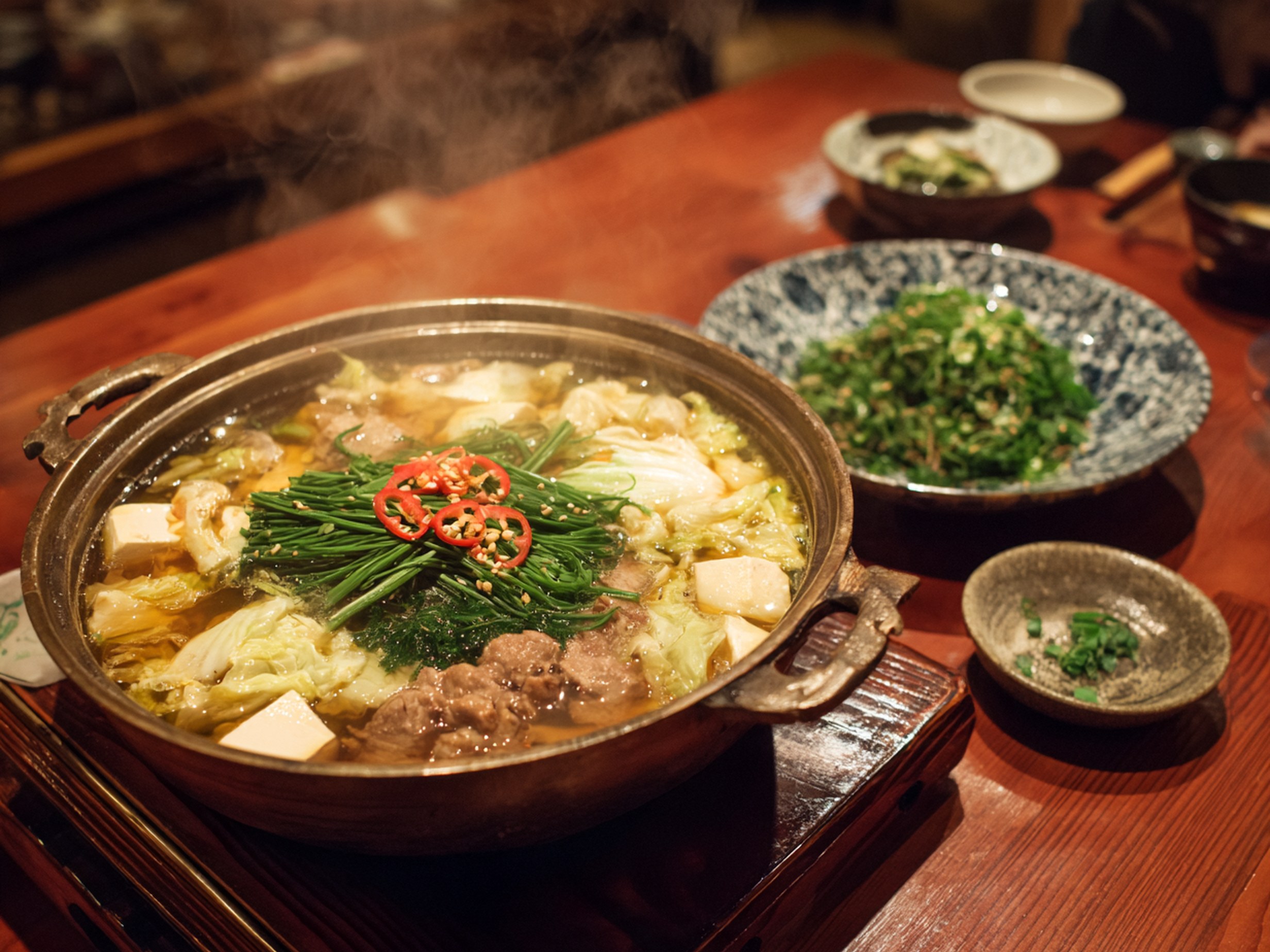
Motsunabe Recipe: Hakata Offal Hot Pot
Cut half a head of cabbage into squares, trim 3 oz garlic chives into 2-inch lengths and slice 6 cloves of garlic. Clean 1 lb of beef small intestine with salt and flour, rinse well, then blanch for one minute in water with a spoon of sake. Combine 4 cups of chicken stock with 3 tablespoons each of mirin and soy sauce, 2 tablespoons of sake, 1 tablespoon of oyster sauce and 2 tablespoons of ground sesame. Bring to a simmer in the pot and dissolve in 2 tablespoons of miso. Add the cabbage and 6 oz of bean sprouts, then lay the pork belly, intestine, tofu, garlic, chives and chili on top. Cover and cook for 10 to 15 minutes without stirring. Finish with cooked rice or noodles in the broth.
The dish pairs well with an evening of notes. Many travelers find that a long day on the coast is easier to hold when it is written down, so keep a notebook close. One made for exactly this kind of trip carries a fish-market scene on its cover, with waves over a seafood stall.
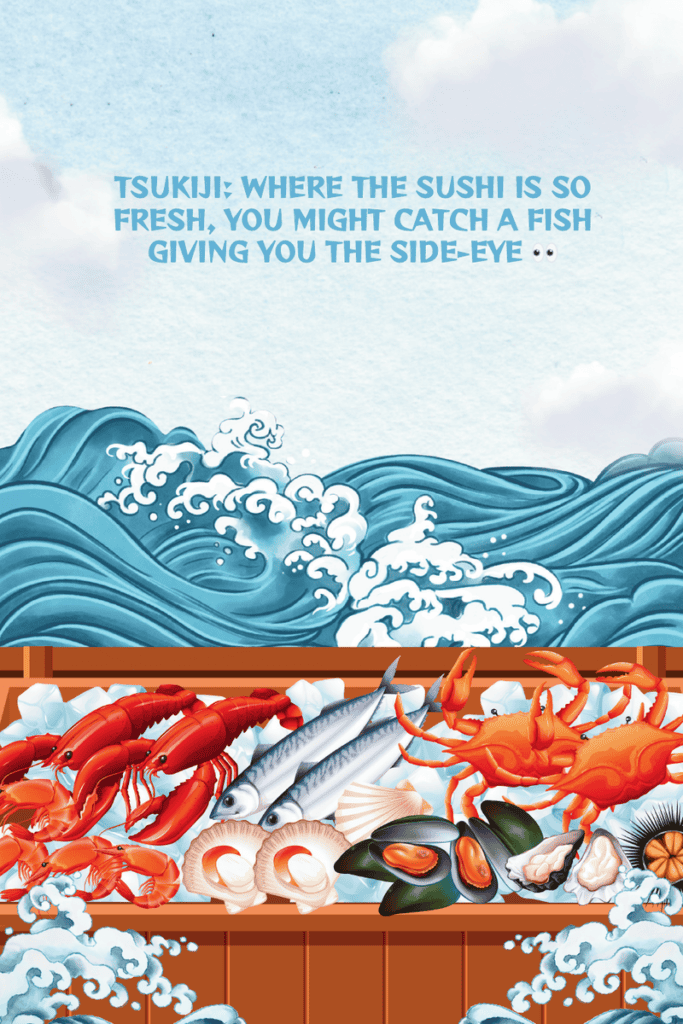
The Wind, Remembered Properly
The old meaning of kamikaze is a better story than the one most people tell. It begins with a man behind a stone wall, a fleet packed into a bay and a storm that arrived in mid-August. It ends with divers brushing mud from a helmet seven centuries later. The word is the same, but the history is older, wider and far more physical. It is a short word with a long past. Along the way it changed hands twice. First it belonged to a court that needed a way to explain an escape. Later it belonged to a navy that needed a name for a desperate plan. Seen in order, the two uses show how much one short word can be asked to carry. The older kamikaze meaning is the one the coast itself still remembers, in its stones, its scrolls and its seabed.
So go to the coast. Stand where the stones are still in line, then drive out to the island where the ships went down. The sea looks calm now, and the bay is busy with ferries and fishing boats. Yet the objects in the museum cases are real, and the wall is still there.
Planning the trip
The tools below cover the practical side of a journey to Kyushu, from the first route to the notes you keep along the way. Each one is made for travelers who want to look closely and move slowly. Use them alongside the city’s visitor pages, and let the opening times set your days. A good plan leaves room for the long drive to the island.
Recommended
Choosing what to see
Before you leave, it helps to decide what you most want to see. Some travelers come for the wall, and spend the day walking its length with the scrolls in mind. Others come for the seabed story, and plan around the museum on the island. A few come for both, and let the trip run slowly over several days.
Whichever you choose, read a little first, because the coast rewards people who arrive with a question. The invasions are easier to picture when you know what the scroll painter saw, what the divers lifted from the silt and what the kamikaze meaning was to the people who first used it. Then the stones, the water and the cases in the museum stop being separate sights and become one account of a single summer. For another place where Japan keeps its past in plain sight, see Yanaka, the old town that survived.
A trip built around this history needs good logistics more than a long list of sights. The wall is a short ride from the city, but the island is a day’s journey with a car. Our team can match the route to your pace, placing Fukuoka beside Nagasaki and the coast. In addition, we can arrange a guide who reads the scrolls and the seabed finds, and leave evenings for the best seafood in the city. Tell us what you want to see, and we will shape the days around it. Some guests want the wall at dawn and a calm afternoon by the water. Others want a full day with the island museum. Either can be arranged with a driver who knows the roads and the opening hours.
A Kyushu journey built around the Mongol coast
Our team builds custom itineraries around Fukuoka, Nagasaki and the coast of Kyushu. Expect unhurried days, guided time at the wall and the island museum, and evenings by the bay.
Plan Your Custom Japan ItineraryQuestions Worth Asking
What does kamikaze mean in Japanese?
Kamikaze (神風) means “the wind that saved Japan.” It first named the typhoon of 1281 that wrecked a Mongol invasion fleet off Kyushu. Poets had used the word for centuries before that. In English it later came to mean the pilots of 1944 and 1945, a use borrowed from the older storm.
Was the original kamikaze a real storm?
Yes, for 1281. Scholars agree that a large typhoon struck the anchored fleet in mid-August and wrecked it. For 1274, the sources disagree. Some mention wind and rain, while others point to the invaders’ own plans or losses. Divers off Takashima have since found ships and weapons from the 1281 fleet.
How many ships did Kublai Khan send in 1281?
Accounts say about 900 ships sailed from Korea and about 3,500 from southern China, with a combined 140,000 men. Historians dispute these figures. Thomas Conlan argues the real numbers were about a tenth as large. Either way, it was among the biggest naval invasions attempted before the modern age.
What is the Genko Borui wall?
The Genko Borui is a stone wall that the Kamakura shogunate began in March 1276 along Hakata Bay. It ran about 20 km and stood roughly 2.5 to 3 m high on the sea side. Sections survive at Nishijin, Iki-no-Matsubara and Imazu in Fukuoka, and the remains are protected as National Historic Sites.
Can you visit the Takashima shipwreck site?
Not the seabed itself, which is a protected underwater National Historic Site and is not open to the public. You can see finds raised from it at the Matsuura City Archaeological Center on Takashima. The island is joined to Kyushu by a bridge. Check the city website for opening times before you travel.
Why is the word kamikaze linked to pilots?
In October 1944, Japan’s navy began organised suicide attacks and used the old name for the units, written with the same two characters. The choice recalled the storm of 1281. The pilots belong to the history of the Pacific War, and that history is separate from the thirteenth-century storm.