A luxurious ryokan is a traditional Japanese inn at its finest: tatami rooms, a private or natural onsen, multi-course kaiseki, and deeply personal service. To choose well, start with the bath and the setting, then weigh the dining, the size, and the season. The finest are small and book months ahead, so the real skill lies in knowing what you want and securing it early.
A night in a fine ryokan is, for many travellers, the single most memorable part of a trip to Japan. Yet most guides simply list famous names. They rarely explain how to choose between them, or what separates a merely expensive inn from a genuinely great one. This guide does the opposite, and it teaches you how to read a luxurious ryokan before you book. It sits within our wider luxury Japan travel cluster.
The ryokan is the original Japanese luxury, refined over centuries before any international hotel arrived. At its best it offers something no chain can replicate: a complete, harmonious experience of place, season, and hospitality. Knowing how to read one, and how to be a gracious guest within it, is what turns a fine night into an unforgettable one. What follows walks the full path. It covers what defines the category, the bath that anchors every choice, the types and regions, and the inns worth knowing. It then turns to the kaiseki, the etiquette, the rates, and the booking window that quietly decides everything.
What makes a ryokan luxurious
Luxury in a ryokan is not measured the way it is in a hotel. There are no sprawling lobbies or rooftop bars. The markers are quieter. They lie in the quality of the tatami and joinery, and in the care of the kaiseki. They show in the privacy of the bath, and a service that anticipates rather than responds. Smaller inns are often the finest.
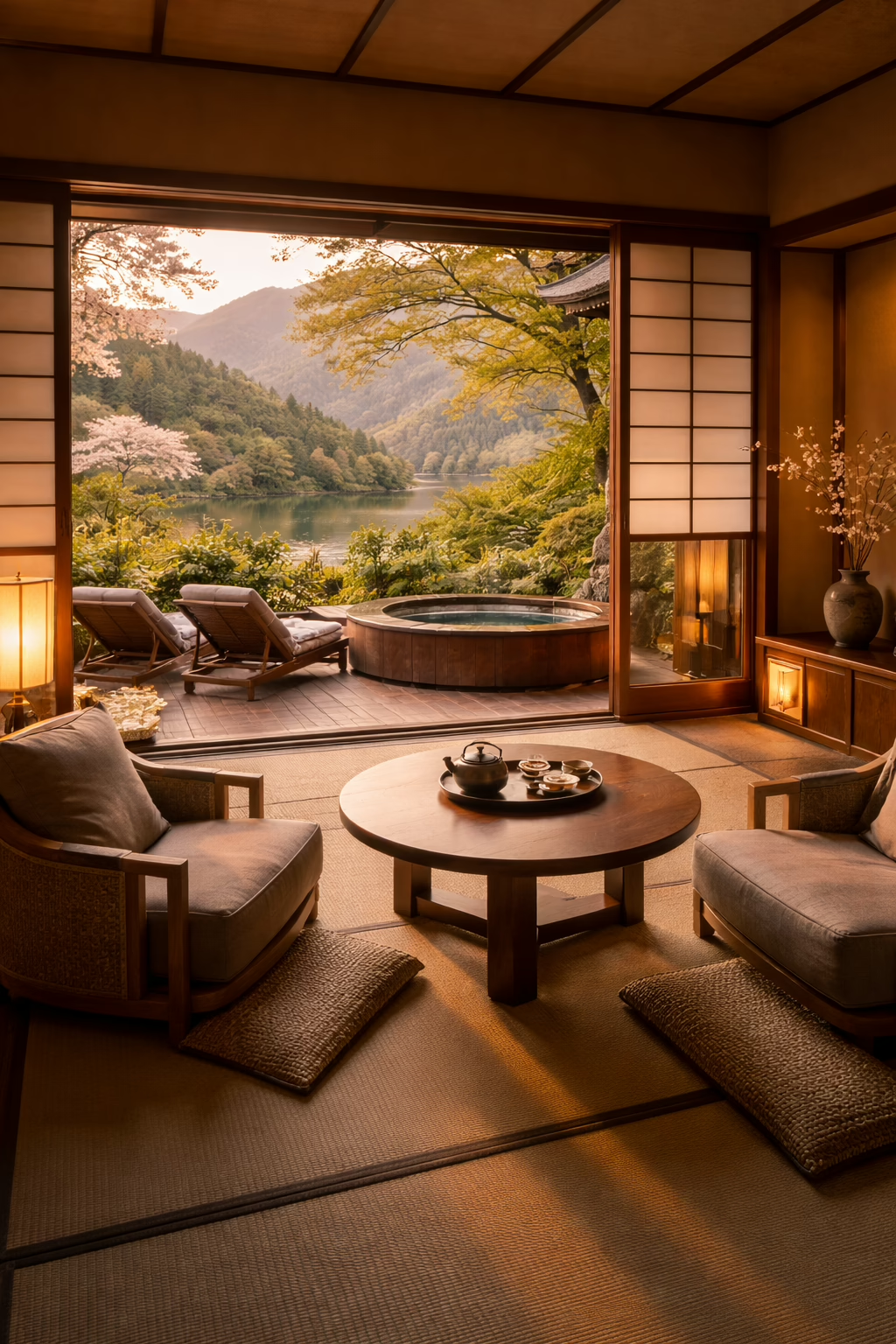
The truest measure is completeness. A great ryokan choreographs a whole evening. It runs from the welcome tea to the bath, the kaiseki, the futon laid while you dine, and the quiet breakfast. Nothing is rushed and nothing is missing. Where a hotel sells a room, a ryokan offers an experience, and that wholeness is the real luxury.
The arrival sets the tone. At a fine ryokan you are met at the door, and your shoes are exchanged for slippers. A host shows you to your room for a welcome tea and sweet. A host, often assigned to your room for the stay, explains the bath times and the evening plan. From that first moment the pace slows, and the outside world begins to recede. That deliberate decompression is something a hotel check-in rarely offers, and it is the first sign that you have chosen well.
There is a useful test when you weigh one inn against another. Ask what the night is built around. At the best ryokan, the answer is never the lobby or the lounge. It is the bath and the table, with everything else arranged in quiet support of them. Hold that question in mind as you read the rest of this guide, because it cuts through marketing language faster than any star rating.
Start with the onsen
If one feature should anchor your choice, it is the bath. The onsen is the soul of the ryokan, and the options shape everything else. Some inns offer grand communal baths fed by natural hot springs. Others provide private baths you can reserve by the hour. The finest rooms come with their own in-room or terrace onsen, filled from the same source.
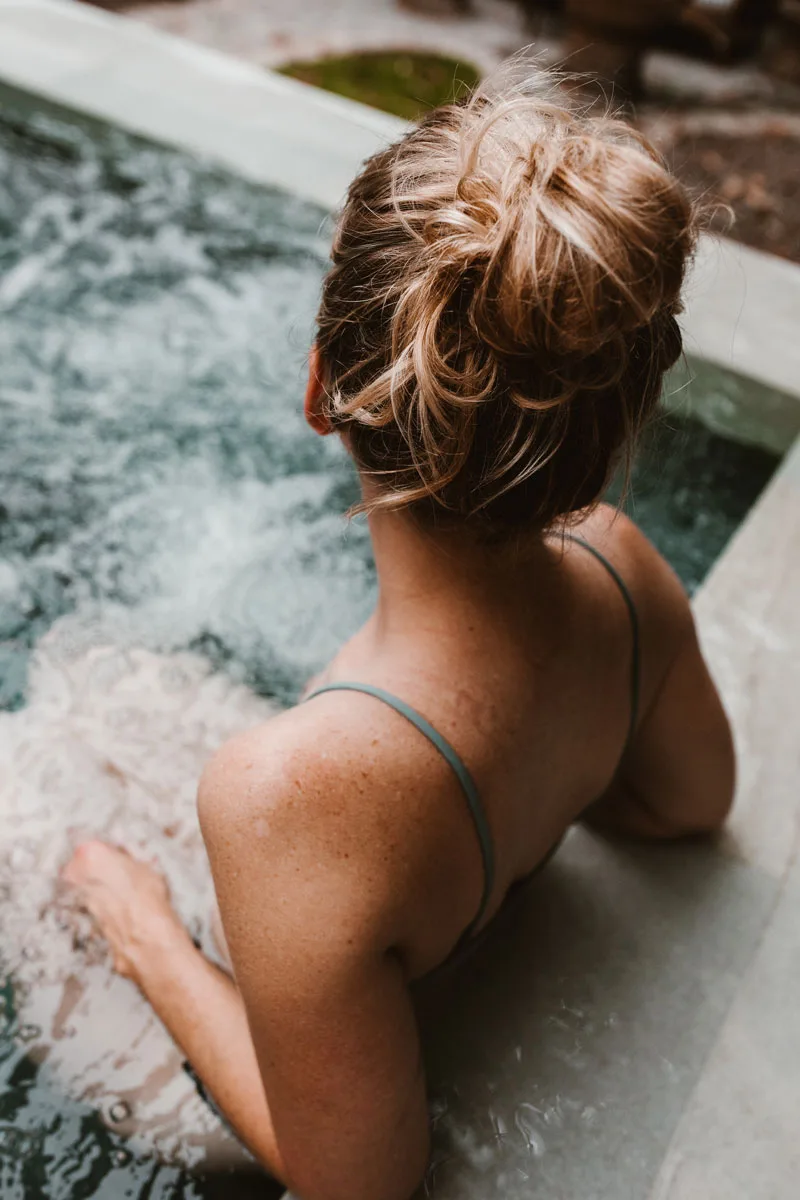
Decide early which matters to you. A private in-room onsen is the height of luxury and privacy, ideal for couples and for guests who prefer not to bathe communally. A famous communal bath, on the other hand, can be a destination in its own right. The water itself differs from place to place. Some springs run clear and odourless. Others carry sulphur or iron and stain the rock around them. Regulars often choose their inns partly by the character of the water.
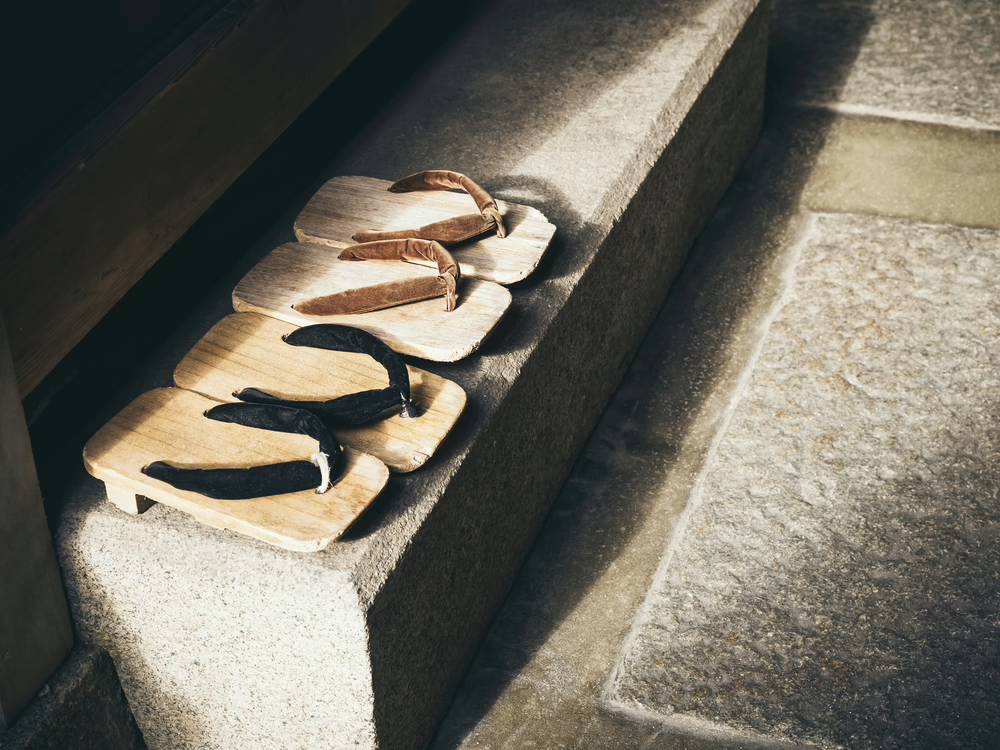
One practical point decides the bath question for many travellers. A number of traditional baths still restrict guests with visible tattoos. If that affects you, a room with a private onsen removes the issue entirely. It is worth confirming the policy before you book, rather than discovering it on arrival. The same private bath also suits anyone who simply values quiet over the communal ritual, however beautiful that ritual can be.
The types, compared
Not all ryokan are alike, and the type shapes the stay as much as the price. Five broad kinds account for most of what a discerning traveller will consider, and each rewards a different sort of trip. The table below sets them side by side so the trade-off is plain before you commit.
| Type | What defines it | Best for |
|---|---|---|
| Classic hot-spring | Centred on natural onsen in a geothermal town; generations of the same family | Travellers who want the water and the tradition above all |
| Modern luxury | Tradition kept, with contemporary design and comfort; Hoshinoya is the best-known | First-time ryokan guests easing in from international hotels |
| Coastal | Sea views paired with the day’s catch at the kaiseki table | Seafood-led stays and slower, view-driven evenings |
| City-edge | A hot spring within reach of Kyoto or Tokyo, culture close yet calm | Pairing a ryokan night with city sightseeing |
| Exclusive resort | Onsen suites with international polish; Amanemu and the Aman tier | Guests wanting ryokan ritual with five-star resort service |
A modern luxury ryokan, of which Hoshinoya is the best-known example, keeps the tradition while adding contemporary design and comfort. The most exclusive resorts, such as Amanemu in Ise-Shima, blur the line between ryokan and hotel, offering onsen suites with the polish of an international brand. Between the classic inn and the design resort lies the whole spectrum of the Japanese stay. Most travellers find their answer somewhere in the middle.
Where the finest cluster
Geography decides much of what a ryokan can be, because the water comes from the ground beneath it. Four regions hold a disproportionate share of the country’s finest inns, and knowing them shortens the search considerably.
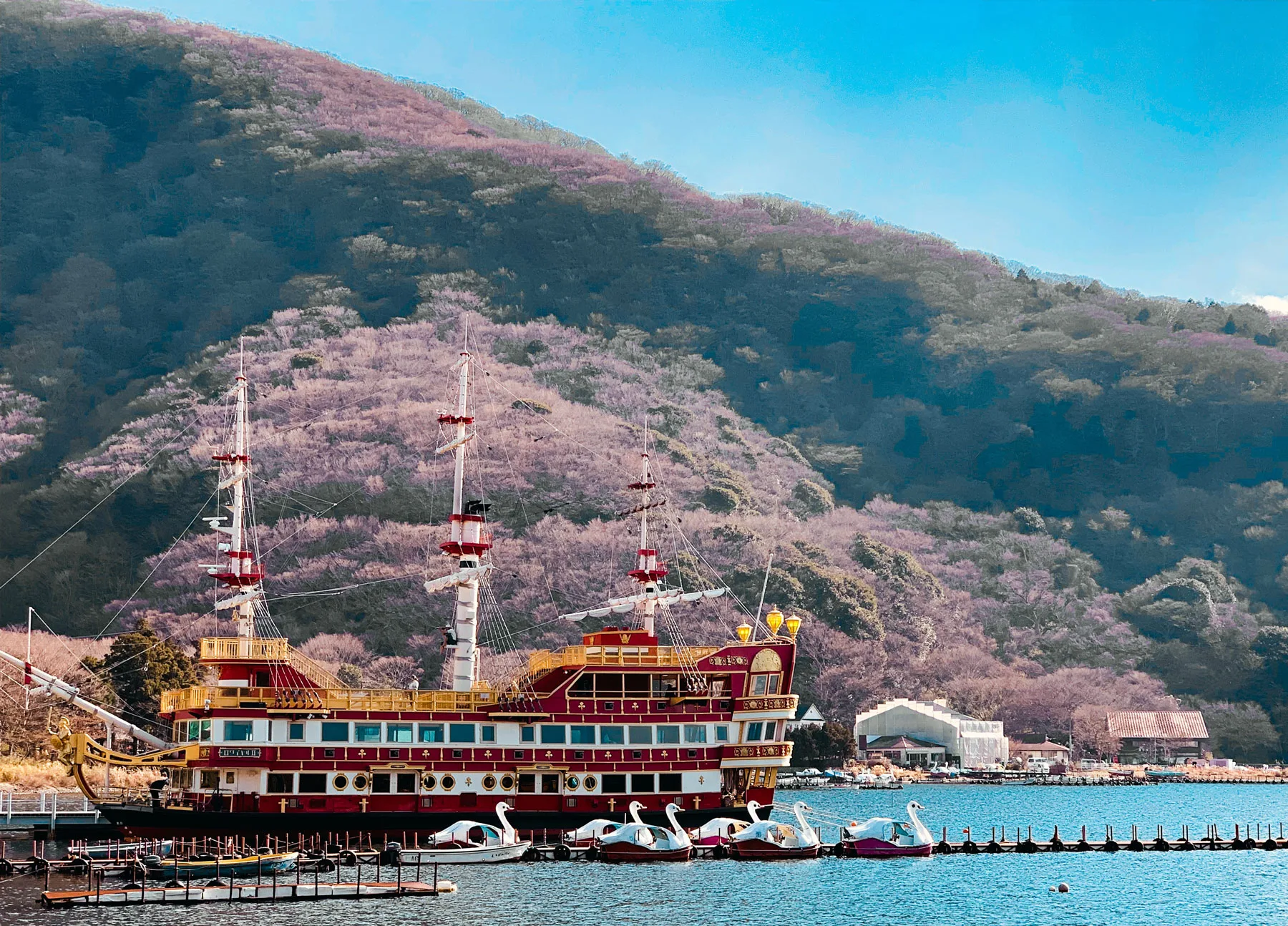
Hakone and the mountains near Tokyo
Less than two hours from the capital, Hakone is the easiest fine onsen region to reach, which is both its strength and its limitation. The best inns sit above the valley, with views toward Mount Fuji on a clear day. That proximity makes a single ryokan night simple to fold into a Tokyo trip. Because it is so accessible, the leading rooms book early, particularly at weekends.
The Hokuriku coast and Kaga Onsen
The Kaga Onsen region sits on the Sea of Japan, two and a half hours from Tokyo by Shinkansen. It holds some of the country’s finest family-run inns. The pace is slower, the crowds thinner, and the kaiseki draws on cold-water seafood that the coast does particularly well. This is the region to choose when you want the inn itself, rather than the sightseeing around it, to be the trip.
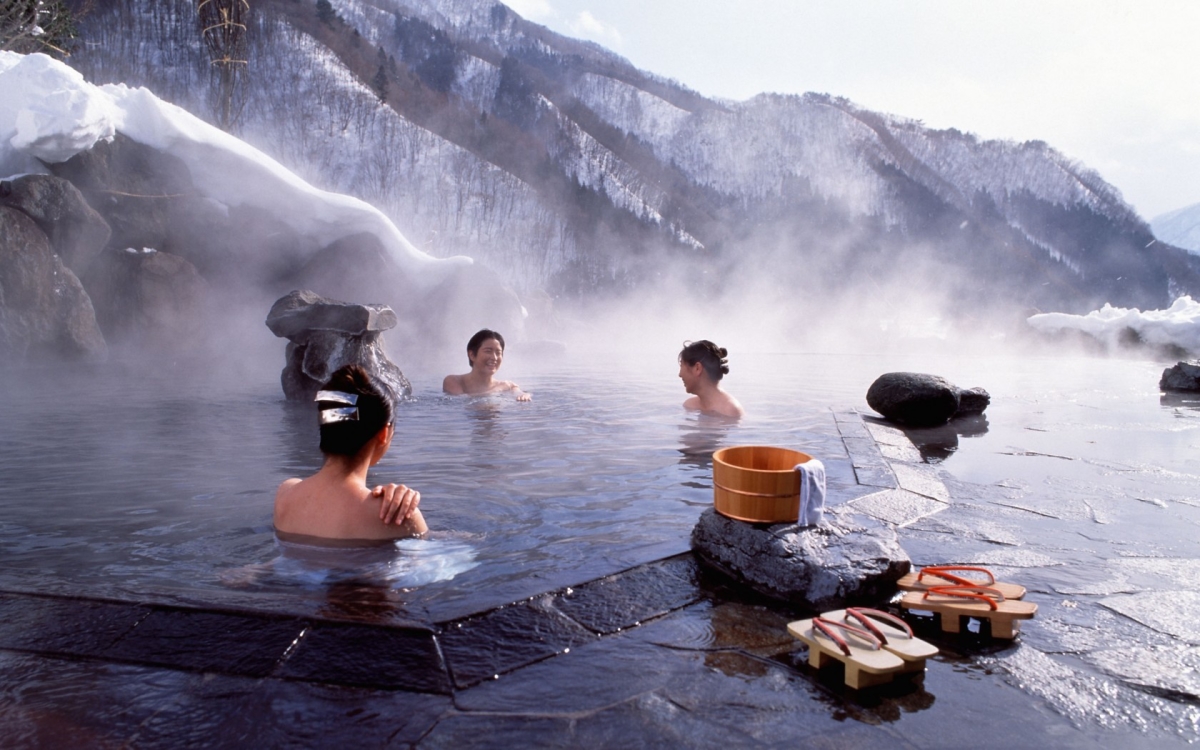
Hokkaido and the snow country
In the far north and along the spine of central Japan, the snow-country ryokan comes into its own in deep winter. There are few pleasures in travel to match an open-air bath while snow falls around you, the steam rising into a silent white landscape. These inns price their winter season accordingly, and the best rooms can be gone a year ahead for the peak weeks.
Kinosaki and the Kansai hot-spring towns
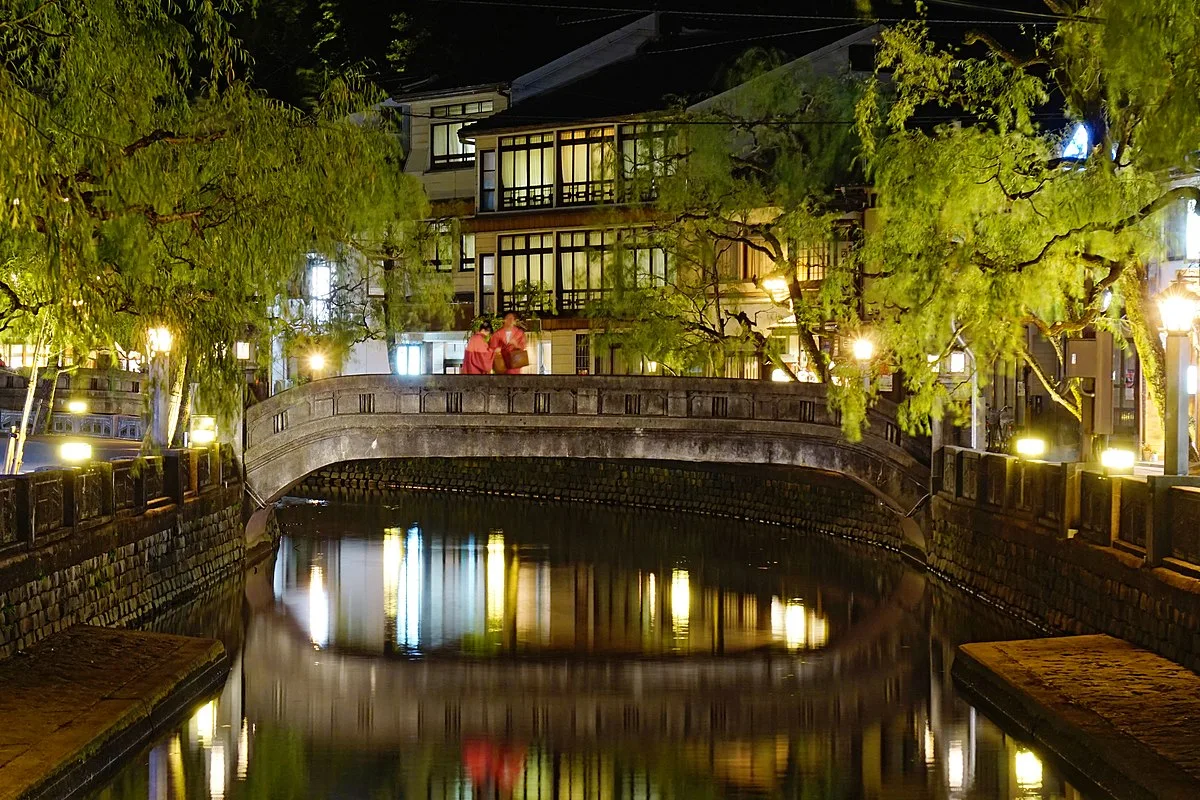
Near Kyoto, towns such as Kinosaki preserve the older idea of the onsen village, where guests stroll between bathhouses in yukata and wooden geta. A city-edge ryokan here lets you spend a day among Kyoto’s temples and a night in a quiet hot-spring town. It is one of the more elegant ways to structure a Kansai trip.
Ryokan worth knowing
Names help when the field is this wide. Here are a handful we return to, grouped by region, with a note on who each suits. This is not a ranking. It is a curated shortlist of inns that consistently reward a discerning guest. There is a quieter point too, which most guides leave out: the very best ryokan are often the ones you have never heard of.
Hakone and the mountains near Tokyo
Kinnotake Tonosawa, in the forested hills of Hakone, gives every room its own open-air bath on a private balcony. The mountain views and a more contemporary comfort set it apart from the classic inns. It suits a couple wanting privacy within easy reach of Tokyo. For a city stay with the same spirit, Yuen Bettei Daita hides a natural hot spring inside Tokyo itself, in quiet Setagaya. It blends tradition with a modern calm.
The Hokuriku coast and Kaga Onsen
Beniya Mukayu is the one we love most here: a sixteen-room, owner-led ryokan on a wooded hill above Yamashiro Onsen. Each room has a private open-air bath facing the forest garden. The owners host a daily tea ceremony, and the kaiseki draws on the Sea of Japan. It is intimate, deeply personal, and the opposite of a chain — exactly what a great ryokan should be.
The classics and the resorts
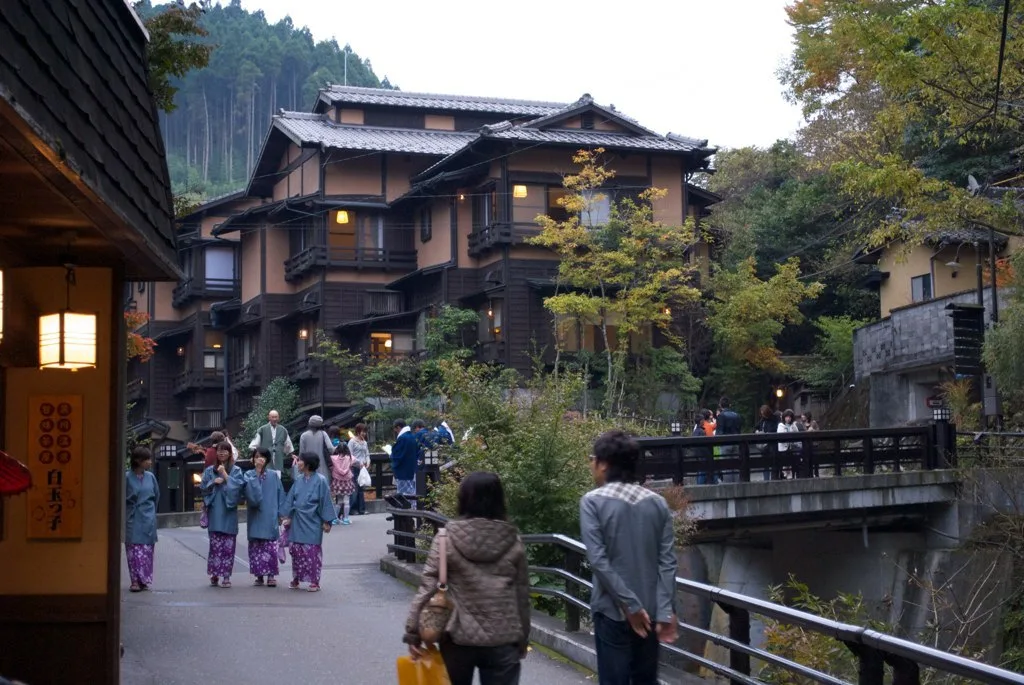
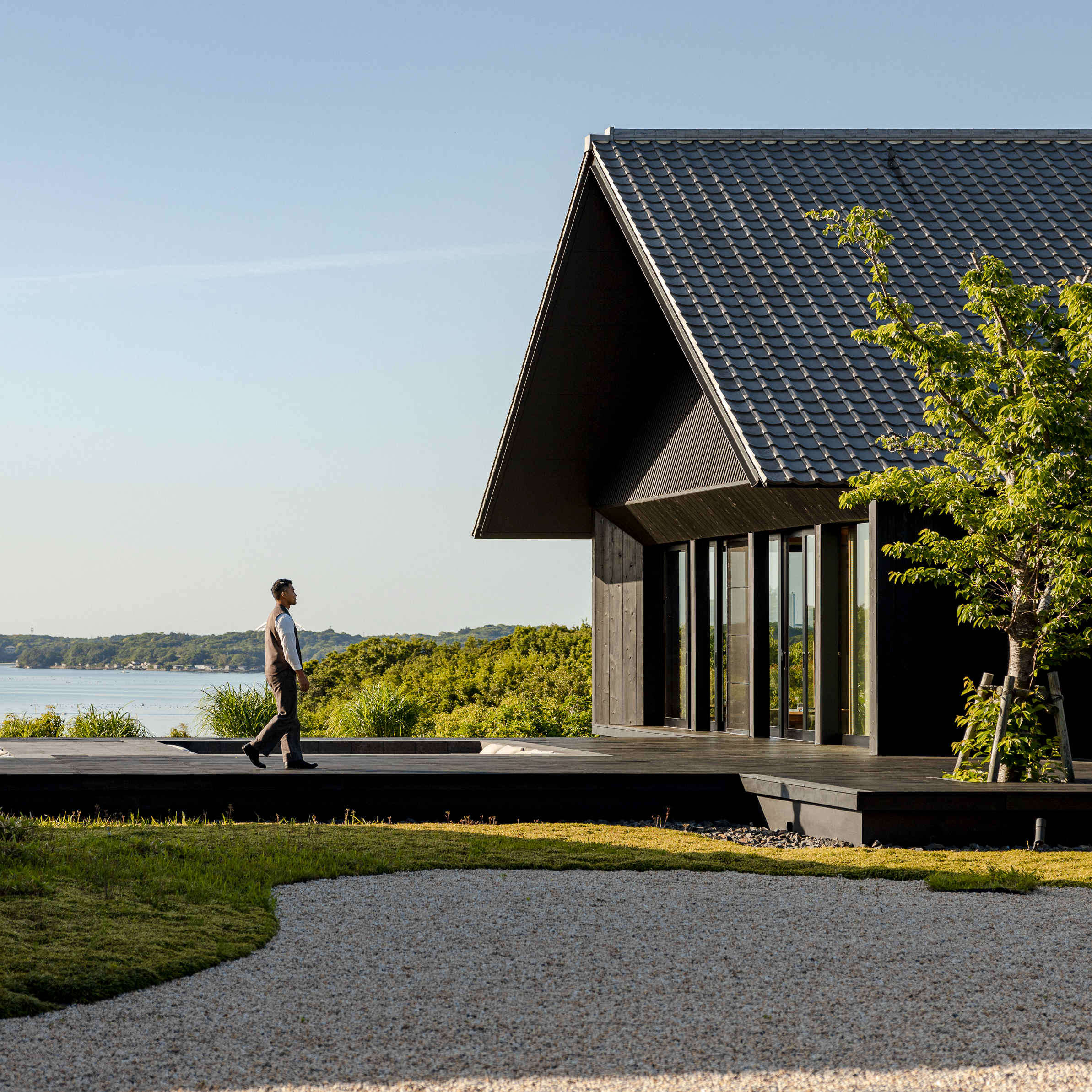
For the timeless end, Atami Furuya has welcomed guests for generations with restorative spring waters and refined kaiseki. It is a classic that still feels of its era in the best way. At the modern-resort end sit the design-led Hoshinoya properties and Amanemu in Ise-Shima, which bring international polish to the ryokan form. Between these poles lies the whole spectrum of the Japanese inn.
The ones you will not find on a list
Here is the part most guides leave out. The most rewarding ryokan are frequently small, family-owned inns with no English website. A dozen rooms or fewer, they are run by the same family across three or four generations. They rarely appear on the curated lists because they do not market themselves; they fill by word of mouth and long relationships. Reaching them is precisely the kind of access a planner provides. It is often where the most unforgettable nights of a trip are quietly found.
A quiet dispatch on travelling Japan well — the ryokan worth the detour, the stays worth booking early, and the seasons worth waiting for. Sent occasionally, never in volume.
One quiet email at a time. Unsubscribe anytime.
The kaiseki question
Dinner is not an afterthought at a ryokan; it is half the reason to stay. The finest inns are renowned as much for their kaiseki as for their baths. Each serves a long sequence of seasonal courses that showcase the region’s produce. At the best, the meal alone would justify the journey.
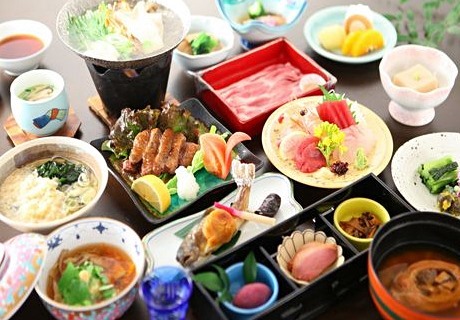
When choosing, ask how and where dinner is served. Some ryokan bring kaiseki to your room; others have moved to private dining rooms; a few offer a choice. In-room dining is the most traditional and intimate, and for many guests it is the defining ryokan memory. The shift toward private dining rooms is not a lesser option, though. It often means a kitchen confident enough to plate each course at its peak, rather than carrying a full tray down a corridor.
It is worth asking about breakfast too. A traditional Japanese morning meal pairs grilled fish, rice, miso, and small seasonal dishes. It is a quiet highlight in its own right, and the finest inns treat it with the same care as dinner. Our guide to dining well in Japan goes deeper into kaiseki itself, for those who want to understand the sequence before they sit down to it.
What it costs
Ryokan rates work differently from hotel rates, and understanding the difference prevents sticker shock. A ryokan almost always charges per person, not per room, and the figure usually includes both kaiseki dinner and breakfast. So a rate that looks high beside a city hotel is in fact covering two restaurant-quality meals and, often, a private bath. The table below sets out the broad tiers in US dollars.
| Tier | Typical rate (per person, per night) | What it usually includes |
|---|---|---|
| Fine | $300–$500 | Kaiseki dinner, breakfast, communal onsen access |
| Exceptional | $500–$900 | The above, plus a private or reservable bath and a more elaborate kaiseki |
| The very top | $900 and well beyond | In-room or terrace onsen suite, multi-course kaiseki, near one-to-one service |
Read the rate for what it contains, not against a hotel night. Consider the exceptional tier: a room with its own onsen, two seasonal meals, and a host assigned to your stay. That is a different category of purchase from a bed and a buffet. The honest way to judge value is to ask what the evening delivers. Then ask whether it is one you will still be describing to people a year later.
When and how to book
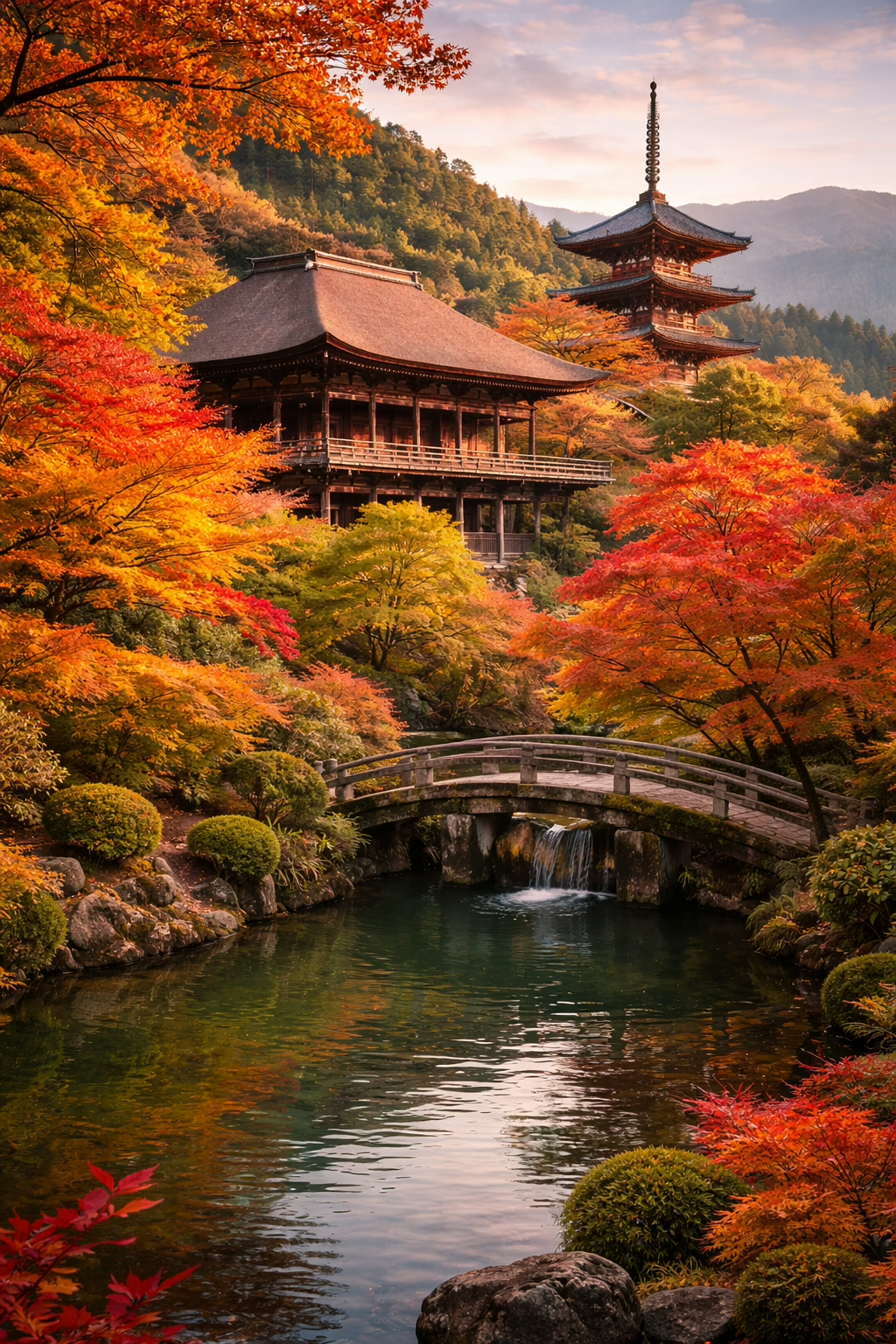
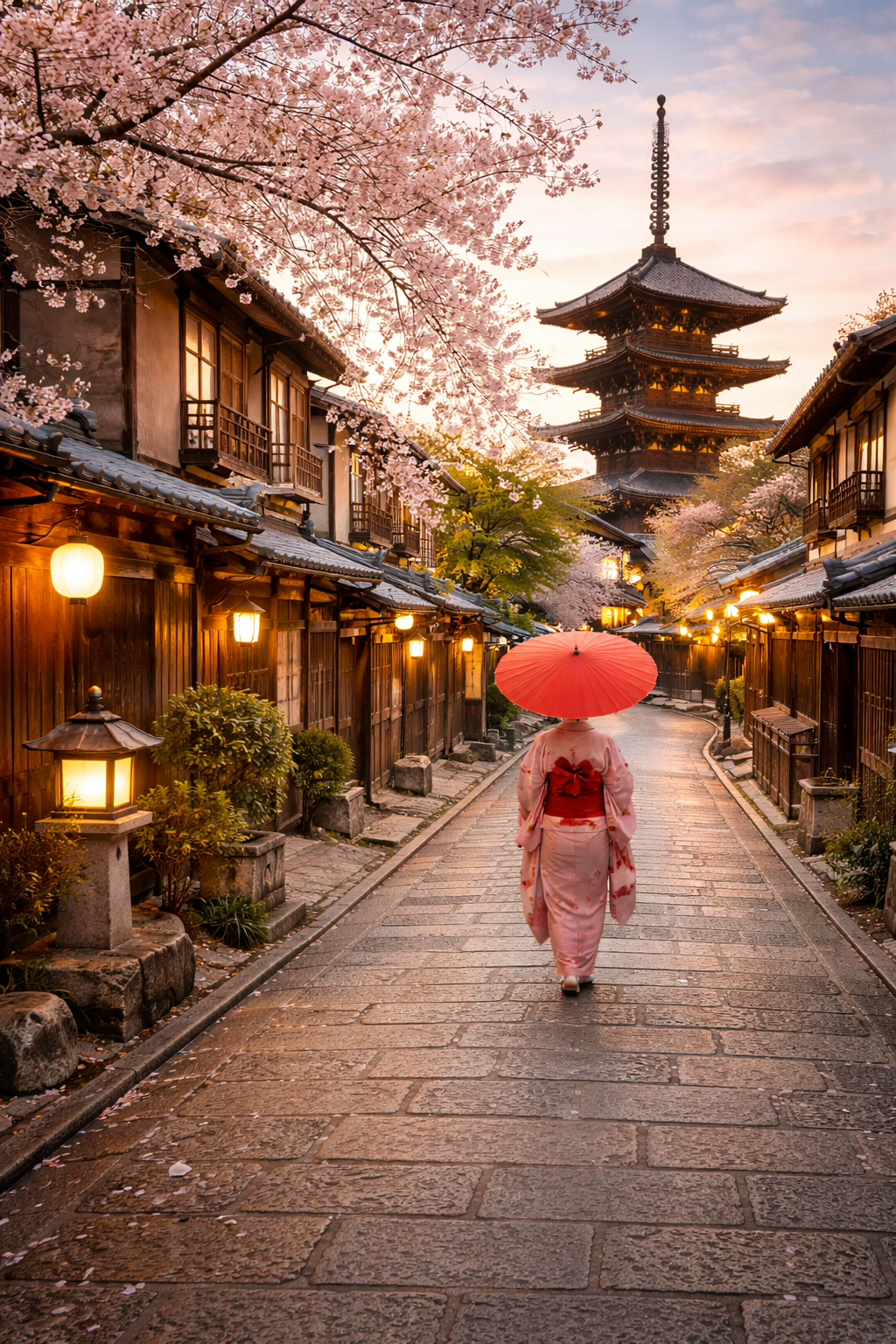
Here is the practical truth that decides everything. The finest ryokan are small, and the best rooms — especially those with a private onsen — sell out months ahead. In peak seasons such as the cherry blossom and autumn foliage weeks, the leading rooms can be gone a year in advance. The single biggest mistake is leaving it late. The process below keeps the search orderly.
- Choose the region first. Decide whether you want Hakone’s proximity, the Kaga coast’s quiet, the snow country, or a Kansai hot-spring town. Region narrows the field faster than any other filter.
- Settle the bath. Private in-room onsen, a reservable family bath, or a famous communal spring — this single decision shapes the room you book and the price you pay.
- Confirm dining and any policies. Ask whether kaiseki is served in-room or in a private dining room, and check the tattoo policy if it applies to you, before you commit.
- Book six to twelve months ahead. For cherry blossom and autumn weeks, book as early as you can. The best rooms at the smallest inns are the first to go.
- Arrange the approach. Many fine inns sit beyond the rail network; confirm the transfer, and ask the ryokan about pickup from the nearest station, which the best will offer.
Many of the most exclusive ryokan also take no direct international bookings, accepting guests through a concierge or a specialist with established relationships. Securing the right room at the right inn in the right season is exactly where a planner earns their place. They hold space and reach inns that public channels never show.
The etiquette that matters
A ryokan rewards a guest who knows the rhythm, and the etiquette is simple once learned. Remove your shoes at the entrance and wear the slippers provided, then step onto tatami in bare feet or socks. Wear the yukata robe left side over right, and you may wear it to dinner and around the inn.
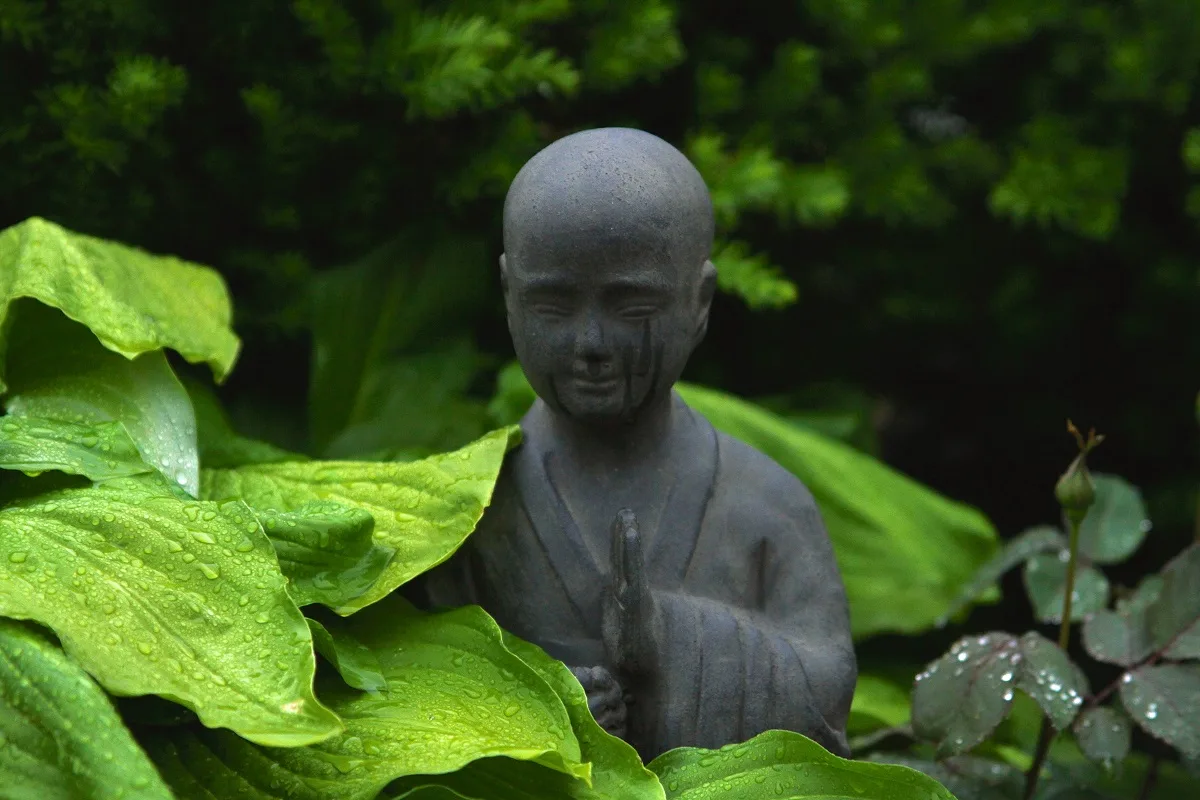
The onsen has its own simple courtesies. Wash and rinse thoroughly before entering the shared bath, keep the small towel out of the water, and move calmly. Be punctual for the kaiseki dinner, which is timed to the kitchen. For the full picture of refined-setting etiquette, our guide to Japanese etiquette for the luxury traveller covers it gently and in full.
None of this needs to be perfect. The staff at a fine ryokan anticipate a foreign guest’s uncertainty and guide quietly around it; a relaxed, attentive manner is all that is genuinely asked. The courtesies are worth learning, though not because mistakes are punished. Knowing them lets you stop thinking about yourself and sink fully into the evening, which is the entire point of the stay.
Questions worth asking
A luxurious ryokan is a traditional Japanese inn at its finest, offering tatami rooms, a private or natural onsen, multi-course kaiseki dining, and deeply personal service. The best are small, often with only a handful of rooms, and set in beautiful natural surroundings. The experience, not the room count, is what defines luxury here.
Start with the onsen and the room. Decide whether you want a private in-room bath, a natural hot spring, or both, then match the setting, mountain, coast, or city edge, to your trip. Consider the kaiseki, the size of the inn, and the season. The finest small ryokan book months ahead, so choose early.
Rates at the finest ryokan generally start around three hundred US dollars per person per night and rise well beyond for suites with a private onsen. The figure almost always includes kaiseki dinner and breakfast, so it covers far more than a room alone, which is why a ryokan rate should never be read against a city hotel.
Remove your shoes at the entrance, wear the slippers provided, and step onto tatami in bare feet or socks. Wear the yukata robe left over right, bathe correctly in the onsen by washing first, and be punctual for kaiseki dinner. The staff anticipate your needs, so a relaxed and respectful manner is all that is asked.
If privacy matters to you, yes. A room with its own private onsen, whether indoor or on a terrace, is the height of ryokan luxury and ideal for couples or anyone shy of communal bathing. It also suits guests with tattoos, who may be restricted in shared baths. Expect it to command a premium worth paying.
Book six to twelve months ahead for the best rooms, and as early as you can for the cherry blossom and autumn foliage weeks, when the leading rooms can sell out a year in advance. The smallest, finest inns have the fewest rooms, so they fill first. Many also take no direct international booking and are reached through a specialist.
A luxurious ryokan is, in the end, a single perfected night rather than a base from which to see a region. Choose the bath, choose the season, book early, and arrive ready to slow down. Do that, and the evening becomes the part of the trip you describe first when you are home. The water, the kaiseki, the futon laid quietly while you dined.
We match you to the right ryokan for your season and your style. We reach the rooms that take no public booking, and build the journey around your stay. A quote follows within 24 hours, with no obligation.
Begin a Custom Itinerary