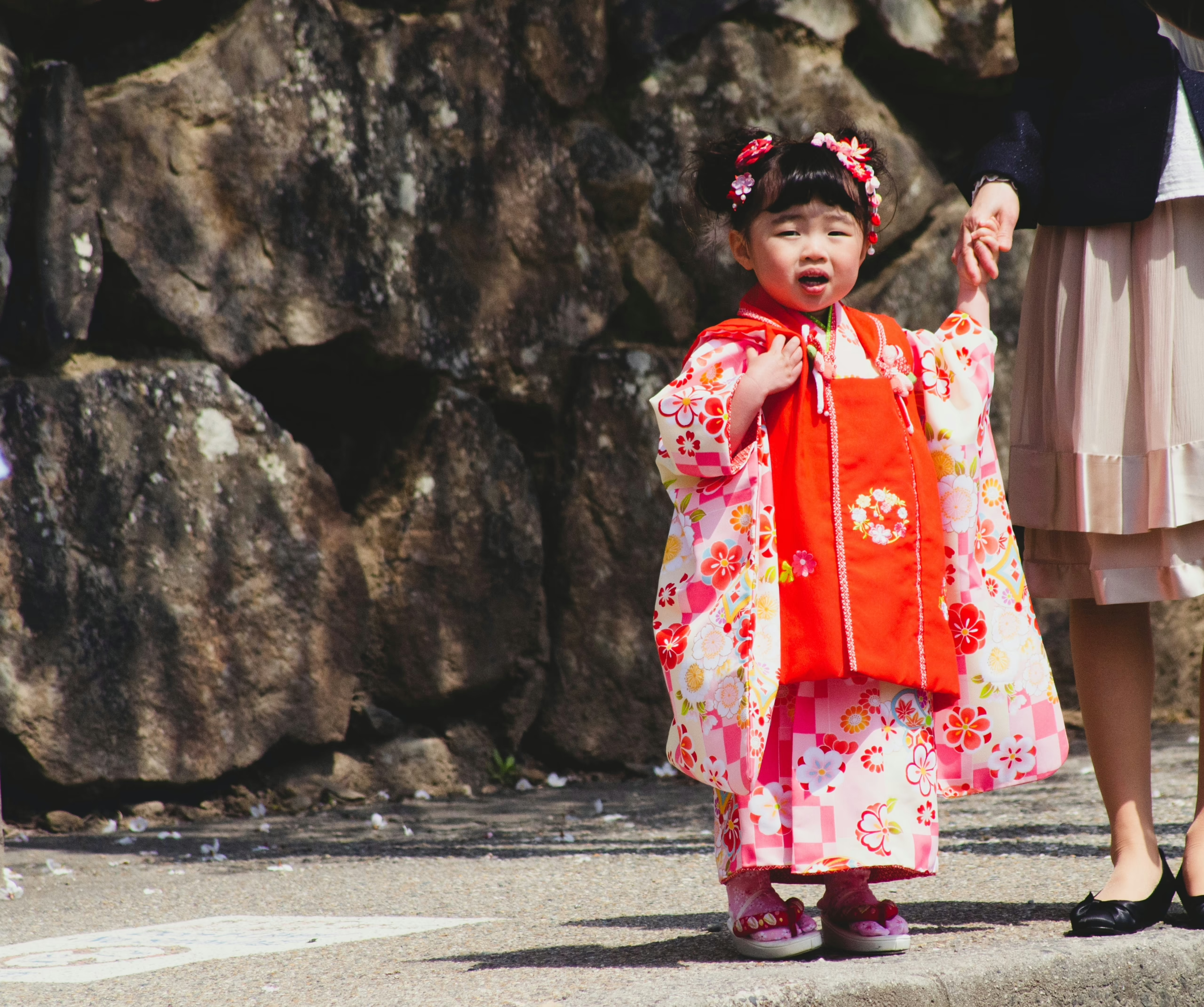
Tokyo with kids is easier than its size suggests. The city is exceptionally safe, the trains are intuitive, and family facilities are everywhere. The reward is in the pacing. Tokyo gives more to families who choose a few experiences and move through them slowly than to those racing a long list.
Tokyo looks daunting on a map. Thirteen million people, a transit diagram like circuit-board art, a reputation for sensory overload. Families read all of that and assume the city is something to survive rather than enjoy. The opposite is closer to the truth. Few large cities are as gentle on a travelling family, and fewer still reward an unhurried approach so generously.
This guide takes the curated view rather than the exhaustive one. It is not a catalogue of every attraction in the city. It is a shorter answer to a harder question: how do you plan Tokyo with kids so the trip feels like a vacation rather than a logistics exercise. That means leading with where to stay and how to move, then choosing a small set of experiences worth slowing down for. The quieter corners worth building a morning around are set out in beautiful places in Tokyo. A primer on Japanese etiquette is the right place to start before any of it, since the conventions around shoes, queueing, and voice level thread through every day with children.
The most common mistake first-time families make is to plan Tokyo as a sequence of headline sights. Disney in the morning, Skytree at noon, an aquarium by three. That itinerary works on paper and falls apart by the second afternoon, when a tired four-year-old decides the day is over. The better approach treats one neighborhood per day as the unit, with a single anchor experience and plenty of margin around it. The days breathe. So does everyone in them.
How many days, and how to pace them
Four to five days is the comfortable floor for a first family visit to Tokyo. That gives one slow day per neighborhood, with room for naps, weather, and the unplanned hour a child will want to repeat. Shorter trips force a checklist rhythm that young children resist. Longer stays let you fold in a day trip without strain.
The right pace depends entirely on age, and the difference is sharp. Planning Tokyo with kids well means planning for the children you actually have, not the itinerary you imagined.
Toddlers and under-fives
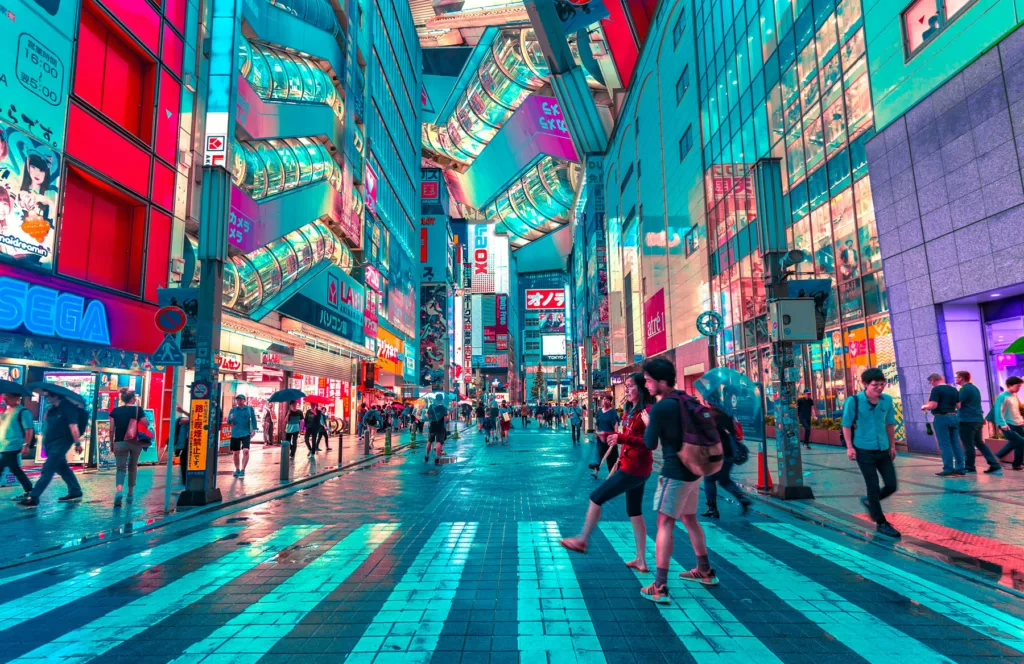
Build the day around one outing and a long midday reset. Parks, animals, and water hold this age far better than museums do. Two short stops with a nap between them beats four crammed into a morning. Keep the hotel close to a station so an early retreat is always an option.
School-age children
Five to ten is the sweet spot for Tokyo. Hands-on museums, theme parks, and interactive art land well, and stamina stretches to a fuller day. This is the age that gets the most from the city’s stranger, more wonderful corners, provided the schedule still leaves an afternoon loose.
Tweens and older
Older children reward a slightly denser itinerary and respond to the design, food, and culture that make Tokyo distinct rather than generic. They can handle a day trip, a late dinner, and the occasional long walk. They also have opinions, so a shared morning of planning over breakfast tends to pay off.
Where to stay in Tokyo with kids
Where you sleep shapes a family trip more than any single attraction. The governing rule in Tokyo is simple: stay near a major station with direct lines to where you plan to spend your days. A ten-minute walk to the train, with a child and a stroller, is a different proposition at eight in the morning than the map suggests.
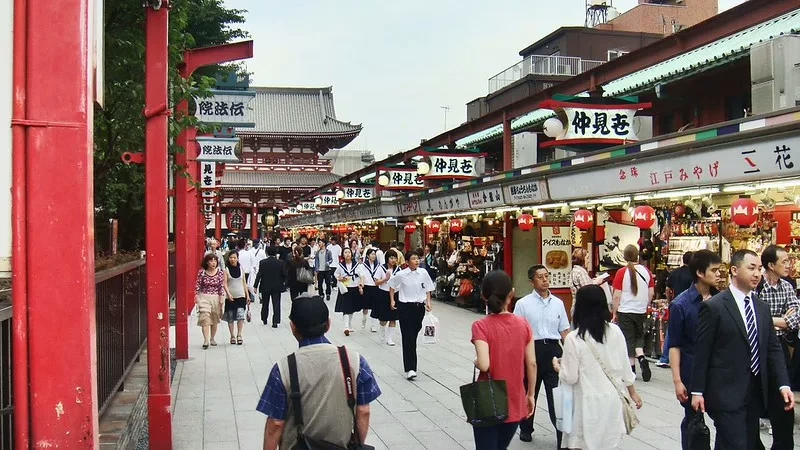
Asakusa is the warmest first base. The old-Tokyo atmosphere is genuine, rooms run larger and gentler on the budget, and Senso-ji and the Sumida River give children space to roam. For a cultural stay, Ryokan Asakusa Shigetsu keeps traditional tatami family rooms a few steps from the temple gate. The trade-off is a slightly longer ride to the western districts.
For families who want the luxury register, three properties stand out. The Four Seasons Tokyo at Otemachi sits beside Tokyo Station, with a pool and some of the largest family rooms in the city. The Grand Hyatt Tokyo, inside the Roppongi Hills complex, pairs family suites and a pool with a concierge team that arranges family itineraries, plus shops, a cinema, and the Mori Art Museum on the doorstep. In Shinjuku, the Keio Plaza runs one of the city’s longest-standing children’s programs, with character-themed rooms that delight younger guests.
Whatever the district, two room types ease family travel. Apartment-style hotels with a kitchenette and a separate sleeping area suit longer stays and picky eaters. Western-bed family rooms remove the futon question for those who would rather not negotiate it with a toddler at bedtime.
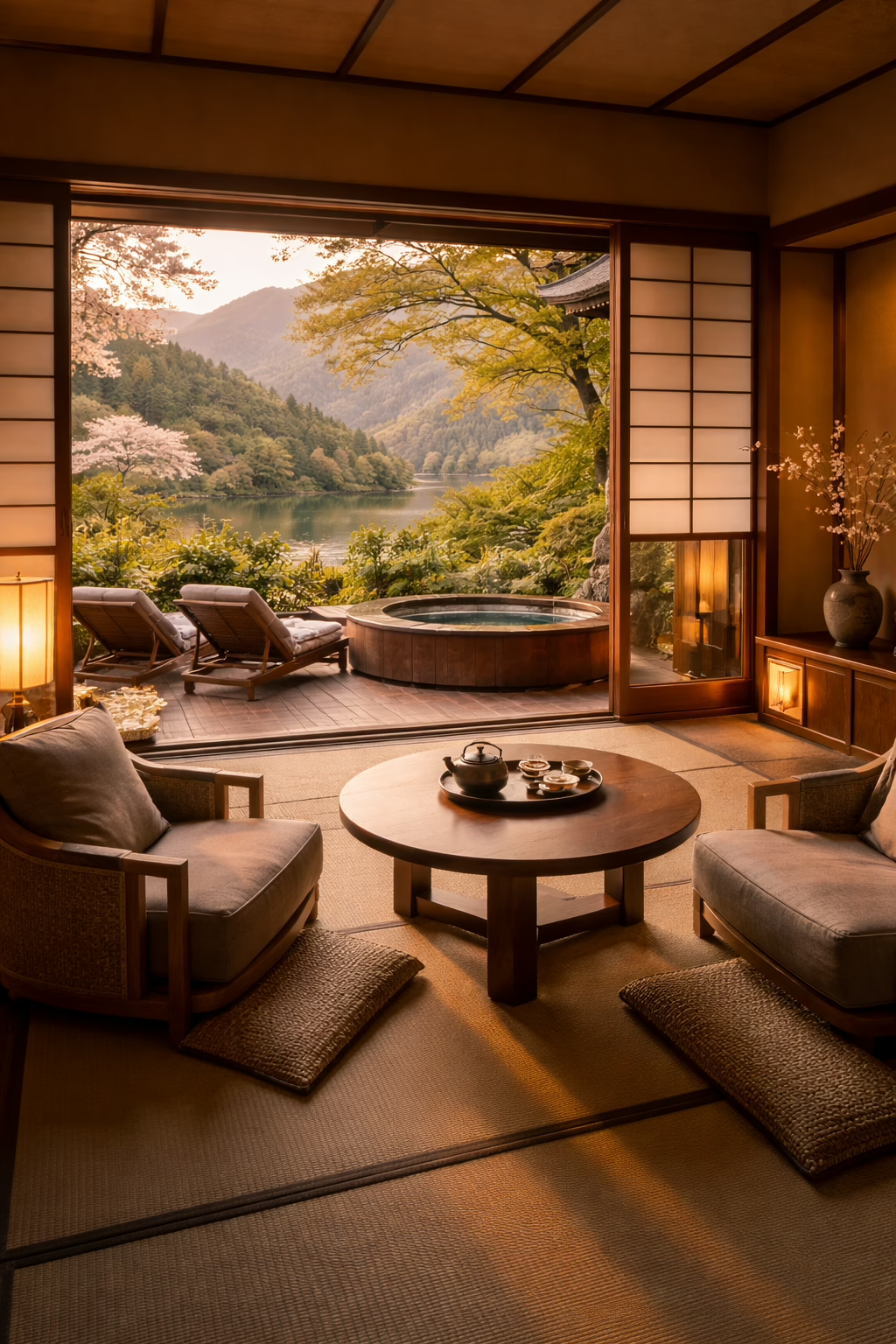
For the cultural anchor, one ryokan night is worth building in. Hoshinoya Tokyo brings the form into the city: tatami floors, futons, and a rooftop hot-spring bath a few minutes from Tokyo Station, which removes the travel question for families short on time. For the fuller version, the forested ryokan of Hakone, gathered in the luxury ryokan list, sit within a short ride and turn a single night into the trip’s quiet highlight.
Getting around with children
Tokyo’s transit is the quiet hero of family travel here. Once a few decisions are made at home, moving around the city with children becomes one of the easier parts of the trip.
The IC card comes first. A Suica or Pasmo card replaces ticket-buying for almost all rail and metro travel, and it works in convenience stores too. Load one on each adult phone through Apple Wallet, or collect physical cards at any major station. Children under six generally ride at no charge; those six to eleven pay a child fare on their own card.
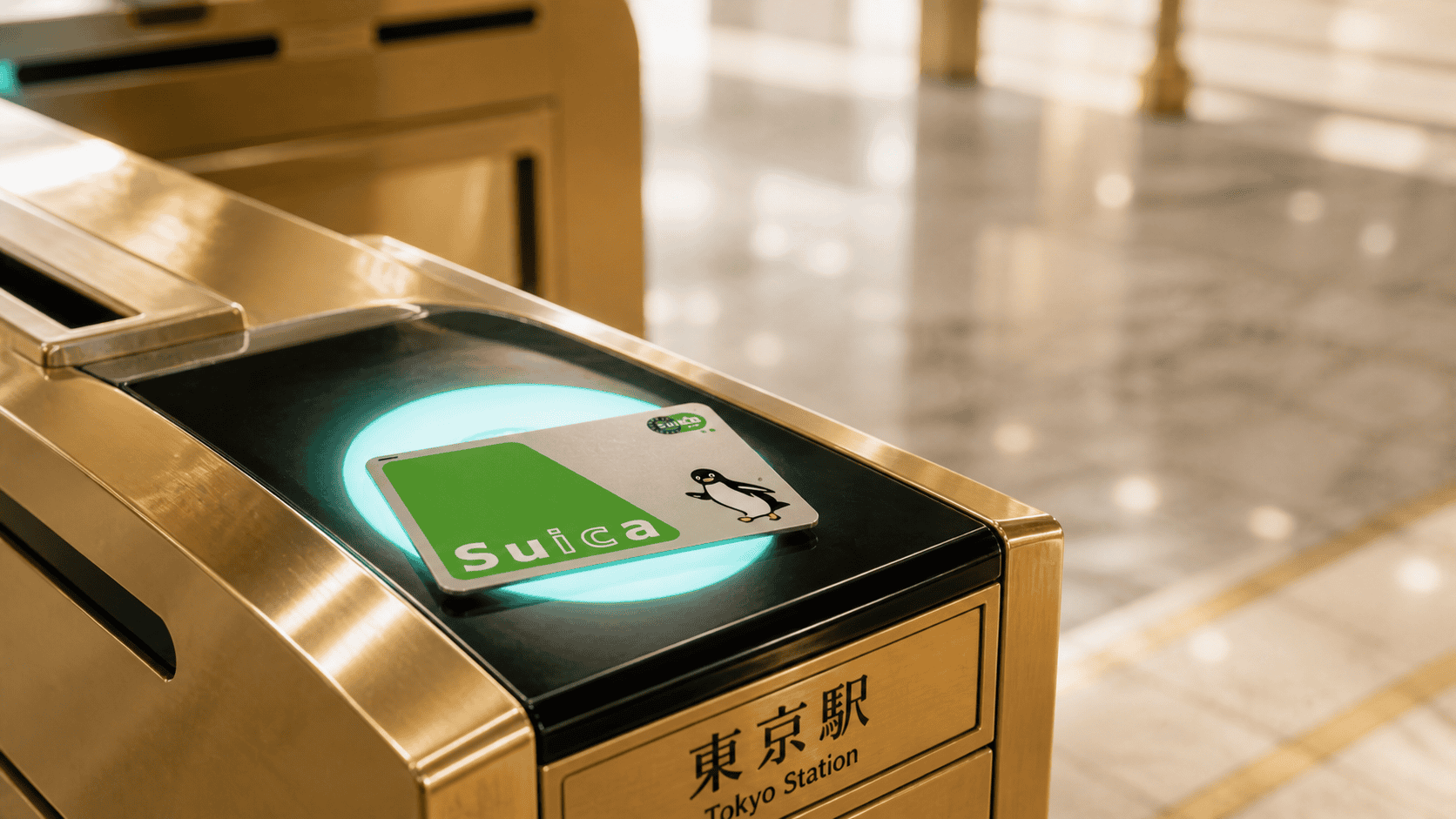
Strollers work, with a little planning. Most major stations have elevators, though they are sometimes tucked into a far corner and signposted modestly. A lightweight folding stroller travels far better than a bulky travel system. The one firm rule is to avoid the network at rush hour, roughly eight to nine in the morning, which is best skipped with small children regardless.
Forward your luggage. The takkyubin courier services move suitcases between hotels overnight for a modest fee, so you never drag cases through a station with a child in tow. It is the single most underused convenience in family travel here. If the logistics still feel heavy, you can also have the whole route planned for you through the Magnificent Japan custom itinerary service, built around the way your family actually travels.
Things to Do in Tokyo With Kids
This is where the curated approach earns its keep. Tokyo offers a near-infinite list of things to do with children. The skill is in choosing few, not many. The handful below reward a slow morning each, and most families will pick three or four rather than attempt them all.
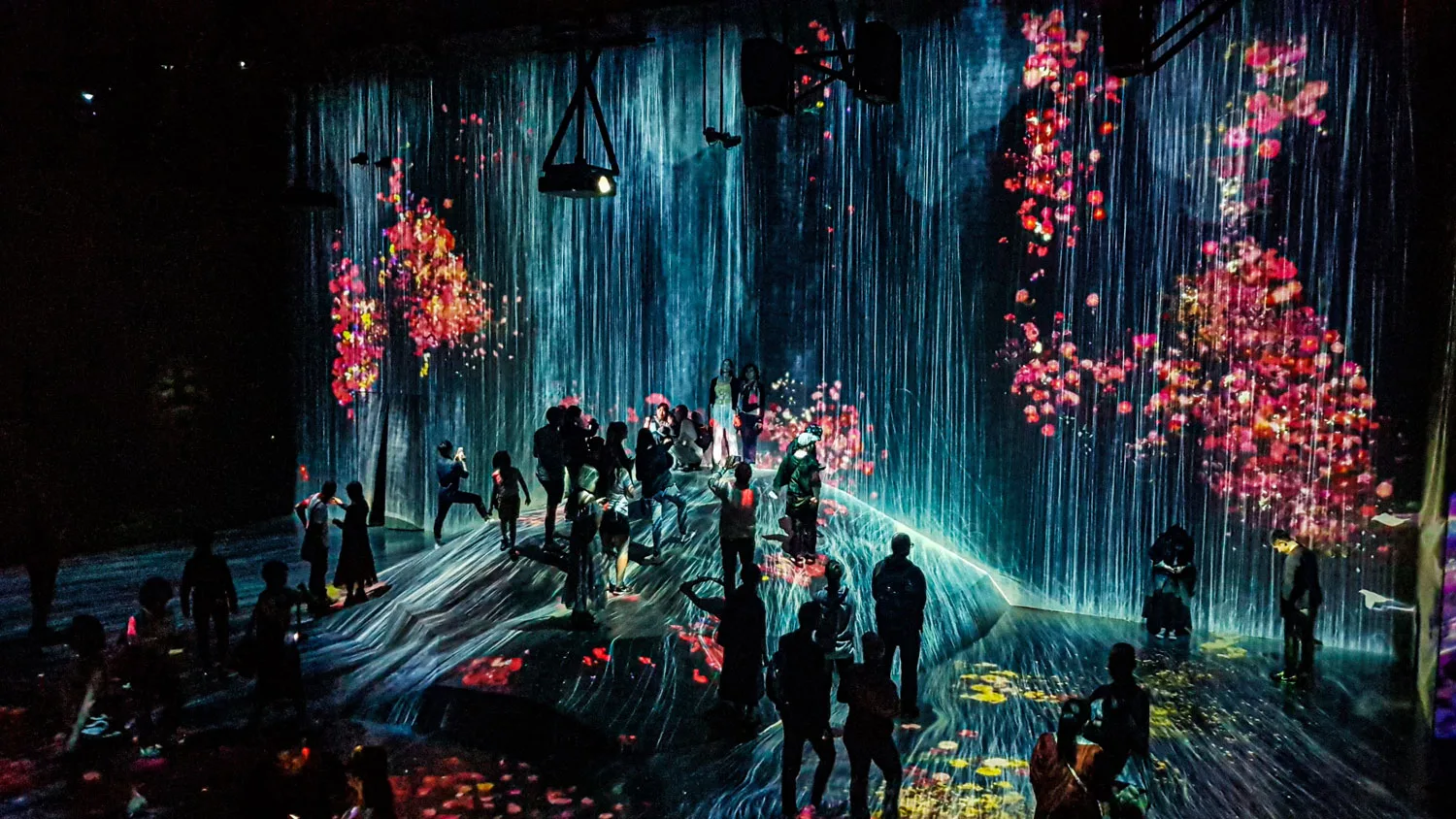
teamLab Borderless is the immersive digital-art museum that children tend to remember longest. Note the move: the museum reopened in February 2024 at Azabudai Hills, relocating from its former Odaiba home. Rooms of light respond to movement, and there is no fixed route, so children lead and adults follow. Tickets are time-slotted and sell out well ahead, so book directly through the official teamLab site before you travel.
Ueno Park packs a full family day into one walk. Ueno Zoo, home to giant pandas, sits inside it, alongside wide paths, ponds, and space to run. Hours and panda-viewing details are on the zoo’s official site. In cherry blossom season the park turns the whole outing into something quietly memorable, covered in our guide to the sakura season.
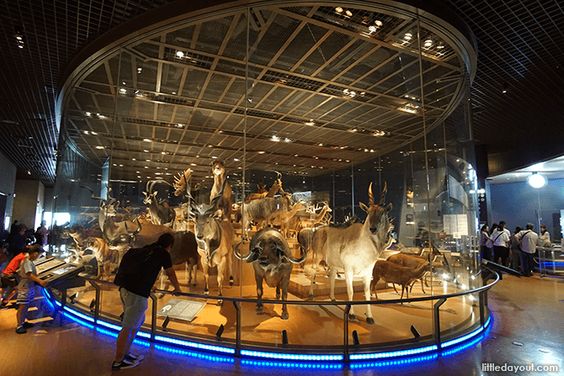
Also in Ueno Park, the National Museum of Nature and Science earns a slow morning for school-age children. The hands-on exhibits, from dinosaur skeletons to a hall on the natural world, hold attention without a screen in sight. Plan and check hours via the museum’s English site.
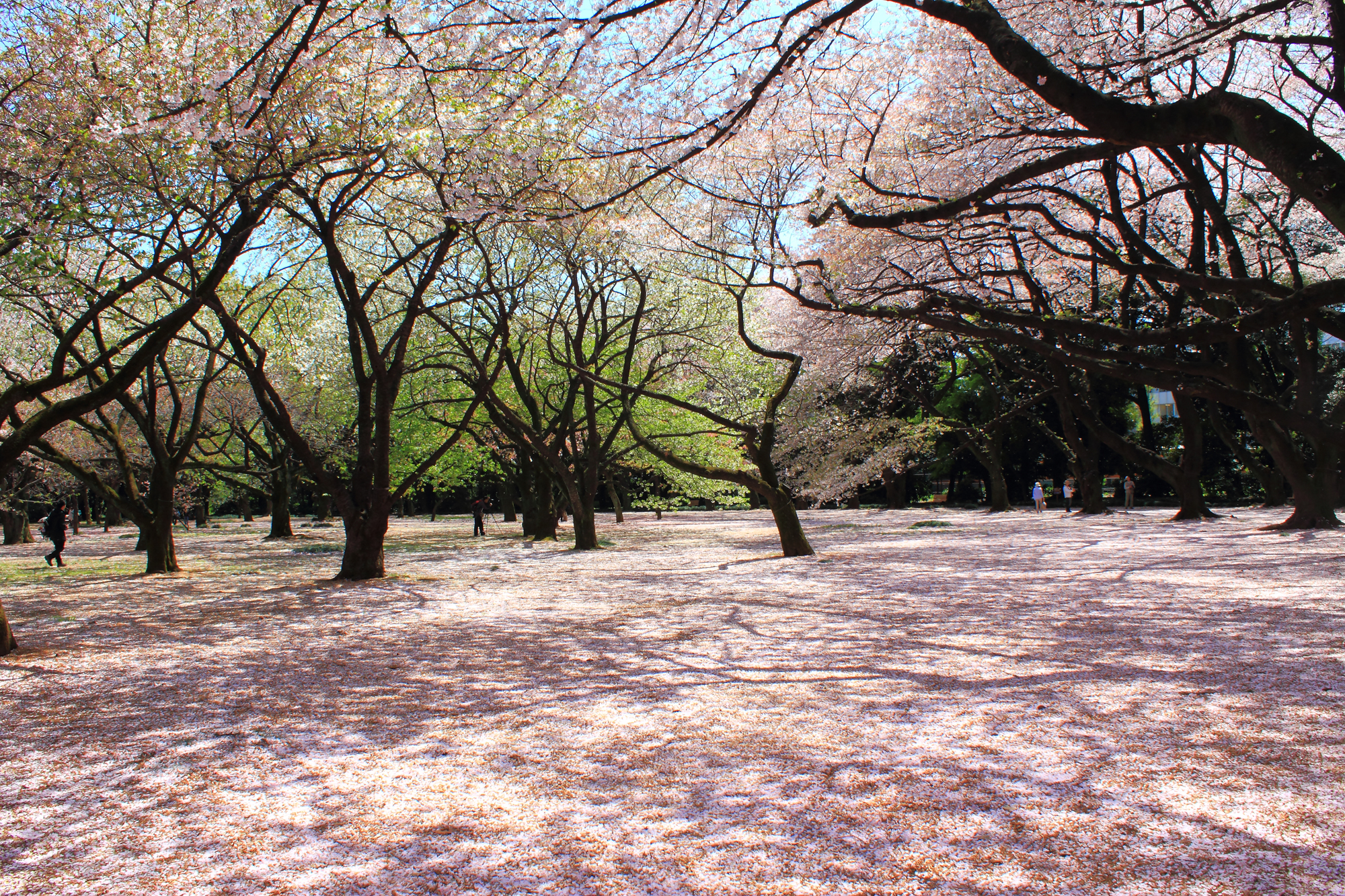
For a quieter counterpoint, Shinjuku Gyoen is the city’s gentlest green hour. Wide lawns, a traditional garden, and room for a picnic make it a natural reset between busier days. It rewards the youngest travelers as much as the oldest.
The Edo-Tokyo Museum in Ryogoku is worth its own slow visit, and the timing is fortunate. After a four-year renovation, it reopened on 31 March 2026 with new full-scale models and a redesigned flow that walks children through the city’s history at their own height. The neighborhood is also the home of sumo, which adds a second draw.
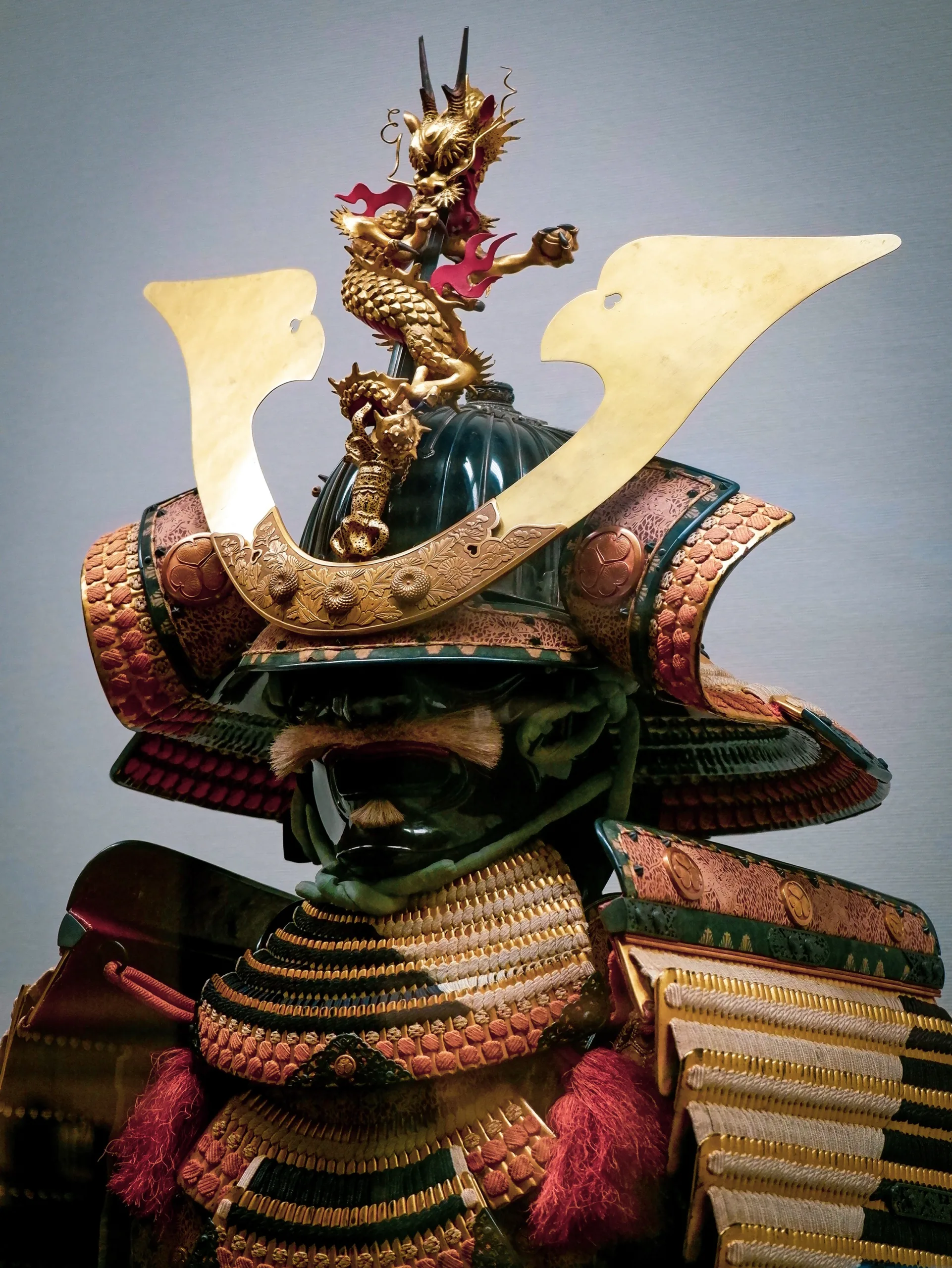
One cultural hour is worth threading into any family week. A short, child-friendly tea ceremony or a brush-and-ink session asks children to slow down and pay attention, which is its own quiet souvenir. It tends to land better than another queue, and costs an hour rather than a day.
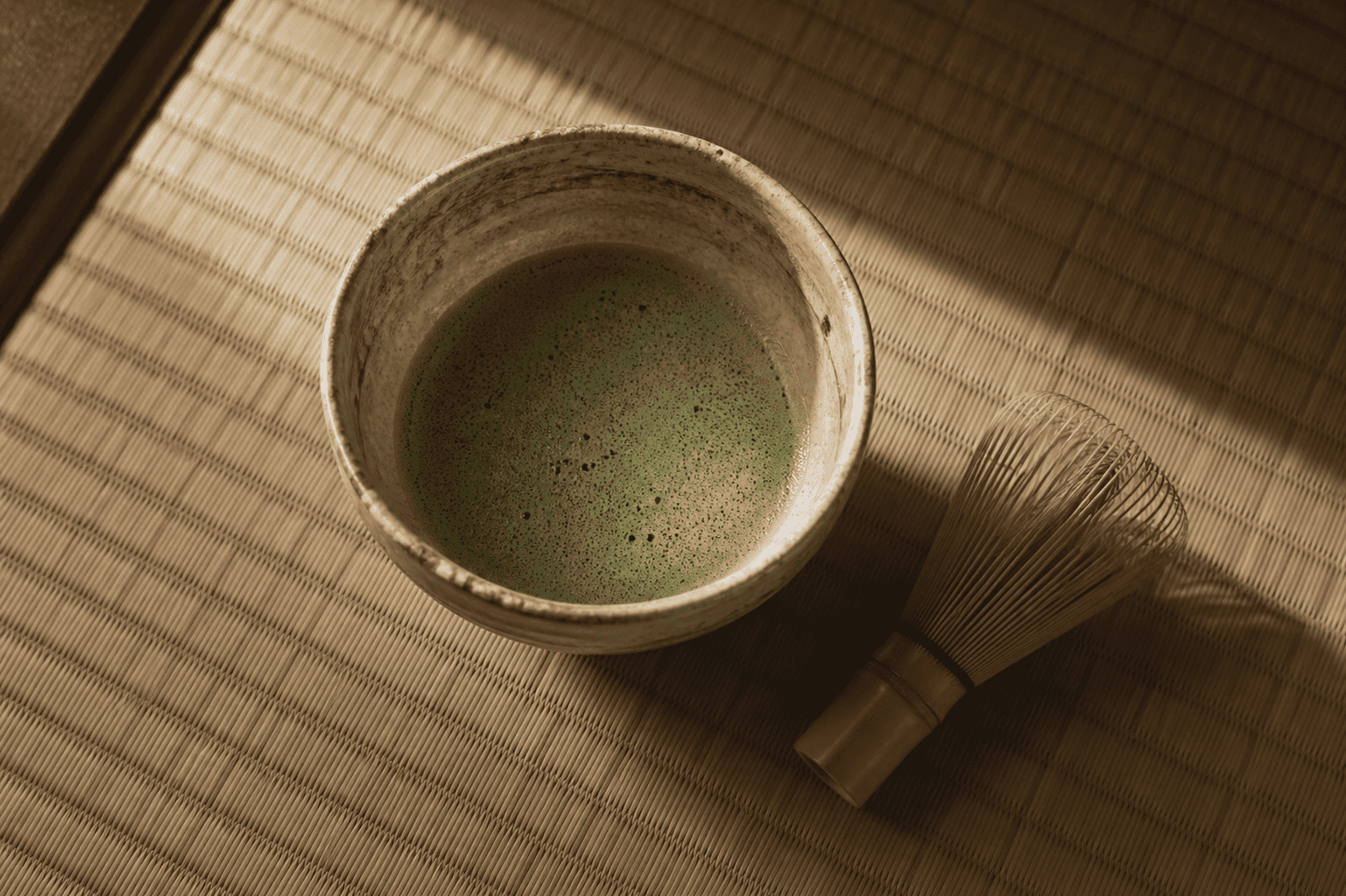
For families set on a full theme-park day, Tokyo Disneyland and DisneySea remain the headline draw, and they reward a single dedicated day rather than a half-morning squeezed between other plans. We cover the choice between the two parks, and how to pace a day there with children, in our Tokyo Disney guide.
A Sample Three Days in Tokyo
No plan survives contact with a tired child, so treat this as a frame rather than a schedule. It threads the pieces above into three unhurried days, with a lighter variant for under-fives noted under each.
A slow morning at Senso-ji and along the Sumida River, lunch nearby, then a timed-ticket afternoon at teamLab Borderless. Under-fives: swap the museum for a river cruise and an early dinner.
Ueno Zoo and the park in the morning, the National Museum of Nature and Science for school-age children, then a late-afternoon picnic at Shinjuku Gyoen. Under-fives: trim to the zoo and an hour at Yoyogi Park.
Choose a single anchor: a Hakone or Kamakura day trip, or a full day at Tokyo Disneyland or DisneySea. Keep it singular. A theme park does not pair with anything else.
The frame holds because it asks each day to do one thing well. Stretch it to four or five days and the same logic applies: add a day trip, not a fuller schedule.
Mapping three days around nap times, train changes, and timed tickets is the part most worth handing off. The Magnificent Japan studio builds the whole route around your children’s ages, from a single conversation.
Plan Your ItineraryTokyo With Toddlers and Under-Fives
Toddlers and under-fives change the maths of a Tokyo trip. The city still rewards them, but through different doors. Lead with open space, animals, and water, and keep the days short.
Yoyogi Park is the easiest win. Wide lawns, shaded paths, and ponds give small children room to run and parents room to breathe, and seasonal events often add gentle entertainment without a ticket. It pairs naturally with the nearby Meiji Shrine forest for a calm half-day.
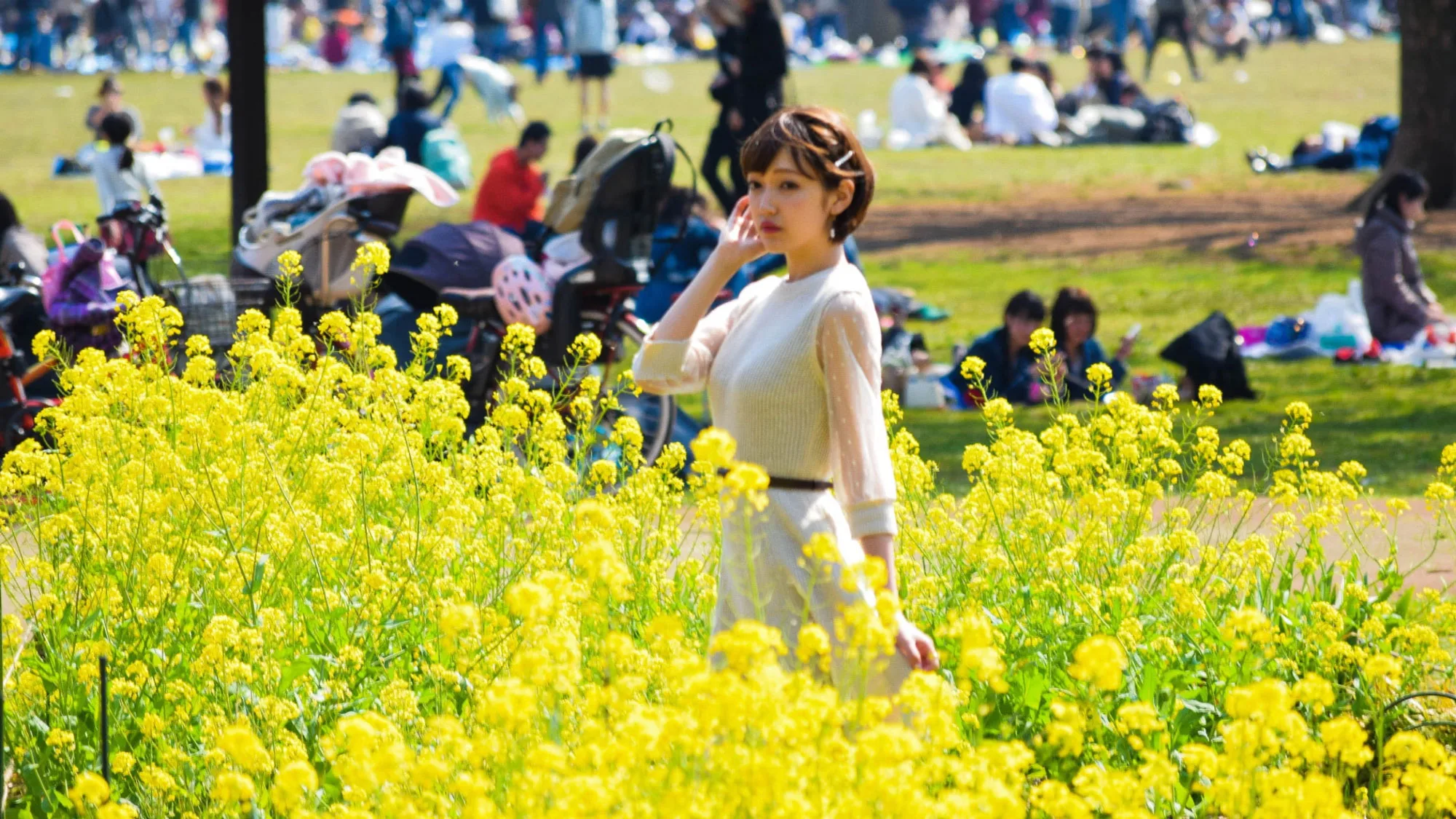
For an indoor option on a wet day, the Tokyo Toy Museum in a converted Shinjuku schoolhouse lets toddlers handle wooden toys and traditional games at their own pace. The Tokyo Sea Life Park in Kasai, with its huge tuna tank and a penguin colony, is a reliable hit for slightly older small children, and it offers stroller rentals and changing facilities on site.
A printable one-page folio of ten Japanese proverbs, each with a sentence of editorial context. A quiet read for the flight, or a gentle one to share with older children before the trip. Sent in one email, with no newsletter follow-ups unless you opt in.
One email. No spam. Unsubscribe anytime.
Day Trips From Tokyo
A day outside the city changes the tempo of a Tokyo trip more than another neighborhood would. Each of the trips below works as a single day with children, and each is reachable by train within ninety minutes.
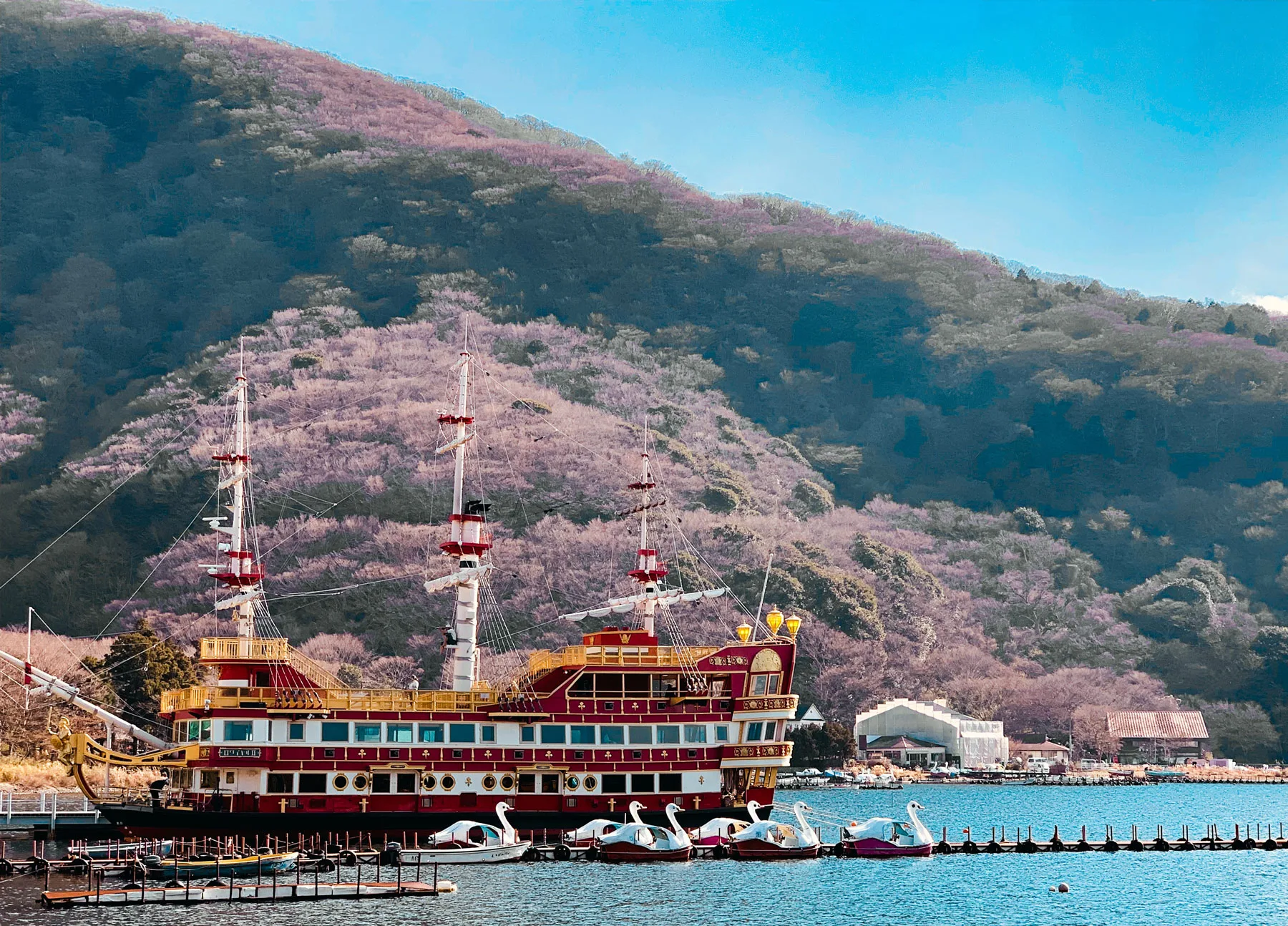
Hakone is the gentlest escape. A scenic cruise on Lake Ashi, a cable car with views toward Mount Fuji on a clear day, and an open-air sculpture museum built for wandering give children variety without a forced march. A single ryokan night here turns the day trip into the highlight of the week.
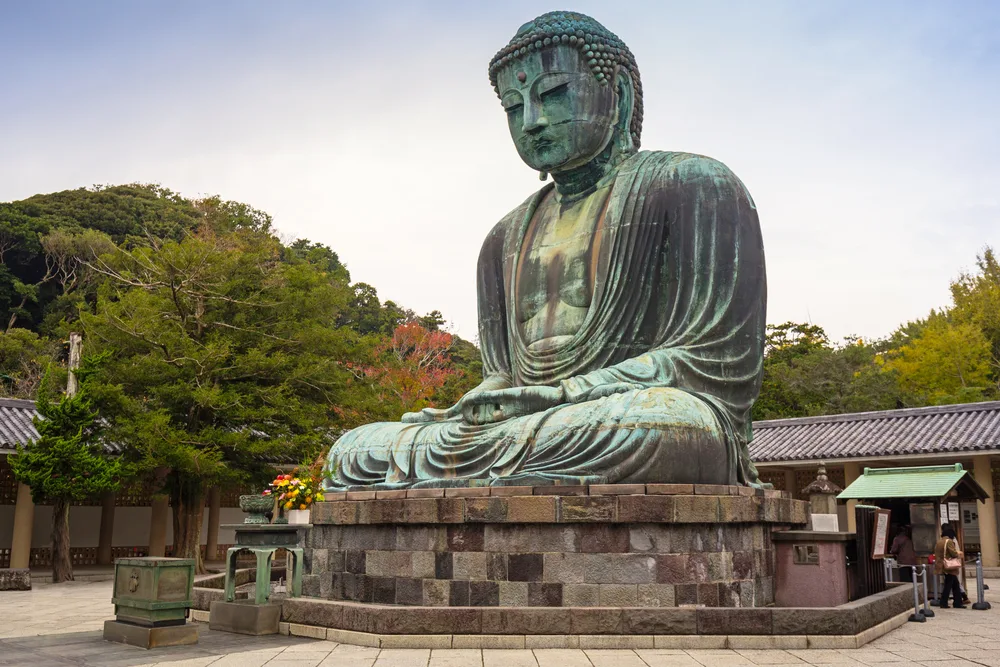
Kamakura trades mountains for the coast. The Great Buddha at Kotoku-in is the anchor, a bronze figure children can walk right up to, and the town’s lanes, beaches, and small temples fill the hours around it without strain. The train ride down is short and scenic.
Nikko asks a little more travel and gives a lot back: ornate shrines set in cedar forest, waterfalls, and a lake. It suits families with school-age children and older who do not mind a fuller day, and it pairs history with the outdoors in a way the city cannot.
If the planning behind a multi-stop family week feels like more than you want to carry, it is the kind of thing the Magnificent Japan studio handles routinely. A short note about your children’s ages and the pace you want is enough to start.
Where to Eat With Kids
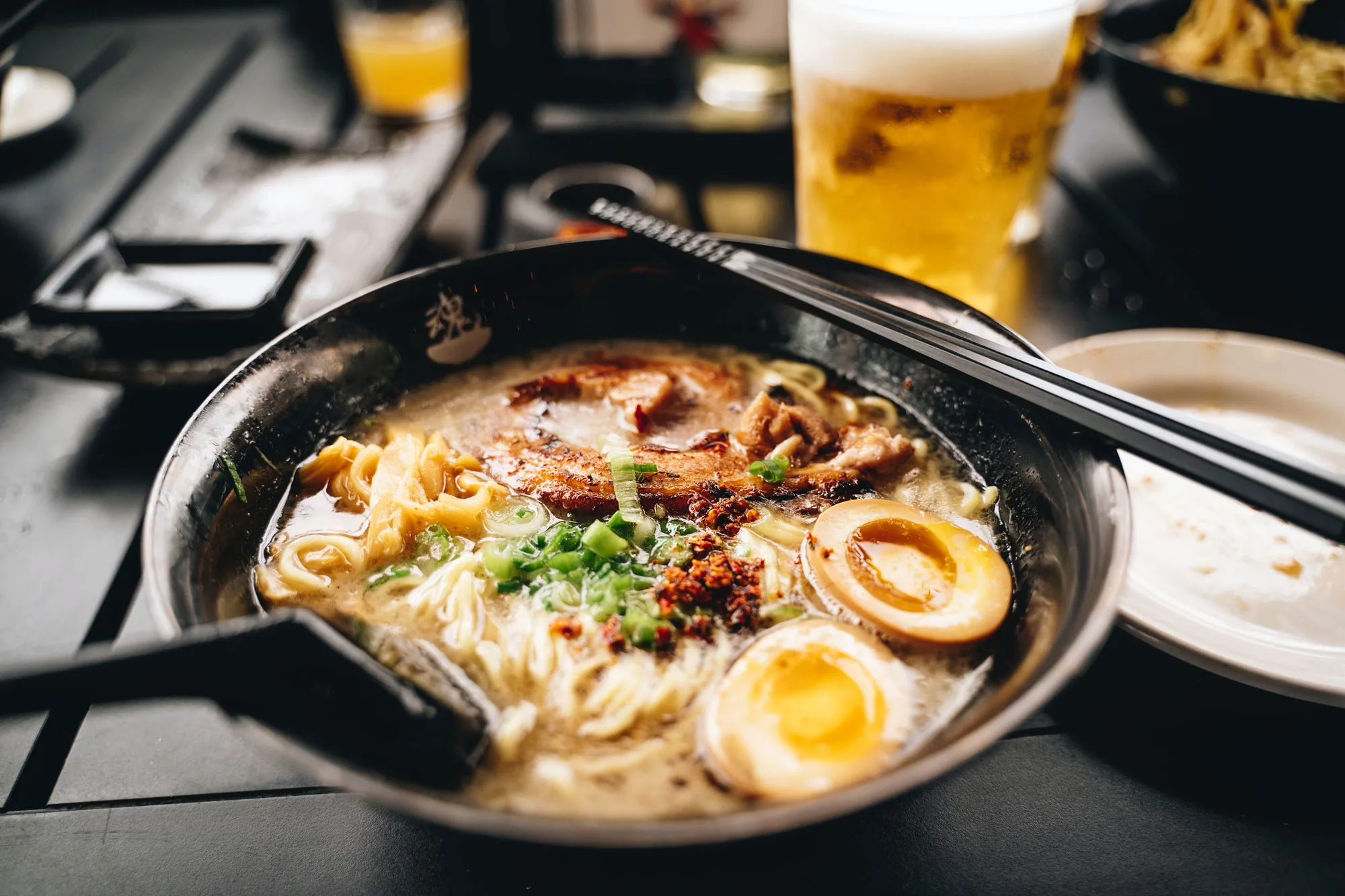
Japanese food is, quietly, some of the most child-friendly cooking in the world. Rice, noodles, grilled fish, and gentle flavours suit young palates, and the portions and presentation tend to charm rather than intimidate.
The single most useful tip is to look for restaurants with picture menus or the plastic food models in the window. Children can point to what they want, which removes the friction of an unfamiliar language at the exact moment everyone is hungry. Conveyor-belt sushi, gyoza counters, and the family chains found near most stations all work well.
Two practical notes ease family meals. Many smaller restaurants take cash only or keep card payment limited, so carry some yen for the neighborhood spots. And convenience stores are a genuine ally here: fresh onigiri, fruit, and yogurt make a reliable breakfast or a fallback when a child’s mood turns before the planned dinner does.
Questions Worth Asking
Tokyo is one of the more forgiving large cities to visit with children. It is exceptionally safe, the trains are intuitive, and clean restrooms and family facilities are everywhere. The deeper reward is pacing. Tokyo rewards families who choose a few experiences and move through them slowly, rather than racing a long list of attractions.
Four to five days is a comfortable floor for a first family visit. That allows one slow day per neighborhood, with margin for naps, weather, and the unplanned hour a child will want to repeat. Shorter trips push families into a checklist rhythm that young children resist. Longer stays let you add a day trip without strain.
The strongest family bases sit near a major station with direct lines. Asakusa offers atmosphere and space at a gentler price. Shinjuku and Marunouchi trade character for connectivity and larger rooms. Apartment-style hotels with kitchens and family rooms suit longer stays. A single night in a family-friendly ryokan adds a cultural anchor without much logistical cost.
Mostly, with planning. Most major stations have elevators, though they are sometimes tucked away and signposted modestly. Trains are stroller-friendly outside rush hour, which is best avoided with small children anyway. A lightweight folding stroller travels better than a bulky one. Luggage-forwarding services let you move between hotels without dragging cases through stations.
Tokyo works at almost any age, but the experience differs sharply. Toddlers do best with parks, animals, and short days built around naps. School-age children engage with hands-on museums and theme parks. Tweens reward a slightly fuller itinerary and respond to the culture and design that make Tokyo distinct. The city flexes to each; the itinerary should too.

A cream-paged notebook for the part of a family trip that photos miss — the small daily rituals, the things a child says at the temple, the meal everyone wants again. View the journals →
The Days Worth Slowing Down For
A family trip to Tokyo is not measured by how many attractions it collects. It is measured by the mornings that did not feel rushed, the meal everyone asked to repeat, the hour at the park that turned into an afternoon. The city is unusually willing to grant that kind of trip. It rewards families who plan for fewer, better days rather than a longer list.
The planning is what makes the difference, and it is also the part most worth handing off. For families who would rather arrive with the route already shaped, the Magnificent Japan custom itinerary is built around your children’s ages and the pace you want, and the Journals are the quiet object that carries the memory home.
A bespoke Tokyo itinerary, paced for your children and built from a single conversation about how your family likes to travel. Not a packaged route — a plan that is yours. Quote within 24 hours, no commitment.
Begin a Custom Itinerary