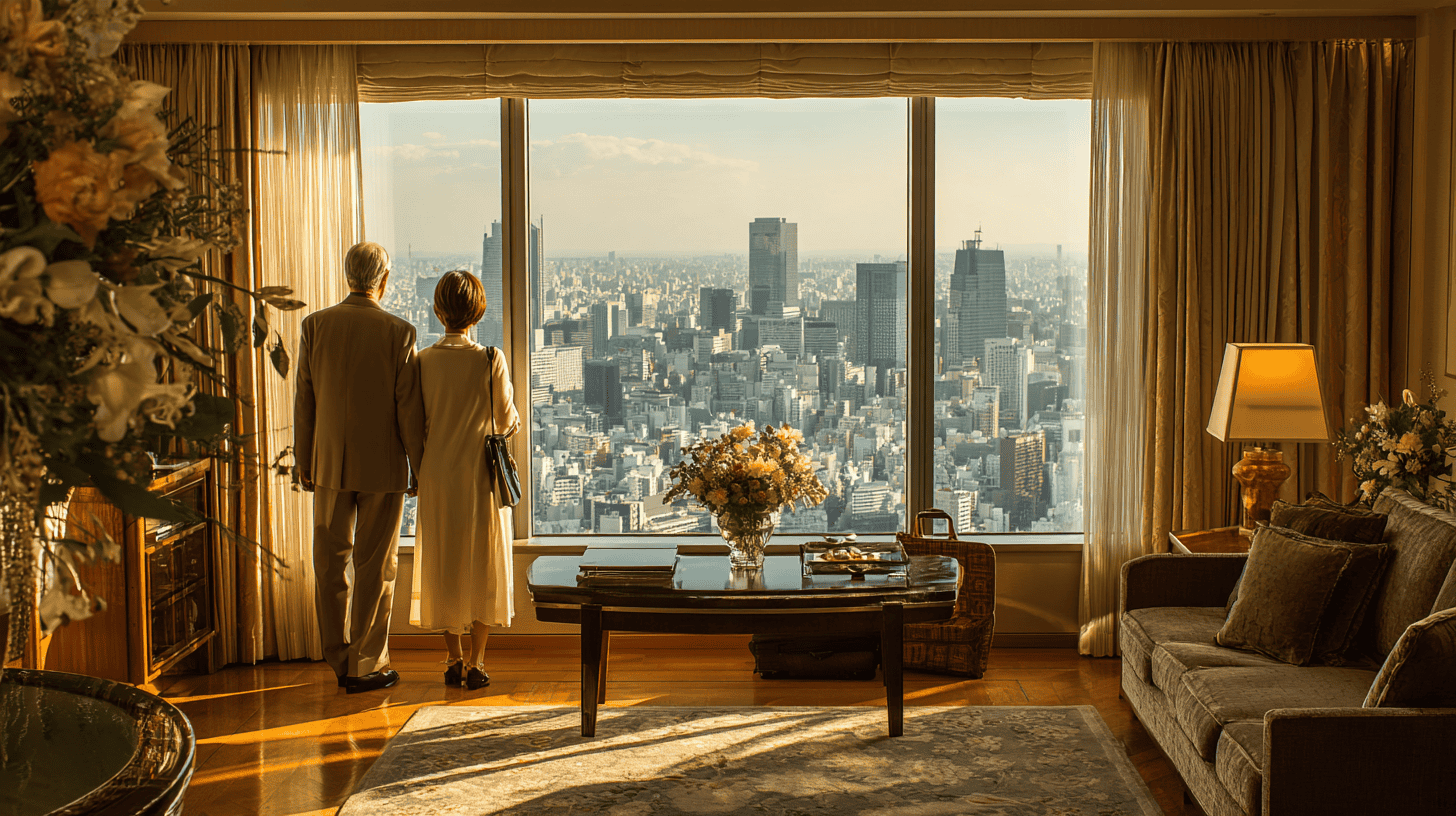
Luxury hotels in Japan are easier to rank than they were a year ago. In September 2026 the Michelin Guide published its full Japan list of Key hotels. Seven properties earned the top award of three Keys. Four of them are hotels in the Western sense. There are two Tokyo towers, a palace-side landmark and a Kyoto house on old merchant land. This guide follows that list, adds the resorts worth the journey, and explains how each one fits a trip. It sits within our wider guide to luxury travel in Japan.
One distinction runs through every page here. A hotel gives you space, a spa, a bar and a concierge who speaks your language. A ryokan gives you tatami, a private bath and dinner served in your room. For the inns, our guide to the best luxury ryokan with private onsen does the same work.
What are the best luxury hotels in Japan?
The best luxury hotels in Japan for 2026 are the four city hotels holding three Michelin Keys. They are Bvlgari Hotel Tokyo, Four Seasons Hotel Tokyo at Otemachi, Palace Hotel Tokyo and Hotel The Mitsui Kyoto. Add Amanemu for a resort with private onsen. Then choose by city, view and how you want to spend your evenings.
How Luxury Hotels in Japan Are Judged in 2026
For years, the shortlist of luxury hotels in Japan came from magazines and booking sites. That changed when the Michelin Guide extended its Key award to Japan. The Keys work like restaurant stars, but for the whole stay. Inspectors judge architecture, service, character and value, not thread counts alone. In other words, a Key judges how the hotel feels.
The Michelin Key hotels in Japan for 2026 list, published on September 18, gave three Keys to seven properties. Two are ryokan, Gora Kadan in Hakone and Asaba in Izu. One is a resort, Amanemu in Mie. The other four are city hotels. Three stand in Tokyo, and one stands in Kyoto. Below them sits a longer tier of two-Key hotels, from Aman Tokyo and Janu Tokyo to Capella Kyoto.
Why the Keys matter more than star ratings
Japan has no single official star system that travelers can read across brands. A “5 star hotel in Japan” on a booking site is often a self-applied label. The Keys, by contrast, come from anonymous stays and a published method. That makes them the closest thing to an independent ranking the country has. Still, a list is a starting point. The best hotels in Japan for you depend on the city, the season and your evenings.
The Best Hotels in Tokyo: Towers Above the Palace
Tokyo’s finest hotels share a pattern. They occupy the top floors of new towers, so the city becomes the view from the bath. Most sit near Tokyo Station and the Imperial Palace gardens. That means short rides to Ginza, Nihonbashi and the bullet trains. However, each one handles height differently. Some feel like private clubs. Others feel like small cities of their own.
Bvlgari Hotel Tokyo
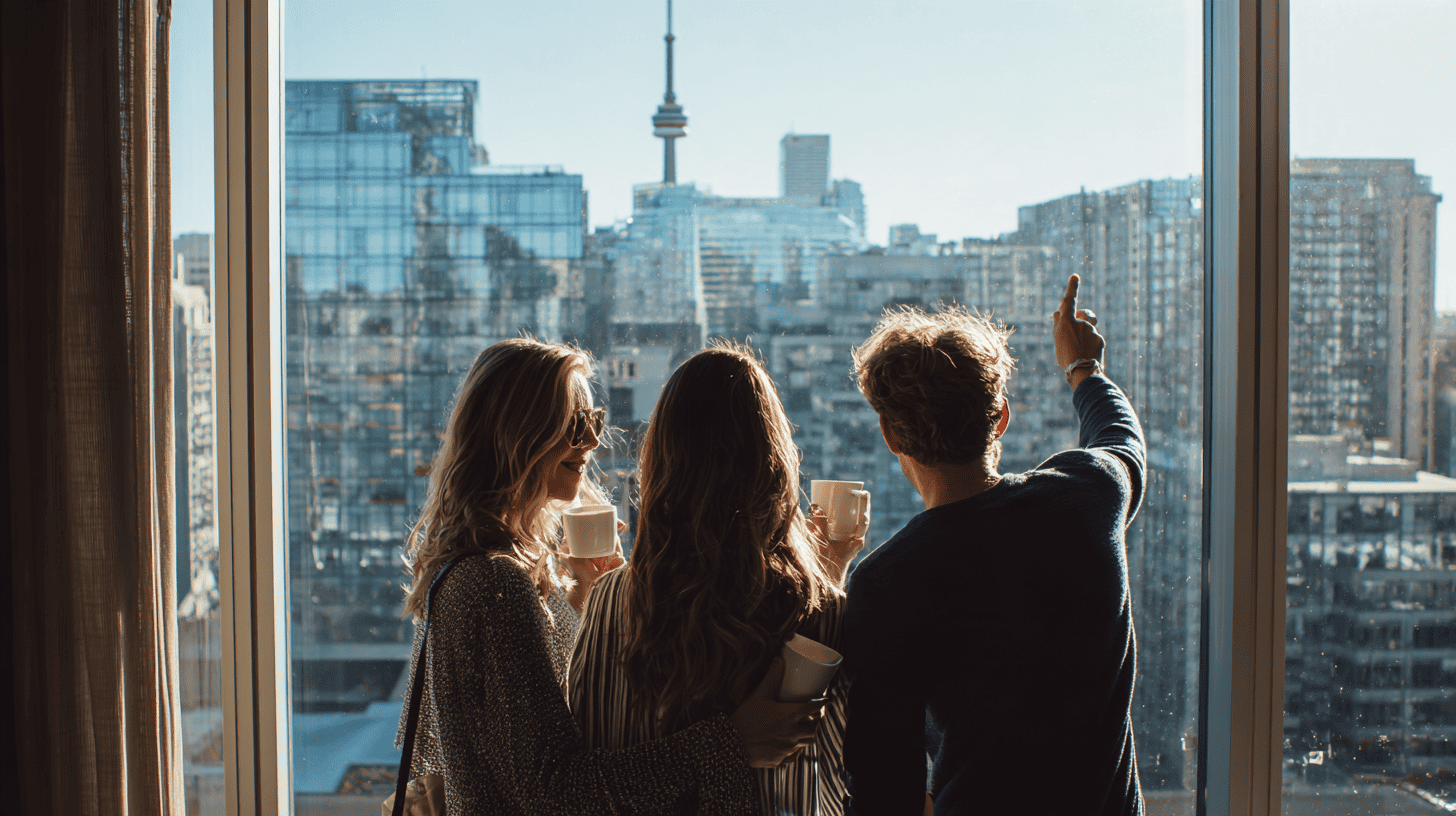
The Bvlgari Hotel Tokyo occupies the 40th to 45th floors of Tokyo Midtown Yaesu, beside Tokyo Station. It has 98 rooms and suites. The spa fills 1,800 square meters on the 40th floor, with a 25-meter pool facing the skyline. Il Ristorante, led by Niko Romito, holds a Michelin star. Because the hotel is small for its height, corridors stay calm even on busy nights.
Four Seasons Hotel Tokyo at Otemachi
Four Seasons at Otemachi takes the top six floors of the 39-story Otemachi One tower. The spa sits on the 39th floor, with a 20-meter indoor pool. Its restaurant est holds a Michelin star for contemporary French-Japanese cooking. For a first visit, it is the easiest of the three-Key hotels to use as a base. The trains, the palace moat and the financial district all start at the door.
Palace Hotel Tokyo and Aman Tokyo
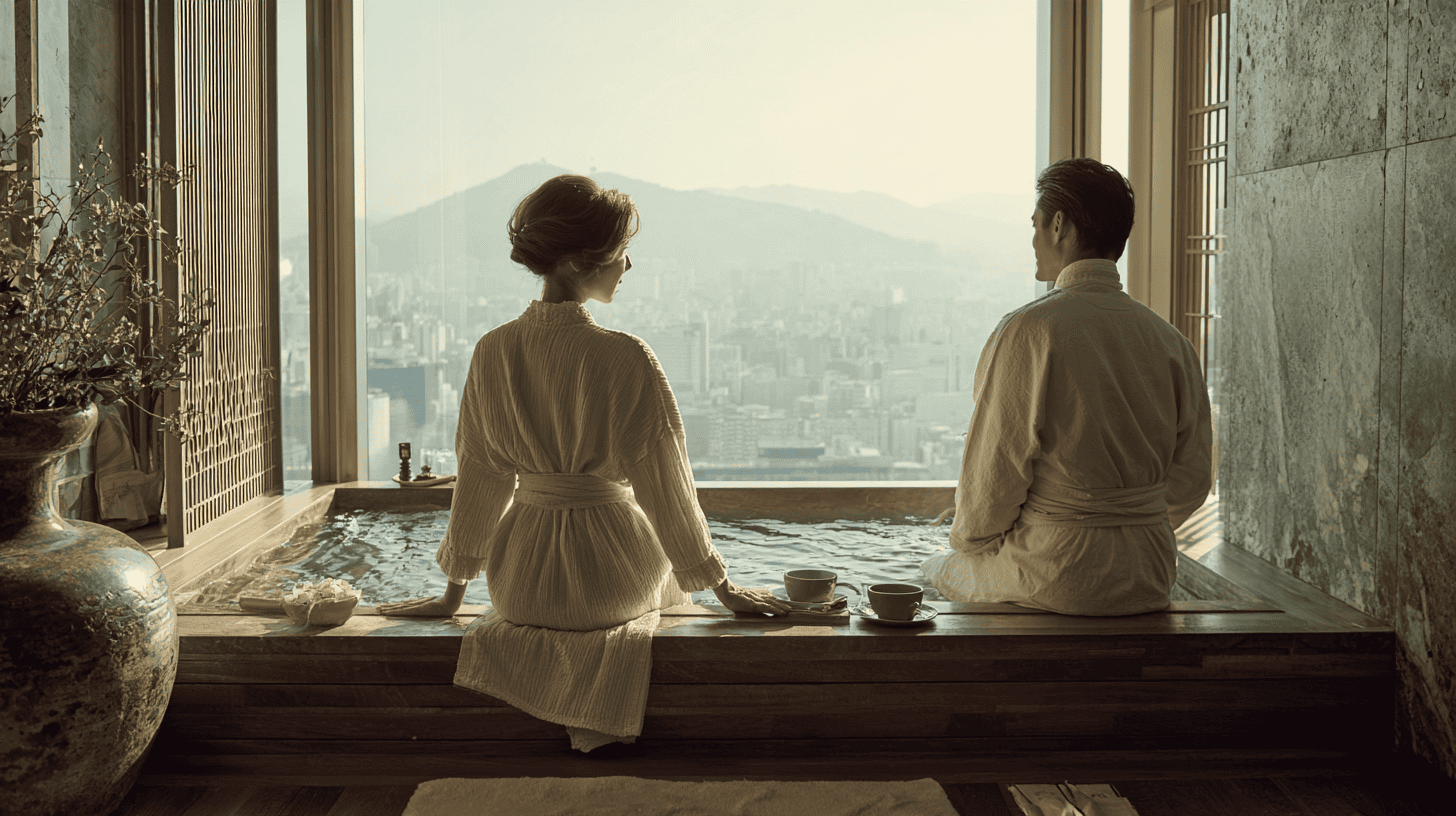
Palace Hotel Tokyo is the three-Key choice for travelers who want the palace gardens rather than a sky view. It faces the palace gardens across the moat, and it feels like a grand hotel rather than a tower. Aman Tokyo, by contrast, holds two Keys and sits at the top of the Otemachi Tower. Its suites start at 121 square meters. Each carries a deep stone furo bath, and the spa adds onsen-style baths and a 30-meter pool.
That bath is worth a moment. The finest luxury hotels in Japan treat bathing as an evening ritual, not a hygiene stop. In practice, the best Tokyo rooms put a deep tub by the window and a separate shower beside it. Many also set out loose-leaf green tea instead of coffee pods. To recreate that at home, try Ippodo’s Kaboku sencha from Kyoto. The house describes it as rich and full-bodied, and it suits cold brewing.
Onsen-style salts modeled on eleven Japanese hot springs. They turn a deep tub at home into an evening ritual.
View the Product →Light organic cotton from a wind-powered Imabari factory. It has the soft, fast-drying hand of a fine hotel towel.
View the Product →A self-warming eye mask for the long flight in. It helps the first night in a Tokyo tower feel rested.
View the Product →Janu Tokyo, the newer register
Janu Tokyo, in Azabudai Hills, holds two Keys. This is Aman’s younger, more social sister, with 122 rooms and suites by Jean-Michel Gathy. There are eight places to eat and drink. The hotel also has one of the largest gyms in the city. Choose it if you want energy in the lobby. Choose Aman if you want the opposite.
Evenings separate the Tokyo hotels more than the rooms do. Most of the towers keep a bar on a high floor, and that bar becomes your second living room. The light drops, the city fills the glass, and the drinks list leans toward Japanese whisky. Kimura Glass, a Tokyo glassmaker working since 1910, blows the kind of thin-rimmed stemware these bars favor. Ask for a window seat at opening time. The view is at its best in the last half hour of daylight.
For the high bar at dusk and the garden at dawn: a place to keep each night of the stay.
6 × 9 in · 120 unlined pages · matte softcover
Shop This Journal →Then step outside at least once. The towers are comfortable enough that some guests never leave them after dark. That is a mistake in Tokyo, where the best small restaurants sit within a short taxi ride. Ask the concierge for a counter of eight seats, not the famous name. The hotel’s real value is the phone call it can make on your behalf. Many sought-after counters take bookings only through hotels or regular guests. So send a short note on allergies and dislikes ahead, and the chef can plan.
Keep a record of those nights as you go. The bath at dusk and the drink at the high bar are the details that last.
The Finest Luxury Hotels in Kyoto, Old and New
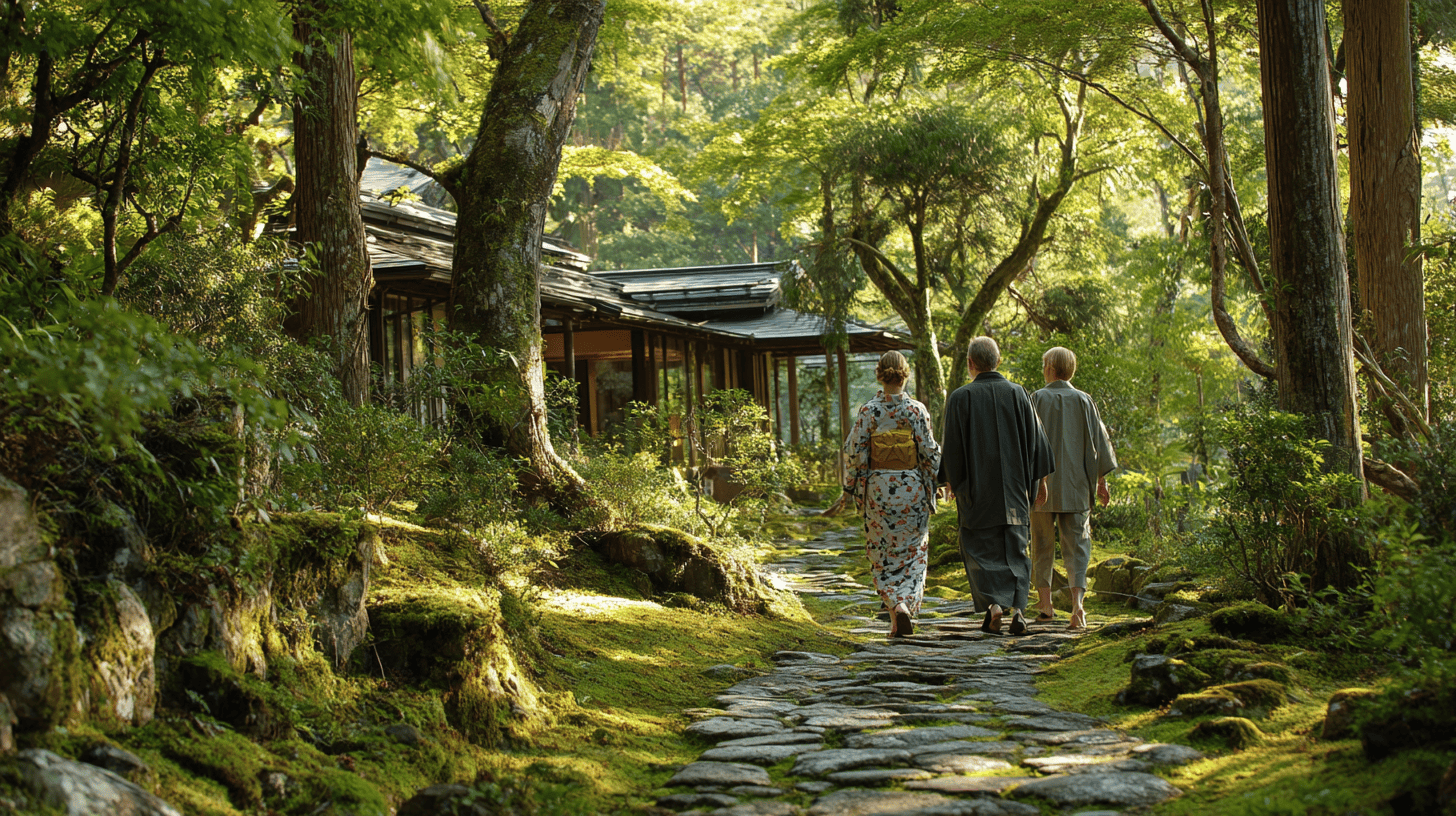
Kyoto has changed faster than Tokyo. Ten years ago, the city’s luxury beds were mostly in ryokan. Today it holds one three-Key hotel, three two-Key hotels and a keyed ryokan, and several opened since 2019. They are low, not tall, because the city limits building heights. As a result, Kyoto luxury is about gardens, courtyards and craft rather than views. Instead of height, the best rooms here look onto moss, gravel and maple.
Hotel The Mitsui Kyoto
Hotel The Mitsui Kyoto is the city’s only three-Key hotel. It stands beside Nijo Castle. The Mitsui merchant family kept this land as a Kyoto residence for more than 250 years. The 160 rooms take the tearoom as their design idea, with natural wood and artisan detail. Notably, its thermal spring spa draws water from an on-site source. So you can bathe in hot-spring water in the city center. Ask for a room facing the garden. The spa also offers private onsen sessions, which suit couples who prefer not to share the bath.
Capella Kyoto, the 2026 opening
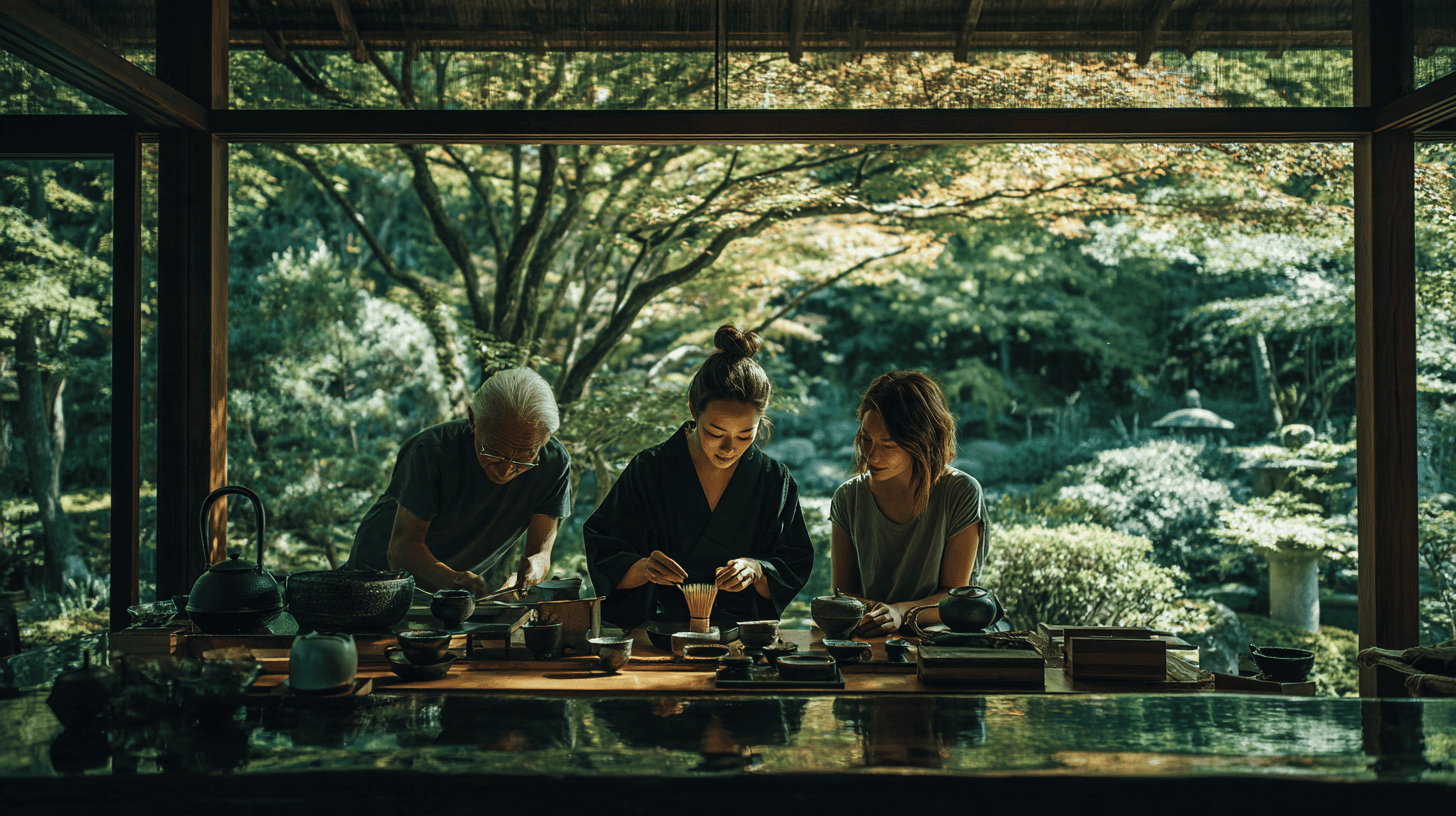
The year’s biggest arrival was Capella Kyoto, which opened on March 22, 2026. It sits in the Miyagawa-cho district near the Kamo River. Kengo Kuma & Associates designed its 89 rooms and suites with Brewin Design Office. Six Onsen Suites carry private hot-spring baths. The spa adds three private onsen rooms, and dinner runs from a SingleThread counter to a kappo bar. It earned two Keys within six months. For a sense of the house, start with a drink at the kappo bar before dinner.
Kuma’s work explains much of the new Kyoto look. Think slatted timber, filtered light and buildings set back from the street. To understand a building before you sleep in it, read Kengo Kuma: Complete Works. It is the fullest survey in English, and it makes a good companion on the train south from Tokyo.
Tokyo gives height and reach, Kyoto gives gardens, and the resorts give the bath.
| Hotel | Where | Michelin Keys | Best for |
|---|---|---|---|
| Bvlgari Hotel Tokyo | Tokyo Midtown Yaesu, by Tokyo Station | Three | Design and a skyline pool |
| Four Seasons Hotel Tokyo at Otemachi | Otemachi One tower | Three | A first-visit base |
| Palace Hotel Tokyo | Facing the palace gardens | Three | Garden views, grand-hotel feel |
| Hotel The Mitsui Kyoto | Beside Nijo Castle | Three | Hot-spring bathing in the city |
| Capella Kyoto | Miyagawa-cho, near the Kamo River | Two | Onsen suites and counter dining |
| Amanemu | Ago Bay, Ise-Shima | Three | A private onsen in every suite |
Aman Kyoto and The Shinmonzen
Aman Kyoto, with two Keys, sits in a forest garden at the city’s northern edge. It suits a final, slower stretch of a trip. The Shinmonzen, also two Keys, is the opposite. Tadao Ando designed this small art hotel in Gion, near the old teahouse lanes. Kanamean Nishitomiya rounds out the keyed list. As a ryokan, though, it belongs to our inn guide. Kyoto also raised its lodging tax on March 1, 2026. The top band applies to the most expensive rooms, so a long stay here carries a noticeable tax line.
Prefer to have the route built for you? Our custom Japan itinerary plans each hotel night, train and dinner counter before you commit.
MJ's Luxury Japan Edit is a curated planning edit for luxury travel in Japan, sent to you by email. Use it beside this guide as you weigh the keyed hotels, then shape the rest of the trip around them. Letters on Japanese travel and craft follow, roughly monthly.
One email with your printable. Occasional letters after that. Unsubscribe anytime.
Luxury Resorts in Japan, Beyond the Cities
Japan's resorts are fewer than its city hotels, but they are where the country's two traditions meet. Several hold hot-spring water, so the bath becomes the center of the stay. Most sit in national parks or on islands, two to four hours from Tokyo or Osaka. Therefore, they work best in the middle or at the end of a trip. Plan at least two nights at each. A single night leaves no time for the bath, the walk and the long breakfast that justify the journey.
Amanemu, Ise-Shima
Amanemu holds three Keys and overlooks Ago Bay in Ise-Shima National Park. Its suites take the form of minka farmhouses, and each one has a private onsen bath. The spa covers 2,000 square meters, built around hot-spring water. Of all the luxury hotels in Japan, it is the clearest bridge between a resort and a ryokan. You get hotel service with a bath that rivals the best inns.
Naoshima, Nikko and the islands
Benesse House on Naoshima holds two Keys and is unlike any other hotel in the country. Tadao Ando designed the museum-hotel, and art fills the rooms and grounds. Since Ando shaped the island, read Ando: Complete Works 1975 to Today before the ferry. Meanwhile, The Ritz-Carlton, Nikko brings two-Key polish to a lakeside in the mountains north of Tokyo.
Further south, Okinawa now has three keyed resorts. Rosewood Miyakojima and Halekulani Okinawa each hold two Keys, as does Jusandi on Ishigaki. These are beach resorts in the full sense, with warm water most of the year. They pair well with a city week in Tokyo. Flights from Tokyo to Okinawa run several times a day, so the island leg adds little transit. Still, avoid the late-summer typhoon weeks when you can. The reward is warm water in every month but the coldest.
Recommended
Luxury Hotel or Ryokan: Where Each One Wins
The honest answer is that most fine trips use both. A hotel wins in cities, on long stays and whenever you want flexibility. You can dine anywhere, sleep in a Western bed and change plans without upsetting a kitchen. A ryokan wins in the countryside, when the bath and the dinner are the point. It asks more of you and gives more back. Hotels also suit travelers with dietary needs, since menus can change at short notice. A ryokan kitchen, by contrast, plans each dinner well ahead.
In a ryokan, the room changes through the evening. Staff lay futons after dinner, and tea appears on arrival without a request. Dinner is a kaiseki sequence served at a set hour. If that appeals, read our guide to what a ryokan and onsen stay is like before you book. It covers the rhythm of a night, from the first bath to breakfast. Most inns also expect you at dinner by an agreed time, so plan the day around it. The rhythm is the reward.
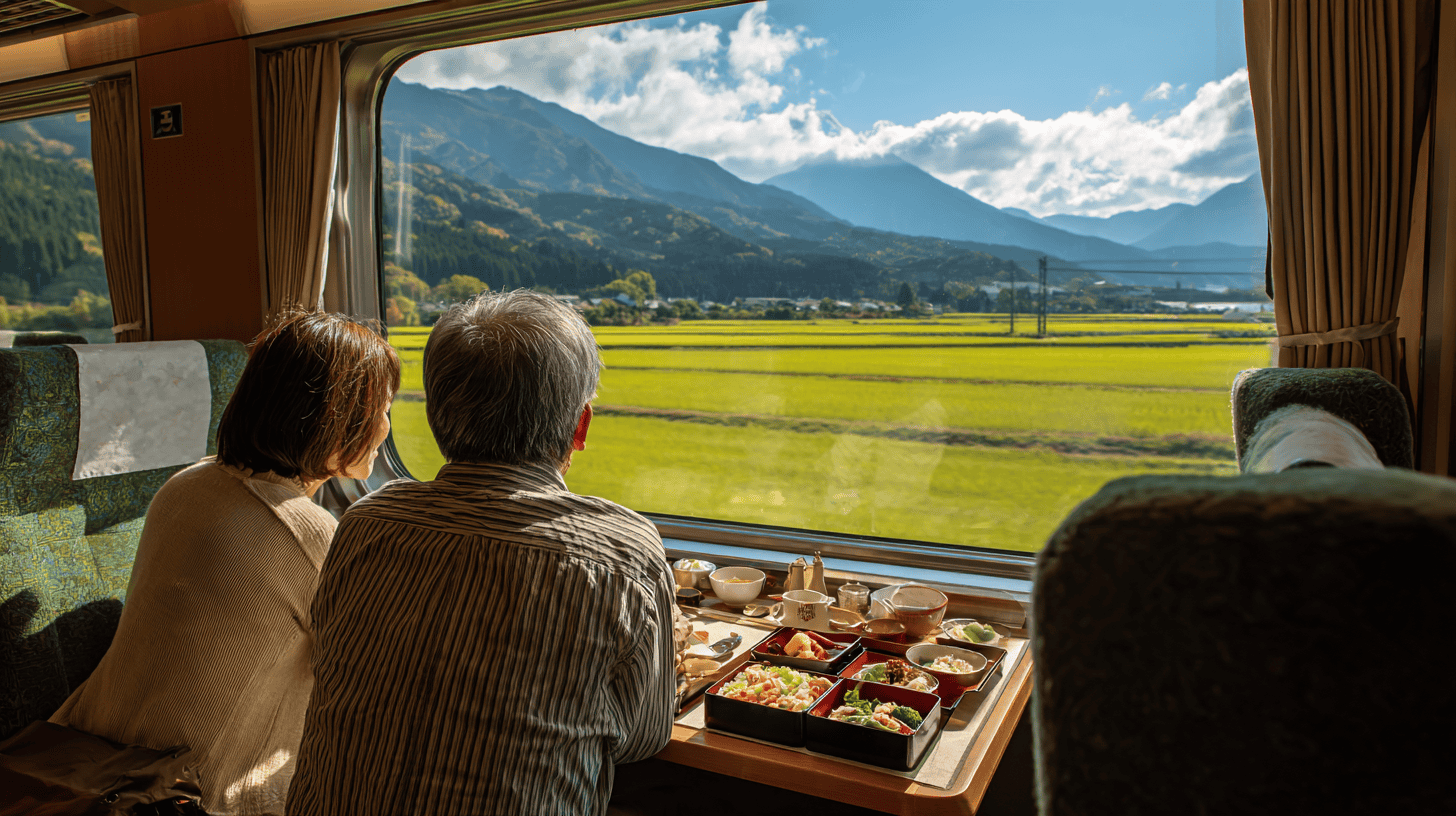
A good rhythm for a two-week trip is simple. Spend four nights in a Tokyo hotel and two in a Hakone or Izu ryokan. Then take four nights in Kyoto. Then end at a resort or a second inn. That pattern gives you city ease, deep hospitality and a soft landing before the flight home. Between them, the bullet train does the work, and the ride becomes part of the stay. Heading west to Kyoto, a seat on the right side faces Mount Fuji on clear days. Keep the ryokan nights in the middle of the trip, when you are rested. Also arrive early enough to bathe before dinner.
Breakfast, the Japanese way
Breakfast is where the two traditions meet most easily. Many fine hotels in Japan serve a Japanese set beside the Western menu. It usually brings rice, miso soup, pickles, grilled fish and a rolled omelette. That omelette, dashimaki tamago, is the dish to order. It is soft, faintly sweet and juicy with dashi. In fact, the ryokan you visit next will serve it at dawn too. So it links both kinds of stay on the same trip. Better still, it is simple to make at home with a rectangular pan. The layers should taste tender, rich with dashi and just sweet.
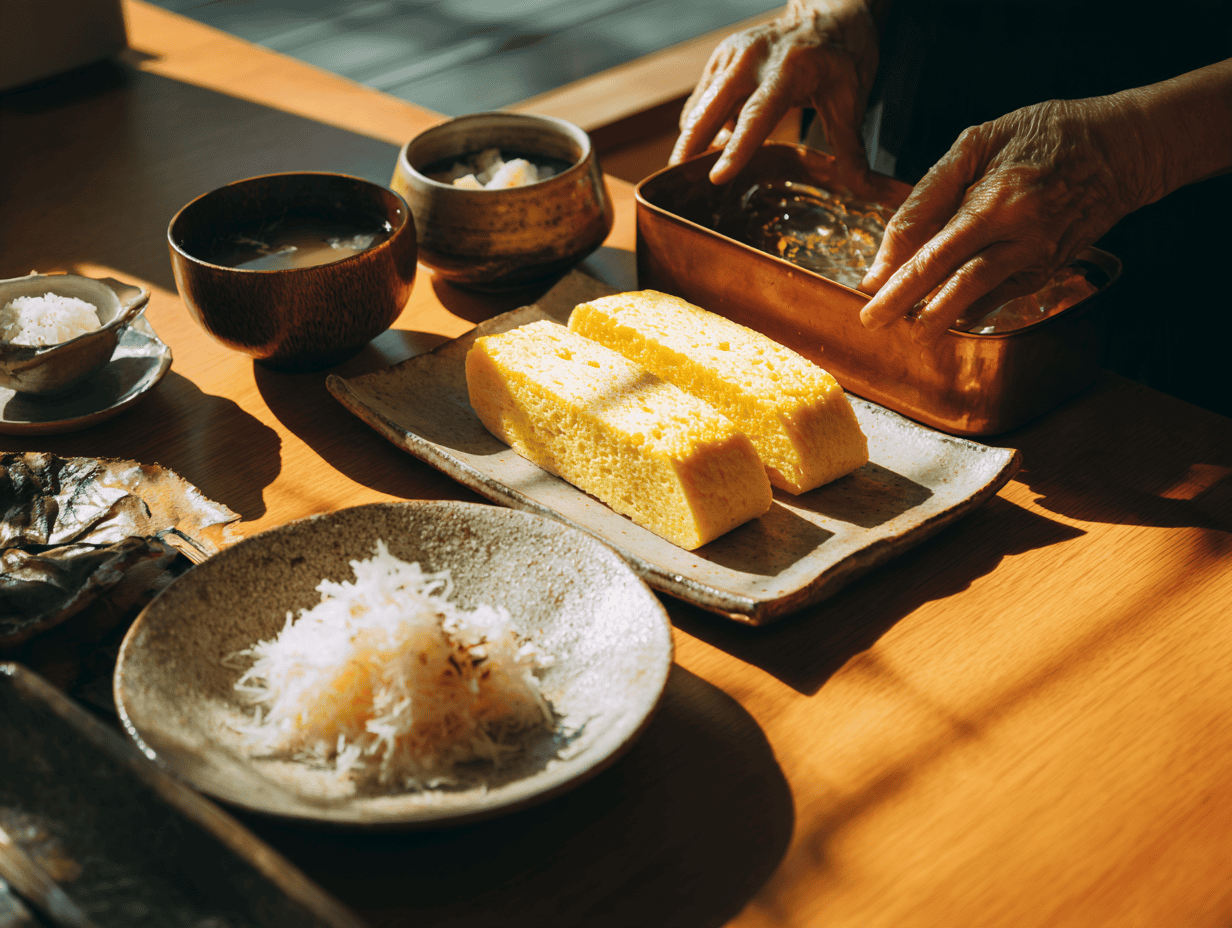
Dashimaki tamago is the Kansai style of rolled omelette, made in Kyoto and Osaka with plenty of dashi. It appears on breakfast trays at Japanese hotels and ryokan alike.
- 3 large eggs
- 3 tablespoons dashi
- 2 teaspoons sugar
- 1 teaspoon soy sauce
- 1 teaspoon mirin
- 2 pinches salt
- Neutral oil, for the pan
- Grated daikon, to serve
- Whisk the eggs gently with chopsticks, cutting through the whites rather than beating in air.
- Stir the dashi, sugar, soy sauce, mirin and salt in a second bowl, then fold it into the eggs.
- Heat a rectangular pan over medium heat, wipe it with oil, pour in a thin layer and tilt to coat.
- When the base sets but the top is still soft, roll the egg toward you.
- Oil the pan again, add another thin layer, lift the roll so egg runs underneath, and roll again until the mixture is gone.
- Wrap the omelette in a bamboo mat, rest it for five minutes, then slice and serve with grated daikon.
How to Choose Luxury Hotels in Japan by Trip
Start with the trip, not the brand. A first visit needs a central Tokyo base with easy train access. Four Seasons at Otemachi or Palace Hotel Tokyo fit well. A design-led trip points to Bvlgari in Tokyo and Capella in Kyoto. For a wellness trip, look to hotels with real hot-spring water, such as Amanemu or Hotel The Mitsui Kyoto. Our guide to choosing a Japan wellness retreat goes further on that path.
Couples should weigh privacy over polish. A suite at Aman Tokyo, then a villa with its own bath, beats two grand hotels in a row. Our luxury honeymoon stays in Japan guide pairs hotels and inns for that purpose. Families, by contrast, gain most from connecting rooms and a pool, which rules out several smaller properties. Ask for a room with a deep tub and a view, not simply the largest room. Most couples remember the bath more than the floor area. Then book the dinners around the bath, not the other way round.
The fullest English survey of the architect behind Capella Kyoto. Read it before you sleep in one of his buildings.
View This Book →Tadao Ando's buildings, from The Shinmonzen in Gion to Benesse House on Naoshima. A good read before the ferry.
View This Book →A short essay on Japanese light, rooms and lacquer. It explains why the best Kyoto rooms feel the way they do.
View This Book →Packing matters more than usual on a hotel-hopping trip. Japanese trains have limited space for large cases, and many travelers forward big luggage between hotels by courier. That leaves a carry-on for the train. The MUJI Adjustable Handle Hard Shell Suitcase 36L is built for exactly that two-to-three-day leg. Its wheel stopper also keeps it still on a moving platform.
The best hotels in Japan, by traveler
For a first trip, choose Four Seasons Otemachi, then Hotel The Mitsui Kyoto. For design, try Bvlgari Tokyo, then Capella Kyoto. If privacy matters most, pair Aman Tokyo with Aman Kyoto. For bathing, go to Amanemu, or add a night at a keyed ryokan from our inn guide. For art, Benesse House on Naoshima has no rival. Each pairing keeps you near trains, so the transfers stay short.
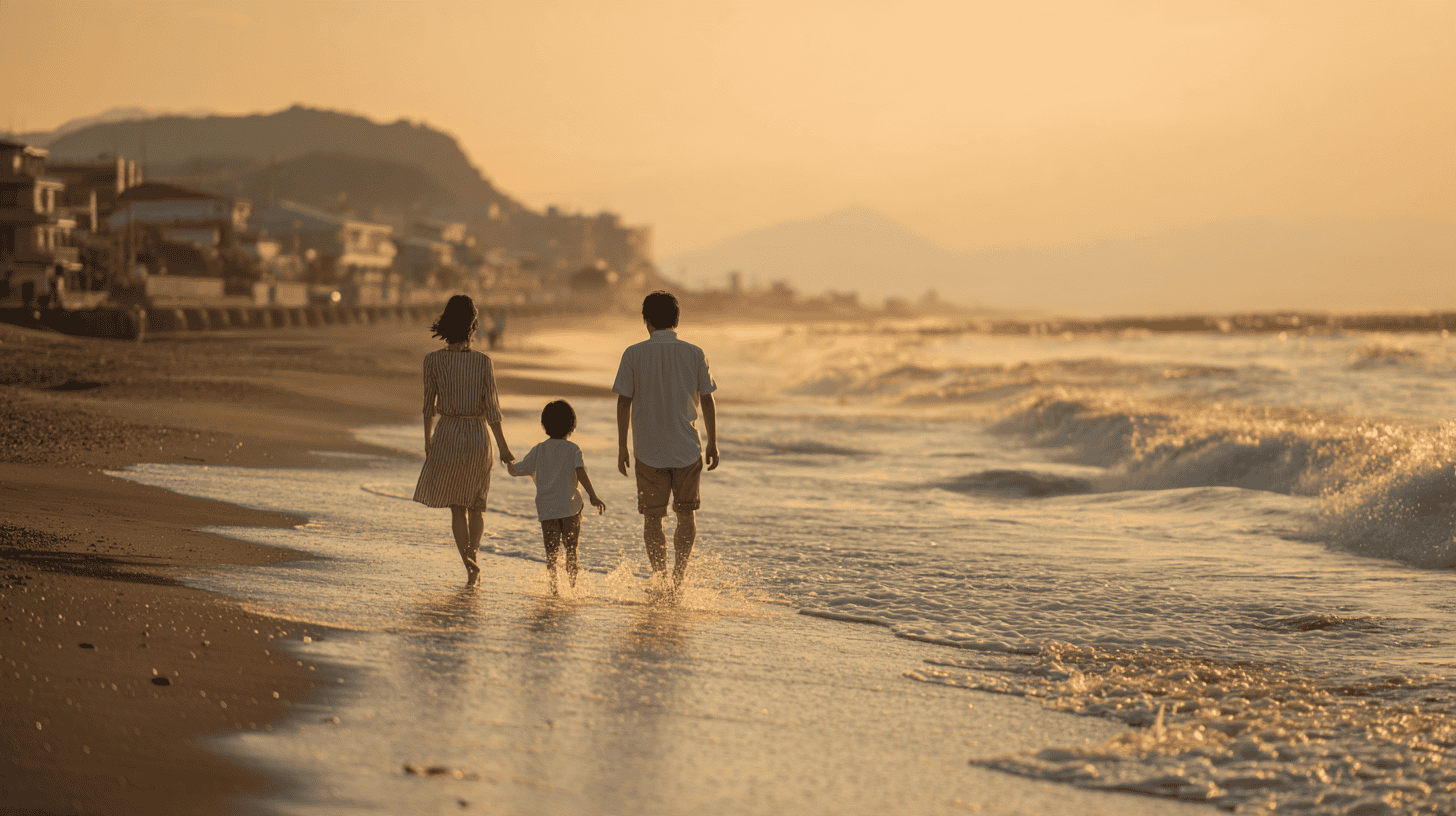
Finally, think about sequence. The best hotels in Japan reward arriving rested. So do not spend a three-Key suite on a jet-lagged first night. Instead, book a simpler, well-placed room for night one. Then move to the hotel you came for once your body has caught up. It is a small change that makes the whole trip feel more expensive than it was. Rest, in the end, is part of the luxury. If you are planning for business rather than leisure, the picture changes again. Our report on the Japan luxury travel market explains why so many new five-star hotels are arriving at once.
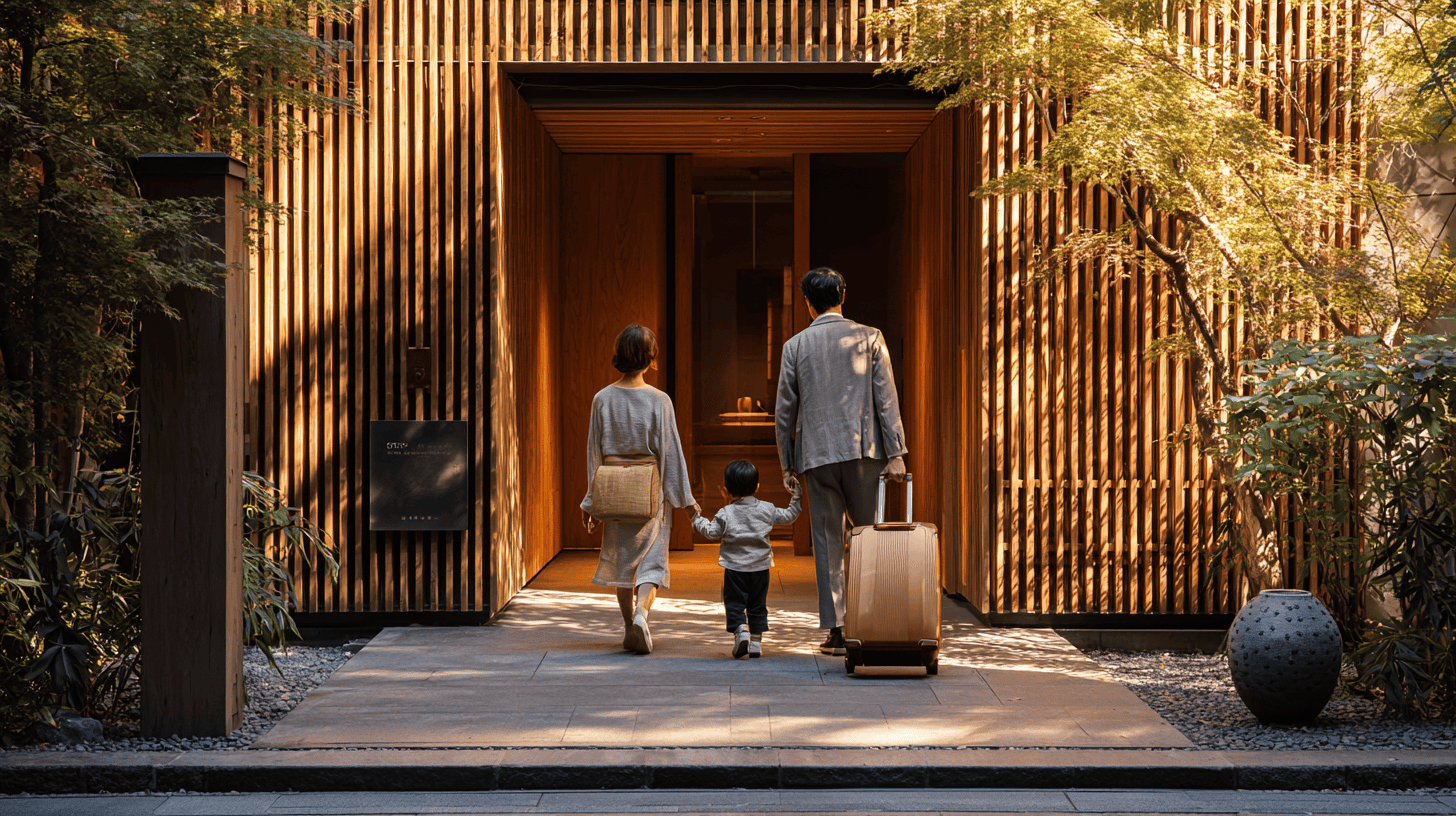
What a Luxury Hotel Night Really Buys
Few of the keyed hotels publish a fixed rate, and rates move with the season and the room. Any single figure is only a snapshot. Still, expect a top-tier suite to be a major splurge in any month.
The rate at a keyed hotel buys three things a cheaper room cannot. You get space, which is rare in Japanese cities, and service in fluent English with real local knowledge. Above all, you get a concierge with reach. A good one secures a counter seat or a private guide at short notice. Judge the rate against those, not against the room alone. Measured that way, the rate covers far more than a bed. It covers the hours you never have to plan yourself.
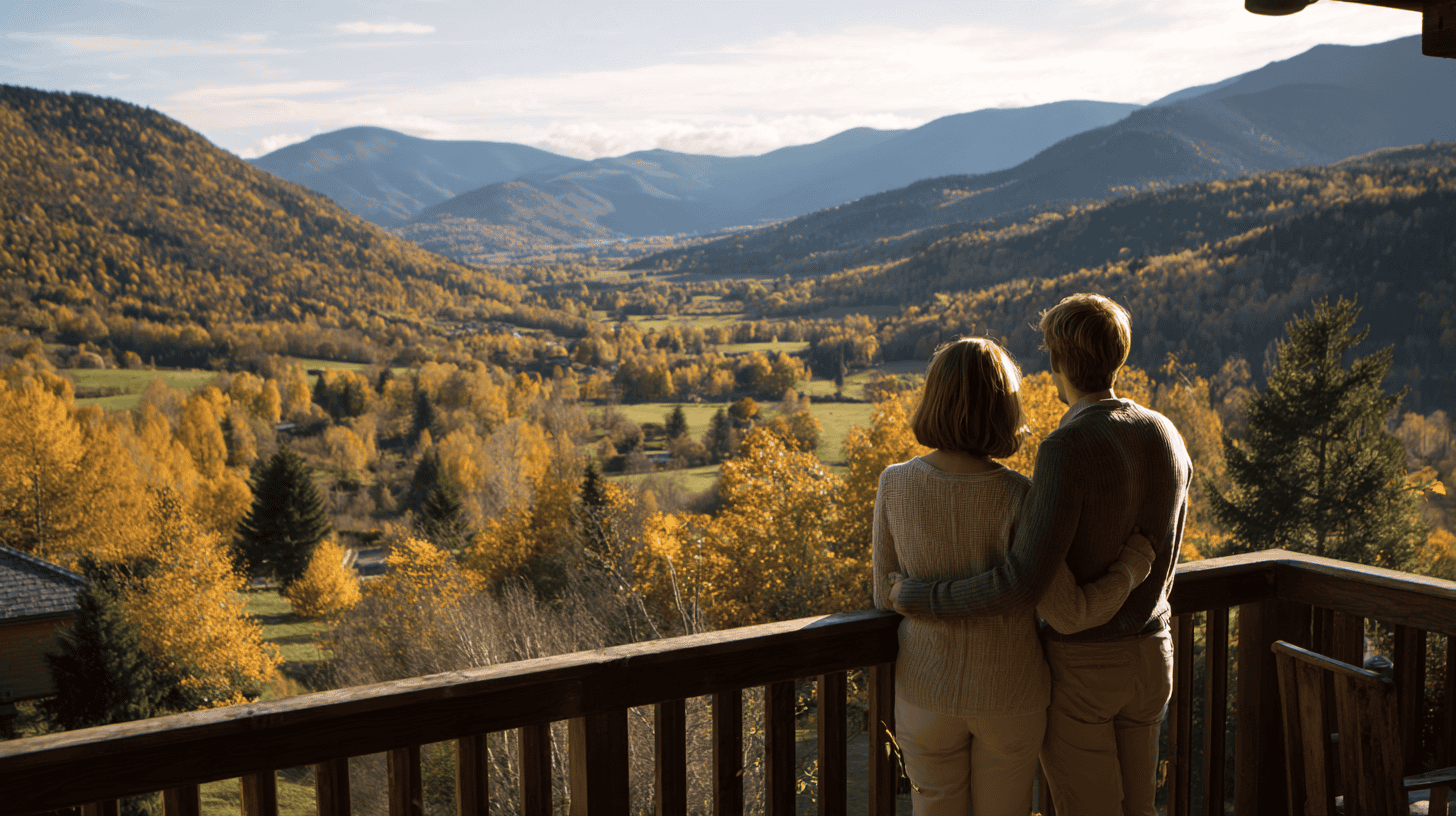
When to book the keyed hotels
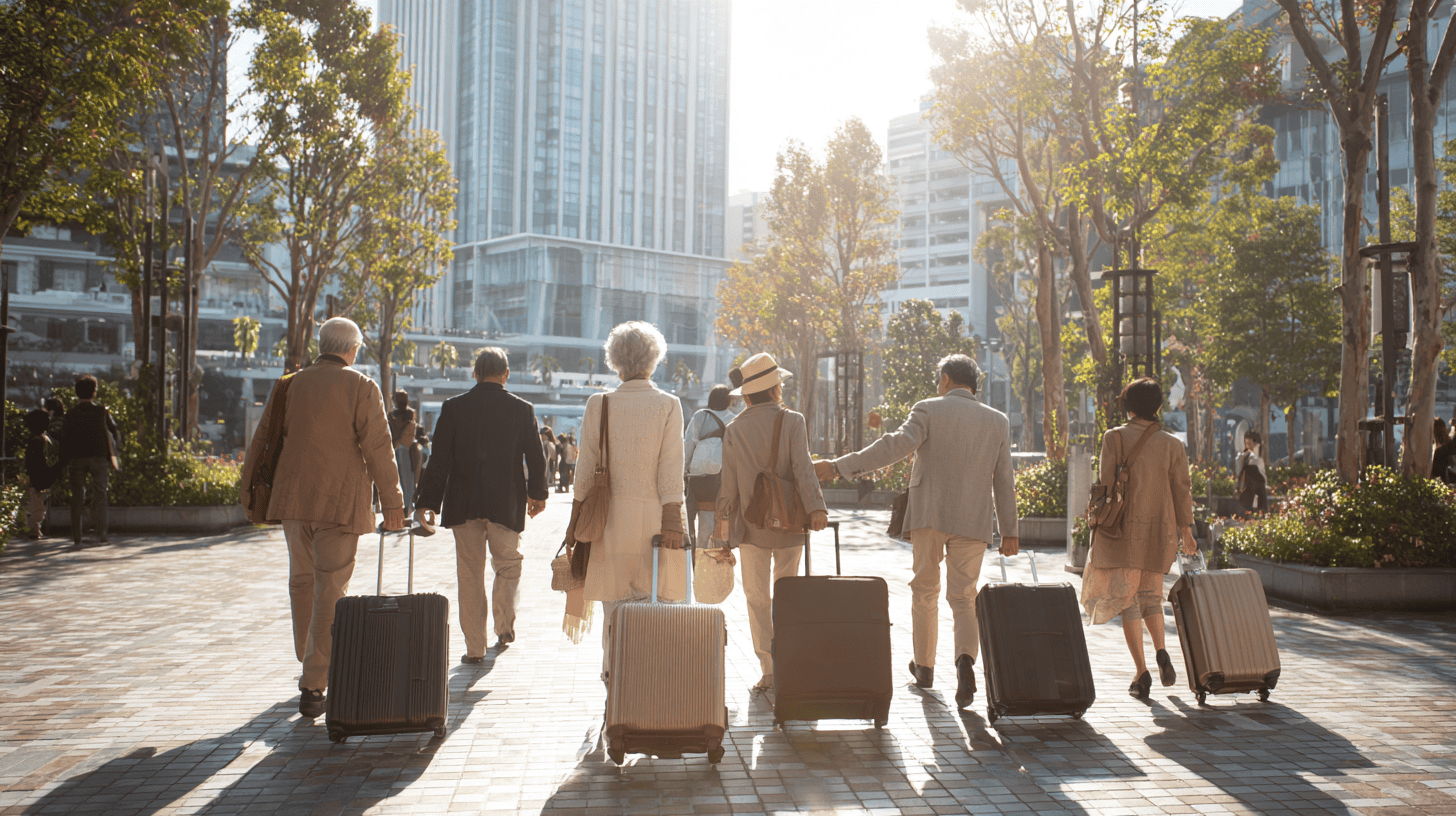
Timing shapes the stay as much as the room does. Spring blossom and autumn color are the peak weeks, and the best suites sell first. So book three to six months ahead for those seasons. Summer and early winter, by contrast, give more choice. Holidays matter too, since Golden Week in early May and the New Year period fill the best hotels early. If the trip includes a keyed ryokan, secure it first, because inns have far fewer rooms than hotels. Then fit the hotel nights around it. That order protects the hardest booking and keeps the rest of the route flexible.
One last check before you book. Confirm what the rate includes, because Japanese packages vary more than Western ones. Some include breakfast and a spa credit, while others include nothing beyond the room. Ask whether the onsen or spa carries a separate fee. Also check the cancellation window, which can be strict in peak season. These answers rarely appear on the booking page, but the hotel will give them by email within a day. Save the replies in one place before you travel, and the arrival desk becomes a formality. Then confirm airport transfers, which the concierge can arrange in advance.
Questions Worth Asking
What is the best luxury hotel in Japan?
There is no single winner. However, four city hotels hold Michelin's top award of three Keys for 2026. They are Bvlgari Hotel Tokyo, Four Seasons Hotel Tokyo at Otemachi, Palace Hotel Tokyo and Hotel The Mitsui Kyoto. Amanemu also holds three Keys as a resort. Choose by city and by whether you want views, gardens or a private onsen.
What does a luxury hotel rate in Japan include?
It depends on the hotel and the package. Some rates include breakfast and a spa credit, while others cover the room alone. Ask whether the onsen or spa carries a separate fee, and check the cancellation window, which tightens in peak season. In Kyoto, the city lodging tax also applies per guest, each night.
Which 5 star hotels in Japan have three Michelin Keys?
In 2026, Bvlgari Hotel Tokyo, Four Seasons Hotel Tokyo at Otemachi and Palace Hotel Tokyo hold three Keys. Hotel The Mitsui Kyoto and Amanemu also hold three. Two ryokan, Gora Kadan and Asaba, complete the seven. The two-Key tier includes Aman Tokyo, Janu Tokyo, Aman Kyoto and Capella Kyoto.
Should I stay in a hotel or a ryokan in Japan?
Use both. Hotels suit cities and longer stays, with flexible dining and Western beds. A ryokan suits one or two countryside nights, when the private bath and kaiseki dinner are the point. A strong two-week trip often runs Tokyo hotel, Hakone ryokan, Kyoto hotel, then a resort or second inn.
What are the best luxury resorts in Japan outside the cities?
Amanemu in Ise-Shima leads, with three Keys and a private onsen in every suite. Benesse House on Naoshima pairs a hotel with a museum. The Ritz-Carlton, Nikko suits a mountain lake stay, while Rosewood Miyakojima, Halekulani Okinawa and Jusandi cover the subtropical islands.
When should I book luxury hotels in Japan?
Book three to six months ahead for spring blossom and autumn color, when the best suites sell first. Summer and early winter give more choice. Confirm what each rate includes, since breakfast and spa access vary. Also check cancellation terms, which tighten in peak weeks.
Which luxury hotel in Tokyo is best for a first visit?
Four Seasons Hotel Tokyo at Otemachi is the easiest first base. It holds three Michelin Keys and sits near Tokyo Station, the palace moat and the bullet trains. Palace Hotel Tokyo suits travelers who want garden views over a skyline, while Bvlgari Hotel Tokyo suits a design-led stay with a skyline pool.
The Right Hotel for Each Night
The finest trips to Japan are not built around one hotel. They are built around a sequence, where each place suits the night it holds. First, a tower in Tokyo for arrival and energy. Next, a garden in Kyoto for the middle of the trip. Last, a resort or a keyed ryokan for the bath you came for. Get the order right, and luxury hotels in Japan stop feeling like a list. They start to feel like a single, well-paced journey.
Choose the city first, then the season, then the hotel. Use the Michelin Keys as a filter, not a verdict. Ask what each rate includes. Above all, leave one evening unplanned in every city. The best night of a Japan trip is rarely the one you booked. For a broader look at what Magnificent Japan arranges at this level, see our private luxury Japan journeys.
Nagomi is the ease of a well-paced day. Ninety days to carry the calm of a fine stay home.
View the Journal →Bring a journal to dinner, not just to the desk. Notes made at the table keep the names of the dishes and the people who served them. Together, those pages become the trip you can return to. When you are ready to put the hotels in order, we will build the route around them.
The Editors, Magnificent Japan
A route built around the keyed hotels: arrival in a Tokyo tower near the station, a night at a Hakone or Izu inn for the private bath, then a Kyoto garden hotel, with rooms, trains and dinner counters sequenced so every transfer is short and every booking is confirmed before you commit.
Plan Your Custom Japan Itinerary