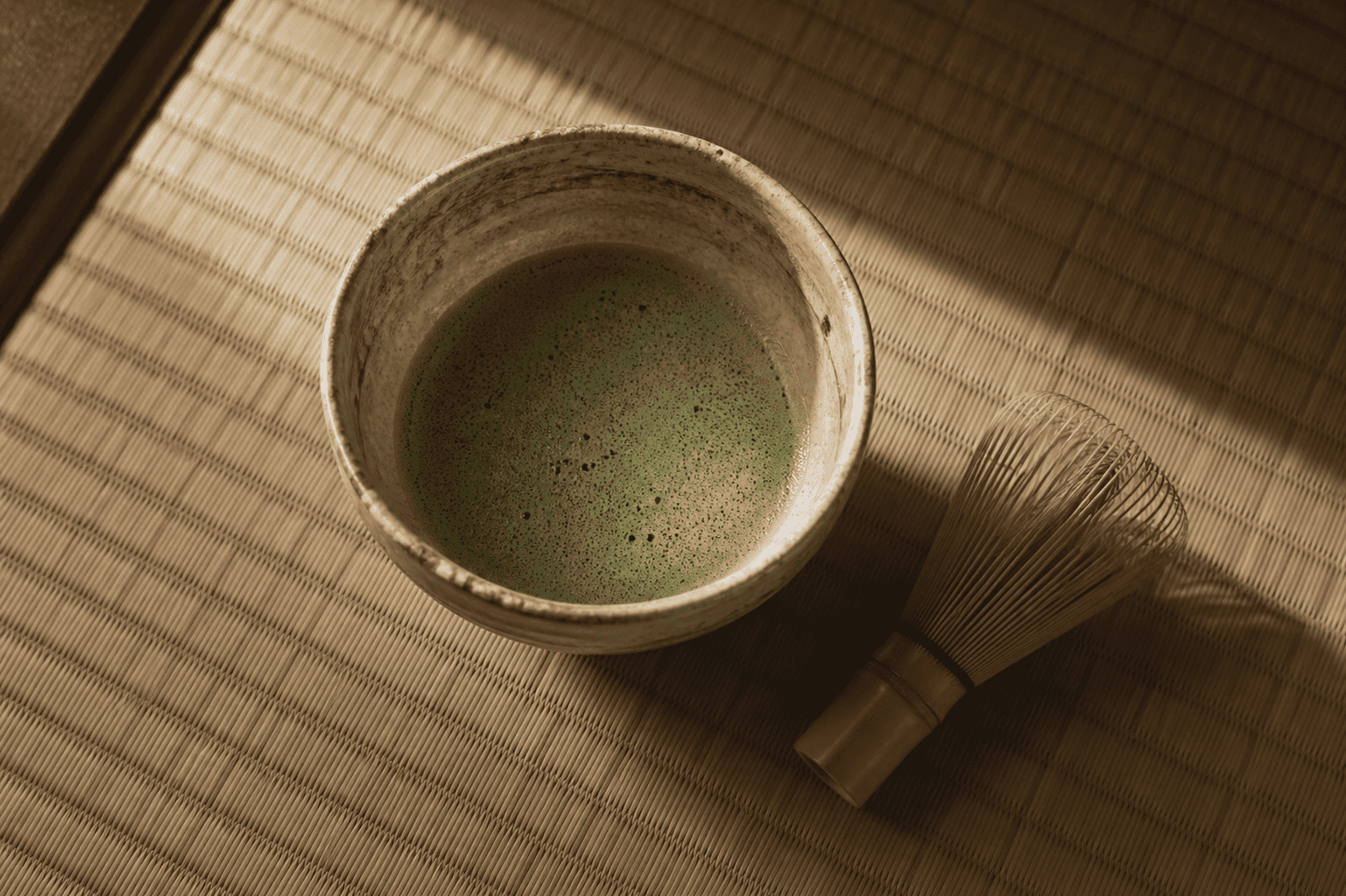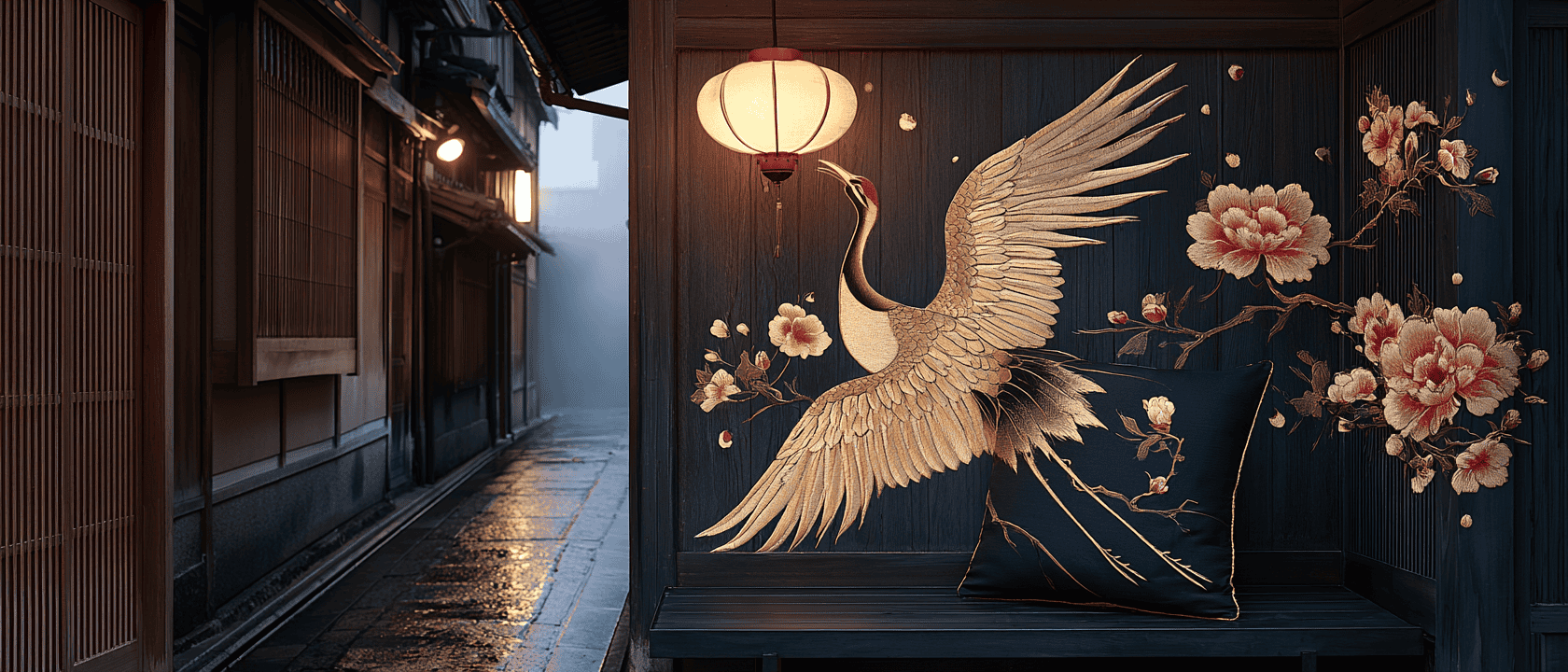
Japan rewards attention. Magnificent Japan is where that attention becomes journeys, journals, objects, and daily practice.
What Magnificent Japan Believes
Magnificent Japan was built on a single observation. Japan gives back exactly as much as you give it. Skim the country and it hands you a checklist. Give it your attention, however, and it hands you a practice that can last the rest of your life. Everything this house makes begins there.
That one conviction takes five forms. First, private journeys through Japan, planned end to end for travelers who want craft and calm over crowds. Second, guided journals and kanji workbooks in print, so the practice continues at home. Third, an atelier line of apparel and objects, each piece carrying a design drawn by the house. Fourth, online tools that make shodo and kanji part of an ordinary evening. Finally, an editorial archive for everyone reading along. Different doors, one house.
Choose Your Door

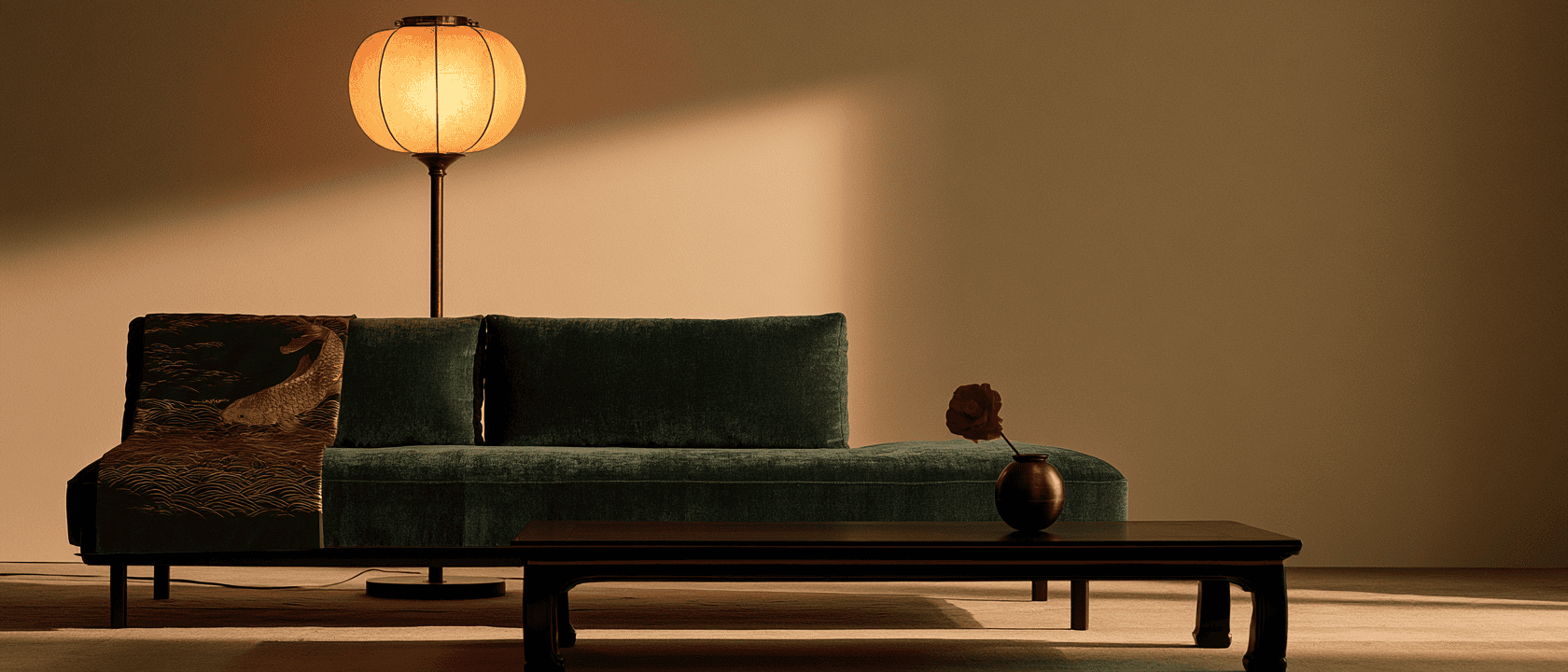
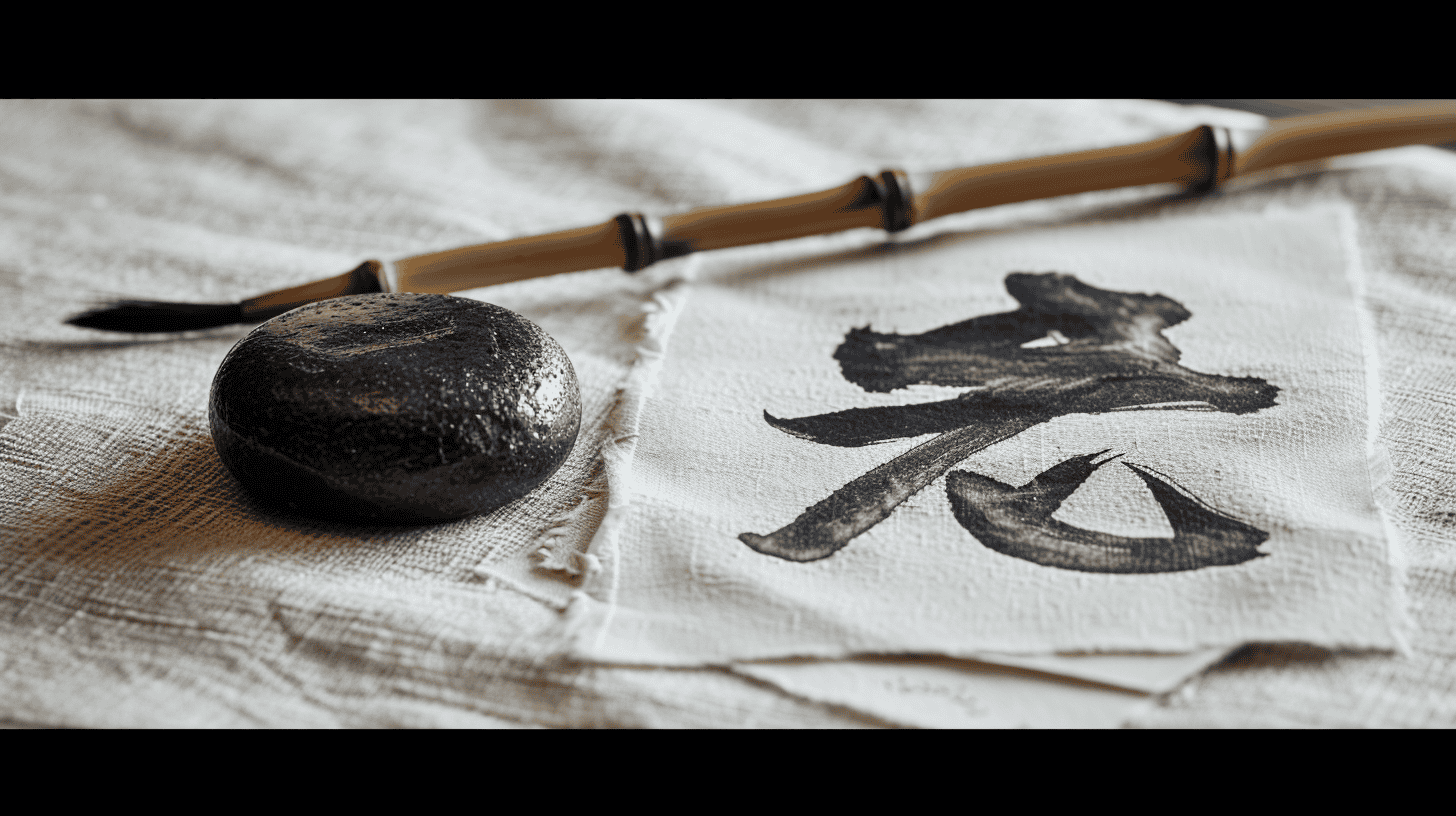

The Restraint Is the Point
What Magnificent Japan is not matters as much as what it is. You will not find countdown lists here, or breathless superlatives, or the recycled phrases that travel writing leans on when it has nothing left to say. There are no influencer feeds behind these pages and no flash-sale accounts. Instead, there is a house style: measured, specific, and written as if the reader’s time were expensive. Because it is.
The same restraint governs what we make. Every journal, workbook, design, and itinerary exists because the house wanted it to exist, not because a spreadsheet said the niche was open. If a piece cannot meet that bar, it does not ship. Curation over choice is the whole model. It is slower, and it is better.
Attention as a Daily Practice
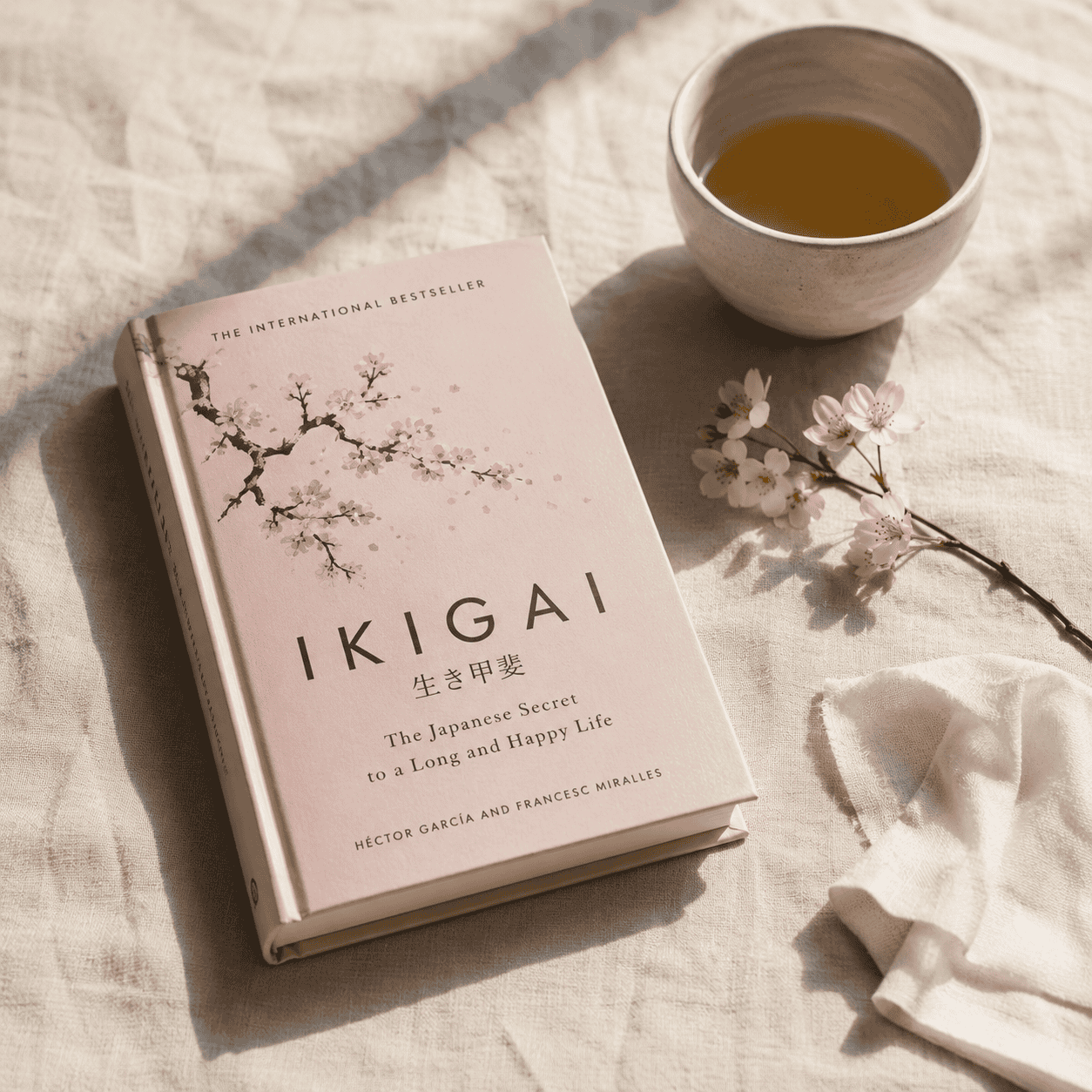
Japan has kept a thousand-year relationship with the written page, from Heian pillow books to the travel diaries of Basho. That lineage runs through everything the house publishes. A 90-day journal built on ikigai asks for five honest minutes a day. A kanji workbook asks for one character, traced slowly by hand, before the kettle boils. A feature on the art of shodo asks only that you read it the way it was written, without rushing.
None of these is a grand gesture. That is deliberate. Attention compounds the way interest does, in small daily deposits, and the returns arrive on their own schedule. Some readers begin with a single essay and end up planning two weeks on the ground. Others travel first and start the practice after they land back home. Both orders work. The house is built so that any door leads to the others.
A Letter from the Editors
Magnificent Japan began as a private notebook. Years of research for our own journeys — which ryokan earned its reputation, which teahouse still made time for a beginner, which kanji were worth learning first — accumulated into something too useful to keep private. So we started publishing it.
The publications kept growing because the reading we wanted did not exist. Most Japan coverage is written at a sprint: ten things, top five, do not miss. We wanted the opposite. We wanted writing that assumed the reader would return, the way you return to a favorite street in Kyoto and notice something new each time. So that is what we make. Slowly, in print, in cloth, and on the page, under one sensibility.
If you are here for a journey, we will plan it as carefully as we would plan our own. If you are here for the practice, the journals and tools will be waiting whenever your five minutes arrive. And if you are only here to read, welcome. That is how everyone starts.
— The Editors, Magnificent Japan
Begin With the Tools
The fastest way to understand the house is to use it. These three run in the browser, ask for nothing, and take about five minutes each.
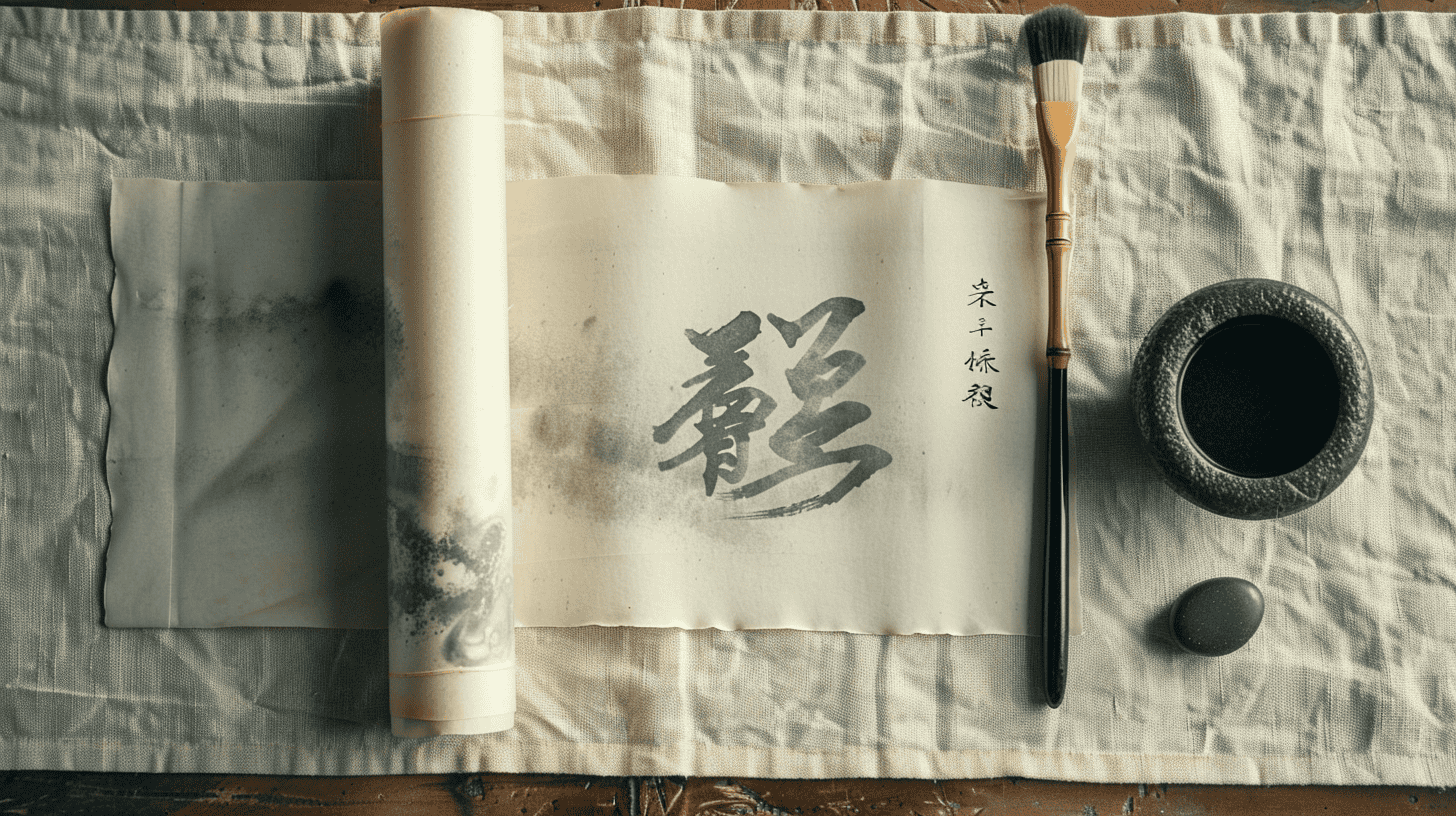

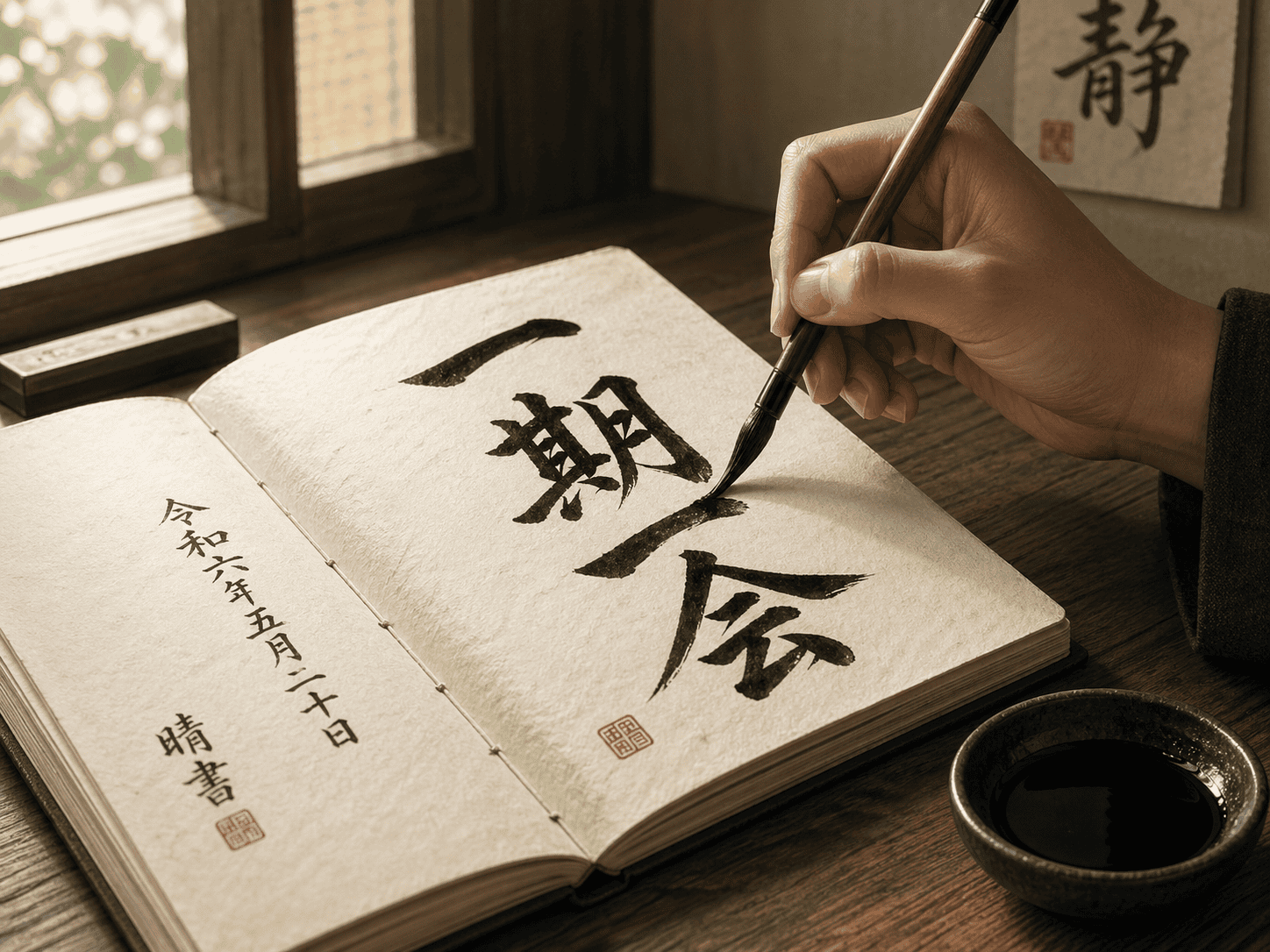
The tools are the front porch of the house. The journals and workbooks are the rooms behind it, where the practice takes on weight and paper. Each one below is designed, written, and typeset in-house.
The Works of the House
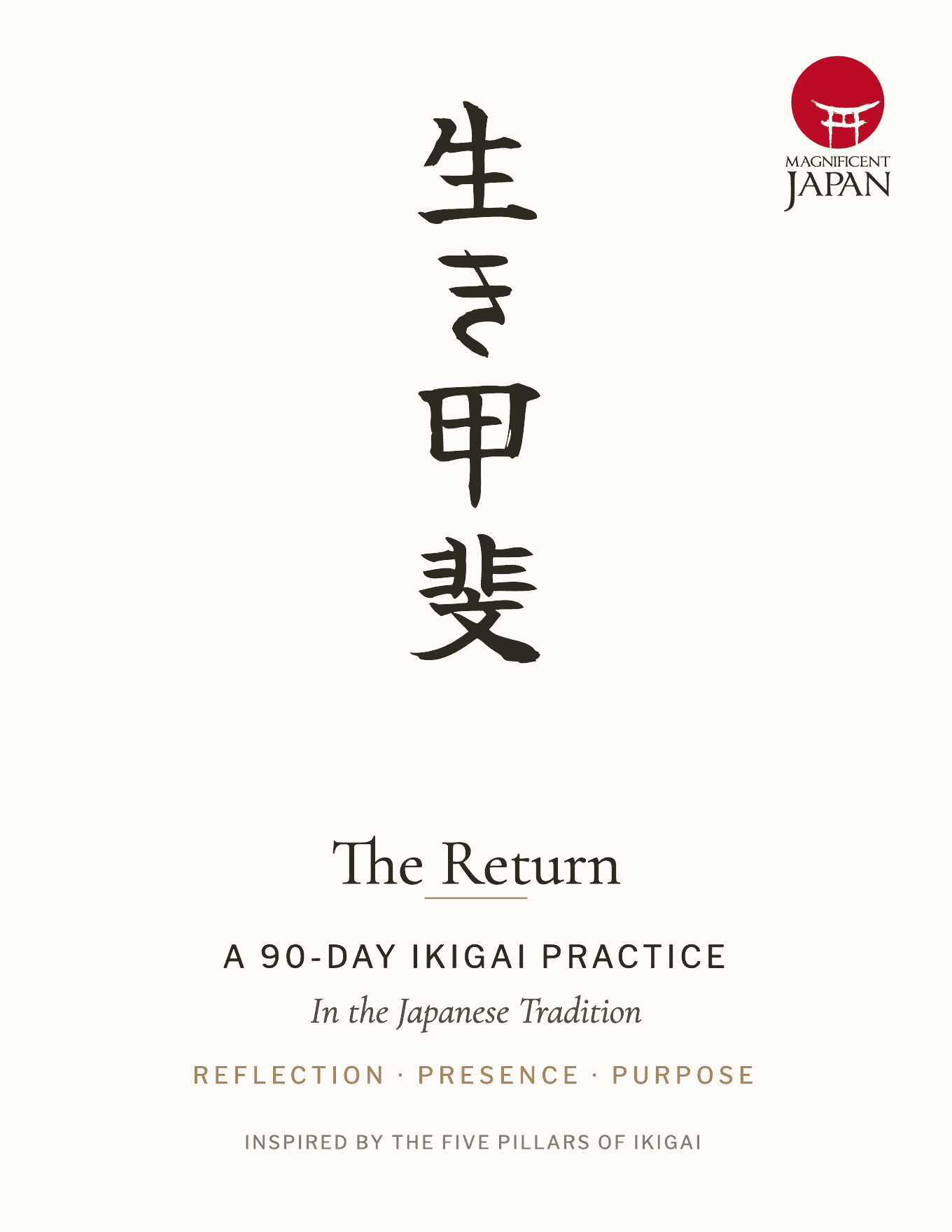
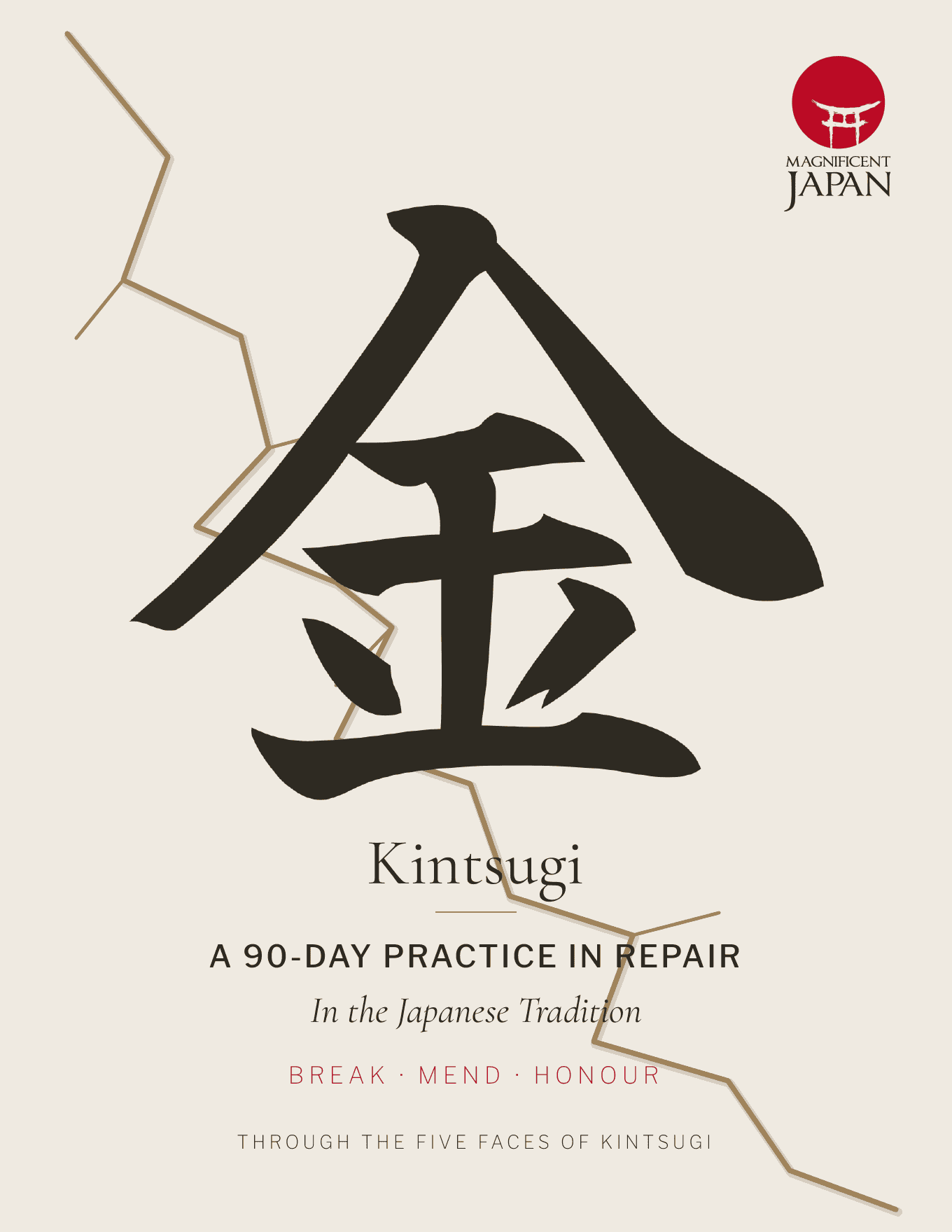
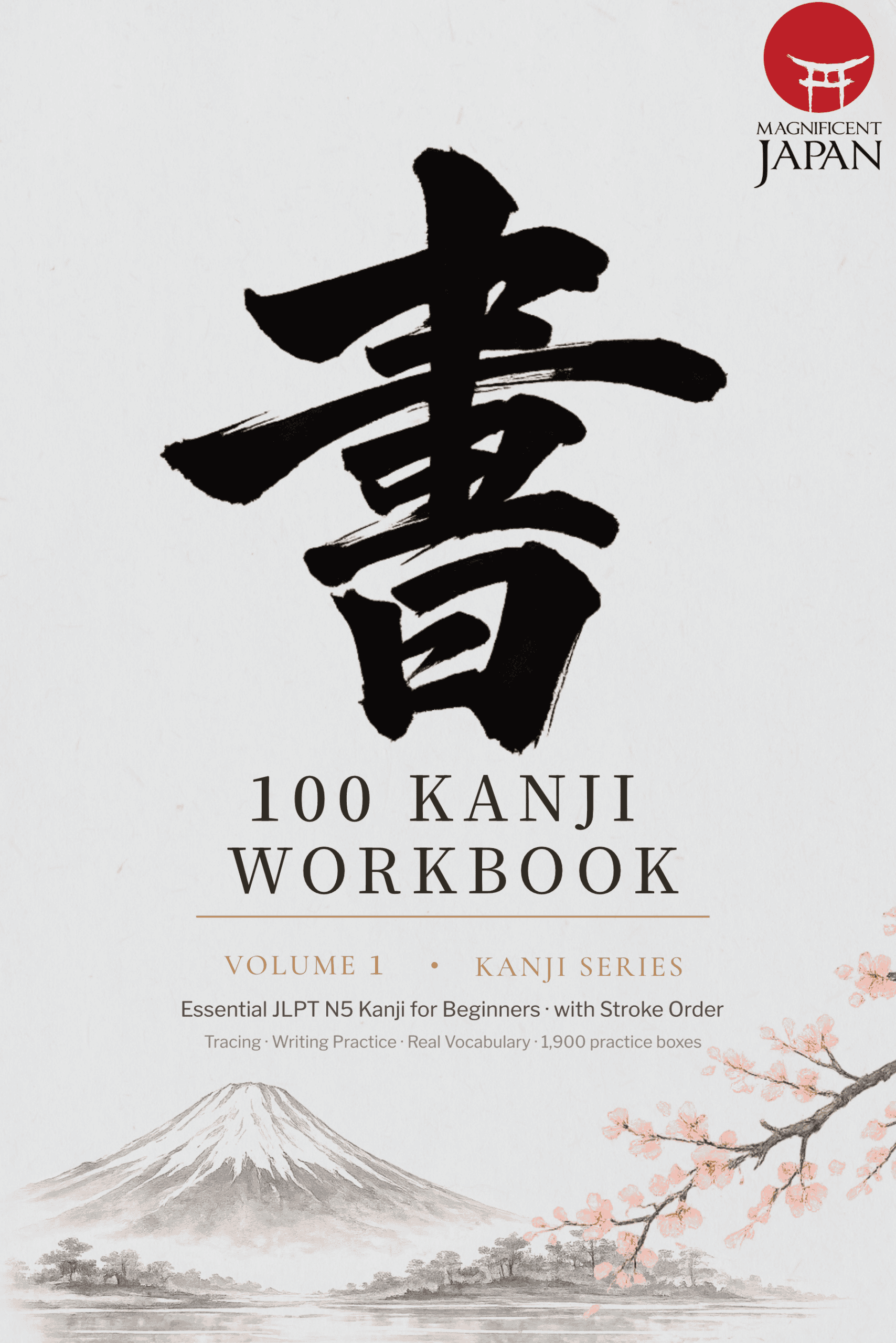
Alongside the guided practices sits a line of open journals, each cover drawn for one facet of Japan. The sakura edition below is where most readers begin, because the season it records refuses to wait.

Every journey the house plans draws on the same research that fills these pages. The itinerary is where all five doors meet: the reading, the practice, the objects, and two weeks in Japan designed around the way you actually travel.
The journal records the journey. We design it.
If a trip to Japan is on your horizon, we can build the route. Our customized itineraries follow your pace, your interests, and your season — the same care we put into these pages, applied to two weeks on the ground.
Begin a Custom ItineraryPlanned end to end by the house — the same research, the same editors, the same standard as every page here.

Between journeys, the house writes letters. They arrive occasionally, carry what we are reading and making, and give early word when a new journal, design, or workbook enters the world. Nothing more frequent than that, and nothing louder.
Stay close to the work.
Occasional letters on Japan, the practice, and what the house is making next. Early word when new journals and workbooks launch.
Done. The next letter will find you. Until then, the Editorial is open.
Occasional letters only. Unsubscribe anytime.
For readers who want to go deeper before choosing a door, three features carry the heart of the archive. Each one shows the house working at full attention.
Three Places to Begin Reading