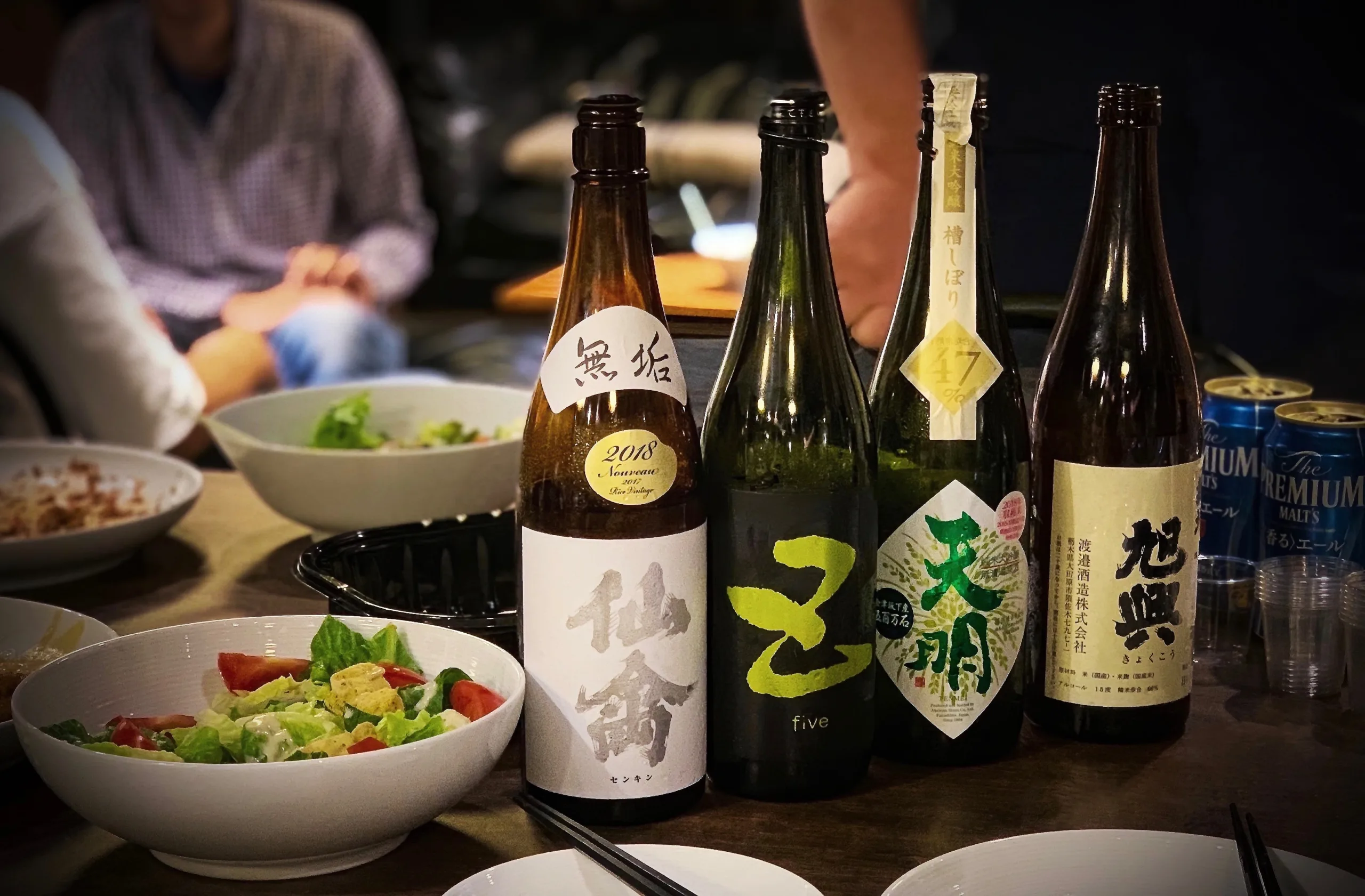
Japanese sake isn’t just a drink — it’s a doorway into Japan’s rich culinary and cultural heritage. Whether you’re curious about the smooth, nuanced flavors of nihonshu or wondering how to choose and enjoy your first glass, this beginner-friendly guide will make the world of sake simple and approachable. From key terminology to tasting tips, you’ll gain the confidence to savor sake like a local. For more ways to plan your Japanese adventures and explore local flavors, check out the Adventure Starter Pack. And for in-depth stories and travel inspiration, the MJ Journals hub is a treasure trove of guides and insights.
As an iconic beverage deeply rooted in Japanese culture, sake’s traditional brewing techniques have been recognized by UNESCO as part of the Intangible Cultural Heritage of Humanity — blending history, craft, and taste in every sip.
What is Japanese sake?
Japanese sake, also called nihonshu (日本酒) in Japan, is a traditional alcoholic beverage made by fermenting polished rice. Despite often being called “rice wine,” sake is actually brewed more like beer — through a fermentation process that converts rice starches into sugars, then into alcohol using special yeast and a mold called koji. Sake can vary widely in flavor, aroma, and sweetness, ranging from light and crisp to rich and full-bodied. It is usually served chilled, at room temperature, or warmed, depending on the type and the season. Beyond being a drink, sake is deeply embedded in Japanese culture — enjoyed during festivals, ceremonies, and meals, and celebrated as a symbol of hospitality and craftsmanship.
Types of Japanese Sake
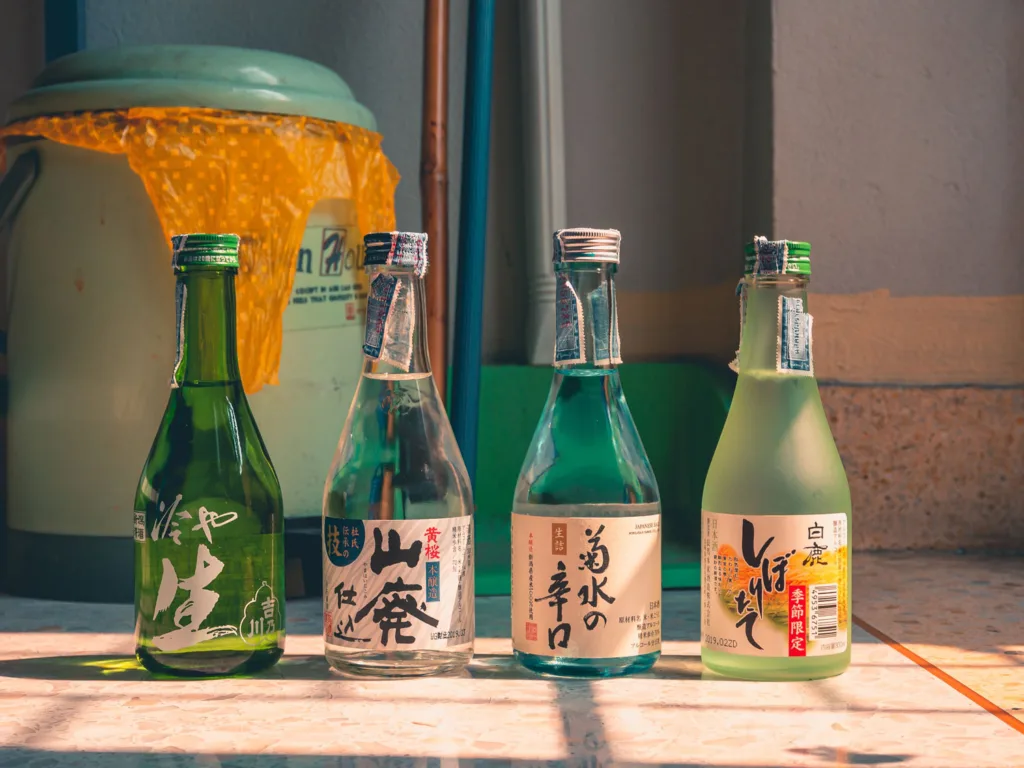
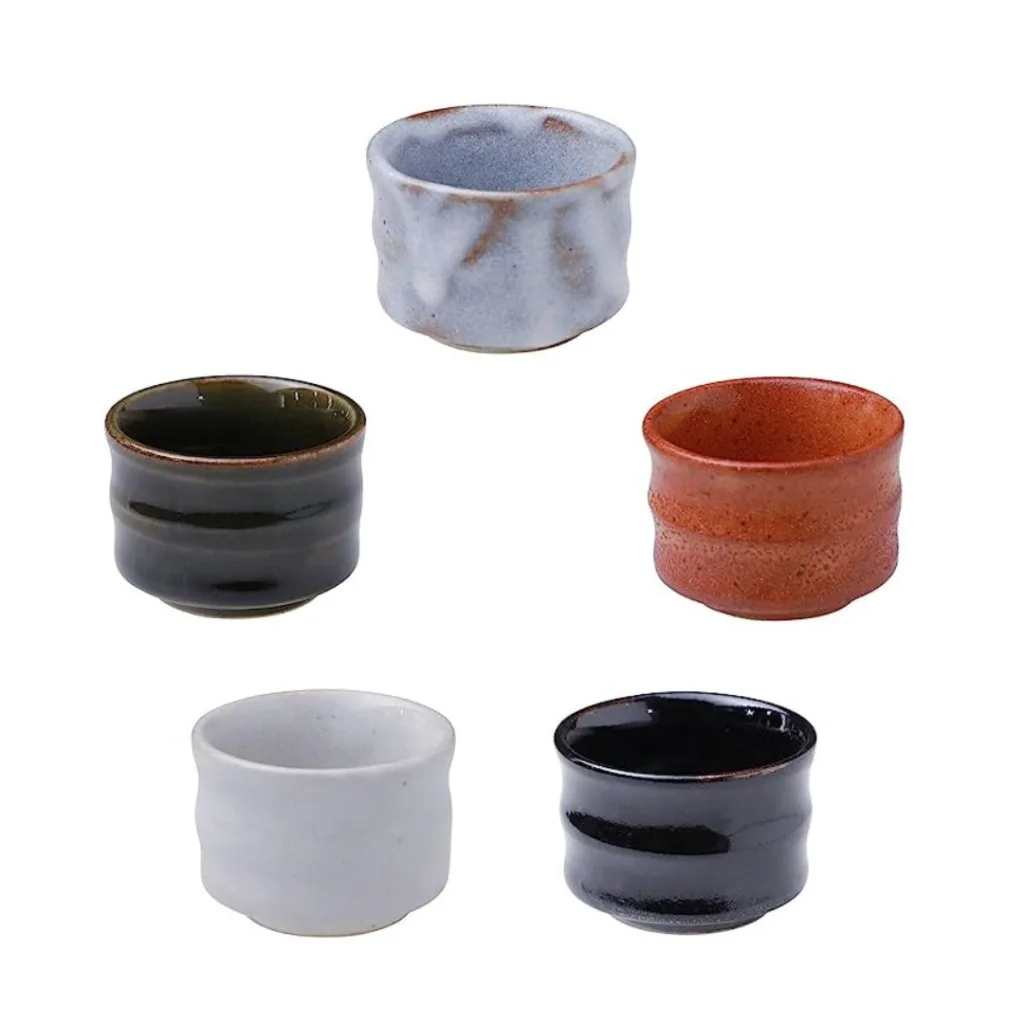
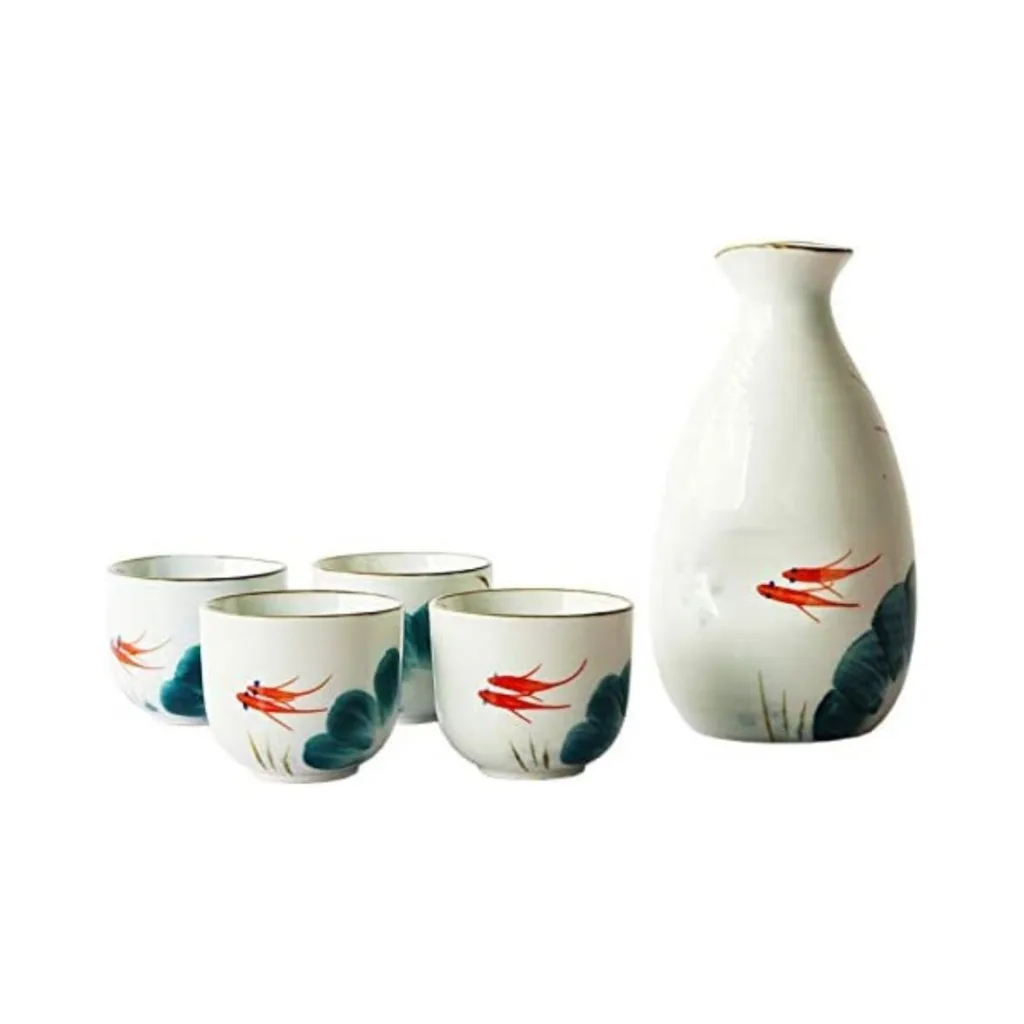
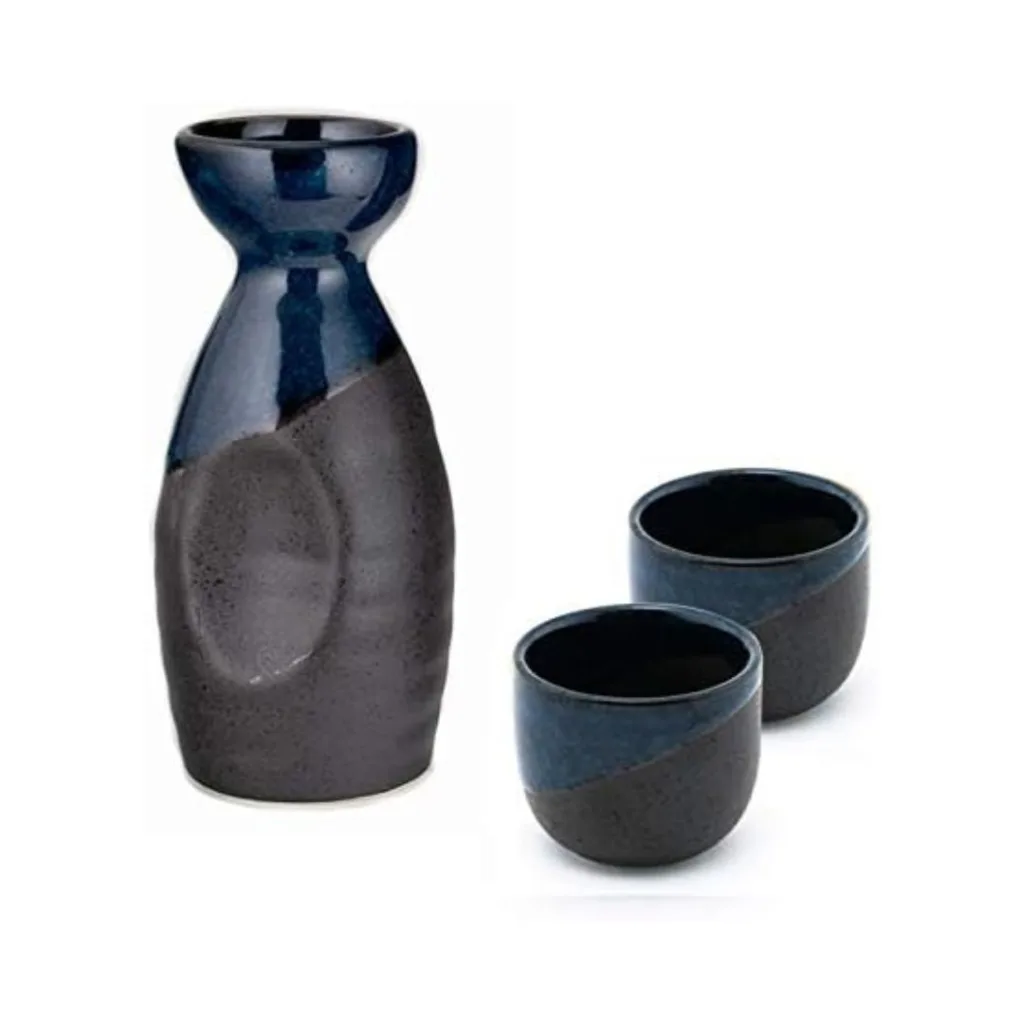
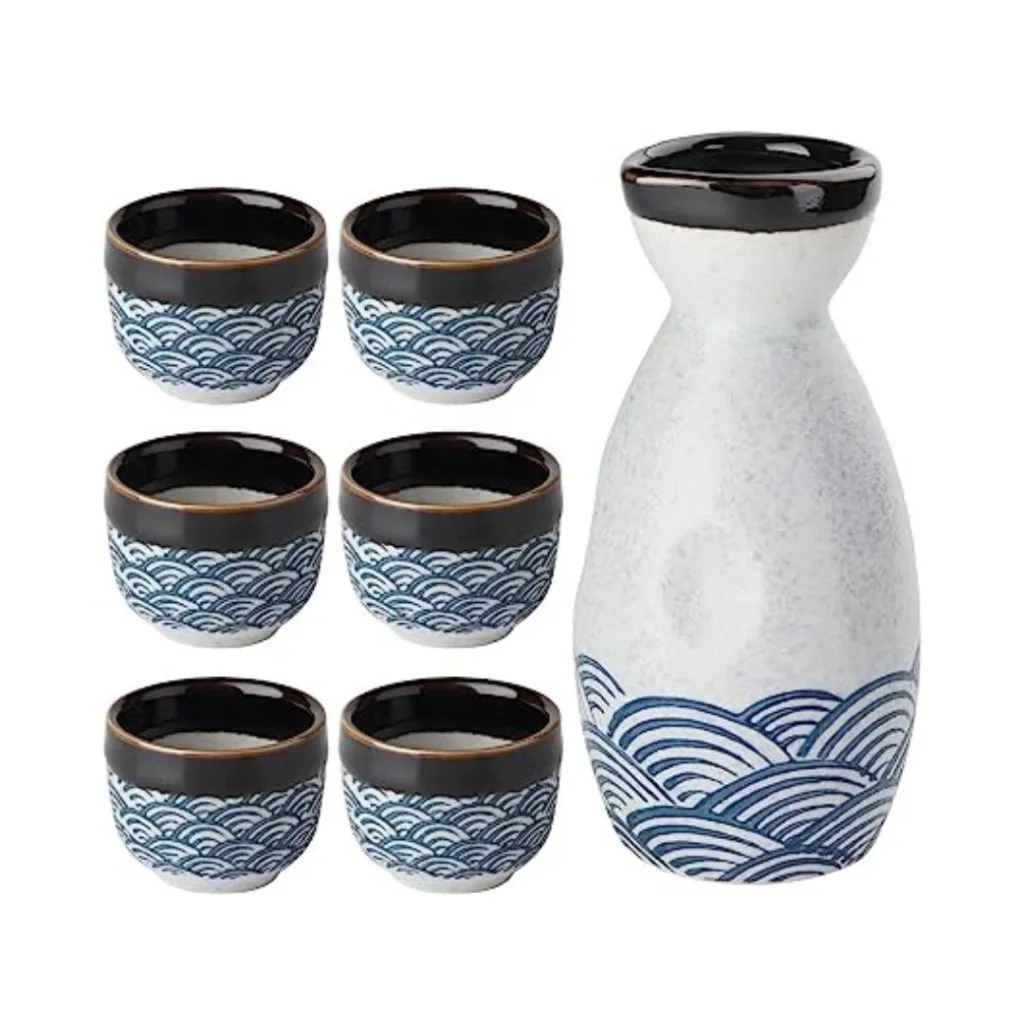
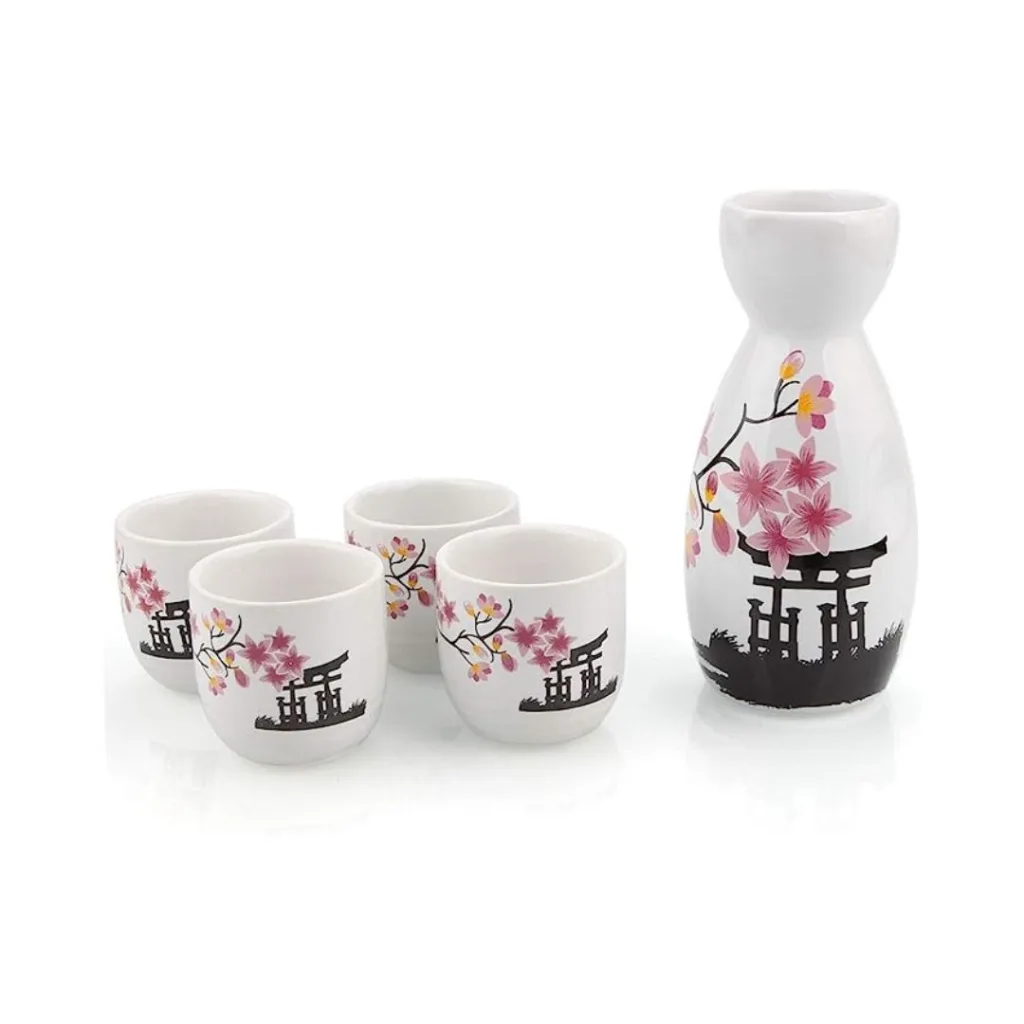
One of the best things about sake is that there are so many different types and variations. But, unless you are an avid sake drinker, it can be hard to know where to begin. You can classify sake by factors including the type of rice used, where it was produced, the degree to which the rice has been polished, brewing processes, how it was filtered, and more. If you’re just getting started, simple at‑home sets like the Japanese Sake Set Ceramic or a more complete experience with a DUJUST Japanese Sake Set with Warmer can elevate your tasting sessions and help you appreciate the ritual of serving and enjoying different styles of sake gracefully. Sake pairs well with almost any kind of food but complements the delicate flavors of traditional Japanese meals particularly well.
Here is a handy list of the main types and classifications of sake you will encounter. If you learn just some or all of these, you will know more about sake than 99% of the travelers who visit Japan!
Junmai
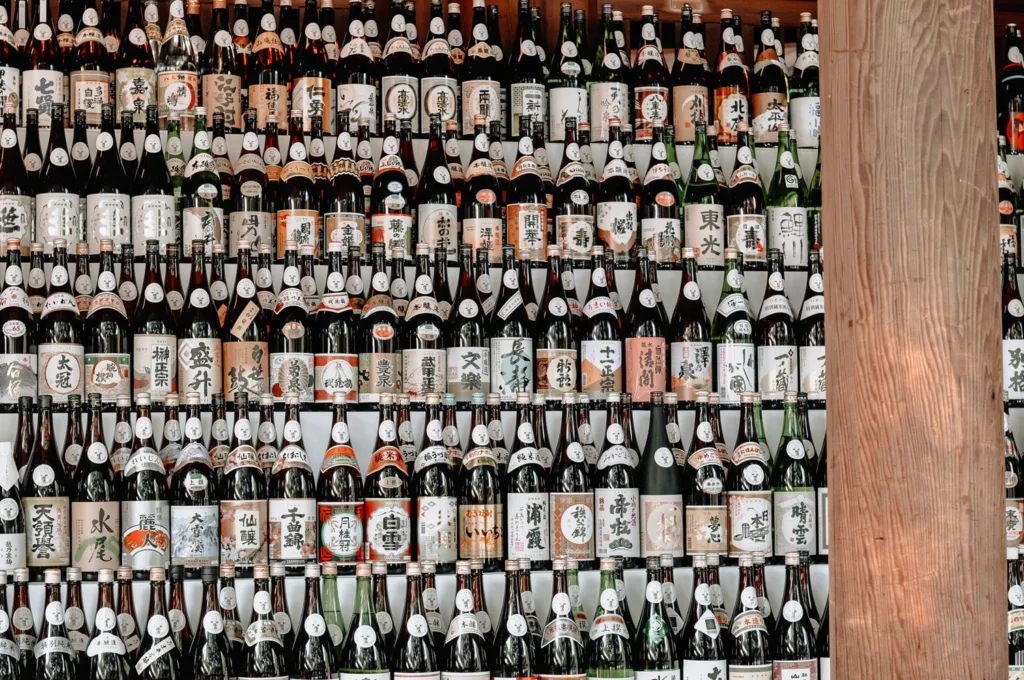
Junmai sake is made using only rice, water, yeast, and koji mold, with no added distilled alcohol. It has a rich, full-bodied flavor that highlights the natural taste of the rice. The texture is often smooth and slightly heavy compared to lighter sake types. Junmai pairs especially well with savory Japanese dishes like grilled fish, tempura, and miso-based meals. It can be served chilled, at room temperature, or warmed, depending on your preference. This sake is a great choice for beginners who want to experience authentic, traditional Japanese flavors.
Honjozo
Honjozo sake is brewed with a small amount of distilled alcohol added to enhance its aroma and flavor. It is lighter and more approachable than Junmai, making it easier for beginners to enjoy. The taste is smooth with subtle hints of sweetness and umami. Honjozo pairs well with a wide range of dishes, from sushi and sashimi to grilled meats. It can be served slightly chilled, at room temperature, or gently warmed depending on the season. This sake is ideal for those who want a balanced, easy-drinking experience without sacrificing traditional Japanese flavor.
Ginjo & Junmai Ginjo
Ginjo is a premium type of Japanese sake that is brewed using highly polished rice. It results in a delicate and fruity flavor profile. Ginjo is characterized by its fruity aroma, with hints of pear, melon, and apple, and a light and refreshing taste. Junmai Ginjo, on the other hand, is made purely from rice, water, yeast, and koji, with no additional alcohol added. This type of sake has a similar flavor profile to Ginjo. But with a slightly more full-bodied taste and a higher acidity level. Both Ginjo and Junmai Ginjo are typically served chilled. They are often paired with lighter dishes such as sashimi, salads, and steamed seafood.
Daiginjo & Junmai daiginjo
Daiginjo is the highest grade of Japanese sake. This results in an extremely refined and complex flavor profile, with fruity, floral, and sometimes even spicy notes. Daiginjo has a light, smooth, and crisp taste, with a very clean finish. Junmai Daiginjo is a variation that is made purely from rice, water, yeast, and koji, with no additional alcohol added. It has a similar flavor profile to Daiginjo. But with a slightly richer and more complex taste, due to the use of pure rice. Both Daiginjo and Junmai Daiginjo are considered to be the most elegant and refined types of sake. They are often paired with high-end Japanese cuisine such as sushi, sashimi, and kaiseki. They are typically served chilled and in small quantities, to fully appreciate their delicate flavor and aroma.
Futsushu
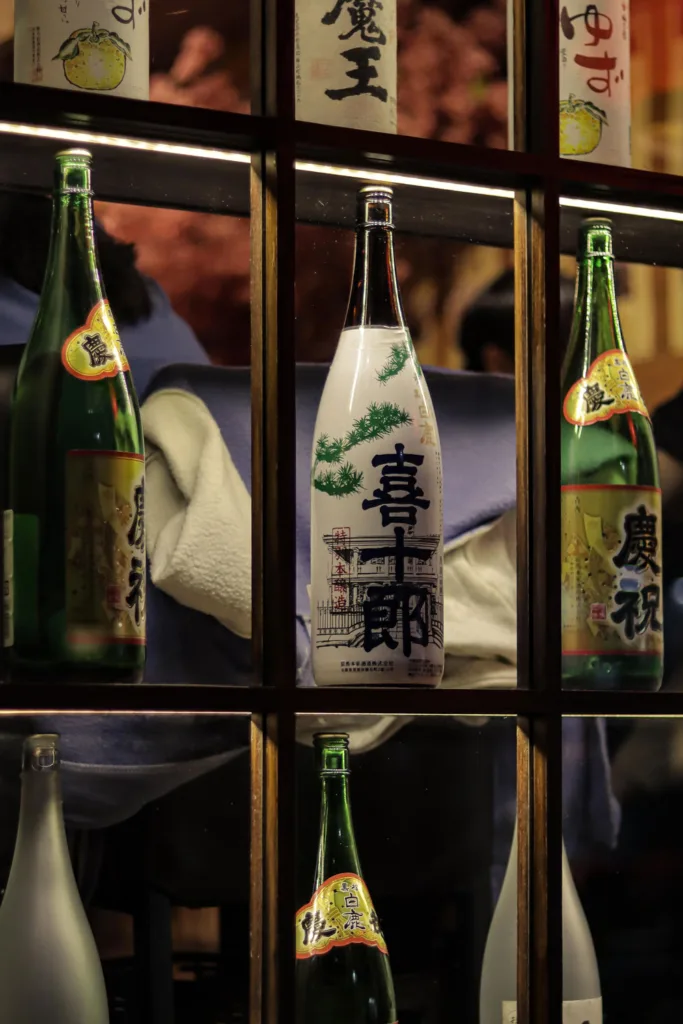
Futsushu is the most common and affordable type of Japanese sake, often considered “table sake.” It has a robust, hearty flavor with a slightly sweet taste and a mellow finish. This sake is usually served at room temperature or slightly chilled, depending on preference. Futsushu is also widely used in cooking, adding depth to marinades, sauces, and broths for meat or fish. Its affordability and versatility make it a popular choice for casual drinking. For beginners, Futsushu is an easy and approachable introduction to Japanese sake.
Shiboritate
Shiboritate is a type of Japanese sake that is bottled immediately after pressing, without undergoing the traditional aging process. This results in a fresh and vibrant flavor, with a slightly fizzy texture. Shiboritate has lively and fruity aroma, with a slightly sweet and refreshing taste. They will serve you shiboritate chilled and in small glasses, to fully appreciate its delicate and lively taste. Shiboritate is a seasonal sake, usually available in the early spring when the rice harvest is at its freshest. Due to its limited availability and unique taste, Shiboritate is a popular choice among sake enthusiasts. And is often sought after by those looking for a rare and special sake experience.
Nama-Zake
Nama-zake is a type of Japanese sake that is unpasteurized. It means it has not been heated or treated in any way after fermentation. This results in a fresh and lively taste, with a delicate and aromatic flavor profile. Nama-zake has its fruity and floral aroma, with a slightly sweet and tangy taste. It is often served chilled and in small glasses, to fully appreciate its lively and delicate taste. Due to its unpasteurized nature, Nama-zake has a shorter shelf life than other types of sake. It must be consumed quickly after production. It is a popular choice among sake enthusiasts, who appreciate its unique and fresh taste.
Nigori
Nigori is a type of Japanese sake that is unfiltered, giving it a cloudy or milky appearance. It is made using the same ingredients as other types of sake. But the rice is only partially polished, resulting in a more robust and full-bodied flavor profile. Nigori has creamy and rich texture, with a slightly sweet and nutty taste. It is often served chilled and well-shaken, to fully incorporate the sediment and create a smooth and creamy texture. Due to its unfiltered nature, Nigori can be quite filling and is often considered a dessert sake, which pairs with sweet dishes such as mochi or fruit. It is a popular choice among those who enjoy a richer and more complex sake experience.
Jizake
Jizake is a term used to describe locally brewed Japanese sake that’s made by small, independent breweries. It’s has unique and artisanal qualities, with each brewery having its own distinct flavor profile that’s influenced by the local climate, water source, and brewing techniques. One of the great things about jizake is that it’s often produced in small batches, with a focus on quality rather than quantity. This means that each bottle of jizake is a labor of love and a testament to the skill and dedication of the brewery. If you’re a sake enthusiast or just someone who loves exploring different flavors and taste sensations, jizake is definitely worth trying. You might be surprised by the depth and complexity of flavor that you can find in a local sake. And you’ll be supporting small businesses and independent producers at the same time.
How to drink Japanese Sake
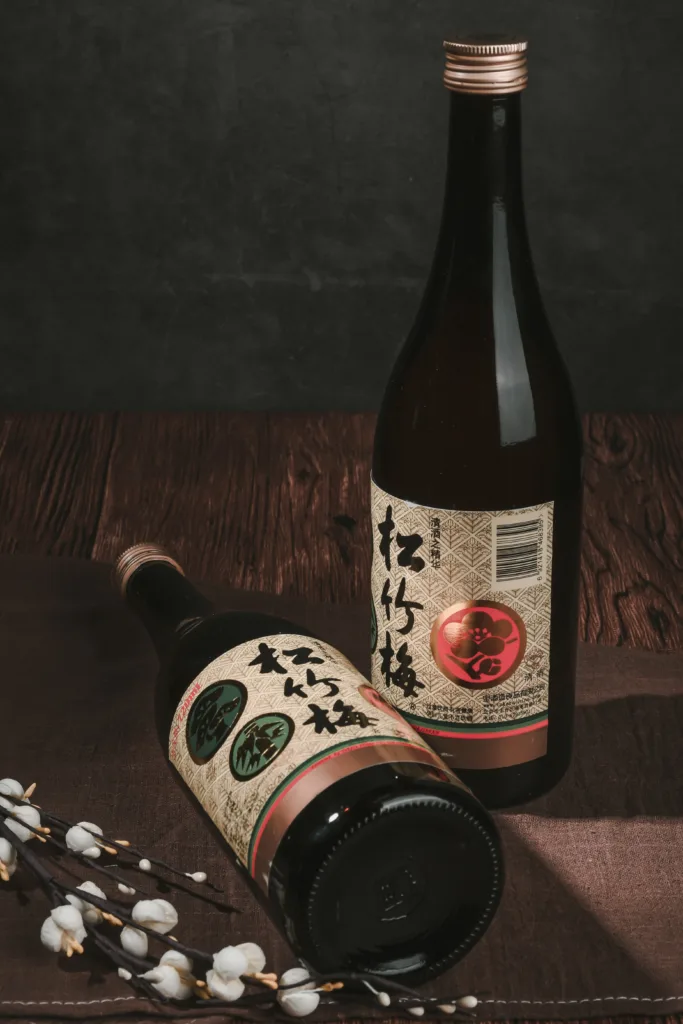
To Chill Or Not To Chill Japanese Sake
Every sake is different, and sake connoisseurs will tell you to experiment yourself. Some sakes are at their best cold, while others taste perfect when warmed. Our philosophy is: do what tastes best to you. It’s no fun if you’re worried about whether what you’re doing is right or wrong.
That being said, here are some general guidelines to help you in cooling or warming your sake:
- Ask the shop or restaurant staff for their recommendation: they will know whether it is best cold, warm – or either way.
- Avoid extremes: whether chilling or warming, be careful not to overdo it. Overheating and over-chilling can disrupt a sake’s particular flavors and aromas.
- Don’t heat the sake directly, but heat it very gradually.
- At the risk of over-generalizing, many sake experts say that ginjo and daiginjo sakes are usually best not warmed (since being served chilled enhances their flavors and aromas), while many junmai and honjozo sakes do well either way (since warming these types of sakes tends to draw out their complex flavors and smooth them out a bit).
Many sakes taste great at different temperatures. Different temperatures draw out different characteristics – which makes it very worthwhile to experiment for yourself!
What Is The Right Glass For Japanese Sake
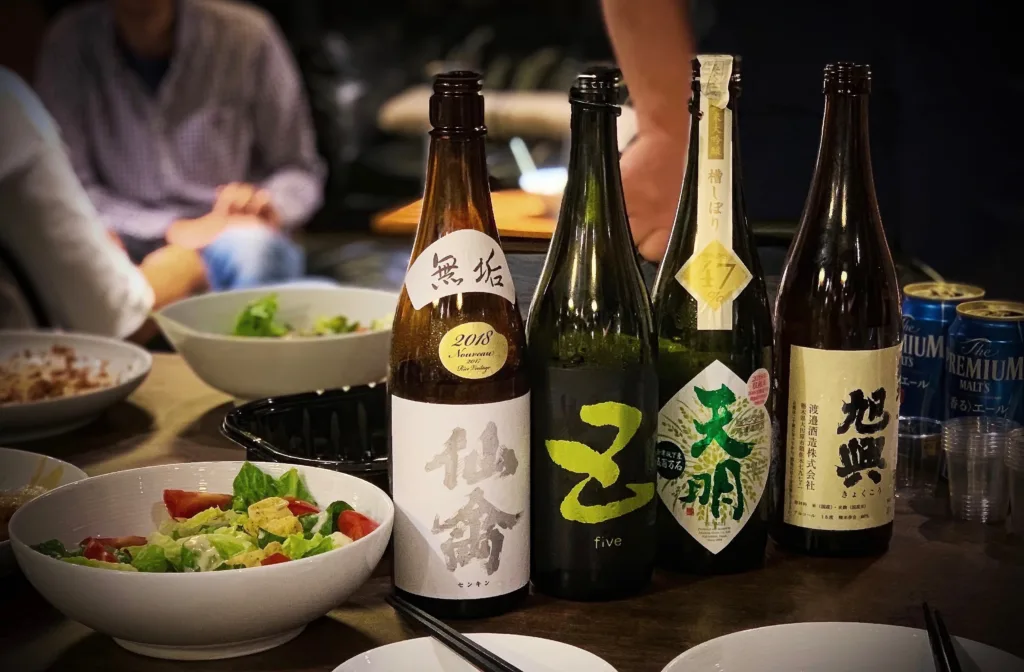
Choosing the right glass can enhance your sake experience, just like wine or whiskey. Traditionally, sake is served in small ceramic cups called ochoko or in wooden boxes called masu, which are often used for ceremonial or celebratory purposes. For modern tasting, many enthusiasts prefer a wine-style glass, which allows the sake’s aromas to open up and be fully appreciated. Clear glasses are ideal because they let you see the sake’s color and clarity, which can indicate its style and quality. Sparkling sake is often served in flute glasses to preserve its bubbles and enhance its fruity aroma. Ultimately, the right glass depends on the type of sake, the occasion, and your personal preference, but using an appropriate vessel always adds to the enjoyment.
Where to Enjoy Sake in Japan
Famous Japanese sake breweries
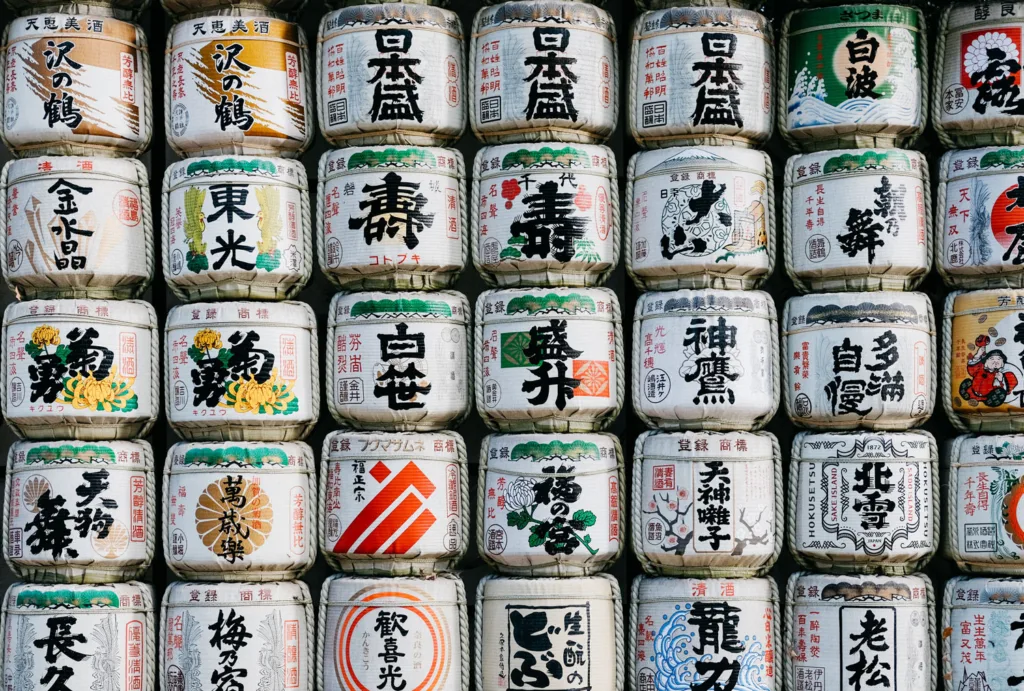
There are many famous sake breweries in Japan, each with its own unique history, traditions, and brewing techniques. One of the most well-known is the Dassai brewery, located in the Yamaguchi prefecture, which is renowned for its high-end Daiginjo sake made using a special polishing process. Another famous brewery is the Gekkeikan Brewery in Kyoto, which has been in operation since the 17th century and is known for its traditional brewing methods and commitment to quality. The Hakutsuru brewery in Kobe is also a popular choice, producing a range of different sake types using locally sourced rice and water. Other notable breweries include the Hakkaisan Brewery in Niigata, the Nanbu Bijin Brewery in Iwate, and the Ozeki Brewery in Hyogo. Many of these breweries offer tours and tastings, allowing visitors to learn more about the history and production of sake and to sample some of their famous varieties.
Sake Bars and Izakayas
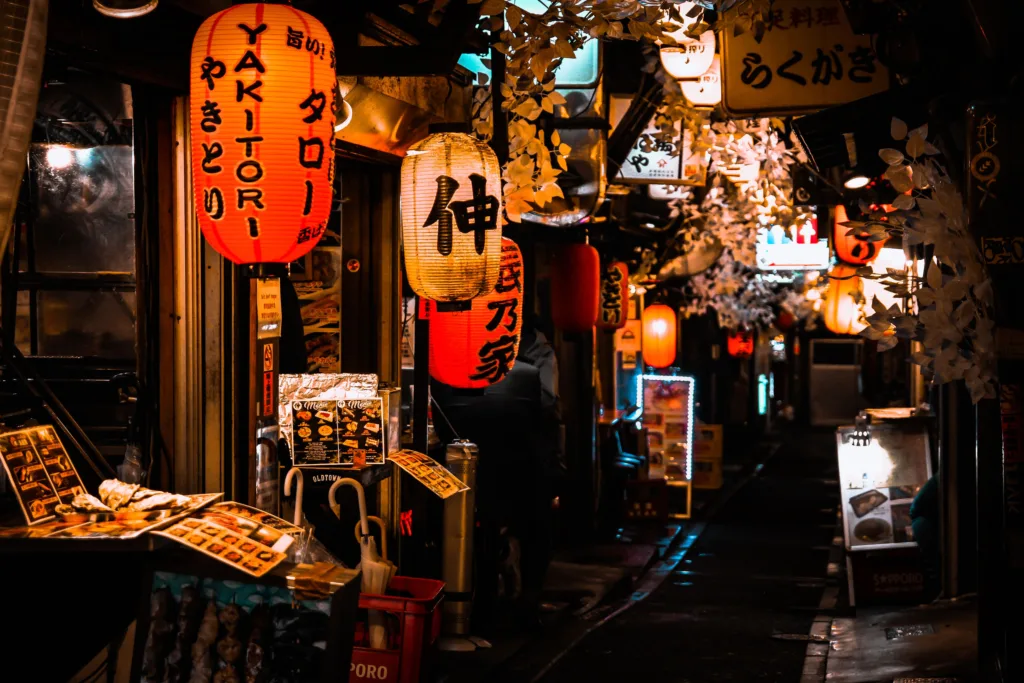
Japan is home to many excellent sake bars and izakayas, where you can experience the best of traditional Japanese cuisine and culture. One popular destination is the Kurand Sake Market in Tokyo, which offers a self-service system where you can sample a variety of sake from across Japan. Another great option is the Tachinomi Kanpai in Kyoto, which is known for its standing bar atmosphere and extensive selection of local sake and snacks. Other notable sake bars and izakayas in Japan include:
- Hasegawa Saketen in Niigata
- Sake Stand Moto in Tokyo
- Sake Bar Yoramu in Osaka
- Imoya Kinshicho in Tokyo
- Sasagin in Fukuoka
- Genka Bar in Kyoto
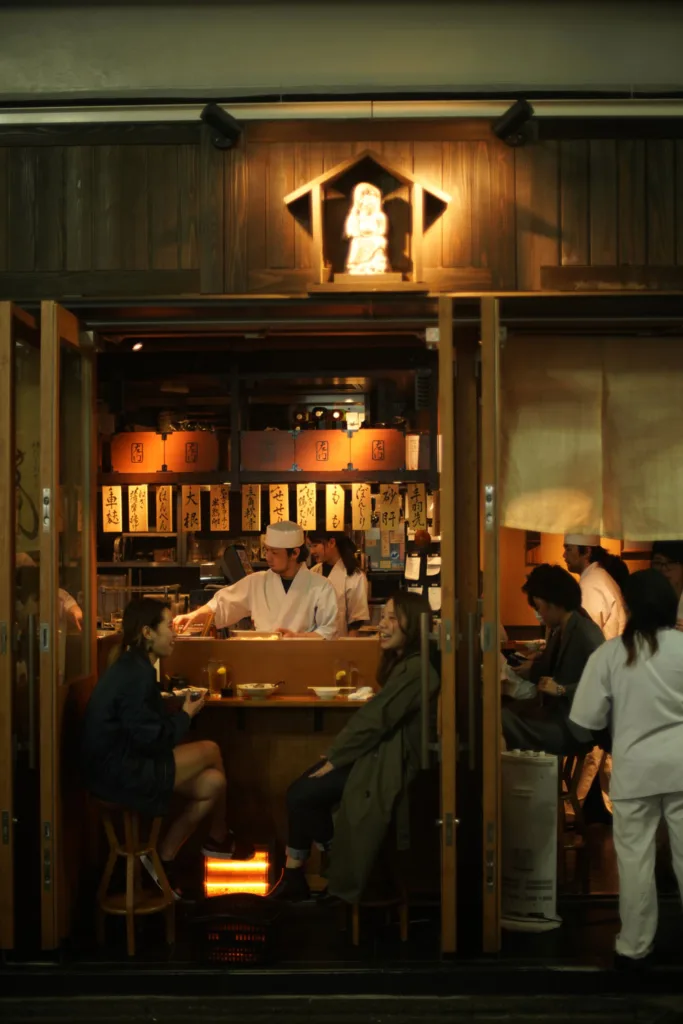
From Novice to Enthusiast: Embracing the World of Sake
Sake is more than just a drink — it’s a journey into Japan’s rich culture, history, and culinary artistry. For beginners, exploring simple types like Futsushu or Junmai is a great way to understand basic flavors and textures. As your palate develops, you can move on to more refined varieties such as Ginjo or Daiginjo, appreciating their delicate aromas and complex notes. Learning how to serve sake, choosing the right glass, and pairing it with food adds another layer to the experience. Visiting local breweries or joining tasting events allows enthusiasts to connect directly with the traditional brewing process. Over time, you’ll start noticing subtle differences in sweetness, acidity, and fragrance that distinguish one sake from another. Whether enjoyed casually at home or as part of a cultural experience in Japan, sake offers endless opportunities for discovery. With guidance and curiosity, anyone can progress from a novice to a true sake enthusiast.
The Prettiest Sake Sets
Plan Your Trip Today And Immerse Yourself In The World Of Sake
If you’re a sake enthusiast and want to experience the full breadth of what Japan has to offer, there’s no better way than to plan a trip and explore sake firsthand. From visiting famous breweries to sampling local jizake in cozy izakayas, Japan offers countless opportunities to dive into its sake culture. Touring sake regions like Niigata, Kyoto, and Fushimi allows you to witness traditional brewing techniques up close. You can also attend seasonal festivals, join tasting workshops, and learn directly from master brewers. Sampling different types of sake in their place of origin provides insights into regional flavors and brewing styles that you can’t find elsewhere. Along the way, you’ll discover how sake is intertwined with Japanese history, cuisine, and daily life. So start planning your journey today and prepare to immerse yourself in the rich traditions and flavors of Japanese sake. For inspiration and practical tips, explore the Adventure Starter Pack and dive deeper into cultural stories on MJ Journals.