The Kintsugi Journal, a 90-Day Practice for Healing and Repair
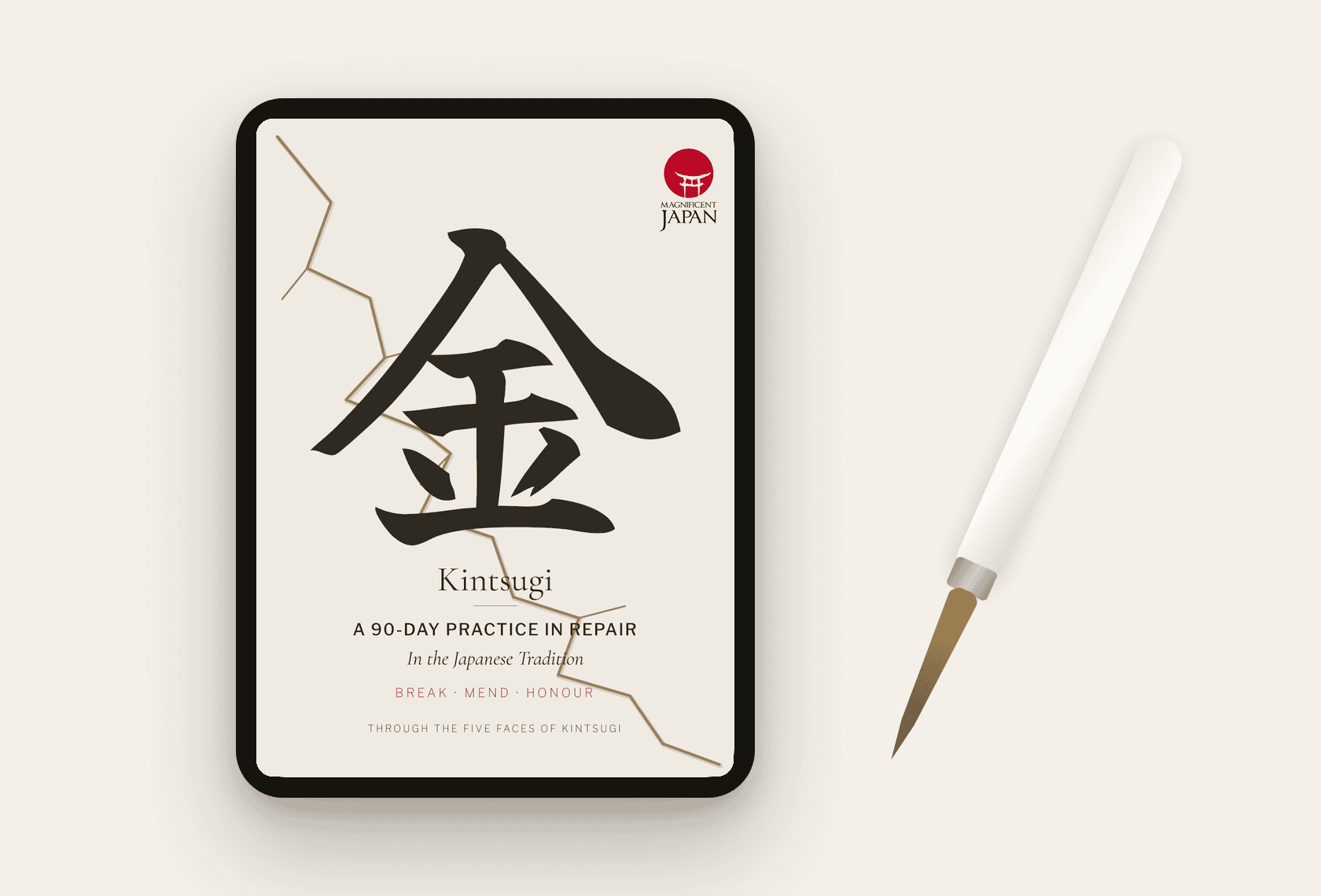
A ninety-day kintsugi practice — one prompt a day, drawn from the Japanese art of mending what has broken with gold. On screen, or on paper.
Choose the write-on digital edition for your favourite tablet annotation app, or the paperback print edition for the desk and the bag. Both are a guided practice in healing and resilience. You work through what cracked, gather the pieces, rejoin them, and come back stronger at the seam. Ninety prompts follow, sequenced so the work deepens week by week.
Digital: instant download, every major tablet app · Paperback: ships worldwide · Try seven days first
The world says hide the crack, or throw it out. Kintsugi mends it in gold.
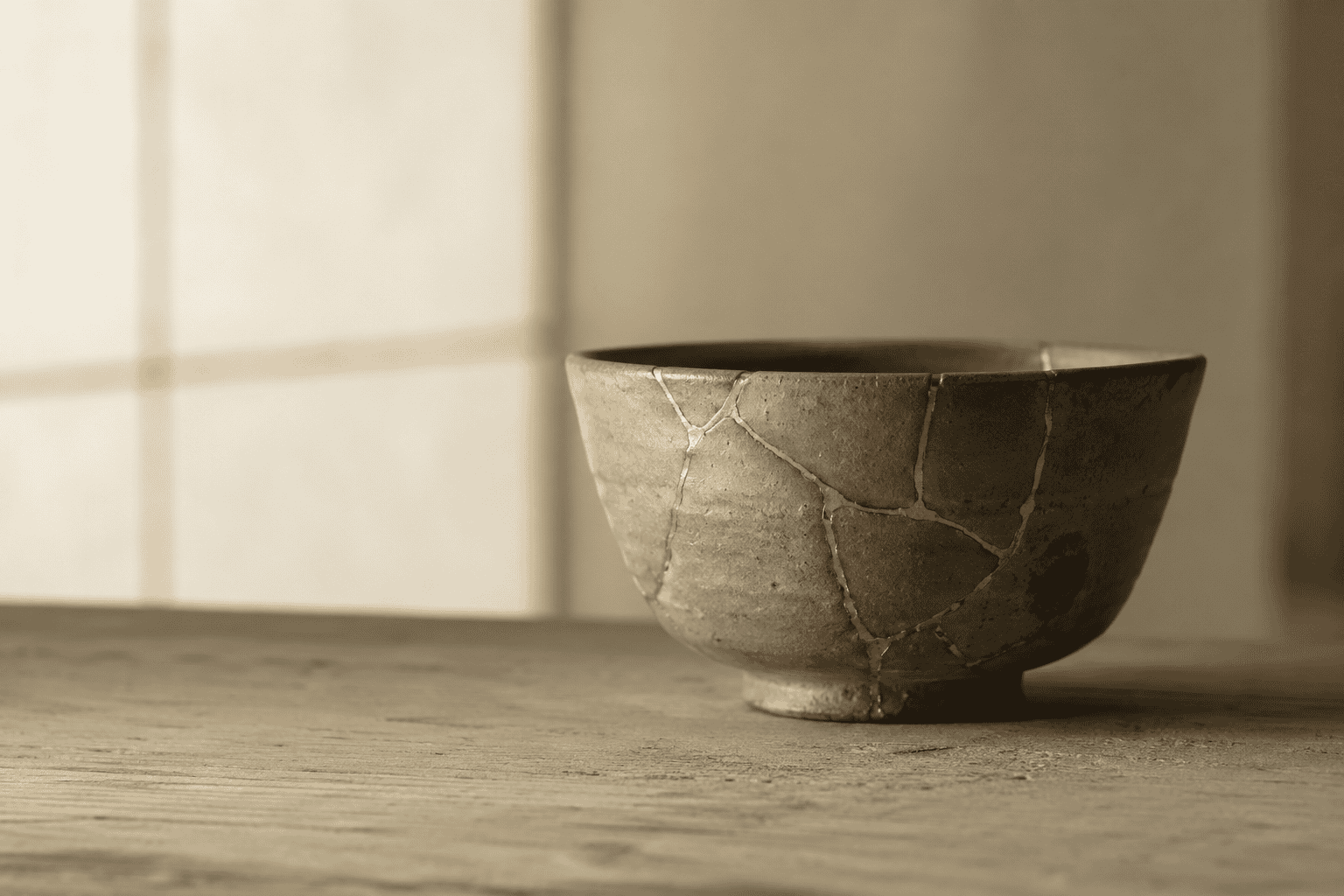
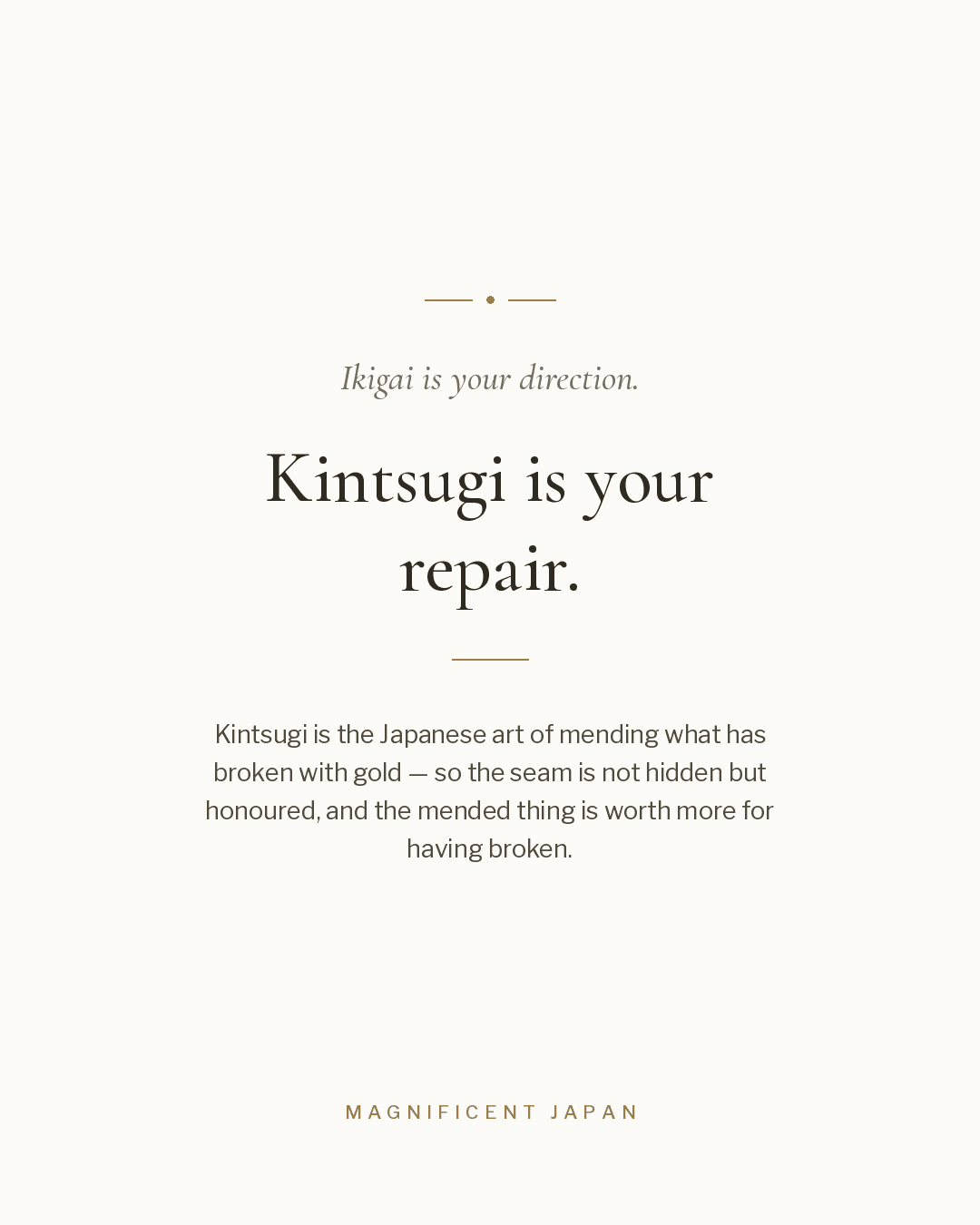
Kintsugi is the Japanese art of repairing broken pottery with lacquer and gold, so the fracture is not hidden but honoured — and the mended bowl is held to be worth more for having broken. It is the eye that finds the repaired thing more valuable than the flawless one.
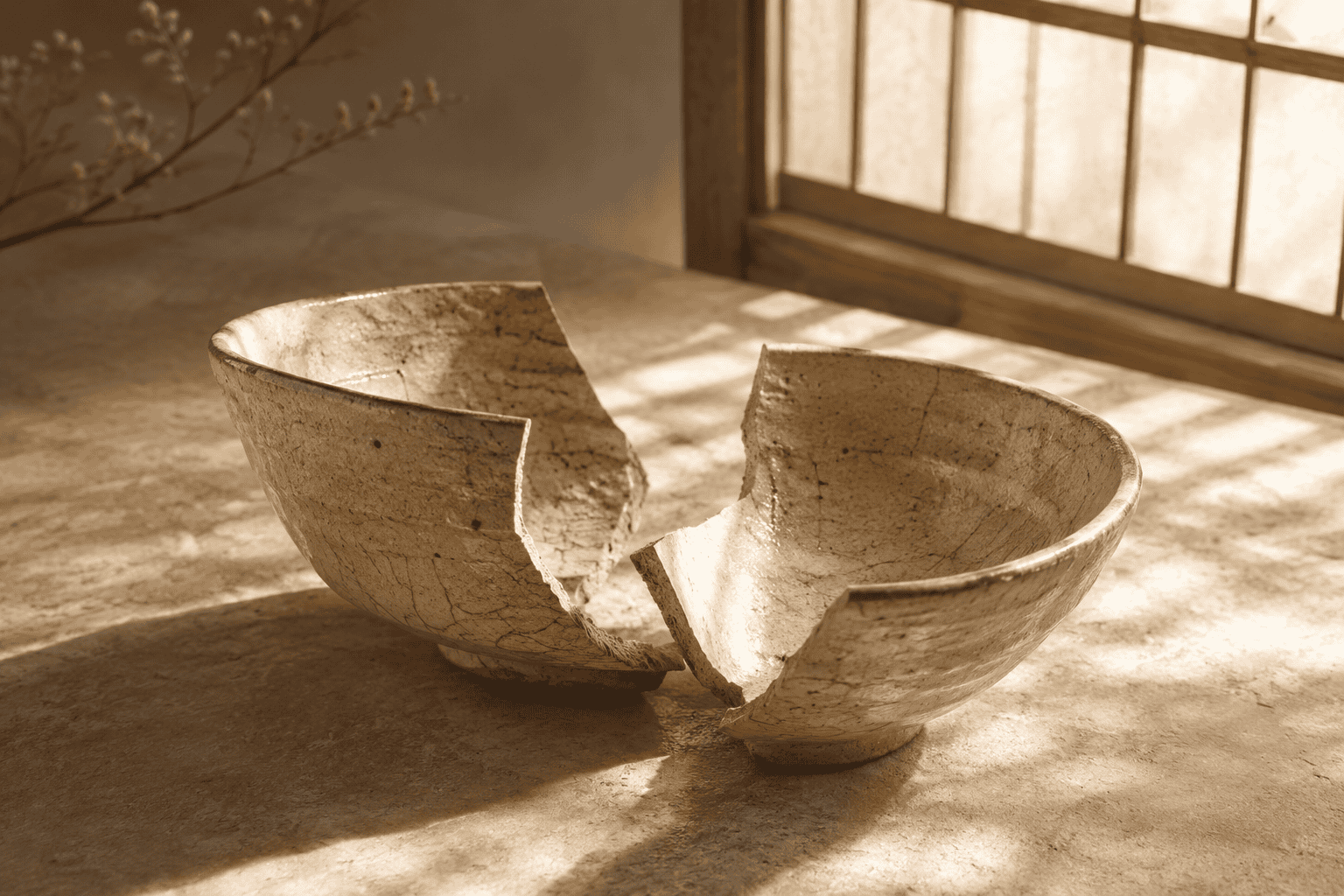
The unbroken, the unblemished, the replaced — what most of modern life pushes you toward. Most of what breaks, we are taught to hide or throw away.
The cracked, gathered, and rejoined — repaired in gold, and worth more for it. A practice not in pretending nothing broke, but in honouring what did, and mending it to last. This is where the ninety days sit.
This is not a practice in dwelling on damage. It is a practice in repair — a way of meeting what breaks that sits within the wider Cultural Reflection Collection.
What kintsugi means
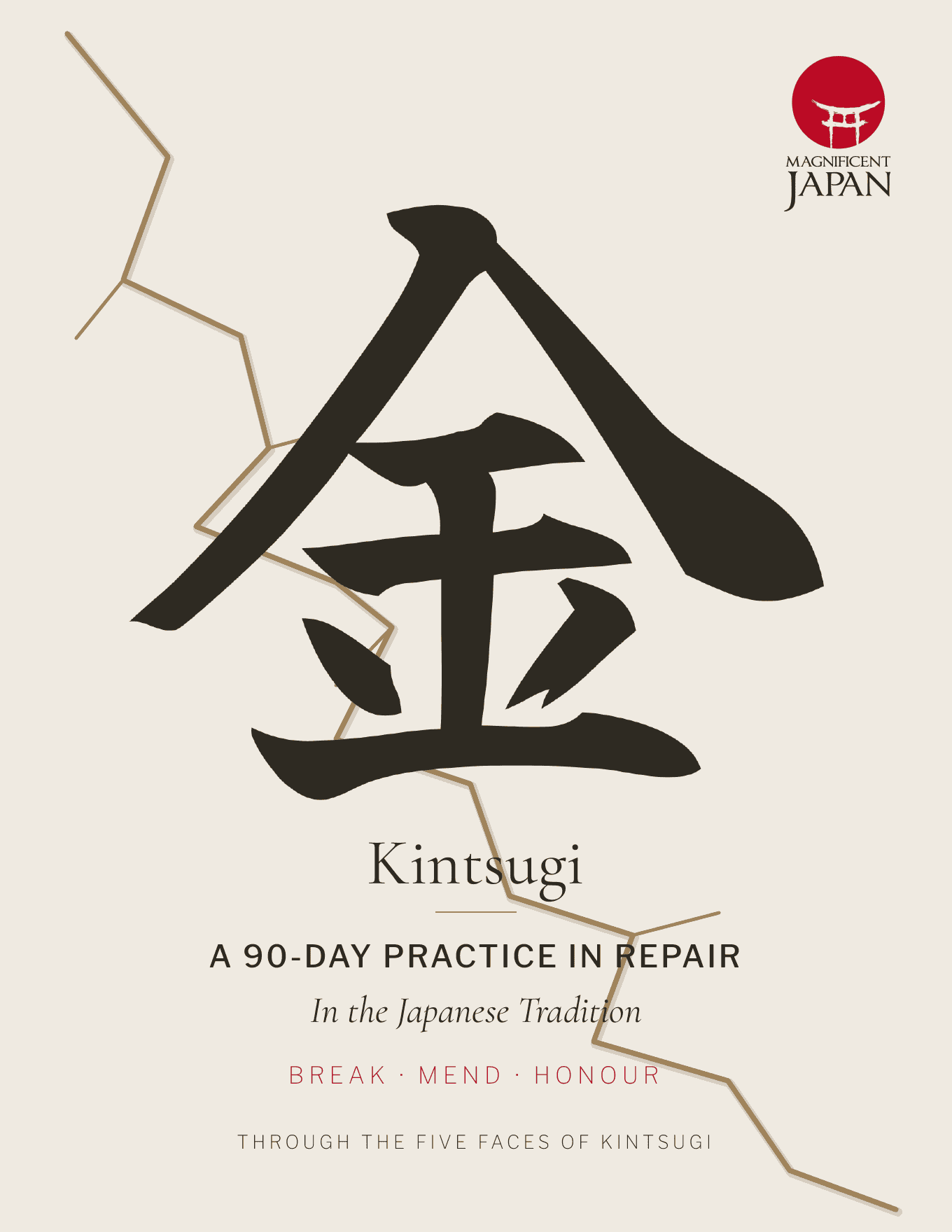
Kintsugi 金継ぎ means golden joinery. When a bowl breaks, the pieces are gathered, the edges cleaned, and the breaks rejoined with urushi 漆, the lacquer of the lacquer tree. Then the seams are dusted with gold.
The same practice is also called kintsukuroi 金繕い — golden repair. Under either name, the idea is the same. Nothing about the damage is disguised. The repair is what the light catches first.
A short history of kintsugi
The practice of kintsugi is traced to Japan’s Muromachi period, in the fifteenth century. The best-known origin story begins with a shogun’s damaged Chinese tea bowl. Sent abroad for repair, it is said to have come back held together with ugly metal staples. Japanese craftsmen went looking for a mend worthy of the bowl — and found it in lacquer seams finished with gold.
The technique
True kintsugi is slow work. The broken edges are cleaned and rejoined with urushi lacquer, built up in thin layers over weeks. While the final layer is still tacky, the seam is dusted with gold powder. The technique is borrowed from maki-e, the art of sprinkled-gold lacquerware. The result is not a patch. It is a golden vein that follows exactly where the break ran.
The philosophy
Kintsugi grew up beside the Japanese tea ceremony, where a repaired bowl could be prized above a flawless one. Some collectors were even said to value the mend enough to wish for the break. The thinking sits close to wabi-sabi — the beauty of the imperfect and the worn — and to mushin, the acceptance of change. A mended bowl carries its history on its surface. That is the whole point, and it is the idea this kintsugi journal borrows. What broke is not the end of the story. The repair can become the strongest and most beautiful part.
Five faces of kintsugi, ninety days
The prompts move through five faces of kintsugi — the five stages of the mend. You do not study them; the prompts teach them, asking each in turn and deepening as the weeks go on.
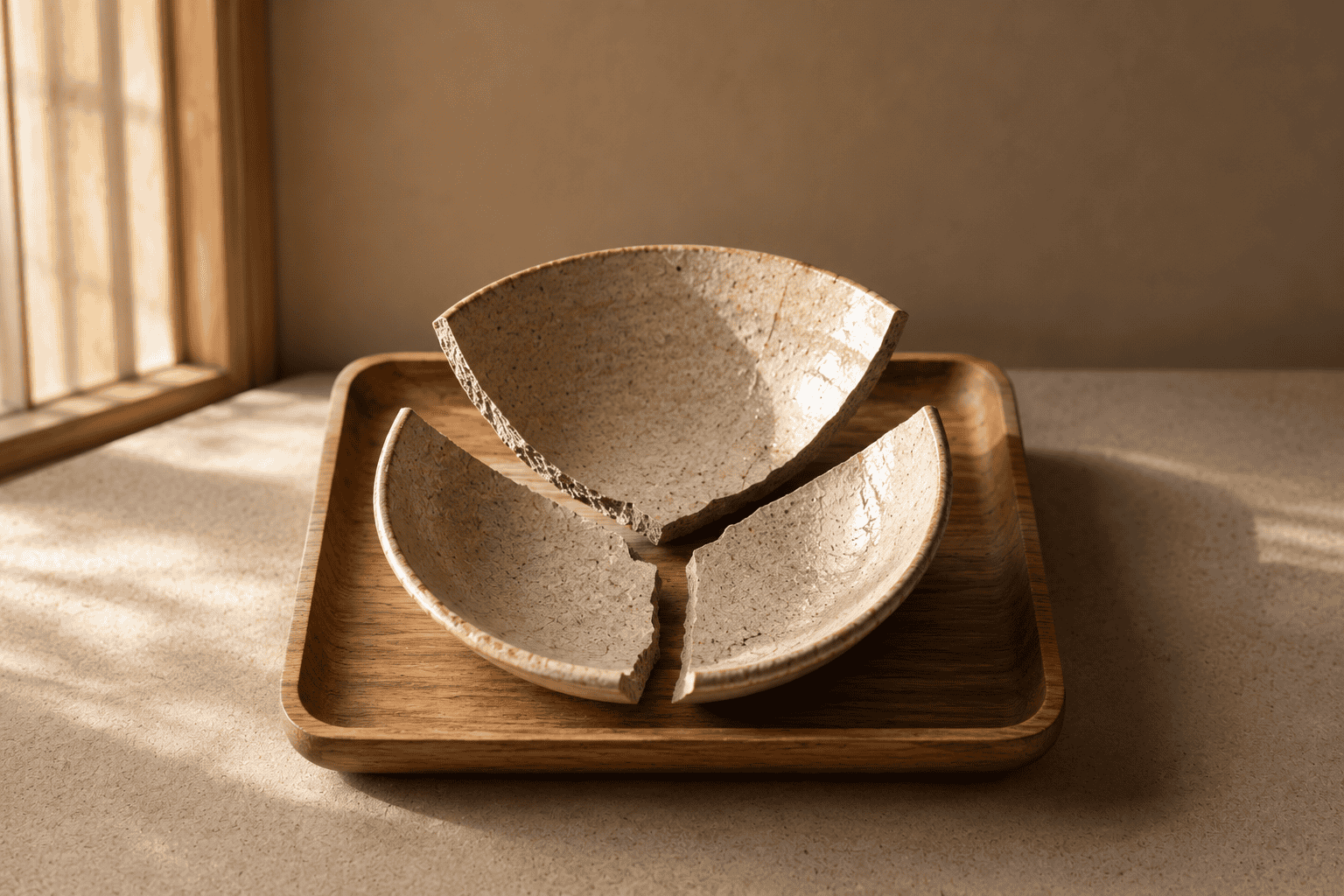
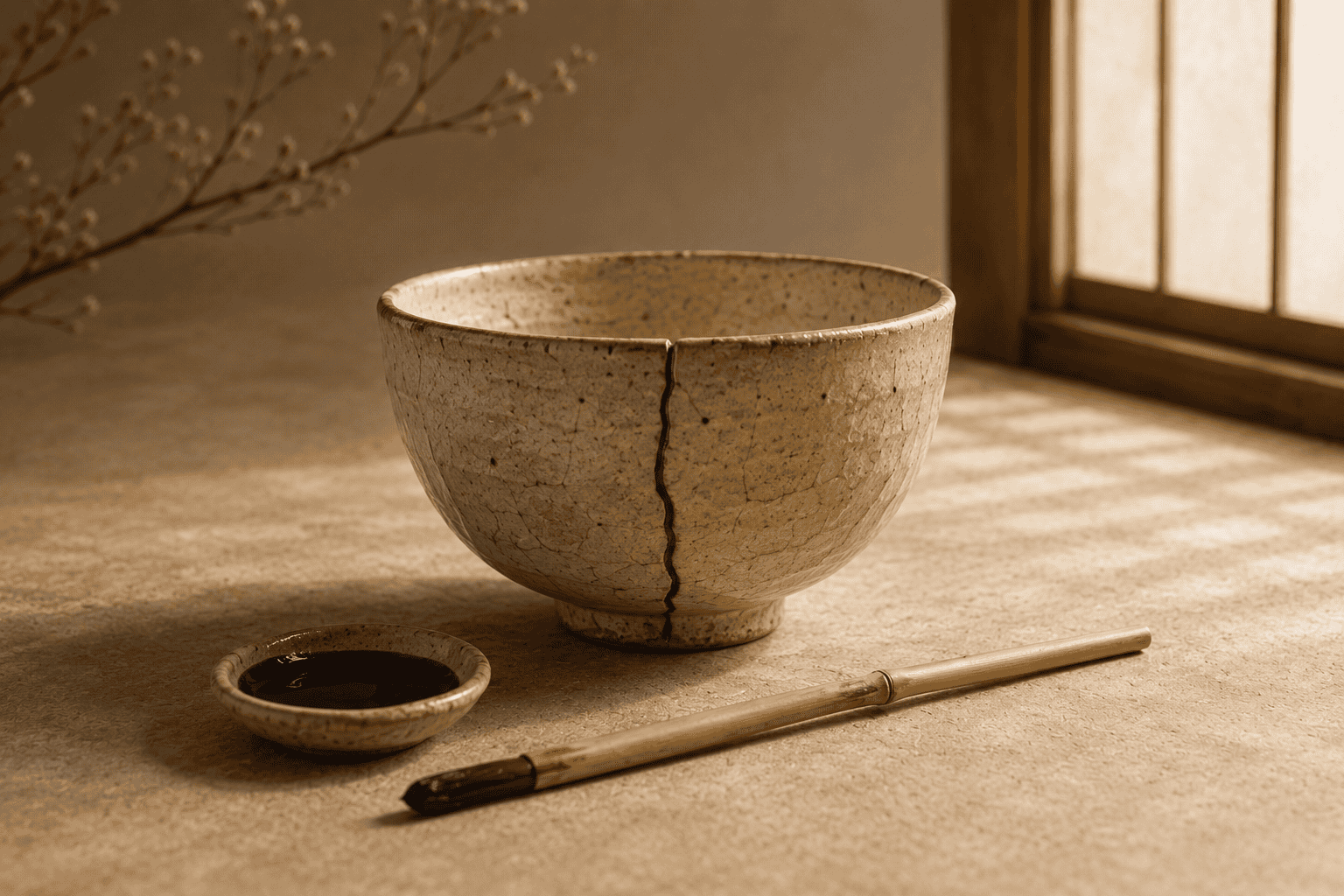
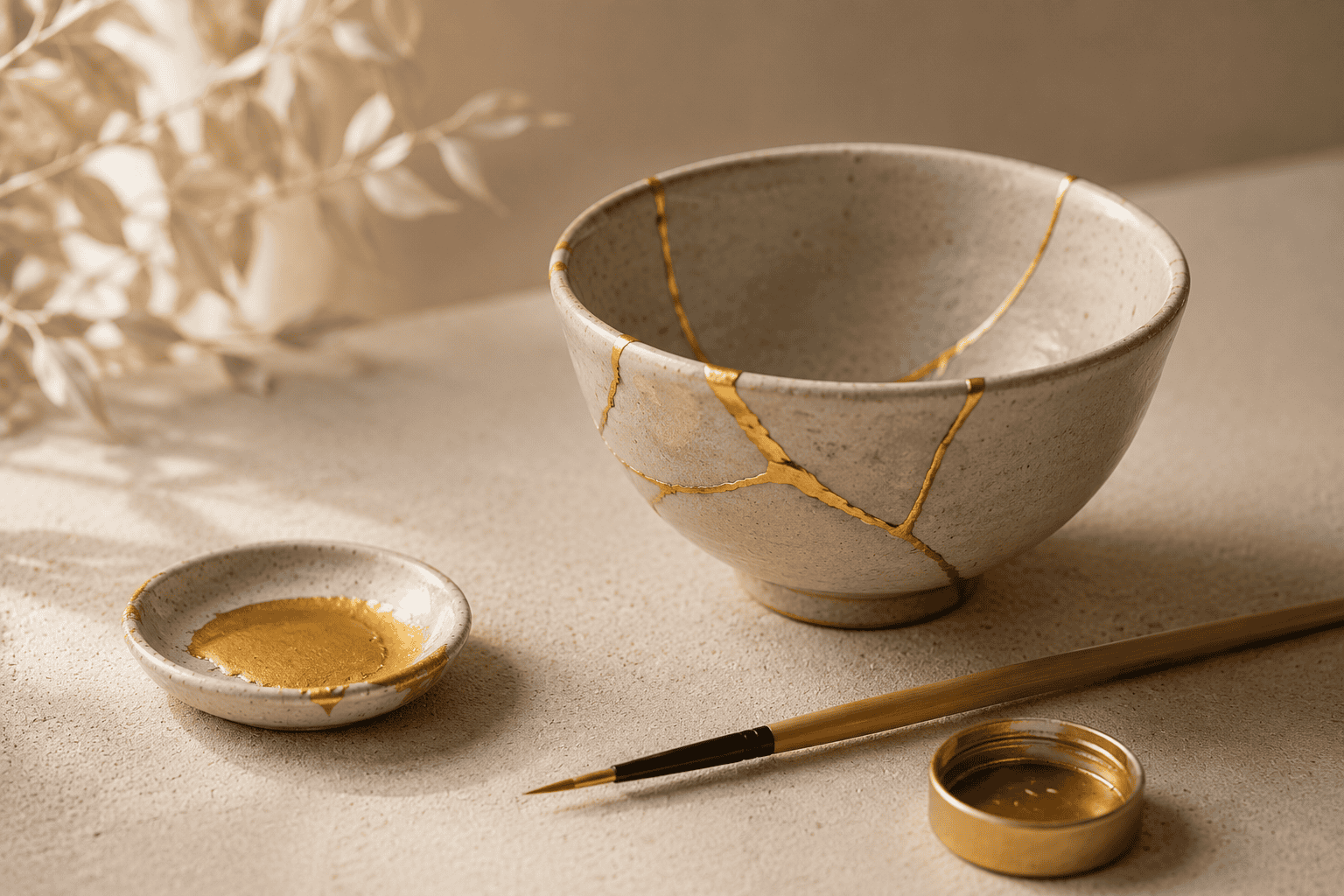
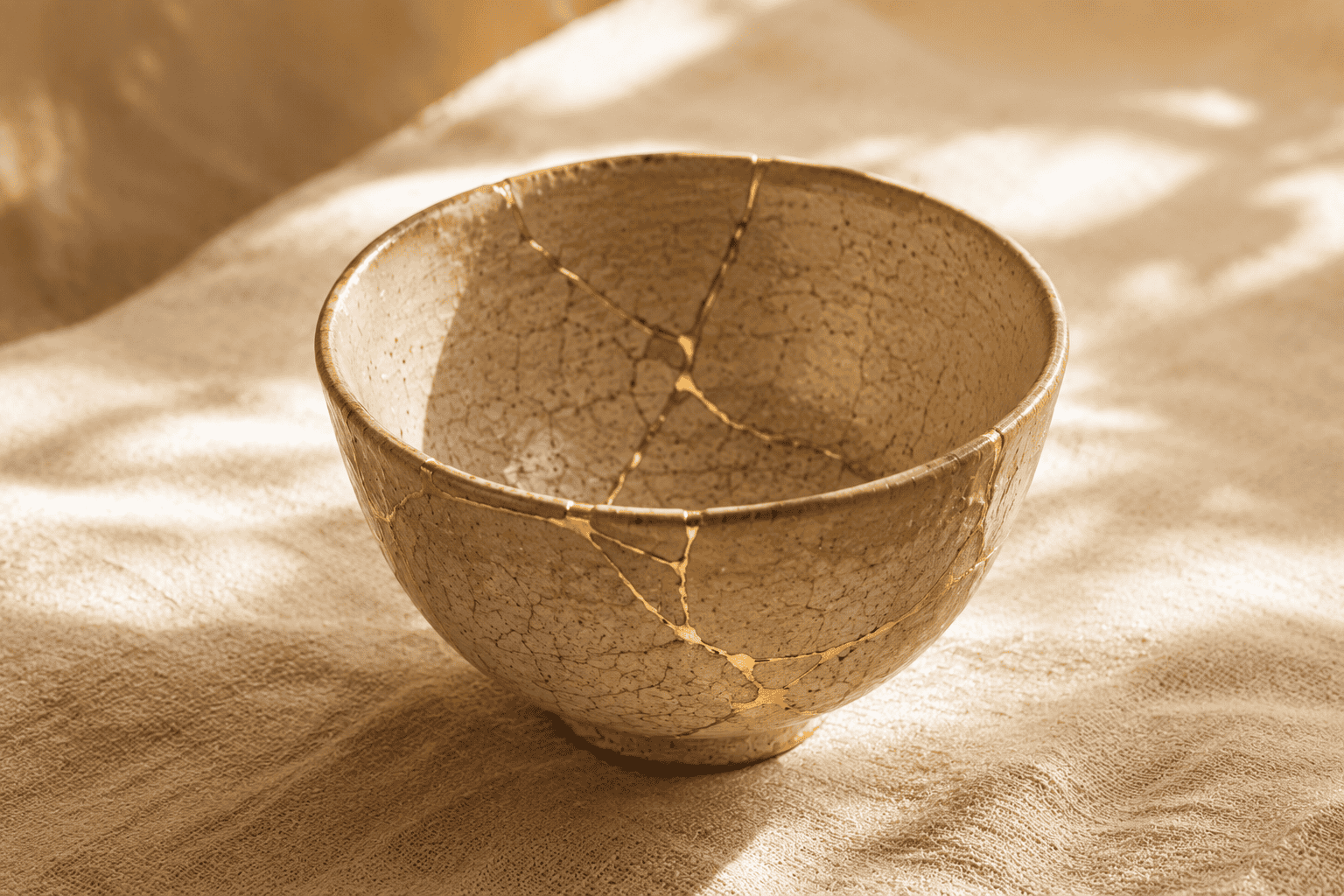
Prompts that ask the right question
Most reflection prompts ask you to move on, or to fix yourself. These ask you to look at what broke — clearly, without flinching — and to mend it in a way that lasts. The ninety days are sequenced so the work compounds in a way a flat list never could.
The early prompts are small, the kind you can answer before the tea goes cold. The later ones assume you have been doing the work, and ask a little more.
What the kintsugi journal includes
Both editions carry the same ninety-day structure. The digital edition is a write-on PDF for GoodNotes, Notability, Noteshelf, or any annotation app; the paperback puts the same practice on paper.
- Ninety daily prompts — one a day, across three months
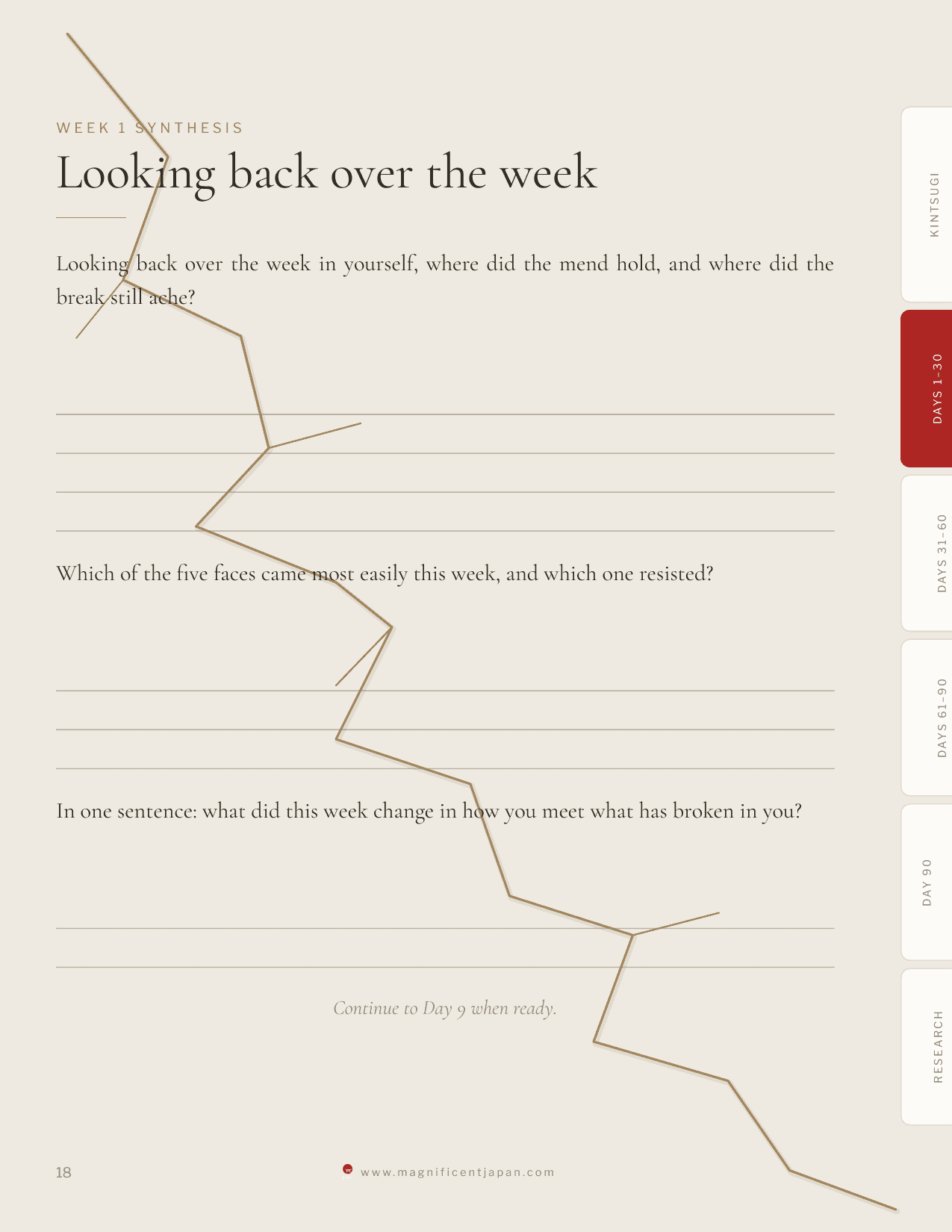
- Weekly syntheses — a look back at the close of each week
- Three monthly reviews — the longer view across each month
- Two Beginning pages — revisited on Day Ninety, to measure the distance
- Tap-through navigation — side tabs and day links, in the digital edition
- Research foundations — the sources, and where to read further
Begin the practice
One journal, two editions, one price. Choose the screen or the page — the ninety days are the same, and both are built to be returned to, not read through.
A write-on PDF for iPad and tablet, with tap-through side tabs and links to any day. Yours the moment you order.
Begin the Practice — DigitalInstant download · GoodNotes, Notability & every major tablet app
The same ninety days in print — a matte-cover paperback for the desk, the bag, and the shelf it will one day join.
Order the PaperbackShips worldwide · part of the Cultural Reflection Collection
Digital checkout is handled by Payhip; the paperback checks out where it ships from. Both accept the cards and wallets above.
Look inside the kintsugi journal
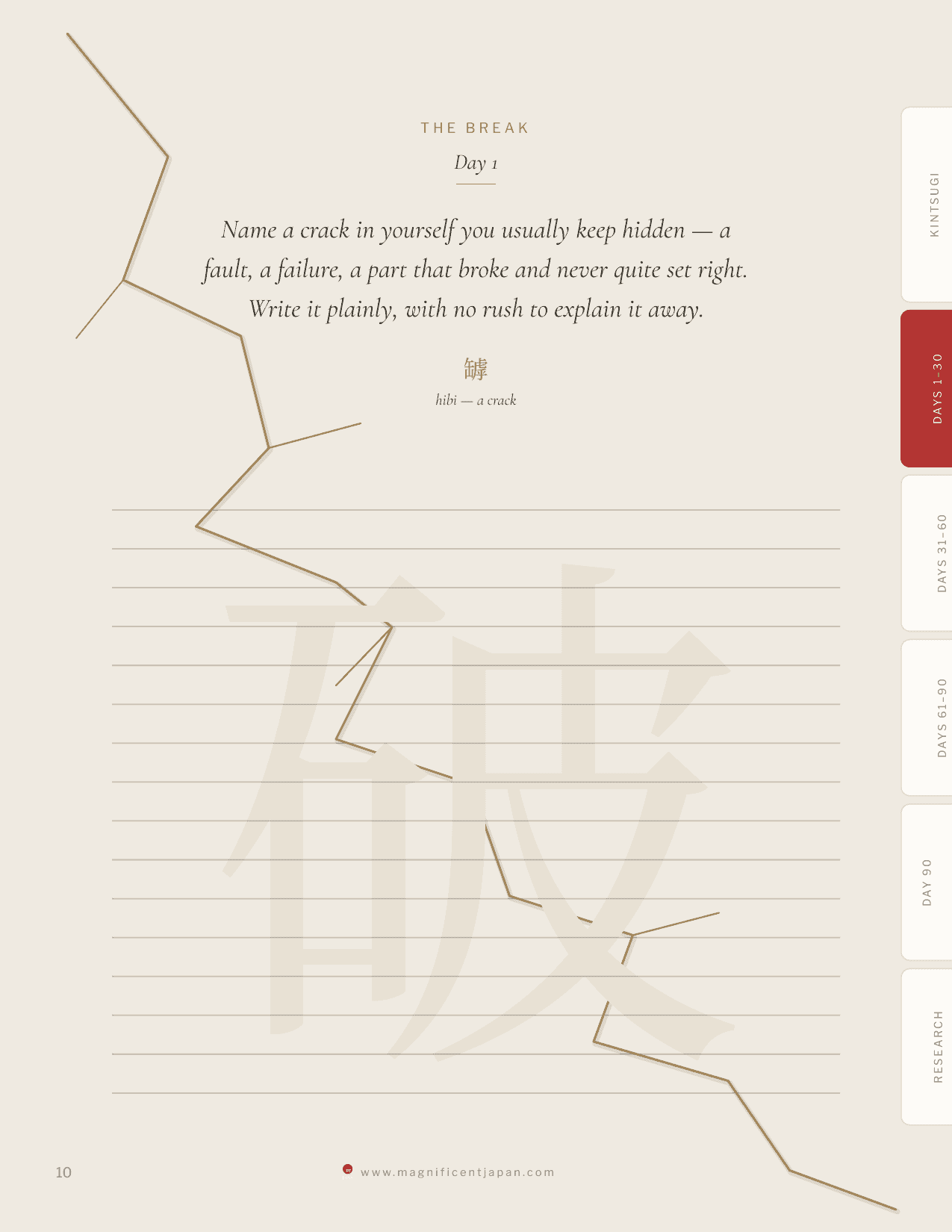
Three real pages, shown full size — a Beginning page you return to on Day Ninety, a daily prompt, and a weekly synthesis. Tap any page to open it larger. The pages are the same in both editions.
How it works
What ninety days does
A single prompt rarely changes much. Ninety of them, in sequence, do something a list never could. The early weeks ask small questions — the crack you have kept hidden, the piece you were not sure whether to keep, the mend you have been putting off.
By the second month the prompts assume you have been doing the work, so they ask a little more. On Day Ninety you return to the two pages you began with, and the distance between them is the whole point.
Try seven days first
The seven-day sampler is the real first week of the kintsugi journal, as a write-on PDF for your tablet. Leave your email and it arrives the moment it is ready.
One email a fortnight. Unsubscribe any time.Where the practice comes from
The eye the kintsugi journal trains — for what breaks, and what mending can make of it — runs through Japan itself. A tea bowl repaired in gold. A temple rebuilt beam by beam across centuries. An old inn where every repair is kept as part of the story.
The practice works wherever you sit with it. Yet once it settles, some readers want to stand inside the Japan it draws from — and that is a journey worth shaping with care.
A tea room where a mended bowl is set out with care, a temple repaired for a thousand years, a ryokan where age is kept, not hidden. When you would like to step into the Japan this practice draws on, we shape the journey around how you want to travel.
Begin a Custom ItineraryQuestions Worth Asking
What does kintsugi mean?
Kintsugi means golden joinery in Japanese. It is the art of repairing broken pottery with urushi lacquer dusted in gold, so the break is honoured rather than hidden. The word is also written kintsukuroi, golden repair.
Where does kintsugi come from?
The practice is traced to fifteenth-century Japan. A damaged tea bowl is said to have returned from repair abroad held together with metal staples. Japanese craftsmen sought a more beautiful mend — lacquer seams finished in gold. Tea masters came to prize repaired bowls, and the mended seam became part of the object’s story.
Is this a digital journal or a paper book?
Both. The Kintsugi Journal comes as a write-on digital PDF for tablet annotation apps, and as a paperback print edition that ships worldwide. Both carry the same ninety days at the same price.
Which apps does the digital edition work in?
GoodNotes, Notability, Noteshelf, Penly, Xodo, and Samsung Notes. The side tabs and links work in any app that opens annotatable PDFs.
Do I have to journal every day?
No. The practice is built around returning to it, not around a perfect streak. You can move at your own pace in either edition.
How is this different from the Ikigai, Nagomi, or Wabi-Sabi journal?
They are companions in the same format, part of one collection. Ikigai is about direction; nagomi is about balance; wabi-sabi is about meeting the imperfect and passing; kintsugi is about repair — mending what has broken and finding it stronger for the seam. Each stands on its own, and none repeats another’s prompts.
Should I choose the digital or the paperback edition?
Choose digital if you write with a stylus — the tap-through side tabs and day links only work inside an annotation app. Choose the paperback if you prefer pen on paper; it is the same ninety-day practice in print, and it ships worldwide.
Will there be more journals?
Yes. Kintsugi is part of the Magnificent Japan Cultural Reflection Collection, alongside the Ikigai, Nagomi, and Wabi-Sabi journals, with further practices to follow.
Part of a longer practice
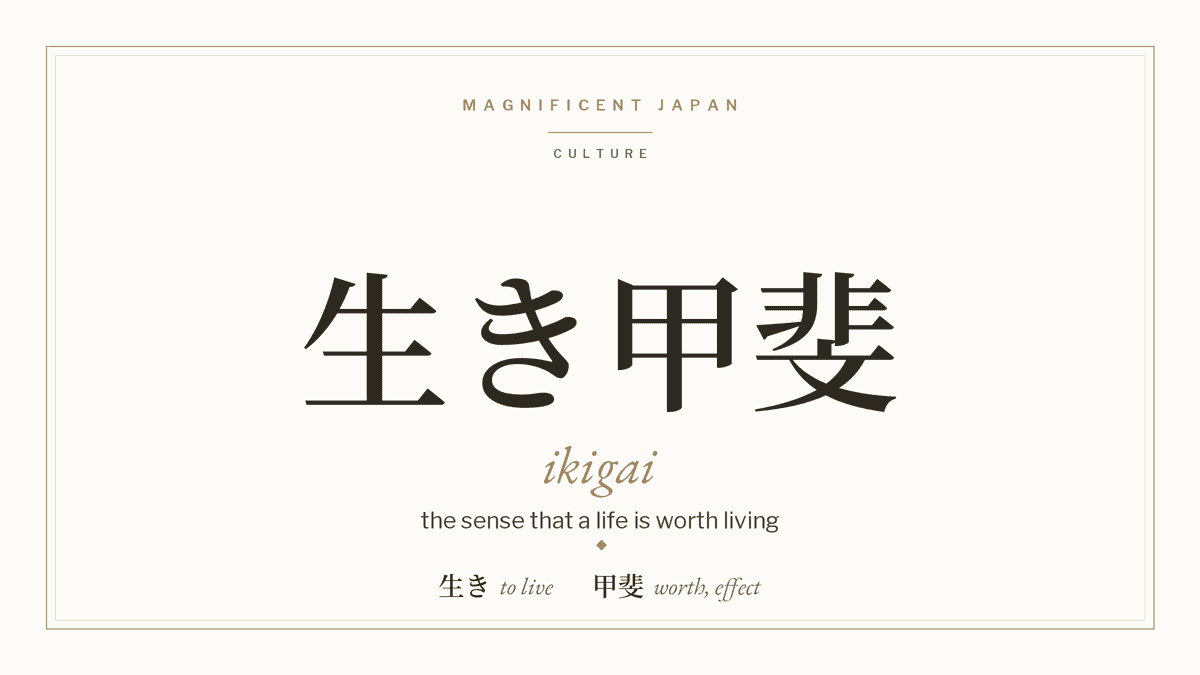
The Cultural Reflection Collection gathers guided practices rooted in single Japanese concepts, on screen or on paper. The kintsugi journal sits alongside The Ikigai 90-Day Journal — each a single concept, met a day at a time, until it becomes something you have lived rather than read.