Free Kanji Flashcards for JLPT N5 and N4
Daily kanji flashcards, a kanji level test across JLPT N5 and N4, and a steadier rhythm for learning Japanese.
Kanji flashcards work best when a session is short enough to repeat tomorrow. The tool below opens to five characters and closes inside ten minutes. Each card carries the reading, the meaning, and a cue that helps the shape settle. Because the set rotates daily, you meet yesterday’s characters again before they fade. So the habit does the work that motivation alone cannot. Nothing here needs an account, and nothing needs installing. Start with today’s five, then return in the morning and meet them once more.
Today’s Kanji Flashcards
Five kanji a day. 365 days a year.
Each day reveals five characters with readings, meaning, and memory cues. Practice feels lighter when it stays small.
Practice tells you what you have learned, although it rarely tells you where you stand. That is what the kanji level test below does. Twelve characters place most learners inside a minute. Six come from N5 and six from N4, so the result splits cleanly. It shows which half of the syllabus still needs daily attention. Take it before you settle into a routine, then take it again a month later. Meanwhile the gap between those two scores becomes the clearest proof that a method works.
The Kanji Level Test: Are You at N5 or N4?
Twelve kanji, sixty seconds, no signup. Drawn from the most important characters across JLPT N5 and N4.
A kanji level test checks which characters you can read on sight. Twelve kanji, drawn from the JLPT N5 and N4 sets, place most learners accurately. Recognition speed matters more than the score. Hesitation on a character means it has not settled yet, so that character belongs back in tomorrow’s review.
—
—
One curated kanji a week
Stroke order, vocabulary, and the cultural context behind each character. Sent once a week. Unsubscribe in one click.
Recognition is one layer of a character, though it is the layer that opens a menu. Underneath sit the reading, the radical, and the words a character lives inside. Learners who stop at recognition often stall near the N4 boundary. Those who attach a word to every card keep moving instead. Therefore the sections below deal with method rather than volume. They cover how many characters a day survives a real week. They also cover what changes at N4, and when paper beats a screen.
Daily, not dauntingFive kanji a day, reviewed weekly
N5 and N4 togetherThe most important kanji across both levels
Recall, not recognitionActive retrieval on every card, every day
Pairs with the workbookThe same characters, by hand, on guided paper
The Daily Kanji Practice That Actually Sticks
Kanji practice rewards rhythm more than intensity. A short session every morning, repeated week after week, beats a marathon weekend almost every time. The brain encodes meaning through spaced exposure, and five well-chosen characters a day fits the way memory actually works.
That is the rhythm this tool is built around. Open it with coffee. Recognize the day’s set. Trace the strokes mentally, or follow them on the Japanese calligraphy practice tool. Close the tab. The kanji will show up again, in context, sooner than you expect.
Beneath the recognition layer sits something deeper. Each character carries a meaning, a sound, and a small cultural footprint. Learning kanji becomes, in time, a way of reading Japan itself. Its menus, its signs, its poetry, its patient love of the brushstroke all open up. For some readers, that fluency becomes a reason to stay. The Japan residency assessment maps what a longer life there involves.
Why Spaced Repetition Beats Cramming

Cramming feels productive because it generates output. Hours pass, characters stack up, the page fills. Within a week, however, most of those characters have left. The brain treats short-term loading the same way it treats noise: it discards what was not retrieved later.
Spaced repetition reverses the trade. Instead of front-loading a hundred kanji in one sitting, you encounter five today. You see those same five again tomorrow, then a week later, then a month. Each retrieval strengthens the memory trace. By the third or fourth pass, recognition becomes automatic.
Recognition, Recall, and the Gap Between Them
Recognition and recall are not the same skill. Recognition is seeing a character and feeling that you know it. Recall is producing the meaning before the answer appears. Most learners overrate the first and neglect the second. That is why a deck can feel easy while the exam feels hard.
Flashcards close that gap when you use them actively. Say the meaning aloud before flipping. Name the reading first. If nothing arrives within two seconds, treat the card as missed, however familiar it looked. That small honesty is what turns a review into learning.
The kanji level test near the top of this page measures recall, not recognition. The options appear only after the character does. Take it now, then again in a month. The gap between the two scores is the clearest evidence that the habit is working.
Books, Tools, and Objects for the Desk
The right objects turn a daily habit into a small ritual.
A weighted calligraphy brush. A stick of sumi ink and a stone to grind it on. Sheets of washi and gridded paper for tracing stroke order. Kanji dictionaries and graded readers for when recognition outpaces memory. Japanese stationery — fountain pens, bound notebooks, desk trays — chosen for how they sit in the hand. A short, rotating edit of the books, tools, and considered objects we would keep on our own desks.
What Changes at JLPT N4
N4 is where kanji study stops feeling like a list and starts feeling like a language. The characters are no longer objects and numbers. Instead they carry abstractions, verbs of intention, and the vocabulary of work and travel. Meanwhile the readings multiply, because a single N4 character often appears in several compounds with different sounds.
That shift is why so many learners stall here. The N5 set rewards brute recognition, but N4 rewards context. Therefore the study method has to change as well. Flashcards still carry the load. Each card now needs a word attached to it, not a bare meaning.
The N4 Kanji List, and Where It Starts
There is no official JLPT kanji list, so every published set is an informed reconstruction. Ours is ordered by frequency, because frequency is what decides which characters you meet first in the wild. The forty-five below open that sequence. They are the N4 characters that appear most often, and consequently the ones worth owning first.
View the First 45 JLPT N4 Kanji
Ordered by frequency, drawn from the Magnificent Japan kanji series. Readings and example vocabulary sit inside the flashcard tool above. There, each character appears in context rather than alone.
How Many Kanji Should You Learn a Day?
Five is the number that survives contact with a real week. Three feels slow and invites skipping, while ten looks productive on Monday and collapses by Thursday. Five new characters plus yesterday’s review fits inside ten minutes. So the session still happens on the days when nothing else does.
The arithmetic is worth stating honestly. Five a day is 1,825 cards a year, but that is cards, not characters. Each character returns several times. So the number you genuinely own after a year lands nearer three hundred across both levels. That figure is smaller than the marketing you will read elsewhere. It is also achievable, which the marketing is not.
Consistency does the work that intensity cannot. A learner who reviews ten minutes every morning passes a learner who studies two hours each Saturday. Usually within a month. Therefore the goal is never a bigger session. Instead it is a session small enough that you never need to negotiate with yourself about starting it.
Online or Printable Kanji Flashcards?
Online flashcards win on friction. The deck is already shuffled, the day’s set is already chosen, and nothing needs printing or carrying. Consequently the habit survives travel, commutes, and the days when motivation is thin. The tool above opens to five characters and closes in under ten minutes.
Printable cards win on attention. Paper does not notify. A deck in a pocket invites the two-minute review that a phone screen tends to swallow. Many learners run both, using the screen for the morning pass and paper for the gaps in the day.
Writing sits underneath both. Recognition is only half of a character, since the hand learns a shape the eye will only ever approximate. Once a kanji feels familiar on a card, write it out. The kanji stroke order practice tool animates the sequence for the same characters. The workbook then carries them onto paper.
How to Get the Most from Kanji Flashcards
Kanji flashcards work best as a daily habit, not a weekend sprint. Open the deck at the same time each day. Five new characters is plenty. Review yesterday’s set first, then meet today’s. This simple loop is the engine behind steady recall.
Read each card actively rather than passively. Say the meaning aloud. Recall the reading before you check it. Picture the character inside a word you already know. Active recall, repeated across days, is what moves a kanji from “seen it” to “know it.”
Online flashcards and printable cards each have a place. The tool above keeps the daily set in front of you with no setup. A printed deck travels well and works without a screen. Many learners use both — the screen for the morning review, paper for the commute.
Flashcards First, Then the Page
Recognition is the first half of learning a kanji. Writing it is the second. Once a character feels familiar on a flashcard, write it by hand to lock in the strokes. The animated stroke order tool shows the sequence for the same characters. Recognition lives on the card; the shape settles through the hand.
Language study rarely stays in one place for long. A character learned on a card turns up in a name or on a brush. The tools below follow those threads without asking for a signup. One animates stroke order for writing by hand. Another builds a Japanese name from real kanji, with its meaning attached. A third opens the wider culture those characters belong to. Use whichever matches the hour you have, since each one feeds the same slow accumulation of reading ability.
More Tools for Japan Learners
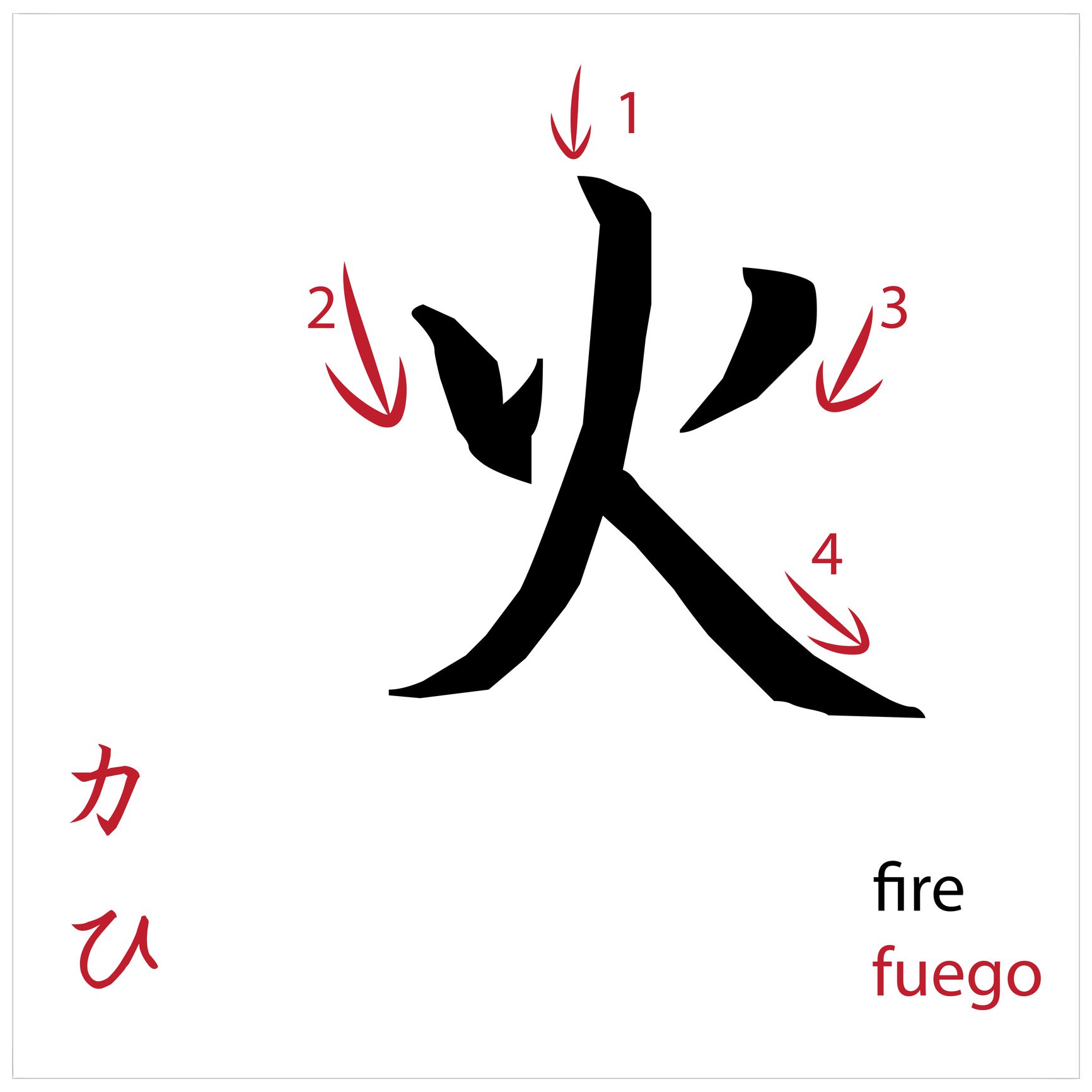
Calligraphy Practice
Trace 100 essential kanji with stroke-by-stroke animated guides.
Open the Tool →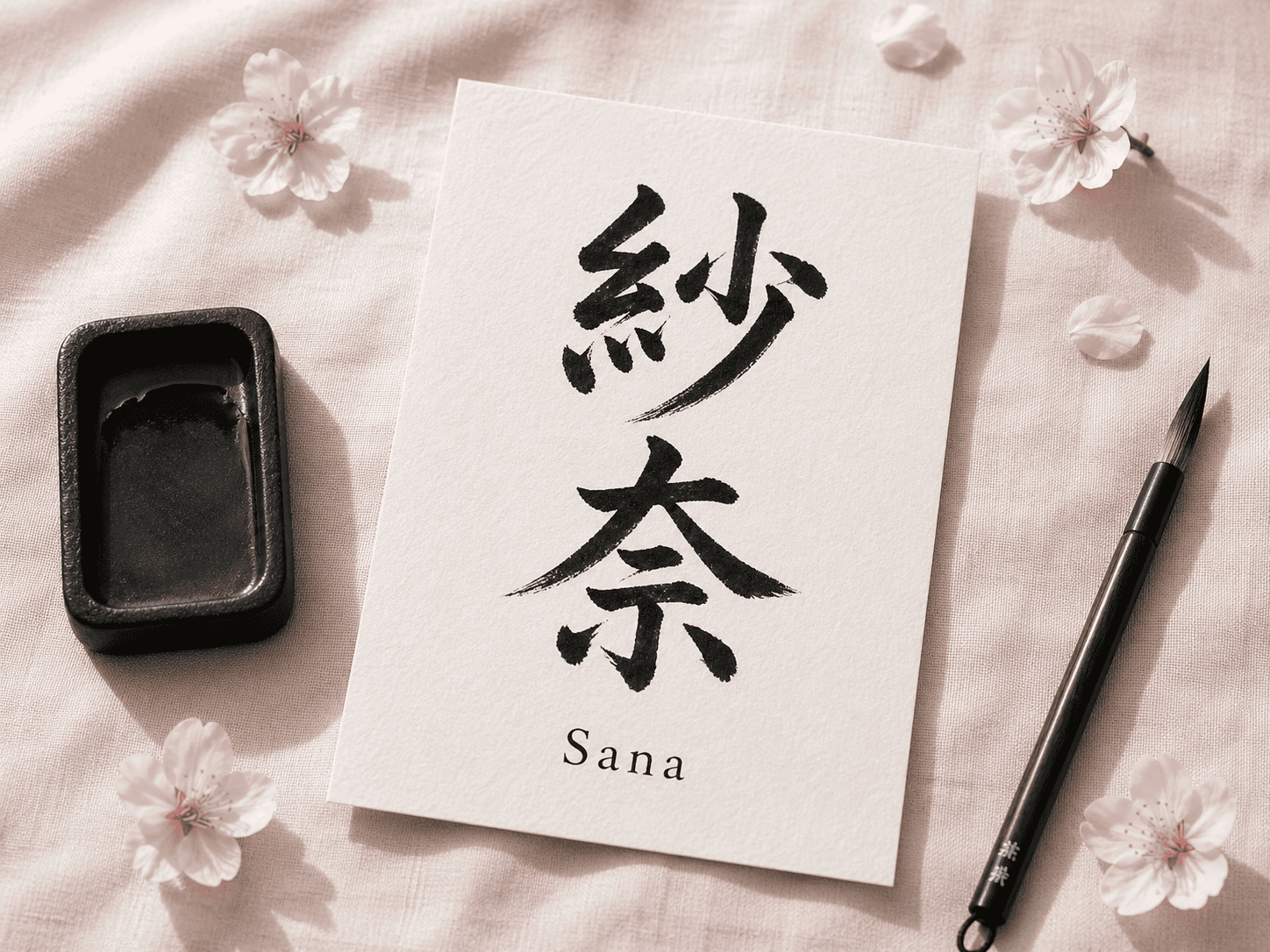
Japanese Name Generator
Authentic kanji names with meaning, reading, and cultural context.
Generate a Name →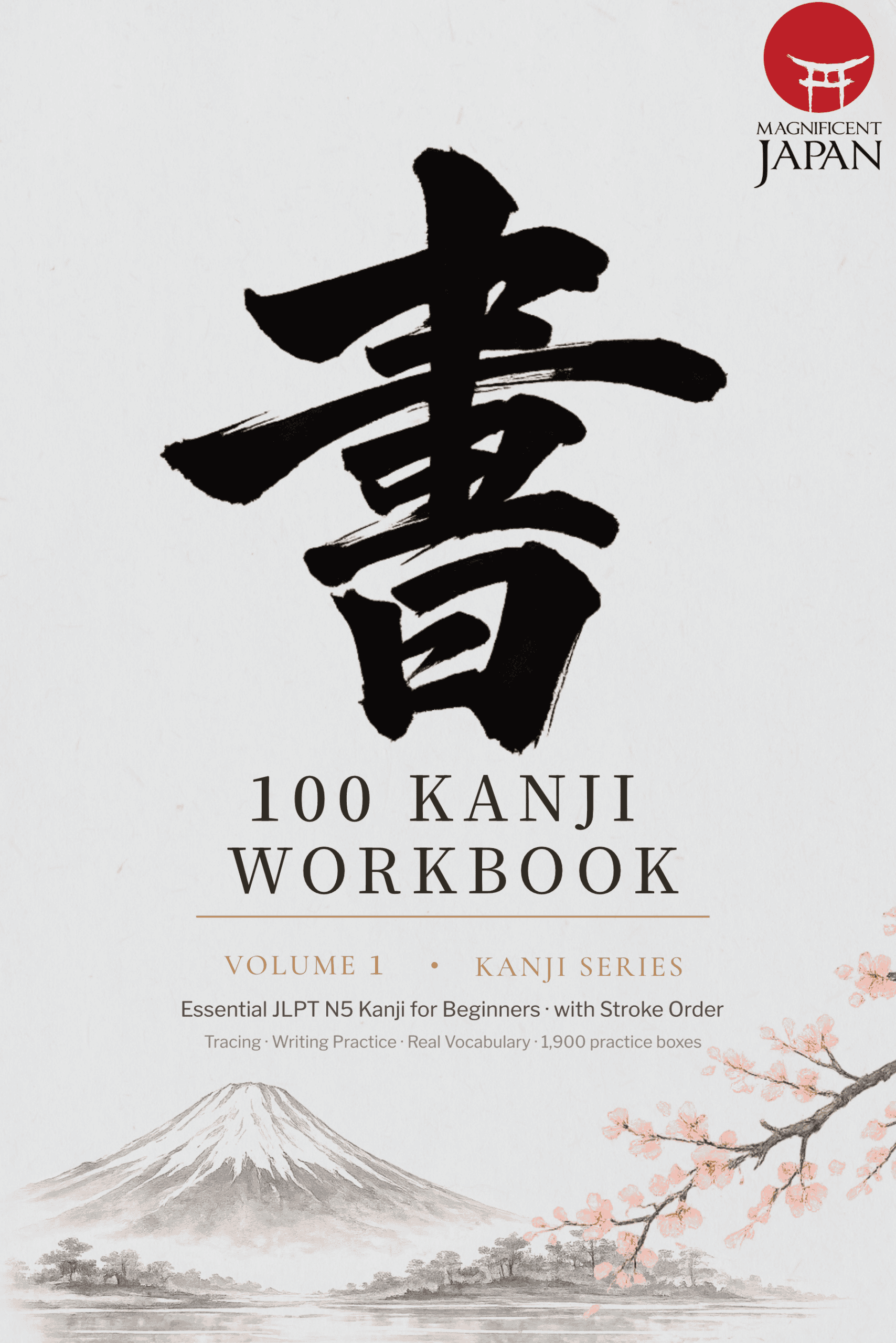
100 Kanji Workbook, Vol 1
The 100 essential JLPT N5 kanji by hand — stroke order, tracing, and 1,900 practice boxes.
View the Workbook →
Anime in Japan
Anime quiz, names, and adult-coded fan guides for design-conscious viewers.
Take the Quiz →Those tools all live on a screen, which is exactly what makes them easy to keep up. Nevertheless a screen has a ceiling. Recognition sharpens quickly on a card, then plateaus. The eye stops working once a shape becomes familiar enough to guess at.
Paper breaks the plateau. Writing forces the hand to commit to proportions the eye was happy to approximate. That commitment turns a kanji you recognize into a kanji you know. The two companions below carry the same characters off the screen.
Take the Practice Off-Screen
Two MJ-published companions to the daily flashcards. Built for the same patient, deliberate approach to learning.
100 Kanji Workbook, Vol 1
The same N5 kanji you study here, on guided paper. Stroke order, traced characters, and 1,900 practice boxes. A write-on PDF for GoodNotes and Notability that pairs directly with the daily flashcards above.
View the Workbook →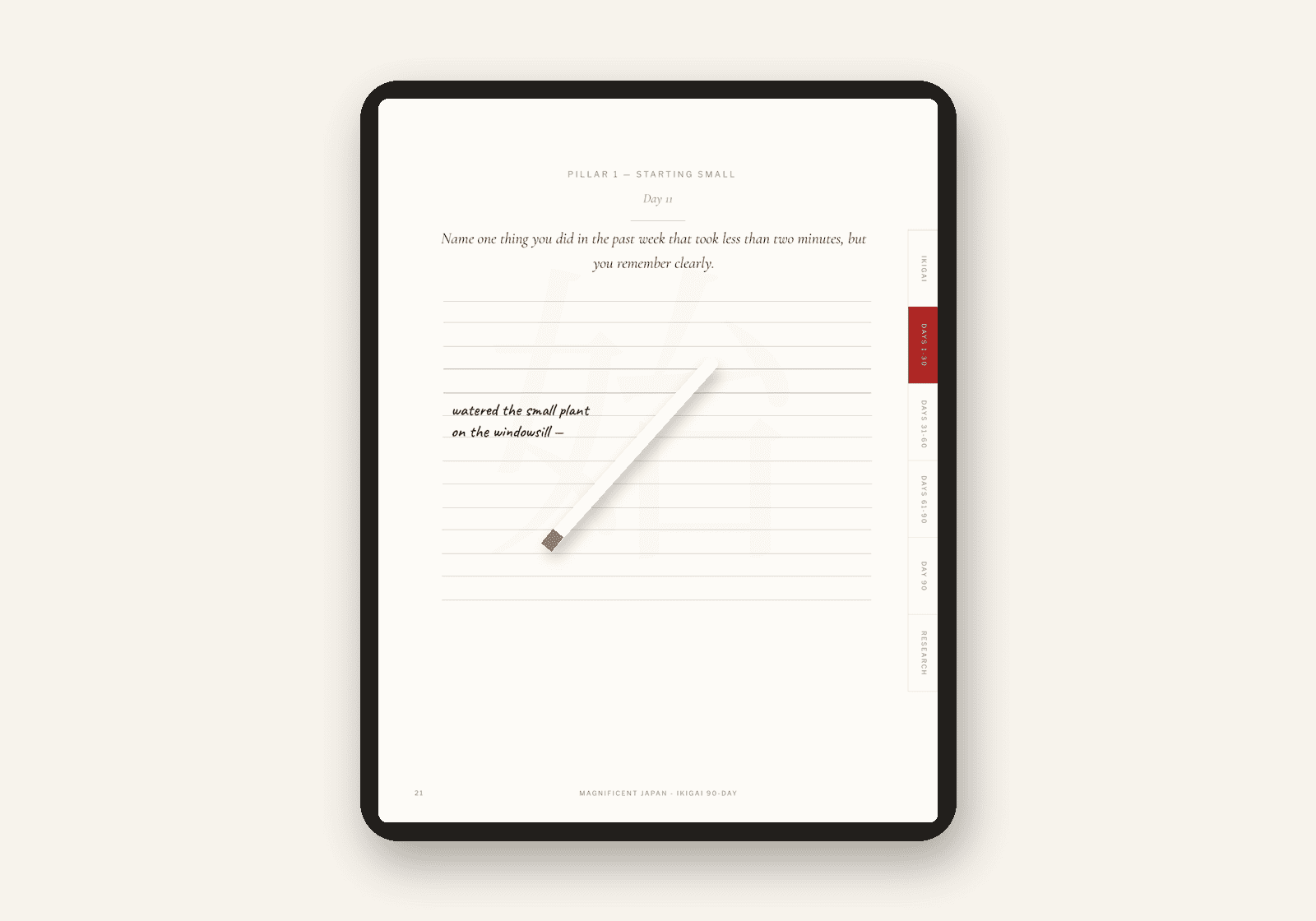
The Ikigai Journal
A 90-day ikigai practice journal, delivered as a write-on PDF. Open it in GoodNotes or Notability and write a prompt a day. Or print it at home. For the reflective side of a life spent learning Japan.
View the Journal →Owning a workbook changes the pace of study, because paper asks for a commitment a screen does not. A traced character is slower than a tapped one, and that slowness is the point. Many learners keep both formats. The daily deck handles review, while the printed page takes the characters that refuse to settle. Meanwhile the reflective titles serve a different need. Learning a language runs over years. Therefore a page to think on helps as much as a page to practise on.
Method matters more than volume once the daily habit holds. The three pieces below cover why handwriting outperforms screens for memory. They also show how a one-a-day system scales, and how a hundred-day structure holds when motivation dips.
Reading on Method and Memory
 How to Remember Kanji: The Neuroscience of Writing by Hand Why handwriting beats screen apps for retention, and what the brain research actually shows.
  The Kanji Flashcard Method: 2,000 Characters in a Year The spaced one-a-day system, and the arithmetic that makes a four-figure target realistic. The 100 Kanji Challenge: One Character a Day A hundred-day structure with a morning character and a Sunday recap, so nothing slips.
 Method matters more than volume once a daily habit holds its shape. Handwriting outperforms screens for retention, and the research explaining why is worth an evening. A one-a-day system scales further than most learners expect, provided the review never lapses. A hundred-day structure keeps the practice honest when motivation dips in week six. Those three pieces sit above, and none of them takes long to read. Afterwards, the letter below is how new tools reach readers first, without a weekly drumbeat.
One email a month is the whole commitment, and leaving takes a single click. In between, the tools on this site stay open and cost nothing to use. That is deliberate, since a study habit should never depend on a mailing list. The questions below answer what learners ask most often about flashcards, levels, and pace. Read whichever applies to where you actually are. Most of them come down to one principle anyway. A small session today beats a large one you keep postponing.