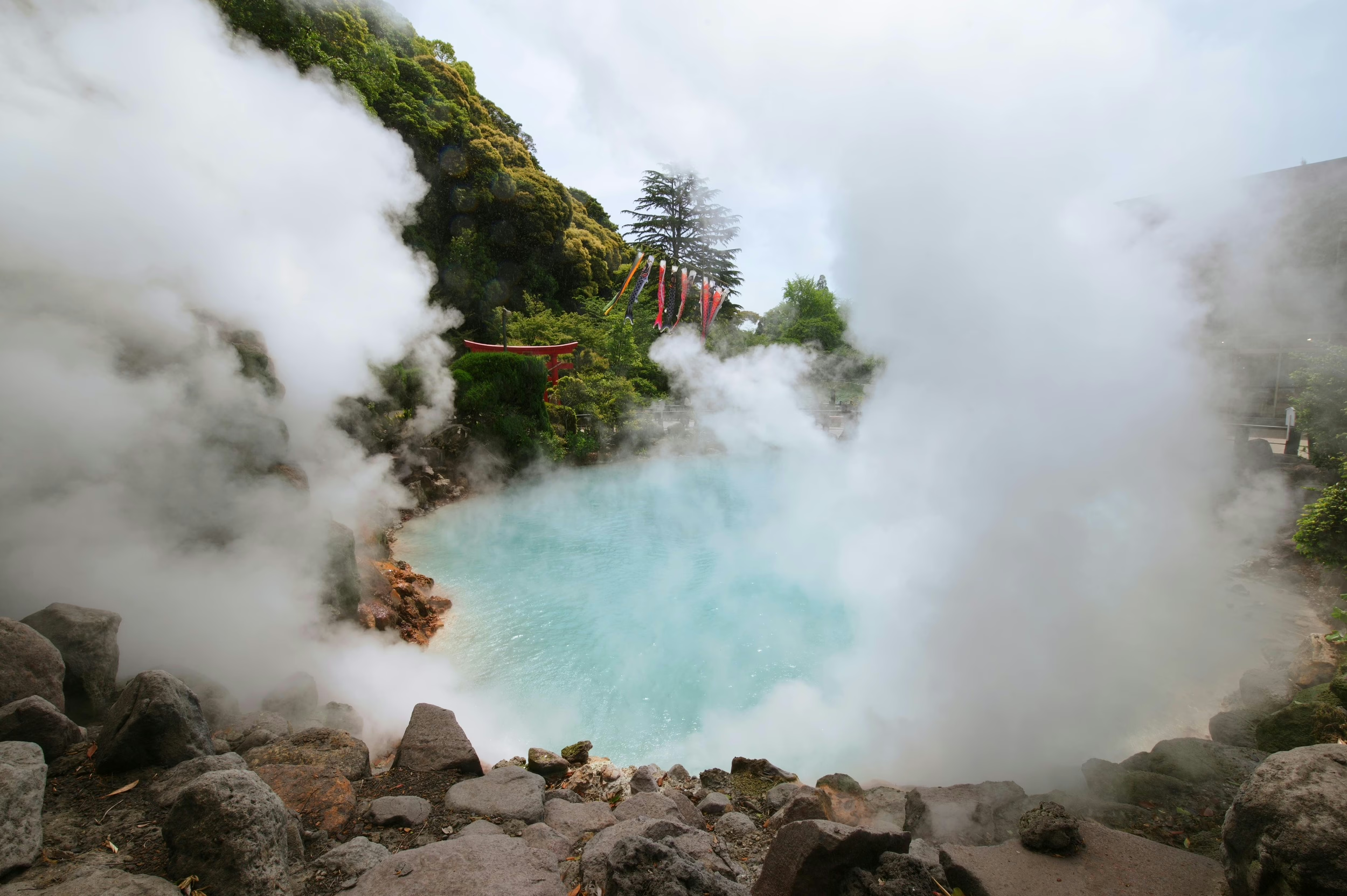
Why are more travelers prioritizing well-being over mere sightseeing? Wellness travel is rapidly gaining momentum. According to the Global Wellness Institute, this trend focuses on enhancing physical and mental health through purposeful travel. For many, a healing retreat in Japan provides exactly that—a chance to rest, find balance, and rejuvenate, all rooted in centuries-old traditions. For inspiration on planning such journeys, you can explore the Adventure Starter hub for guidance on immersive experiences. Global spending on wellness travel reached an impressive $830 billion in 2023, rebounding strongly after the pandemic. Today, travelers are motivated not just by sightseeing but by health, inner peace, and meaningful experiences, reshaping the way destinations are chosen. For deeper insights into wellness-focused travel reflections, the MJ Journals hub offers personal stories and expert tips.
Amid this growing trend, Japan stands out with its unique offerings. From restorative hot springs in Beppu to serene temple stays in Kyoto, or forest bathing in the ancient cedar groves of Yakushima, each experience embodies the essence of wellness tourism in Japan. For verified travel details, the Japan National Tourism Organization (JNTO) is a reliable resource for up-to-date wellness and cultural travel information.
These experiences establish Japan as a premier destination for holistic healing, with each offering contributing to the evolution of wellness travel worldwide. By embracing these opportunities, travelers not only nurture their bodies and minds but also engage with Japan’s rich cultural heritage in meaningful ways.
Wellness Tourism Boom: Healing Retreat in Japan
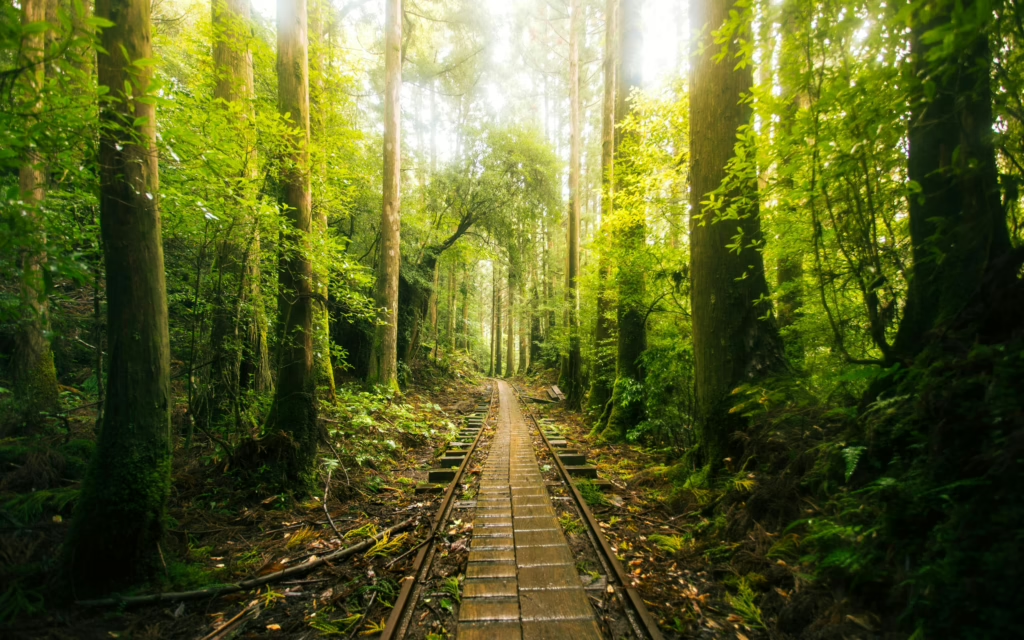
Japan’s wellness tourism sector is no longer a niche—it’s a rising economic force aligned with global trends. As travelers around the world seek healing, rest, and deeper meaning from their journeys, wellness tourism in Japan has stepped into the spotlight with strong data and intentional government backing. Here’s what’s driving the momentum.
Global Demand Meets Local Growth
Global wellness tourism reached $650.7 billion in 2022, according to the Global Wellness Institute. Japan ranked among the top five wellness economies, valued at $241 billion. Domestically, Japan’s wellness travel market hit $26.3 billion in 2022. It’s projected to grow to $74.5 billion by 2030, with a 13.9% CAGR. These figures solidify its place as a major player in wellness-focused travel.
Spa Demand Backed by Stats
The Japanese spa statistics reveal steady growth: the sauna and spa sector alone was valued at $1.48 billion in 2023, projected to reach $8.5 billion by 2030. Interest in onsen, saunas, and traditional thermal therapy continues to draw both local and international visitors.
Government Response and Campaigns
Post‑COVID shifts toward digital detox and healing travel have pushed JNTO and local tourism boards to launch wellness‑centered campaigns. Japan supports eco‑retreats, spa towns, and forest therapy paths to stay competitive in the growing wellness market, whether you’re unrolling a mindful Summer Tropical Travel Yoga Mat during a yoga session under cedar trees or bringing along a compact aromatherapy reset with the Waterless Diffuser Portable Essential Oil Diffuser to create a spa‑like atmosphere on the go.
Hot Springs (Onsen) & Traditional Healing
Few wellness experiences are as iconic—or as deeply rooted in tradition—as Japan’s onsen culture. Across the country, travelers discover ancient bathing rituals that combine mineral therapy, mindfulness, and scenic immersion. This unique blend continues to anchor onsen tourism in Japan as a leading wellness draw for both locals and international visitors.
By the Numbers: Japan’s Onsen Landscape
Japan boasts over 27,000 hot spring sources and around 3,000 onsen facilities spread across its islands. In 2020 alone, more than 137 million overnight stays were recorded at onsen destinations, with a natural flow rate of 2.6 million liters per minute—a testament to the scale and popularity of the experience.
Healing Retreat in Japan: The Power of Minerals
Each onsen is unique in its mineral profile. Sulfur springs are often linked to skin and respiratory health, while iron-rich waters may aid circulation and anemia. Bicarbonate springs are thought to soften skin and improve blood flow, and radon springs are known for their soothing, pain-relieving properties. These therapeutic waters are the heart of Japanese spa statistics and why so many seek them out annually.
Heritage Meets Modern Wellness
Beyond health benefits, onsen is a cultural ritual. From Edo-era “toji” pilgrimages to today’s luxury ryokan offerings, bathing is about restoration and reflection. Historic spots like Nishiyama Onsen Keiunkan and Sakan Ryokan seamlessly blend heritage with spa comforts, anchoring onsen tourism in Japan as both an ancient tradition and a modern wellness escape.
Temple Stays and Spiritual Wellness
For travelers craving stillness and a spiritual reset, spiritual retreats in Japan offer an immersive way to reconnect. Rooted in ancient Buddhist customs, temple lodging—or shukubo—has evolved into a meaningful escape that blends cultural depth with holistic wellness. These sacred spaces now cater to seekers of both tradition and tranquility, forming the foundation of many a healing retreat in Japan.
What Is a Shukubo?
A shukubo is a traditional guesthouse located within a temple complex, originally intended for monks and pilgrims. Today, there are hundreds of shukubo across Japan, with Mount Koya (Koyasan) hosting around 50 active temple lodgings, making it the country’s most popular site for temple stays.
Spiritual Practices That Heal
Guests at temple retreats are invited to participate in Zen or Ajikan meditation, sutra copying (shakyo), and morning chanting rituals (otsutome)—rituals intended to restore clarity and emotional balance. Each stay also includes shojin ryori, a seasonal vegetarian cuisine tied to Buddhist philosophy and healing through simplicity.
Mount Koya: Japan’s Sacred Escape
At Mount Koya, the spiritual atmosphere is especially profound. Monks lead daily prayers, and guests often end their days walking beneath ancient cedar trees. The result? A deeply personal healing retreat in Japan—one that centers silence, nature, and inner realignment.
Forest Bathing in a Healing Retreat in Japan
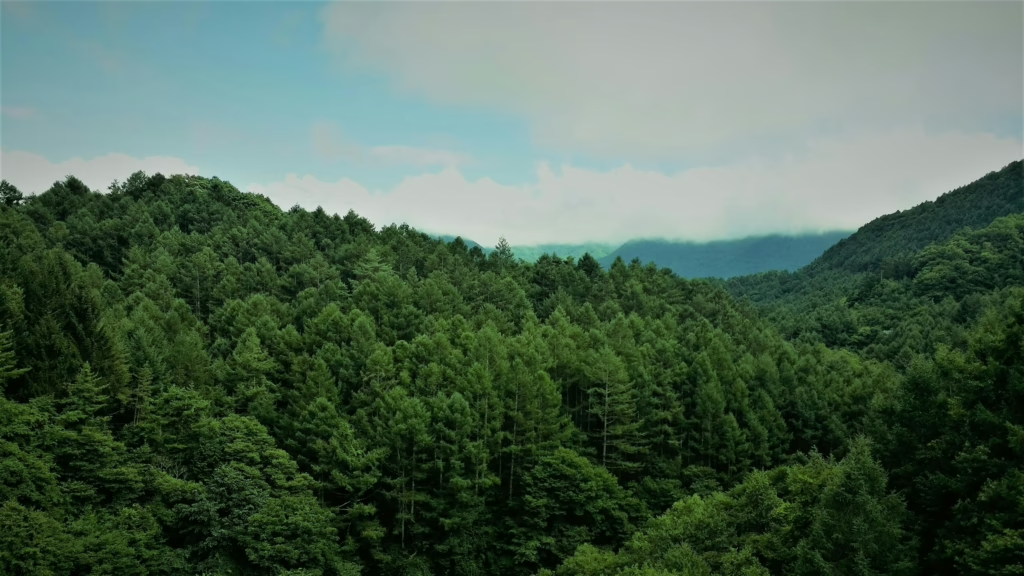
Among Japan’s most profound contributions to global wellness is Shinrin-yoku, or forest bathing Japan—a practice that invites people to slow down, unplug, and reconnect with the natural world. Developed in the 1980s, it has become a central offering in the country’s approach to wellness tourism in Japan, drawing both scientific validation and global interest.
How Forest Bathing Heals
Forest bathing is more than just a walk in the woods—it’s the act of mindfully engaging all five senses in a forest setting. Studies show it can lower cortisol, reduce blood pressure, improve attention, and boost immune response, including increased natural killer cell activity. To complement this practice, some people bring along practical tools like an Aromatherapy Diffuser Necklace for subtle grounding scents even when you’re deep in the trees, or a comfy AceCamp 3940 Portable Lightweight Mini Waterproof Folding Mat to sit and engage your senses more comfortably.
Certified Trails and Participation
Japan has developed 65 certified forest therapy bases as of 2022, each offering guided programs with trained facilitators. Surveys estimate that 2.5–5 million people in Japan engage in these therapeutic walks each year—an impressive endorsement of nature-based wellness.
Top Destinations for Forest Wellness
Leading locations include Nagano, with its serene beech and cedar forests; Yakushima, a UNESCO-listed ancient cedar island; and the sacred Kumano Kodo pilgrimage trails. These immersive experiences solidify forest bathing Japan as a key pillar of wellness tourism in Japan, offering quiet renewal rooted in nature’s rhythm.
Digital Detox in a Healing Retreat in Japan
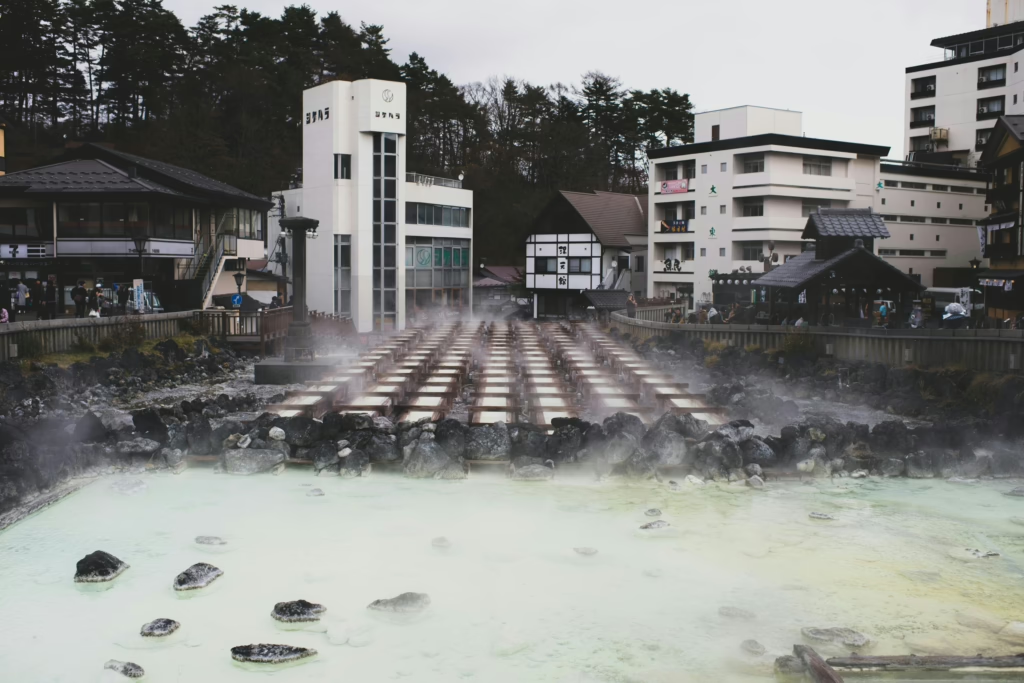
As screen fatigue rises and mental burnout becomes more common, a growing number of travelers are choosing a different kind of vacation—one that doesn’t involve Wi‑Fi. Japan actively meets this demand by blending traditional wellness rituals with digital detox offerings designed for mindful, modern travelers. Accessories like Livho High Tech Blue Light Glasses help reduce eye strain during travel days, and tools such as the RENPHO Eye Massager with Heat & Remote provide soothing relief from tired eyes after long flights or screen breaks, enhancing the overall digital detox experience. This shift has made it a rising destination in the global wellness tourism Japan movement.
Healing Retreat in Japan and the Move Toward Tech-Free Travel
The digital detox tourism market reached $52.3 billion in 2024 and is projected to hit $65 billion by 2026, growing at 24.5% CAGR through 2034. Japan has seized the opportunity by designing healing retreat programs in Japan that prioritize offline serenity and emotional reset.
What a Healing Retreat in Japan Offers
International-friendly retreats—especially in nature-rich areas like Kumano—offer tech-free experiences that combine yoga, sound healing, and eco-immersion with traditional Japanese elements. Guests often hand over their devices at check-in to fully commit to screen-free rest.
East Meets West in Healing
Programs often include Ayurvedic meals, forest bathing, onsen soaks, and meditation, combining Eastern and Western wellness approaches. These integrative offerings make wellness tourism in Japan uniquely effective in helping guests reset and return home rebalanced—something every healing retreat in Japan promises and delivers.
Future Trends and Takeaways for Healing Retreat in Japan
Millennials and Gen Z are reshaping wellness tourism in Japan, with bookings skyrocketing. Japan saw a 1,300% surge in Gen Z and Millennial travel since 2019, as these groups prioritize experiences over possessions, mental restoration, and meaningful journeys. They favor healing retreats in Japan that blend nature, mindfulness, and cultural immersion over commercial tourism. The Japanese government is actively responding. Through public-private partnerships and targeted spending, regional wellness tourism—like eco-sanctuaries in Kumamoto and wellness infrastructure upgrades—is gaining momentum. Events like the 2025 International Wellness Tourism Expo (iWT) highlight holistic health services and sustainable well-being tourism. Policies, including medical visas and subsidy programs, further signal Japan’s ambition to lead in the global wellness economy.
Whether you’re drawn to tea ceremonies, mountain yoga, or temple stays, now is the time to explore Japan’s spiritual retreats. Healing retreats and wellness tourism in Japan offer meaningful escapes for those seeking calm and clarity. For yoga instructors, spa operators, and wellness bloggers, it’s a rich space to build mindful experiences and share powerful stories.