Why 89% of Japan Visitors Miss the Real Magic Behind Kabuki Theater
Most people think kabuki is “just” a beautiful performance — and that’s exactly why they miss the real magic hiding in plain sight; if you want the fastest official context for what kabuki is today, start with Kabuki on the Web and then come back here for the insider decoding.
If this page makes your next theatre night feel “unlocked,” save it now and build your cultural checklist alongside our Japan Journals hub so you can track the details that most visitors miss.
Jump to the 7 Secrets (So You Can Watch Like an Insider)
If you only have five minutes, read the “Secret #7” section first and then circle back — it’s the quickest way to upgrade your next show, and you can bookmark this page from our Japan Journals hub for later.
- Secret #1: The Hidden Language of Kabuki Theater Makeup
- Secret #2: Why All-Male Kabuki Theater Reveals Japanese Gender Psychology
- Secret #3: The Kata Movement System – Japan’s Physical Philosophy
- Secret #4: How Kabuki Theater Architecture Creates Spiritual Transformation
- Secret #5: The Hidden Stories Behind Classic Kabuki Theater Plays
- Secret #6: Why Kabuki Theater Music Creates Altered States of Consciousness
- Secret #7: How to Experience Kabuki Theater Like a Cultural Insider
While millions of tourists visit Japan annually, most experience kabuki theater as surface-level entertainment. However, they miss the profound cultural secrets that make it Japan’s most transformative performing art. This ancient art form holds keys to Japanese psychology, spirituality, and social dynamics. Moreover, these insights remain hidden from most outsiders, which is why it helps to understand that kabuki is recognized globally — including through UNESCO’s listing of Kabuki theatre.
After years of cultural research across Japan’s most prestigious venues, seven secrets have emerged. These insights completely transform understanding of this magnificent art form. Furthermore, they turn the theater experiences from tourist entertainment into genuine cultural immersion. This transformation is similar to discovering Kyoto’s 12 secret temples that locals keep hidden from tourists, and if you’re already planning Kyoto time, pair this with our Kyoto in 2 days itinerary so your theatre night sits inside a smarter cultural route.
True kabuki theater appreciation goes far beyond watching colorful performances. Instead, it’s about understanding the hidden meanings, cultural codes, and spiritual practices. Additionally, these elements make kabuki theater Japan’s most sophisticated cultural expression, and you can anchor the “what am I watching?” basics via the National Theatre of Japan’s kabuki overview.
If you want a quick “outside confirmation” that this isn’t niche interest, it helps to see kabuki placed alongside other major world traditions in a general reference like Encyclopaedia Britannica’s kabuki overview.
Secret #1: The Hidden Language of Kabuki Theater Makeup
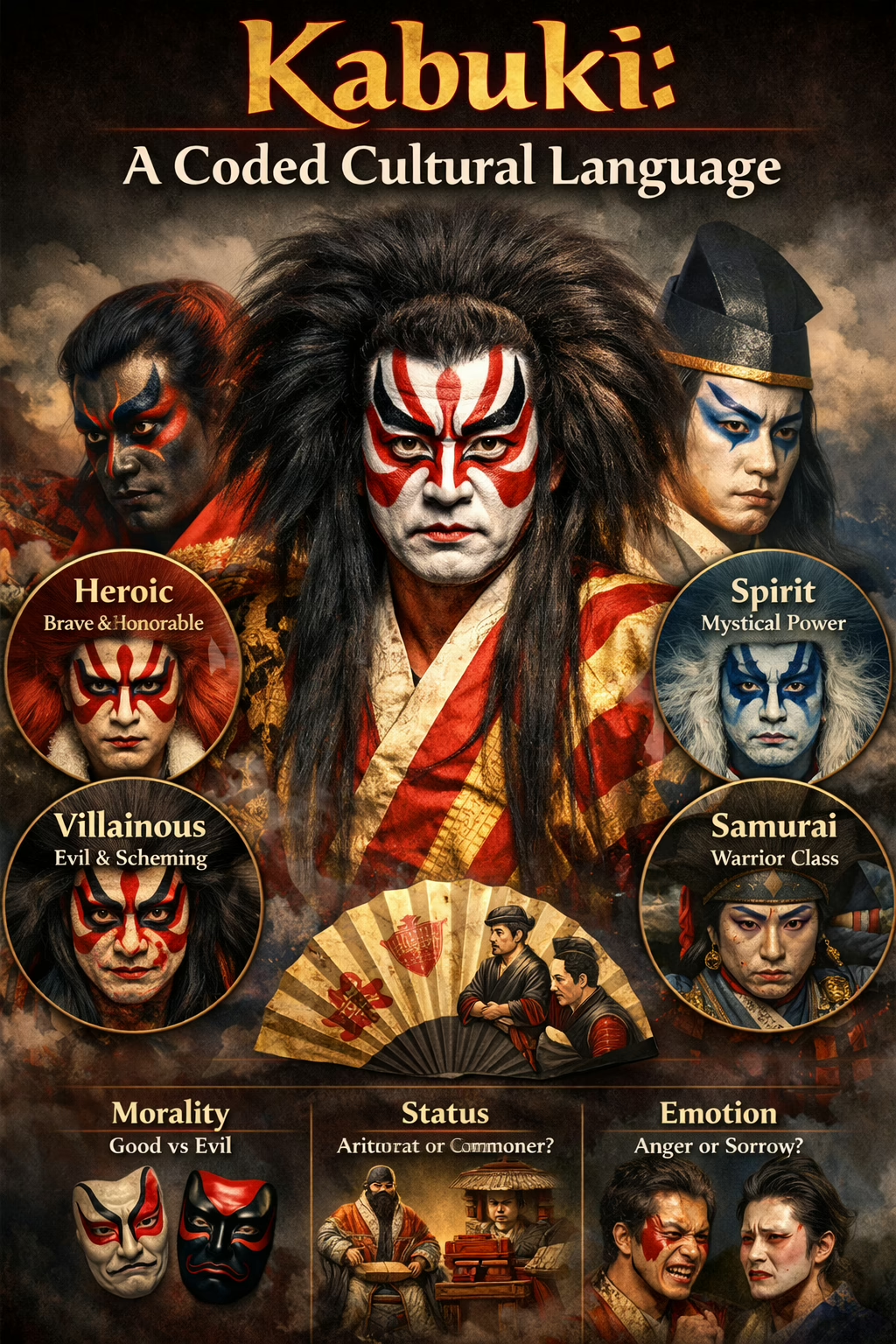
The elaborate white makeup known as “kumadori” serves a deeper purpose. It’s not just aesthetic decoration. Rather, it functions as a sophisticated communication system. Furthermore, it instantly reveals character psychology, social status, and moral alignment to educated audiences. This visual language has remained unchanged for centuries. As a result, it preserves ancient Japanese cultural values within modern performance, and you can cross-check kabuki terminology and performance context through Kabuki on the Web.
The Color Psychology Secret: Red lines represent passion and heroism. Meanwhile, blue indicates supernatural power or tranquility. Additionally, black marks villains or complex moral characters. These colors connect to traditional Japanese beliefs about personality, fate, and spiritual energy. Unfortunately, most Western audiences never understand these connections, but starting with the big-picture cultural framing on UNESCO’s kabuki page makes those “why does this feel intense?” moments click faster.
Social Status Indicators: The thickness of makeup lines reveals important information. Specific pattern placement and color combinations also matter. Together, they show whether characters are aristocrats, merchants, warriors, or outcasts. Japanese audiences read these visual cues instinctively. Consequently, they understand social commentary that foreign visitors completely miss, and if you love decoding hidden social cues in Tokyo’s older neighborhoods too, you’ll enjoy this Yanaka neighborhood deep-dive.
Spiritual Symbolism: Kabuki theater makeup incorporates Buddhist and Shinto spiritual concepts. Specific patterns represent different spiritual states, karma conditions, and relationships with Japanese deities. Therefore, these connections make kabuki theater performances spiritual experiences rather than mere entertainment, and the easiest “official” starting point for how kabuki is presented today is National Theatre of Japan (kabuki).
Secret #2: Why All-Male Kabuki Theater Reveals Japanese Gender Psychology
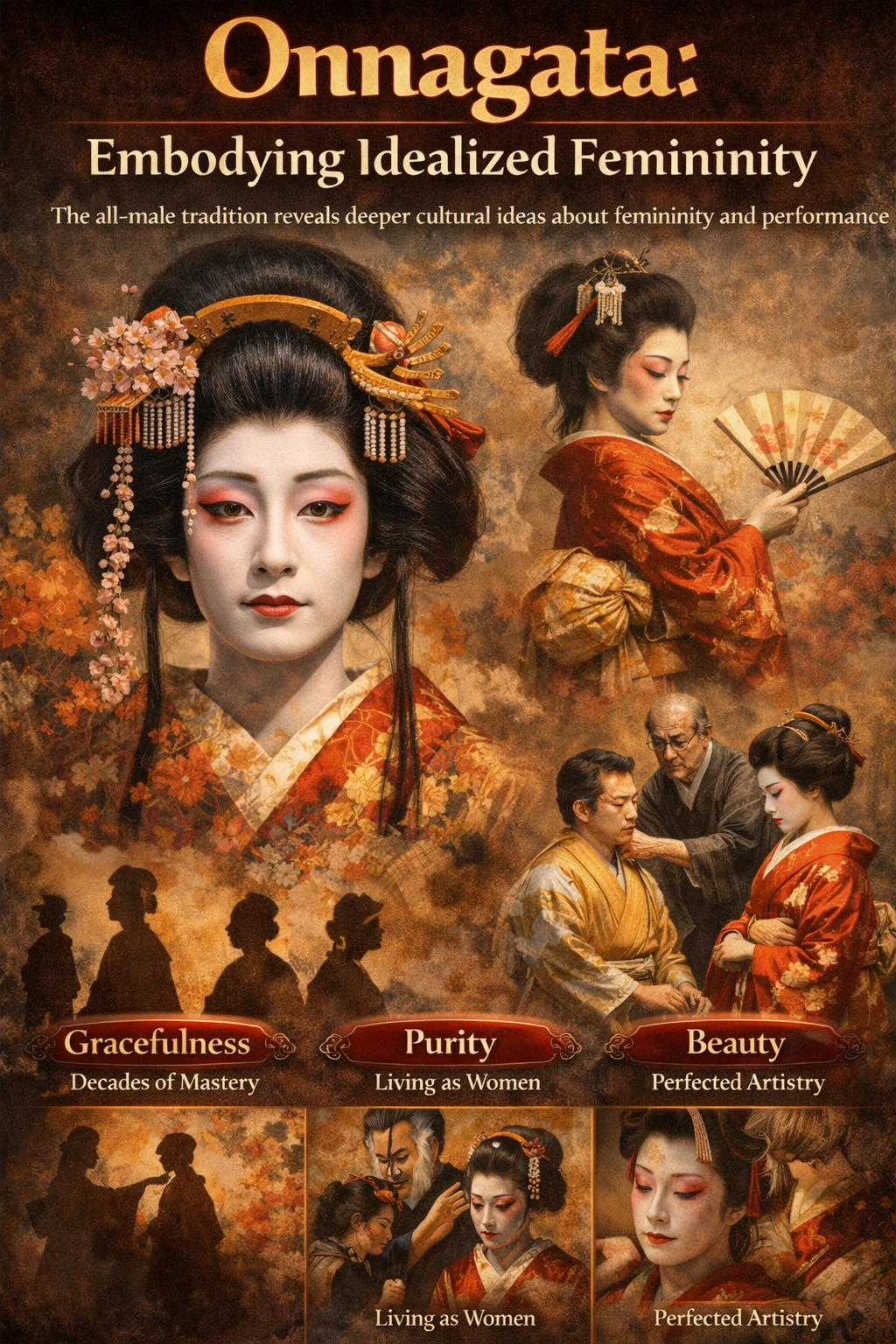
Kabuki theater’s all-male tradition holds profound meaning. Specialists called “onnagata” portray female characters with extraordinary skill. Moreover, this tradition reveals insights into Japanese concepts of gender, beauty, and cultural ideals. Unfortunately, most visitors never recognize these deeper meanings, and a quick primer on kabuki conventions before you go is available via Kabuki on the Web.
A simple visual cue: the hanamichi runway brings the performance into the audience—turning the theatre into an immersive ritual space.
The Perfection Paradox: Onnagata actors often portray more “perfect” feminine qualities than biological women. They represent Japanese cultural ideals of femininity rather than realistic female behavior. This artistic convention shows how kabuki theater functions as cultural mirror. Therefore, it goes beyond realistic drama, and seeing kabuki as living heritage (not a “show”) is reinforced by UNESCO’s description of kabuki theatre.
Cultural Training Secrets: Onnagata actors undergo decades of specialized training. They learn feminine movement, voice, and psychological expression. Additionally, they often live partially as women even outside performances. This total commitment creates performances that transcend gender into pure artistic expression, and many visitors find it easier to follow when they read a short kabuki guide first — like the top-rated options in these theatre guide and history books.
Historical Context: The all-male tradition began when women were banned from kabuki theater in 1629. However, it continued because it created unique artistic possibilities. These possibilities couldn’t be achieved with mixed-gender casts, and for a clean institutional overview of kabuki’s evolution, you can also reference National Theatre of Japan.
Secret #3: The Kata Movement System – Japan’s Physical Philosophy
Kabuki theater’s stylized movements, called “kata,” represent sophisticated artistry. They form one of the world’s most advanced systems for expressing human psychology through physical gesture. Each movement has been refined over centuries. Furthermore, they convey specific emotions, intentions, and cultural meanings, and if you want a quick reference point for kabuki performance structure, start at Kabuki on the Web.
Emotional Precision: Every kata movement corresponds to specific emotional states. Subtle variations indicate different intensities, social contexts, and character relationships. Actors spend years learning these precise physical expressions, and if you like “gesture-based storytelling” beyond theatre, you’ll also enjoy comparing it to modern social ritual in Japan’s izakaya culture.
Spiritual Integration: Kata movements incorporate martial arts principles, meditation practices, and Zen Buddhist concepts. They emphasize mind-body unity. As a result, kabuki theater performances become moving meditation. This connects performers and audiences to deeper spiritual states, and kabuki’s status as a major cultural expression is summarized well on UNESCO.
Cultural Preservation: The kata system preserves ancient Japanese physical culture. It maintains body language and social interaction patterns. These elements have largely disappeared from modern Japanese society, and you can deepen your “traditional Tokyo” lens by pairing this topic with Yanaka’s nostalgic streets.
Secret #4: How Kabuki Theater Architecture Creates Spiritual Transformation
Traditional kabuki theater architecture serves a deeper purpose. The hanamichi runway extends into the audience strategically. Moreover, it creates psychological and spiritual effects. These effects transform passive viewers into active participants in cultural ritual, and it’s worth grounding your expectations with the official theatre ecosystem explained on Kabuki on the Web.
The Hanamichi Secret: This elevated walkway allows actors to enter and exit through the audience. Consequently, it breaks the boundary between performance and reality. Audiences become part of the dramatic space. Therefore, they experience emotional and spiritual integration with the performance, and a simple way to “feel” Japanese space and proximity culture before theatre night is to experience it in daily life through an izakaya evening.
Acoustic Design: Kabuki theater acoustics amplify more than just sound. They also enhance emotional resonance. Specific architectural features are designed to maximize the spiritual and psychological impact. As a result, performances create deeper audience connections, and if you’re a “details person,” you’ll love keeping notes in a travel notebook from our Japan journal collection.
Sacred Space Principles: Theater design incorporates Shinto principles about sacred space. It considers energy flow and spiritual purification. These elements prepare audiences for transformative cultural experiences, and kabuki’s cultural significance (beyond tourism) is clearly positioned on UNESCO’s kabuki heritage page.
Secret #5: The Hidden Stories Behind Classic Kabuki Theater Plays
Classic kabuki theater plays contain layered meanings. They address Japanese social issues, historical events, and spiritual teachings. Furthermore, they use symbolic storytelling that appears simple but operates on multiple levels. These levels reveal cultural significance that most audiences miss, and if you want the easiest “what are the standard plays?” orientation, begin with Kabuki on the Web.
“Chushingura” (The 47 Ronin) – Loyalty vs. Justice: This famous kabuki theater story explores complex themes. It examines the conflict between personal loyalty and social justice. Moreover, it reflects Japanese values about honor, duty, and moral complexity. These themes resonate across centuries, and you can build richer context quickly with a readable guide like 47 Ronin history and storybooks.
“Yoshitsune Senbon Zakura” – Power and Corruption: This epic tale uses historical characters strategically. It examines political power, military corruption, and social responsibility. Additionally, it provides commentary on Japanese governance and social structures, and if Kyoto is part of your plan (where history “feels” close), align your kabuki night with this Kyoto 2-day route.
“Kanadehon Chushingura” – Love and Sacrifice: Romantic plots in kabuki theater often symbolize larger themes. Love stories represent relationships between individuals and society. Furthermore, they explore personal desires versus cultural obligations, and many travelers deepen their understanding by reading a broader culture primer like Japanese culture & etiquette books.
Secret #6: Why Kabuki Theater Music Creates Altered States of Consciousness
Kabuki theater’s musical elements serve profound purposes. They feature shamisen, taiko drums, and specialized vocal techniques. Moreover, these elements create specific psychological and spiritual states. As a result, they enhance the transformative power of performances, and for a trustworthy baseline on kabuki’s performance ecosystem, use National Theatre of Japan.
Shamisen Psychology: The shamisen’s unique sound frequencies create deep effects. Its playing techniques generate emotional resonance that bypasses conscious thought. Therefore, it directly accesses deeper psychological and spiritual states in listeners, and if you want a simple way to “recognize the sound,” start with shamisen recordings and listening picks before your trip.
Rhythmic Entrainment: Taiko drumming patterns synchronize audience responses. They align heartbeats and brainwaves effectively. Consequently, this creates collective emotional and spiritual experiences. Individual consciousness unites into group awareness, and you can compare how “group energy” works in modern Japan through the social rhythm of izakaya nightlife.
Vocal Techniques: Kabuki theater vocal styles developed over centuries. They use specific breathing patterns and vocal resonances. Additionally, these techniques create meditative states in both performers and audiences, and if you’re building a “culture stack” to prep, add a kabuki-focused read from theatre history titles.
Secret #7: How to Experience Kabuki Theater Like a Cultural Insider
Most tourists attend kabuki theater performances without proper preparation. They lack understanding of cultural protocols, seasonal significance, and audience participation traditions. However, these elements create authentic cultural experiences, and the simplest official pre-read for “how kabuki works right now” is Kabuki on the Web.
Seasonal Significance: Different kabuki theater plays correspond to specific seasons. Spring performances emphasize renewal and growth. Summer focuses on passion and conflict. Autumn explores change and impermanence. Winter addresses reflection and spiritual depth. Understanding seasonal timing enhances cultural appreciation. This is similar to experiencing Japan’s secret festival hideaways during optimal cultural moments, and if you’re mapping seasons into your itinerary, start with Kyoto planning that actually flows.
Audience Participation: Traditional kabuki theater includes audience calls called “yago.” Spectators shout actors’ stage names at dramatic moments. This creates community participation that most foreign visitors never experience, and for context on kabuki culture and venues, you can also anchor your research with UNESCO’s kabuki heritage listing.
Pre-Performance Preparation: Cultural insiders prepare for kabuki theater through meditation. They study play meanings and understand character relationships. Therefore, this preparation enhances appreciation and spiritual impact, and if you want a practical “prep kit,” combine a short guidebook from Tokyo guide options for the Ginza area with a notebook from our journals.
The Artistry of Kabuki Theater Performances
Elaborate Makeup and Costumes – Windows to Character Souls
Kabuki theater features iconic white makeup known as “kumadori.” This elaborate application adorns the actors’ faces with stunning visual impact. Meticulously crafted with colored pigments, it brings characters to life dramatically. The colors serve as powerful symbols, conveying essential character traits. For instance, red often represents courage and passion. Meanwhile, blue may denote tranquility or supernatural presence. These carefully chosen hues help audiences instantly recognize character nature, and you can validate core kabuki terms and conventions via Kabuki on the Web.
Moreover, costumes create visual feasts for the eyes. They are vibrant, ornate, and meticulously detailed. They transport audiences to worlds of historical grandeur and fantasy. From flowing silk robes with intricate patterns to armor shimmering with gold and silver, every costume represents masterpiece artistry. The costumes play crucial roles in character portrayal. They highlight social status, gender, and emotional states. With each exquisite garment, performers effortlessly embody their roles’ essence. Consequently, they captivate audiences with visual splendor, and if you enjoy spotting “old Japan” aesthetics in real streets too, pair theatre night with Yanaka’s timeless atmosphere.
Dramatic Movements and Gestures – The Physical Language of Souls
Kabuki theater is renowned for its stylized physicality. Every gesture carries deep meaning and symbolism. Performers master unique movement repertoires specific to this art form. These movements, known as “kata,” are meticulously rehearsed and executed with precision. From dynamic leaps and graceful twirls to dramatic frozen poses, each movement is deliberate and purposeful. The exaggerated gestures amplify characters’ emotions and intentions. Therefore, they captivate audiences with sheer intensity, and for a formal kabuki overview you can reference National Theatre of Japan.
These dramatic movements serve as visual language. They communicate characters’ thoughts, feelings, and intentions effectively. Every wrist flick, eyebrow arch, and arm sweep holds profound meaning. For example, quick, subtle movements may imply stealth or deceit. Meanwhile, grand, sweeping gestures convey strength and determination. Performers’ bodies become storytelling canvases. They transcend spoken word limitations. The movements and gestures, accompanied by powerful vocalizations and musical rhythms, create expression symphonies. Consequently, they transport audiences into story hearts, and if you want to keep a “gesture glossary” for your own viewing, start a simple notes page in a Japan-themed journal.
Common Themes in Kabuki Theater Storytelling
Kabuki theater weaves tapestries of universal themes. These themes resonate with audiences across cultures and generations. The profound narratives explore human experience depths through symbolic storytelling. Moreover, they operate on multiple cultural significance levels, and kabuki’s place as “living culture” is summarized clearly on UNESCO.
Honor and Duty – The Sacred Code of Japanese Values
Honor and duty concepts are central to many kabuki theater plays. Characters often face moral dilemmas that test their loyalty and integrity. This leads to dramatic conflicts and poignant resolutions. These stories reflect deep-rooted Japanese values about social responsibility. Additionally, they explore personal sacrifice and tensions between individual desires and collective obligations, and you can deepen this theme by reading cultural context from samurai-era history reading picks.
Love and Romance – Passion Beyond Social Boundaries
Kabuki theater portrays love complexities effectively. It ranges from forbidden love affairs to tragic romances. These passion and heartbreak tales evoke deep emotions. Furthermore, they explore human connection depths. Romantic plots often symbolize larger spiritual and social themes. Love stories represent relationships between individuals and society. Additionally, they explore personal desires versus cultural obligations, and if you want Kyoto’s “romance + tradition” atmosphere in your plan, fold this into a Kyoto two-day itinerary.
Revenge and Vengeance – Justice Through Moral Complexity
Revenge serves as a powerful kabuki theater motif. It drives characters to seek justice or retribution. Vendetta stories and past wrong avenging add tension and suspense layers. This keeps audiences engaged throughout performances. These revenge tales explore moral complexity effectively. They examine fine lines between justice and vengeance. Moreover, they reveal personal costs of pursuing retribution, and you can explore classic story context through Japanese classic story collections.
Through diverse narrative structures and themes, kabuki theater invites audience contemplation. It explores life’s triumphs, struggles, and intricacies effectively. Captivating hearts and minds with rich storytelling traditions, it reveals Japanese cultural wisdom’s profound depths, and official background on kabuki’s cultural role is available via National Theatre of Japan.
Famous Kabuki Theaters in Japan
Experiencing kabuki theater at legendary venues adds cultural depth and historical significance. When planning your cultural itinerary, consider combining kabuki theater with other authentic experiences. For example, explore Kyoto’s cultural treasures in a perfect 2-day itinerary, and you can start that planning right here via Kyoto in 2 days.
Kabuki-za: Located in Tokyo, Kabuki-za stands as one of the most iconic theaters dedicated to kabuki. With grand architecture and rich history, it has served as a cultural hub since 1889, and you can orient yourself to venue norms and season programs via Kabuki on the Web.
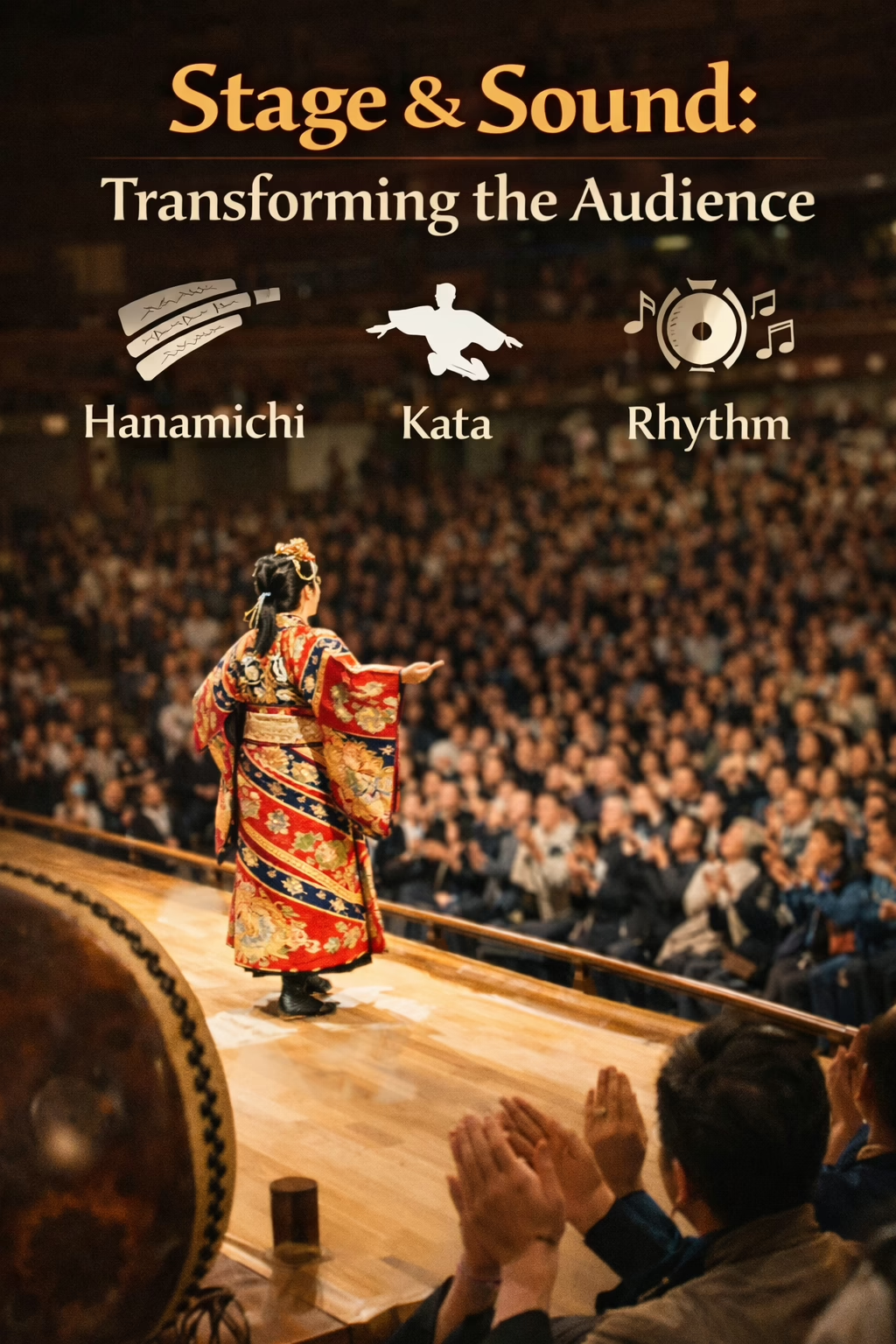
Movement, space, and sound work together to shift emotion—especially when you arrive with insider context on timing and etiquette.
Minamiza: Situated in Kyoto, Minamiza represents another notable kabuki theater. With a legacy spanning over four centuries, it maintains traditional charm. It has witnessed countless captivating performances. Moreover, it remains a symbol of Kyoto’s cultural heritage, and for a Kyoto route that keeps culture dense (not rushed) use this 2-day plan.
Shinbashi Enbujō: Located in Tokyo’s vibrant Shinbashi district, it provides modern and accessible space. Audiences can experience kabuki theater magic here. After performances, explore nearby Yanaka’s nostalgic streets and rich culture for complete traditional Tokyo experiences, and you can follow that Yanaka idea via this Yanaka guide.
Nakamura-za: Located in Sendai city, Nakamura-za holds historical significance as a traditional kabuki theater. Its distinctive architecture and intimate setting create immersive environments for theatergoers, and for broader kabuki venue context, begin with National Theatre of Japan.
Enhance Your Cultural Journey Beyond Kabuki Theater
After experiencing kabuki theater’s profound cultural insights, consider extending your authentic Japanese cultural exploration. Complementary experiences reveal different aspects of traditional Japan, and you can collect your “cultural breadcrumbs” in one place using a travel journal.
Authentic Dining Experiences: Complete your cultural immersion with unique dining experiences that showcase Japanese culinary artistry. Many kabuki theater venues offer traditional dining options. However, exploring authentic restaurants provides deeper cultural context. This context relates to social themes explored in kabuki performances, and one of the best modern “culture classrooms” for this is izakaya culture.
Traditional Nightlife Culture: After kabuki theater performances, experience Japan’s authentic social culture. Visit izakaya – the heart of Japanese nightlife and cuisine. These traditional gathering places offer insights into contemporary Japanese social dynamics. Furthermore, they complement kabuki theater’s historical perspectives, and you can start with this izakaya guide.
Transform Your Japan Cultural Experience Through Authentic Kabuki Theater
Ready to experience kabuki theater as profound cultural immersion rather than tourist entertainment? These seven secrets reveal how this ancient art form serves as gateway to understanding Japanese psychology, spirituality, and social dynamics. Most visitors never access these deeper insights, and the fastest “official baseline” you can skim before your show is Kabuki on the Web.
However, here’s what prevents most travelers from authentic cultural experiences: Language barriers, cultural protocol confusion, and lack of insider knowledge create surface-level tourism. Instead of transformative cultural encounter, visitors get basic entertainment, and if you want a simple prep tool, start with a short reading list like practical theatre-watching guides.
What makes the difference: Instead of sitting confused through foreign performances, you’ll arrive with cultural context. You’ll have spiritual preparation and insider knowledge. Therefore, this transforms kabuki theater into genuine cultural awakening and personal transformation, and you can keep your insights (and play notes) organized using a Japan travel journal.
Don’t let cultural barriers prevent you from experiencing profound wisdom and spiritual depth. Kabuki theater represents one of humanity’s greatest cultural achievements. Join the community of cultural travelers who chose authentic transformation over surface tourism, and if you want the global heritage framing for why kabuki matters, read UNESCO’s kabuki listing.
Begin your authentic cultural journey today – kabuki theater’s secrets are waiting to transform your understanding of Japanese culture and consciousness forever, and you can build your broader “deep Japan” itinerary with pieces like Yanaka and Kyoto in 2 days.
The Kabuki Insider Playbook (Do This Once, and You’ll Never Watch the Same Way Again)
Here’s the “viral” truth most people only realize after they leave Japan: kabuki is not entertainment first — it’s a coded cultural ritual that rewards preparation, and the easiest official starting point for that preparation is National Theatre of Japan’s kabuki guide.
If you want one simple rule that changes everything, do this: before the show, pick one element to “track” (makeup, kata, music, or hanamichi) and keep a running list of what you notice in a travel notebook.
And if you’re traveling with friends who “don’t get theatre,” make it a challenge: whoever spots the most symbolism wins dessert at an izakaya, which you can plan using this izakaya guide.
Kabuki Prep Kit (Fast Finds That Make Your Show Instantly Clearer)
If you want your kabuki night to feel like “I finally understand Japan,” these six picks are a fast way to build context before you land, and you can pair them with your own notes inside a Japan journal.
- Theatre history + meaning (beginner-friendly picks)
- How-to-watch guides (what to notice in real time)
- Culture + etiquette context (so the unspoken rules make sense)
- 47 Ronin / Chushingura reading (for loyalty vs justice)
- Shamisen listening picks (train your ear for emotional shifts)
- Taiko rhythm listening picks (feel the pulse before you go)
Essential Resources
Performance schedules and ticket booking, which you can access directly at Kabuki on the Web.
Easy location context for where kabuki fits into Tokyo sightseeing, and a practical starting page is Japan Guide’s Ginza area guide .
Cultural significance and preservation, available via UNESCO’s Kabuki theatre listing.
For a clean institutional overview in English, the National Theatre of Japan is one of the most reliable references you can read in under ten minutes.
For general background and a quick “definition + history” refresher, Encyclopaedia Britannica is a handy reference that aligns well with the major themes in this article.
If you want a modern, culture-forward explanation that’s easy to skim, you can also explore kabuki context through Nippon.com’s kabuki feature.
Magnificent Japan Reads That Pair Perfectly with Kabuki Night
If you want your experience to feel like a full cultural arc (not a standalone event), these three internal reads make the night land deeper — start wherever you like from Magnificent Japan.