Few figures in world culture captivate the imagination quite like the geisha. With their pristine white makeup, elaborate kimono, and enigmatic presence, geisha have become enduring symbols of Japan itself. Yet beneath the surface of this global fascination lies a complex reality, often distorted by Hollywood portrayals and cultural misunderstandings. Today, according to the Japan Association of Geisha (日本芸妓協会), only about 1,000 active geisha remain in Japan, serving as cultural ambassadors who must balance preserving ancient traditions with navigating modern realities.
The truth about geisha culture is far more nuanced than popular media suggests. Far from the exotic fantasies depicted in films, geisha embody Japan’s highest forms of artistic mastery and cultural refinement. In this exploration, we will uncover the myths, realities, and remarkable contemporary revival of geisha culture, revealing how these dedicated artists are not just safeguarding history, but actively shaping Japan’s cultural future. For a deeper dive into Japan’s heritage and travel experiences, check out the MJ Journals hub or begin your own cultural adventure with the Adventure Starter Pack.
Discover the Timeless Charm of Yanaka
Nestled in the heart of Tokyo, Yanaka stands as a testament to the city’s enduring history and cultural resilience. Remarkably, it was one of the few districts to escape the devastation of both the Great Kanto Earthquake of 1923 and the WWII bombings. This rare survival has allowed Yanaka to preserve its traditional streetscapes and historic atmosphere. Walking through the area feels like stepping into a quieter, slower era of Tokyo life. Wooden homes, narrow lanes, and long-standing temples reflect the neighborhood’s deep roots. Together, these elements offer visitors a rare and authentic glimpse into Tokyo’s past.
A Haven for Artisans and Crafts
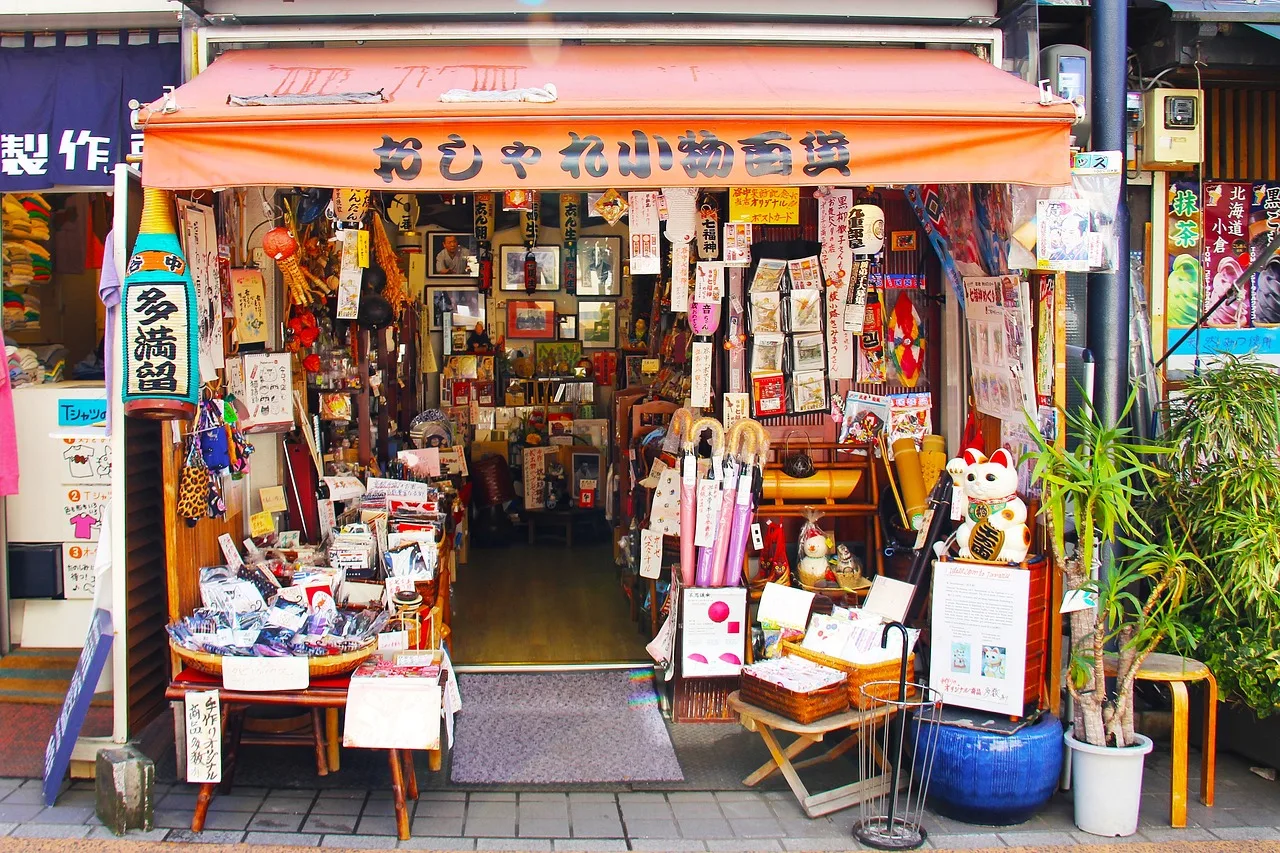
Strolling through Yanaka, you’ll find a vibrant community of artisans keeping age-old crafts alive. From intricate textiles and delicate ink prints to skillful wood carvings and beautiful pottery, the district is a hub of creativity and tradition. The streets are alive with the spirit of craftsmanship, making it a perfect destination for those seeking authentic Japanese culture.
A Living Museum of History
Strolling through Yanaka, you’ll find a vibrant community of artisans dedicated to keeping age-old crafts alive.
From intricate textiles and delicate ink prints to skillful wood carvings and beautifully crafted pottery, the district thrives on creativity and tradition. Small workshops and family-run studios line the streets, offering a glimpse into techniques passed down through generations.The quiet lanes echo with a deep respect for craftsmanship and cultural heritage.
Every handmade piece reflects patience, skill, and a strong connection to Japan’s artistic past. For travelers seeking an authentic cultural experience, Yanaka offers a rare and meaningful encounter with traditional Japanese artistry.
Exploring Yanaka
Yanaka is a neighborhood that’s just begging to be explored. It’s a neighborhood rich in history and culture, that is in every Tokyo guidebook. There’s so much to see and do here. One of the most notable features of Yanaka is its temples and shrines. A quiet neighborhood with a popular market street, a beautiful sakura-lined cemetery, and plenty of temples. It’s no surprise this part of town is becoming popular, but you might be surprised by just how lovely it is. The charm of the area is preserved by the tendency to re-purpose older buildings rather than rebuild. It creates a contrast that remains somehow reassuring. This approach is driven by the dedicated efforts of local civil society groups who, with vision and passion, take on the role of preservationists.
Yanaka: A Resilient Survivor of History
Yanaka stands as a rare pocket of history in Tokyo, having remarkably endured both the devastation of WWII and the cataclysmic Great Kanto Earthquake of 1923. Nestled in Tokyo, this area was fortuitously spared during the intense Allied bombing campaigns of the Second World War. The exact reasons for its preservation from aerial assaults remain a topic of speculation, ranging from strategic oversight to being considered of lesser military significance. Additionally, Yanaka’s resistance to the 1923 earthquake’s widespread destruction is attributed to its geographical and structural advantages. The neighborhood’s location on relatively solid ground may have mitigated the seismic shocks that devastated other areas. Furthermore, its architecture, characterized by structures that were either robustly built or naturally resistant to fire, played a crucial role in its survival. Through a combination of geographic fortune and architectural resilience, Yanaka remains a testament to traditional Tokyo.
Yanaka’s Yanesen District
In Yanesen, there are no government inspectors or formal oversight committees to enforce architectural preservation. Instead, it is the community itself that safeguards the spirit of the past. This grassroots initiative allows the area to maintain a delicate balance between the modern and the historical, reflected not only in its architecture but also in its vibrant arts and crafts scene. Most importantly, Yanesen is a community where history and innovation coexist harmoniously, creating a unique and inviting atmosphere for both residents and visitors alike. You can sample the old-fashioned treats of Japan followed up with some modern takes on their specialties, all within meters of each other.
Must-See Attractions
Tennoji Temple
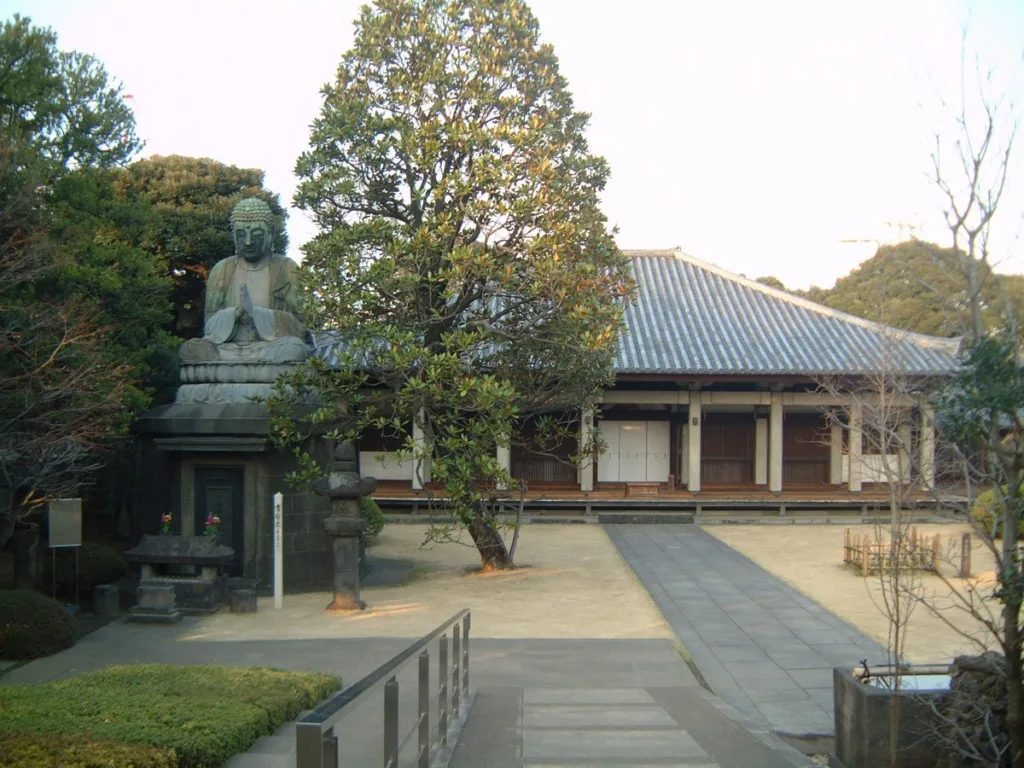
You may notice from any map of Yanaka that there are A LOT of temples here. This can make a great rough plan for your strolling explorations. It also means you can go far without seeing a Buddha peeking out. Or a golden statue appearing around a corner, which definitely adds to the day. Tennoji is the most well-known, with a centuries-old sitting Buddha and a lovely small garden. It was founded in 1274 to house a Buddha carved by Nichiren, temporarily closed for heresy. The temple was reopened and later became the seat of the God of resources and bravery. It is also the only one of the Yanaka Seven Gods of Fortune Temples that are in Yanaka.
Historical Significance of Tennoji Temple
Established during the Kamakura era (1185–1333), Tennoji Temple has long been an important spiritual and historical landmark in the Yanaka area. The temple once owned the land that would later become Yanaka Cemetery, using it as part of its religious grounds. During the Meiji period, the government repurposed this land for cemetery use as part of nationwide modernization reforms. This transition marked a significant turning point in Tennoji Temple’s history and altered its relationship with the surrounding community. The change reflects broader governmental actions of the era, when traditional institutions were often reshaped to serve new public functions. Today, the temple and cemetery together stand as quiet reminders of Japan’s evolving approach to religion, land use, and modernization.
Buddha Statue and Cultural Heritage
In 1690, a Buddha statue was erected on the temple grounds, modeled after the iconic Great Buddha (daibutsu) of Kamakura, symbolizing deep spiritual and artistic influence. Over the centuries, this statue has stood as a powerful representation of Buddhist devotion and craftsmanship. Its presence reflects the enduring role of temples as centers of faith, culture, and community in Japan. Today, the statue continues to attract both devout Buddhists and curious visitors from around the world. For many, it offers a moment of quiet reflection amid the surrounding temple grounds. More than a historical artifact, the statue embodies centuries of cultural heritage that remain alive in modern Japan.
Lotteries and Community Life
Tennoji was once the bustling center of vibrant lotteries, events known for their “huge, rowdy crowds,” as some sources describe. This lively tradiTennoji was once the bustling center of vibrant lotteries that drew huge, rowdy crowds, making the temple grounds a lively focal point of public entertainment. These events attracted people from all walks of life, transforming the area into a dynamic space filled with noise, excitement, and social interaction. Beyond religious significance, Tennoji functioned as an important hub of commerce where vendors and visitors gathered in large numbers. The popularity of these lotteries highlighted the temple’s close connection to everyday urban life during that period. In 1842, this energetic tradition came to an abrupt end when the government withdrew official permission for the events. This decision marked a turning point, reshaping Tennoji’s role and reflecting broader efforts to regulate public gatherings and commercial activities.
Religious Importance
The temple enshrines Bishamonten, one of the Seven Gods of Good Fortune, revered as the god of warriors and protector of righteousness. This association has long made Tennoji a significant place of worship for those seeking strength, courage, and divine protection. Historically, warriors prayed here before battle, believing Bishamonten would grant victory and safeguard their path. Beyond its martial connections, the temple holds deep religious importance as a center of Buddhist devotion. Its spiritual atmosphere reflects centuries of faith, tradition, and ritual practice. Together, these elements contribute to Tennoji’s rich tapestry of historical and religious significance.
Discover the Seven-Gods-of-Good-Fortune Pilgrimage Tour
Yanaka offers a distinctive experience with its Seven-Gods-of-Good-Fortune pilgrimage tour, a journey deeply embedded in cultural tradition. Visitors embark on a path that unveils the spiritual and historical richness of Tokyo, as they visit various temples and shrines that pay homage to these divine figures.
- Toukakuji Temple celebrates Fukurokuju, the god of longevity, wealth, and wisdom.
- Seiunji Temple honors Ebisu, associated with fishermen, agriculture, and prosperity.
- Shuseiin Temple is home to Hotei, who brings abundance, joy, and satisfaction.
- Chouanji Temple worships Juroujin, symbolizing wealth, wisdom, and happiness.
- Gokokuin Temple venerates Daikokuten, known for harvest, prosperity, and cooking.
- Shinobazu Bentendou reveres Benzaiten, the only female god in the group, embodying luck, love, education, and the arts.
These temples are conveniently marked on local maps, making it easy for visitors to navigate and collect memorabilia that symbolize each god’s blessings. This tour not only offers spiritual fulfillment but also a tangible connection to Japan’s rich cultural tapestry. Exploring these sacred sites, especially with the historical backdrop of Tennoji, provides a unique glimpse into the interplay of history, religion, and art in Japan, making the pilgrimage an unforgettable experience.
Daienji Temple
Nestled a few blocks uphill, Daienji Temple holds a rich tapestry of cultural and historical value. This ancient site is not only a place of spiritual solace but also a living testament to Edo-period artistry and folklore. Founded in the 17th century, the temple has long served as a center for Buddhist practice and community life. Daienji is particularly known for its evocative stone statues, which reflect traditional beliefs about protection, healing, and the afterlife. These sculptural works offer insight into how religion and daily life were deeply intertwined during the Edo era. Today, the temple remains a quiet sanctuary where history, spirituality, and art continue to coexist.
Historical and Cultural Significance of Daienji Temple
Osen and the Ukiyo-e Legacy
A fascinating historical figure linked to the temple is Osen, a tea shop clerk whose beauty captivated the renowned ukiyo-e artist, Suzuki Harunobu. Her graceful presence at the Kagiya tea house, strategically located across from Daienji, stirred the artistic soul of Harunobu. He immortalized Osen in his Nishiki-e color prints, which are celebrated for capturing the essence and elegance of the Edo era. The depiction of Osen in such artwork highlights the cultural interchange between daily life and art in 18th-century Japan.
Architectural Marvels
The temple itself is a marvel of architectural craftsmanship, particularly noted for its intricately carved eaves. These relief works, featuring dragons and mythical beings, showcase the skill and imagination of the artisans of the time. Such detailed carvings are not only artistic expressions but also serve as a homage to Japanese mythology and folklore, embodying the cultural narratives cherished by its people.
Through the stories of Osen and the stunning carvings, Daienji Temple stands as a testament to the rich historical and cultural legacy of Japan, inviting visitors to step back in time and experience the artistry and traditions of a bygone era.
Yanaka Cemetery
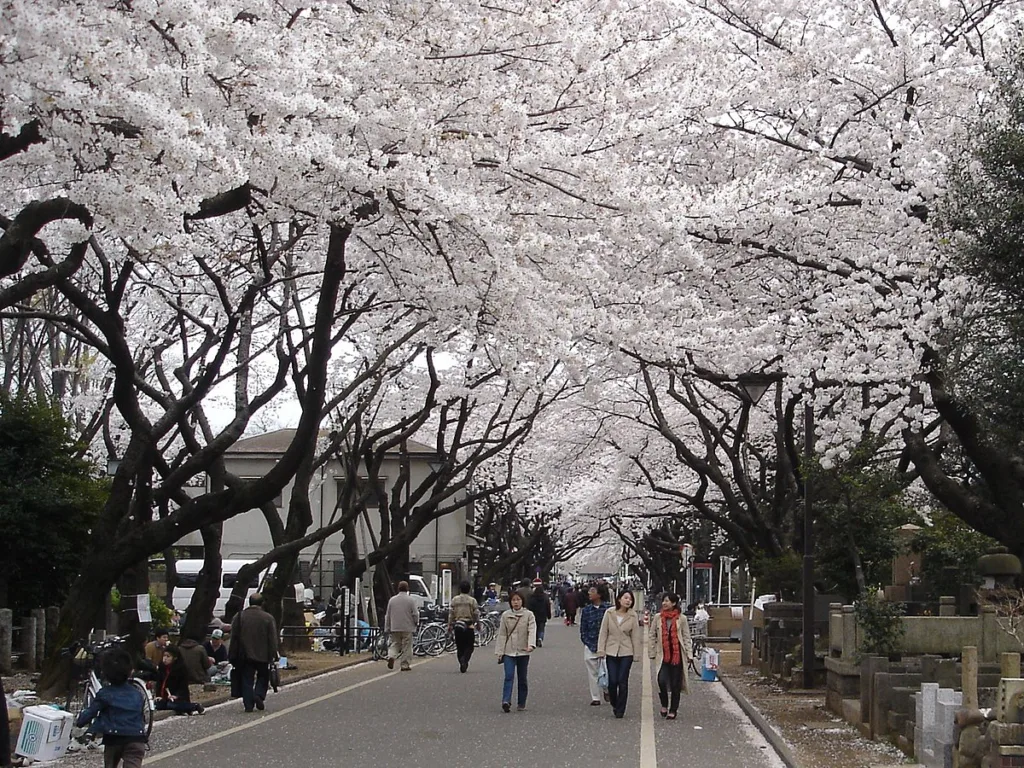
Yanaka Cemetery is a historic graveyard located in the heart of the Yanaka neighborhood in Tokyo. It is the final resting place of many famous Japanese figures, including writers, artists, politicians, and scholars. Despite its somber purpose, Yanaka Cemetery is a beautiful and serene place to visit. The cemetery is full of picturesque walking paths and stunning, ornate grave markers. Visitors can spend hours wandering the cemetery’s labyrinthine paths and admiring the artistry of the memorials. One of the most popular features of Yanaka Cemetery is its cherry blossom trees, which bloom in spring and draw visitors from all over the city. The sight of the delicate pink blossoms against the backdrop of the cemetery’s gray stones is truly breathtaking. The cemetery is also a popular spot for birdwatching, as many species of birds call the area home.
If you’re interested in history and culture, a visit to Yanaka Cemetery is a must-do when in Tokyo. a beautiful and tranquil place to spend an afternoon, but it’s also a glimpse into Japan’s past and a reminder of the people who have shaped the country’s rich history.
The Final Resting Place of Tokugawa Yoshinobu
Tokugawa Yoshinobu was a pivotal figure in Japanese history, best known as the last shogun of Japan. He played a crucial role during a transformative period leading up to the Meiji Restoration, a movement which concluded centuries of samurai-led government. In 1867, amid significant political change, he voluntarily stepped down, marking the end of the Tokugawa shogunate. Yoshinobu’s final resting place is situated in the Kaneiji cemetery, found within a cluster of three interconnected cemeteries alongside Yanaka and Tennoji in Tokyo. The area itself is modest in its presentation, encircled by a concrete wall and secured with an iron gate. Visitors hoping to find his grave face the challenge of recognizing it among numerous other Tokugawa family tombs enclosed within this specific area. The space is serene yet unassuming, offering a quiet reflection spot for those intrigued by Japan’s rich history.
The Story Behind the Five-Story Pagoda in Yanaka Cemetery
The Five-story Pagoda, originally constructed in 1791, held a legendary status in Yanaka Cemetery. It became part of the cemetery in 1908, thanks to a donation from Tennoji. Serving as a prominent symbol of the area, its grandeur captivated onlookers for decades. In 1957, a tragic event altered the pagoda’s fate forever. Two lovers made a pact to end their lives, setting the pagoda ablaze with themselves inside. This heartbreaking incident marked the end of the pagoda’s physical presence but not its story. Despite—or perhaps because of—the trauma the fire inflicted on the community, a decision was made not to rebuild. Instead, the residents chose to commemorate the pagoda through its five foundation stones, which remain in the cemetery as silent witnesses to the past.
Writer Mayumi Mori articulated the community’s mixed emotions surrounding the event in an essay. An eyewitness described the fire as strangely beautiful, a haunting image that stayed with those who saw it. Today, these foundation stones are easy to miss amidst the cemetery’s landscape. Yet, they offer a poignant reminder of what once stood and the events that caused its downfall, preserving history in a unique and somber fashion.
Yanaka Ginza – A Taste of Downtown Tokyo
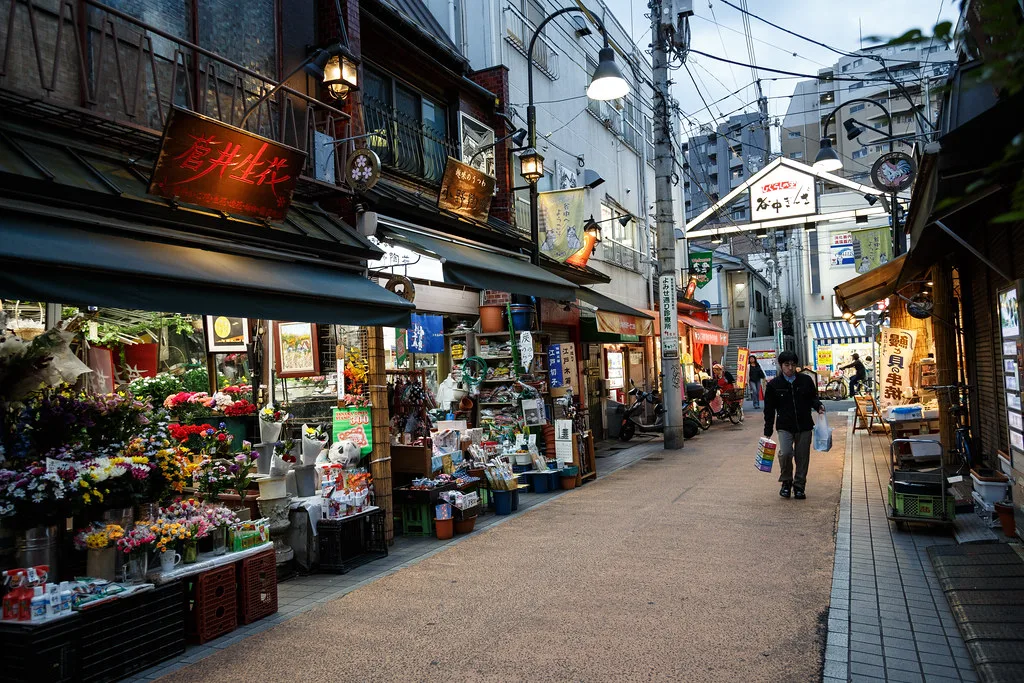
Yanaka Ginza is a bustling shopping street located in the heart of the Yanaka neighborhood in Tokyo. The street is known for its nostalgic, old-world charm and is a popular destination for both locals and tourists alike. The street is lined with traditional Japanese shops and boutiques, selling everything from souvenirs and handicrafts to street food and traditional sweets. One of the unique features of Yanaka Ginza is that many of the shops have been run by the same families for generations, passing down traditional techniques and recipes from one generation to the next. This gives the street a feeling of continuity and history that is hard to find in other parts of Tokyo.
In addition to shopping, Yanaka Ginza is also a great place to grab a bite to eat. The street is home to a wide variety of food vendors, serving up everything from traditional Japanese sweets and snacks to savory dishes like grilled skewers and sushi. One must-try dish is the yakitori (grilled chicken skewers), which are cooked to perfection right in front of your eyes. To truly experience the local culture, be sure to try some traditional Japanese sweets. One of my favorites is the ningyo-yaki, a sweet cake that’s shaped like a traditional Japanese doll. You can find them at most street food vendors, and they’re the perfect snack to munch on while exploring the neighborhood.
Explore Unique Shops and Experiences
Beyond the vibrant atmosphere of Yanaka Ginza, delve into the fascinating spots like Space Oguraya. This cultural gem, partly housed in a building over 150 years old, offers visitors a glimpse into history with art displays, including pottery and ink prints. Welcoming visitors, Mr. Takao Ito, the proprietor, shares stories and insights, making your visit even more enriching. If craftsmanship intrigues you, visit Kigakuan, a café and shop known for its exquisite wooden utensils and pottery. Here, Yoshio Inoue, one of the few traditional Edo-style master joiners, showcases his craft. The café also offers a cozy spot to enjoy coffee or tea amidst historical artifacts, like an 80-year-old clock that adds a touch of nostalgia to your visit.
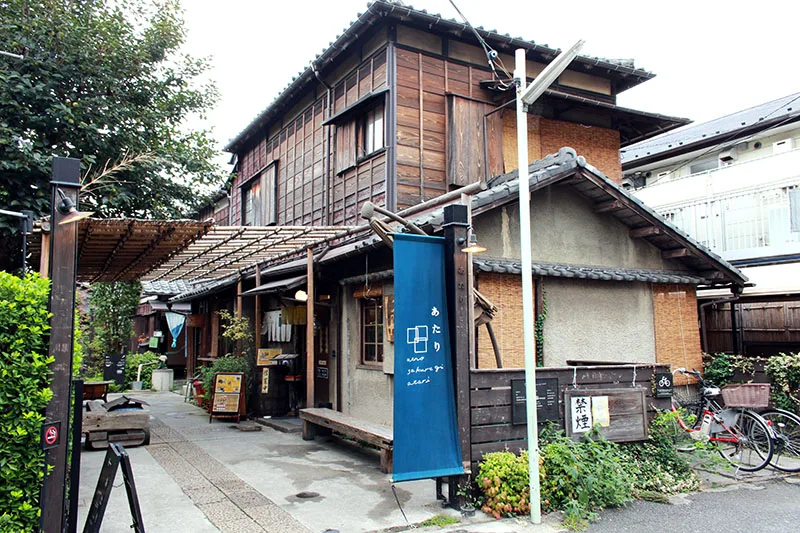
Another must-see is Ueno Sakuragi Atari, a cluster of renovated buildings dating back to 1938, designed to evoke the ambiance of Edo-era Tokyo. Whether you’re sampling the offerings at the Yanaka Beer Hall or indulging in rustic breads from Kayaba Bakery, this area provides a delightful blend of historical charm and modern-day leisure.
Immerse Yourself in Local Festivals
Another way to experience the local culture is to attend a local festival. Yanaka hosts several festivals throughout the year, including the Yanaka Matsuri in April and the Yanaka Jazz Festival in October. These festivals are a great way to immerse yourself in the local culture and experience the unique traditions. With its mix of historic charm and vibrant cultural experiences, Yanaka offers a unique window into Tokyo’s past and present, making it a must-visit destination for any traveler.
Discover Hagiso: A Creative Hub in the Heart of Japan
Hagiso is more than just a simple café—it’s a vibrant and multifunctional space that brings together food, art, and community events, all under one roof. Located in a beautifully designed two-story building, Hagiso offers a unique blend of culinary and cultural experiences.
What Awaits You at Hagiso?
- Café Experience: Open from 12:00 p.m. To 9:00 p.m. For lunch and dinner, with a rare morning offering from 8:00 a.m. To 10:30 a.m. For breakfast. This schedule makes Hagiso a standout choice compared to many other eateries in Japan.
- Art Gallery: Immerse yourself in creative displays showcasing both local and international artists. The gallery offers a fresh perspective on contemporary art.
- Studio Space: Whether you’re an artist or simply curious, the studio provides opportunities to explore or even partake in art-making processes.
- Event Venue: Host of an array of events, from workshops to community gatherings. This dynamic space fosters connections and creativity among visitors.
Why Visit Hagiso?
The combination of enticing cuisine, engaging artwork, and excellent service creates an inviting atmosphere that can’t be missed. Hagiso is a destination that promises a memorable experience, appealing to both your taste buds and creative spirit.
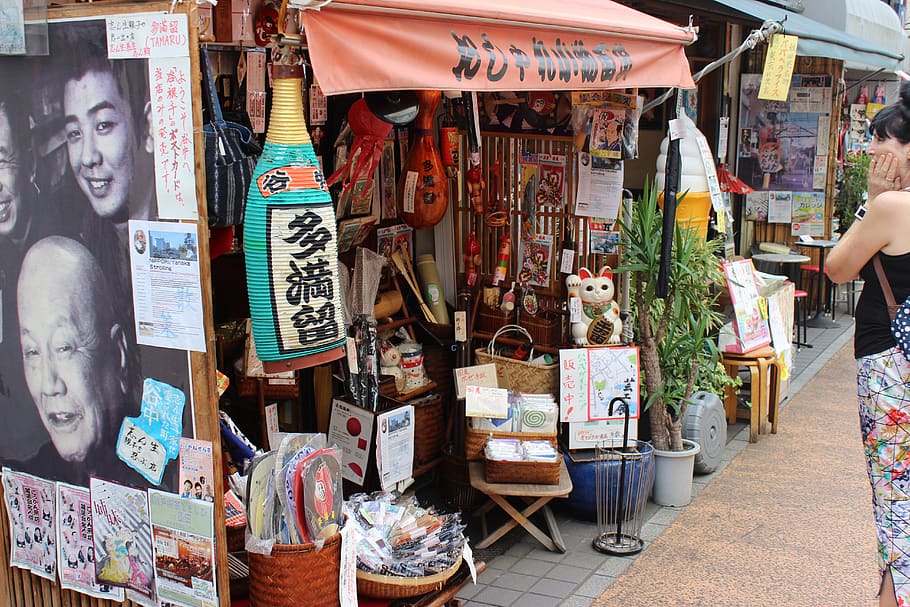
Experience the Local Culture
To truly experience the local culture, be sure to try some traditional Japanese sweets. One of my favorites is the ningyo-yaki, a sweet cake that’s shaped like a traditional Japanese doll. You can find them at most street food vendors, and they’re the perfect snack to munch on while exploring the neighborhood. Another way to experience the local culture is to attend a local festival. Yanaka hosts several festivals throughout the year, including the Yanaka Matsuri in April and the Yanaka Jazz Festival in October. These festivals are a great way to immerse yourself in the local culture and experience the unique traditions.
Services Offered by the Yanesen Tourist Information and Culture Center
If you’re planning to visit the Yanesen Tourist Information and Culture Center, you’ll find a variety of cultural and informational services designed to enhance your experience in the area.
- Cultural Lessons: Immerse yourself in traditional Japanese culture with lessons in flower arrangement, known as Ikebana, the serene practice of tea ceremony, and the artistic skills of calligraphy. These workshops offer a hands-on experience and can be a memorable part of your visit.
- Tourist Information: The center is a hub for obtaining maps and guides in English, providing valuable insights and helping you navigate the local attractions with ease.
Before visiting, it’s advisable to check their current operating hours, as there have been instances of unexpected closures. A quick call can ensure that your visit is smooth and you can participate in the offered activities without any hassle.
Yanaka Food and Drinks
One of the best places to start your culinary adventure is the Yanaka Ginza shopping street. It is lined with street food vendors and local shops selling traditional snacks like dango, sweet potato, and taiyaki. When it comes to food and drink, this place does not disappoint. The neighborhood is home to a wide range of traditional Japanese restaurants, cafes, and bars, as well as local specialties that are unique to the area. Whether you’re looking for a quick snack or a sit-down meal, Yanaka has something for everyone.
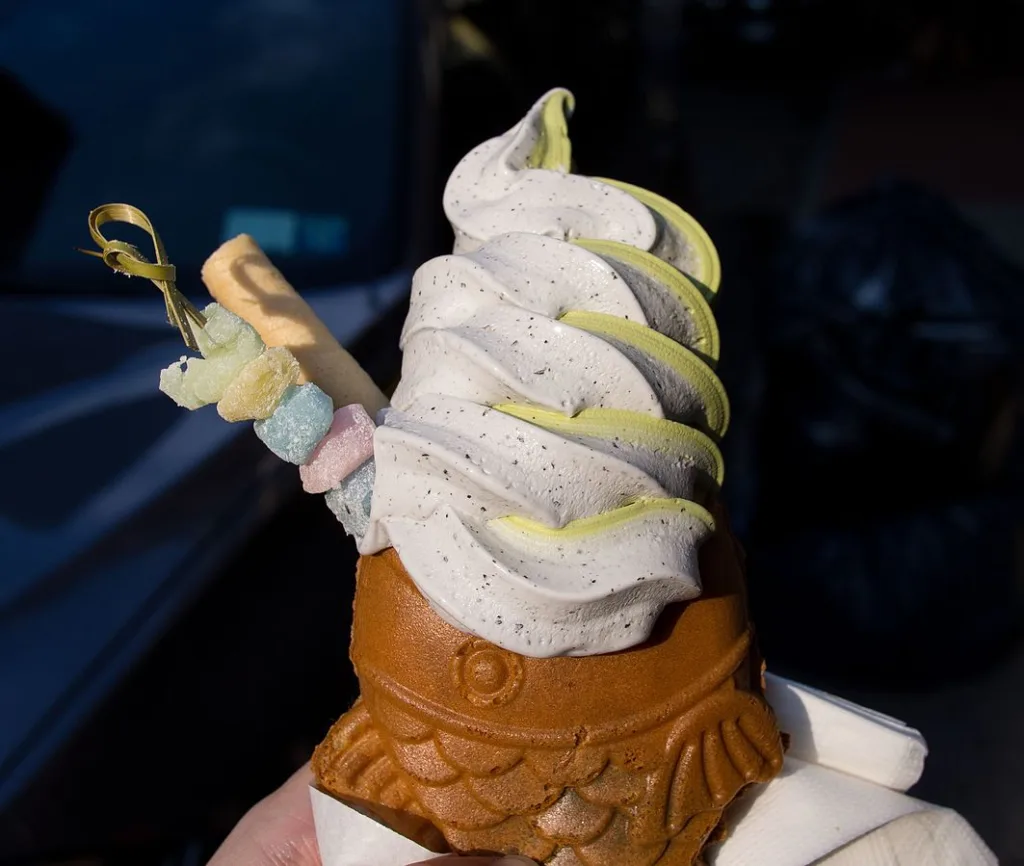
Yanaka Local Treats
For something heartier, head to one of the many izakayas in the area, such as Tengu Izakaya, which serves up delicious grilled skewers and local craft beer. If you’re in the mood for something sweet, be sure to stop by Yanaka Coffee Shop, a local institution that has been serving up delicious coffee and homemade pastries for over 60 years. They also offer coffee classes, so you can learn how to make the perfect cup of joe like a pro.
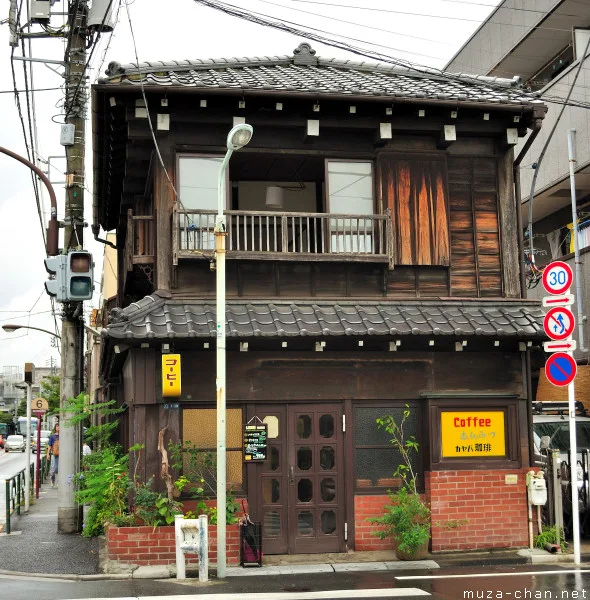
For beer lovers, Yanaka Beer Hall is a must-visit destination. This cozy little bar offers a wide selection of local craft beers, as well as a small menu of bar snacks. The atmosphere is laid-back and welcoming, making it the perfect place to unwind after a long day of sightseeing. For mindful eaters, konnyaku is a hidden gem of Japanese cuisine. Made from the konjac potato, this gelatinous ingredient is commonly used in soups and stews, adding texture without extra calories. While mild in flavor, it’s rich in fiber, making it both a healthy and satisfying choice.
In Tokyo’s quaint Yanaka neighborhood, konnyaku has become an integral part of the local culinary scene. Known for its nostalgic atmosphere and dedication to traditional Japanese flavors, Yanaka offers visitors a taste of authentic cuisine. Here, you’ll find freshly made konnyaku cakes and other delicacies that showcase the ingredient’s versatility. Whether enhancing savory dishes or inspiring innovative local recipes, konnyaku in Yanaka reflects the area’s deep-rooted food culture while appealing to modern palates.
Food And Drink Destinations To Check Out
- Kamiyama Shoten: A sake shop that offers tastings and sells a wide selection of premium sake from across Japan.
- Awa Odori: A traditional Japanese restaurant that serves up delicious soba noodles and other local specialties.
- Kotobuki: A tiny hole-in-the-wall cafe that serves up homemade cakes and sweets, as well as coffee and tea.
In Yanaka, there’s always something new and exciting to discover when it comes to food and drink. Whether you’re a foodie looking to explore the local cuisine or just looking for a cozy spot to relax and unwind, this charming neighborhood has something for everyone.
Art Scene in Yanaka
Yanaka is a neighborhood in Tokyo that is home to a thriving and diverse art scene, attracting artists and creatives from across the city. With its rich cultural heritage and historic architecture, the area provides a unique and inspiring backdrop for artistic expression. Strolling through its narrow streets, visitors can discover galleries, small studios, and workshops showcasing traditional crafts alongside contemporary art. The neighborhood’s charm lies in its seamless blend of old and new, where centuries-old temples and wooden houses coexist with modern creative spaces. Local artists contribute to a vibrant community, hosting exhibitions, performances, and cultural events that celebrate both heritage and innovation. For anyone interested in experiencing Tokyo’s artistic heartbeat, Yanaka offers an immersive and memorable journey into the city’s creative soul.
Art Galleries
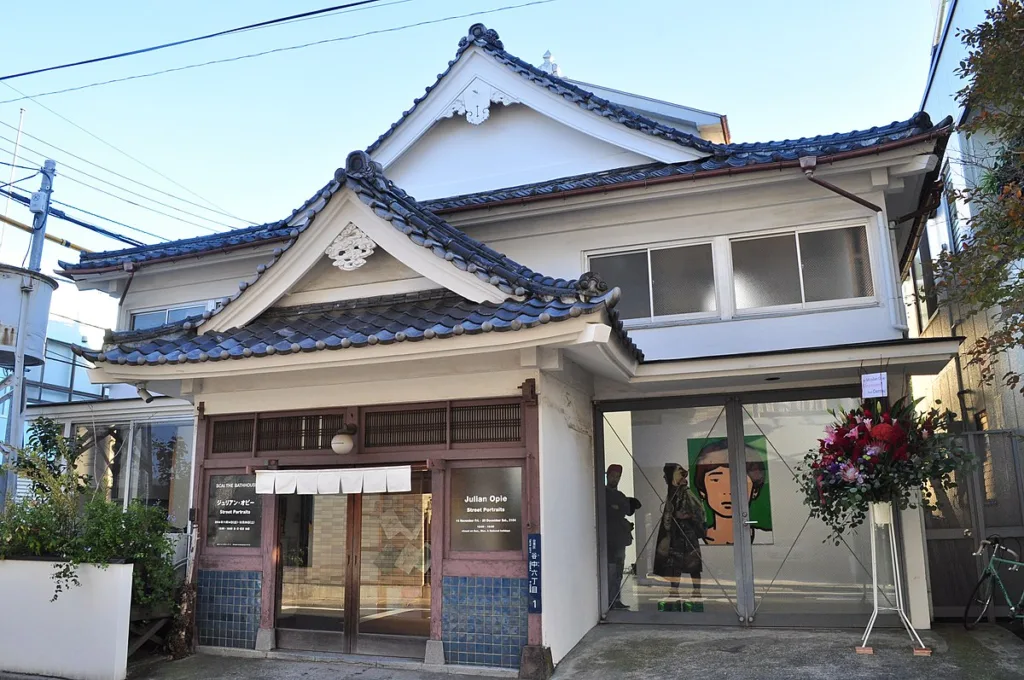
One of the most notable art spaces in Yanaka is the Scai Bathhouse Gallery. This unique gallery is housed in a former bathhouse and features contemporary works by both Japanese and international artists. The space itself is a work of art, with its exposed brick walls and high ceilings creating a striking and atmospheric setting for the exhibits. In addition to galleries, Yanaka is also home to numerous studios and workshops where artists work and create. These spaces offer visitors the opportunity to see artists at work and even purchase their pieces directly from the source.
Art Forms
For those interested in traditional Japanese art forms, Yanaka is home to several shops selling everything from handcrafted pottery to delicate calligraphy. Many of these shops have been run by the same families for generations, passing down traditional techniques and skills from one generation to the next. As you wander through the charming side streets near Nippori Station, you’ll encounter an impressive array of artisanal goods.
- Textiles: Discover vibrant fabrics that showcase intricate patterns and rich colors.
- Ink Prints & Calligraphy: Marvel at the precision and beauty of ink art that captures the essence of Japanese elegance.
- Wood Carvings: Admire the craftsmanship in wooden sculptures and ornaments, each telling its own story.
- Traditional Cuisines: Savor the flavors of authentic dishes prepared with age-old recipes.
- Stationery: Find unique, handcrafted notebooks and writing tools that inspire creativity.
- Jewelry: Explore exquisite pieces that blend traditional designs with contemporary flair.
This fusion of heritage and creativity makes Yanaka a treasure trove for those seeking authentic Japanese crafts and experiences. Overall, the art scene in Yanaka is a vibrant and integral part of the neighborhood’s cultural heritage.
Take Art Classes
Traditional Japanese art classes
At the Yanaka Traditional Craft Center, visitors can immerse themselves in the rich world of traditional Japanese arts. You can take classes in calligraphy, learning the delicate brushstrokes that convey both meaning and beauty. Pottery workshops offer hands-on experience shaping clay into functional and decorative pieces. Paper-making sessions allow you to create handcrafted washi, a centuries-old craft unique to Japan. These classes provide not only practical skills but also cultural insight into the techniques passed down through generations. By participating, you gain a deeper appreciation for Japan’s artistic heritage and the dedication of its artisans.
Painting And Drawing Classes
Many art studios in Yanaka offer classes in painting and drawing, providing visitors with hands-on opportunities to engage with traditional Japanese artistry. One popular option is Atelier Kunugi, where skilled instructors guide students through various techniques in a welcoming environment. Other studios in the area focus on calligraphy, pottery, and printmaking, allowing participants to explore diverse forms of creative expression. These classes are suitable for both beginners and experienced artists, making Yanaka an inclusive hub for artistic learning. Beyond technical skills, attending a workshop offers insight into the cultural and historical significance behind each art form. Immersing yourself in Yanaka’s artistic community not only fosters creativity but also deepens appreciation for Tokyo’s rich cultural heritage.
Ikebana Classes
Ikebana, the Japanese art of flower arrangement, is a celebrated cultural practice that emphasizes harmony, balance, and simplicity. This centuries-old art form transforms ordinary flowers into elegant, expressive compositions that reflect the arranger’s creativity and mindfulness. Many visitors and locals alike are drawn to Ikebana for its meditative and artistic qualities. You can take classes at renowned institutions such as the Sogetsu Kaikan, where experienced instructors guide students through the principles and techniques of this refined art. These classes provide hands-on experience, allowing participants to create arrangements while learning about the history and philosophy behind each design. Embracing Ikebana offers not only a deeper appreciation for Japanese culture but also a calming, reflective practice that can be enjoyed by anyone.
How To Get To Yanaka
If you’re planning a visit to this town, you might be wondering how to get there. Don’t worry, getting to Yanaka is pretty easy. There are a few different ways you can get there, whether you prefer public transportation or walking.
Getting to Yanaka via Public Transportation
If you’re using public transportation, the easiest way to get there is by taking the train. The closest stations are Nippori Station and Sendagi Station, which are both served by the JR Yamanote Line and the Tokyo Metro Chiyoda Line. From Nippori Station, you can take the West Exit and follow the signs for Yanaka Ginza, which is a shopping street in the heart of the city. The walk from Nippori Station to Yanaka Ginza takes about 10-15 minutes. Nippori Station is a perfect gateway to explore Yanaka, with two main exits that cater to different interests. Choose the South Exit if you wish to start your tour at Yanaka Cemetery, a peaceful and historical site. Alternatively, the North Exit leads you directly to Yanaka Ginza. This bustling shopping street is a hub of local activity and a great place to soak up the community vibe.
For a personalized touch, you might enjoy beginning your journey from the North Exit, which takes you up Goten-zaka, a gently sloping path, and then down into the lively Yanaka Ginza. If you’re in need of a map, be sure to stop by the tourist office near Yanaka Ginza, although it’s always wise to check the opening hours. On my visit, a friendly local at a tea shop generously provided me with a map, setting me off on a delightful exploration.
Getting to Yanaka via Walking
If you prefer walking, there are several neighborhoods that are within walking distance of Yanaka. One of the most popular walking routes is from Ueno Park to Yanaka. Ueno Park is a popular tourist destination, and it’s only about a 20-minute walk. You can also walk from Asakusa to Yanaka. It takes about 30-40 minutes and takes you through some charming neighborhoods along the way.
Where to Stay in Yanaka
Yanaka is a neighborhood in Tokyo that will charm you with its history and culture. If you’re planning a trip to Yanaka, you might be wondering where to stay. Luckily, there are several accommodation options in Yanaka that cater to a range of tastes and budgets. One of the most popular types of accommodation in Yanaka is traditional Japanese inns, also known as ryokans. These inns offer a unique cultural experience, with traditional tatami mat rooms, futon beds, and communal baths. Staying in a ryokan is a great way to immerse yourself in the local culture and experience traditional Japanese hospitality. Some popular ryokans in Yanaka include the Katsutaro Ryokan and the Homeikan.
If you prefer modern comforts and amenities, there are also several hotels in Yanaka that offer a comfortable and convenient stay. One of the most popular hotels in Yanaka is the Tokyo Guesthouse Bunka. it offers private and shared rooms with free Wi-Fi and a shared kitchen. Another popular option is the Sakura Hotel Nippori. It is located just a few minutes walk from Yanaka Ginza and offers affordable rates and comfortable rooms.
Ideas for Traditional Souvenirs from Japan
Experience the Charm of Edo-era Tokyo at Ueno Sakuragi Atari
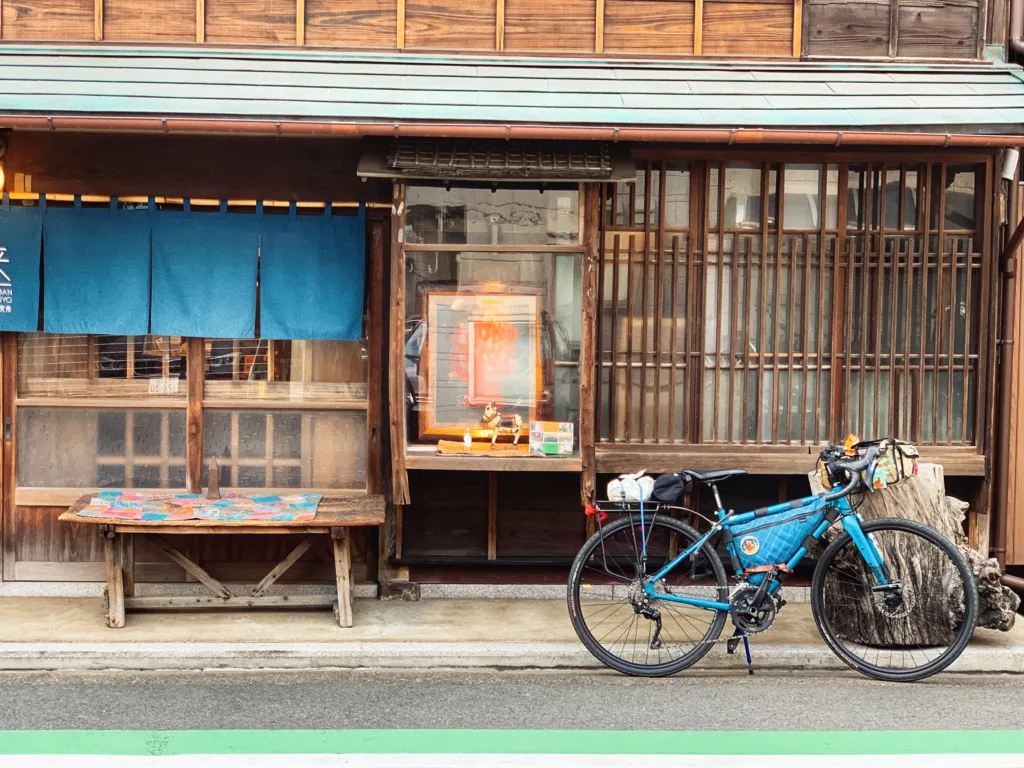
Ueno Sakuragi Atari transports visitors back to the serene and traditional ambiance of Edo-era Tokyo. This unique attraction, which opened its doors in March 2015, merges three historic buildings dating back to 1938. Lovingly restored, these structures capture the architectural essence of the Edo period while serving modern purposes. Pair your visit with a quiet moment over a cup of tea prepared in a classic Japanese Tea Set Ceramic Teapot & Cups to immerse yourself even more in the cultural setting, or bring home The Ornamental Arts of Japan to explore the artistic traditions that helped shape places like Ueno Sakuragi Atari
Explore Historic Architecture and Modern Purpose
The charm of Ueno Sakuragi Atari lies in its blend of history and functionality. Each building houses a mix of quaint shops, engaging activity spaces, and cozy residences. The architecture, featuring traditional design elements, provides a tangible link to Tokyo’s storied past.
Delight in Authentic Culinary Experiences
In keeping with the historic theme, Ueno Sakuragi Atari offers culinary experiences reminiscent of classic Tokyo. Visitors can enjoy refreshing beverages in a beer hall that captures the laid-back feel of the past. For those with a craving for rustic flavors, a nearby bakery serves up freshly baked breads that evoke a sense of nostalgia. A specialty shop offers an array of salts and olives, adding a touch of artisanal charm.
Immerse in a Cultural Escape
Whether you’re savoring traditional food or simply wandering through the atmospheric streets, Ueno Sakuragi Atari serves as a gateway to an era long cherished. Its thoughtful blend of history and modern-day attractions ensures a captivating experience, making it a must-visit for those yearning for a taste of Edo-era Tokyo.
Experience The Charm And Culture Of This Special Part Of The City
One of the best things about Yanaka is the way it feels like stepping back in time. The neighborhood’s streets are lined with traditional buildings, many of which have been around for centuries. Walking around, you’ll feel like you’re experiencing the Japan of old, with its charming streets and historic landmarks. Book a traditional photography tour with Asahi and let them tailor it according to your needs. But Yanaka isn’t just a living museum. it’s a thriving community that’s home to a wide range of local businesses and cultural events. Whether you’re looking to try traditional Japanese sweets, shop for unique souvenirs, or attend a local festival, Yanaka has something to offer.
So why not plan a visit to Yanaka on your next trip to Tokyo? Whether you’re a first-time visitor or a seasoned traveler, this unique neighborhood is sure to leave a lasting impression. Come and experience the nostalgic atmosphere and rich cultural heritage of Yanaka for yourself!
