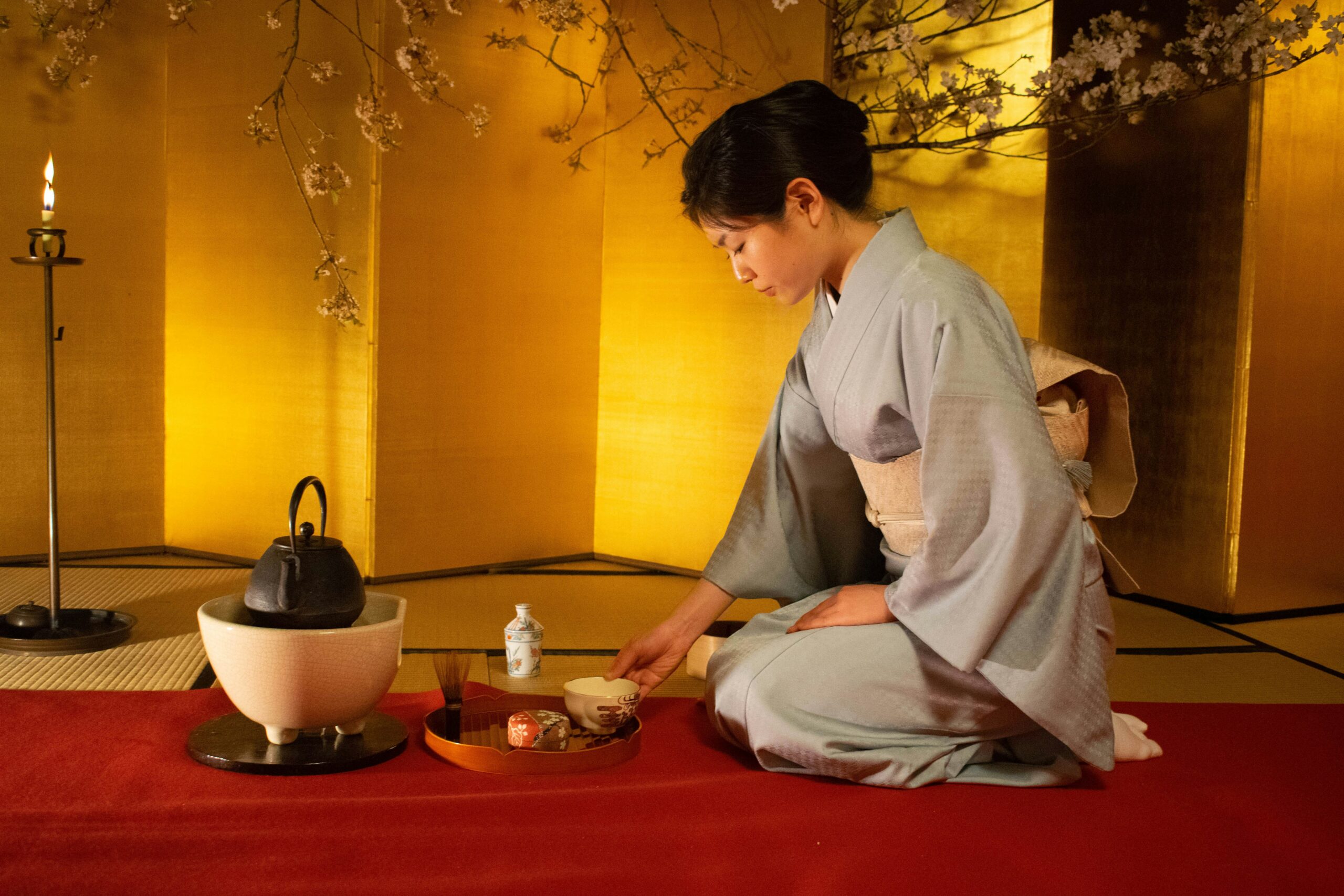
The Japanese tea ceremony guide unveils one of Japan’s most profound cultural practices—an art form where every deliberate movement carries centuries of meaning and spiritual depth. Known as chanoyu or sadō, this ritualized preparation and serving of matcha green tea transcends simple beverage consumption. Instead, it embodies the core principles of harmony, respect, purity, and tranquility that define Japanese aesthetics and mindful living. Many of these values are further explored through reflective cultural writing in the MJ Journals, where tradition and modern appreciation intersect.
Professional tea ceremony instruction requires a deep understanding of both technical precision and the spiritual philosophy underlying each gesture. Modern practitioners who study traditional chanoyu often discover a form of moving meditation through methodical tea preparation, forging meaningful connections between ancient wisdom and contemporary life through disciplined practice. This immersive cultural experience aligns closely with mindful travel philosophies highlighted in the Adventure Starter, offering travelers a deeper way to engage with Japan beyond sightseeing. The cultural significance of practices like the tea ceremony is also internationally recognized, with UNESCO acknowledging Japan’s traditional food culture (washoku) as an Intangible Cultural Heritage of Humanity, reinforcing its enduring global value.


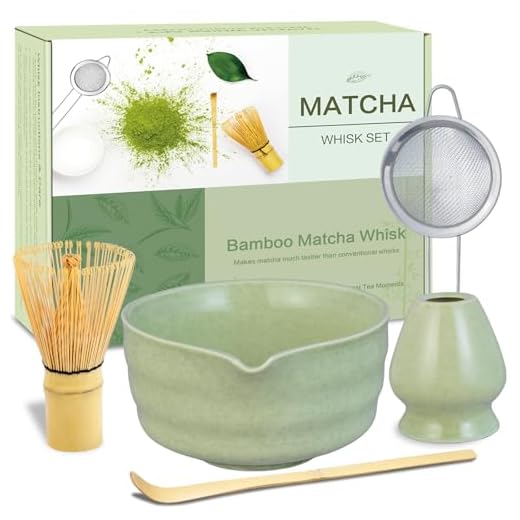
This comprehensive guide provides essential knowledge for beginning your journey into Japanese tea ceremony mastery, covering fundamental principles, required tools (such as the Japanese Matcha Tea Set, Bamboo Whisk & Ceramic Accessories or the Matcha Tea Set – Traditional Japanese Ceremony Kit), proper procedures, and cultural context necessary for authentic practice development.
Understanding Chanoyu Philosophy and Cultural Foundation
The Four Principles of Tea Ceremony
Japanese tea ceremony operates through four fundamental principles established by tea master Sen no Rikyū during the 16th century:
- Wa (Harmony): Creating peaceful unity between participants, environment, and seasonal elements
- Kei (Respect): Demonstrating sincere regard for guests, utensils, and ceremony traditions
- Sei (Purity): Achieving physical and spiritual cleanliness through ritual purification
- Jaku (Tranquility): Cultivating inner peace through meditative practice and mindful presence
Historical Development and Schools
Tea ceremony evolved from Chinese Buddhist monasteries into distinctly Japanese cultural expression through successive tea masters who refined techniques and philosophical approaches:
- Urasenke School: Most widely practiced internationally, emphasizing accessibility and modern adaptation
- Omotesenke School: Preserves traditional formality with strict adherence to historical procedures
- Mushanokojisenke School: Balances traditional elements with practical considerations for contemporary practice
Understanding regional temple traditions enhances cultural appreciation, detailed in Kyoto temple spiritual practices that influenced tea ceremony development.
Essential Tea Ceremony Tools and Equipment
Primary Utensils for Matcha Preparation
Authentic tea ceremony for beginners requires specific tools crafted according to traditional specifications:
Tea Preparation Implements
- Chasen (Tea Whisk): Bamboo whisk with 80-120 tines for creating smooth matcha foam
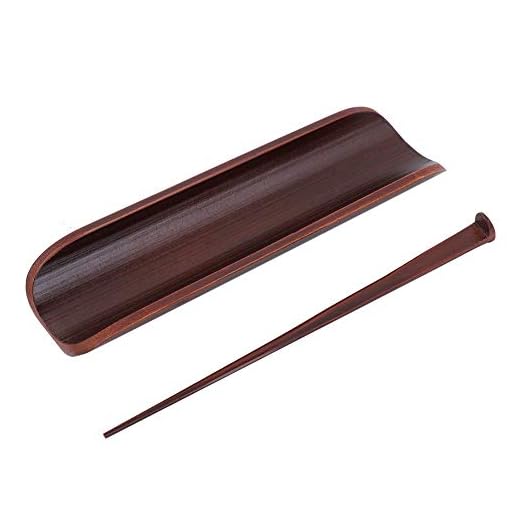
- Chashaku (Tea Scoop): Bamboo scoop measuring precise matcha portions
- Chakin (Tea Cloth): White linen cloth for cleaning tea bowl during ceremony
- Chawan (Tea Bowl): Ceramic bowl specifically designed for matcha service
- Natsume (Tea Caddy): Lacquered container storing matcha powder during ceremony
Water and Fire Management Tools
- Kama (Iron Kettle): Cast iron pot for heating water over charcoal fire
- Furo (Portable Brazier): Heating apparatus supporting kettle during warm seasons
- Hishaku (Water Ladle): Bamboo ladle transferring hot water during preparation
- Mizusashi (Fresh Water Container): Ceramic vessel holding cold water for ceremony use
Professional tool selection benefits from understanding Japanese cultural etiquette principles governing appropriate utensil handling.
Step-by-Step Tea Ceremony Procedure
Preparation Phase (Junbi)
Proper ceremony execution begins with methodical preparation addressing both physical and spiritual readiness:
- Tatami Room Arrangement: Position all utensils according to seasonal conventions and guest seating
- Purification Ritual: Clean hands and mouth, then systematically purify all tea implements
- Water Temperature Assessment: Heat water to optimal 70-80°C for matcha dissolution
- Mental Preparation: Center awareness through breathing exercises and mindful intention setting
Tea Making Process (Temae)
How to do tea ceremony follows prescribed movements refined over centuries for maximum efficiency and grace:
- Matcha Measurement: Use chashaku to portion 2-3 scoops (approximately 2 grams) matcha powder
- Initial Water Addition: Pour small amount of hot water into chawan containing matcha
- Paste Formation: Blend matcha and water using chasen tip to create smooth paste
- Whisking Technique: Add remaining water while whisking vigorously in W-pattern motion
- Foam Creation: Continue whisking until achieving light, uniform foam consistency
- Final Presentation: Rotate bowl so best side faces guest, present with both hands
Guest Reception Protocol
- Respectful Acceptance: Receive tea bowl with both hands, bow acknowledgment
- Appreciation Moment: Examine bowl craftsmanship before drinking
- Consumption Etiquette: Drink tea in three sips, cleaning bowl rim afterward
- Gratitude Expression: Return bowl with sincere thanks for host hospitality
Advanced ceremony coordination involves understanding seasonal variations explored in seasonal celebration traditions that influence ceremony aesthetics.
Seasonal Considerations and Aesthetic Elements
Seasonal Tool Selection (Kisetsu no Dōgu)
Traditional tea ceremony adapts utensils and procedures according to seasonal progression:
Spring Ceremony Elements
- Cherry Blossom Motifs: Select bowls and scroll paintings featuring sakura themes
- Fresh Green Colors: Incorporate new growth symbolism through cloth and decoration choices
- Lighter Utensils: Use delicate ceramics reflecting spring’s gentle energy
Summer Ceremony Adaptations
- Cooling Elements: Emphasize glass and bamboo materials suggesting coolness
- Simplified Procedures: Reduce fire usage, focus on refreshing presentation
- Morning Timing: Schedule ceremonies during cooler daylight hours
Autumn Ceremony Themes
- Warm Earth Tones: Select pottery featuring browns, oranges, and deep reds
- Harvest Symbolism: Incorporate agricultural themes through seasonal decorations
- Contemplative Atmosphere: Extend ceremony duration for deeper meditation
Winter Ceremony Traditions
- Hearth Ceremony (Ro): Utilize sunken hearth for intimate winter gatherings
- Warming Elements: Emphasize fire management and heat retention techniques
- Substantial Utensils: Choose heavier, more substantial ceramic pieces
Tea Room Design and Spatial Arrangement
Traditional Sukiya Architecture
Authentic tea ceremony requires properly designed space reflecting aesthetic principles:
- Nijiriguchi (Crawl-through Entrance): Small entrance promoting humility and equality
- Tokonoma (Alcove): Display space for seasonal scroll and flower arrangement
- Tatami Floor Layout: Standardized mat arrangement creating intimate gathering space
- Natural Lighting: Soft illumination through shoji screens creating serene atmosphere
Modern Adaptation Strategies
Contemporary practitioners adapt traditional requirements to available spaces:
- Dedicated Corner Setup: Create ceremonial space within existing rooms
- Portable Equipment: Use collapsible and transportable ceremony tools
- Simplified Aesthetics: Focus on essential elements while maintaining spiritual integrity
- Community Practice: Join local tea ceremony groups providing proper facilities
Traditional architecture principles connect with broader cultural aesthetics discussed in classical Japanese artistic expressions.
Matcha Selection and Quality Assessment
Understanding Matcha Grades
Professional tea ceremony guide requires knowledge of matcha quality levels affecting ceremony outcomes:
Ceremonial Grade Matcha
- First Harvest Leaves: Young spring leaves providing sweetest, most delicate flavor
- Stone Ground Processing: Traditional granite mills creating finest powder consistency
- Vibrant Green Color: Intense chlorophyll content indicating proper cultivation and processing
- Complex Flavor Profile: Balanced sweetness with minimal bitterness
Premium Grade Characteristics
- Smooth Texture: Ultra-fine powder dissolving completely without grittiness
- Rich Umami: Savory depth developing from shade-grown cultivation methods
- Natural Sweetness: Inherent sweetness requiring no additional sugar
- Lasting Finish: Pleasant aftertaste extending ceremony experience
Proper Storage and Handling
Matcha preservation maintains quality essential for authentic ceremony practice:

- Airtight Containers: Prevent oxidation and moisture absorption
- Refrigerated Storage: Maintain cool temperatures preserving color and flavor
- Limited Light Exposure: Store in dark conditions preventing degradation
- Consumption Timeline: Use within 3-6 months of opening for optimal quality
Cultural Context and Social Significance
Tea Ceremony in Modern Japanese Society
Chanoyu continues influencing contemporary Japanese culture through educational institutions and cultural preservation efforts:
- Educational Programs: Schools incorporate tea ceremony teaching character development
- Corporate Applications: Business leaders use ceremony principles for leadership training
- International Diplomacy: Tea ceremony serves as cultural bridge in international relations
- Therapeutic Applications: Mental health professionals utilize ceremony principles for stress reduction
Economic and Tourism Impact
Tea ceremony generates significant cultural tourism contributing to local economies:
- Cultural Tourism: International visitors seek authentic ceremony experiences
- Artisan Support: Traditional craftspeople maintain livelihoods through utensil production
- Tea Agriculture: Premium matcha cultivation supports rural farming communities
- Cultural Education: Teaching programs preserve traditional knowledge for future generations
Regional cultural experiences connect tea ceremony with broader travel opportunities detailed in comprehensive Japan cultural exploration guides.
Learning Resources and Training Opportunities
Traditional Training Pathways
Serious tea ceremony study progresses through structured advancement levels:
Beginner Level (Hajimari)
- Basic Movements: Learn fundamental hand positions and walking patterns
- Tool Familiarization: Master proper handling and care of essential utensils
- Simple Procedures: Practice basic matcha preparation and guest service
- Cultural Foundation: Study historical background and philosophical principles
Intermediate Development (Shinpo)
- Seasonal Adaptation: Learn variations for different times of year
- Guest Hosting: Develop skills for entertaining others through ceremony
- Advanced Procedures: Master complex movements and formal presentations
- Aesthetic Judgment: Cultivate sensitivity to beauty and appropriateness
Advanced Mastery (Takumi)
- Teaching Qualification: Achieve certification to instruct others
- Creative Expression: Develop personal style within traditional framework
- Cultural Leadership: Contribute to tea ceremony preservation and evolution
- Spiritual Integration: Embody ceremony principles in daily life
International Learning Options
Modern students access tea ceremony education through various international programs:
- Cultural Centers: Japanese cultural organizations offering regular classes
- University Programs: Academic institutions providing formal certification
- Online Resources: Digital platforms offering theoretical foundation and virtual demonstrations
- Immersion Travel: Study tours combining cultural education with authentic practice
Industry Professional Resources
Tea ceremony mastery benefits from authoritative sources providing authentic instruction and cultural context:
- Urasenke Foundation: Official international tea ceremony instruction from recognized tea masters
- Japan Tea Association: Professional tea cultivation and preparation standards with quality certification
- Chanoyu Quarterly: Academic publication covering tea ceremony scholarship and contemporary practice
- Metropolitan Museum of Art: Tea ceremony cultural history and artistic significance documentation
- Kyoto Prefecture Tea Association: Traditional preparation methods and authentic cultural practices from ceremony origin region
Beginning Your Tea Ceremony Journey
Mastering Japanese tea ceremony guide principles requires patient dedication to both technical skills and spiritual development. Authentic practice integrates precise movements with philosophical understanding, creating transformative experiences that extend far beyond tea preparation into daily life mindfulness. Beginning practitioners discover meditation through methodical attention to each ceremony element, developing appreciation for simplicity, beauty, and human connection that defines Japanese cultural aesthetics. Regular practice cultivates inner peace while honoring centuries of cultural wisdom preserved through tea ceremony traditions.
Tea ceremony mastery represents lifelong learning connecting practitioners with Japanese cultural heritage while fostering personal growth through disciplined practice and spiritual reflection. Each ceremony offers opportunities for deeper understanding of harmony, respect, purity, and tranquility that transform both host and guests. Authentic chanoyu practice bridges ancient wisdom with contemporary life, providing sanctuary of peace and beauty in our increasingly complex world through time-honored traditions that celebrate human dignity and cultural continuity.