Can Immigration Really Save Rural Japan? Inside the Countryside’s Boldest Experiment
Japan’s countryside is quietly becoming the site of one of the world’s most closely watched demographic experiments. Far from Tokyo’s neon lights, this shift is unfolding across villages that have spent decades shrinking in silence. What was once viewed as inevitable decline is now being measured, debated, and tested through hard population data rather than anecdote. The scale of this transformation is visible in national statistics published by the Japan Statistics Bureau, which track population change down to the municipal level.
In 2025, Japan’s population fell below 123 million, a symbolic threshold that underscores a much deeper structural reality. Nearly 29.3% of the population is now over the age of 65, placing unprecedented pressure on labor markets, healthcare systems, and local governments. This is not a future projection but a present condition shaping daily life across the country. Long-term demographic tracking reported by Nippon.com shows that aging is accelerating fastest outside major metropolitan areas.
What makes this demographic shift especially urgent is that Japan is aging faster than any other advanced economy. Unlike peers that offset aging through higher fertility or large-scale immigration, Japan entered this phase with limited demographic buffers. Comparative population studies repeatedly show that its pace of aging now exceeds that of Europe and North America. This reality has been consistently highlighted in international population comparisons maintained by the OECD demographic database.
This crisis is not theoretical or confined to spreadsheets. It is actively reshaping villages, supply chains, schools, farms, and entire regional economies. Public services are being consolidated, agricultural land is going fallow, and local businesses are disappearing faster than replacements can emerge. These patterns are increasingly examined not as isolated failures but as systemic risks. Global rural resilience frameworks published by the World Bank now place Japan among the most urgent case studies.
In the remote mountain village of Nanmoku in Gunma Prefecture, this transformation is visible at street level. Where abandoned homes once symbolized irreversible decline, a Vietnamese entrepreneur now operates a thriving café blending Japanese comfort dishes with Southeast Asian flavors. The business has become both a local employer and a social anchor, drawing residents back into shared spaces. This pattern mirrors broader rural revitalization signals observed in regional migration reporting by Reuters.
What appears at first glance to be a single success story is, in fact, part of a much wider recalibration. Across Japan, labor mobility is quietly reshaping rural survival strategies, linking demographic decline with global workforce flows. Rather than resisting these shifts, local governments are beginning to compete for them. Similar labor realignments have been tracked globally by the International Labour Organization.
Japan’s Rural Crisis Reaches a Breaking Point
Nearly 900 Japanese municipalities are now officially classified as “at risk of disappearance.” This designation reflects not speculation but demographic modeling grounded in birth rates, migration patterns, and age distribution. The scale of exposure spans prefectures and political boundaries. National-level analysis reported by The Japan Times confirms the breadth of the risk.
The underlying causes are stark and deeply structural. Japan’s fertility rate has dropped to approximately 1.2 children per woman, far below the level required for population replacement. This decline has persisted despite decades of policy intervention aimed at work-life balance and childcare support. International demographers consistently cite this trend when forecasting long-term economic drag. These projections are frequently referenced in economic outlooks published by Nikkei Asia.
Rural areas feel this pressure first and with the greatest intensity. Population loss compounds itself as shrinking tax bases limit public services, making communities less attractive to younger residents. This creates a feedback loop that accelerates decline outside metropolitan regions. Regional development research by the OECD Rural Policy Programme identifies Japan as one of the clearest examples of this imbalance.
Entire generations of young adults have migrated toward urban centers in search of education and employment. What remains are aging populations struggling to sustain healthcare systems, agricultural production, and municipal services. These dynamics are not unique to one region but repeat across prefectures. Comparative regional decline case studies compiled by the OECD show similar patterns nationwide.
The former coal-mining city of Yubari in Hokkaido illustrates this trajectory with painful clarity. Once home to more than 120,000 residents, the city now supports fewer than 8,000. Schools have closed, commercial streets sit empty, and municipal budgets strain under shrinking tax bases. This collapse has been documented repeatedly in economic retrospectives cited by NHK World.
This pattern repeats across Japan’s countryside, from Niigata’s rice terraces to Kyushu’s coastal fishing towns. In many areas, land abandonment is visible from satellite imagery, reflecting structural rather than temporary decline. Environmental researchers now link these patterns directly to biodiversity risk and land mismanagement. Such geographic shifts are documented in land-use studies referenced by Nature Sustainability.
The Workforce Shortage Threatening Economic Collapse
Beyond population loss, Japan faces a looming labor deficit that threatens the viability of entire industries. This shortage is not limited to manual work but extends across caregiving, manufacturing, logistics, and tourism. Without intervention, production capacity and service delivery will continue to erode. Global labor market outlooks from the World Economic Forum repeatedly flag Japan as a high-risk economy.
A detailed Reuters investigation estimates that rural Japan will experience a 3.4 million worker shortfall by 2030. This figure includes agriculture, eldercare, manufacturing, and tourism sectors critical to regional survival. Many of these industries already operate at minimum staffing levels. The analysis published by Reuters underscores the urgency of the situation.
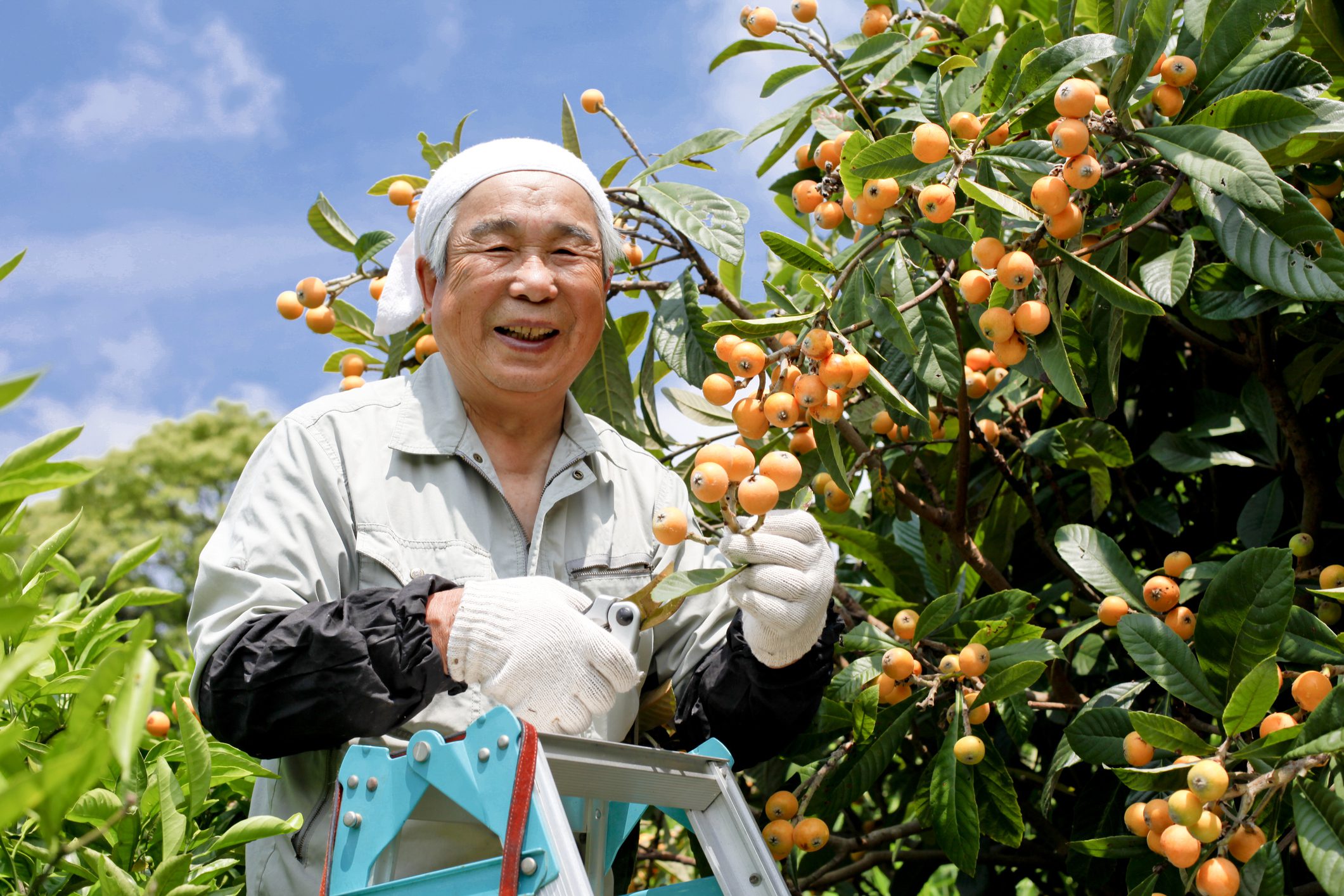
Traditional family farms that have operated for generations increasingly lack successors. Younger Japanese workers often view agricultural livelihoods as economically risky and socially isolating. As a result, food security and rural land stewardship are becoming intertwined with labor policy. These challenges are widely discussed in agricultural policy reviews published by Japan’s Ministry of Agriculture, Forestry and Fisheries.
Small manufacturers embedded in global supply chains face similar pressures. Even modest staffing gaps can halt production, disrupt exports, and weaken regional economies. These vulnerabilities are magnified in rural locations with limited labor pools. Industrial resilience warnings issued by the World Economic Forum increasingly highlight these risks.
The consequences extend beyond economics into cultural continuity and land stewardship. Rural communities have long served as custodians of Japan’s heritage, biodiversity, and environmental knowledge. Depopulation threatens not only livelihoods but accumulated wisdom passed across generations. This role is formally recognized within cultural preservation frameworks maintained by UNESCO.
Without intervention, depopulation risks erasing not just towns, but centuries of ecological and cultural knowledge. Abandoned land often transitions toward unmanaged forest or industrial use, altering ecosystems permanently. Sustainability researchers increasingly view demographic decline as an environmental risk multiplier. These concerns are echoed by the Food and Agriculture Organization.
Immigration Emerges as an Unlikely Lifeline
Against this backdrop, Japan’s approach to immigration has undergone a quiet but consequential transformation. What was once framed as a cultural taboo is now discussed as economic infrastructure. Policy debates increasingly focus on how, rather than whether, immigration can support rural survival. This shift has been closely analyzed by Nikkei Asia.
In 2022 alone, Japan admitted approximately 144,000 long-term immigrants, with 55% entering under labor-related classifications. These arrivals were not concentrated in Tokyo but distributed across regions facing acute shortages. For rural prefectures, this marked a turning point in workforce stabilization. The figures were analyzed in detail by Nikkei Asia.
This shift represents a departure from decades of restrictive immigration policy. Rather than ideology, necessity is now driving reform, with labor demand shaping eligibility and placement. Comparative migration scholars increasingly place Japan alongside selective European labor models. These comparisons are tracked by the Migration Policy Institute.
The introduction of Specified Skilled Worker visa categories in 2019 opened pathways for semi-skilled workers in agriculture, construction, eldercare, and hospitality. These sectors were repeatedly identified as structural bottlenecks long before policy reform occurred. Unlike earlier guest-worker systems, the new framework allows mobility and longer-term integration. These dynamics are assessed regularly by the International Labour Organization.
Unlike temporary labor rotation models, these visas allow job mobility and, in some cases, family reunification. This distinction encourages settlement, community investment, and demographic stabilization. Over time, such policies reshape not just labor markets but social structures. Comparative evaluations by the OECD Migration Programme highlight this difference.
For readers seeking deeper context on Japan’s social structure and labor systems, foundational cultural analysis remains valuable. Classic sociological works continue to inform how demographic change interacts with tradition. One widely referenced primer is Japanese Society by Chie Nakane.
Early Signs of Transformation Across the Countryside
The results of these shifts are already visible across multiple regions. Early indicators suggest stabilization rather than continued freefall in select rural economies. These trends align with broader recovery markers used in international rural policy assessment. Comparable indicators are tracked by the FAO Asia-Pacific.
In Hokkaido, Vietnamese agricultural workers have helped stabilize potato and dairy operations that were previously on the brink of closure. Their presence has allowed farms to maintain output while transferring skills across generations. Similar revitalization patterns are appearing in other agricultural hubs. These case studies are documented by the Food and Agriculture Organization.
In Miyazaki, Filipino caregivers have enabled rural nursing homes to expand capacity amid rising eldercare demand. This has reduced waitlists and eased pressure on local families. Healthcare delivery in aging regions increasingly depends on migrant labor. These trends align with demographic care forecasts published by the World Health Organization.
These developments are not short-term patches but structural adjustments. They reflect a reconfiguration of rural sustainability rather than emergency intervention. Policymakers increasingly frame these changes as durable solutions. Such policy innovation is discussed in rural strategy briefings by the Cabinet Office of Japan.
Together, these shifts represent foundational changes in how rural Japan sustains itself. Cultural continuity, economic survival, and demographic renewal are becoming intertwined. Understanding this balance requires attention beyond major cities. Related cultural context can be explored through regional essays such as Yanaka: Nostalgic Neighborhood of Tokyo.
For readers documenting these transformations firsthand, structured reflection tools can help capture long-term change. Observing continuity amid demographic transition benefits from deliberate record-keeping. Cultural journals designed for this purpose are available through Magnificent Japan Journals.
What Rural Japan Is Teaching the World About Recovery
Japan’s countryside is no longer operating as a passive victim of demographic decline but as a testing ground for adaptive recovery models that other aging societies are beginning to study closely. Rural towns that once waited for central government rescue are now experimenting with integration, labor mobility, and community design in ways that reflect broader global shifts analyzed by the OECD’s rural development program. These experiments are imperfect, but they demonstrate that population loss does not automatically equal economic failure. What matters is whether communities redesign systems around new realities rather than past assumptions. In that sense, rural Japan has become less an exception and more a preview.
Operational Lessons Emerging from the Countryside
One of the clearest lessons from Japan’s rural regions is that successful integration begins long before migrants arrive. Communities that prepared housing, healthcare access, and education pathways saw higher retention rates and faster economic stabilization, a pattern consistent with migration outcomes tracked by the Migration Policy Institute. These towns treated newcomers as future residents rather than temporary labor, which altered social dynamics almost immediately. Schools remained open, clinics stayed staffed, and local consumption increased. The result was not rapid growth, but restored continuity.
Language access and cultural mediation also proved decisive in determining long-term success. Municipalities that invested early in Japanese language education and local mentorship reduced friction between residents and newcomers, reinforcing trust on both sides. This approach aligns with labor integration frameworks promoted by the International Labour Organization, which emphasize community-level engagement over centralized enforcement. Where communication improved, informal cooperation followed. Where it failed, even well-funded programs struggled.
Digital infrastructure emerged as a quiet but powerful enabler of rural resilience. High-speed connectivity allowed foreign entrepreneurs and remote workers to anchor themselves economically while living outside major cities, mirroring rural revitalization models documented by the World Bank. In practice, this meant rural towns could attract global income without exporting residents. The countryside became economically porous without losing its physical identity. That shift altered how rural viability is defined.
Where Communities Commonly Go Wrong
Despite encouraging signals, many rural revitalization efforts faltered because they framed immigration as a short-term fix rather than a structural transition. Programs that rotated workers without offering stability often recreated the same labor gaps they aimed to solve, a mistake highlighted in longitudinal workforce studies published by the World Economic Forum. When migrants left, local systems collapsed again. Continuity, not churn, proved to be the real stabilizer.
Another recurring failure stemmed from underestimating cultural and administrative friction. Communities that ignored schooling needs, healthcare navigation, or religious accommodation often experienced silent attrition rather than open conflict. These outcomes mirror integration failures documented in comparative migration research by the United Nations Department of Economic and Social Affairs. Without intentional support, even well-intentioned policies stalled. Integration requires structure, not goodwill alone.
Over-reliance on a single industry also left some towns vulnerable. Regions that tied migration exclusively to agriculture or eldercare struggled when market conditions shifted, reinforcing warnings long issued by rural economists at the Food and Agriculture Organization. Diversification mattered more than scale. Communities that encouraged multiple small enterprises adapted faster. Those that did not remained exposed.
Sustainability, Culture, and Long-Term Stewardship
Immigration-linked revitalization has also carried environmental implications that extend beyond labor supply. Active farmland maintained by new residents preserved biodiversity and reduced land degradation, echoing findings from ecological research published in Nature Sustainability. Where land stayed productive, ecosystems remained balanced. Abandonment, by contrast, accelerated ecological loss. Population stability became an environmental variable.
Cultural continuity followed a similar pattern. Festivals, crafts, and local rituals survived not because they resisted change, but because new residents participated in their renewal. This adaptive preservation aligns with cultural landscape principles outlined by UNESCO, which recognize living communities as essential to heritage survival. Tradition endured because it evolved. Static preservation proved fragile.
A Rural Renaissance Still Taking Shape
Japan’s rural immigration experiment is not a finished success story, but it is no longer speculative. Measurable outcomes are emerging across employment, service continuity, and land use, reinforcing broader demographic insights tracked by the Japan Statistics Bureau. Some towns will fail despite intervention. Others will adapt and stabilize. The difference lies in governance, preparation, and social design.
For regions worldwide facing similar population decline, Japan’s countryside offers a grounded lesson: recovery does not come from reversing demographic reality, but from reorganizing around it. Rural communities that accept change while designing for permanence build resilience. Those that resist it fade. The roots may be new, but they are growing deep in old ground.
Readers documenting or studying these transitions often find value in reflective tools that capture social change over time, which is why many researchers and travelers alike use guided notebooks such as those available through Magnificent Japan Journals to track how places evolve rather than disappear.