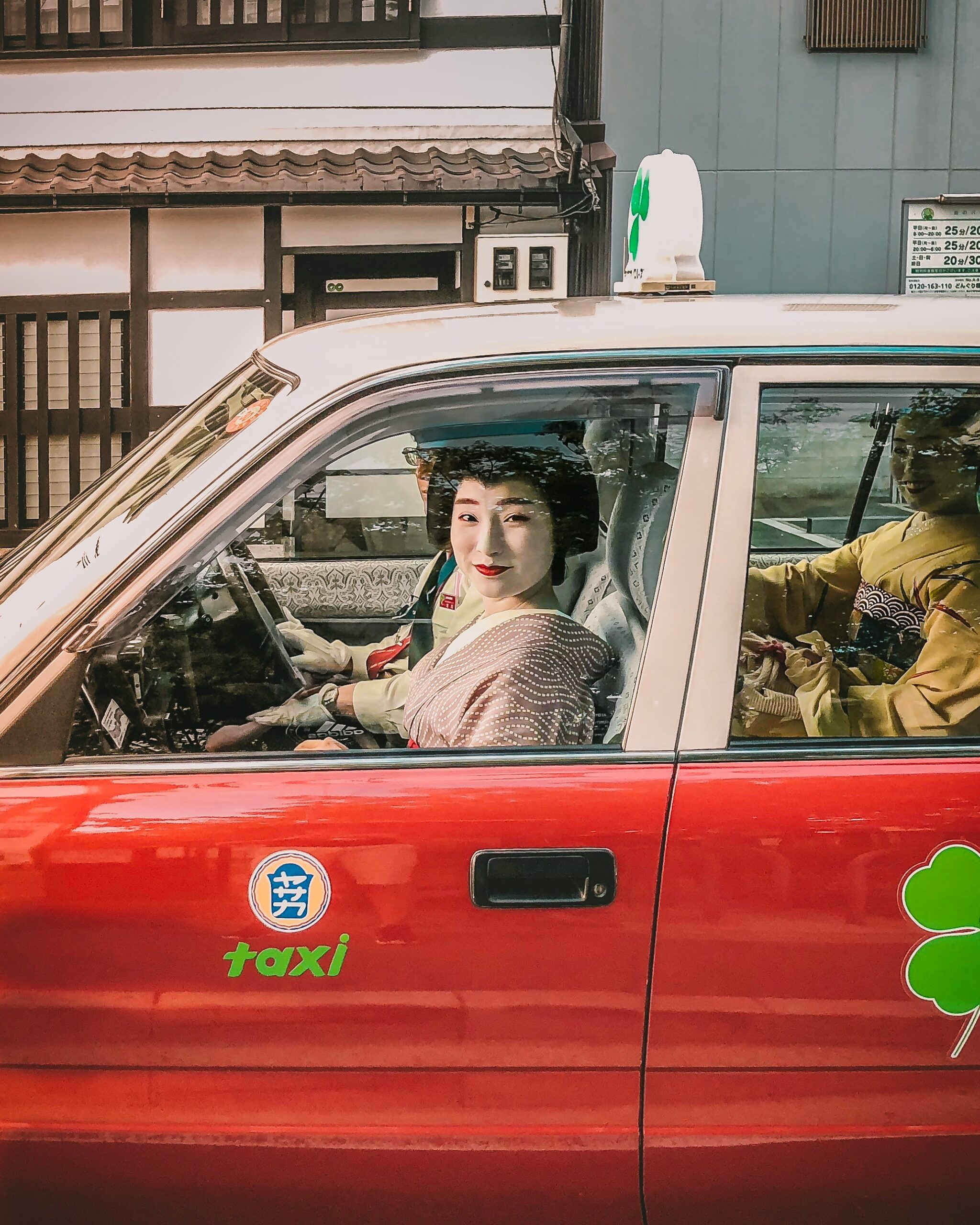
Understanding Modern Geisha Culture in 21st Century Japan
Few figures in world culture captivate the imagination quite like the geisha. With their pristine white makeup, elaborate kimono, and enigmatic presence, geisha have become enduring symbols of Japan itself. Yet beneath the surface of this global fascination lies a complex reality, often distorted by Hollywood portrayals and cultural misunderstandings. Today, according to the Japan Association of Geisha (日本芸妓協会), only about 1,000 active geisha remain in Japan, serving as cultural ambassadors who must balance preserving ancient traditions with navigating modern realities.
The truth about geisha culture is far more nuanced than popular media suggests. Far from the exotic fantasies depicted in films, geisha embody Japan’s highest forms of artistic mastery and cultural refinement. In this exploration, we will uncover the myths, realities, and remarkable contemporary revival of geisha culture, revealing how these dedicated artists are not just safeguarding history, but actively shaping Japan’s cultural future. For a deeper dive into Japan’s heritage and travel experiences, check out the MJ Journals hub or begin your own cultural adventure with the Adventure Starter Pack.
Separating Hollywood Fiction from Japanese Reality
Perhaps no aspect of Japanese culture has been more misrepresented than the role of geisha. The most persistent and damaging myth portrays geisha as high-class courtesans or prostitutes. This misconception stems largely from Western misunderstanding and sensationalized media portrayals. As Mineko Iwasaki, a former geisha and cultural consultant, emphatically states: “The biggest misconception is that we were prostitutes. We were and are artists.”
In reality, geisha are highly skilled entertainers who dedicate years to mastering traditional Japanese arts. Their training encompasses classical dance, multiple musical instruments including the shamisen and koto, tea ceremony, flower arrangement, calligraphy, and the art of conversation. The word “geisha” itself translates to “person of the arts,” reflecting their true purpose as cultural preservationists and artistic performers.
The rigorous training process, known as “minarai” (learning by observation), typically spans 5-7 years and costs between $100,000-150,000 according to the Kyoto Geisha Association. This investment reflects the serious commitment required to master the intricate skills that define authentic geisha artistry. During this period, apprentices called “maiko” live in traditional houses called “okiya” under the guidance of experienced geisha, learning not only artistic techniques but also the subtle social graces that make geisha such skilled conversationalists and hostesses.
Another common misconception involves the famous white makeup, or oshiroi. While striking, this elaborate cosmetic ritual serves specific artistic and cultural purposes. The white base creates a blank canvas — much like applying a dramatic L.A. Girl Pro Coverage Liquid Foundation, White or a bold Erinde Cream White Foundation Highlighter Makeup layer in modern makeup — that becomes more visible in traditional candlelight, while the precise application of red lipstick and eye makeup follows centuries‑old aesthetic principles. Far from being a daily occurrence, full traditional makeup is typically reserved for special performances and formal occasions
The Historical Journey: From 18th Century Origins to Modern Revival
The geisha tradition emerged in 18th century Japan, initially as male entertainers called “taikomochi” who performed at parties and gatherings. Female geisha appeared later, gradually becoming more popular due to their refined artistic skills and sophisticated conversation abilities. By the 1920s, Japan’s geisha population had reached its peak of approximately 80,000 practitioners, according to the Agency for Cultural Affairs, Government of Japan.
The profession faced its greatest challenge during World War II, when many geisha were forced to work in factories or fled to the countryside. Post-war American occupation further disrupted traditional culture, leading many to believe geisha culture might disappear entirely. However, the 1960s brought an unexpected revival as Japan experienced rapid economic growth and renewed interest in traditional culture.
Dr. Liza Dalby, an anthropologist and the only Western woman to train as a geisha, observes: “Geisha represent the pinnacle of Japanese aesthetic refinement and cultural preservation. They are living embodiments of cultural memory.” This perspective highlights how geisha serve as more than entertainers—they are guardians of Japanese cultural identity. The modern era has brought new challenges and opportunities. While numbers declined dramatically from the thousands in major cities to hundreds, the remaining geisha have achieved something remarkable: they’ve maintained artistic standards while adapting to contemporary life. Today’s geisha navigate between ancient traditions and modern expectations, creating a unique cultural bridge between past and present.
Modern Geisha Life: Training, Challenges, and Daily Realities
Contemporary geisha life differs significantly from romanticized portrayals, yet remains deeply rooted in tradition. According to a 2023 survey published by Nippon.com, 85% of current geisha are under 35 years old, reflecting a generational shift in the profession. These young women often hold university degrees and choose the geisha path as a conscious career decision rather than economic necessity.
The training process remains rigorous and comprehensive. Modern maiko begin their journey around age 18-20, living in okiya where they learn from experienced geisha called “oneesan” (older sister). Daily schedules include morning lessons in traditional arts, afternoon practice sessions, and evening performances at ochaya (tea houses) or exclusive restaurants. The apprenticeship system, virtually unchanged for centuries, ensures direct transmission of knowledge and cultural values.
Ikuko Takahashi, representative of the Kyoto Geisha Association, explains: “We must preserve tradition while embracing necessary changes for survival. Today’s geisha use modern transportation, communicate via smartphone, and understand global culture, yet they maintain the same artistic standards as their predecessors.” Modern geisha face unique challenges unknown to previous generations. Tourism pressure has intensified, with some visitors behaving inappropriately due to cultural misunderstandings. Social media presents both opportunities and risks, as geisha must balance public engagement with traditional privacy values. Additionally, the high cost of kimono, accessories, and ongoing training creates financial pressures that require careful management.
Despite these challenges, many young women find fulfillment in geisha life. The profession offers artistic expression, cultural connection, and economic independence. Modern geisha often become cultural ambassadors, participating in international festivals and educational programs that promote Japanese culture worldwide. If you’re fascinated by the details of geisha style, you might enjoy authentic accessories like the elegant Amosfun Japanese Hairpin Kimono Hair Clip (Kanzashi Hair Tie Band) or explore a set of floral accents such as the Umibow 3 Pcs Japanese Kimono Flower Hair Clips Tassel Hairpins, and for a broader wardrobe piece inspired by traditional garments, a Japanese Anime Women’s Kimono Robe Geisha Yukata Sweet Dress Blossom Satin Bathrobe can be a stylish way to bring a bit of that heritage into your everyday closet.
The Modern Revival: Young Women Choosing an Ancient Path
Remarkably, geisha culture is experiencing a renaissance. Kyoto Prefecture reports a 40% increase in geisha applications since 2010, with young women increasingly drawn to the profession’s artistic and cultural dimensions. This revival coincides with broader Japanese interest in traditional culture and craftsmanship. Social media has played an unexpected role in this revival. While maintaining appropriate boundaries, some geisha use Instagram and other platforms to share aspects of their daily life, dispel misconceptions, and connect with global audiences. These carefully curated glimpses into geisha life help separate reality from stereotype while maintaining the profession’s mysterious allure.
The economic impact of modern geisha culture is substantial. Japan National Tourism Organization (JNTO) data indicates that geisha districts generate significant tourism revenue. This economic significance has led to increased government support for cultural preservation and training programs. Modern geisha also participate in cultural diplomacy, performing at international events and serving as cultural ambassadors. Their presence at global festivals and cultural exchanges helps promote authentic Japanese culture while countering stereotypical representations.
Experiencing Authentic Geisha Culture Today
For those seeking genuine geisha encounters, several authentic opportunities exist. Kyoto’s Gion and Pontocho districts offer the most traditional experiences, with established ochaya hosting dinner parties featuring geisha entertainment. These exclusive venues require introductions and advance arrangements, typically through hotel concierges or cultural tour operators. Tokyo’s Kagurazaka and Asakusa districts provide more accessible options, including public performances and cultural demonstrations. Kanazawa’s Higashi Chaya district offers intimate settings where visitors can appreciate geisha artistry in historic surroundings.
For those inspired by geisha style and grace, Geisha, A Life by Mineko Iwasaki is an illuminating memoir from a renowned Kyoto geisha. For an immersive experience at home, consider a classic Japanese tea set to recreate your own ochaya moment.
Tips for Respectful Geisha Encounters
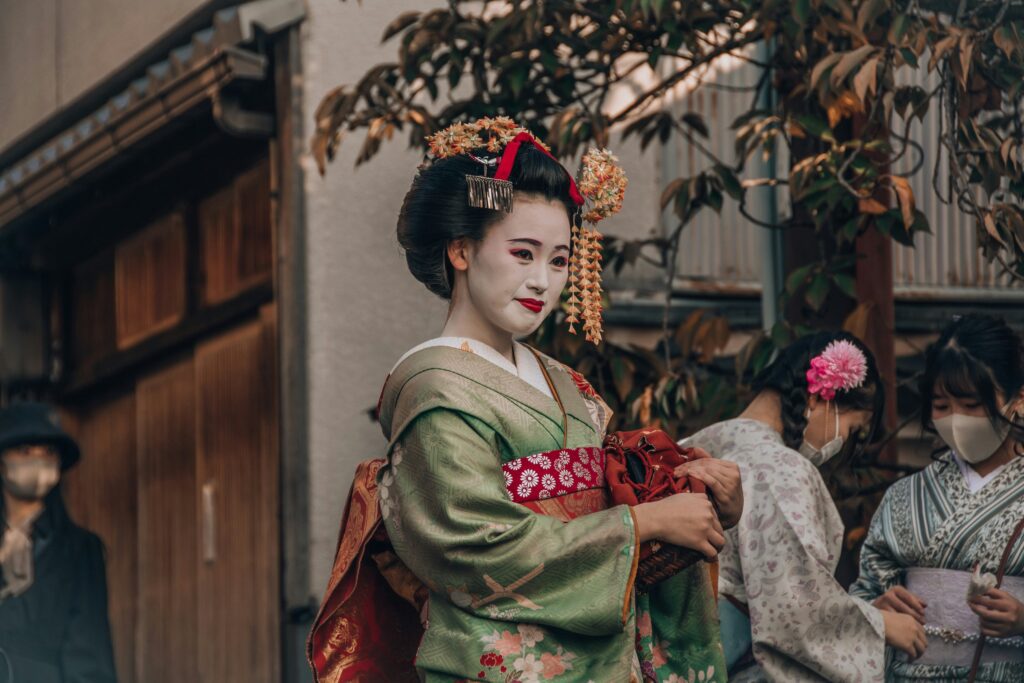
To experience geisha culture authentically, book through reputable sources such as established cultural organizations or high-end hotels. Investing in cultural education by reading firsthand accounts provides essential context and deepens appreciation. Learning basic etiquette, including proper behavior, photography restrictions, and conversation guidelines, ensures respectful interactions. Be prepared for the costs, as authentic geisha entertainment is typically expensive, ranging from $200–500 per person for group experiences. Most importantly, embrace the art by focusing on the musical, dance, and conversational skills of geisha rather than seeking exoticized thrills. By combining careful planning, cultural understanding, and respectful engagement, visitors can enjoy a truly memorable and meaningful geisha experience.
Common Mistakes to Avoid
Pursuing unauthorized photography: Taking pictures without permission, especially of working geisha on the street, is disrespectful and often illegal (Japan Times). Confusing geisha with cosplay: Tourist dress-up experiences, while fun, are not authentic geisha culture and shouldn’t be treated as such. Expecting entertainment beyond artistic performance: Geisha are professional artists, not personal companions or tour guides.
he geisha tradition represents one of Japan’s most remarkable cultural achievements—a living art form that has survived centuries while adapting to modern realities. For a deeper understanding of this world beyond surface impressions, many travelers start with books like Memoirs of a Geisha: A Novel by Arthur Golden or the real‑life account Geisha, A Life: Mineko Iwasaki’s Memoir, both offering rich context to the practice. Today’s geisha serve as bridges between past and future, preserving ancient wisdom while embracing necessary changes for survival. Their dedication to artistic excellence and cultural preservation offers valuable lessons about maintaining authenticity in an increasingly globalized world. As we’ve discovered, the real geisha story is far more compelling than any Hollywood fantasy. These remarkable women continue to embody Japan’s highest cultural ideals while navigating 21st‑century challenges with grace and determination. For travelers seeking authentic cultural experiences, supporting genuine geisha culture through respectful engagement helps ensure these living treasures continue to thrive for future generations.
Whether you encounter geisha in Kyoto’s historic districts or through cultural performances, remember that you’re witnessing not just entertainment, but the continuation of a precious cultural legacy that defines the very essence of Japanese artistic achievement.