Japanese Kanji Practice — 100 Essential Characters with Stroke Order
Practise the art of shodō — Japanese brush calligraphy — while mastering the 100 kanji every beginner needs. A free kanji practice online tool with animated stroke order, calligraphy brush simulation, and downloadable practice sheets. Covers all JLPT N5 kanji. Then take your skills to paper.
What is Japanese Calligraphy (Shodō)?
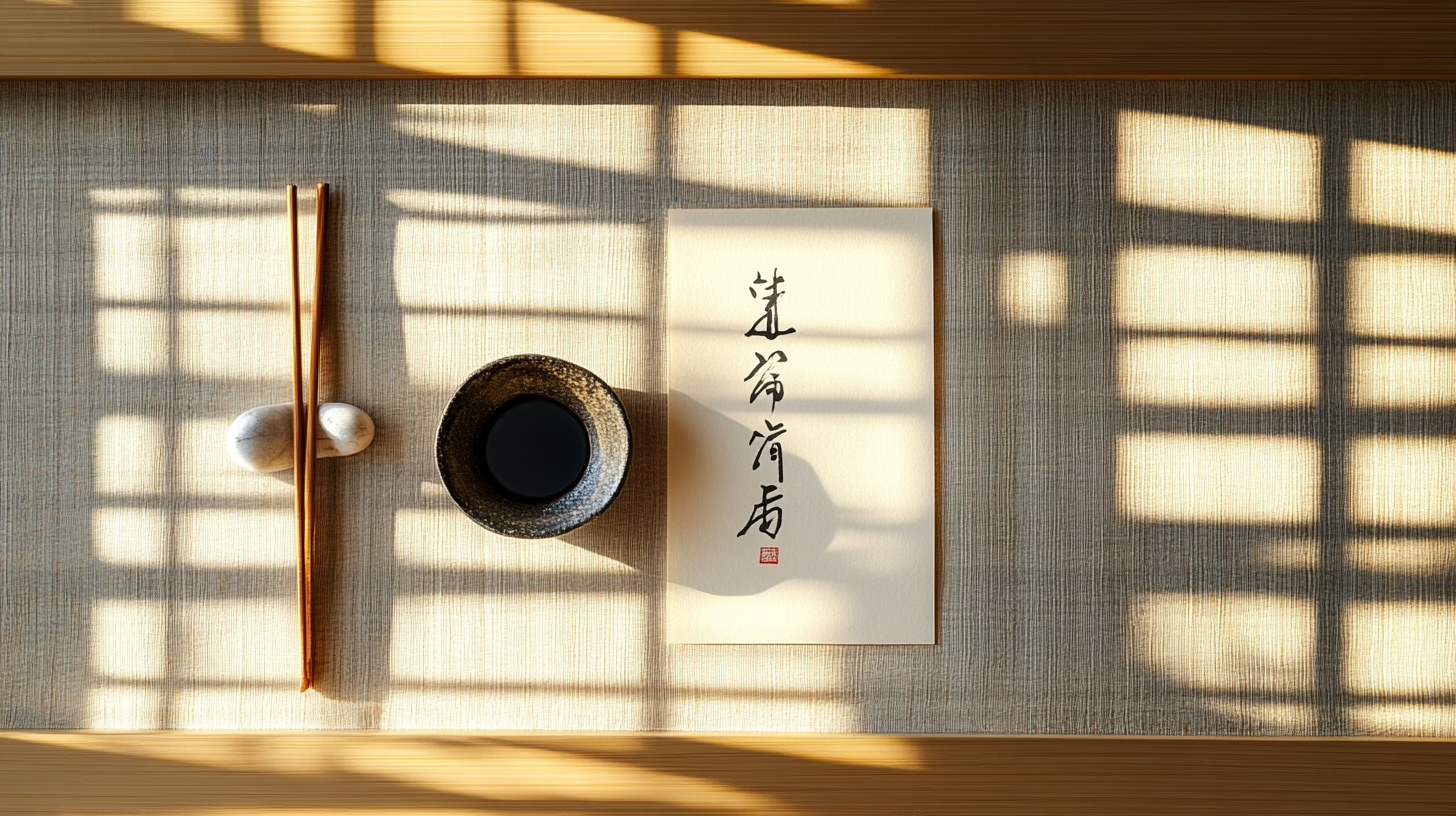
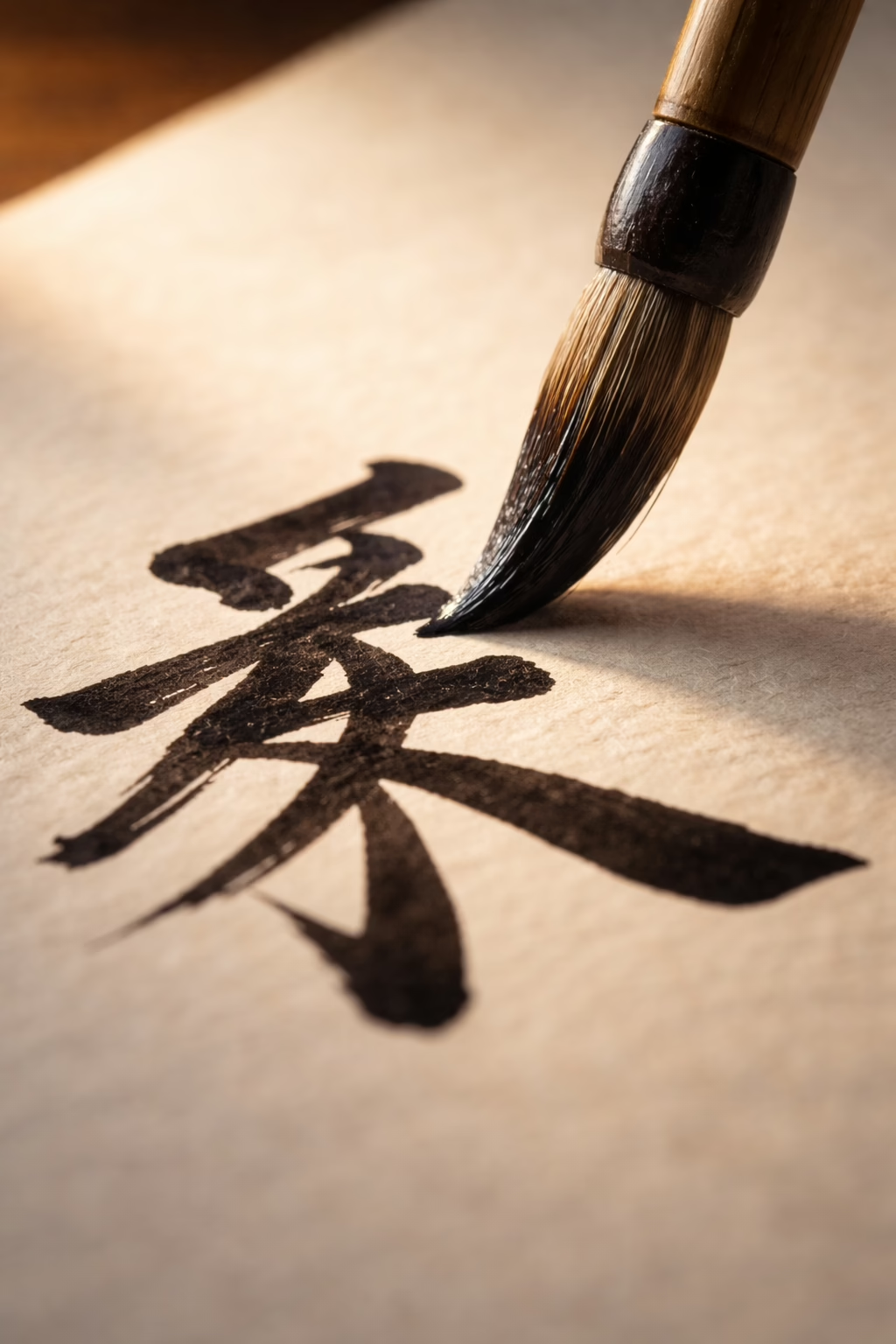
Shodō — literally “the way of writing” — is a Japanese art form that elevates brushwork into a meditative practice. Furthermore, it is rooted in traditions brought from China between the 1st and 5th centuries. Over time, shodō developed its own distinct character through the creation of hiragana and katakana scripts. In contrast to Western calligraphy, which emphasises precision, shodō values the energy, rhythm, and emotional presence captured in each stroke.
Why Does Kanji Stroke Order Matter?
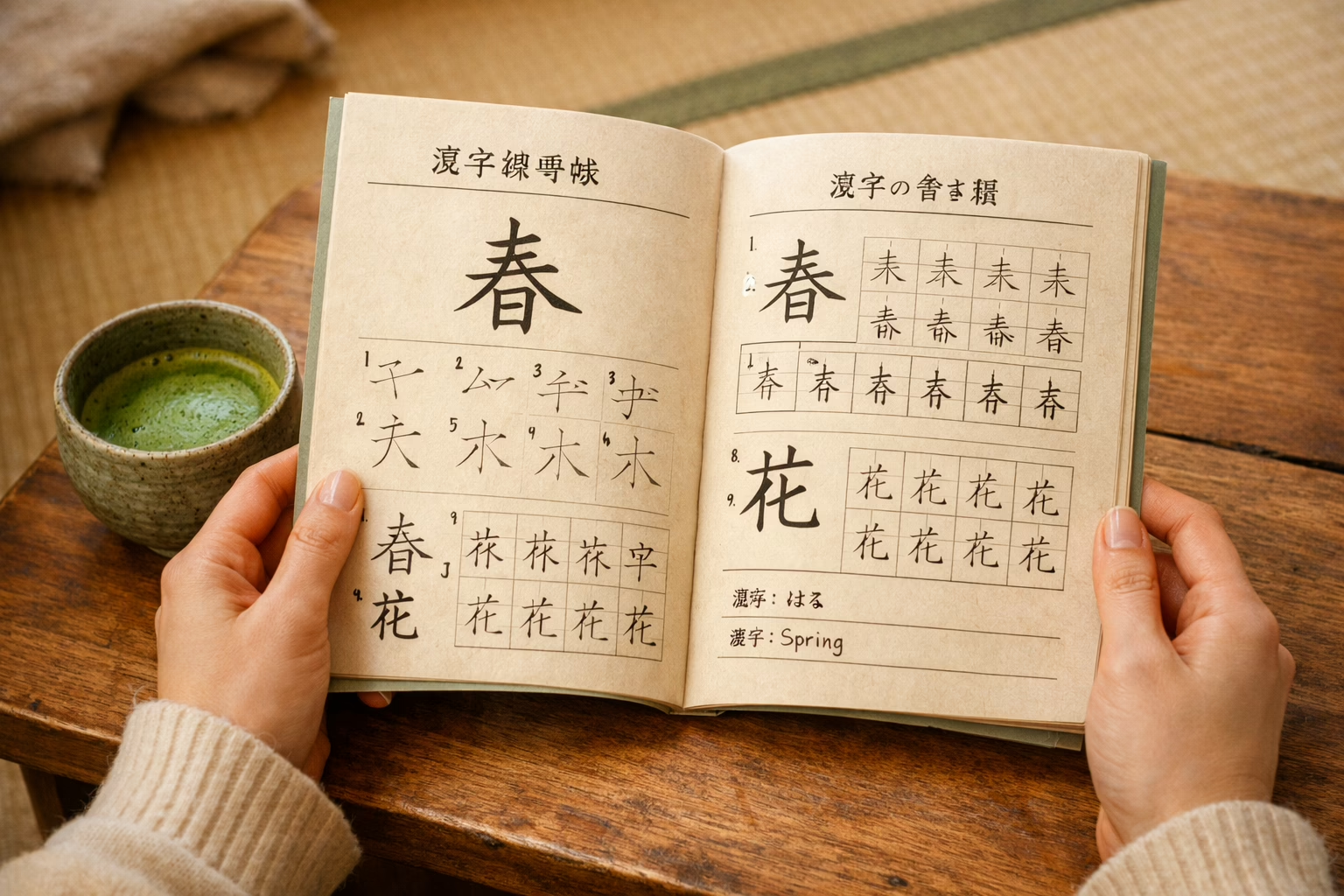
Every kanji character follows a specific stroke order refined over centuries. However, this isn’t arbitrary — correct kanji stroke order creates balanced proportions, ensures proper flow between strokes, and produces characters that feel natural to read. As a result, when you practise with the stroke order animation in the free kanji practice tool above, you’re learning the same sequences taught in Japanese schools. In general, the rules are: top to bottom, left to right, horizontal before vertical, and outside before inside.
Moreover, these 100 characters form the foundation of the JLPT N5 exam — the first level of the Japanese Language Proficiency Test taken by over 1.7 million people worldwide each year. Consistent JLPT N5 kanji practice is the fastest way to pass the reading and writing sections.
The Four Treasures of Shodō
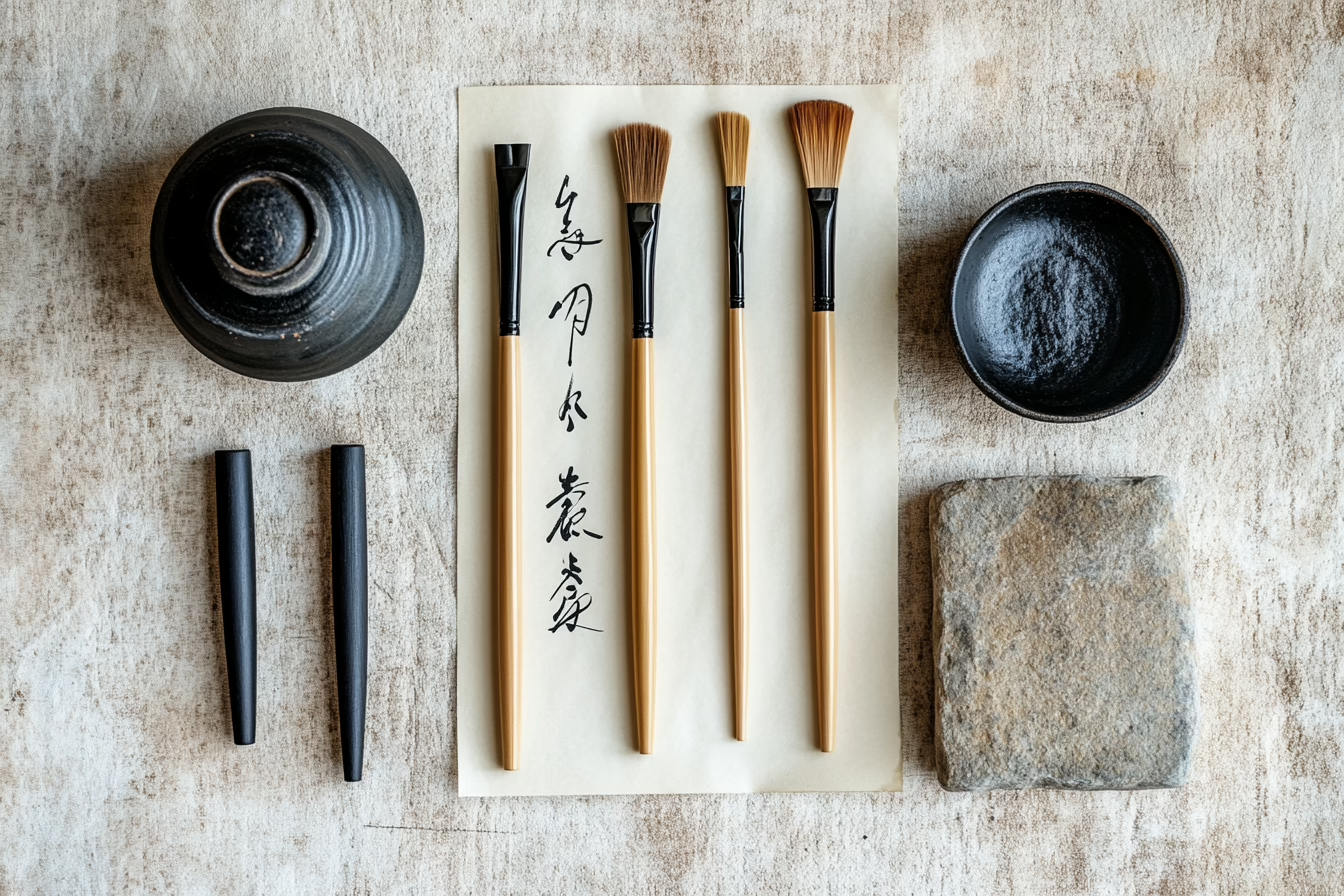
Traditional calligraphy uses four treasures: the brush (fude), ink stick (sumi), ink stone (suzuri), and paper (washi or hanshi). Additionally, the brush is held vertically with the entire arm guiding the movement — not the wrist.
Preparing Ink the Traditional Way
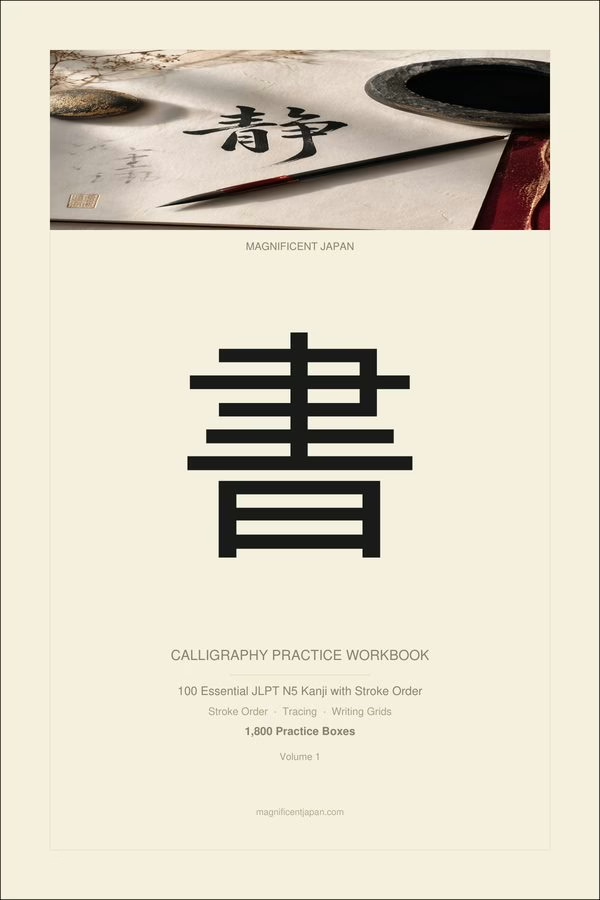
First, ink is ground fresh by rubbing the sumi stick against the wet suzuri in slow, meditative circles. Consequently, this preparation is considered part of the practice itself, settling the mind before the first stroke. For beginners who want to learn kanji writing at home, a quality brush set and our practice workbook are the simplest way to start. Meanwhile, the interactive kanji practice online tool above lets you develop muscle memory and stroke order before committing ink to paper.
Taking a Calligraphy Class in Japan
Many visitors to Japan seek out calligraphy workshops as part of their cultural itinerary. Specifically, studios in Kyoto and Tokyo offer private sessions with master calligraphers.
Why Create Your Own Calligraphy Artwork
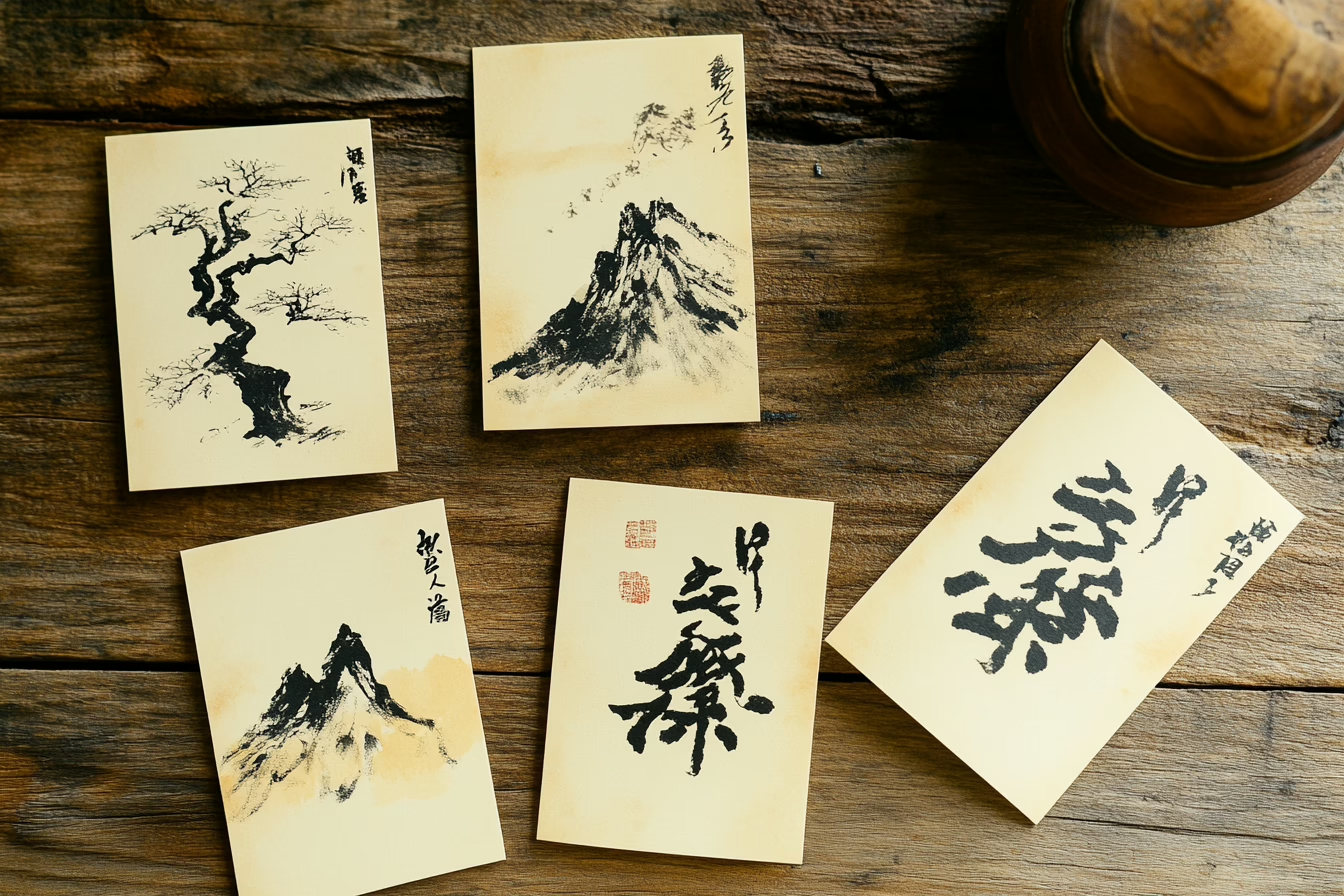
During these sessions, you can learn brush technique, create your own artwork, and gain deeper insight into the philosophy behind each character. Ultimately, these experiences make meaningful souvenirs — a piece of art you created yourself, carrying a word that resonates with your journey.
For further reading, explore our complete guide: The Art of Japanese Calligraphy — A Complete Guide to Shodō
View All 100 Kanji in This Tool
Nature: 日 (Day/Sun) · 月 (Moon/Month) · 火 (Fire) · 水 (Water) · 木 (Tree) · 金 (Gold/Money) · 土 (Earth) · 山 (Mountain) · 川 (River) · 田 (Rice Field) · 空 (Sky) · 海 (Sea) · 雨 (Rain) · 花 (Flower) · 林 (Grove) · 森 (Forest) · 石 (Stone) · 竹 (Bamboo) · 草 (Grass) · 星 (Star) · 光 (Light) · 風 (Wind) · 雪 (Snow)
Seasons: 春 (Spring) · 夏 (Summer) · 秋 (Autumn) · 冬 (Winter)
Animals: 犬 (Dog) · 猫 (Cat) · 鳥 (Bird) · 魚 (Fish) · 虫 (Insect)
People: 人 (Person) · 大 (Big) · 小 (Small) · 子 (Child) · 女 (Woman) · 男 (Man) · 父 (Father) · 母 (Mother) · 友 (Friend) · 先 (Previous) · 生 (Life) · 王 (King)
Body: 手 (Hand) · 足 (Foot) · 目 (Eye) · 耳 (Ear) · 口 (Mouth) · 心 (Heart) · 力 (Power) · 体 (Body)
Actions: 学 (Study) · 見 (See) · 行 (Go) · 来 (Come) · 食 (Eat) · 飲 (Drink) · 買 (Buy) · 売 (Sell) · 書 (Write) · 話 (Talk) · 語 (Language) · 休 (Rest) · 入 (Enter) · 出 (Exit) · 立 (Stand)
Concepts: 時 (Time) · 年 (Year) · 天 (Heaven) · 気 (Spirit) · 名 (Name) · 文 (Writing) · 本 (Book) · 正 (Correct) · 音 (Sound) · 色 (Colour) · 道 (Path) · 円 (Yen) · 糸 (Thread)
Qualities: 高 (High) · 安 (Cheap) · 新 (New) · 古 (Old) · 早 (Early)
Colours: 青 (Blue) · 赤 (Red) · 白 (White) · 黒 (Black)
Direction: 上 (Up) · 下 (Down) · 中 (Middle) · 右 (Right) · 左 (Left)
Travel: 国 (Country) · 京 (Capital) · 車 (Car) · 電 (Electricity) · 駅 (Station) · 校 (School)
Every kanji you learn is a door to Japanese culture. When you’re ready to walk through it, we craft the journey.
Discover Magnificent Japan →